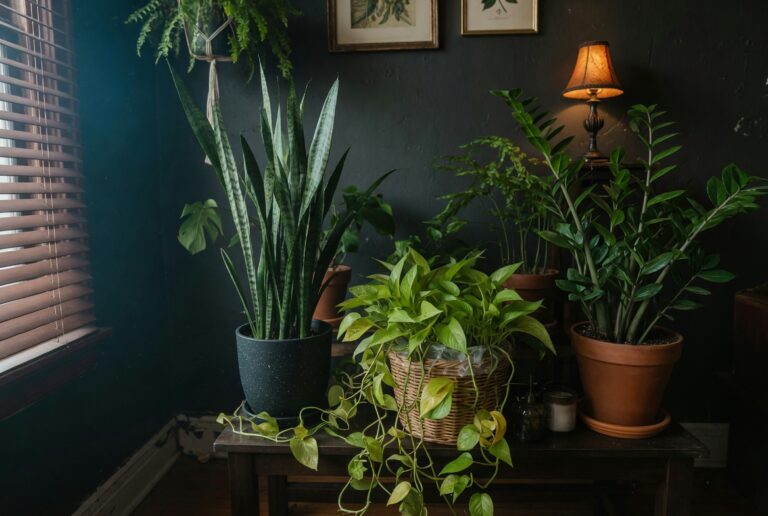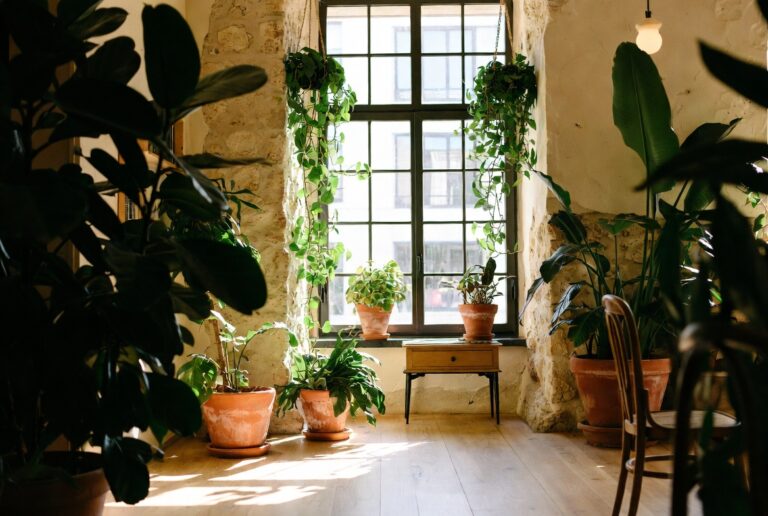
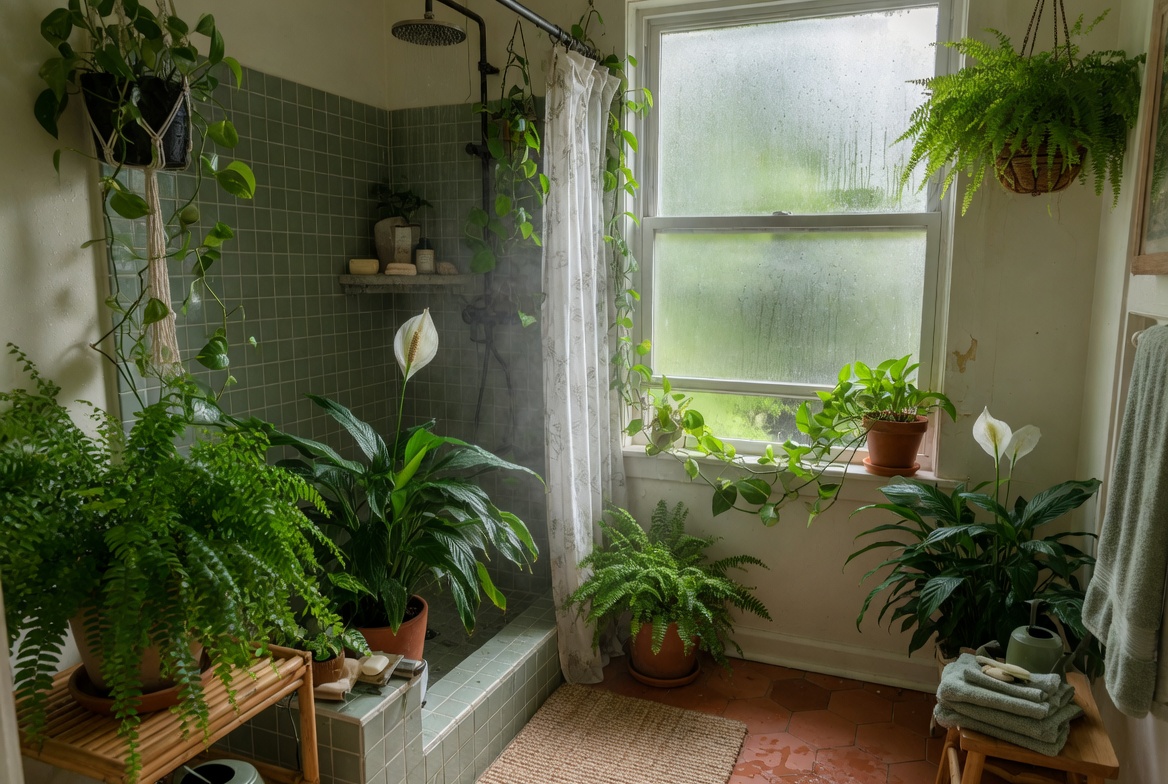
The bathroom is the most underestimated room in the house for plants. It offers conditions that many of the world’s most beautiful tropical plants evolved specifically for — warmth, consistent humidity from daily showers, and the kind of indirect light that dense forest canopies provide. The plants on this list don’t merely tolerate these conditions. They genuinely thrive in them, growing faster, looking healthier, and requiring less attention than the same plants would in a drier room. Choosing the right plants for bathrooms makes all the difference in humid spaces.
This list covers 20 plants suited to bathroom conditions across the full range of light availability — from bright bathroom windows to dim, poorly lit spaces — with specific care guidance for each.
1. Boston Fern — Plants for Bathrooms
Selecting the right plants for bathrooms means looking for species that thrive in low light and high humidity.
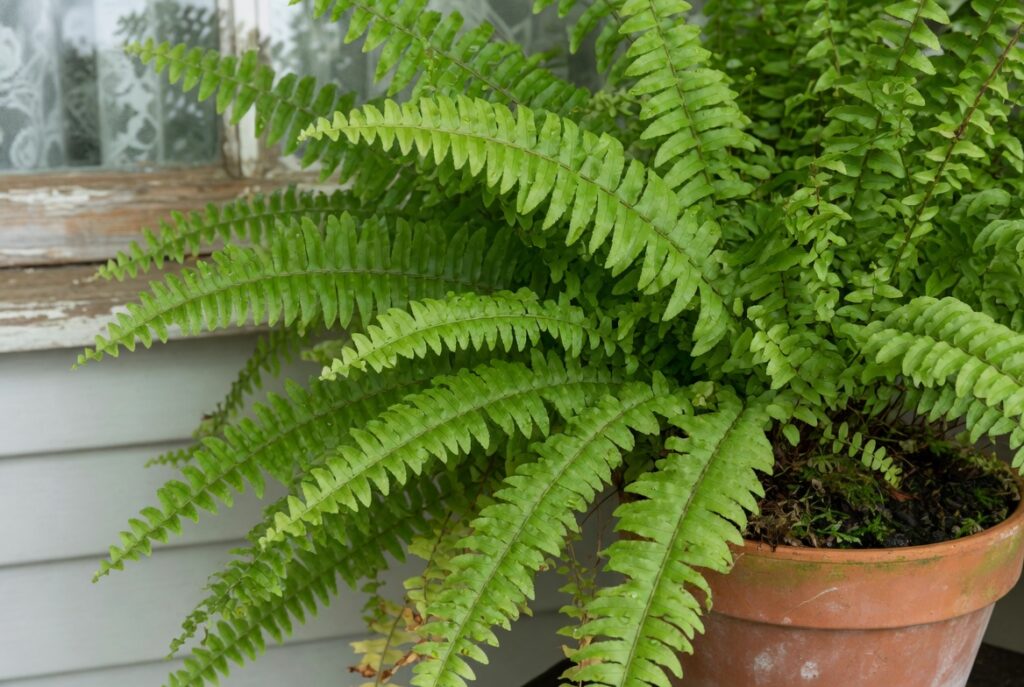
Best for: Bathrooms with indirect light — the most lush and dramatic fern available for bathroom use
The Boston fern (Nephrolepis exaltata) is the definitive bathroom plant for anyone who wants maximum visual impact. Its long, arching fronds of bright green leaflets create a genuinely lush, full display that suits hanging baskets, high shelves, or pedestals beside the bathtub. In a bathroom with adequate indirect light, a Boston fern grows vigorously and produces the dense, tropical quality that makes a bathroom feel like a genuine retreat.
The bathroom’s humidity is the Boston fern’s primary care advantage — in dry indoor conditions, this plant requires daily misting to maintain healthy fronds. In a bathroom with regular shower use, the ambient humidity does this work naturally.
Smart tip: Hang the Boston fern at eye level or slightly above where the shower steam rises most reliably. The elevated position and consistent warm mist from daily showers provides exactly the humidity the fern needs without any additional care.
Mistake to avoid: Placing a Boston fern in a bathroom with no natural light. Despite its humidity tolerance, the Boston fern requires at least some indirect natural light to maintain its lush appearance. In a completely windowless bathroom, it declines within weeks regardless of humidity. Supplement with a grow light if no natural light is available.
2. Peace Lily — Plants for Bathrooms
These plants for bathrooms tolerate steam and moisture better than most houseplants, making them a smart choice.
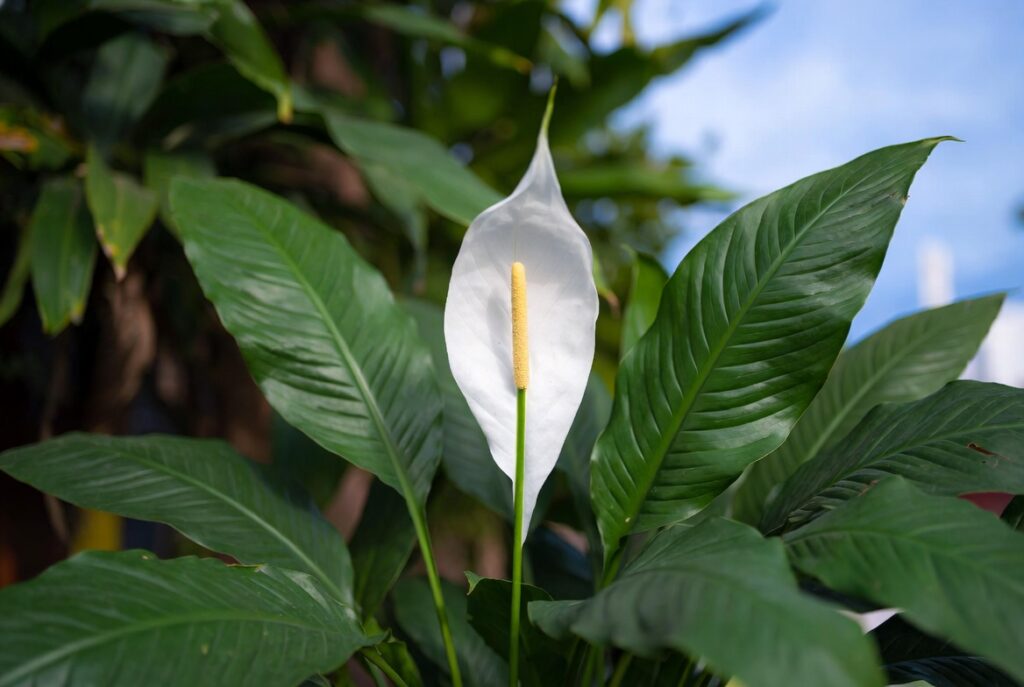
Best for: Bathrooms with low to medium indirect light — one of the few flowering plants that genuinely suits dim bathroom conditions
The peace lily (Spathiphyllum) thrives in the combination of high humidity and low light that characterizes most bathrooms. Its elegant white flowers and deep green leaves suit the clean, spa-like aesthetic that many bathrooms aim for, and its air-purifying qualities — removing mold spores, formaldehyde, and other common bathroom pollutants — make it genuinely functional as well as beautiful.
The peace lily communicates its needs clearly: when it needs water, its leaves droop noticeably and recover within hours of watering. This self-reporting quality makes it one of the most forgiving bathroom plants for owners who water inconsistently.
Smart tip: Position the peace lily where it receives the most available light in the bathroom — typically near or below the window, not in the darkest corner. Even though it tolerates low light, it produces its characteristic white flowers only when it receives some indirect light. A peace lily without adequate light stays green and healthy but never blooms.
Mistake to avoid: Overwatering the peace lily because the bathroom feels humid. The high ambient humidity of a bathroom reduces how quickly the soil dries out between waterings — a watering schedule that works in a dry living room causes overwatering in a humid bathroom. Check the soil moisture before watering rather than watering on a schedule.
3. Pothos — Plants for Bathrooms
When choosing plants for bathrooms, consider the amount of natural light your space receives before deciding.
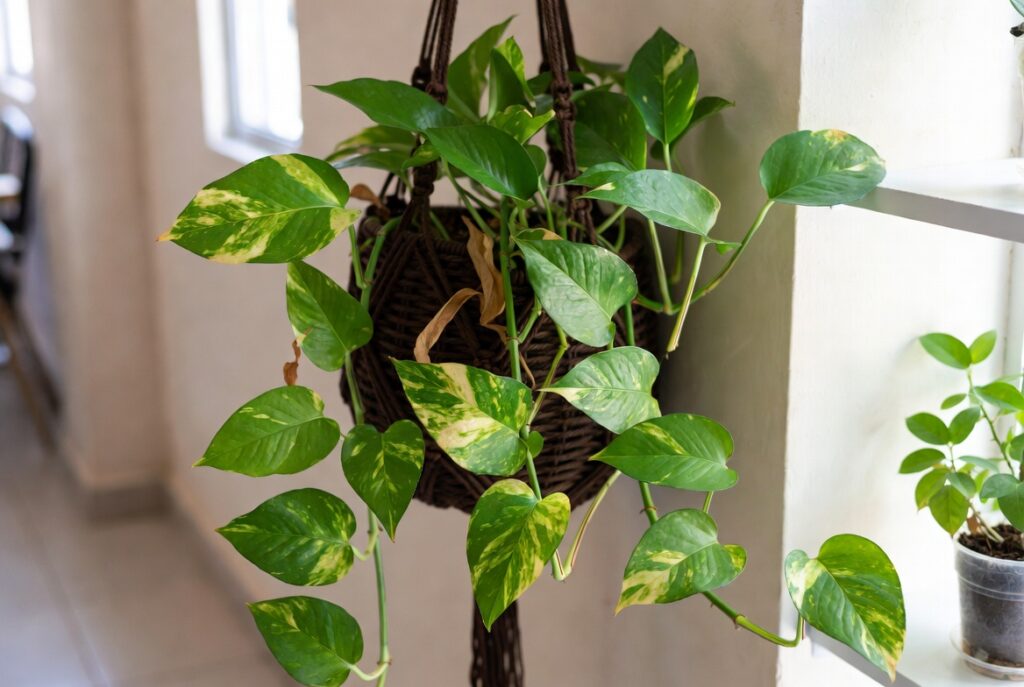
Best for: Any bathroom in any light condition — the most forgiving and most versatile bathroom plant available
Pothos (Epipremnum aureum) tolerates the widest range of bathroom conditions of any plant on this list — from bright indirect light near a window to the relatively dim conditions of a bathroom with only a small or frosted window. Its trailing stems grow quickly in the warm, humid bathroom environment, producing long dramatic cascades from shelves and hanging pots that add genuine visual impact to even a small bathroom.
The golden, neon, and marble queen varieties all suit bathroom conditions, though the golden and neon varieties (with less variegation) perform best in lower light — variegated varieties need more light to maintain their patterning.
Smart tip: Let pothos trail from the top of a bathroom cabinet or shelf toward the floor. A pothos with 2 to 3 feet of trail in a bathroom creates a dramatic living curtain effect that transforms the space. The bathroom’s humidity makes the trailing stems healthier and glossier than the same plant would achieve in a drier room.
Mistake to avoid: Keeping pothos stems too short by cutting them back frequently. The visual appeal of bathroom pothos is its length — a pothos cut to 6 inches on a bathroom shelf provides minimal decorative value. Allow it to trail and only remove stems that have become genuinely damaged or bare.
Loving These Ideas? Get the Step-by-Step Guide
Grab the full 5-day eBook and turn these ideas into a finished room.




4. Spider Plant — Plants for Bathrooms
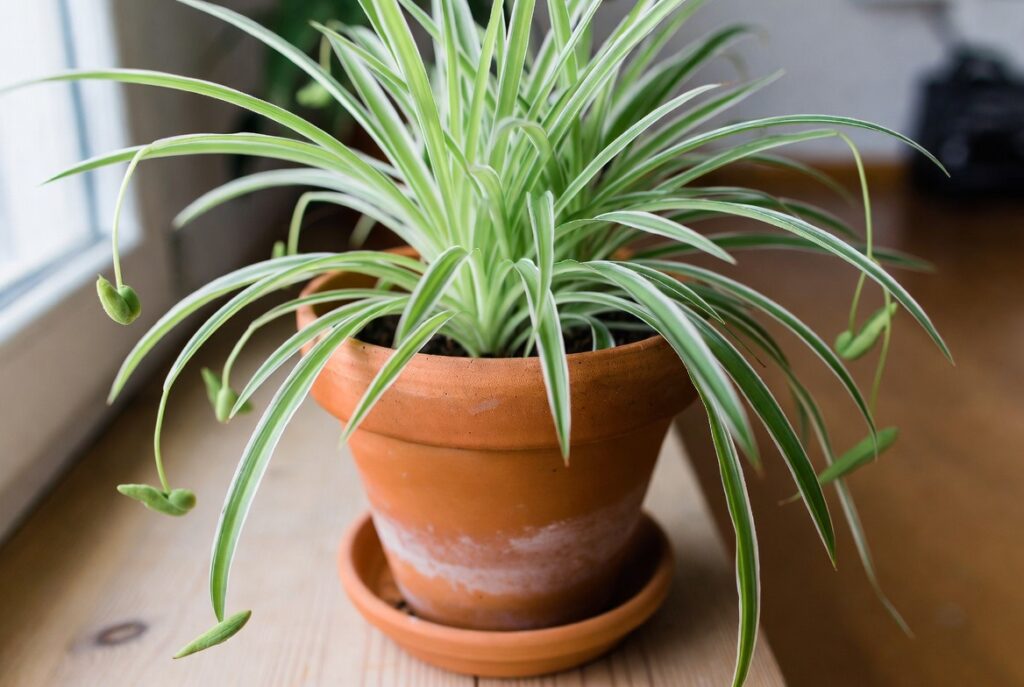
Best for: Hanging positions in bathrooms with some natural light — the cascading babies create a distinctive, cheerful display
The spider plant (Chlorophytum comosum) produces the characteristic arching stems with small plantlets — the “babies” — that make it one of the most recognizable and most appealing bathroom hanging plants. In a bathroom with adequate humidity, the spider plant grows vigorously, produces plantlets consistently, and maintains the bright striped foliage that makes it visually attractive.
Its air-purifying qualities are well-documented — it removes carbon monoxide and formaldehyde effectively, making it a genuinely functional addition to a bathroom where cleaning products and personal care items contribute to indoor air quality concerns.
Smart tip: Use filtered water or rainwater for bathroom spider plants rather than tap water. Spider plants are among the most sensitive houseplants to fluoride in tap water — the fluoride accumulates in the soil and causes brown leaf tips that are cosmetically poor and impossible to reverse on affected leaves. In a bathroom where tap water is the only convenient option, allow it to sit overnight before use.
Mistake to avoid: Placing the spider plant in a bathroom with very hard tap water and expecting the leaf tip browning to stop. The fluoride sensitivity means that even bathroom humidity doesn’t compensate for the accumulation of fluoride from repeated tap water use. Address the water quality issue rather than hoping the humidity will solve it.
5. Snake Plant — Plants for Bathrooms
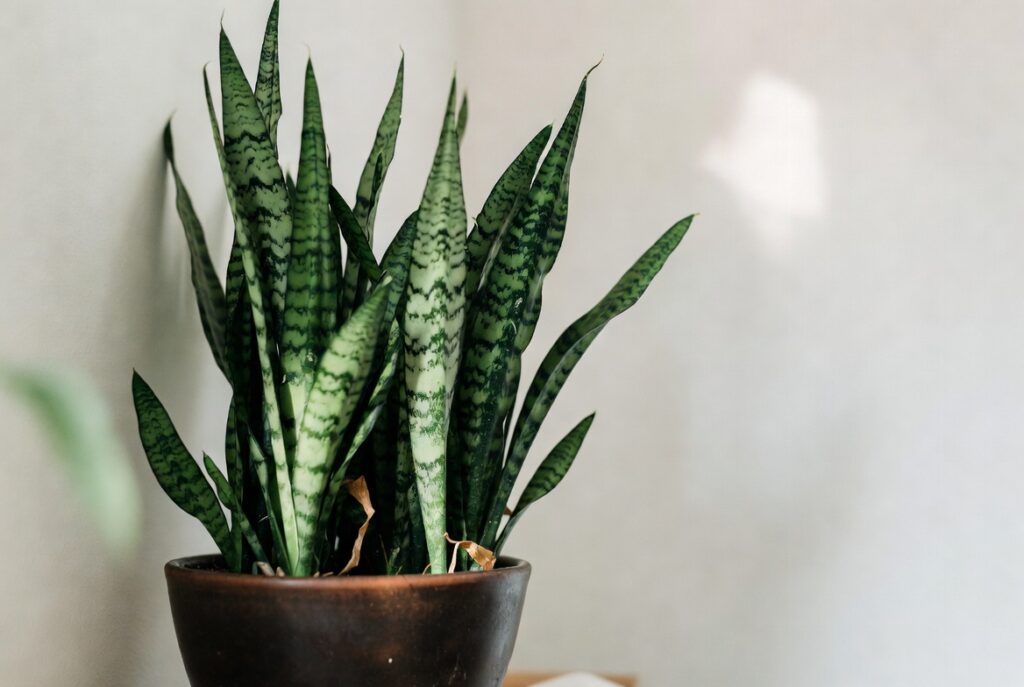
Best for: Any bathroom including the darkest ones — the most tolerant bathroom plant for difficult low-light conditions
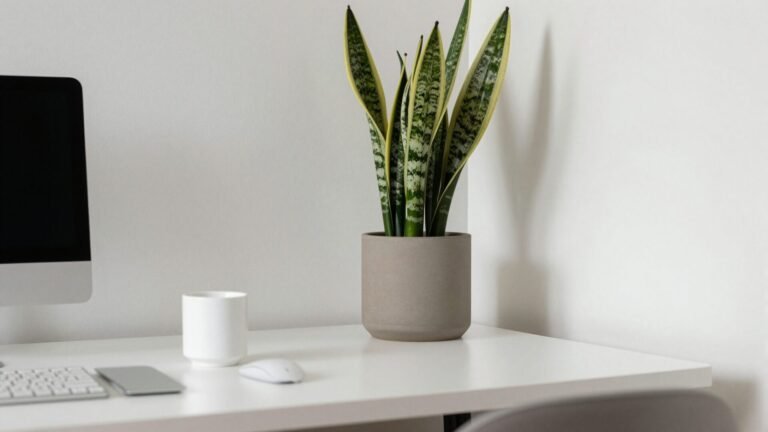
The snake plant (Dracaena trifasciata, formerly Sansevieria) is the right choice when the bathroom has minimal natural light. Its upright, architectural form suits modern bathroom aesthetics, its air-purifying qualities are among the best of any houseplant, and its tolerance for neglect means it continues to look good through periods of inconsistent attention.
Unlike most plants, the snake plant produces oxygen at night rather than consuming it — making it specifically appropriate for a room where people spend time before sleep.
Smart tip: Choose a snake plant variety with banding or variegation for a bathroom display — the patterned varieties (Laurentii, Moonshine, Hahnii) are more visually interesting than the plain green species and suit the decorative context of a bathroom better than a purely utilitarian all-green plant.
Mistake to avoid: Watering the snake plant on the same schedule as moisture-loving bathroom plants. In a humid bathroom, the snake plant’s soil dries even more slowly than it would in a normal room — it may need watering only once every 3 to 6 weeks. Overwatering is essentially the only reliable way to kill a snake plant, and the bathroom environment makes overwatering more likely, not less.
6. Bird’s Nest Fern for Plants for Bathrooms
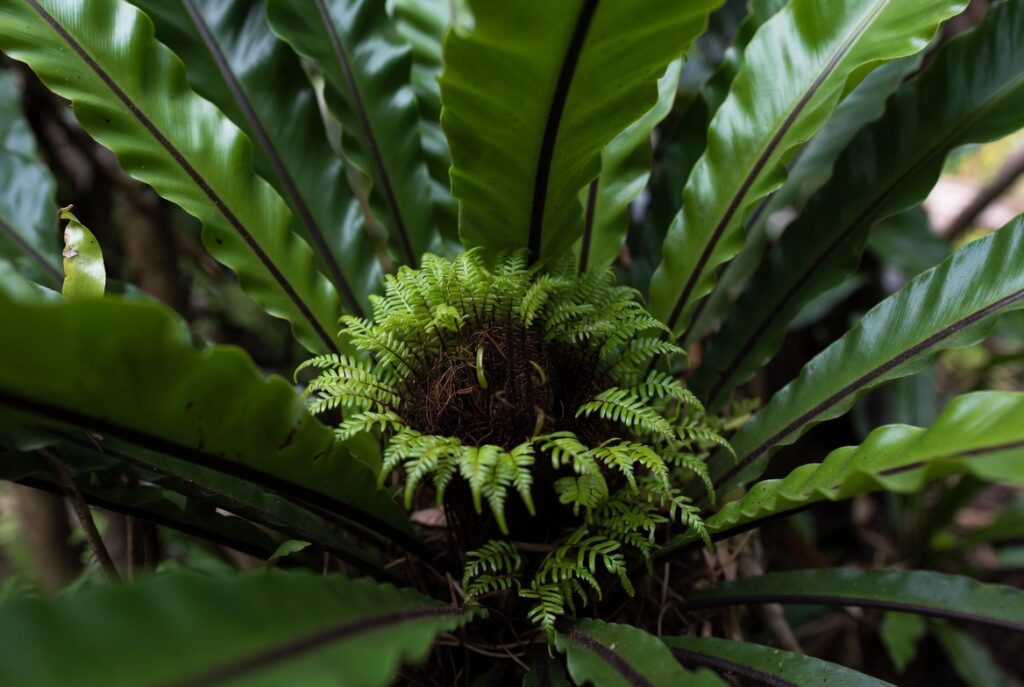
Best for: Bathrooms with indirect light — the most elegant fern for bathroom shelf or counter display
The bird’s nest fern (Asplenium nidus) produces broad, bright green fronds that emerge from a central rosette — giving it the appearance of a nest, which is where the common name originates. Unlike the Boston fern’s feathery fronds, the bird’s nest fern’s smooth, strap-like leaves create a more architectural, less informal appearance that suits both contemporary and traditional bathroom aesthetics.
Its natural habitat is the humid understory of tropical rainforests — making a steamy bathroom one of its ideal environments.
Smart tip: Water the bird’s nest fern at the soil surface around the base of the plant rather than into the central rosette. Water collecting in the rosette causes crown rot — the one condition that reliably kills this otherwise tough plant. The bathroom’s ambient humidity reduces how often watering is needed, but when watering is required, always direct it to the soil rather than the plant’s center.
Mistake to avoid: Touching or handling the emerging fronds from the center of the rosette. New fronds emerge as tightly coiled spirals from the rosette center — physical contact at this stage permanently damages the developing frond, causing brown marks or distorted growth on the mature leaf. Observe emerging fronds without touching them.
7. Orchid for Plants for Bathrooms
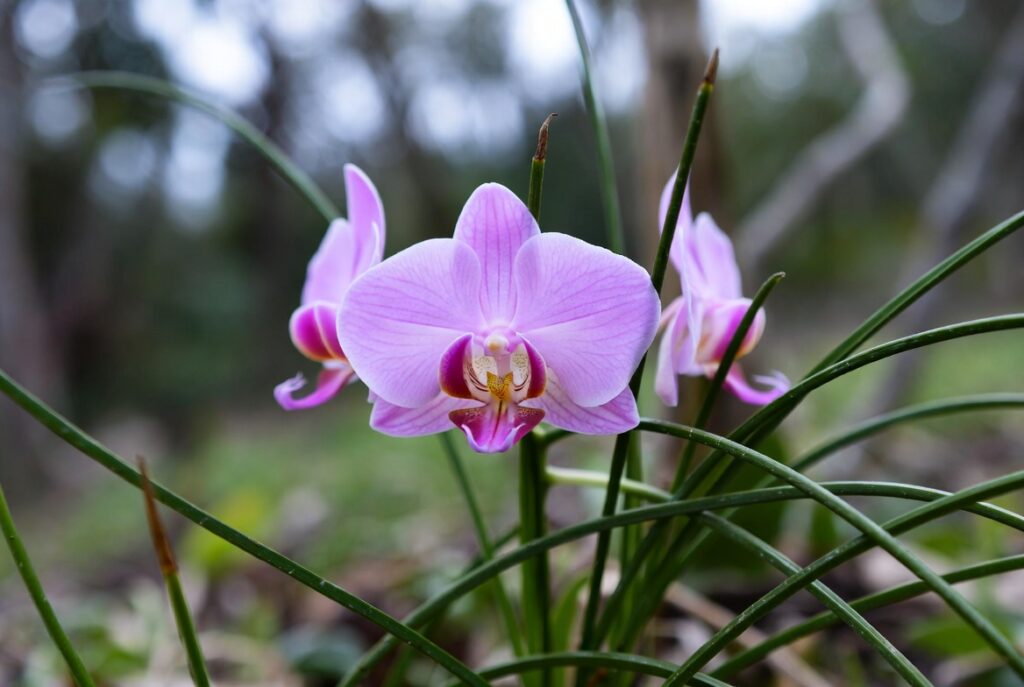
Best for: Bathrooms with a bright window — the most elegant flowering plant available for bathroom display
Phalaenopsis orchids — the most widely available orchid species — thrive in the combination of bright indirect light, consistent warmth, and high humidity that a bathroom with a good window provides. Their flowers last for two to four months and come in white, pink, purple, yellow, and striped varieties that suit virtually any bathroom color scheme.
The bathroom environment addresses the primary challenge of growing orchids indoors — maintaining adequate humidity without misting, which can cause fungal problems. The ambient humidity of a bathroom with regular shower use provides the moisture orchids need naturally.
Smart tip: Place orchids in a clear plastic pot inside a decorative ceramic cache pot for bathroom display. The clear plastic allows you to assess root health and soil moisture without removing the plant, and the ceramic outer pot provides the refined appearance that suits an orchid display. The visible roots — silver when dry, green when moist — tell you exactly when watering is needed.
Mistake to avoid: Watering orchids on a fixed schedule rather than based on the root color indicator. An orchid in a bathroom with high humidity needs less frequent watering than the same plant in a dry room. Water only when the roots have turned uniformly silver — typically every 7 to 14 days in a bathroom environment.
8. Aloe Vera for Plants for Bathrooms
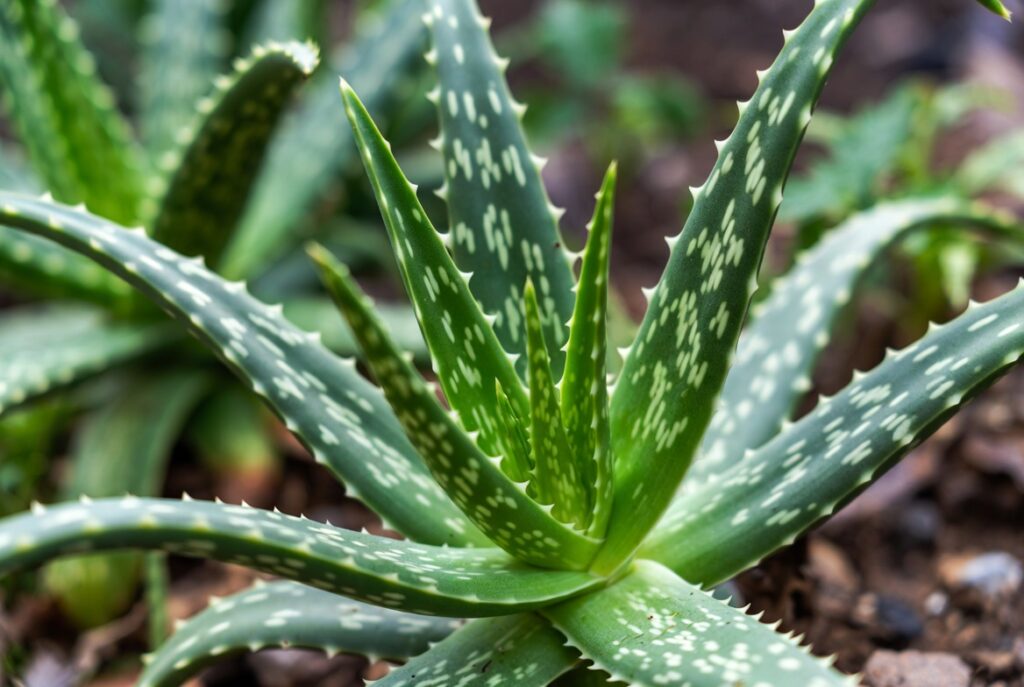
Best for: Bathrooms with a bright, sunny window — the most practically useful plant available for bathroom placement
Aloe vera belongs in a bathroom for reasons beyond aesthetics: the gel within its leaves provides immediate first aid for minor burns, razor burns, and skin irritation — conditions that occur most frequently in exactly this room. A mature aloe plant on the bathroom windowsill is both decorative and genuinely useful in a way that most houseplants cannot claim.
Aloe vera needs more light than most plants on this list — it performs best in a bright, sunny bathroom window rather than a dim, windowless space. In adequate light, it’s one of the most low-maintenance plants available, requiring very infrequent watering and minimal attention.
Smart tip: Use the oldest outer leaves for gel extraction rather than the younger central leaves. The outer leaves of a mature aloe are the largest, the most gel-rich, and their removal doesn’t affect the plant’s appearance because new growth emerges from the center. Cut at the base with a clean knife and apply the clear gel directly to the skin.
Mistake to avoid: Overwatering aloe vera in a humid bathroom. Aloe is a succulent — it stores water in its thick leaves and is adapted to drought conditions. In a humid bathroom where the soil dries more slowly than in a dry room, aloe needs even less frequent watering than its already-infrequent standard requirement. Water only when the soil is completely dry all the way through the pot.
9. Bamboo
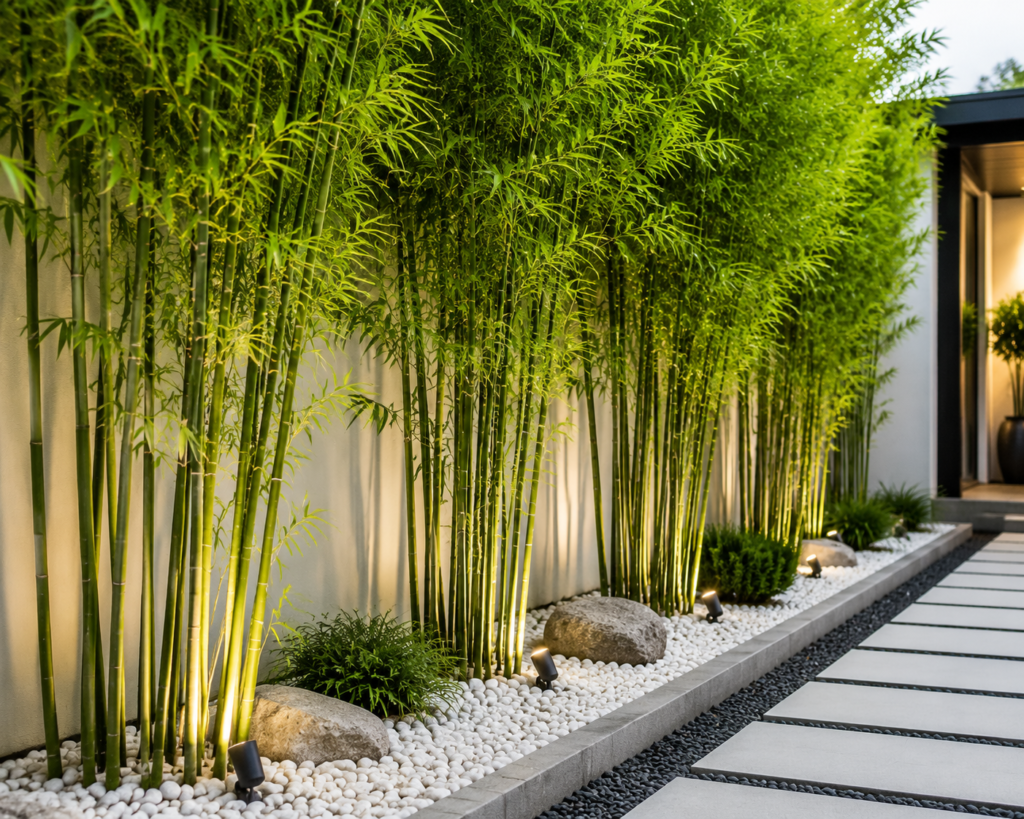
Best for: Any bathroom — lucky bamboo thrives in water alone, making it the simplest bathroom plant available
Lucky bamboo (Dracaena sanderiana) grows in plain water rather than soil, making it the most genuinely low-maintenance bathroom plant available. Place the stalks in a vase or container of water with some decorative pebbles to stabilize them, change the water every two to three weeks, and add a single drop of liquid fertilizer monthly. No soil, no drainage concerns, no repotting.
The architectural quality of bamboo stalks — straight, spiraled, or braided — suits contemporary bathroom aesthetics, and the cultural associations with luck and positive energy make it a popular choice for a space where people begin and end their days.
Smart tip: Use filtered or distilled water rather than tap water for lucky bamboo. Tap water containing fluoride and chlorine causes yellow leaf tips that are permanent once they develop. The bathroom’s tap water is typically the most convenient water source — let it sit overnight before use to allow some chlorine to off-gas, even if it doesn’t eliminate fluoride.
Mistake to avoid: Placing lucky bamboo in direct sunlight in a bathroom window. Direct sun causes the leaves to yellow rapidly and irreversibly. Lucky bamboo tolerates a wide range of indirect light conditions but cannot handle direct sun exposure. Keep it away from the window or behind a frosted glass pane where light is diffused.
10. Calathea
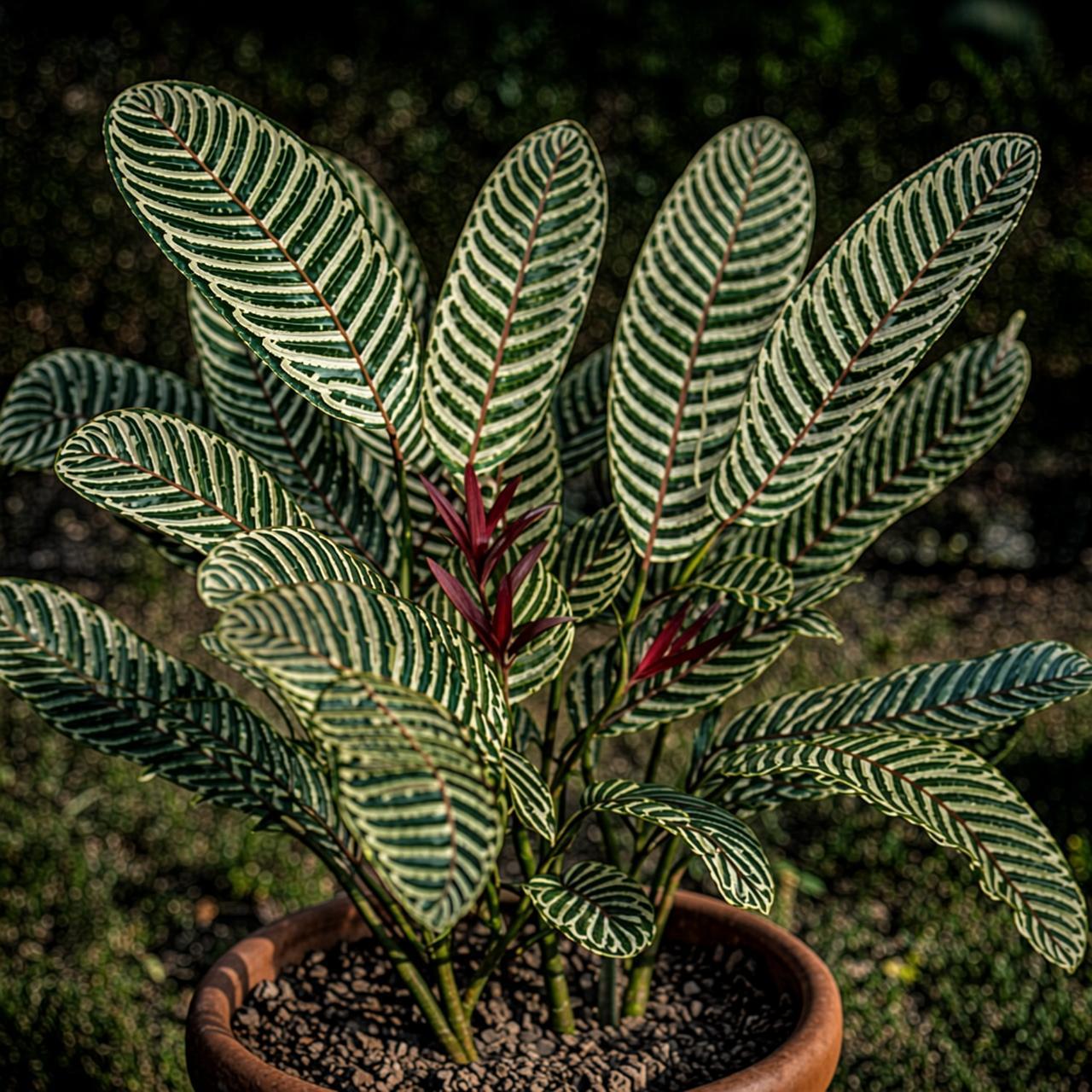
Best for: Bathrooms with indirect light — the most elaborately patterned foliage plant available for bathroom display
Calathea produces some of the most extraordinary leaf patterns in the houseplant world — dark green with contrasting light green markings, purple undersides, and designs that appear painted rather than grown. These patterns evolved specifically for functioning in low light under a forest canopy, making calathea genuinely well-adapted to the indirect light conditions of most bathrooms.
The bathroom’s humidity addresses calathea’s most demanding care requirement — this plant struggles in dry indoor air, developing brown leaf edges and declining quickly. The consistent moisture from regular shower use provides the humidity it needs naturally.
Smart tip: Group calathea with two or three other tropical bathroom plants rather than displaying it in isolation. The grouping creates a collective humidity microclimate that maintains the moisture levels calathea needs even between showers. An isolated calathea in a bathroom that’s only used occasionally may not receive adequate consistent humidity from ambient air alone.
Mistake to avoid: Watering calathea with cold tap water directly from the tap. Cold water causes leaf curling and brown edges — conditions that are permanent on affected leaves. Use water at room temperature and allow tap water to reach room temperature before applying it to any calathea in the bathroom.
11. ZZ Plant
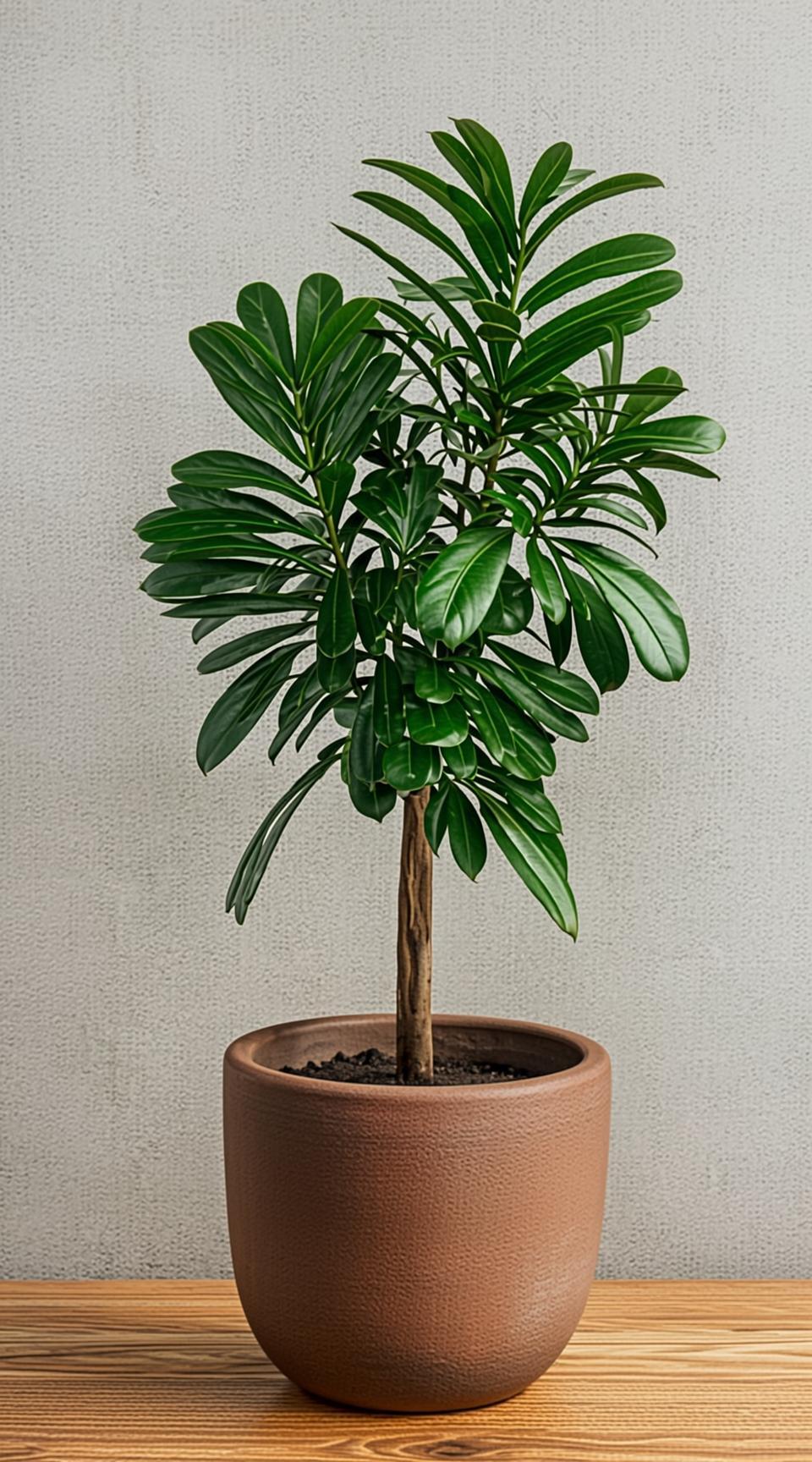
Best for: The darkest bathrooms — the extreme low-light specialist that thrives where other plants can’t survive
The ZZ plant (Zamioculcas zamiifolia) tolerates the lowest light levels of any plant on this list — it genuinely thrives in conditions that would kill most other bathroom plants. Its glossy, dark green oval leaflets on arching stems create a dramatic, almost artificial-looking display that suits contemporary bathroom aesthetics, and its thick underground rhizomes store water for weeks, making it essentially indestructible through periods of inconsistent attention.
For the windowless bathroom, the frequently dim guest bathroom, or any bathroom where other plants have consistently failed, the ZZ plant is the answer.
Smart tip: Choose a ZZ plant with a pot that’s only slightly larger than the root ball. ZZ plants actively prefer slightly pot-bound conditions and develop root rot more readily in oversized pots with excess soil that retains moisture for extended periods. In a humid bathroom, this risk is elevated — err toward a smaller pot rather than a larger one.
Mistake to avoid: Assuming the ZZ plant needs more water in a humid bathroom. Humidity affects the air, not the soil moisture level directly. The ZZ plant in a bathroom still needs the same soil-based watering assessment — water only when the soil is completely dry all the way through — regardless of how humid the room feels.
12. Chinese Evergreen
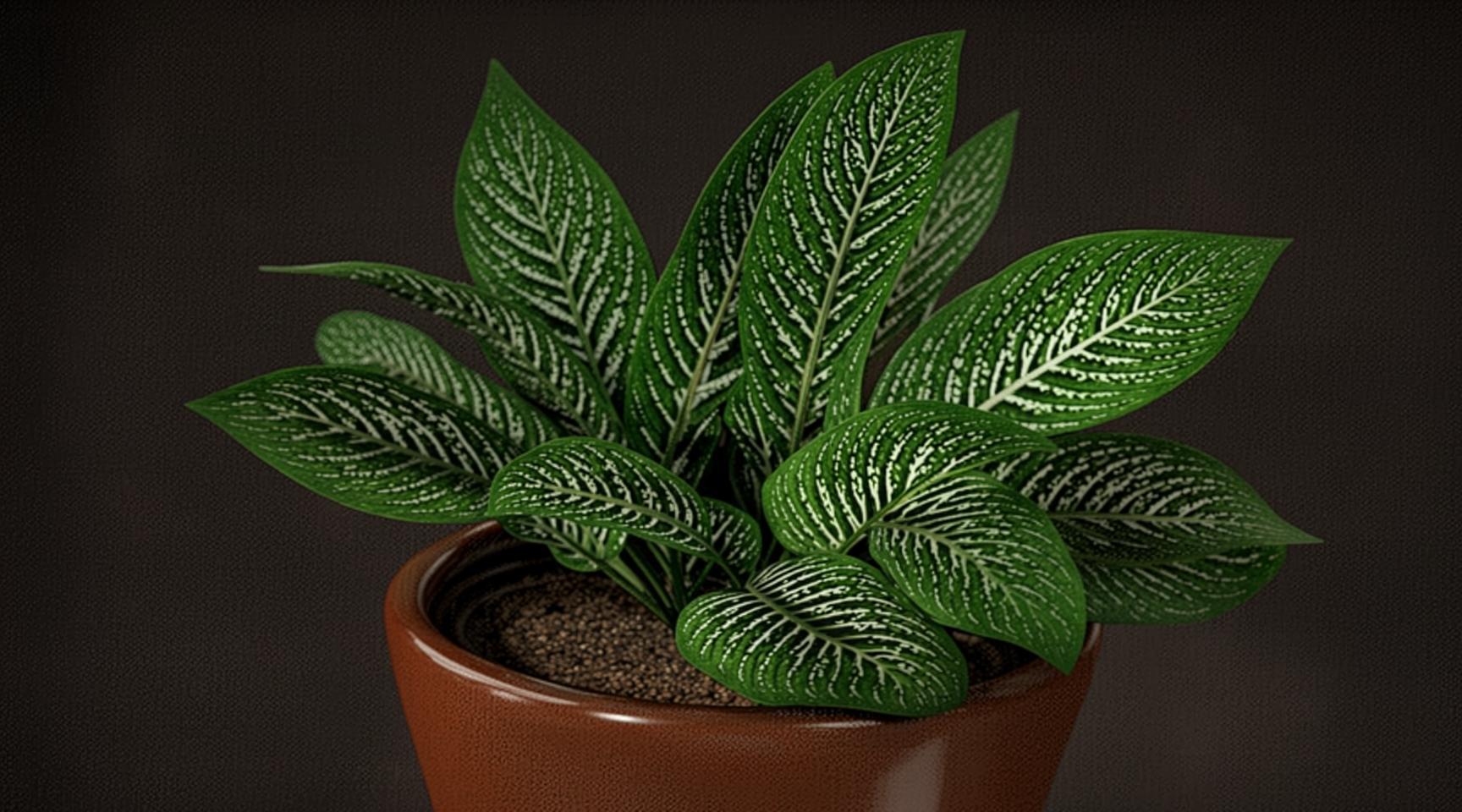
Best for: Bathrooms with low to medium indirect light — genuine color variety in conditions that limit most colorful plants
The Chinese evergreen (Aglaonema) brings the quality most bathroom plants lack — color. Available in green and silver, red, pink, and combinations of these, it provides the visual interest of a colorful plant in the low-light conditions where most colorful plants quickly decline. The darker-colored varieties (green and silver) are the most shade-tolerant; the brighter varieties (red and pink) need slightly more light but are still far more tolerant of dim conditions than most colorful houseplants.
Smart tip: Use the red or pink Chinese evergreen varieties in bathrooms with at least some natural light from a window, and reserve the green and silver varieties for darker bathroom positions. The bright varieties lose their color intensity in very low light, reverting toward green — place them where their color can be maintained.
Mistake to avoid: Placing Chinese evergreen near air conditioning vents or cold drafts from windows in winter. It tolerates low light and high humidity exceptionally well but is sensitive to cold temperatures below approximately 60°F. A bathroom that becomes cold in winter — particularly near an exterior window — stresses this otherwise tough plant significantly.
13. Heartleaf Philodendron
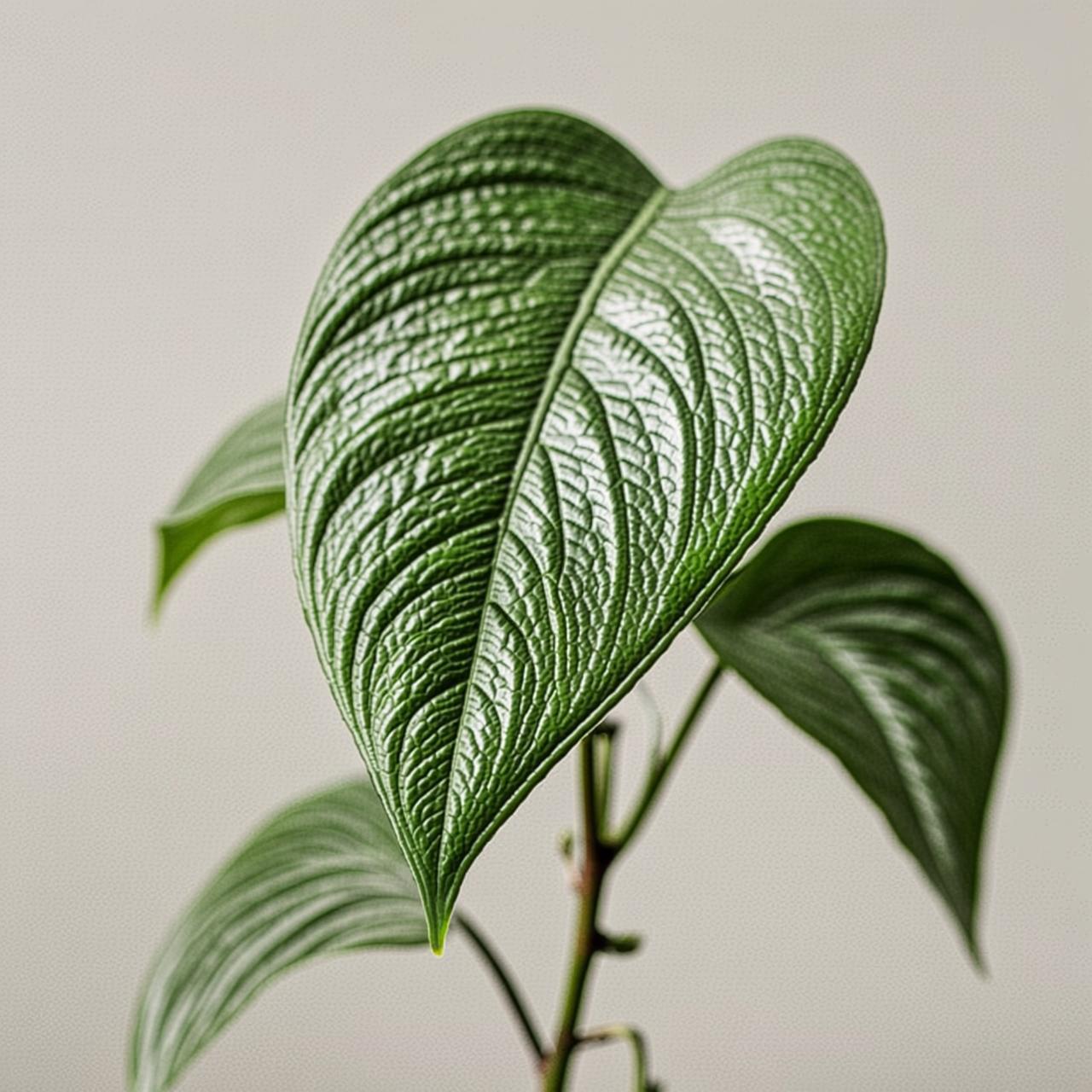
Best for: Trailing and climbing displays in bathrooms with indirect light — fast growth and genuine humidity appreciation
The heartleaf philodendron (Philodendron hederaceum) grows noticeably faster in humid bathroom conditions than in drier rooms — the moisture in the air accelerates the growth of its velvety heart-shaped leaves and encourages the long trailing stems that make it one of the most dramatic bathroom hanging plants. In a bathroom with adequate indirect light, this plant can produce trailing stems of 2 to 3 feet within a single growing season.
Smart tip: Train the heartleaf philodendron along a bathroom shelf or towel rail before allowing stems to trail downward. Spreading the stems horizontally along a surface before trailing creates fuller coverage and a more dramatic display than a single stem trailing from a single point.
Mistake to avoid: Allowing the heartleaf philodendron stems to trail into standing water near the sink or bathtub. Stem tips in contact with water develop rot that travels back up the stem. Keep trailing stems clear of water surfaces and direct them away from the sink and bathtub areas.
14. Parlor Palm
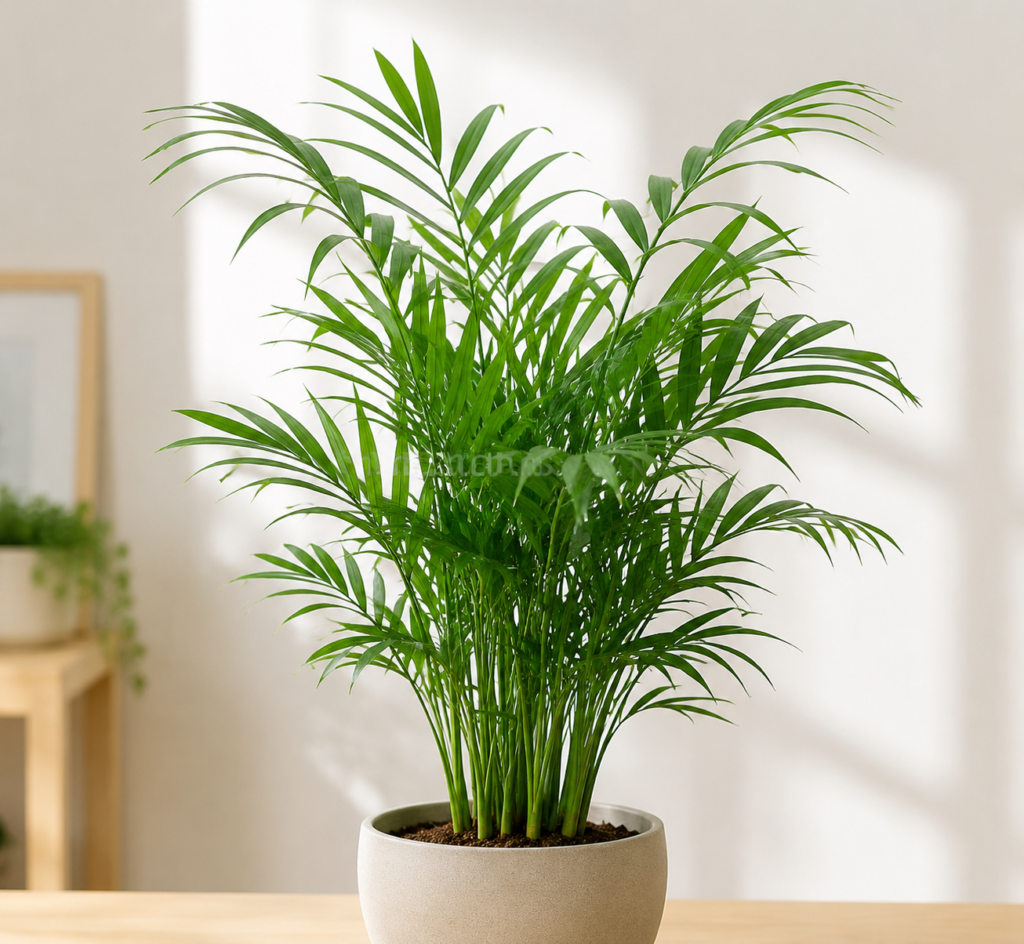
Best for: Bathrooms needing height and a tropical statement — the most elegant large plant for bathroom use
The parlor palm (Chamaedorea elegans) is the most shade-tolerant palm available and one of the few genuinely large plants that suits bathroom conditions. Its arching fronds of delicate leaflets create an authentic tropical atmosphere, and its complete safety for cats and dogs makes it one of the few large statement plants appropriate for a household with pets.
It grows slowly — but steadily — reaching an impressive mature height of 4 to 6 feet over several years, becoming progressively more dramatic as a bathroom feature over time.
Smart tip: Mist the parlor palm’s fronds regularly or wipe them with a damp cloth to remove dust. The feathery fronds accumulate dust quickly in a bathroom where personal care products create airborne particles, and dusty fronds look significantly less attractive. Clean fronds also perform better in the lower light conditions of a typical bathroom.
Mistake to avoid: Repotting a parlor palm into a significantly larger pot hoping to accelerate its growth. Parlor palms prefer to be slightly pot-bound and can develop root rot in oversized pots with excess moisture-retaining soil. In a humid bathroom, this risk is amplified. Repot only when roots are clearly growing through the drainage holes.
15. Anthurium
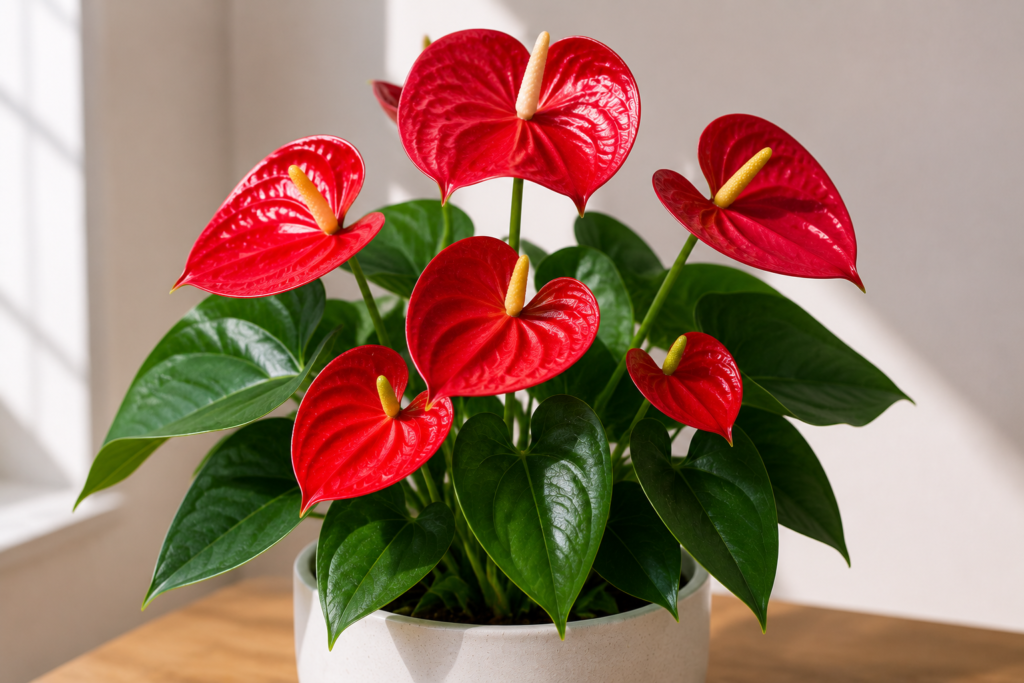
Best for: Bathrooms with bright indirect light — the most striking flowering plant for bathroom display
The anthurium produces waxy, heart-shaped flowers (technically spathes) in red, pink, white, and coral that last for months and recur throughout the year with adequate light. In a bathroom with bright indirect light and consistent humidity from shower use, an anthurium flowers more prolifically than in any other household location.
The combination of its glossy dark green leaves, its long-lasting colorful flowers, and its genuine appreciation for bathroom humidity makes it the most complete bathroom plant for light-adequate spaces.
Smart tip: Feed anthurium with a diluted phosphorus-rich fertilizer every two to three months to encourage continuous flowering. Phosphorus promotes flower production specifically — a balanced fertilizer maintains the plant’s health but a phosphorus-rich formula produces the ongoing flower display that makes anthurium so valuable in a bathroom setting.
Mistake to avoid: Placing anthurium in direct sunlight in a bathroom window. Direct sun causes severe leaf and flower bleaching within days — the glossy leaves develop pale, washed-out patches and flowers fade rapidly. Position in bright but genuinely indirect light, away from the direct sun beam.
16. Air Plants
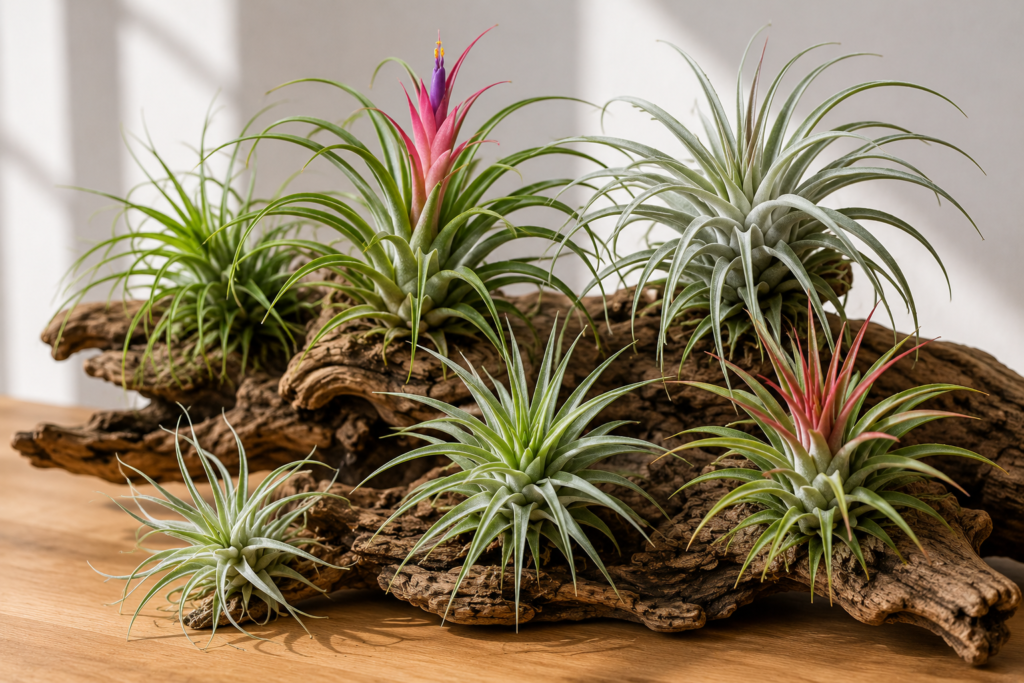
Best for: Any bathroom — the soil-free display option that works in spaces where conventional pots are impractical
Air plants (Tillandsia) thrive in a bathroom because the ambient humidity from daily showers provides much of the moisture they need — reducing the frequency of deliberate watering significantly. In a bathroom with regular shower use, air plants may need soaking only once every two to three weeks rather than the weekly schedule required in dry rooms.
Their soil-free nature makes them the most flexible bathroom display option — mounted on driftwood above the mirror, arranged in a glass dish on the vanity, hanging in an open glass globe, or attached to the wall in any position that suits the bathroom’s layout.
Smart tip: Position air plants where they’re exposed to shower steam directly — near the shower enclosure rather than on the far side of the bathroom from the shower. The direct exposure to warm, humid steam during and after showering provides the most benefit to the plants and reduces manual watering to a minimum.
Mistake to avoid: Placing air plants in an enclosed container in the bathroom. Even though bathroom humidity is beneficial, air plants must dry completely after each moisture exposure — an enclosed container traps moisture and causes rot at the plant’s base. Always use open, ventilated displays that allow complete drying between steam exposures.
17. Staghorn Fern
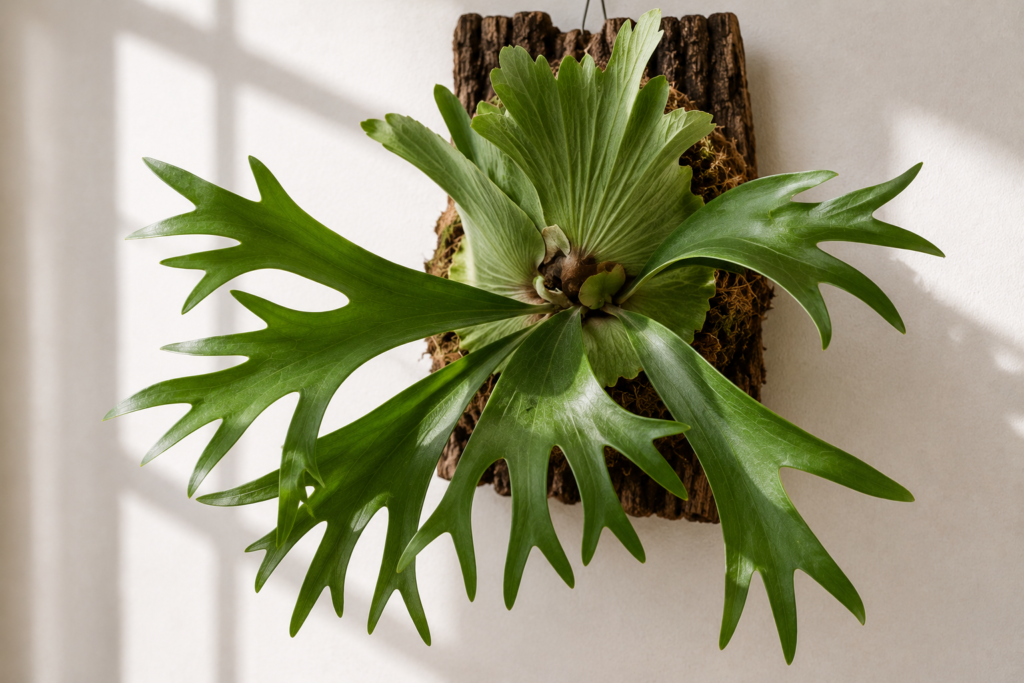
Best for: Wall mounting in bathrooms with indirect light — the most dramatic living wall element available for bathroom display
The staghorn fern (Platycerium) mounted on a wooden board and hung on the bathroom wall creates a genuinely extraordinary display — living art that grows and changes with the seasons. Its antler-shaped fertile fronds are unlike any other commonly available houseplant, creating a focal point that transforms a plain bathroom wall into something memorable.
The bathroom’s humidity and warmth provide the growing conditions the staghorn fern needs naturally — in a well-lit bathroom with regular shower use, it requires almost no deliberate care beyond monthly deep watering of the mount.
Smart tip: Mount the staghorn fern on a cedar or redwood board rather than pine — the naturally rot-resistant wood handles the consistent moisture of a bathroom environment significantly better than pine, which deteriorates quickly in permanently humid conditions. Line the mounting area with sphagnum moss that retains moisture and provides the organic material the roots need.
Mistake to avoid: Removing the brown shield fronds at the base of the plant. These flat, brown structures are a natural and essential part of the plant’s anatomy — they protect the roots and anchor the plant to its mounting surface. Removing them causes irreversible damage. Water by misting or by briefly submerging the entire mount in water monthly.
18. Cast Iron Plant
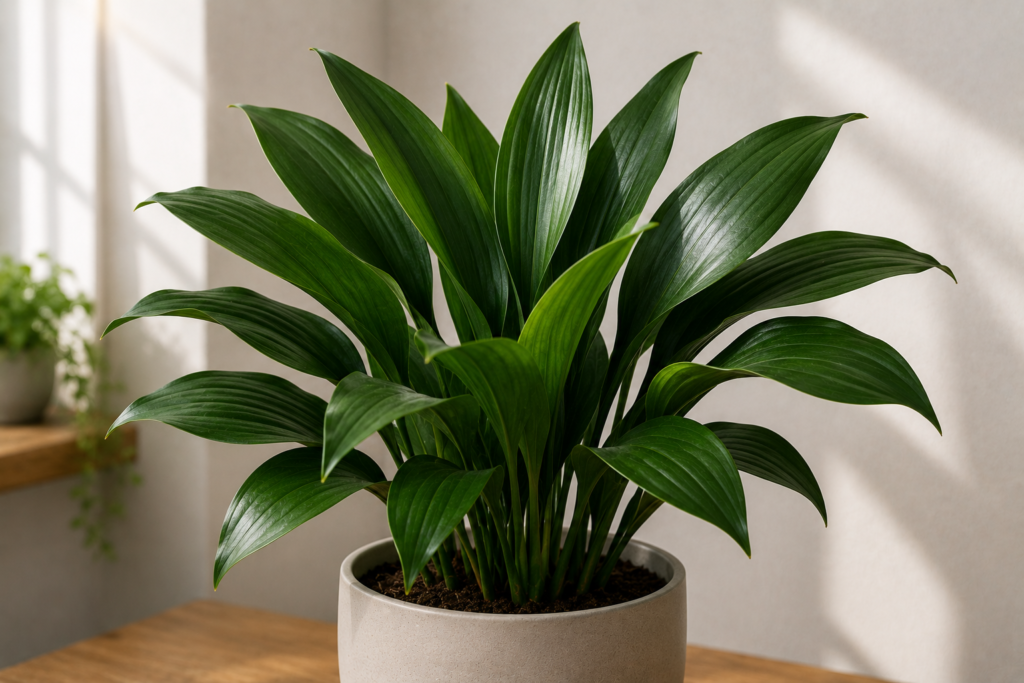
Best for: The most neglected bathroom — the plant that survives when nothing else will
The cast iron plant (Aspidistra elatior) earned its name for surviving conditions that kill every other commonly available houseplant. It tolerates near-complete darkness, irregular watering, temperature fluctuations, and conditions that would rapidly stress any of the other plants on this list. In a bathroom that receives very little natural light and is used infrequently — a rarely-used guest bathroom, a dark basement bathroom — the cast iron plant is the only reasonable choice.
Smart tip: Water the cast iron plant very infrequently in a bathroom — possibly monthly or less. In the humid conditions of a bathroom combined with the plant’s own drought tolerance, the soil can remain adequately moist for weeks after a single thorough watering. Let the soil dry completely before watering again.
Mistake to avoid: Repotting the cast iron plant unnecessarily. This plant actively prefers being pot-bound and resents root disturbance — repot only when roots are clearly and unmistakably outgrowing the current container, and move to a pot only one size larger.
19. Prayer Plant
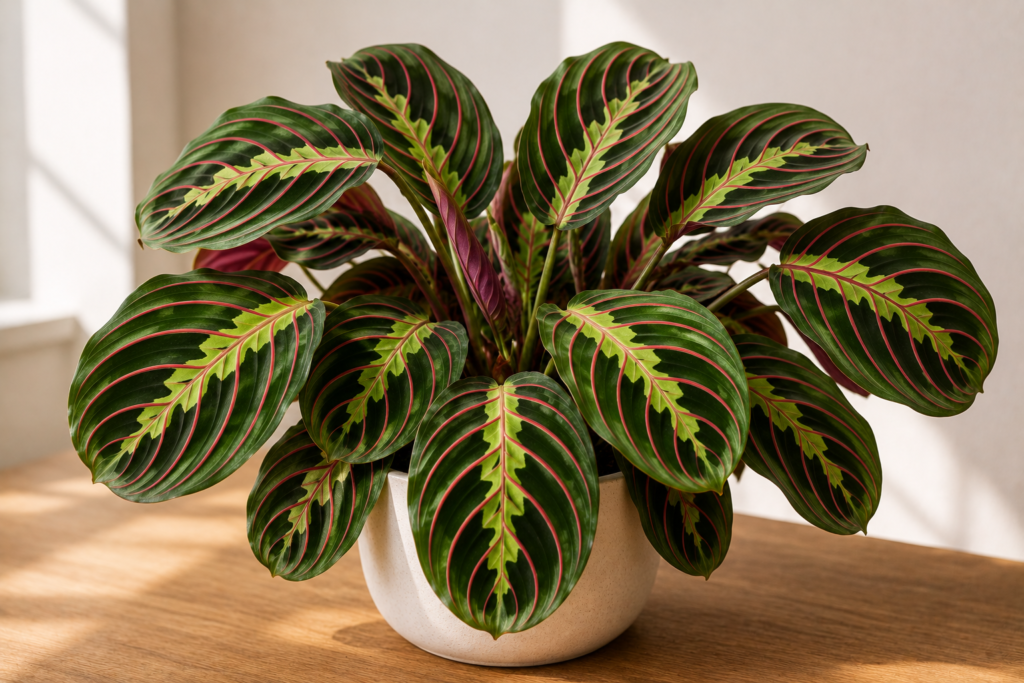
Best for: Bathrooms with indirect light — the most visually active plant available for bathroom display
The prayer plant (Maranta leuconeura) folds its leaves upward in the evening and opens them flat again each morning — creating a daily movement that makes it genuinely interesting to observe during morning and evening bathroom routines. Its boldly patterned leaves suit the decorative bathroom context perfectly.
The bathroom’s consistent warmth and humidity address both of the prayer plant’s most demanding requirements — it struggles in cold drafts and dry air, both of which the bathroom naturally avoids.
Smart tip: Position the prayer plant at countertop height on the bathroom vanity where its leaf movement is visible during the morning routine. The daily opening of the leaves is one of the most engaging plant behaviors available — placing it where this movement is part of the daily bathroom experience makes the most of the plant’s distinctive quality.
Mistake to avoid: Placing the prayer plant in a position exposed to cold drafts from an opening window or air conditioning vent. Cold air causes the leaves to curl and develop brown edges permanently. The prayer plant needs consistent warmth — keep it away from any source of cold air, including bathroom windows that are regularly opened for ventilation in cold weather.
20. How to Care for Bathroom Plants
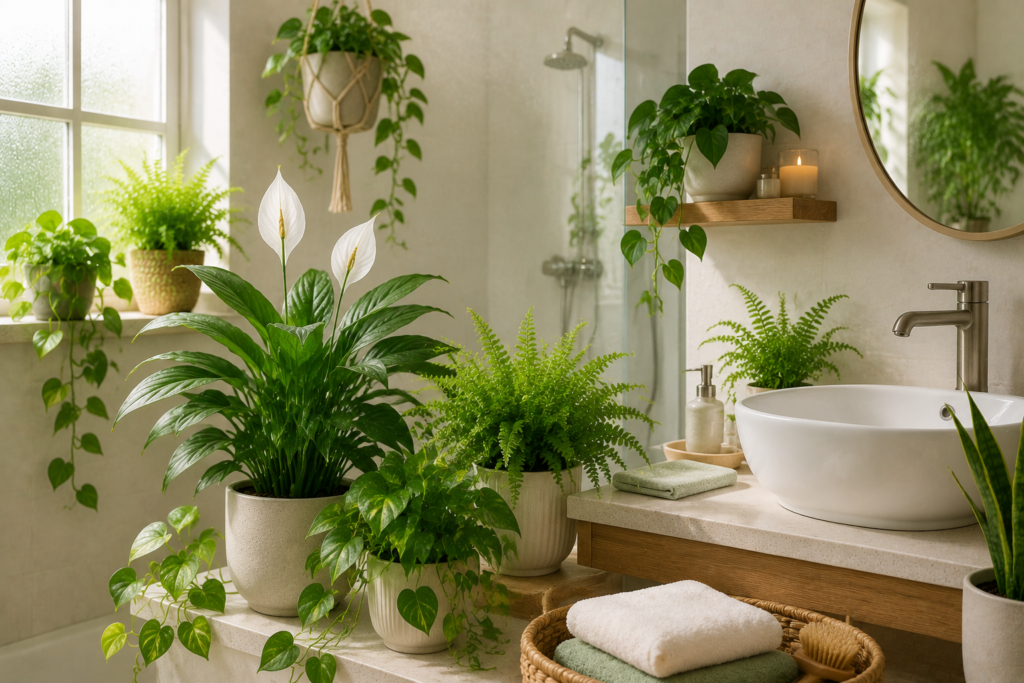
Best for: Every bathroom plant owner — understanding bathroom-specific care prevents the most common problems
Caring for plants in a bathroom differs from caring for the same plants elsewhere because the environment is genuinely different. The humidity, the temperature fluctuations from hot showers, the typically indirect or limited light, and the cleaning product residues in the air all create a specific set of care considerations.
Watering: The most important adjustment is watering frequency. Bathroom humidity slows soil drying significantly — plants in bathrooms need watering less often than the same plants in dry rooms. Always check soil moisture before watering rather than watering on a schedule. More bathroom plants die from overwatering than from any other cause.
Light: Assess the bathroom’s actual light honestly. A bathroom with a small frosted window provides significantly less light than appears obvious — measure light levels with a phone app if unsure, and choose plants specifically for the measured light level rather than for what seems adequate.
Cleaning products: Keep cleaning products away from plant leaves. Many bathroom cleaning products contain bleach and other chemicals that damage plant tissue on contact. When cleaning the bathroom, move plants temporarily or cover them to prevent spray contact.
Temperature: Most tropical bathroom plants prefer consistent temperatures above 60°F. If the bathroom becomes cold overnight or in winter, move cold-sensitive plants to a warmer location during cold periods.
Smart tip: Rotate bathroom plants to brighter positions in the home for one to two weeks every couple of months. This light boost — even a brief period in a brighter room — reinvigorates bathroom plants and sustains their health in what is often a lower-light environment than ideal. Regular rotation makes a measurable difference to long-term plant health in bathroom conditions.
Mistake to avoid: Choosing bathroom plants based on appearance alone without assessing the specific light conditions of the bathroom. The most common bathroom plant failure is placing a light-demanding plant — a fiddle leaf fig, a bird of paradise, a succulent — in a bathroom that doesn’t provide adequate light. A plant that declines rapidly looks worse than no plant. Match the plant to the actual available light and every other aspect of bathroom care becomes straightforward.
Before You Start
- Assess your bathroom’s light honestly. A north-facing bathroom window, a frosted privacy window, or a window obscured by neighboring buildings all provide significantly less light than they appear to. Choose plants for the actual measured light, not the apparent light.
- Consider humidity levels. A frequently used family bathroom with daily long showers is significantly more humid than an occasionally used guest bathroom. Match plant selection to actual humidity levels.
- Check toxicity for pets and children. Several popular bathroom plants — peace lily, pothos, philodendron — are toxic to cats, dogs, and young children. Research toxicity before placing any plant in a bathroom accessible to pets or children.
- Start with one or two plants. A bathroom with one thriving, healthy plant looks better than a bathroom with five struggling ones. Start small, understand what works in the specific bathroom environment, and expand from there.
Conclusion
The bathroom is genuinely one of the best rooms in the home for plants — not a compromise location, but an ideal one for the tropical species that make up the majority of popular houseplants. The humidity, warmth, and consistent indirect light of a well-lit bathroom replicate the forest understory conditions these plants evolved for. Choose species appropriate to the available light, water less frequently than instinct suggests, and allow the bathroom’s natural humidity to do the care work that other rooms require deliberate effort to provide.
Continue Your Home Transformation
Explore the full collection of step-by-step eBooks and get the guide that fits the room you're working on.