Whether you’re starting from a chaotic closet or simply want to make your home feel more curated, the right organization ideas can transform any room. By pairing design‑forward décor with proven storage strategies, you’ll create spaces that look intentional and function effortlessly. Below are 21 actionable home decor organization ideas—each with a clear diagnostic step, material trade‑off, or maintenance tip—to help you move from cluttered to cohesive without a full remodel.
1. Conduct a Declutter Audit
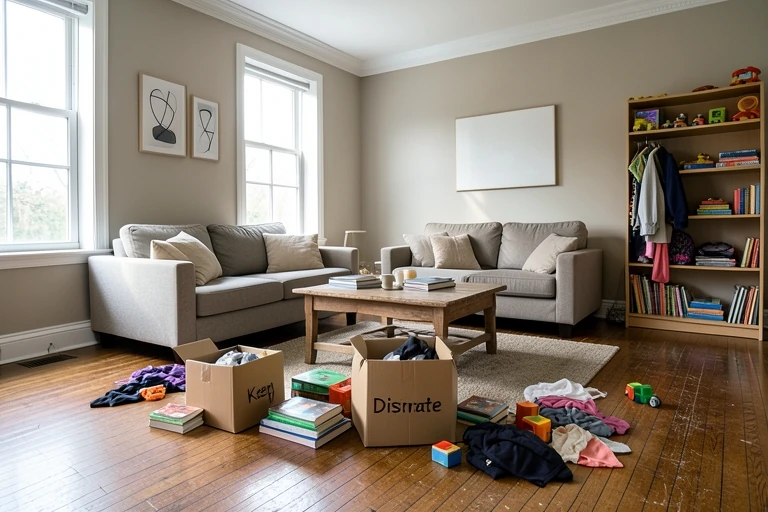
Begin with a visual audit of each room. Walk through, and as you notice items, place them into three piles: keep, donate, discard. This simple diagnostic reveals hidden overflow and helps you decide what truly belongs. Tip: Use a timer—spend no more than 15 minutes per room to keep the process focused.
2. Define Functional Zones
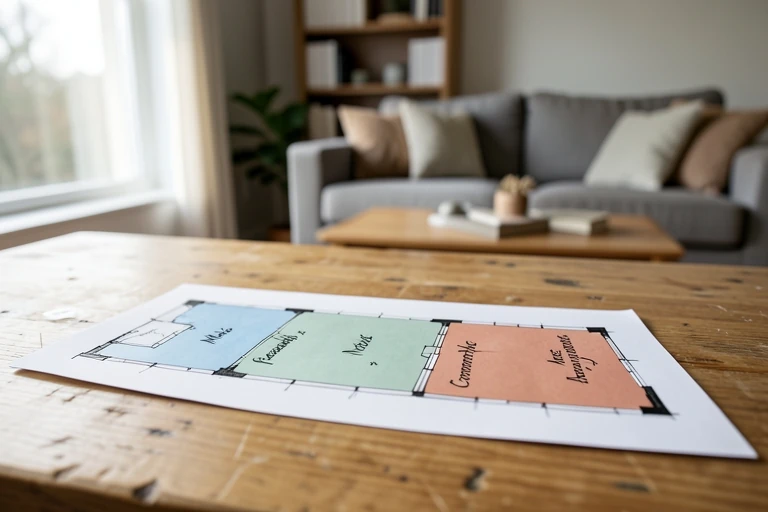
Map out functional zones before you store anything. In the living room, define a media area, a reading nook, and a conversation space. In the kitchen, separate prep, cooking, and cleaning zones. This zoning step ensures storage solutions support the way you actually move through the room, preventing future bottlenecks.
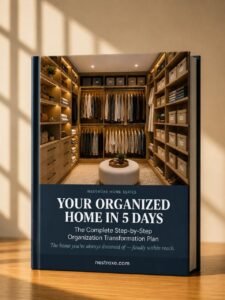
Loving These Ideas? Get the Step-by-Step Guide
Grab the full 5-day eBook and turn these ideas into a finished room.



3. Embrace Vertical Storage
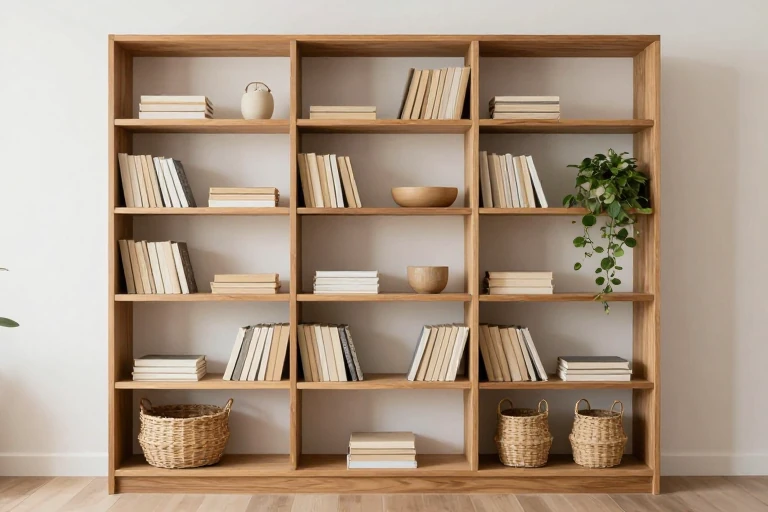
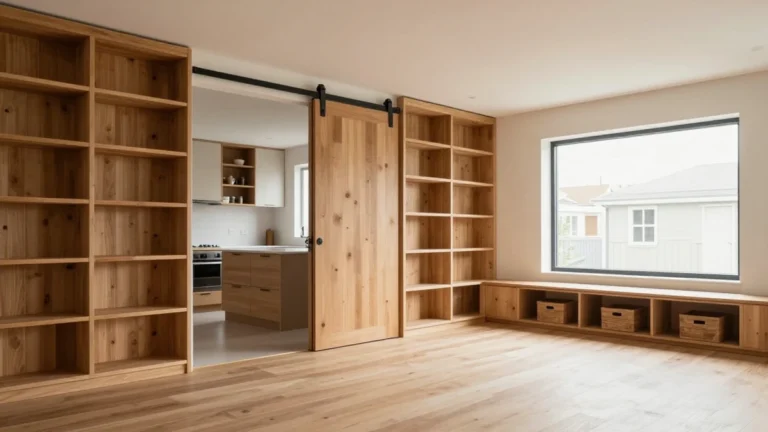
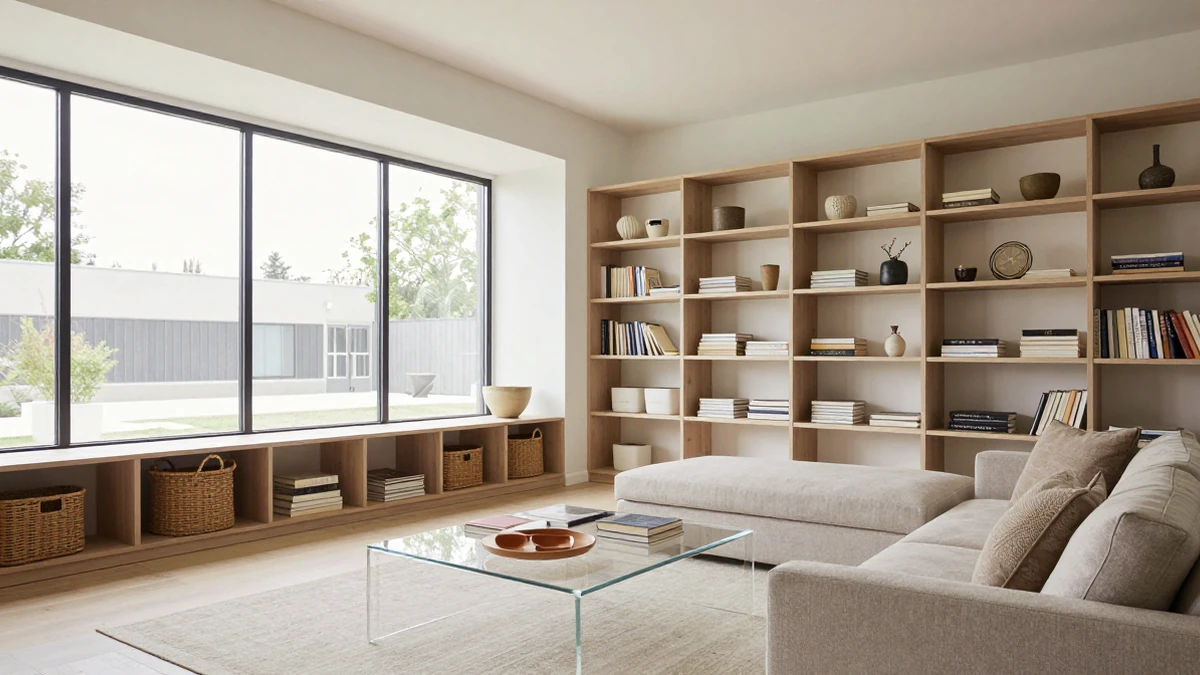
Take advantage of vertical space with wall‑mounted shelves, tall cabinets, and hooks. A single floor‑to‑ceiling unit can store books, plants, and decorative boxes without sacrificing floor area. Trade‑off: Higher shelves may need a step stool, but they keep the floor clear and visually elongate the room.
4. Use Multi‑Functional Furniture
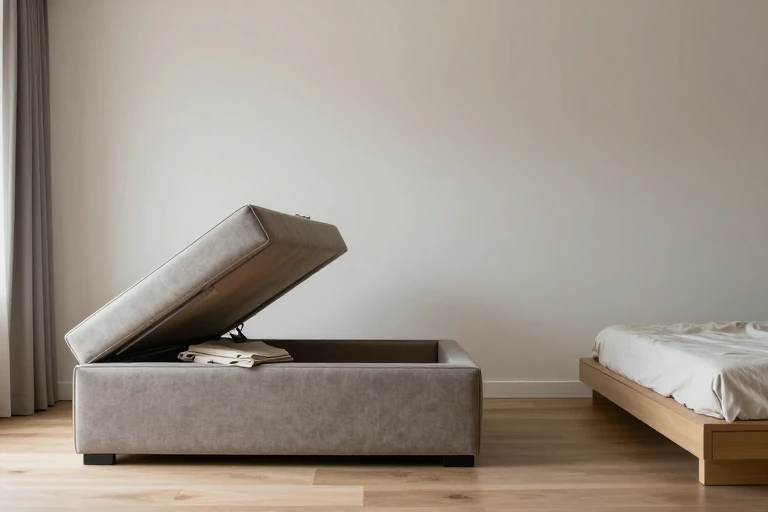
Choose furniture that doubles as storage. A storage ottoman hides blankets, a bed with built‑in drawers keeps linens out of sight, and a coffee table with hidden compartments stores remote controls. This approach reduces the need for extra pieces while maintaining a clean silhouette.
Maintenance: Empty and vacuum hidden compartments quarterly to prevent dust buildup.
5. Choose Between Clear Containers and Baskets
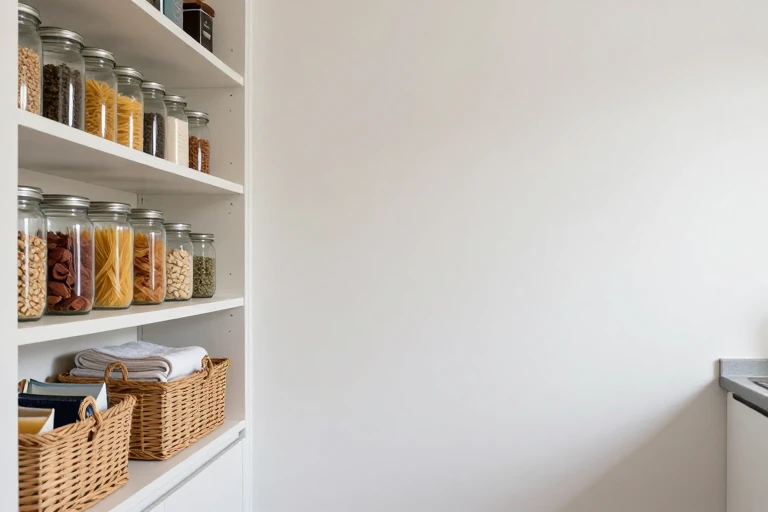
Decide between clear containers and woven baskets based on visibility and aesthetics. Clear jars let you see pantry contents at a glance, while baskets add texture and hide clutter. Consequence: Clear containers may show dust, requiring regular cleaning; baskets conceal it but can hide over‑stock.
6. Install a Labeling System
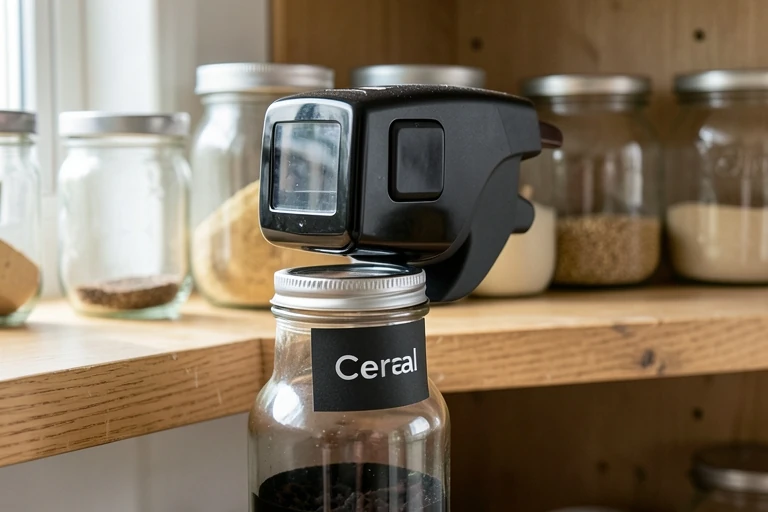
Implement a simple labeling system. Use a label maker for permanent tags on shelves, or hand‑write on chalkboard stickers for a softer look. Labels speed up retrieval and remind everyone where items belong, reducing the chance of re‑clutter.
Tip: Keep a spare set of labels in a drawer for quick updates.
7. Add Drawer Dividers
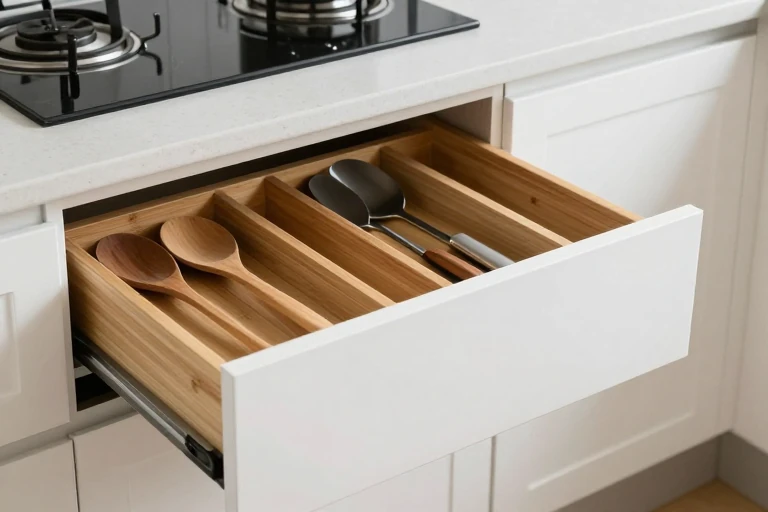
Use drawer dividers to create zones inside each drawer. In the kitchen, separate utensils from gadgets; in the office, allocate sections for pens, paper clips, and notes. Dividers prevent items from shifting and make it easy to see what’s missing.
DIY option: Cut cardboard to size and cover with decorative paper for a custom look.
8. Optimize Closet Organization
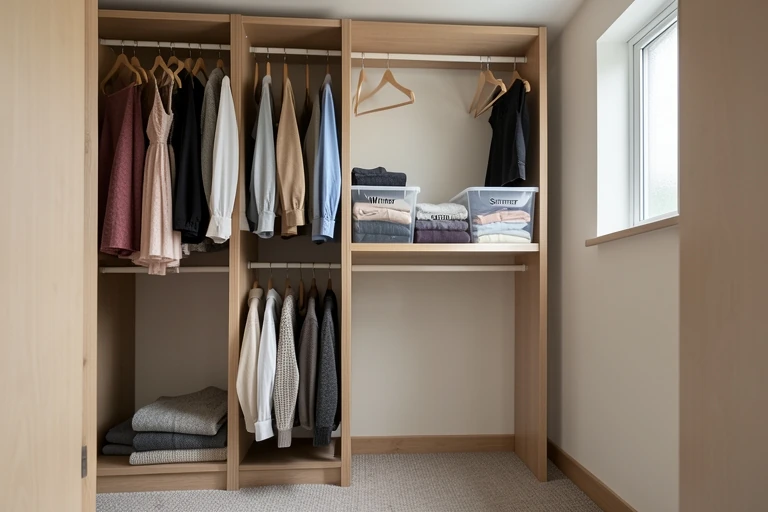
Upgrade closets with double‑hanging rods, shelf rods, and a seasonal rotation system. Store off‑season clothing in labeled bins on the top shelf, and keep current pieces within arm’s reach. This maximizes vertical space and reduces visual clutter.
Maintenance: Swap seasonal bins twice a year to keep the closet fresh.
9. Refresh the Kitchen Pantry
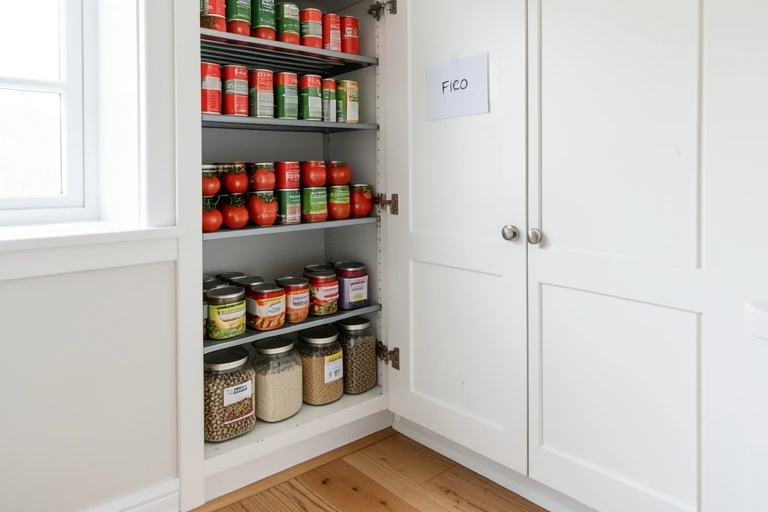
Revamp the pantry using clear jars, tiered shelves, and the FIFO (first‑in, first‑out) rule. Place newer items behind older ones so nothing expires unnoticed. Tiered racks bring visibility to canned goods, while clear jars showcase dry staples.
Diagnostic: Perform a quick inventory quarterly to spot items nearing expiration.
10. Design a Functional Mudroom
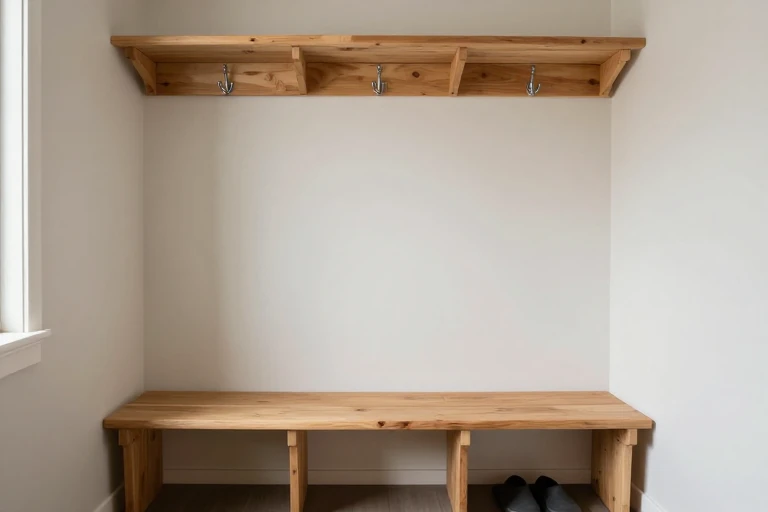
Create a mudroom bench with built‑in cubbies, sturdy coat hooks, and a shoe tray. This hub captures outdoor gear before it spreads through the house. Trade‑off: A bench adds seating but requires floor space; choose a slim profile if the entry is narrow.
Maintenance: Sweep the shoe tray daily to prevent dirt tracking.
11. Streamline Bathroom Vanities
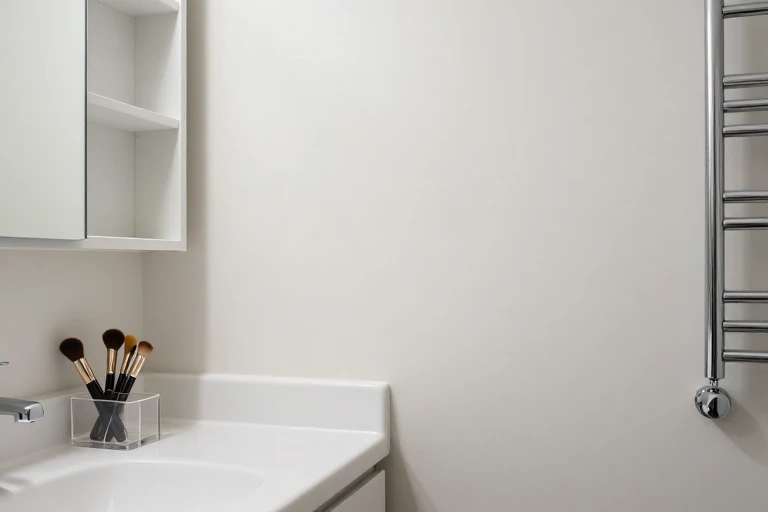
Maximize bathroom vanity space with drawer inserts, a medicine‑cabinet organizer, and an over‑the‑door rack for towels. Inserts keep cosmetics separated, while a rack frees up countertop space for daily essentials.
Maintenance: Wipe drawer inserts weekly to avoid product buildup.
12. Organize the Home Office
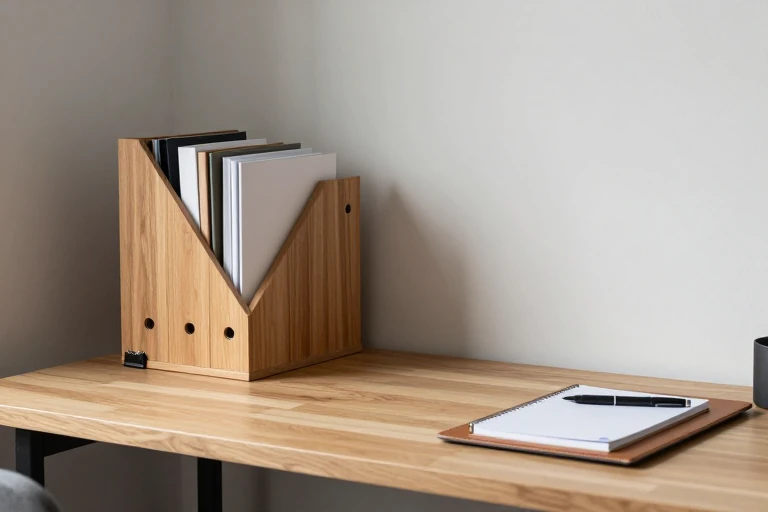
In a home office, tame cables with clips, use vertical file holders, and keep a desk tray for daily paperwork. A cable box hides power strips, while a vertical file system reduces drawer clutter.
Diagnostic: Count visible cords; if more than three, add a clip or box.
Maintenance: Unplug unused devices weekly.
13. Kid‑Friendly Storage Solutions
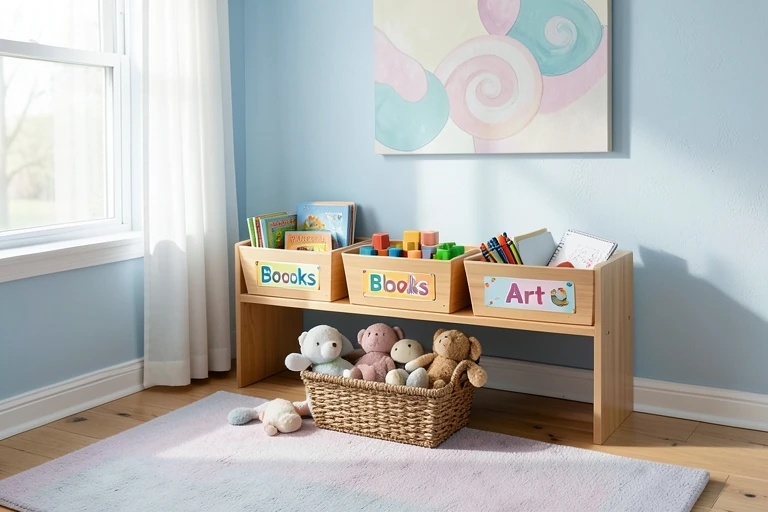
For kids’ rooms, use low, open bins and color‑coded labels. Assign each bin a purpose—books, toys, art supplies—so children can easily return items. Choose durable, rounded containers to prevent injuries.
Trade‑off: Open bins are visible but may look messy; keep a few decorative baskets to hide overflow.
14. Small‑Space Tricks
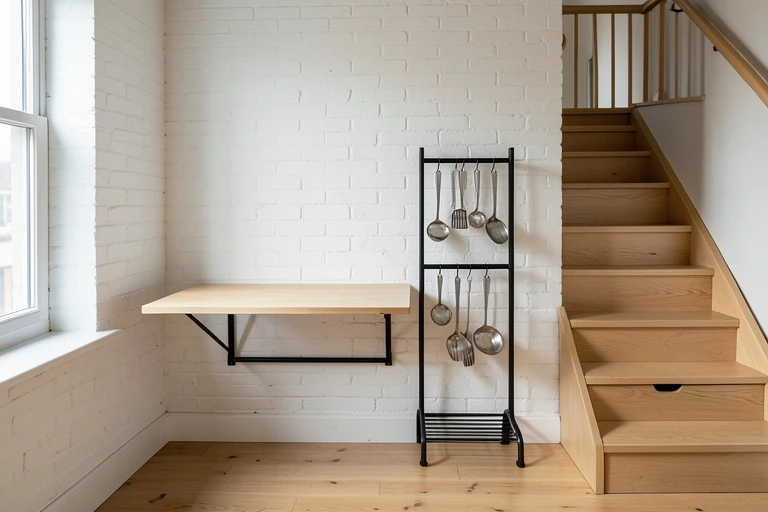
In small apartments, opt for fold‑down tables, wall‑mounted racks, and hidden compartments under stairs. These pieces disappear when not in use, preserving floor space for movement.
Diagnostic: Measure your clear floor area; aim for at least 30% of the room to remain unobstructed.
15. Decorative Storage Options
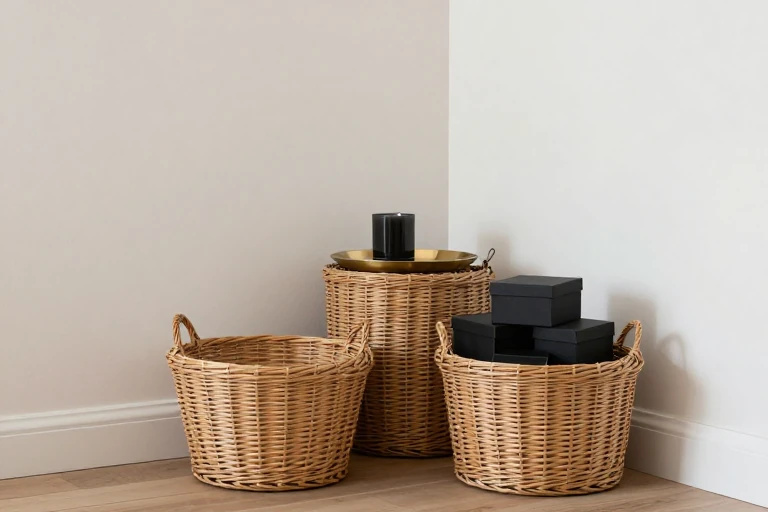
Blend storage with décor by selecting woven baskets, stylish boxes, and decorative trays that complement your color scheme. These pieces serve as both organizers and visual accents, reducing the need for separate decorative items.
Maintenance: Dust woven baskets monthly to keep them looking fresh.
16. Seasonal Rotation System
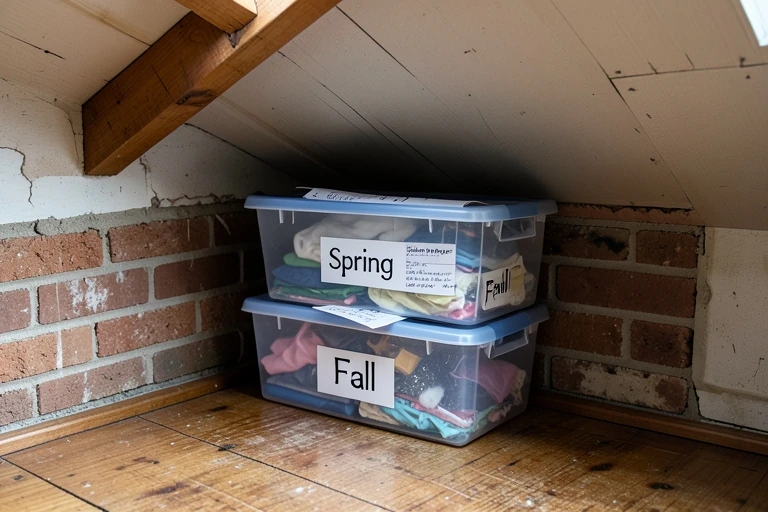
Rotate seasonal items using clear, stackable bins stored in a climate‑controlled area. Label each bin with the season and a brief inventory list. Schedule a quarterly swap to keep your main living spaces current.
Trade‑off: Storing upstairs saves space but may require a small step‑ladder for access.
17. Budget‑Friendly DIY Storage
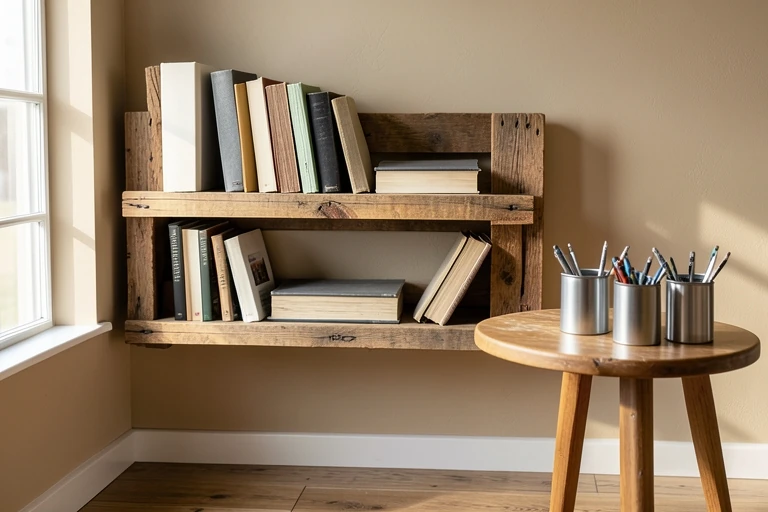
DIY storage projects like repurposed wooden crates, pallet shelves, or painted metal cans add personality while saving money. Choose reclaimed materials for a sustainable touch, and finish with a protective seal to extend lifespan.
Maintenance: Re‑seal wooden crates annually to prevent moisture damage.
18. Integrate Smart Storage Tech

Explore smart storage tools like app‑based inventory lists or QR‑coded tags for high‑value items. While not essential, they can streamline locating seldom‑used objects and reduce duplicate purchases.
Note: Local code does not affect these accessories, but ensure any electronic components are compatible with your home’s Wi‑Fi.
19. Establish a Maintenance Routine
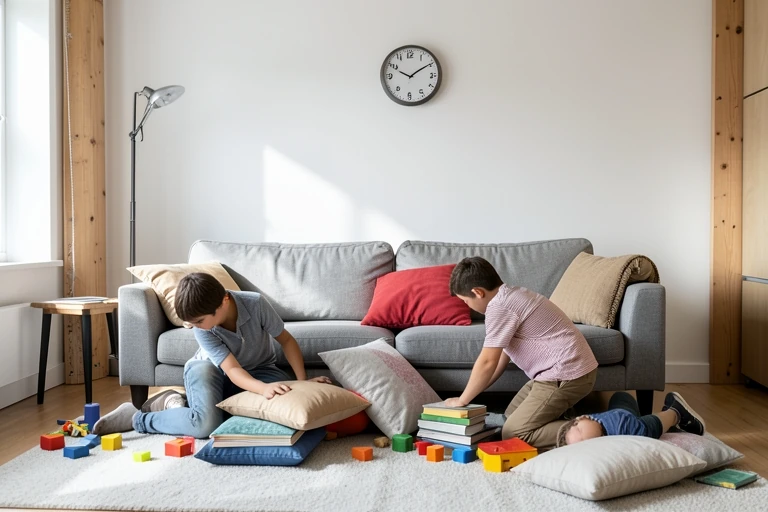
Set a maintenance rhythm: spend ten minutes each evening putting items back, and schedule a thirty‑minute deep tidy once a month. This habit prevents small messes from becoming overwhelming and keeps your organization system functional.
Diagnostic: If you notice three or more items out of place after a week, increase your tidy‑up frequency.
20. Embrace Sustainable Organization
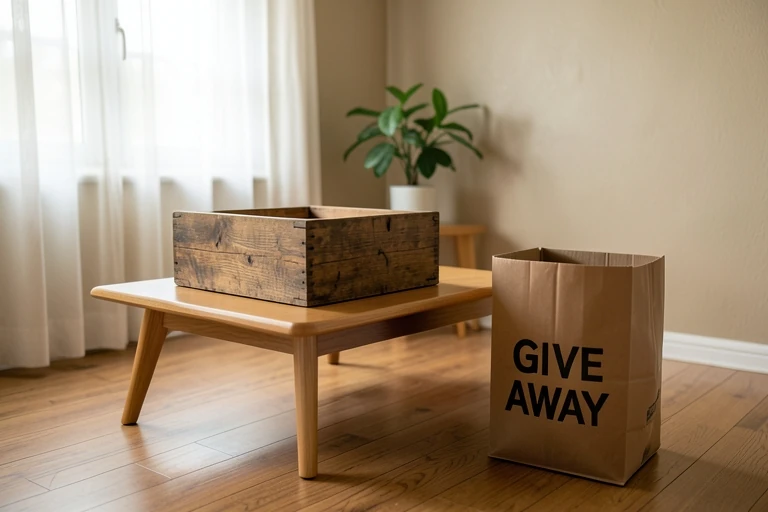
Prioritize sustainability: donate excess items, upcycle containers, and select storage made from recyclable or reclaimed materials. This reduces waste and often adds a unique aesthetic to your home.
Trade‑off: Reclaimed wood may need extra sealing, but it offers a one‑of‑a‑kind look.
21. Common Organization Mistakes
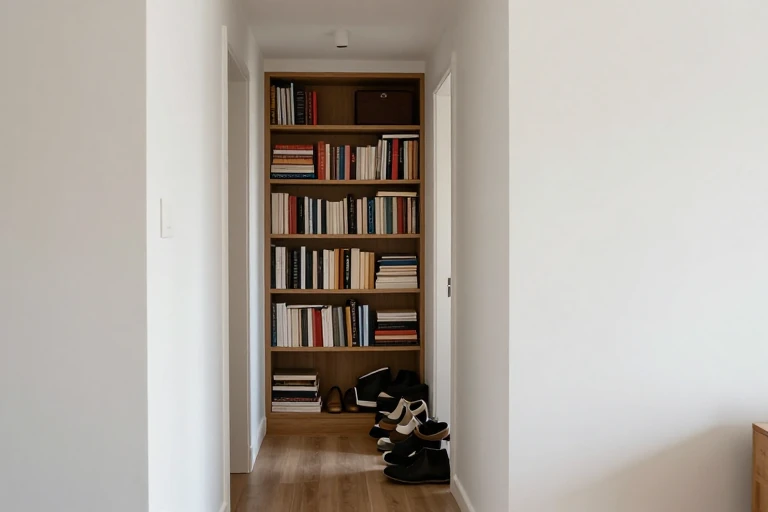
Common pitfalls include overloading shelves, ignoring traffic flow, and neglecting regular upkeep. Too many items on a shelf can cause items to topple; poorly placed storage can block pathways, creating frustration. Skipping the weekly tidy‑up lets clutter return quickly.
Solution: Keep a maximum of three items per shelf, maintain clear pathways, and set a recurring reminder for your maintenance routine.
Effort & Cost Snapshot
| Topic | Effort | Cost Note |
|---|---|---|
| 1. Conduct a Declutter Audit | Low | Often achievable with existing furnishings or simple updates |
| 2. Define Functional Zones | Low | Often achievable with existing furnishings or simple updates |
| 3. Embrace Vertical Storage | Medium | Varies by materials, scope, and local labor |
| 4. Use Multi‑Functional Furniture | Low | Often achievable with existing furnishings or simple updates |
| 5. Choose Between Clear Containers and Baskets | Low | Often achievable with existing furnishings or simple updates |
| 6. Install a Labeling System | Medium | Varies by materials, scope, and local labor |
| 7. Add Drawer Dividers | Low | Often achievable with existing furnishings or simple updates |
| 8. Optimize Closet Organization | Low | Often achievable with existing furnishings or simple updates |
| 9. Refresh the Kitchen Pantry | Low | Often achievable with existing furnishings or simple updates |
| 10. Design a Functional Mudroom | Low | Often achievable with existing furnishings or simple updates |
| 11. Streamline Bathroom Vanities | Medium | Varies by materials, scope, and local labor |
| 12. Organize the Home Office | Low | Often achievable with existing furnishings or simple updates |
| 13. Kid‑Friendly Storage Solutions | Low | Often achievable with existing furnishings or simple updates |
| 14. Small‑Space Tricks | Low | Often achievable with existing furnishings or simple updates |
| 15. Decorative Storage Options | Low | Often achievable with existing furnishings or simple updates |
| 16. Seasonal Rotation System | Low | Often achievable with existing furnishings or simple updates |
| 17. Budget‑Friendly DIY Storage | Medium | Varies by materials, scope, and local labor |
| 18. Integrate Smart Storage Tech | Low | Often achievable with existing furnishings or simple updates |
| 19. Establish a Maintenance Routine | Low | Often achievable with existing furnishings or simple updates |
| 20. Embrace Sustainable Organization | Low | Often achievable with existing furnishings or simple updates |
| 21. Common Organization Mistakes | Low | Often achievable with existing furnishings or simple updates |
Frequently Asked Questions
Home organization FAQs
How often should I reassess my organization system? Give each major area a quick 10‑minute tidy weekly, then schedule a deeper 30‑minute review once a month. This habit catches drift before it becomes overwhelming.
Can I use decorative baskets without sacrificing visibility? Pair open‑top baskets with clear bins inside; the basket adds texture while the clear bin lets you see contents at a glance.
Do smart storage gadgets really save time? Simple tools like QR‑coded inventory sheets can speed up locating items, but they work best when you already have a solid physical system in place.
More organization questions
What’s the first step to a successful declutter? Perform a visual audit of each room, grouping items into keep, donate, or discard piles. This quick diagnostic reveals hidden overflow and guides your next moves.
How can I keep kids from undoing my organization? Use low, color‑coded bins that they can access and label them with pictures. When storage feels like a game, they’re more likely to cooperate.
Is it okay to mix decorative and functional storage? Absolutely. A woven basket can hold blankets while a sleek metal tray holds remote controls—both serve a purpose and enhance the room’s style.
Advanced organization queries
Should I invest in custom built‑ins? Custom units offer maximum efficiency but cost more. For most homeowners, modular shelving and furniture with hidden storage achieve similar results at a fraction of the price.
How do I avoid over‑decorating storage? Stick to a limited palette of 2‑3 textures and colors. Let the items you store be the stars, not the containers.
What’s the best way to store seasonal items? Pack them in clear, stackable bins, label the season, and store them in a climate‑controlled area like a basement or attic. Rotate them on a seasonal schedule.
When you blend thoughtful design with purposeful organization, your home feels larger, calmer, and more inviting. The ideas above let you choose the tools and habits that match your lifestyle, whether you prefer sleek minimalism or cozy, layered warmth. Start with one zone, apply the diagnostic steps, and let the momentum build. A well‑organized home not only looks good—it supports daily routines and reduces stress for years to come.
Sources & Further Reading
- NKBA | KBIS Releases Annual 2026 Kitchen Trends Report – NKBA
- Thinking About Home Remodeling? Start Here | NAHB
Continue Your Home Transformation
Explore the full collection of step-by-step eBooks and get the guide that fits the room you're working on.