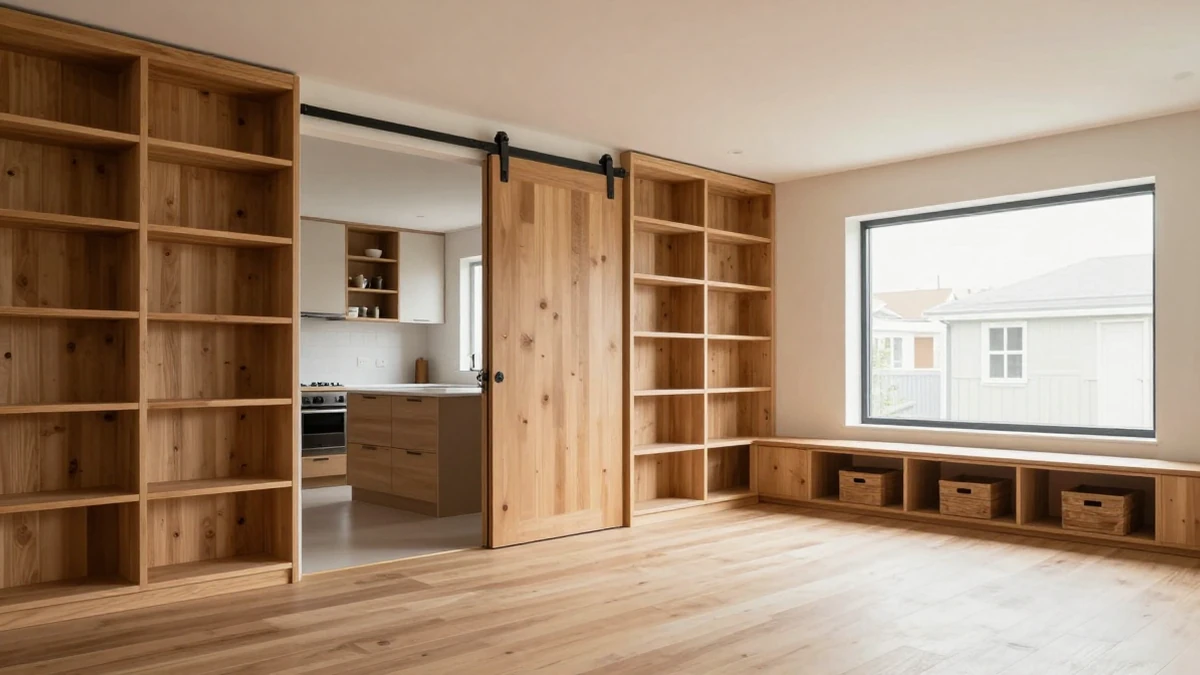
When square footage feels limited, clever storage can make the difference between cramped chaos and a calm, functional home. The right mix of built‑in fixtures, modular units, and smart placement lets you keep daily essentials within reach while preserving visual breathing room. Below are 24 proven ideas that blend safety, style, and sustainability, so you can tailor a storage plan that works for your space and your life.
1. Conduct a Load‑Capacity Audit
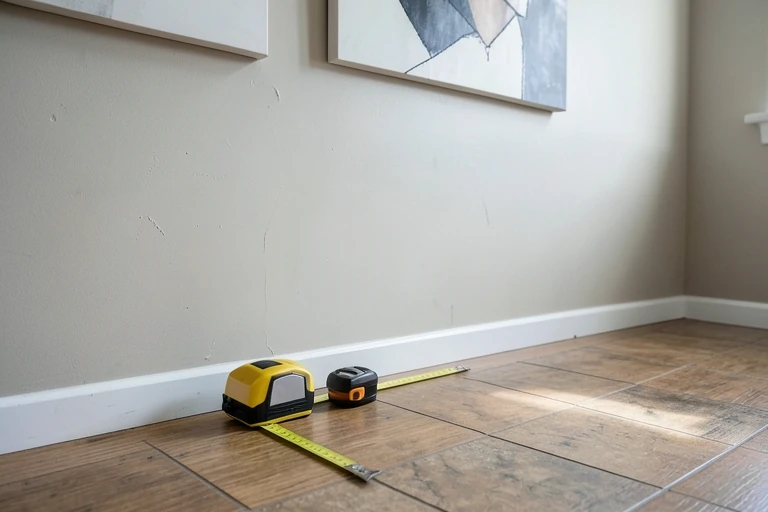
Before you add any new shelves, confirm that your floor can safely bear the weight. Residential floors typically support 40‑50 lb per square foot, but older homes may have lower limits. Check the building plans or consult a structural engineer if you’re unsure.
Measure the intended load, then mark the area and use a level to ensure the future unit will sit flat. If the floor is a concrete slab, you have more flexibility; wood‑frame floors require extra caution.
Overloading a floor can cause sagging or, in extreme cases, structural damage. Keep heavy items—like books or appliances—on lower shelves, and reserve upper levels for lightweight décor.
2. Install Floor‑to‑Ceiling Closet Systems
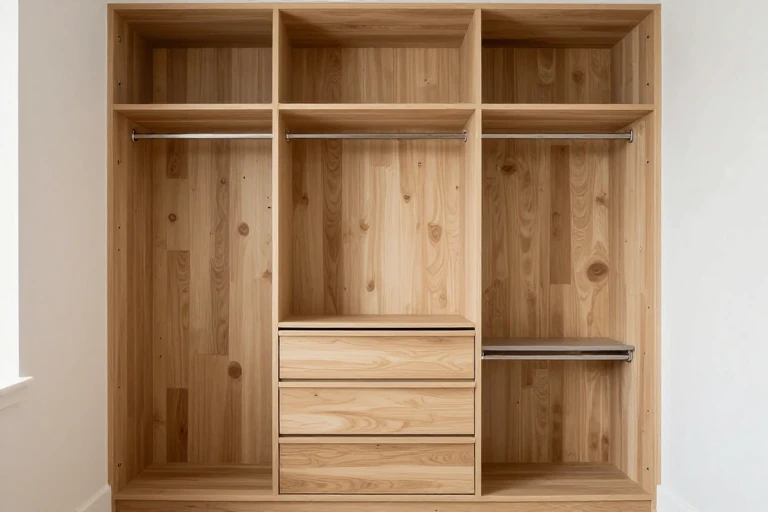
Floor‑to‑ceiling closet systems maximize vertical space and create a seamless look. The 2026 NKBA trends report notes that homeowners are favoring these installations for both aesthetics and storage efficiency.
Start by measuring the full height from floor to ceiling, then select a modular system that lets you adjust shelf heights as your needs evolve. Include a mix of hanging rods, pull‑out drawers, and adjustable shelves.
While built‑in systems add value, they require professional installation and can be costly. If budget is tight, consider a DIY kit that uses metal brackets anchored to studs for a similar effect.
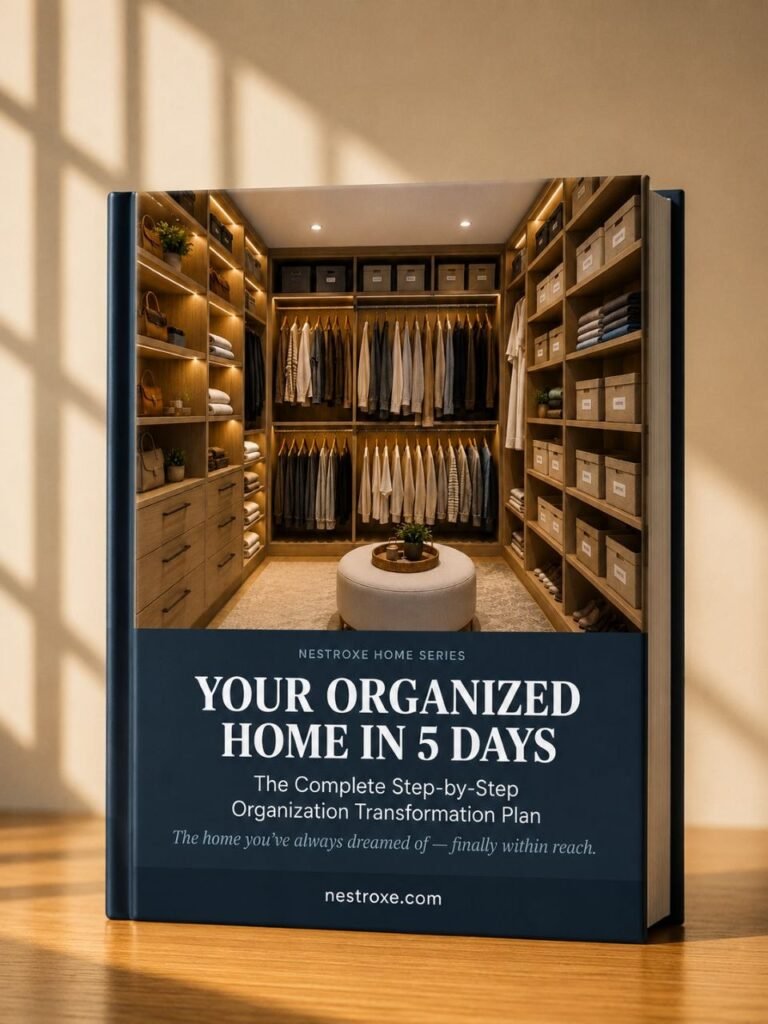
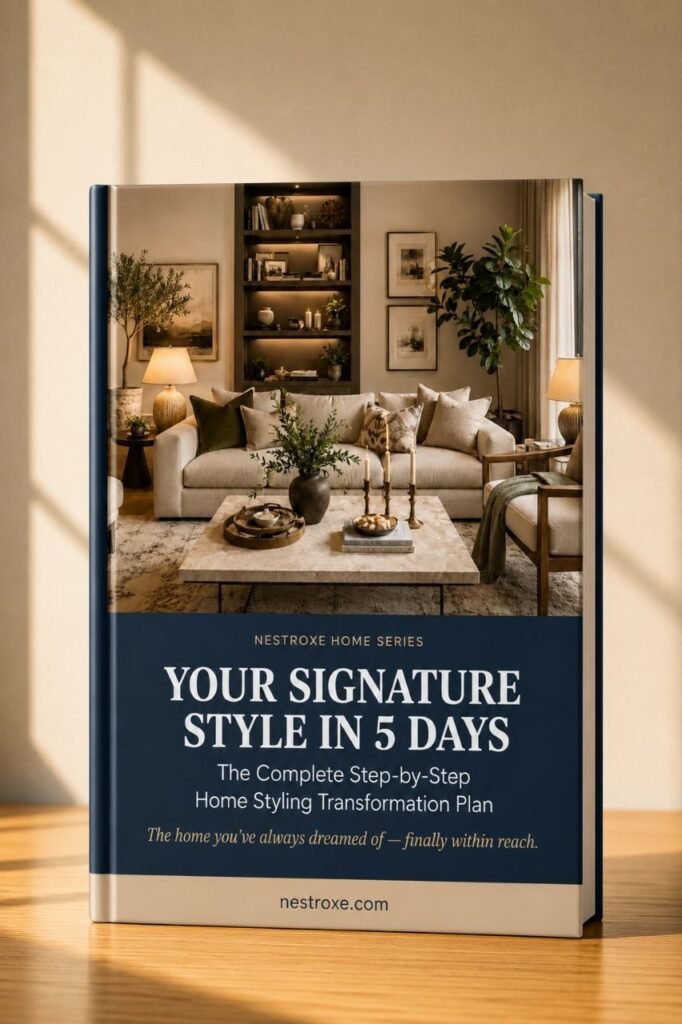
Loving These Ideas? Get the Step-by-Step Guide
Grab the full 5-day eBook and turn these ideas into a finished room.




3. Use Pull‑Out Pantry Shelves
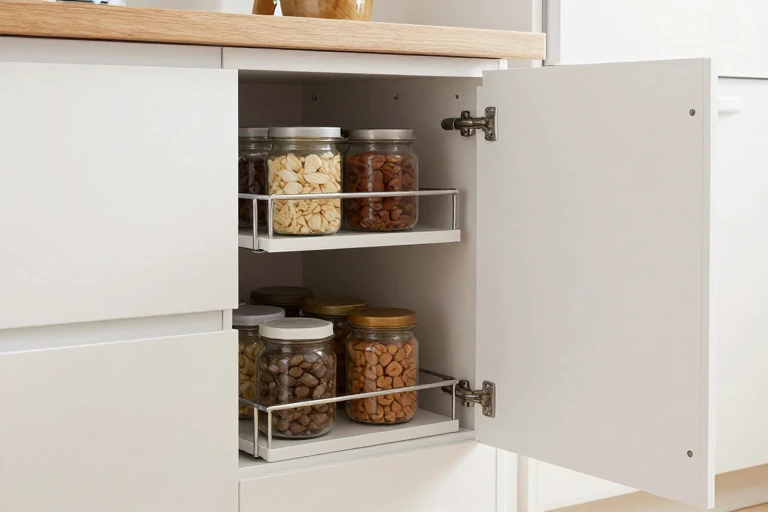
Pull‑out pantry shelves turn narrow cabinets into fully accessible storage. They slide out on rollers, letting you see every item without digging.
Choose a system with soft‑close dampers to prevent slamming, and install a clear acrylic front panel for a visual cue of contents. Measure the cabinet depth to ensure the slides fit without compromising structural integrity.
These units are ideal for spices, canned goods, or baking supplies. The trade‑off is a slightly higher price than static shelves, but the time saved during meal prep often justifies the expense.
4. Add Over‑Door Racks in Bathrooms
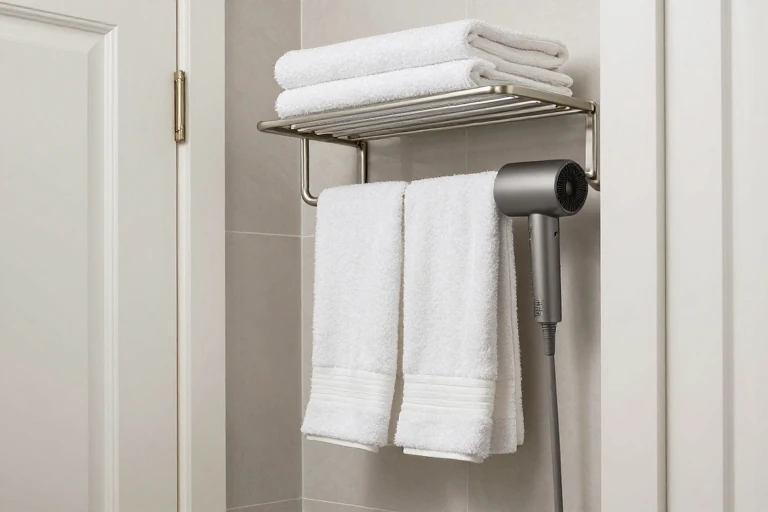
Over‑door racks add storage without sacrificing floor space. In bathrooms, a simple rack can hold towels, toiletries, or a hair‑dryer.
Install a rack with a brushed‑nickel finish that matches existing hardware. Use tension rods for a no‑drill option in rental units, but verify the door’s weight capacity to avoid sagging.
Remember to keep the rack no more than one‑third of the door’s width to maintain smooth opening. Heavy items should be stored elsewhere to prevent door warping.
5. Convert Stair Risers into Drawers
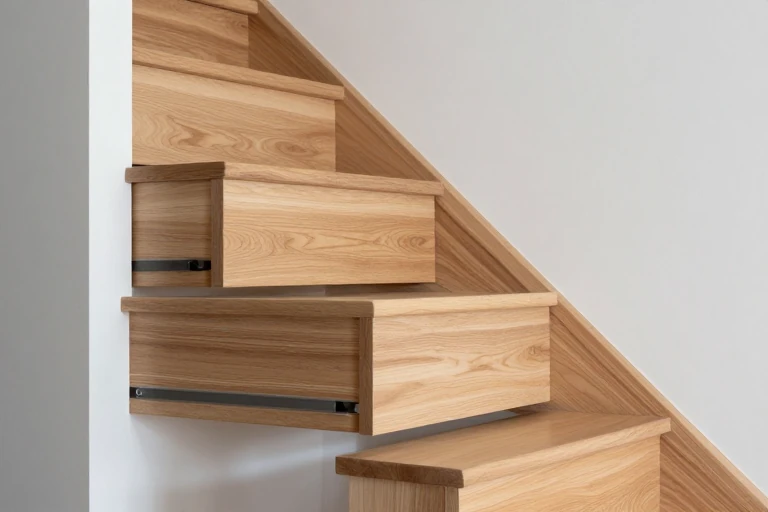
Stair risers are often wasted space. By cutting shallow drawers into each step, you gain hidden storage for shoes, books, or seasonal items.
Use a jig saw to create a recessed cavity, then install a thin drawer front that slides on ball‑bearing slides. Ensure the drawer depth does not exceed the riser’s thickness to keep the stair safe.
Maintain a smooth surface on the tread to prevent tripping. If you have children, add a safety latch to keep the drawer closed while walking.
6. Hang Pegboards in the Kitchen
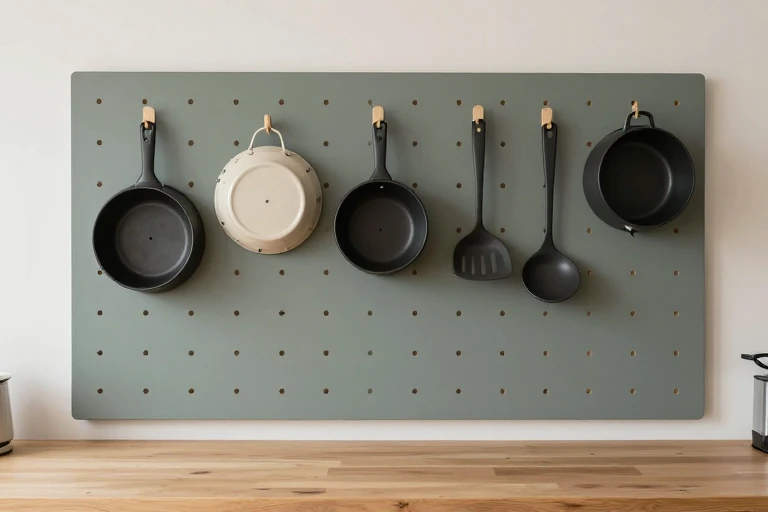
Pegboards turn a blank wall into a flexible storage zone. In the kitchen, they’re perfect for hanging pots, utensils, and cutting boards.
Mount the board at eye level, then use a mix of hooks, baskets, and magnetic strips. Paint the board a neutral color to blend with cabinetry.
Regularly dust the board and replace worn hooks. Metal hooks hold heavier items, while wooden pegs are better for lightweight accessories.
7. Deploy Modular Cube Units in Living Rooms
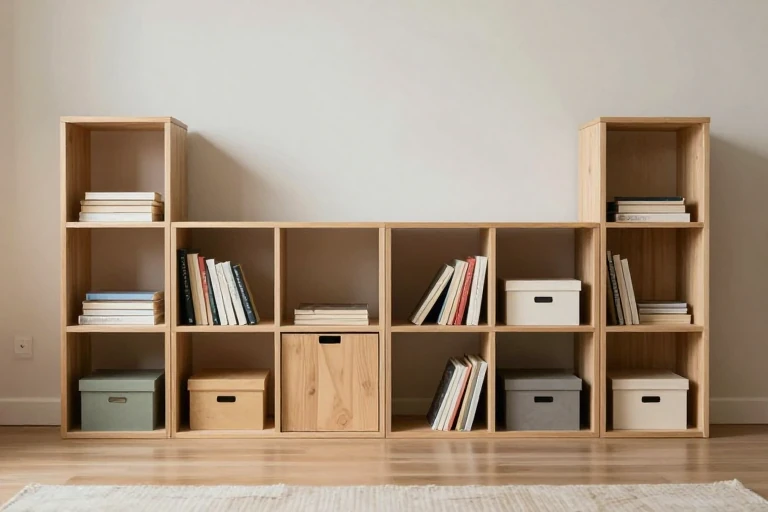
Modular cube units can be rearranged as needs change, making them ideal for living rooms that double as workspaces.
Choose cubes with built‑in casters for easy mobility. Combine open cubes for books with closed ones for electronics to keep cords hidden.
Wooden cubes add warmth but may scratch floors; consider felt pads underneath. Plastic cubes are lighter but can look less refined.
8. Integrate Sliding Barn Doors with Built‑In Shelves
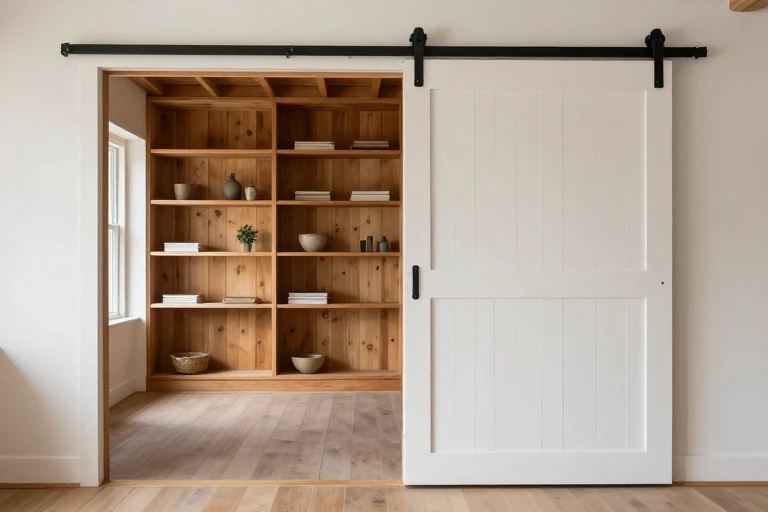
Sliding barn doors paired with built‑in shelves create a dramatic focal point while concealing clutter.
Install the door on a sturdy track and attach floating shelves to the wall adjacent to the opening. Use reclaimed wood for a rustic feel or painted panels for a modern look.
Ensure the door’s hardware can support the door’s weight; heavy doors need heavy‑duty rollers. Keep the floor clear to allow smooth sliding.
9. Use Transparent Acrylic Bins for Visible Storage
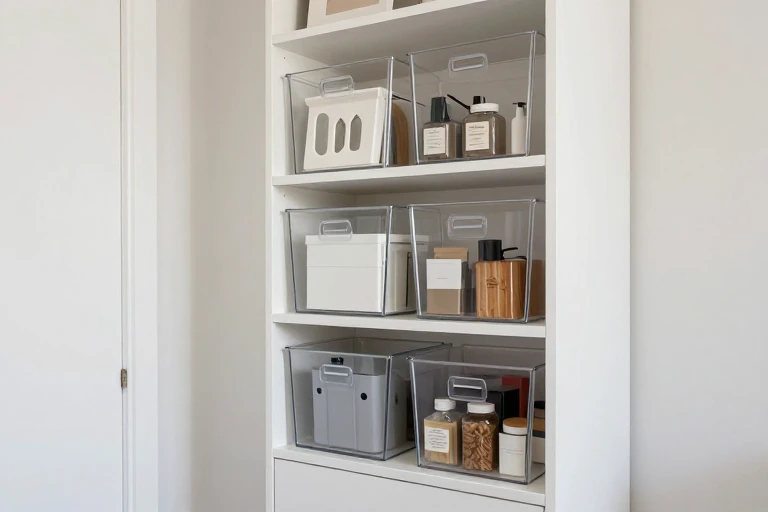
Transparent acrylic bins let you see contents at a glance, reducing the time spent searching for items.
Label each bin with a minimalist tag for a clean look. Stack the bins on a sturdy shelf that can support the combined weight.
Acrylic can yellow over time with UV exposure; place bins away from direct sunlight or choose UV‑protected acrylic.
10. Add Ceiling‑Mounted Pot Racks in the Kitchen
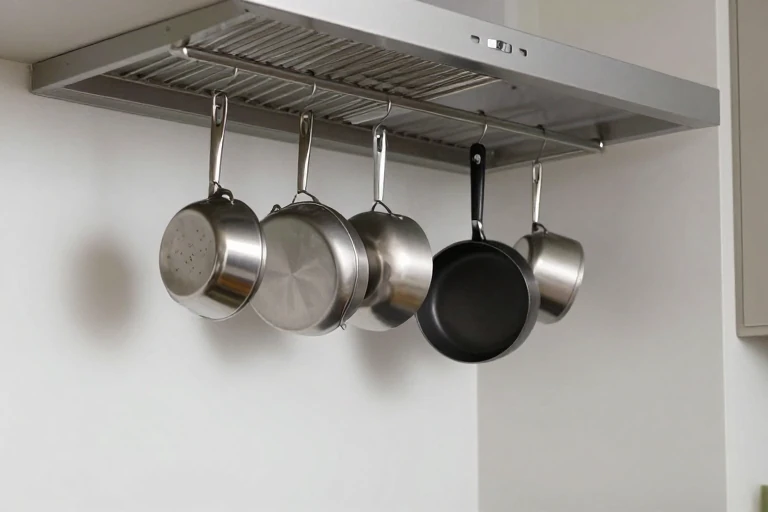
Ceiling‑mounted pot racks free up cabinet space and add a chef‑like aesthetic to the kitchen.
Locate a ceiling joist and secure a heavy‑duty hook with lag bolts. Hang a sturdy metal ring or a reclaimed wooden beam to suspend pots.
Limit the rack to lightweight cookware; heavy cast‑iron pots can stress the joist. Periodically check the hardware for loosening.
11. Install Under‑Bed Lift‑Up Platforms
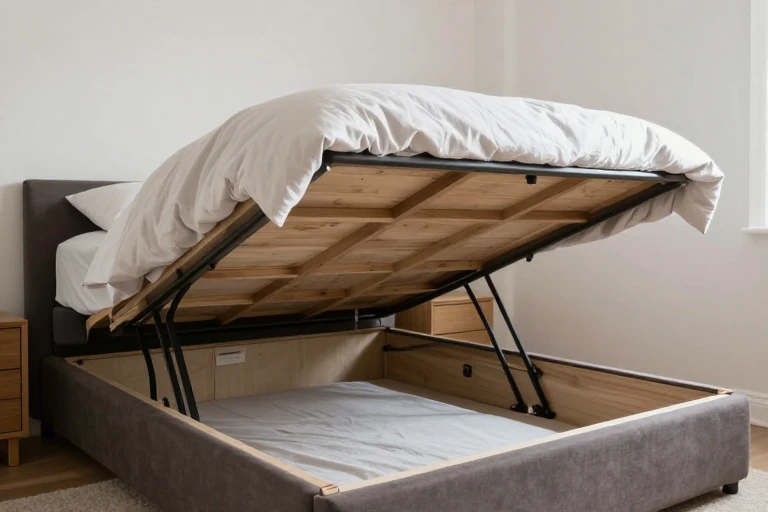
Lift‑up platforms under the bed create a hidden drawer that’s perfect for linens or out‑of‑season clothing.
Choose a platform with gas‑lift pistons for smooth operation. Ensure the bed frame can support the added mechanism.
Regularly test the pistons for wear; replace them if the platform feels sticky. Keep the storage area dry to avoid mold on fabrics.
12. Repurpose a Closet as a Home Office Nook
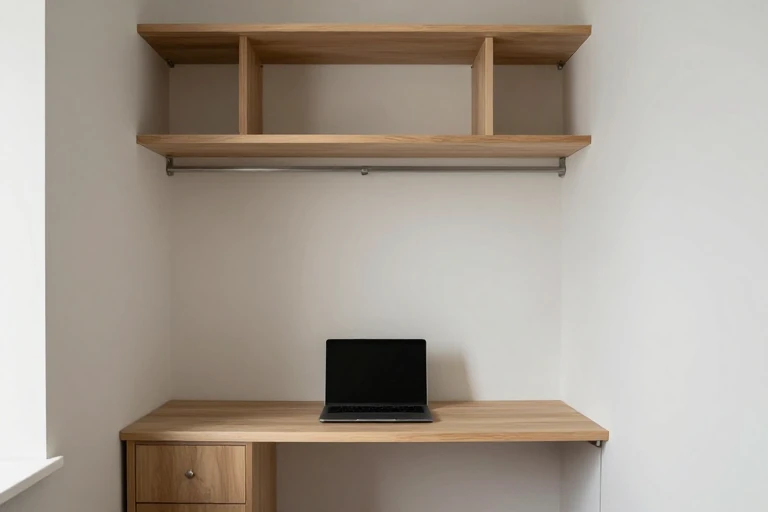
Transform an unused closet into a compact home‑office nook with a built‑in desk and shelving.
Install a shallow desk slab at waist height, then add floating shelves above for books and supplies. Use a light‑colored paint to keep the space bright.
Ensure adequate electrical outlets for devices; if none are present, have a qualified electrician add a GFCI‑protected outlet.
13. Use Magnetic Strips for Small Metal Tools
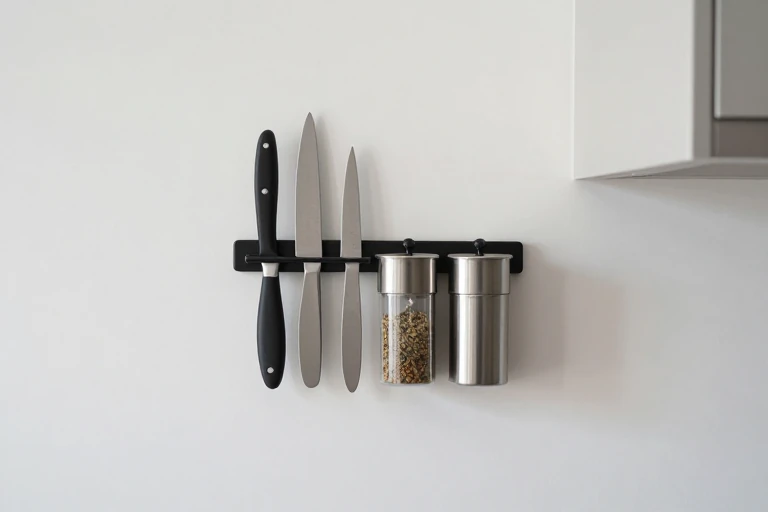
Magnetic strips mounted on a wall or the inside of a cabinet door hold metal tools, knives, or spice tins.
Apply a strong adhesive strip to a clean, dry surface, then attach a magnetic bar. Test the strip with the heaviest item before loading it fully.
Metal strips can attract dust; wipe them down weekly to maintain a clean appearance.
14. Add a Fold‑Down Laundry Hamper in the Bathroom
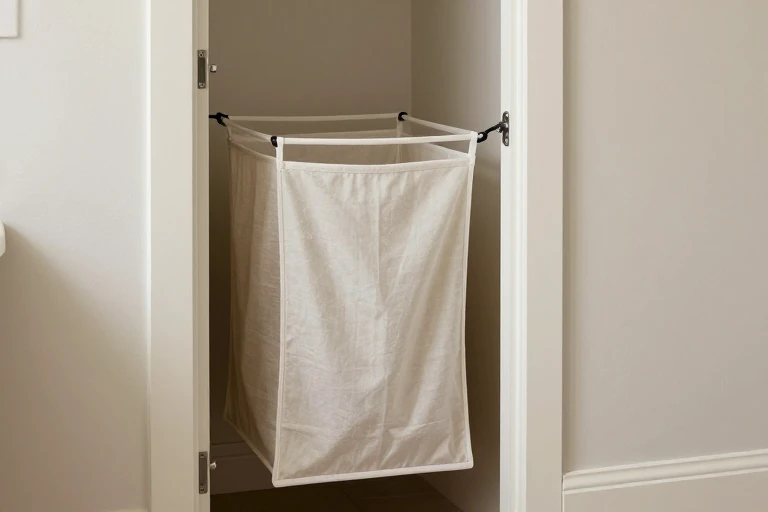
A fold‑down laundry hamper tucked behind a bathroom door saves floor space while keeping dirty clothes out of sight.
Install a hinged panel on the interior side of the door, then attach a fabric or canvas basket that folds flat when not in use.
Choose a breathable fabric to prevent mildew; empty the hamper daily to avoid odors.
15. Install a Pull‑Down Closet Rod for Seasonal Clothes
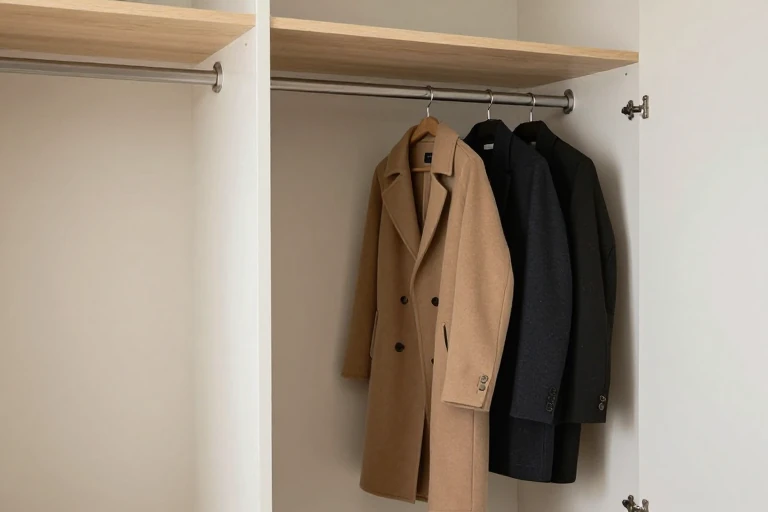
A pull‑down closet rod lets you store seasonal clothing out of the way and bring it down when needed.
Mount the rod on a sturdy bracket that slides vertically. Use a cord or rope to lower and raise the rod safely.
Limit the weight to a few coats; overloading can cause the bracket to fail. Periodically lubricate the sliding mechanism.
16. Use Corner Lazy‑Susan Cabinets in the Kitchen
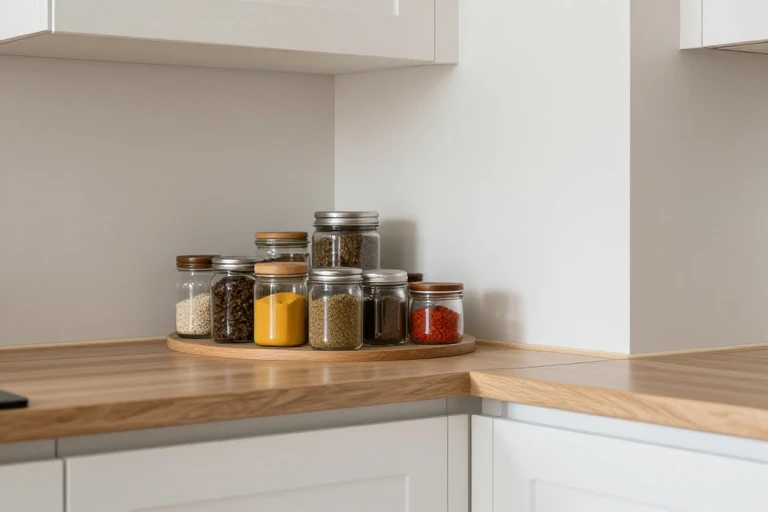
Corner lazy‑Susan cabinets make use of otherwise dead space in kitchen islands or pantry corners.
Choose a model with ball‑bearing glides for smooth rotation. Install a soft‑close latch to prevent slamming.
Keep the interior organized with bins to avoid items spilling when the cabinet turns.
17. Hang a Wall‑Mounted Bike Rack in the Entryway
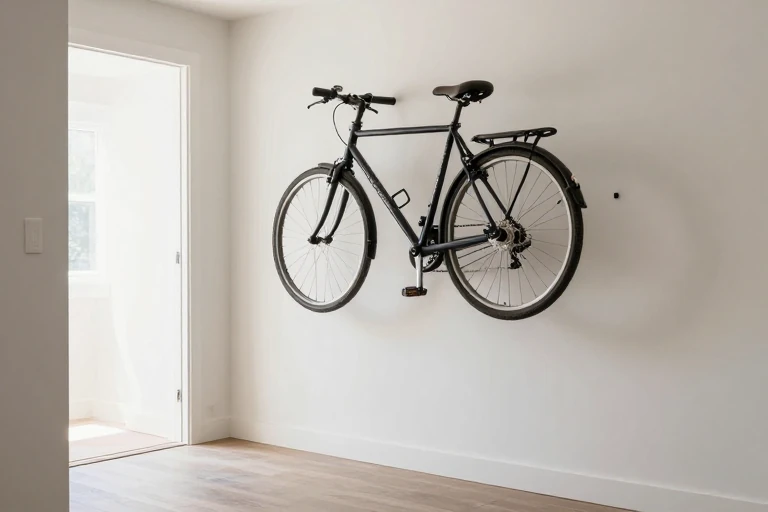
A wall‑mounted bike rack in the entryway clears floor space and keeps bicycles upright.
Secure the rack to studs using heavy‑duty bolts. Choose a rack with a vertical hook to support the bike’s frame without damaging the tires.
Periodically check the bolts for tightness and wipe down the rack to prevent rust.
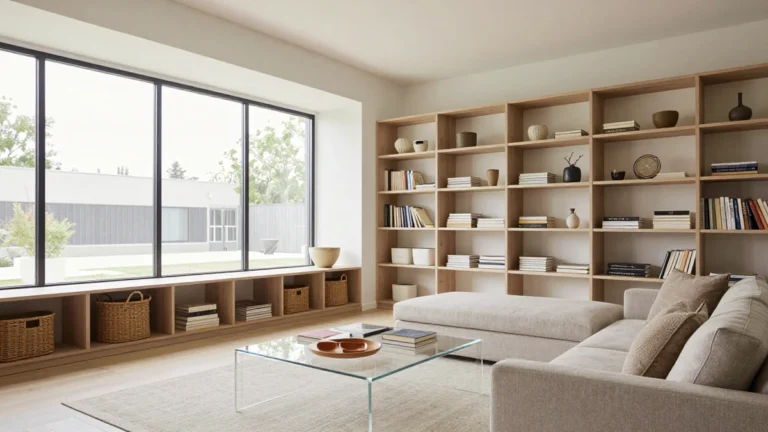
18. Add a Built‑In Window Seat with Storage Bins
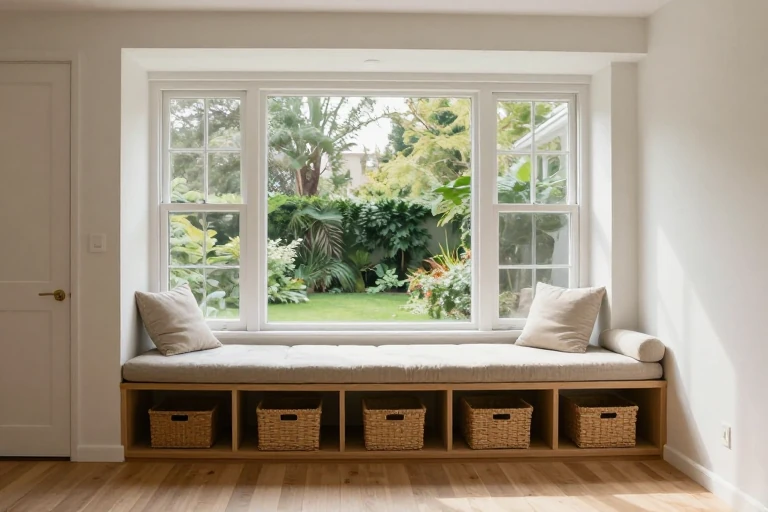
A built‑in window seat with storage bins offers seating and hidden space for blankets or toys.
Frame the seat with plywood, then add a cushion on top. Install pull‑out bins beneath the seat for easy access.
Use moisture‑resistant fabric for the cushion if the window receives direct sunlight to avoid fading.
19. Use a Rolling Kitchen Island with Built‑In Cabinets
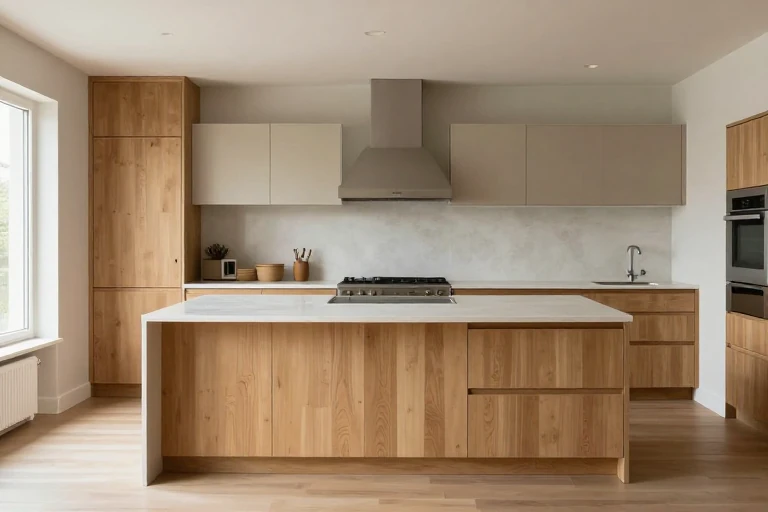
A rolling kitchen island equipped with cabinets and drawers adds flexible workspace and storage.
Choose an island with lockable wheels to keep it stable during use. Include a mix of deep drawers for pots and shallow cabinets for dishes.
Regularly tighten the wheel locks and clean the floor tracks to ensure smooth movement.
20. Install a Hidden Compartment Behind a Mirror
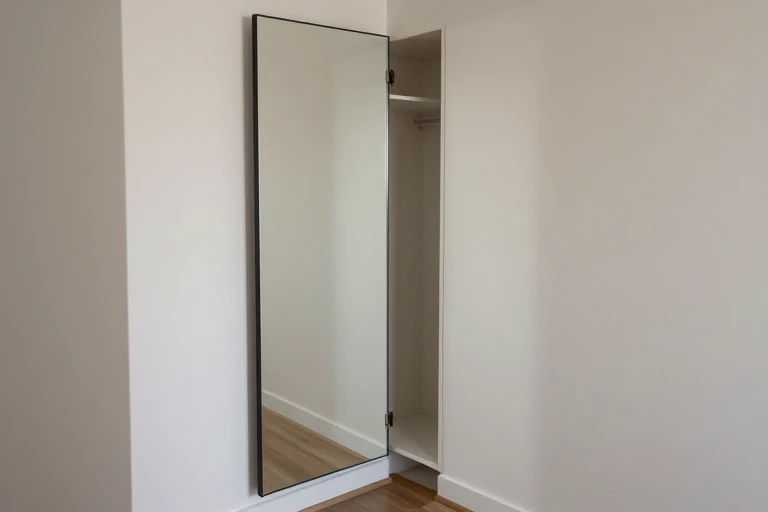
Hide valuables or paperwork behind a full‑length mirror that swings open on concealed hinges.
Install the mirror on a pivot hinge, then attach a thin cabinet door behind it. Use a magnetic latch for a seamless look.
Keep the mirror clean to avoid streaks that could reveal the hidden compartment.
21. Use Wire Baskets on a Gallery Wall
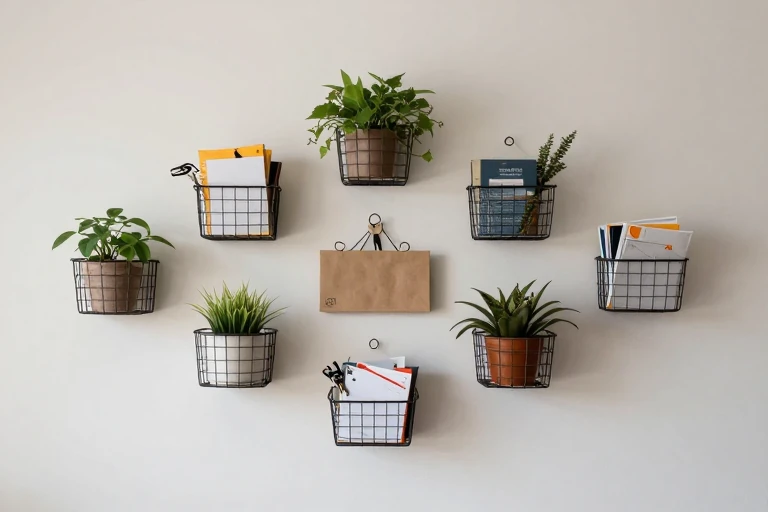
Wire baskets mounted on a gallery‑style wall create decorative yet functional storage for mail, keys, or plants.
Arrange the baskets in a staggered pattern for visual interest. Secure each basket with a screw eye and a picture‑hanging hook.
Wire baskets can rust in humid areas; consider powder‑coated metal for kitchens or bathrooms.
22. Add a Recessed Shelf in the Hallway Nook
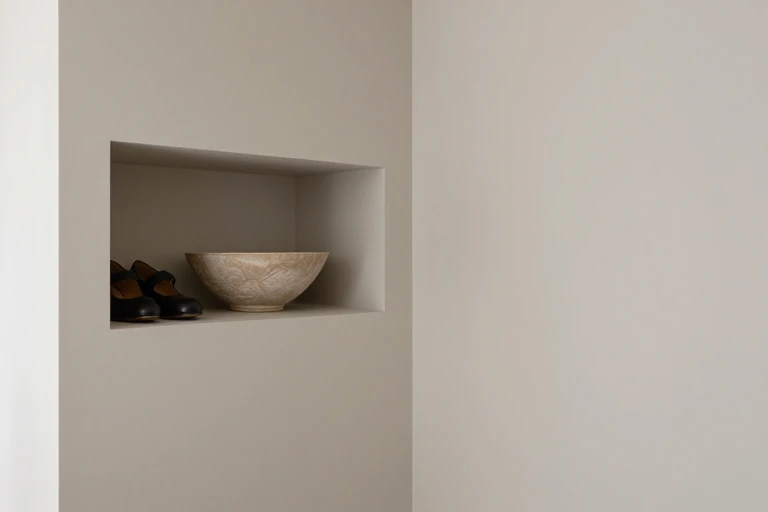
A recessed shelf installed in a hallway nook provides a spot for shoes, bags, or decorative items without protruding into the passage.
Cut a shallow cavity into the wall studs, then insert a shelf bracket and a floating shelf. Finish the shelf to match the surrounding wall.
Keep the shelf depth under 6 inches to maintain clear traffic flow.
23. Use a Multi‑Tier Plant Stand for Dual Storage
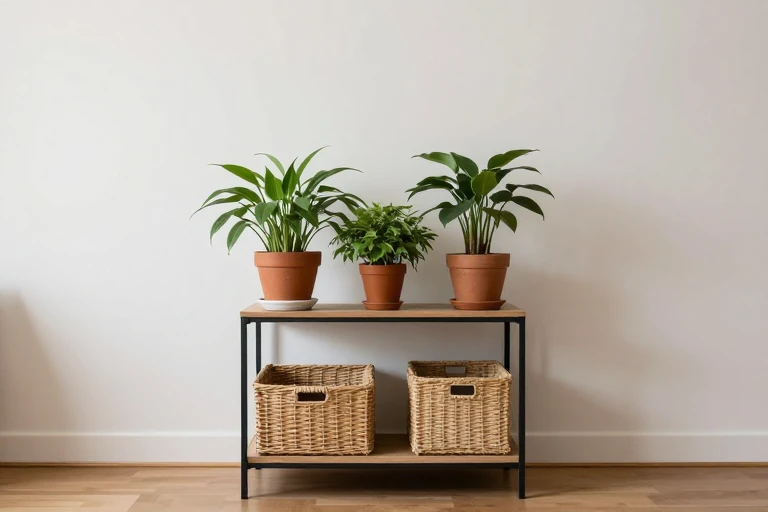
A multi‑tier plant stand doubles as storage when you place bins or baskets on the lower shelves.
Choose a stand with sturdy legs and a waterproof tray to protect floors. Use the top tier for plants that need sunlight, and the lower tiers for items like gardening tools.
Check the stand’s weight rating; heavy soil can exceed the capacity of lightweight metal frames.
24. Common Storage Mistakes to Avoid
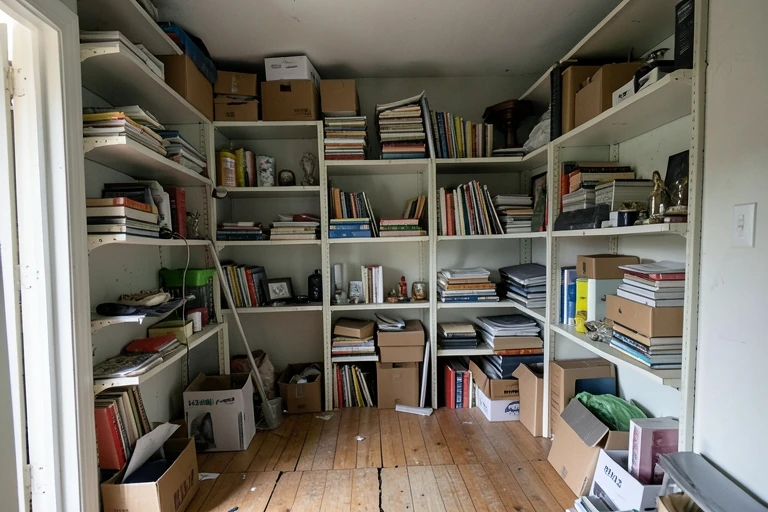
Even the smartest storage plan can fall short if basic principles are ignored.
Common mistakes include overloading shelves beyond load limits, neglecting to measure clearances before installing, and choosing materials that don’t suit the room’s humidity. Skipping a quick safety check can lead to sagging floors or warped wood.
Always test a new system with a few items before fully loading it, and schedule periodic inspections to catch wear early.
Effort & Cost Snapshot
| Topic | Effort | Cost Note |
|---|---|---|
| 1. Conduct a Load‑Capacity Audit | High | Get a project-specific professional quote |
| 2. Install Floor‑to‑Ceiling Closet Systems | Medium | Varies by materials, scope, and local labor |
| 3. Use Pull‑Out Pantry Shelves | High | Get a project-specific professional quote |
| 4. Add Over‑Door Racks in Bathrooms | Medium | Varies by materials, scope, and local labor |
| 5. Convert Stair Risers into Drawers | Medium | Varies by materials, scope, and local labor |
| 6. Hang Pegboards in the Kitchen | Medium | Varies by materials, scope, and local labor |
| 7. Deploy Modular Cube Units in Living Rooms | Low | Often achievable with existing furnishings or simple updates |
| 8. Integrate Sliding Barn Doors with Built‑In Shelves | Medium | Varies by materials, scope, and local labor |
| 9. Use Transparent Acrylic Bins for Visible Storage | Low | Often achievable with existing furnishings or simple updates |
| 10. Add Ceiling‑Mounted Pot Racks in the Kitchen | Medium | Varies by materials, scope, and local labor |
| 11. Install Under‑Bed Lift‑Up Platforms | Medium | Varies by materials, scope, and local labor |
| 12. Repurpose a Closet as a Home Office Nook | High | Get a project-specific professional quote |
| 13. Use Magnetic Strips for Small Metal Tools | Medium | Varies by materials, scope, and local labor |
| 14. Add a Fold‑Down Laundry Hamper in the Bathroom | Medium | Varies by materials, scope, and local labor |
| 15. Install a Pull‑Down Closet Rod for Seasonal Clothes | Medium | Varies by materials, scope, and local labor |
| 16. Use Corner Lazy‑Susan Cabinets in the Kitchen | Medium | Varies by materials, scope, and local labor |
| 17. Hang a Wall‑Mounted Bike Rack in the Entryway | Low | Often achievable with existing furnishings or simple updates |
| 18. Add a Built‑In Window Seat with Storage Bins | Medium | Varies by materials, scope, and local labor |
| 19. Use a Rolling Kitchen Island with Built‑In Cabinets | Medium | Varies by materials, scope, and local labor |
| 20. Install a Hidden Compartment Behind a Mirror | Medium | Varies by materials, scope, and local labor |
| 21. Use Wire Baskets on a Gallery Wall | Low | Often achievable with existing furnishings or simple updates |
| 22. Add a Recessed Shelf in the Hallway Nook | Medium | Varies by materials, scope, and local labor |
| 23. Use a Multi‑Tier Plant Stand for Dual Storage | High | Get a project-specific professional quote |
| 24. Common Storage Mistakes to Avoid | Medium | Varies by materials, scope, and local labor |
Frequently Asked Questions
How do I determine if my floor can support heavy storage units?
Start by measuring the width, height, and depth of the area you want to use. Then check the floor’s load rating—most residential floors support 40‑50 lb/ft², but you can find the exact number on the building plans or by contacting a structural engineer. Finally, sketch a simple layout that shows traffic flow and where each storage unit will sit.
Should I choose built‑in or freestanding storage?
Built‑in solutions add value and look seamless, but they cost more and require professional installation. Freestanding units are cheaper and movable, yet they can consume floor space and may not align with the room’s design language. Weigh budget, permanence, and aesthetic goals before deciding.
What’s the best way to keep open shelves tidy?
Open shelving showcases items but gathers dust quickly; closed cabinets protect belongings but hide visual interest. Pair a few open shelves with glass‑front cabinets to balance accessibility and cleanliness. Use washable liners in drawers to simplify maintenance.
How can I securely mount heavy shelves on drywall?
When installing wall‑mounted systems, locate studs with a stud finder and use at least 2‑inch lag bolts. For drywall‑only installations, add toggle bolts rated for the weight of the intended load. Always follow the manufacturer’s hardware recommendations.
What material should I pick for bathroom storage?
Mixing materials—like wood for warmth and metal for durability—creates visual contrast and functional resilience. Wood is easier to customize but can warp in humid areas; metal resists moisture but may dent. Choose the material that matches the room’s climate and your maintenance willingness.
By turning a quick audit into a series of purposeful upgrades, you can transform even the tightest floor plan into a well‑organized home. Choose the ideas that match your lifestyle, respect load limits, and plan for easy upkeep, and you’ll enjoy a clutter‑free space that feels larger and works harder for you.
Sources & Further Reading
- 1926.250 – General requirements for storage. | Occupational Safety and Health Administration
- Design Bites Library | NAHB
Continue Your Home Transformation
Explore the full collection of step-by-step eBooks and get the guide that fits the room you're working on.