Getting the garden ideas right makes the biggest difference in how the space actually feels day to day. A well-planned garden ideas balances function and style, and even small tweaks to your garden ideas can transform the whole area.
Quick Recap of These Garden Ideas
Keep these garden ideas simple at first. You can always layer in more garden ideas once the basics are working.
If you remember nothing else, remember that small garden ideas add up faster than one big garden ideas overhaul.
Mixing a few garden ideas from this list is usually more effective than committing to just one. Try one or two garden ideas first and expand from there.
A great garden ideas also helps define how the space is used day to day, so keep the garden ideas basics in mind before you commit to a plan.
Choosing the right garden ideas approach is one of the easiest ways to upgrade a space without a full remodel. When your garden ideas is planned correctly, everything else feels intentional rather than accidental.
You water it, you weed it, you keep buying plants — and somehow your garden still feels like scattered effort instead of a real, living space. I spent years treating my garden as an afterthought to the house, until I realized the gardens that actually feel alive aren’t the most expensive ones. They’re the most intentional ones.The best gardens today aren’t just pretty — they’re designed in purposeful zones, planted with resilience in mind, and built to support both you and the ecosystem around you. By the end of this article, you’ll know exactly how to turn scattered planting into a garden that feels curated, alive, and unmistakably yours.
1. Why One Open Garden Always Feels Chaotic
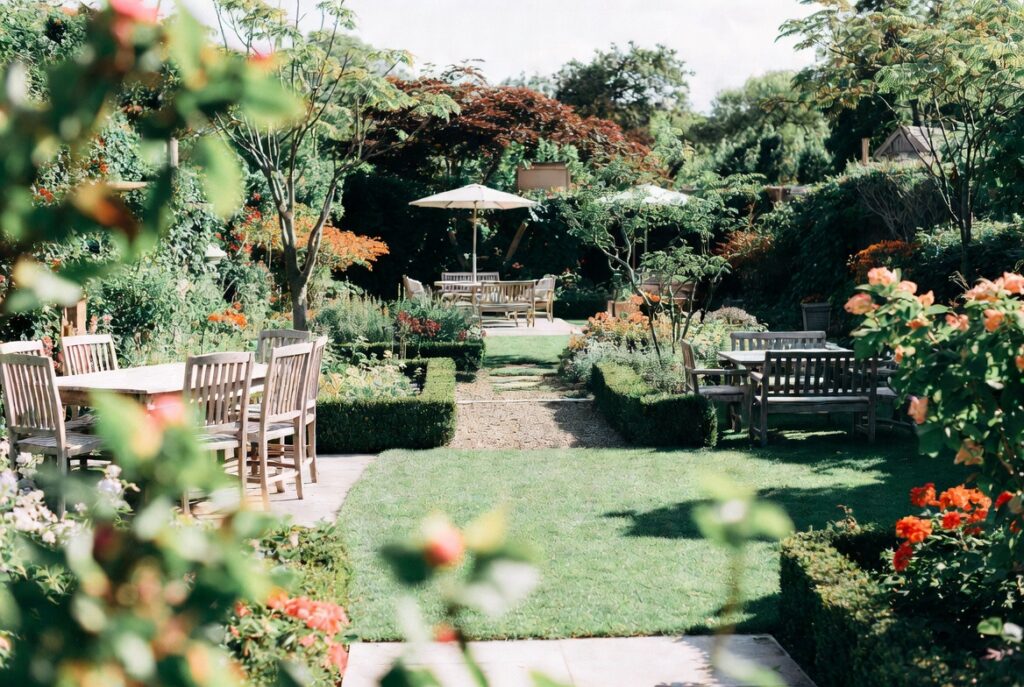
A garden treated as one undivided space rarely feels intentional, no matter how many plants you add. Dividing your yard into purposeful zones — a dining area, a reading nook, a planting bed — gives each part a clear role. In my experience, this single shift does more for a garden’s feel than any new plant ever could.
Smart tip: Use pots and planters to mark zone boundaries — a flexible, budget-friendly way to define spaces without permanent structures.
Mistake to avoid: Don’t scatter furniture and plants randomly across the yard. Without zones, even a large garden feels disorganized and smaller than it is.
2. The Edible Garden That Pays You Back
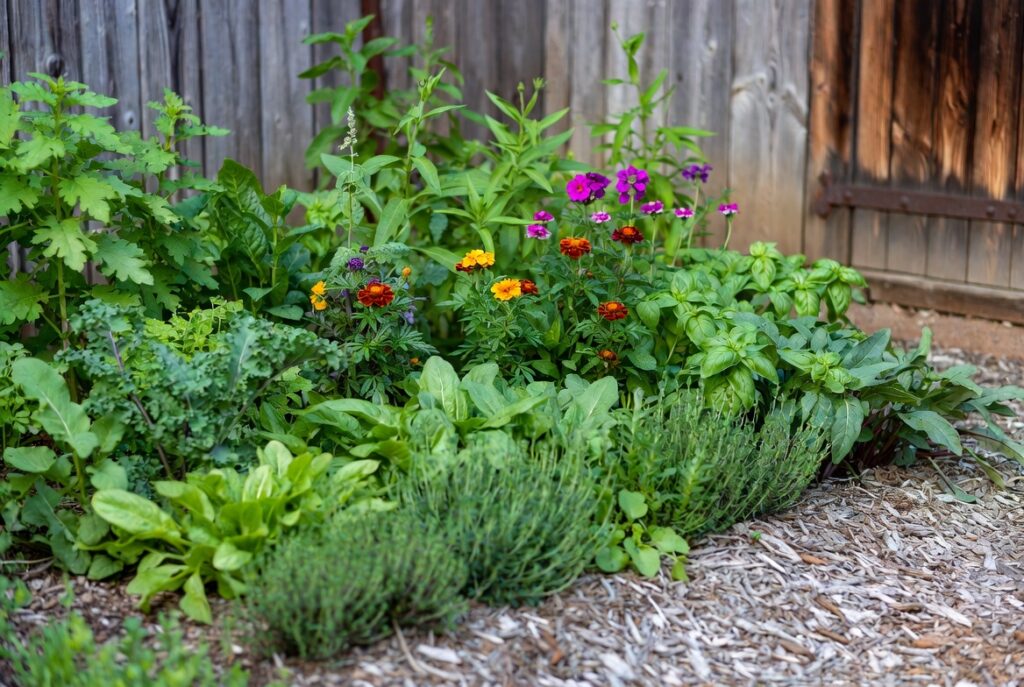
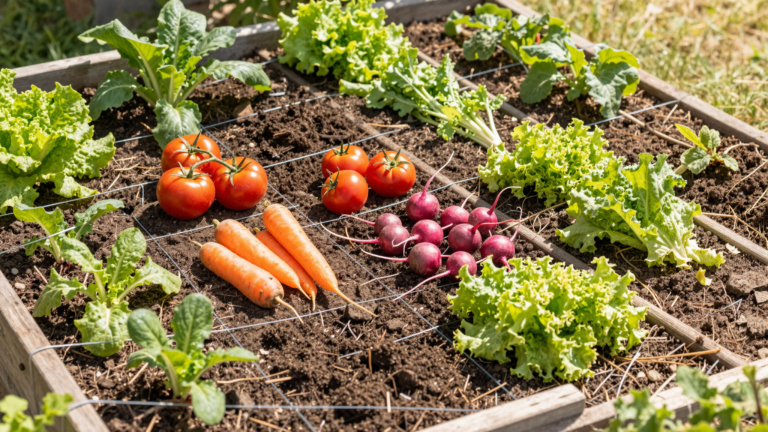
Foodscaping blends herbs, vegetables, and fruit bushes directly into your existing borders, so your garden looks beautiful and feeds you at the same time. A few tomato plants tucked beside flowering perennials, or a potager-style bed near the kitchen door, makes harvesting part of daily life. We found that an edible garden is one of the most satisfying upgrades because it gives back literally every week. If you love bringing fresh flavor into your kitchen, these indoor herb garden ideas pair beautifully with an outdoor edible bed.
Smart tip: Plant herbs and salad greens close to your kitchen door — a cost-effective way to grab fresh ingredients while cooking.
Mistake to avoid: Don’t isolate vegetables in a separate, utilitarian plot. Mixing edibles into your existing borders looks far more polished.
3. Native Plants That Practically Take Care of Themselves
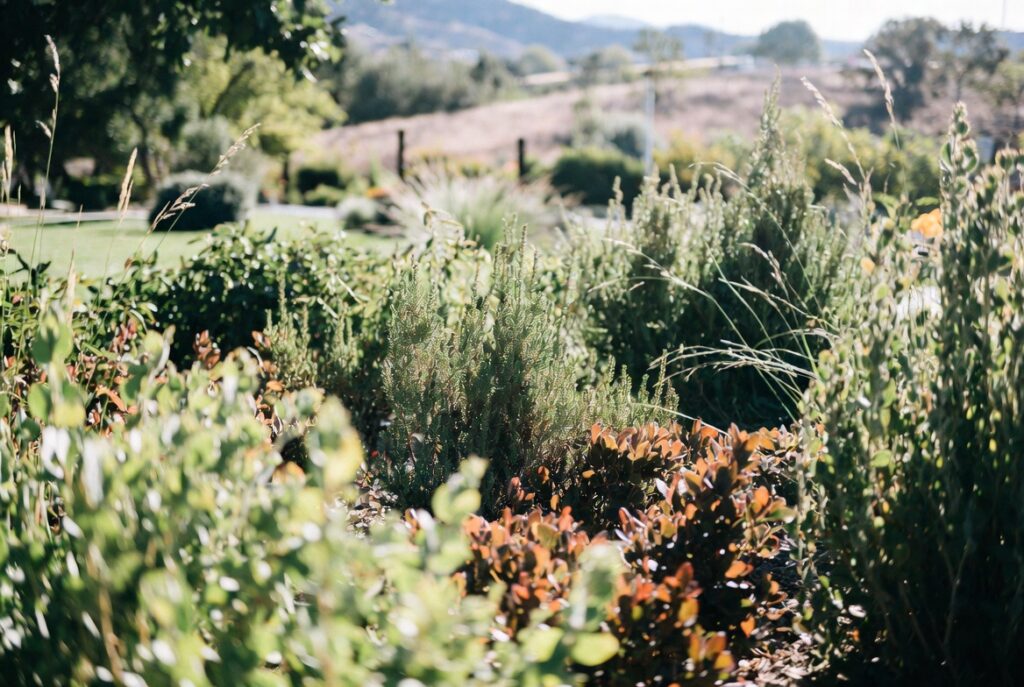
Native species are adapted to your exact climate, which means less watering, less fuss, and stronger resilience through extreme weather. They also support local pollinators and birds in ways imported plants simply can’t. One of the most common mistakes I see is gardeners fighting their climate with high-maintenance plants when native alternatives would thrive with almost no effort.
Smart tip: Research three native shrubs for your region and swap one struggling plant for a native alternative — a low-effort upgrade with lasting payoff.
Mistake to avoid: Don’t choose plants purely for looks without checking if they suit your climate. Mismatched plants demand constant intervention to survive.
Loving These Ideas? Get the Step-by-Step Guide
Grab the full 5-day eBook and turn these ideas into a finished room.


4. The Gravel Garden Trick for Water-Wise Beauty
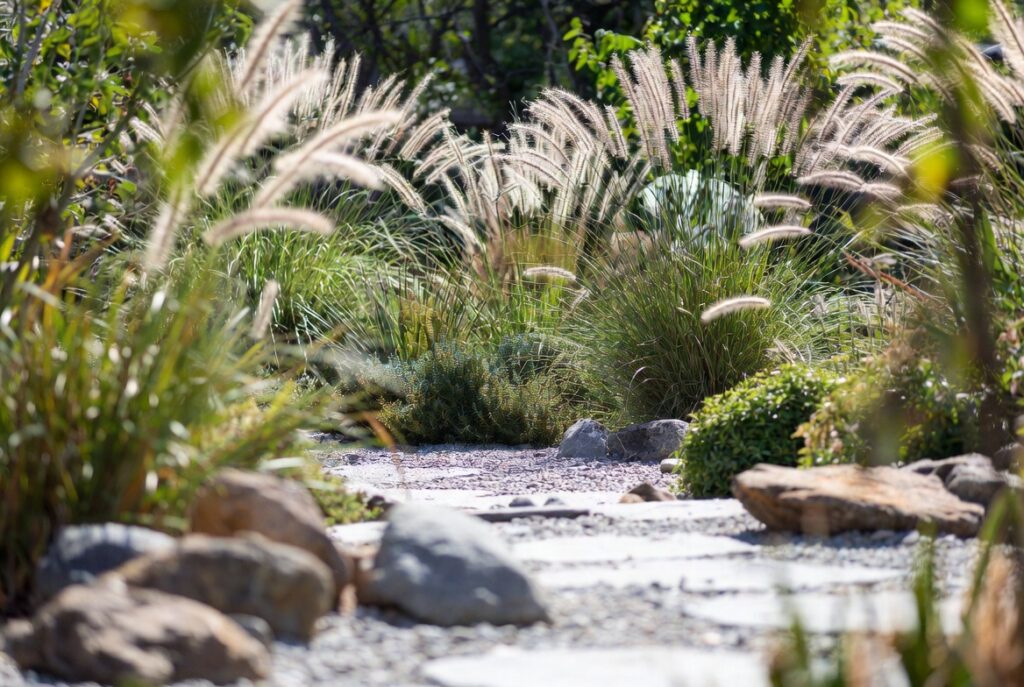
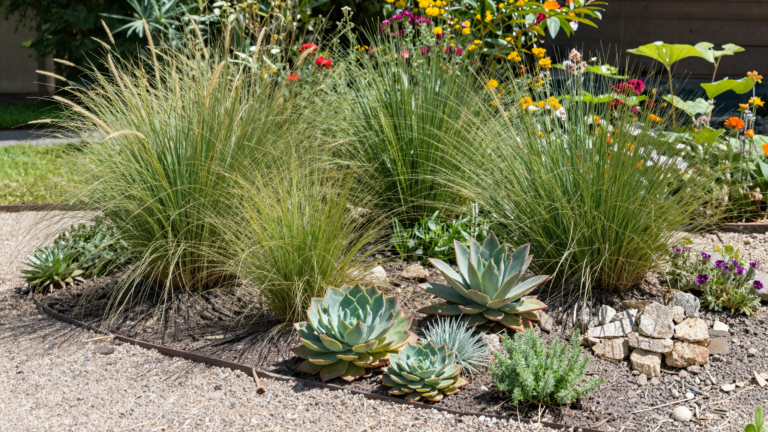
A gravel garden swaps thirsty lawn for textured stone paired with drought-tolerant plantings, creating a modern, low-maintenance look that still feels lush. It’s especially striking layered with ornamental grasses and structural shrubs. The contrast between soft planting and hard stone gives a garden depth without demanding constant watering, echoing the same water-wise spirit as our xeriscape ideas for a water-wise stunning landscape.
Smart tip: Convert one struggling lawn patch into a gravel bed with drought-tolerant plants — an affordable, water-saving weekend project.
Mistake to avoid: Don’t lay gravel without a weed barrier underneath. Skipping this step means constant maintenance down the road.
5. Why Vertical Planting Saves Small Gardens
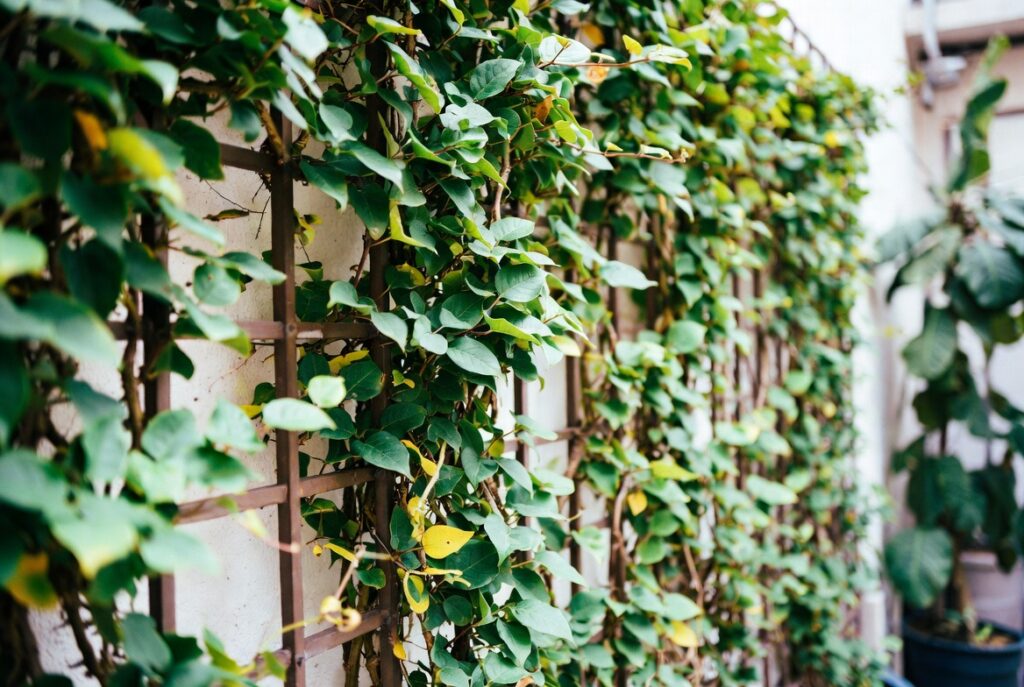
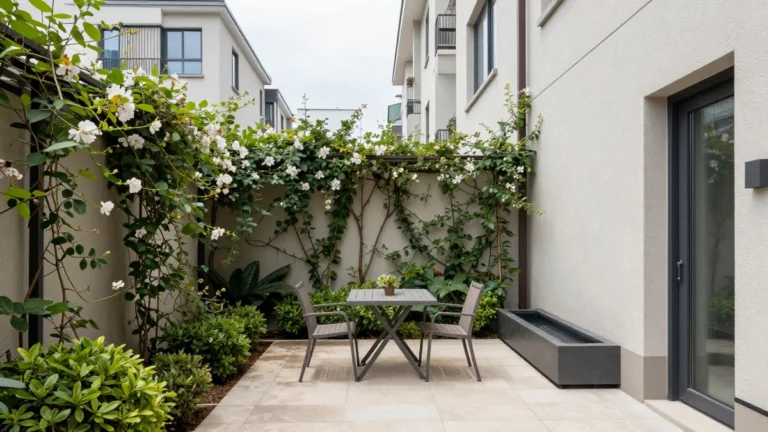
When floor space runs out, the solution is up. Trellises, wall-mounted planters, and climbing vines add greenery without sacrificing an inch of usable ground. Vertical planting works especially well on patios, courtyards, and tight side yards where every square foot counts. It transforms a blank wall into one of the garden’s most beautiful features.
Smart tip: Install a simple wall trellis with a climbing vine like jasmine or clematis — affordable greenery that grows upward, not outward.
Mistake to avoid: Don’t ignore vertical space in a small garden. Walls and fences are valuable planting real estate most people overlook.
6. The Wellness Corner Every Garden Deserves
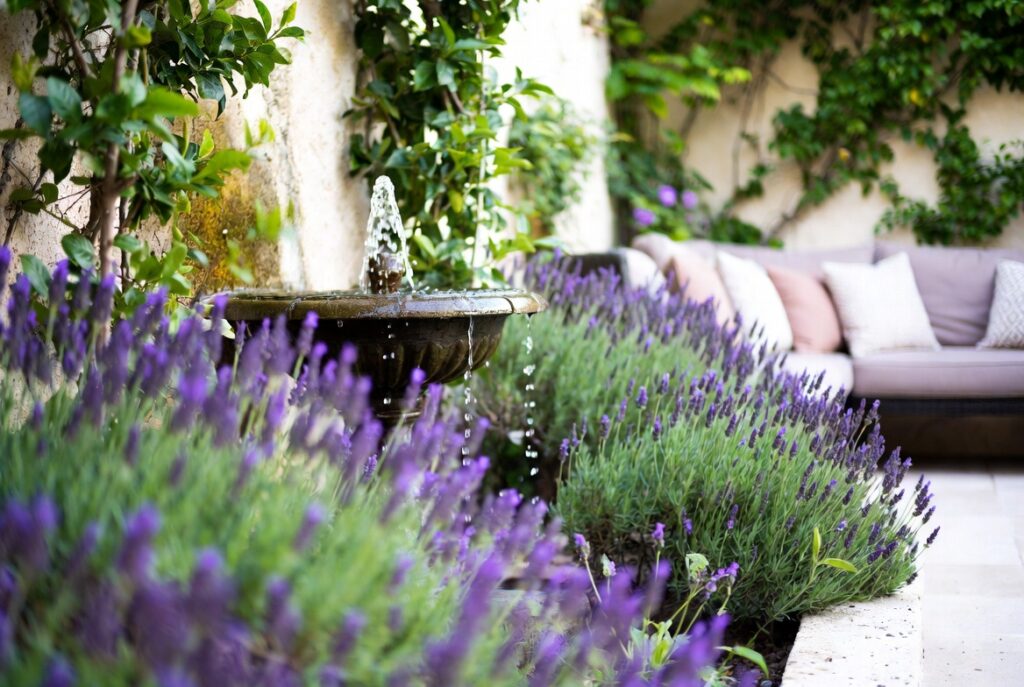
A small, sheltered nook with fragrant planting, a gentle water feature, and comfortable seating turns part of your garden into a genuine retreat. This wellness zone doesn’t need to be large — even a single corner with the right elements creates a space that calms you the moment you sit down. The first time I added a small water feature, I was surprised how much that quiet sound changed the whole mood of the yard.
Smart tip: Add a small tabletop fountain and fragrant plants like lavender to one corner — an affordable wellness retreat in your own yard.
Mistake to avoid: Don’t fill every corner with function. Leaving one space purely for rest gives the whole garden emotional balance.
7. Natural Stone That Ages Into Something Beautiful
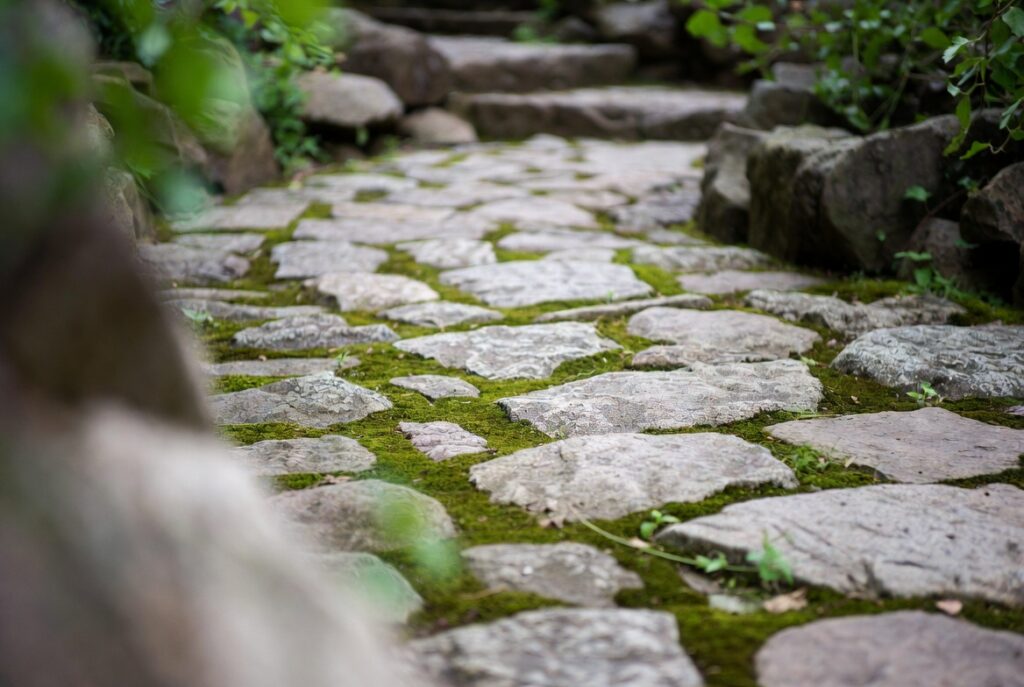
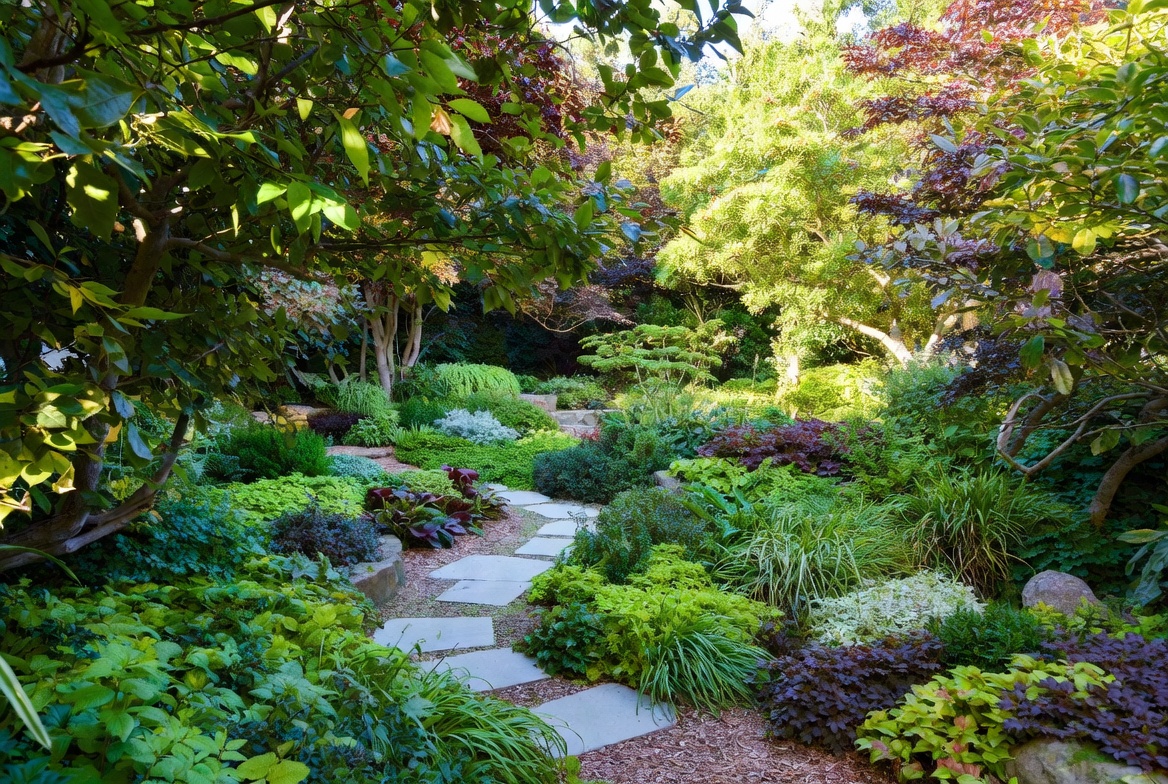
Natural stone paths and patios develop character over time in a way poured concrete never does. The texture, the slight variation in color, the way moss settles into the cracks — these are what make a hardscape feel timeless rather than installed. We found that natural stone is one of the few materials that genuinely improves with age instead of just wearing down.
Smart tip: Use natural stone for a small accent path or stepping stones rather than the entire yard — luxury feel at a fraction of the cost.
Mistake to avoid: Don’t seal natural stone too aggressively. Letting it patina naturally is exactly what gives it character.
8. Designing a Garden Your Pets Will Love Too
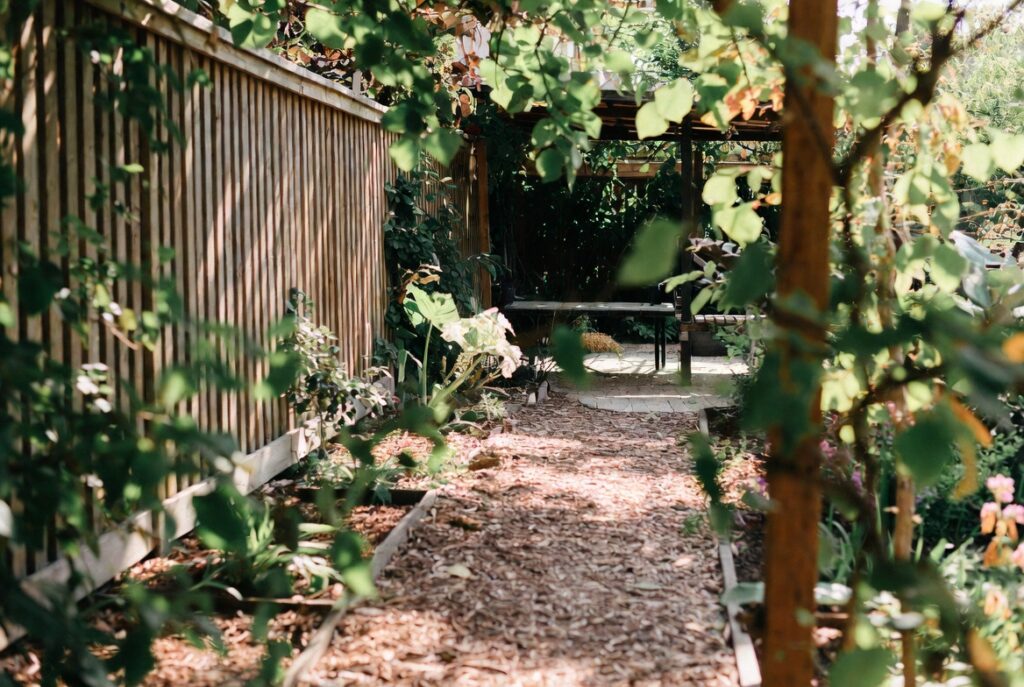
Pet-friendly gardens are having a real moment, and for good reason — most of us treat our pets as family. A durable path for zoomies, a shaded resting spot, and pet-safe plant choices let your dog or cat enjoy the garden as much as you do. Designing with pets in mind from the start avoids the frustration of damaged beds and dug-up borders later.
Smart tip: Add a dedicated mulched or gravel path along the fence line for a pet’s favorite running route — keeps paws off your planting beds.
Mistake to avoid: Don’t plant pet-toxic species like lilies or oleander where pets roam freely. Always check plant safety before placing near a pet zone.
9. The Layered Color Palette That Feels Curated
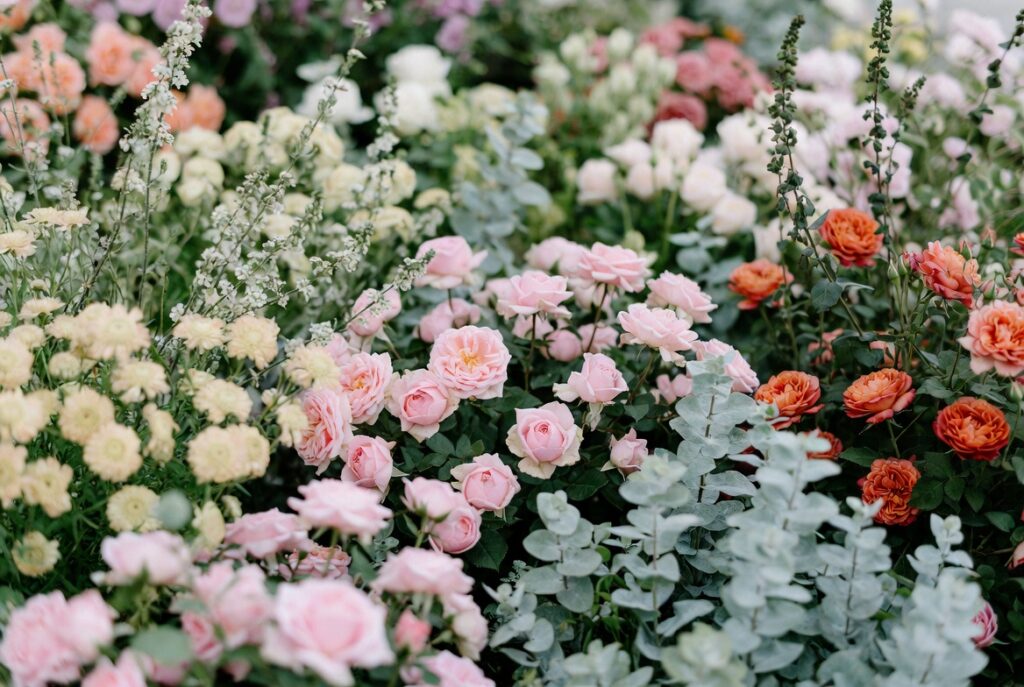
Rather than mixing every bright color available, the most beautiful gardens build around a soft, cohesive palette — blush pinks, sage greens, warm neutrals — layered across different textures and bloom times. This restraint is what separates a curated garden from a scattered one. A repeated color story across the seasons makes a garden feel designed rather than accidental.
Smart tip: Choose two or three colors and repeat them throughout your beds — instant cohesion without spending more on plants.
Mistake to avoid: Don’t buy plants impulsively based on individual blooms. Without a unifying palette, the garden ends up feeling like a patchwork.
10. Why a Wild Corner Makes the Whole Garden Healthier
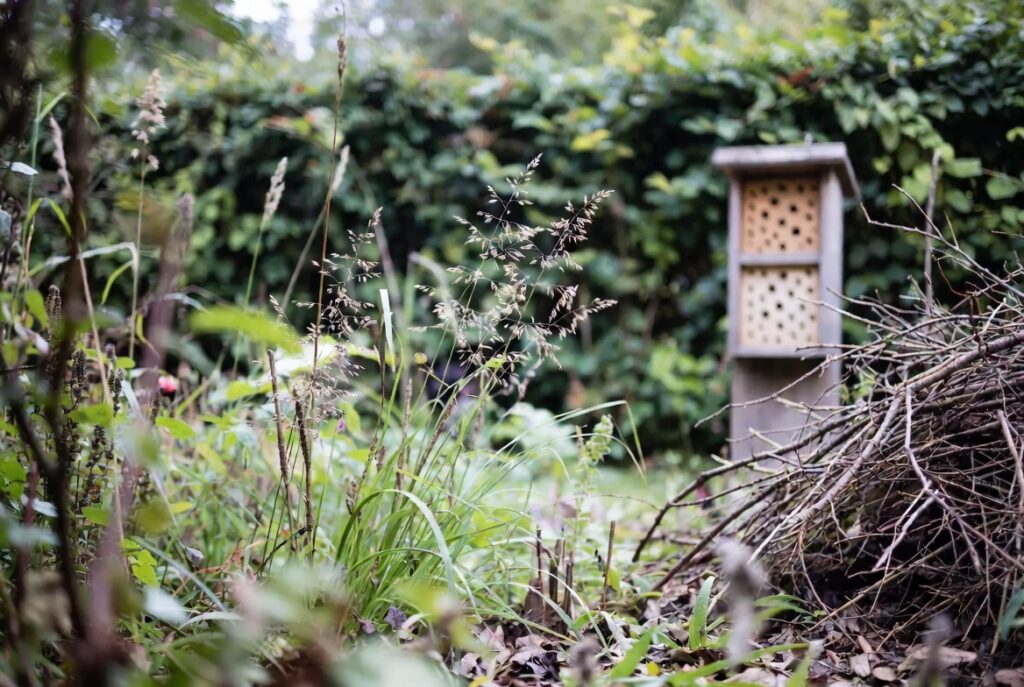
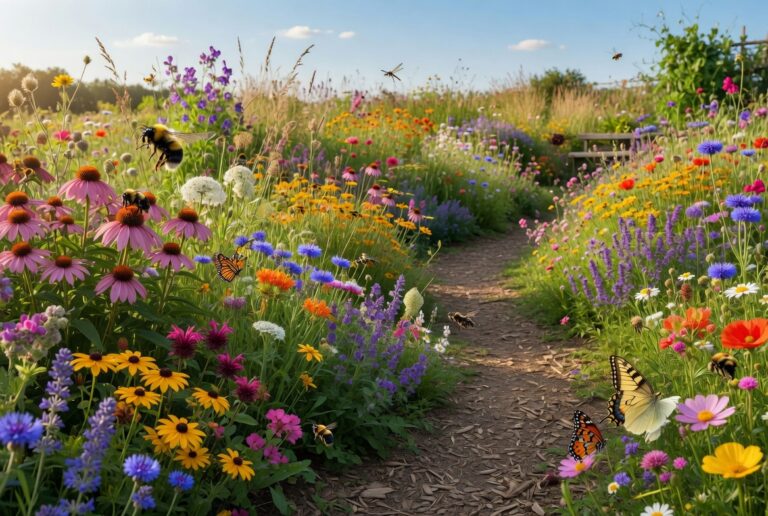
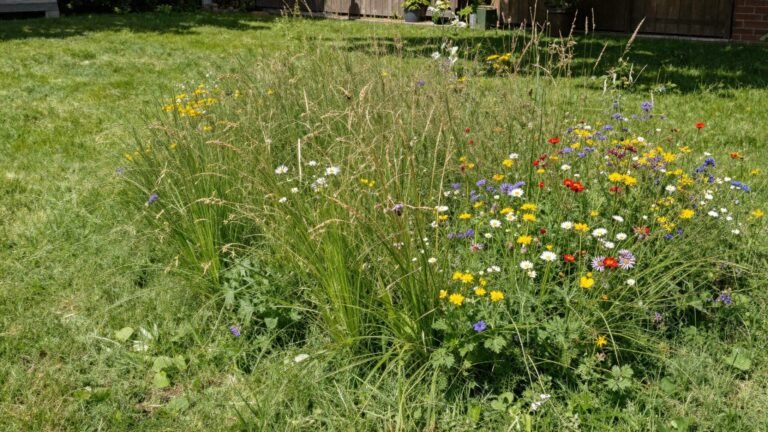
Leaving one small, intentionally unmanicured area — with native grasses, a small brush pile, or a simple bee hotel — gives insects, birds, and beneficial wildlife somewhere to shelter. This rewilded pocket actually improves the health of the rest of your garden by supporting pollinators. It doesn’t need to look messy; a defined edge keeps it looking purposeful rather than neglected.
Smart tip: Dedicate one small corner to native grasses and leave the fallen leaves there each autumn — a free way to support local wildlife.
Mistake to avoid: Don’t let a wild corner sprawl without a defined edge. A clear border signals it’s intentional, not abandoned.
11. The Container Trick for Renters and Small Yards
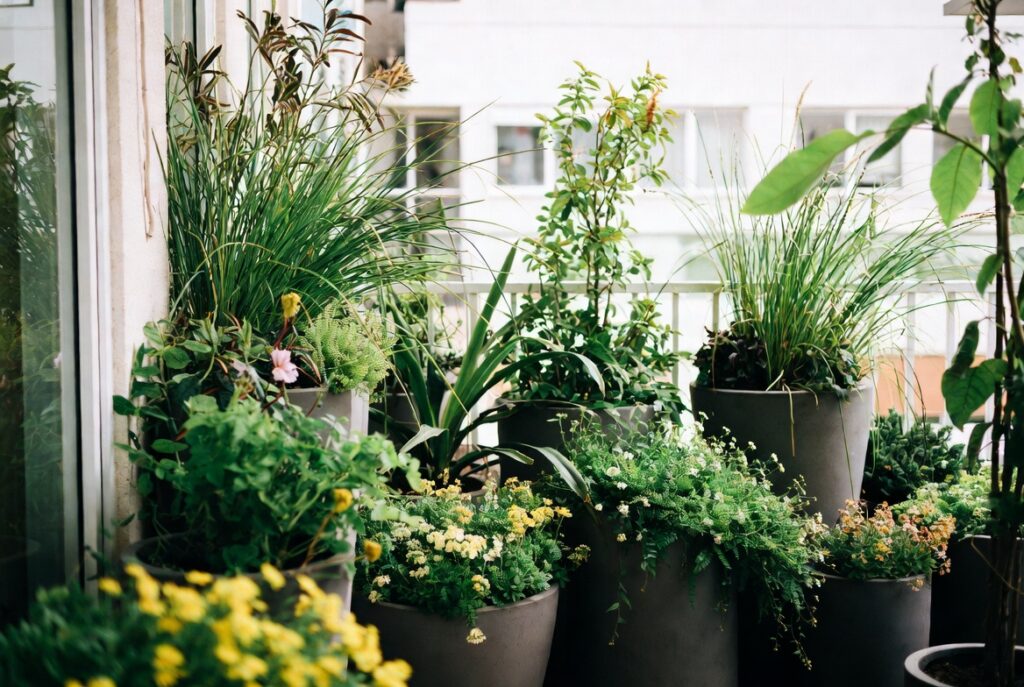
You don’t need a yard at all to have a real garden. Large containers grouped at varying heights — on a balcony, patio, or even a fire escape — create the same layered, lush effect as an in-ground bed. Containers are also the perfect solution for renters who want greenery without committing to permanent planting.
Smart tip: Group three to five containers at different heights using plant stands — instant depth without any digging required.
Mistake to avoid: Don’t line containers up in a single flat row. Varying height and grouping creates a far more dynamic, garden-like feel.
12. Blurring the Line Between Indoors and Out
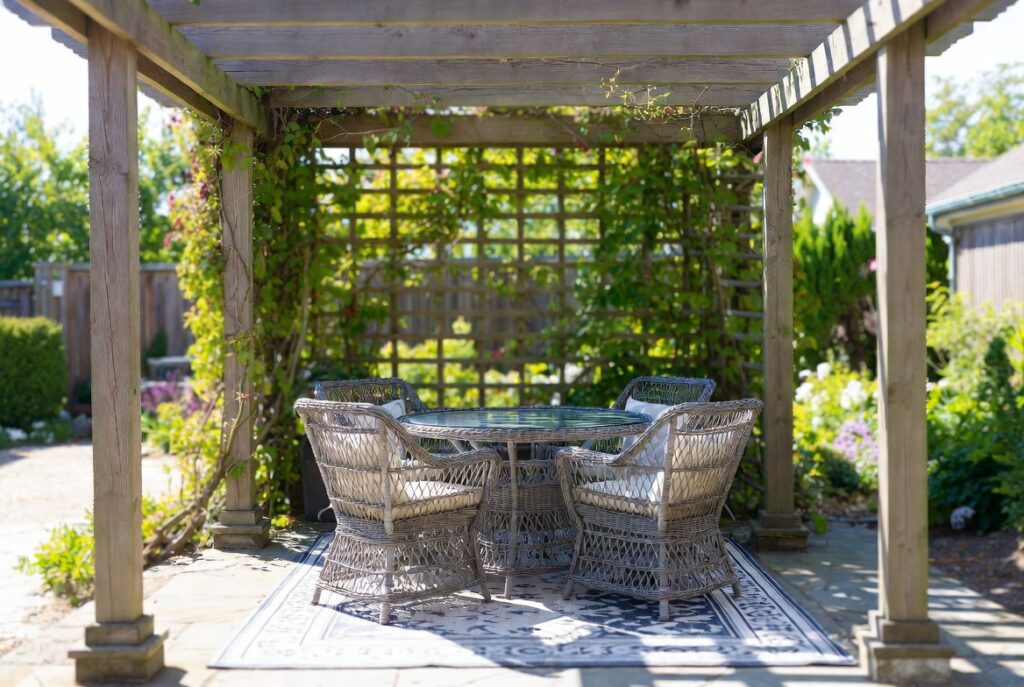
The most inviting outdoor spaces today don’t feel separate from the home — they feel like an extension of it. Matching your outdoor furniture style to your interior, adding an outdoor rug, or extending flooring materials from inside to out all blur that boundary beautifully. The look pairs naturally with ideas from our outdoor living space ideas for year-round enjoyment.
Smart tip: Add an outdoor rug and cushions in a palette that echoes your interior — a small touch that ties indoor and outdoor together.
Mistake to avoid: Don’t treat your patio furniture as an afterthought separate from your home’s style. Cohesion makes the whole property feel intentional.
13. The Lighting That Makes a Garden Glow at Night
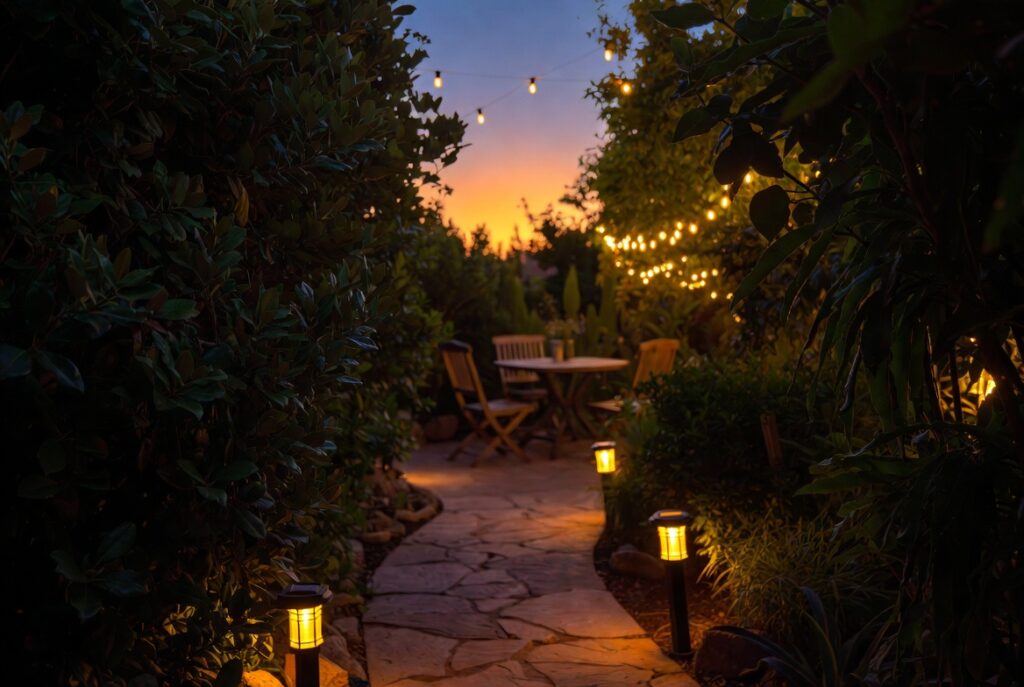
A garden that disappears at sundown is only half-finished. Warm, low-level lighting along paths, uplighting on trees, and a few string lights over a seating area extend your garden’s life into the evening. One of the most common mistakes I see is harsh, blue-white lighting that makes a garden feel like a parking lot instead of a retreat.
Smart tip: Add solar-powered warm path lights along your main walkway — a budget-friendly upgrade that transforms evening ambiance instantly.
Mistake to avoid: Don’t use harsh, cool-toned floodlights. Warm, low lighting always feels more inviting than bright, clinical light.
14. The Personal Plant Collection That Tells Your Story
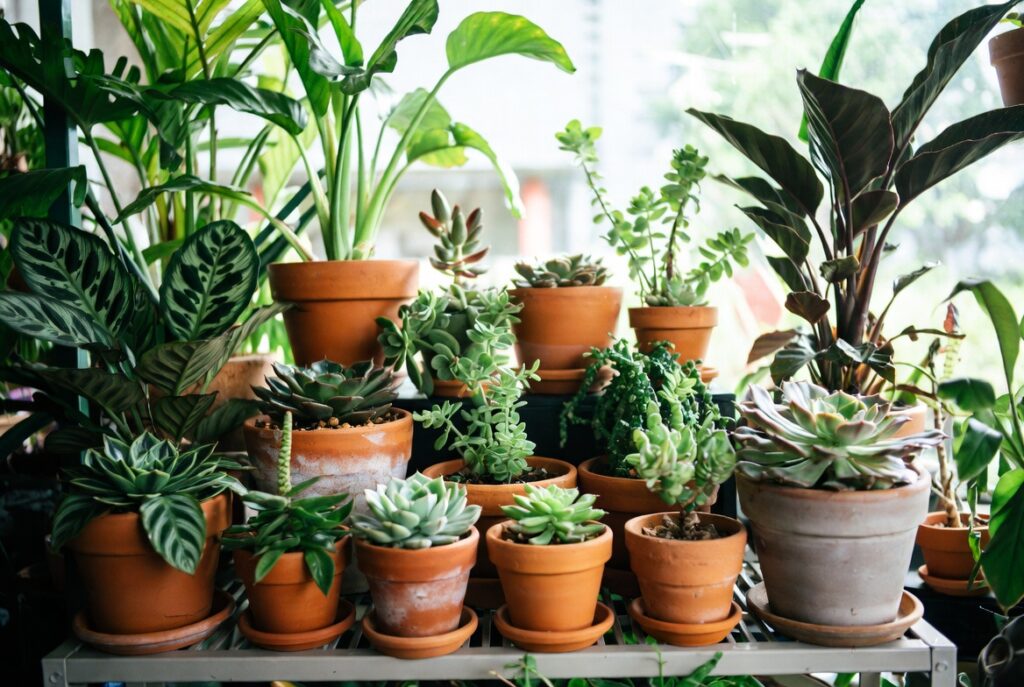
Beyond design rules, the gardens that feel most alive are the ones built around genuine plant passion — a rare variegated specimen, a cutting from a friend’s yard, a collection you’ve grown over years. This personal layer is what separates a showroom garden from one with real history. A garden that reflects your own collecting journey will always feel more meaningful than one designed entirely by trend.
Smart tip: Start a small collection of one plant family you love — even three pots of different varieties begins a story worth growing.
Mistake to avoid: Don’t follow every trend at the expense of plants you genuinely love. A trend-only garden often lacks the soul a personal collection brings.
A thriving, beautiful garden isn’t built in a single weekend — it grows through small, intentional choices made season after season. Pick the one idea that excites you most from this list, plant it this week, and let the rest of your garden grow around it over time.
Continue Your Home Transformation
Explore the full collection of step-by-step eBooks and get the guide that fits the room you're working on.