Getting the farmhouse decor right makes the biggest difference in how the space actually feels day to day. A well-planned farmhouse decor balances function and style, and even small tweaks to your farmhouse decor can transform the whole area.
You bought the shiplap. You painted everything white. You added the farmhouse sink. And somehow it all looks more like a catalog than a home — styled but not lived in, pretty but not warm.In 2026, farmhouse decor ideas have evolved beyond crisp white shiplap and cool grays into something richer, more personal, and genuinely beautiful. Earthy palettes, reclaimed materials, handcrafted pieces, and layers of texture are reshaping what this style means — making it more inviting than ever. By the end of this article, you’ll know exactly which farmhouse decor ideas have the most lasting impact, and how to build a home that feels collected over time rather than assembled in an afternoon.
1. Farmhouse Decor Ideas That Embrace Earthy Moody Tones
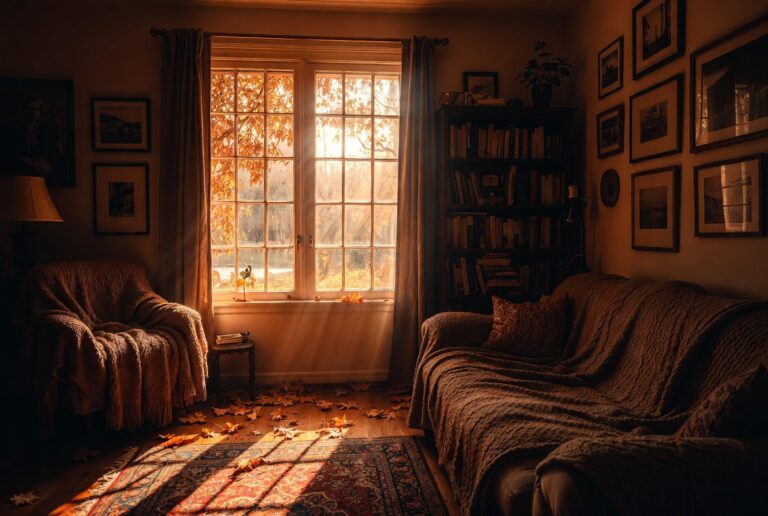
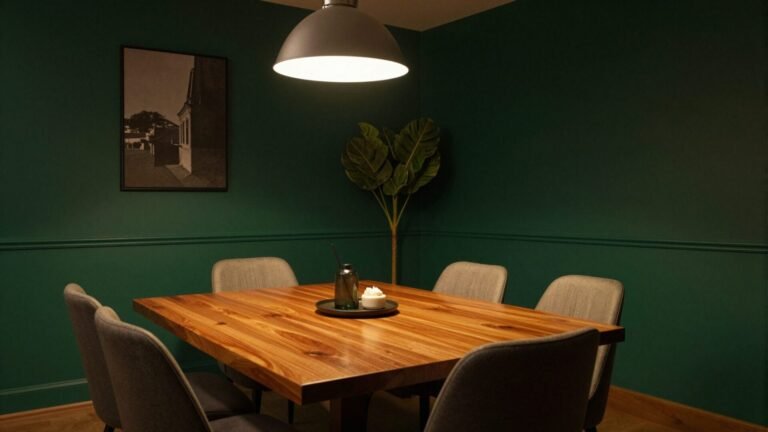
The most significant evolution in farmhouse decor ideas for 2026 is the definitive move away from cool whites and pale grays into warm, earthy tones that feel grounded and sophisticated. Deep olive green, terracotta, warm mahogany, muted ochre, and rich caramel are reshaping what a farmhouse interior looks like — and the result is a warmth and depth that cool neutrals simply cannot achieve. In my experience, this single shift in color palette does more to transform a farmhouse space than any piece of furniture.
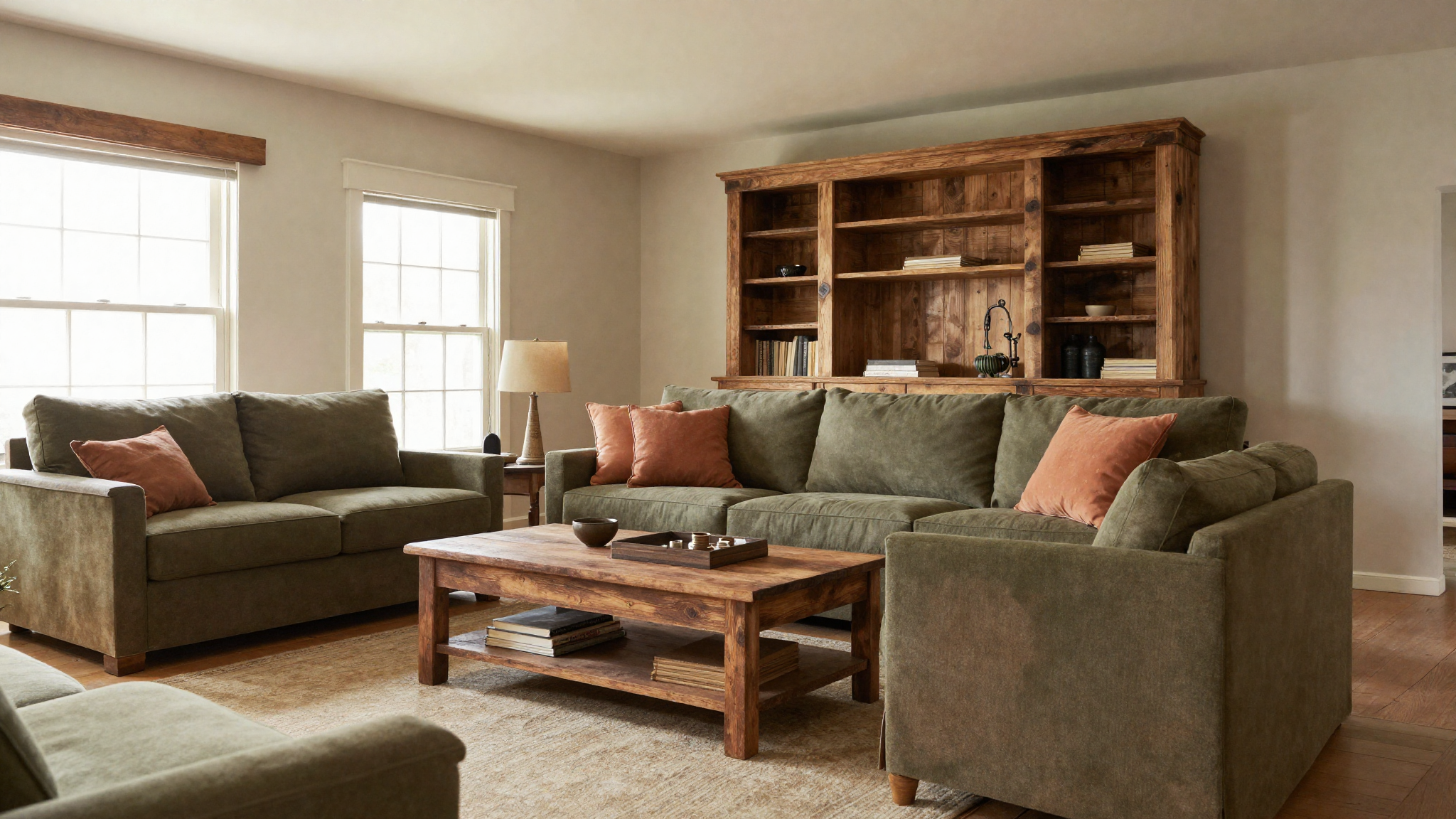
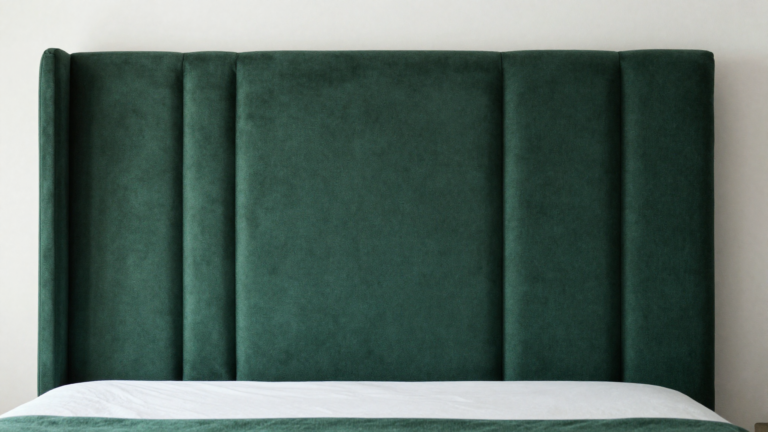
Smart tip: Add one earthy tone through a single upholstered piece or accent wall — an instant visual upgrade that shifts the whole room’s warmth without repainting everything.
Mistake to avoid: Don’t use too many competing earthy tones at once. Pick one dominant color and let warm neutrals support it — restraint is what makes the palette feel sophisticated.
2. Exposed Beams That Give a Room Its Backbone
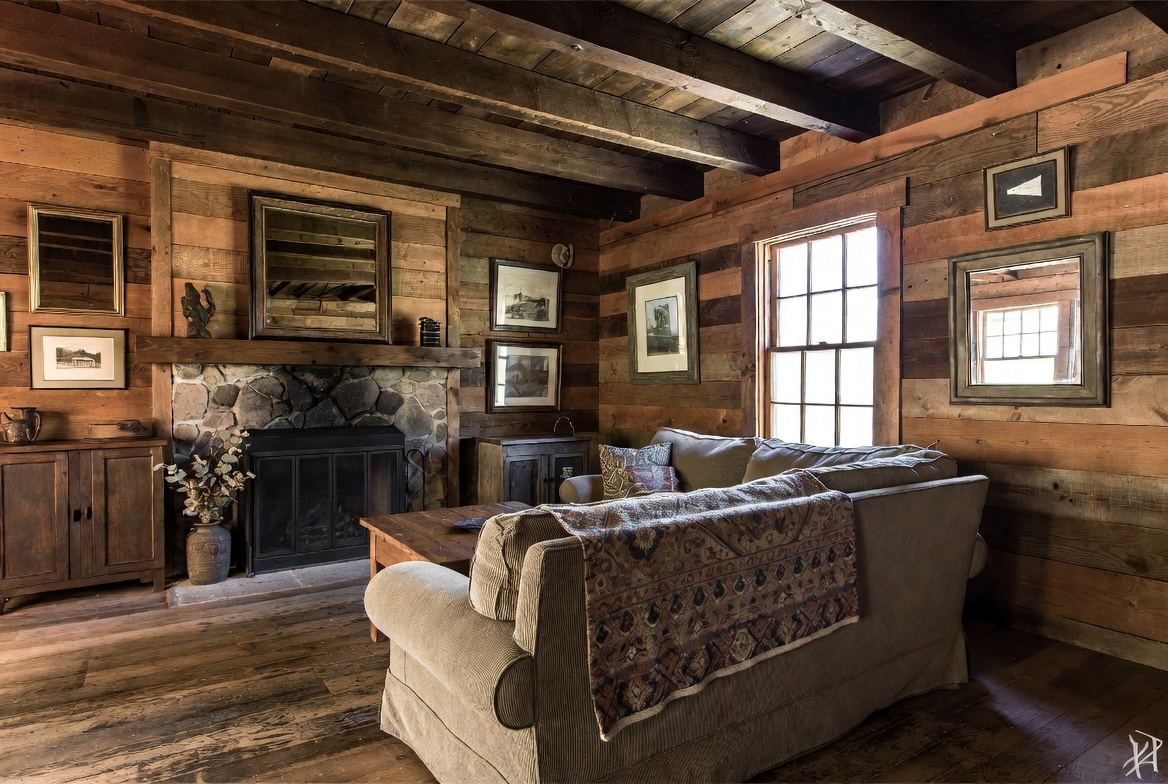
Exposed ceiling beams — whether original reclaimed timber or purpose-installed additions — add architectural soul that no amount of decor can replicate. They ground a room visually, add height and drama, and signal the kind of craftsmanship and permanence that defines the best farmhouse interiors. We found that adding beams, even in rooms without original architectural features, transforms how the whole space reads.
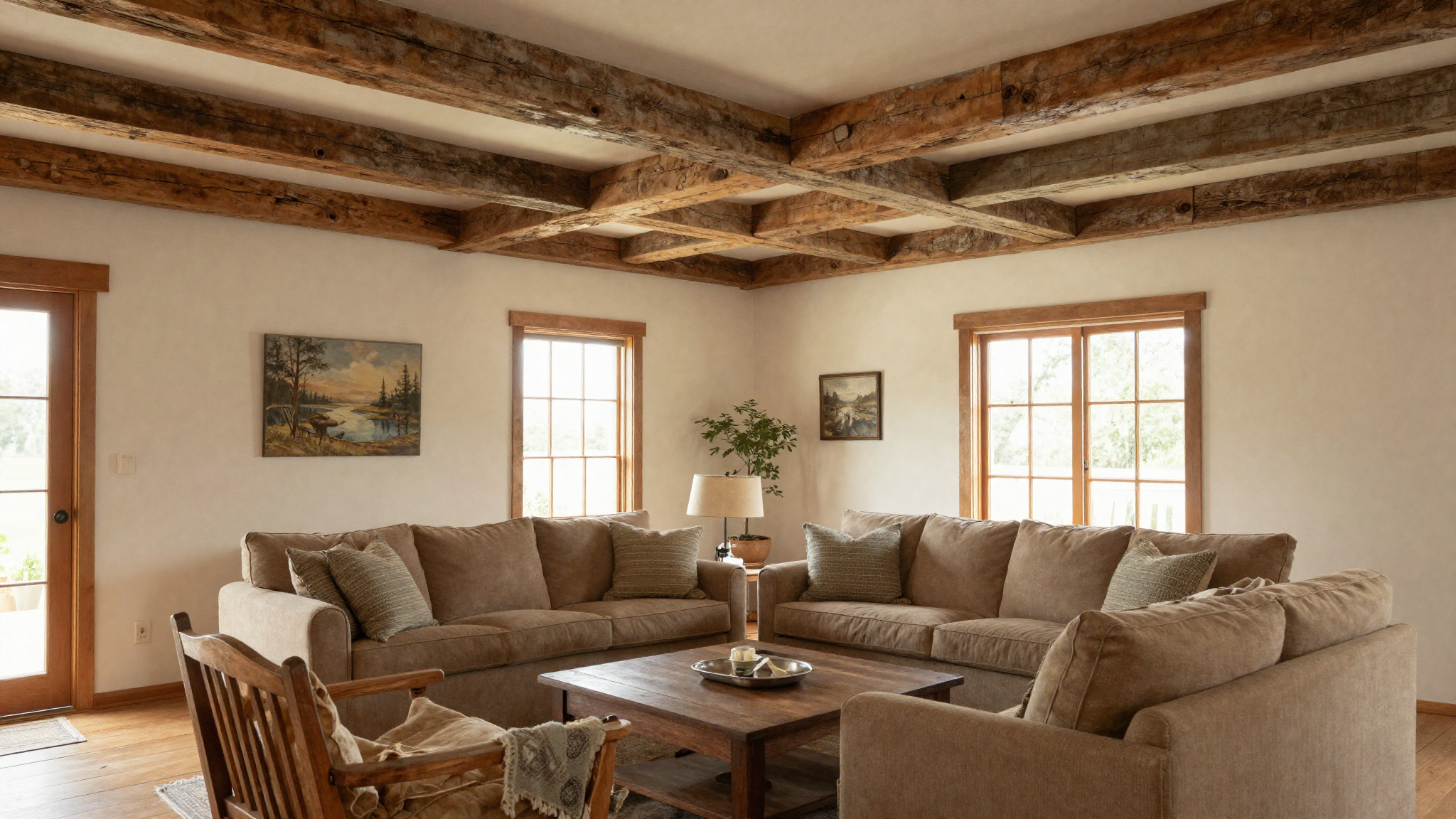
Smart tip: Install hollow wood beam wraps over existing ceilings — no structural work required, and the result looks completely authentic.
Mistake to avoid: Don’t paint reclaimed beams bright white. The natural aged wood tone is the entire point — painting them strips away the history that makes them beautiful.
3. Shiplap Done Right for Authentic Farmhouse Character
Shiplap remains one of the most iconic farmhouse elements — horizontal wood planking that adds instant texture, warmth, and unmistakable character. In 2026, the approach has matured: rather than covering every wall, shiplap is now used intentionally as an accent wall behind a bed, above a fireplace, or in a mudroom. One shiplap wall is enough to establish the whole home’s farmhouse tone. One of the most common mistakes I see is shiplap on every surface — it dilutes the impact of the material entirely.
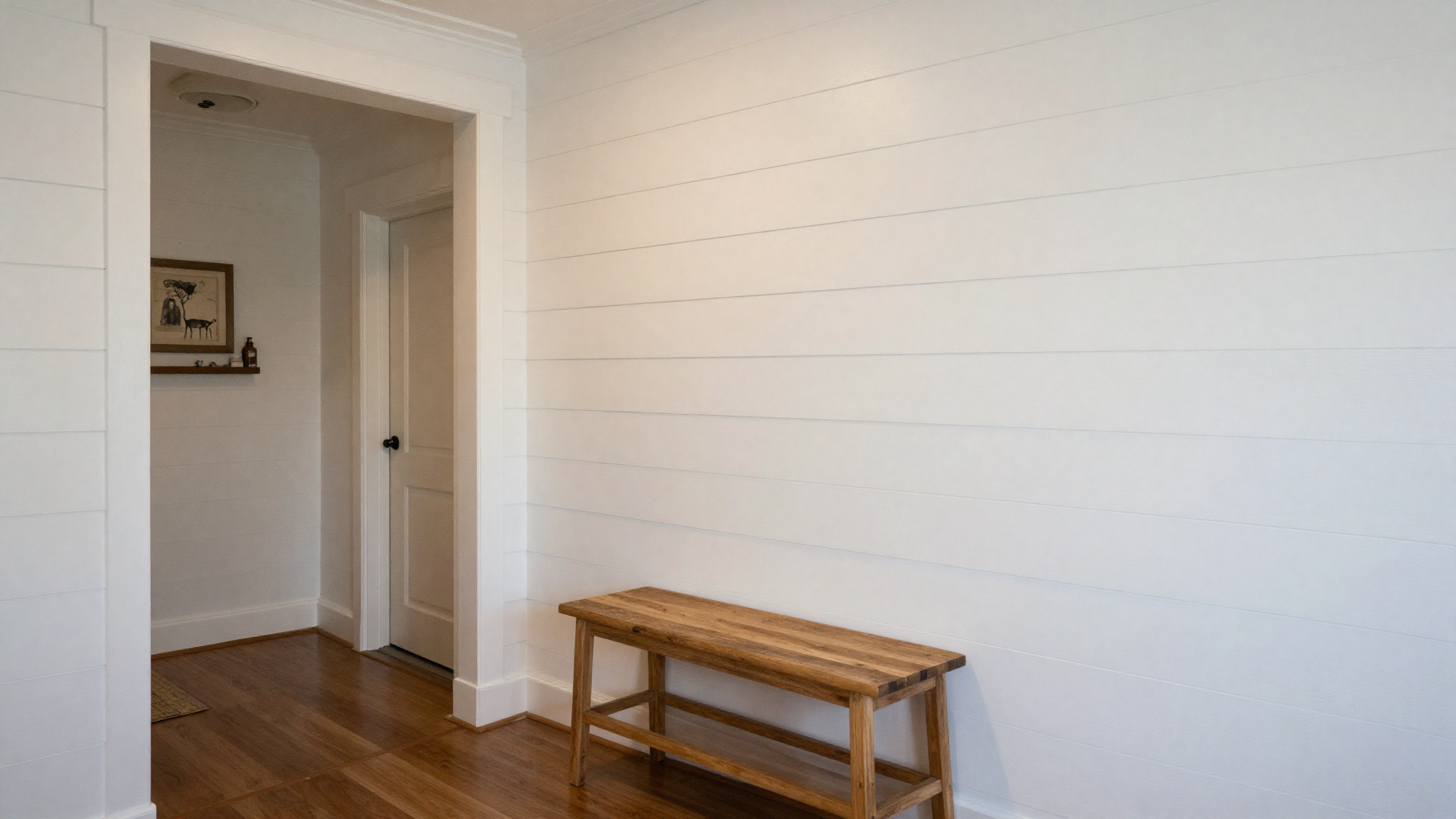
Smart tip: Install faux shiplap panels on one accent wall — budget-friendly and nearly indistinguishable from the real thing once painted.
Mistake to avoid: Don’t shiplap every wall in a room. One well-chosen wall does far more design work than a room entirely wrapped in the material.
Loving These Ideas? Get the Step-by-Step Guide
Grab the full 5-day eBook and turn these ideas into a finished room.




4. The Farmhouse Kitchen Where Real Life Actually Happens
The farmhouse kitchen is the room where this aesthetic is most at home — because it has always been designed for real cooking, real messes, and real life. Open wooden shelves displaying everyday dishes, an apron-front farmhouse sink, warm wood countertops, iron pendant lights, and rattan bar stools create a kitchen that feels genuinely purposeful. We found that the best farmhouse kitchens look like they’ve fed families for decades — and that’s exactly the quality to aim for.
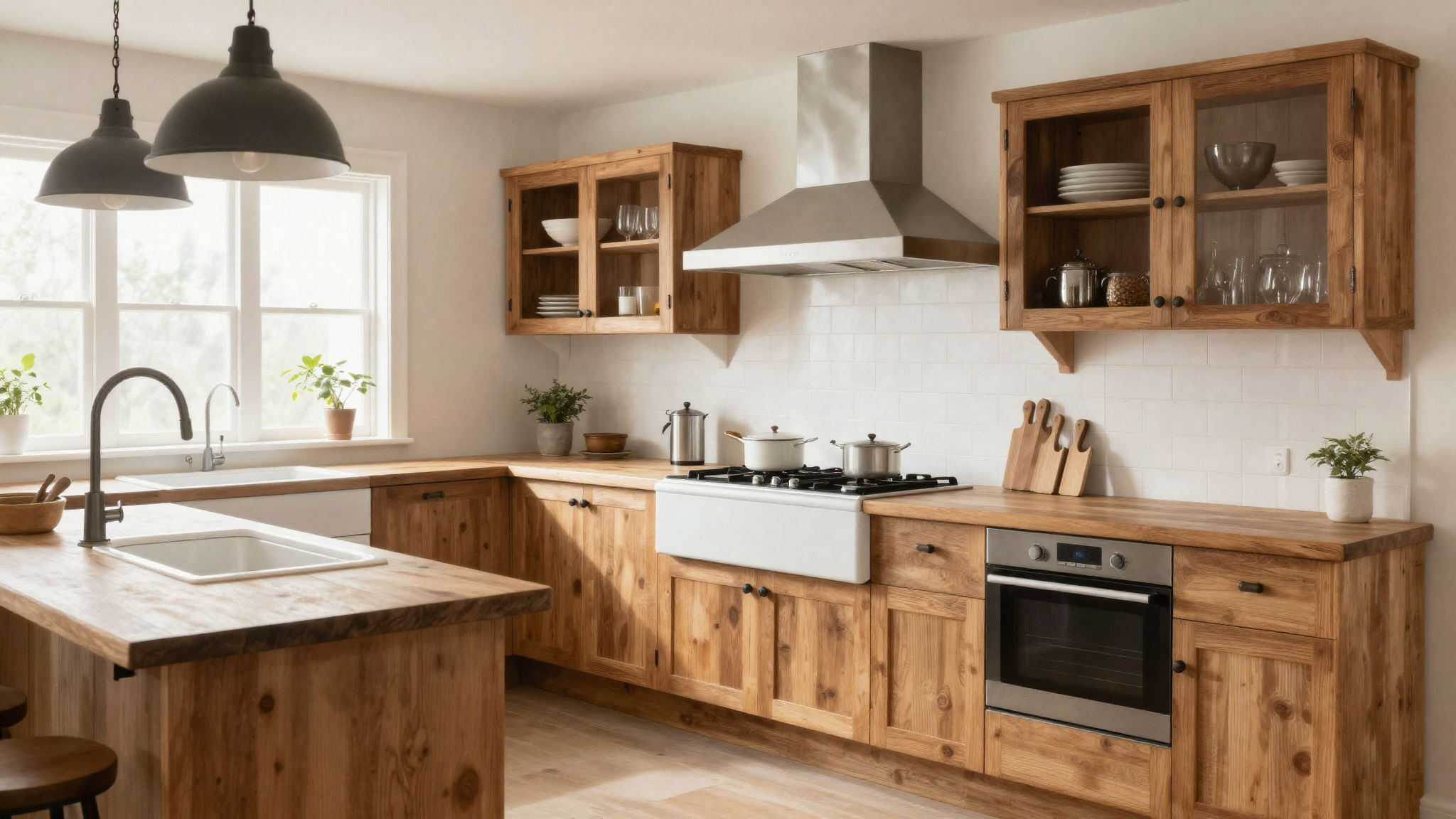
Smart tip: Replace upper cabinet doors with open shelving — a zero-cost way to open up a farmhouse kitchen and make everyday items part of the display.
Mistake to avoid: Don’t keep farmhouse kitchen counters obsessively clear. A farmhouse kitchen should look used and loved, not staged for a photo shoot.
5. Layered Textures That Make a Room Feel Collected
The depth of a farmhouse interior comes entirely from texture layering — plush boucle paired with a stone coffee table, chunky knit throws draped over worn leather, jute rugs layered under softer wool, ceramic accessories beside smooth linen. This interplay between raw and refined materials adds the visual richness that makes a farmhouse room feel collected over time rather than assembled in an afternoon. The first time I layered a chunky knit over a leather chair with a jute rug underneath, the room immediately looked like it had a decade of intentional living behind it.
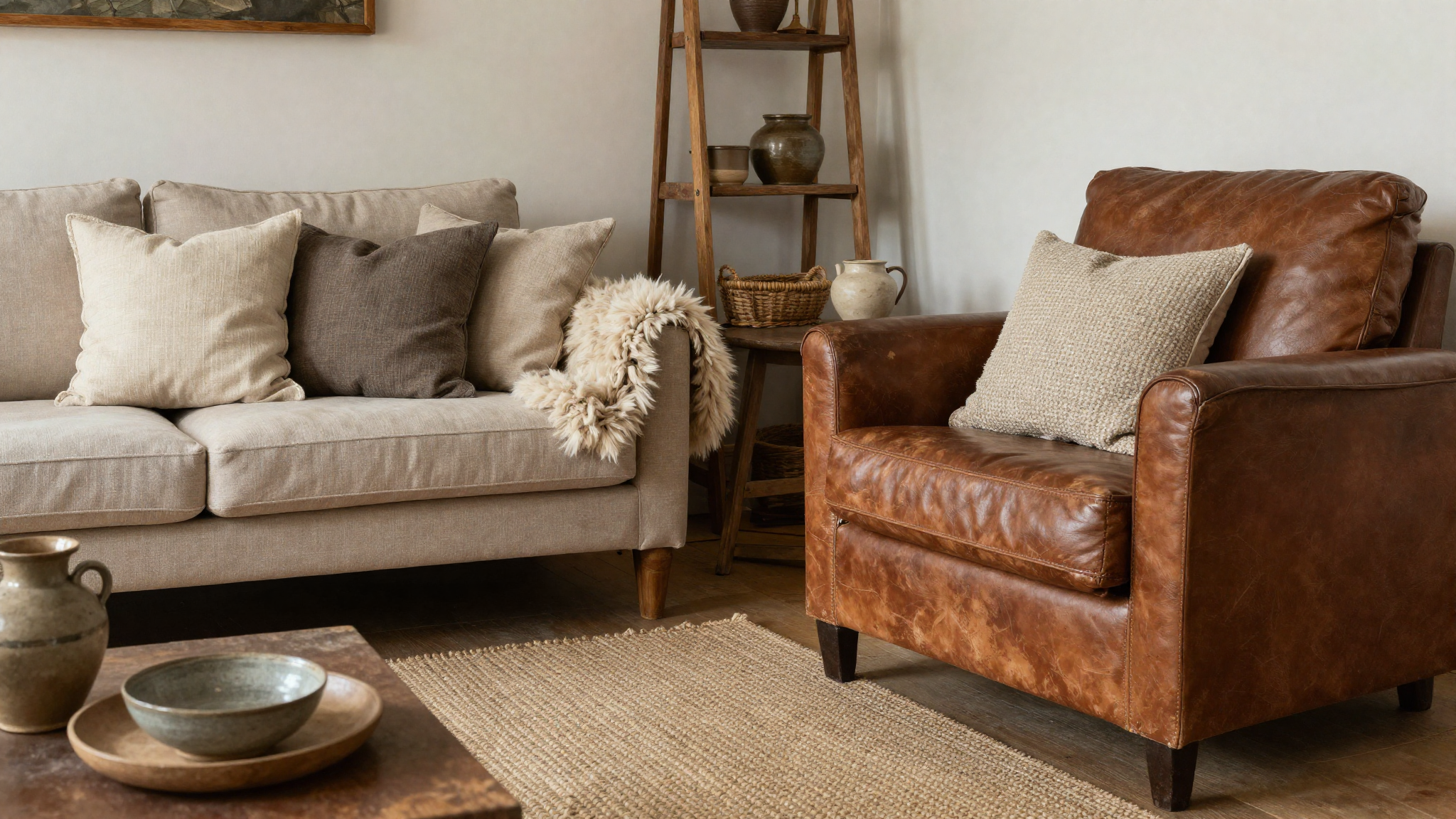
Smart tip: Add a chunky knit throw and a linen cushion in the same natural tone — two textures that immediately make any sofa feel more farmhouse without matching perfectly.
Mistake to avoid: Don’t use only smooth, flat surfaces throughout a farmhouse room. Without texture variation, even a well-proportioned room feels cold and lifeless.
6. Statement Lighting as the Room’s Farmhouse Jewelry
Lighting in 2026 farmhouse design is the jewelry of the room — a focal point that sets the mood and communicates the home’s character before anything else does. Oversized black iron chandeliers, Edison bulb pendants, lantern-style fixtures, and sculptural lighting that blends black iron with brass accents all do the farmhouse work of adding warmth, drama, and intentional craftsmanship. A single lighting upgrade can transform the entire mood of a room — it’s consistently the highest-impact change relative to cost.
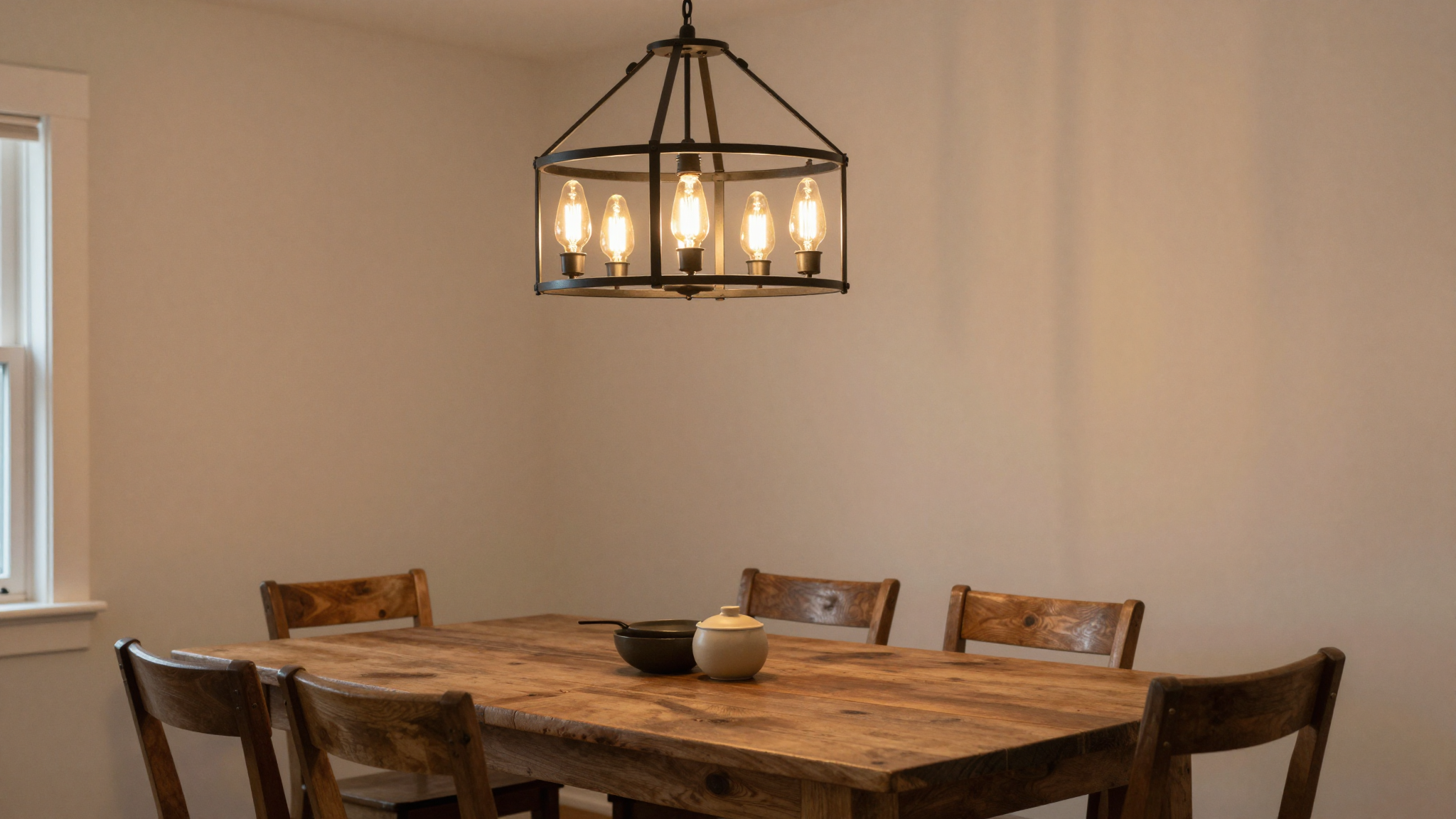
Smart tip: Replace a standard ceiling fixture with an oversized iron chandelier or pendant — a single change that immediately anchors the room and signals farmhouse intention.
Mistake to avoid: Don’t undersize lighting for a farmhouse room. Oversized fixtures that feel slightly dramatic are always preferable to small ones that disappear against the ceiling.
7. The Barn Door That Works and Looks Beautiful
A sliding barn door is one of the most characterful and practical additions a farmhouse interior can have — it adds dramatic rustic presence while saving the floor space a traditional swinging door requires. Whether reclaimed or purpose-built, a barn door transforms the entire feel of a room’s entrance and works equally well as a pantry cover, a closet concealer, or a room divider. The black iron hardware alone communicates farmhouse authenticity the moment anyone sees it.
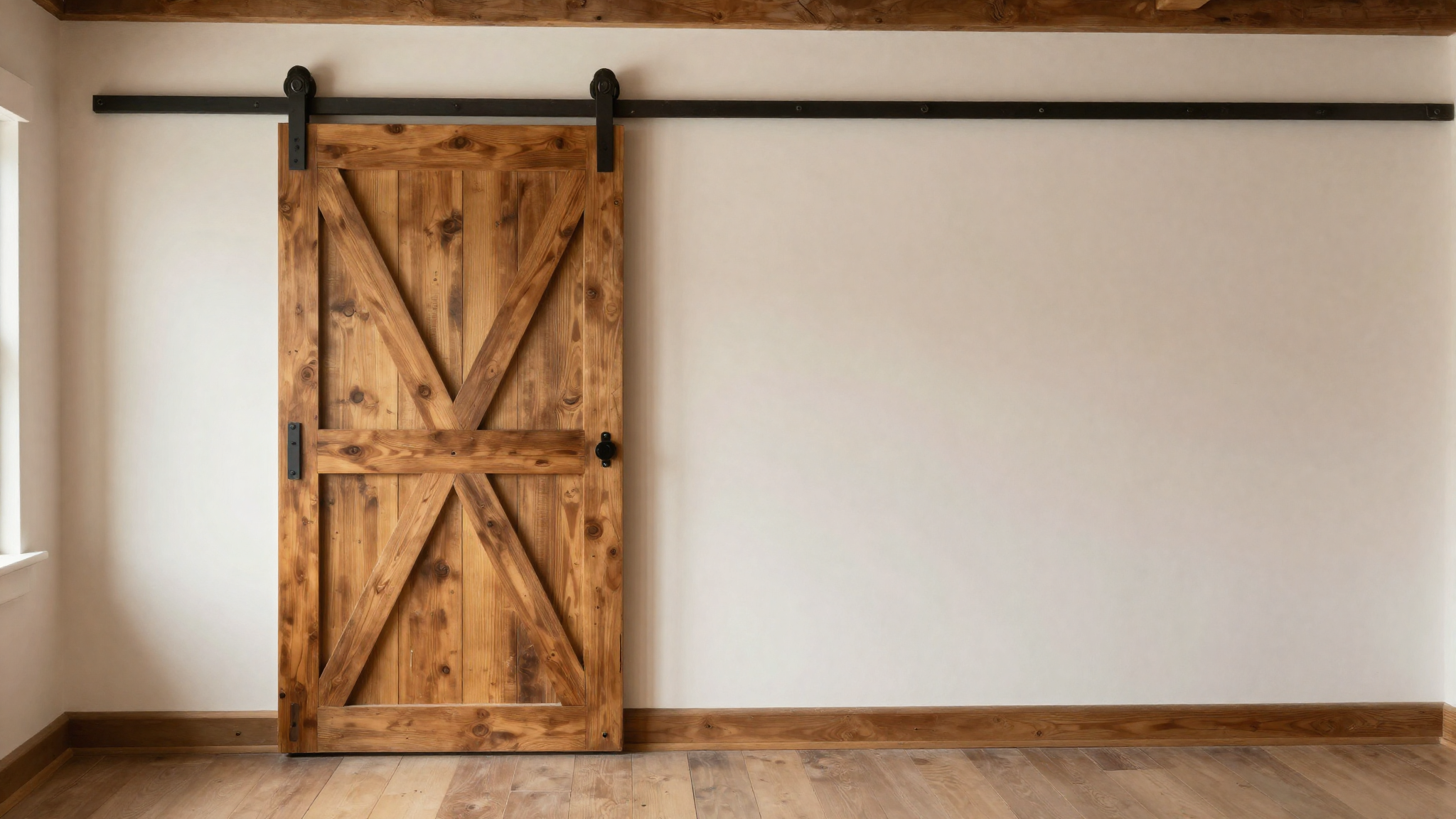
Smart tip: Install a barn door kit on an existing interior doorway — no carpentry skills required, and the transformation is immediate and dramatic.
Mistake to avoid: Don’t use a barn door that’s too thin or lightweight. The hardware and door should feel substantial — a rattling barn door undermines the entire rustic aesthetic.
8. Open Shelving Styled Like a Daily Still Life
Open shelving in a farmhouse kitchen or living room succeeds when it’s styled as a daily still life — everyday items you actually use and love, displayed with enough space between them to let each piece breathe. White dishes, vintage mixing bowls, potted herbs, ceramic crocks, and a few cookbooks create the layered, purposeful display that makes farmhouse shelving feel genuinely personal rather than decorated. The line between beautiful and cluttered comes down entirely to restraint and the quality of what you choose to keep visible.
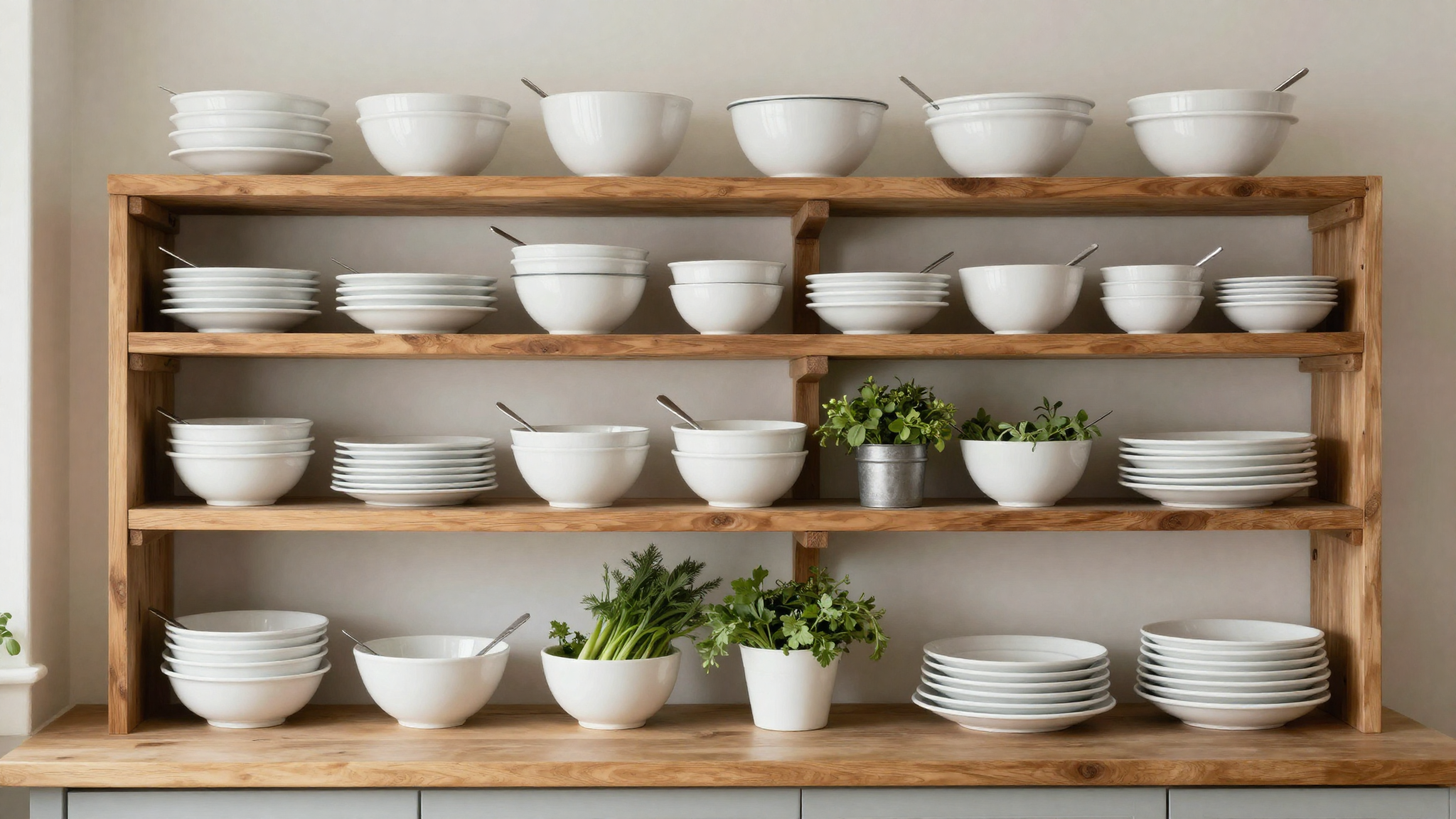
Smart tip: Remove half of what’s currently on your open shelves — the space between pieces is part of the display, and farmhouse shelving always looks better with less.
Mistake to avoid: Don’t fill open shelves with items you don’t love or use. If it lives on open shelving, it should earn its place both practically and visually.
9. The Farmhouse Bedroom for Rest Not Display
The farmhouse bedroom in 2026 is designed for genuine rest rather than stylized display. Linen bedding in warm neutrals, a chunky knit throw at the foot of the bed, simple wood nightstands, warm amber bedside lighting, and a few meaningful objects — nothing more. The restraint is intentional and the philosophy is clear: a bedroom that looks lived-in but not overcrowded, calm but not sterile. This connects naturally to the broader farmhouse principle that rooms should feel like they belong to real people leading real lives.
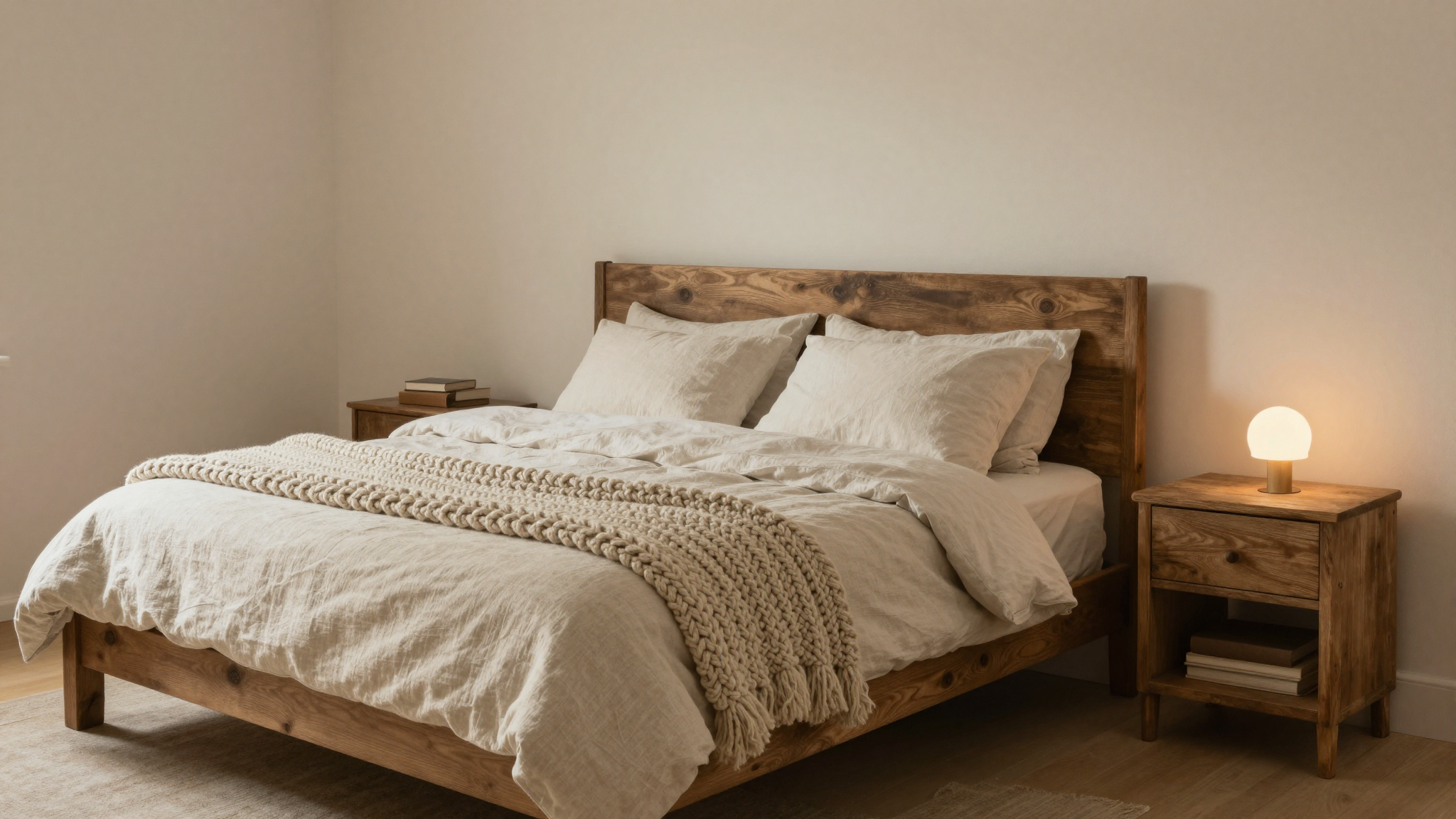
Smart tip: Swap synthetic bedding for linen in a warm oatmeal or sage — the single most impactful farmhouse bedroom upgrade available.
Mistake to avoid: Don’t overcrowd a farmhouse bedroom with too many decorative pillows and accessories. The style’s soul is in what you leave out as much as what you bring in.
10. Mixing Old and New Without Staging a Museum
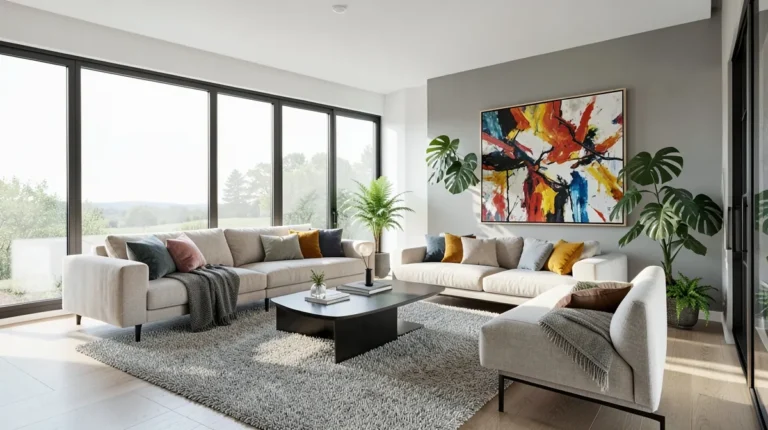
The most interesting farmhouse interiors in 2026 artfully combine the old with the new — a sleek modern sofa paired with a distressed antique cabinet, contemporary abstract art above a weathered wooden console, mid-century chairs beside a farmhouse-style fireplace. This mix is what separates a home that feels collected from one that feels purchased. The balance only works when a consistent color story ties everything together — otherwise it reads as accidental rather than curated.
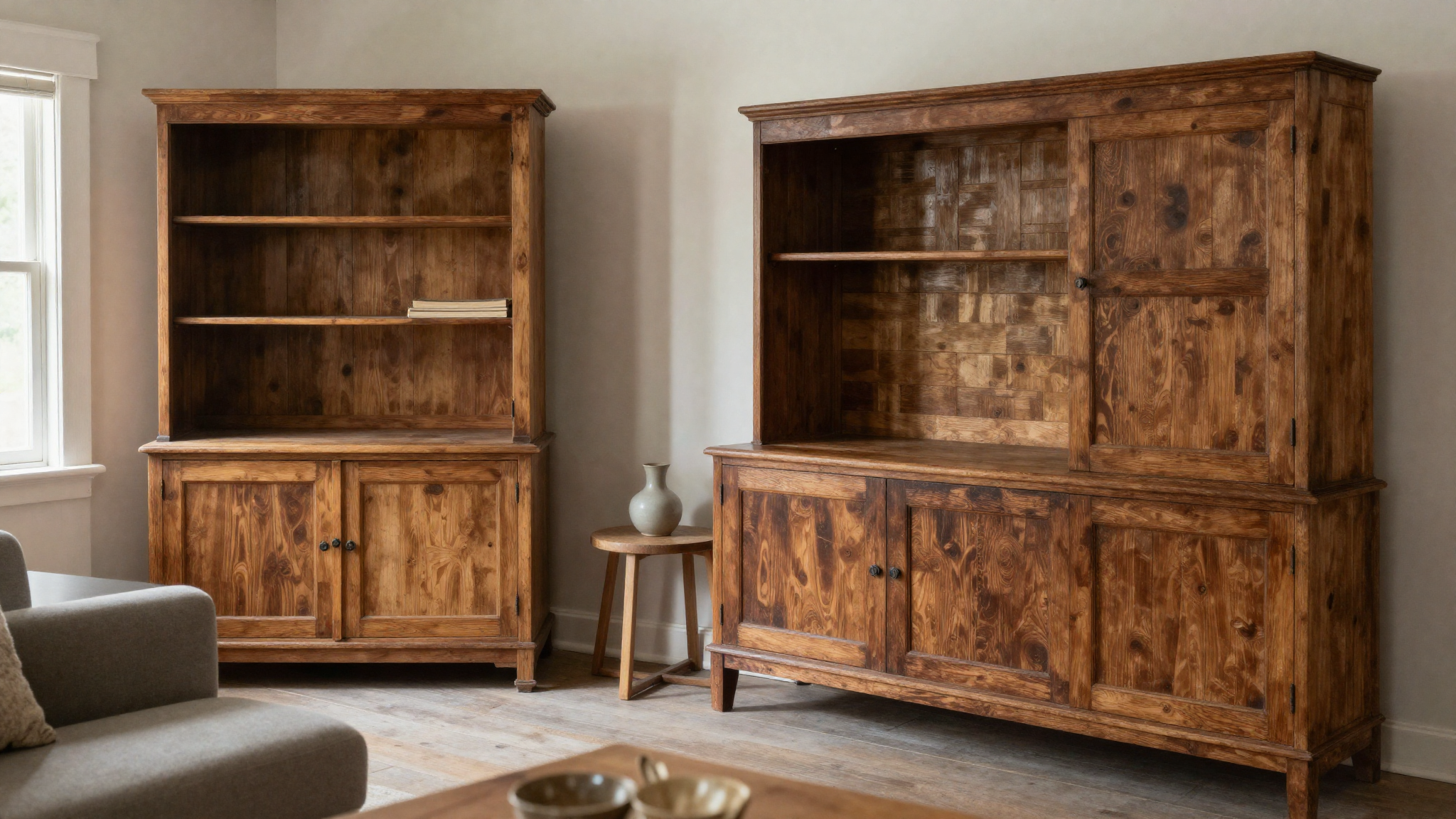
Smart tip: Add one genuinely vintage or antique piece to a room of new furniture — it’s the single piece that most immediately makes a farmhouse interior feel real.
Mistake to avoid: Don’t mix too many unrelated antique periods without a unifying palette. The old-new balance only works when a consistent color story holds it together.
11. The Farm Table as the Heart of Every Home
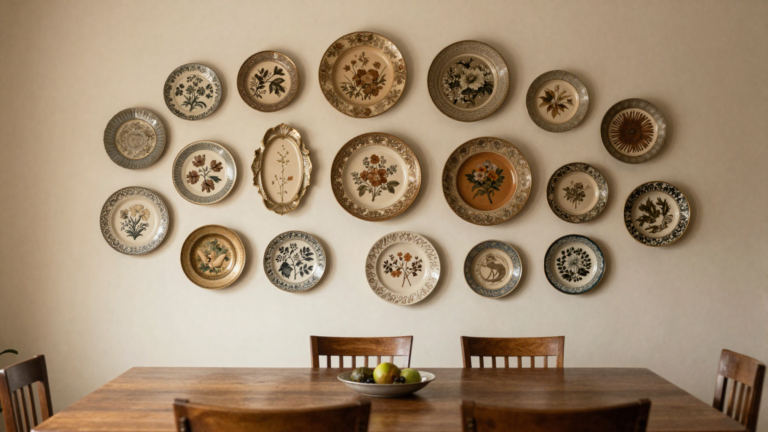
A long, solid wood farm table is the most defining piece of farmhouse furniture — and for good reason. It evokes generosity, gathering, and daily life shared around food and conversation. A reclaimed wood farm table with visible grain, patina, and the marks of use becomes more beautiful with every year. Paired with mismatched chairs, wooden benches, or a mix of styles, it creates exactly the kind of collected, personal dining space that matching furniture sets can never replicate.
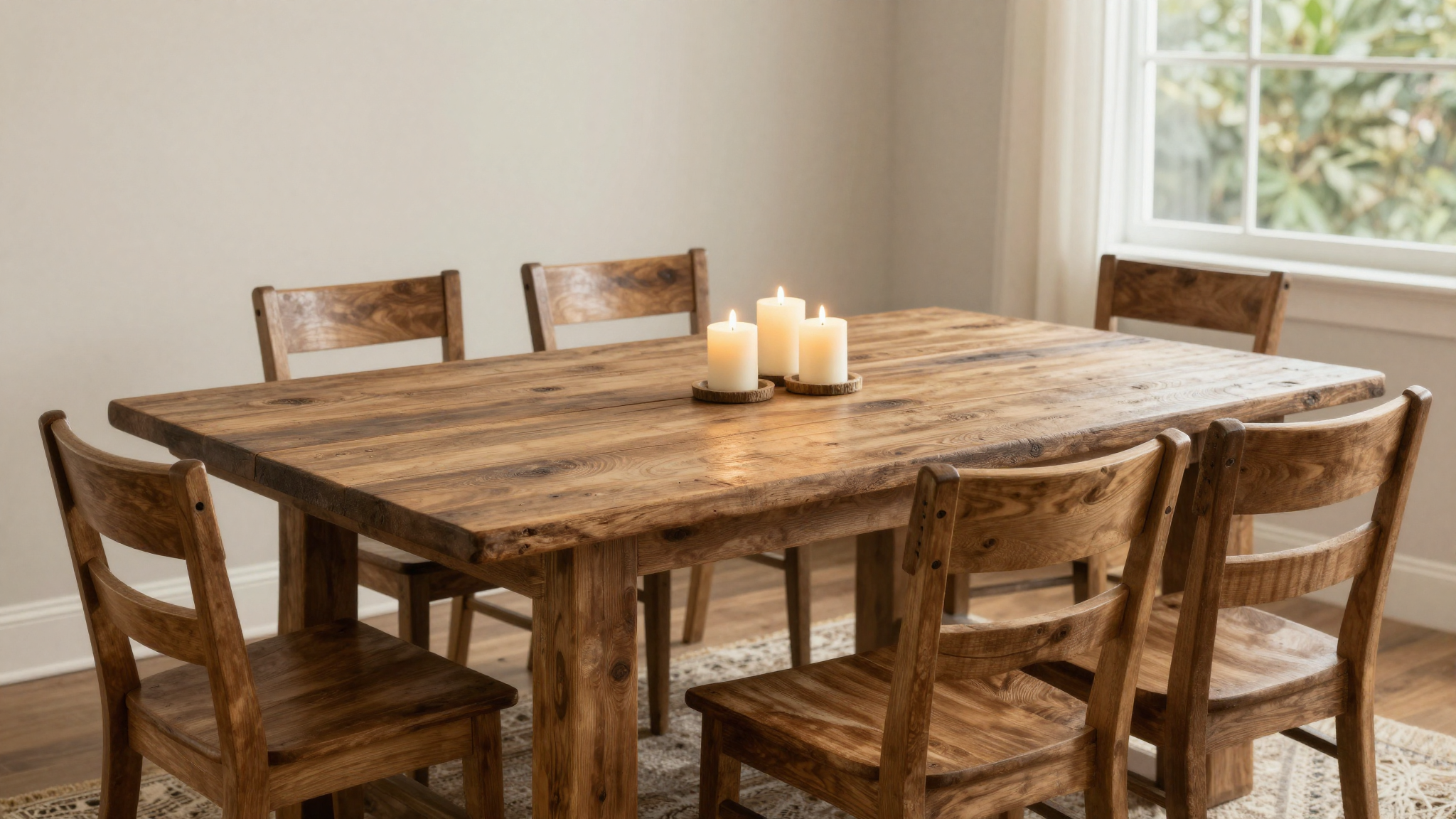
Smart tip: Mix chair styles around a farm table — the contrast is part of the collected farmhouse character and far more interesting than a matching set.
Mistake to avoid: Don’t over-protect a solid wood farm table with tablecloths or glass covers. Its marks and patina are its character — let it show the life lived at it.
12. Natural Botanicals as the Best Free Farmhouse Decor
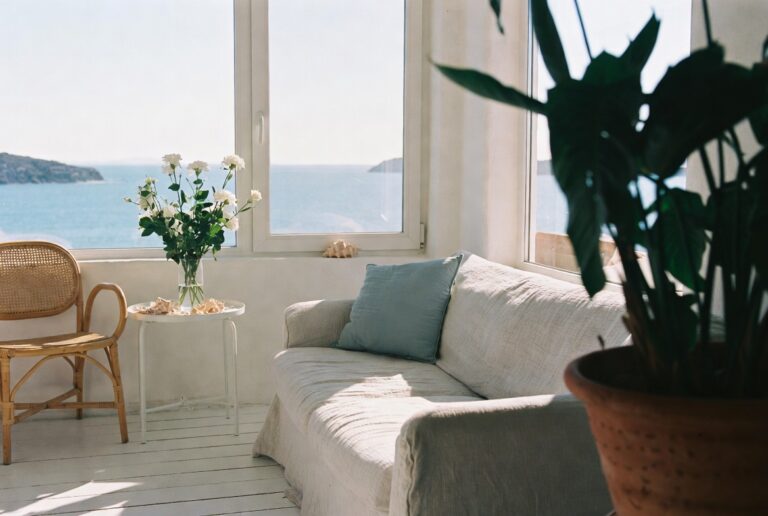
Cotton branches, dried wheat bundles, wildflower bouquets, pine cones, and seasonal greenery are the most authentic farmhouse decor available — and most of them cost nothing. These natural elements change with the season, connect the interior to the outdoors, and carry the kind of imperfect organic beauty that manufactured decor can never replicate. Arranged in vintage vessels, ceramic crocks, or simple glass jars, foraged botanicals bring more soul to a farmhouse room than any store-bought accessory.
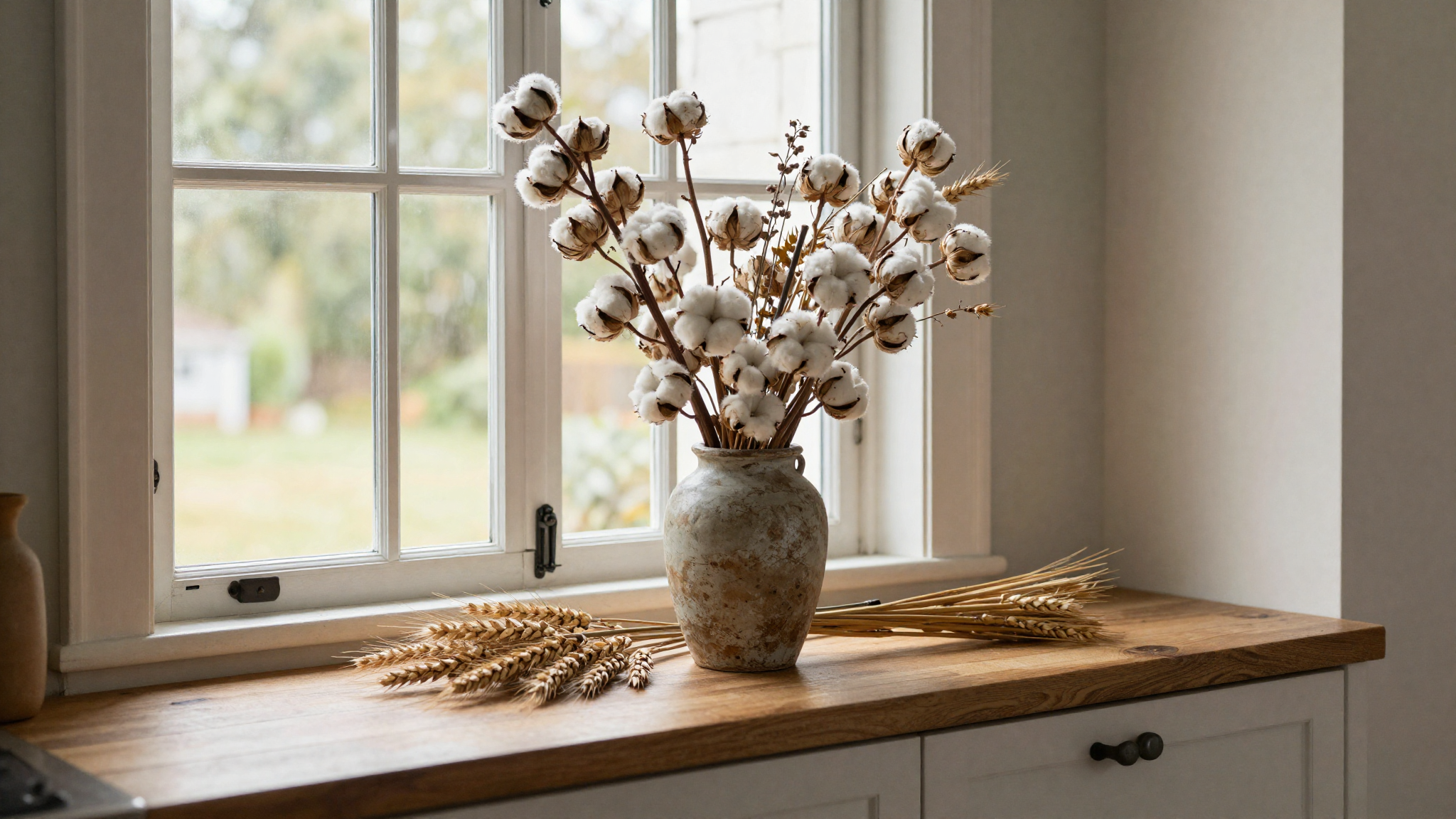
Smart tip: Fill a vintage vessel with dried cotton stems or wheat — a highly cost-effective botanical arrangement that lasts all season.
Mistake to avoid: Don’t use artificial botanicals in a farmhouse room. The imperfect real quality of natural dried stems is exactly what makes them work; plastic versions always look wrong.
13. The New Farmhouse Colors Beyond Cool Gray
Cool gray and stark white have had their moment in farmhouse design — and 2026 is decisively moving on. Deep olive green is emerging as a versatile new farmhouse neutral for cabinetry and accent walls. Terracotta and baked clay tones bring a sun-drenched warmth that cool colors can’t match. Rich browns from mocha to caramel provide a cozy foundation. And warm mustard or muted ochre adds the accent note that brings a room alive. These colors complement natural wood and stone in ways that cool neutrals never quite managed.
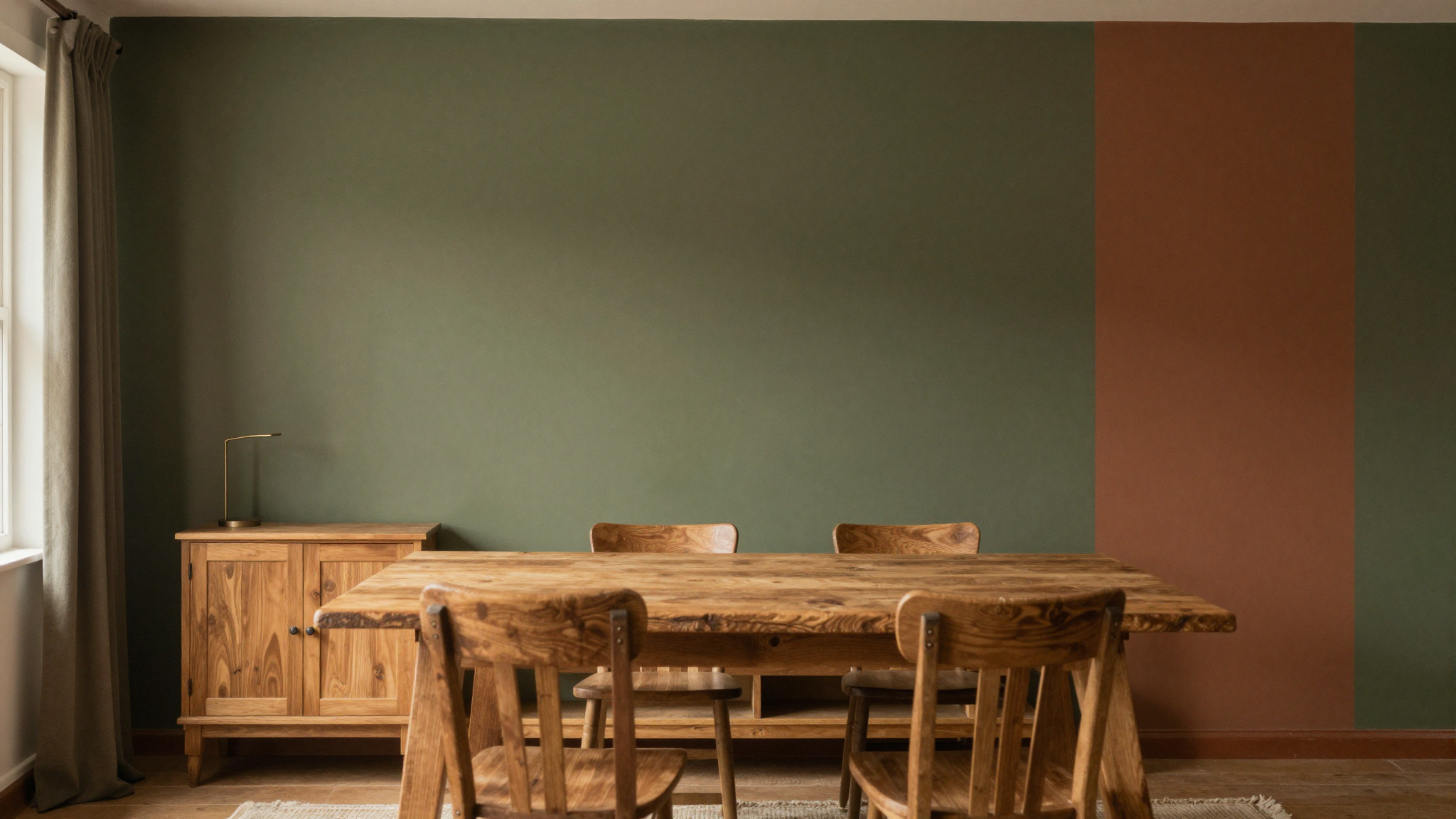
Smart tip: Paint one room or cabinetry run in deep olive green — the color replacing gray as the definitive 2026 farmhouse neutral.
Mistake to avoid: Don’t default to cool gray because it feels safe. In 2026, warm earthy tones read as far more current and genuinely farmhouse than another coat of cool neutral.
14. Handcrafted Ceramics That Give a Home Real Character
Handcrafted ceramics — hand-thrown bowls, uneven mugs, artisan vases, organic pottery — add warmth and authenticity that mass-produced decor objects simply cannot replicate. Each piece is slightly imperfect, slightly different, and carries the visible mark of the maker’s hand. In farmhouse design, this imperfection is the point — it signals a home built around genuine things rather than perfect replicas of genuine things. One set of hand-thrown mugs on a farmhouse kitchen shelf does more for the room’s soul than a dozen coordinated accessories from a home goods chain.
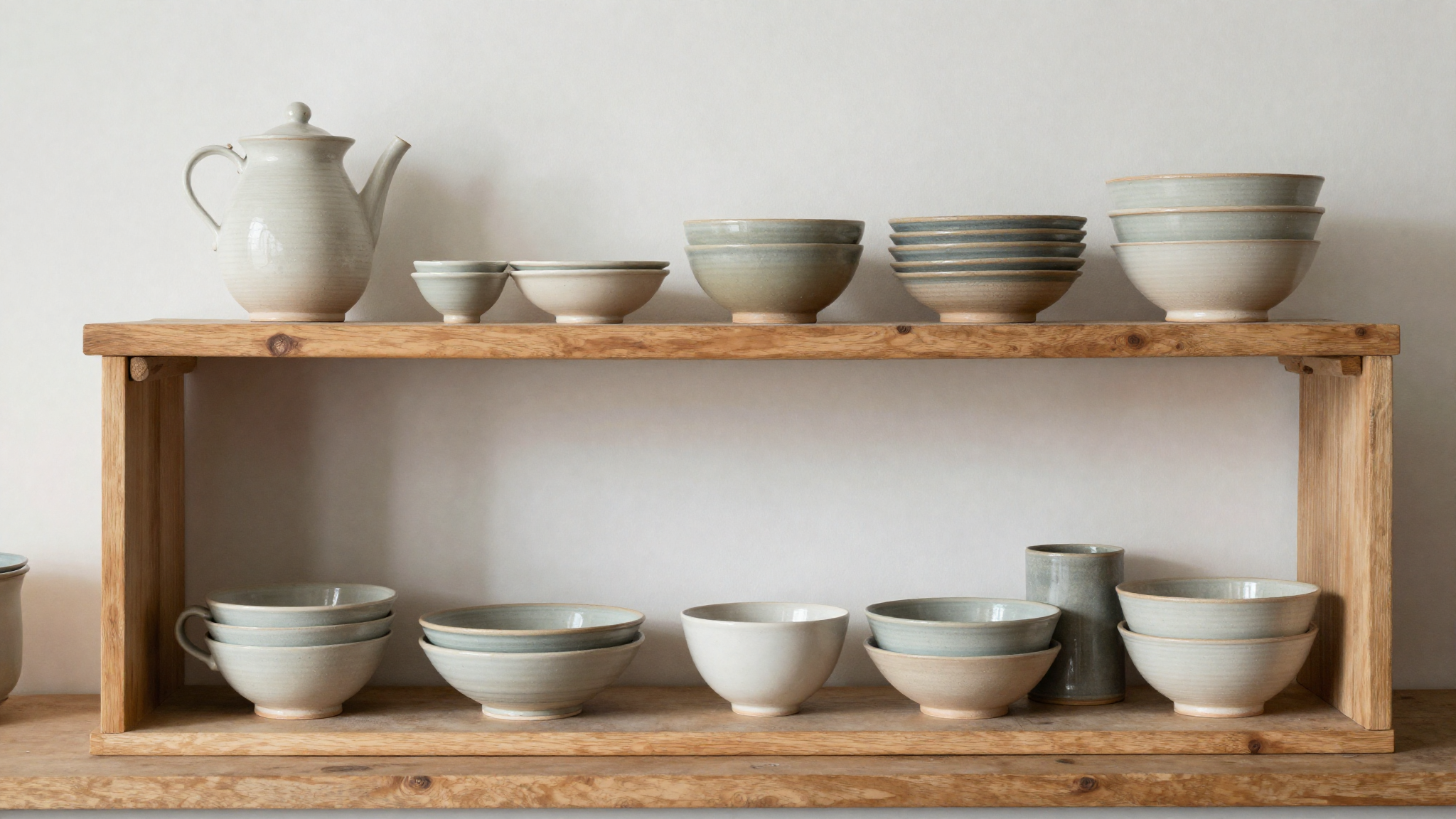
Smart tip: Replace one row of machine-made kitchen accessories with three or four handmade ceramic pieces — an instant soul upgrade that costs very little.
Mistake to avoid: Don’t mix handcrafted ceramics with overly shiny mass-produced pieces on the same shelf. Group handcrafted pieces together where their organic quality reads as intentional.
A farmhouse home that genuinely resonates isn’t built from the right shiplap or the right barn door. It’s built from the right intention — choosing things with history, layering materials with patience, and letting a home look exactly as lived-in as it is. Start with one idea from this list and let the rest of your farmhouse grow around it, one honest choice at a time.
Continue Your Home Transformation
Explore the full collection of step-by-step eBooks and get the guide that fits the room you're working on.