Getting the cozy layered home right makes the biggest difference in how the space actually feels day to day. A well-planned cozy layered home balances function and style, and even small tweaks to your cozy layered home can transform the whole area.
Think of your cozy layered home as a living project that keeps improving with time.
If you only remember one thing, remember this: a cozy layered home is built slowly, not bought all at once.
A cozy layered home rewards patience: add one layer at a time and let your cozy layered home evolve naturally instead of buying everything at once. That patience is what makes a cozy layered home feel collected rather than staged.
Every cozy layered home starts with texture, so keep mixing materials until your cozy layered home feels finished but not overdone.
Choosing the right cozy layered home approach is one of the easiest ways to upgrade a space without a full remodel. When your cozy layered home is planned correctly, everything else feels intentional rather than accidental.
Your living room has the furniture. It has the rug and the curtains. And somehow it still feels like it belongs to a catalog rather than a person — styled but not layered, complete but not warm. The difference between a room that photographs well and one that actually feels incredible to live in comes down to one thing: intentional layering.The biggest living room ideas shift for 2026 is the unanimous move away from cold minimalism toward rooms that feel rich, personal, and genuinely lived in. Layered textures, earthy tones, low-slung furniture, warm lighting, and personal collections are replacing matching furniture sets and sterile open plans. By the end of this article, you’ll know exactly how to build the layers that turn a living room from a space you walk through into one you never want to leave.
1. The Living Room Texture Mistake That Makes Rooms Feel Flat
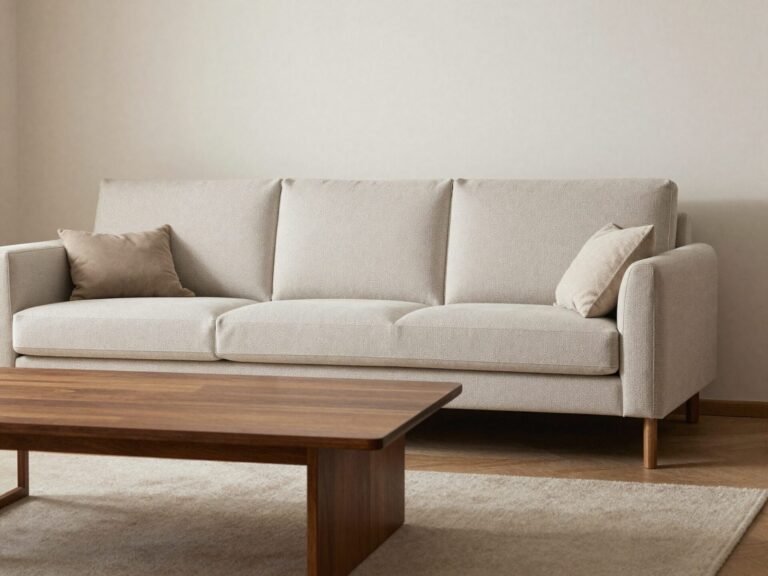
A living room built from matching smooth surfaces — a plain sofa, a glass coffee table, flat walls — reads as flat regardless of how expensive the individual pieces are. In 2026, the biggest shift in living room ideas is the understanding that texture is what creates the sense of richness and depth that makes a room feel genuinely beautiful. Layering wool rugs, linen sofas, boucle chairs, chunky knit throws, and ceramic accessories creates the visual and tactile complexity that no single well-chosen piece can achieve alone.
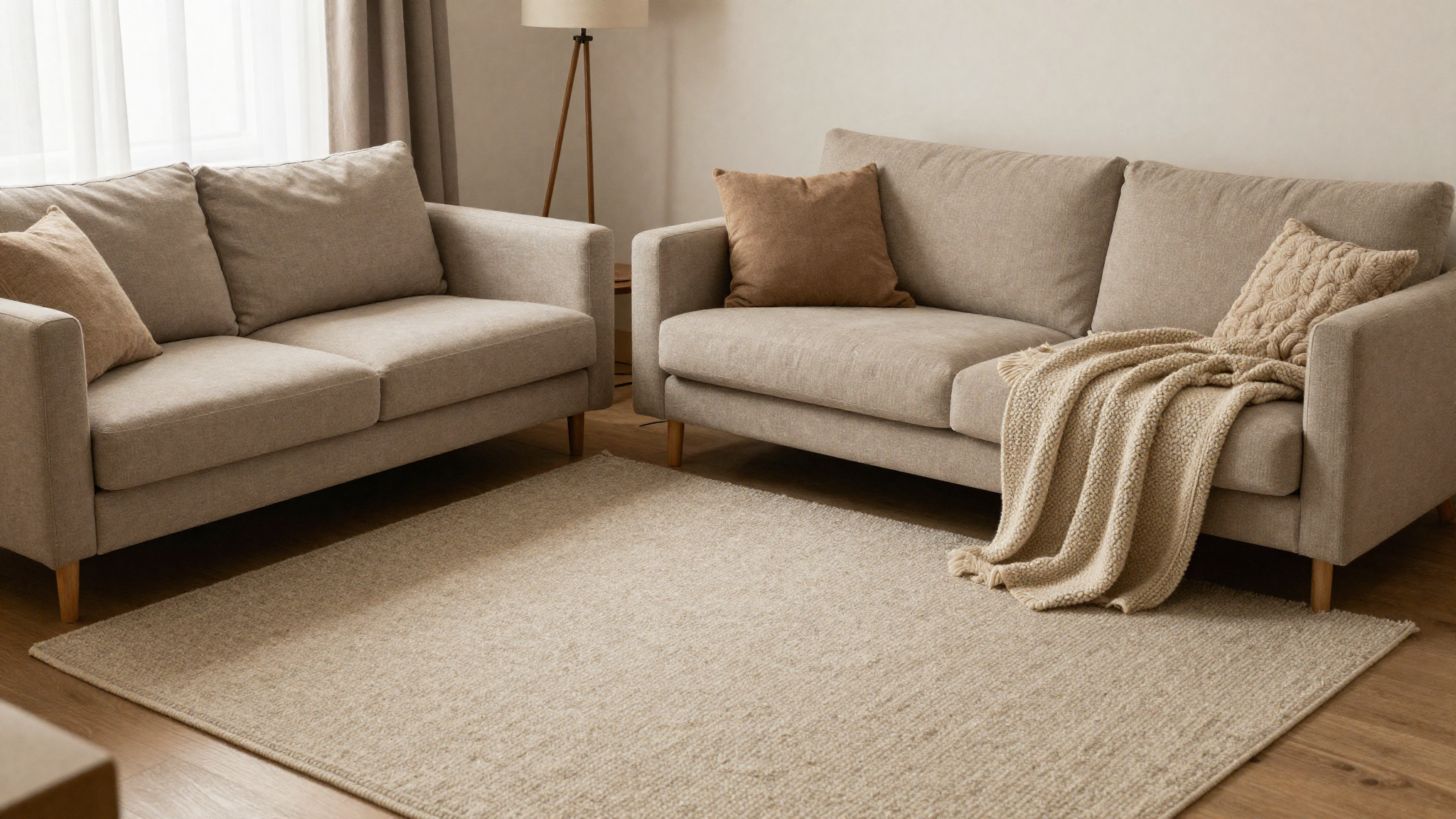
Smart tip: Add three different textures — one rough, one soft, one woven — to a single seating area and watch the room immediately feel more expensive than it did before.
Mistake to avoid: Don’t buy every piece in the same fabric or finish. A room where everything matches in texture reads as flat; contrast is what creates depth.
2. Why Brown Is the New Gray in 2026 Living Rooms
Cool gray has had its decade — and 2026 has definitively moved on. Warm brown tones, from espresso and mocha to caramel and warm tan, are replacing gray as the foundational neutral of modern living room design. Benjamin Moore Espresso Brown shifts from soft and intimate in dim light to polished and refined in bright conditions. Brown layers beautifully over cream and warm metals like brass, creating the tonal richness that cool grays simply can’t. We found that switching from gray to a warm brown neutralizes an entire room’s temperature immediately.
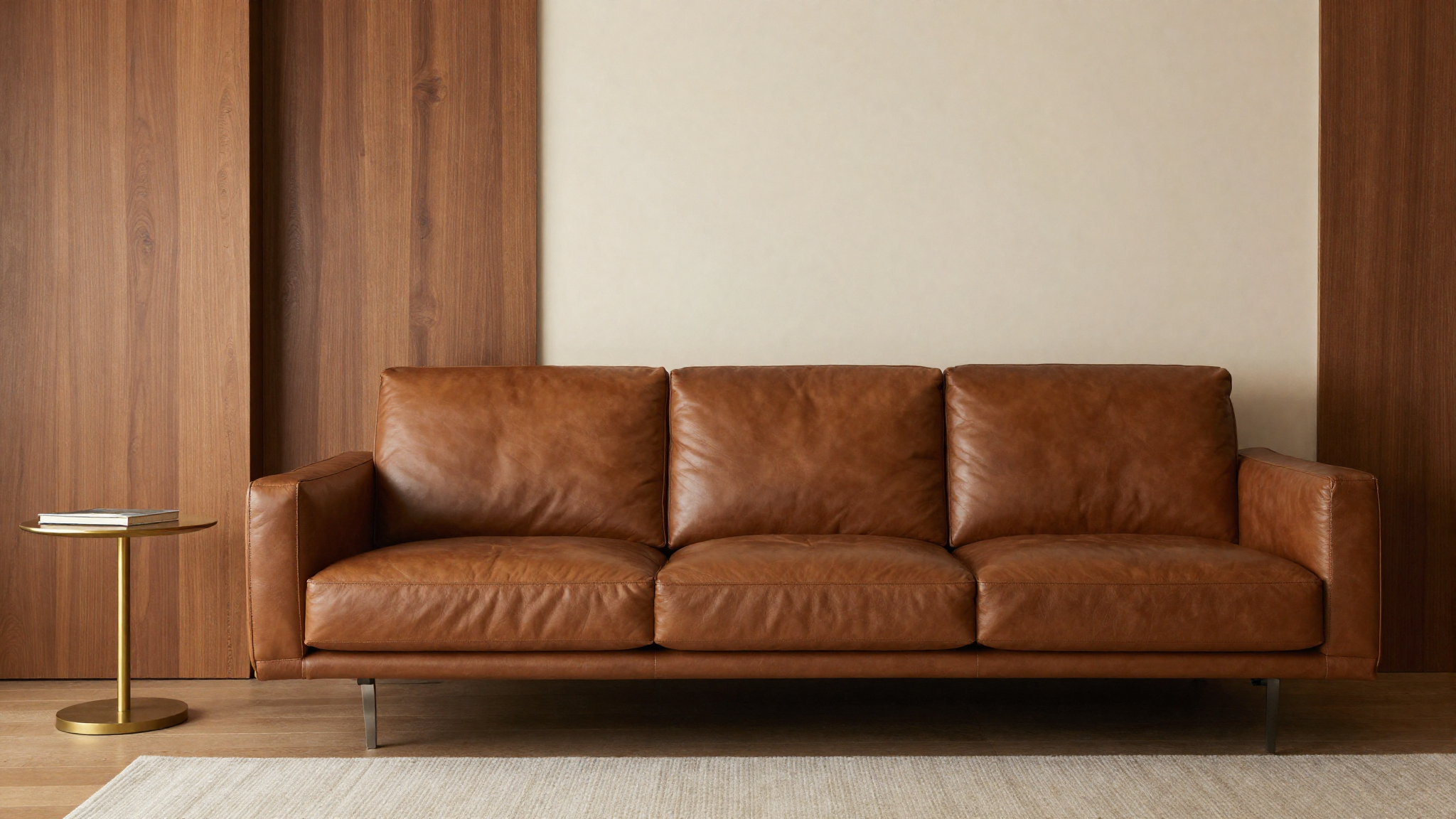
Smart tip: Use warm brown on one wall or as the dominant upholstery tone — it creates more visual warmth than any cool neutral without adding color.
Mistake to avoid: Don’t pair warm brown with cool gray accents. The temperature clash fights itself — choose one direction and commit.
3. Low-Slung Furniture That Changes How a Room Feels
One of the most impactful living room design shifts of 2026 is the move toward low-slung, deep-seated furniture — low sofas, low coffee tables, and lounge chairs that sit close to the ground. This creates an intimate, slightly retro sophistication that immediately makes a room feel more curated and less conventional. Design studios are reporting that low lounge furniture is what creates “the essence of a curator’s private home” — it signals comfort and confidence in equal measure. In my experience, lowering the seating level changes how every other element in the room reads.
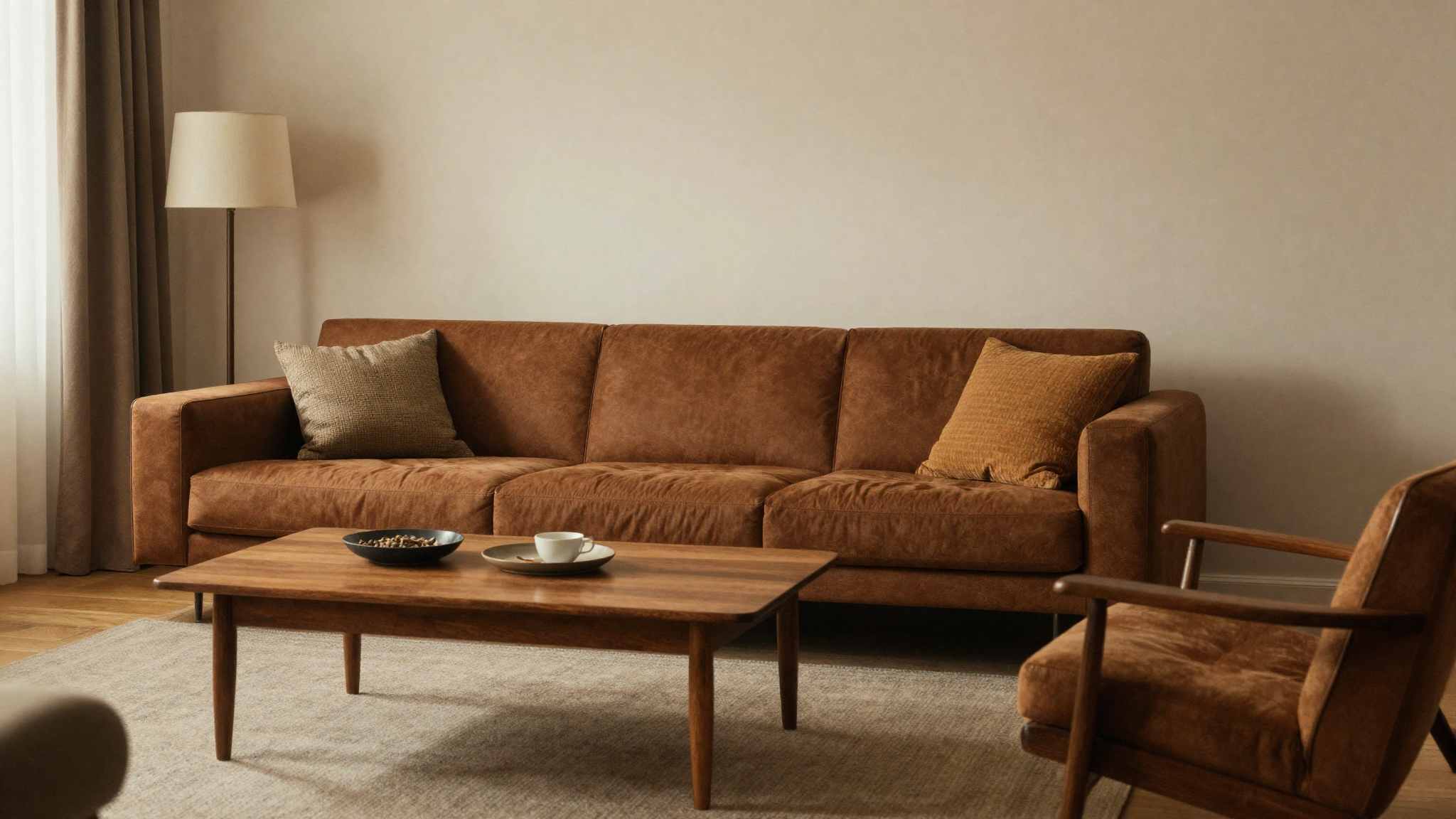
Smart tip: Replace a standard-height coffee table with a low wide one — the effect on the room’s feel is disproportionate to the size of the change.
Mistake to avoid: Don’t mix low-slung furniture with tall, formal pieces. The proportion clash creates visual tension that works against the relaxed quality low seating is meant to create.
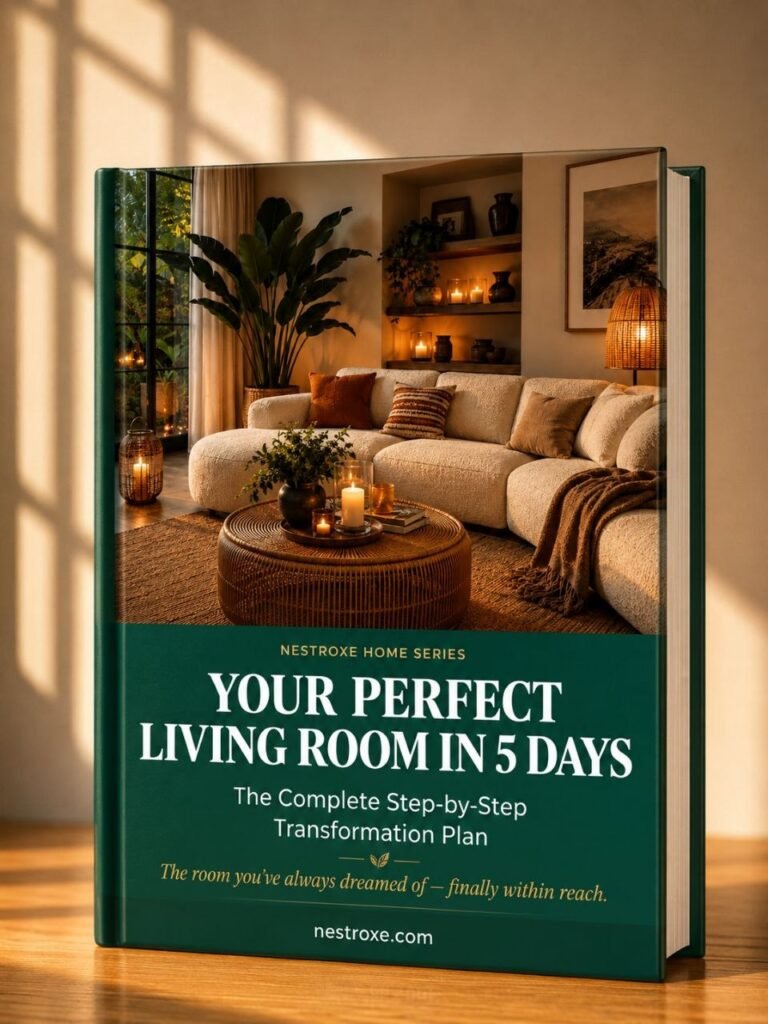
Loving These Ideas? Get the Step-by-Step Guide
Grab the full 5-day eBook and turn these ideas into a finished room.




4. The Layered Rug Trick Every Designer Uses
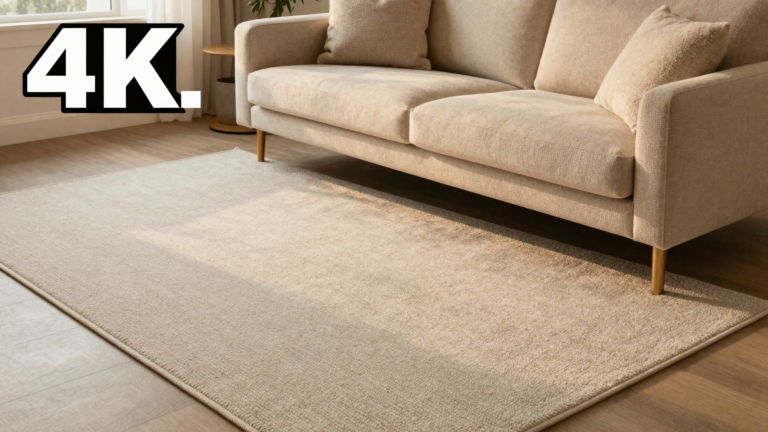
Layering two rugs — a large neutral jute or sisal base with a smaller patterned or textured rug on top — creates the kind of visual depth that single rugs, however beautiful, cannot achieve alone. It adds warmth, defines the seating zone, and signals a collected, considered approach to styling that immediately reads as designed rather than purchased. The technique works in virtually every interior style: from farmhouse to modern to eclectic. This single trick is what I’ve used in every room I’ve ever tried to give a “designer” quality without a designer budget.
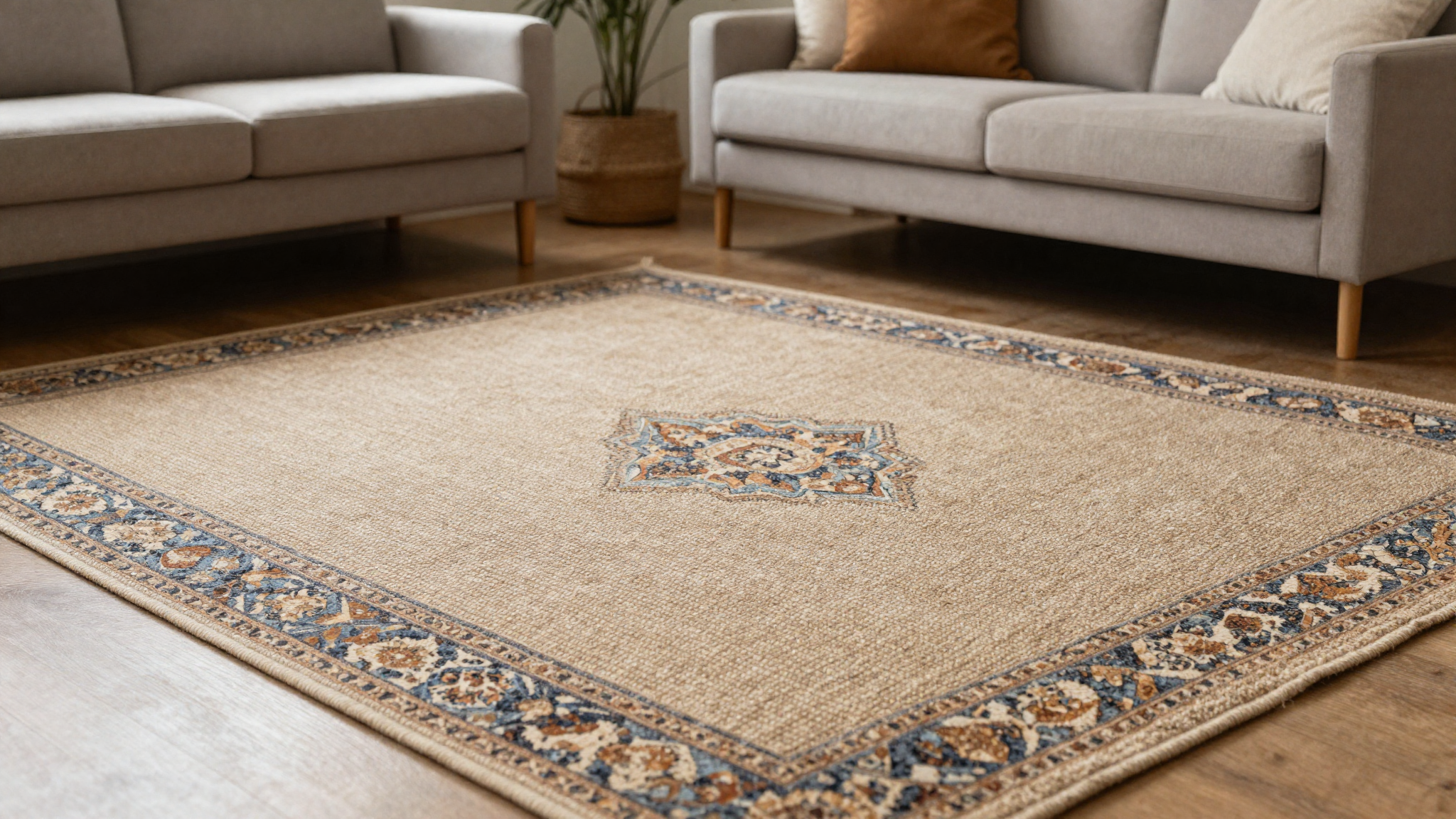
Smart tip: The base rug should be significantly larger than the layered one — at least twice the size — for the combination to read as intentional rather than accidental.
Mistake to avoid: Don’t layer two rugs of similar scale. The size contrast between the two is what makes the layering technique actually work.
5. Statement Sofas That Break the Plain Fabric Rule
Plain cream linen sofas are, as one designer put it, “just asking for trouble.” In 2026, patterned sofas — floral, vintage-inspired, bold fabric, graphic prints — are firmly back, and designers are embracing them with confidence. A patterned sofa breaks up a room more easily than any plain upholstered piece, introduces personality before a single accessory is added, and disguises everyday wear far better than pale solid fabrics. The shift reflects the broader 2026 move toward rooms that feel lived in, loved, and layered with personality rather than staged for a photo.
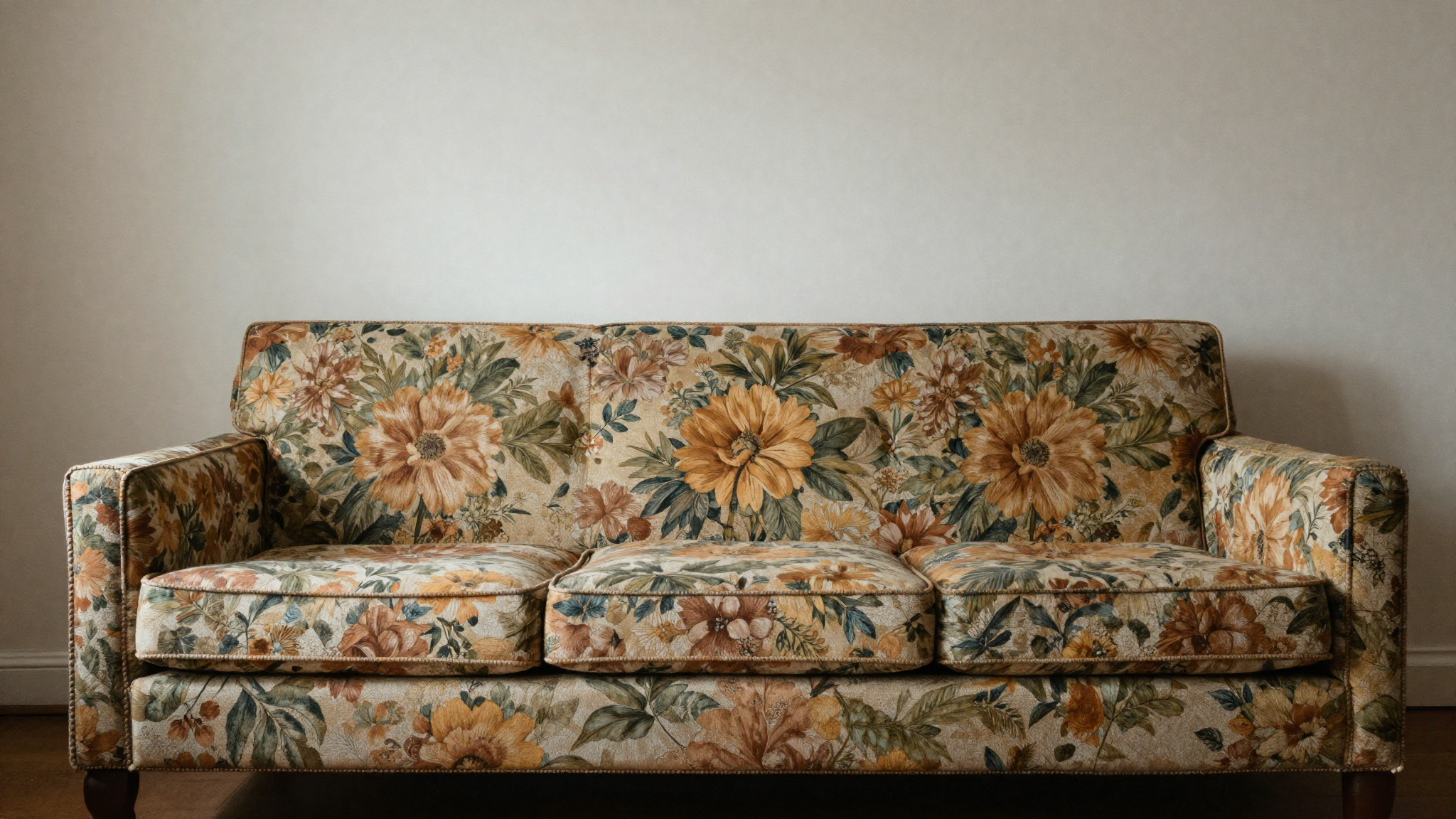
Smart tip: If committing to a patterned sofa feels like too much, add a patterned armchair as a test — same visual impact at a lower commitment level.
Mistake to avoid: Don’t pair a patterned sofa with multiple other competing patterns. One bold patterned piece needs calm, neutral companions to let it breathe.
6. Layered Lighting: The Designer Trick Most People Skip
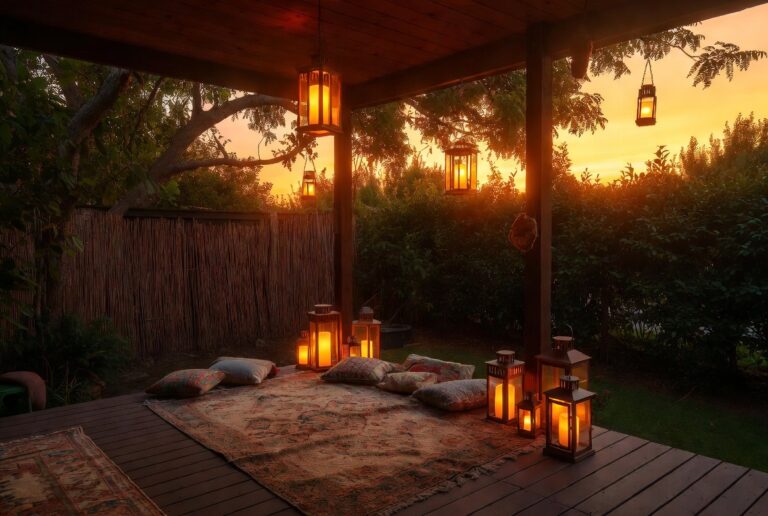
A single ceiling light is the most common living room mistake — and the most fixable. Using three light sources at different heights (ambient ceiling, task floor lamp, accent table lamp) creates the layered, warm atmosphere that makes a room feel expensive after dark. Warm 2700K bulbs throughout, dimmer switches on overhead fixtures, and warm amber floor and table lamps do more for a room’s evening atmosphere than any furniture upgrade available. One light source flattens everything; three light sources create depth.
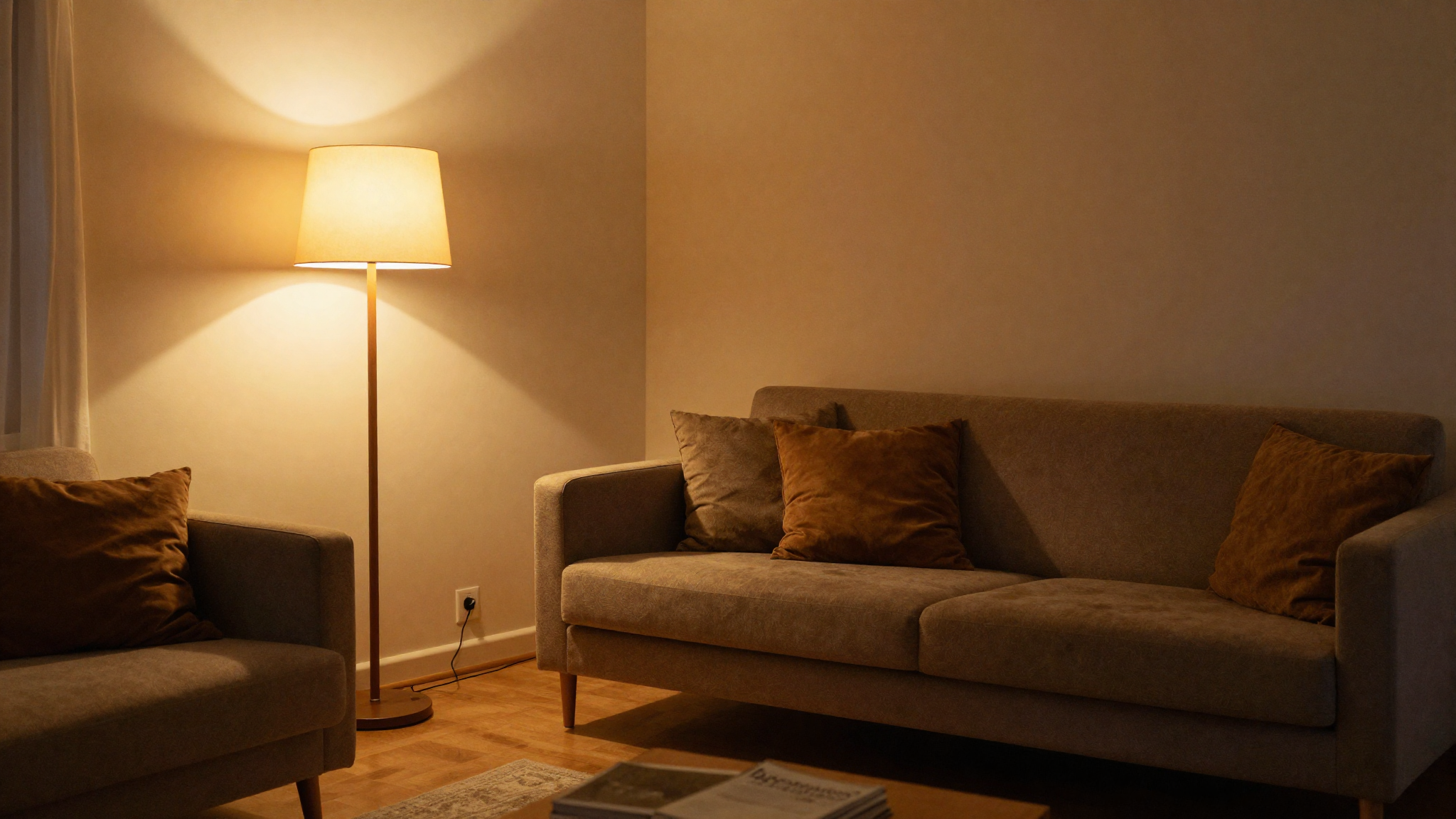
Smart tip: Add one floor lamp beside the sofa tonight — the single fastest way to transform a living room’s evening atmosphere for almost nothing.
Mistake to avoid: Don’t use cool white bulbs in a living room. Cool light makes every warm material — wood, linen, leather — look colder and cheaper than it actually is.
7. Natural Materials That Warm a Living Room Instantly
Genuine natural materials — real wood, actual stone, woven rattan, true linen — warm a living room in a way their synthetic counterparts simply cannot replicate. The tactile quality of natural materials is what creates the sense of comfort and groundedness that defines the best 2026 living rooms. A rattan coffee table, a stone decorative tray, a wood console, and woven basket storage collectively establish the room’s organic warmth before a single cushion or throw arrives. We found that swapping one synthetic piece for a genuine natural material equivalent changes a room’s atmosphere more than any color change.
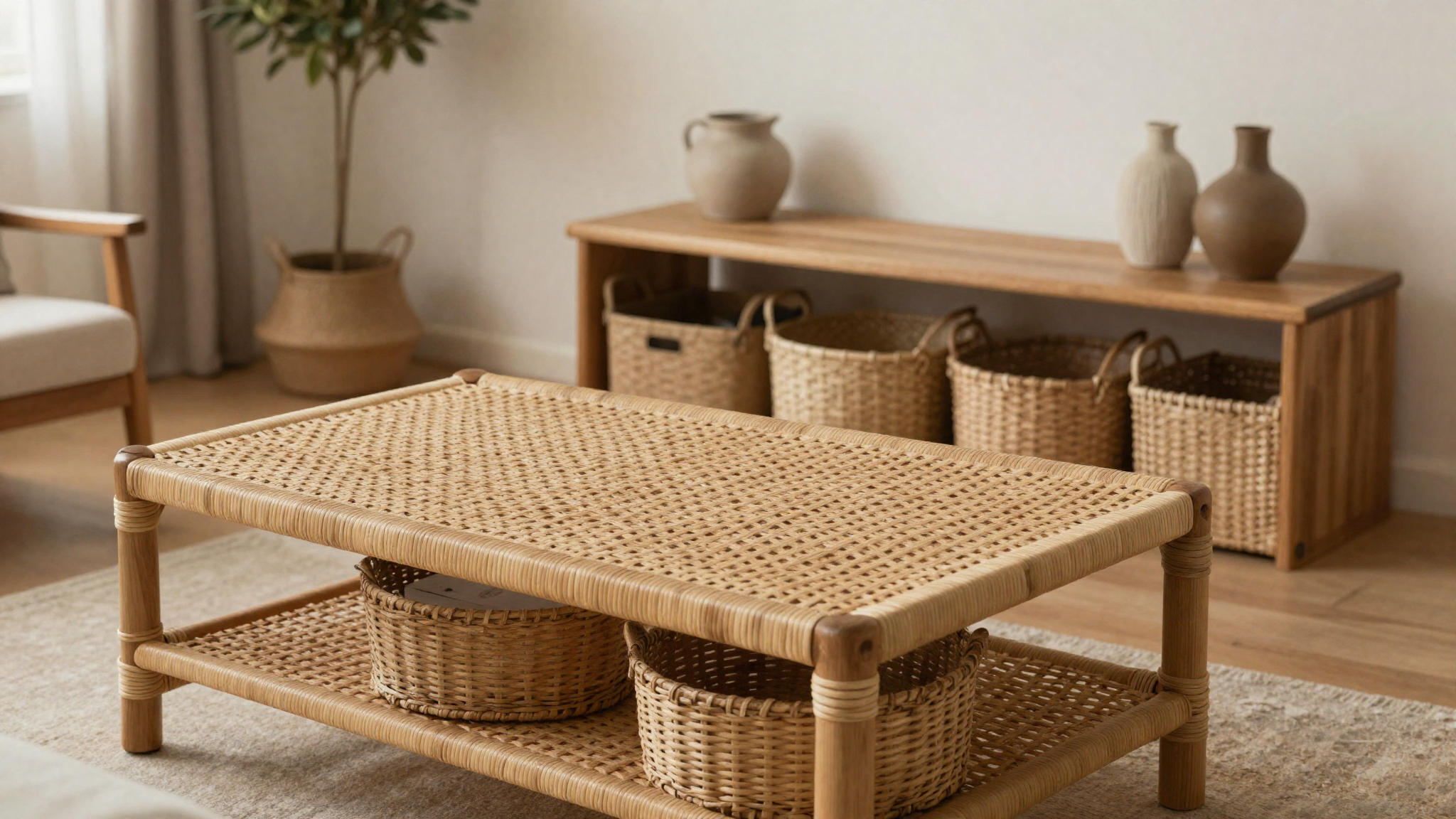
Smart tip: Swap a synthetic coffee table for one in natural rattan or wood — the single most impactful natural material upgrade available at any budget.
Mistake to avoid: Don’t substitute synthetic “wood-look” or “stone-look” materials and expect the same warmth. The tactile reality of natural materials is precisely what makes them feel different.
8. The Personal Collection That Makes a Room Irreplaceable
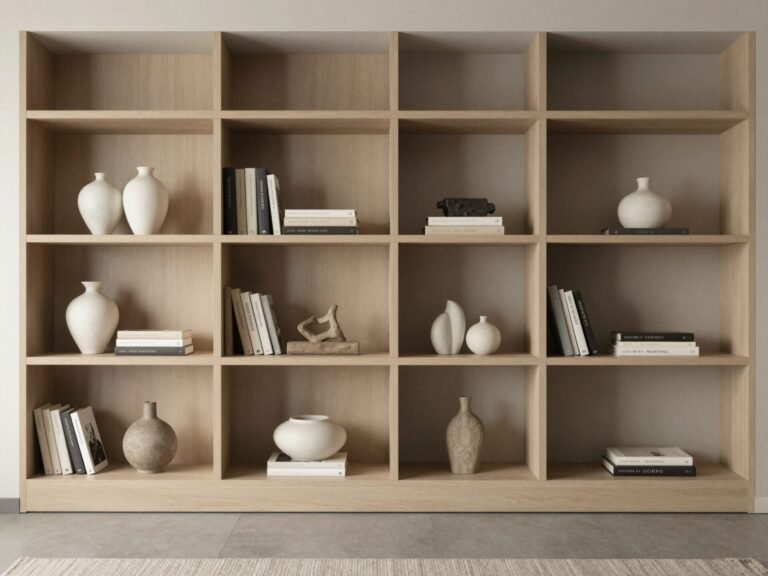
The most-cited living room design direction of 2026 is the move toward rooms that feel “personal and collected.” Books, travel souvenirs, meaningful art, framed photographs, and objects with genuine history fill a room with the authenticity that curated showroom sets cannot manufacture. A gallery wall that tells your story, a shelf lined with books you’ve actually read, a piece of art that means something specific to you — these are what separate a home from a hotel. Every object in a living room should justify its presence: does it serve you, or does it make you smile?
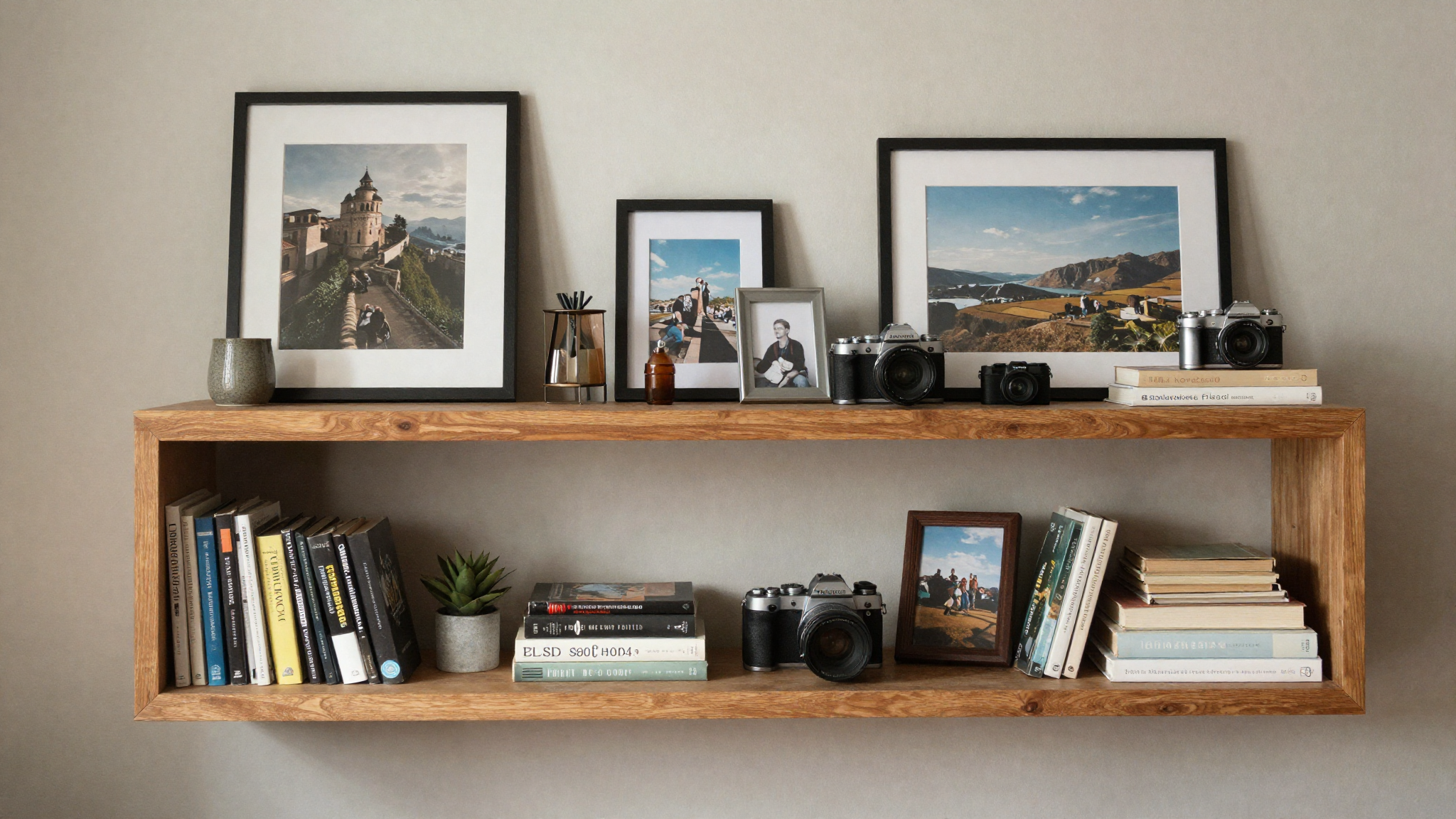
Smart tip: Display one genuinely meaningful object prominently — the one item that couldn’t belong to anyone else — and let it become the room’s soul.
Mistake to avoid: Don’t fill shelves with purely decorative objects that mean nothing to you. Generic decorative accessories always read as exactly what they are — generic.
9. Earthy Color Palettes for a Grounded Cozy Space
Terracotta, clay, olive green, warm ochre, and mocha mousse are the living room color story of 2026 — earthy, grounded tones that deliver instant warmth without overwhelming smaller rooms. The approach is to build around one dominant warm neutral and layer accent colors like seasoning: a burnt amber cushion here, a soft clay blue rug there. These tones layer beautifully across different textures and complement natural wood and stone in ways that the cool neutrals of recent years simply never managed. The sophistication lives in the tonal subtlety — mixing three or four similar earthy tones rather than harsh contrasts.
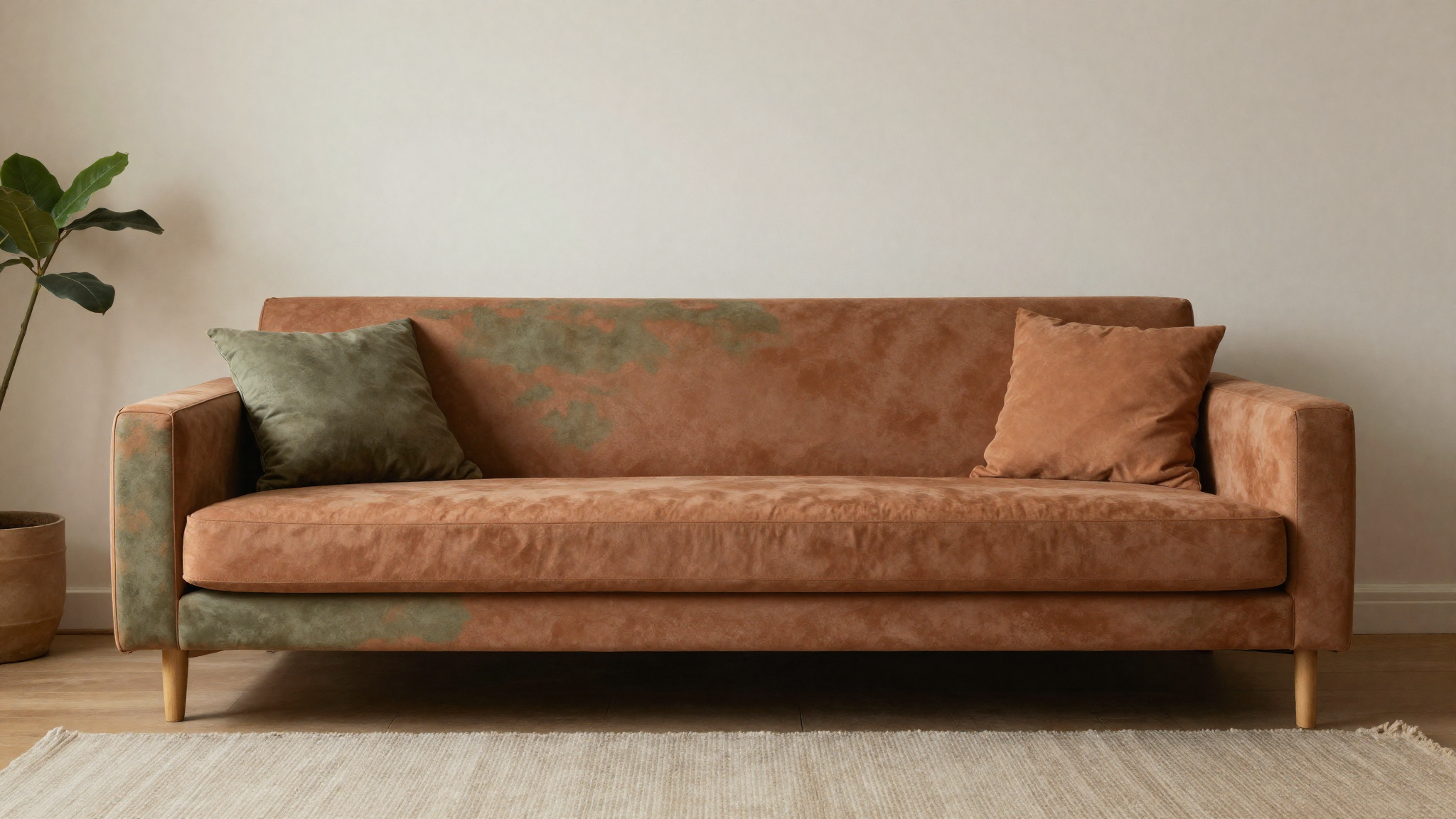
Smart tip: Start with one earthy accent cushion in terracotta or clay — the lowest-risk, highest-impact way to test the palette before committing to paint or upholstery.
Mistake to avoid: Don’t use every earthy tone at once. Pick one dominant warm neutral and let two accent tones support it — restraint creates sophistication.
10. Statement Plants That Own a Corner
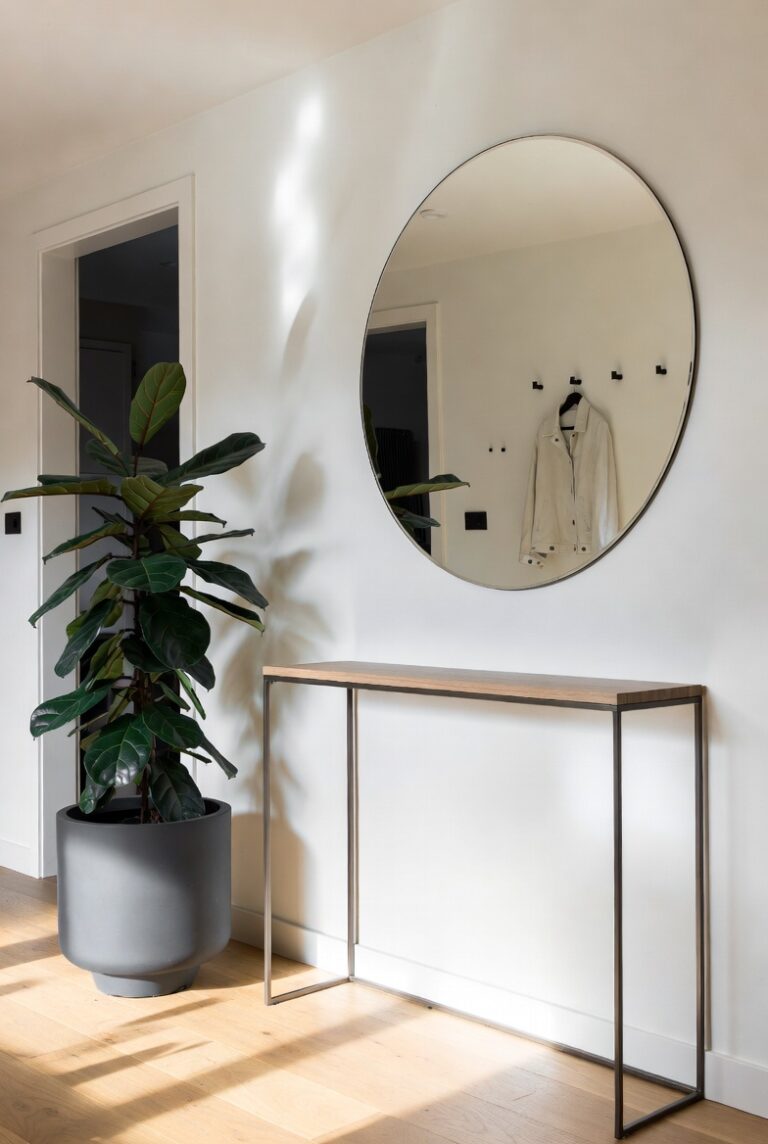
Big statement plants — Birds of Paradise, Fiddle Leaf Figs, large Monstera — are owning empty corners in 2026 living rooms in a way that no decorative object can replicate. A large plant positioned in the right corner adds height, color, life, and the kind of organic presence that softens every hard architectural edge around it. Clustering smaller plants on floating shelves creates a similar impact without requiring a single large specimen. For rooms without strong natural light, our best indoor plants that thrive without direct sunlight show exactly which species thrive in lower-light living rooms.

Smart tip: One large plant in the right corner does more for a living room than five small plants scattered across surfaces. Scale and placement matter more than quantity.
Mistake to avoid: Don’t choose plants based on looks alone without checking their light requirements. A dying plant undermines the entire room.
11. The Moody Accent Wall That Adds Sculptural Depth
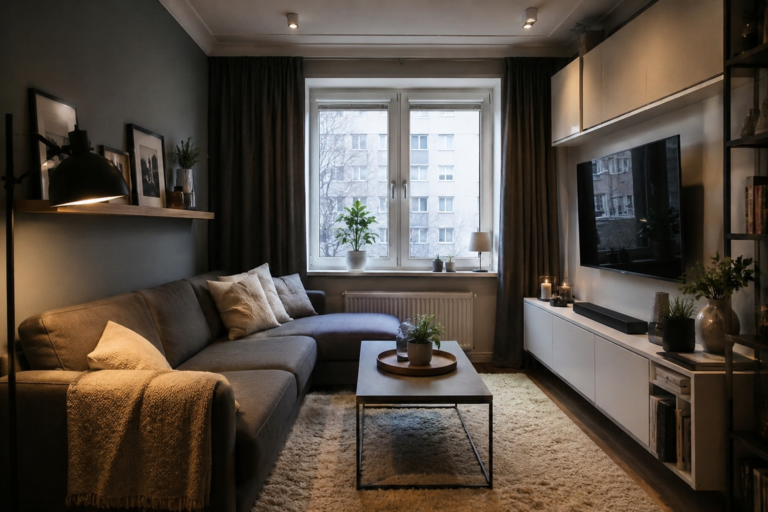
Moody living room accent walls — in charcoal, deep green, navy, or rich forest tones — are designer favorites for 2026 precisely because they add sculptural depth in low light that lighter walls simply can’t achieve. Paired with brass accents and cream upholstery, a dark accent wall creates the kind of contrast that makes a room feel high-end and considered. This approach works particularly well behind a sofa, where the dark wall frames and anchors the seating arrangement. The contrast keeps a moody room from feeling heavy; the trick is in the pairings, not the color alone.
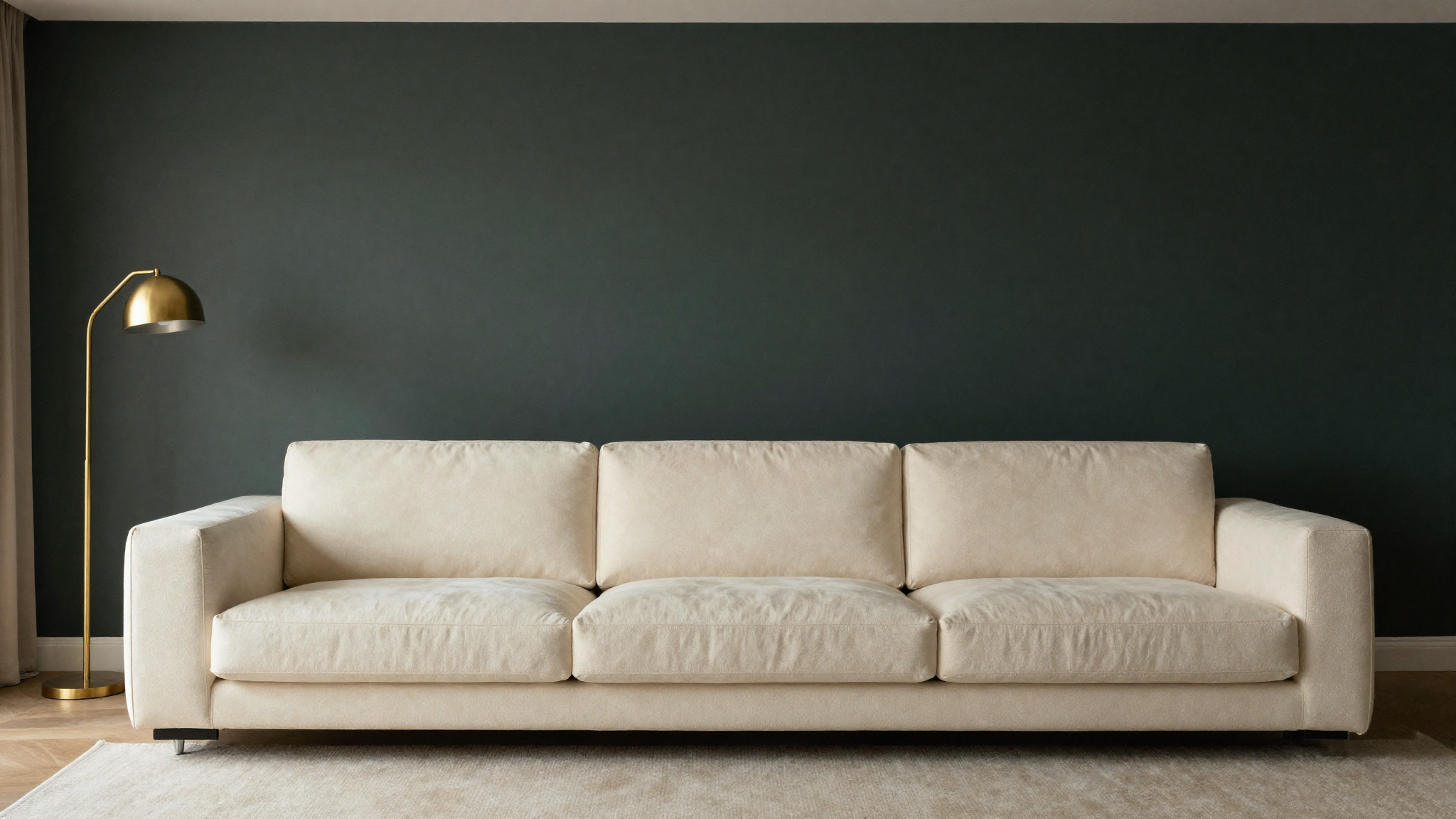
Smart tip: Paint one wall — the wall behind the sofa — in a deep moody tone and keep the other three walls neutral for a balanced, dramatic effect.
Mistake to avoid: Don’t paint all four walls in a moody dark tone without maximizing natural light. One accent wall creates drama; four dark walls can create gloom.
12. Woven Storage That Hides Clutter Beautifully
In 2026, decorative storage is replacing hidden storage as the preferred approach — woven rattan baskets, natural fiber bins, and textured storage pieces that integrate into the room’s aesthetic while containing everyday clutter. This shift acknowledges that good-looking storage doesn’t have to disappear; it can be part of the design. Woven storage adds texture and warmth while keeping clutter contained, which is why it appears in virtually every well-designed 2026 living room. The key is choosing storage pieces whose material and color actually work within the room’s palette.
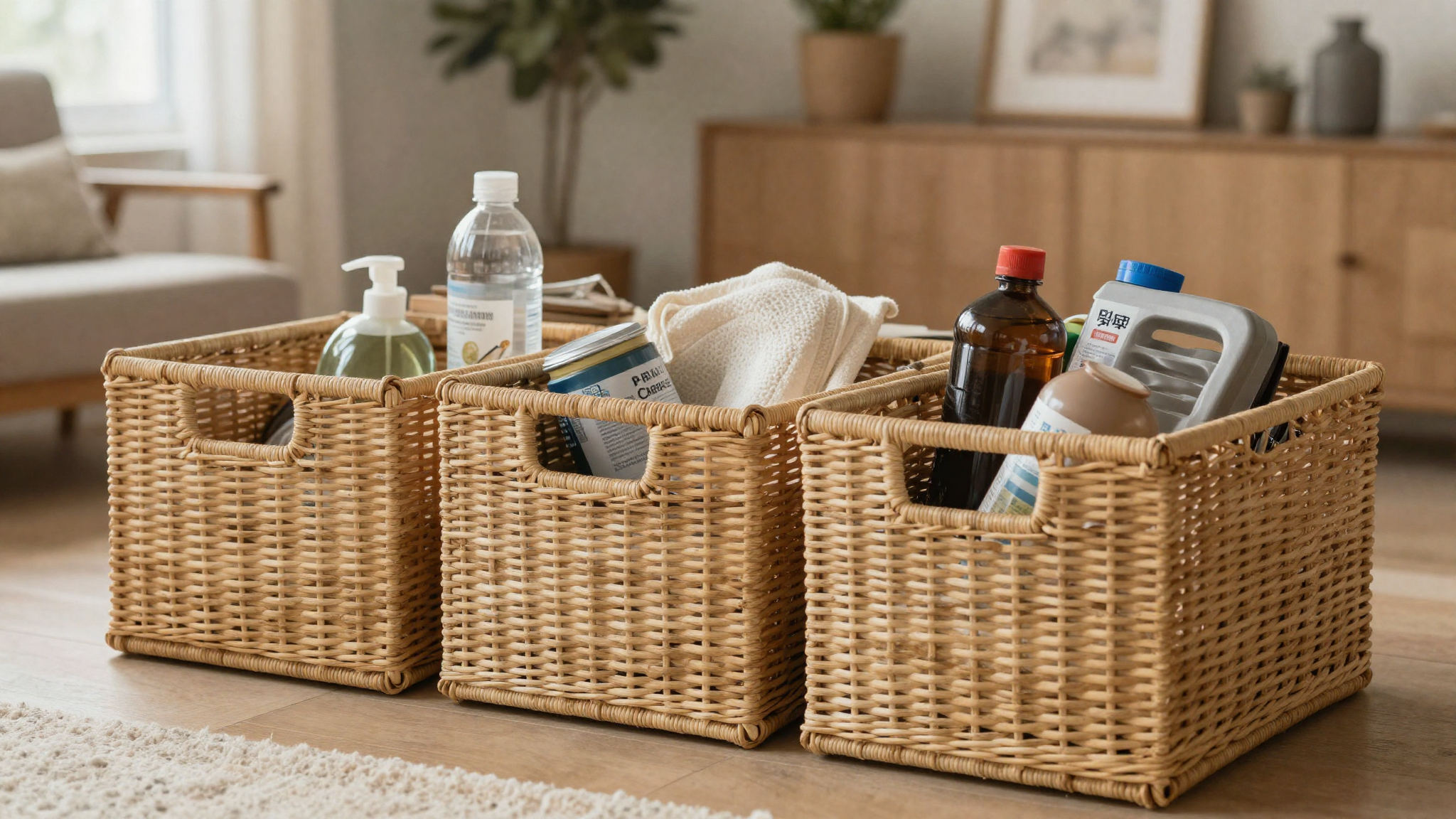
Smart tip: Replace any plastic storage bin with a woven rattan alternative — immediately warmer, immediately more designed, and usually the same price or cheaper.
Mistake to avoid: Don’t mix too many different basket styles and natural fiber finishes in one room. Two or three complementary textures reads as curated; more than four starts to read as a market stall.
13. The Edited Layout Built for Real Life
The showroomy living room layout — furniture pushed against walls, one formal focal point, everything symmetrical and static — is firmly out. In 2026, living rooms are designed around everyday use: seating positioned for actual conversation and TV watching, anchored by a central coffee table or soft ottoman, with multiple seating zones rather than one formal arrangement. Pulling furniture away from walls creates intimacy; a secondary chair at an angle breaks the rigidity; an ottoman in the center gives the room a natural hub. The most successful layouts today feel deliberately edited — not everything needs to be there, but everything that is there has a reason.
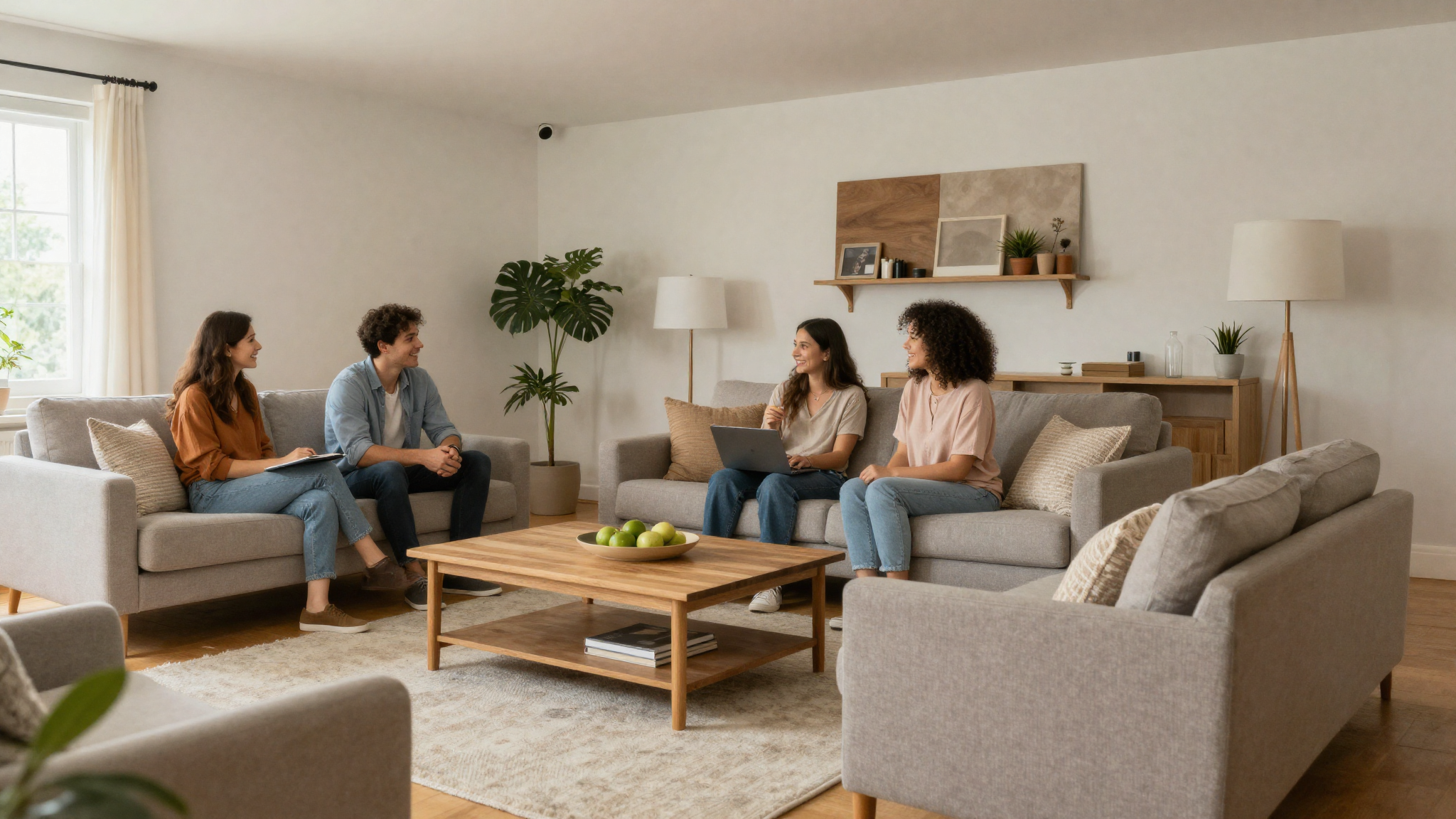
Smart tip: Pull your sofa away from the wall by 30cm — this single free change immediately makes a living room feel more intimate and intentionally designed.
Mistake to avoid: Don’t arrange furniture exclusively based on catalog photos or floor-plan symmetry. Arrange it based on how you actually spend time in the room and adjust from there.
A living room that genuinely works is built layer by layer, not purchased all at once. Start with one idea from this list — a layered rug, a warm light source, one meaningful personal object — and let the rest of the room grow around it, one honest, intentional choice at a time.
Continue Your Home Transformation
Explore the full collection of step-by-step eBooks and get the guide that fits the room you're working on.