Whether you’re moving into a new apartment or simply want to refresh a tired room, the right decor choices can transform a space without a full renovation. The key is to combine purposeful planning with a few high‑impact details that reflect your lifestyle. Below are 18 curated ideas—each backed by practical steps and trade‑off considerations—to help you elevate every room, from compact studios to sprawling living areas.
1. Start with a Vision Board
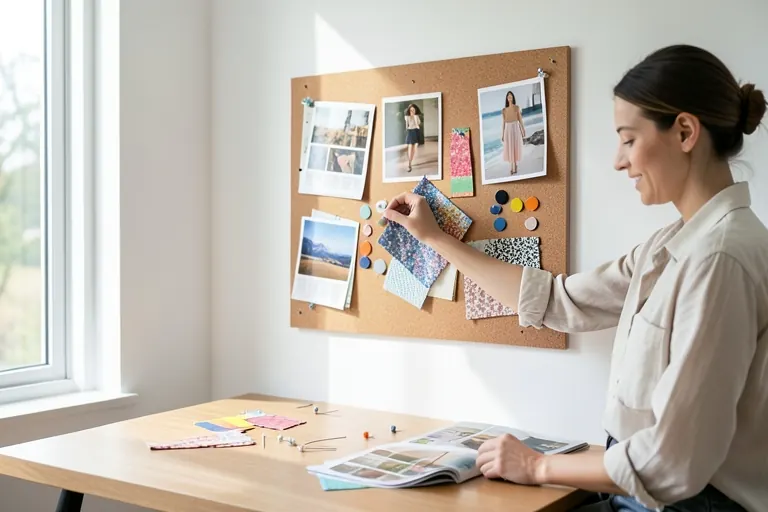
Start with a vision board. Gather photos from magazines, Pinterest, or design blogs that resonate with you. Arrange them on a physical board or a digital app to spot recurring colors, textures, or silhouettes.
Identify three recurring themes—perhaps natural wood, muted greens, or geometric patterns. This visual audit becomes a reference point when shopping, preventing scattered purchases.
Use the NAHB recommendation to write a prioritized list of needs versus wants. Rank items like “more storage” higher than “extra decorative objects.”
When you return to a room, compare each new piece against the board; if it doesn’t reinforce the theme, set it aside.
2. Anchor with a Statement Piece
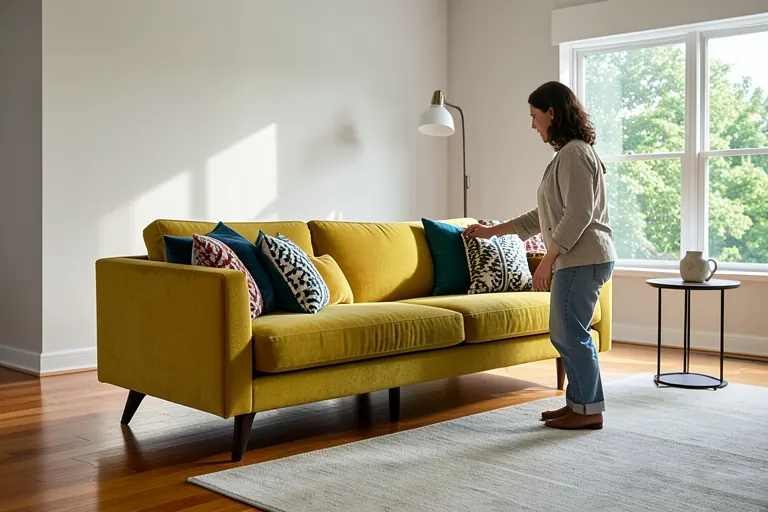
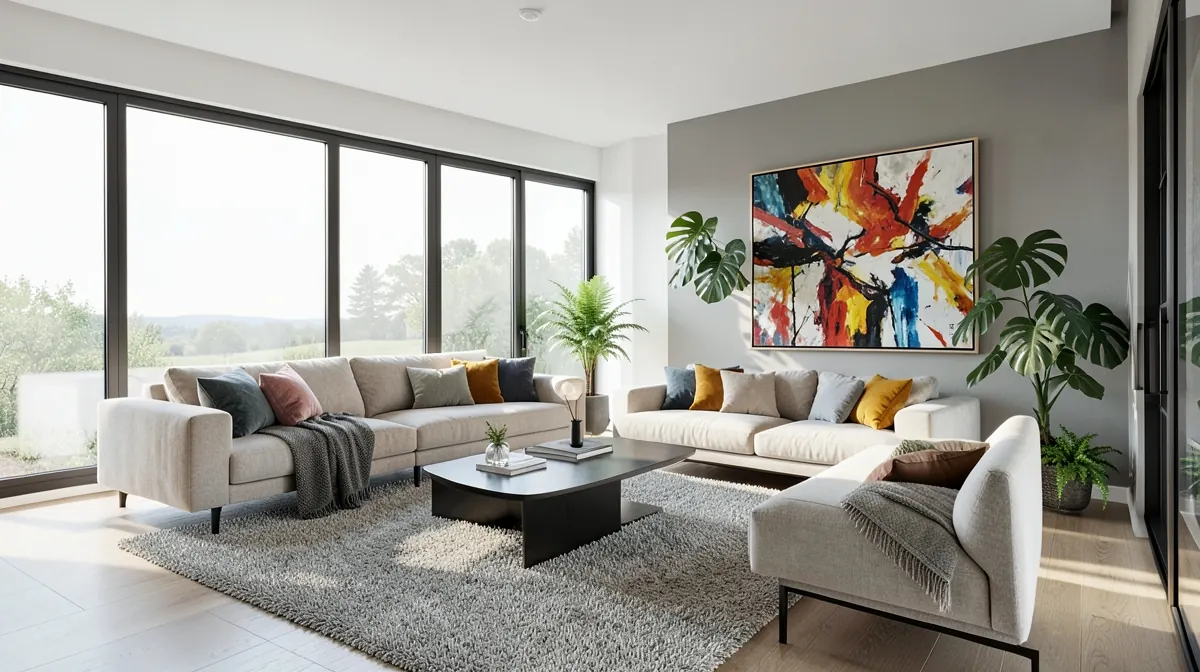
Anchor the room with a statement piece. A bold sofa, an oversized mirror, or a sculptural chandelier instantly gives the space a focal point.
Choose a piece that reflects your style—mid‑century modern for clean lines, or a reclaimed wood table for rustic warmth.
Before buying, measure the wall or floor area to ensure the piece fits without overwhelming traffic flow.
Once placed, build surrounding decor around it, using complementary colors and textures to keep the look cohesive.
Loving These Ideas? Get the Step-by-Step Guide
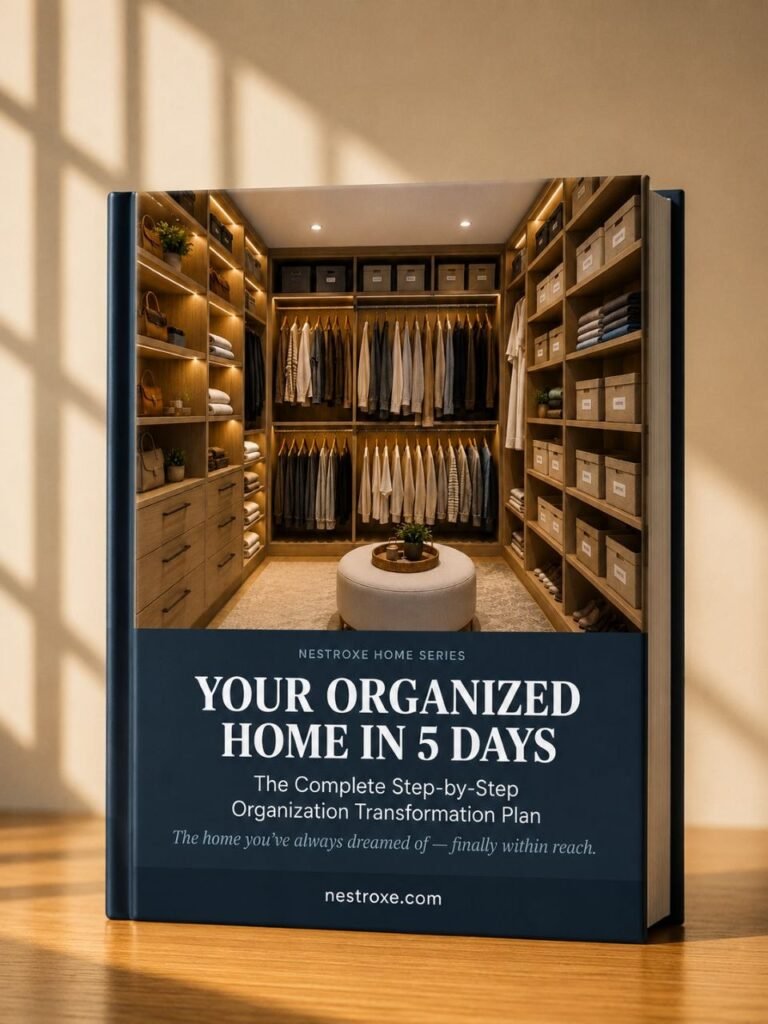
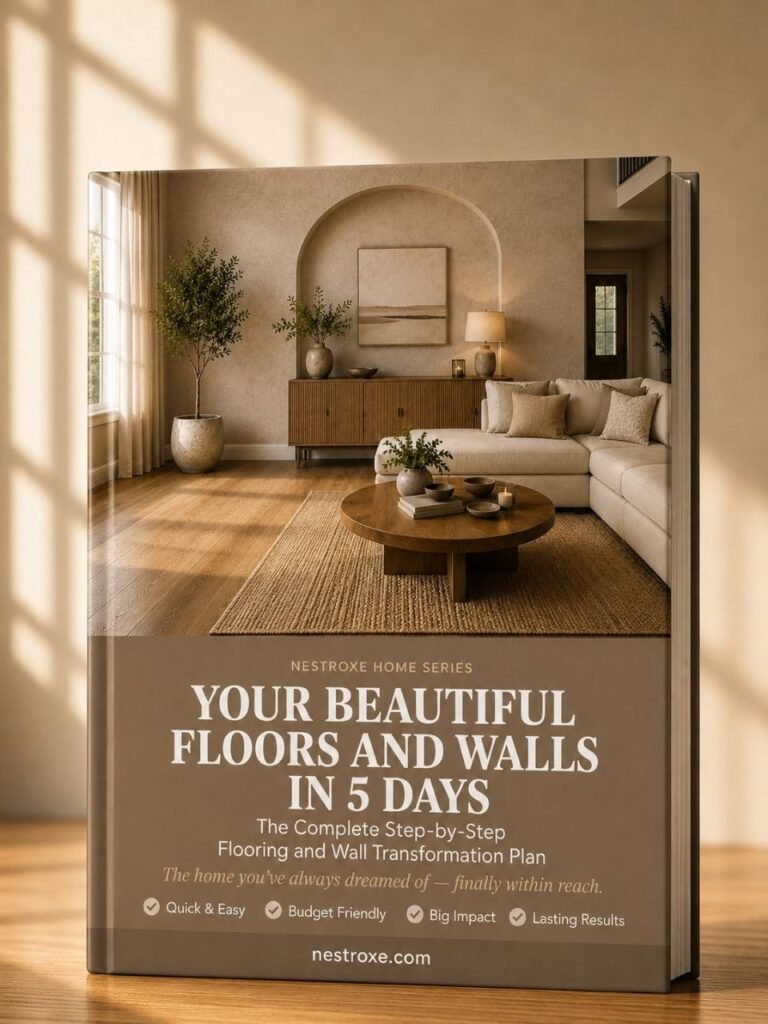
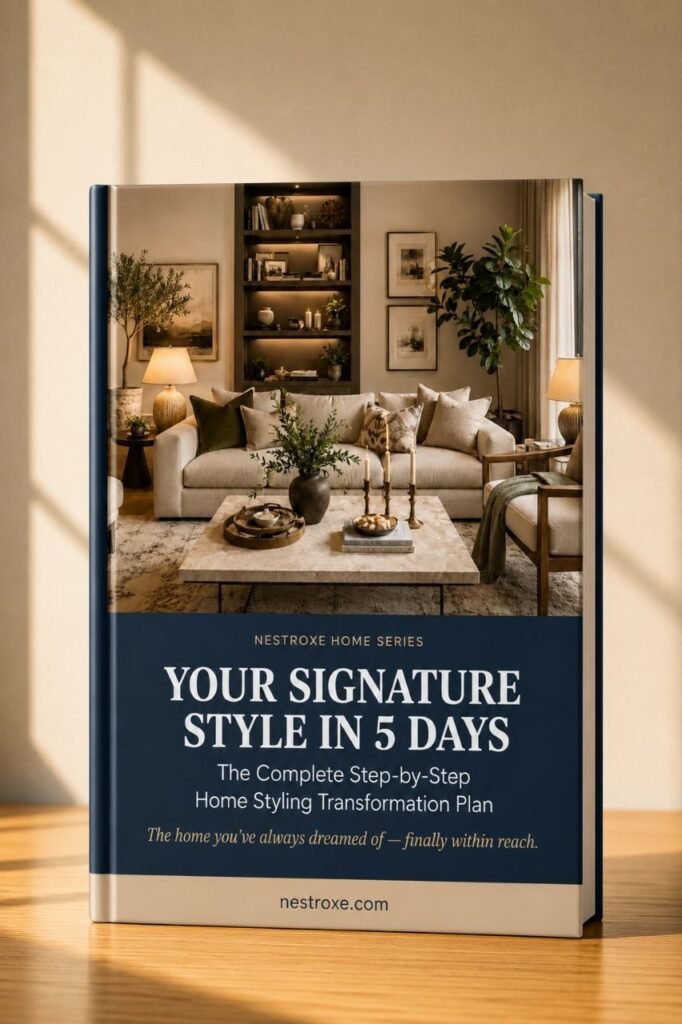
Grab the full 5-day eBook and turn these ideas into a finished room.




3. Layer Textures for Depth
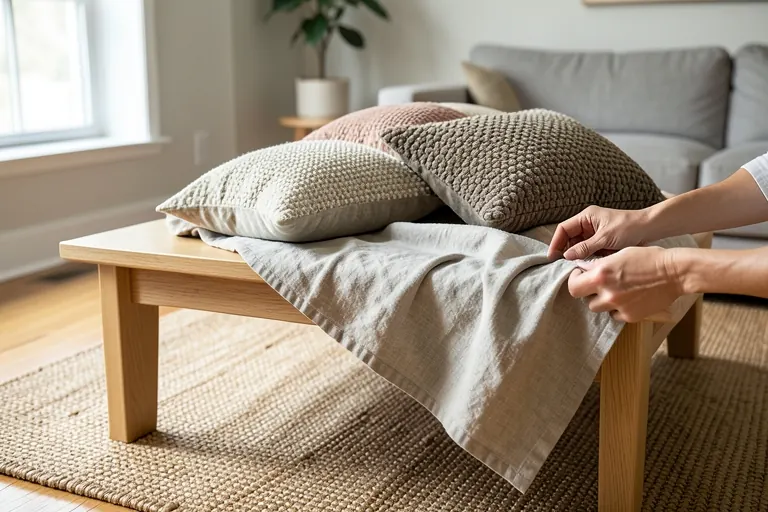
Layer textures for depth. Combine smooth leather, soft linen, and natural fibers like jute to create visual interest.
Start with a base—such as a plush rug (see Home‑Decorations advice on regular vacuuming). Add a woven throw, then a textured pillow cover.
Mix scales: a large chunky knit alongside a delicate silk cushion.
Balance heavy textures with lighter hues to avoid a cluttered feel.
4. Use Light to Shape Space
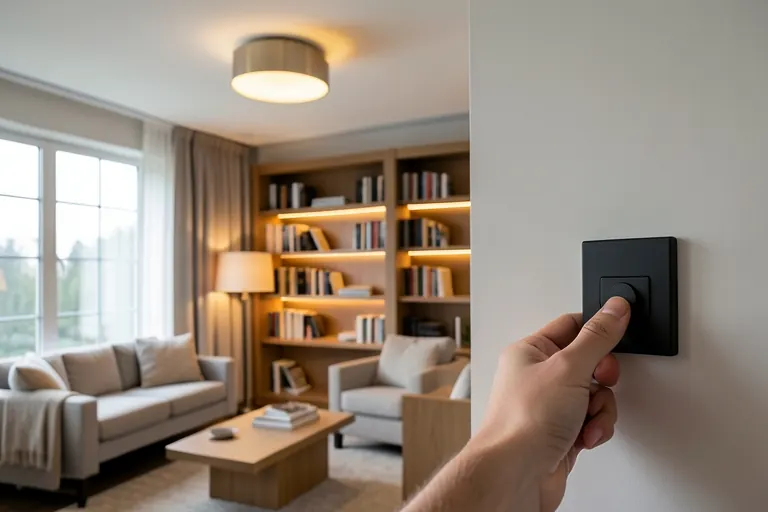
Use light to shape the space. Ambient, task, and accent lighting together create a balanced atmosphere.
Install dimmable overhead fixtures for overall illumination; add table lamps for reading corners; place LED strip lights behind shelving for subtle highlights.
In small rooms, choose fixtures with a low profile to keep ceilings feeling high.
Swap out harsh white bulbs for warm‑tinted LEDs to make colors appear richer.
5. Maximize Small Spaces with Multi‑Functional Furniture
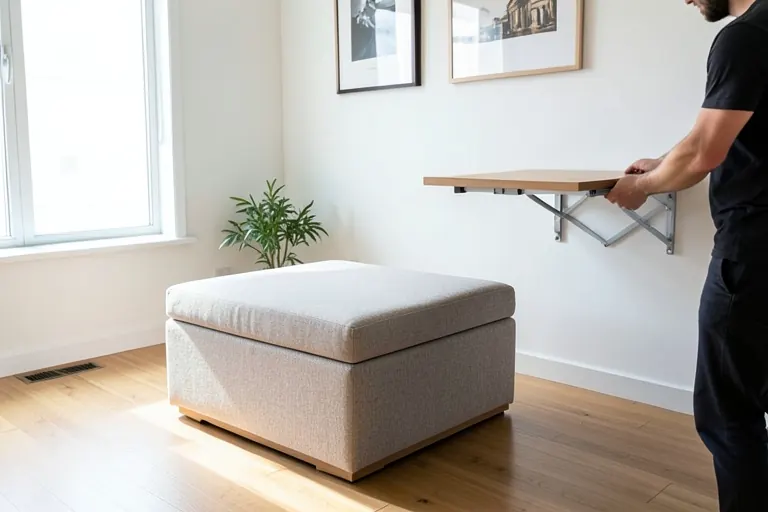
Maximize small spaces with multi‑functional furniture. Look for ottomans that open for storage, sofa‑beds, or a console that doubles as a desk.
Measure the room’s traffic pattern first; ensure the piece can slide or fold without blocking pathways.
Choose neutral upholstery so the item blends when not in use, then add a bold cushion for occasional visual pop.
These pieces let you keep the floor clear, a key tip from the NAHB guide on traffic flow.
6. Add Architectural Details
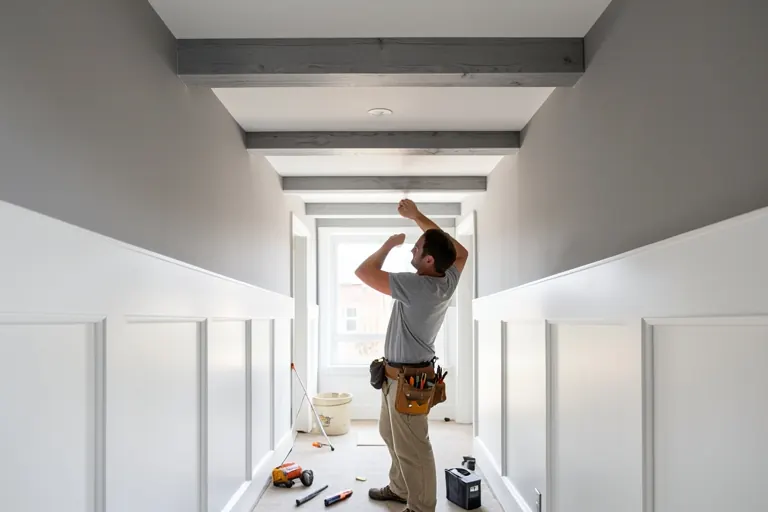
Add architectural details for instant polish. Wainscoting, decorative wall panels, or faux beam wraps can elevate plain walls.
The NARI article recommends pre‑assembled beam wraps for easy DIY installation; they fit around lights and ducts.
Paint the panels a shade lighter than the surrounding wall to add depth without overwhelming the room.
Apply the same detail in entryways or hallways for a cohesive flow.
7. Embrace Sustainable Materials
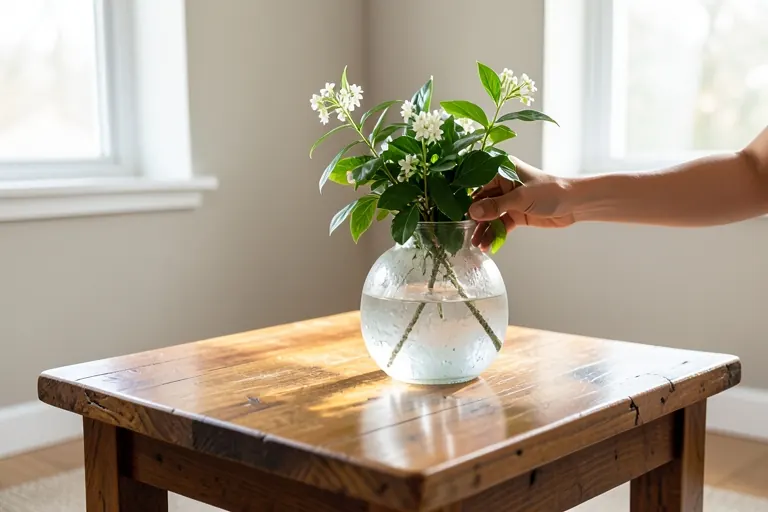
Embrace sustainable materials. Look for reclaimed wood, recycled glass vases, or organic cotton textiles.
These choices often have a lower environmental impact and add a story‑telling element to the room.
Before purchasing, verify certifications such as FSC for wood or GOTS for textiles.
Pair sustainable pieces with conventional items to balance cost and eco‑credibility.
8. Play with Color in Zones
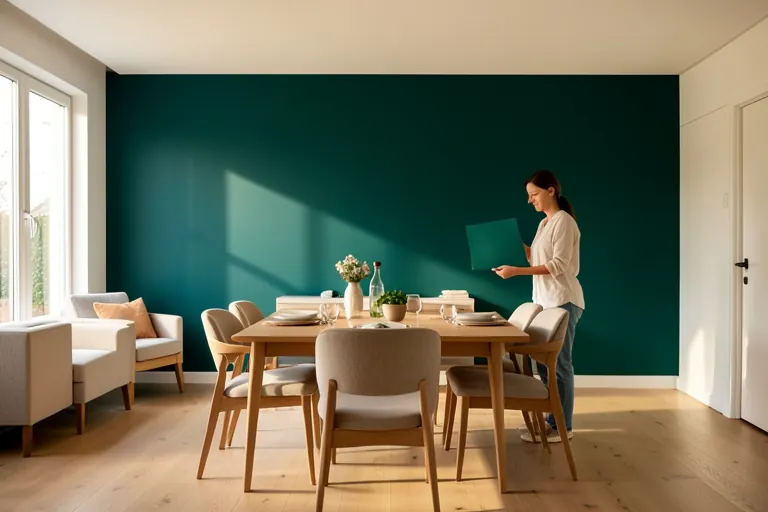
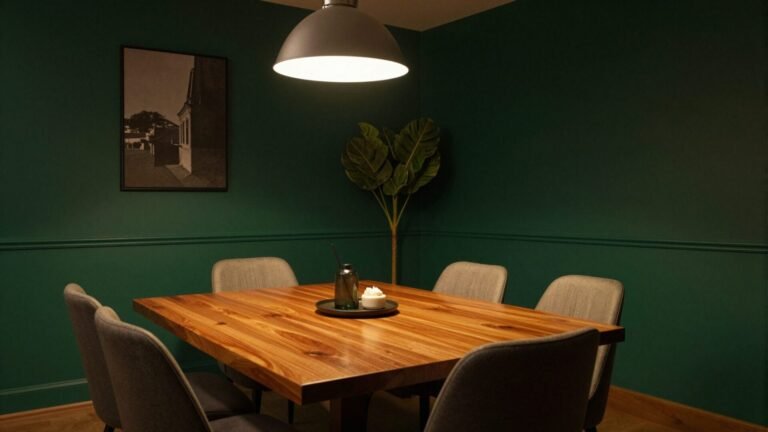
Play with color in zones. Use a bold hue on a single wall, a painted ceiling, or colorful cabinetry to delineate areas.
For open‑plan homes, a deep teal wall behind the dining table can separate it from the living zone.
Test paint samples at different times of day; natural light can shift perceived saturation.
Keep adjacent walls neutral to let the accent color breathe.
9. Incorporate Greenery
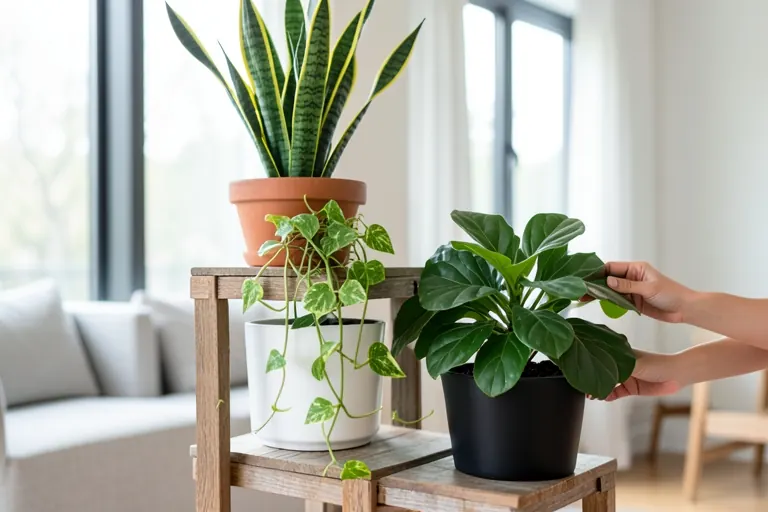
Incorporate greenery. Plants add texture, improve air quality, and soften hard edges.
Choose low‑maintenance varieties like snake plant or pothos for beginners.
Group plants of varying heights on a plant stand to create a mini‑garden effect.
Rotate pots seasonally to keep the display fresh and give each plant equal light.
10. Mix Vintage and Modern
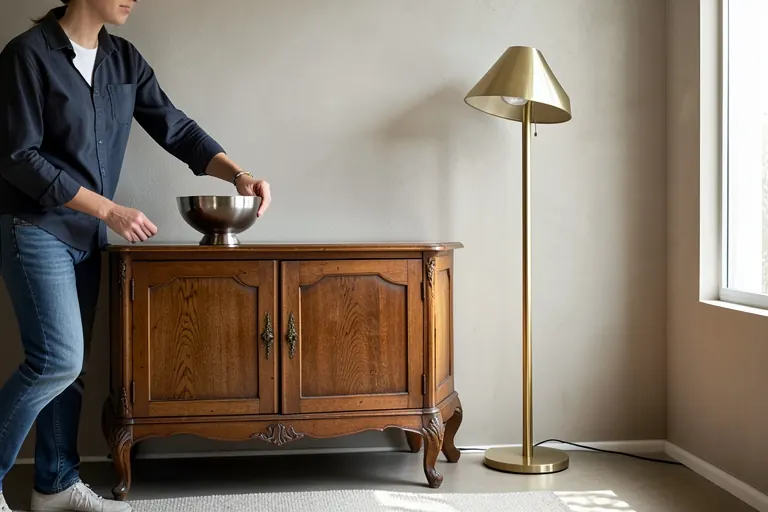
Mix vintage and modern. Pair a mid‑century sideboard with a contemporary glass lamp.
Maintain cohesion by selecting a unifying metal finish—brass, matte black, or brushed nickel.
Allow each era to shine: let the vintage piece retain its patina, and keep the modern item sleek.
This balance prevents the room from feeling dated or overly curated.
11. Create Cohesive Flooring Flow
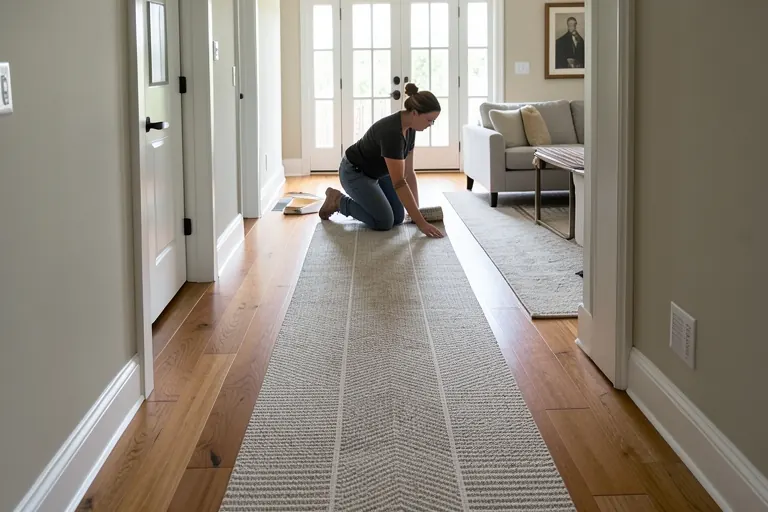
Create cohesive flooring flow. Use the same flooring material or a complementary transition strip when moving between rooms.
Large‑format tiles can make a space feel larger; hardwood adds warmth.
If you must change materials, use a runner or patterned border to visually connect the areas.
Consistent flooring reduces visual clutter and guides the eye smoothly.
12. Update Window Treatments
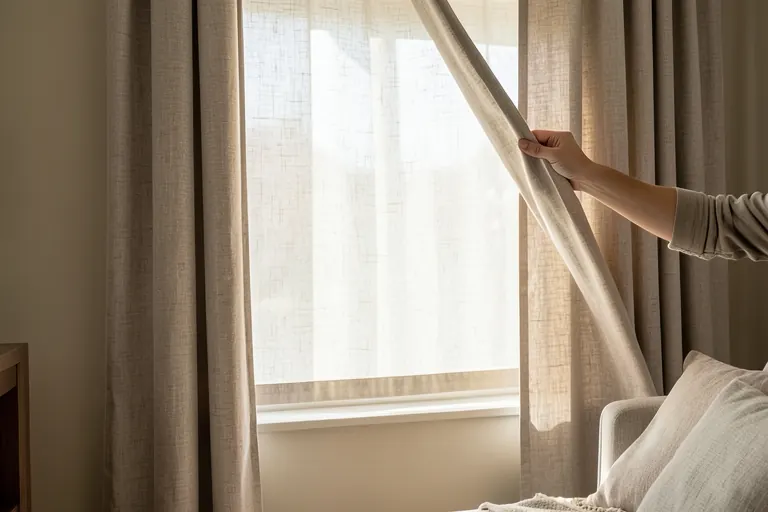
Update window treatments. New curtains or blinds can instantly refresh a room’s palette.
Choose light, floor‑length curtains for a tall, airy feel; opt for blackout shades in bedrooms for better sleep.
Measure the window width and height accurately; add 2‑4 inches on each side for a fuller look.
Layer a sheer panel beneath a heavier drape for flexibility.
13. Curate Art with Purpose
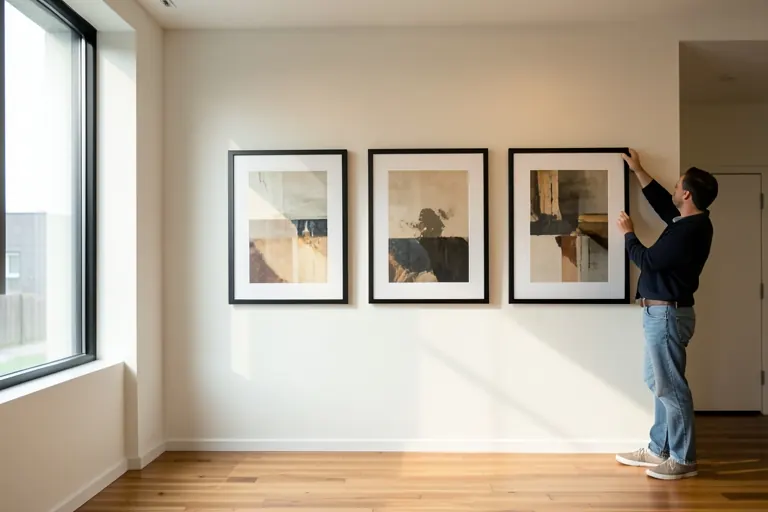
Curate art with purpose. Select pieces that reflect personal interests or echo room colors.
Hang art at eye level—approximately 57‑inches from the floor—to create a comfortable viewing height.
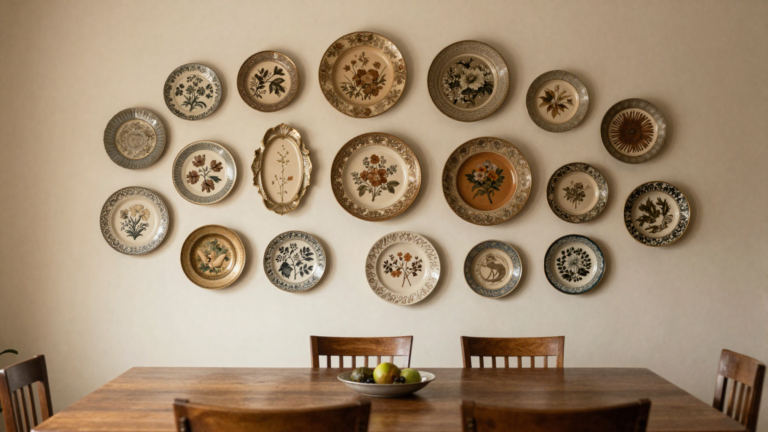
Use a gallery wall to showcase a collection; keep frames uniform for a clean look.
Rotate artwork seasonally to keep the space feeling fresh.
14. Use Rugs to Define Areas
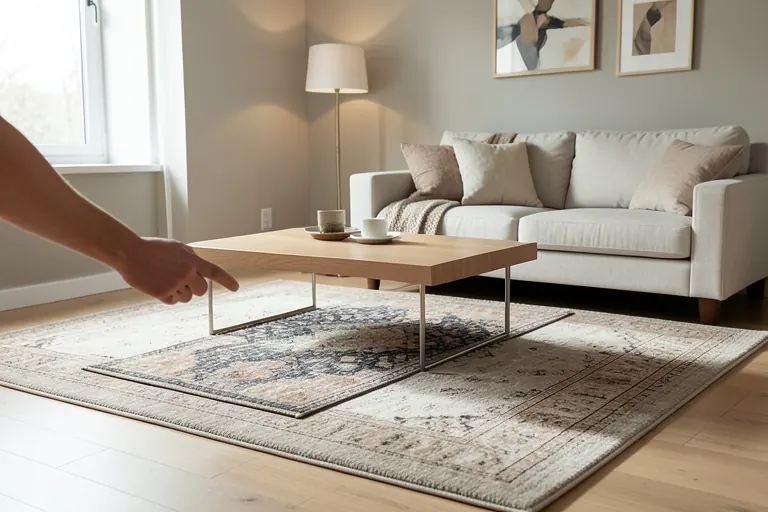
Use rugs to define areas. A well‑chosen rug can anchor a seating cluster or dining set.
Follow the Home‑Decorations guideline: leave 18‑24 inches of floor visible around the rug’s edge.
Choose a rug material that matches traffic—wool for high‑traffic zones, flat‑weave for kitchens.
Layer a smaller runner over a larger rug for added texture.
15. Optimize Storage with Style
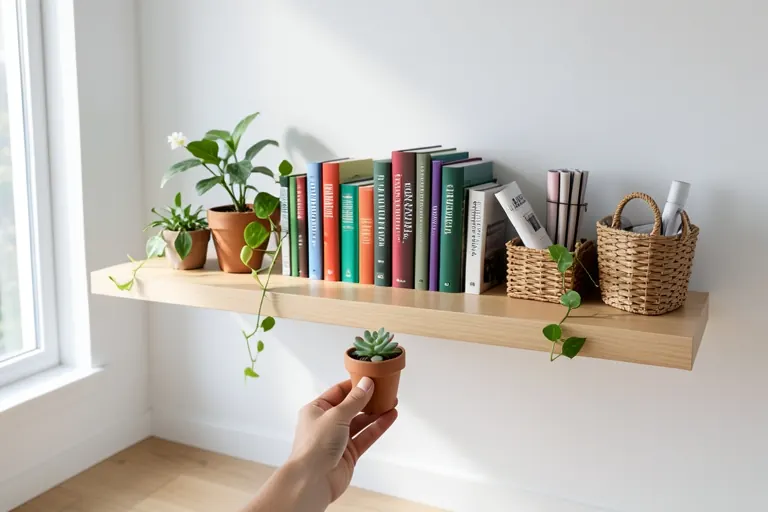
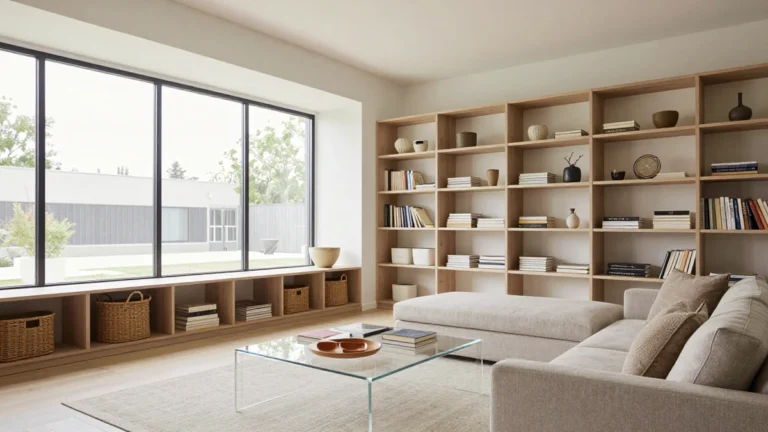
Optimize storage with style. Open shelving, decorative baskets, and built‑in niches keep clutter hidden.
Label baskets for quick identification; choose woven or metal finishes that complement the room’s palette.
Install a floating shelf at eye level for books and decorative objects, balancing function and visual appeal.
Remember to keep a few empty spaces; a room that feels too full looks chaotic.
16. Refresh Ceilings and Corners
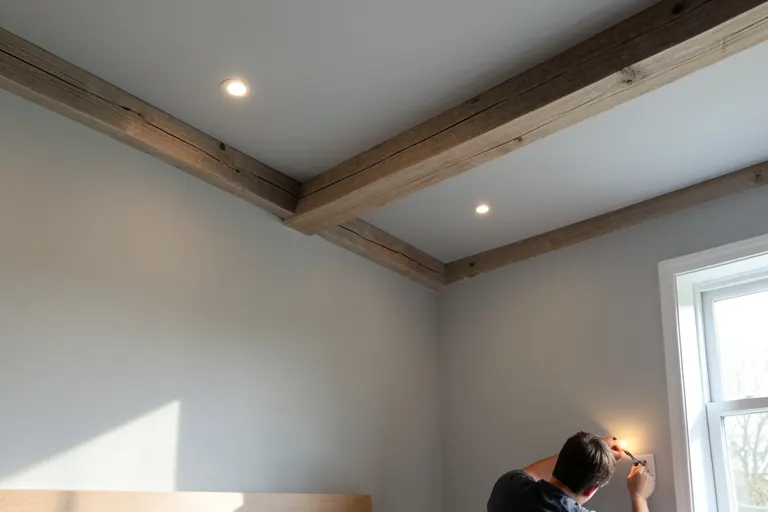
Refresh ceilings and corners. Paint the ceiling a shade lighter than the walls to add height.
Consider a subtle beam wrap (per NARI) to hide imperfections and add visual interest.
Install a small crown molding in rooms with high ceilings for a finished look.
Don’t forget corner lighting—recessed spotlights can brighten dark edges.
17. Personalize with DIY Accents
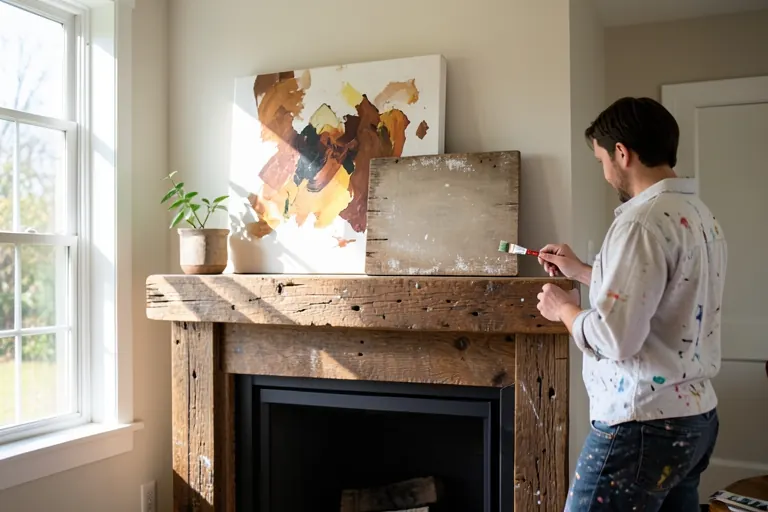
Personalize with DIY accents. Hand‑painted canvas art, reclaimed wood signs, or custom‑stenciled pillows add a unique touch.
Start with a small project to gauge skill level; a painted vase can be completed in an evening.
Use low‑VOC paints for indoor projects to maintain air quality.
Display your creations proudly—they become conversation pieces and reinforce your style narrative.
18. Common Home Decor Mistakes
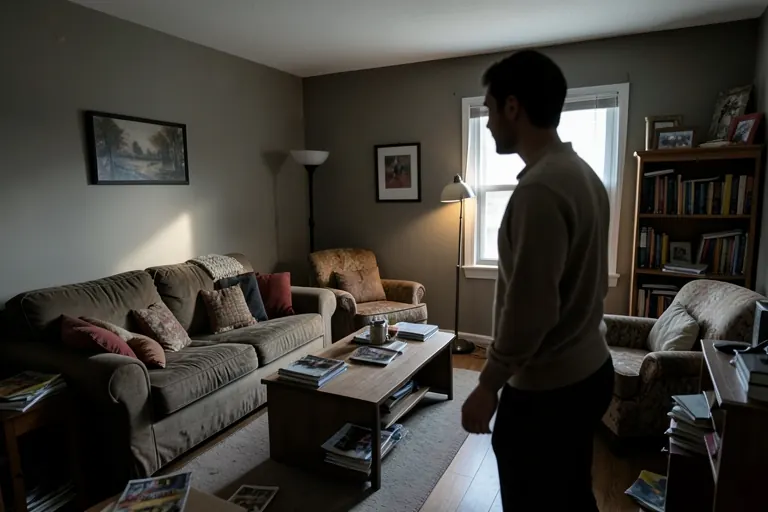
Common Home Decor Mistakes
1. Over‑decorating. Filling every surface with objects creates visual noise. Stick to a 1‑3‑5 rule: one large piece, three medium, five small.
2. Ignoring scale. A massive sofa in a tiny room overwhelms; measure first and choose appropriately sized furniture.
3. Choosing trend over function. Trendy colors fade; prioritize durability and personal appeal.
4. Neglecting lighting. Relying on a single overhead fixture leaves corners dark; layer lighting for balance.
5. Skipping maintenance planning. Some fabrics need professional cleaning; factor upkeep into your decision.
Effort & Cost Snapshot
| Topic | Effort | Cost Note |
|---|---|---|
| 1. Start with a Vision Board | Low | Often achievable with existing furnishings or simple updates |
| 2. Anchor with a Statement Piece | Low | Often achievable with existing furnishings or simple updates |
| 3. Layer Textures for Depth | Low | Often achievable with existing furnishings or simple updates |
| 4. Use Light to Shape Space | Medium | Varies by materials, scope, and local labor |
| 5. Maximize Small Spaces with Multi‑Functional Furniture | Low | Often achievable with existing furnishings or simple updates |
| 6. Add Architectural Details | Medium | Varies by materials, scope, and local labor |
| 7. Embrace Sustainable Materials | Medium | Varies by materials, scope, and local labor |
| 8. Play with Color in Zones | Medium | Varies by materials, scope, and local labor |
| 9. Incorporate Greenery | Low | Often achievable with existing furnishings or simple updates |
| 10. Mix Vintage and Modern | Low | Often achievable with existing furnishings or simple updates |
| 11. Create Cohesive Flooring Flow | Medium | Varies by materials, scope, and local labor |
| 12. Update Window Treatments | Low | Often achievable with existing furnishings or simple updates |
| 13. Curate Art with Purpose | Low | Often achievable with existing furnishings or simple updates |
| 14. Use Rugs to Define Areas | Low | Often achievable with existing furnishings or simple updates |
| 15. Optimize Storage with Style | Medium | Varies by materials, scope, and local labor |
| 16. Refresh Ceilings and Corners | Medium | Varies by materials, scope, and local labor |
| 17. Personalize with DIY Accents | Medium | Varies by materials, scope, and local labor |
| 18. Common Home Decor Mistakes | Medium | Varies by materials, scope, and local labor |
Frequently Asked Questions
How do I diagnose which decor changes will have the biggest impact?
Start by photographing each room and noting the dominant function, traffic flow, and any problem areas. Sketch a simple floor plan on graph paper or a free app, then list the top three goals—such as more storage, brighter lighting, or a focal point. This diagnostic helps you prioritize purchases and prevents impulse buys that don’t serve the space.
What’s the best way to blend vintage and modern pieces?
When mixing styles, keep a unifying element—like a consistent metal finish, color palette, or material—so the room feels cohesive. Pair a vintage wooden sideboard with a sleek glass lamp, but choose brass hardware for both. The shared detail ties the pieces together without forcing a single era.
Can a rug really change the perception of a room’s size?
Yes. A well‑chosen rug can define a seating area, anchor a dining set, or soften a hardwood floor. Pick a size that leaves at least 18‑24 inches of bare floor around the edges; this creates a visual border and prevents the rug from looking cramped.
Great decor doesn’t require a full‑scale remodel—just a clear plan, a few purposeful pieces, and an eye for balance. By applying the ideas above, you’ll create rooms that feel curated, functional, and uniquely yours. Remember to test a small change before committing, keep maintenance in mind, and let your personality guide the final touches. Your home can evolve with you, season after season, without breaking the bank.
Sources & Further Reading
- Thinking About Home Remodeling? Start Here | NAHB
- NKBA | KBIS Announces 2026 Design + Industry Award Winners – NKBA
Continue Your Home Transformation
Explore the full collection of step-by-step eBooks and get the guide that fits the room you're working on.