Home Style and Decor
After years of being pushed aside by open floor plans and quick meals eaten standing at the counter, the dining room is having a genuine comeback in 2026. It’s no longer treated as a formal space reserved for holidays — it’s becoming a room people actually want to linger in, with richer color, more personality, and furniture built to be touched and used rather than just admired.
By the end of this article, you’ll have 13 real, current dining room trends — from moody color palettes to sculptural lighting — to help you turn your dining space into somewhere people genuinely want to stay at the table longer.
Table of Contents
- 1. Paint With Moody Jewel Tones
- 2. Add a Brass and Glass Chandelier
- 3. Mix Vintage and Modern Chairs
- 4. Add Bold Floral Wallpaper
- 5. Hide Storage in Floor-to-Ceiling Cabinetry
- 6. Choose a Sculptural Pendant Light
- 7. Choose a Round Table for Small Rooms
- 8. Layer Textured Table Linens
- 9. Add Wood-Clad Wall Paneling
- 10. Curate a Mismatched Tableware Set
- 11. Choose an Enclosed Layout
- 12. Add a Statement Mirror
- 13. Choose a Rattan Pendant Light
- Effort & Cost Snapshot
1. Paint With Moody Jewel Tones
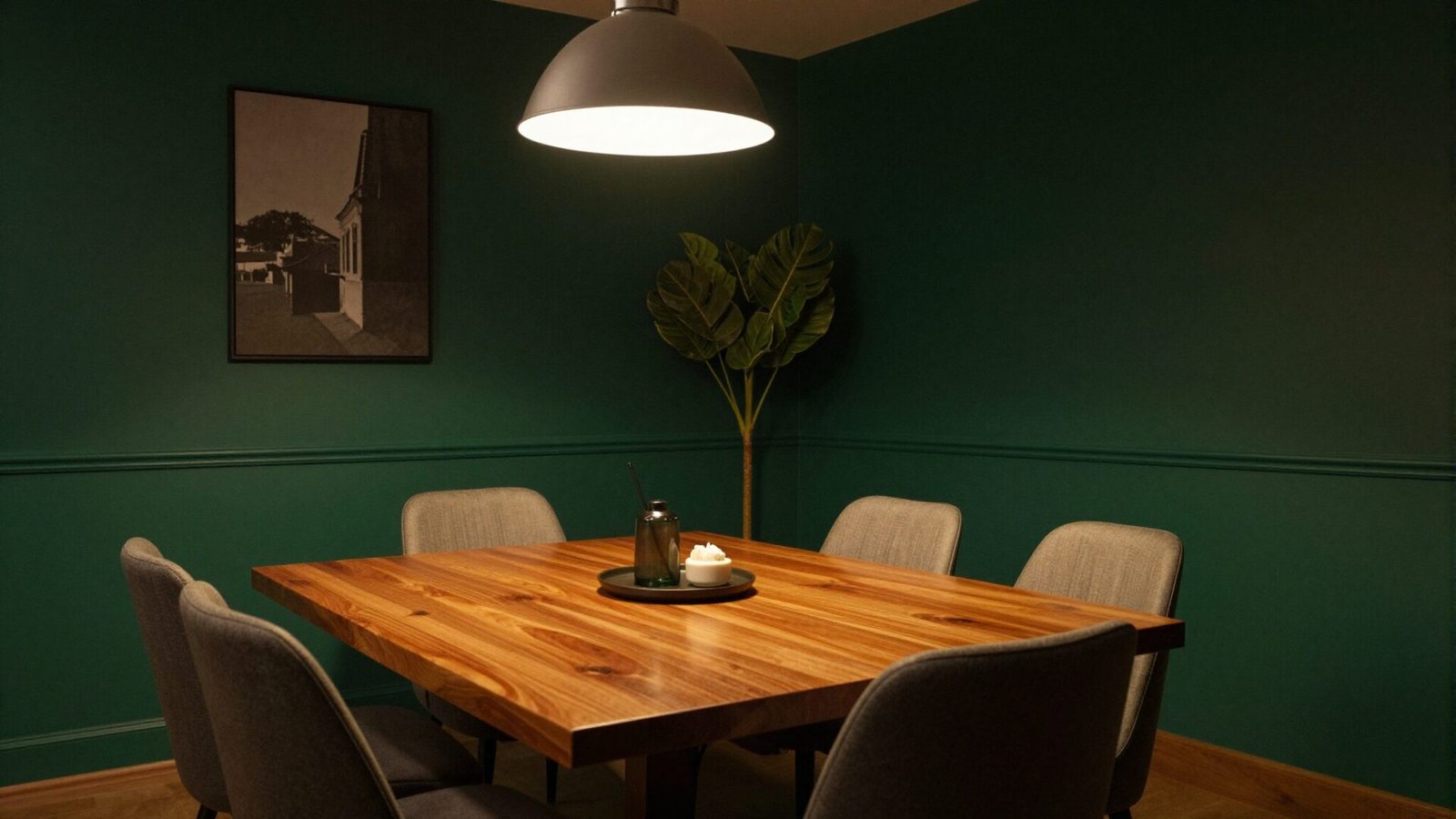
Since dining rooms are used mostly in the evening, they’ve become the perfect place to experiment with deep, saturated colors without worrying about living in a dark space all day. Emerald green, deep plum, and rich navy all bring a genuine sense of drama and intention that lighter palettes rarely achieve.
💡 Smart tip: Pair a moody wall color with warm brass or gold hardware, which keeps the deep tone feeling rich rather than heavy.
⚠️ Mistake to avoid: Choosing a saturated dark color without planning for adequate evening lighting; moody colors depend on warm ambient light to feel intentional rather than simply dim.
2. Add a Brass and Glass Chandelier
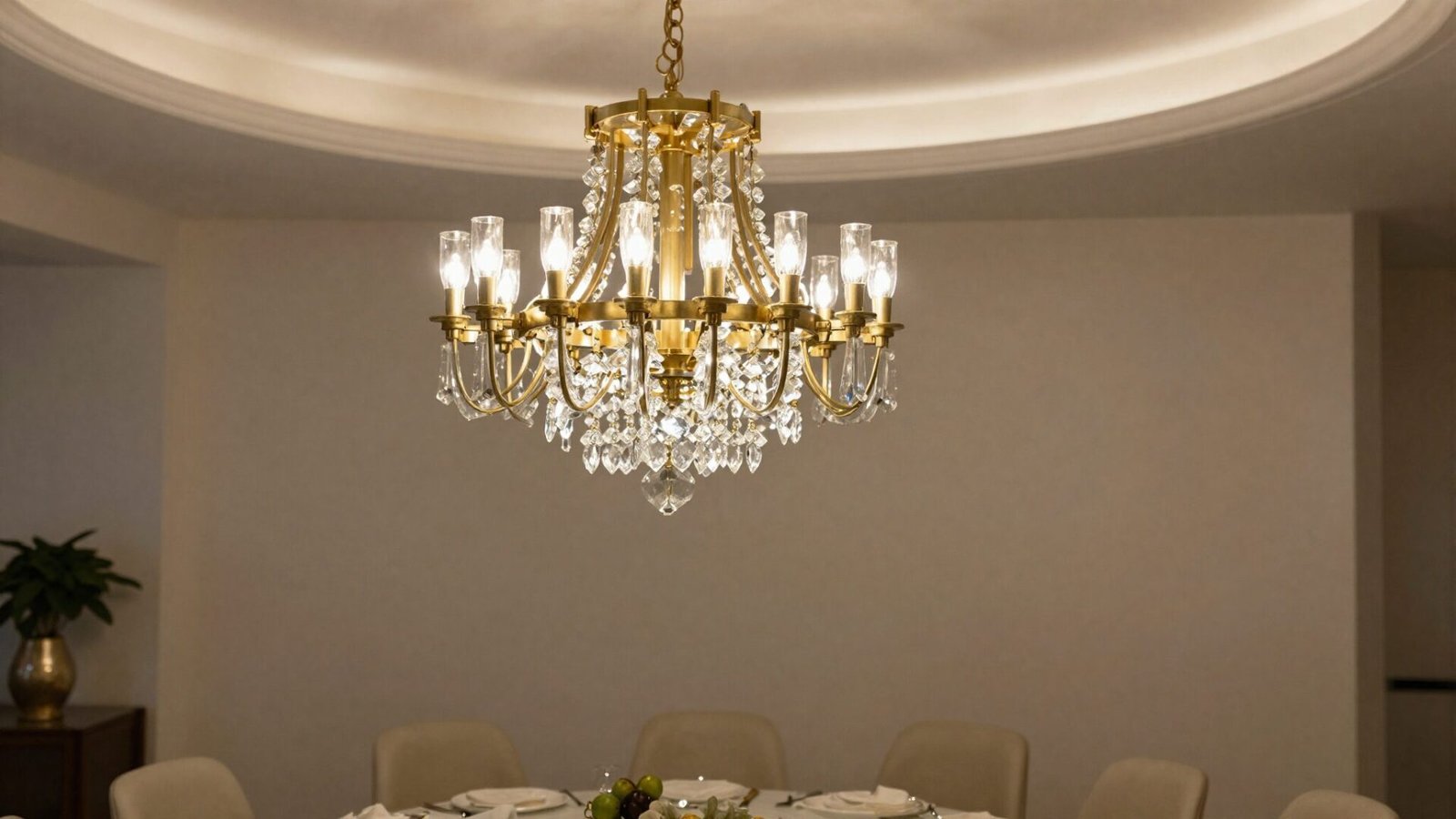
A chandelier that mixes brass and glass adds genuine sparkle to a dining room, elevating the whole space without requiring any other major changes. It’s the kind of fixture that makes even a weeknight dinner feel a little more special.
💡 Smart tip: Size the chandelier to roughly half to two-thirds the width of your table, which keeps the proportions feeling balanced rather than overwhelming.
⚠️ Mistake to avoid: Hanging a chandelier too high above the table; a common guideline is around 30 to 34 inches above the tabletop for a standard 8-foot ceiling.
3. Mix Vintage and Modern Chairs
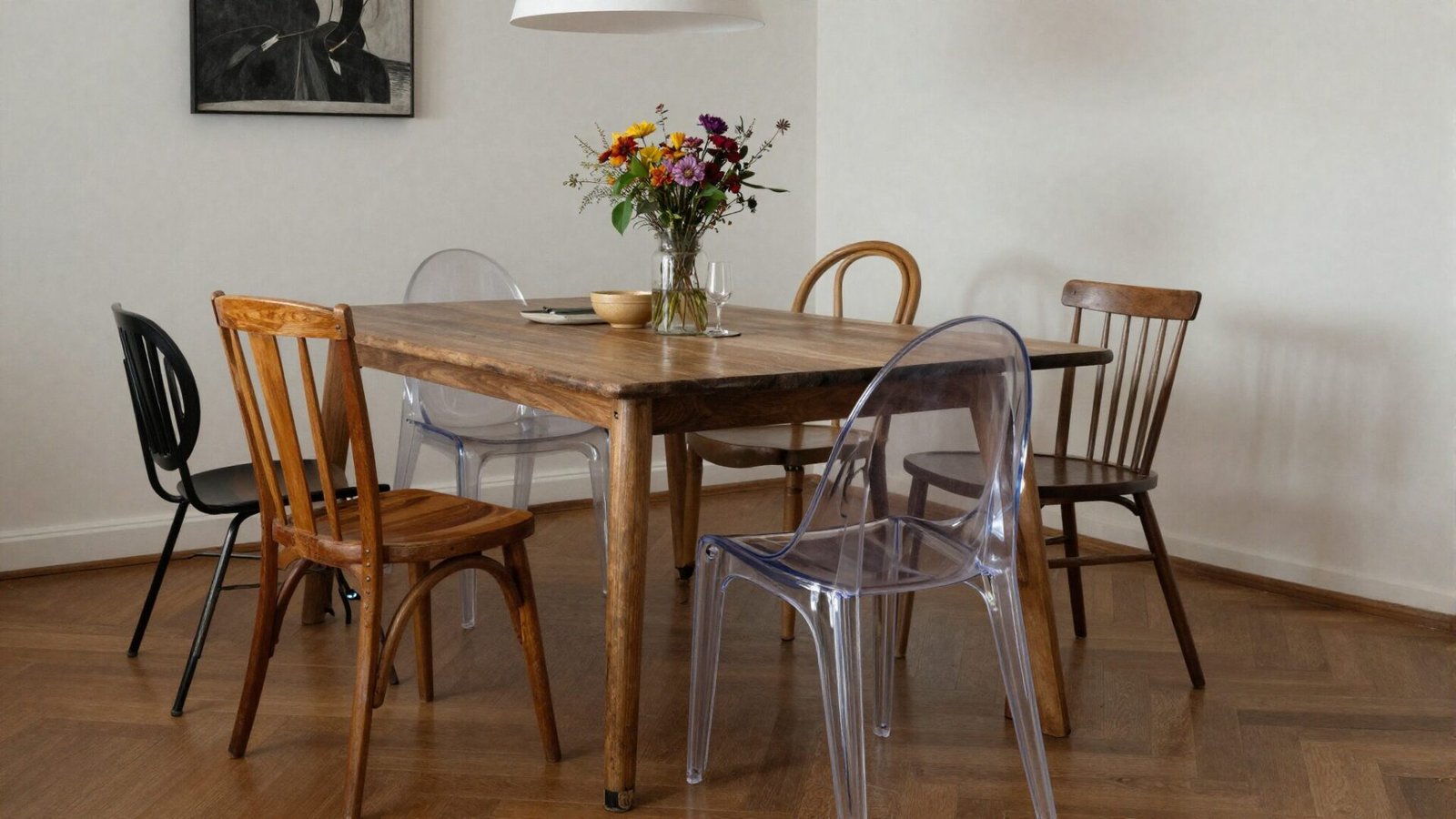
Pairing a sleek modern table with vintage wooden chairs, or mixing acrylic ghost chairs into a farmhouse table, gives a dining room a lived-in, forgiving feel that a matched set never quite achieves. If a chair gets a small ding along the way, it just adds character instead of ruining a pristine set.
💡 Smart tip: Keep one consistent element across mismatched chairs, like a shared wood tone or seat height, so the mix reads as curated rather than accidental.
⚠️ Mistake to avoid: Mixing too many wildly different chair styles at once; two or three complementary styles feels collected, while five competing looks can feel chaotic.
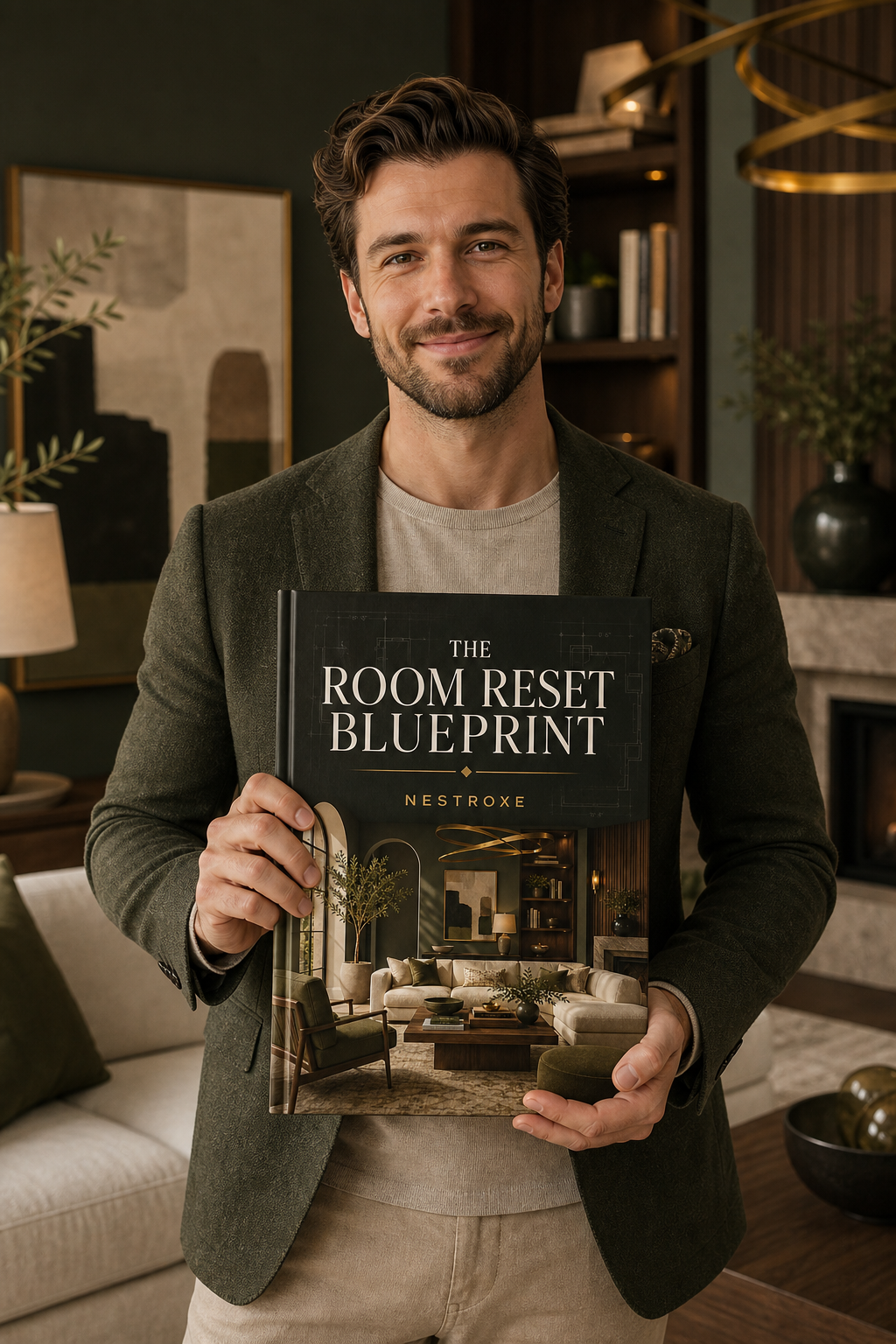
Loving These Ideas? Get the Step-by-Step Guide
Grab the full 5-day eBook and turn these ideas into a finished room.




4. Add Bold Floral Wallpaper
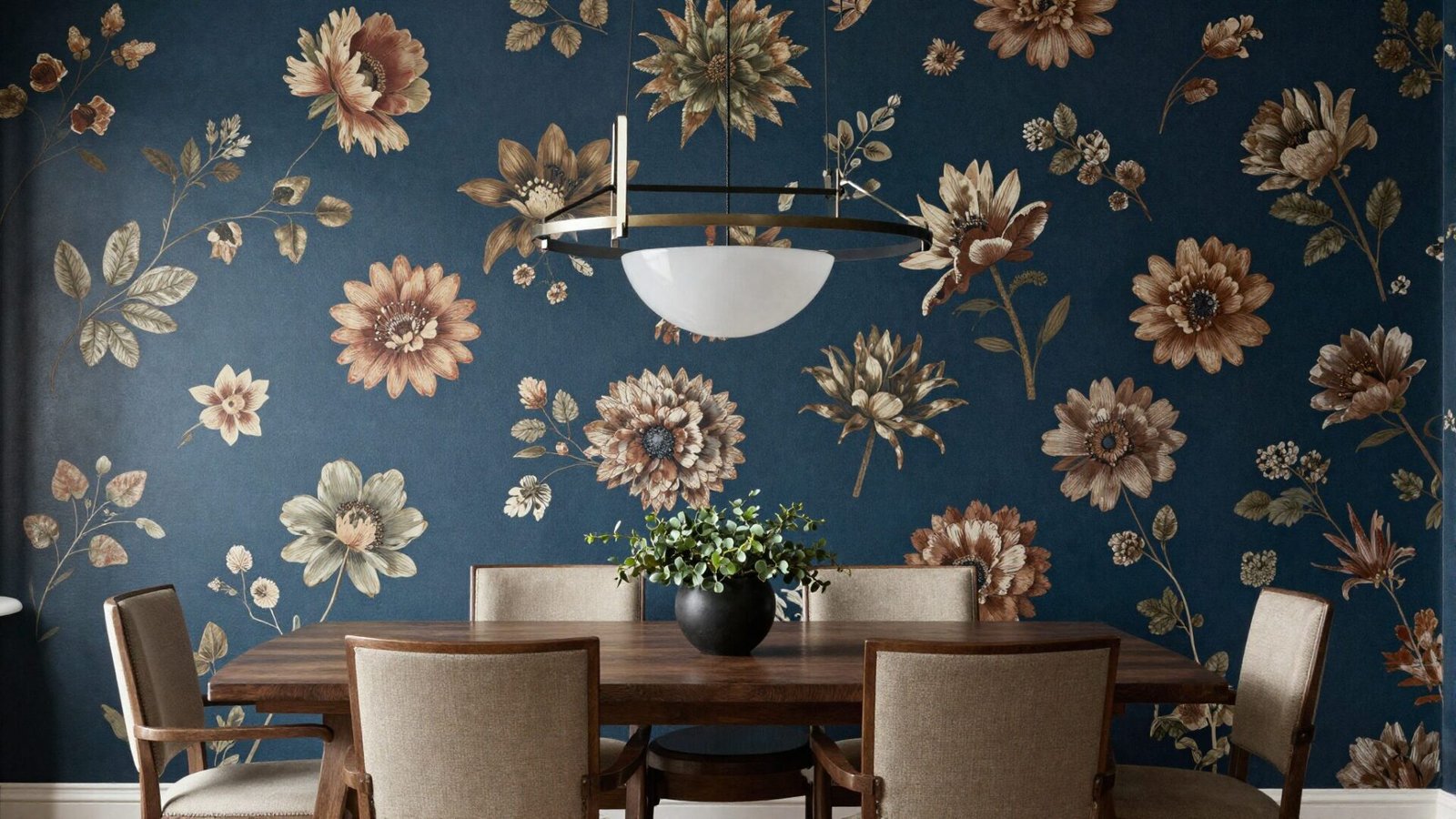
Floral wallpaper is having a real moment in dining rooms, offering a huge range of color, scale, and mood to choose from. A dramatic floral pattern behind the table turns an otherwise simple room into a space with real formal presence.
💡 Smart tip: Choose a floral scale proportional to your room size; a small, tight dining room usually reads better with a smaller-scale print than an oversized, dramatic pattern.
⚠️ Mistake to avoid: Pairing bold floral wallpaper with an equally busy rug or drapery pattern; let the wallpaper be the room’s clear statement.
5. Hide Storage in Floor-to-Ceiling Cabinetry
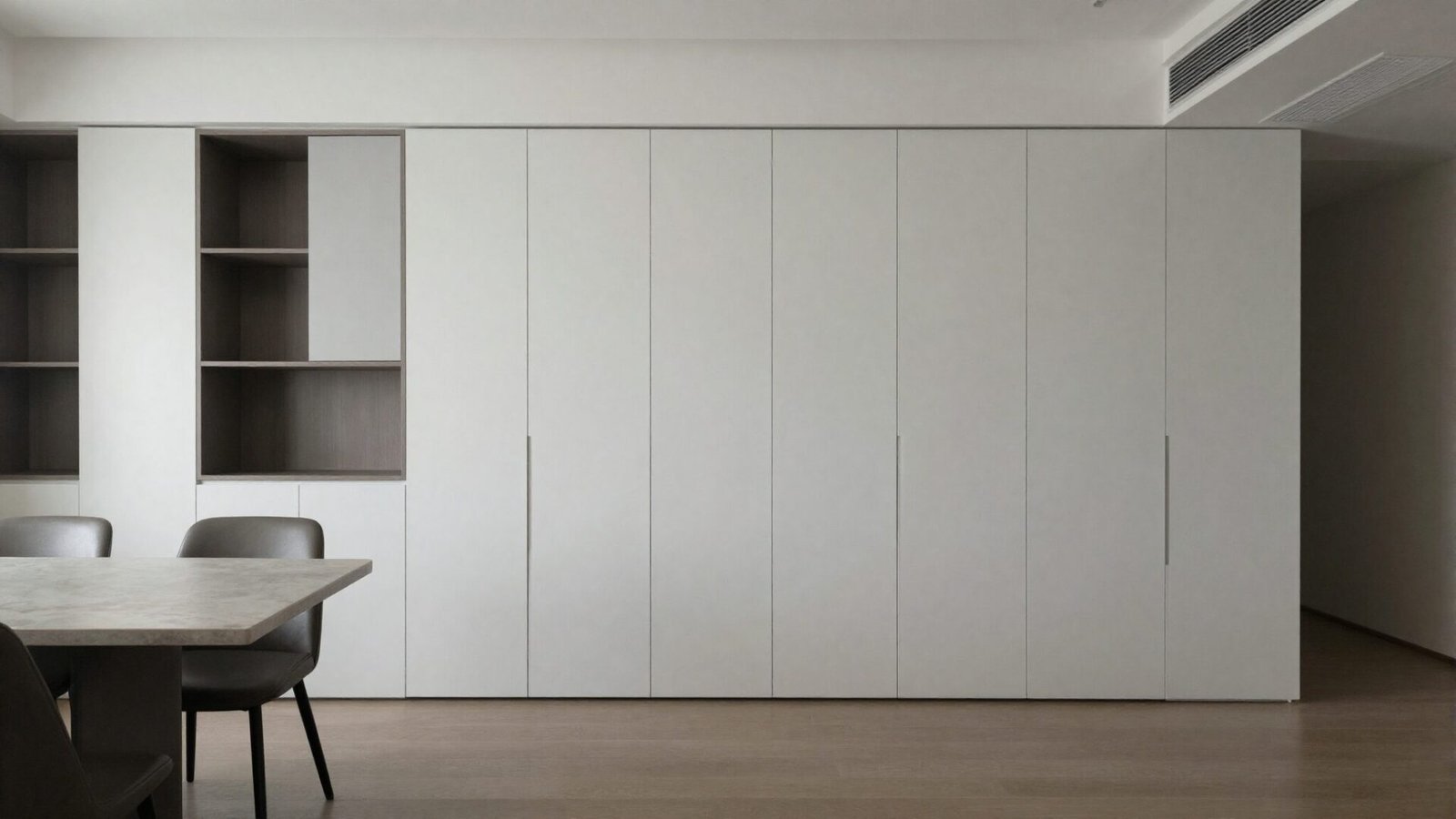
As dining rooms increasingly double as workspaces or homework stations, invisible storage that blends into the wall keeps daily clutter out of sight without sacrificing the room’s polish. These built-in units can hide everything from serving platters to home office equipment behind a single seamless facade.
💡 Smart tip: Match cabinetry paint or finish exactly to the surrounding wall color for the most seamless, blended-in effect.
⚠️ Mistake to avoid: Underestimating how much storage you actually need before finalizing cabinet dimensions; measure your current overflow items first rather than guessing.
6. Choose a Sculptural Pendant Light
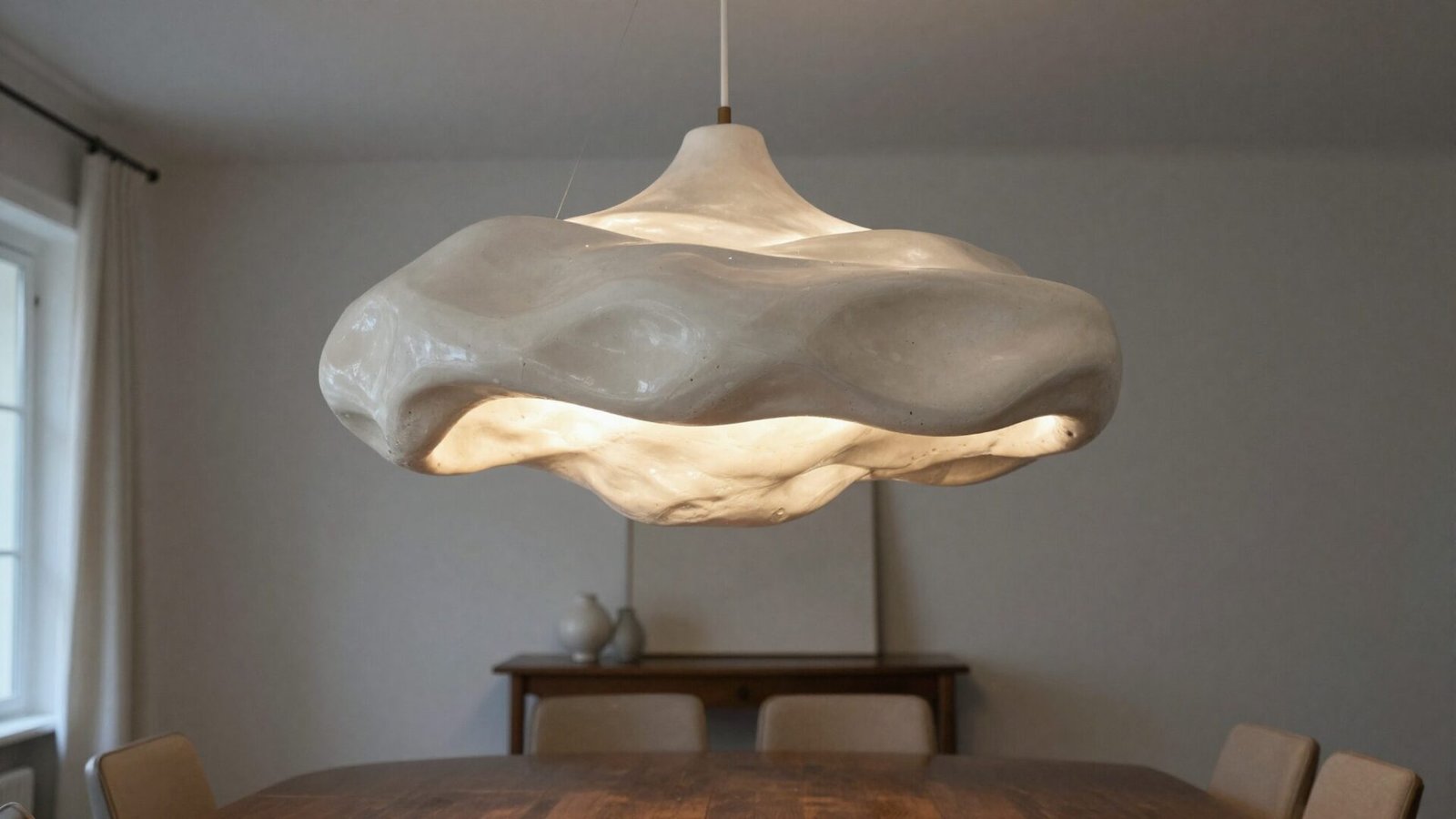
Overhead lighting in 2026 dining rooms goes far beyond a simple fixture, with organic, artistic pendant shapes drawing every eye toward the center of the table. A genuinely sculptural piece does double duty as both illumination and a real art object in the room.
💡 Smart tip: Choose a dimmable bulb for a sculptural pendant so the same fixture can shift between bright everyday lighting and softer evening ambiance.
⚠️ Mistake to avoid: Choosing a pendant purely for its shape without checking its actual light output; some artistic fixtures prioritize form over even, usable illumination.
7. Choose a Round Table for Small Rooms
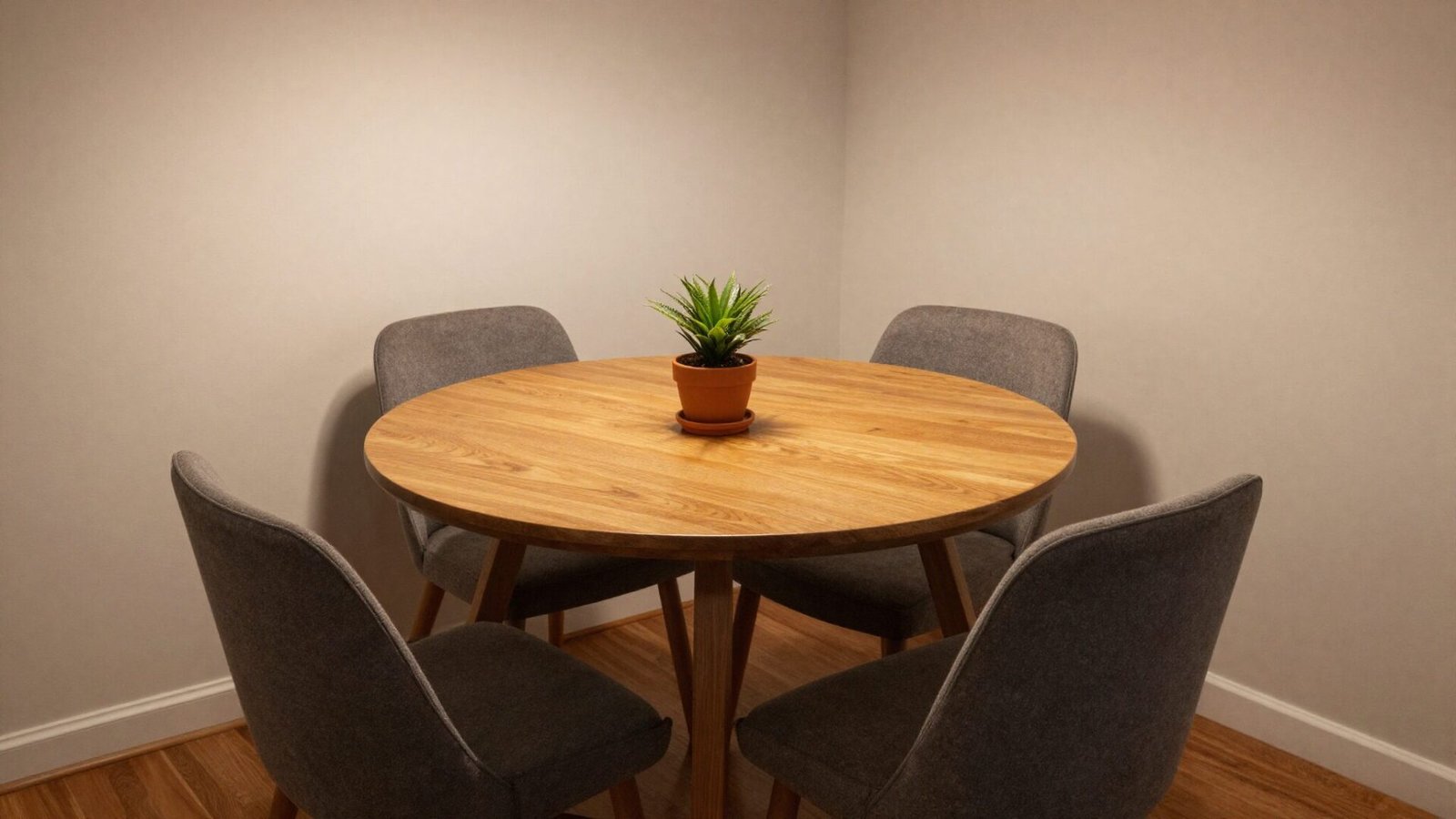
Round and oval tables are proving especially well suited to smaller dining rooms, since their lack of sharp corners genuinely improves traffic flow through a tight space. They also encourage a more intimate, conversational seating arrangement compared to a long rectangular table.
💡 Smart tip: Leave at least three feet of clearance around a round table on all sides so chairs can be pulled out and people can move around comfortably.
⚠️ Mistake to avoid: Choosing a round table that’s too large for the actual room dimensions; measure the space carefully before committing, since round tables can visually dominate a small room more than expected.
8. Layer Textured Table Linens
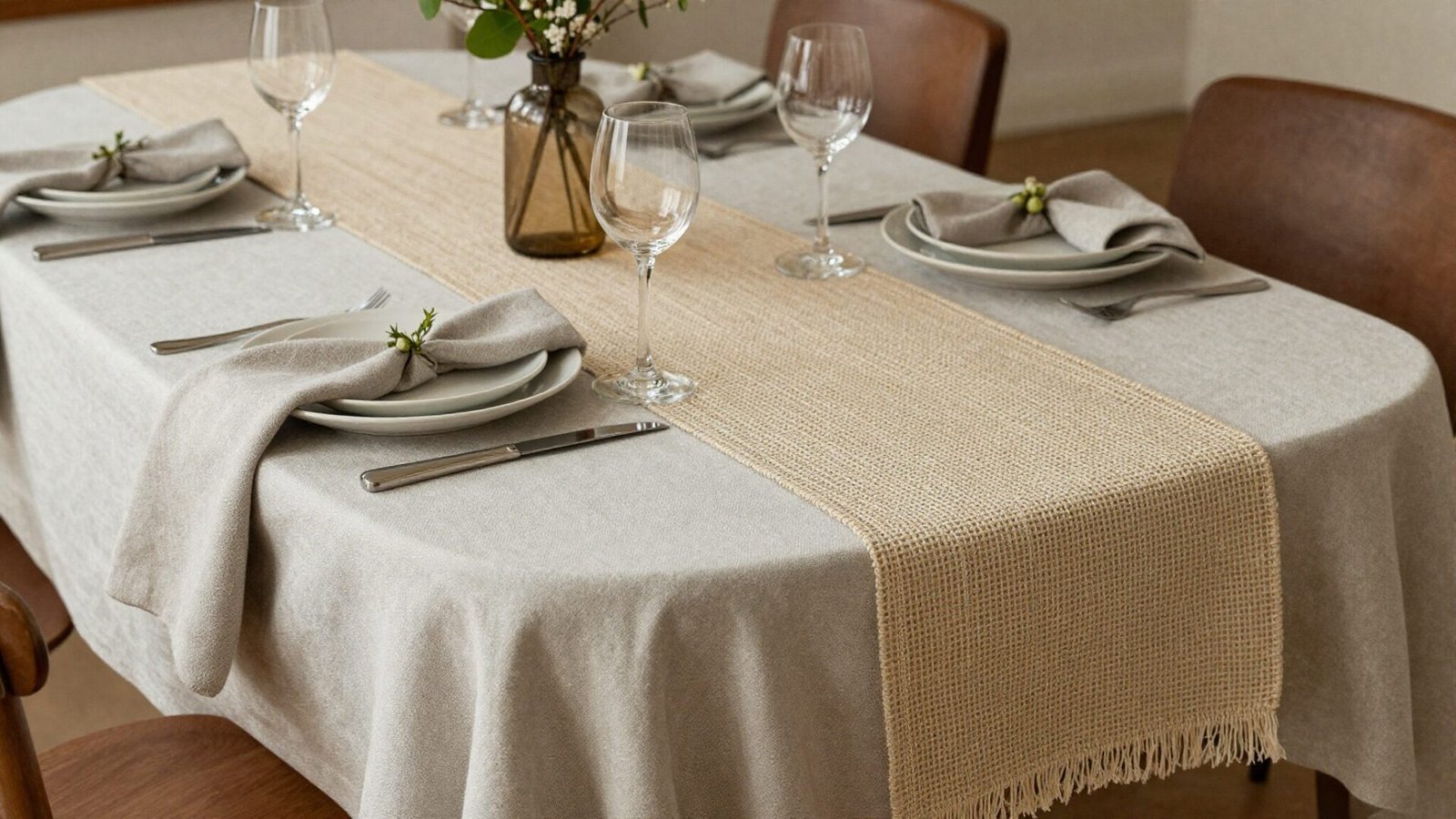
Surfaces in 2026 dining rooms are meant to read warm both visually and to the touch, and layering a woven runner over a solid tablecloth is one of the simplest ways to bring that tactile quality to the table. It also gives you flexibility to change the look seasonally without replacing major pieces.
💡 Smart tip: Choose a runner in a contrasting texture rather than a contrasting color for the most sophisticated layered effect.
⚠️ Mistake to avoid: Layering too many patterned textiles on the same table; let one texture or pattern lead while the others stay simpler in support.
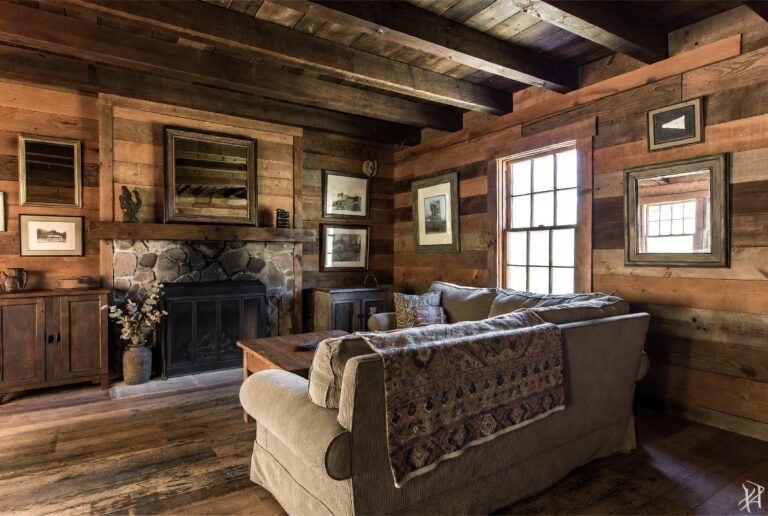
9. Add Wood-Clad Wall Paneling
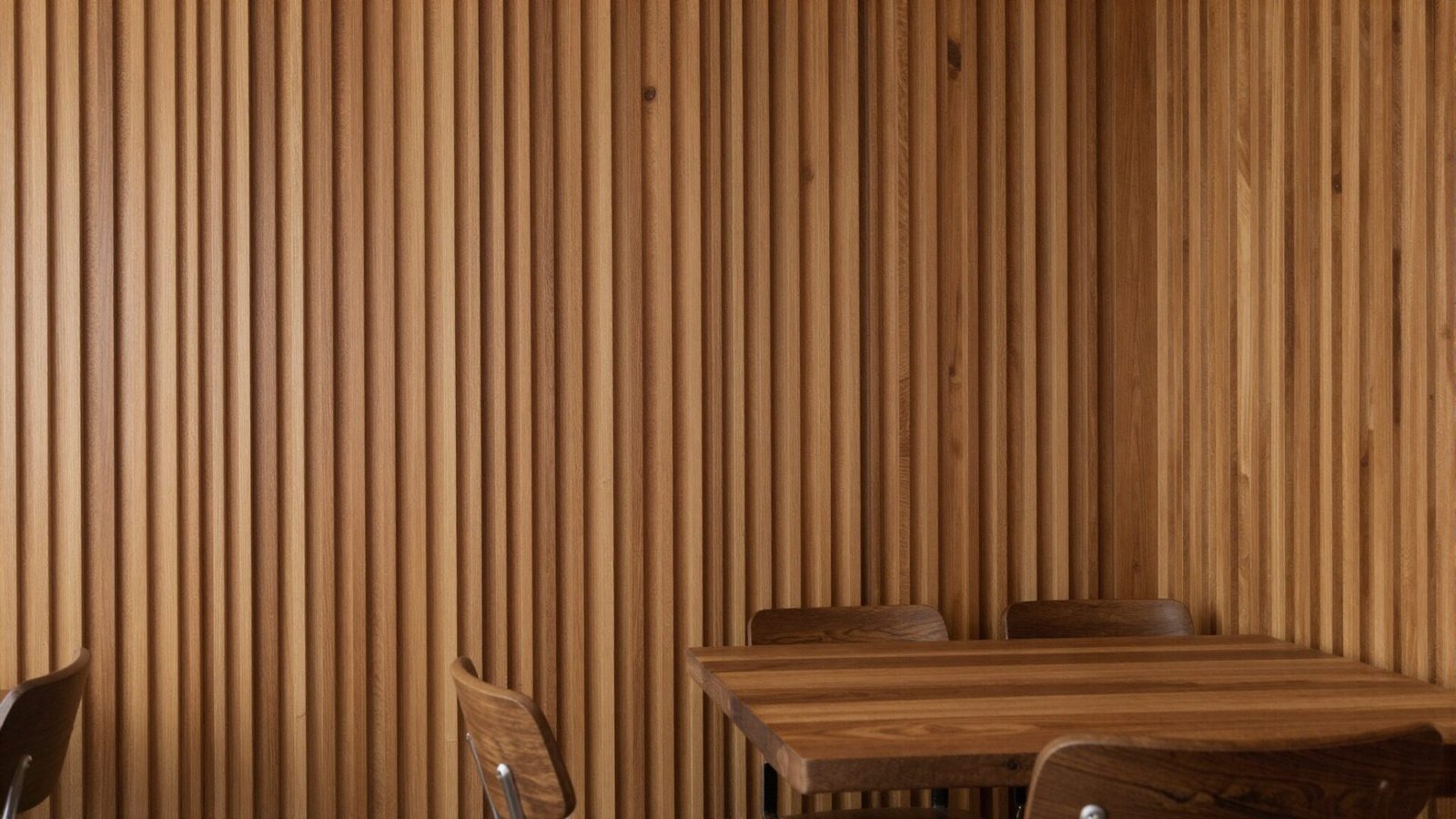
Wood-clad walls bring genuine warmth and natural texture to a dining room, wrapping the space in a way that flat paint alone can’t achieve. It’s part of a broader shift toward wood-forward layouts that ground a room and add real architectural interest.
💡 Smart tip: Choose a wood tone that complements your existing table and flooring rather than matching them exactly, which keeps the room from feeling flat.
⚠️ Mistake to avoid: Paneling every wall in the room with the same wood treatment; reserving it for one accent wall keeps the material feeling special rather than overwhelming.
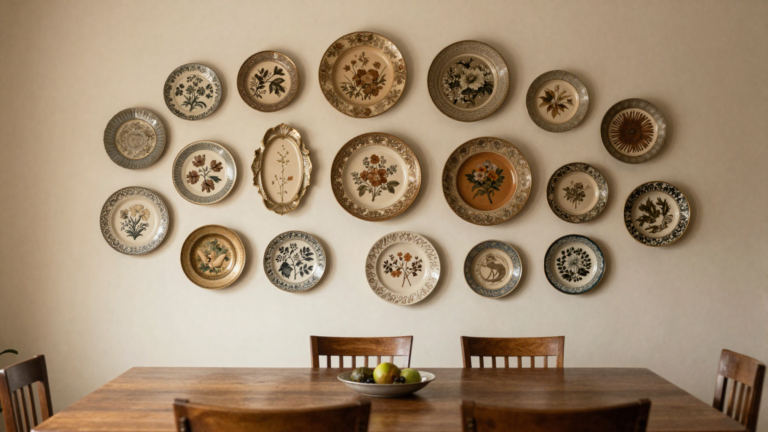
10. Curate a Mismatched Tableware Set
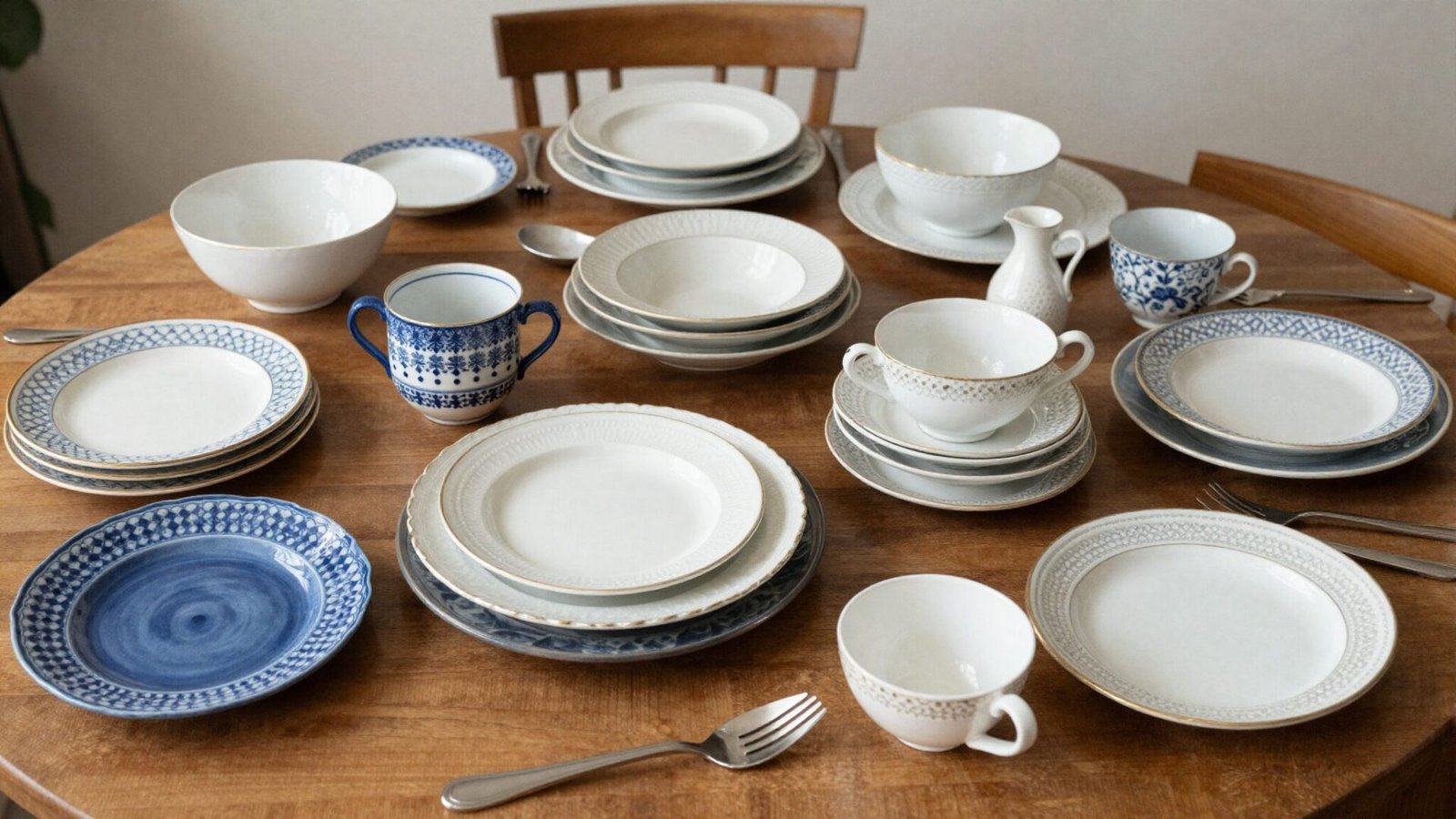
Rather than a matching china set, mixing vintage plates and glassware collected over time gives the table a genuinely personal, layered feel. Designers describe this trend as curated rather than cluttered — every piece has a reason for being there, even if none of them technically match.
💡 Smart tip: Anchor a mismatched table setting with one consistent element, like a shared color palette or a matching set of flatware, so the mix still feels intentional.
⚠️ Mistake to avoid: Buying an entirely new mismatched set all at once; the look works best when it’s genuinely built up over time from real finds rather than purchased as a single styled collection.
11. Choose an Enclosed Layout
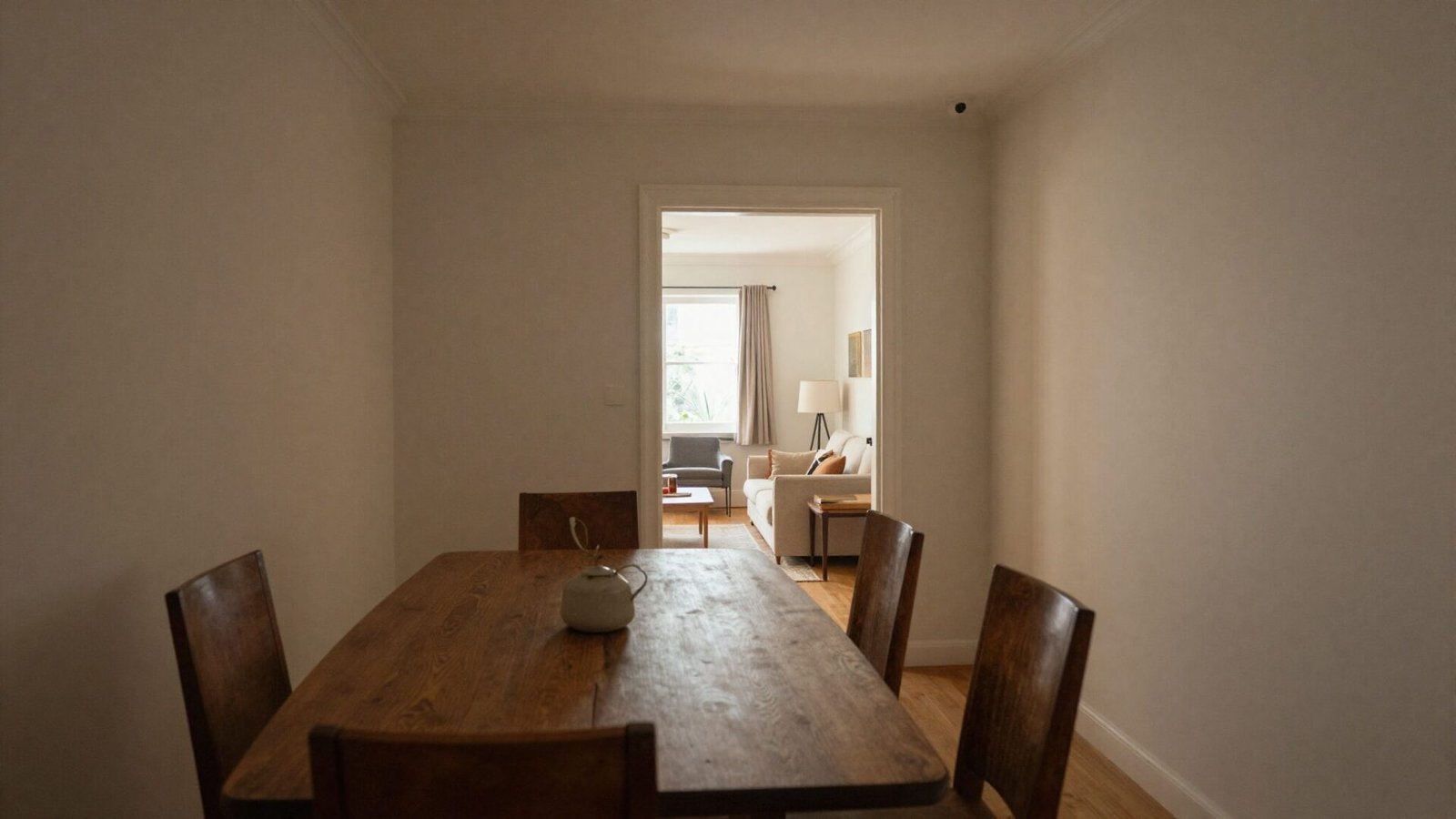
After years of open-concept layouts blending every room together, more homeowners are asking for a defined, enclosed dining room again. Rather than dissolving into one large great room, these spaces become immersive and intimate, almost like a jewel box within the home.
💡 Smart tip: If you can’t add walls to an existing open layout, consider a wide arched doorway or partial partition to create a sense of enclosure without a full renovation.
⚠️ Mistake to avoid: Closing off a dining room without considering natural light flow; make sure the enclosed space still gets adequate daylight from its own window or a shared opening.
12. Add a Statement Mirror
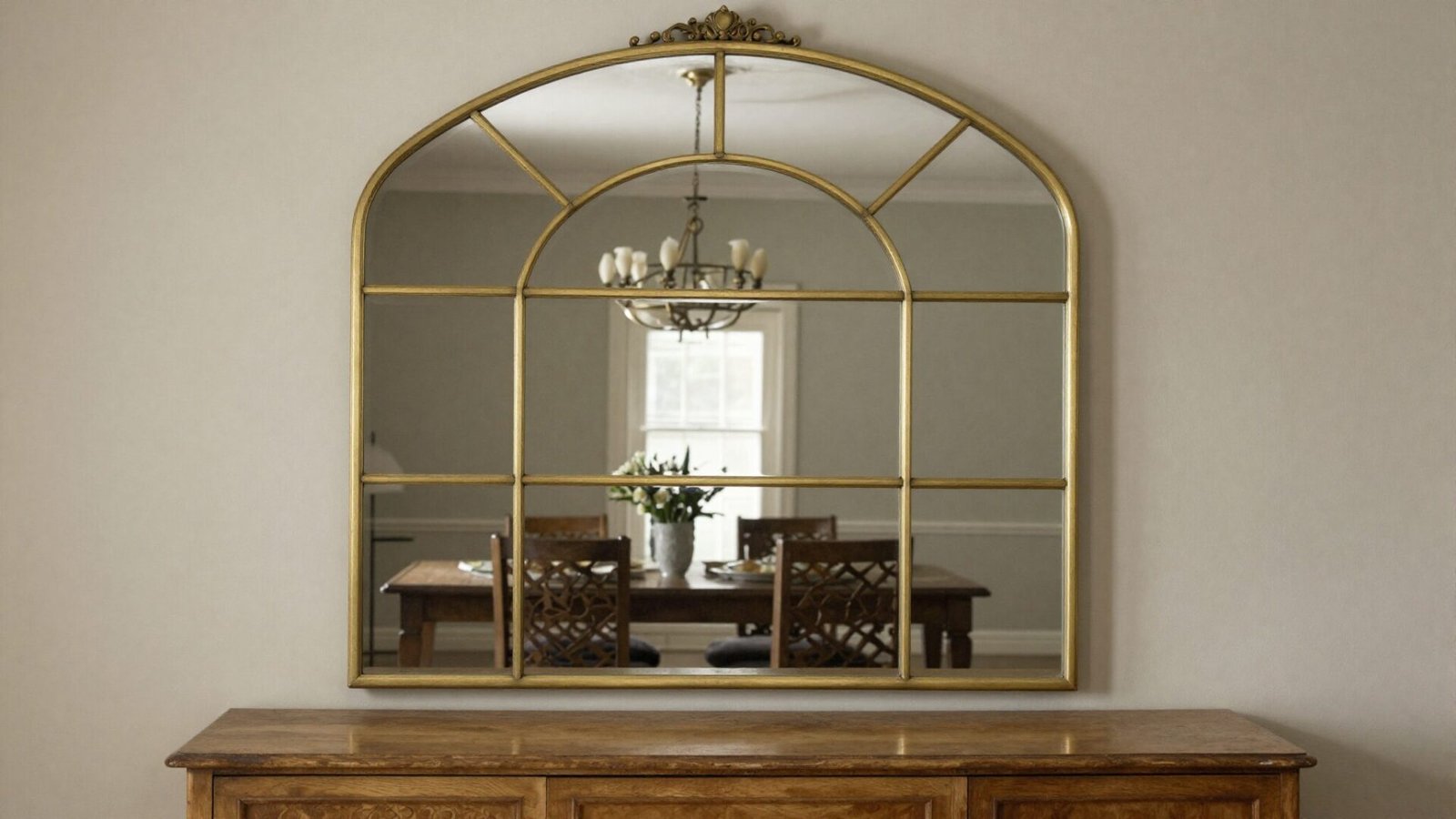
A large mirror above a sideboard reflects the chandelier and table below, doubling the sense of light and space in the room. It’s one of the most reliable ways to add both function and real visual polish to a dining room wall.
💡 Smart tip: Size the mirror to roughly two-thirds the width of the furniture it hangs above, which keeps the proportions looking intentional rather than arbitrary.
⚠️ Mistake to avoid: Hanging a mirror where it reflects a cluttered or unfinished view; position it to reflect something you actually want doubled in the room.
13. Choose a Rattan Pendant Light
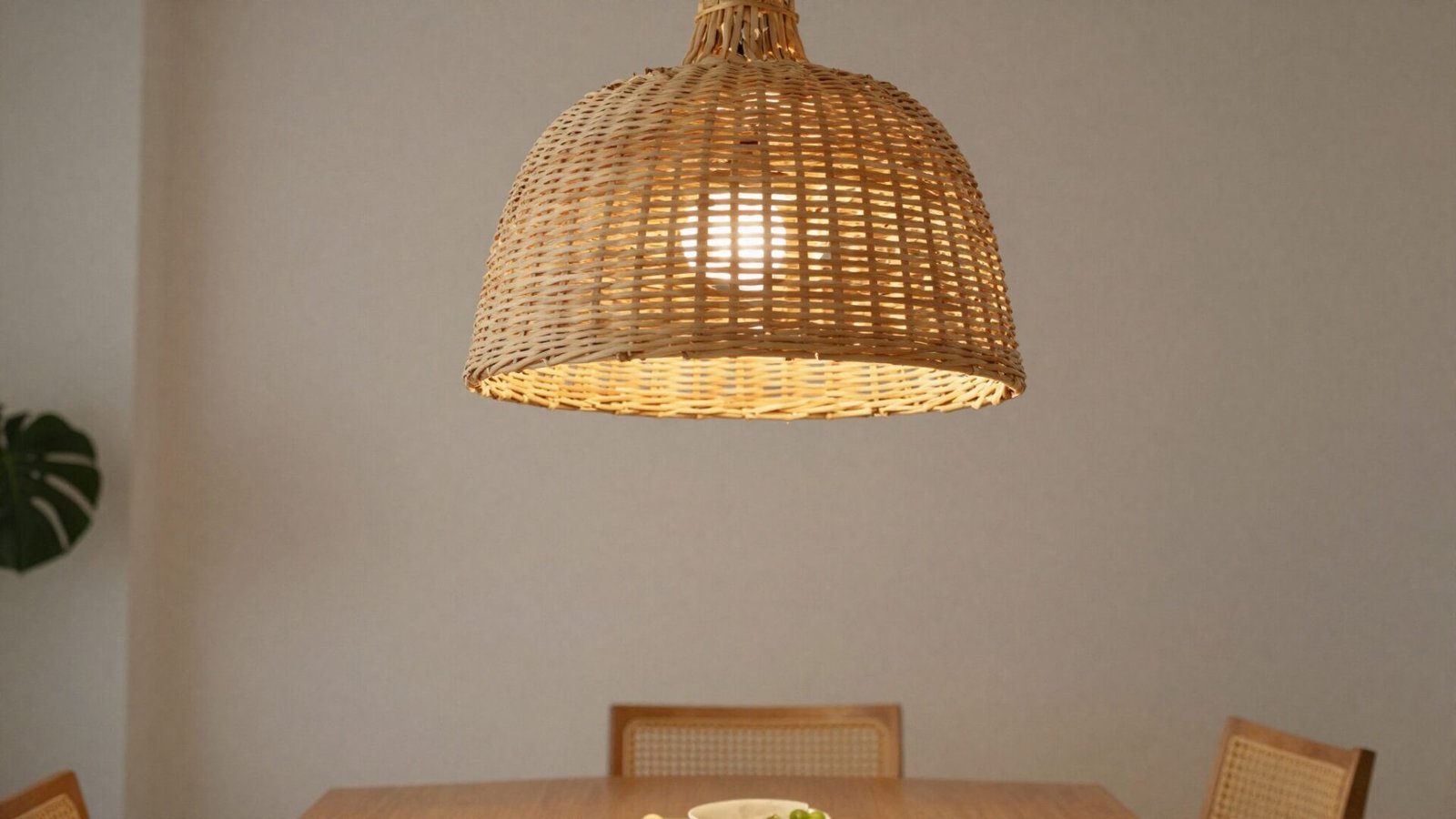
A large woven rattan pendant brings natural texture and a warm, organic glow that a metal or glass fixture can’t quite replicate. It pairs especially well with the wood-forward, tactile direction dining rooms are heading in overall, softening the room without losing any real presence.
💡 Smart tip: Choose a rattan pendant with a warm-toned bulb, since the light filtering through the woven material already carries a naturally soft, amber quality.
⚠️ Mistake to avoid: Hanging a large woven pendant in a room with very low ceilings; the fixture’s visual weight needs enough vertical space to avoid feeling oppressive.
Effort & Cost Snapshot
| Idea | Effort | Approx. Cost |
|---|---|---|
| 1. Moody Jewel-Tone Walls | Low (DIY paint) | $60–$180 |
| 2. Brass and Glass Chandelier | Medium (pro install) | $200–$1,200 |
| 3. Mixed Vintage & Modern Chairs | Low–Medium (curating) | $0–$1,500 |
| 4. Bold Floral Wallpaper | Medium (DIY or pro hang) | $150–$600 |
| 5. Floor-to-Ceiling Hidden Storage | High (custom build) | $1,500–$6,000 |
| 6. Sculptural Pendant Light | Low–Medium (pro install) | $150–$900 |
| 7. Round Table for Small Rooms | Low (purchase and place) | $300–$1,500 |
| 8. Layered Textured Linens | Low (purchase) | $40–$150 |
| 9. Wood-Clad Wall Paneling | Medium–High (DIY or pro) | $300–$1,500 |
| 10. Curated Mismatched Tableware | Low (gradual curating) | $0–$400 |
| 11. Enclosed Layout | High (structural or partial) | $500–$8,000+ |
| 12. Statement Mirror | Low (DIY install) | $100–$500 |
| 13. Rattan Pendant Light | Low–Medium (pro install) | $100–$500 |
A dining room in 2026 isn’t about being showroom perfect — it’s about creating a space warm and interesting enough that people actually want to stay at the table a little longer. Save this list to Pinterest so you can bring these ideas into your own dining room at your own pace.
Continue Your Home Transformation
Explore the full collection of step-by-step eBooks and get the guide that fits the room you're working on.