Living room style can develop from one color or piece you want to keep. Make the seating and circulation work first, then connect the remaining choices through a restrained palette rather than treating every new look as a reason to replace furniture.
These ideas are design options rather than verified forecasts for a particular year. Compare samples and furniture footprints in your room before committing to a strong color or silhouette.
Images are illustrative design concepts, including AI-generated replacement images. They are not installation drawings or verified product-performance evidence.
Test Living Room Style With the Pieces You Keep
Choose the sofa, floor or rug that will remain and place new color samples beside it. Next, test one removable layer before committing to a large purchase. For example, a clay-colored throw can show whether you enjoy the palette through an ordinary week before you order matching upholstery. Compare the room under daylight and evening lamps, and keep seating comfort and textile care ahead of a fashionable silhouette.
1. Test Chocolate Brown on a Meaningful Wall
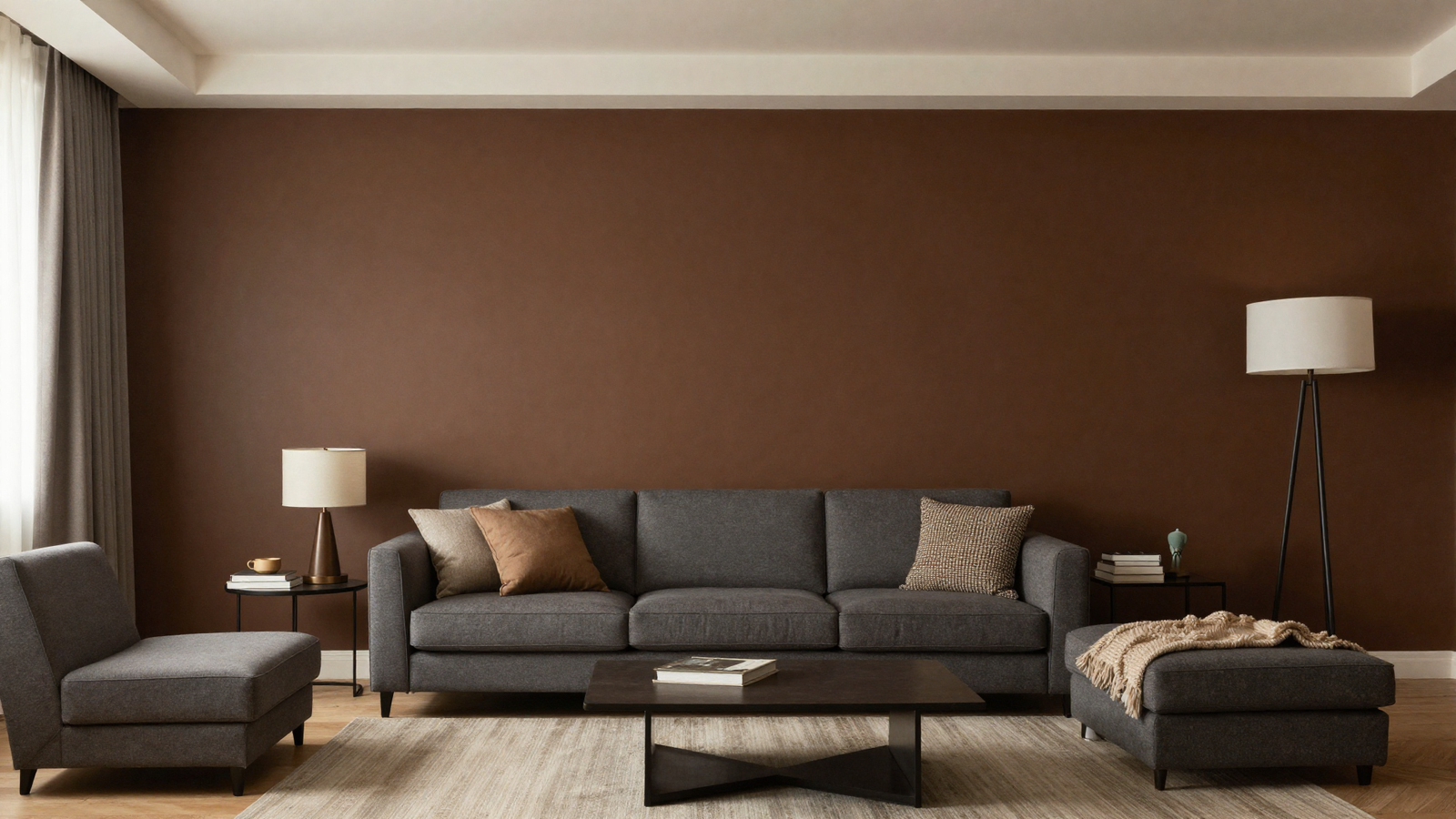
A deep brown can frame seating or artwork when it suits the light and fixed materials. Keep enough contrast for the furniture outlines to remain clear.
Try this: View a large sample during the evening.
2. Compare an Olive Sofa With Your Living Room Style
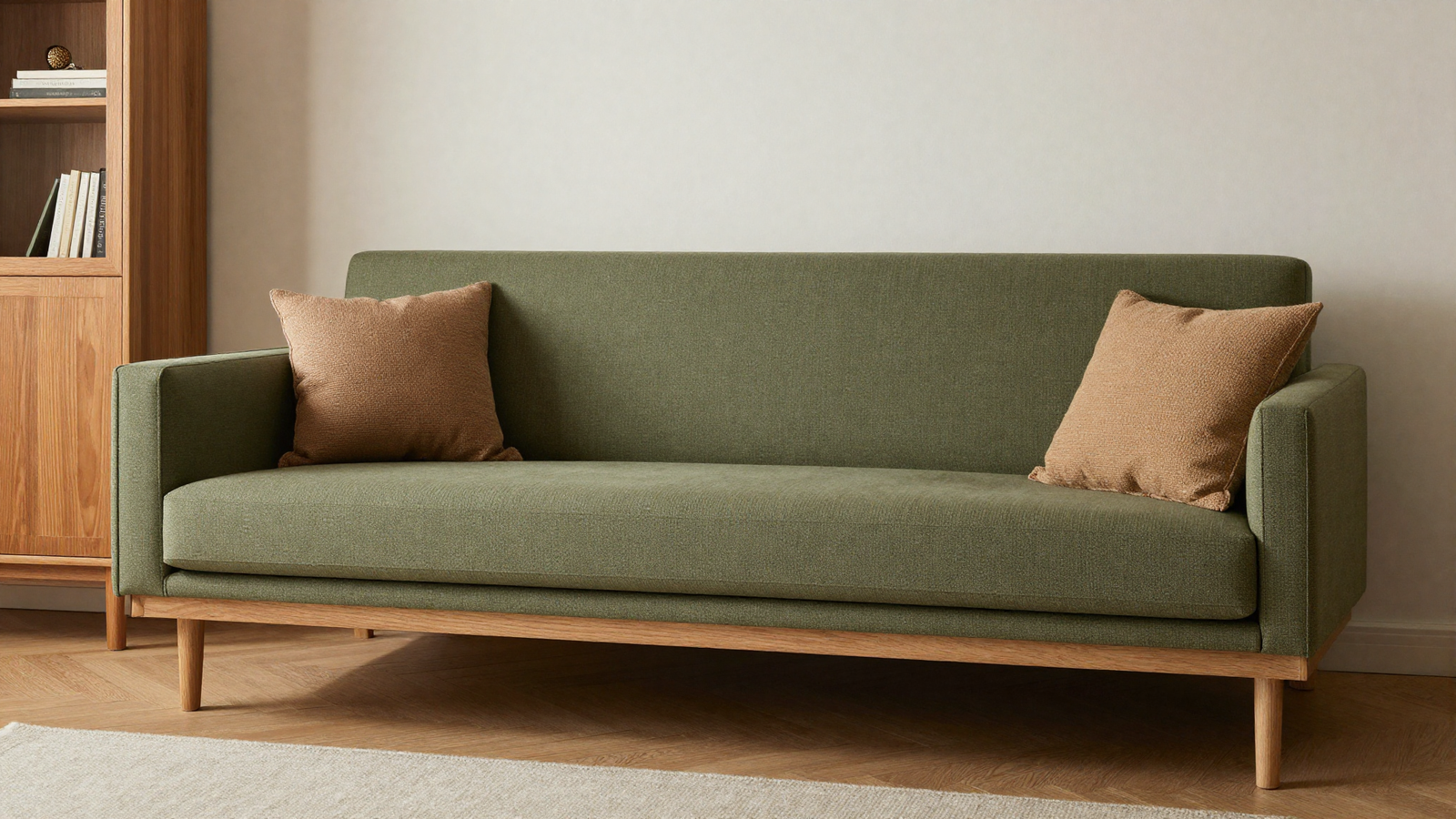
Olive upholstery can connect with timber, cream or clay tones. Check fabric care, seating comfort and the complete footprint before choosing a large colored piece.
Try this: Place a sample beside the rug and curtains.
3. Give a Patterned Chair a Clear Setting
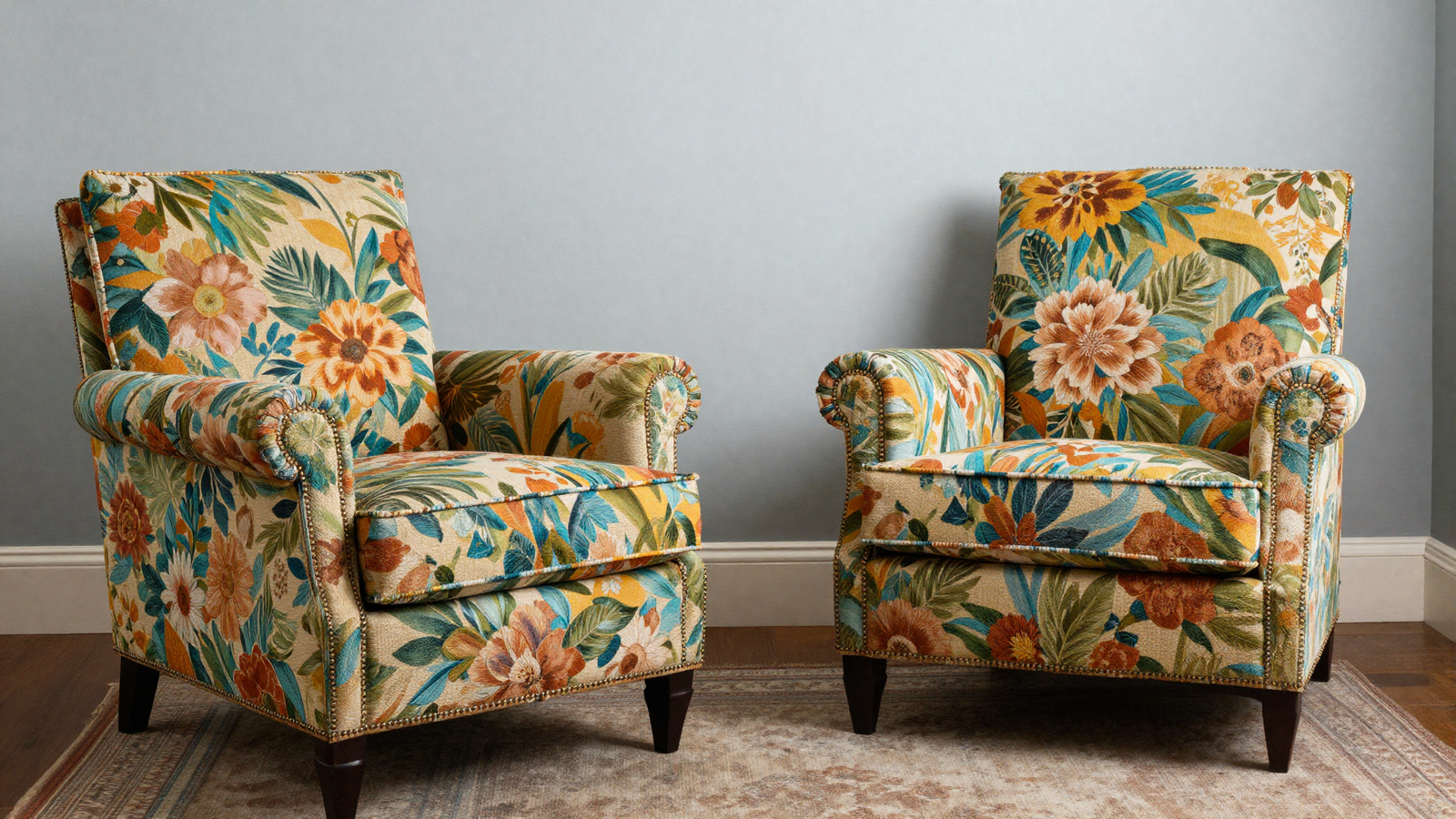
One patterned armchair can introduce color and detail beside quieter upholstery. Compare scale and comfort rather than adding another chair solely for decoration.
Try this: Keep the route around the chair practical.
4. Choose a Curved Table for Reach and Movement
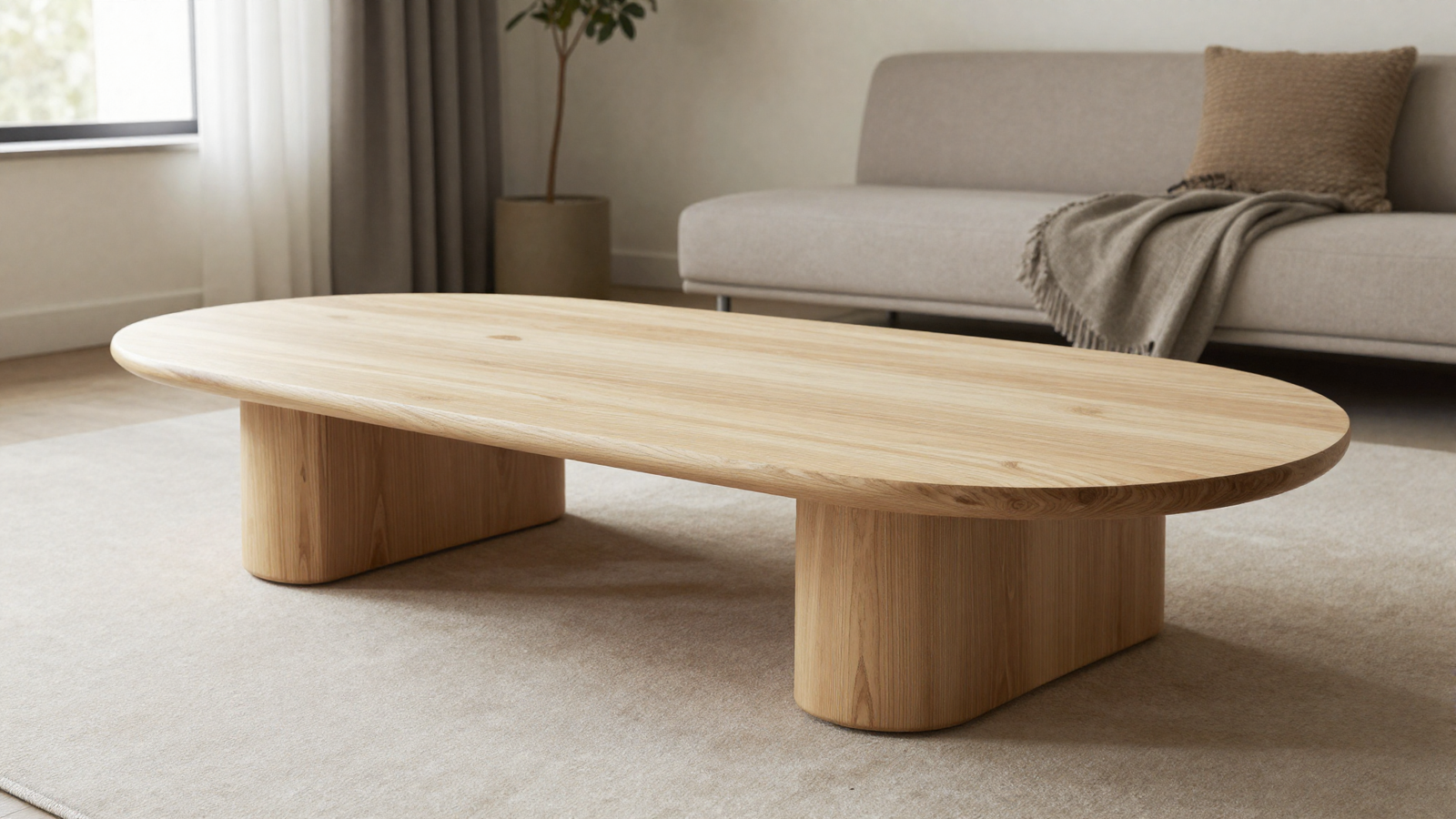
A rounded outline can soften a rectangular seating group. Check stability, usable surface and reach from each seat, including the widest part of an irregular shape.
Try this: Mark the full footprint before buying.
5. Connect Vintage Pieces With Your Living Room Style
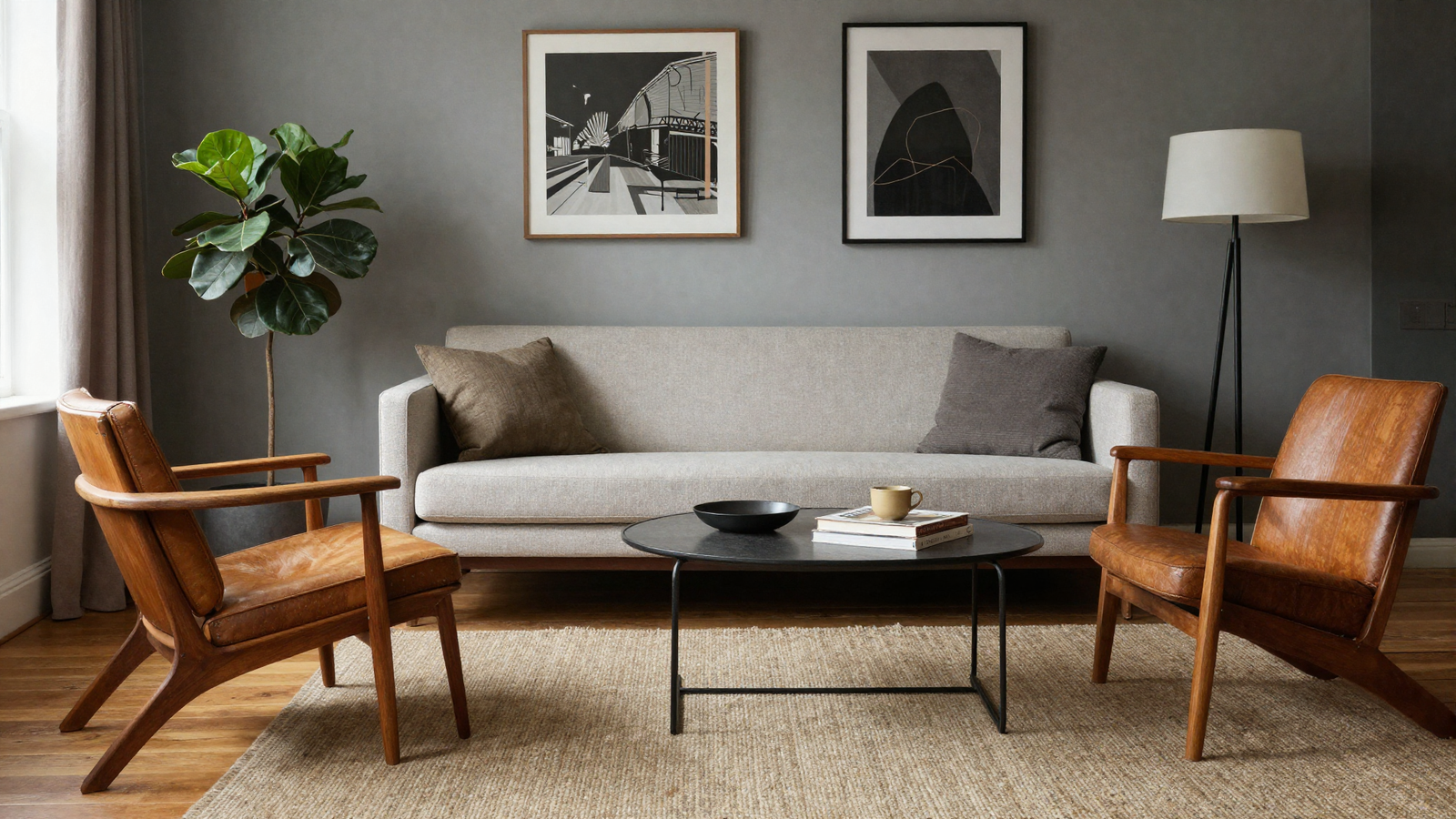
Different periods can work together when size, condition and everyday use suit the room. Repeat a quiet material or tone rather than forcing a matched style.
Try this: Measure older pieces before planning the layout.
6. Use Terracotta Textiles as a Small Color Layer
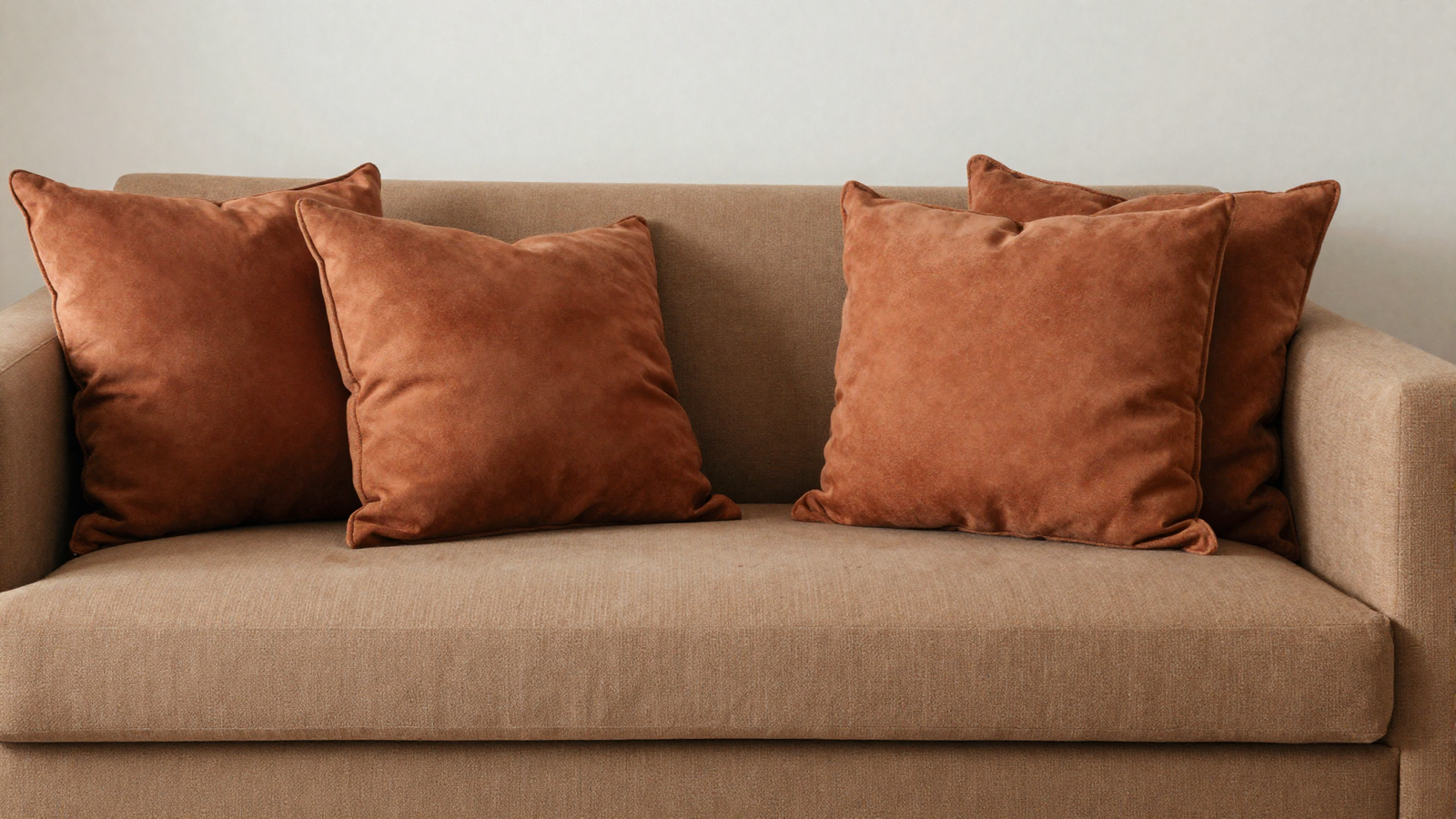
A cushion or throw can introduce warm color without a large commitment. Compare the weave and care with the seating and keep enough usable seat space.
Try this: Try one textile before buying a matching set.
7. Compare Warm White With Your Fixed Materials
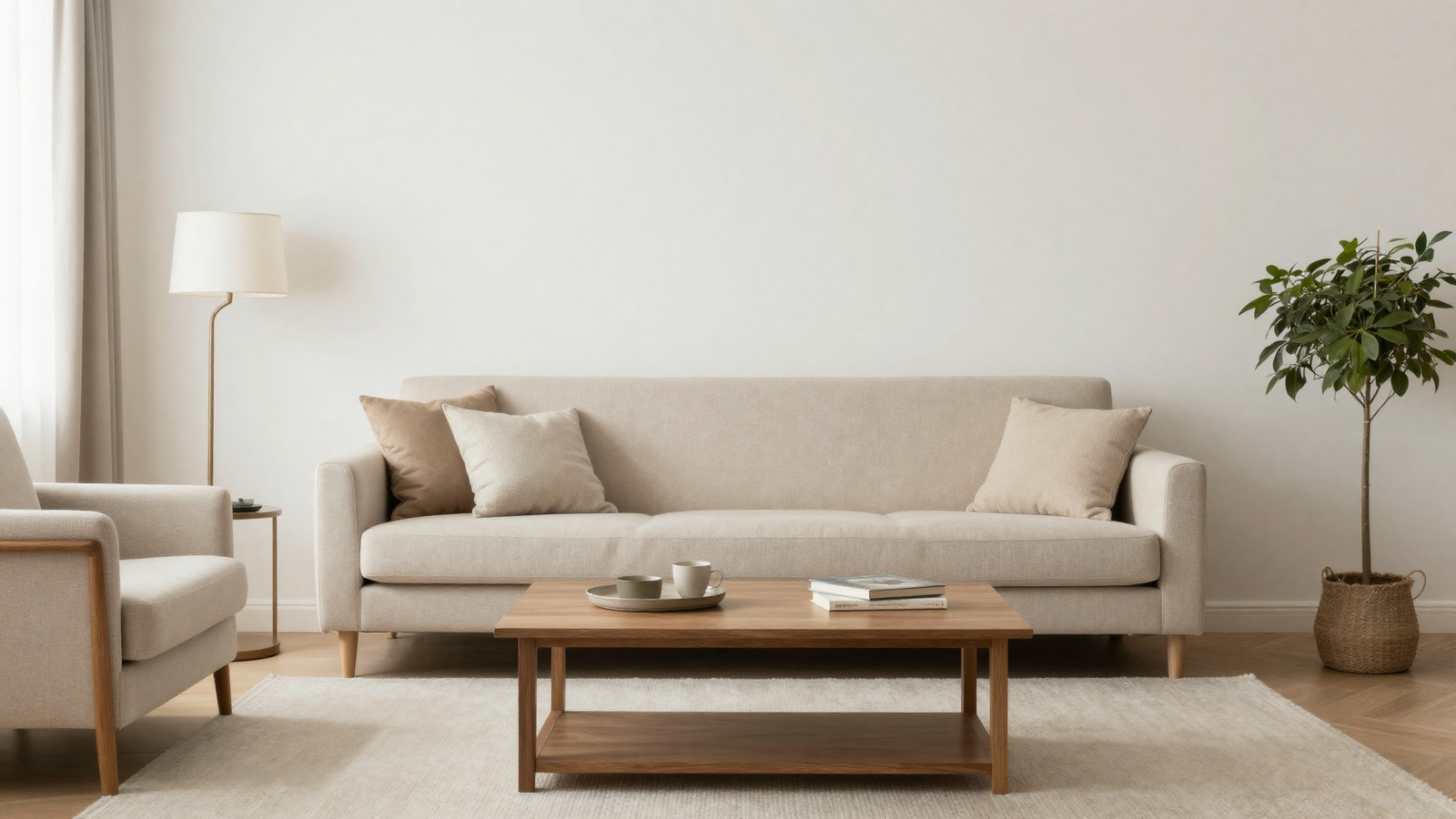
Pale colors vary beside timber, stone and upholstery. Test samples in the actual light rather than choosing from the color name alone.
Try this: Review the sample under evening lamps.
8. Choose Textured Upholstery for Daily Use
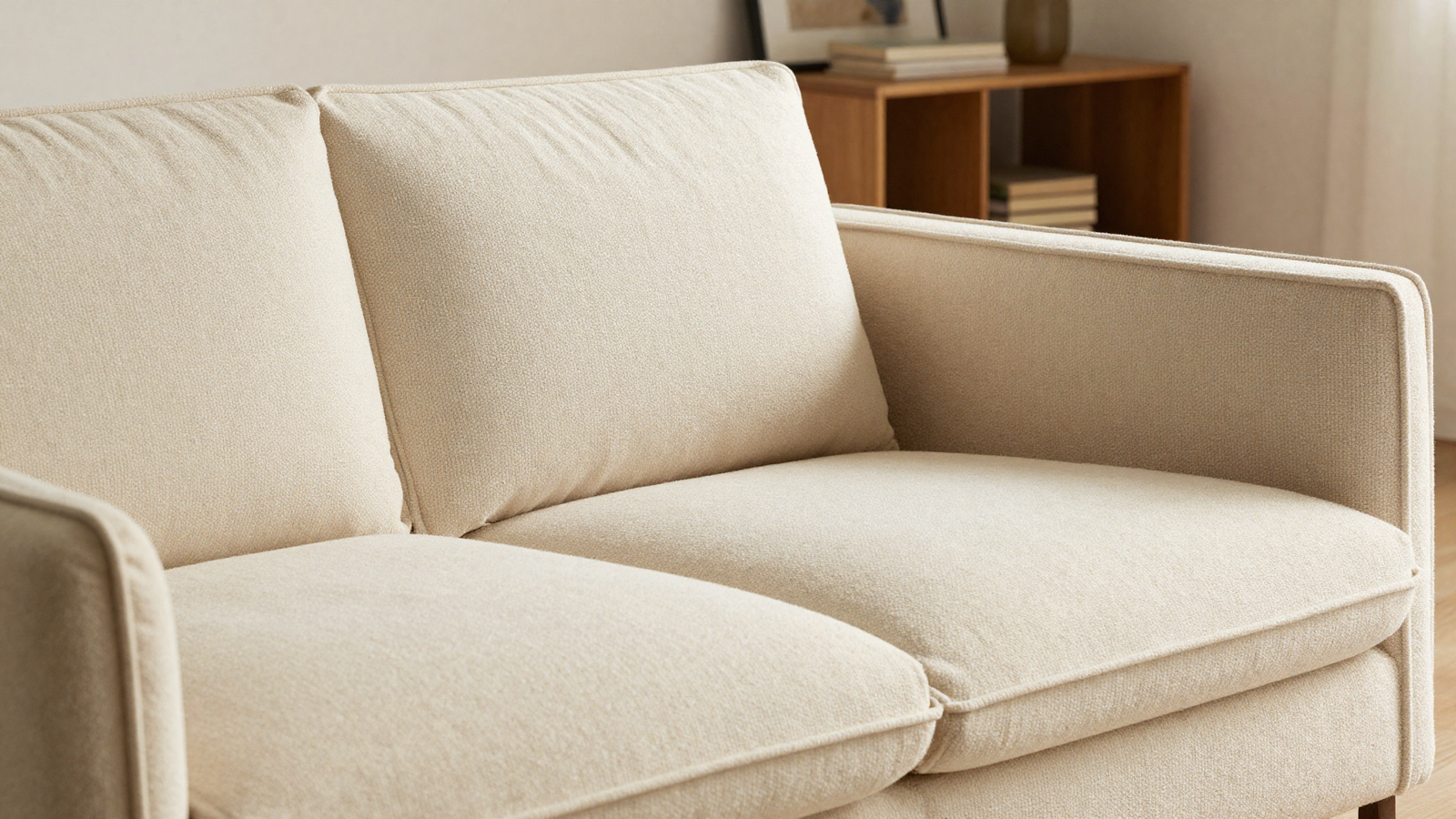
Chenille or another textured fabric can add visual depth. Check the exact textile’s wear, cleaning and household suitability along with the sofa’s comfort.
Try this: Handle a fabric sample before ordering.
9. Make a Deep Blue Reading Nook Useful
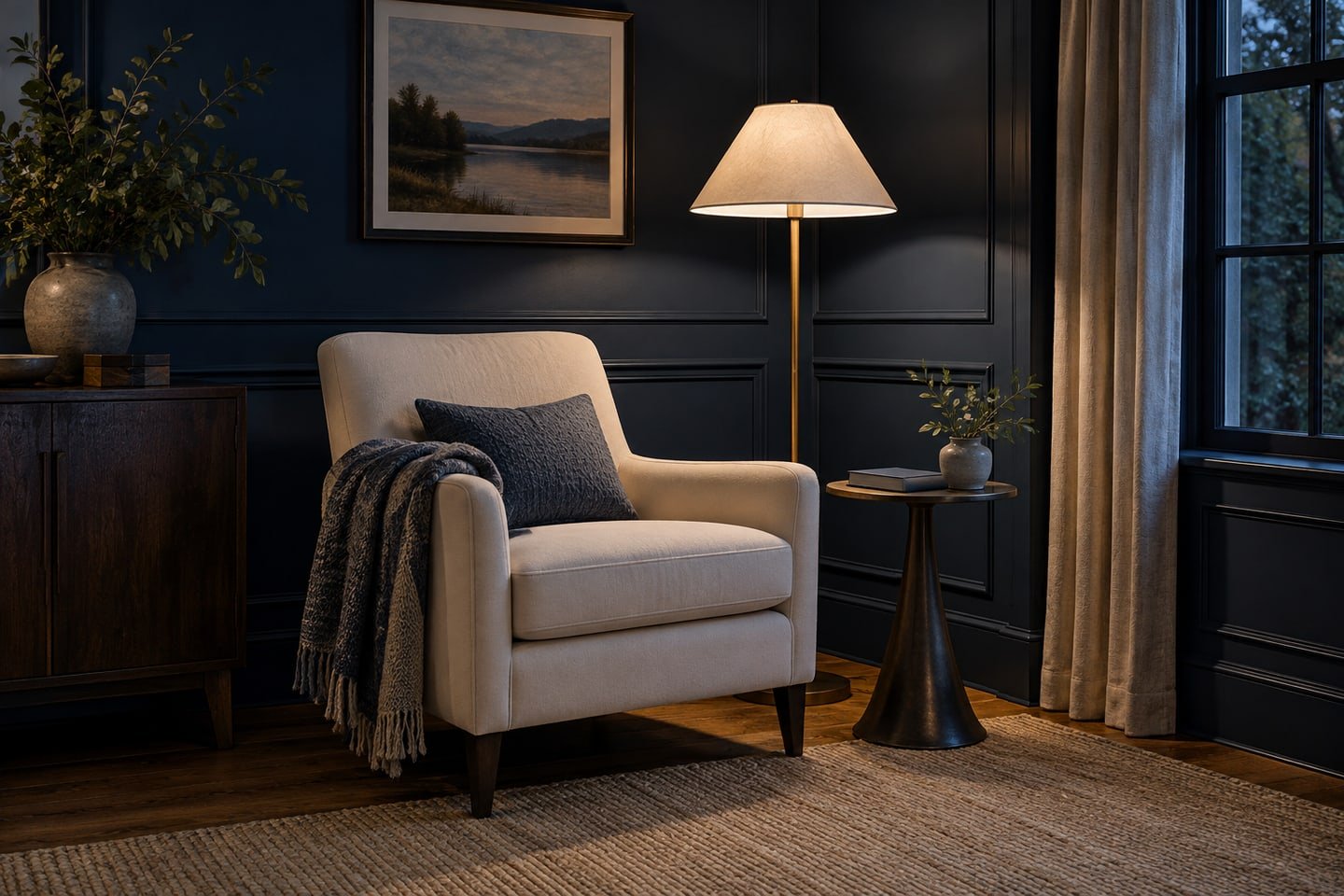
A darker wall can frame a chair and lamp when the seating and lighting work. Keep the table reachable and the route clear.
Try this: Try reading in the position before adding decoration.
10. Use a Dusty Blue Chair as a Quiet Accent
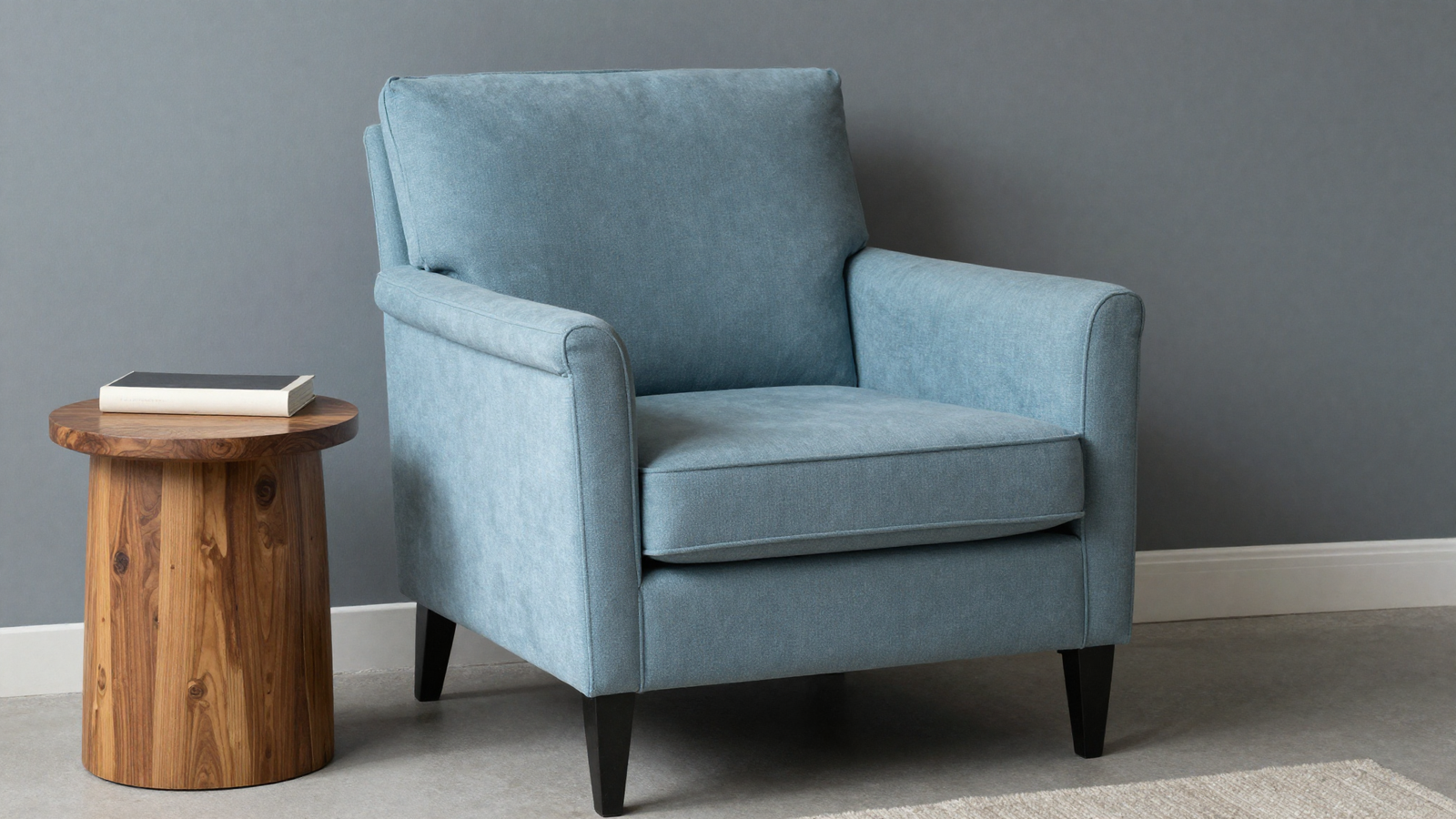
A muted blue can relate to warm neutrals without dominating every surface. Compare the chair’s scale and fabric with the main sofa.
Try this: Keep the accent connected through one repeated tone.
11. Test Color Across an Open-Plan Area
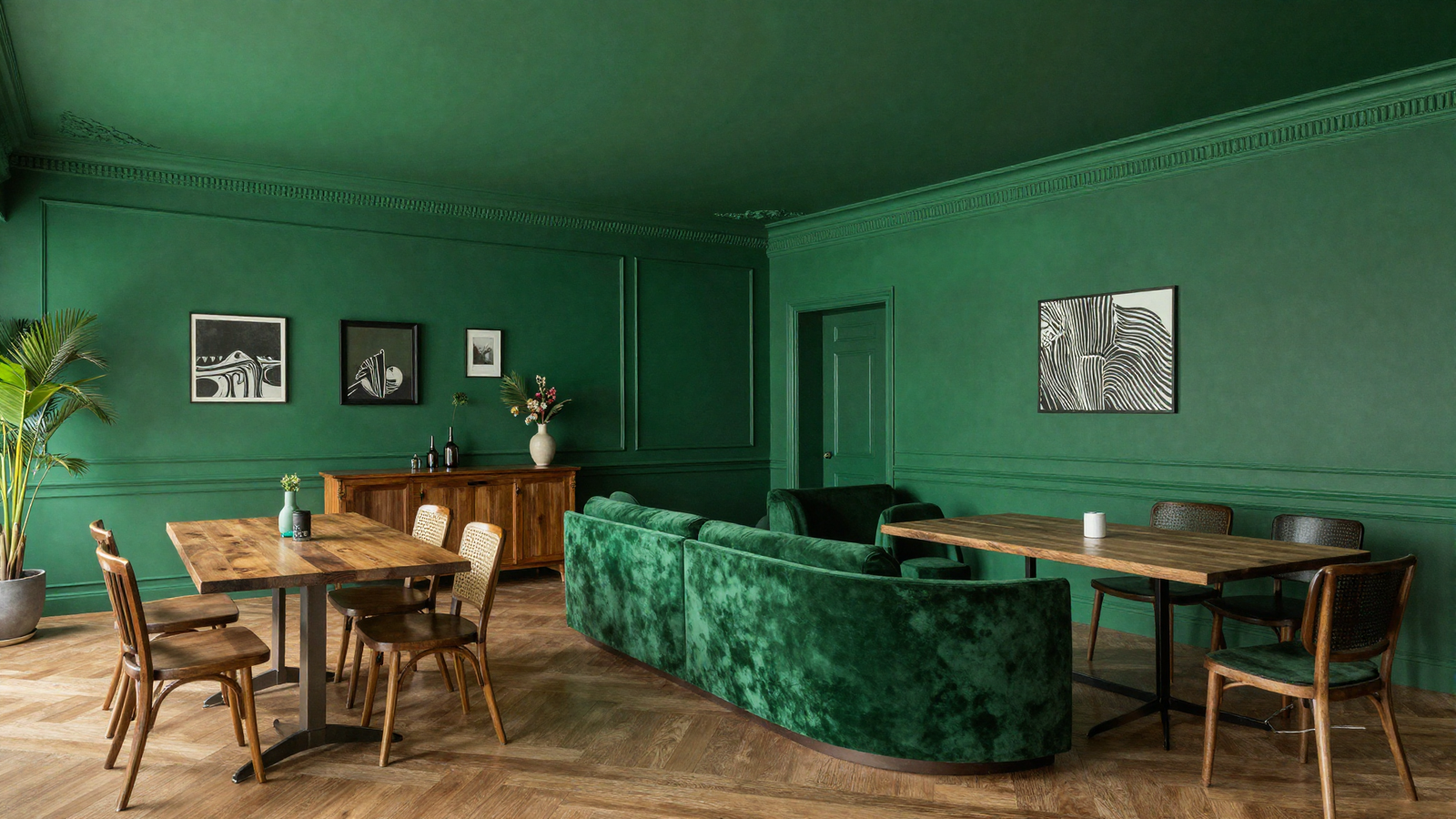
A repeated wall and trim color can connect spaces, but changing light may alter its appearance. Compare samples in every linked area and keep task zones legible.
Try this: Test the actual finishes, including different sheens.
12. Use a Skirted Floral Chair as One Feature
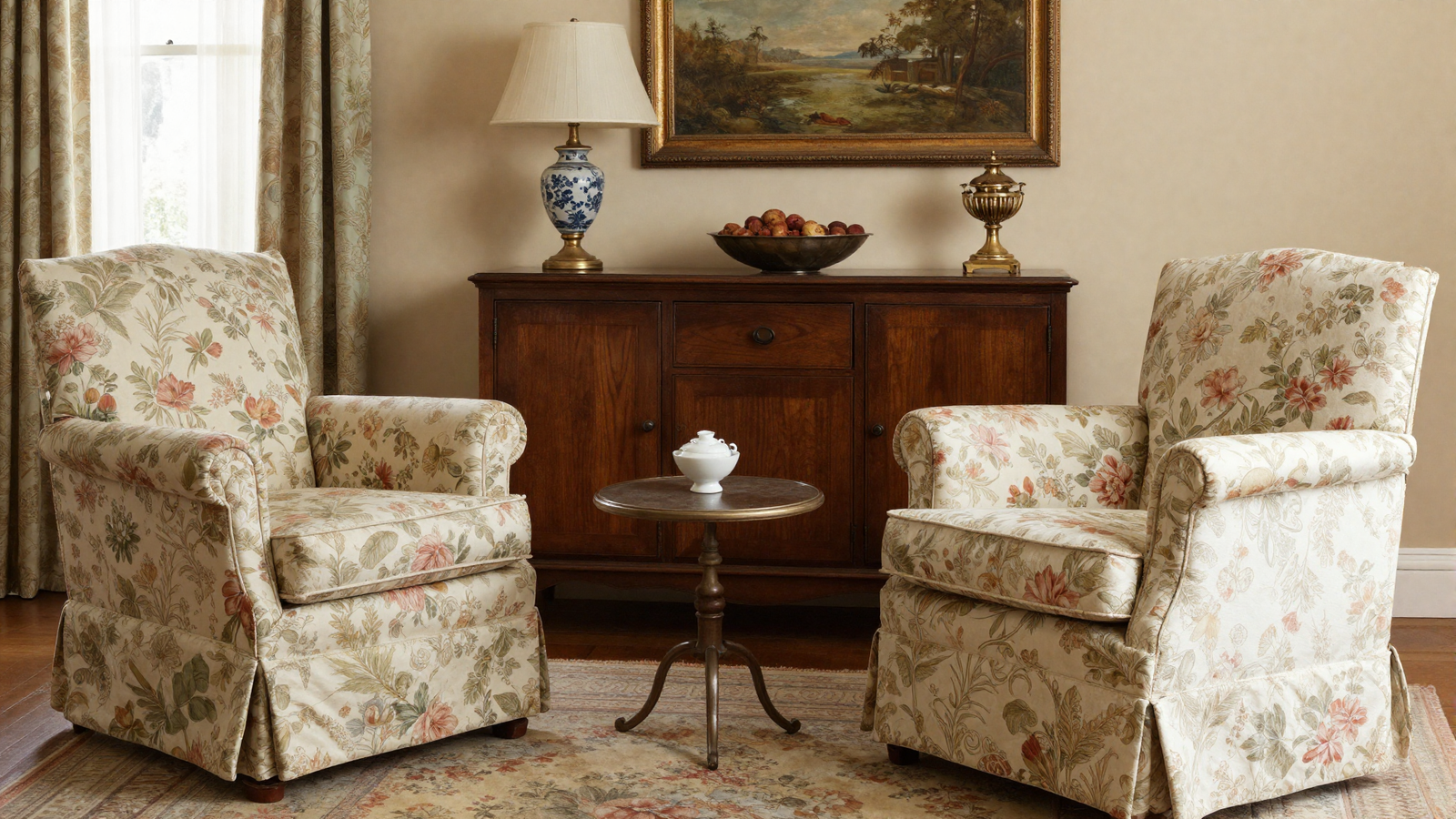
A traditional upholstered shape can sit beside simpler furniture when color and scale relate. Check comfort and fabric care before choosing by pattern alone.
Try this: Avoid competing large patterns immediately beside it.
13. Use Rug Layers to Support Living Room Style
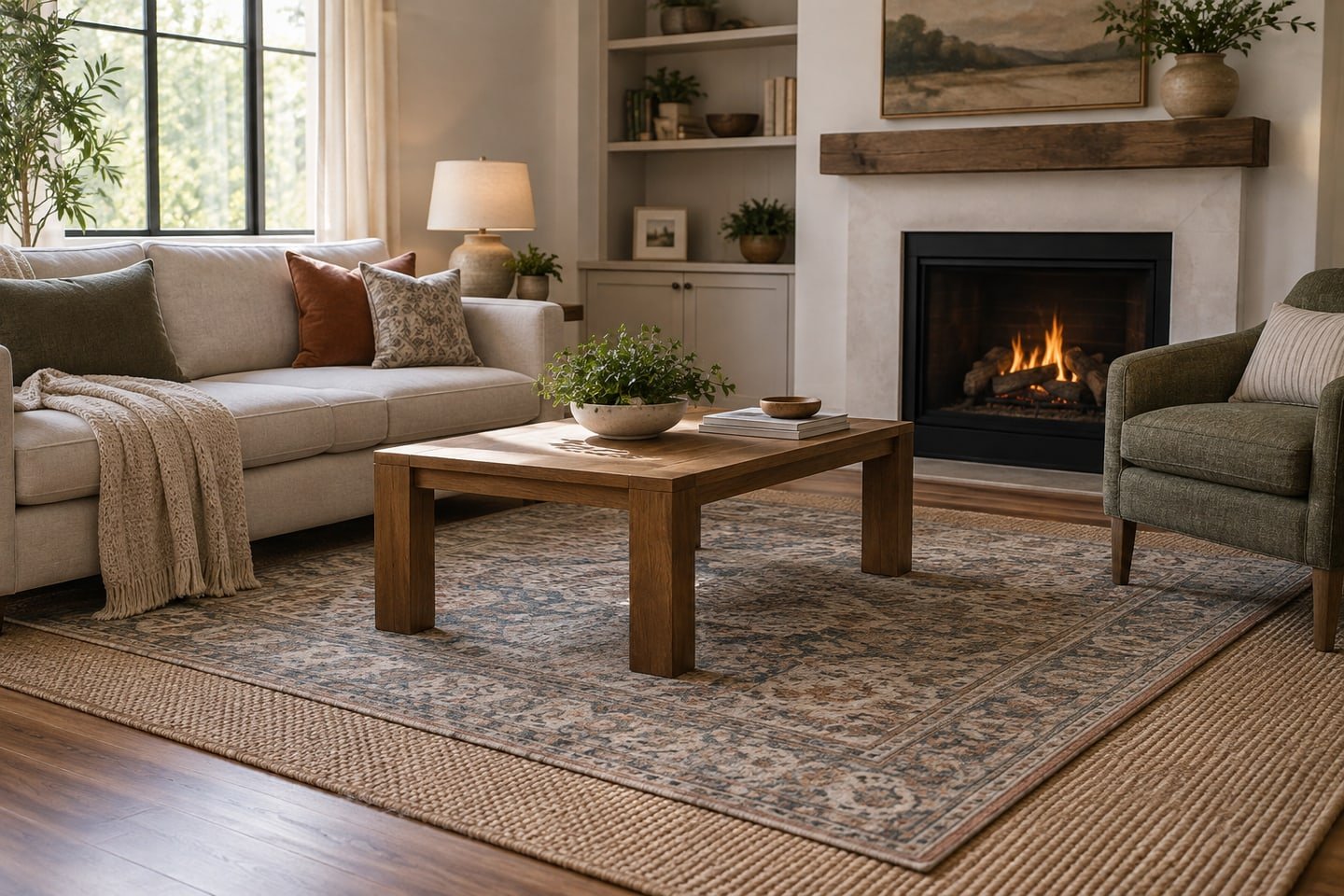
A smaller patterned rug over a quiet base can connect the seating. Check door movement, suitable underlay and flat edges along every main route.
Try this: Choose one rug if the layers make movement awkward.
Try One Color Before Changing the Room
Begin with one color or furniture shape that suits the room. Connect it to useful seating, light and a manageable number of textile layers.
Choose Which Color Commitment to Test First
If the retained sofa dominates the room, test wall and textile samples beside its fabric before choosing another large item. If the room already has a strong patterned rug, start with one color drawn from it and compare a quieter neighboring fabric. Keep a note of the sample under daylight and evening lamps so the final decision reflects the room you use rather than a single screen image.
Related Guides
- 13 Layered Living Room Ideas for a Personal, Useful Space
- 13 Living Room Ideas for a Comfortable Layered Space
- 22 Small Living Room Ideas for Comfortable Everyday Use
Room Color Sample Reference
Compare actual paint samples with retained furniture and the room’s changing light before choosing a wall color. Benjamin Moore: choosing paint samples.
Optional digital guide for this topic
If you prefer a structured workbook, explore this related paid guide.