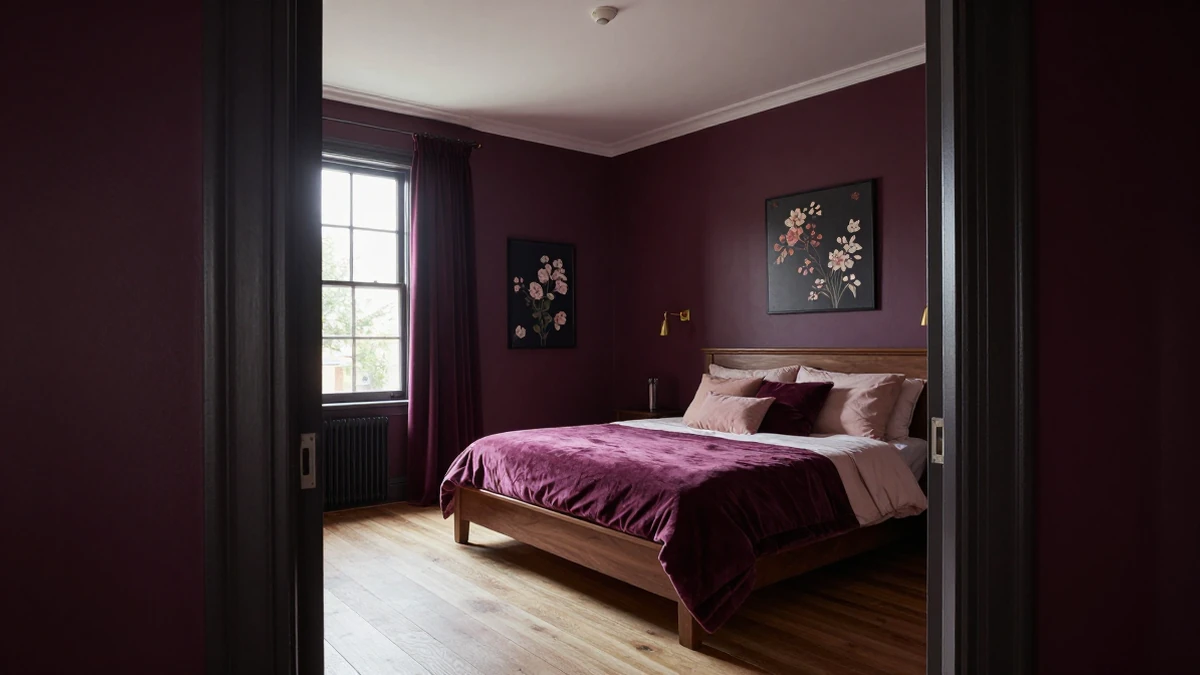
A dark feminine bedroom works through contrast: saturated color beside soft fabric, substantial furniture beside graceful details, and shadow balanced by useful light. The result can feel intimate and expressive without becoming theatrical or impractical.
Begin with the room’s fixed conditions, including daylight, flooring, ceiling height, and storage. Then choose one dominant dark tone and repeat it deliberately instead of collecting unrelated black accessories. The ideas below cover permanent renovations, reversible renter updates, material tradeoffs, and maintenance. Use them as a sequence: establish the palette, shape the bed, improve lighting, and edit the finishing layers.
1. Build the Palette Around One Dark Undertone
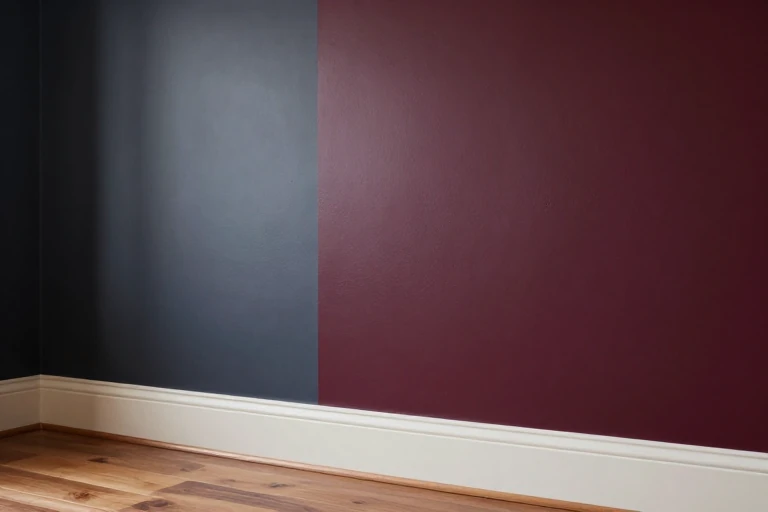
Choose the dominant color before buying textiles. Compare charcoal, espresso, burgundy, aubergine, and blue-black against the existing floor and trim; each produces a different relationship with warm or cool materials.
Test movable samples beside the bed during daylight and after dark. A shade that looks balanced near a window may appear flatter under a warm lamp.
Repeat the chosen undertone in two or three smaller elements. This creates continuity without requiring every dark surface to match exactly.
2. Color-Drench a Room With Strong Natural Light
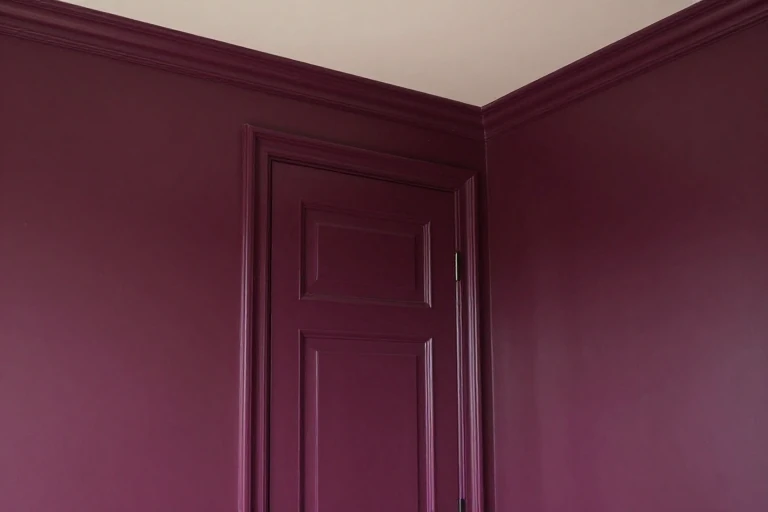
Painting walls, trim, and doors one deep color can make fragmented surfaces appear calmer. It works especially well when the room already receives useful daylight and the architecture has moldings worth emphasizing.
Vary the sheen rather than the hue: flatter walls can soften reflections, while more durable trim paint handles contact better. Confirm compatible products with the manufacturer.
Before committing, digitally mock up every painted plane. Keeping the ceiling lighter remains the more flexible choice if you are unsure.
Loving These Ideas? Get the Step-by-Step Guide
Grab the full 5-day eBook and turn these ideas into a finished room.




3. Use Burgundy as a Warmer Alternative to Black
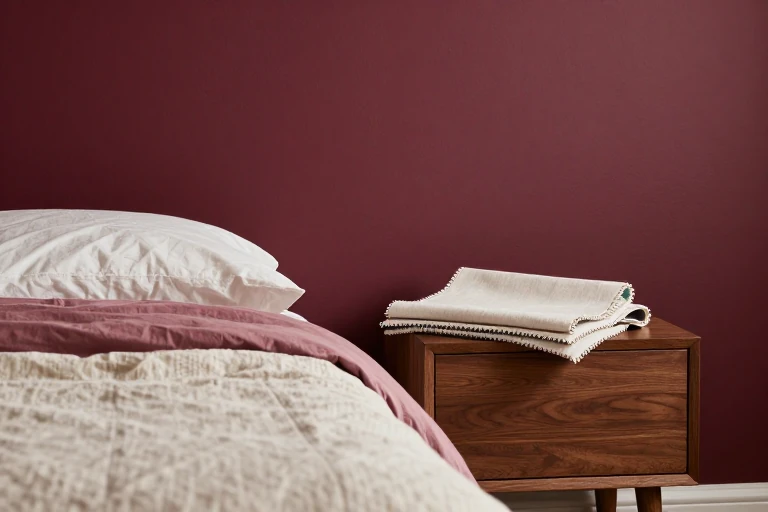
Burgundy supplies depth while retaining a visible red undertone, making it compatible with walnut, aged brass, camel leather, and muted pink. It can be easier to integrate than a stark neutral.
Limit brighter reds, which may compete with the wall. Build the bed with wine, cocoa, dusty rose, and oatmeal instead.
Check the shade beside your flooring before painting. Orange-toned wood and cool magenta burgundy can clash, while a browner wine tone may bridge them.
4. Bring Plum Onto the Ceiling Deliberately
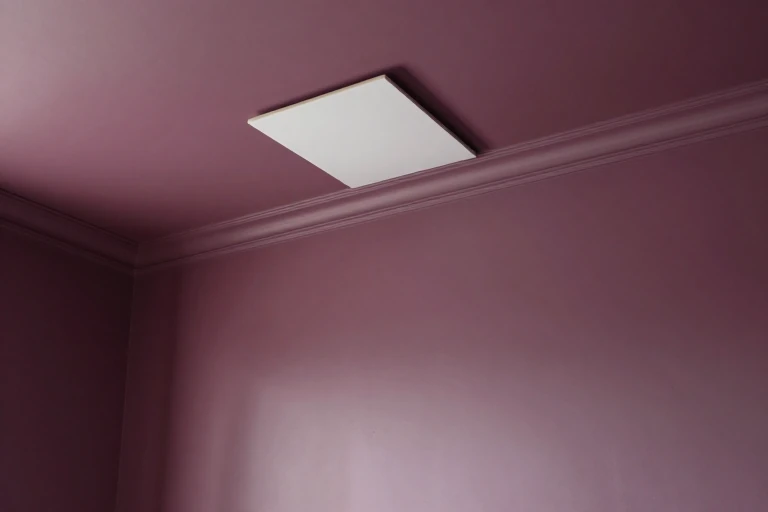
A plum ceiling can visually envelop a bedroom, but it changes how both daylight and lamplight are perceived. Sample overhead by attaching a painted board to the ceiling rather than judging the color vertically.
Pair it with slightly quieter walls so the upper plane remains intentional. Smoky mauve, mushroom, or warm gray can support the effect.
Use a careful edge where wall meets ceiling. Uneven cutting is more visible when two saturated colors meet without crown molding.
5. Choose Dark Floral Wallpaper With Breathing Room
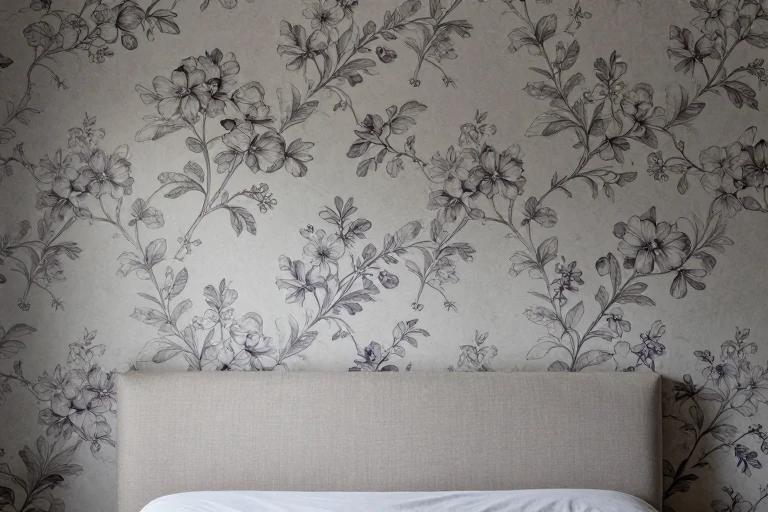
Dark floral wallpaper introduces movement and femininity without relying on many decorative objects. Select a pattern whose background relates to the room’s paint and whose flowers repeat at least one bedding color.
Large motifs usually need uninterrupted wall area to read clearly. Busy walls with several doors, windows, or shelves can break the pattern awkwardly.
Order a sample and inspect seams, surface texture, and removability. Renters should test peel-and-stick material in an inconspicuous area because paint and humidity affect removal.
6. Make a Velvet Headboard the Soft Focal Point

A velvet headboard offsets dark walls with softness and subtle light variation. Channel tufting looks relatively streamlined; deep button tufting adds stronger vintage character and more crevices to maintain.
Choose the headboard after deciding on wall color. Emerald or oxblood creates contrast, while plum or charcoal produces a quieter tonal composition.
Check fabric cleaning instructions before purchasing. Dust and lint can show on dark velvet, so allow space to use an upholstery attachment without disturbing wall-mounted lights.
7. Select a Bed Frame That Balances Visual Weight
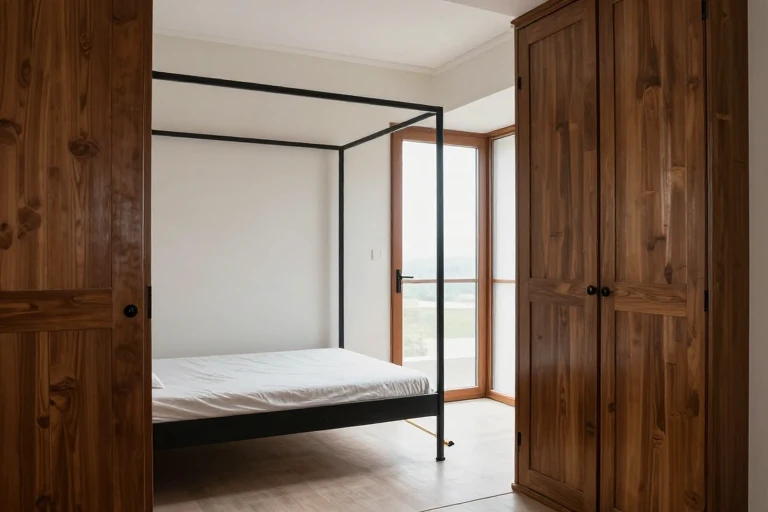
A heavy dark room does not automatically need a massive bed. A slim black metal frame exposes more wall and floor, while an upholstered platform creates a grounded, cocooning center.
Base the decision on existing furniture and circulation. If wardrobes and dressers are substantial, a lighter-profile frame can prevent visual crowding.
Measure doors, stairs, and the assembled footprint before ordering. Preserve a comfortable route to closets and exits; future accessibility needs may justify more open maneuvering space.
8. Layer Bedding by Weight, Not Just Color
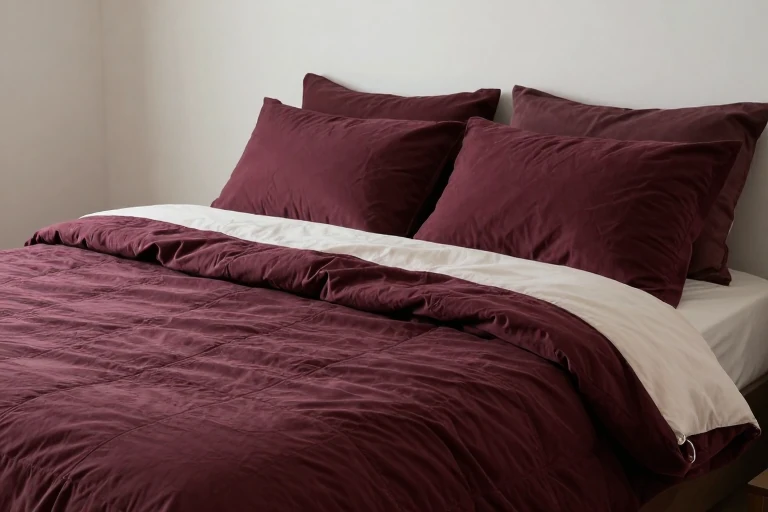
Start with the layer touching your skin, then add warmth according to climate and sleeping preference. Linen, cotton percale, sateen, velvet, and faux fur behave differently; appearance should not override comfort or laundering needs.
Keep the largest washable layers relatively simple. Add drama through a removable quilt, lumbar pillow, or folded throw instead of an entire delicate bedding set.
Limit the palette to neighboring shades, then introduce one pale edge or patterned cushion so the bed retains definition against dark walls.
9. Hang Curtains for Fullness Without Blocking Daylight

Full-length curtains add softness and absorb visual space, but dense velvet can leave a bedroom dim during the day. Pair decorative side panels with a separate sheer or operable shade.
Extend the rod beyond the window where wall space permits. Open panels can then rest beside the glass rather than covering it, which may make the opening feel more generous.
Confirm mounting conditions and panel weight. If drilling is restricted, renters should use appropriately rated removable or tension solutions rather than overloading temporary hardware.
10. Ground the Bed With a Quietly Patterned Rug
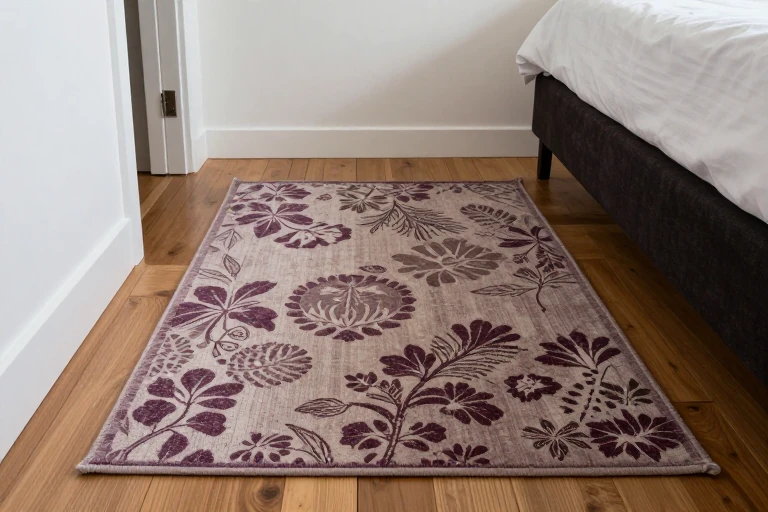
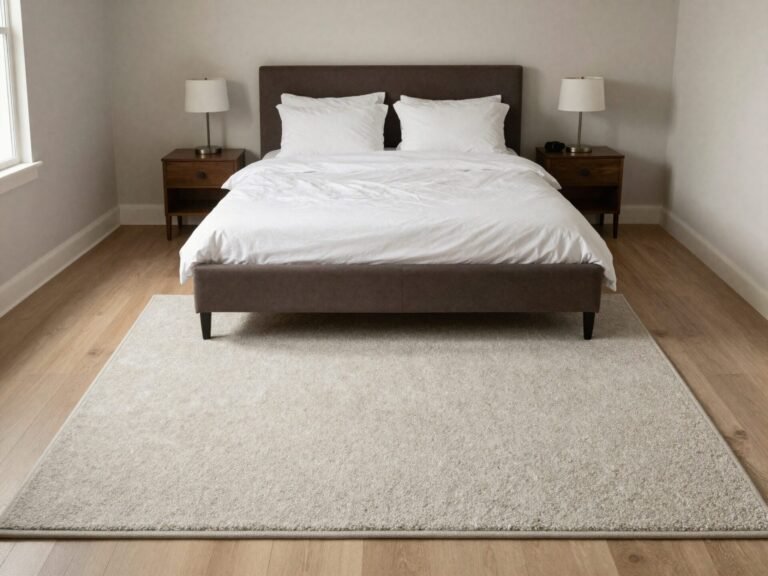
A rug can separate a dark bed from dark flooring while adding warmth underfoot. Look for faded botanical, medallion, or abstract patterns containing the wall color plus a softer neutral.
Size it from the actual bed footprint, not the room photograph that inspired you. The rug should extend where feet land without obstructing door swings or floor vents.
Low-pile constructions are easier to vacuum around bed legs. Use a compatible nonslip pad and confirm that the combined thickness will not create a trip point.
11. Plan Lighting in Separate, Adjustable Layers
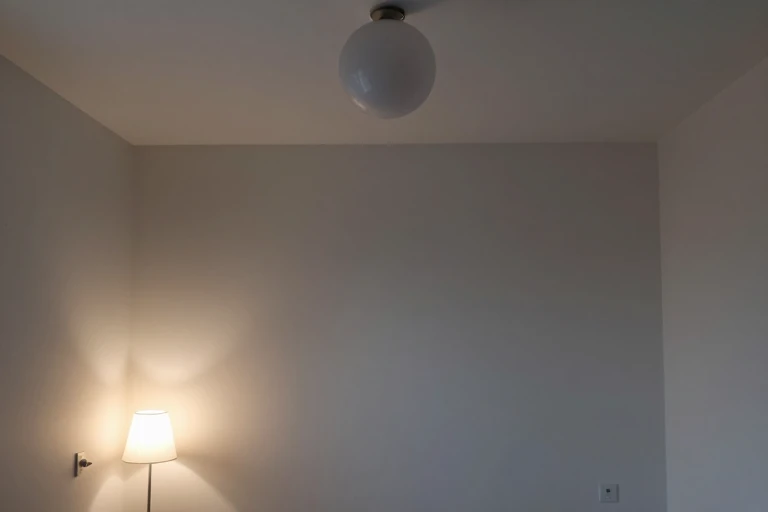
A single ceiling fixture cannot serve every bedroom task gracefully. Combine general light for dressing, focused bedside light for reading, and a low decorative source for evening atmosphere.
Switch each layer independently and choose compatible dimming equipment where appropriate. Light-colored shades diffuse light differently from opaque metal or deeply tinted glass, so judge the fixture when illuminated.
New fixtures, dimmers, outlets, and concealed wiring must suit site conditions and local code. Use a qualified electrician where required rather than improvising electrical work.
12. Free the Nightstands With Bedside Sconces
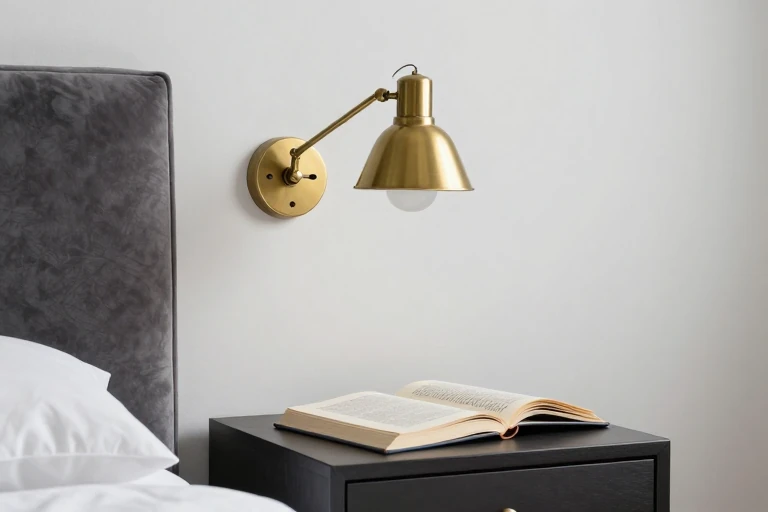
Wall-mounted lights leave room for water, a book, and personal items, which is useful beside a compact bed. Swing-arm designs provide task flexibility; fixed shaded sconces offer a tidier silhouette.
Mock up the fixture size and position with paper before installation. Check how it relates to the mattress, headboard, and seated reading position rather than centering it on an empty wall.
Plug-in sconces are more reversible, but visible cords need deliberate routing. Hardwired installation depends on wall conditions and local electrical requirements.
13. Position Mirrors to Reflect Something Worth Seeing
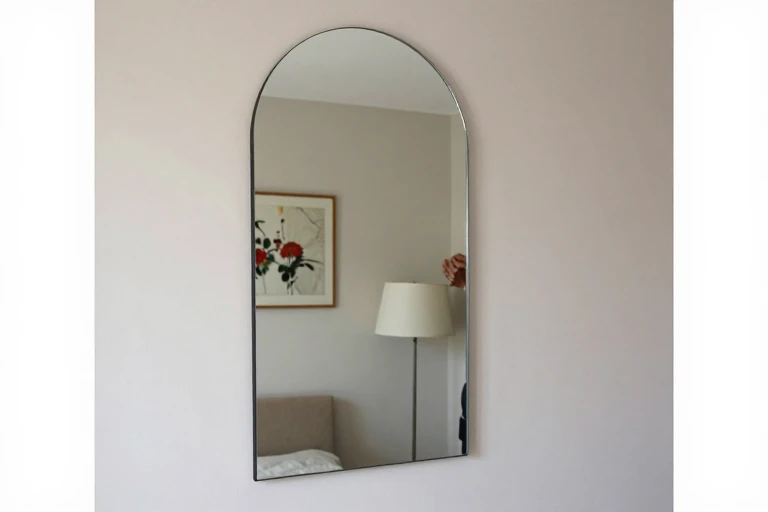
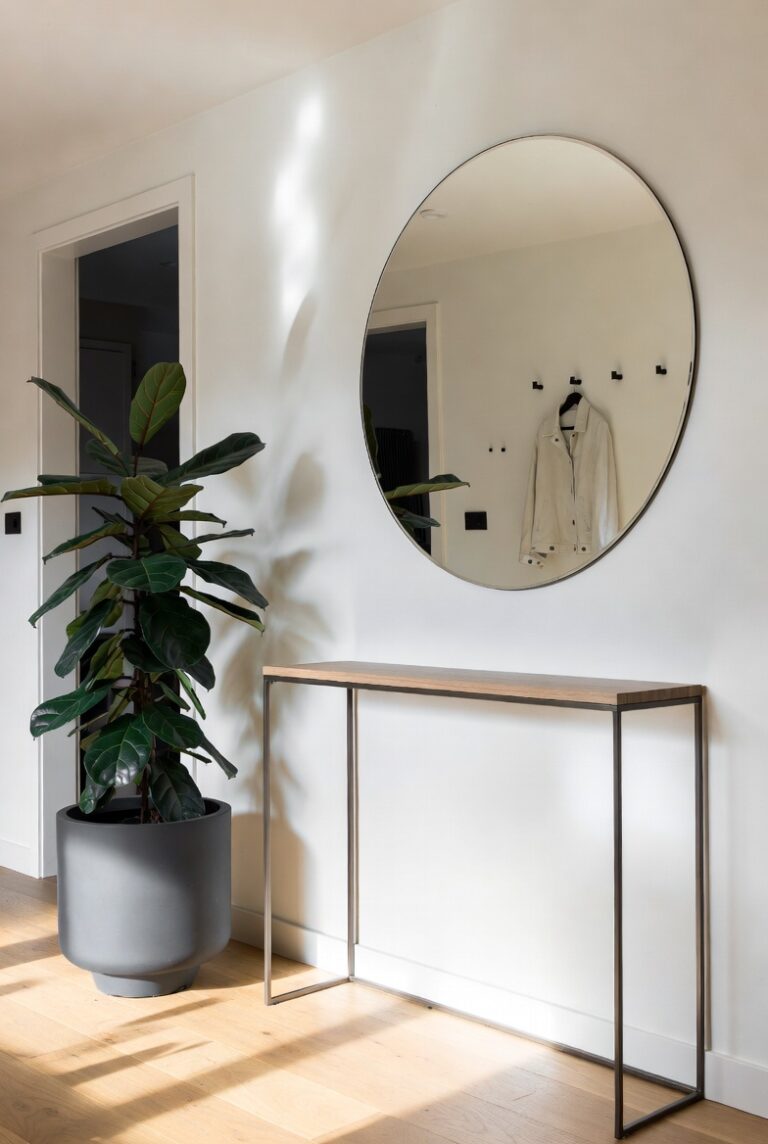
A mirror can multiply a view or a light source, but it can also reflect clutter, an exposed bulb, or the bed from an uncomfortable angle. Evaluate the reflection before selecting the wall.
Antiqued glass suits a softer vintage mood but offers less clarity for dressing. Clear glass is more practical near a wardrobe or vanity.
Lean only mirrors designed and secured for that use. Follow the manufacturer’s mounting and anti-tip instructions, use wall-appropriate hardware, and keep heavy pieces away from unstable furniture.
14. Choose One Metal Finish to Lead
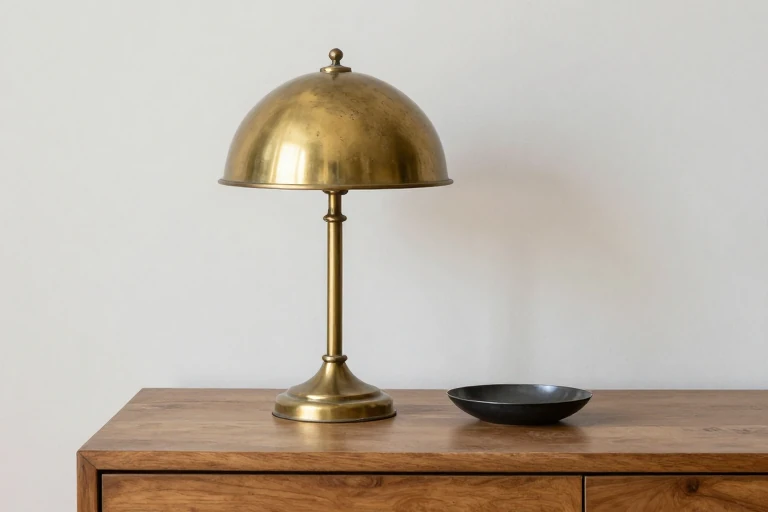
Aged brass adds warmth to burgundy, brown, and plum, while blackened metal creates sharper definition. Nickel or pewter can suit blue-black and cool mauve palettes without introducing yellow tones.
Select a leading finish for repeated functional pieces such as lamps, knobs, and curtain hardware. A secondary metal can appear once or twice in an inherited or decorative object.
Avoid replacing usable hardware solely for a perfect match. Consistent shape, patina, or placement can connect mixed metals more convincingly than identical finishes of uneven quality.
15. Introduce Dark Wood Instead of More Black
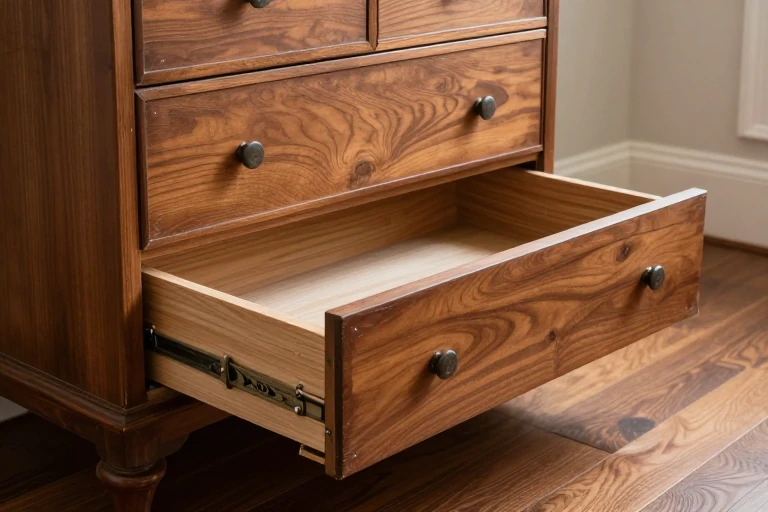
Walnut, mahogany-toned finishes, and deep-stained oak add grain and warmth that flat black surfaces lack. Their variation can keep a saturated room from feeling overly uniform.
Compare wood samples with the flooring. Deliberate contrast often works better than a near match that looks accidental; repeat the furniture tone in a frame or tray.
Vintage wood may offer character but can require repairs, odor treatment, or careful refinishing. Inspect drawers, joints, veneer, and evidence of pests before bringing a piece indoors.
16. Create a Vanity That Still Handles Daily Clutter
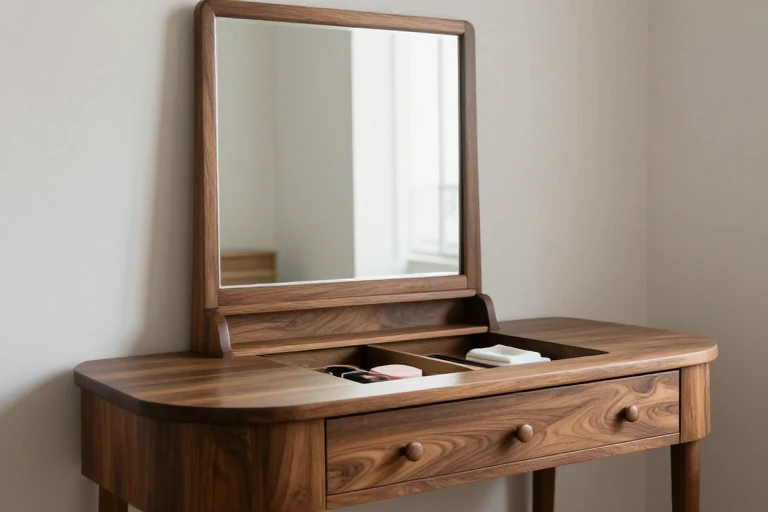
A vanity contributes curved lines and ritual-like elegance, but it must support actual routines. Inventory cosmetics, hair tools, and jewelry before choosing a table with shallow drawers or open storage.
Use a wipeable tray for frequently handled products and closed compartments for visual calm. Heat-producing tools need safe cooling and storage according to their manufacturer’s directions.
Place the mirror where facial lighting is even enough for the task. Decorative candlelight may set a mood, but it should not be the only usable illumination.
17. Curate Art Around Mood Rather Than a Theme

Portraiture, botanical studies, abstract forms, and atmospheric landscapes can all support a dark feminine bedroom. Choose work that shares a color relationship or emotional tone instead of buying every image with the same subject.
Lay the arrangement on the floor before hanging it. Mix frame profiles carefully, keeping one repeated material or finish to prevent the grouping from becoming scattered.
Above a bed, use secure hardware suited to the wall and object weight. Lightweight pieces reduce risk and are easier to rearrange.
18. Add Botanical Forms Without Forcing Live Plants
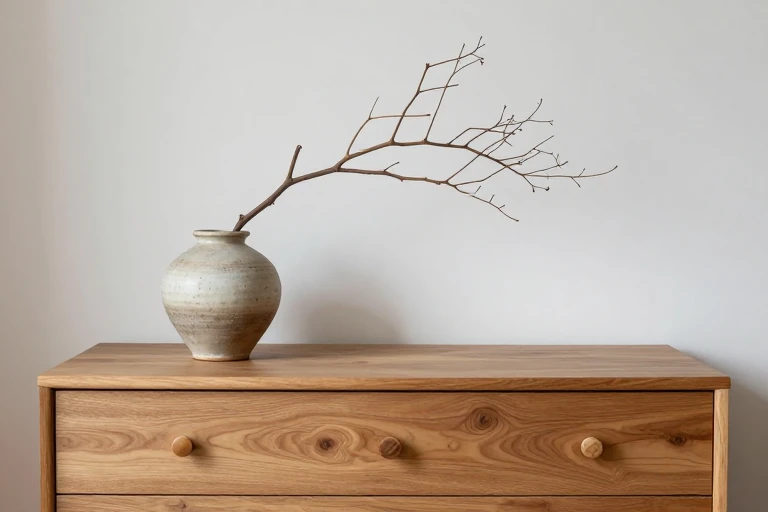
Leaf shapes and flowers soften rigid furniture, but live plants are only practical when the room provides suitable light and you can maintain them. Do not treat greenery as a mandatory styling ingredient.
Alternatives include dried branches, sculptural metal foliage, floral textiles, or a single botanical artwork. These supply organic lines without ongoing watering.
If using live plants, research the species and consider household pets. Protect wood from moisture with a nonporous saucer, and avoid crowding leaves against curtains or bedding.
19. Conceal Storage Behind Furniture-Like Fronts

Visible bins can undermine a polished room when they introduce mismatched materials and small-scale clutter. Closed nightstands, armoires, and under-bed drawers keep practical storage within the visual language of the furniture.
Assign each piece a category before buying it. An armoire cannot solve overflow if its hanging space, shelf depth, or drawer layout does not match your belongings.
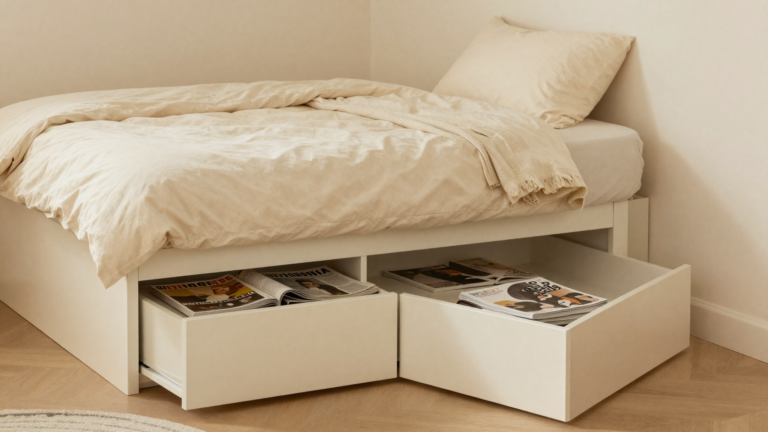
Under-bed storage trades easy capacity for more bending and dust exposure. Choose sealed containers or integrated drawers and preserve access for cleaning.
20. Build a Renter-Friendly Version With Reversible Layers
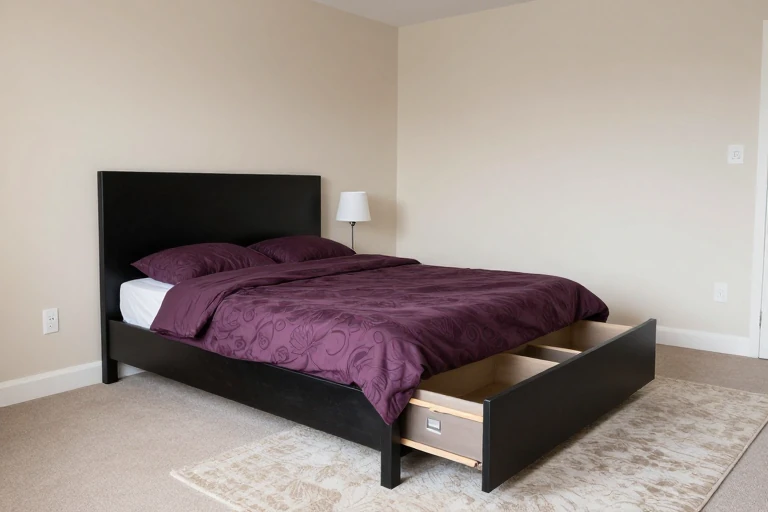
Renters can establish the look through bedding, curtains, lamps, art, and one large rug before considering adhesive wall products. These elements move with you and do not depend on matching a future room.
Use the existing wall color as negative space. A black headboard, plum textiles, and dark floral art can create sufficient contrast against white or beige.
Review the lease before drilling or painting. Test removable products discreetly, retain original hardware, and photograph conditions so restoration is easier at move-out.
21. Give a Small Bedroom One Strong Focal Plane
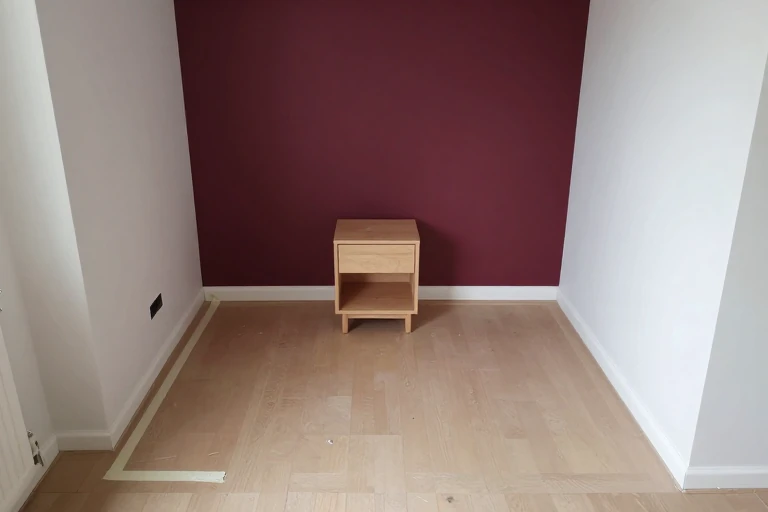
In a compact room, spreading drama across every object can create visual competition. Concentrate the strongest color or pattern behind the bed, then keep adjacent surfaces quieter.
Choose furniture by footprint and function. A narrow closed nightstand may be more useful than a delicate table if it also replaces a separate storage piece.
Preserve door swings, drawer access, and a clear route through the room. Mock up furniture with painter’s tape before ordering rather than relying on wide-angle inspiration photographs.
22. Balance Romantic Details With Tailored Shapes
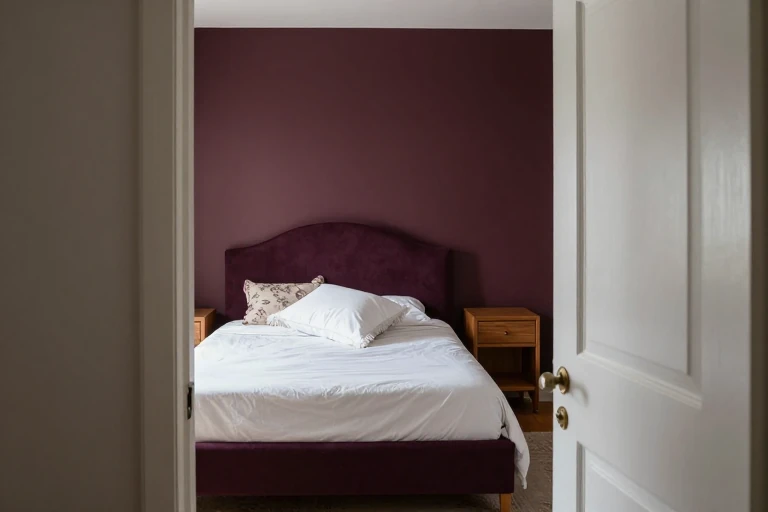
Ruffles, florals, scallops, fringe, and curved furniture can communicate femininity, but using all of them together may obscure the room’s structure. Select a few details with different scales.
Pair a floral cushion with crisp solid bedding, or a curved headboard with straight-lined nightstands. The contrast helps each decorative choice remain legible.
Before adding another accessory, photograph the room from the doorway. Remove one competing item and compare; editing often strengthens the focal point more effectively than buying another layer.
23. Common Dark Feminine Bedroom Mistakes
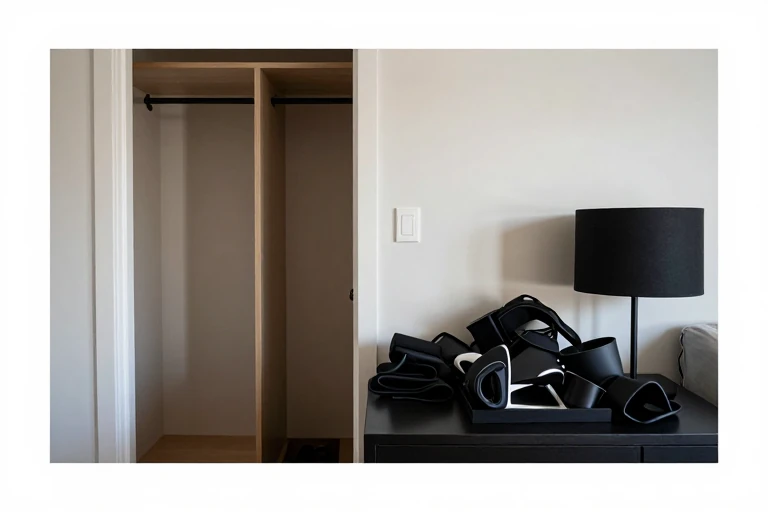
Avoid choosing paint from an online image alone, covering every surface in unrelated dark tones, or expecting one weak lamp to support dressing, reading, and atmosphere. Test finishes in the actual room.
Do not sacrifice circulation for an oversized bed or decorative bench. Measure the open route to doors, closets, windows, and any equipment that requires access.
Finally, resist filling every wall and tabletop. Leave quiet areas around the focal bed, conceal routine clutter, and maintain velvet, mirrors, rugs, and dark surfaces according to their materials.
Effort & Cost Snapshot
| Topic | Effort | Cost Note |
|---|---|---|
| 1. Build the Palette Around One Dark Undertone | Medium | Varies by materials, scope, and local labor |
| 2. Color-Drench a Room With Strong Natural Light | Medium | Varies by materials, scope, and local labor |
| 3. Use Burgundy as a Warmer Alternative to Black | Medium | Varies by materials, scope, and local labor |
| 4. Bring Plum Onto the Ceiling Deliberately | Medium | Varies by materials, scope, and local labor |
| 5. Choose Dark Floral Wallpaper With Breathing Room | Medium | Varies by materials, scope, and local labor |
| 6. Make a Velvet Headboard the Soft Focal Point | Low | Often achievable with existing furnishings or simple updates |
| 7. Select a Bed Frame That Balances Visual Weight | Low | Often achievable with existing furnishings or simple updates |
| 8. Layer Bedding by Weight, Not Just Color | Low | Often achievable with existing furnishings or simple updates |
| 9. Hang Curtains for Fullness Without Blocking Daylight | Low | Often achievable with existing furnishings or simple updates |
| 10. Ground the Bed With a Quietly Patterned Rug | Medium | Varies by materials, scope, and local labor |
| 11. Plan Lighting in Separate, Adjustable Layers | High | Get a project-specific professional quote |
| 12. Free the Nightstands With Bedside Sconces | High | Get a project-specific professional quote |
| 13. Position Mirrors to Reflect Something Worth Seeing | Low | Often achievable with existing furnishings or simple updates |
| 14. Choose One Metal Finish to Lead | Low | Often achievable with existing furnishings or simple updates |
| 15. Introduce Dark Wood Instead of More Black | Medium | Varies by materials, scope, and local labor |
| 16. Create a Vanity That Still Handles Daily Clutter | Medium | Varies by materials, scope, and local labor |
| 17. Curate Art Around Mood Rather Than a Theme | Low | Often achievable with existing furnishings or simple updates |
| 18. Add Botanical Forms Without Forcing Live Plants | Medium | Varies by materials, scope, and local labor |
| 19. Conceal Storage Behind Furniture-Like Fronts | Low | Often achievable with existing furnishings or simple updates |
| 20. Build a Renter-Friendly Version With Reversible Layers | Medium | Varies by materials, scope, and local labor |
| 21. Give a Small Bedroom One Strong Focal Plane | Medium | Varies by materials, scope, and local labor |
| 22. Balance Romantic Details With Tailored Shapes | Low | Often achievable with existing furnishings or simple updates |
| 23. Common Dark Feminine Bedroom Mistakes | Medium | Varies by materials, scope, and local labor |
Frequently Asked Questions
Can a dark feminine bedroom work without black walls?
Yes. Burgundy, plum, espresso, smoky blue, and deep olive can provide the dark foundation. Renters can keep pale walls and concentrate saturated color in a headboard, curtains, rug, bedding, and large artwork. Repeating one undertone makes the result feel intentional.
How do I keep a dark bedroom from feeling gloomy?
Preserve useful daylight, keep window treatments operable, and plan separate ambient and task lights. Add contrast through warm wood, pale bedding edges, reflective glass, or muted metal. These choices may make the room feel more dimensional without diluting the palette.
Which fabrics best suit this style?
Velvet provides depth, while linen and cotton add breathable, less formal texture. Satin-like materials contribute sheen but may demand gentler care. Combine fabrics according to comfort, climate, and laundering requirements rather than selecting every surface for visual luxury alone.
How can I make the style feel mature rather than themed?
Use fewer literal symbols and emphasize material quality, proportion, and repetition. One floral pattern, one leading metal, dark wood, and tailored bedding usually create a more adaptable foundation than numerous novelty accessories. Leave open space so the strongest pieces remain visible.
The most convincing dark feminine bedroom is not simply dark or heavily decorated. It combines a controlled palette with fabrics that feel good, furniture that fits, storage that supports routines, and lighting that changes with the task.
Start with samples and measurements, then complete the room in functional order: walls, bed, window treatment, lighting, storage, and decoration. If the result begins to feel crowded, remove competing accents before adding lighter ones. Deliberate contrast—not a fixed collection of colors or motifs—is what allows the room to remain romantic, useful, and personal.
Sources & Further Reading
- National Institute of Standards and Technology U.S. Department of Commerce
- Aging-In-Place Remodeling Checklist | NAHB
- 25 Dark Feminine Bedroom Ideas That Feel Luxurious
- 20 Cozy Dark Feminine Bedroom Ideas Worth Pinning
Continue Your Home Transformation
Explore the full collection of step-by-step eBooks and get the guide that fits the room you're working on.