You bought the sofa. You pinned a hundred photos. And somehow, your living room still feels like a waiting room nobody wants to wait in. I’ve been there — staring at a space that had all the right pieces but none of the right feeling.
Here’s what I learned after years of rearranging, repainting, and second-guessing: a great living room isn’t about buying more. It’s about a handful of small decisions that quietly change how a room feels the moment you walk in. These are the 20 living room ideas that made the biggest difference for me and the people I’ve helped.
The Beige Mistake That Makes Your Room Feel Lifeless

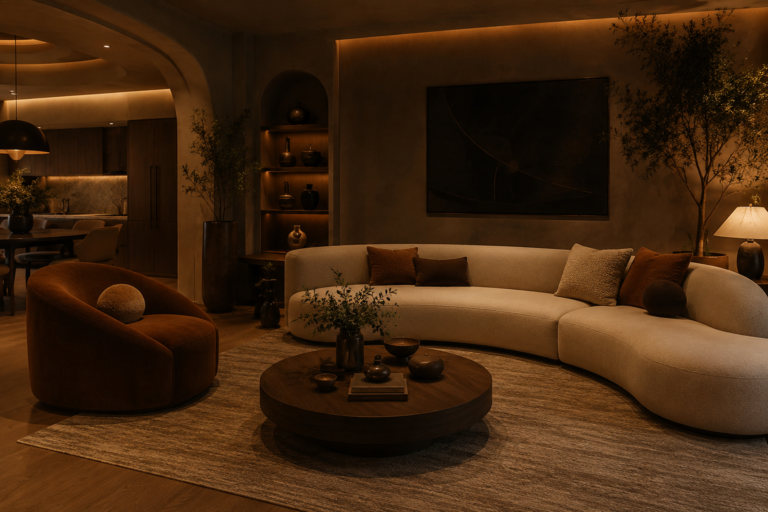
For years I thought all-beige meant safe and elegant. Instead, my room read flat — like a photo with the color drained out. Designers are calling time on the tone-on-tone “quiet luxury” look because it lacks contrast and personality. The fix isn’t ditching neutrals; it’s grounding them with rich, earthy partners like chocolate brown, olive, rust, and clay.
Smart tip: Swap two beige throw pillows for olive or rust velvet ones. Under $50, and the whole room wakes up in one afternoon.
Mistake to avoid: Don’t add five new colors at once. Pick one warm tone and repeat it three times around the room.
Why Matching Furniture Sets Are Quietly Aging Your Space

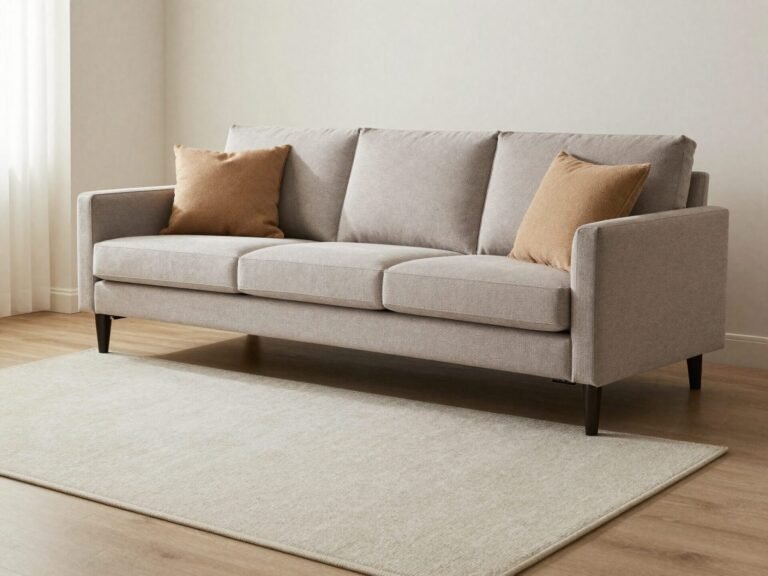
The first time I bought a “complete set” — sofa, loveseat, matching chair — I felt so organized. Two years later it looked like a furniture showroom, not a home. The most current living rooms layer mismatched pieces that look collected over time, not bought in one weekend.
Smart tip: Keep your sofa, then thrift one contrasting armchair. No contractor needed, and it instantly adds character.
Mistake to avoid: Don’t replace everything. Mismatching works because of one or two deliberate breaks, not chaos.
If you’re tackling a tighter footprint, these small living room ideas will help you make the most of every inch before you start swapping pieces.
The Curved Sofa Trick Designers Won’t Stop Using
I used to think every sofa needed sharp, tidy corners. Then I sat on a curved sectional at a friend’s place and didn’t want to leave. Soft, rounded profiles pull people toward each other and make conversation feel natural. We found that even a single curved accent chair softens an entire room of straight lines.
Smart tip: Can’t afford a new sofa? Add one curved ottoman or a round side table. Affordable, and it breaks up the boxiness fast.
Mistake to avoid: Don’t go all-curves. One or two rounded shapes against straight ones is what creates the effect.
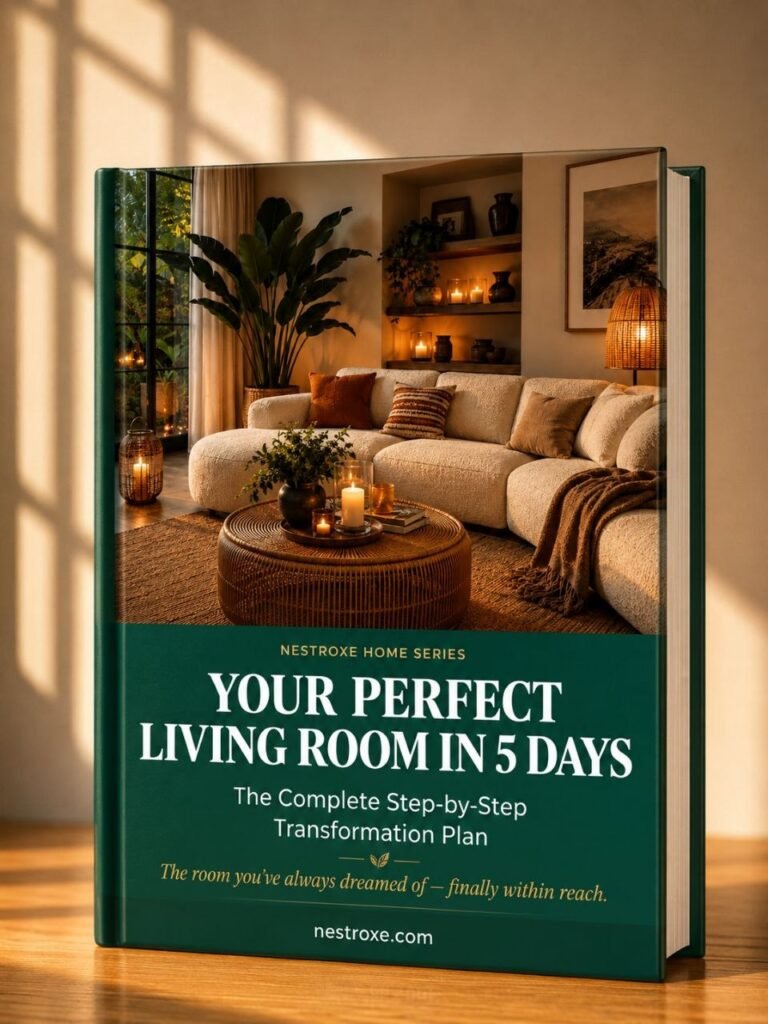
Loving These Ideas? Get the Step-by-Step Guide
Grab the full 5-day eBook and turn these ideas into a finished room.



The Reading Nook Nobody Plans But Everyone Loves

One of the most common things I see is a forgotten corner doing absolutely nothing. The first time I dropped an armchair and a small lamp into mine, it became the most-used seat in the house. Reading nooks are surging in popularity, and they cost almost nothing to create.
Smart tip: Pull a chair you already own into a corner, add a floor lamp and a throw. Takes one afternoon, zero budget.
Mistake to avoid: Don’t crowd it with stuff. A nook works because it feels uncluttered and quiet.
Layered Lighting: The Reason Your Room Feels Flat

For the longest time I relied on a single overhead light, then wondered why the room felt like a doctor’s office at night. The trick is layering — ambient, task, and accent light working together. The first evening I added a warm table lamp and a floor lamp, the room felt twice as inviting.
Smart tip: Add two lamps at different heights and use warm 2700K bulbs. Under $50 and no rewiring needed.
Mistake to avoid: Don’t rely on the ceiling fixture alone. One harsh light source flattens everything beneath it.
Lighting works hand in hand with your overall layout — these living room ideas for a stylish and inviting space show how the right glow ties a whole room together.
The Rug Size Error That Shrinks Every Living Room

I made this mistake for years: a rug too small, floating like a postage stamp in the middle of the floor. It made the entire room feel cramped and disconnected. A rug should be large enough that at least the front legs of your furniture rest on it.
Smart tip: Measure before you buy and size up one step from what feels “right.” It instantly makes the room read larger.
Mistake to avoid: Don’t let the rug stop short of your seating. Floating furniture on bare floor breaks the room apart.
How Dark Wood Adds the Warmth Beige Never Could

I spent a phase painting everything white, including good wood furniture. Big regret. Deeper finishes — walnut, cherry, mahogany — are back, and they add a warmth that pale tones simply can’t reach. The first dark wood console I brought in anchored the whole room.
Smart tip: Look for a secondhand wood side table or shelf. Affordable, and the patina is something new pieces can’t fake.
Mistake to avoid: Don’t paint over solid wood to follow a trend. You can’t undo it, and natural grain is back in demand.
The Throw Pillow Rule That Changes Everything

I used to buy pillows in pairs that perfectly matched the sofa. The result was forgettable. The pillows that make a room sing are the ones that mix sizes, textures, and a couple of unexpected patterns. In my experience, this is the cheapest upgrade with the biggest payoff.
Smart tip: Buy pillow covers, not whole pillows, and swap them seasonally. Under $50 for a full refresh.
Mistake to avoid: Don’t line them up symmetrically like a hotel bed. A slightly casual arrangement reads warmer.
Mixing Old and New Without It Looking Like a Mess

The best living rooms I’ve stepped into all had one thing in common: a modern piece sitting comfortably beside something with history. A sleek sofa next to an heirloom chair tells a story no big-box set ever could. We found that one meaningful old object instantly makes a space feel personal.
Smart tip: Hunt one vintage piece — a lamp, a stool, a frame. Weekend project, and it grounds the whole room.
Mistake to avoid: Don’t mix without a thread. Repeat a color or material so old and new feel intentional.
A great way to refresh without a full overhaul is borrowing from these interior decor ideas to refresh every room that work across any style.
The Bold Wall Color Most People Are Too Scared to Try

I avoided color on walls for a decade out of pure fear. When I finally painted one wall a deep olive, I couldn’t believe I’d waited so long. Expressive, moody tones are replacing safe whites because they feel grounded and intentional. A single accent wall is the lowest-risk way in.
Smart tip: Test a sample pot on one wall before committing. Affordable, and you’ll know within a day if you love it.
Mistake to avoid: Don’t pick a color from a screen. Paint reads completely differently in your own light.
Why Your Plants Belong in the Living Room, Not the Windowsill

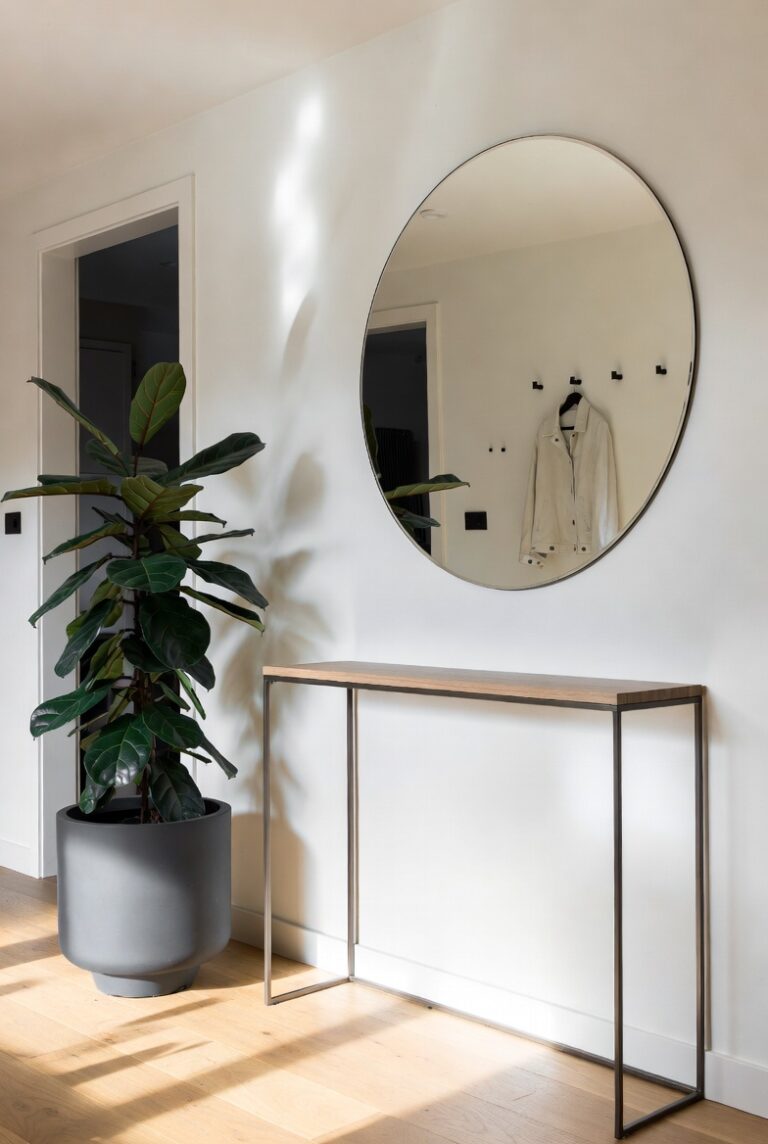
I kept my plants exiled to the kitchen window until I realized how much life they bring to a seating area. A tall plant in a living room corner softens hard edges and adds instant freshness. The first big fiddle-leaf I added changed how the whole room breathed.
Smart tip: Start with one low-maintenance floor plant in a bare corner. Affordable, and it fills empty space beautifully.
Mistake to avoid: Don’t scatter tiny pots everywhere. One or two larger plants look far more intentional.
If you want greenery that actually survives, these decorating with plants ideas for vibrant living spaces are a great place to start.
The Coffee Table That Hides Your Clutter in Plain Sight

Every decorative piece in a current living room earns its keep. My favorite discovery was a coffee table with a lift-top and storage inside — suddenly remotes, chargers, and stray magazines vanished. Function disguised as style is the whole game now.
Smart tip: Choose a coffee table with a shelf or hidden compartment. No contractor needed, and clutter disappears overnight.
Mistake to avoid: Don’t pile the surface with decor. Leave breathing room or it just looks busy.
How to Layer Patterns Without Giving Yourself a Headache

Pattern-on-pattern terrified me until a designer friend showed me the trick: vary the scale. A large floral pairs beautifully with a tiny stripe when they share a color. The first time I tried it, I was skeptical — but the room suddenly looked curated instead of chaotic.
Smart tip: Stick to two or three patterns that share one common color. Affordable through pillows and throws.
Mistake to avoid: Don’t use patterns at the same scale. Two medium florals fight each other instead of layering.
The Empty Corner You’re Wasting Right Now

Most living rooms have a dead corner nobody thinks about. I filled mine with a slim bookshelf and a trailing plant, and it became a focal point instead of a void. Corners are quiet opportunities to add storage, greenery, or a pop of light.
Smart tip: Add a corner floor lamp or a tall plant. Takes one afternoon and zero structural work.
Mistake to avoid: Don’t jam a big piece into a small corner. Scale it down so it feels purposeful, not crammed.
Why Floating Your Furniture Beats Pushing It to the Walls

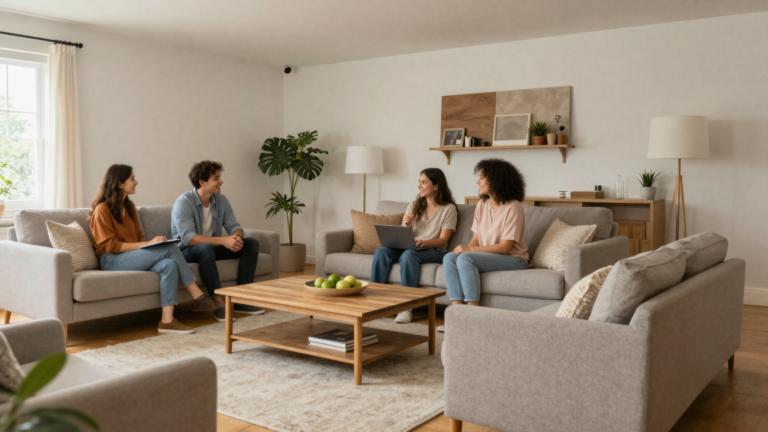
I assumed pushing everything against the walls made a room feel bigger. It actually made mine feel like a hallway. Pulling the sofa even a few inches forward and angling chairs toward each other created a real conversation zone.
Smart tip: Float your sofa off the wall and anchor it with a rug. No cost, just a rearrange on a free afternoon.
Mistake to avoid: Don’t leave huge gaps between seats. People should be able to talk without raising their voices.
The Gallery Wall Spacing Secret Most People Get Wrong

My first gallery wall was a mess of uneven gaps and crooked frames. The fix that saved it: keeping a consistent 2 to 3 inches between every frame. Suddenly the whole arrangement looked deliberate instead of accidental.
Smart tip: Lay the frames on the floor first and shuffle them until it clicks. Free, and it saves dozens of nail holes.
Mistake to avoid: Don’t hang too high. Centers should sit around eye level, not floating near the ceiling.
Built-In Shelves: The Upgrade That Pays You Back

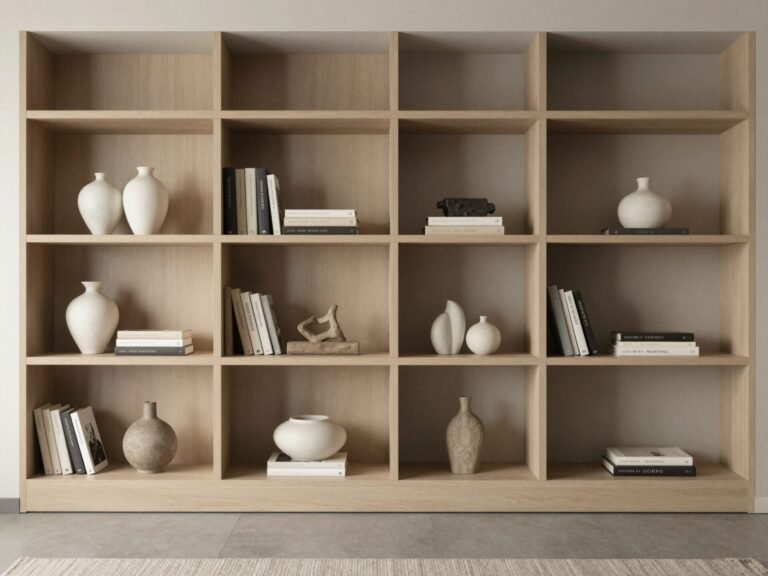
When I finally added built-in shelving around the fireplace, the room gained both storage and a designed-from-scratch look. Built-ins frame a focal point and give you a place to display the things you love without clutter spilling everywhere.
Smart tip: No budget for custom? Flank a wall with two matching tall bookcases for a built-in effect. Weekend project.
Mistake to avoid: Don’t overfill the shelves. Leave a third of the space empty so the styling can breathe.
The Texture Trick That Makes Neutral Rooms Feel Rich

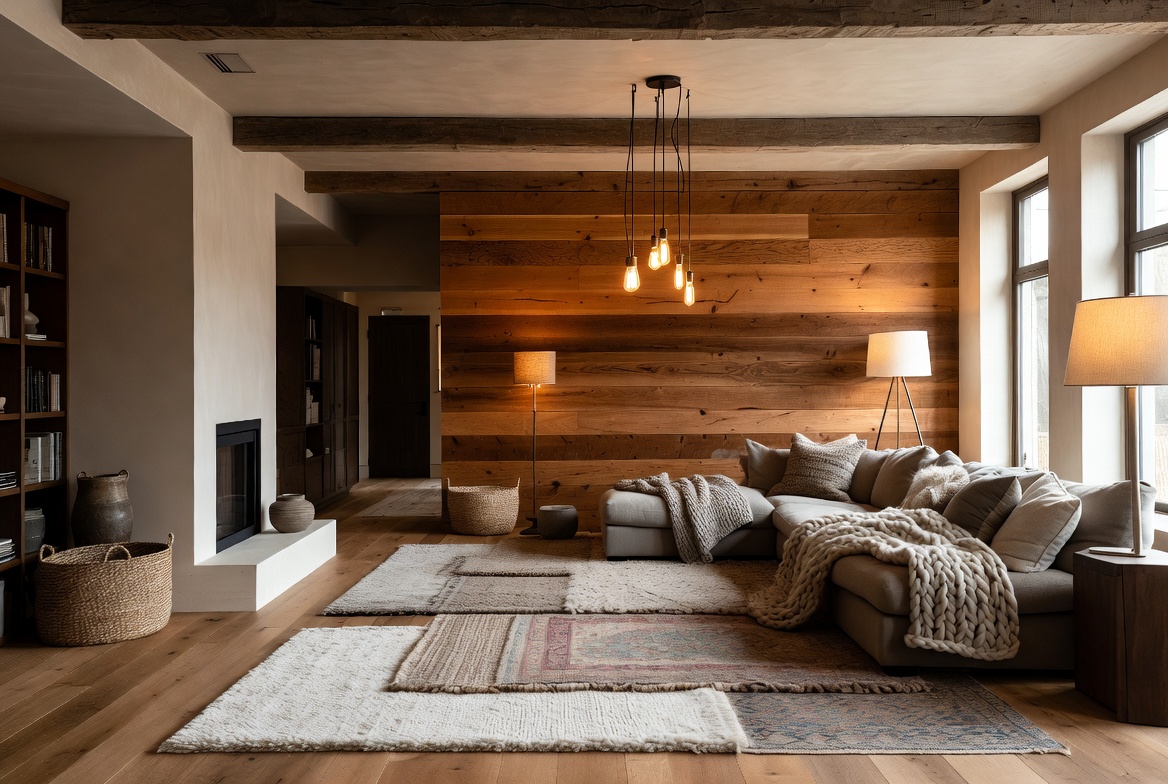
The neutral rooms I envied always had something mine didn’t: texture. Linen, bouclé, woven baskets, a chunky knit throw — these layers make a beige room feel expensive instead of empty. We found that mixing three or four textures does more than any color ever could.
Smart tip: Add one woven basket and one nubby throw. Under $50 and it adds instant depth.
Mistake to avoid: Don’t keep every surface smooth. A room of flat finishes always reads cold.
How One Statement Piece Saves a Boring Room

Sometimes a room doesn’t need ten changes — it needs one bold anchor. For me it was an oversized piece of art above the sofa. A single statement piece draws the eye and gives the whole room a reason to exist around it.
Smart tip: Choose one focal point — art, a bold rug, a vintage cabinet. Affordable if you shop secondhand.
Mistake to avoid: Don’t add three statement pieces. They’ll compete, and the room loses its focus entirely.
The Final Layer Everyone Forgets Until It’s Too Late
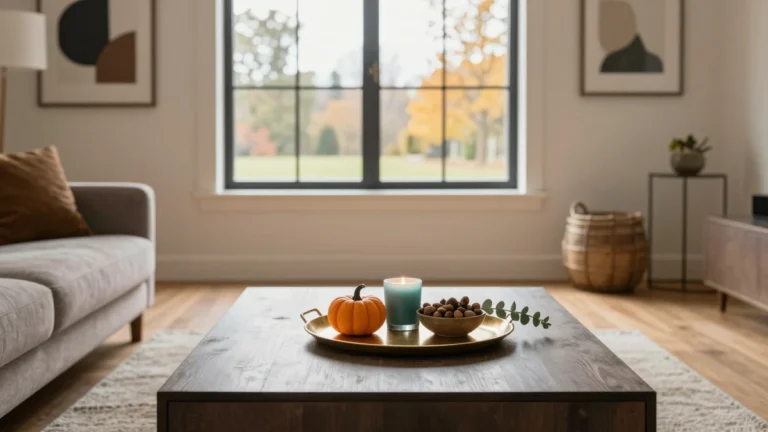
The last 10% is what separates a finished room from a styled one: the small personal touches. Books you actually read, a candle, a framed photo, a tray that ties things together. The first time I added these, the room finally felt like mine instead of a catalog.
Smart tip: Style one tray with three objects you love. Takes ten minutes and finishes the whole space.
Mistake to avoid: Don’t skip this step thinking the big pieces are enough. A room without personal touches always feels unfinished.
A living room comes together one small, confident decision at a time. Start with the one idea here that made you nod — fix that this weekend, and let the room tell you what it needs next.
Continue Your Home Transformation
Explore the full collection of step-by-step eBooks and get the guide that fits the room you're working on.