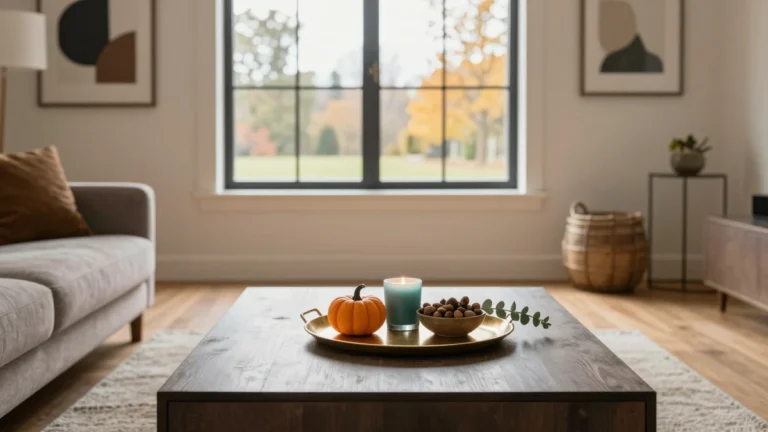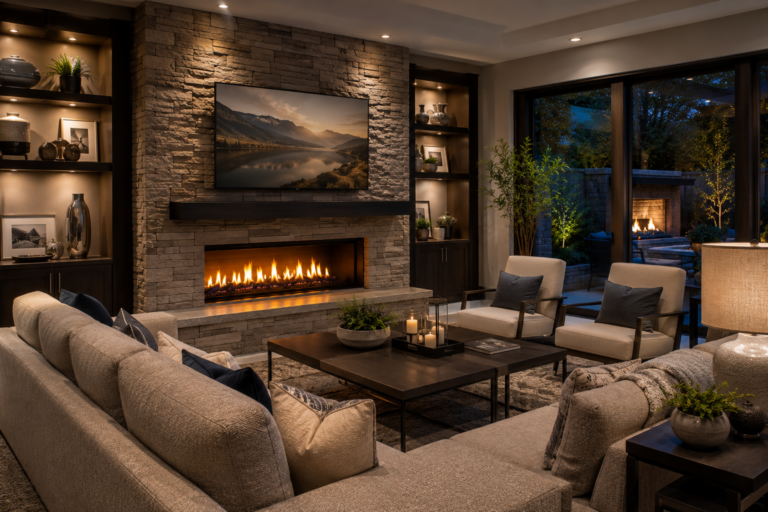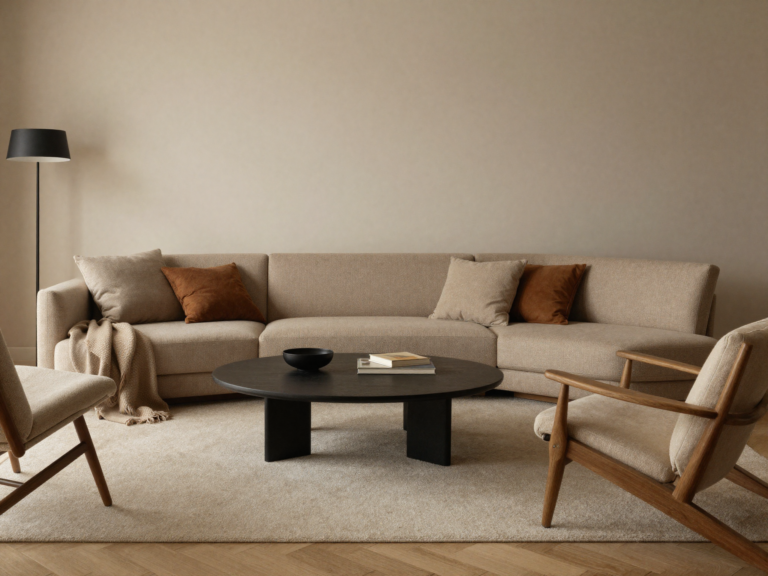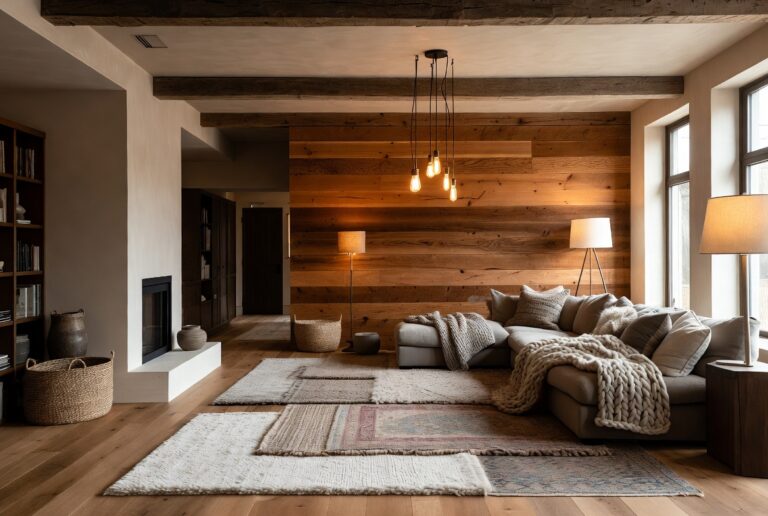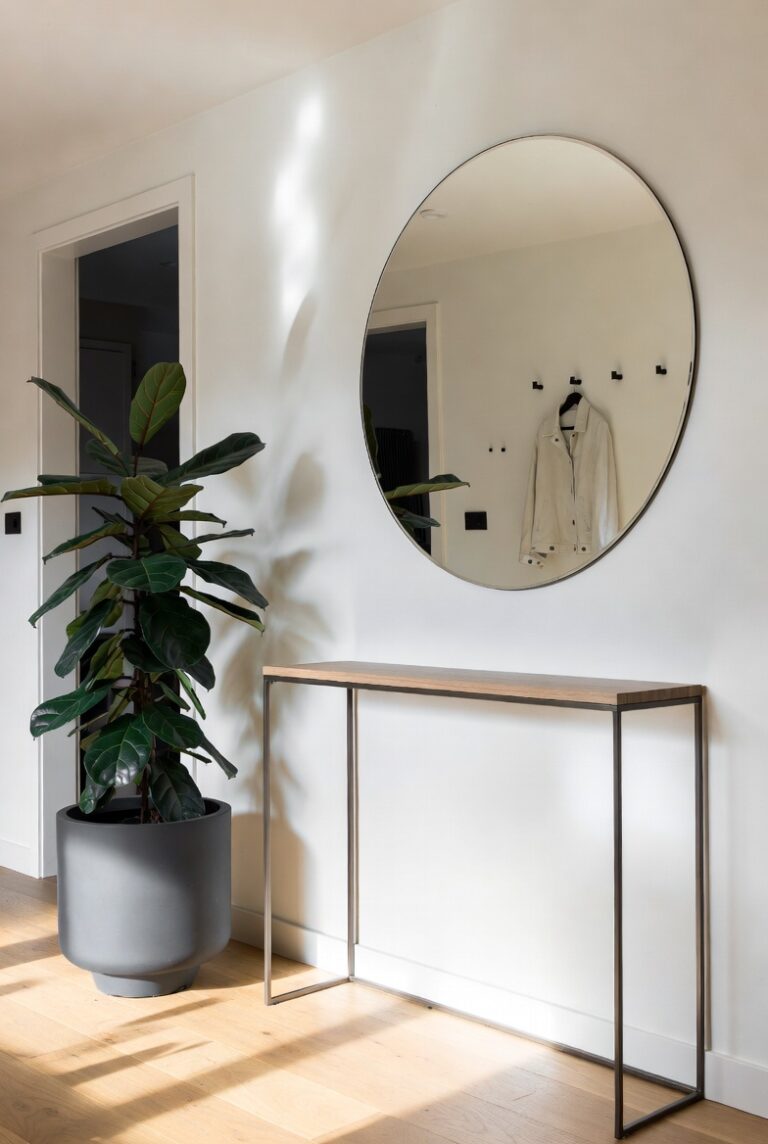
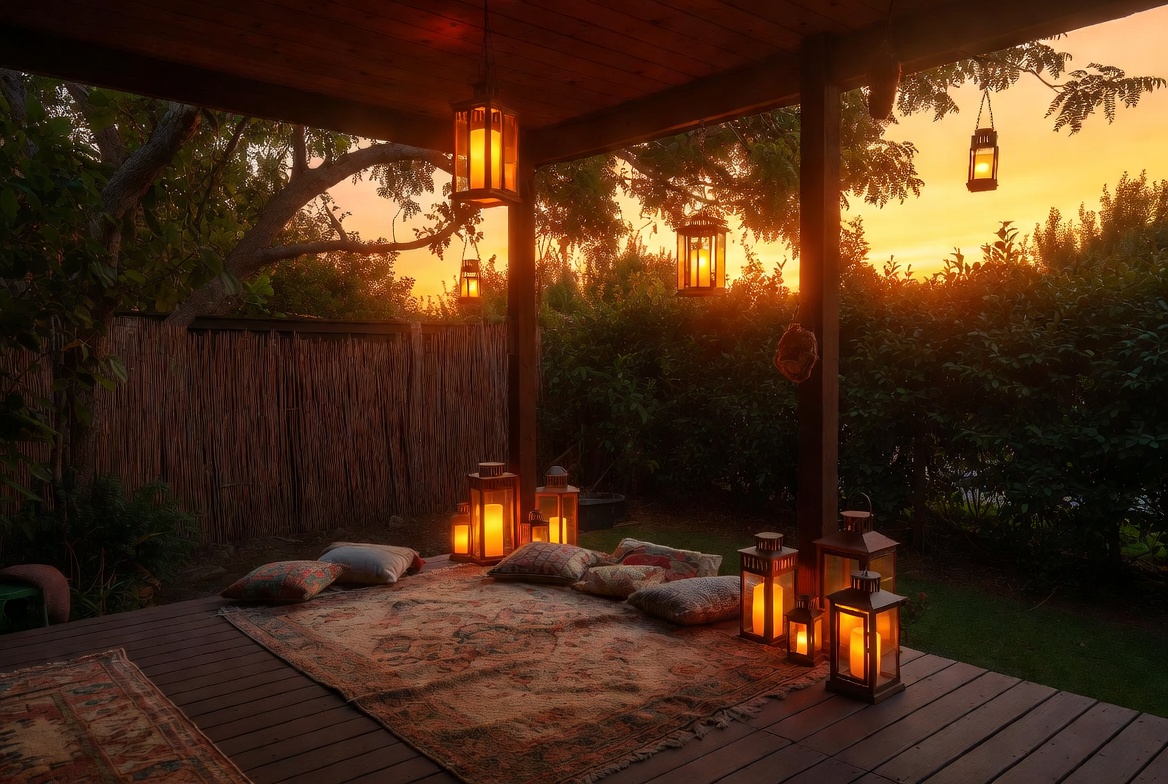
Getting the lighting ideas right makes the biggest difference in how the space actually feels day to day. A well-planned lighting ideas balances function and style, and even small tweaks to your lighting ideas can transform the whole area.
You’ve painted the walls, arranged the furniture twice, and it still looks flat the second the sun goes down. Nine times out of ten, it’s not the sofa or the rug — it’s the single overhead bulb doing all the work alone.In my experience, living room lighting ideas fail for one simple reason: people treat light as an afterthought instead of a design layer. By the end of this article, you’ll know exactly how to layer light the way designers do, and which single fixture swap will make the biggest difference tonight.
1. The Fixture That Replaces Your Wall Art Entirely
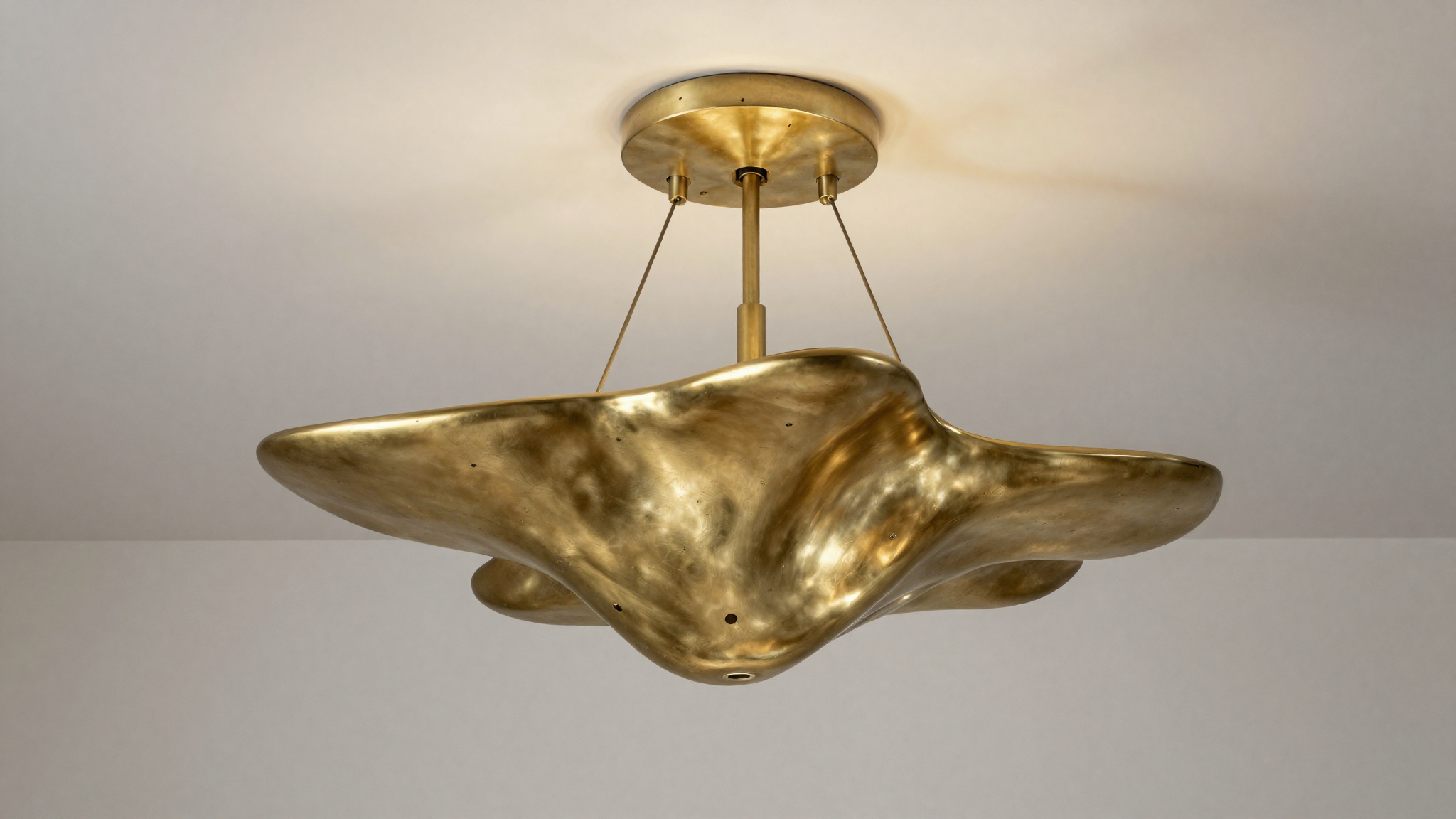
Living room lighting ideas this year lean hard into sculptural, organic shapes that grab attention the way a piece of art would. Bold ceiling fixtures in matte brass or textured plaster are stepping in to anchor a seating zone instead of hanging quietly overhead.
Smart tip: Choose one oversized sculptural fixture instead of several small ones — it reads as a decision, not an accident.
Mistake to avoid: Pairing a bold sculptural chandelier with an already busy gallery wall creates visual competition. Let one be the star.
2. Find the Perfect Digital Product for You
If you’re nodding along to these lighting fixes but still picturing your own living room feeling scattered and half-finished, that’s exactly the gap this next resource closes. Your Perfect Living Room in 5 Days walks you through measuring, furniture placement, and — yes — the exact three-layer lighting system professional designers use, all mapped out day by day with real prices attached.

👉 Click here to get your copy of Your Perfect Living Room in 5 Days — stop guessing at lighting and start following an actual plan that solves this exact problem, day by day.
3. Three Lights, Not One — the Rule That Changes Everything
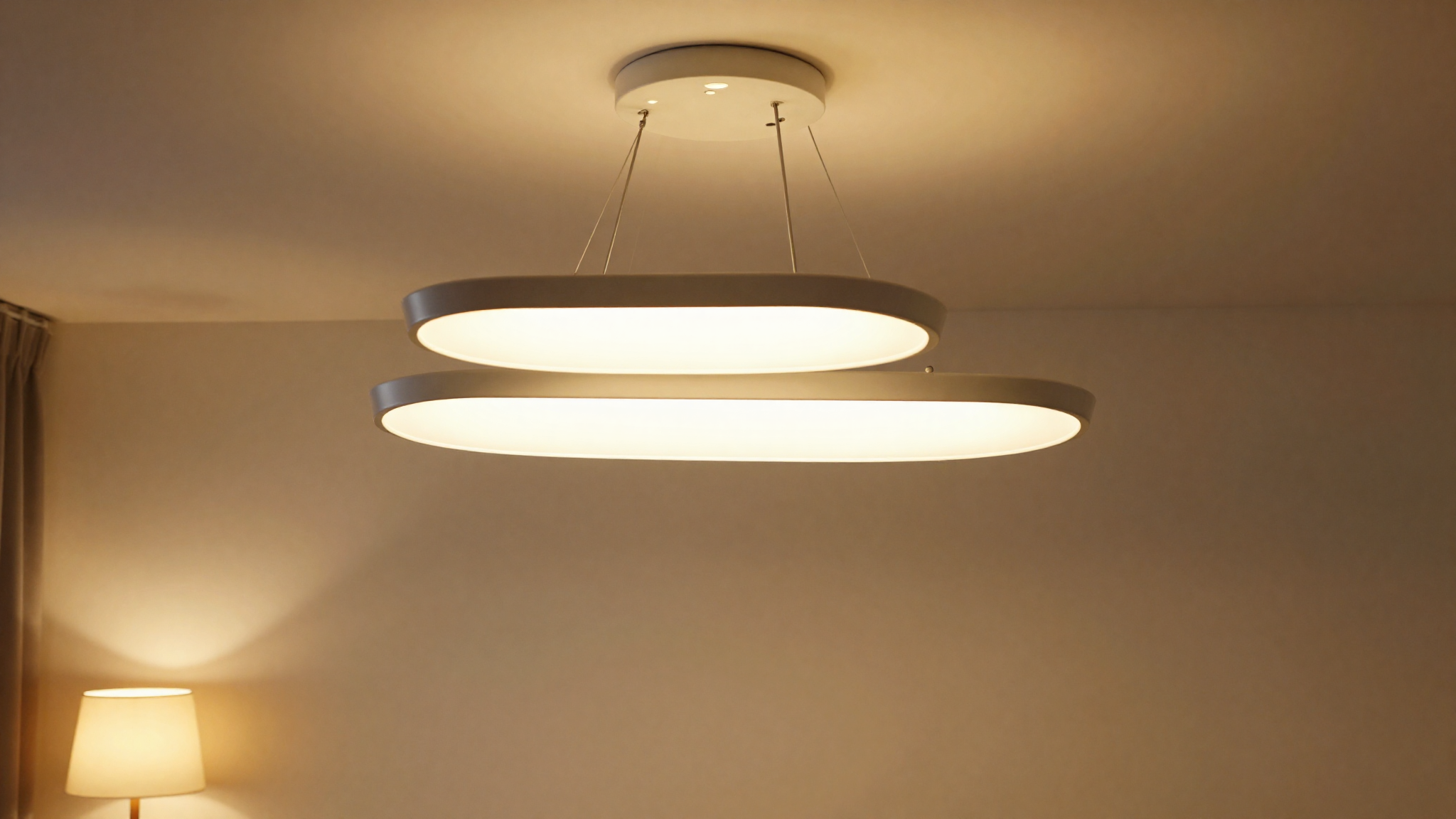
If your room runs on a single ceiling light, you’re missing two-thirds of a proper lighting plan. Add wall sconces around the perimeter for ambient fill, then a table or floor lamp near the seating for warm, close-range task light.
Smart tip: Keep every bulb in the same warm range — mixing temperatures is the fastest way to make a layered plan look accidental instead of intentional.
Mistake to avoid: Relying on the ceiling fixture alone after dark leaves the room flat no matter how nice the fixture itself is.
Loving These Ideas? Get the Step-by-Step Guide
Grab the full 5-day eBook and turn these ideas into a finished room.




4. The Wall Panel That Doubles as Art
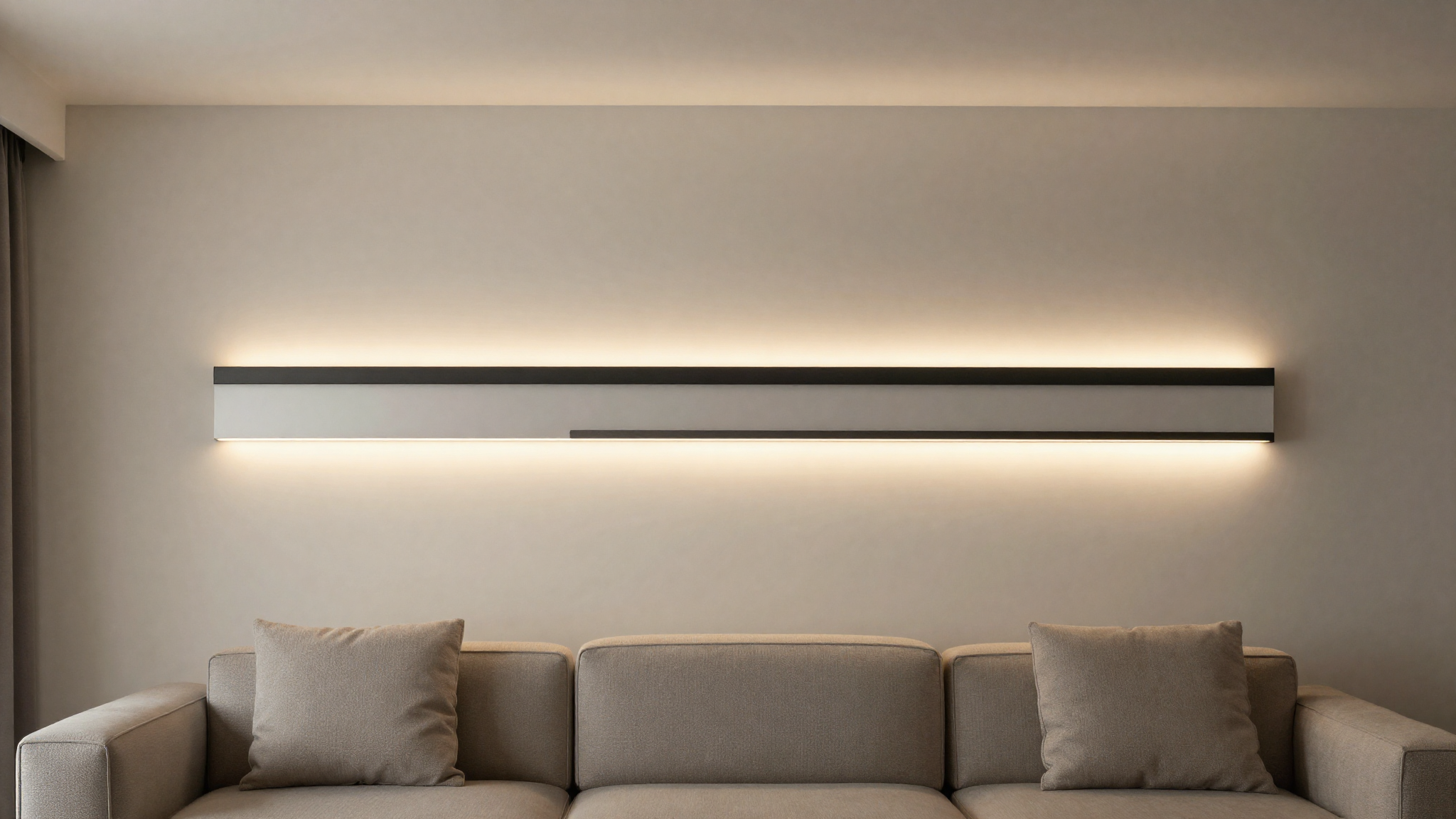
Thin, wall-mounted LED panels are one of the more striking living room lighting ideas showing up this year. They work as ambient lighting and as art at the same time, which makes them especially useful behind a sofa or in a room that doesn’t get much natural daylight.
Smart tip: Pick a dimmable panel that shifts from bright white to a softer tone depending on the time of day.
Mistake to avoid: Mounting a light panel at the wrong height — centered to the sofa back, not the wall — makes it read as an afterthought.
5. The Stone That Glows Like It’s Hiding a Candle
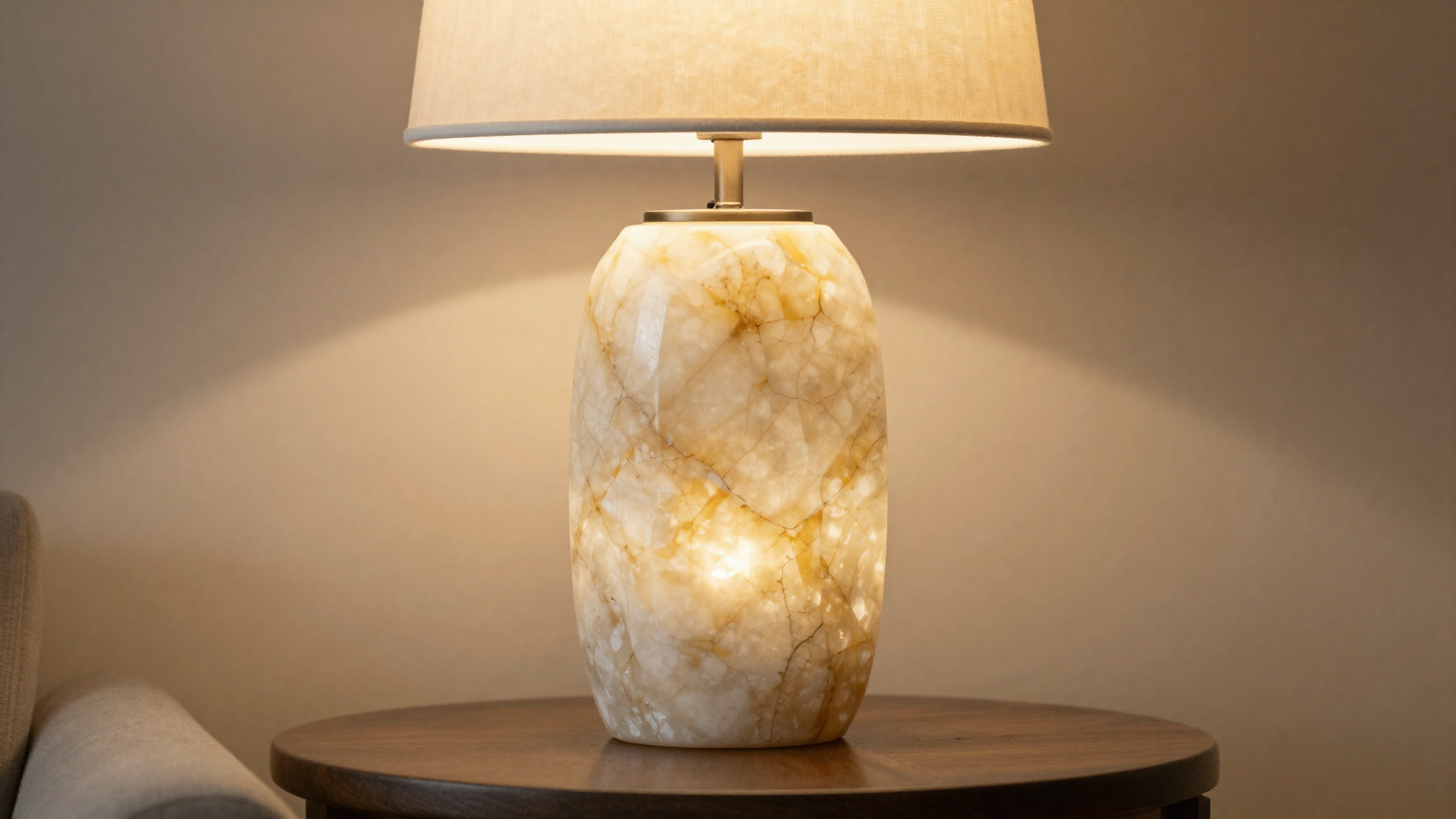
Alabaster and natural stone lamps are having a real moment, and it’s easy to see why once you see one lit. Each piece has its own veining and personality, diffusing light into a soft, honeyed glow that reads as sculptural even switched off.
Smart tip: Place an alabaster lamp somewhere it’s seen both lit and unlit — a console or side table — so it earns its keep at all hours.
Mistake to avoid: Using a harsh, high-wattage bulb inside an alabaster shade overpowers the natural translucence that makes the material special.
6. The Lamp With No Cord Anywhere in Sight
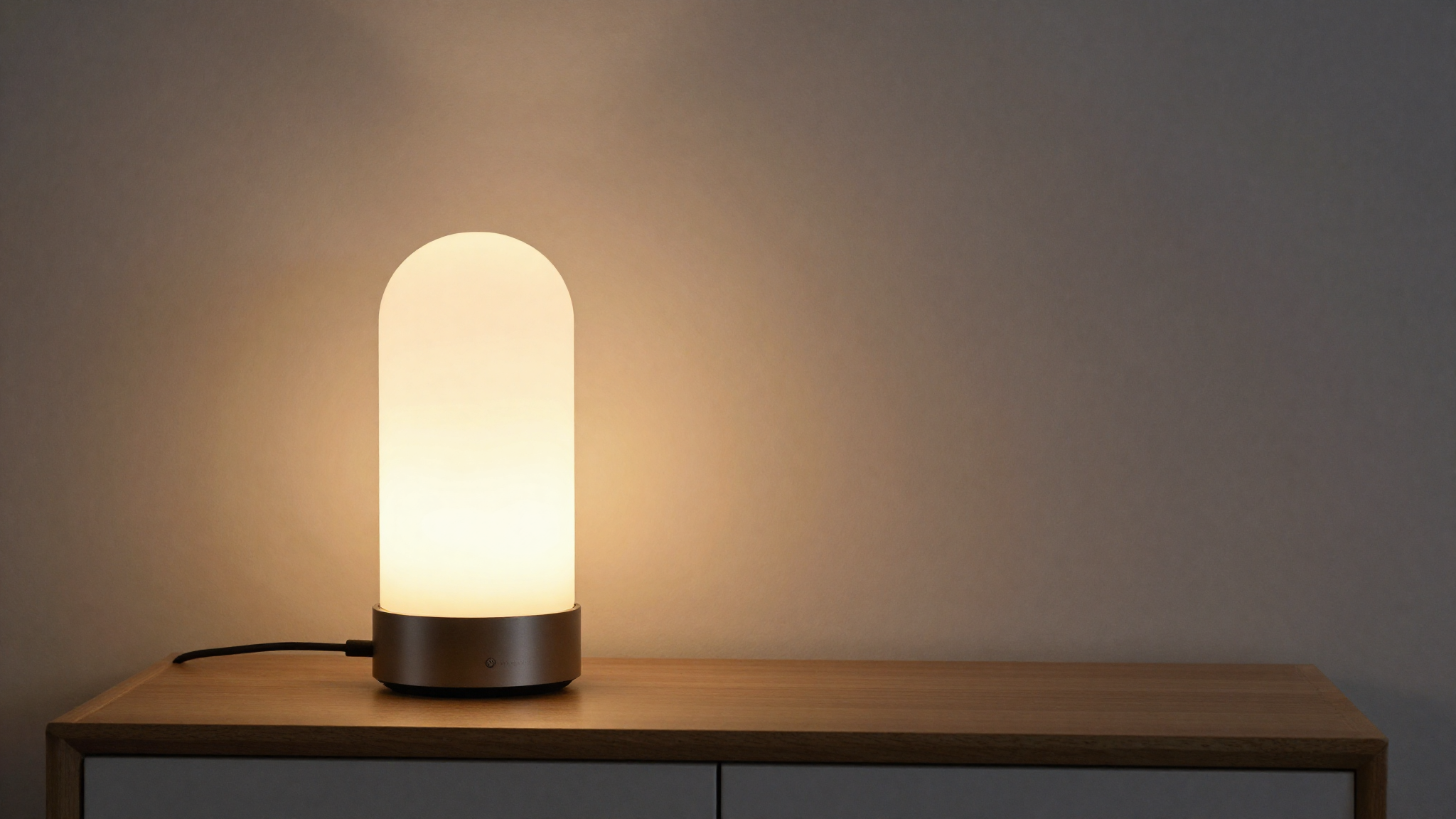
Cordless lamps have gotten genuinely good — better battery life, smarter designs, and enough polish that they no longer look like a dorm room fix. They’re an easy way to add instant atmosphere to a side table without hunting for an outlet.
Smart tip: Keep one cordless lamp on hand purely for rearranging — move it to wherever the room needs a little extra warmth that week.
Mistake to avoid: Forgetting to recharge a cordless lamp defeats its entire purpose the one evening you actually want it lit.
7. Color Is Allowed Now — Here’s the Restrained Way to Use It
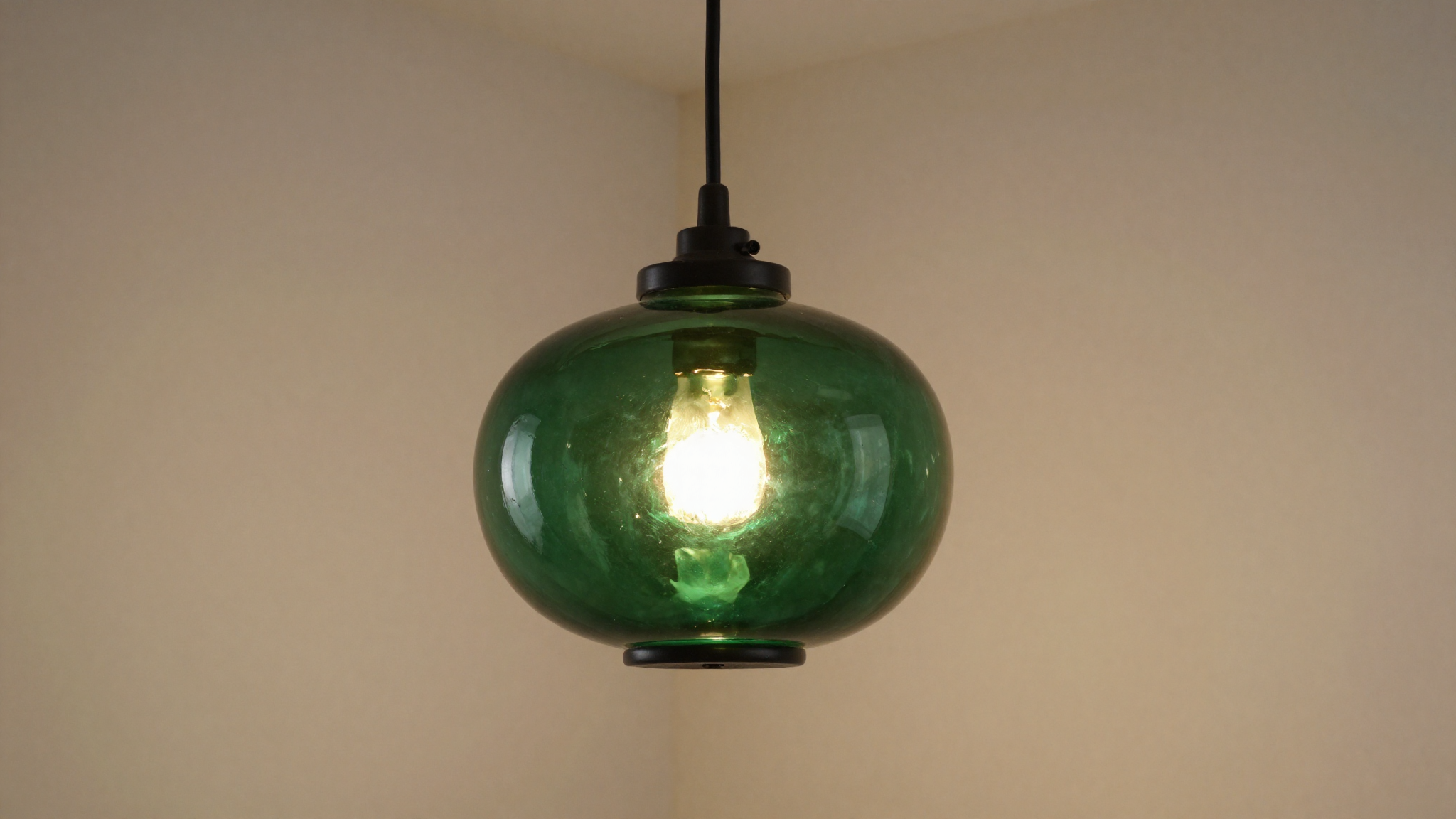
Tinted glass fixtures in deep blues, muted greens, and rich reds are showing up as deliberate focal points rather than trendy accents. The key word is restraint — let the fixture carry the color story instead of spreading it across every surface.
Smart tip: Tie the pendant’s color back to one other element in the room — a throw pillow or a single accent wall — so it reads as planned.
Mistake to avoid: Adding a bold colored fixture on top of an already colorful room competes for attention instead of anchoring it.
8. The Glow You Feel but Can Never Point To
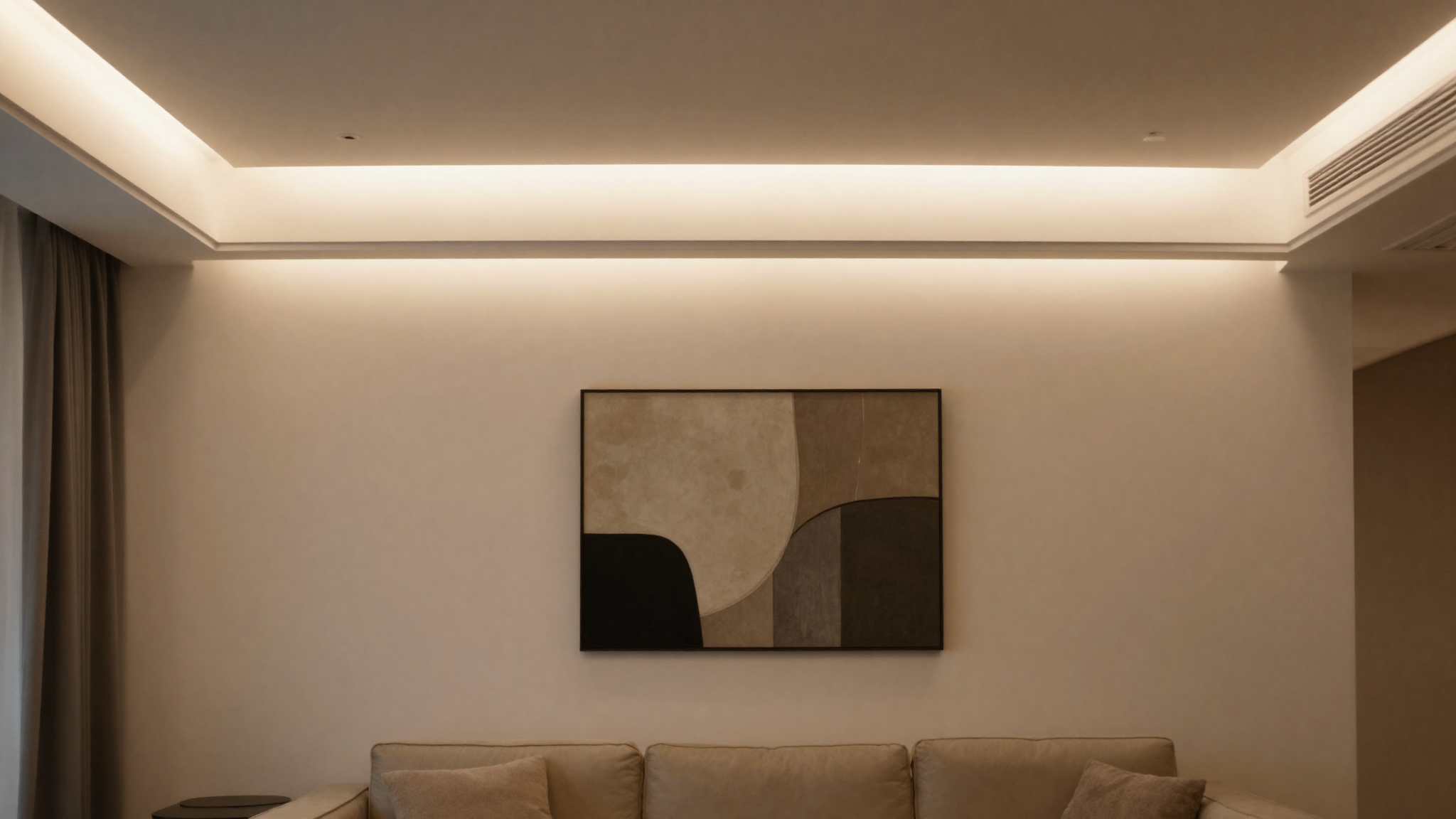
Some of the best living room lighting ideas are the ones guests never consciously notice. Subtle ceiling cove lighting or a soft wall wash behind artwork creates depth and a “quiet luxury” finish without a single visible fixture doing the obvious work.
Smart tip: Cove lighting pairs beautifully with a lower, dimmer main light — let the cove carry the evening mood.
Mistake to avoid: Installing cove lighting too bright turns a subtle effect into a harsh outline around the ceiling.
9. Smart Lighting Without the Gimmicks
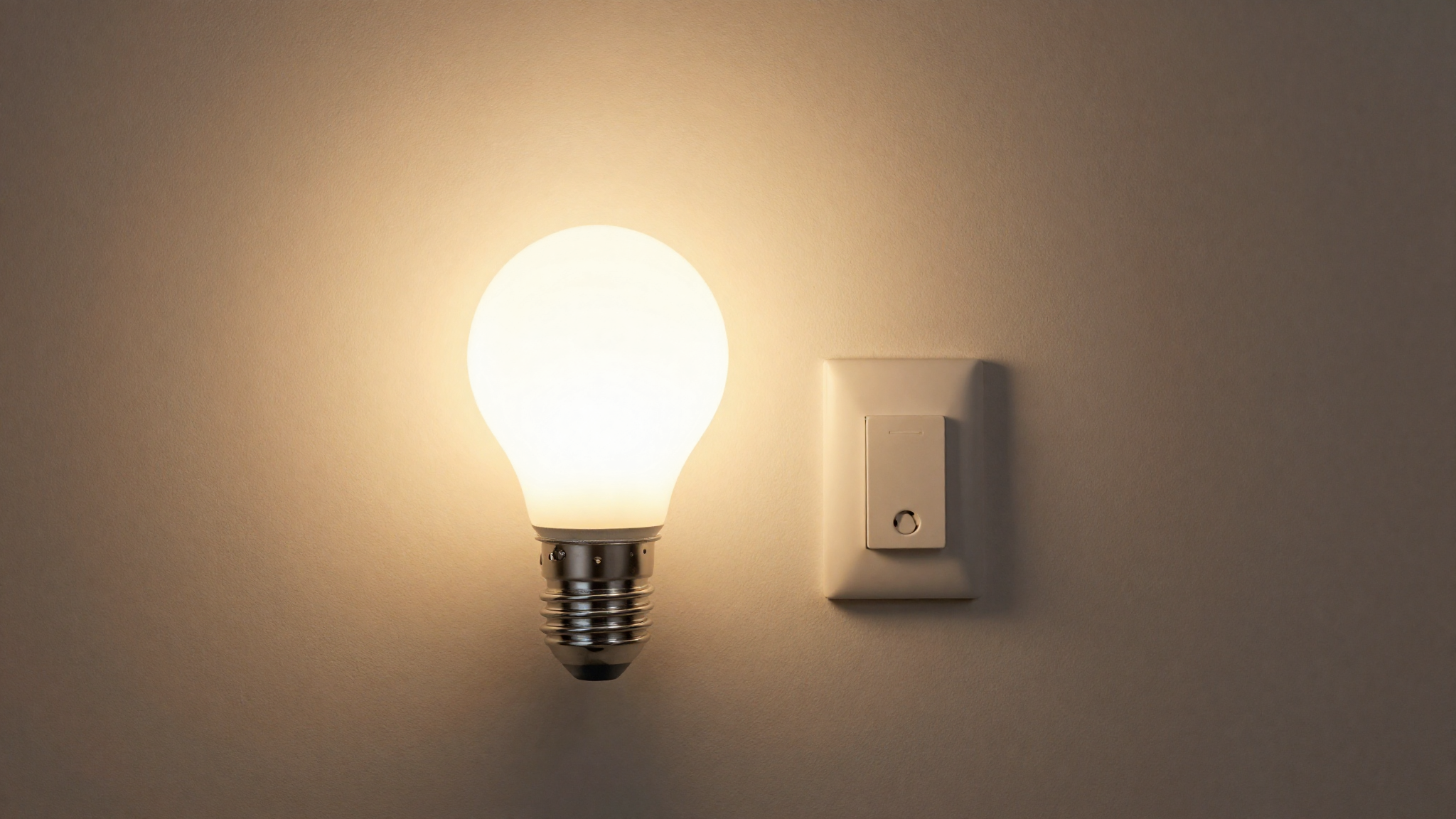
Smart lighting in 2026 is less about novelty and more about usability — dimmers, warm-dimming bulbs, and simple controls that shift light through the day. Bright when you’re focused, soft when you’re winding down, with no complicated setup required.
Smart tip: Start with just a smart dimmer switch before investing in a full smart bulb system — it solves 80 percent of the flexibility problem on its own.
Mistake to avoid: Overloading a room with smart features that require an app for every basic adjustment defeats the point of “usability.”
10. Bigger Doesn’t Mean Heavier Anymore
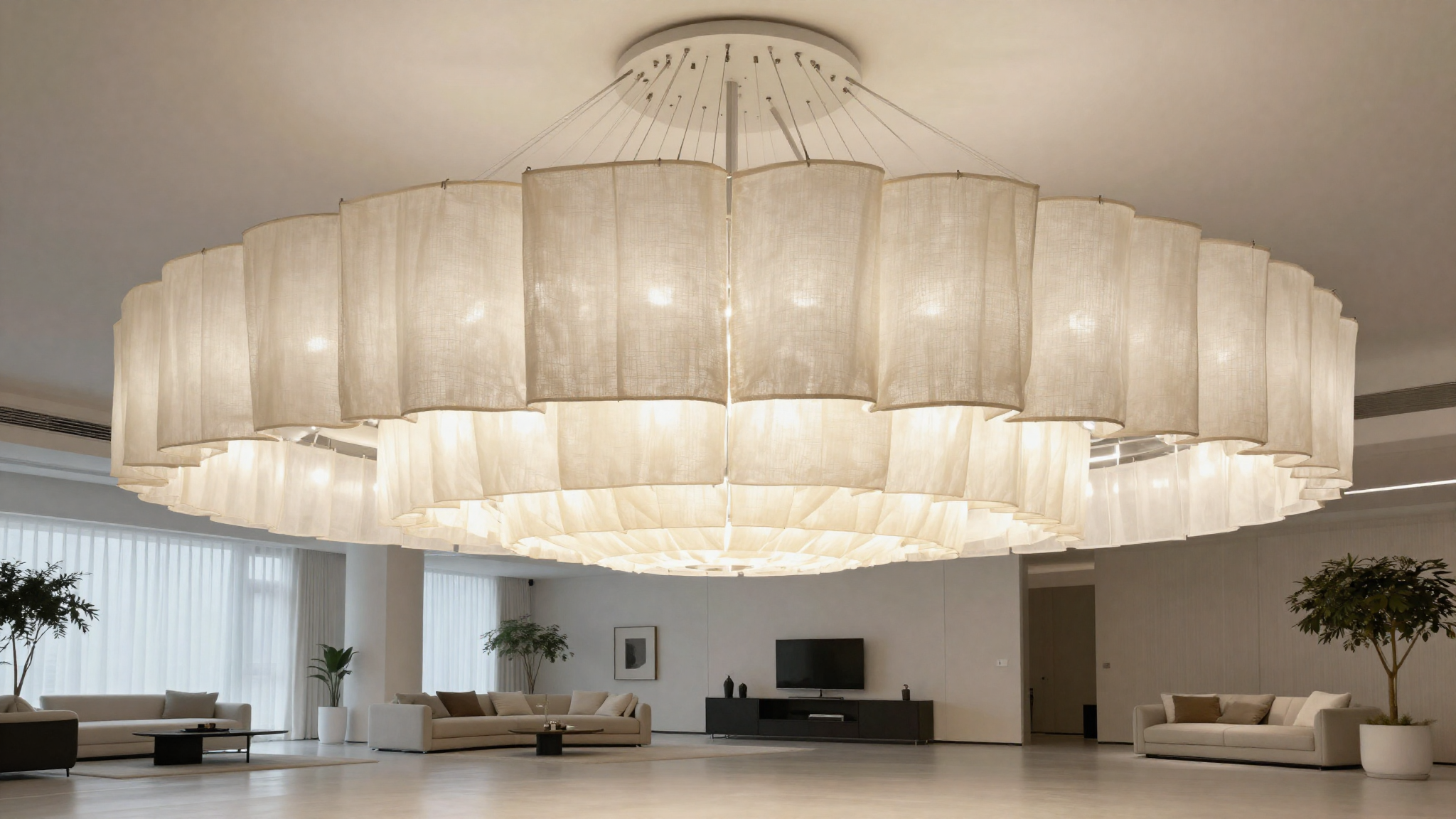
Oversized fixtures no longer require oversized visual weight. Materials like flowy fabric or acrylic let a chandelier fill an open-plan living room without the heaviness that used to come with any large statement piece.
Smart tip: Always measure both diameter and drop length before buying — an oversized fixture hung too low overwhelms the seating below it.
Mistake to avoid: Choosing scale based on the room’s square footage alone; ceiling height matters just as much for a large fixture to feel right.
11. Fixing the “Empty Barn” Feeling of Tall Ceilings
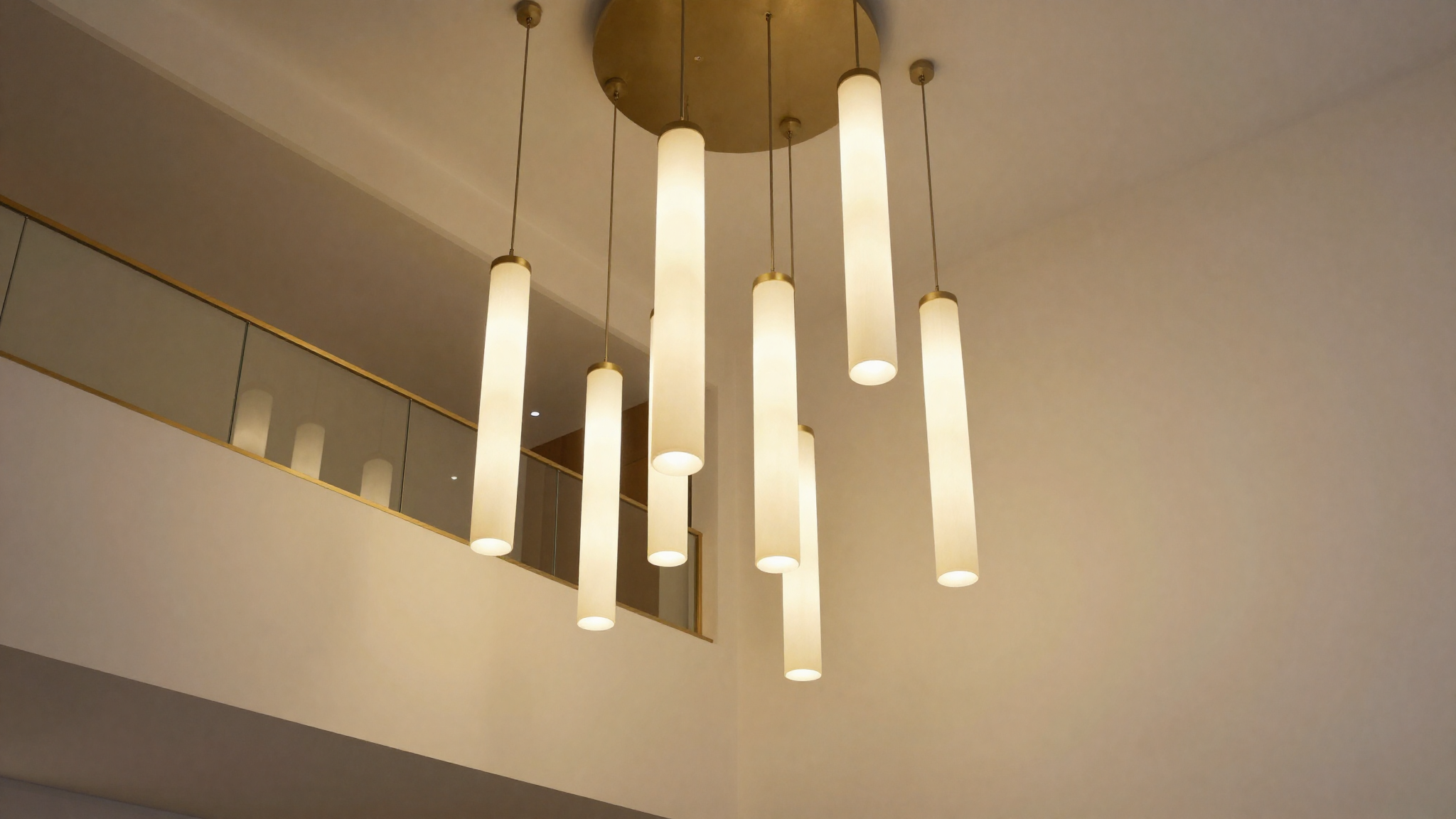
High ceilings are a gift architecturally, but they can leave a living room feeling vast and impersonal. Long, vertical pendants draw the eye upward and reintroduce a sense of human scale that a single flush fixture never achieves at that height.
Smart tip: This works best for ceilings over 9 feet — in a standard-height room, vertical fixtures can feel oversized rather than intentional.
Mistake to avoid: Hanging a single small pendant in a tall room leaves the upper space feeling empty and unaddressed.
12. The Easiest Way to Add a Layer You’re Missing
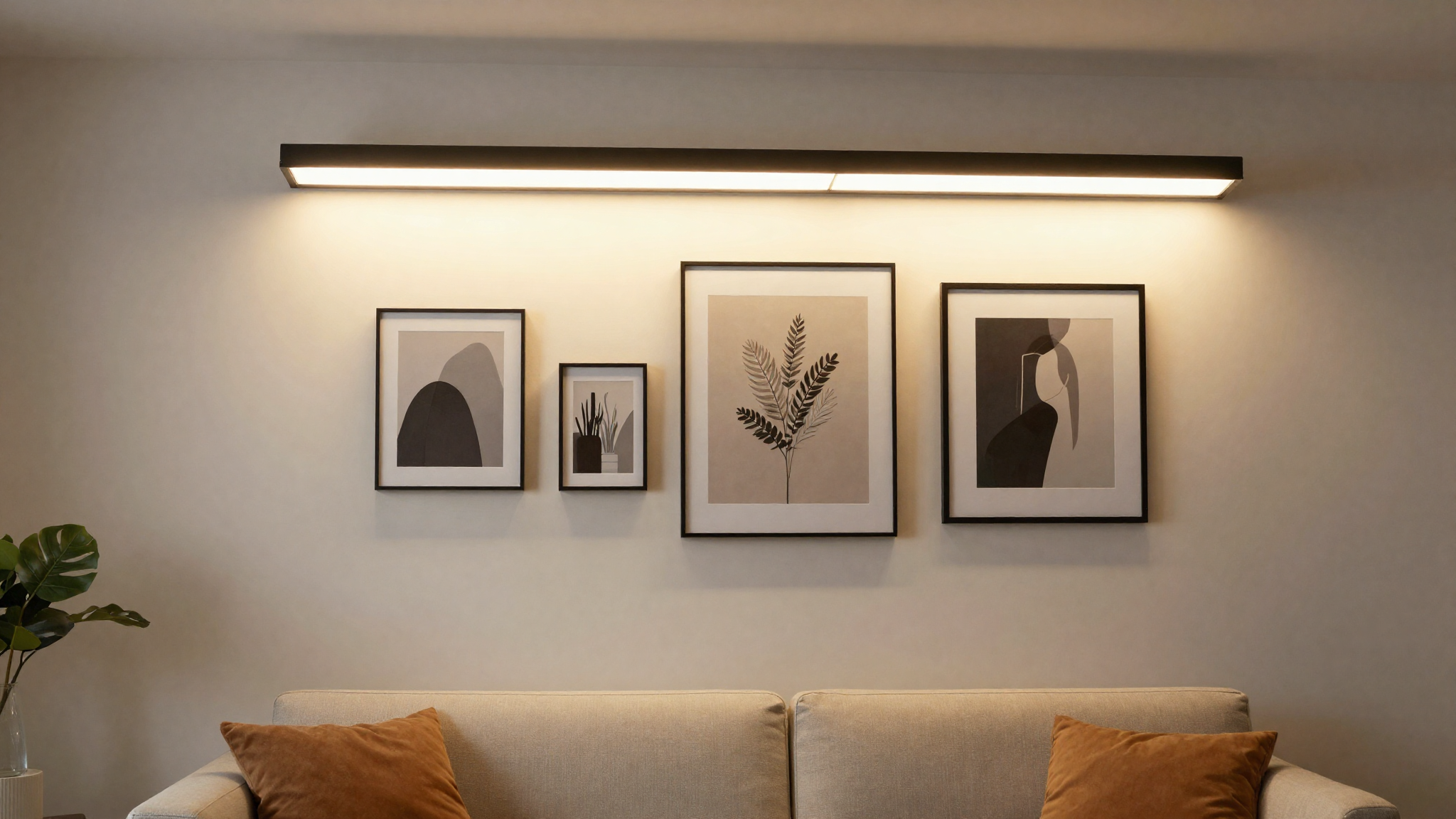
A slim LED picture light is one of the simplest living room lighting ideas to execute in an afternoon. It draws focus to art or a mirror while adding a genuine accent layer most rooms are missing entirely.
Smart tip: Look for a high-CRI bulb specifically — it renders the true colors of your art instead of washing them out.
Mistake to avoid: Mounting a picture light too close to the artwork creates hot spots instead of an even wash of light.
13. Let the Materials Do the Grounding
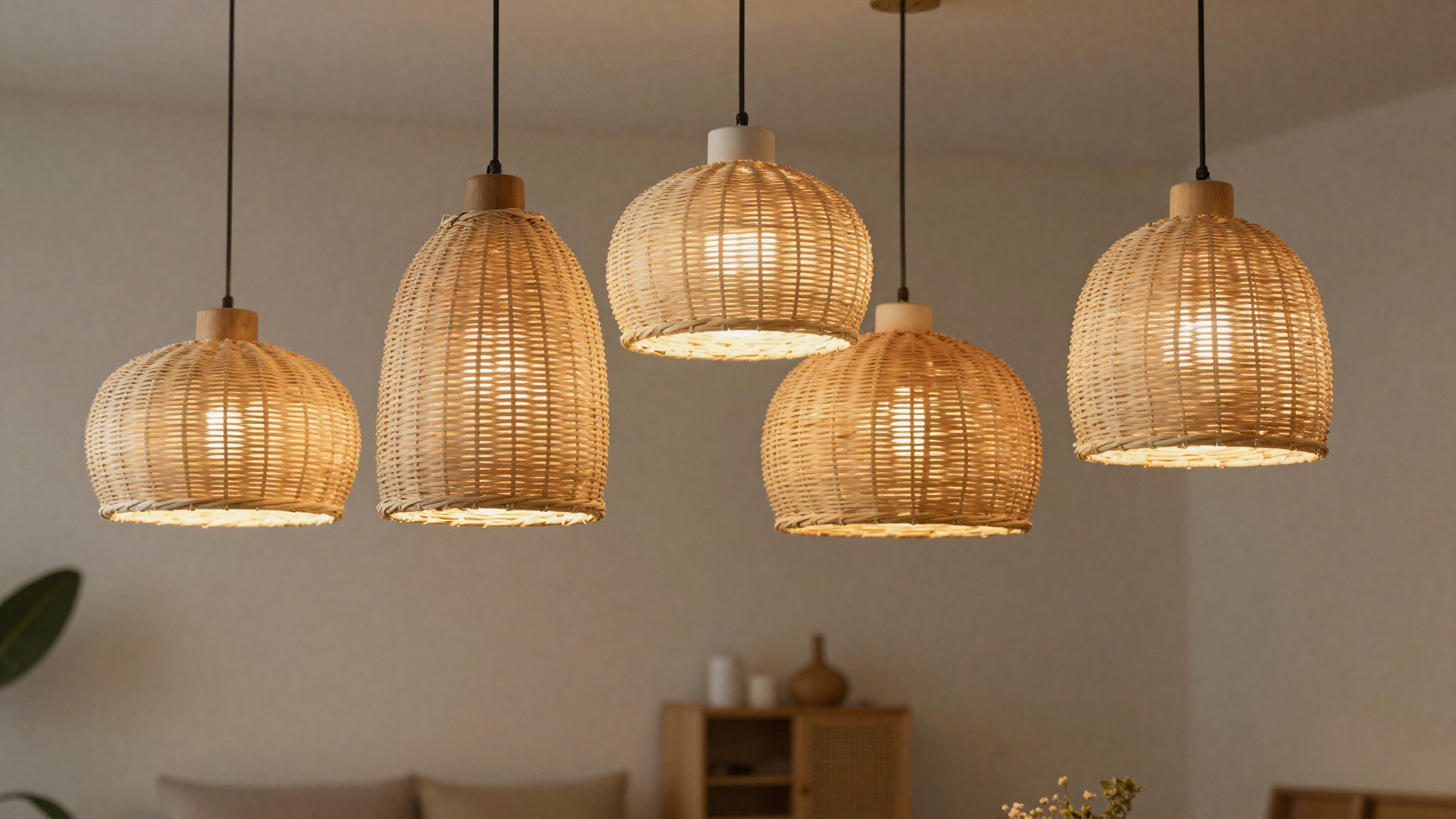
Natural materials — rattan, wood, textured ceramic — are showing up in lamp shades and fixtures specifically to soften rooms that lean modern or metal-heavy. They act as the grounding force that ties a mixed-style room together.
Smart tip: Use a natural-material lamp shade to balance out a sleek metal chandelier elsewhere in the same room.
Mistake to avoid: Choosing all-metal or all-glass fixtures throughout a room with warm wood furniture creates a colder feel than most people intend.
14. The Metal Finish Replacing Polished Everything
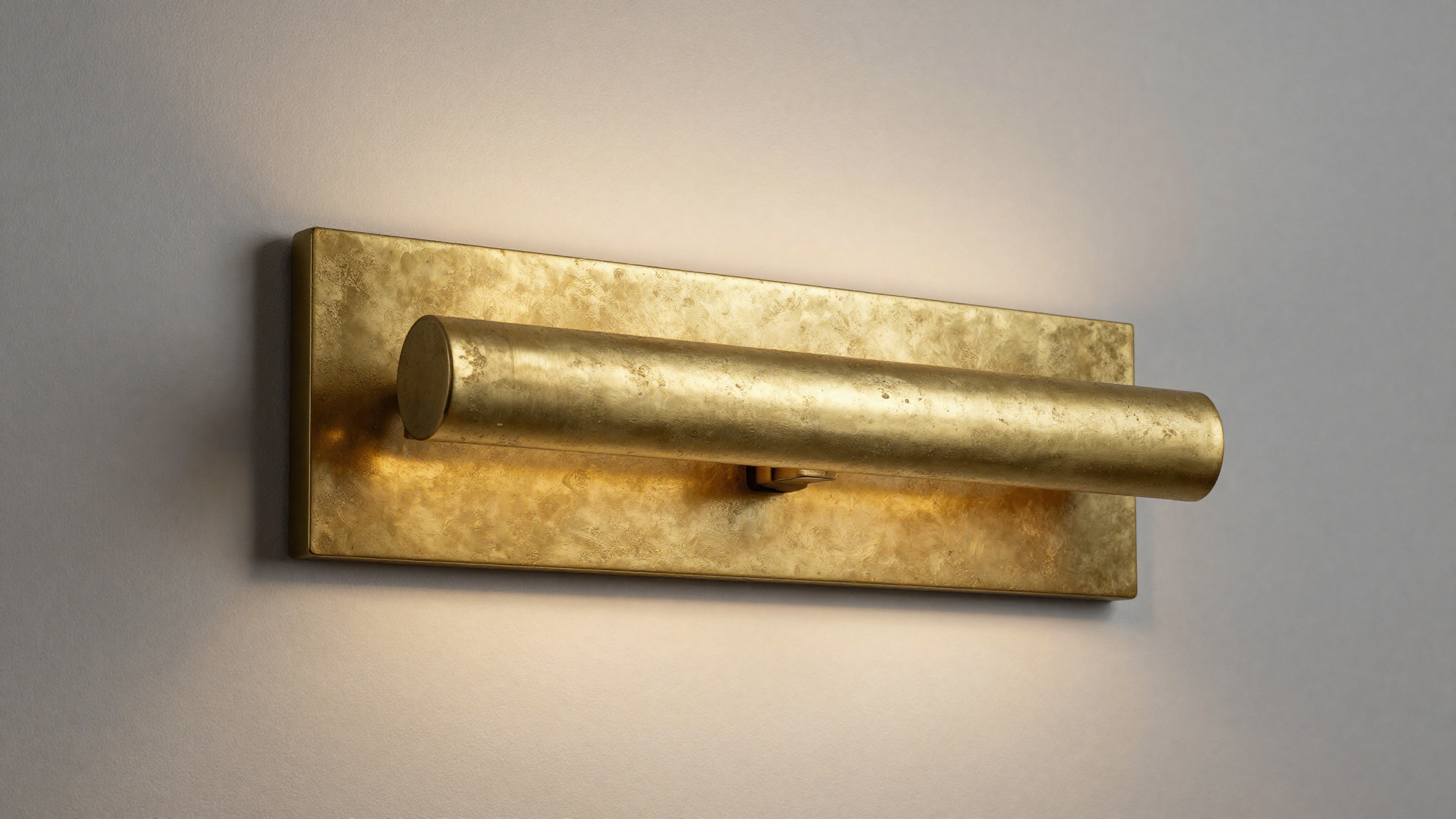
Hand-brushed, stippled, and weathered metal finishes are steadily replacing high-polish chrome and brass across new fixtures. The texture adds detail without pulling focus from the room’s overall design.
Smart tip: Mixing two textured metals — brushed brass and iron, for example — is encouraged as long as the palette stays controlled.
Mistake to avoid: Combining a heavily textured fixture with equally busy patterned textiles nearby creates visual clutter instead of warmth.
15. Low Ceilings Aren’t a Design Problem Anymore
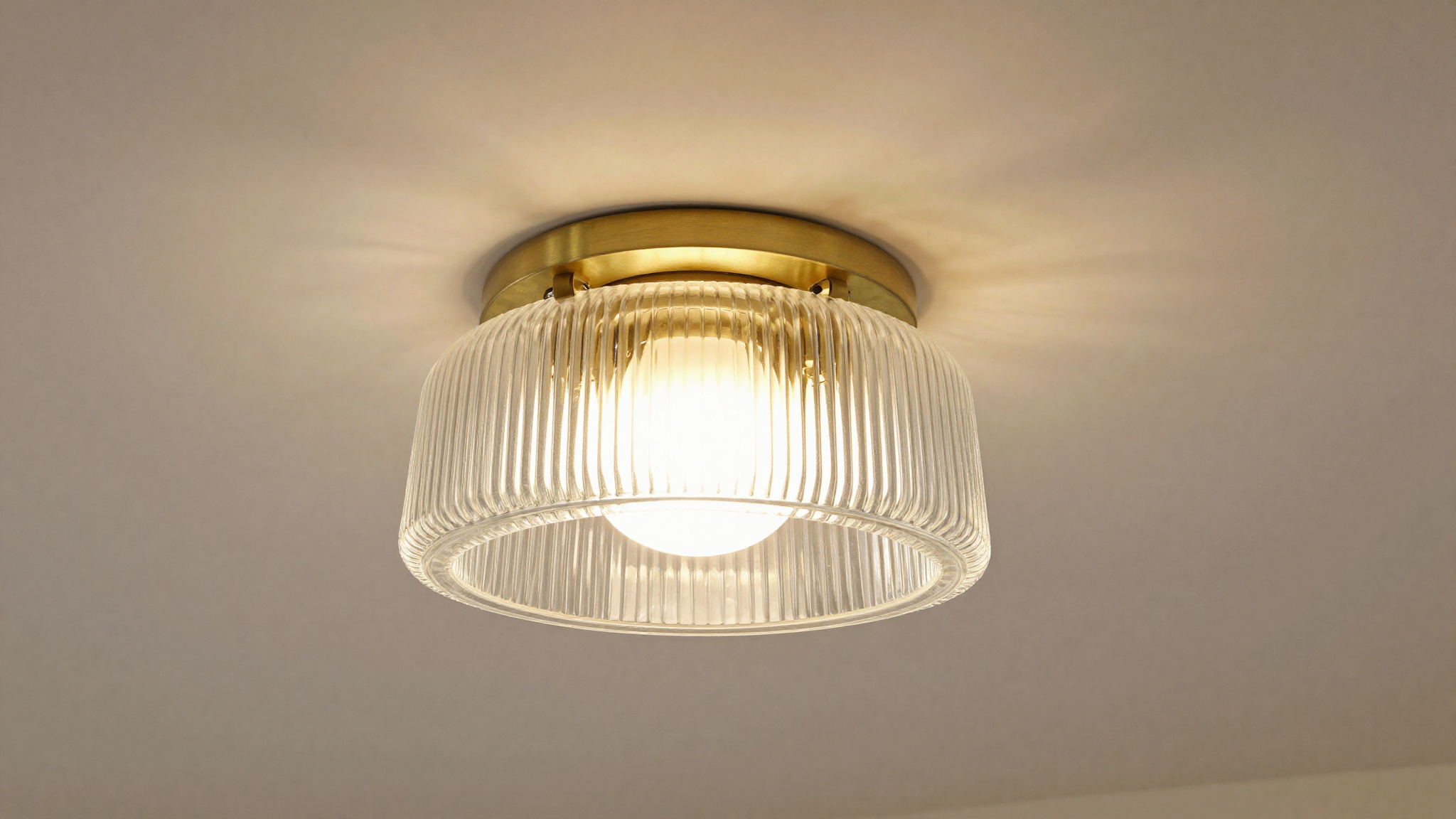
A vintage-inspired flush mount with a ribbed glass shade delivers bright, even light without demanding ceiling clearance most low-ceiling rooms simply don’t have. It’s proof a compact fixture can still carry real style.
Smart tip: Look for a flush mount with four or more bulbs — it distributes light more evenly across the room than a single-bulb fixture.
Mistake to avoid: Choosing a flush mount purely by width without checking bulb count often leaves a low-ceiling room dimmer than expected.
16. Grouping Beats Matching Every Time
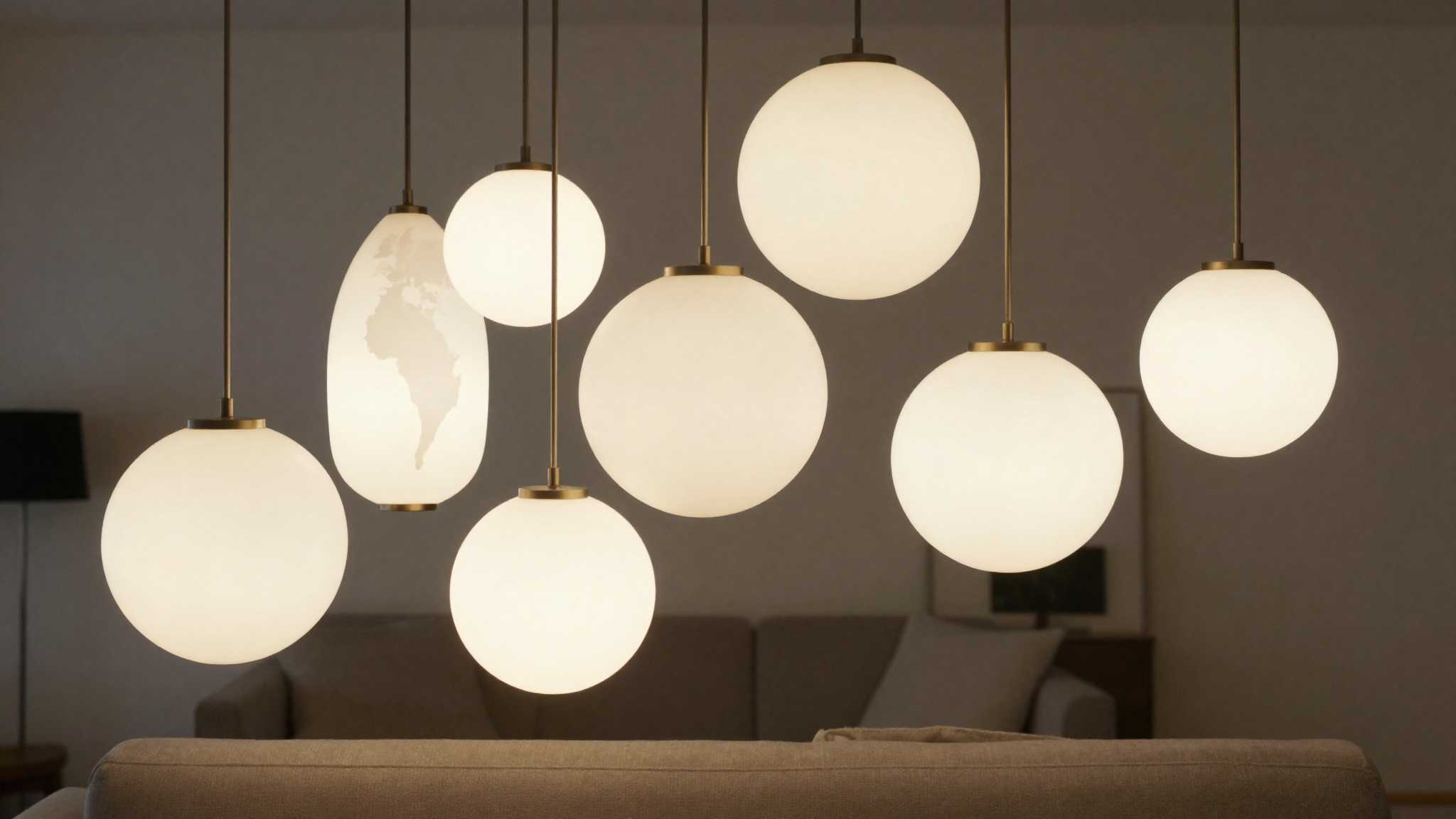
Grouping two or three globe pendants at varying heights over an open-concept seating area creates a curated, layered effect that a single matching fixture never achieves on its own.
Smart tip: Vary the drop height by 4–6 inches between each pendant in the group for a natural, unforced arrangement.
Mistake to avoid: Hanging grouped pendants at identical heights looks rigid instead of the relaxed, collected look grouping is meant to create.
17. Putting the Whole Plan Together
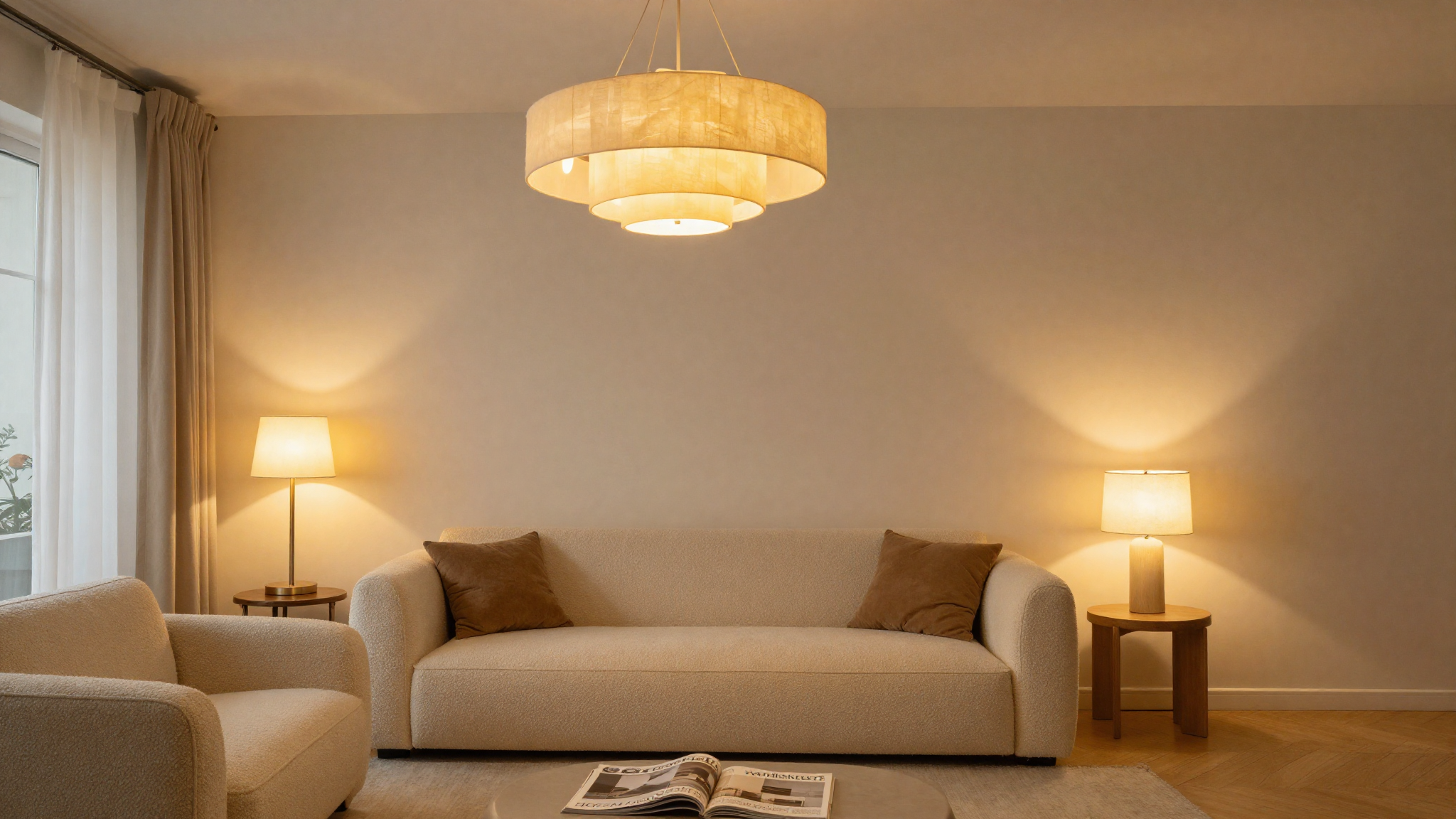
None of these living room lighting ideas need to happen in a single weekend. Start with the three-layer basics — ceiling, wall, and lamp — then let the sculptural pieces and smart controls layer in as your budget allows.
Smart tip: Photograph your living room after dark before you start — it’s the clearest way to see exactly which layer is missing.
Mistake to avoid: Buying every fixture on this list at once often results in a room with too many competing statement pieces — choose one to lead.
Effort & Cost Snapshot
| Idea | Cost Level | Effort |
| Smart dimmer switch | $ | Low |
| Cordless table lamp | $ | Low |
| Alabaster lamp | $$ | Low |
| Sculptural chandelier | $$$ | Medium |
| Wall-mounted LED panel | $$ | Medium |
| Ceiling cove lighting | $$$ | High |
| Grouped globe pendants | $$ | Medium |
Continue Your Home Transformation
Explore the full collection of step-by-step eBooks and get the guide that fits the room you're working on.