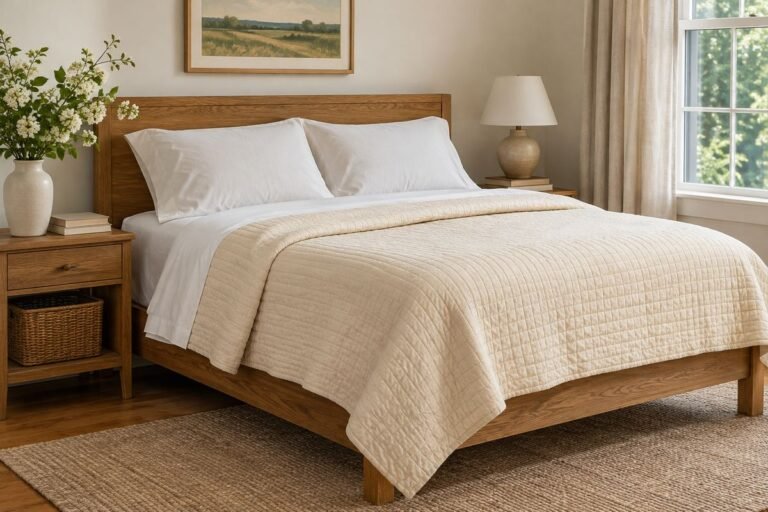
A bedroom should support the routines around dressing, reading, sleeping and putting belongings away. Begin with the task that feels awkward before choosing another decorative layer.
These bedroom ideas focus on layout and personal preferences. Color, fragrance and plants do not guarantee better sleep. Test changes in your own room and choose materials and arrangements you can maintain comfortably.
Images are illustrative design concepts, including AI-generated replacement images. They are not installation drawings or verified product-performance evidence.
Compare Bedroom Ideas by Your Daily Routine
First, record the task that is awkward at bedtime or when getting dressed. For example, check whether the bedside drawer opens comfortably while you are in bed. Prioritize bedroom ideas that improve access and useful light before adding another decorative layer.
1. Start With Useful Bedside Light

A reading light should illuminate the book without uncomfortable glare from the usual position. Keep the control reachable and choose fixtures suitable for the installation. Softer background lighting can serve a different purpose from task light.
Try this: Test the lamp while sitting against the pillows.
2. Choose Wall Color From Your Own Preferences

Compare samples with bedding, floor and daylight rather than treating a color as a universal sleep aid. A deeper or lighter palette can both work when the relationships suit you. Check the room under its evening lights.
Try this: View a large sample before committing to every wall.
3. Layer Bedding for Comfort and Care

Choose useful bedding layers for the room conditions and the occupants. Compare texture, washing and storage before adding decorative cushions. Keep the bed convenient to make and use.
Try this: Set aside layers that must be removed every night without providing comfort.
4. Plan the Layout Around Bed Access

Check the route from the door, access to storage and movement beside the bed. Include the real frame and headboard dimensions. A symmetrical photograph is not a reason to block a frequently used drawer.
Try this: Test making the bed in the proposed position.
5. Give Daily Belongings a Convenient Home

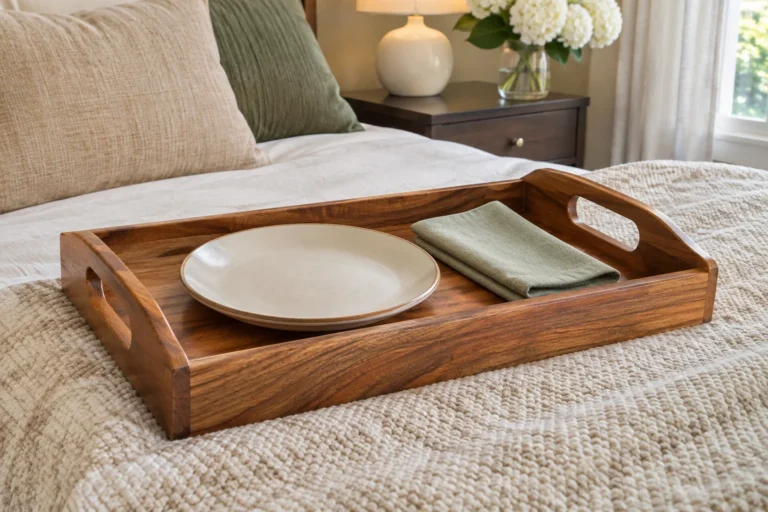
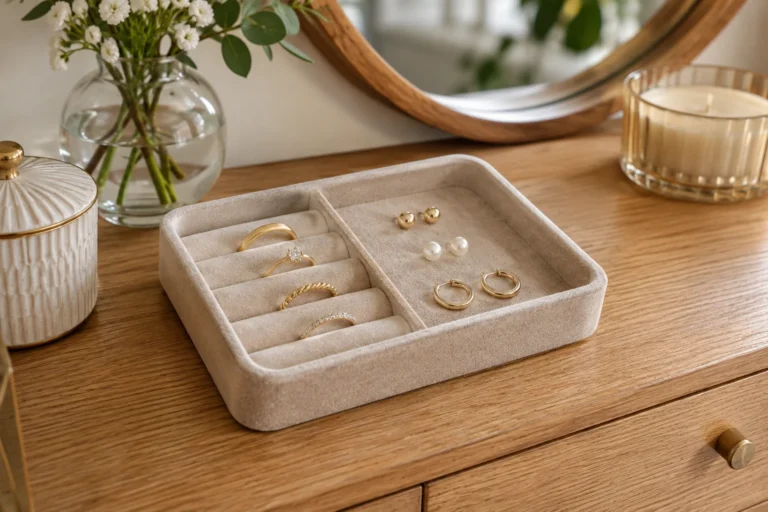
A tray, drawer or small shelf can hold the items used each evening. Keep the system simple enough to return things without effort. Clear the working surface before adding more organizers.
Try this: Start with the bedside surface used most often.
6. Repeat Natural Texture Selectively

Timber, linen or a woven element can connect the room without making every object match. Consider cleaning and household use. One textured feature can sit against simpler surfaces.
Try this: Compare fabric and wood samples together.
7. Size the Headboard for the Room

A headboard can organize the bed wall when its proportions suit the furniture and openings. Check support, installation and access around bedside fittings. Avoid covering useful controls or ventilation with a decorative panel.
Try this: Use a paper outline to test the full size.
8. Balance Bedside Areas by Use

Matching lamps or tables can provide a clear composition, but different occupants may need different storage or light. Keep each side practical. Visual balance can come from related finishes rather than identical pieces.
Try this: Check reach from both sides of the bed.
9. Test Rug Placement Along the Walking Routes
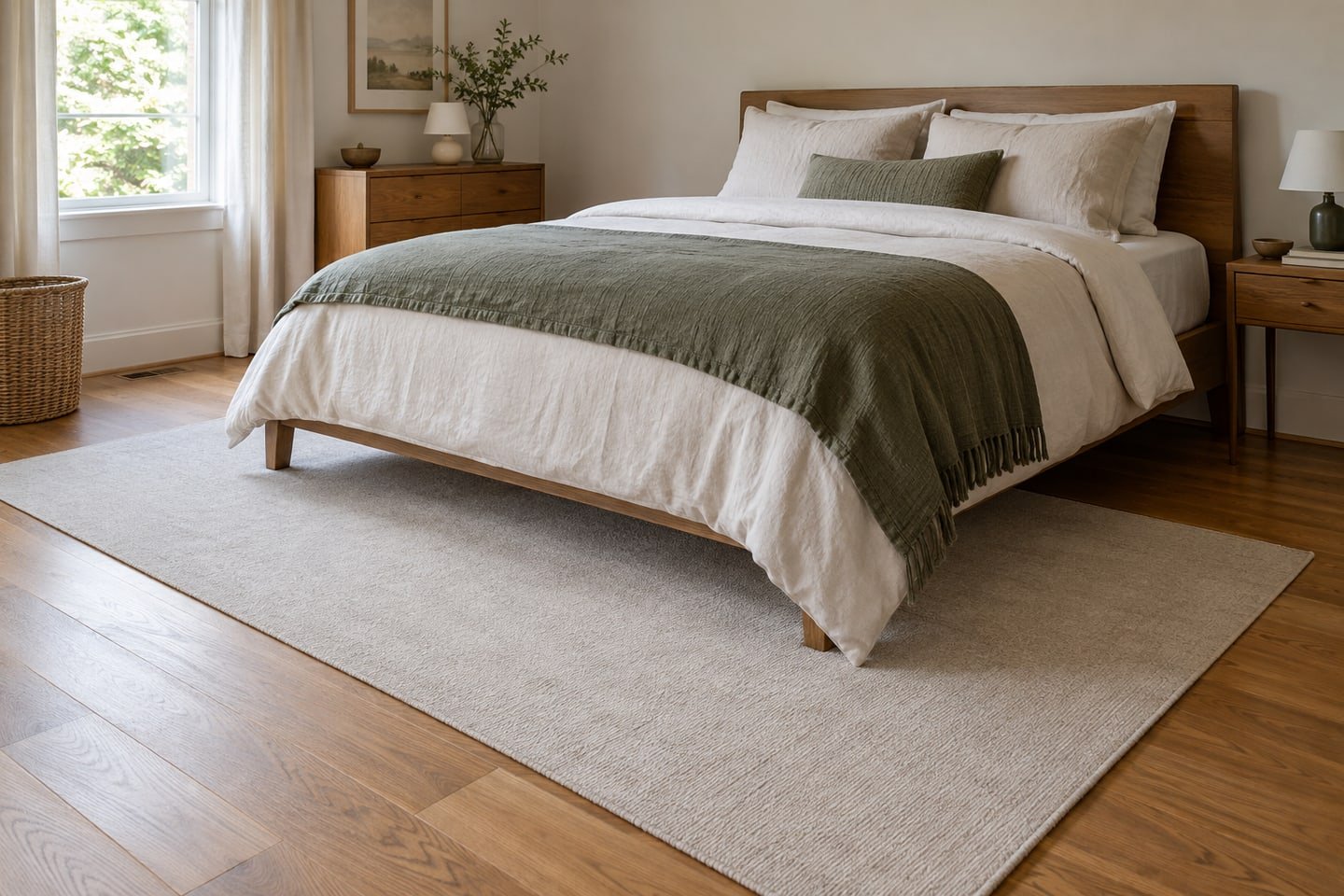
A low-pile rug can provide a softer surface beside the bed when edges remain flat and stable. Check door movement and cleaning access. Choose its size from the bed footprint and walking routes.
Try this: Test the route after placing the rug and suitable underlay.
10. Choose a Bedroom Plant for the Available Light
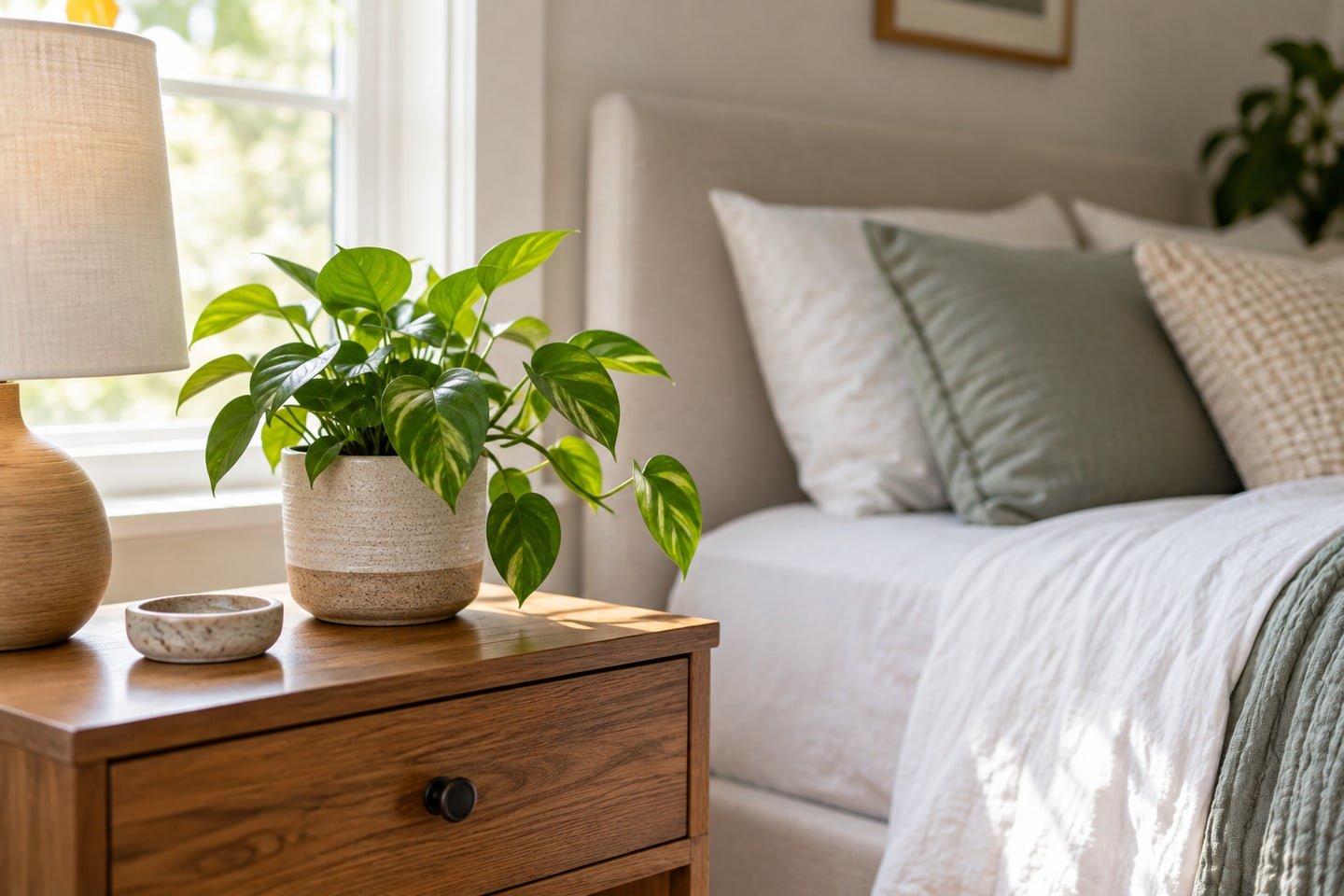
A suitable plant can add a clear foliage shape without filling several surfaces. Keep drainage practical and allow room for mature growth. Use plants as a visual preference rather than a promise to purify the room or improve sleep.
Try this: Keep watering away from bedding and electronics.
11. Choose Window Coverings for Light and Privacy
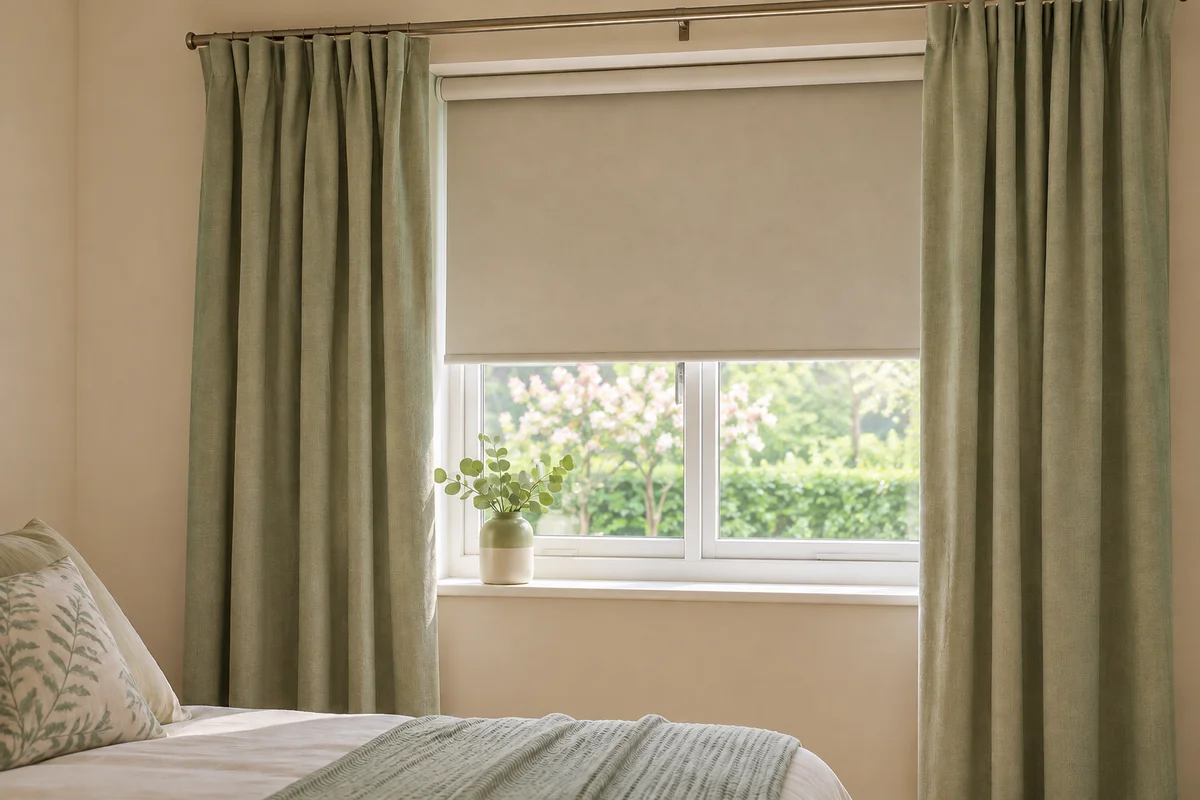
Compare daylight, outside light and privacy needs before selecting a fabric and lining. Keep the operating method convenient and clear of furniture. Test privacy after dark as well as the daytime appearance.
Try this: Check the window can still be opened and cleaned.
12. Make a Reading Seat Earn Its Space
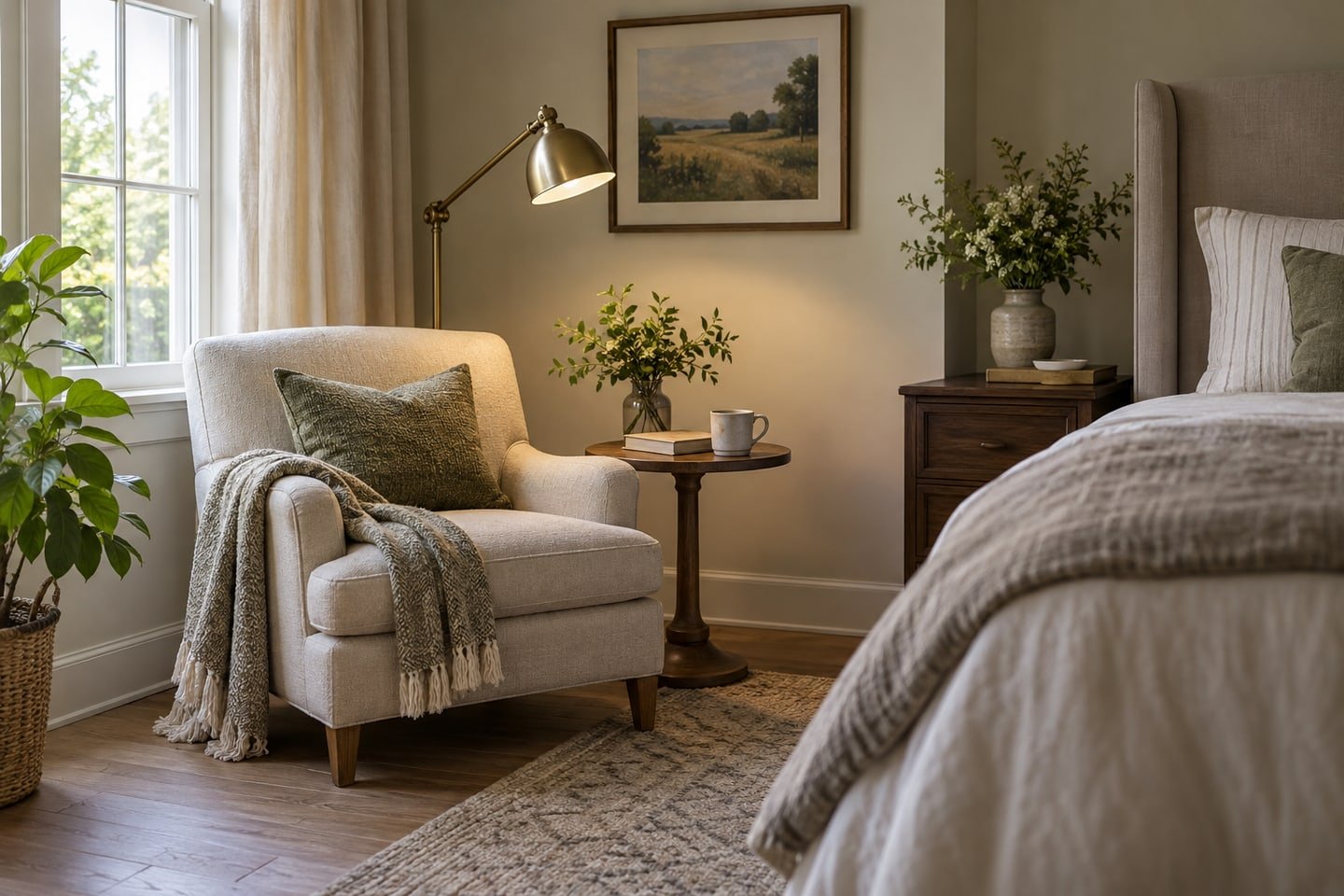
A comfortable chair, suitable light and reachable table can form a useful corner. Keep access to the bed and wardrobe clear. A smaller seat may suit the room better than a large decorative armchair.
Try this: Try the position with an existing chair first.
13. Keep Fragrance Optional

A closed decorative fragrance jar can sit within a simple bedside composition without scent being necessary. Consider the preferences and sensitivities of all occupants and follow product guidance. Avoid claims that a scent tells the brain to sleep.
Try this: Leave the room comfortable for people who prefer no fragrance.
14. Choose Closed Storage With Easy Access
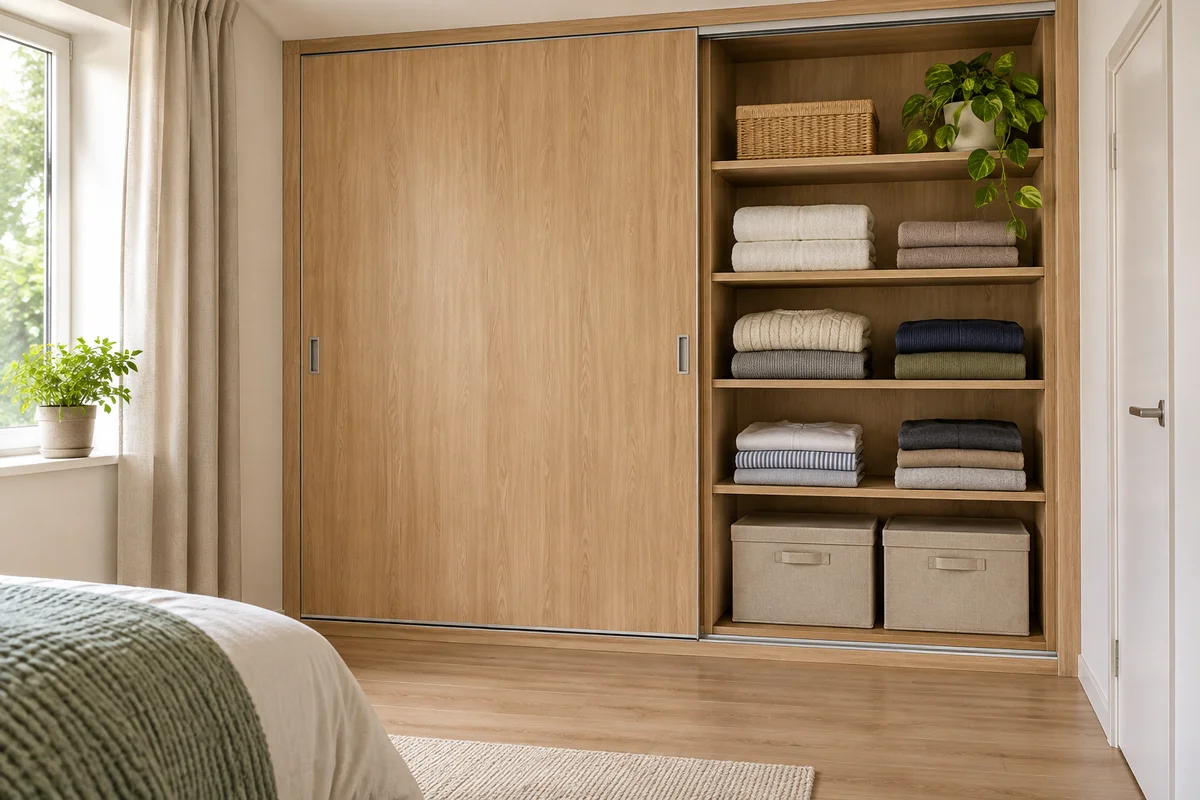
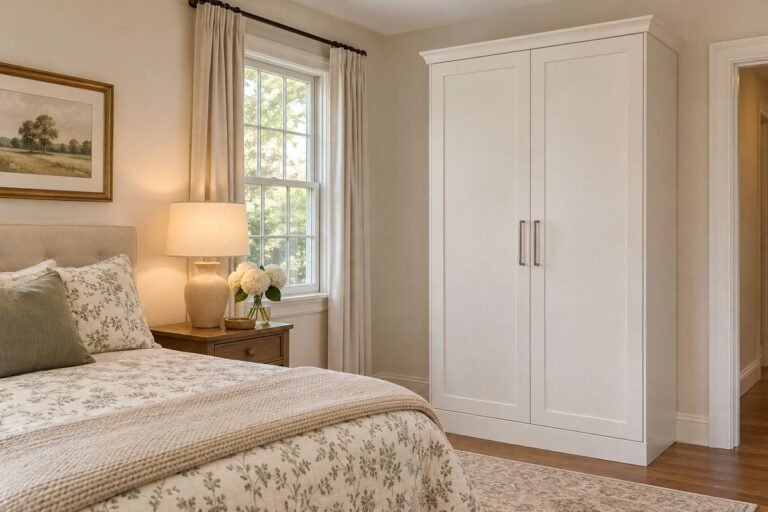
A wardrobe or under-bed container can reduce visible clutter when its contents remain convenient to retrieve. Include open doors and drawers in the plan. Hidden storage is useful only if it fits the belongings.
Try this: Measure the contents before buying another unit.
15. Finish With a Few Personal Objects
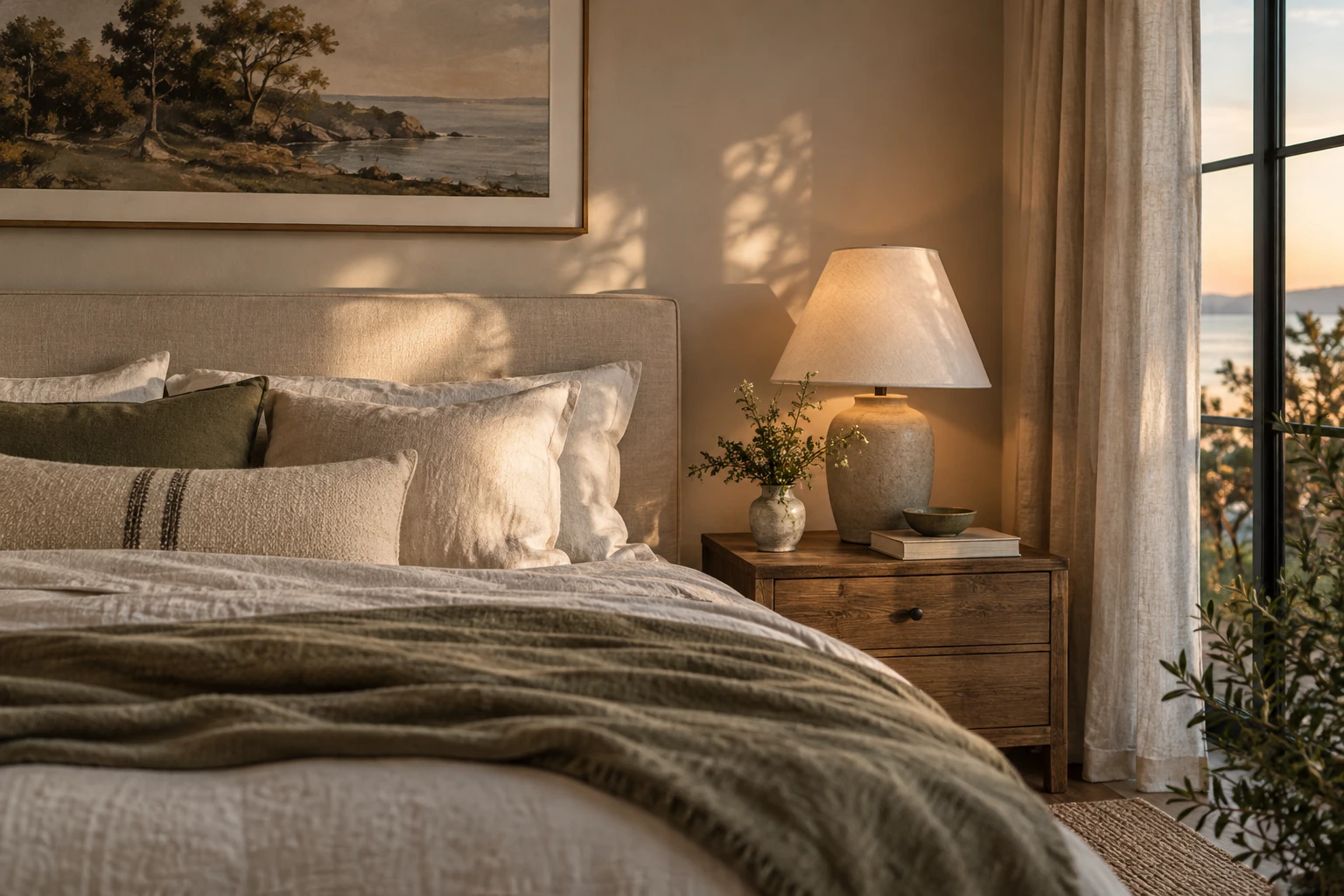
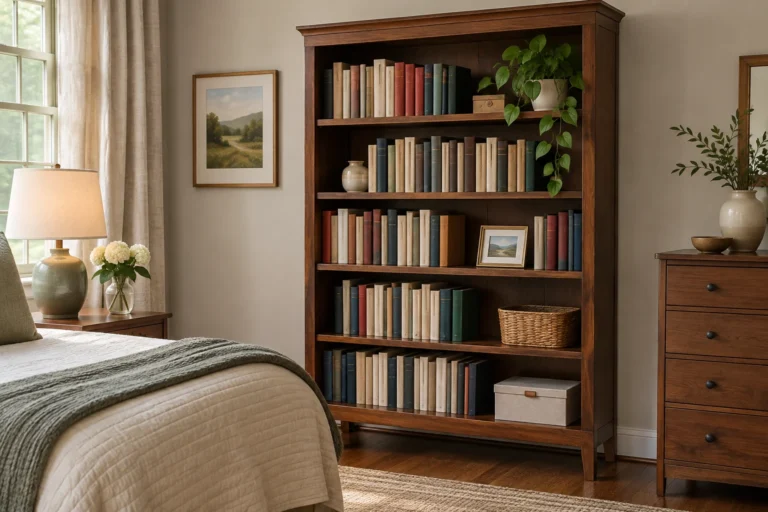
A photograph, artwork or valued object can provide character without filling the room. Choose secure positions and leave daily surfaces useful. Rotate a small selection rather than displaying everything at once.
Try this: Keep the most meaningful piece easy to see.
Choose Bedroom Ideas That Solve the Main Problem
Begin with bed access, useful lighting and a simple place for everyday belongings. Add color and texture gradually, using your comfort and routine to judge the result.
Test the room through two routines: At bedtime, try the light control, set down a book and open the bedside drawer from the normal position. When dressing, open the wardrobe and retrieve the clothes and shoes used that day. Record each clash with a door, rug edge or stored object. Change the arrangement causing the conflict before adding another piece of furniture. Repeat the test with actual window coverings closed to check the light and privacy you need.
Related Guides
- 13 Bedroom Style Ideas for Color, Texture and Personal Comfort
- 20 Walk-In Closet Ideas for Storage You Can Actually Reach
- 15 Cozy Home Decor Ideas for a More Personal Room
Optional digital guide for this topic
If you prefer a structured workbook, explore this related paid guide.