A bedroom sanctuary is personal: useful darkness at night, comfortable bedding, a place for belongings and fewer things that interrupt rest. Start with the part of the room that currently feels inconvenient.
These ideas focus on the look and daily use of the bedroom. They are decorating choices, not claims that a material, color or scent will treat a sleep or health condition.
Plan a Bedroom Sanctuary Around Your Evening Routine
Set the room up for an ordinary evening before adding accessories. Put the book, water and charging device where you would naturally reach from the mattress. Then check whether the reading light can be switched off without stretching across a table. If a decorative layer must move every night, give it a nearby storage place. This small routine test helps separate useful comfort from extra clutter.
1. Layer Bed Textures for Everyday Comfort
A woven throw, smooth sheet and softly textured cushion can give a bed depth. Choose layers by comfort and the room’s temperature rather than adding every available textile.
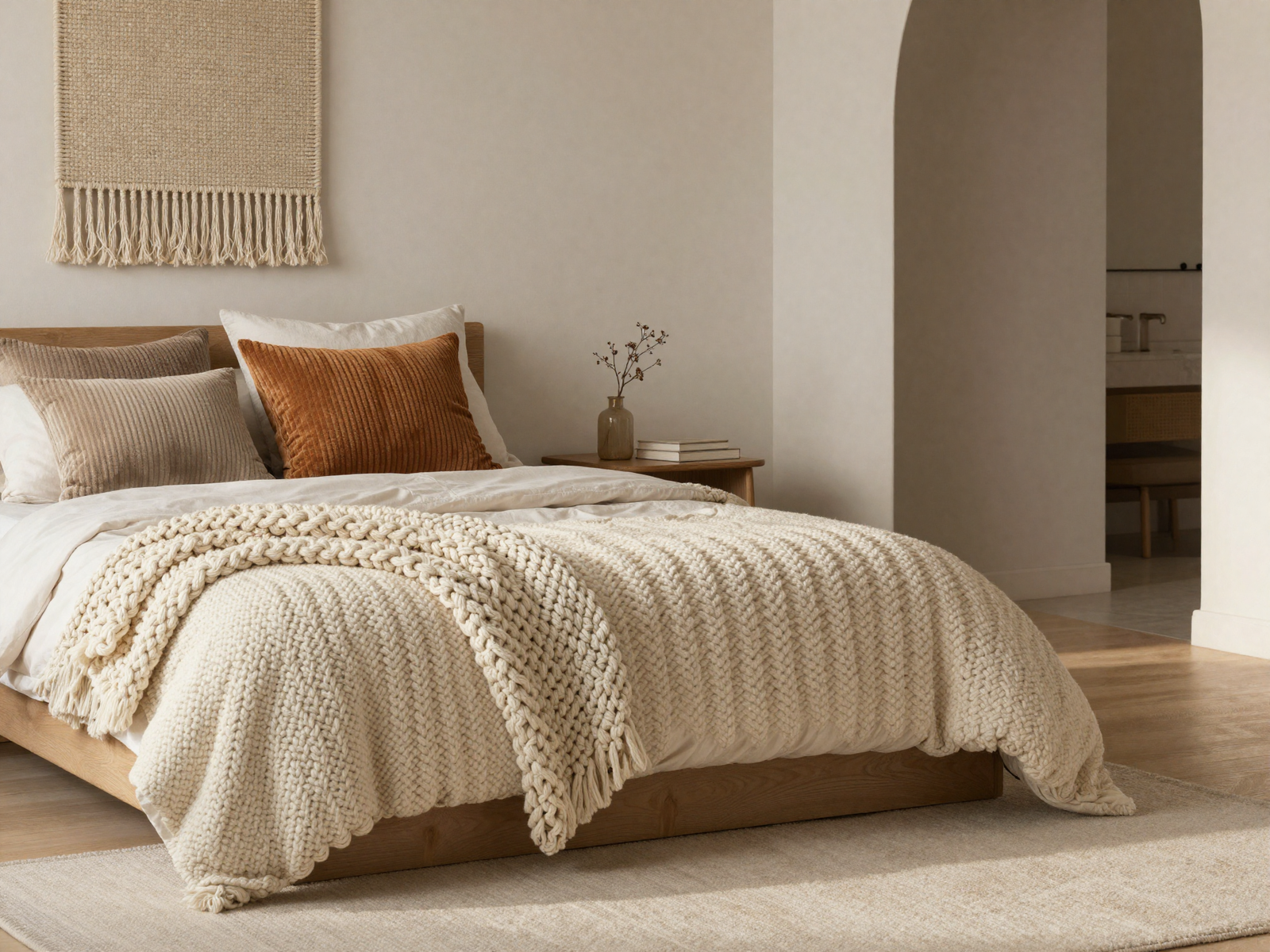
Compare laundering and storage needs. A beautifully layered bed should still be easy to make and comfortable to sleep in.
Try this: Keep a nearby basket for the decorative layer you remove at night.
2. Choose Color From the Room’s Light
Sage, muted blue, oatmeal or another quiet color can support the mood you want. Compare a substantial sample with the flooring and headboard.
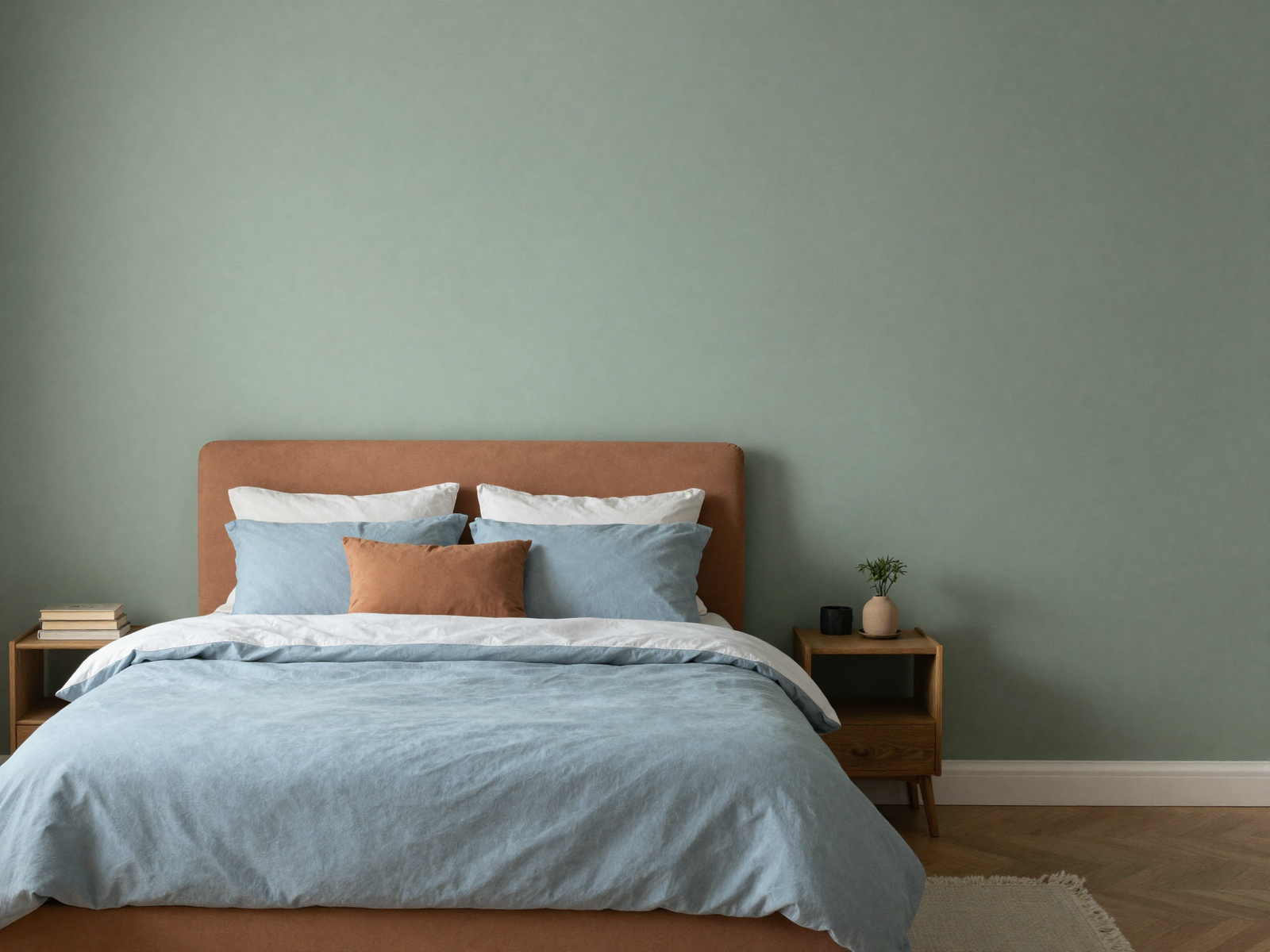
Observe it in daylight and under bedside lamps. The same color name can describe quite different undertones and finishes.
Try this: Choose one textile you already like as the palette’s starting point.
3. Hang Art Where It Feels Connected to the Bed
One larger picture can give the bed wall a clear focus. Relate its outline to the headboard and leave the composition comfortable from the doorway.
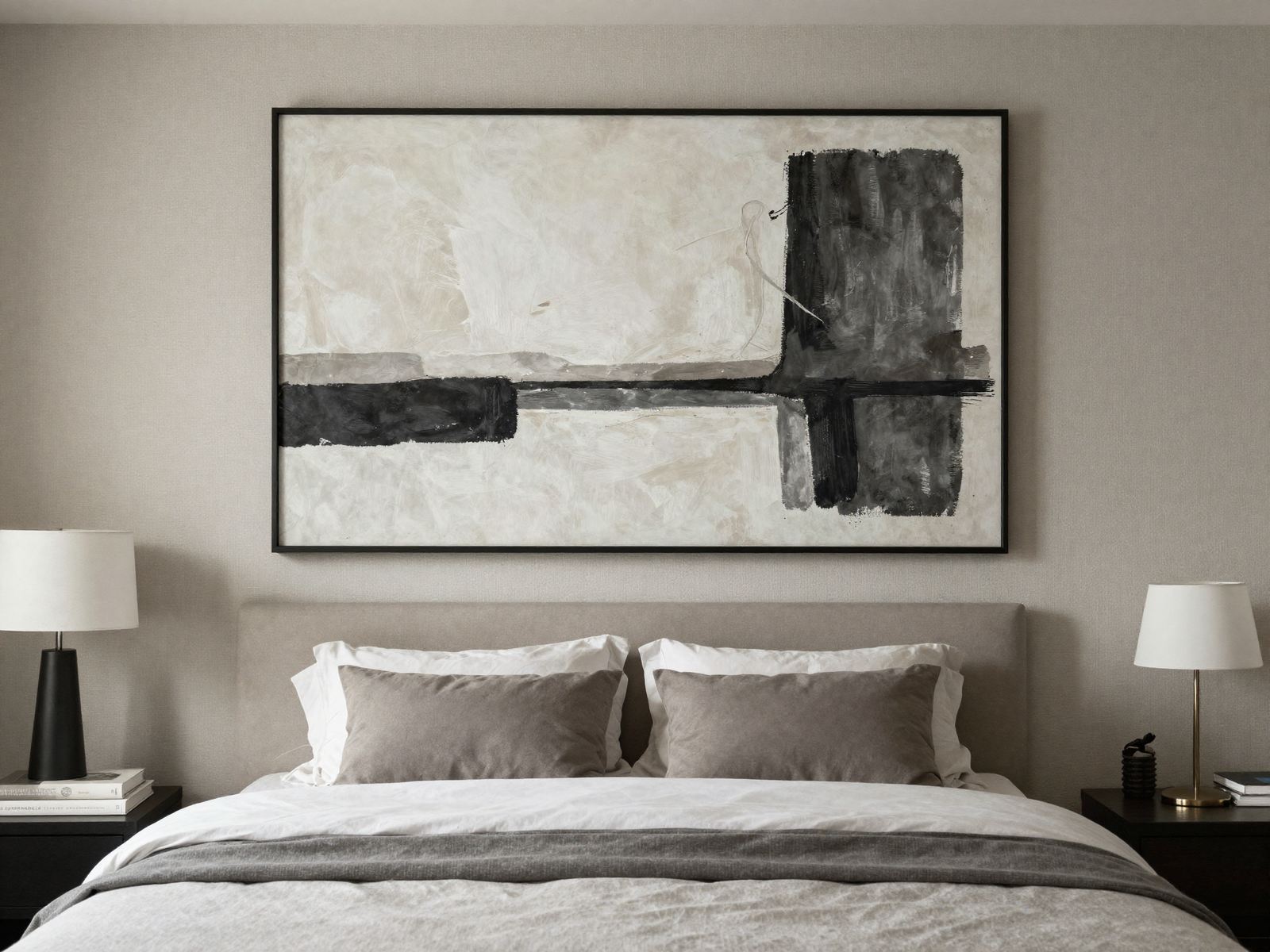
Use appropriate fixings for the wall and the work’s weight. Check that the picture does not interfere with lamps or a person sitting up.
Try this: Try a paper template before making holes.
4. Add a Chair Only for a Real Use
A compact curved chair can offer a reading or dressing place beside a window. Sit in it and check the route around the bed before committing.
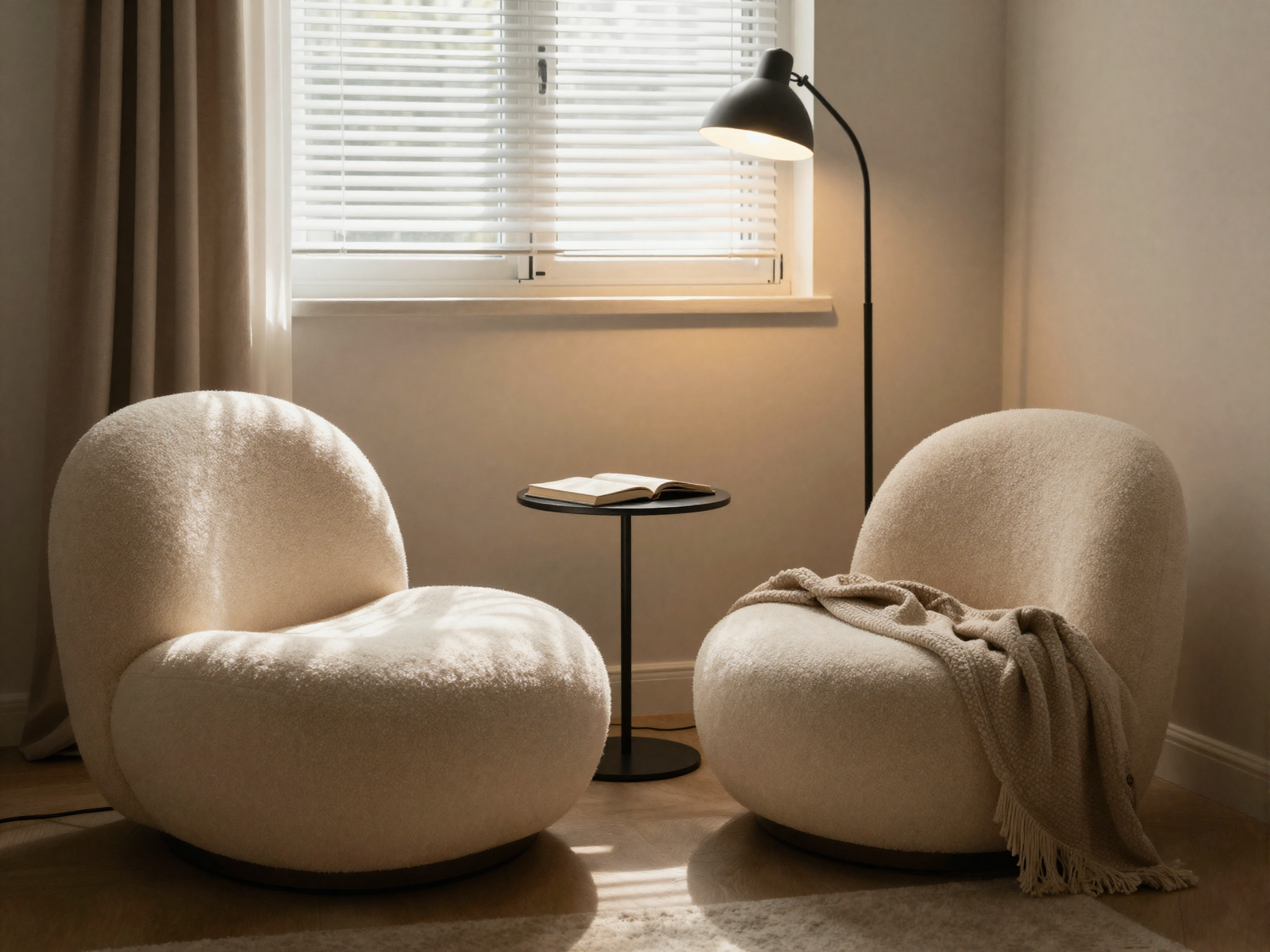
If the chair only collects clothing, improve the clothing routine or remove it. Empty floor can be more useful than an extra decorative seat.
Try this: Include a reachable reading light if reading is its main job.
5. Use Pale Wood as a Quiet Connection
A pale-wood bedside table can relate to a frame, bench or wardrobe detail. Different woods can work together when their undertones and visual weight feel balanced.
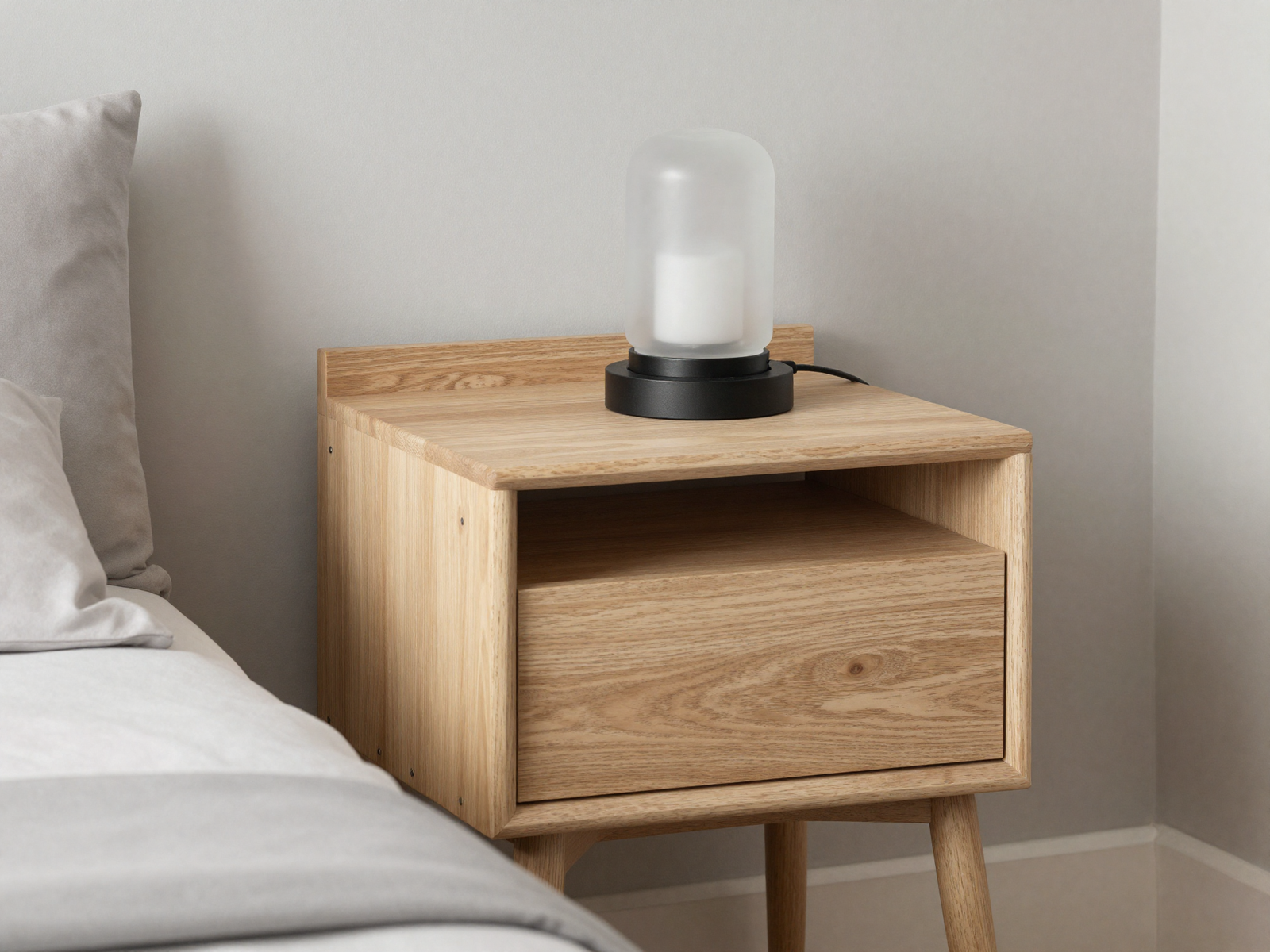
Check the surface’s care and protect it from water. A small bedside piece needs enough useful area for the items you keep there.
Try this: Compare samples beside the existing floor rather than on a white showroom wall.
6. Choose a Rug for the Bedside Routine
A rug can soften the first step beside the bed and connect nearby furniture. Mark its outline around the bed before choosing the pattern.
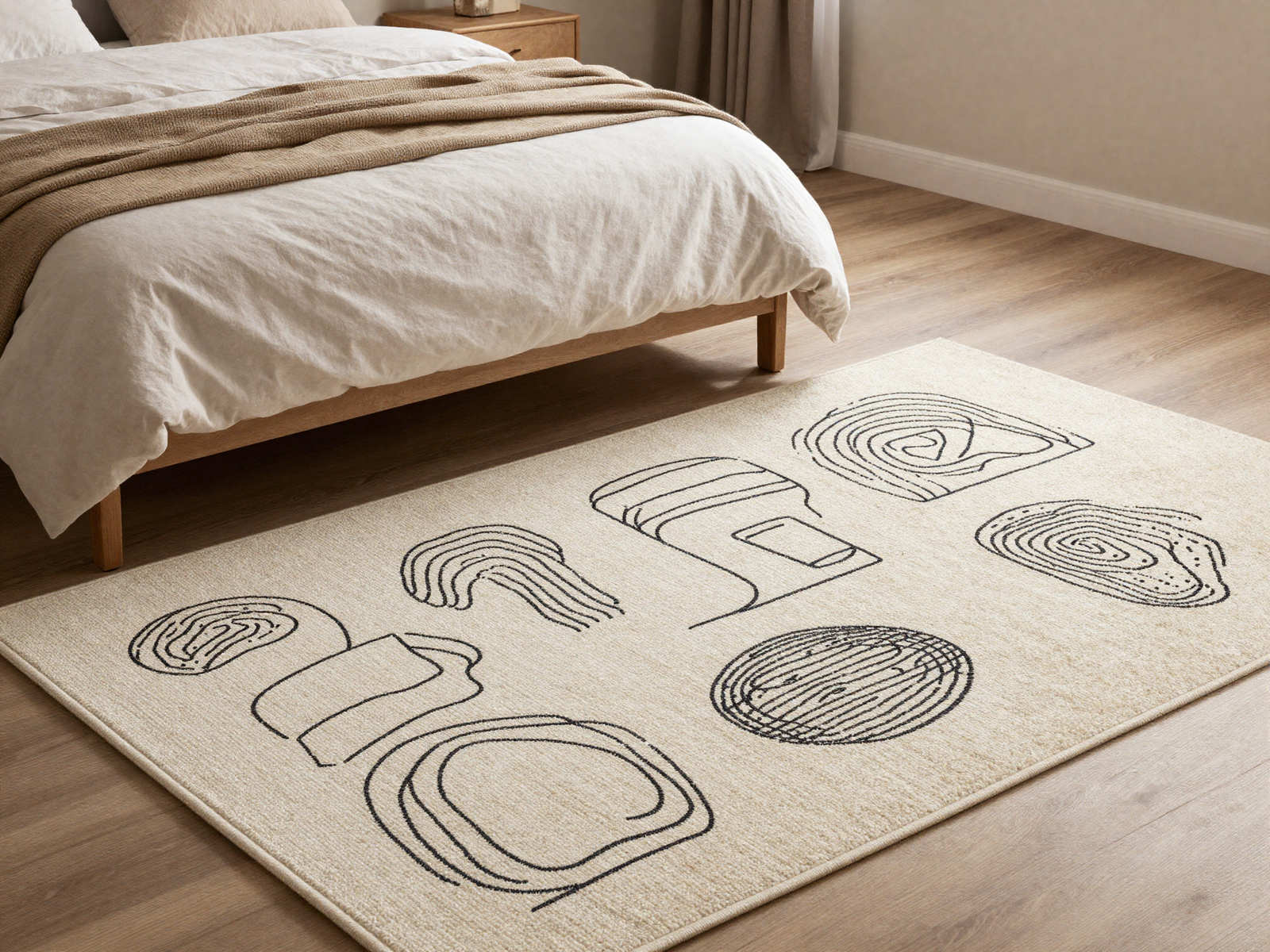
Check flat edges, floor compatibility and cleaning access. A small accent rug should not become a loose obstacle on the route to the door.
Try this: Test placement from the side used most often in the morning.
7. Give Bedside Reading Its Own Light
A bedside lamp can support reading while a separate source lights dressing and movement. Position controls where they are easy to reach without getting out of bed.
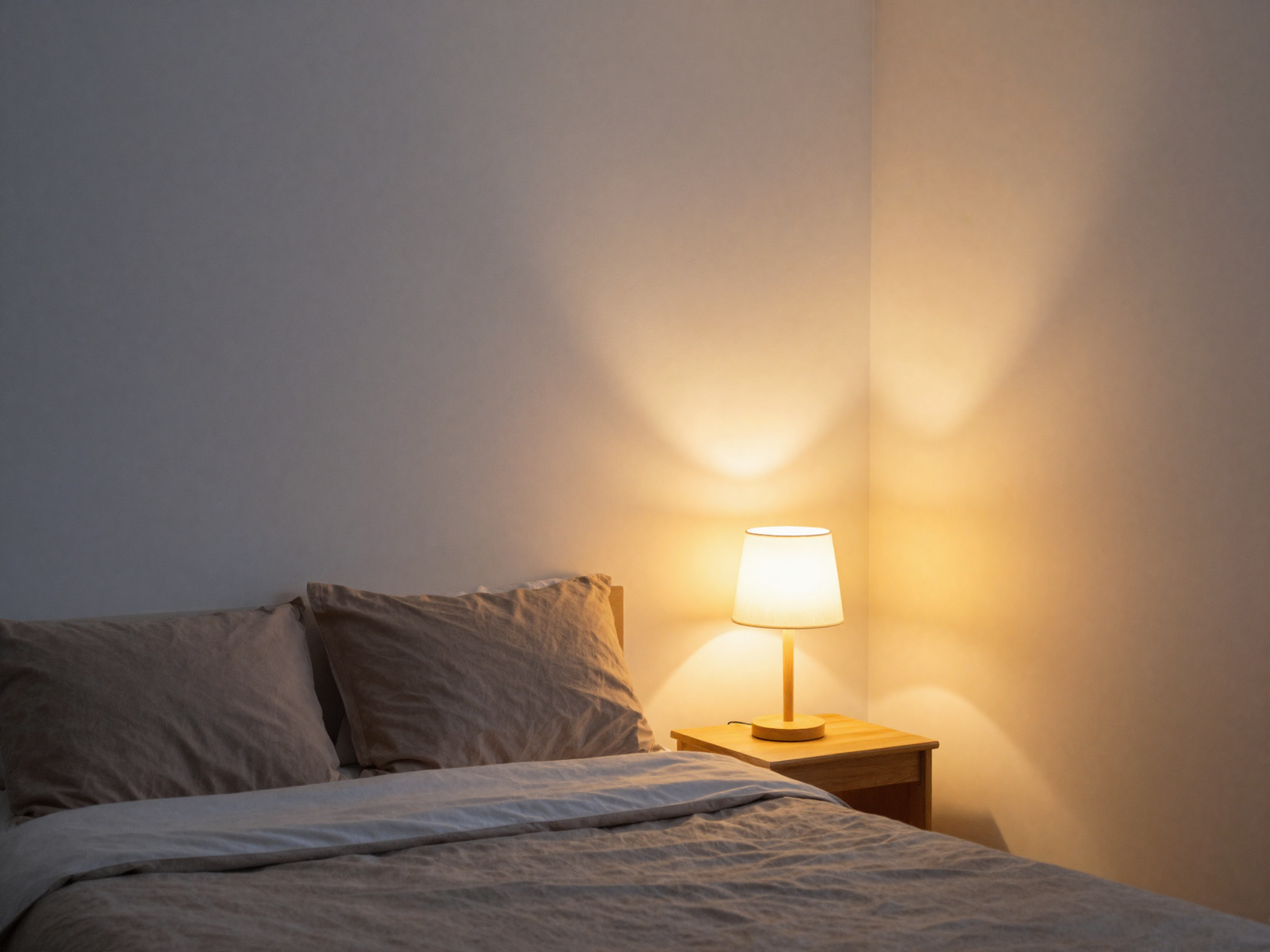
Check glare from the pillow position and compatibility with any dimmer. Warm appearance is a preference; enough useful light for the task still matters.
Try this: Test the lamps with the curtains closed.
8. Give Nightstands Individual Character
A painted cabinet or simple side table can introduce personality without a matching suite. Keep the surface height and reach useful from the mattress.
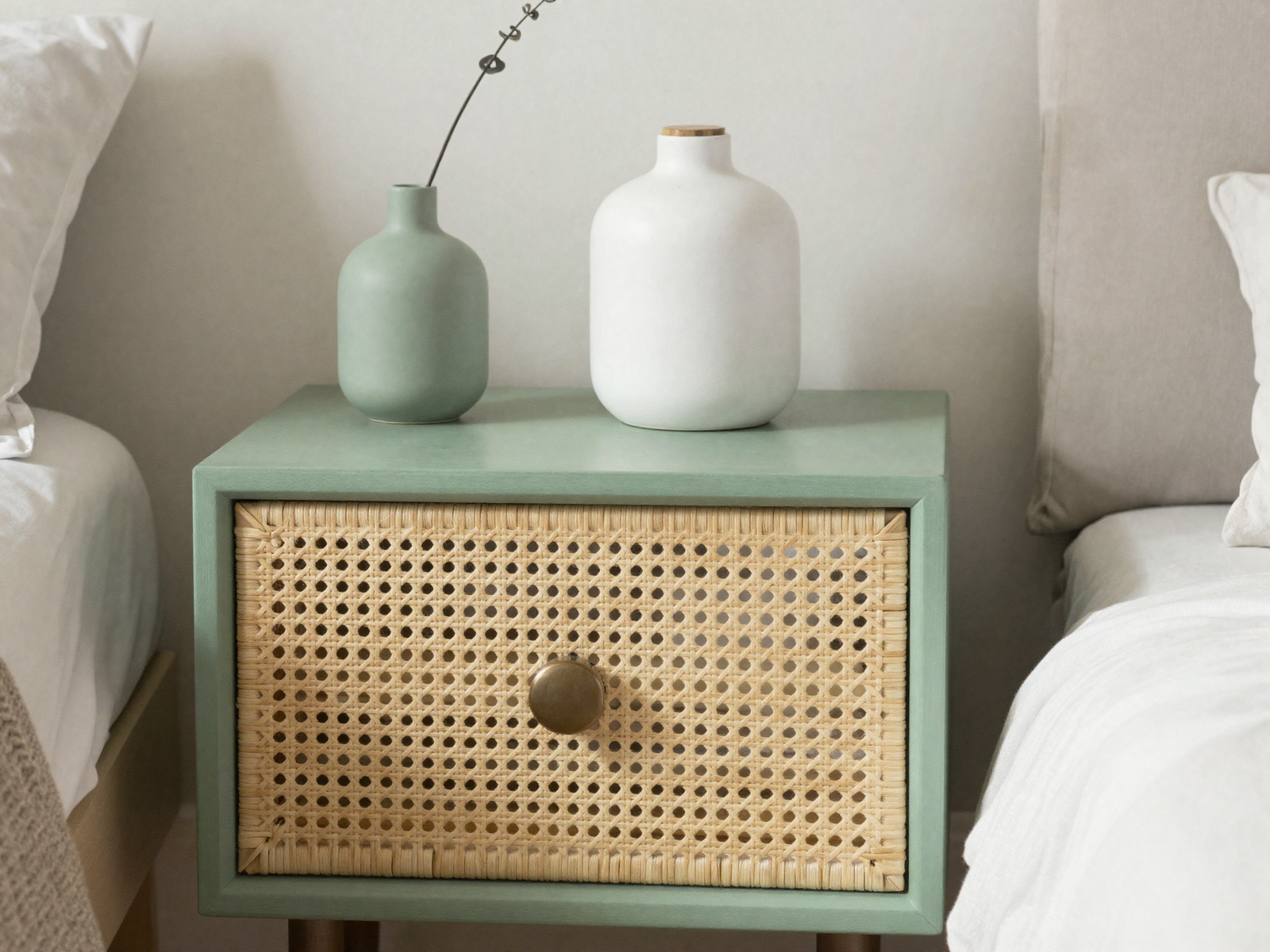
Choose storage for the belongings that otherwise gather on top. A drawer can hide small items while a shelf holds a current book.
Try this: Leave enough clear surface for the lamp and a glass of water.
9. Build Bedding Around Comfort
Start with sheets, covers and pillows that suit the sleepers and local conditions. Add a decorative layer only when it contributes texture or warmth you want.

Check care instructions and how much can fit in your laundry equipment. Hotel-style appearance is optional; manageable bedding makes the room easier to maintain.
Try this: Keep spare bedding in one accessible location.
10. Use a Wardrobe Nook for Defined Storage
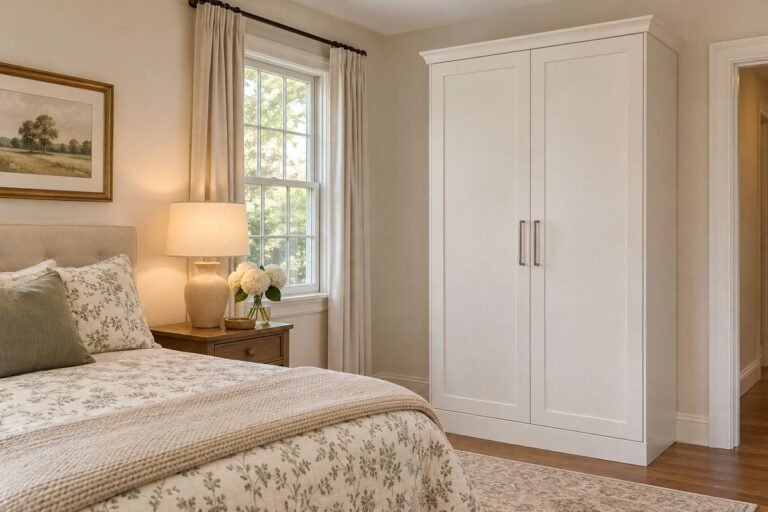
A fitted nook can hold clothing while creating a calm front. Plan hanging, drawers and shelves around the actual wardrobe rather than a symmetrical drawing alone.
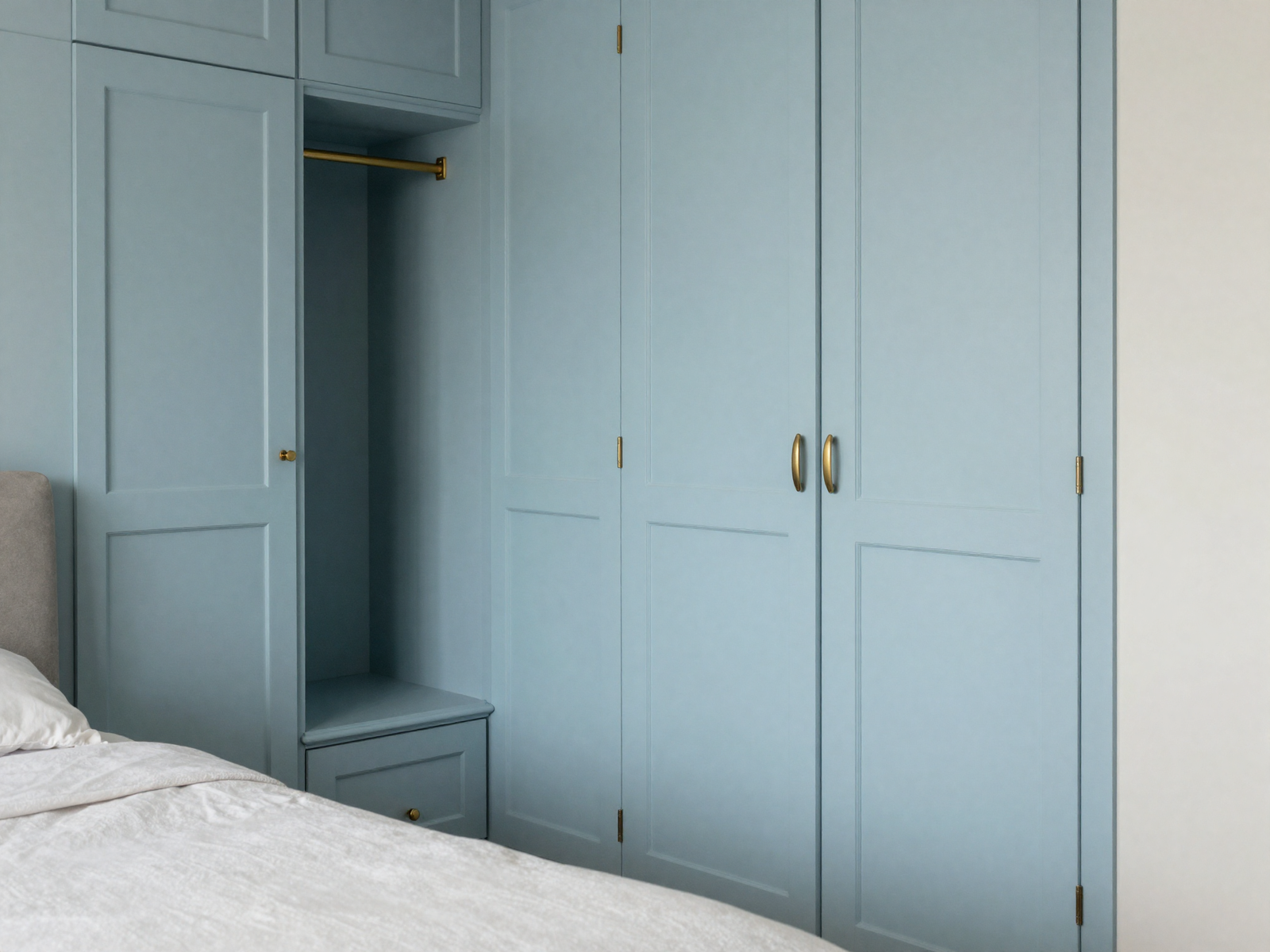
Check the doors open without conflicting with the bed. Follow installation and restraint requirements and keep access to services available.
Try this: Measure the longest garments before setting the shelf layout.
11. Choose a Headboard With Material Character
A vintage-inspired headboard can introduce pattern, carving or worn wood to a simple bed. Compare its condition, dimensions and attachment before choosing it.
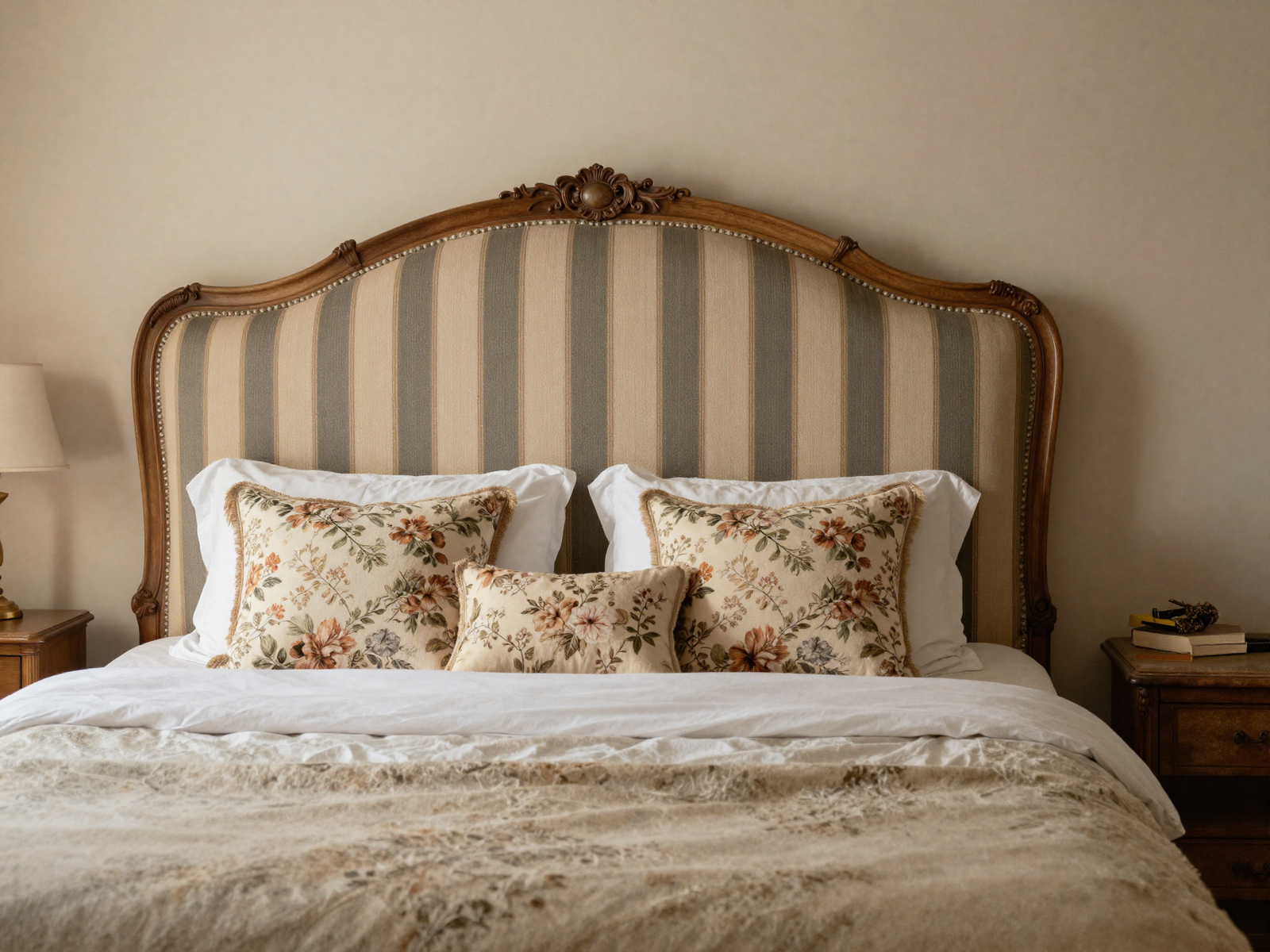
Let the surrounding textiles support the detail rather than competing with it. Upholstered and wood versions also differ in cleaning and maintenance.
Try this: View it with the bedding you intend to keep.
12. Keep the Bedside Surface Useful
A book, water and a small familiar object can give the end of the day a defined place. A flameless candle can provide a decorative glow where you want it.
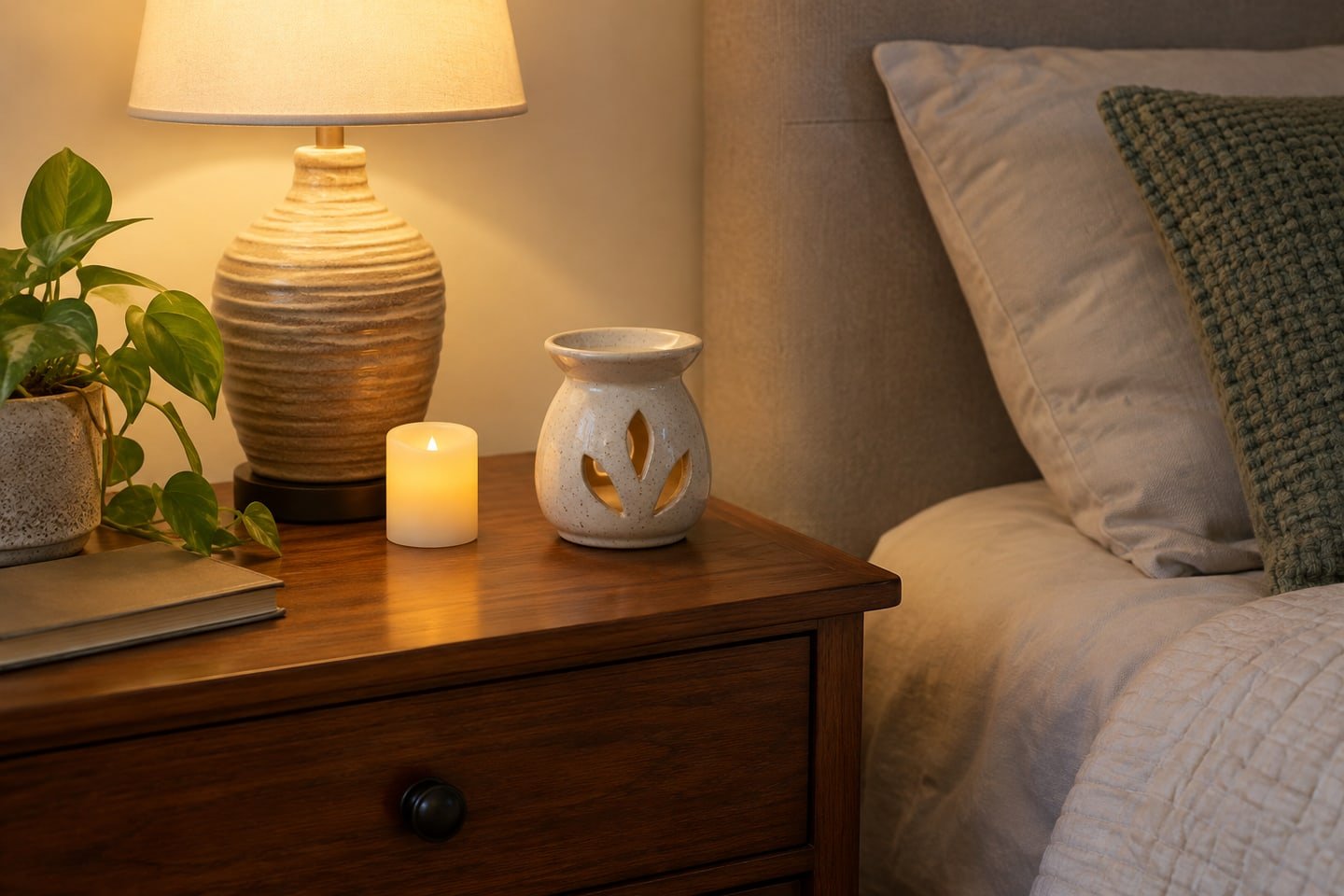
Scent is optional and should suit the household and product instructions. Keep liquids and any open flame away from bedding and electrical items; no fragrance is needed to complete the room.
Try this: Limit the surface to the objects you actually use.
13. Mix Old and New Through One Shared Detail
An older chest can sit comfortably beside a newer bed when color, grain or shape relates them. The pieces do not need to be from the same range.
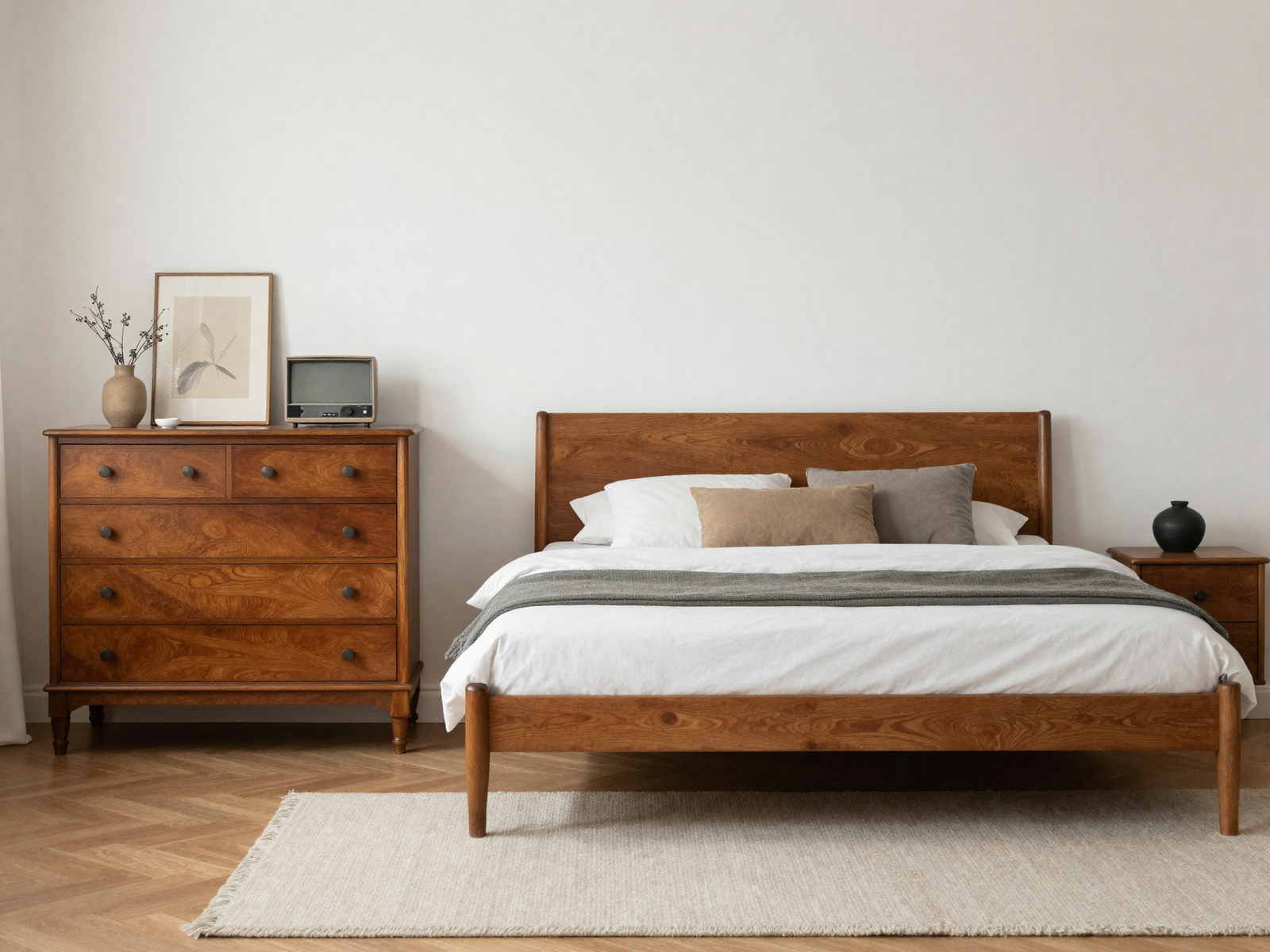
Check the older item’s condition and stability before using it. Keep the layout practical rather than forcing symmetry around mismatched footprints.
Try this: Repeat a small color from the older piece in a textile or frame.
14. Give the Window Area a Specific Task
A small seating group can make a bright part of the bedroom useful. Choose whether it is for reading, dressing or conversation before adding tables and accessories.
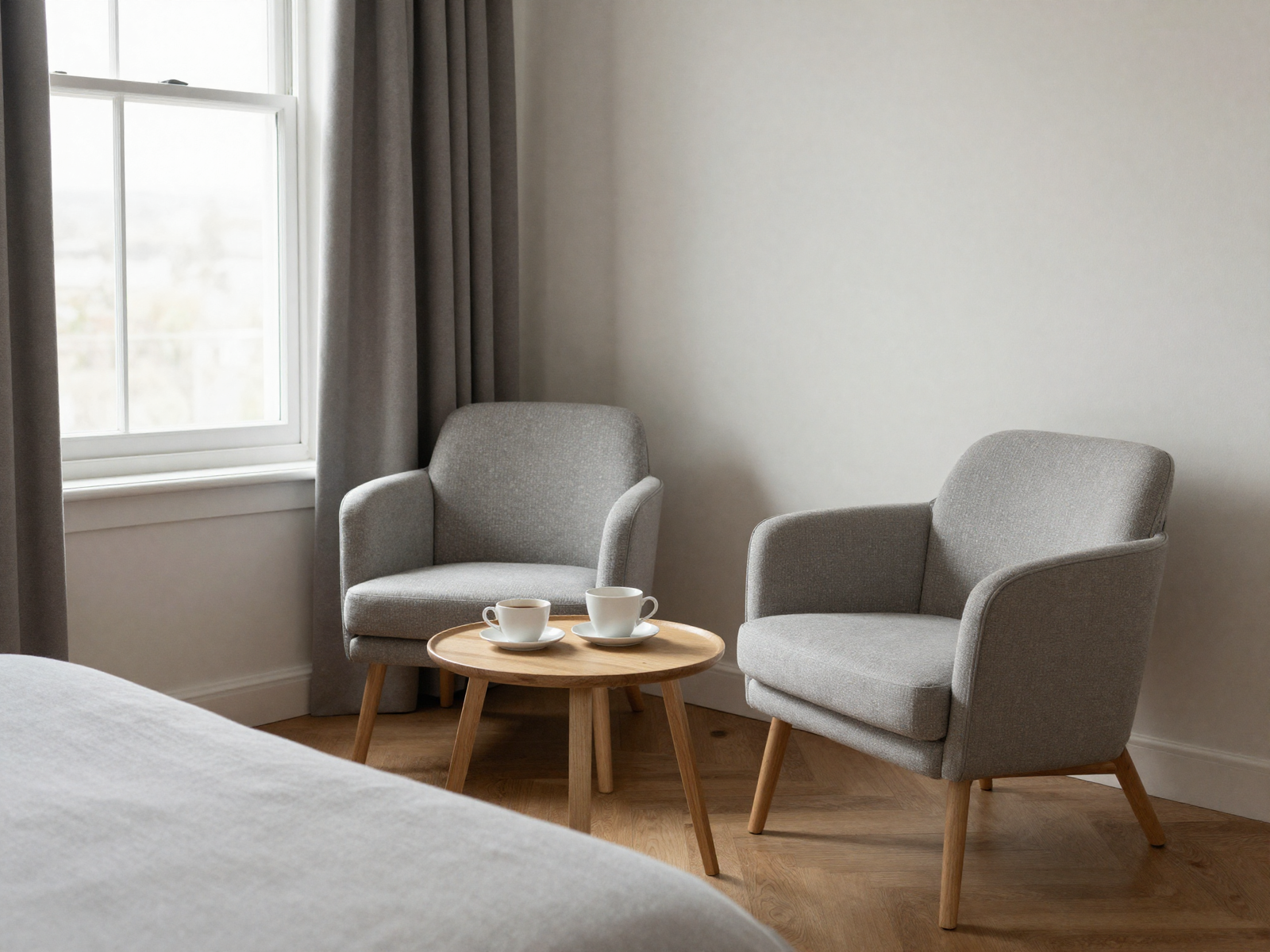
Leave curtains, windows and the route around the furniture operable. One comfortable chair may work better than a pair in a compact room.
Try this: Try the task there before buying a full set.
15. Use a Lamp as a Small Sculptural Accent
A distinctive lamp base can bring interest to an otherwise simple nightstand. Check its footprint and shade with the objects the surface must hold.
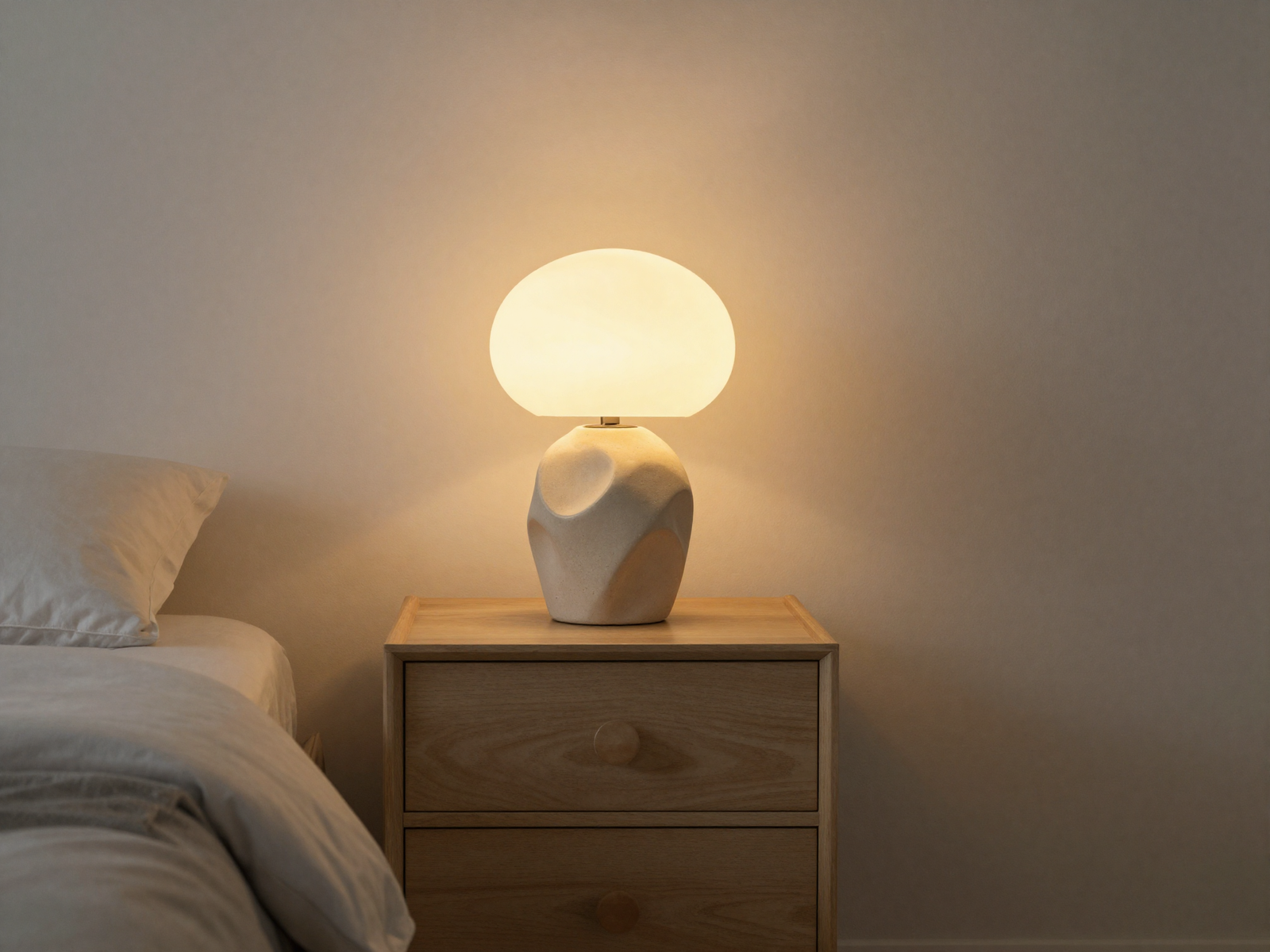
Judge the light switched on and from the bed. An appealing base cannot compensate for glare or an awkward switch.
Try this: Keep the cable route clear of drawers and movement.
16. Add One Muted Accent Color
A sage cushion or terracotta bench can warm a neutral room without a complete repaint. Repeat the color lightly in another detail if it feels isolated.
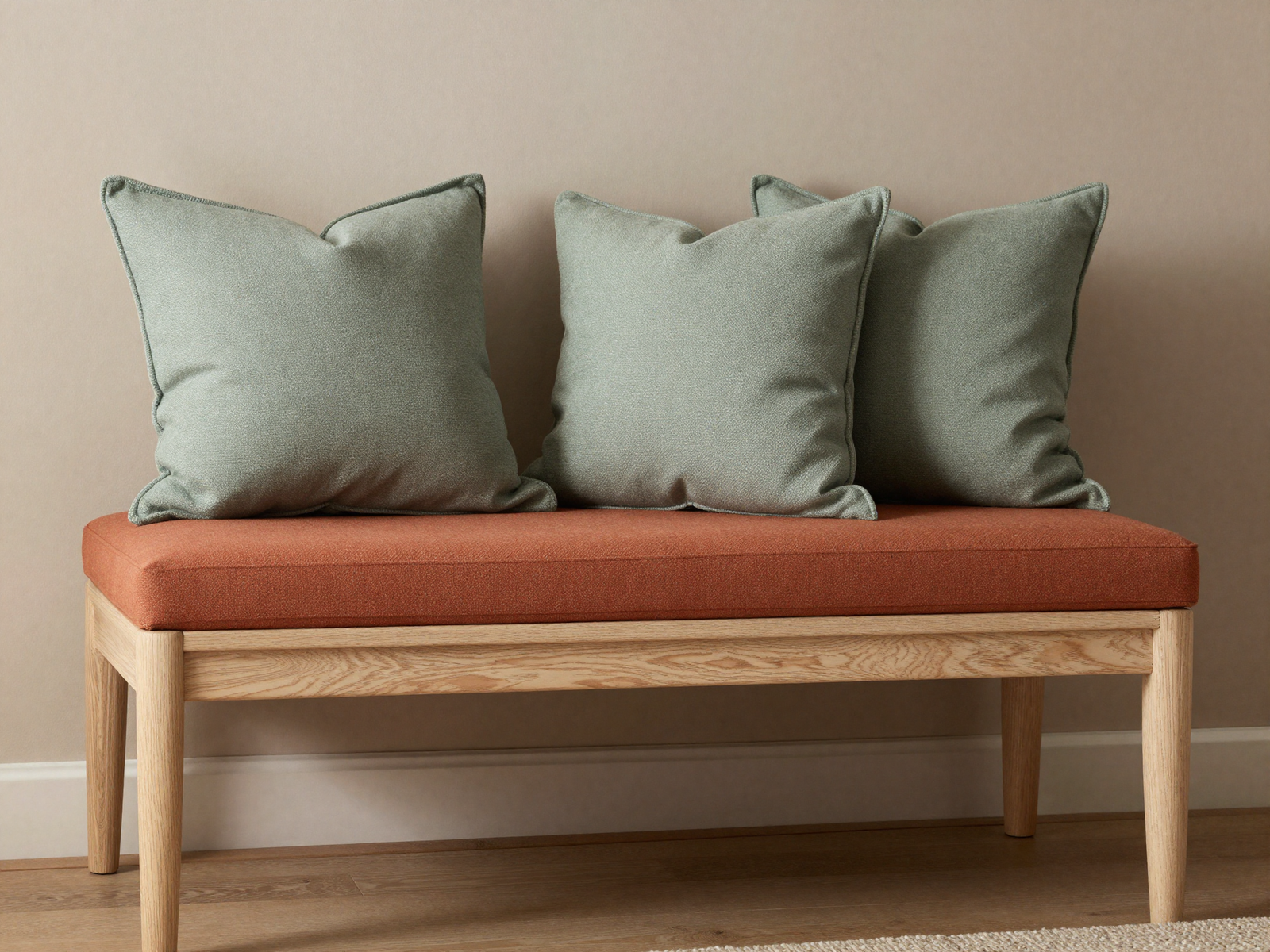
Compare textiles together and avoid buying multiple similar shades before seeing them in the room. Small changes are easy to adjust seasonally.
Try this: Use an existing favorite accent before introducing another palette.
17. Use Molding to Frame the Bed Wall
Simple molding can create a calm architectural outline. Lay it out around the bed, switches and adjacent doors rather than centering it on an empty wall drawing.
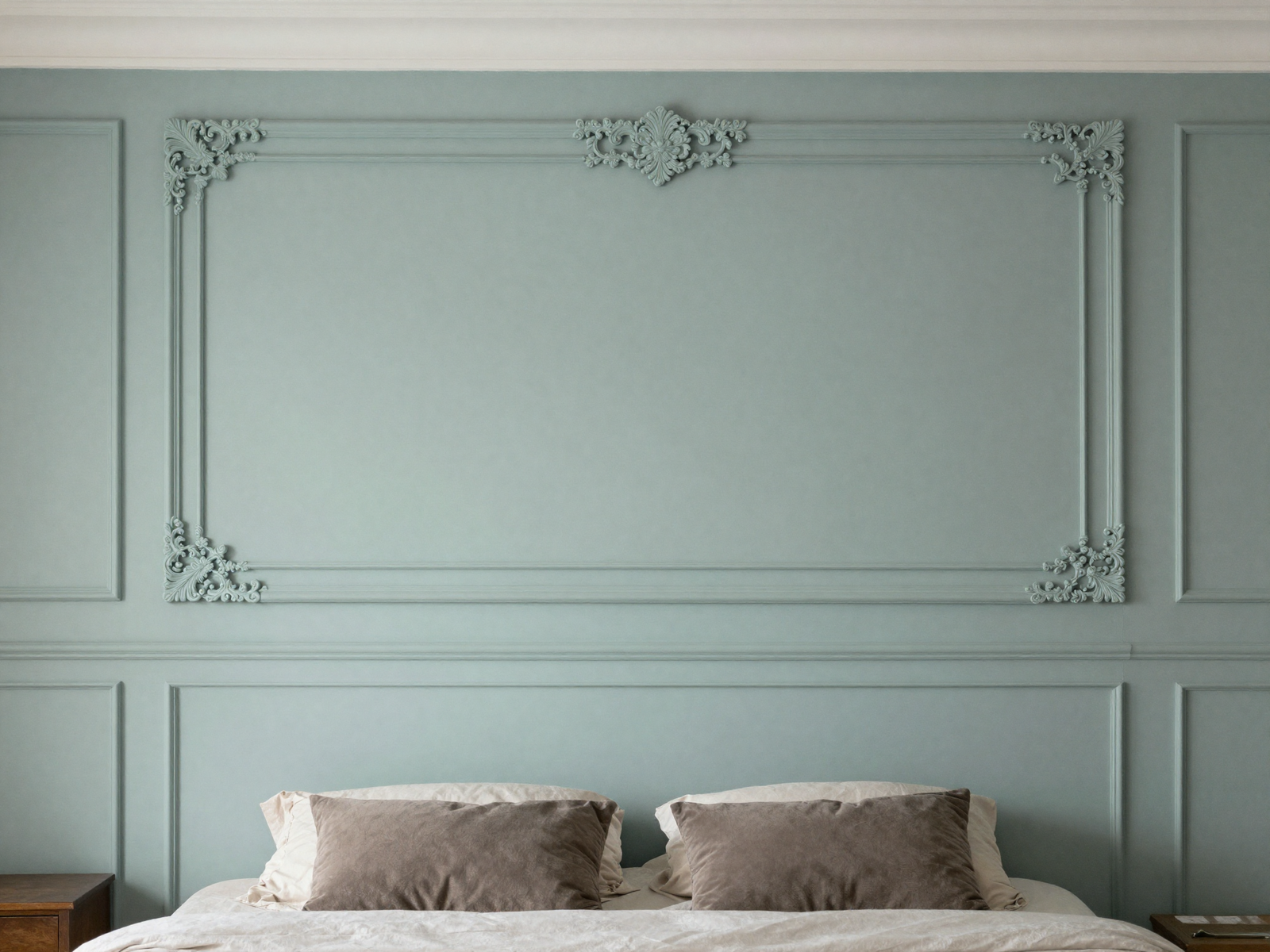
Check installation and paint preparation for the substrate. Keep the pattern straightforward if furniture already has strong detailing.
Try this: Try the layout with removable paper strips first.
Improve One Bedtime Task First
A calm bedroom does not require all of these changes. Improve the most-used task, simplify the surfaces that collect clutter and choose colors and textures you enjoy living with.
Related Guides
- 17 Small Bedroom Ideas for Storage, Comfort and Usable Space
- 25 Small Nightstand Ideas for a More Useful Bedside Space
- 17 Stunning Bedroom Storage Ideas for a Beautiful Clutter-Free Space
Optional digital guide for this topic
If you prefer a structured workbook, explore this related paid guide.