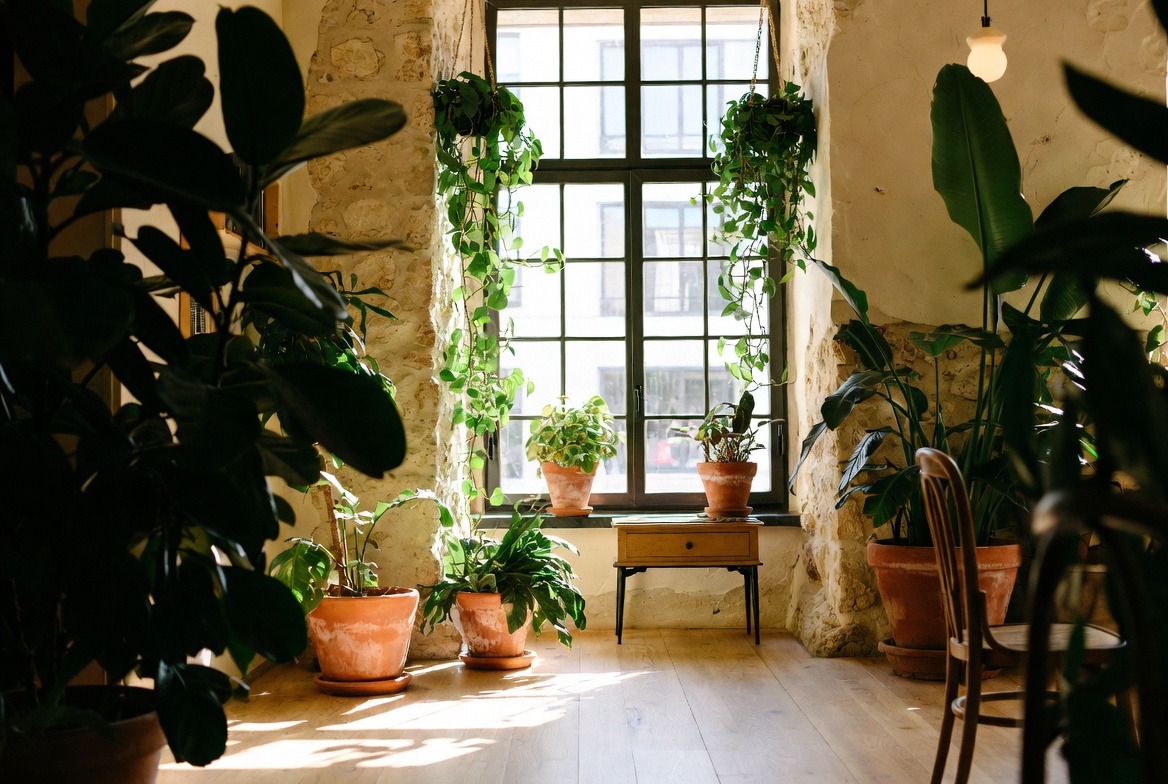
Getting the plant decor right makes the biggest difference in how the space actually feels day to day. A well-planned plant decor balances function and style, and even small tweaks to your plant decor can transform the whole area.
You scroll past beautiful green-filled rooms and wonder why yours feels different — emptier, somehow harder. It’s not because you don’t have enough plants. It’s because plants alone aren’t the answer. Nature decor is about something deeper than greenery on a shelf.The most calming, restorative homes in 2026 aren’t the ones with the most plants — they’re the ones where nature has been woven intentionally into every surface, material, and corner. Biophilic design, backed by research showing it cuts stress by 20% and boosts creativity, has moved from trend to philosophy. By the end of this article, you’ll know exactly how to bring that philosophy into your own home, one deliberate choice at a time.
1. Why One Statement Plant Beats Ten Random Ones
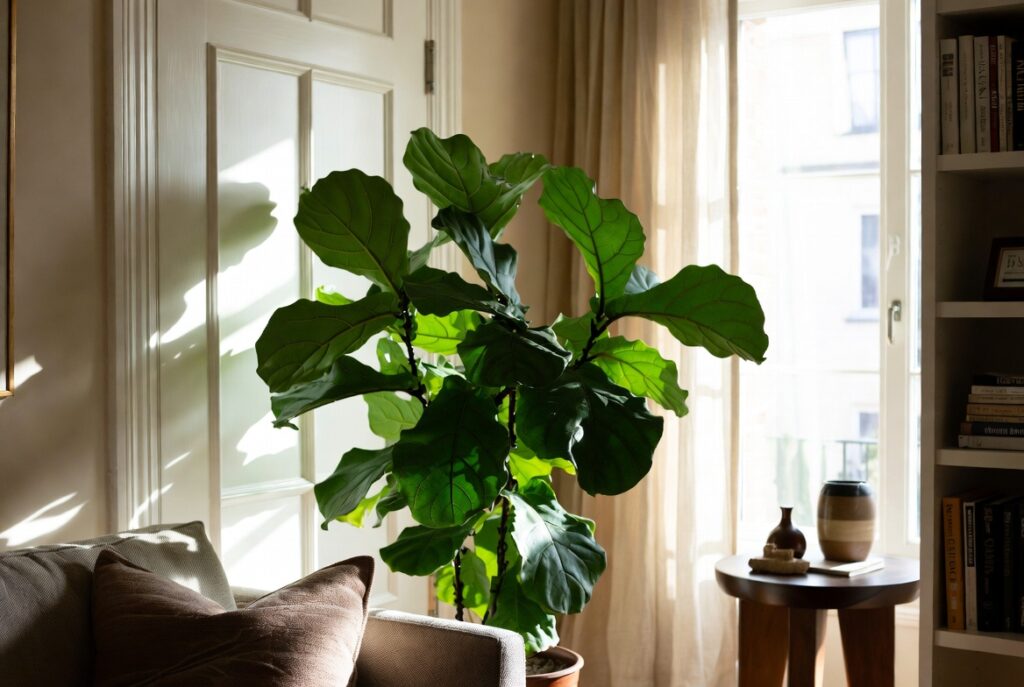
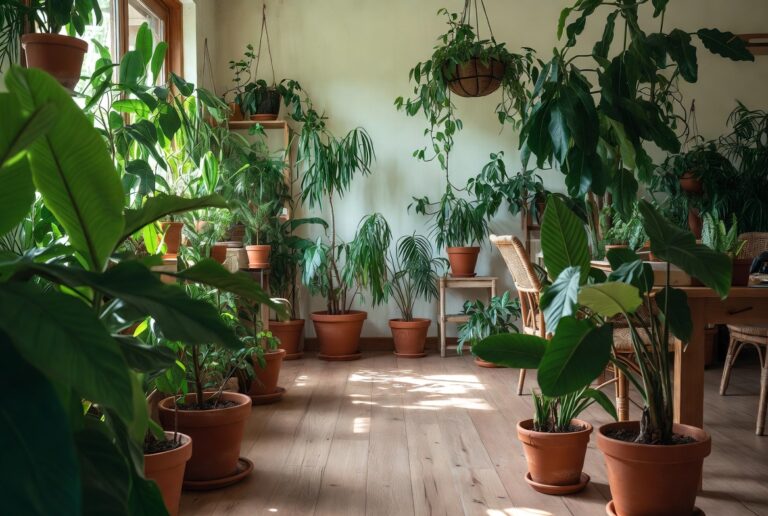
In 2026, plant styling has shifted from quantity to placement and purpose. A single large statement plant — a Monstera, an olive tree, a tall fiddle leaf — positioned intentionally in a room does far more design work than ten small plants scattered randomly across shelves. Greenery is now curated, integrated into shelving and architectural features rather than simply accumulated. In my experience, removing half the plants and giving one real space to breathe transforms a room instantly.
Smart tip: Choose one large plant per room and give it a dedicated, well-lit corner — instant focal point that reads more intentional than a shelf of small pots.
Mistake to avoid: Don’t scatter small plants across every surface without intention. Without a focal anchor, the effect reads as clutter rather than biophilic design.
2. The Living Wall That Transforms a Blank Surface
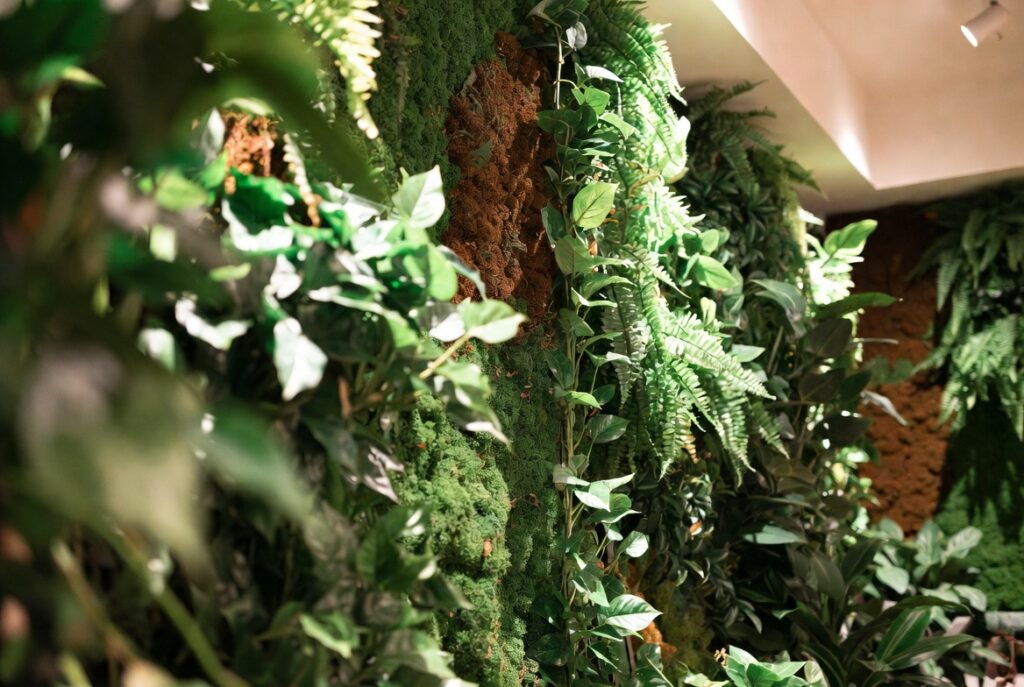
A living wall — a vertical installation of ferns, pothos, or moss panels — turns a blank wall into a breathing, living feature that no art piece or paint color can replicate. Even a small 60cm section of mounted moss panels introduces texture, sound absorption, and a genuine connection to nature. We found that a living wall in a corner or entry point changes how a room feels the moment you walk in.
Smart tip: Start with preserved moss panels rather than live plants for a zero-maintenance living wall that still reads as fully biophilic.
Mistake to avoid: Don’t install a full living wall without planning for irrigation and drainage. A beautiful wall with dead plants becomes a design liability within months.
3. Dark Foliage for Moody Cocooning Rooms
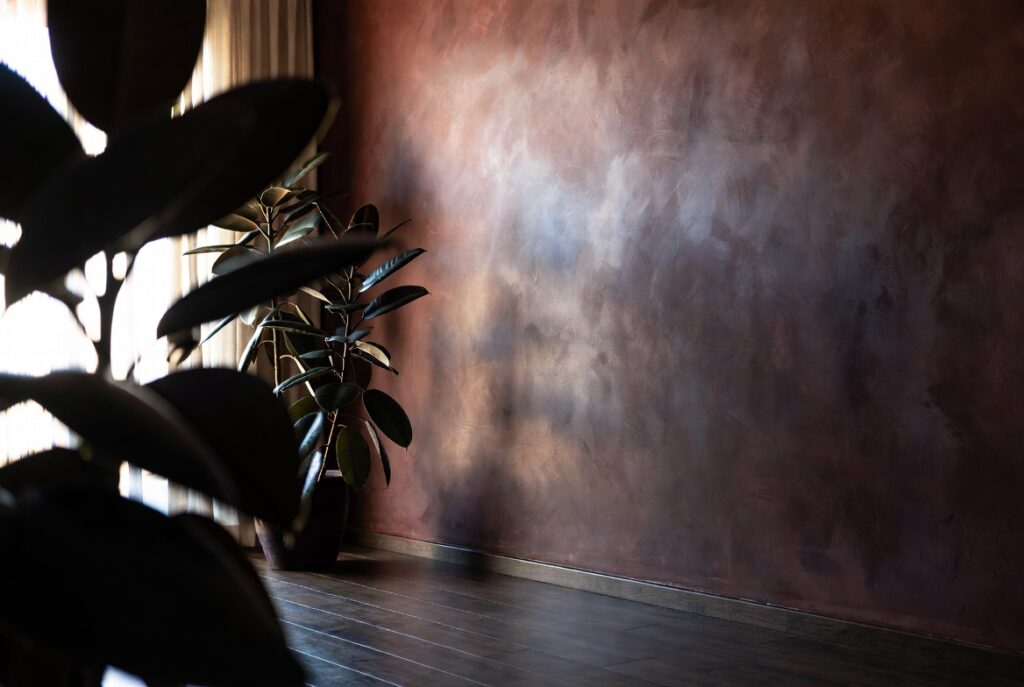
Deep, cocooning color palettes — mahogany, midnight teal, merlot — pair surprisingly well with dark-leaved plants rather than bright tropical greens. A Burgundy Rubber Plant or a Black Velvet Alocasia against a deep-toned wall creates a dramatic, layered sophistication that lighter plants can’t achieve in the same space. One of the most common mistakes I see is pairing moody interiors with bright tropical plants that fight the room’s palette rather than amplifying it.
Smart tip: Choose plants with deep burgundy, black, or olive-toned foliage for moody rooms — they complement dark palettes rather than competing with them.
Mistake to avoid: Don’t place bright, vivid-green plants against dark walls. The contrast can work in some contexts, but in a cocooning room, it typically reads as jarring.
Loving These Ideas? Get the Step-by-Step Guide
Grab the full 5-day eBook and turn these ideas into a finished room.




4. Clay and Terracotta Pots That Tie a Room Together
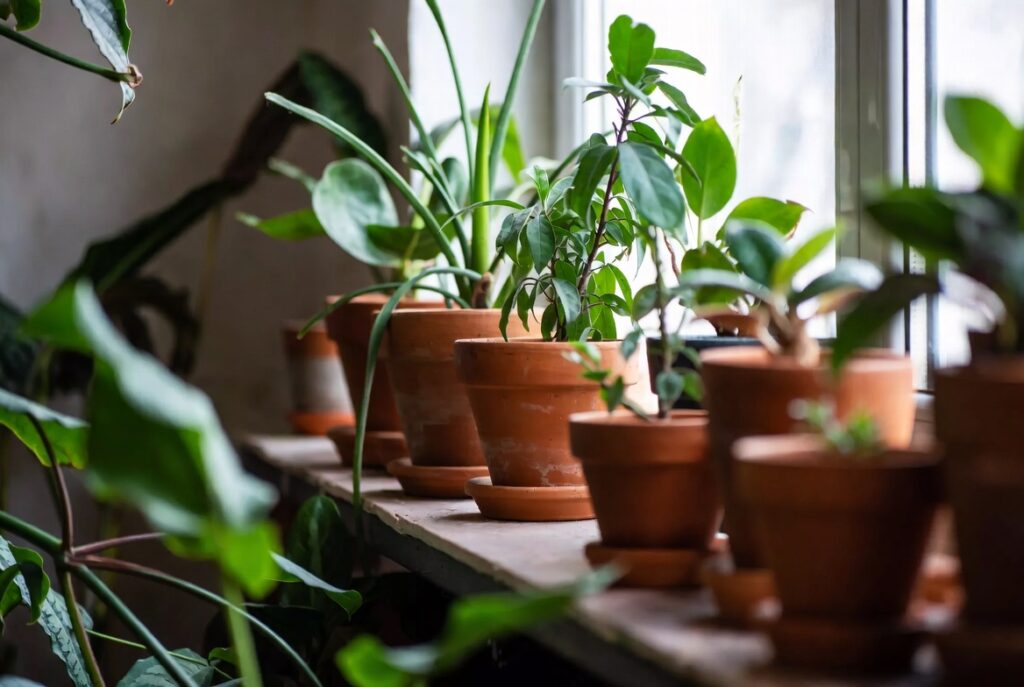
The container is as important as the plant. Handcrafted terracotta and clay pots in shades of rust, olive, and warm sand are replacing the generic white plastic pots that make even beautiful plants look like afterthoughts. The tactile quality of authentic terracotta — its weight, its warmth, the way it ages — adds the kind of artisanal soul that makes a plant feel like part of the room’s design rather than a living accessory.
Smart tip: Replace any plastic or generic ceramic pots with authentic terracotta in warm tones — the container upgrade costs little but elevates the whole display.
Mistake to avoid: Don’t mix too many pot styles or colors in one grouping. A cohesive pot palette — two or three finishes at most — reads as considered, not chaotic.
5. Natural Light: The Plant Decor Detail Everyone Forgets
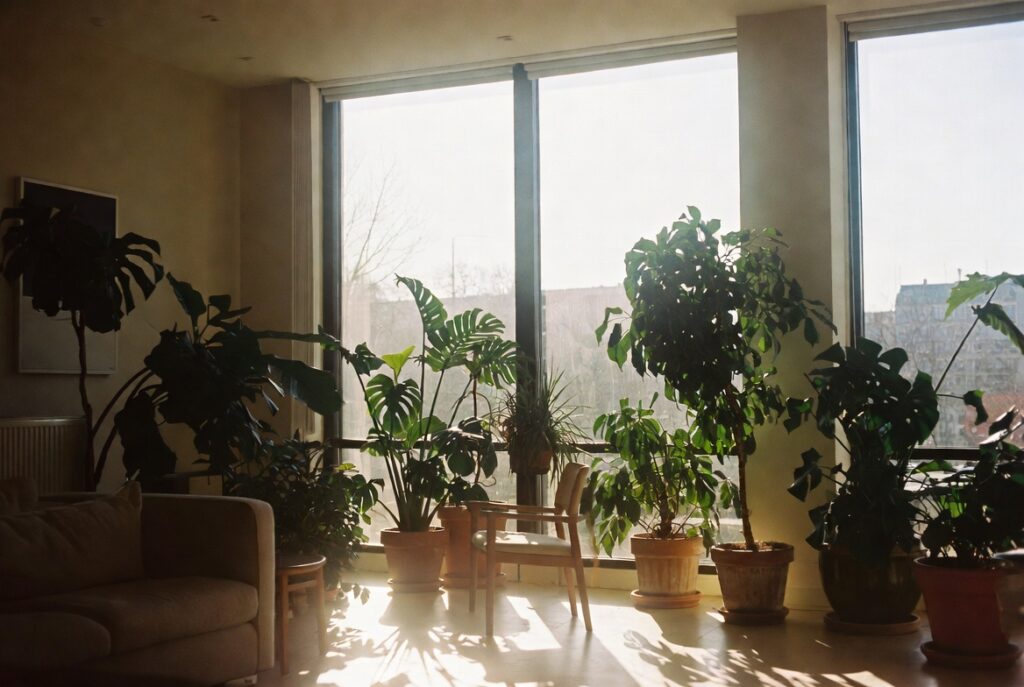
Maximizing natural light is the single most powerful biophilic move available in any home. Repositioning furniture away from windows, adding a skylight, or simply keeping window sills clear gives plants and the room itself access to the kind of dynamic, shifting light that no artificial source can replicate. We found that arranging rooms to maximize daylight transforms how both plants and spaces feel throughout the day.
Smart tip: Rearrange furniture so your largest plant sits near the best natural light source — the plant will thrive and the room will feel more alive all day.
Mistake to avoid: Don’t block windows with heavy furniture or dark curtains in rooms where plants are part of the design story. Light is the invisible layer everything else depends on.
6. The Wellness Nook Built Around a Single Plant
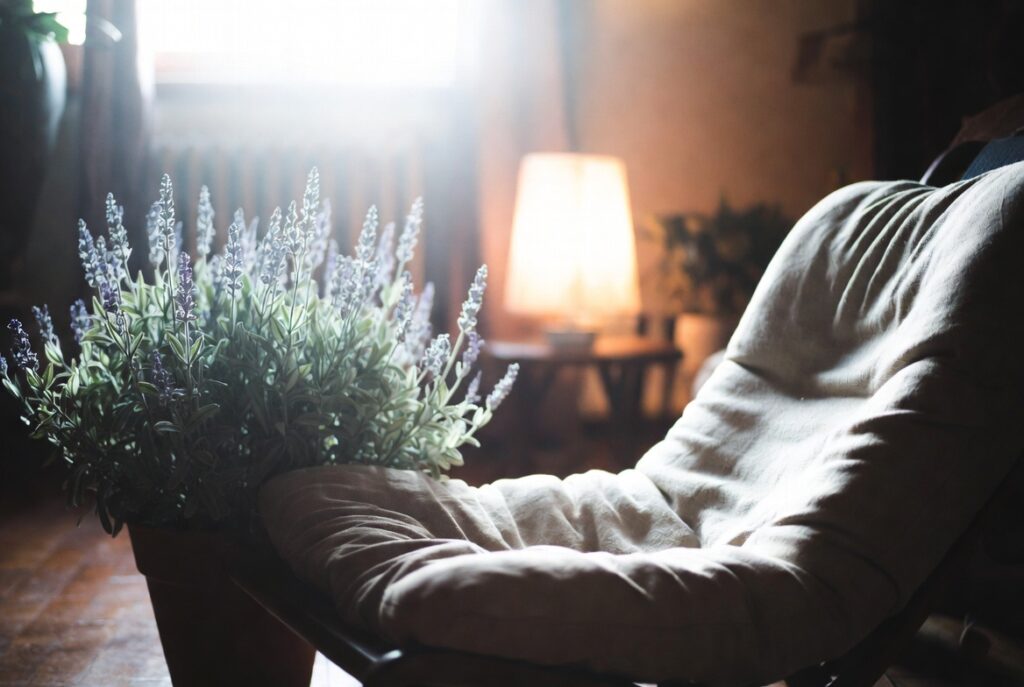
A wellness nook doesn’t require a room — just a corner with a comfortable chair, soft lighting, a few fragrant plants like lavender or rosemary, and enough quiet to actually use it. The plant anchors the space and gives it purpose. The first time I sat in a corner I’d deliberately designed around a single fragrant plant, the difference from sitting in a “regular chair in a corner” was immediate and unmistakable.
Smart tip: Choose a fragrant plant like lavender for a wellness nook — the scent layer adds a sensory dimension that purely visual plants can’t provide.
Mistake to avoid: Don’t build a wellness corner and fill it with too many elements competing for attention. Simplicity is what makes these corners actually work.
7. Wood and Stone That Bring Nature Without a Single Plant
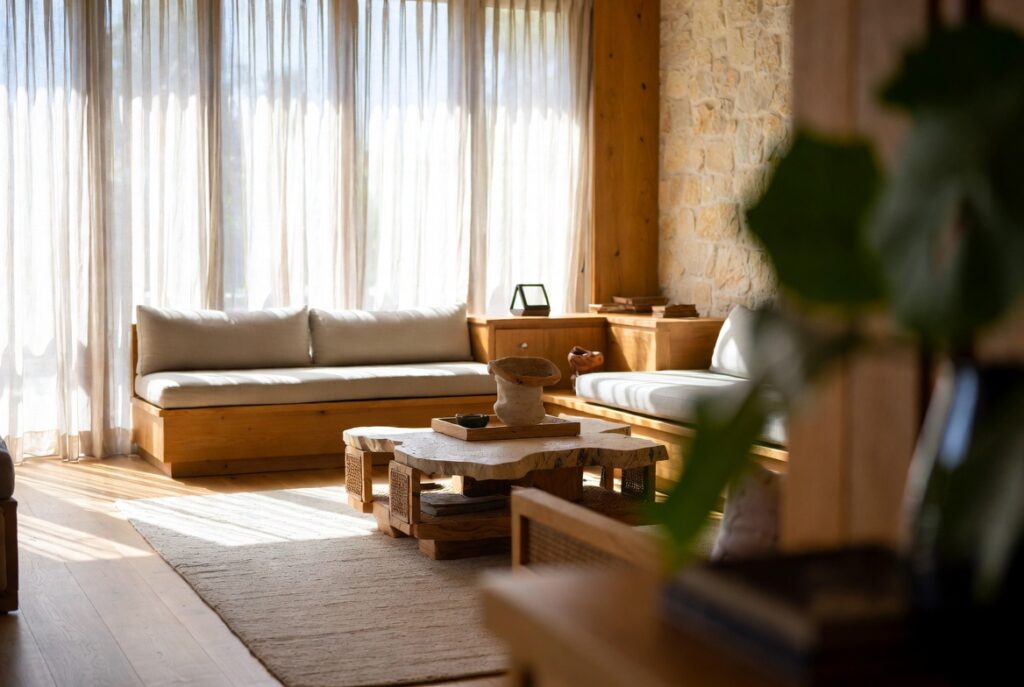
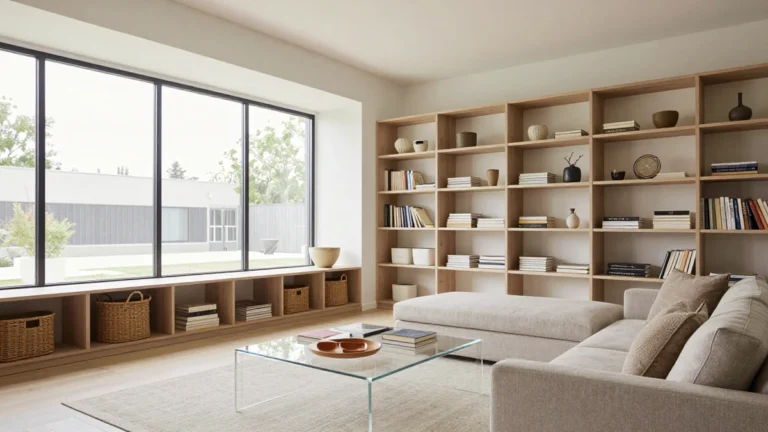
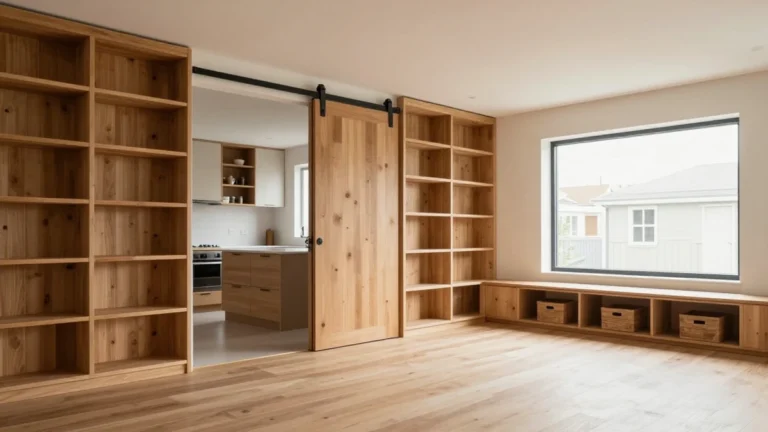
Biophilic design doesn’t depend on plants alone — real wood with visible grain, natural stone, woven rattan, and jute all connect a room to the natural world just as powerfully. Your decor materials should be genuinely grounded in nature: solid wood, real stone, authentic fiber. Engineered look-alikes lack the tactile quality that makes natural materials feel restorative rather than decorative. For rooms where plants aren’t practical, the principles behind our decorating with plants ideas for vibrant living spaces apply just as beautifully to natural materials alone.
Smart tip: Add one piece of furniture with visible natural wood grain or stone — a coffee table, a side board — as the room’s biophilic anchor when live plants aren’t an option.
Mistake to avoid: Don’t substitute engineered “wood-look” or “stone-look” materials and expect the same effect. The tactile reality of natural materials is precisely what makes them restorative.
8. Botanical Prints That Work as Nature Decor
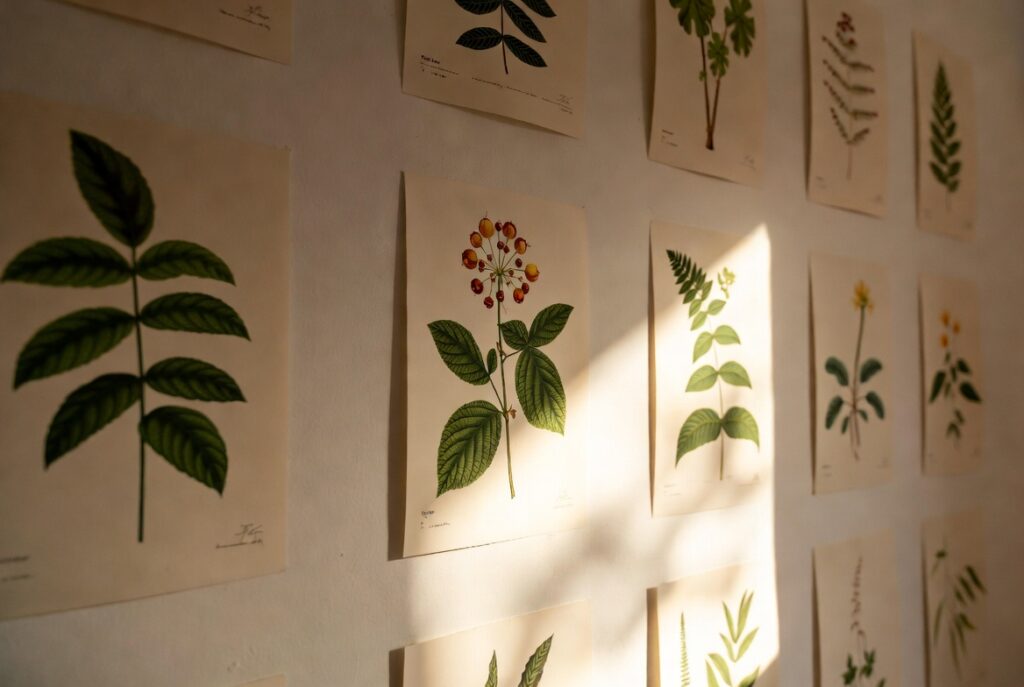
Botanical wall art — leaf prints, pressed florals, nature-inspired line drawings — extends biophilic connection to walls without any maintenance. In rooms without garden access or sufficient light for live plants, a well-chosen botanical print brings organic beauty and serves as a genuine nature reminder. The key is choosing prints with enough botanical accuracy to feel like real nature references rather than generic decorative motifs.
Smart tip: Choose botanical prints with clean backgrounds and accurate plant detail — they read as more sophisticated than stylized floral prints and age better too.
Mistake to avoid: Don’t fill every wall with botanical prints in the hope of achieving a biophilic effect. One or two well-chosen pieces in the right spot outperform a wall covered in similar motifs.
9. Trailing Plants That Soften Hard Architectural Lines
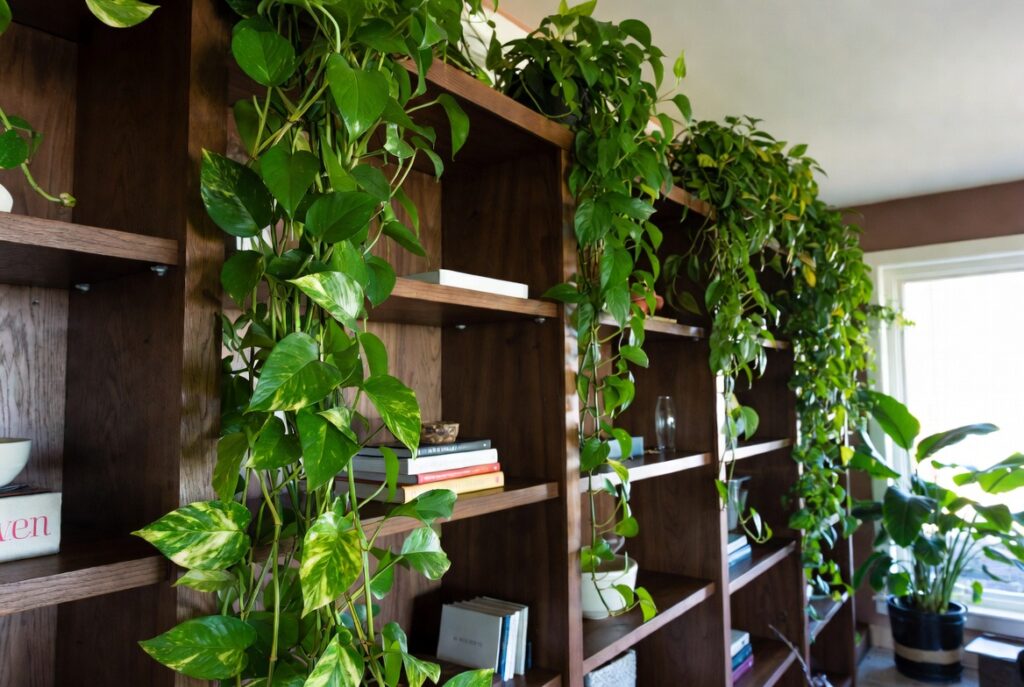
Trailing plants — pothos, string of pearls, ivy, tradescantia — draped from high shelves or hanging planters soften the hard edges of bookshelves, cabinets, and architectural corners in a way upright plants simply can’t. They introduce movement and a cascading quality that makes a room feel more organic. In my experience, adding one trailing plant to a bookshelf that previously felt rigid transforms the entire corner into something that feels alive.
Smart tip: Place a trailing pothos on a high shelf where it can cascade downward — low maintenance, high visual impact, and it grows longer with almost no effort.
Mistake to avoid: Don’t let trailing plants grow so long they touch the floor or furniture below. Trim them regularly so the cascade looks intentional rather than neglected.
10. Nature-Inspired Color Palettes That Calm Any Room
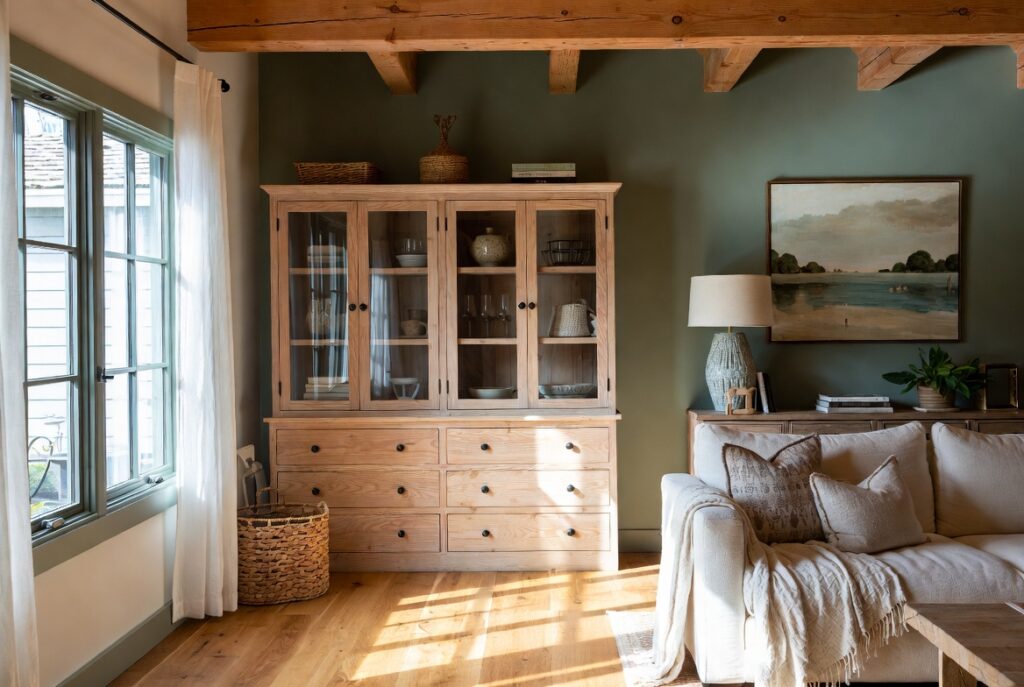
Biophilic color doesn’t mean neutral — it means drawn from nature. Mossy greens, clay browns, muted taupes, warm ochres, and stone grays create spaces that feel calm and grounded. Natural doesn’t have to mean beige; sky blue, forest green, and warm desert orange all qualify. These palettes pair beautifully with timber joinery, stone surfaces, and natural textiles in tonal variations that layer without clashing.
Smart tip: Choose a wall color drawn from nature — mossy green, clay, warm ochre — and let it become the room’s calming foundation everything else builds from.
Mistake to avoid: Don’t mix cool-toned walls with warm natural materials. Keep the whole palette in the same temperature — warm or cool — for a cohesive, grounded result.
11. Grow Lights Styled as Decor Not Equipment
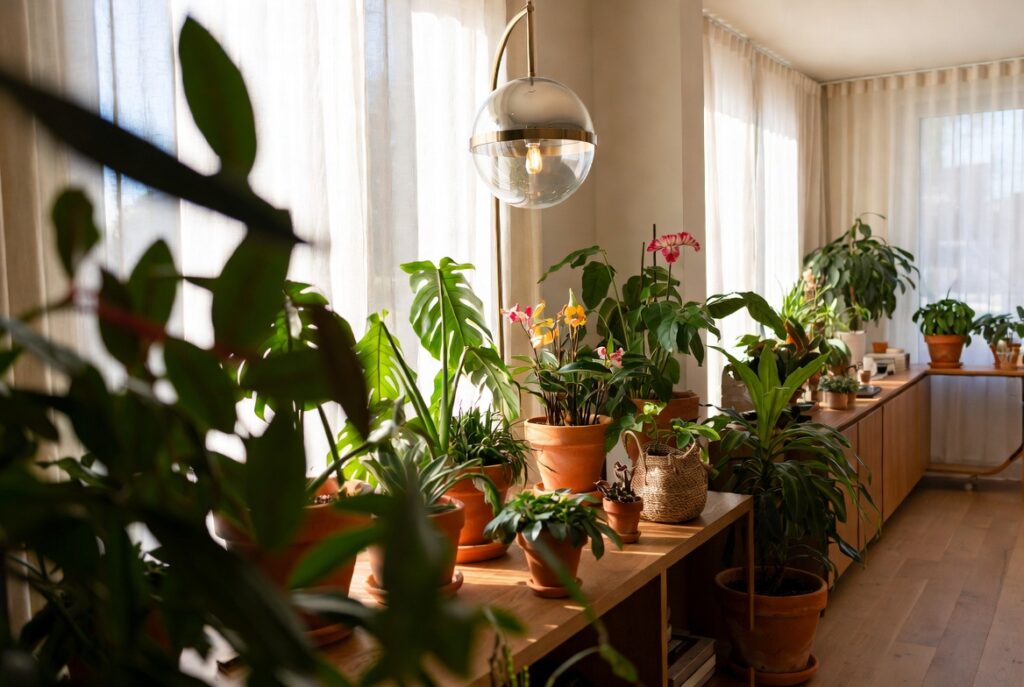
Rooms with limited natural light no longer have to sacrifice plants — modern grow lights now come in pendant, lamp, and track forms that read as decor first and plant care second. The trick is matching the light fixture’s shape to the room’s design language so it looks intentional. A pendant grow light over a dining table plant arrangement, for example, serves both function and atmosphere without announcing itself as horticultural equipment.
Smart tip: Choose a grow light in a pendant or lamp form that matches your existing fixtures — plant health solved without a clinical-looking equipment aesthetic.
Mistake to avoid: Don’t install industrial-looking grow lights in a styled room and expect them to blend in. The fixture’s design matters as much as its function in a biophilic interior.
12. Organic Shapes That Make Rooms Feel More Human
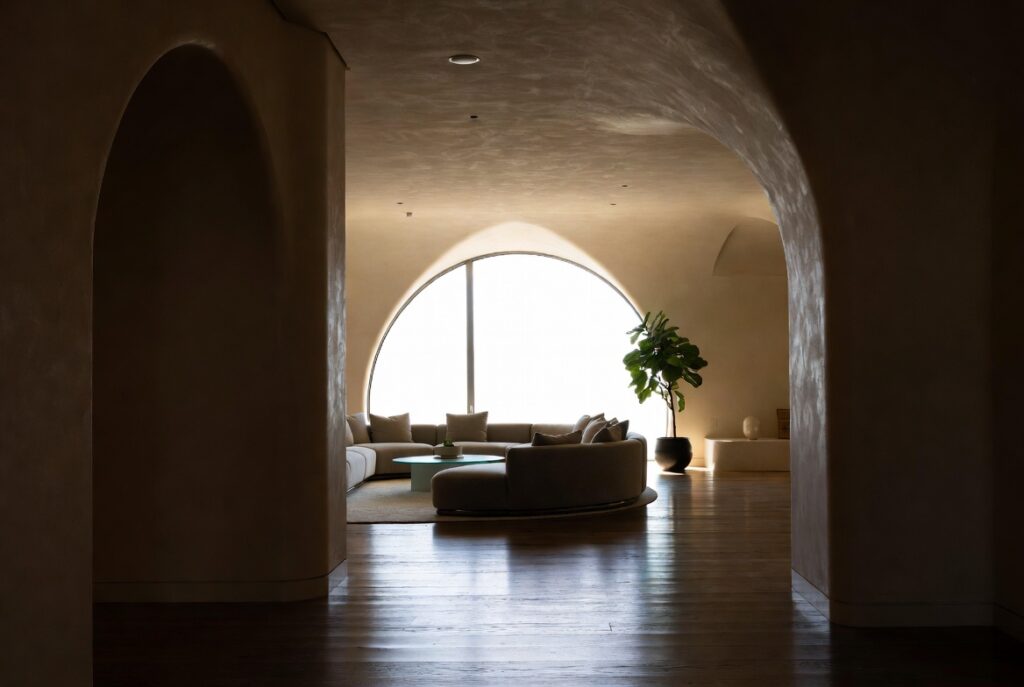
Curved furniture, rounded walls, biomorphic shapes, and organic layouts mimic natural patterns and create a flow that straight lines and hard corners can’t. A curved sofa, a round coffee table, an arched doorway — these elements speak the same visual language as a living tree or a winding river. In 2026, organic forms have become one of the primary ways biophilic design expresses itself without a single plant in the room.
Smart tip: Add one curved or rounded furniture piece to a room of straight lines — the organic shape immediately makes the space feel less clinical and more human.
Mistake to avoid: Don’t mix too many curved and angular pieces without intention. Organic forms work best when they contrast with the room’s straight architectural lines, not when everything curves.
13. Herbs in the Kitchen That Earn Their Place
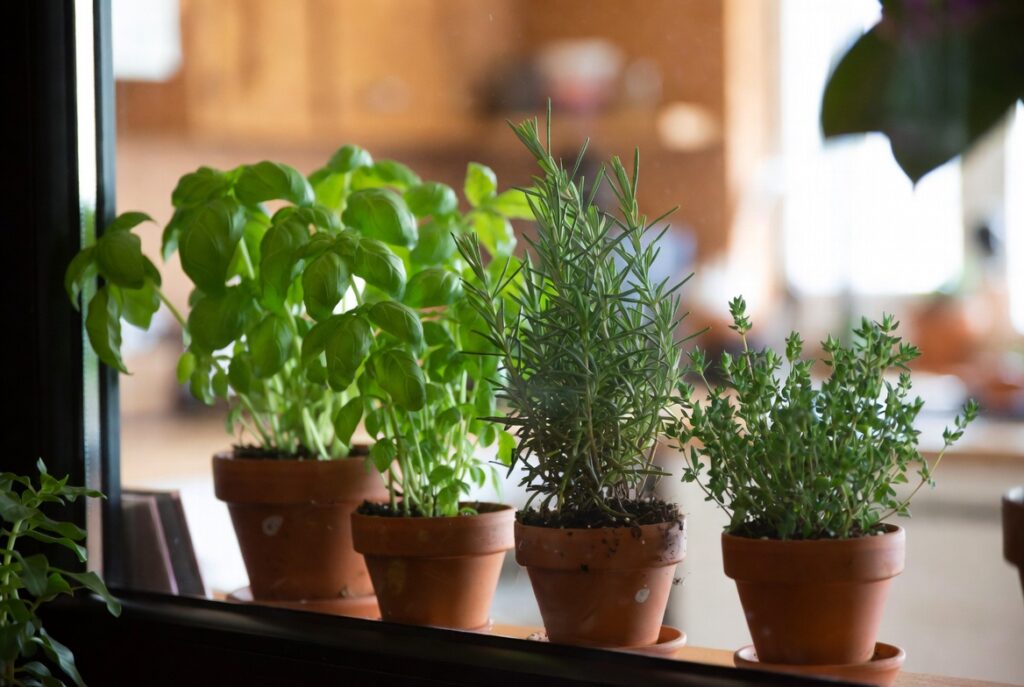
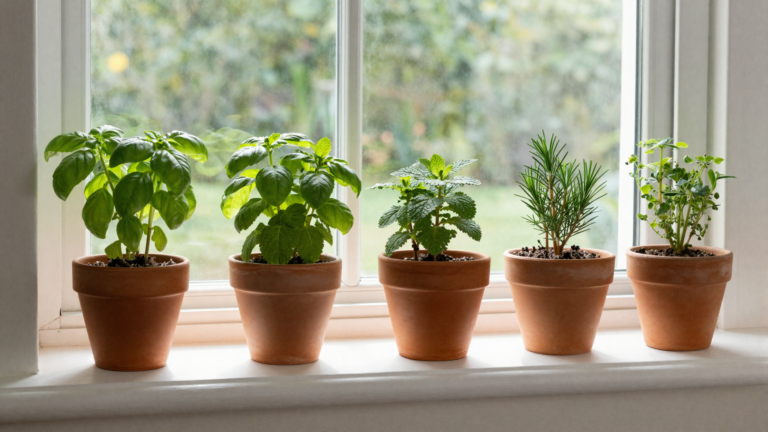
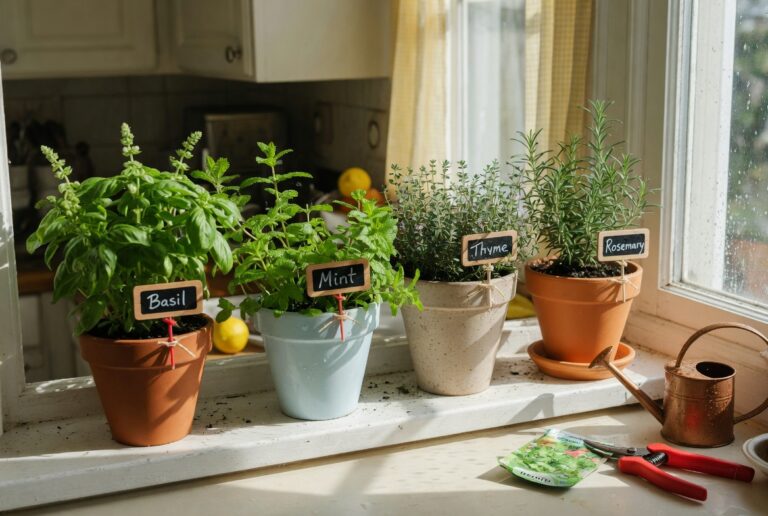
Kitchen herbs — basil, rosemary, thyme, mint — work as both plant decor and a genuinely functional daily ingredient. A small arrangement of potted herbs near the kitchen window adds greenery, fragrance, and the satisfying ritual of growing something you actually use. As our indoor herb garden ideas for fresh flavors at home show, even a few pots on a windowsill make the kitchen feel more alive and purposeful.
Smart tip: Group three to five herb pots in matching terracotta containers near the kitchen window — functional, fragrant, and beautiful all at once.
Mistake to avoid: Don’t mix herbs and purely decorative plants in the same kitchen grouping. Herbs that you actually harvest need space and consistent watering; keep them in a dedicated zone.
14. A Water Feature That Changes How a Room Sounds
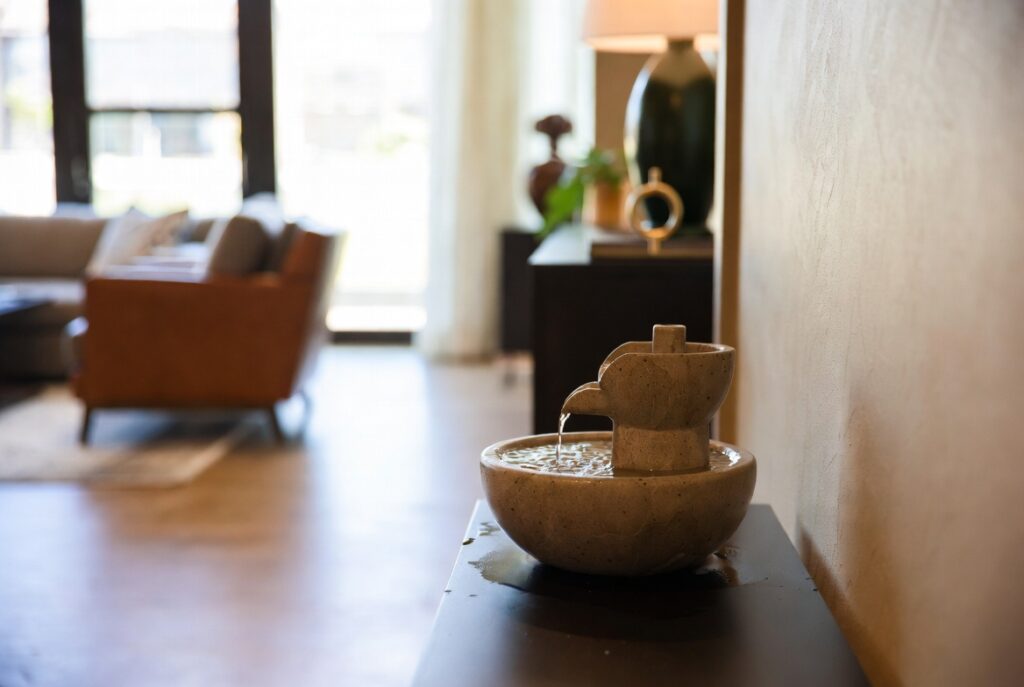
Sound is an underused dimension of biophilic design. A small tabletop fountain — the gentle, consistent sound of moving water — shifts a room’s atmosphere in a way that purely visual elements can’t replicate. Nature’s rhythms include sound, and introducing even a minimal water feature into a wellness nook or living room corner adds sensory richness that makes a space feel genuinely different.
Smart tip: A small tabletop fountain costs very little and adds the one biophilic element — sound — that no plant or material can provide. Place it where you sit most.
Mistake to avoid: Don’t choose a fountain too large or too loud for the room’s size. The sound should be ambient and calming, not loud enough to distract.
15. Natural Textiles That Complete the Biophilic Picture
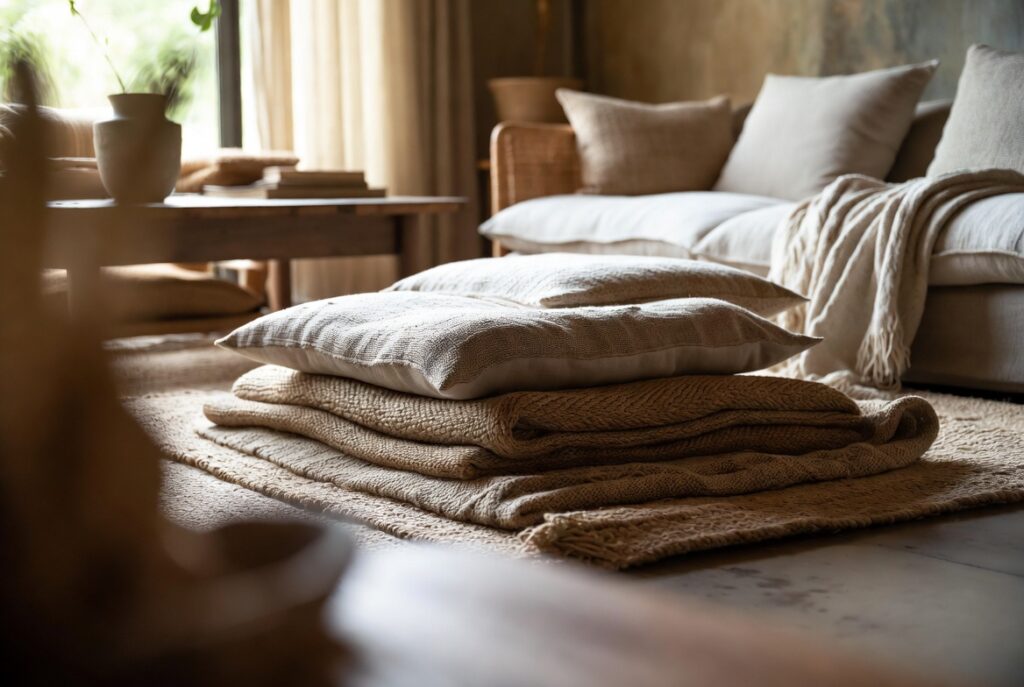
Biophilic design is complete only when it engages texture and touch. Linen curtains, wool throws, jute rugs, boucle cushions, and cotton quilts — layered together — create the tactile richness that makes a biophilic room feel genuinely restorative rather than just styled. Each of these materials comes from a plant or animal source, which means they carry the warmth and unpredictability that synthetic alternatives can’t achieve.
Smart tip: Layer at least three different natural textiles in a single room — a jute rug, a linen cushion, a wool throw — for the tactile depth biophilic spaces need.
Mistake to avoid: Don’t mix natural and synthetic textiles without intention. Synthetic fabrics in a biophilic room feel incongruous — even if they look similar, they don’t feel the same.
16. Low-Maintenance Plants That Actually Survive Indoors
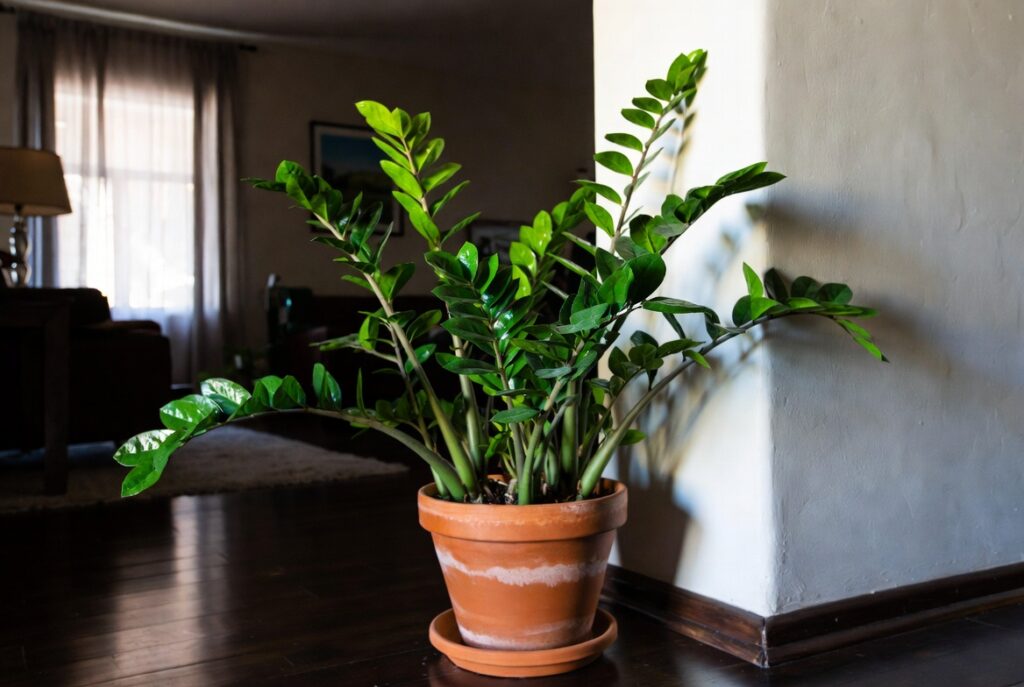
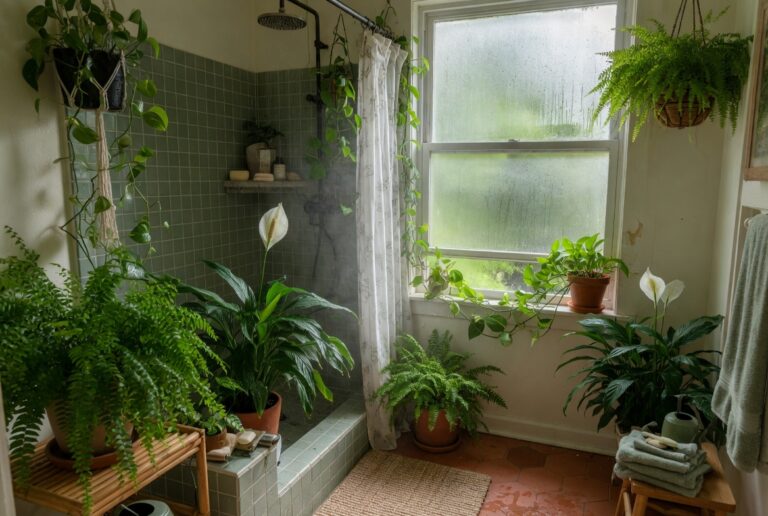
The most common reason plant decor fails is choosing plants that don’t suit the actual conditions of a home. Snake plants, ZZ plants, pothos, and peace lilies thrive in lower light and irregular watering — conditions most indoor rooms actually provide. Choosing plants that genuinely suit your space rather than aspirational ones that need care you won’t realistically give is the foundation of a biophilic home that stays beautiful without becoming a chore. Our best indoor plants that thrive without direct sunlight is a complete guide to making exactly this choice well.
Smart tip: Start with one snake plant or ZZ plant in a low-light spot — near-indestructible, architectural, and genuinely beautiful with almost zero effort.
Mistake to avoid: Don’t choose plants based on aesthetics alone without checking their light and water requirements. A beautiful plant that slowly dies becomes an ongoing design problem, not a solution.
A home that genuinely connects you to nature isn’t built from a plant haul or a single styling session — it’s built from a series of small, intentional choices that layer over time. Start with one idea from this list today, let it settle, and build the rest of your biophilic home around it gradually.
Continue Your Home Transformation
Explore the full collection of step-by-step eBooks and get the guide that fits the room you're working on.