Quick Recap of These Plant Decor
Keep these plant decor simple at first. You can always layer in more plant decor once the basics are working.
Getting the plant decor right makes the biggest difference in how the space actually feels day to day. A well-planned plant decor balances function and style, and even small tweaks to your plant decor can transform the whole area.
You bought the plants. You found the cute pots. And somehow your space still feels cluttered instead of calm — a few struggling leaves on a windowsill rather than the lush, green sanctuary you imagined. I spent years killing plants and scattering them randomly before I understood what was actually missing.Beautiful plant decor isn’t about having a green thumb or spending a fortune. It’s about a handful of styling decisions that make plants look intentional, healthy, and genuinely transformative in a space. By the end of this article, you’ll know exactly how to turn a few struggling pots into a calm, lush sanctuary that feels alive the moment you walk in — no green thumb required, no expensive overhaul. You’ll leave knowing precisely where to start.
1. Why Scattered Plants Make a Room Look Messy Not Lush
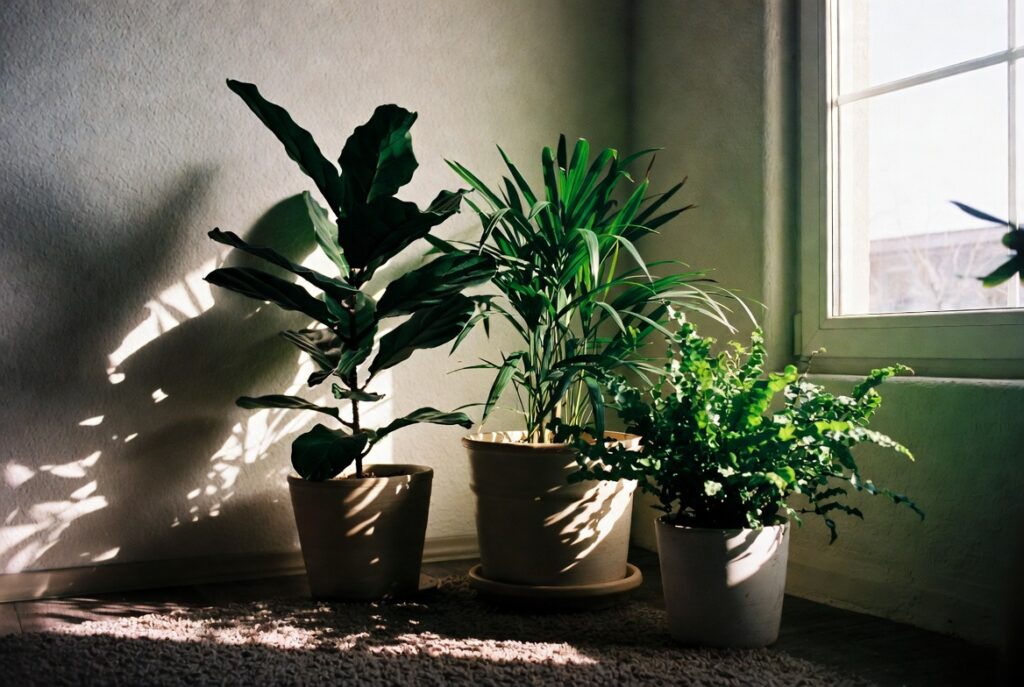
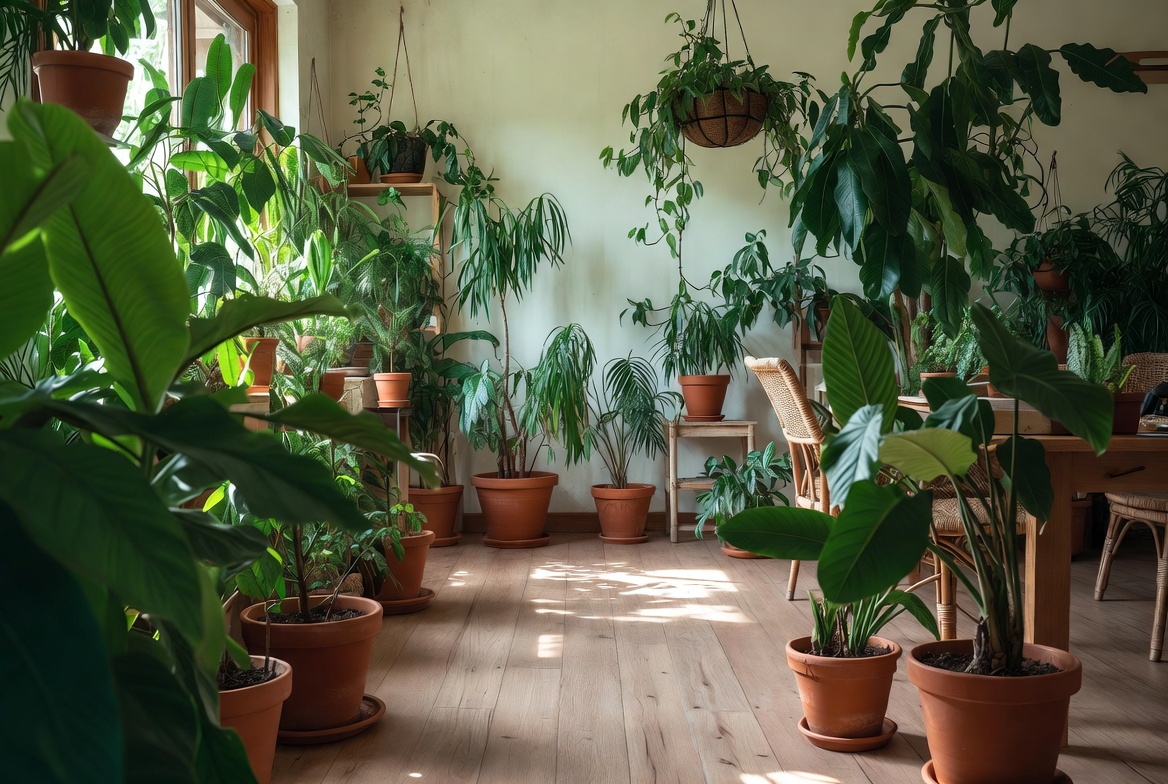
The most common plant decor mistake I see is one lonely plant on every surface — a pot here, a pot there, with no relationship between them. Scattered plants read as clutter; clustered plants read as a garden. The fix is grouping plants into intentional moments rather than spreading them thin.
Smart tip: Gather your existing plants into two or three lush groupings instead of spreading them out — an instant transformation with zero cost.
Mistake to avoid: Don’t place a single small plant in the center of a large surface. It looks lost rather than styled.
2. The Statement Plant That Anchors a Whole Room
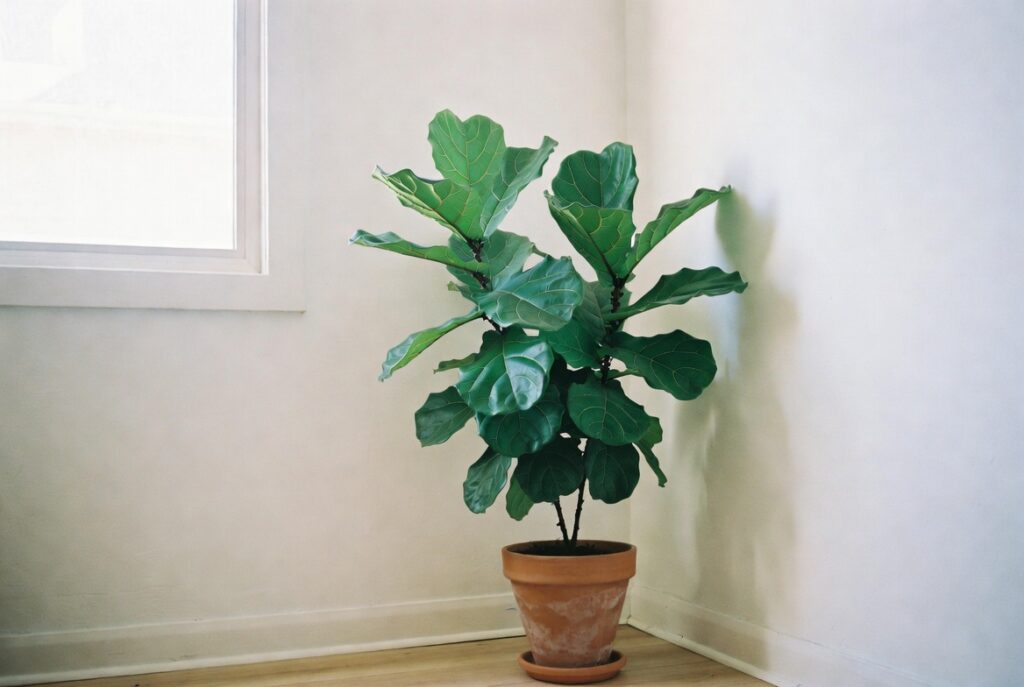
In 2026, plants are being treated like furniture and art — large, sculptural specimens that anchor a room. A fiddle leaf fig, bird of paradise, or olive tree in an empty corner does more for a space than a dozen small pots. We found that one large statement plant instantly makes a room feel designed and alive.
Smart tip: One large floor plant in a bare corner fills empty space beautifully — a single purchase with the impact of a furniture piece.
Mistake to avoid: Don’t choose a statement plant too small for the space. In a large room, go bigger than feels comfortable — scale is everything.
3. How Terracotta Pots Became the Look of 2026
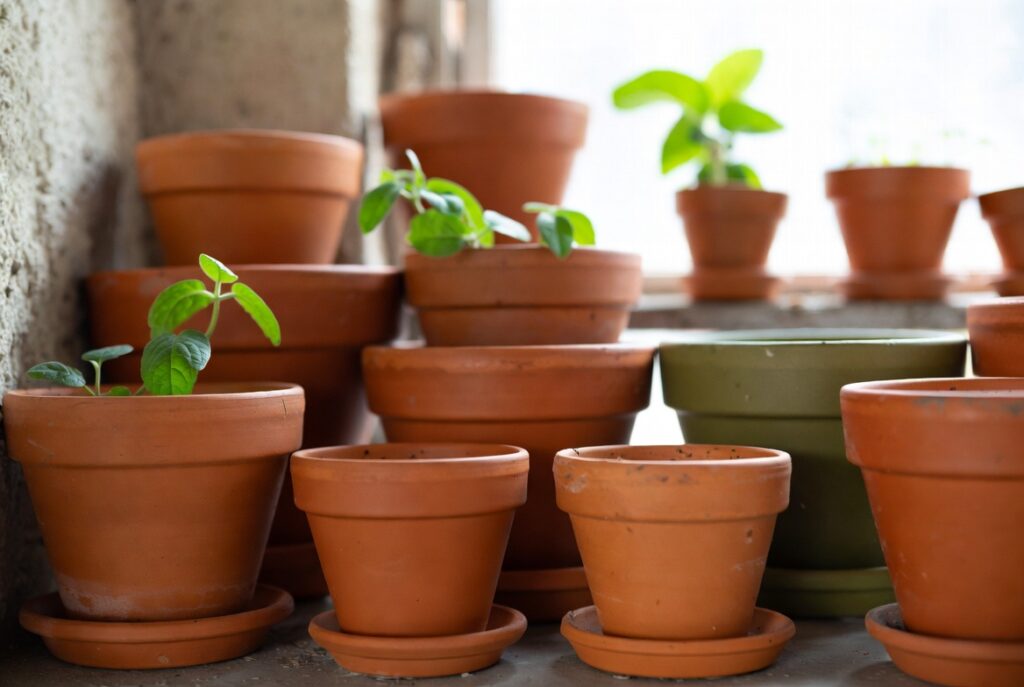
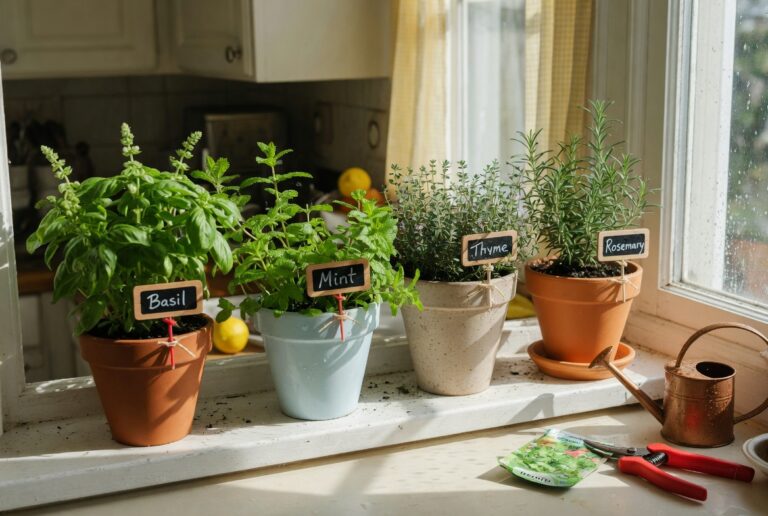
Terracotta and handmade clay pots in warm rust and olive tones are dominating plant decor this year. They pair perfectly with the earthy, biophilic palette that defines 2026 interiors and bring a grounded, natural warmth that plastic and ceramic can’t match. The first time I swapped plastic pots for terracotta, the whole room felt warmer.
Smart tip: Replace three plastic pots with matching terracotta ones — a budget-friendly swap that instantly elevates every plant.
Mistake to avoid: Don’t forget terracotta dries soil faster. Water a touch more often, or line with plastic for thirsty plants.
Loving These Ideas? Get the Step-by-Step Guide
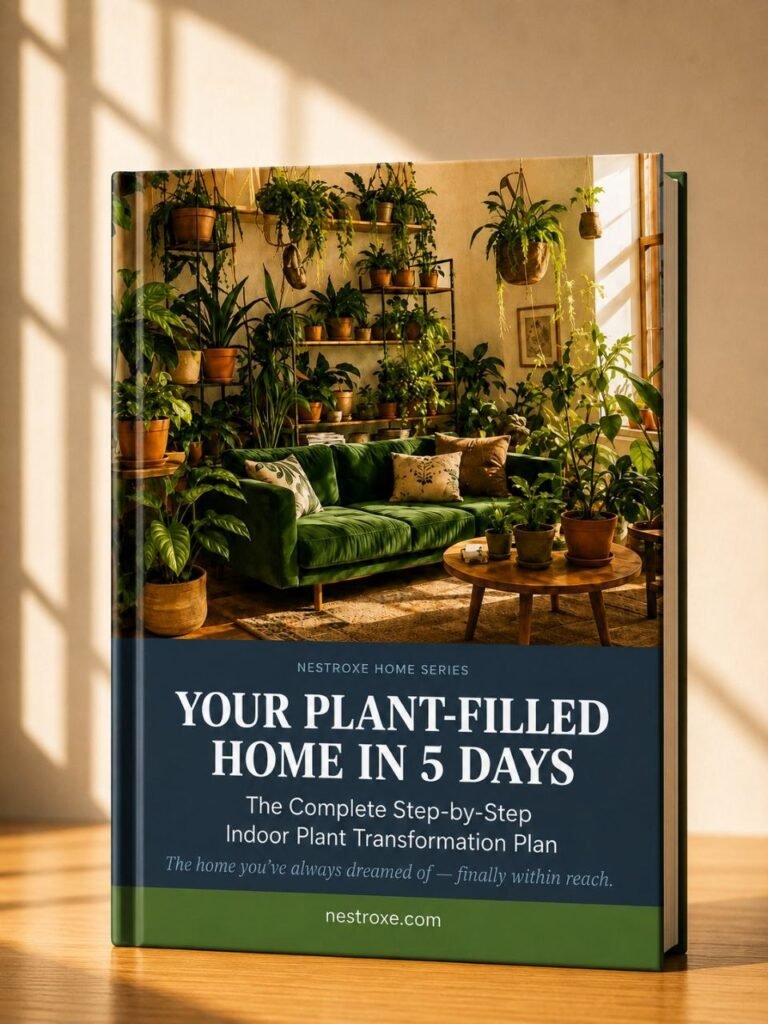
Grab the full 5-day eBook and turn these ideas into a finished room.



4. The Trailing Plant Trick That Softens Every Hard Edge
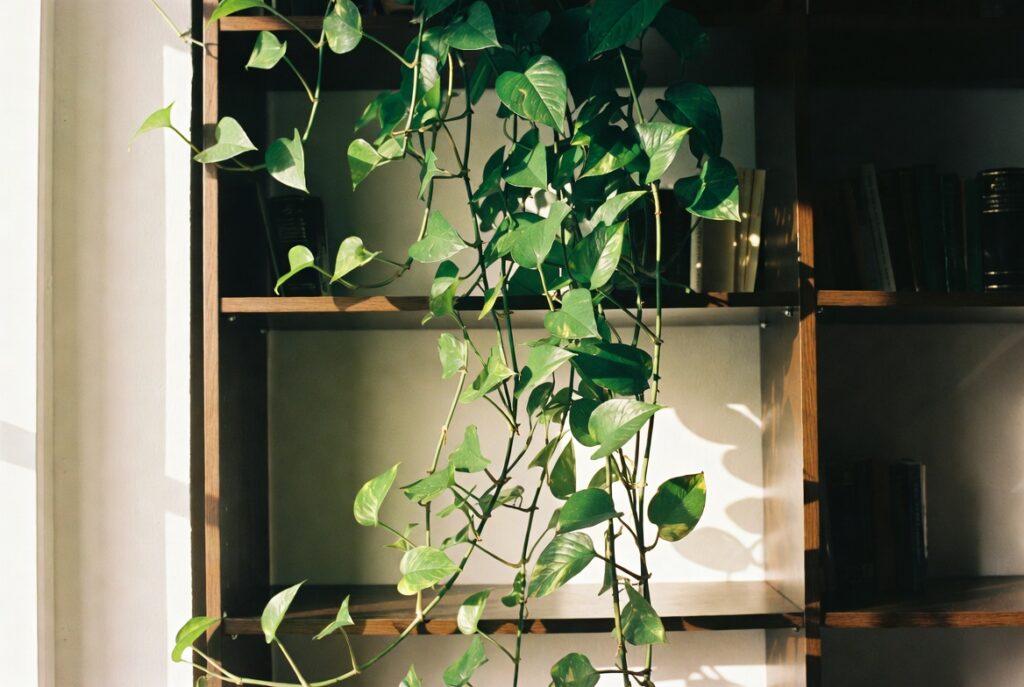
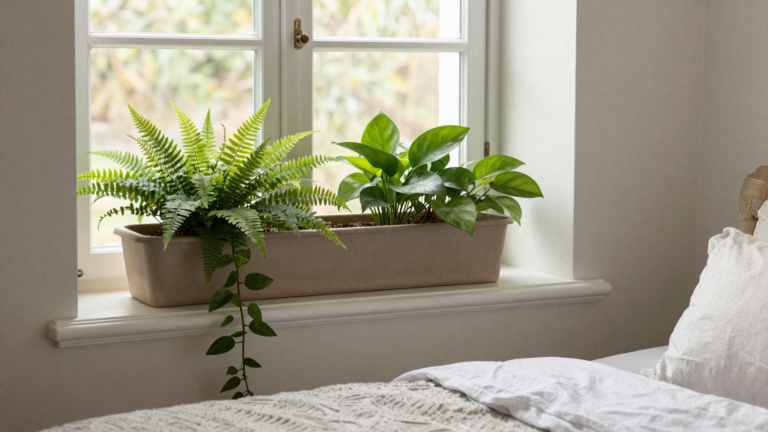
A room full of straight lines — shelves, frames, furniture — needs something organic to soften it. Trailing plants like pothos, string of hearts, and ivy cascading from a shelf or hanging planter break up rigid edges and add a gentle, living movement. In my experience, one trailing plant changes the entire feel of a bookshelf.
Smart tip: A trailing pothos on a high shelf grows fast and forgives neglect — instant softness with almost no effort required.
Mistake to avoid: Don’t place trailing plants too low. Their beauty is in the cascade — give them height to fall from.
5. Why Grouping in Odd Numbers Always Looks Better
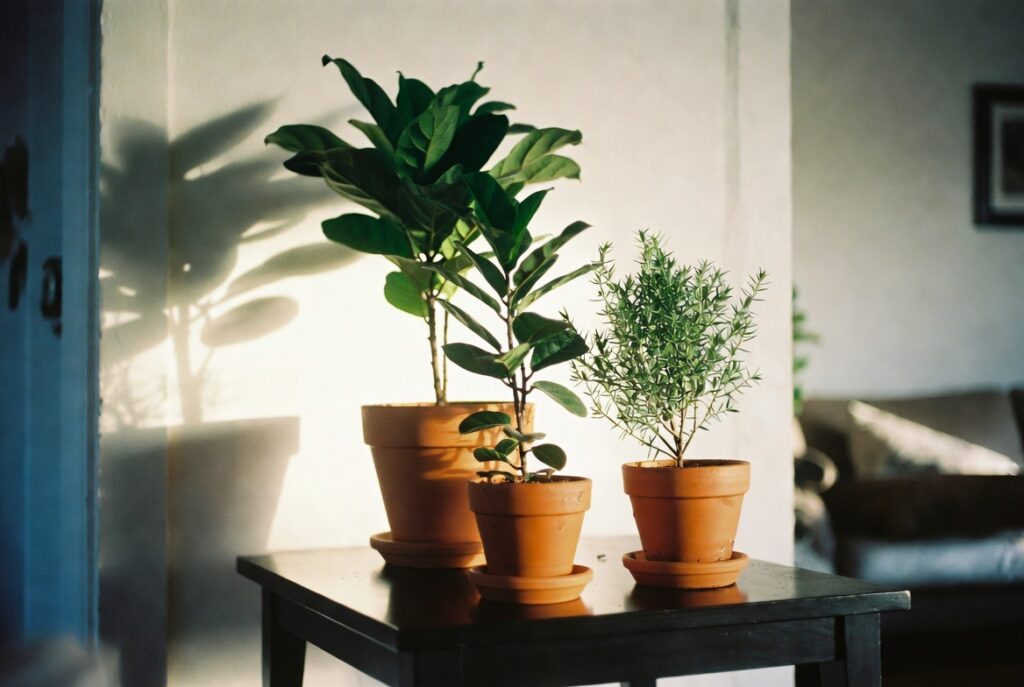
There’s a reason designers group plants in threes and fives. Odd-numbered groupings feel natural and dynamic, while even numbers feel static and forced. Varying the heights within the group — one tall, one medium, one trailing — creates the layered, lush look that makes plant styling feel professional.
Smart tip: Group three plants of different heights together — a free styling rule that instantly makes any corner look intentional.
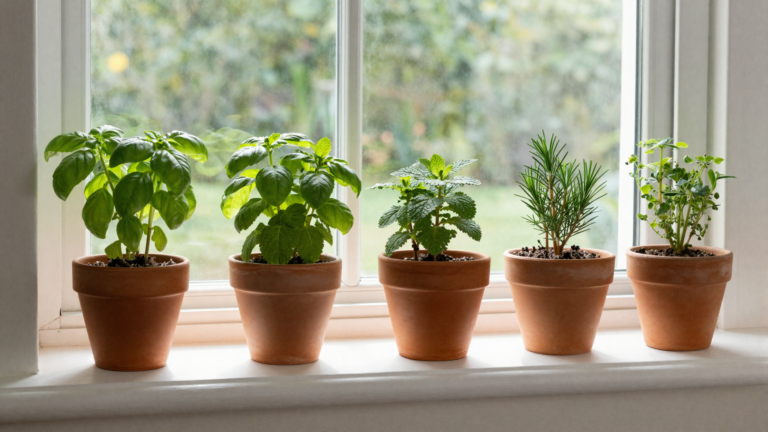
Mistake to avoid: Don’t line plants up in a row at the same height. Uniform rows look like a shop display, not a home.
6. The Living Wall That Turns Blank Space Into a Feature
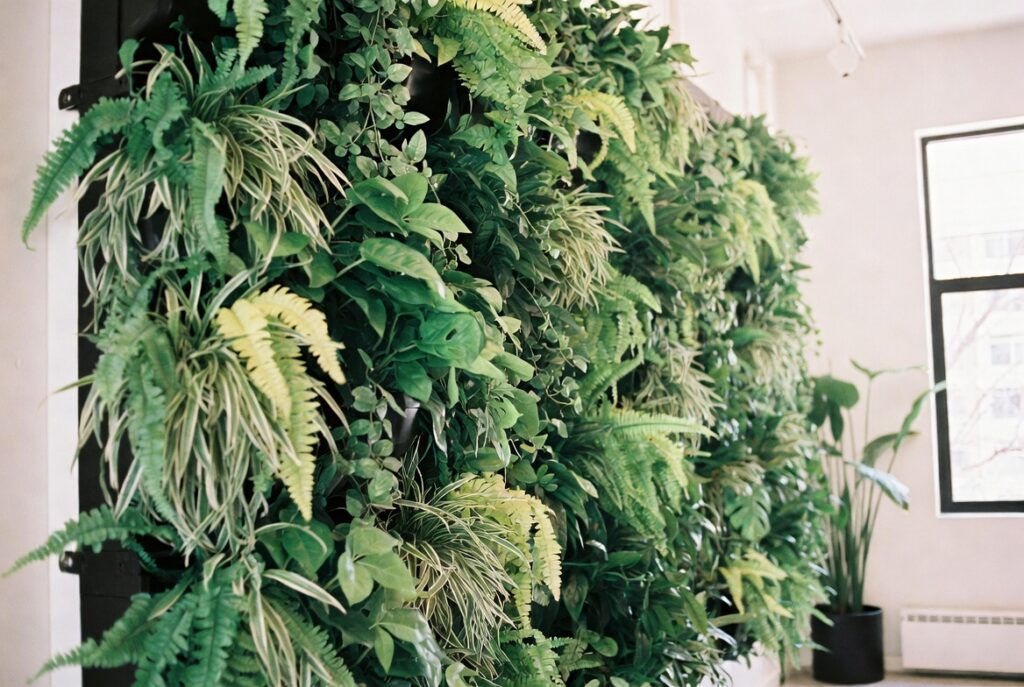
A living green wall is the boldest biophilic statement of 2026 — and it transforms a blank wall into the focal point of an entire room. Whether a full vertical garden or a simple grid of wall-mounted planters, the effect is genuinely breathtaking. Studies show nature-filled spaces reduce stress significantly, and a living wall delivers that in concentrated form.
Smart tip: Start with a small grid of three wall-mounted planters — a manageable entry to the living wall trend that scales beautifully over time.
Mistake to avoid: Don’t install a living wall without considering watering access. Choose self-watering planters or trailing low-maintenance species.
7. How Dark-Leaf Plants Add Drama to Moody Rooms
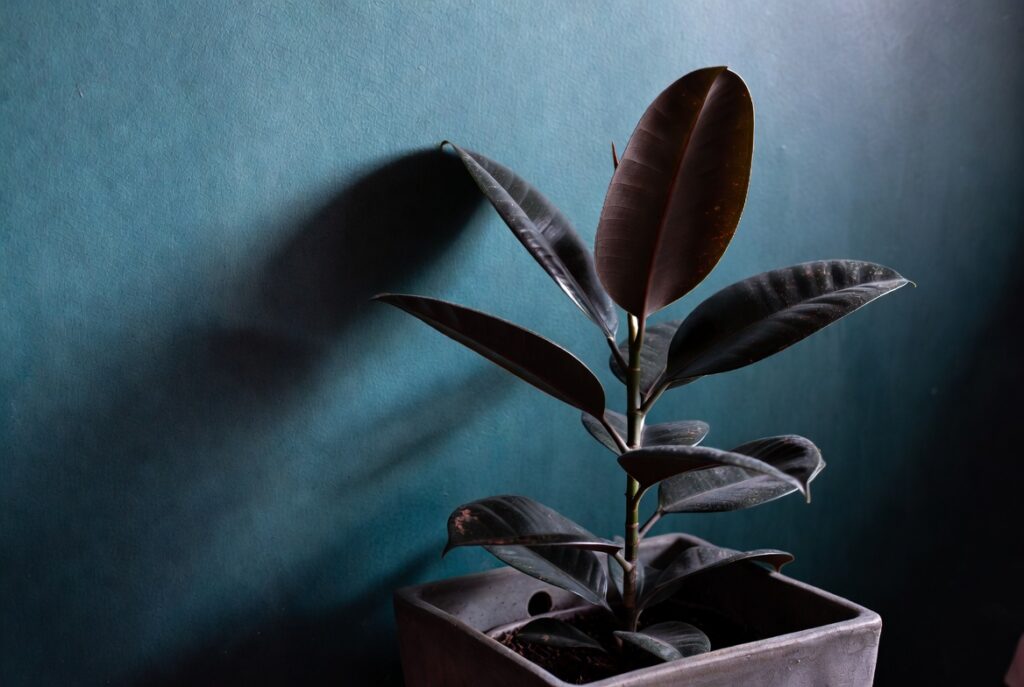
The cocooning trend of 2026 — deep, rich rooms in mahogany, midnight teal, and merlot — calls for plants that match the drama. Dark-foliage varieties like Black Velvet Alocasia and burgundy rubber plants bring depth and sophistication that bright green leaves can’t. They function like living sculpture in a moody, intentional space.
Smart tip: One burgundy rubber plant in a dark-toned room adds instant drama — a striking accent that thrives in lower light.
Mistake to avoid: Don’t pair dark-leaf plants with busy backgrounds. They need a calm, solid backdrop to show their full depth.
8. The Macrame Hanger That Reclaims Your Ceiling Space
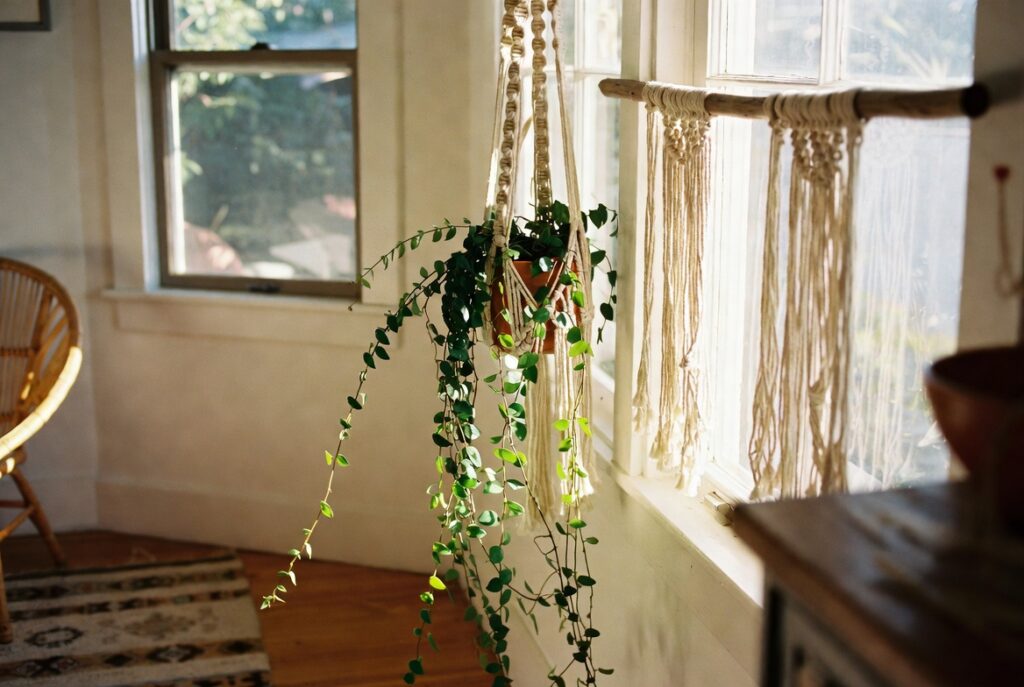
When floor and surface space runs out, the ceiling is the most overlooked opportunity in any room. Macrame hangers and sleek geometric wall mounts let plants float at eye level, drawing the gaze up and adding greenery without consuming a single inch of usable space. The textured, handmade quality of macrame also adds a boho warmth that fits 2026 perfectly.
Smart tip: Hang one trailing plant in a macrame holder near a window — a charming space-saver that needs only a ceiling hook.
Mistake to avoid: Don’t hang heavy planters from drywall without proper anchors. A falling pot ruins both the plant and the floor.
9. Why Natural Material Planters Beat Plastic Every Time
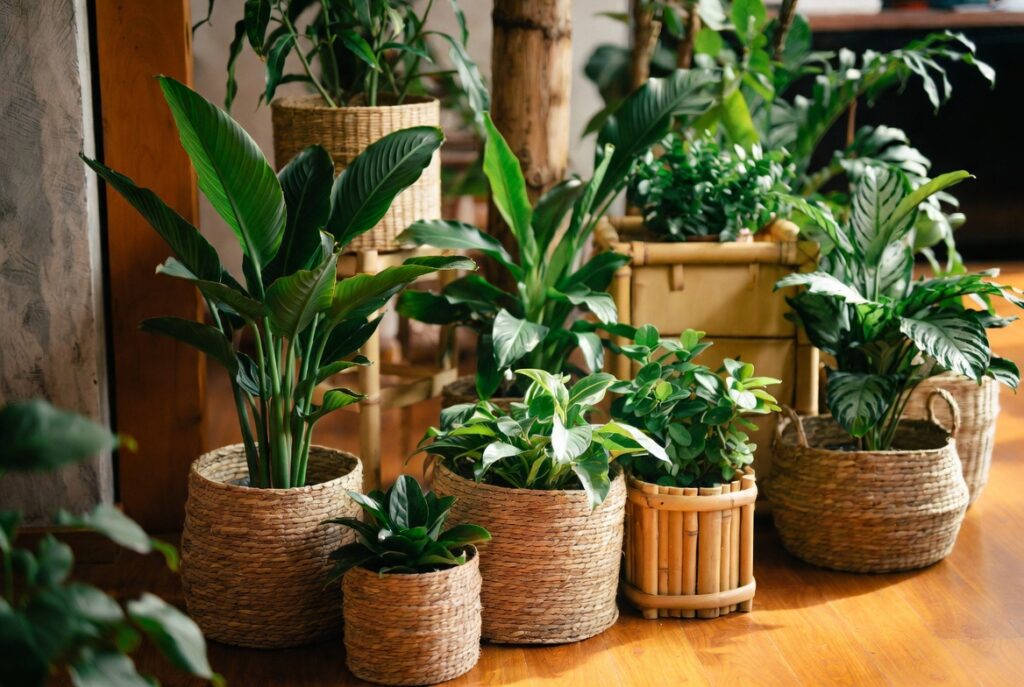
Plastic planters are being replaced in 2026 by eco-friendly materials — terracotta, bamboo, cork, woven seagrass, and stone. They photograph beautifully, age gracefully, and connect to the sustainability values driving design this year. A natural material planter makes even the most ordinary plant look considered and intentional.
Smart tip: Slip plastic nursery pots inside woven baskets — a budget-friendly hack that hides plastic and adds instant natural texture.
Mistake to avoid: Don’t plant directly into baskets without a liner. Water damages woven material and stains stone over time.
10. The Low-Light Plants That Thrive Where Others Die
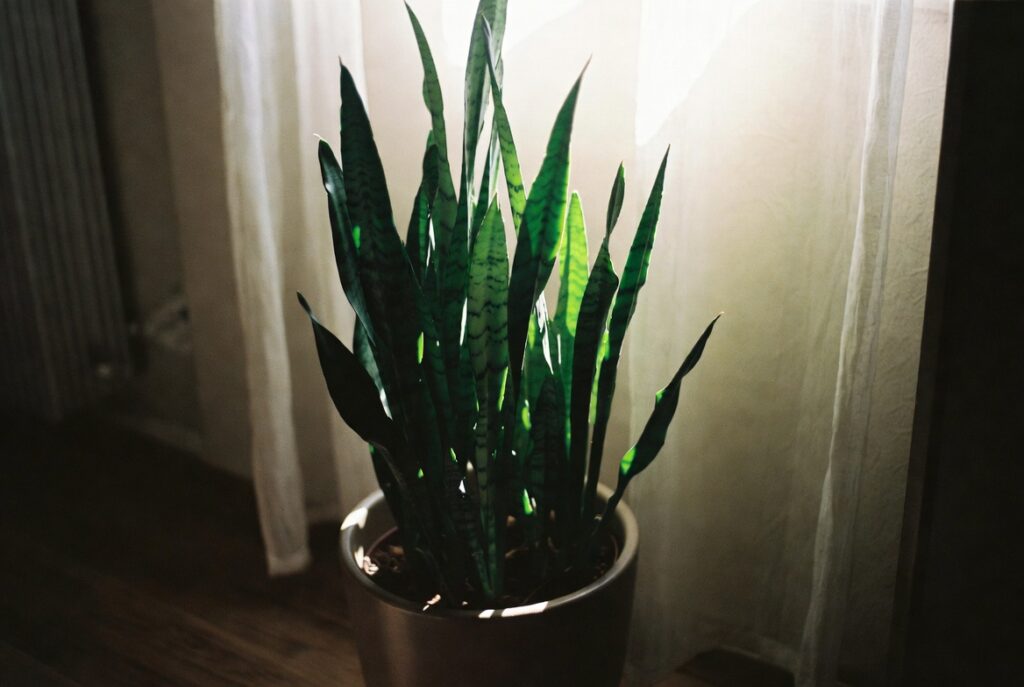
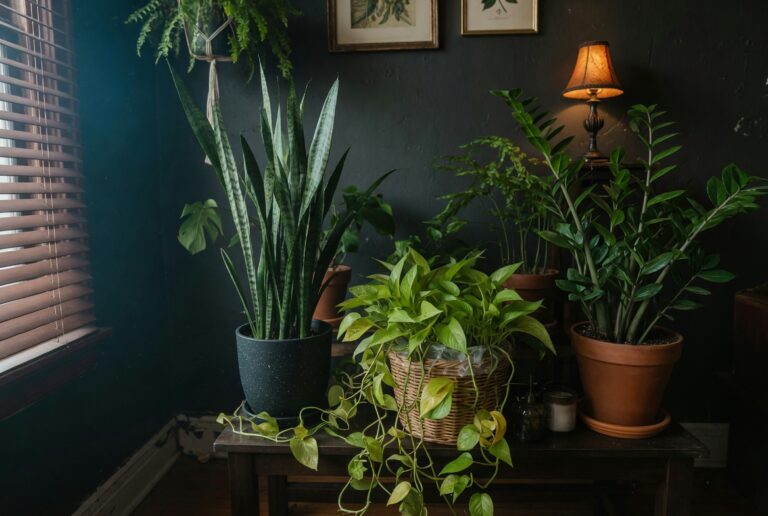
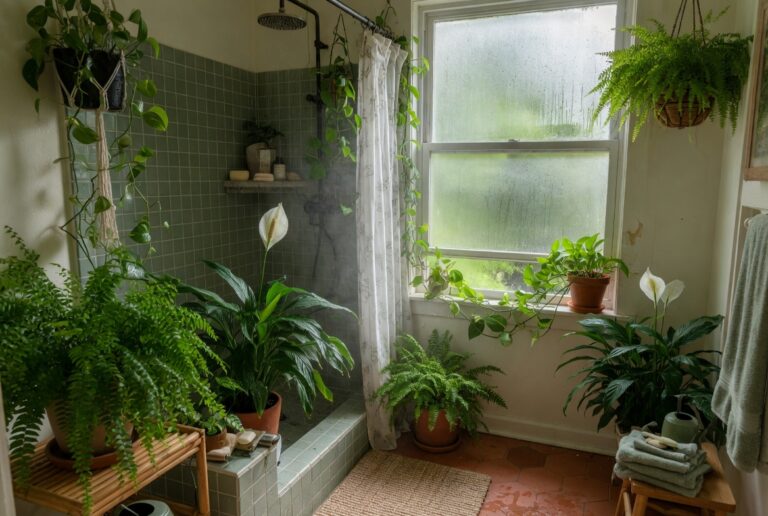
The biggest reason people give up on plant decor is choosing plants that can’t survive their light conditions. Snake plants, ZZ plants, pothos, and peace lilies thrive in low light and forgive almost any neglect. Choosing the right plant for the spot is the difference between a thriving display and a graveyard of good intentions, and our guide to indoor plants that thrive without direct sunlight covers exactly which species work where.
Smart tip: Start with a snake plant in any dim corner — nearly indestructible and stylish enough for any modern space.
Mistake to avoid: Don’t force a sun-loving plant into a dark room. No amount of care overcomes the wrong light conditions.
11. How a Plant Shelf Becomes Living Wall Art
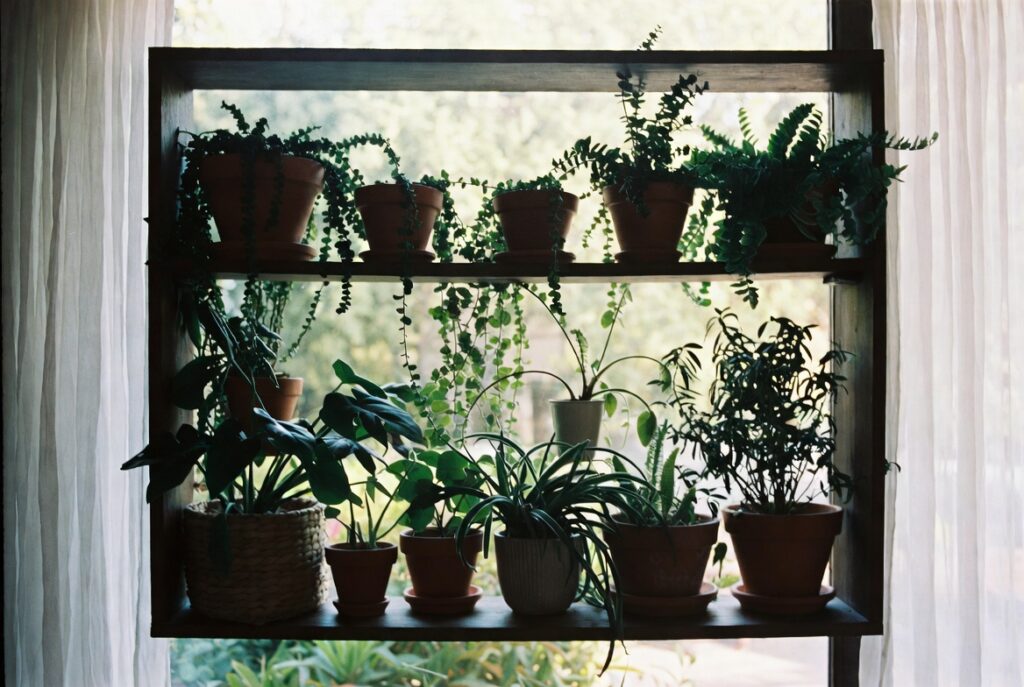
A dedicated plant shelf — styled with a mix of trailing, upright, and bushy plants in coordinating pots — becomes a piece of living art that changes and grows over time. It’s one of the most rewarding ways to display a collection, and it draws the eye like a gallery wall made of greenery. The styling principles overlap beautifully with the broader approach in our decorating with plants ideas for vibrant living spaces.
Smart tip: Style one shelf with three plant shapes and matching pots — a curated display that costs little and grows more beautiful monthly.
Mistake to avoid: Don’t overcrowd the shelf. Leave breathing room so each plant reads as part of a composition, not a jungle.
12. The Natural Texture Layer That Completes the Look
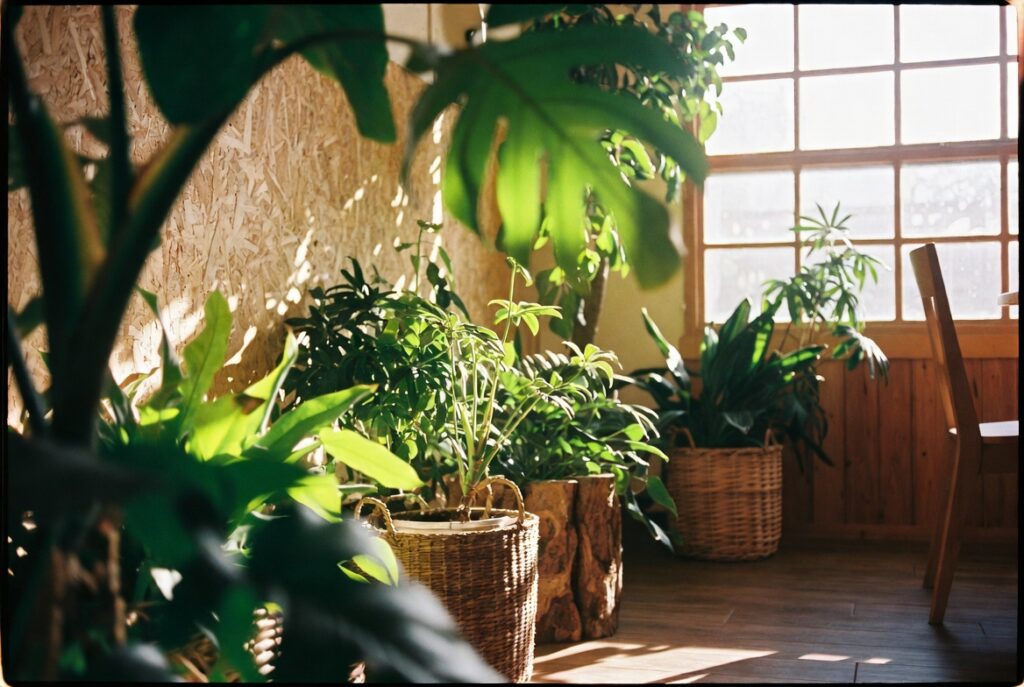
Plants look their best surrounded by complementary natural textures — woven baskets, rattan furniture, stone vessels, raw wood. This layering is the heart of biophilic design: it’s not just adding plants, but weaving nature’s materials throughout the space. The combination makes a room feel like a calm, organic retreat rather than just a decorated space.
Smart tip: Add one woven basket and one wooden stool near your plant grouping — a simple layer that ties the whole natural look together.
Mistake to avoid: Don’t mix too many competing textures. Two or three natural materials read as curated; five read as cluttered.
13. Why One Real Plant Beats Ten Fake Ones
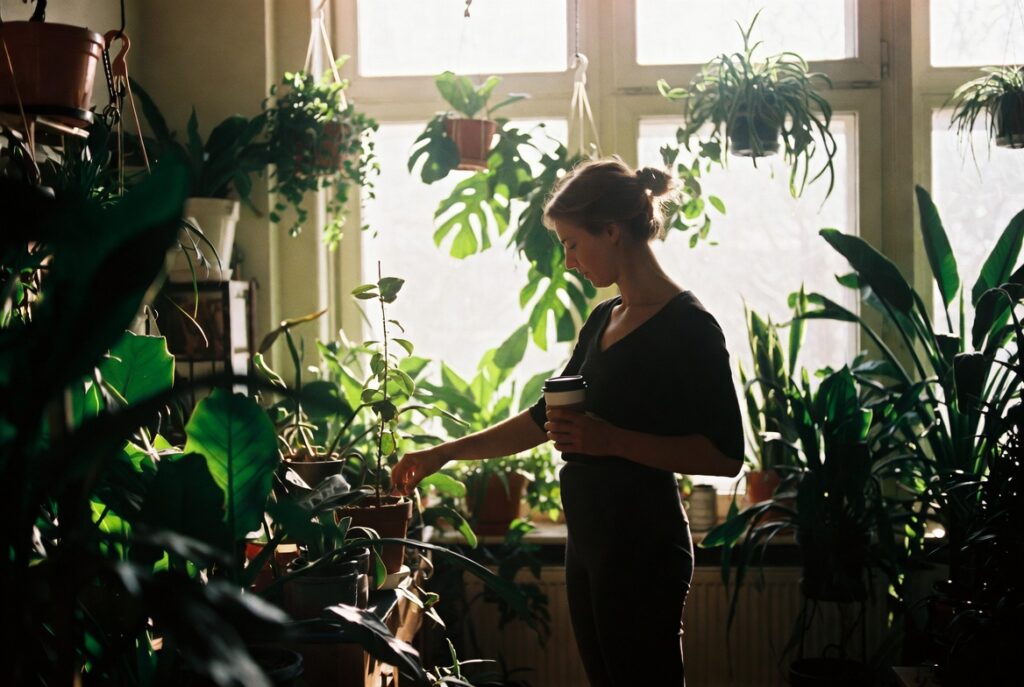
While quality faux plants have a place for truly impossible spots, nothing replaces the air-purifying, mood-lifting presence of a living plant. The 2026 shift toward intentional greenery is about plants chosen to soothe and reconnect us with nature — something only a real, breathing plant delivers. One thriving real plant brings more life than a shelf of perfect fakes.
Smart tip: Invest in one easy-care real plant before buying any faux ones — the living presence changes a room in a way artificial never will.
Mistake to avoid: Don’t fill a home entirely with faux plants for convenience. A single real plant anchors the space in authenticity.
14. The Daily Habit That Keeps Your Green Sanctuary Alive
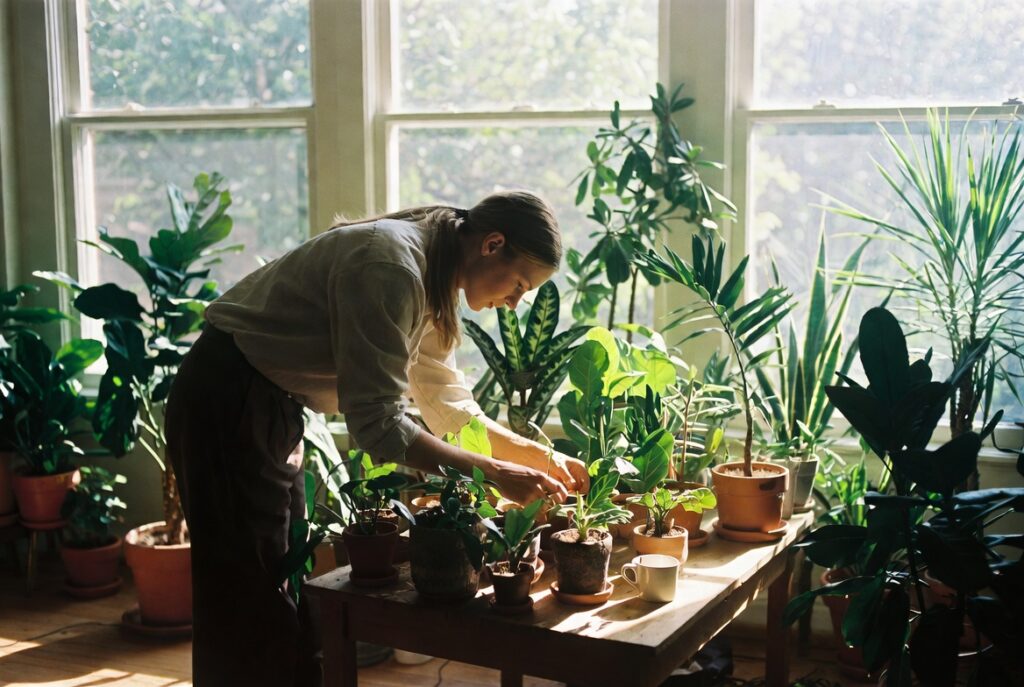
The difference between a thriving plant home and a struggling one isn’t a green thumb — it’s a small, consistent habit. A two-minute morning check: a quick look at the leaves, a finger in the soil, a rotation toward the light. This tiny ritual catches problems early and deepens the quiet connection that makes plant decor genuinely rewarding.
Smart tip: Check your plants for two minutes each morning with your coffee — the highest-return plant habit that costs nothing at all.
Mistake to avoid: Don’t water on a rigid schedule. Check the soil first — overwatering kills more houseplants than neglect ever does.
A calm, green home isn’t built by buying every plant at the nursery — it’s built through a few intentional choices made with care. Start with the one idea that spoke to you most, give it a single afternoon, and let your space slowly become the living sanctuary you’ve been imagining.
Continue Your Home Transformation
Explore the full collection of step-by-step eBooks and get the guide that fits the room you're working on.