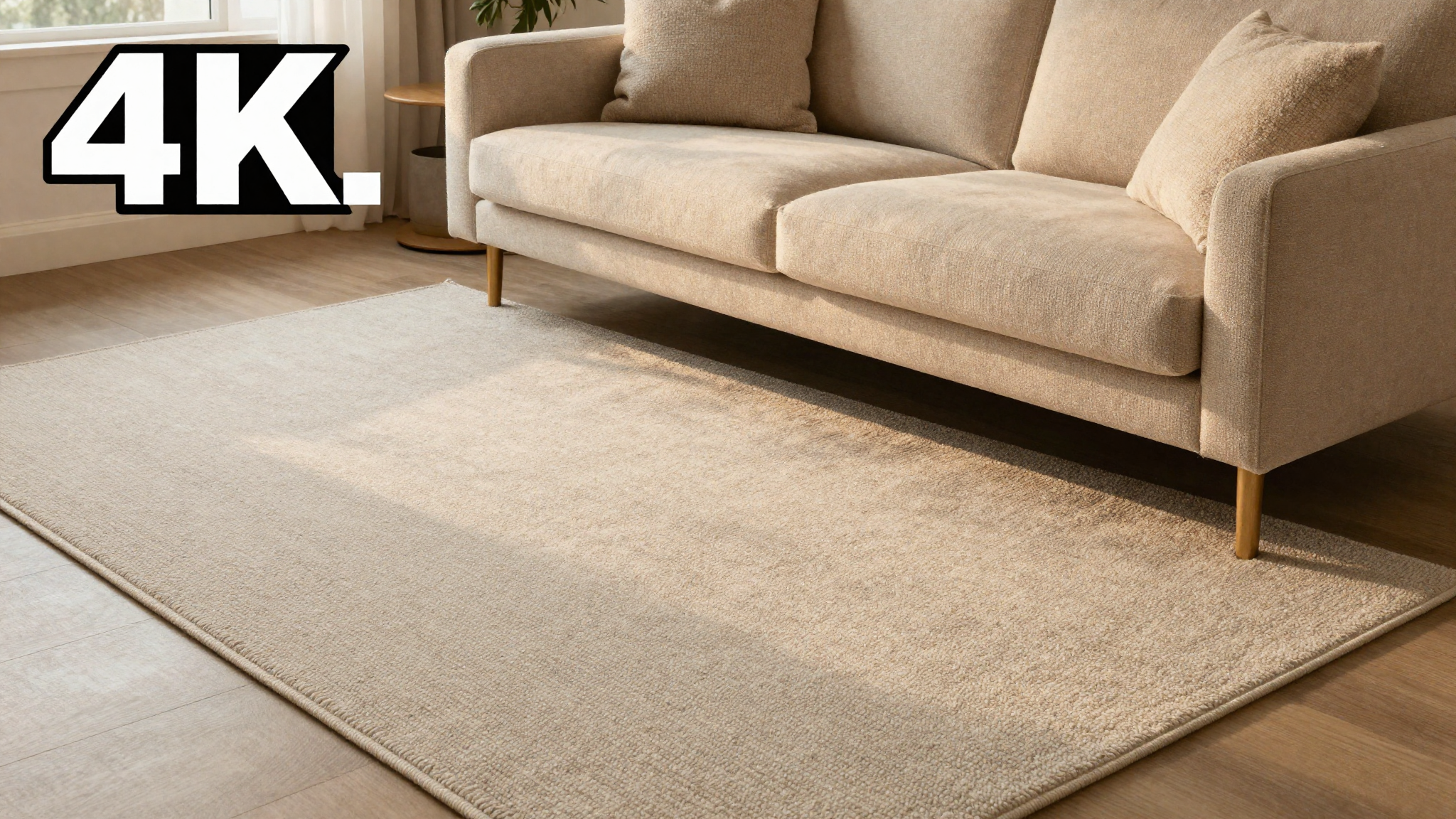
Getting the living room rug right makes the biggest difference in how the space actually feels day to day. A well-planned living room rug balances function and style, and even small tweaks to your living room rug can transform the whole area.
You bought a rug because the room felt unfinished, and somehow it still feels unfinished — like the rug is just sitting there instead of actually holding the space together.In my experience, living room rug ideas fail for one simple reason: people choose based on color first and size, texture, and placement never make it into the decision at all. By the end of this article, you’ll know exactly which rug choices actually ground a room, and which ones just add a pattern to step on.
1. Going Big Enough That It Actually Grounds the Room
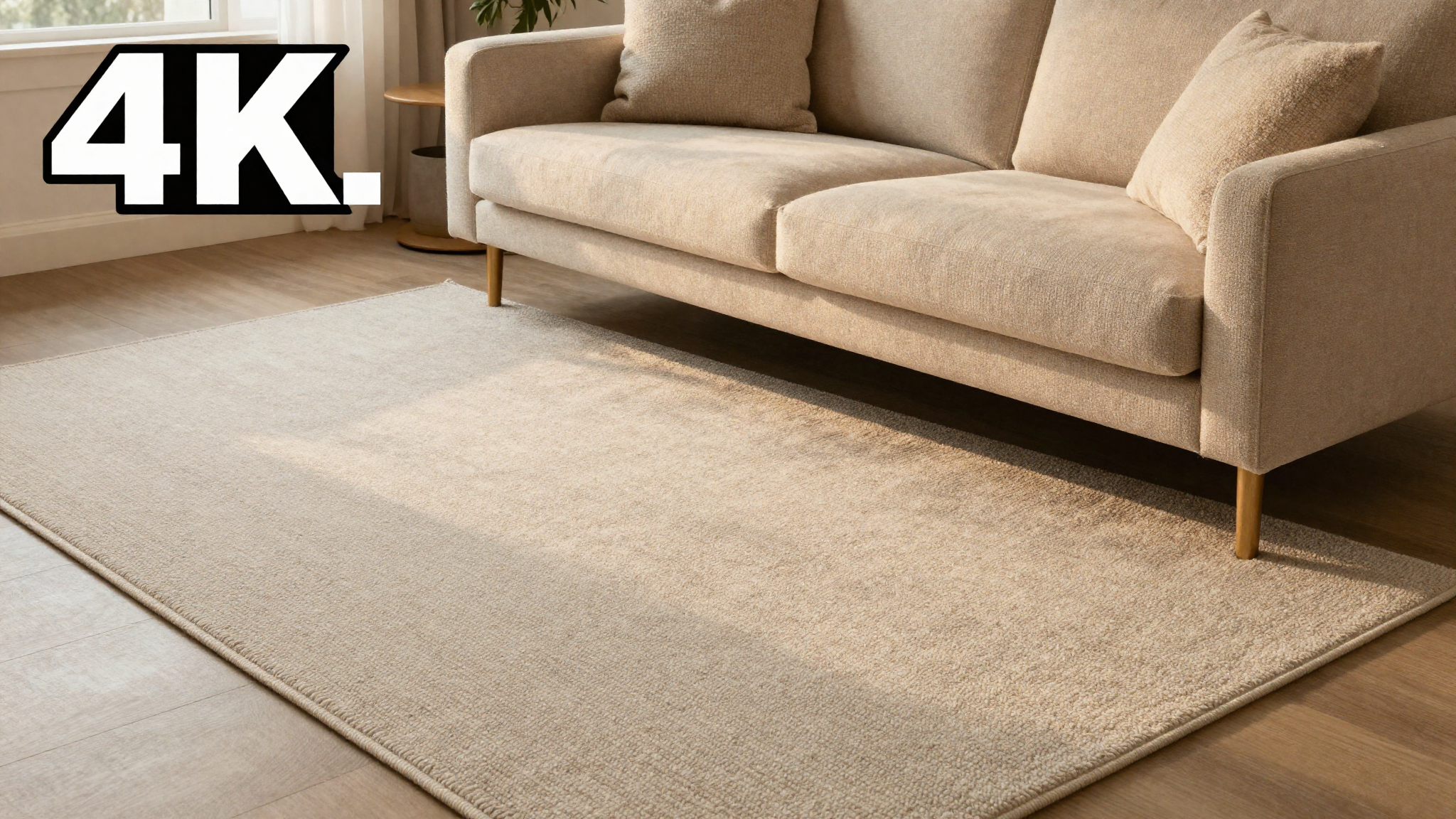
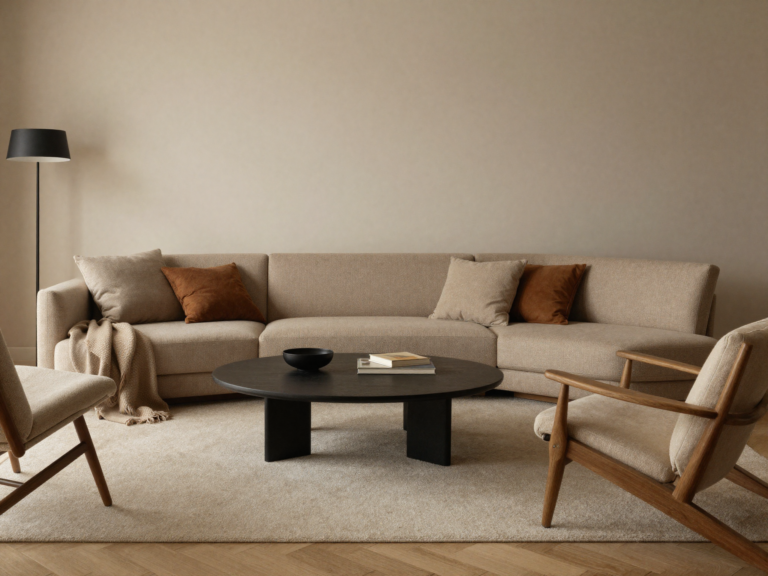
The clearest living room rug ideas trend right now is simple: bigger. Rugs sized to sit fully under all the furniture, rather than floating in the middle of the room, create a grounded, cohesive look instead of a piece that feels disconnected from everything around it.
Smart tip: As a baseline, make sure at least the front legs of every seating piece land on the rug — full coverage under all legs reads as the most intentional.
Mistake to avoid: A rug that only reaches the coffee table, leaving the sofa entirely off it, is the single fastest way to make a living room look smaller than it is.
2. The Layering Trick Designers Won’t Stop Talking About
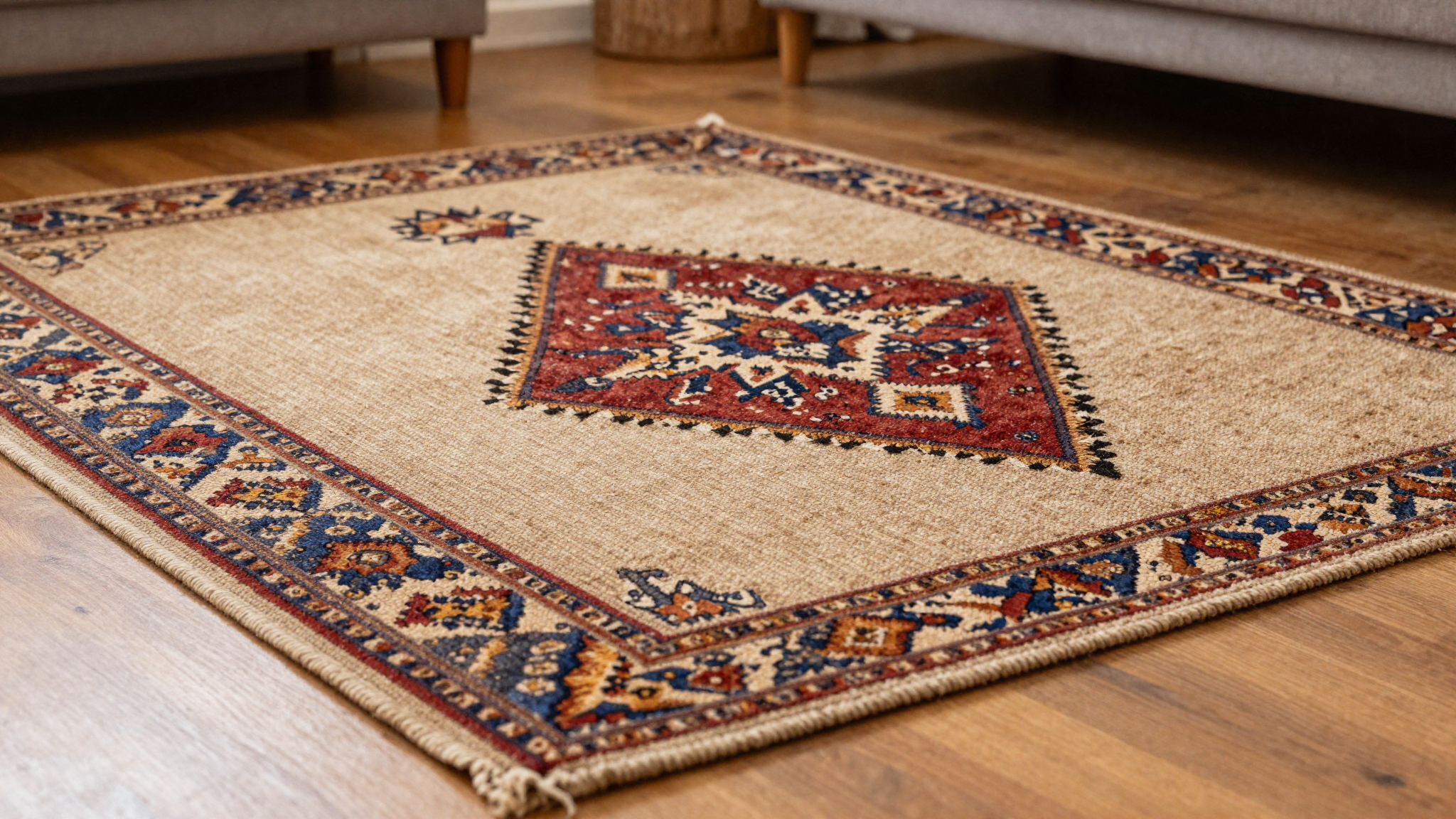
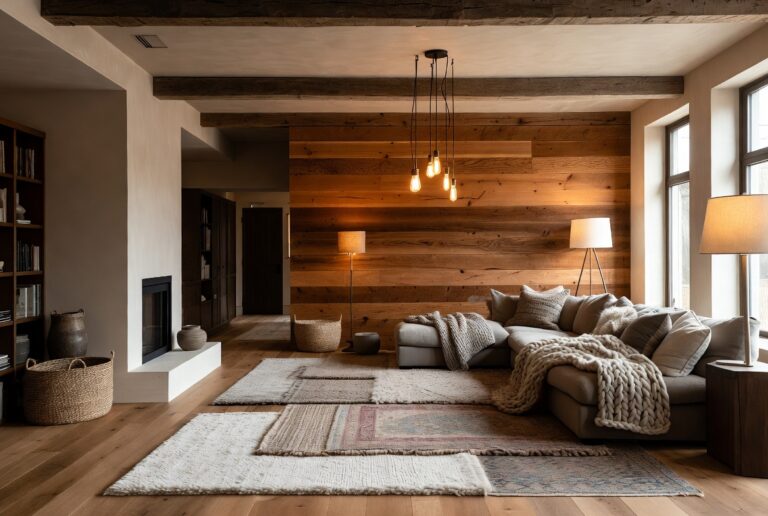
Layering a natural sisal base with a smaller patterned rug — a kilim or a traditional motif — on top is a technique designers keep coming back to. It adds depth, warmth, and a sense of history that a single flat rug can’t deliver on its own.
Smart tip: Center the top rug slightly off the middle of the base rug rather than perfectly centered — the slight asymmetry reads as more considered.
Mistake to avoid: Layering two rugs of similar scale and weight makes the pairing look accidental rather than intentional; contrast in texture and size is what sells the look.
3. Letting the Shape Break the Rules a Little
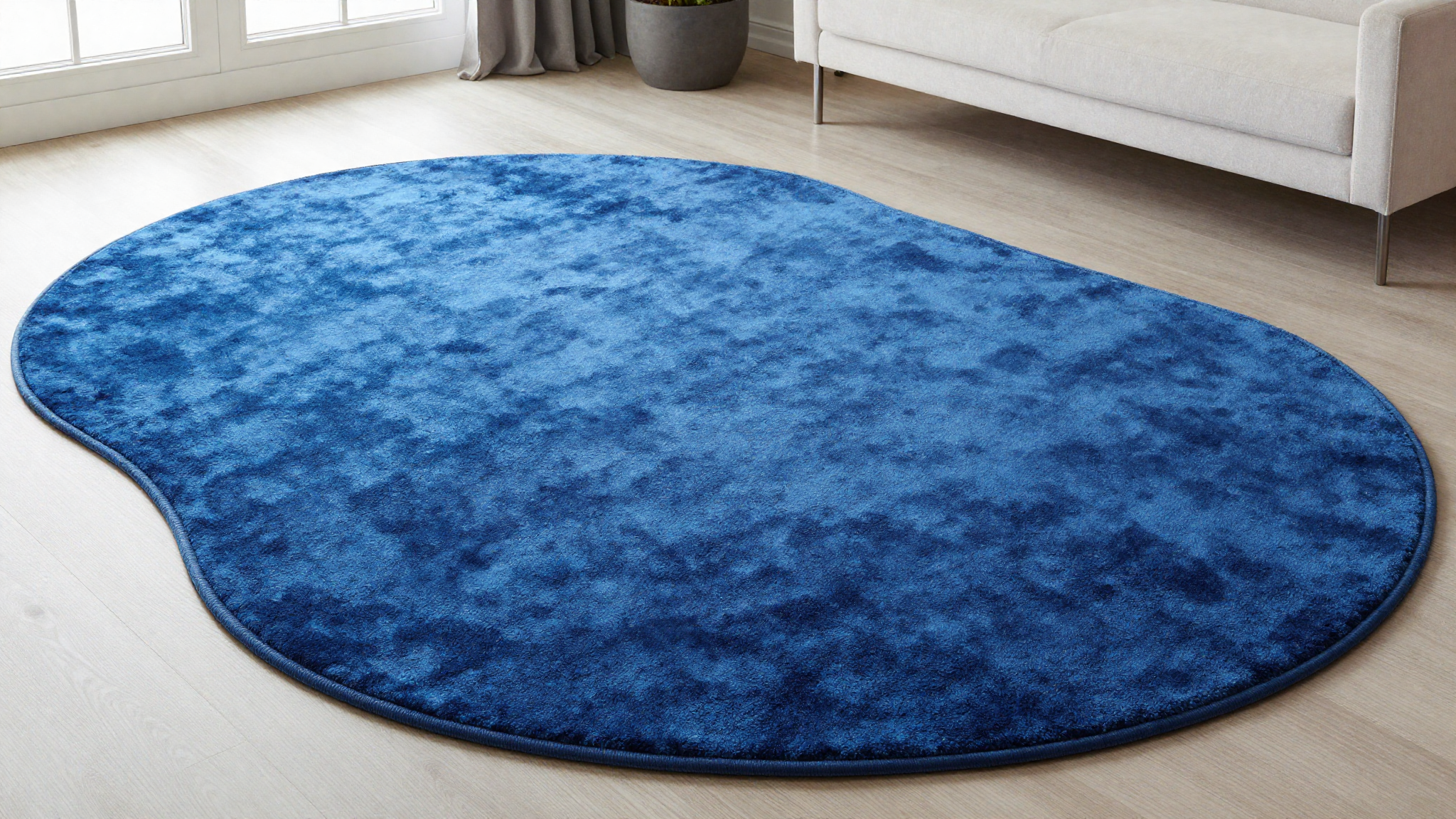
An organic, wavy-edged rug softens a room instantly, breaking up the straight lines most furniture and architecture default to. It’s a small deviation from a standard rectangle that changes the entire feel of a seating area.
Smart tip: Pair an organic-shaped rug with simple, uncomplicated furniture — the rug’s shape becomes the visual interest, so let the rest of the room stay calm around it.
Mistake to avoid: Combining an organic rug shape with an equally busy, patterned sofa creates two competing focal points instead of one confident statement.
Loving These Ideas? Get the Step-by-Step Guide
Grab the full 5-day eBook and turn these ideas into a finished room.



4. One Color, Told Three Different Ways
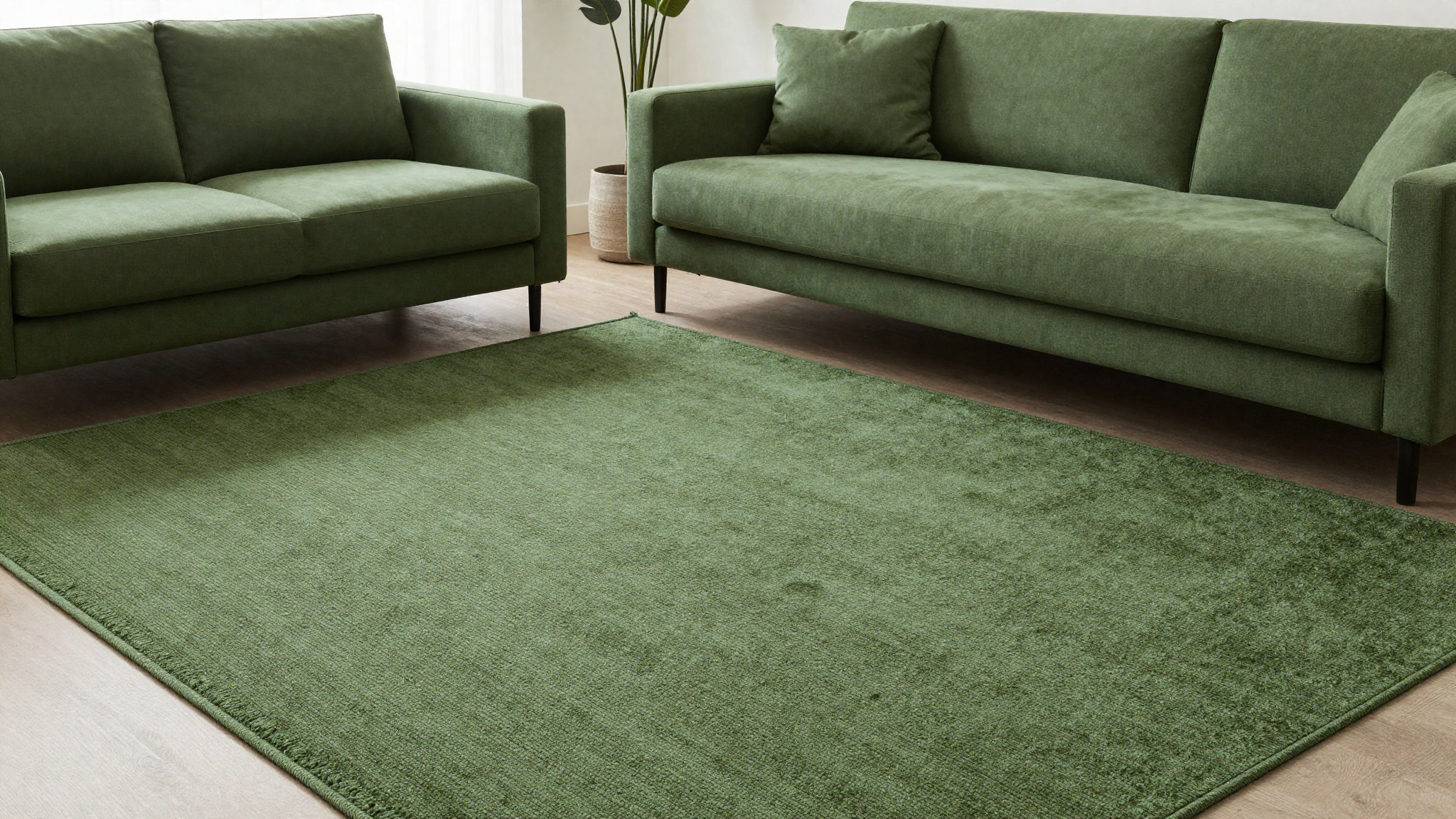
Solid rugs are evolving into rich, monochromatic palettes with subtle tonal variation woven throughout rather than one flat shade. Letting the rug echo the sofa’s color family in slightly different depths makes the whole room feel elevated and considered.
Smart tip: Choose a rug with tonal movement in mossy green, layered blue, or soft terracotta, then repeat that exact color family in at least one other textile in the room.
Mistake to avoid: Matching a solid rug’s color too exactly to the sofa flattens the whole look — subtle variation is what makes the monochromatic approach feel intentional rather than matchy.
Find the Perfect Digital Product for You
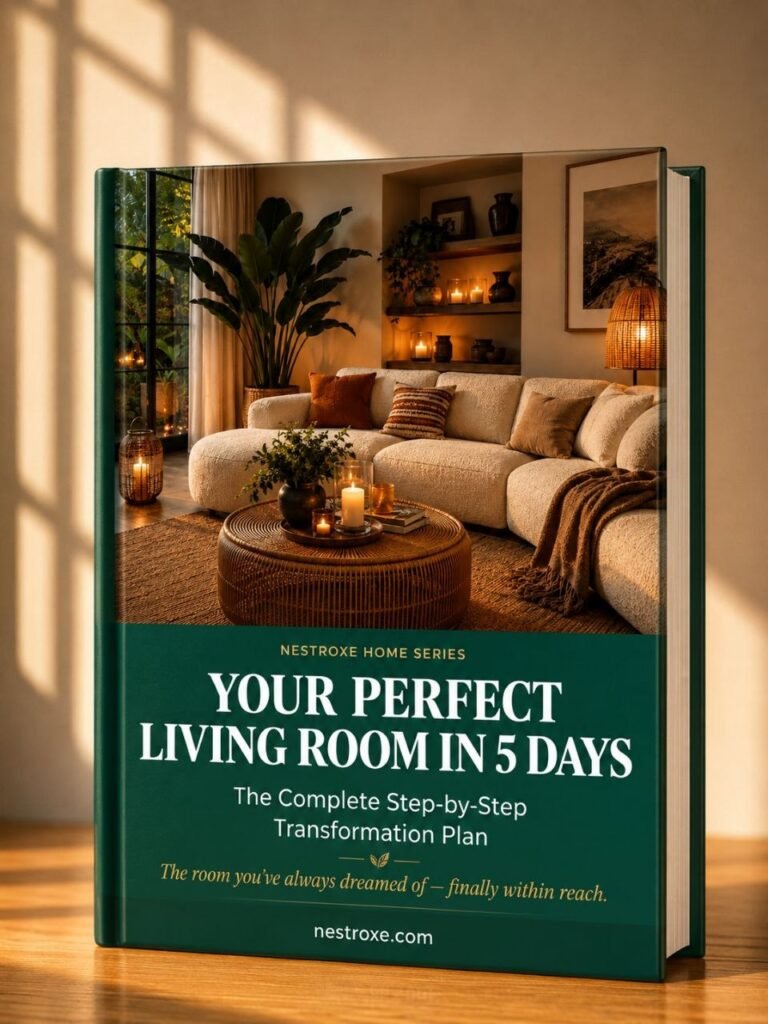
If you’re nodding along to these rug ideas but still picturing your own living room feeling scattered and half-finished, that’s exactly the gap this next resource closes. Your Perfect Living Room in 5 Days walks you through measuring, furniture placement, rug sizing, and layered lighting — all mapped out day by day with real prices attached.
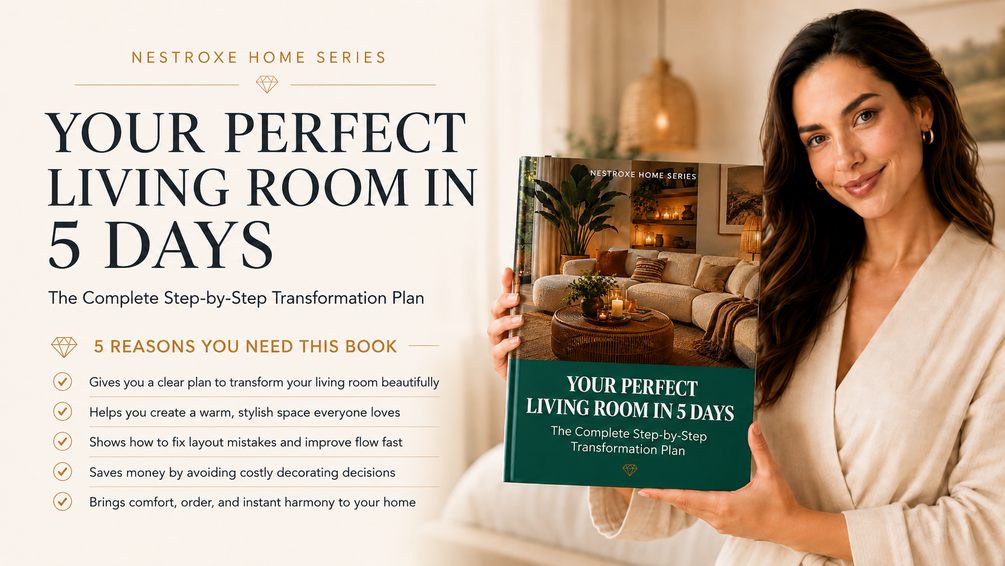
👉 Click here to get your copy of Your Perfect Living Room in 5 Days — stop guessing at your floor plan and start following an actual plan.
6. The Rug You Actually Want to Sit On
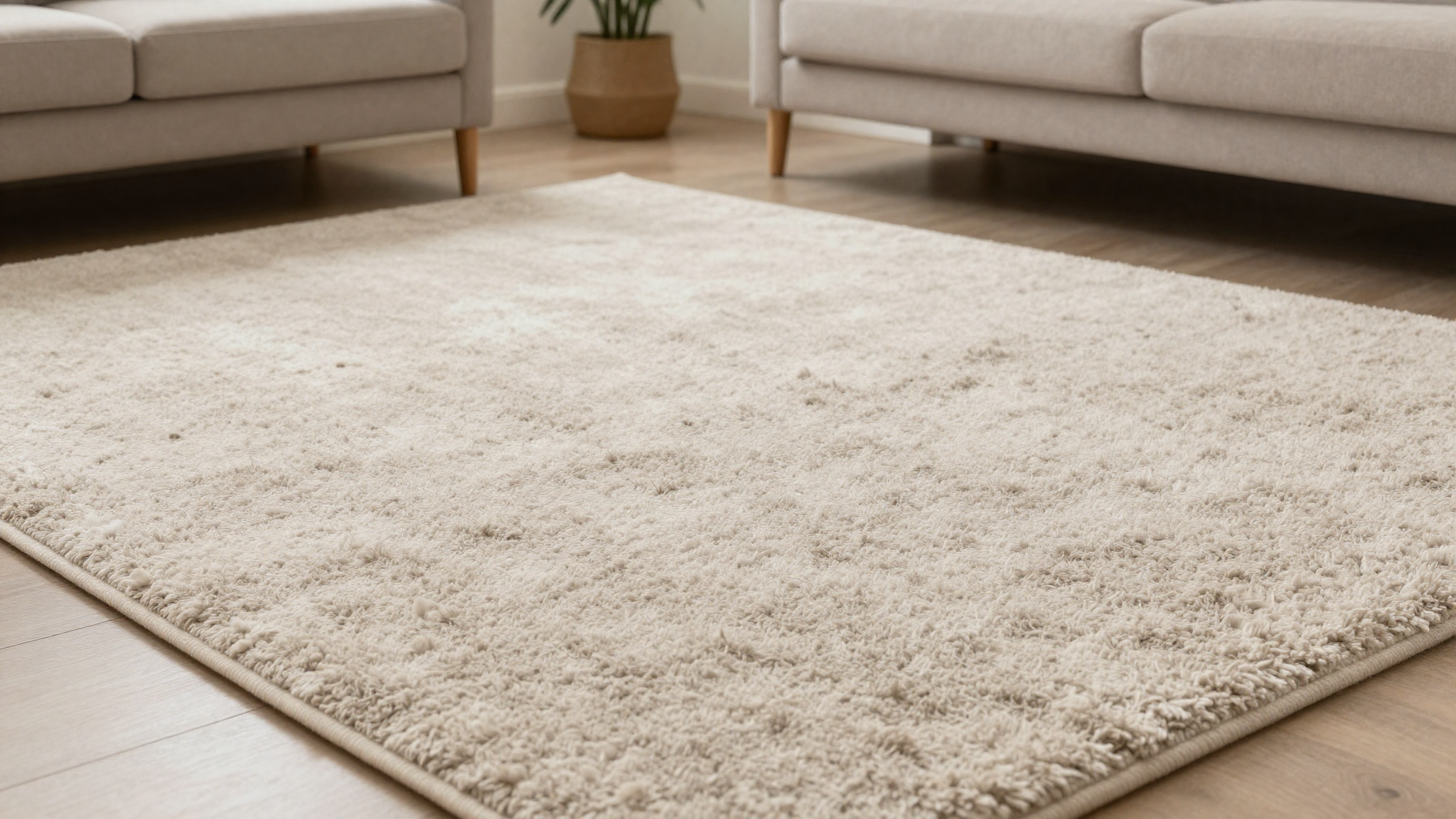
Comfort has become a genuine design priority, not an afterthought, and it shows in the surge of ultra-plush, high-pile rugs filling living spaces. These aren’t just visually soft — they invite actual physical interaction, the kind that turns a floor into part of the seating plan.
Smart tip: Reserve a high-pile rug for rooms without heavy foot traffic or pets prone to shedding — the plushness that feels amazing barefoot also holds onto debris more than a low-pile weave.
Mistake to avoid: Placing an ultra-plush rug directly in a main walkway leads to matting and flattening within months, undoing the exact texture you paid for.
7. Buying Age Instead of Waiting for It
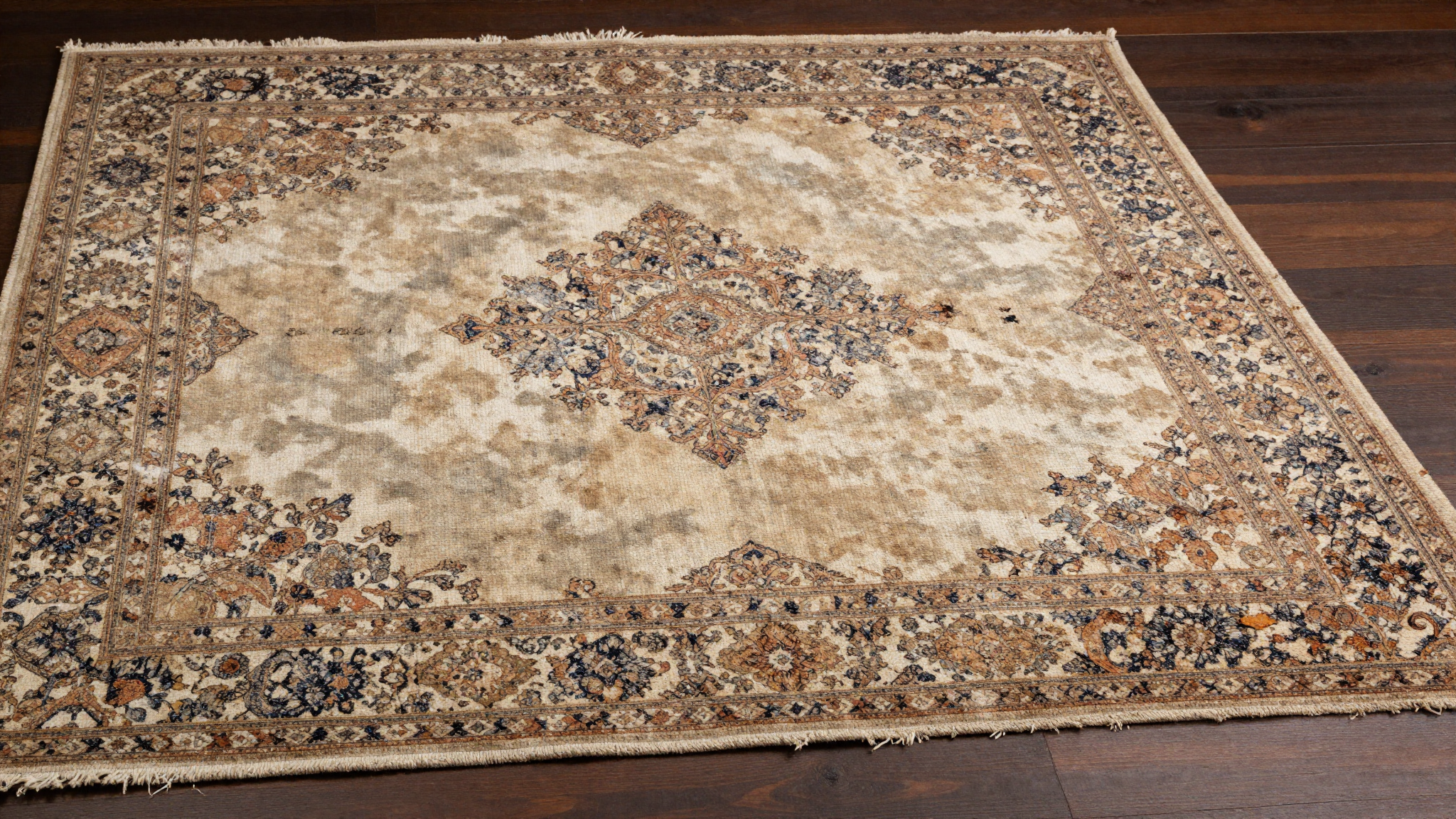
Antique and vintage rugs are gaining fresh attention because they bring something new rugs simply can’t fake — genuine patina, faded abrashed tones, and a sense of history. A strong vintage rug often becomes the element that makes a whole room feel grounded and believable rather than freshly staged.
Smart tip: Look specifically for oversized neutral-tone vintage rugs — they’re versatile enough to anchor a room without competing with existing furniture or art.
Mistake to avoid: Buying a heavily worn vintage rug without asking about foundation condition can mean structural issues that shorten its usable life far faster than expected.
8. Texture That Works Even When the Pattern Doesn’t
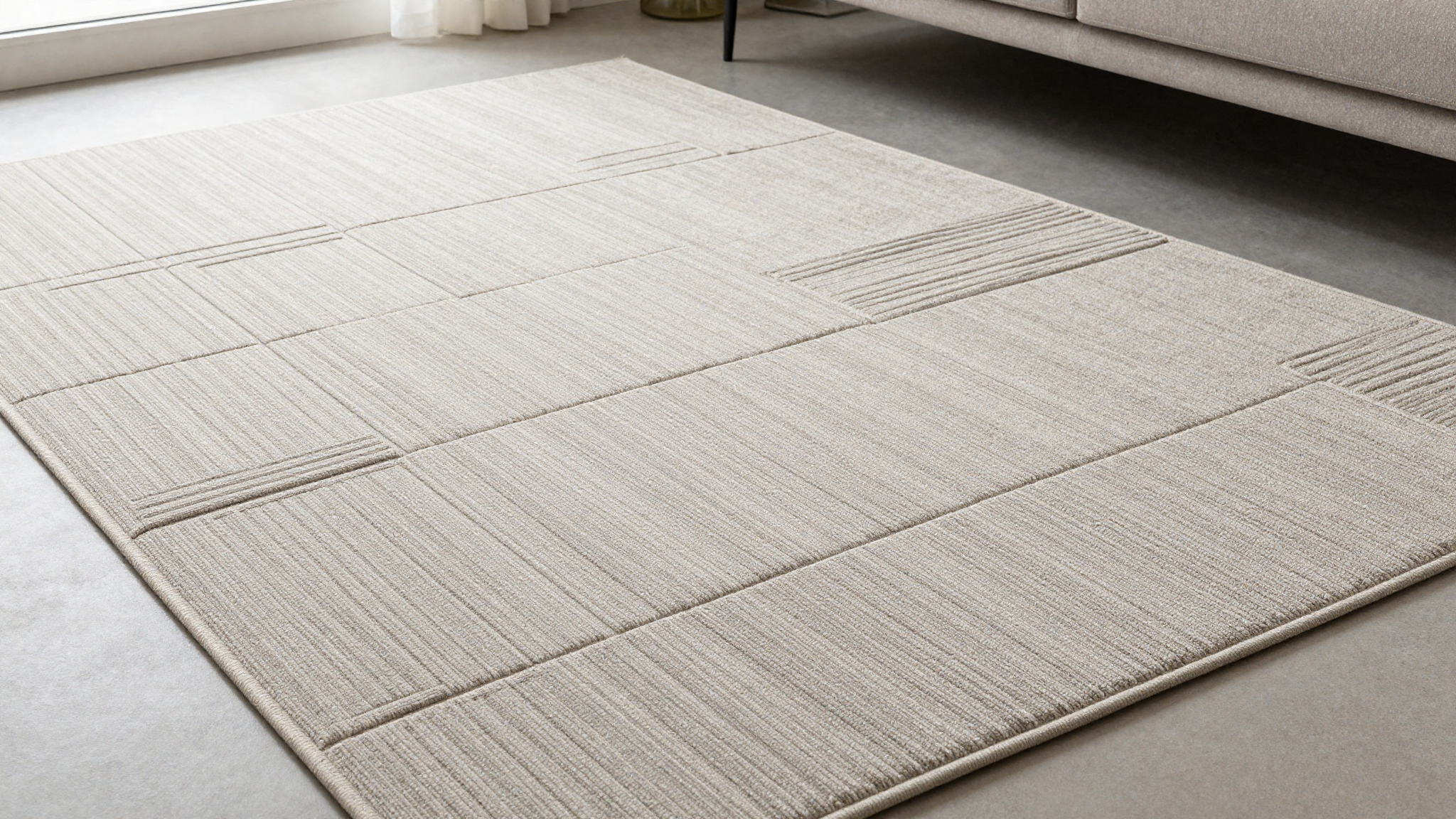
Instead of relying purely on bold, high-contrast pattern, many of today’s strongest rugs create interest through texture alone — pile variation, carved details, and sculpted dimension. In a neutral room, that texture provides just enough movement to keep things from feeling flat.
Smart tip: In a room with patterned drapery or art already doing visual work, a carved-texture rug adds depth without competing for attention the way a printed rug would.
Mistake to avoid: Choosing a heavily carved, high-texture rug for a home with shedding pets or frequent snack-on-the-couch traffic creates a maintenance headache that outweighs the visual payoff.
9. Warming Up a Room From the Floor First
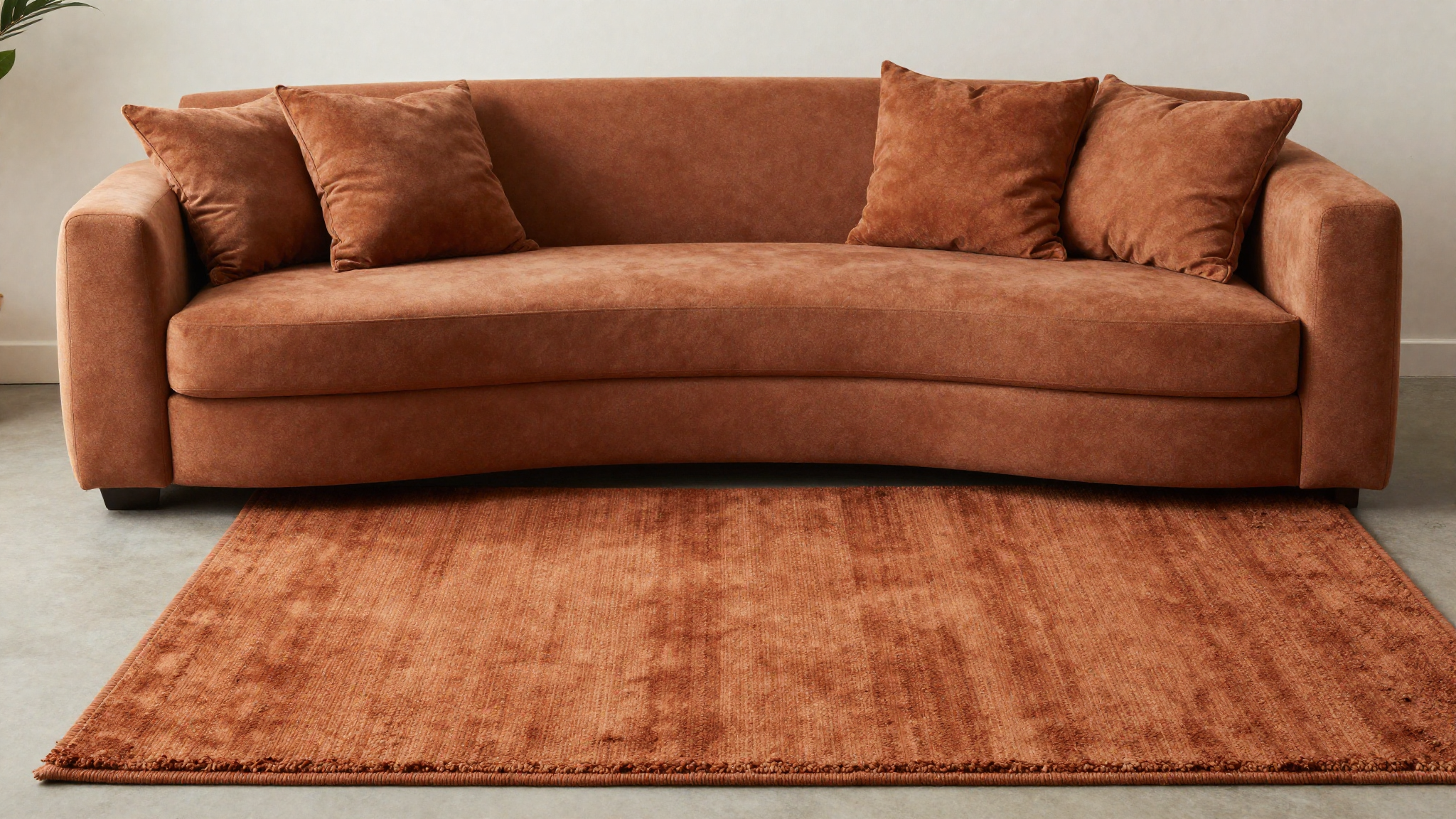
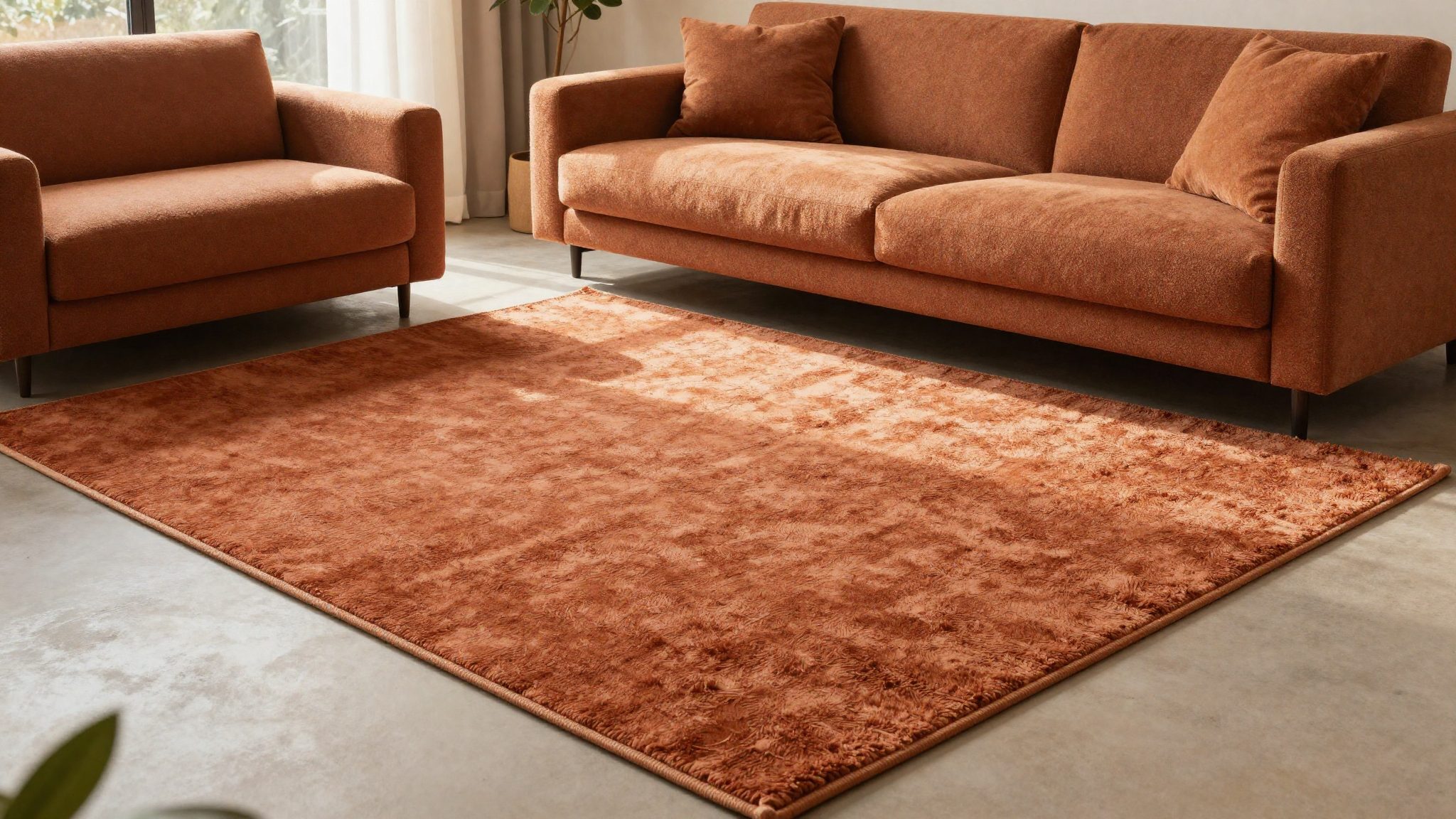
Earthy, muted tones — terracotta, rust, ochre, sage — have displaced cooler palettes as the starting point for living room rugs. Starting the color story from the floor up brings an organic warmth that makes the whole room feel like a cocooning retreat rather than a showroom.
Smart tip: If you’re nervous about committing to a bold earthy rug, start with a smaller accent rug in the tone before investing in a full room-sized piece.
Mistake to avoid: Pairing a rust or terracotta rug with cool-toned gray furniture creates visual tension instead of the warm cohesion earthy palettes are meant to deliver.
10. Choosing for the Life You Actually Live
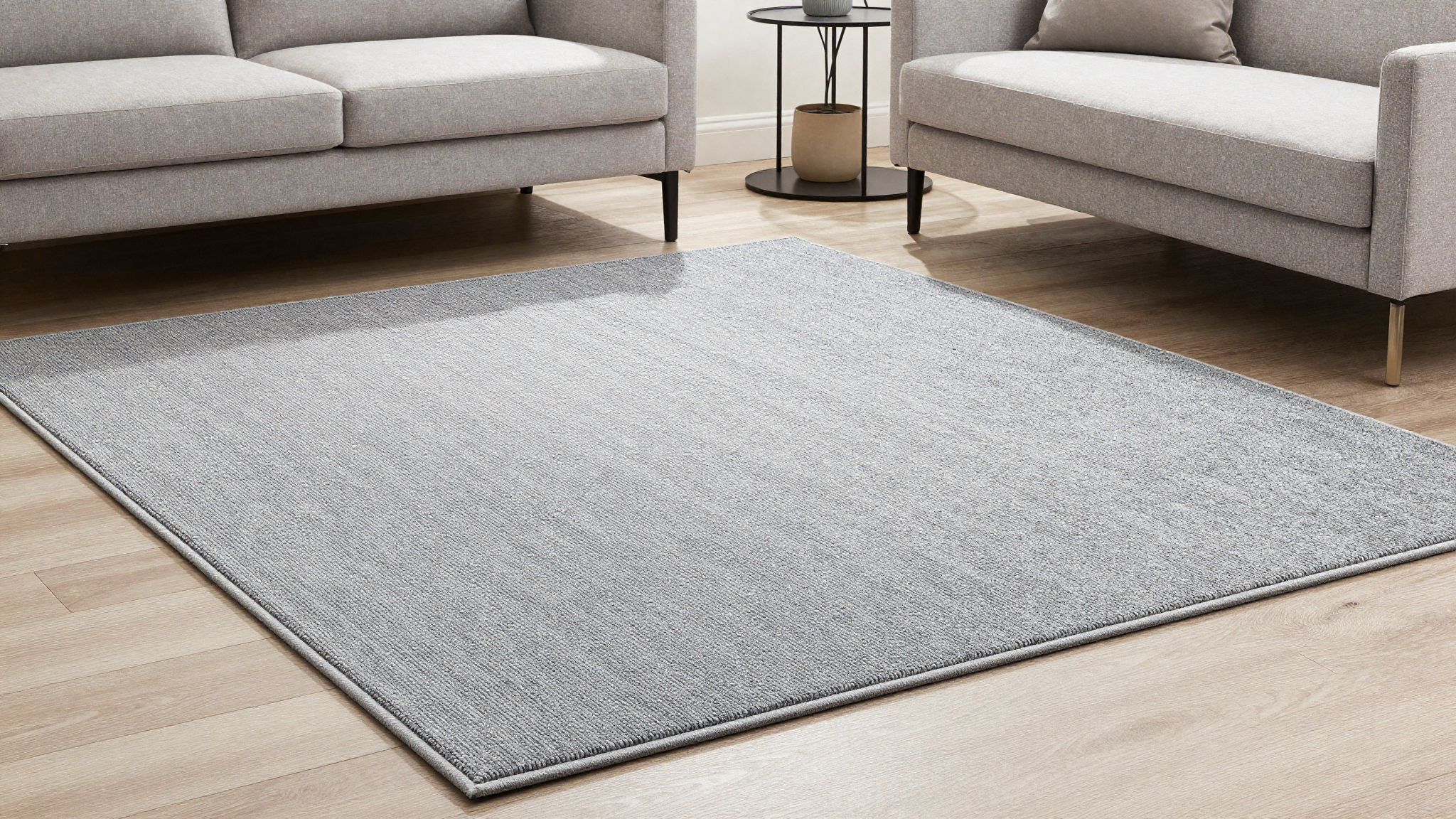
Performance-focused rugs have become genuinely design-forward, which means you no longer have to choose between style and peace of mind. Low-pile constructions and durable power-loomed fibers hold up to muddy shoes, pets, and everyday vacuuming without looking like a compromise.
Smart tip: If kids or pets are part of daily life, a low-pile performance rug in a patterned design hides wear and the occasional spill far better than a solid pale color.
Mistake to avoid: Choosing a high-maintenance rug material purely because it photographs well online often means replacing it within a year in a genuinely lived-in household.
11. Letting the Rug Do a Wall’s Job
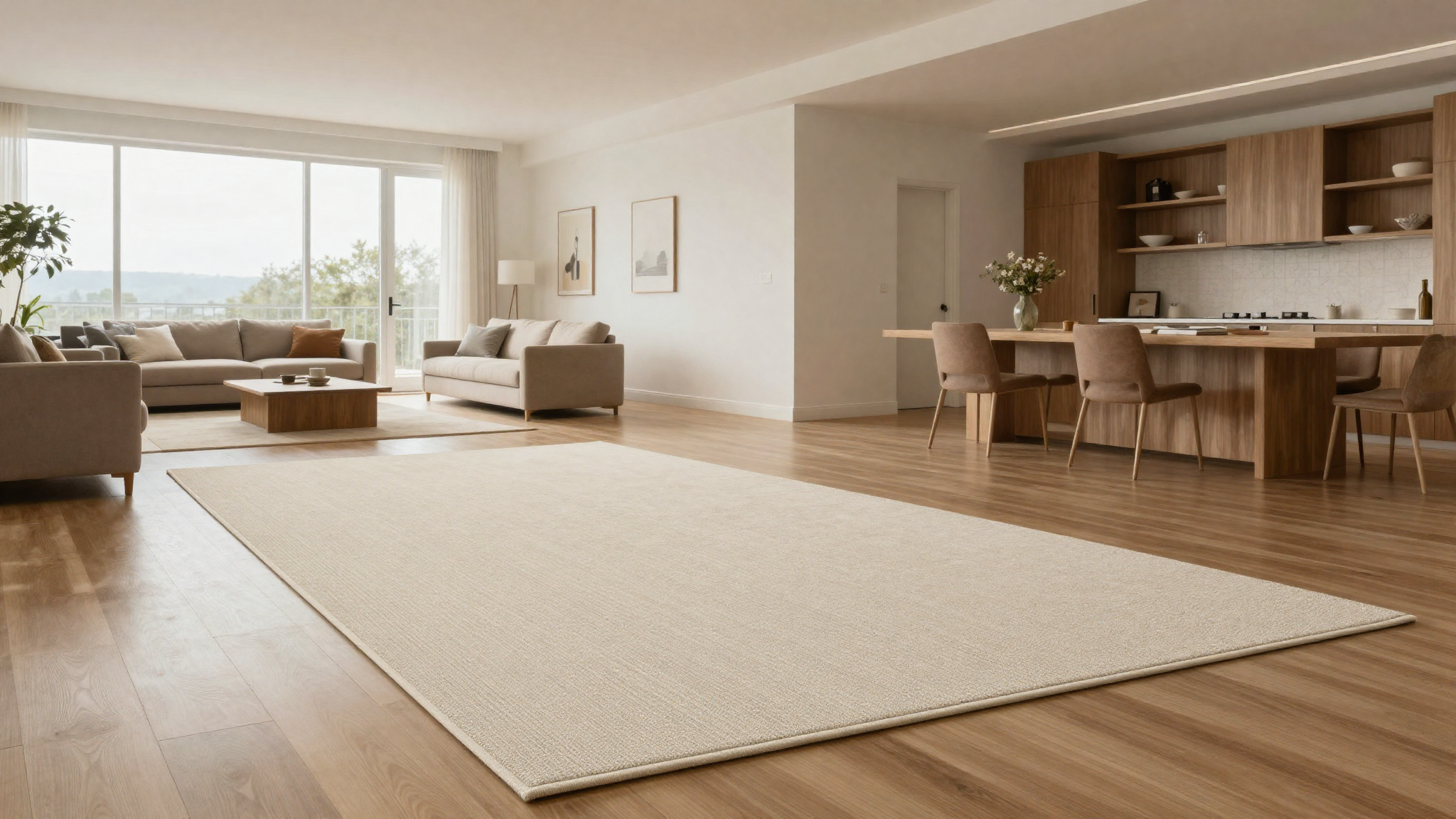
In open floor plans, a rug can separate a living area from a dining or entry zone without a single wall involved. It’s one of the most functional living room rug ideas for anyone dealing with a large, undivided space that needs visual structure.
Smart tip: Keep zoning rugs in the same general color family across an open plan — different shapes and sizes are fine, but matching undertones keep the whole floor feeling like one connected space.
Mistake to avoid: Using drastically different rug styles to define each zone in an open floor plan can make a single large space feel like several disconnected rooms instead of one flowing one.
12. Going Loud When the Room Can Handle It
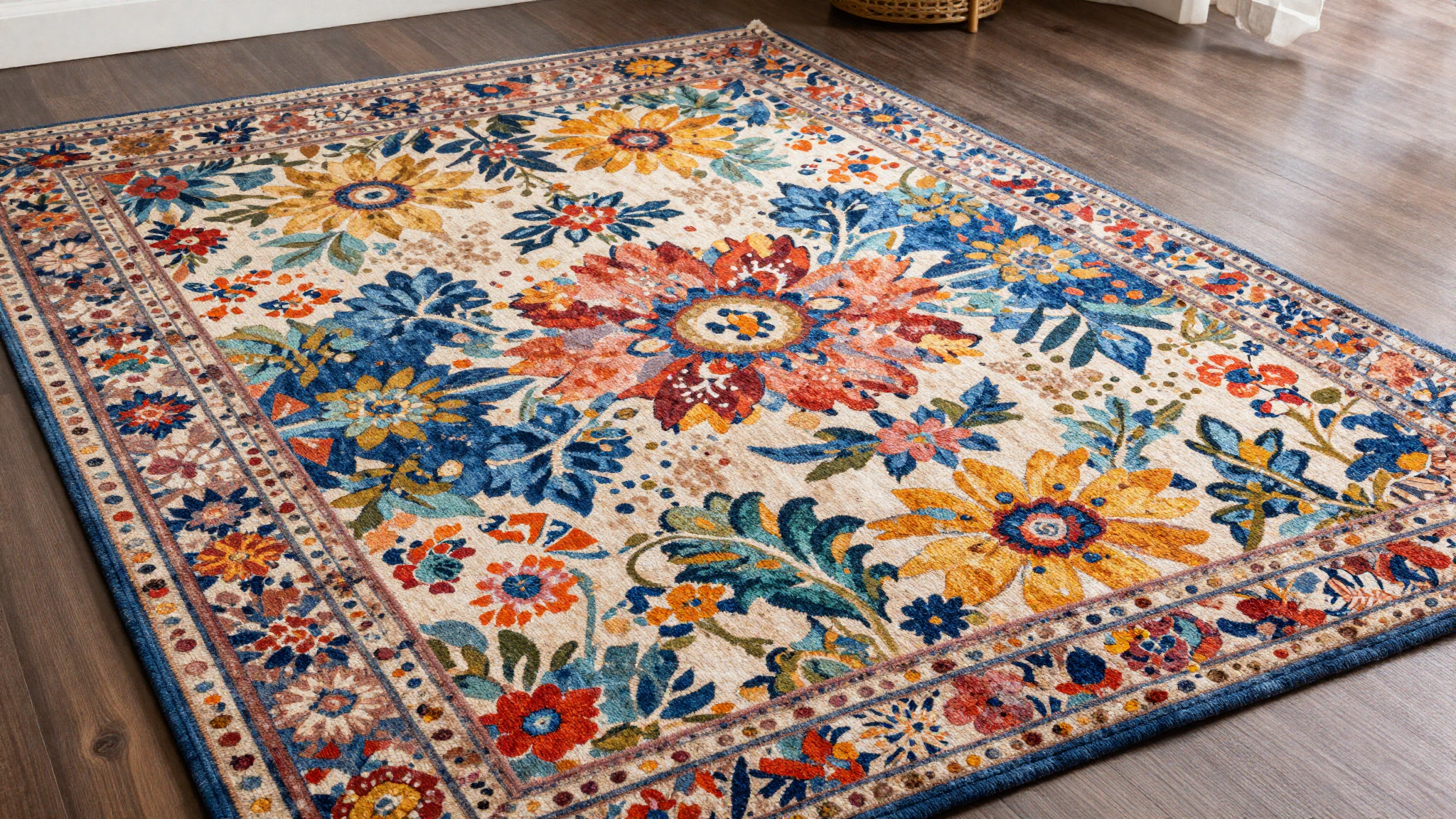
A rich, expressive floral or heavily patterned rug turns the floor into the actual main character of the room. It’s not for every space, but for an eclectic living room that already leans toward personality, a bold rug reads as confident rather than chaotic.
Smart tip: Let a bold patterned rug be the only loud element in the room — keep walls, large furniture, and window treatments simple so the rug has room to breathe.
Mistake to avoid: Adding a bold patterned rug on top of an already busy gallery wall or patterned sofa creates competing focal points that exhaust the eye instead of delighting it.
13. The Neutral That Isn’t Actually Plain
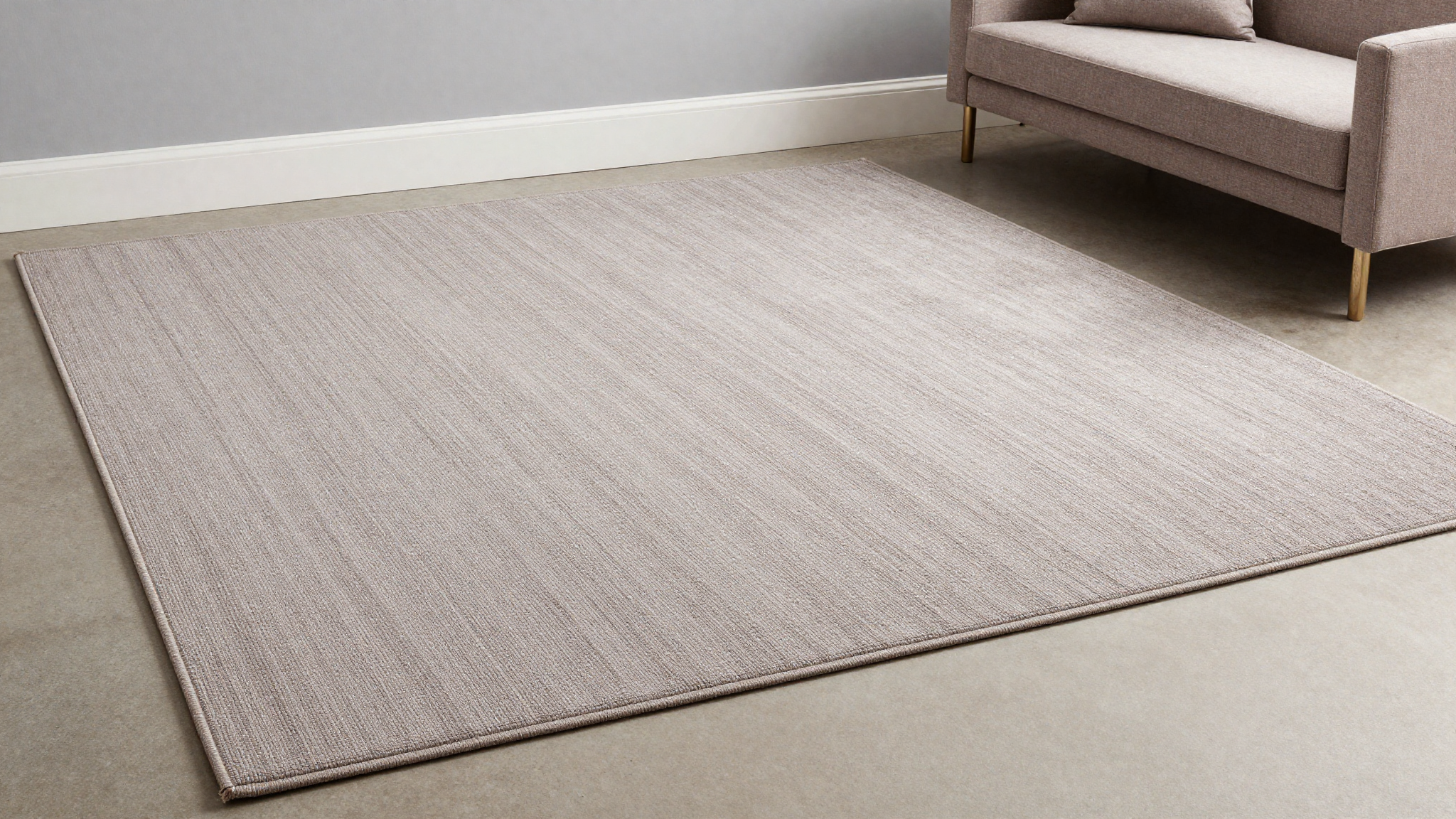
A warmer greige rug — grey with subtle mauve or taupe undertones — gives a room a genuinely versatile neutral foundation. It bridges cooler architectural elements and warmer decorative accents in a way flat gray or stark white rugs simply can’t manage.
Smart tip: Test a greige rug sample against your existing wall color and largest furniture piece in both daylight and evening lamp light before committing — undertones shift dramatically with light temperature.
Mistake to avoid: Choosing a greige rug based on a screen photo alone risks an undertone mismatch that only becomes obvious once it’s actually installed in your specific lighting.
14. A Pattern Simple Enough to Never Get Tired Of
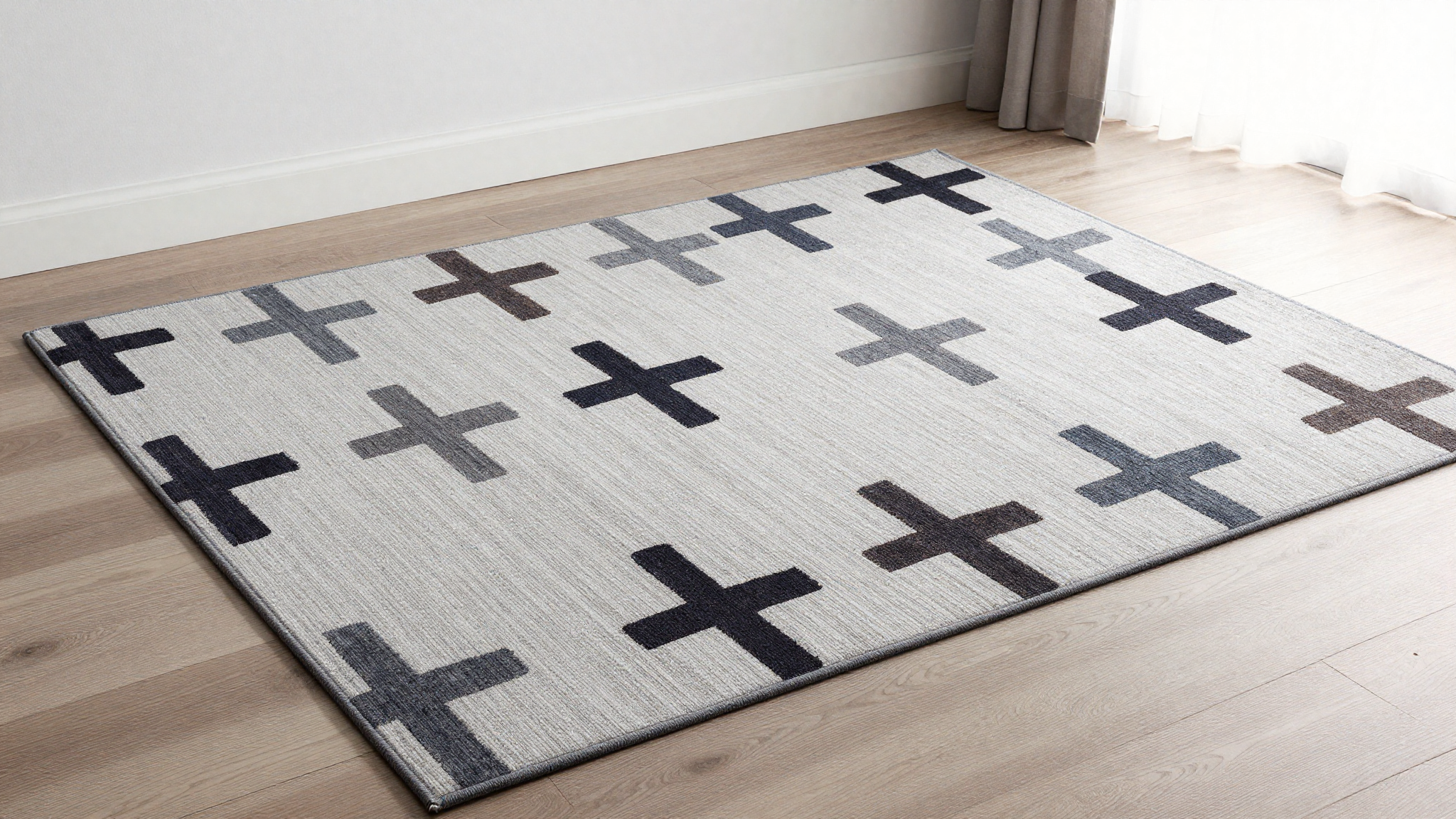
A simple, graphic pattern — like a cross or grid motif — adds just enough contrast to keep a room visually interesting without ever overpowering the furniture around it. It’s the rug equivalent of a piece that works almost anywhere, reliably.
Smart tip: Graphic, simple-pattern rugs are the safest choice if you rearrange furniture often — the design reads well from multiple angles and layouts.
Mistake to avoid: Assuming “simple pattern” means it goes with everything can still backfire if the pattern’s scale doesn’t match the room size — oversize the motif for a large room, keep it tighter for a small one.
15. The Layer Underneath Nobody Budgets For
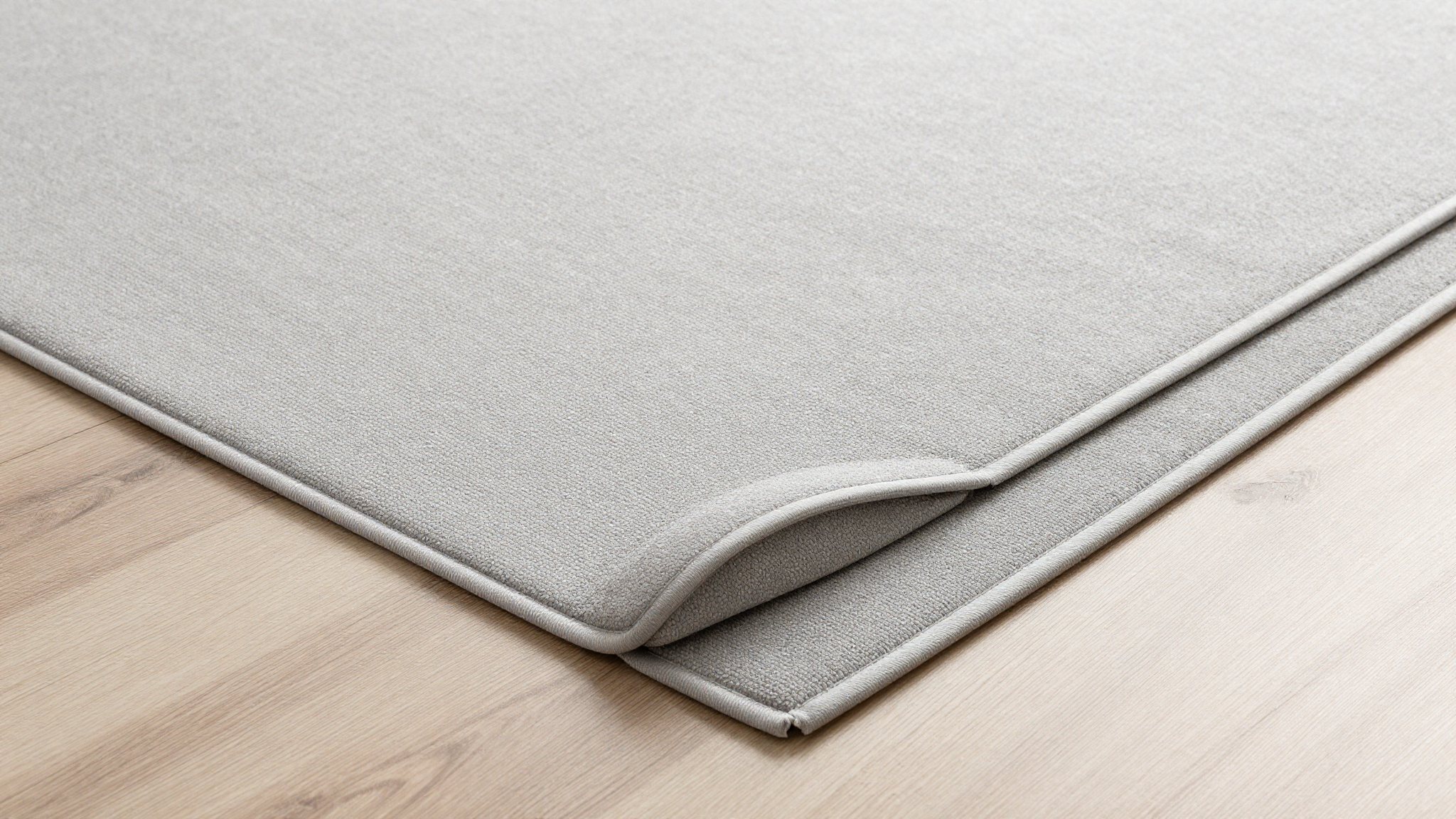
A quality rug pad is the least glamorous item on this entire list and arguably the most important. It cushions every step, grips the floor to prevent slipping, and meaningfully extends the life of whatever rug you just invested in.
Smart tip: Buy a rug pad cut roughly one inch smaller than the rug itself on all sides — this keeps it fully hidden while still supporting the entire surface.
Mistake to avoid: Skipping the rug pad to save money is one of the most common regrets rug owners report — without it, rugs wear unevenly and can bunch or slide underfoot.
16. Reading the Room Before You Read the Trend Report
The strongest rug for any living room isn’t necessarily the boldest or newest-looking one — it’s the one that reflects both where design is heading and how your home actually lives day to day. Trend matters, but longevity matters more for a piece this central to the room.
Smart tip: Before buying, live with a large fabric swatch or rug sample in the room for at least a week — color and texture read very differently once daily light patterns are factored in.
Mistake to avoid: Chasing a rug trend that clashes with furniture you’re not ready to replace often means an expensive rug gets removed within a year out of simple visual regret.
17. Putting the Whole Floor Plan Together
None of these living room rug ideas need to happen at once. Start with getting the size right — that single decision affects how the whole room reads — then layer in texture, color, and pattern choices as your space and budget allow.
Smart tip: Measure your seating area’s full footprint before shopping, not just the open floor space — the rug needs to serve the furniture arrangement, not just fill a gap.
Mistake to avoid: Buying every rug idea on this list into one room at once usually creates visual competition instead of the grounded, cohesive look a well-chosen rug is supposed to deliver.
Effort & Cost Snapshot
| Idea | Cost Level | Effort |
| Rug pad | $ | Low |
| Layered sisal + kilim | $$ | Medium |
| Low-pile performance rug | $$ | Low |
| Oversized wool rug (8×10+) | $$$ | Medium |
| Antique/vintage rug | $$$ | High |
| Organic wavy-shape rug | $$ | Low |
| High-pile plush rug | $$ | Low |
Continue Your Home Transformation
Explore the full collection of step-by-step eBooks and get the guide that fits the room you're working on.