Whether you’re squeezing a handful of shirts into a cramped reach‑in or juggling shoes, bags, and accessories in a walk‑in, a disordered closet steals time and peace of mind. The good news is that a few strategic tweaks—many of them inexpensive—can turn any closet into a functional, visually appealing space. Below are 19 proven ideas, each paired with a concrete diagnostic, a clear action step, and a note on trade‑offs or maintenance, so you can choose the solutions that fit your budget, style, and lifestyle.
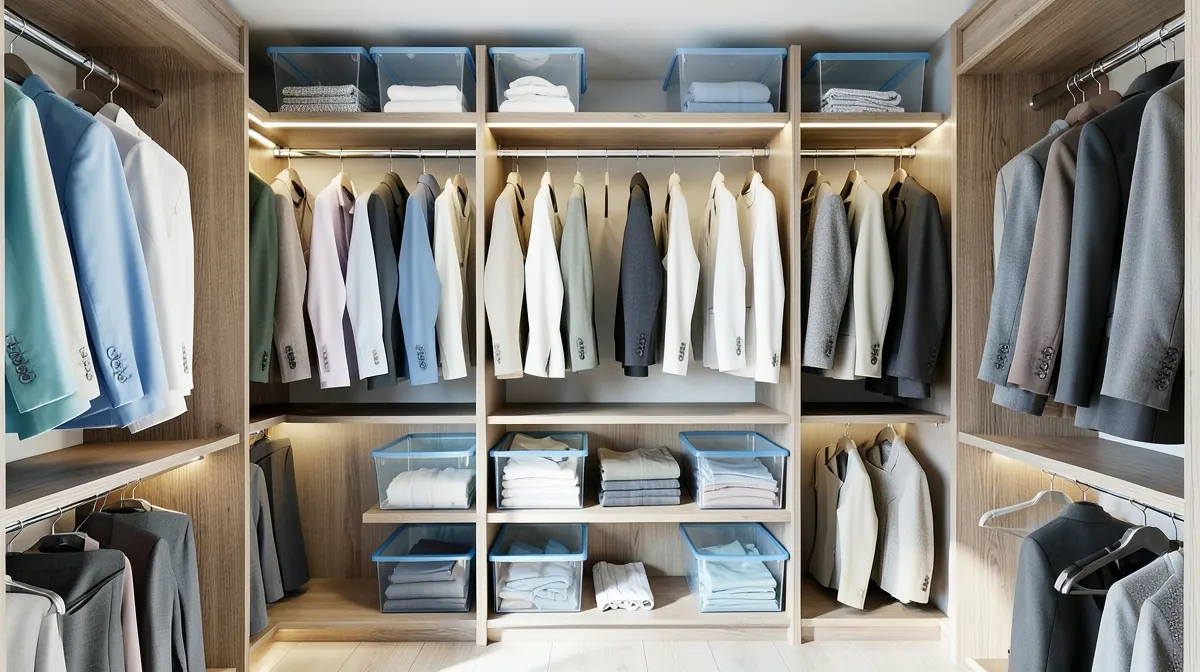
1. Double‑Hang Rods
Diagnostic: If you notice shirts spilling onto the floor or pant legs brushing the rod, your single‑rod system is overloaded.
Install a second rod at about half the height of the original. The upper rod holds shirts and jackets; the lower rod accommodates folded pants, skirts, or shorts.
Trade‑off: you need at least 12‑14 inches of clearance between rods to prevent crushing fabrics. In low‑ceiling closets, consider a low‑profile rod to preserve headroom.
Maintenance tip: use a level when mounting the rods and periodically check the brackets for looseness, especially if you frequently add or remove heavy garments.
2. Slim Velvet Hangers
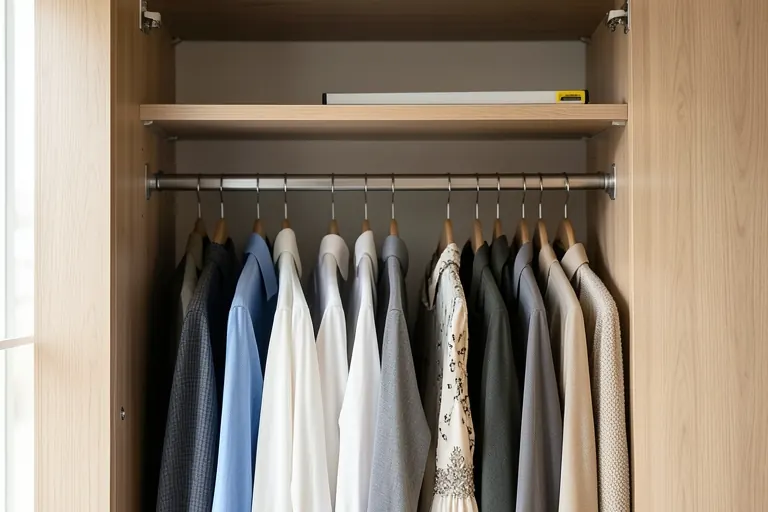
Diagnostic: Bulky, rounded hangers take up extra width and cause clothes to slip off.
Swap to slim velvet hangers that grip fabrics without adding bulk. The soft coating prevents slippage, while the narrow profile frees up to 30% more rod space.
Trade‑off: velvet hangers can attract lint; a quick shake or brush keeps them clean. If you prefer a firmer feel, slim rubberized or wooden hangers work well for heavier coats.
Maintenance: wash velvet hangers in a gentle cycle or hand‑wash to maintain grip and appearance.
Loving These Ideas? Get the Step-by-Step Guide
Grab the full 5-day eBook and turn these ideas into a finished room.




3. Pull‑Out Shelf Bins
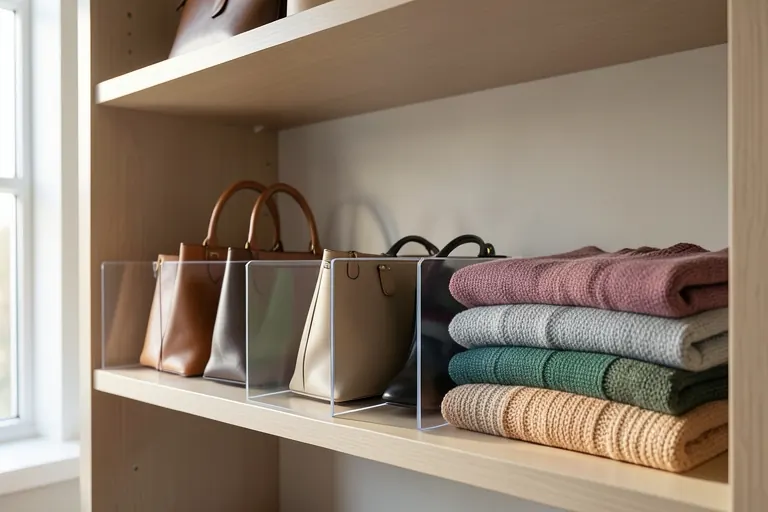
Diagnostic: Loose items like scarves, hats, or small accessories often tumble onto the floor.
Introduce pull‑out shelf bins that slide on low‑profile tracks. Clear acrylic bins let you see contents at a glance, while the pull‑out action makes retrieval effortless.
Trade‑off: acrylic can show dust, so choose a matte finish or clean regularly. For a warmer look, consider woven baskets that fit the same tracks.
Maintenance: wipe the bin interiors weekly and replace worn‑out wheels to keep the glide smooth.
4. Clear Acrylic Dividers
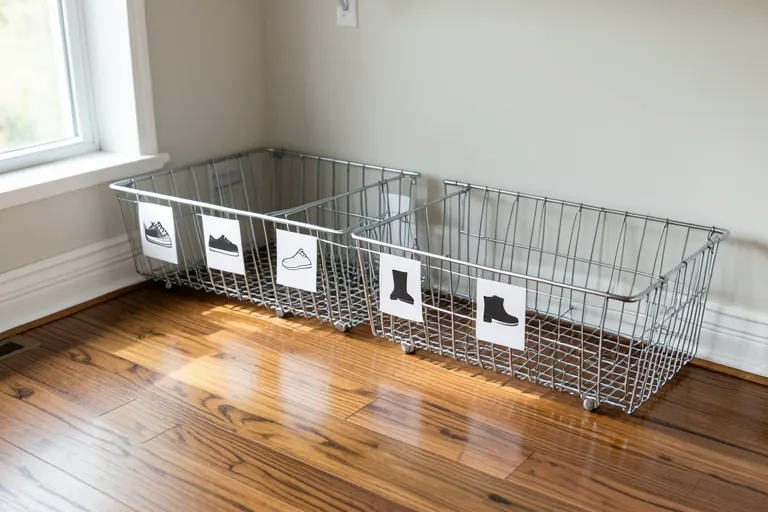
Diagnostic: Handbags and folded stacks often blend together, making it hard to locate a specific piece.
Place clear acrylic dividers on shelves to carve out dedicated zones for bags, folded sweaters, or shoes. The transparent material creates visual separation without adding visual clutter.
Trade‑off: acrylic can chip if handled roughly; choose a thicker gauge for high‑traffic areas.
Maintenance: clean with a soft cloth and mild soap to keep the dividers sparkling and to avoid smudges that obscure visibility.
5. Open Shelving for Sweaters
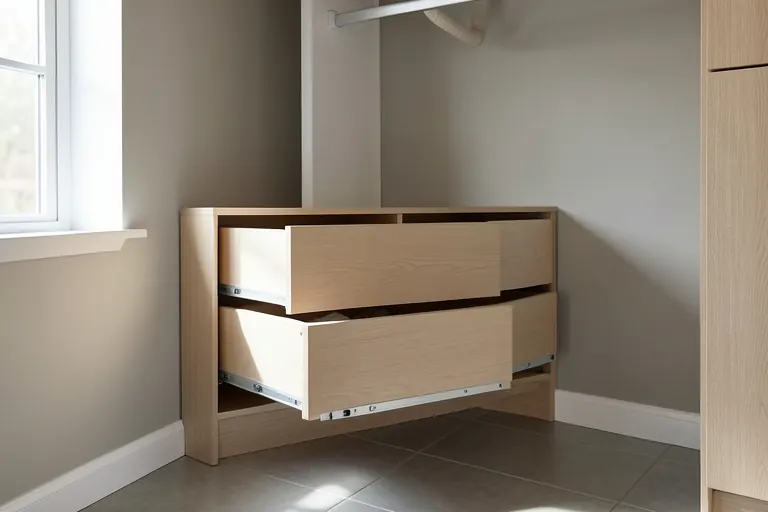
Diagnostic: Sweaters that slide off hangers or become misshapen indicate a lack of proper storage.
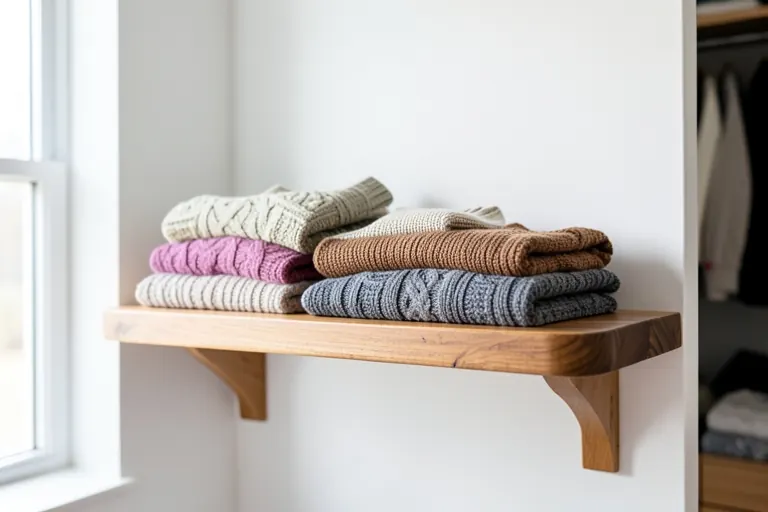
Install open shelving at waist height and fold sweaters directly onto the shelves. This keeps them visible, reduces wrinkling, and lets you assess your inventory quickly.
Trade‑off: open shelves expose dust, so choose a material like powder‑coated wood that’s easy to wipe down.
Maintenance: dust the shelves weekly and rotate folded items to prevent uneven wear.
6. Shoe Rack or Cubby System
Diagnostic: Shoes stacked on the floor create tripping hazards and crush delicate footwear.
Add a modular shoe rack or cubby system that fits the width of your closet. Adjustable shelves let you accommodate boots, heels, and flats in the same unit.
Trade‑off: a full‑height rack uses vertical space that could otherwise hold hanging garments; consider a low‑profile rack if you need more hanging length.
Maintenance: wipe the rack after each season and replace any broken cubbies to keep the system stable.
7. Adjustable Modular System
Diagnostic: If you constantly rearrange items, your current system lacks flexibility.
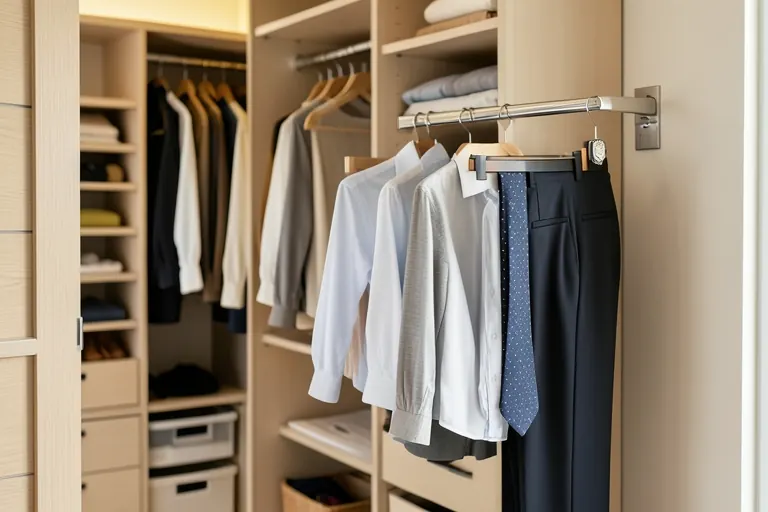
Invest in an adjustable, modular closet system that uses interchangeable panels, rods, and drawers. You can reconfigure the layout as your wardrobe changes.
Trade‑off: modular kits are pricier than DIY hacks, but they avoid permanent wall damage and can be expanded later.
Maintenance: tighten all connectors annually and replace any worn‑out brackets to maintain structural integrity.
8. Built‑In LED Lighting
Diagnostic: Dim or uneven lighting makes it hard to see colors and details.
Install LED strip lighting along the top of the closet frame or under each shelf. Motion‑activated sensors ensure the light turns on when you open the door.
Trade‑off: LED strips require a power source; battery‑operated versions avoid wiring but need periodic battery changes.
Maintenance: clean the strip surface with a dry cloth to prevent dust dimming the light.
9. Glass‑Paneled Closet Doors
Diagnostic: Closed doors hide the contents, leading to duplicated purchases.
Replace solid doors with glass‑paneled or mirrored inserts. The transparency lets you see items at a glance, while a mirror adds a dressing aid.
Trade‑off: glass can show fingerprints; choose low‑iron glass for clearer view and wipe regularly.
Maintenance: clean with a glass cleaner and check hinges for tightness to avoid sagging.
10. Seasonal Rotation Boxes
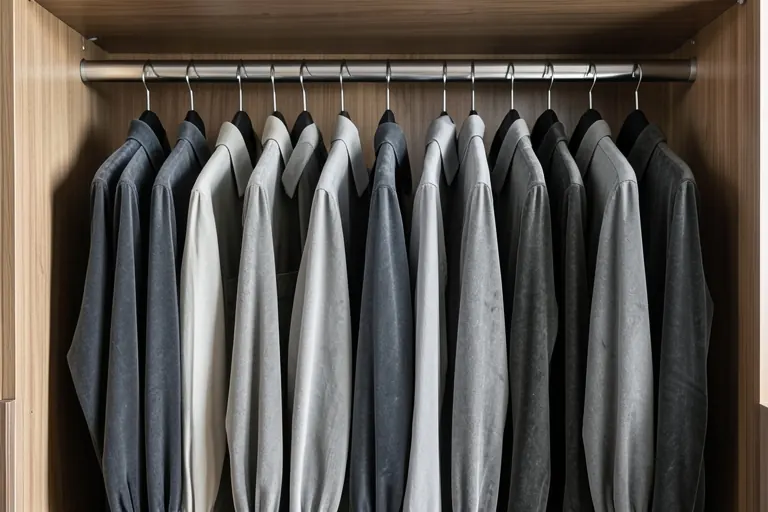
Diagnostic: Seasonal items crowd the main rod, making everyday choices harder.
Store off‑season clothing in labeled storage boxes placed on a high shelf or under the bed. Rotate the boxes each season, keeping only current‑season pieces within arm’s reach.
Trade‑off: boxes add height; ensure the shelf can support the weight of multiple boxes.
Maintenance: label each box with the season and year, and wipe the exterior before each rotation.
11. Labeled Baskets for Accessories
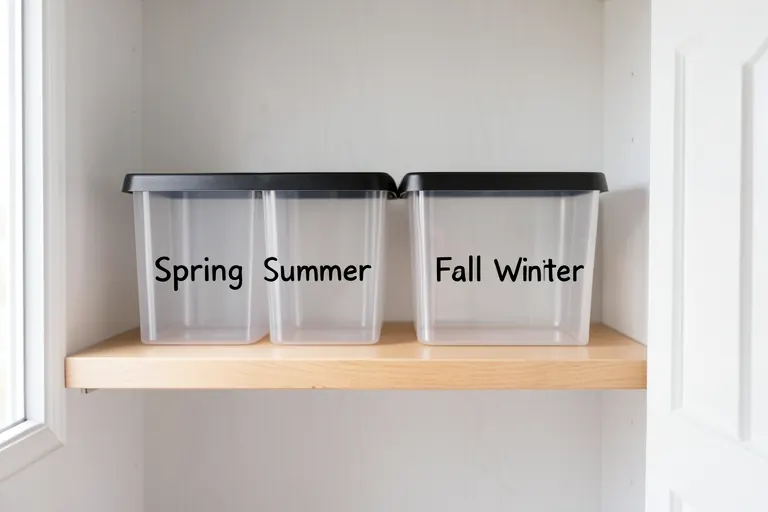
Diagnostic: Small accessories like scarves, belts, and jewelry often get lost in drawers.
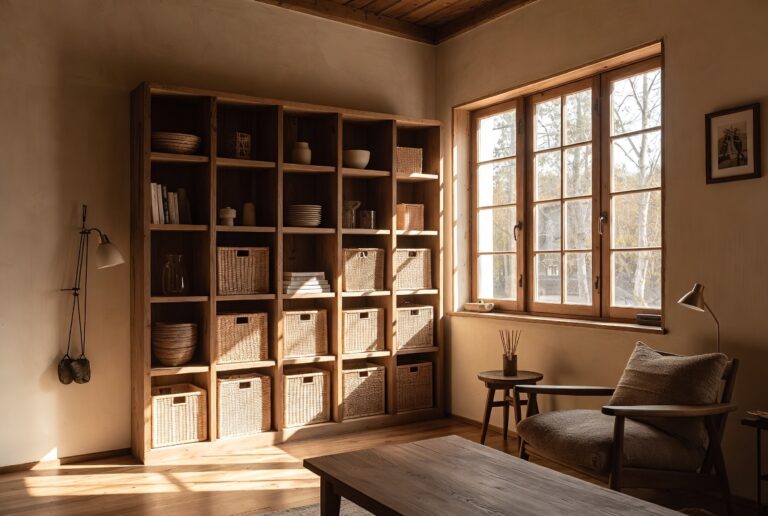
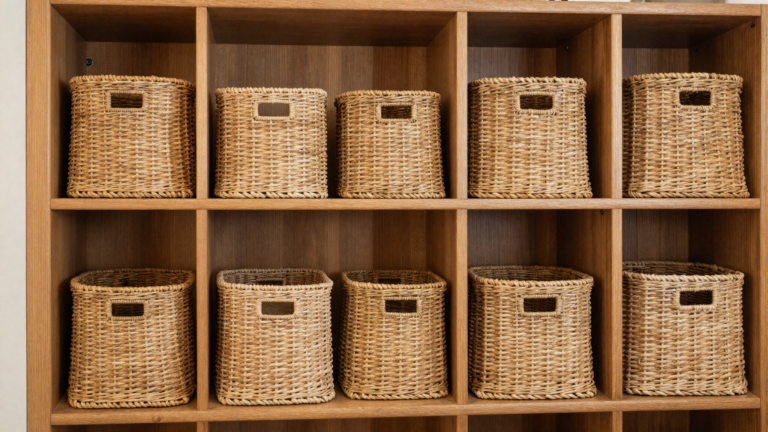
Use labeled fabric or wicker baskets on a dedicated shelf. Assign each basket a category—belts, scarves, jewelry—and keep the labels visible.
Trade‑off: wicker adds warmth but may attract dust; fabric baskets are lighter but can sag under weight.
Maintenance: empty and shake each basket weekly to prevent dust buildup and to reassess contents.
12. Hanging Hooks for Bags & Belts
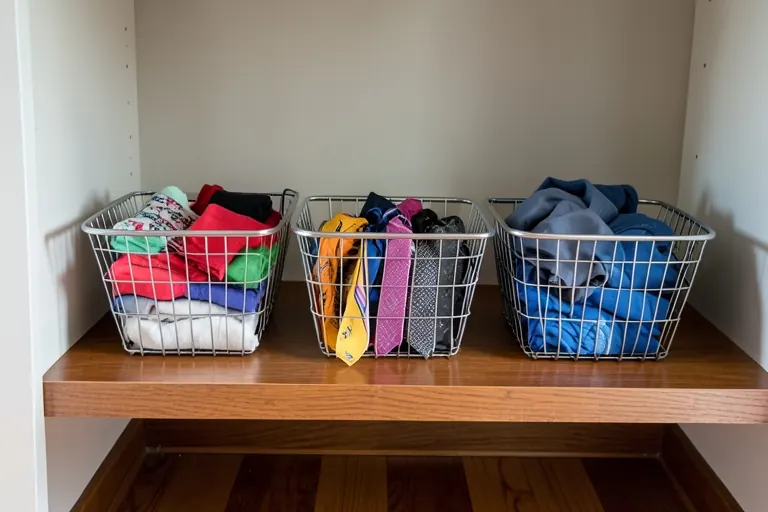
Diagnostic: Bags and belts often tangle on hangers or fall to the floor.
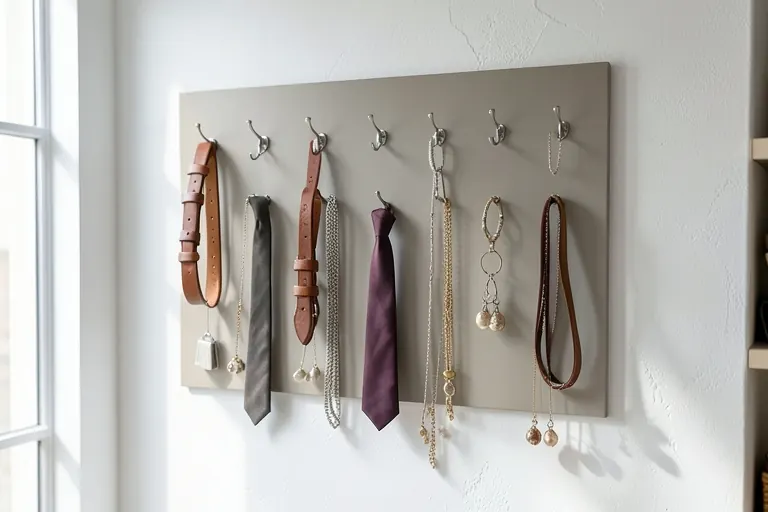
Mount a row of sturdy hooks on the back wall of the closet. Hang handbags by their handles and loop belts over the hooks to keep them accessible.
Trade‑off: hooks take up wall space that could be used for shelving; choose a narrow hook profile to minimize loss of shelf width.
Maintenance: periodically straighten bent hooks and wipe them down to avoid oil transfer onto leather.
13. Drawer Organizers for Undergarments
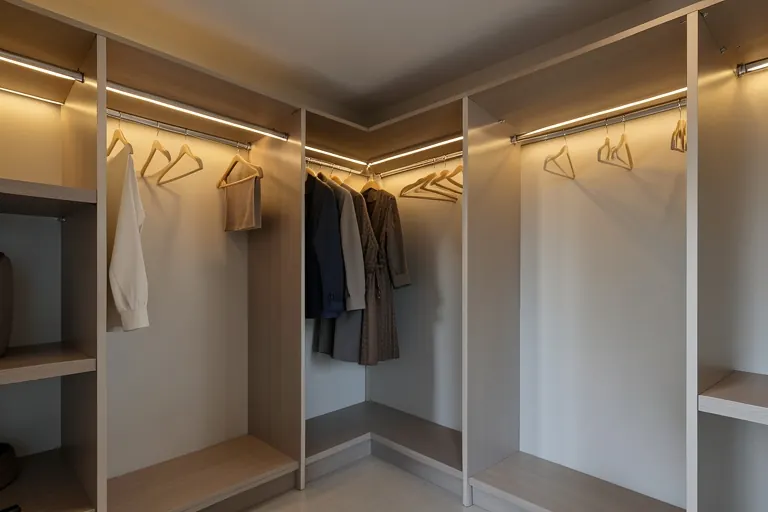
Diagnostic: Undergarments and socks often become a tangled mess in drawers.
Insert adjustable drawer organizers with compartments sized for bras, underwear, and socks. The compartments keep each item separated and visible.
Trade‑off: organizers reduce overall drawer volume; choose a layout that matches your typical quantity of each item.
Maintenance: empty each compartment monthly, refold items, and replace any broken dividers.
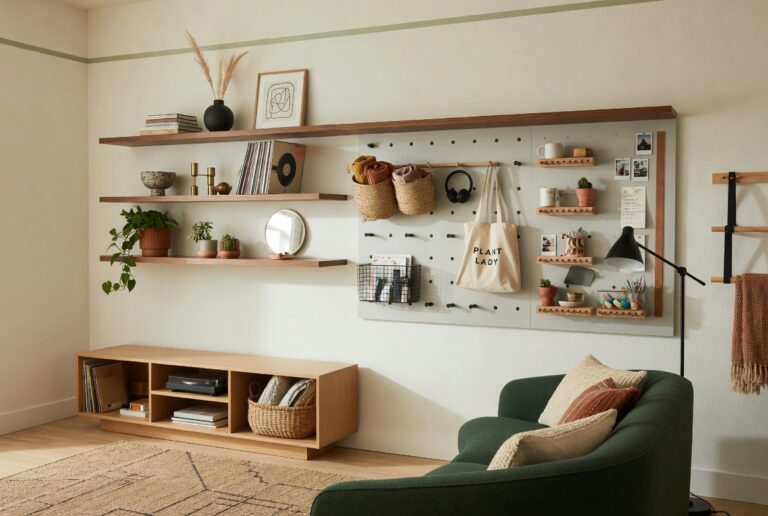
14. Vertical Wall Hooks & Pegboard
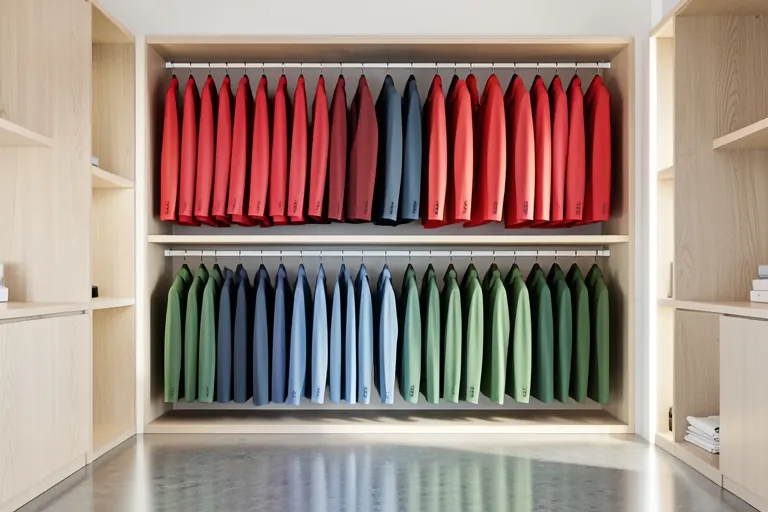
Diagnostic: Empty wall space above the rod goes unused, limiting storage options.
Install a series of slim wall hooks or a pegboard at eye level. Use them for hats, scarves, or even rolled‑up shirts.
Trade‑off: heavy items can pull on the wall; use anchors appropriate for your wall type.
Maintenance: check the anchors quarterly and replace any worn hooks to maintain safety.
15. Closet Floor Laundry Bin
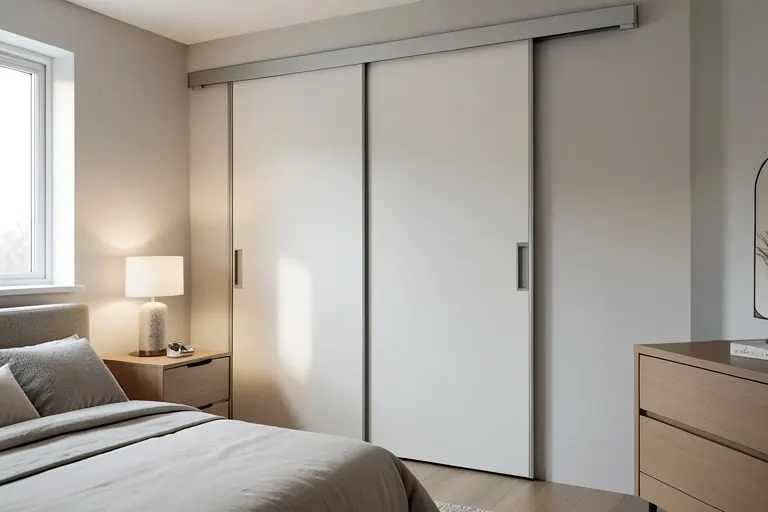
Diagnostic: Laundry piles often accumulate on the closet floor, creating a mess.
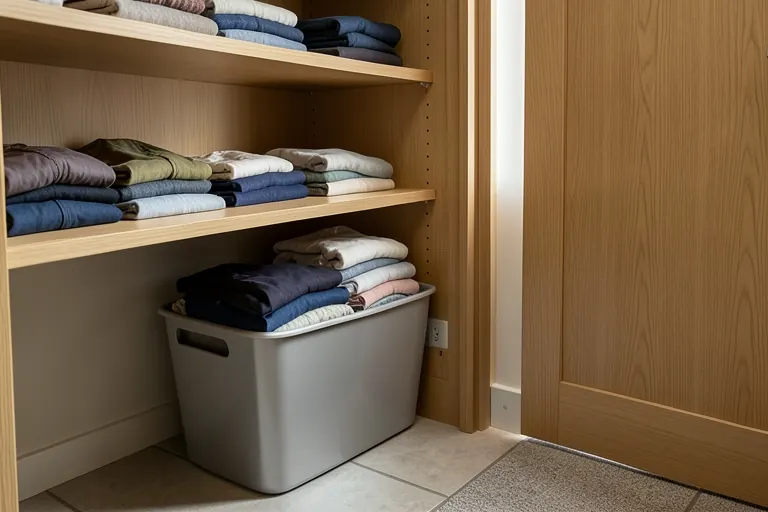
Place a low, open bin or basket on the closet floor for dirty laundry. Choose a breathable fabric or mesh to prevent odors.
Trade‑off: an open bin can look untidy; a stylish woven basket adds aesthetic appeal while serving the same function.
Maintenance: empty the bin daily and wash the liner weekly to keep the closet fresh.
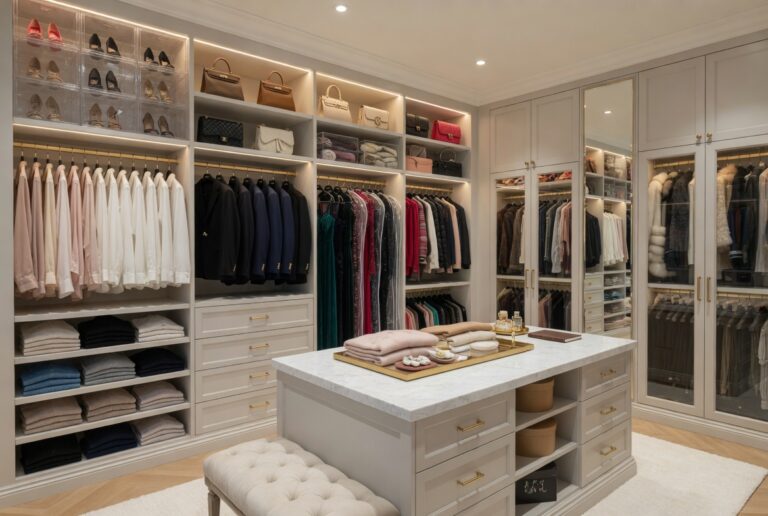
16. Dedicated Changing Area in Walk‑In Closets
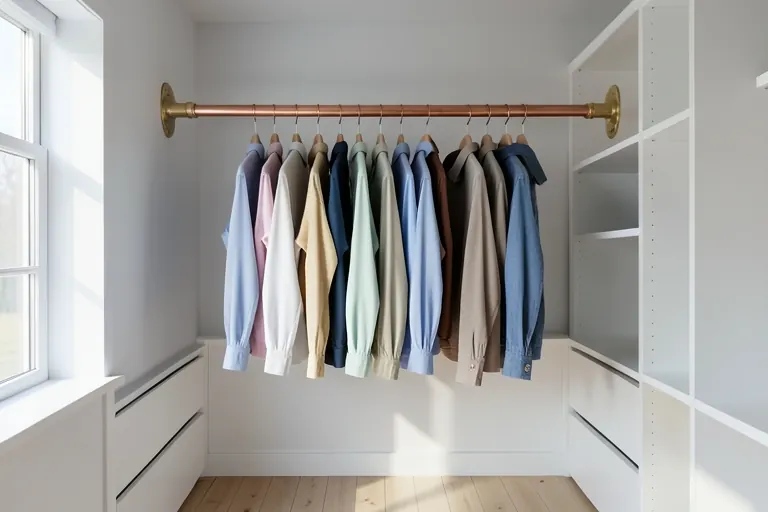
Diagnostic: A cramped walk‑in closet feels like a hallway rather than a dressing area.
Plan a layout that separates hanging zones from a dedicated changing space. Use a low island or bench for shoes and accessories, leaving the opposite wall for garments.
Trade‑off: islands reduce floor space; ensure the remaining aisle is at least 36 inches wide for comfortable movement.
Maintenance: keep the island tidy by using drawer organizers and wipe the bench surface regularly.
17. Color‑Coding Your Clothing
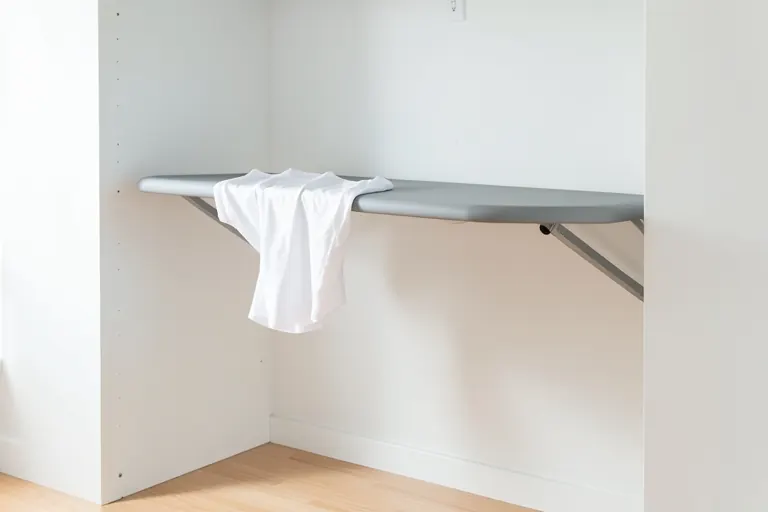
Diagnostic: Finding a specific shirt among many identical colors wastes time.
Apply a simple color‑coding system: group tops by hue and place each group on a separate section of the rod. Use colored tags or small fabric strips to mark the start of each color block.
Trade‑off: requires an initial sorting effort; the payoff is faster outfit selection.
Maintenance: revisit the color blocks each season and adjust as new pieces are added.
18. Smart Closet Inventory Apps
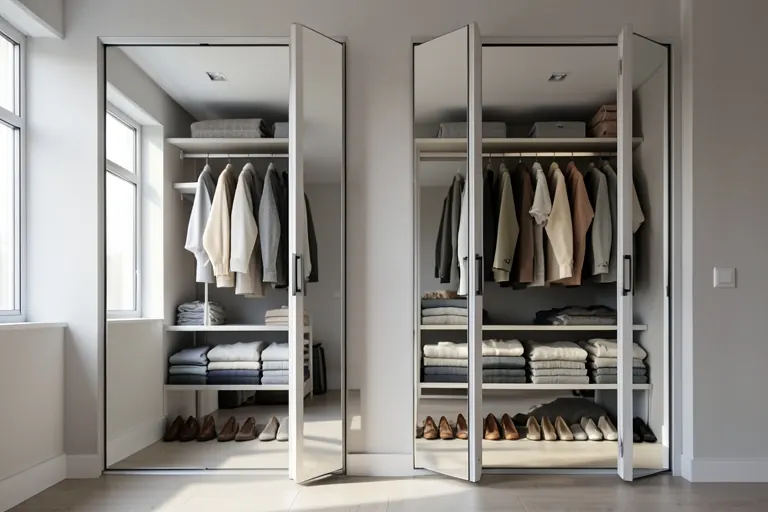
Diagnostic: Over‑reliance on apps or gadgets can lead to neglect of the physical space.
Use a simple inventory app to log items, but pair it with a quarterly physical audit. Remove items you haven’t worn in the past year and update the app accordingly.
Trade‑off: digital tracking adds a step but prevents hidden clutter from building up.
Maintenance: set a calendar reminder for the audit and keep the app’s categories aligned with your actual closet zones.
19. Common Closet Organization Mistakes
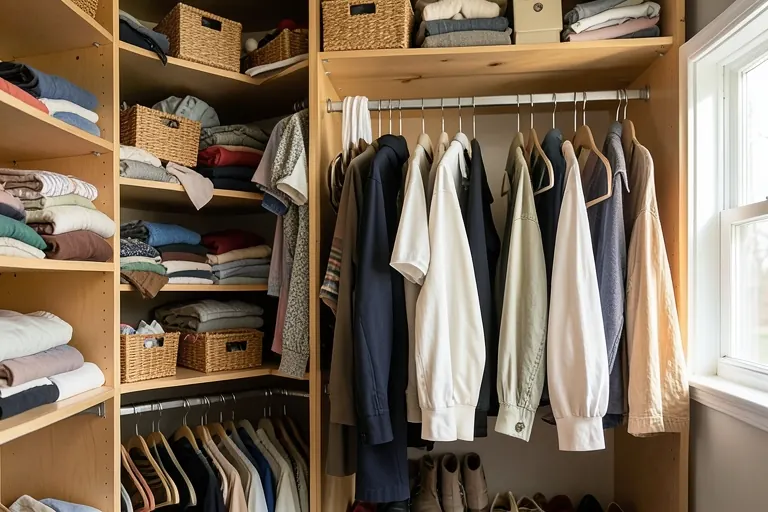
Diagnostic: Common pitfalls—like over‑filling bins or ignoring vertical space—undo even the best systems.
Avoid cramming more items than a container can hold; it leads to spills and makes items hard to retrieve. Also, don’t neglect the space above the rod—install hooks or shelves to capture that often‑wasted area.
Remember to reassess your system every six months. A habit of seasonal purging keeps the closet functional and prevents the “just‑one‑more‑thing” overload.
Finally, choose storage solutions that match your lifestyle: if you travel frequently, prioritize portable bins; if you have kids, opt for sturdy, easy‑to‑clean materials.
Effort & Cost Snapshot
| Topic | Effort | Cost Note |
|---|---|---|
| 1. Double‑Hang Rods | Medium | Varies by materials, scope, and local labor |
| 2. Slim Velvet Hangers | Low | Often achievable with existing furnishings or simple updates |
| 3. Pull‑Out Shelf Bins | Low | Often achievable with existing furnishings or simple updates |
| 4. Clear Acrylic Dividers | Low | Often achievable with existing furnishings or simple updates |
| 5. Open Shelving for Sweaters | Medium | Varies by materials, scope, and local labor |
| 6. Shoe Rack or Cubby System | Low | Often achievable with existing furnishings or simple updates |
| 7. Adjustable Modular System | High | Get a project-specific professional quote |
| 8. Built‑In LED Lighting | Medium | Varies by materials, scope, and local labor |
| 9. Glass‑Paneled Closet Doors | Low | Often achievable with existing furnishings or simple updates |
| 10. Seasonal Rotation Boxes | Low | Often achievable with existing furnishings or simple updates |
| 11. Labeled Baskets for Accessories | Low | Often achievable with existing furnishings or simple updates |
| 12. Hanging Hooks for Bags & Belts | Medium | Varies by materials, scope, and local labor |
| 13. Drawer Organizers for Undergarments | Low | Often achievable with existing furnishings or simple updates |
| 14. Vertical Wall Hooks & Pegboard | Medium | Varies by materials, scope, and local labor |
| 15. Closet Floor Laundry Bin | Low | Often achievable with existing furnishings or simple updates |
| 16. Dedicated Changing Area in Walk‑In Closets | Low | Often achievable with existing furnishings or simple updates |
| 17. Color‑Coding Your Clothing | Low | Often achievable with existing furnishings or simple updates |
| 18. Smart Closet Inventory Apps | Low | Often achievable with existing furnishings or simple updates |
| 19. Common Closet Organization Mistakes | Medium | Varies by materials, scope, and local labor |
Frequently Asked Questions
How often should I declutter my closet?
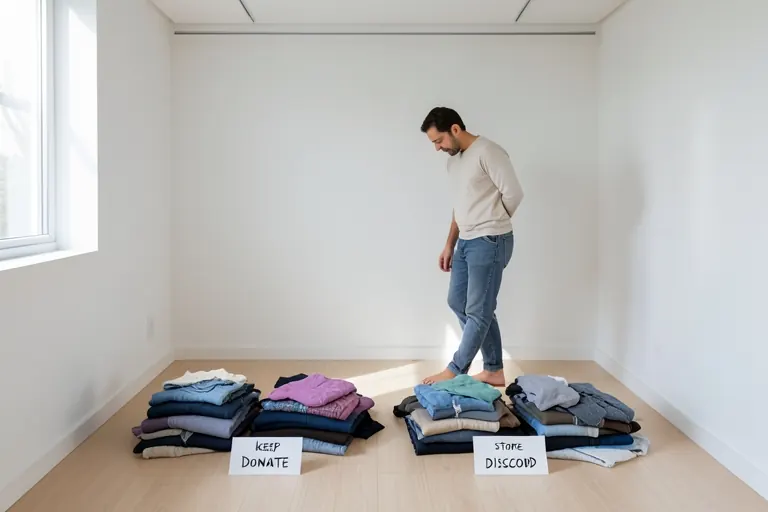
Most experts recommend a full purge at least twice a year—once after winter and once after summer. Pull every item out, try it on, and ask yourself if you’ve worn it in the past 12 months. If the answer is no, set it aside for donation or resale. A seasonal sweep prevents over‑accumulation and makes room for new pieces.
What’s the best way to store seasonal clothing?
Store out‑of‑season garments in clear, airtight bins labeled with the season and year. Keep the bins on a high shelf or under the bed, and rotate them when the weather changes. This keeps the active closet light and focused while protecting fabrics from dust and moisture.
Can I organize a closet without installing permanent fixtures?
Yes. Many organization hacks require only adhesive hooks, tension rods, or freestanding bins—no drilling or permanent fixtures. Start with a diagnostic: measure the width of your closet and choose a tension rod that fits snugly. Add removable hooks for bags and belts, and use stackable clear bins for accessories. These solutions are reversible and budget‑friendly.
How do I keep my closet organized if I have limited space?
Maximize vertical space with wall‑mounted hooks, use slim hangers to free rod width, and group similar items together. If floor space is limited, opt for a rolling shoe rack that can be tucked under the hanging area. Finally, keep a small “daily‑grab” basket near the entry to catch items you need quickly, preventing them from scattering back into the closet.
When you pair a clear plan with the right tools, a chaotic closet transforms into a daily‑ready sanctuary. By applying the 19 ideas above—whether you’re adding a second rod, swapping in slim velvet hangers, or simply labeling a basket—you’ll gain visible space, faster outfit decisions, and less stress. Remember, organization is a habit, not a one‑time project; revisit your system each season and adjust as your wardrobe evolves.
Sources & Further Reading
Continue Your Home Transformation
Explore the full collection of step-by-step eBooks and get the guide that fits the room you're working on.