Organization and Storage
Getting the mudroom organization right makes the biggest difference in how the space actually feels day to day. A well-planned mudroom organization balances function and style, and even small tweaks to your mudroom organization can transform the whole area.
If your entryway greets you with a pile of shoes, a mountain of coats, and mail scattered across every flat surface, it’s not because you’re bad at keeping things tidy — it’s because the space was never given a real system. A mudroom or entryway is the transition point for everything that comes in and out of the house, and without dedicated storage, that daily traffic has nowhere to land except the floor.
By the end of this article, you’ll have 13 real, practical ways to organize a mudroom or entryway so it finally works as hard as the rest of your home.
Table of Contents
- 1. Build a Vertical Cubby System
- 2. Add a Bench With Hidden Storage
- 3. Mount Hooks Into Painted Cabinetry
- 4. Give Each Person a Locker
- 5. Add Shoe Grid Compartments
- 6. Build a Message Center Wall
- 7. Create a Woven Basket Drop Zone
- 8. Add Open Shelving Above the Bench
- 9. Choose Durable Stone-Look Flooring
- 10. Carve Out a Dog Gear Zone
- 11. Hang a Mirror for a Small Entry
- 12. Add a Mail Sorting Drawer
- 13. Dedicate a Cabinet to Seasonal Gear
- Effort & Cost Snapshot
1. Build a Vertical Cubby System for Your Mudroom Organization
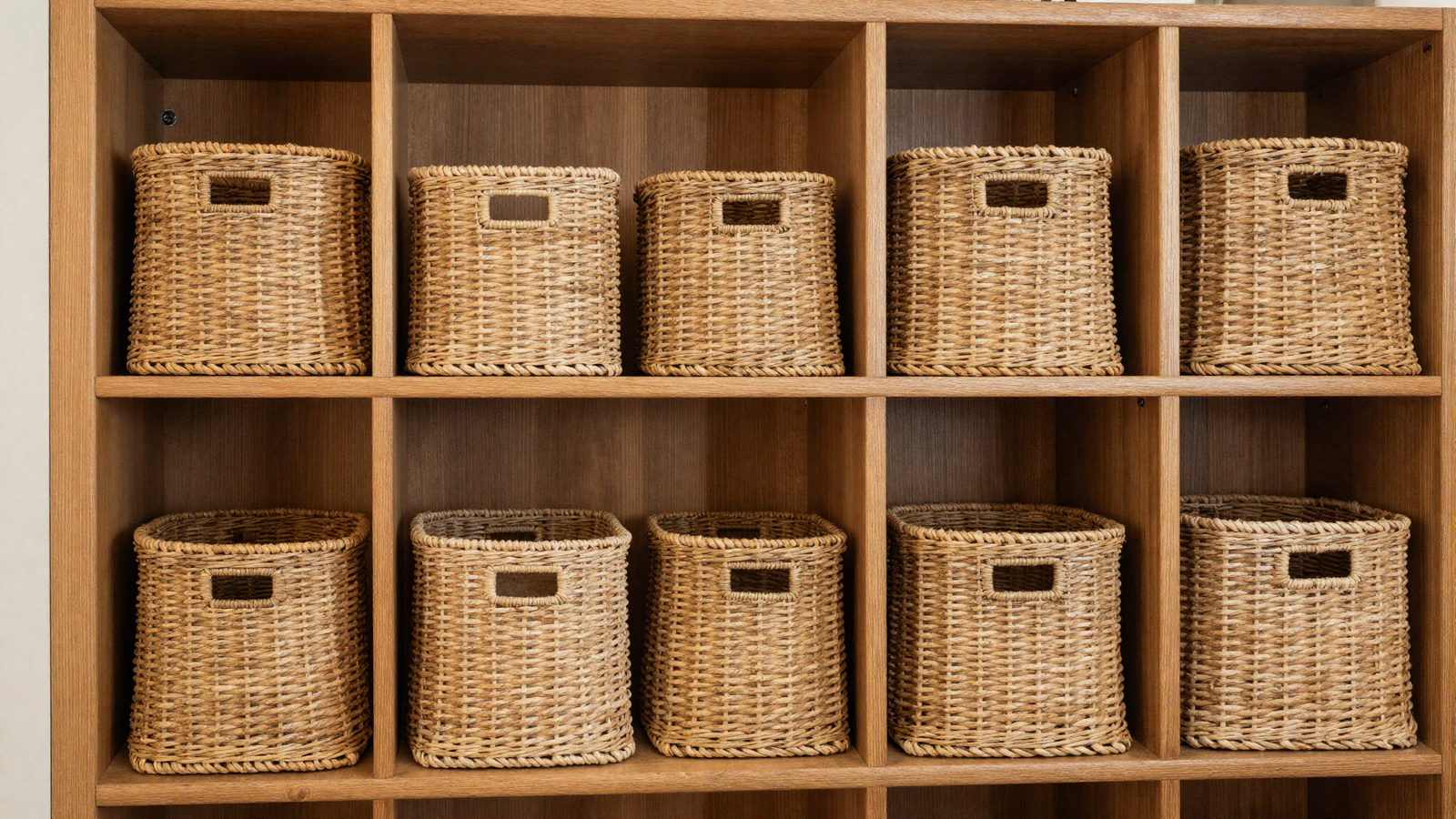
A wall of vertical cubbies gives every family member a defined slot for shoes, bags, or gear, replacing the visual chaos of open hooks with real spatial hierarchy. Loose items get captured inside precise compartments instead of drifting across the floor throughout the week.
💡 Smart tip: Use heavy woven baskets inside each cubby rather than leaving items loose; the baskets pull double duty as both organization and a warmer, more finished look.
⚠️ Mistake to avoid: Making every cubby the same size regardless of what’s stored there; larger cubbies for bulky gear and smaller ones for everyday shoes keep the system genuinely functional.
2. Add a Bench With Hidden Storage for Your Mudroom Organization
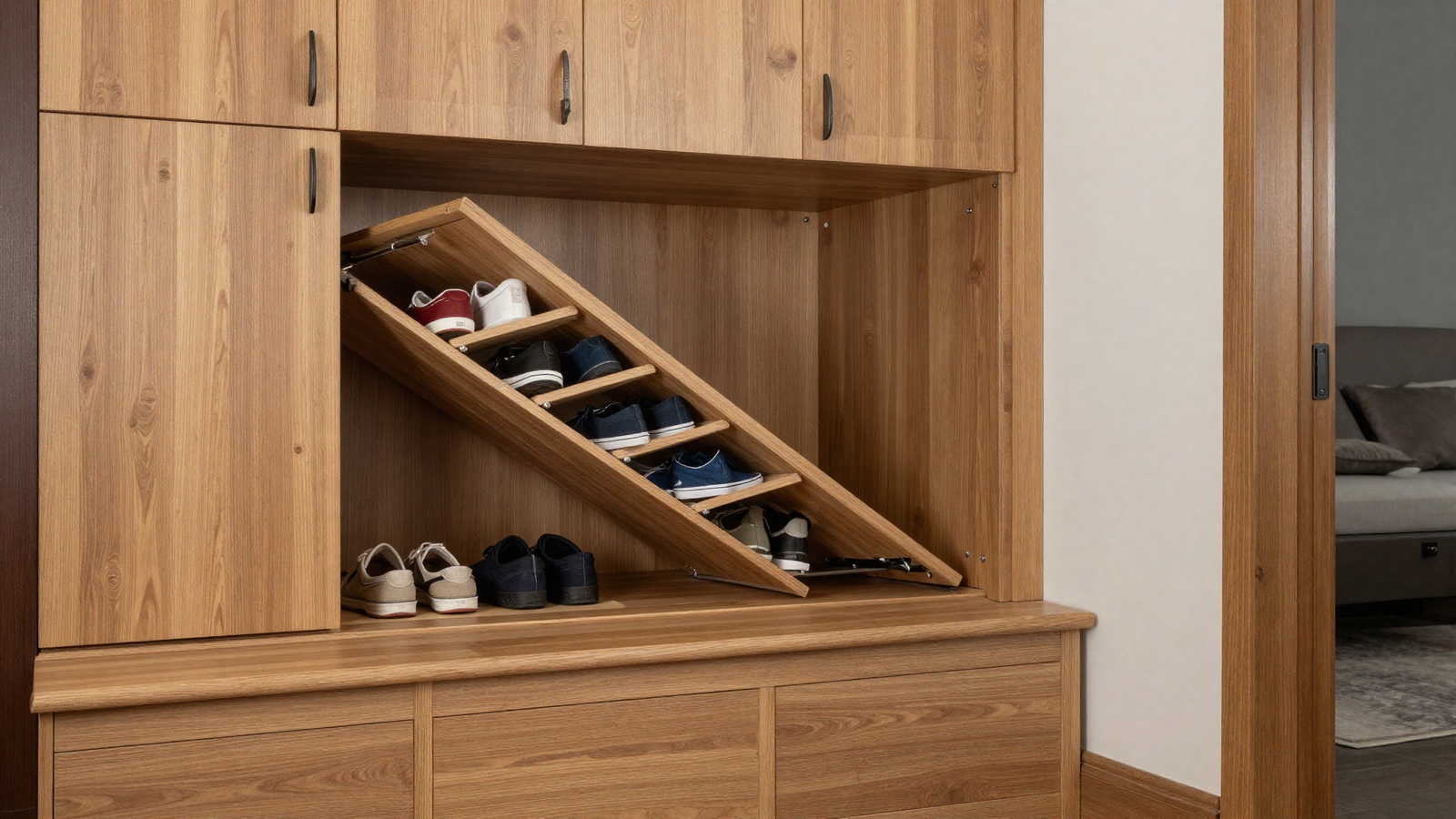
A bench that lifts open to reveal hidden storage underneath solves two problems at once: somewhere to sit while putting on shoes, and a place to stash items that don’t need to be visible all day. The heavy, substantial build also gives the whole entryway a grounded, intentional feel.
💡 Smart tip: Reserve the hidden compartment for items you don’t need daily, like out-of-season gear, so the lid isn’t being lifted constantly.
⚠️ Mistake to avoid: Choosing hinges without a soft-close mechanism; a heavy lid slamming shut repeatedly will wear out faster and can be a pinch hazard for small hands.
3. Mount Hooks Into Painted Cabinetry for Your Mudroom Organization
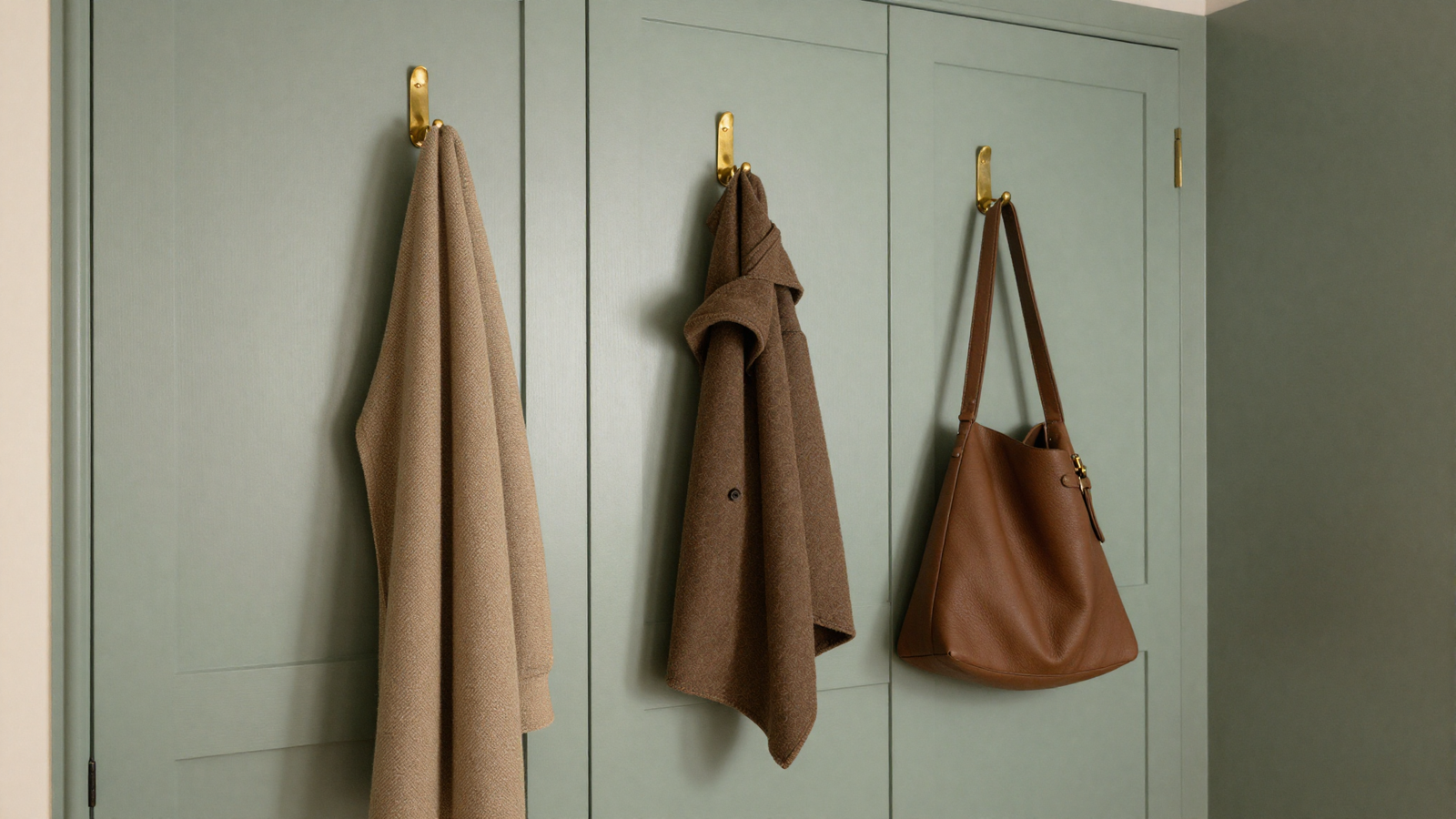
Painted cabinetry in a soft, current color like sage green or slate blue adds warmth and softness to a mudroom while giving it a more custom, furniture-like feel than plain drywall. Mounting hooks directly into the cabinetry keeps everything in one cohesive built-in system rather than scattered separate pieces.
💡 Smart tip: Choose a muted, current paint color for cabinetry — warm whites, mushroom taupe, or soft sage all hide daily wear better than stark white.
⚠️ Mistake to avoid: Spacing hooks too close together; coats and bags need enough room between hooks to hang without constantly tangling.
Loving These Ideas? Get the Step-by-Step Guide
Grab the full 5-day eBook and turn these ideas into a finished room.




4. Give Each Person a Locker for Your Mudroom Organization
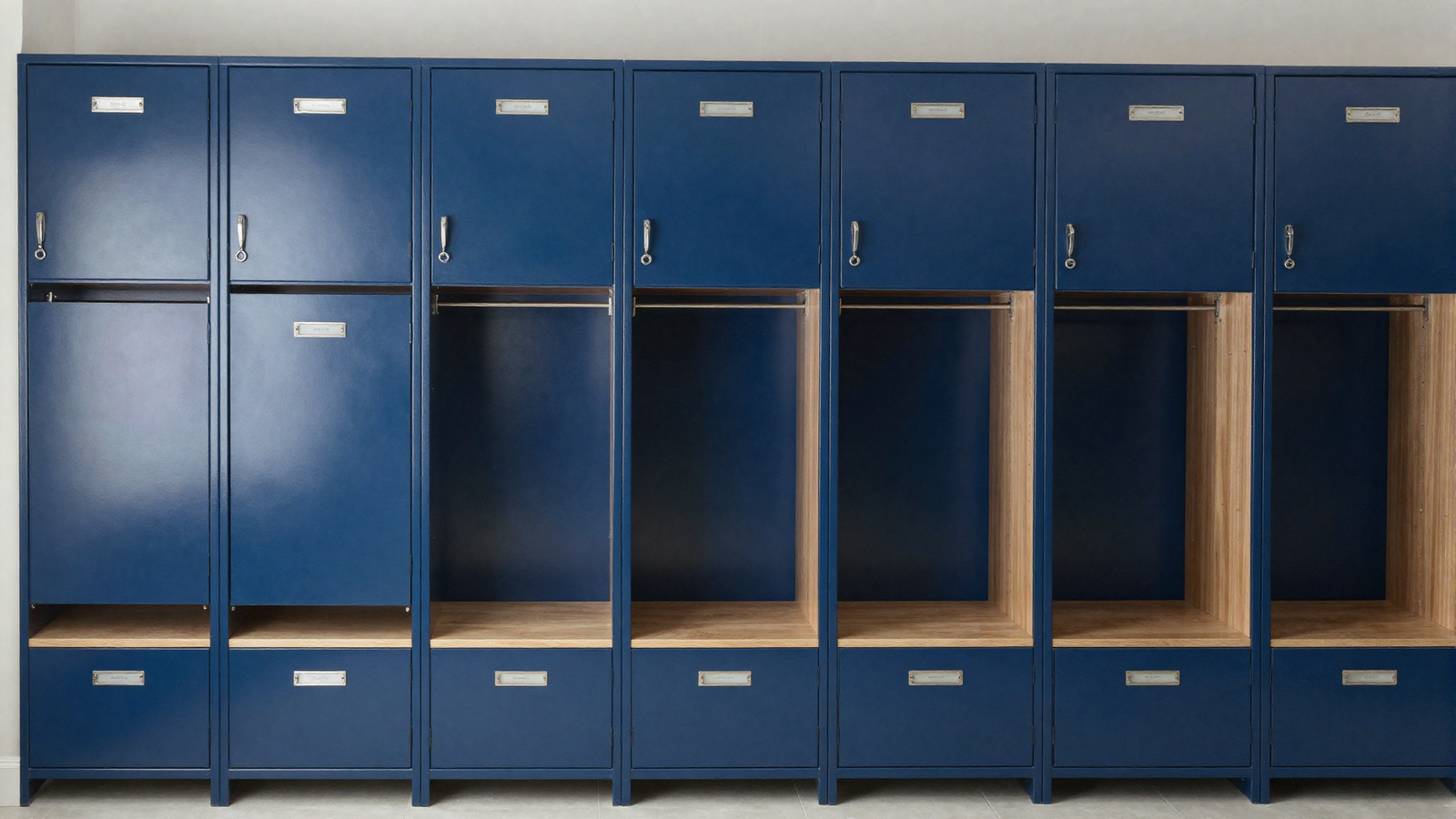
Assigning each family member their own labeled locker eliminates the daily scramble over shared hooks and shelves, since everyone already knows exactly where their things belong. It’s a system that scales especially well for larger households juggling multiple schedules.
💡 Smart tip: Size lockers based on each person’s actual gear — a locker for a young child needs less vertical space than one for an adult with a bulky coat and bag.
⚠️ Mistake to avoid: Skipping labels or nameplates on lockers; without a clear visual assignment, family members tend to default back to whichever locker is closest, undoing the whole system.
5. Add Shoe Grid Compartments for Your Mudroom Organization
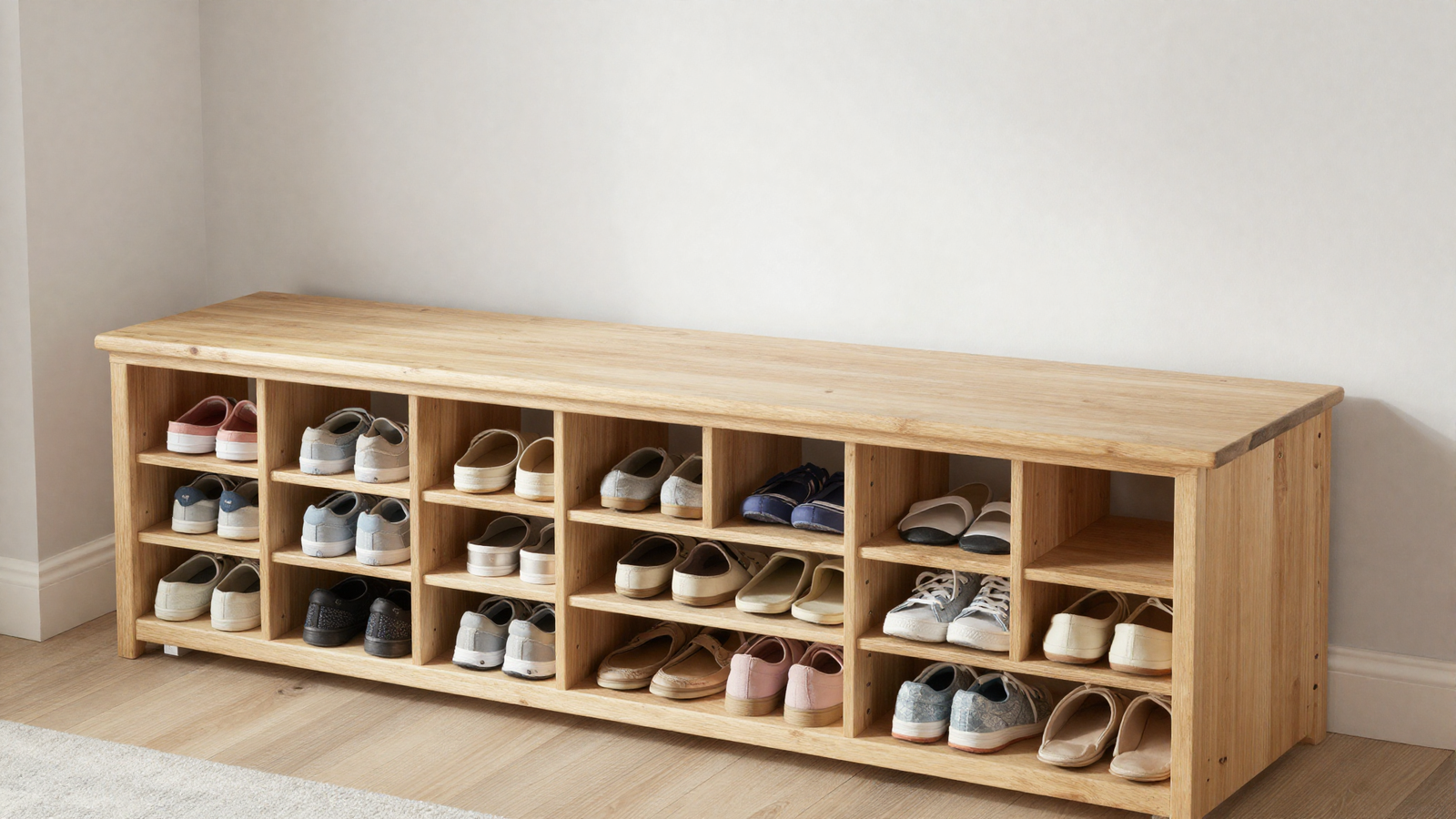
A grid of individual slots built into the lower zone of a bench keeps shoes contained and paired, instead of piling into a single chaotic mound by the door. It’s one of the most effective fixes for the single biggest complaint about most entryways.
💡 Smart tip: Size compartments generously enough for winter boots, even if most of the year only needs the space for sneakers and sandals.
⚠️ Mistake to avoid: Placing shoe compartments directly against an exterior wall without any ventilation; damp shoes need airflow to dry out and avoid lingering odor.
6. Build a Message Center Wall for Your Mudroom Organization
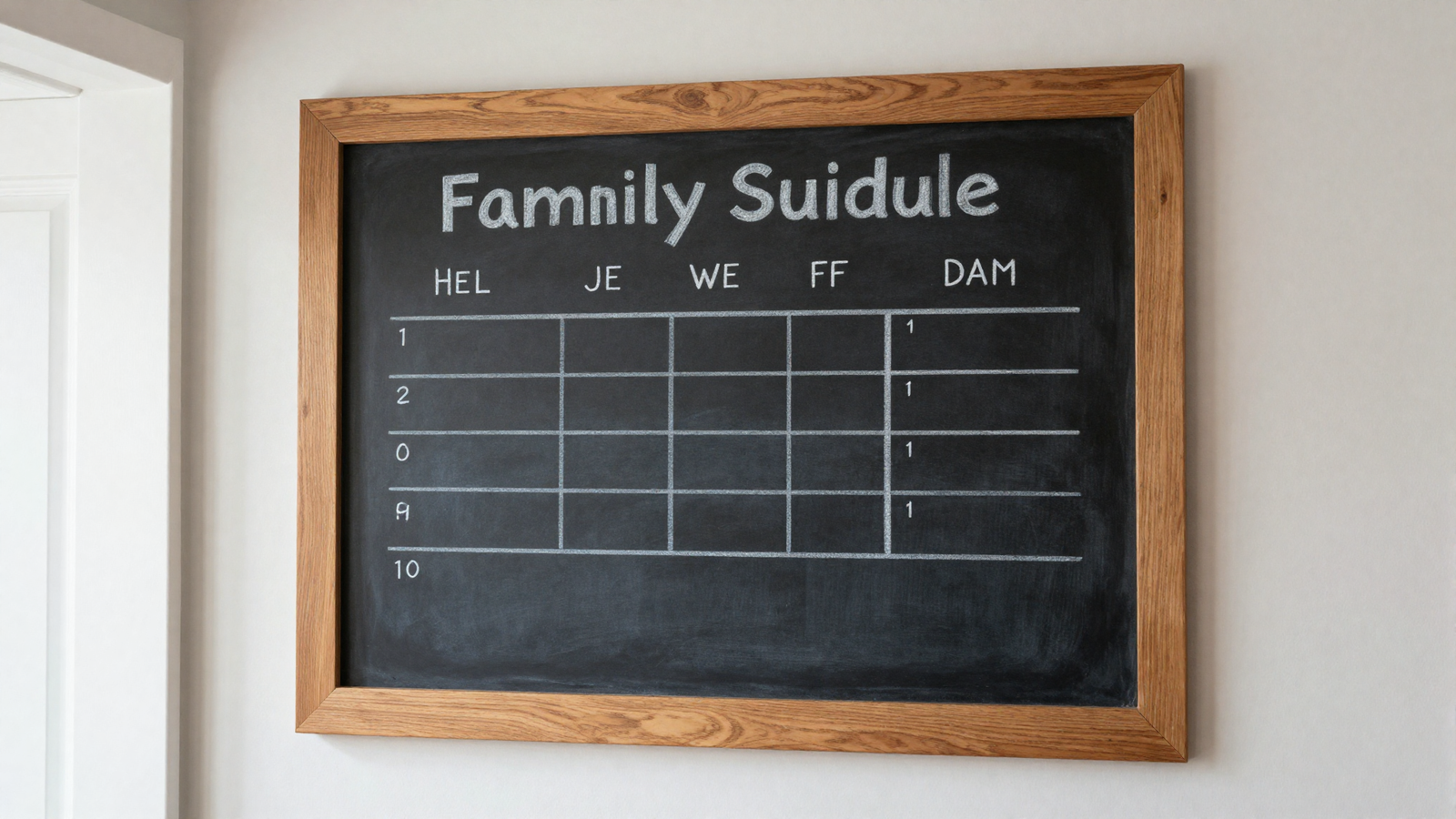
A dedicated chalkboard or message center gives the household one shared spot to leave reminders, schedules, or notes on the way out the door. It keeps sticky notes and loose reminders from ending up scattered across the kitchen counter instead.
💡 Smart tip: Position the message center at eye level for the shortest regular user of the space, so everyone in the household can actually read and write on it.
⚠️ Mistake to avoid: Letting outdated notes accumulate indefinitely; set a regular day to wipe the board and start fresh, or the system quietly stops being useful.
7. Create a Woven Basket Drop Zone for Your Mudroom Organization
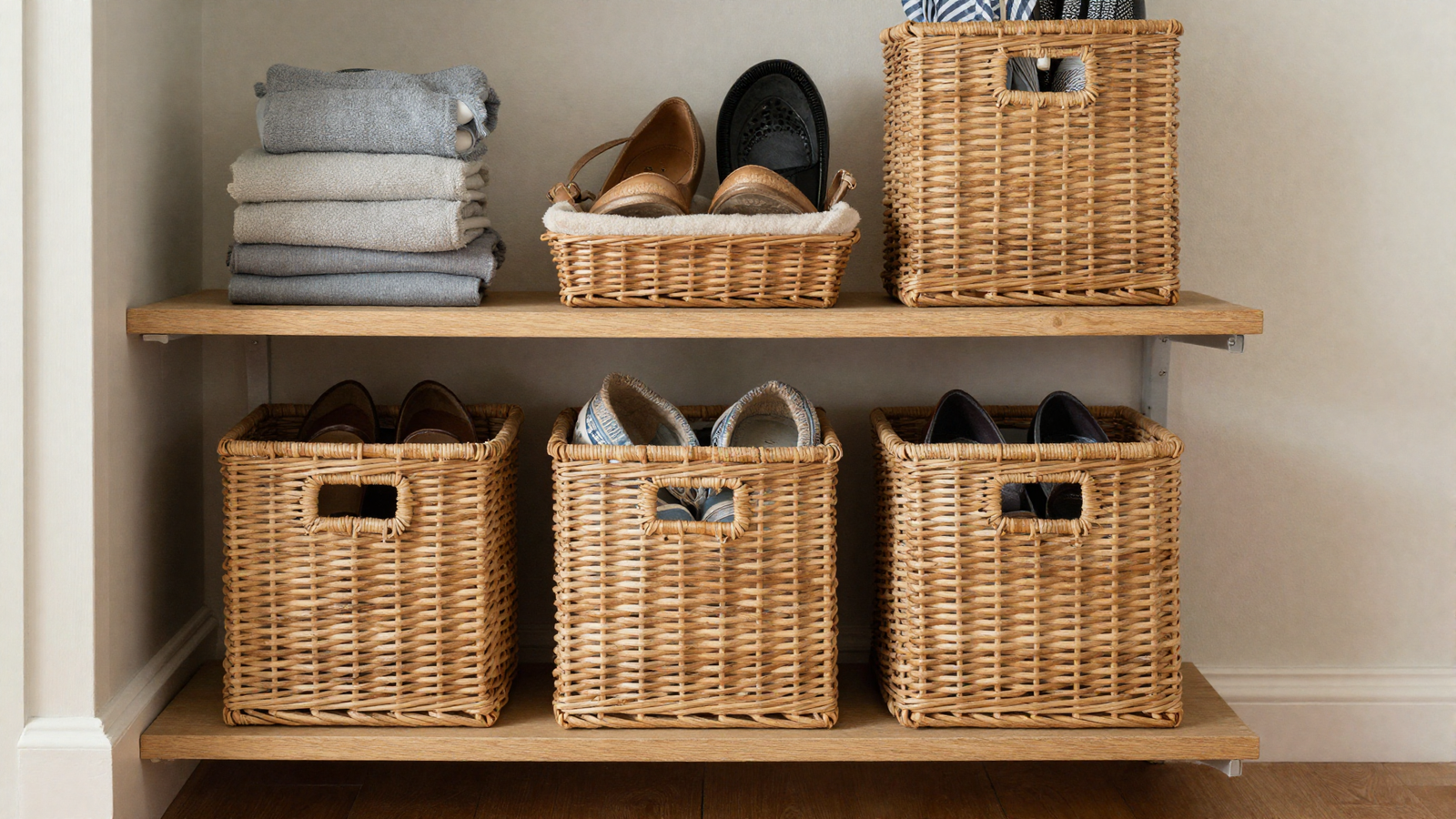
Visually appealing woven baskets give miscellaneous gear a home without exposing the clutter itself, striking a balance between function and style. Baskets made of wicker, metal, or wood also add real texture to what would otherwise be a purely utilitarian space.
💡 Smart tip: Assign each basket a single category — sports gear, dog leashes, umbrellas — so the drop zone stays a true system rather than one big catch-all.
⚠️ Mistake to avoid: Choosing baskets without handles for a high-use drop zone; handles make the daily grab-and-go motion far more practical.
8. Add Open Shelving Above the Bench for Your Mudroom Organization
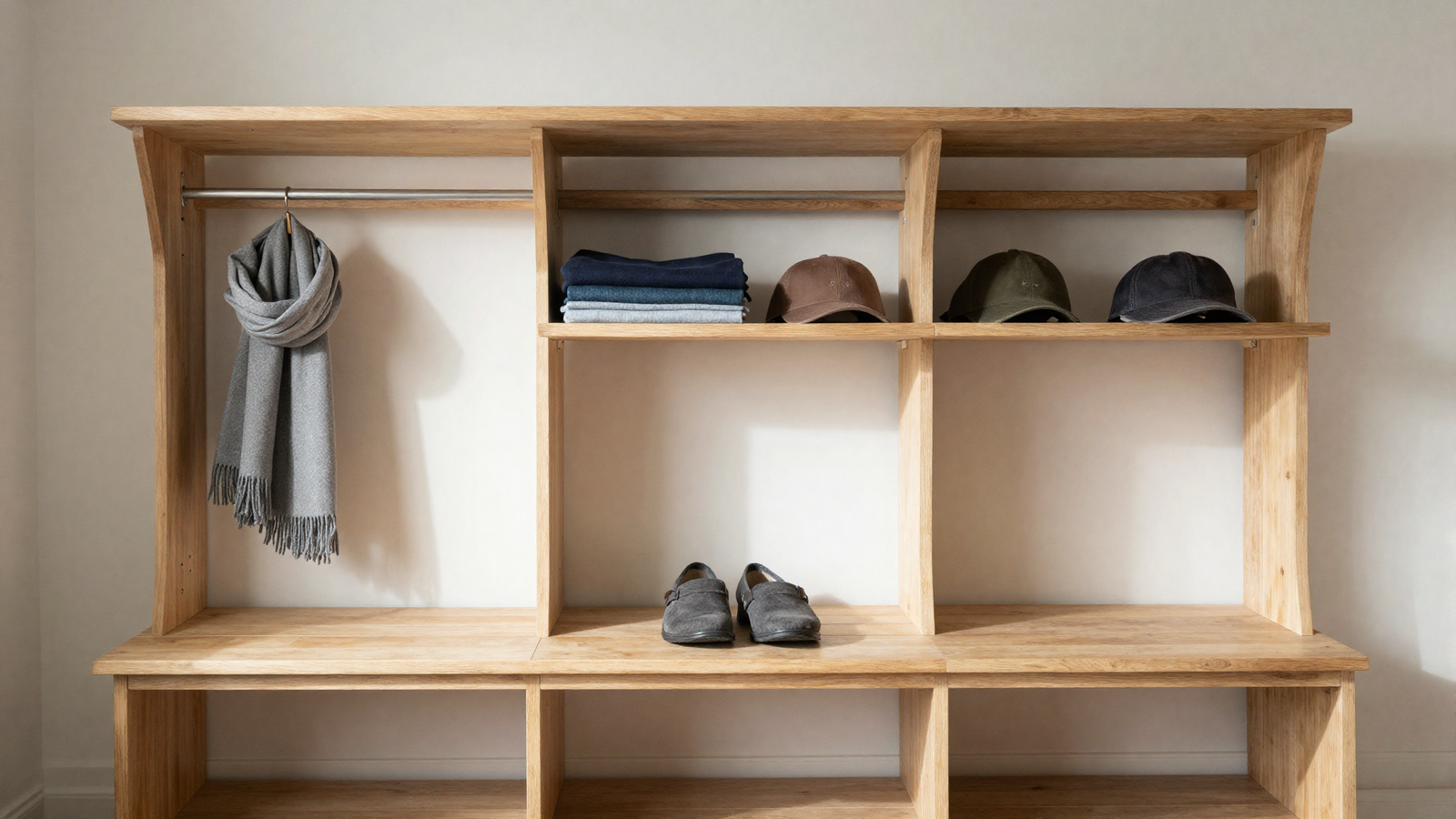
A shelf mounted above a bench makes use of otherwise empty wall space, offering a spot for folded scarves, hats, and gloves that would otherwise clutter a hook or drawer. Open shelving also keeps frequently grabbed items in full view rather than hidden away.
💡 Smart tip: Fold items rather than piling them loosely on open shelving; a few extra seconds of folding keeps the shelf looking tidy day to day.
⚠️ Mistake to avoid: Mounting a shelf too high above the bench to reach comfortably while seated; test the height with an actual person sitting before finalizing placement.
9. Choose Durable Stone-Look Flooring
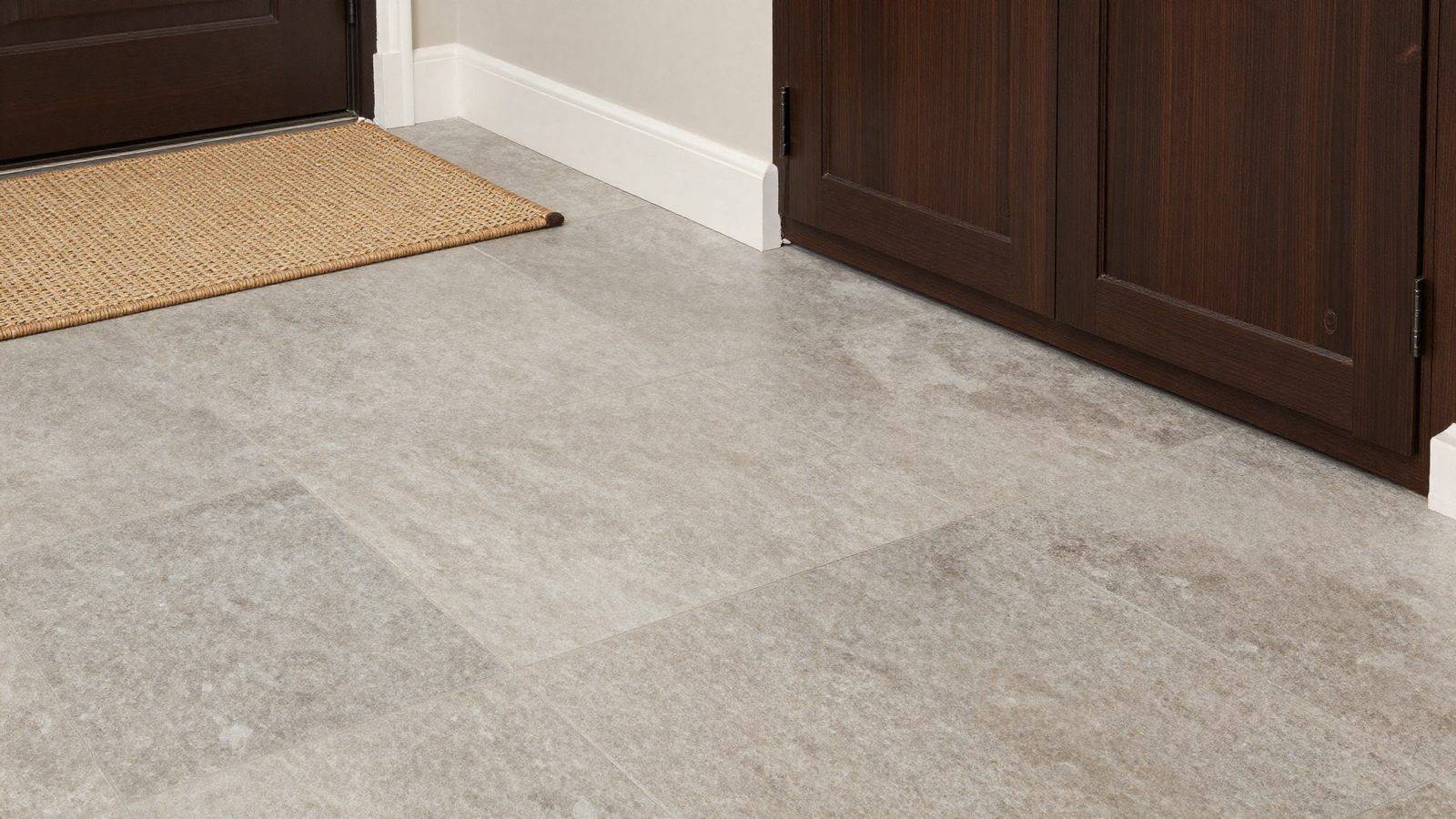
A mudroom takes more daily abuse than almost any other room in the house, and durable stone-look tile handles moisture, mud, and heavy foot traffic far better than carpet or hardwood. Adding a runner rug on top protects the floor further while giving the space some warmth underfoot.
💡 Smart tip: Choose a textured, matte tile finish rather than glossy for a mudroom floor, since texture provides better traction when the floor gets wet.
⚠️ Mistake to avoid: Choosing a light-colored grout for high-traffic mudroom flooring; darker grout hides daily dirt and scuffs considerably better over time.
10. Carve Out a Dog Gear Zone
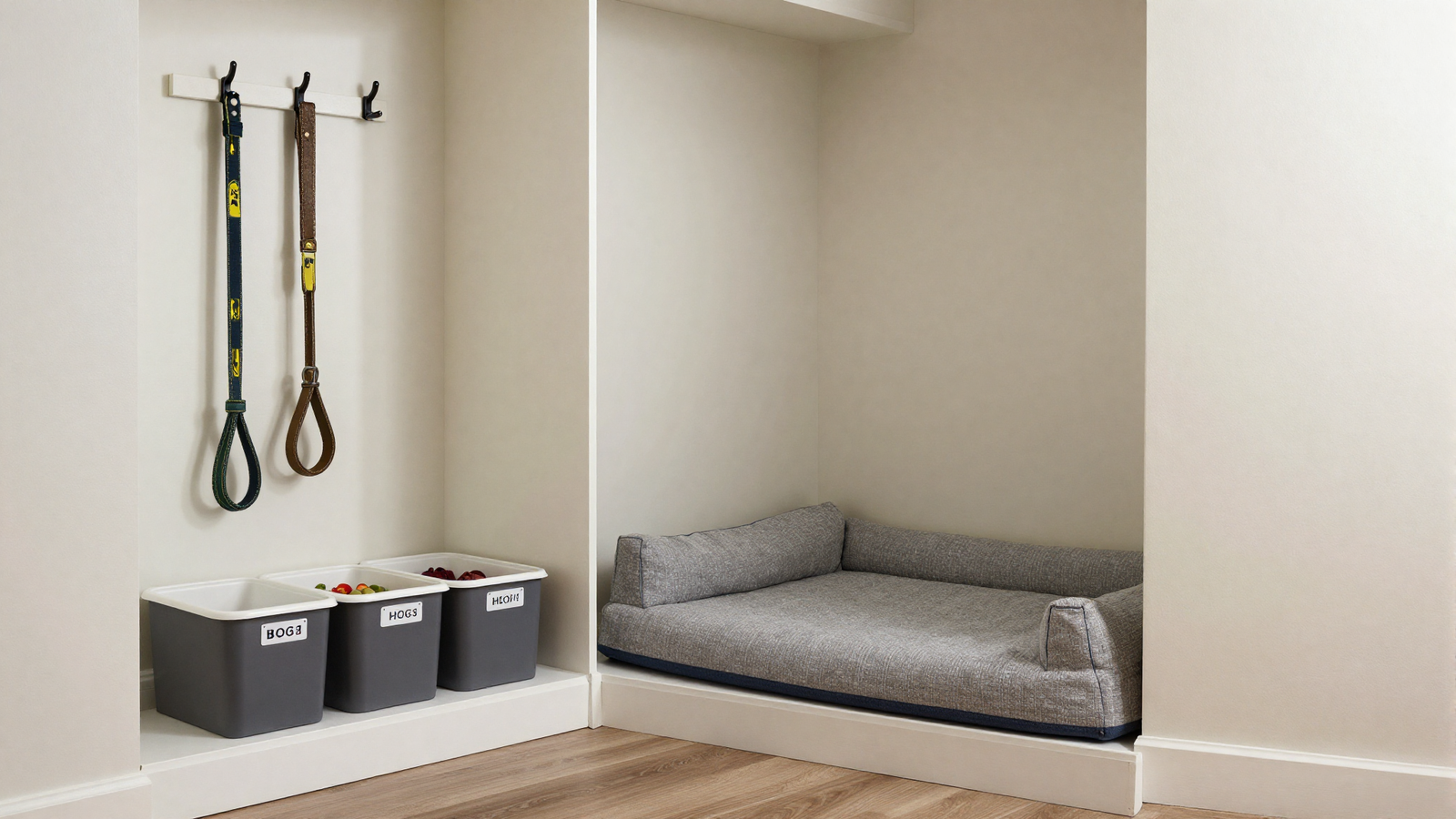
A dedicated corner for leashes, food, and other pet essentials keeps dog gear from scattering across the rest of the entryway. It also makes the daily walk routine considerably smoother when everything needed is already grouped in one predictable spot.
💡 Smart tip: Store dog food in an airtight labeled bin within the zone, rather than leaving the bag exposed, to keep pests away and preserve freshness longer.
⚠️ Mistake to avoid: Placing a dog bed or gear zone directly in the main walking path; give it its own defined footprint slightly out of the primary traffic flow.
11. Hang a Mirror for a Small Entry
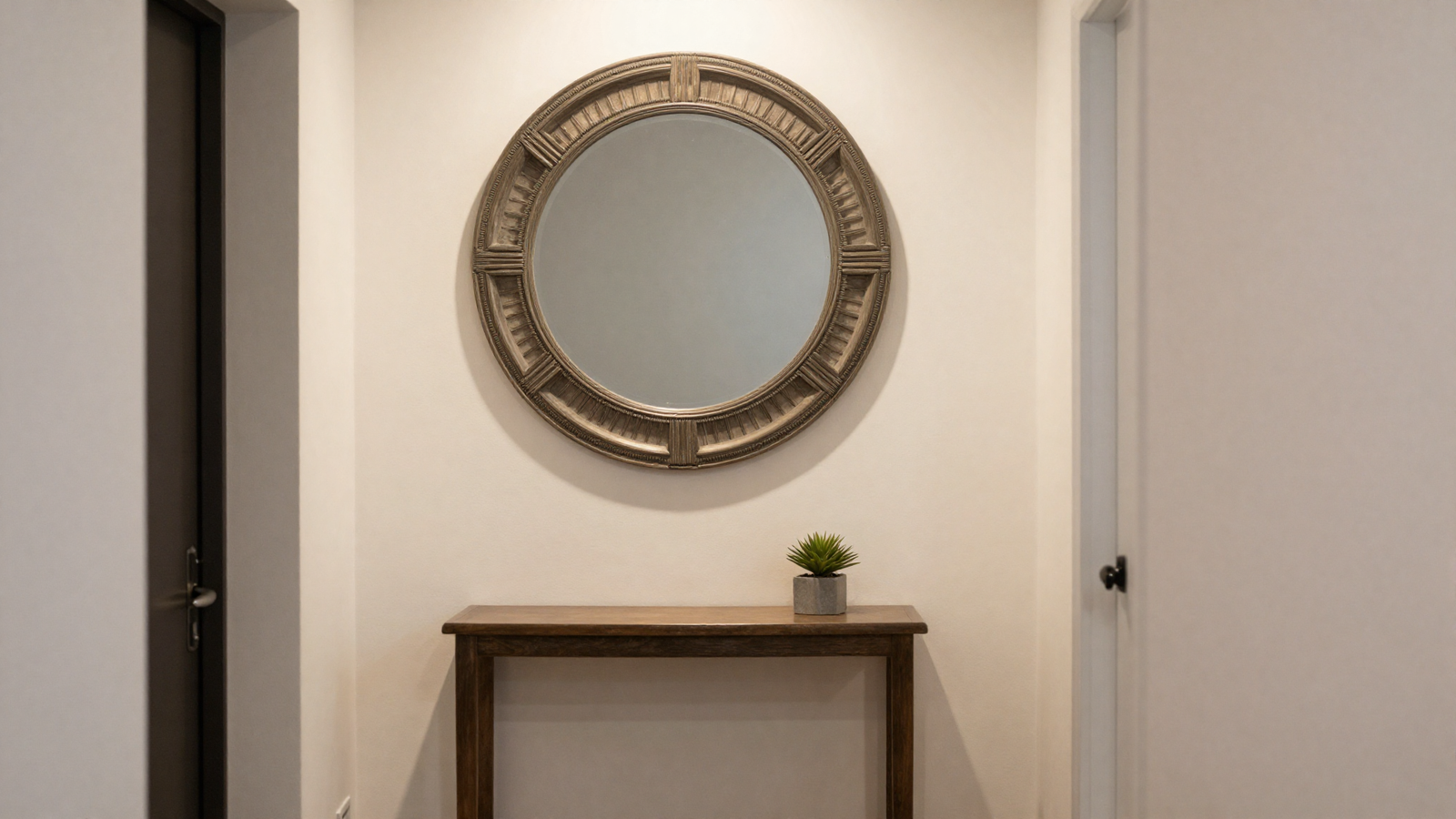
In a small entryway, a decorative mirror makes the space feel noticeably larger by bouncing light and visually doubling the depth of the room. It also gives everyone a quick spot to check their look on the way out, adding real everyday function alongside the visual benefit.
💡 Smart tip: Hang the mirror directly across from or near a light source, since the reflection amplifies whatever brightness is already in the room.
⚠️ Mistake to avoid: Choosing a mirror frame that clashes with your existing hardware finishes; matching metals throughout the entryway keeps the space feeling cohesive.
12. Add a Mail Sorting Drawer
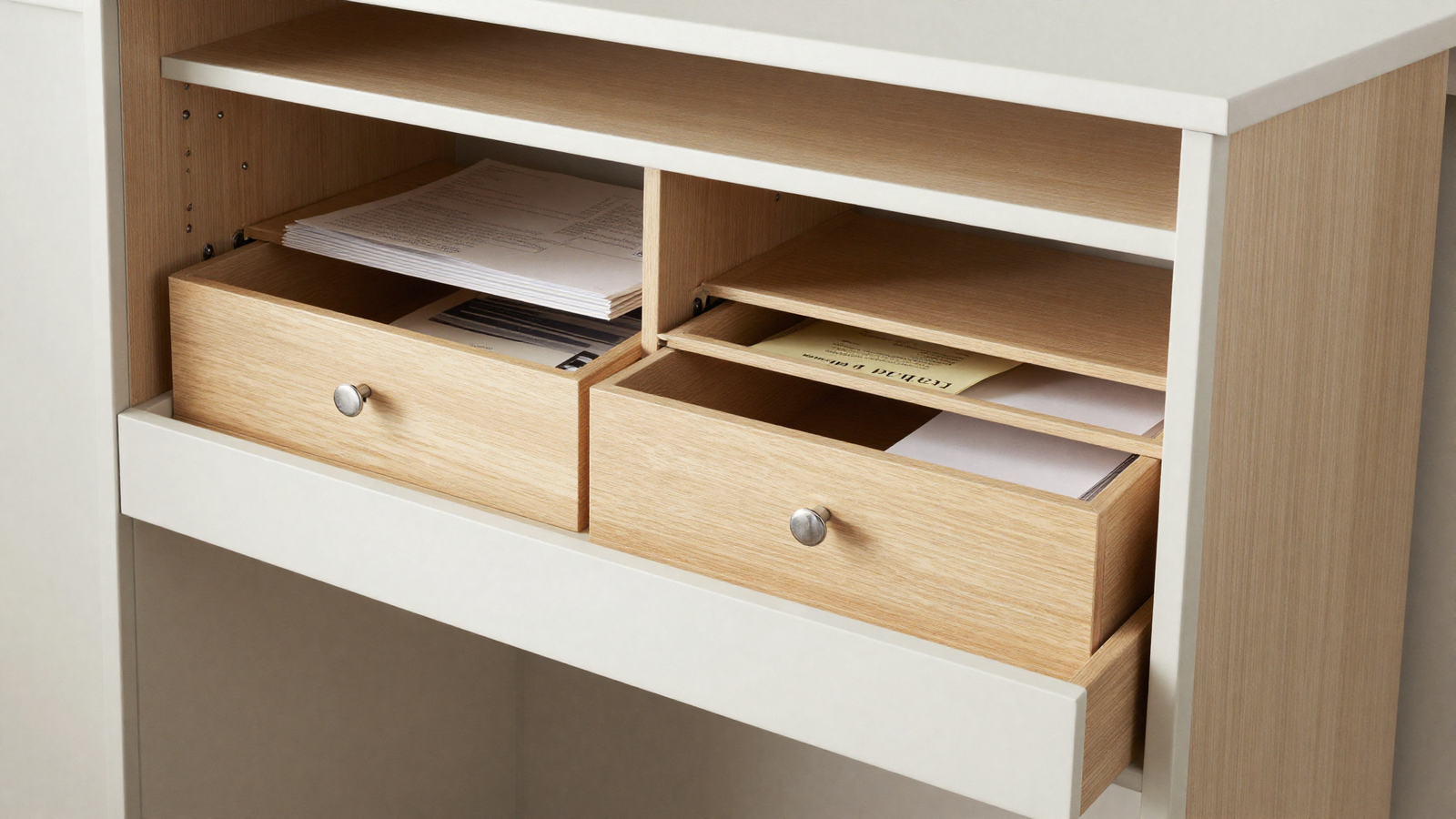
A drawer with labeled compartments gives incoming mail a real home the moment it enters the house, preventing the familiar pile of unopened envelopes from forming on the counter. Sorting mail immediately as it comes in also makes bills and important documents far less likely to get lost.
💡 Smart tip: Set up compartments by urgency — “to open,” “to file,” “to shred” — rather than by sender, so the sorting itself does useful work.
⚠️ Mistake to avoid: Treating the mail drawer as permanent storage; empty and process it on a regular schedule, or it just becomes a hidden version of the same pile.
13. Dedicate a Cabinet to Seasonal Gear
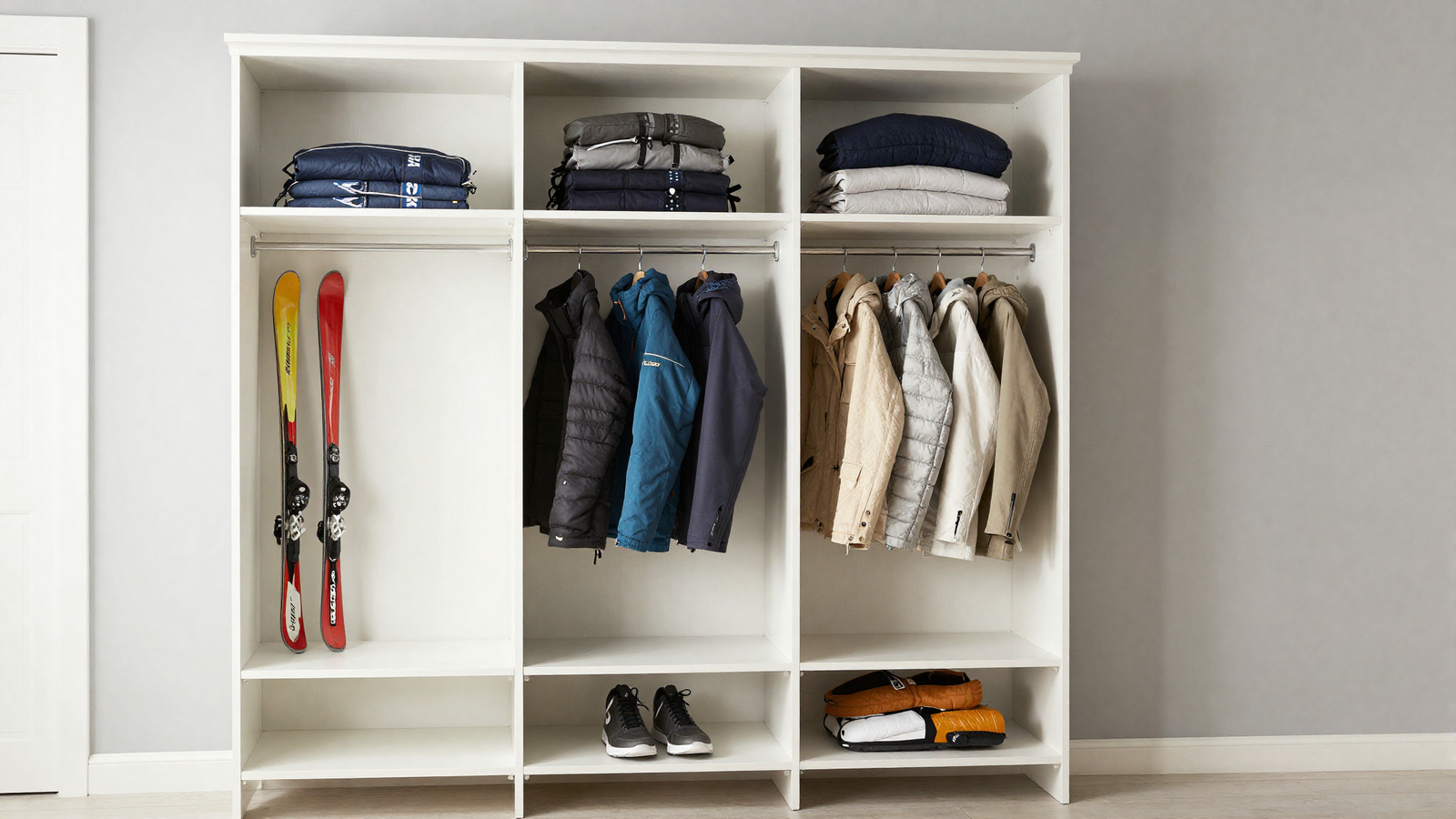
A tall cabinet reserved specifically for seasonal items like ski gear or heavy winter coats keeps bulky, infrequently used items from crowding the everyday storage in the rest of the mudroom. It’s especially valuable for households in climates with real seasonal shifts in what people wear and carry.
💡 Smart tip: Rotate seasonal gear at the same time each year, moving out-of-season items to the back or a higher shelf as the weather changes.
⚠️ Mistake to avoid: Storing damp gear like ski jackets or boots without letting them dry first; sealing away moisture in a closed cabinet invites mildew.
Effort & Cost Snapshot
| Idea | Effort | Approx. Cost |
|---|---|---|
| 1. Vertical Cubby System | Medium–High (DIY or pro build) | $300–$1,500 |
| 2. Bench With Hidden Storage | Medium (DIY or pro build) | $200–$900 |
| 3. Hooks in Painted Cabinetry | Medium (DIY paint and install) | $150–$600 |
| 4. Individual Family Lockers | High (custom build) | $800–$4,000 |
| 5. Shoe Grid Compartments | Medium (DIY or pro build) | $150–$600 |
| 6. Message Center Wall | Low (DIY) | $30–$120 |
| 7. Woven Basket Drop Zone | Low (purchase) | $40–$180 |
| 8. Open Shelving Above Bench | Low–Medium (DIY install) | $40–$180 |
| 9. Durable Stone-Look Flooring | High (pro install) | $6–$18 per sq ft |
| 10. Dog Gear Zone | Low–Medium (DIY) | $50–$250 |
| 11. Entryway Mirror | Low (DIY install) | $40–$200 |
| 12. Mail Sorting Drawer | Low–Medium (DIY) | $30–$150 |
| 13. Seasonal Gear Cabinet | Medium–High (DIY or pro build) | $300–$1,200 |
A functional mudroom doesn’t need to be large — it just needs every category of daily gear to have its own clear, dedicated spot. Save this list to Pinterest so you can work through your own entryway one zone at a time.
Continue Your Home Transformation
Explore the full collection of step-by-step eBooks and get the guide that fits the room you're working on.