The best garden ideas for beginners are not necessarily the biggest or most elaborate. They are the ones you can water, weed, and enjoy without turning every weekend into a recovery project.
Begin by observing the site before buying plants. Track direct sun, notice where rain collects, identify the nearest water source, and decide how much routine care fits your schedule. These details matter more than a fashionable plant list.
The following ideas work as separate starting points or as parts of a gradual plan. Choose one or two, learn how your space behaves through a growing season, and expand only when the current garden feels manageable.
1. Start With a Portable Container Garden
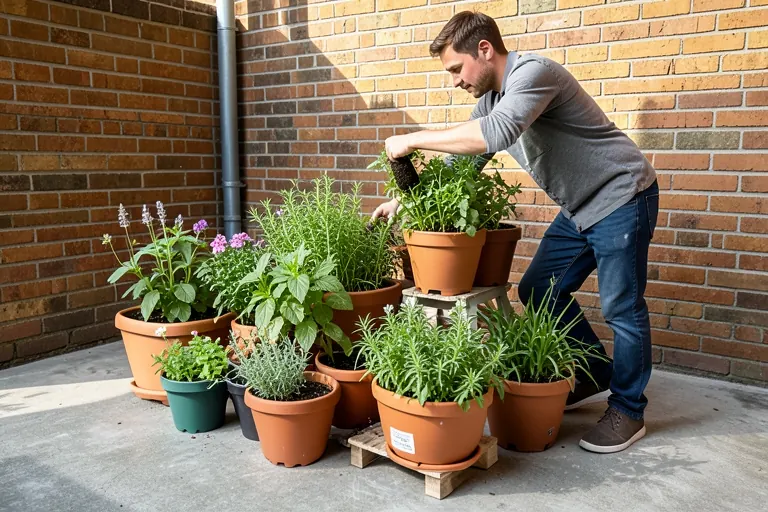
Containers let renters and uncertain beginners test locations without committing to an in-ground bed. Put a few pots where you will see them often, not in a forgotten corner.
Every container needs an unobstructed drainage hole. Plastic generally holds moisture longer, while unglazed terra-cotta dries faster but offers a warm, traditional finish.
Group plants with similar sun and watering needs. Leave room below the rim for watering, and set saucers only where runoff could stain or inconvenience neighbors.
2. Build One Manageable Raised Bed
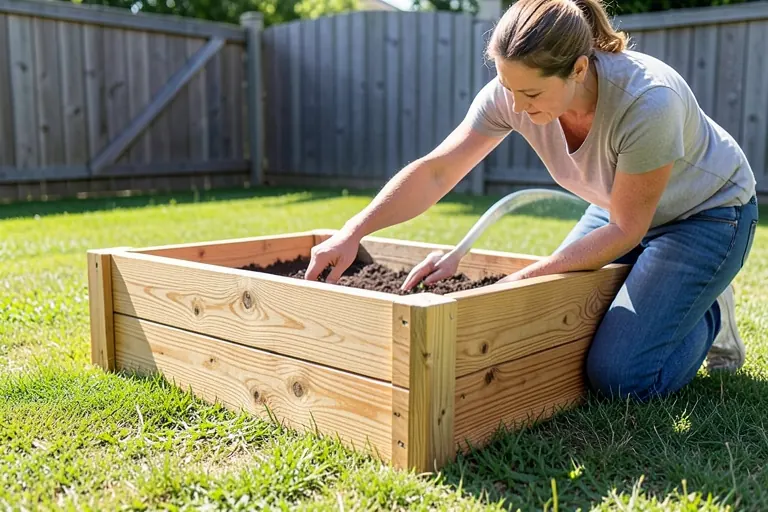
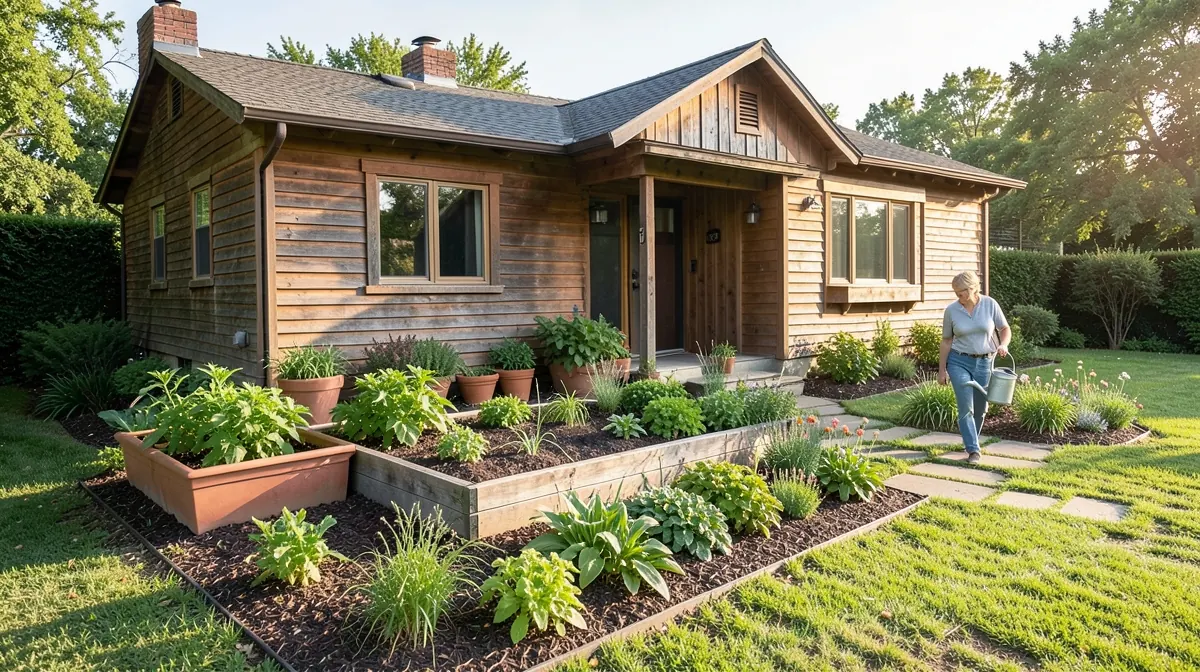
A single raised bed creates a defined project and can make soil preparation easier, but it still needs regular watering and replenishment. Confirm that you can reach the center without stepping into it.
Choose untreated, ground-contact-appropriate lumber, masonry, or a purpose-made metal bed. Each option differs in appearance, heat exposure, longevity, and ease of relocation.
Fill the bed with soil intended for raised-bed growing rather than plain topsoil. Before construction, check the site, property rules, utility locations, and any local requirements that apply.
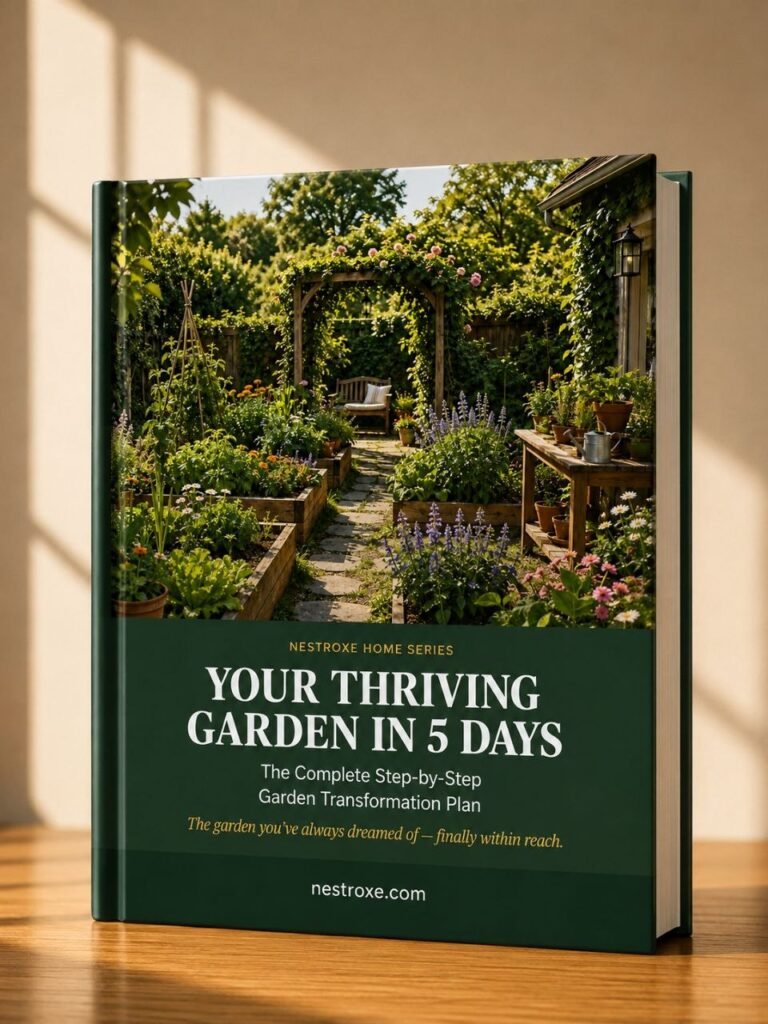
Loving These Ideas? Get the Step-by-Step Guide
Grab the full 5-day eBook and turn these ideas into a finished room.

3. Plant Herbs Near the Kitchen
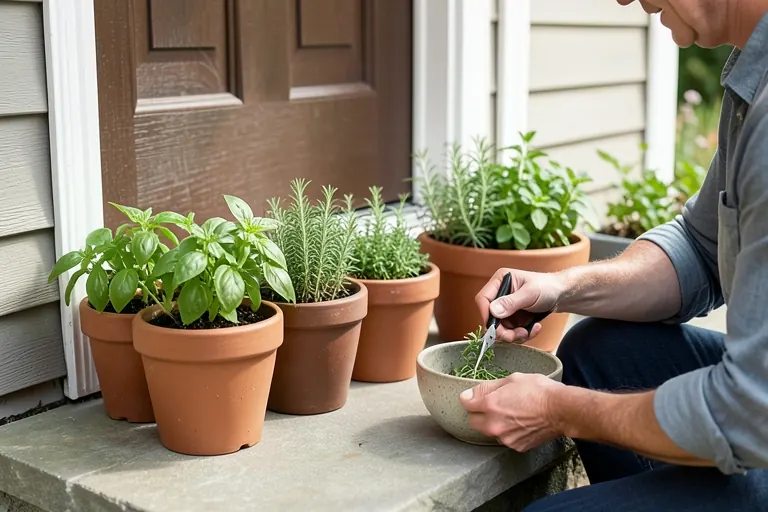
Frequently harvested herbs belong near the door you actually use. A sunny step, patio edge, or window-adjacent balcony is often more practical than a distant garden corner.
Plant aggressive spreaders in separate pots, and combine only herbs that prefer similar moisture. A thirsty herb paired with one that favors drier soil creates avoidable maintenance.
Start with herbs already used in your cooking. Harvest modestly and regularly, inspect leaf undersides for pests, and rotate containers if growth consistently leans toward the light.
4. Use a Sun Map Before Choosing Plants
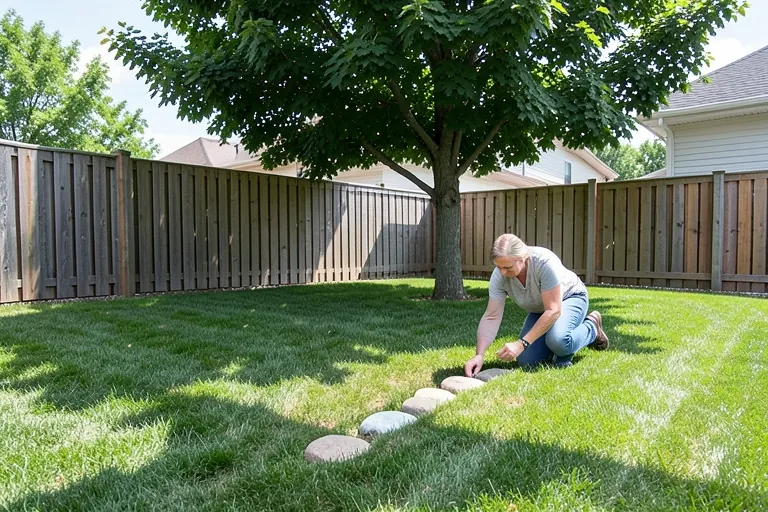
Check the proposed garden in the morning, around midday, and later in the afternoon. Nearby buildings and trees can create very different conditions within the same yard.
Observe repeatedly as seasons change because the sun’s path and deciduous tree cover affect exposure. Describe each location by what you witnessed rather than what you hoped it received.
Match plants to those conditions using nursery or Extension guidance. Sun-loving plants placed in persistent shade may stretch or flower poorly, while shade plants can struggle in intense exposure.
5. Create a Simple Front-Door Planting
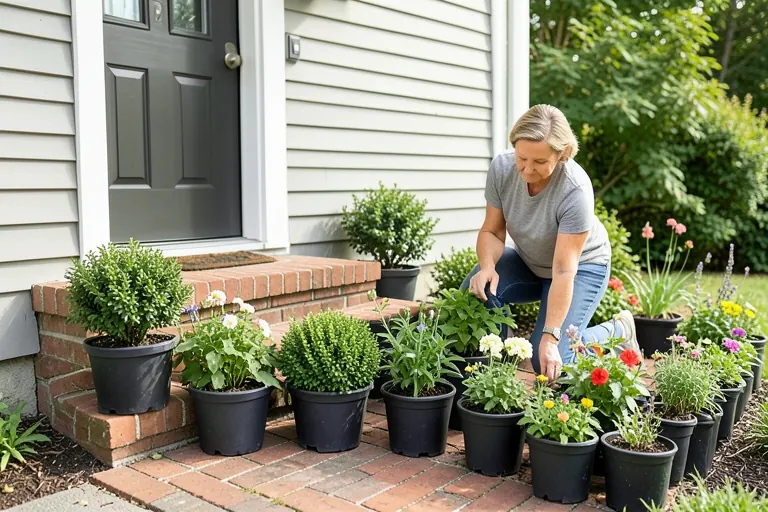
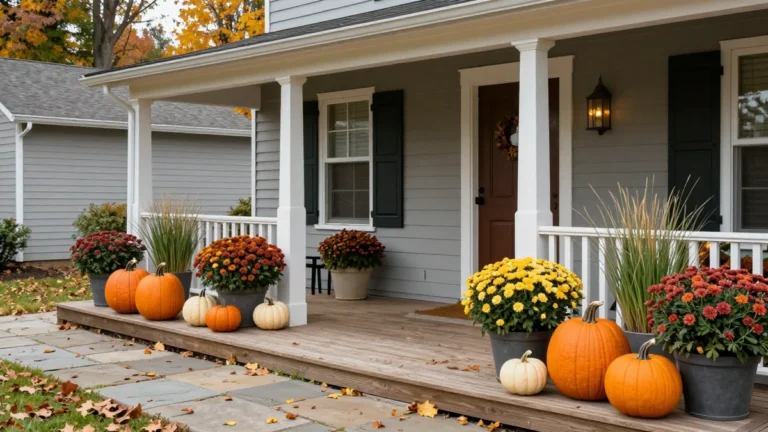
For approachable garden design ideas for the front of a house, repeat a limited plant palette rather than collecting unrelated specimens. Repetition makes a small entry planting feel intentional.
Keep mature plant size in mind so branches do not block steps, windows, lighting, or sightlines. Leave access to faucets, meters, and exterior maintenance points.
Use one evergreen or structural plant for continuity, then add a restrained layer of seasonal color. Confirm every selection suits the site’s light, drainage, and regional growing conditions.
6. Turn a Sunny Corner Into a Salad Garden
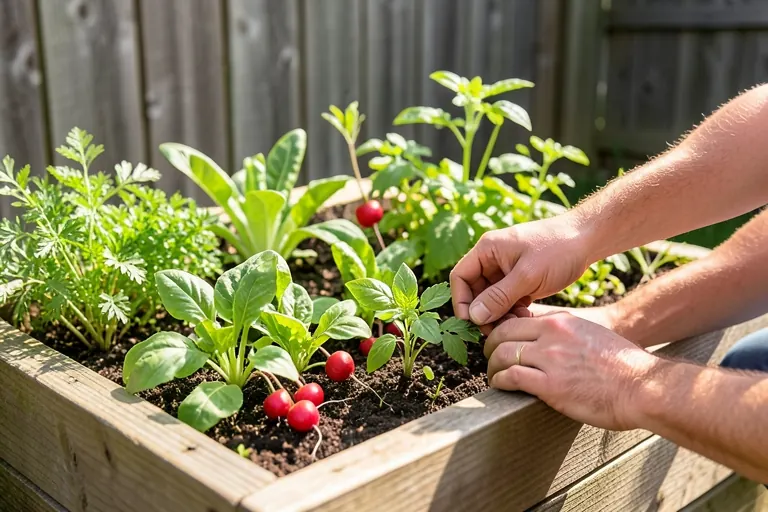
A small edible garden is easier to learn from when it has a clear purpose. Dedicate one sunny container or bed to greens, radishes, herbs, or other foods your household eats.
Check planting guidance for your region and season; cool- and warm-season crops do not follow one national calendar. Avoid planting an entire seed packet simply because space appears available.
For edible crops, learn the site’s history and use a suitable water source. Where soil contamination is a concern, contact your local Extension office about testing and safer growing options.
7. Replace a Difficult Lawn Strip With Mulch
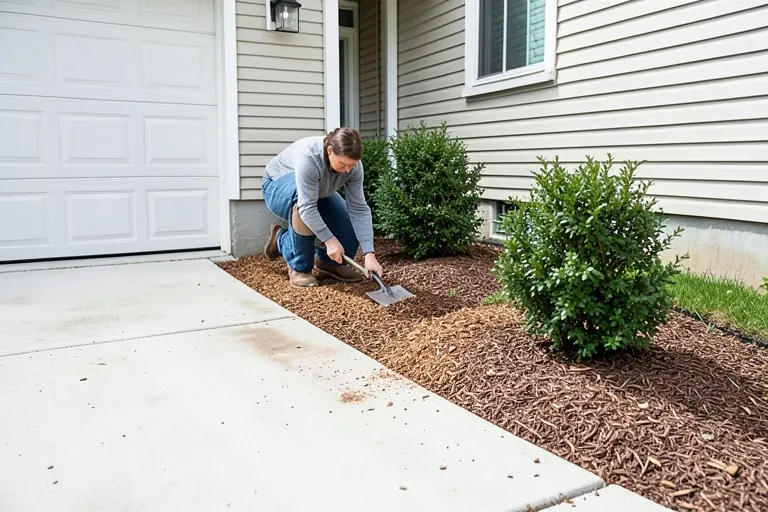
A narrow strip beside a fence or driveway can demand more mowing than it contributes. Convert one clearly defined problem area instead of removing a large lawn all at once.
Suppress existing growth appropriately, edge the zone, and apply mulch without piling it against trunks, stems, siding, or wood fencing. Mulch moderates the soil surface but does not eliminate weeds permanently.
Choose shredded bark, wood chips, gravel, or another locally appropriate material based on drainage, heat, appearance, and maintenance. Landscape fabric can complicate later planting and soil work.
8. Add a Stepping-Stone Garden Path
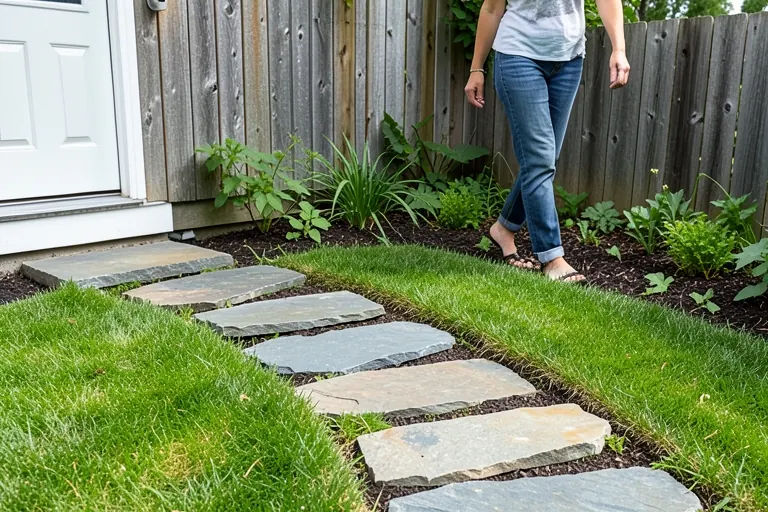
A short path protects soil and plants by making the intended route obvious. First walk the natural line between the door, hose, seating area, or garden bed.
Place stones on the surface and test your stride before setting them. Stable, relatively level pieces are more comfortable than decorative stones that rock or become slippery.
Excavation depth, base preparation, drainage, and accessibility needs vary by site. For a permanent path near foundations, slopes, utilities, or drainage routes, follow local requirements and seek qualified advice when needed.
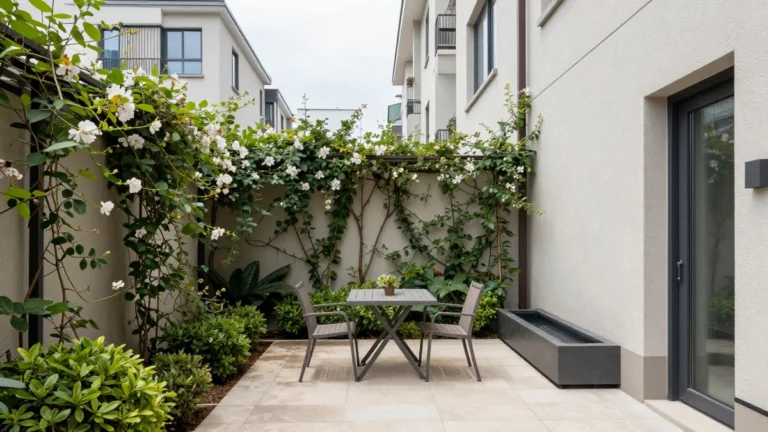
9. Screen One View With a Trellis
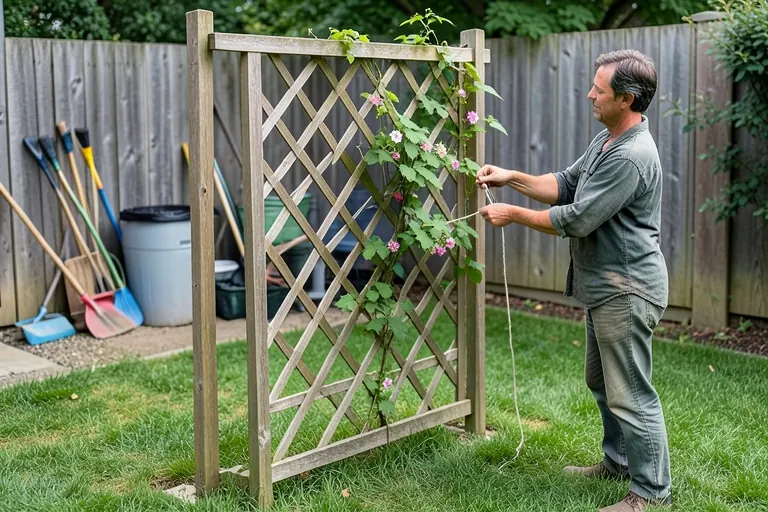
Instead of trying to hide an entire boundary, identify the single view that bothers you most. A freestanding trellis with a climber can provide a focused layer of privacy.
Choose a vine by mature weight, attachment habit, climate suitability, and maintenance needs. Some climbers require tying, while others can cling aggressively to surfaces.
Keep vigorous growth away from siding, gutters, utility equipment, and neighboring property. A trellis must be securely supported for site conditions; permanent or structural installations may require professional guidance and local approval.
10. Design a Watering Station
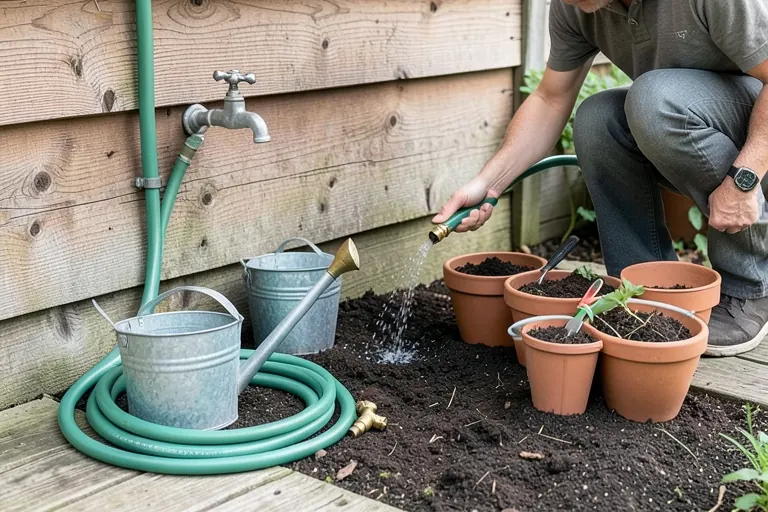
Good garden design includes the route water takes from faucet to plant. Keep a watering can or hose connection close enough that routine irrigation does not feel like a major setup.
Group pots to reduce repeated trips, but preserve airflow and access. Water the growing medium rather than spraying foliage indiscriminately, then check whether excess water drains freely.
For automatic irrigation or changes to exterior plumbing, actual requirements depend on the site and local code. Use compatible components and qualified help where backflow protection or plumbing alterations are involved.
11. Repeat One Flower in Several Places
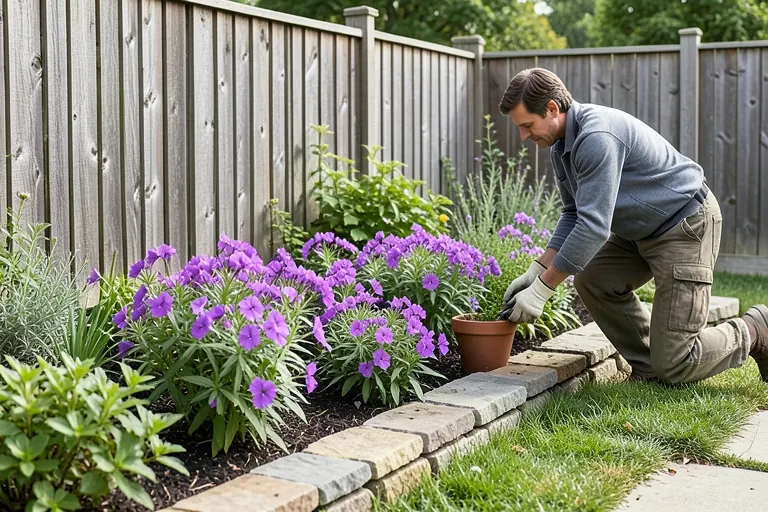
Repeating one suitable flower across containers or beds creates a visual connection without requiring advanced design skills. Select it for the garden’s real light and moisture conditions.
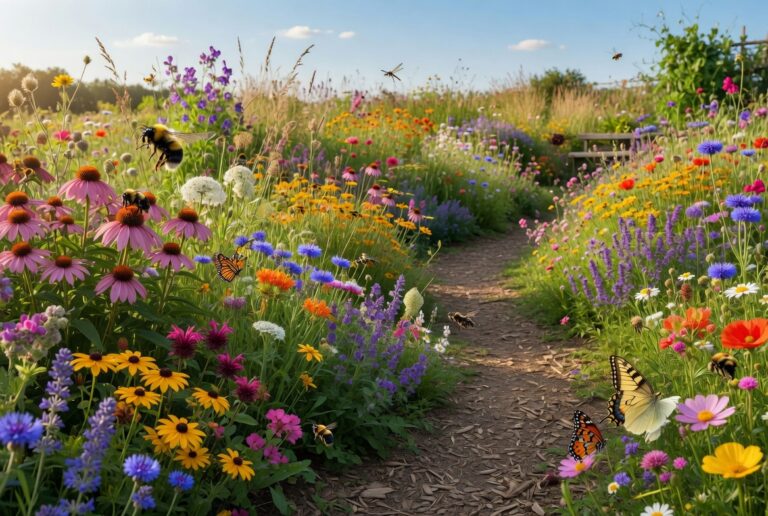
Use repetition as a framework, not a monoculture. Add plants with different bloom periods, forms, or ecological roles so the display does not depend on one species staying perfect.
Before planting, check mature spread and whether the plant is considered invasive locally. Space for future growth rather than packing plants tightly for immediate fullness.
12. Make a Small Garden Feel Cohesive
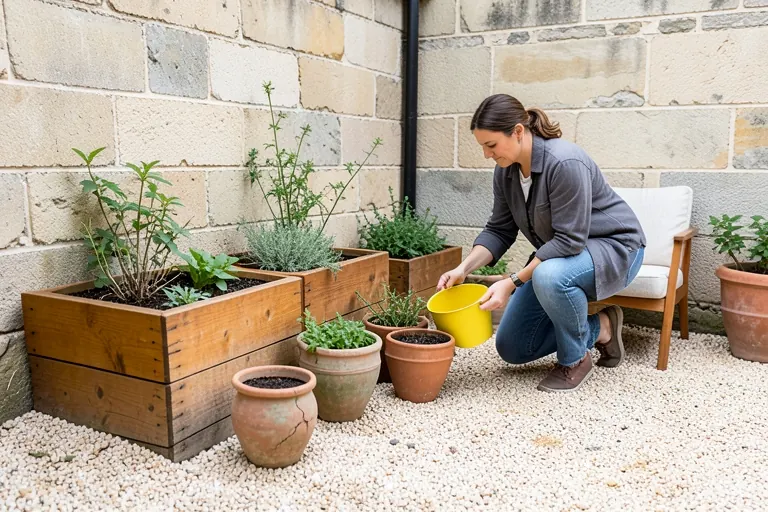
Strong small garden design ideas rely on editing. Limit hardscape and container finishes to a compact palette, such as warm wood, weathered clay, and one gravel color.
Place the largest functional item first, whether that is a chair, raised planter, or storage box. Preserve a clear route before filling leftover gaps with plants.
Vary plant height but repeat colors or leaf shapes. This can make the composition feel calmer and more connected, although it will not physically increase the space.
13. Use Vertical Space on a Balcony
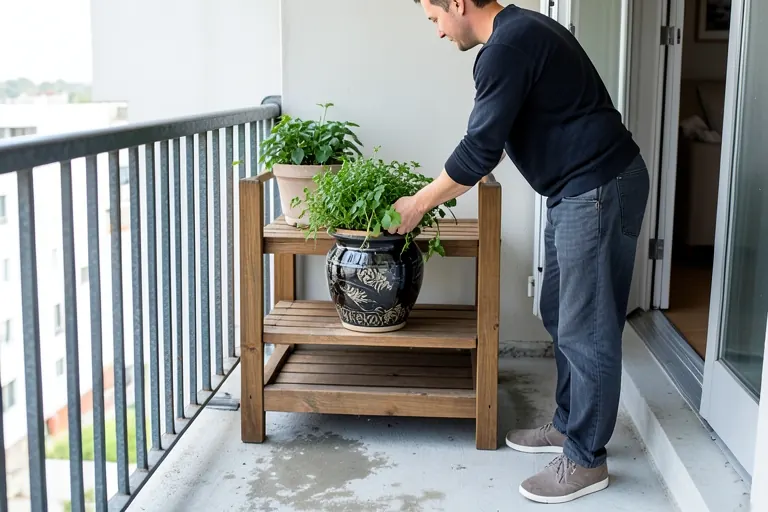
A freestanding plant ladder or narrow tiered shelf can hold several modest pots while preserving floor area. Put heavier containers low to improve stability and make watering easier.
Balconies expose plants to reflected heat, shade, and wind that may differ from ground-level conditions. Secure lightweight items and verify property rules before attaching anything to walls or railings.
Account for wet soil weight, drainage, and runoff. Do not assume a railing planter or loaded shelf is safe for every structure; use products and placements suitable for the specific balcony.
14. Build a Garden Around One Seat
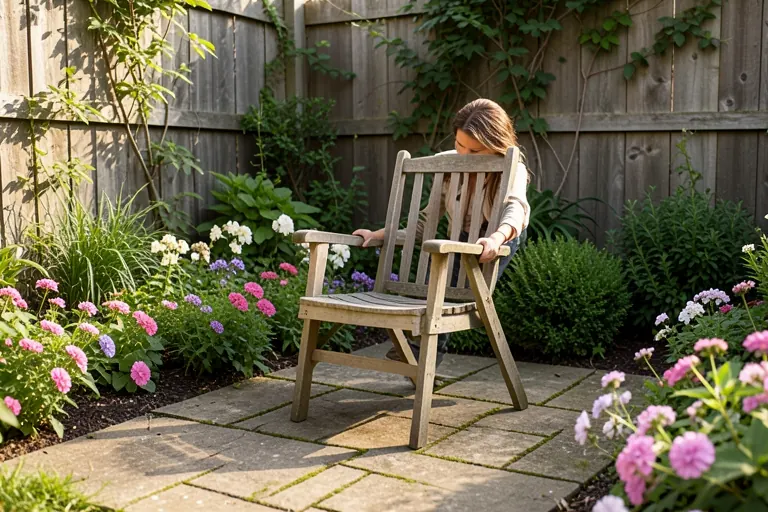
One comfortable seat gives the garden a destination and reveals what the layout needs. Position it where you can see favorite plants without blocking the main working route.
Test sun, shade, wind, privacy, and ground stability before committing. A movable chair is more adaptable; a built-in bench offers permanence but demands greater site preparation.
Keep thorny, heavily shedding, or frequently visited pollinator plants out of immediate shoulder space. Leave enough clearance to stand, carry tools, and maintain nearby beds.
15. Plan a Dog-Friendly Garden Route
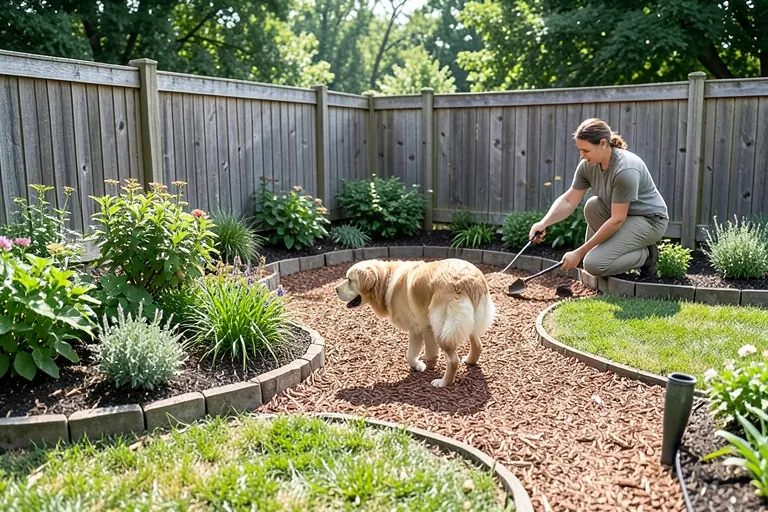
The best garden ideas for dogs begin with observation. Watch where your dog patrols, rests, and cuts through beds, then preserve those routes instead of repeatedly blocking them.
Use sturdy edging and resilient surfaces where traffic is concentrated. Avoid sharp gravel, unstable barriers, and dense planting at corners where dog and person sightlines meet.
Confirm every plant and garden product is appropriate around your specific pet. Store fertilizers, pesticides, tools, and compost securely, and ask a veterinarian about uncertain plants or exposures.
16. Create a Low-Cost Propagation Corner
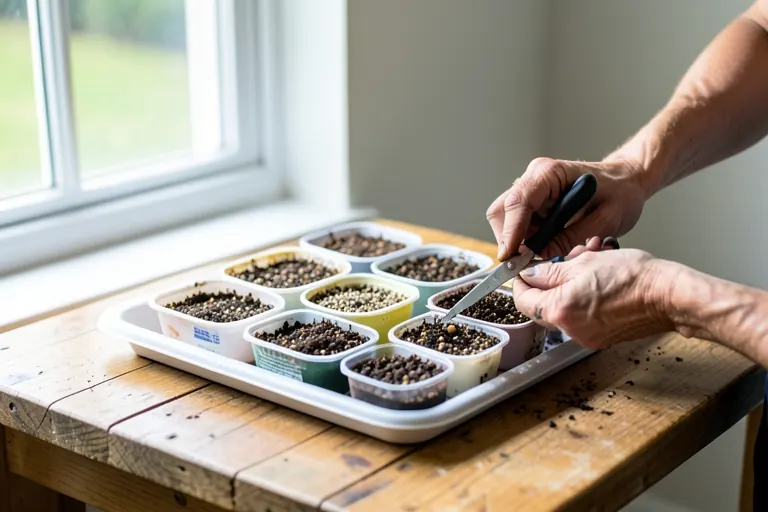
For small garden design on a budget, reuse clean, food-safe containers when they suit the task and provide drainage. Keep seedlings together on one washable tray rather than scattering them around the home.
Propagating from seed or cuttings can expand a garden gradually, but it trades lower material spending for time, monitoring, and occasional failure. Start only as many plants as you can maintain.
Light, timing, and transplant steps vary by species. Consult crop-specific Extension guidance, and harden indoor-grown seedlings gradually before permanent outdoor planting.
17. Keep Tools in a Compact Garden Caddy
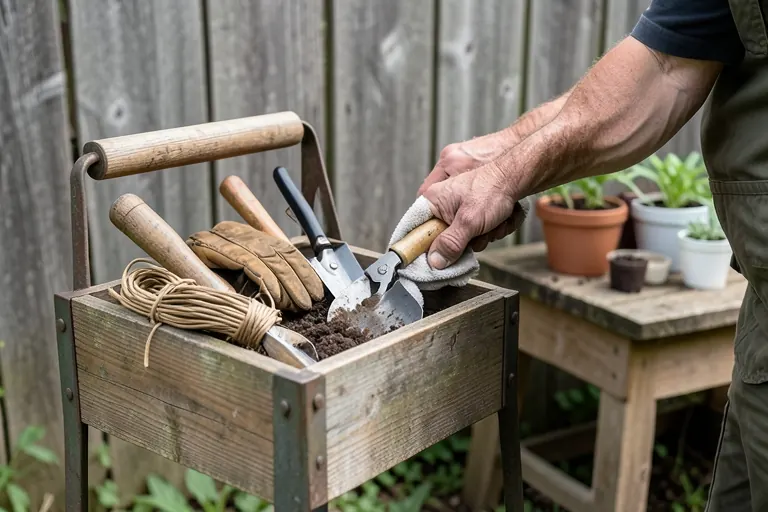
A portable caddy reduces the friction of short maintenance sessions. Stock only the tools used weekly: gloves, hand pruners, a trowel, plant ties, and a small cleaning cloth.
Clean soil and plant residue from tools before storage, and dry metal surfaces. Disinfect cutting tools when disease transmission is a concern, following guidance appropriate to the plant problem and tool material.
Store chemicals separately in their original containers, not in the caddy. Renters can choose a handled bin that moves indoors; homeowners may prefer ventilated, weather-resistant storage near the work area.
18. Common Beginner Garden Mistakes
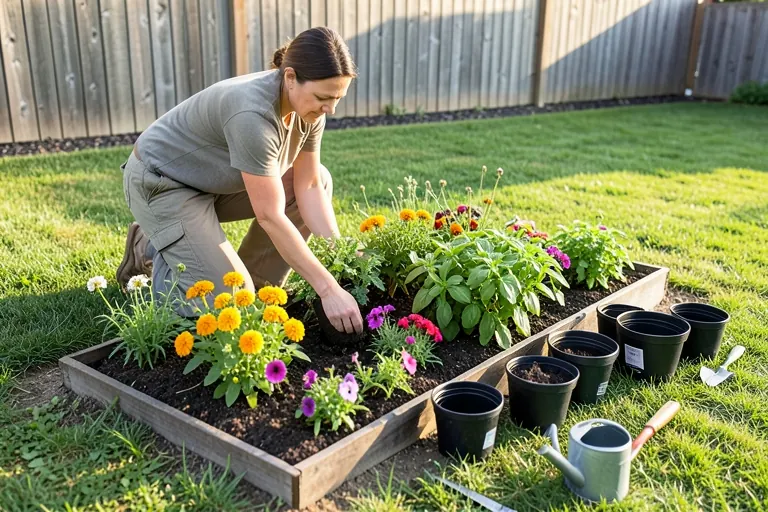
The most common mistake is buying plants before understanding the site. Diagnose sun, drainage, mature size, water access, and regional suitability first; then shop from that short list.
Other problems come from starting too large, crowding plants, watering on a rigid calendar, and treating mulch as maintenance-free. Check the soil and plant condition rather than following habit alone.
Finally, avoid changing several variables at once. If a plant struggles, review light, moisture, weather, pests, and planting depth systematically. Local Extension resources can help distinguish a temporary setback from a genuine mismatch.
Effort & Cost Snapshot
| Topic | Effort | Cost Note |
|---|---|---|
| 1. Start With a Portable Container Garden | Low | Often achievable with existing furnishings or simple updates |
| 2. Build One Manageable Raised Bed | Low | Often achievable with existing furnishings or simple updates |
| 3. Plant Herbs Near the Kitchen | Low | Often achievable with existing furnishings or simple updates |
| 4. Use a Sun Map Before Choosing Plants | Low | Often achievable with existing furnishings or simple updates |
| 5. Create a Simple Front-Door Planting | High | Get a project-specific professional quote |
| 6. Turn a Sunny Corner Into a Salad Garden | Low | Often achievable with existing furnishings or simple updates |
| 7. Replace a Difficult Lawn Strip With Mulch | Low | Often achievable with existing furnishings or simple updates |
| 8. Add a Stepping-Stone Garden Path | Low | Often achievable with existing furnishings or simple updates |
| 9. Screen One View With a Trellis | High | Get a project-specific professional quote |
| 10. Design a Watering Station | High | Get a project-specific professional quote |
| 11. Repeat One Flower in Several Places | Low | Often achievable with existing furnishings or simple updates |
| 12. Make a Small Garden Feel Cohesive | Low | Often achievable with existing furnishings or simple updates |
| 13. Use Vertical Space on a Balcony | Low | Often achievable with existing furnishings or simple updates |
| 14. Build a Garden Around One Seat | Low | Often achievable with existing furnishings or simple updates |
| 15. Plan a Dog-Friendly Garden Route | Low | Often achievable with existing furnishings or simple updates |
| 16. Create a Low-Cost Propagation Corner | Low | Often achievable with existing furnishings or simple updates |
| 17. Keep Tools in a Compact Garden Caddy | Low | Often achievable with existing furnishings or simple updates |
| 18. Common Beginner Garden Mistakes | Low | Often achievable with existing furnishings or simple updates |
Frequently Asked Questions
What is the easiest garden for a complete beginner?
A small container garden is usually the easiest place to test your routine because it is portable and limited in scope. Choose a few plants suited to the same light conditions, use containers with drainage, and place them close to water. A single compact raised bed is another manageable option if you have a permanent sunny site.
How should I choose plants for my first garden?
Begin with site conditions, not appearance. Record direct sun, drainage, wind exposure, available space, and how often you can water. Then use reliable nursery information or your local Extension service to find regionally suitable plants. Check mature width and height so the initial layout does not become crowded.
Can renters create a garden without changing the property?
Yes. Use freestanding pots, wheeled planters, tiered shelves, and movable seating. Protect surfaces from stains and runoff, account for the weight of wet soil, and confirm lease or building rules. Avoid drilling into walls, hanging items from railings, or altering irrigation unless the property owner explicitly approves it.
When should I hire a garden designer?
Consider professional help when the site has major slopes, persistent drainage problems, complex access, mature trees, utilities, retaining needs, or several connected outdoor rooms. When comparing small garden designers near you, ask for relevant local projects, a defined scope, credentials where applicable, and a maintenance plan you can realistically follow.
A successful first garden should be easy to understand from the door: where to walk, what needs water, and which area you can improve next. That clarity matters more than filling every open space.
Select one idea that addresses an actual need, such as growing herbs, softening an entry, preserving a dog route, or making a balcony more useful. Observe it through changing weather and adjust the routine before adding another project.
Gardening becomes more manageable when each new bed, pot, or path earns its place—and when maintenance is treated as part of the design from the beginning.
Sources & Further Reading
Continue Your Home Transformation
Explore the full collection of step-by-step eBooks and get the guide that fits the room you're working on.