Garden and Plants
Getting the vegetable garden right makes the biggest difference in how the space actually feels day to day. A well-planned vegetable garden balances function and style, and even small tweaks to your vegetable garden can transform the whole area.
If you’ve written off vegetable gardening because your yard is small, the limiting factor was never actually your square footage — it was how that space gets used. A tiny plot planned well can out-produce a large one planted carelessly, and the difference usually comes down to a handful of layout and timing decisions rather than acreage.
By the end of this article, you’ll have 13 real ways to squeeze real, meaningful harvests out of whatever space you’re working with, no matter how modest it looks right now.
Table of Contents
- 1. Start With Square Foot Gardening
- 2. Build a Vertical Growing Wall
- 3. Use a Window Box for Extra Growing Space
- 4. Anchor the Garden Around a Small Greenhouse
- 5. Layer Plant Heights in Every Bed
- 6. Try a Wide, Undisturbed No-Till Bed
- 7. Turn a Plain Fence Into Growing Space
- 8. Let Vegetables and Flowers Mingle
- 9. Rotate Crops Through the Same Containers
- 10. Train Climbers Up a Trellis
- 11. Stagger Plantings for Continuous Harvests
- 12. Pair Plants That Help Each Other
- 13. Study Your Sunlight Before You Plant Anything
- Effort & Cost Snapshot
1. Start With Square Foot Gardening for Your Vegetable Garden
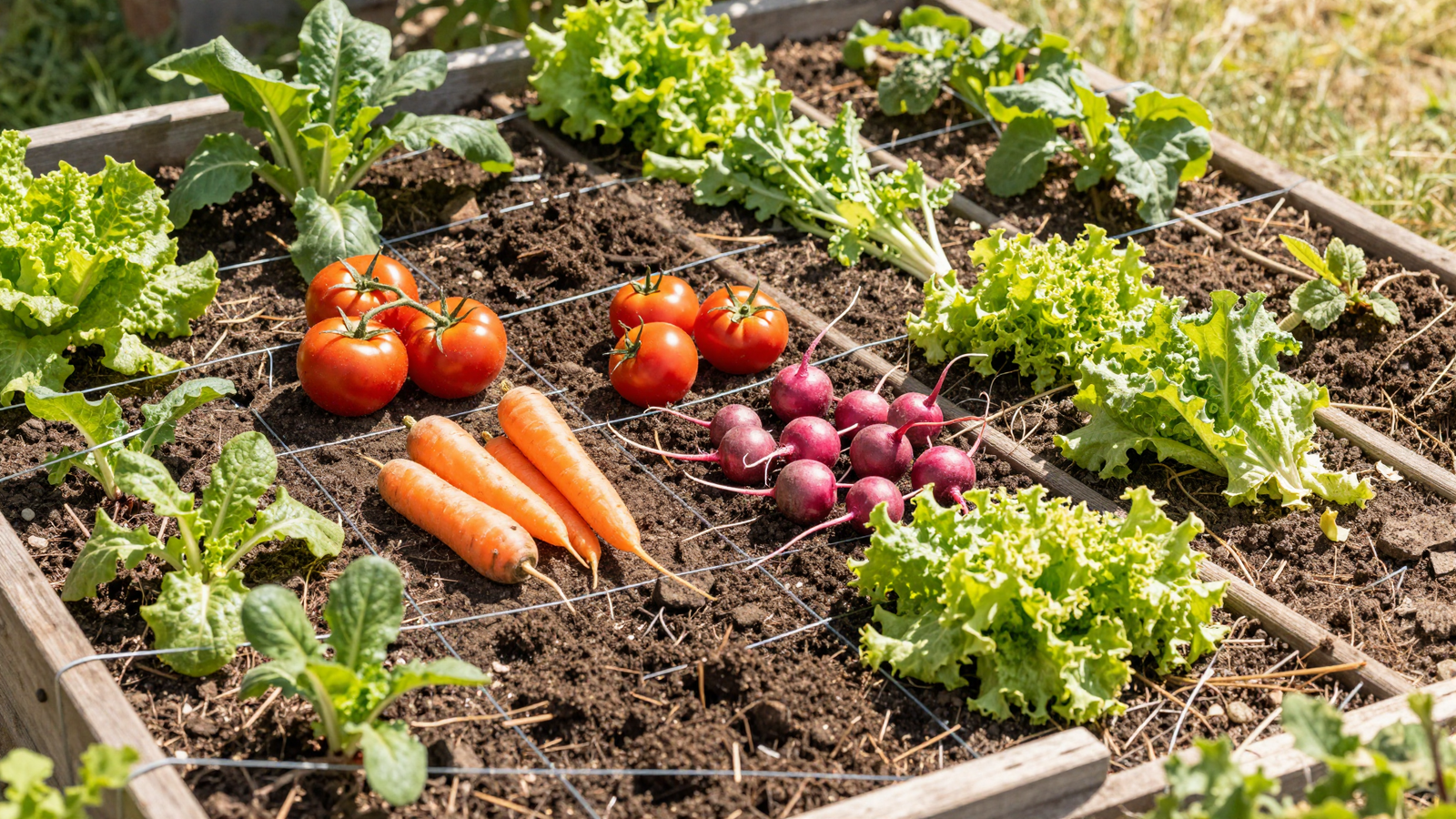
Dividing a raised bed into one-foot squares and planting each according to that specific vegetable’s spacing needs turns a small footprint into a genuinely organized, high-yield system. It removes the guesswork of traditional row spacing, which usually wastes space in a small garden.
💡 Smart tip: Use a general rule of thumb: 1 large plant per square (tomatoes, peppers), 4 medium plants (lettuce, chard), 9 small plants (spinach, onions), or 16 tiny plants (carrots, radishes).
⚠️ Mistake to avoid: Ignoring mature plant size when assigning squares; a tomato plant needs its full square to itself, even as a small seedling.
2. Build a Vertical Growing Wall for Your Vegetable Garden
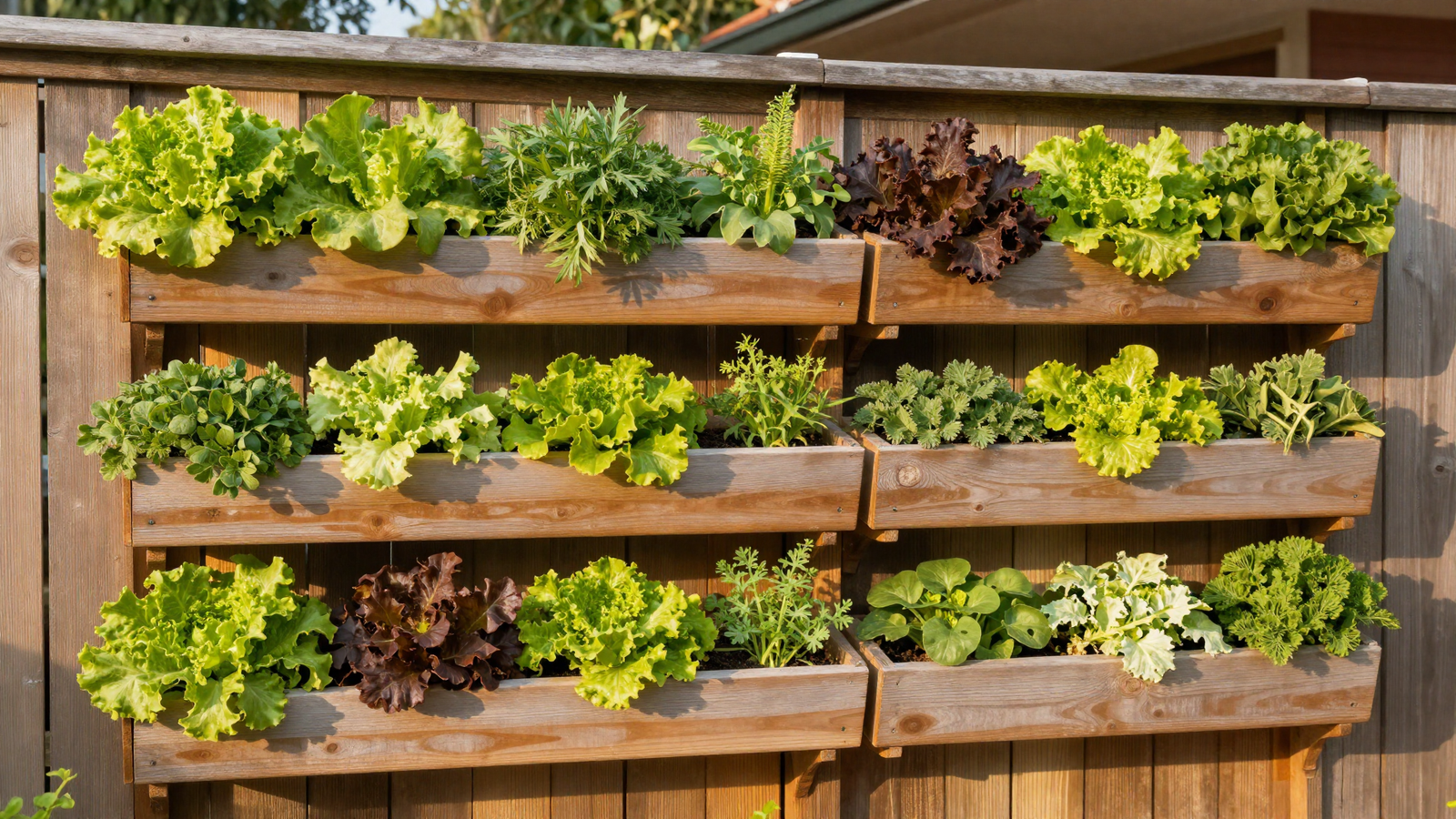
Mounting tiered planters on a fence turns dead vertical space into genuine growing area, which matters enormously once ground space runs out. Lettuce, herbs, and other shallow-rooted crops thrive in this kind of setup without competing with anything planted below.
💡 Smart tip: Position taller vertical planters where they won’t cast shade over ground-level beds that need full sun.
⚠️ Mistake to avoid: Choosing a wall system without adequate drainage; trapped water in tiered planters leads to root rot fast.
3. Use a Window Box for Extra Growing Space for Your Vegetable Garden
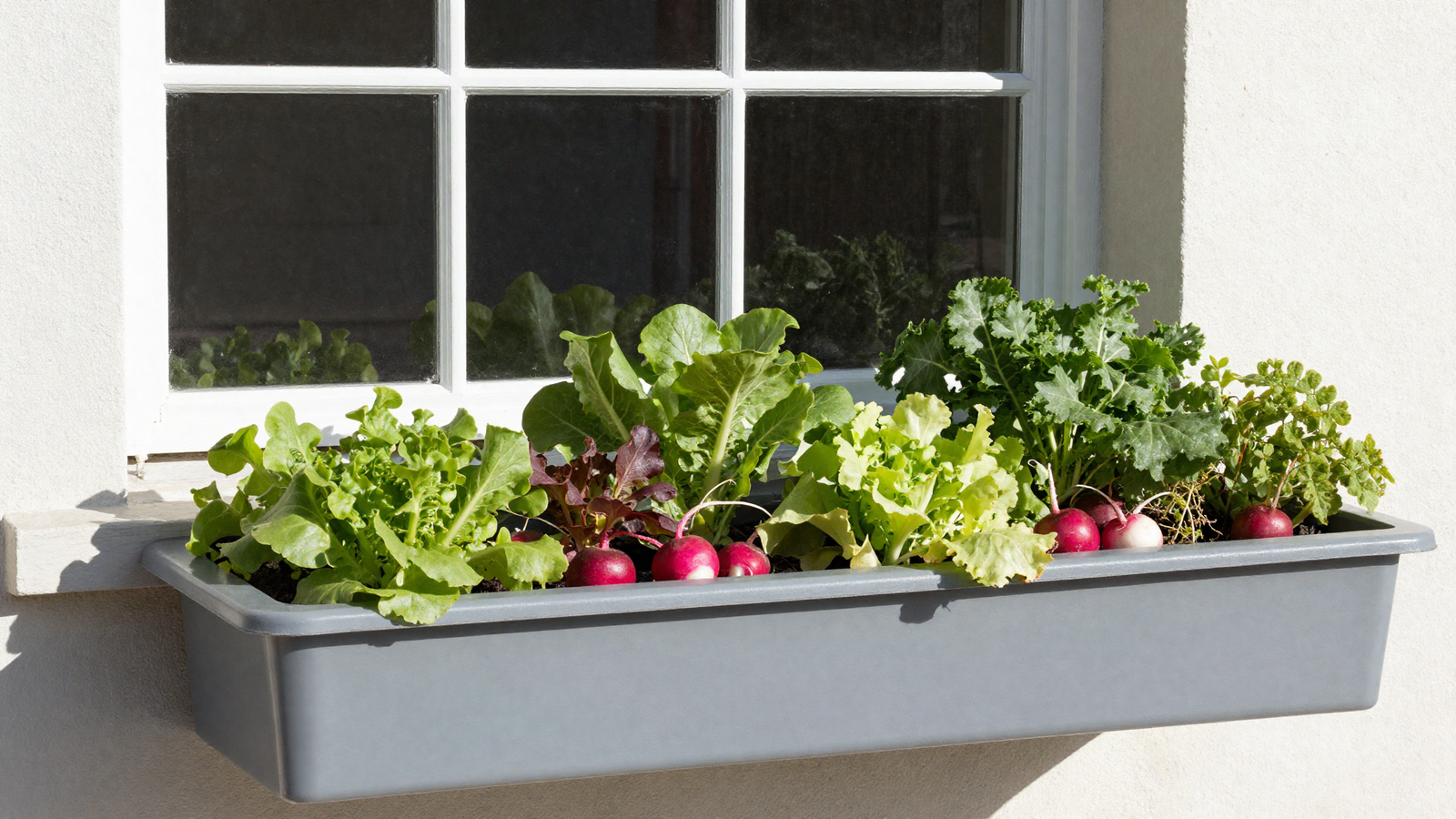
A south- or west-facing window box adds real growing capacity without touching a single square foot of yard space. Rotating crops seasonally — greens and radishes in spring, peppers and herbs in summer — keeps even this small space productive nearly year-round.
💡 Smart tip: Keep window boxes close to an accessible water source, since containers dry out faster than in-ground beds, especially in summer heat.
⚠️ Mistake to avoid: Choosing a box without proper mounting support; a fully watered soil-filled box is heavier than it looks and needs secure brackets.
Loving These Ideas? Get the Step-by-Step Guide
Grab the full 5-day eBook and turn these ideas into a finished room.

4. Anchor the Garden Around a Small Greenhouse for Your Vegetable Garden
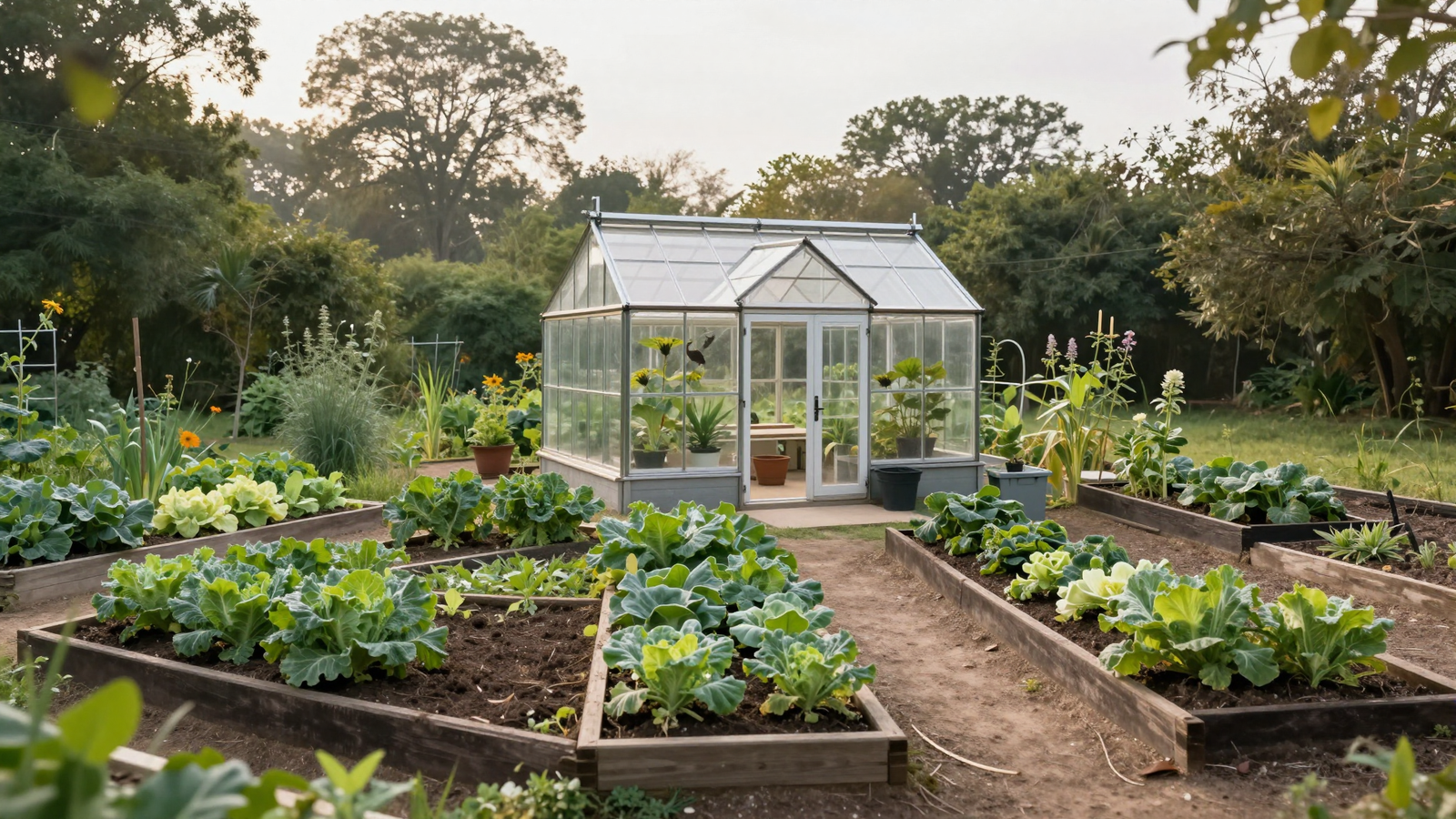
Even a modest greenhouse extends your growing season significantly, letting you start seedlings earlier and push tender crops later into fall. Arranging raised beds around it as a centerpiece also gives an otherwise purely functional garden a sense of place worth spending time in.
💡 Smart tip: Orient the greenhouse door away from prevailing wind to make daily access easier during colder months.
⚠️ Mistake to avoid: Skipping ventilation planning; even a small greenhouse can overheat quickly on a sunny day without roof vents or a door left open.
5. Layer Plant Heights in Every Bed for Your Vegetable Garden
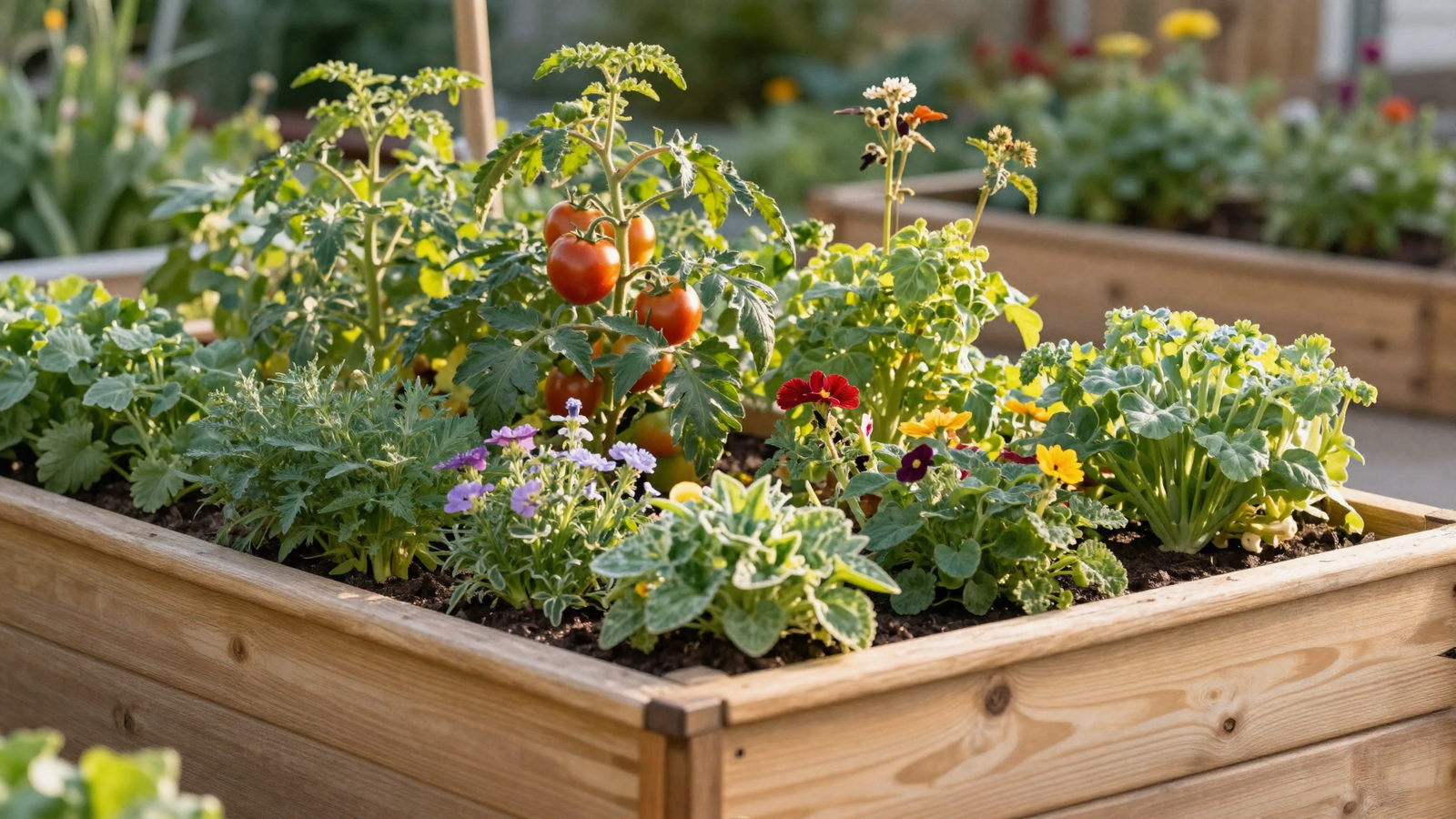
Placing tall crops like tomatoes toward the back of a bed and letting herbs and low flowers spill forward means every layer of the bed is doing productive work at once. It also keeps taller plants from shading out shorter ones that need full sun.
💡 Smart tip: Orient tall crops on the north side of the bed in the northern hemisphere so their shadow falls away from shorter plants, not over them.
⚠️ Mistake to avoid: Overcrowding the front of the bed in an attempt to fill every gap immediately; leave room for plants to reach mature size.
6. Try a Wide, Undisturbed No-Till Bed for Your Vegetable Garden
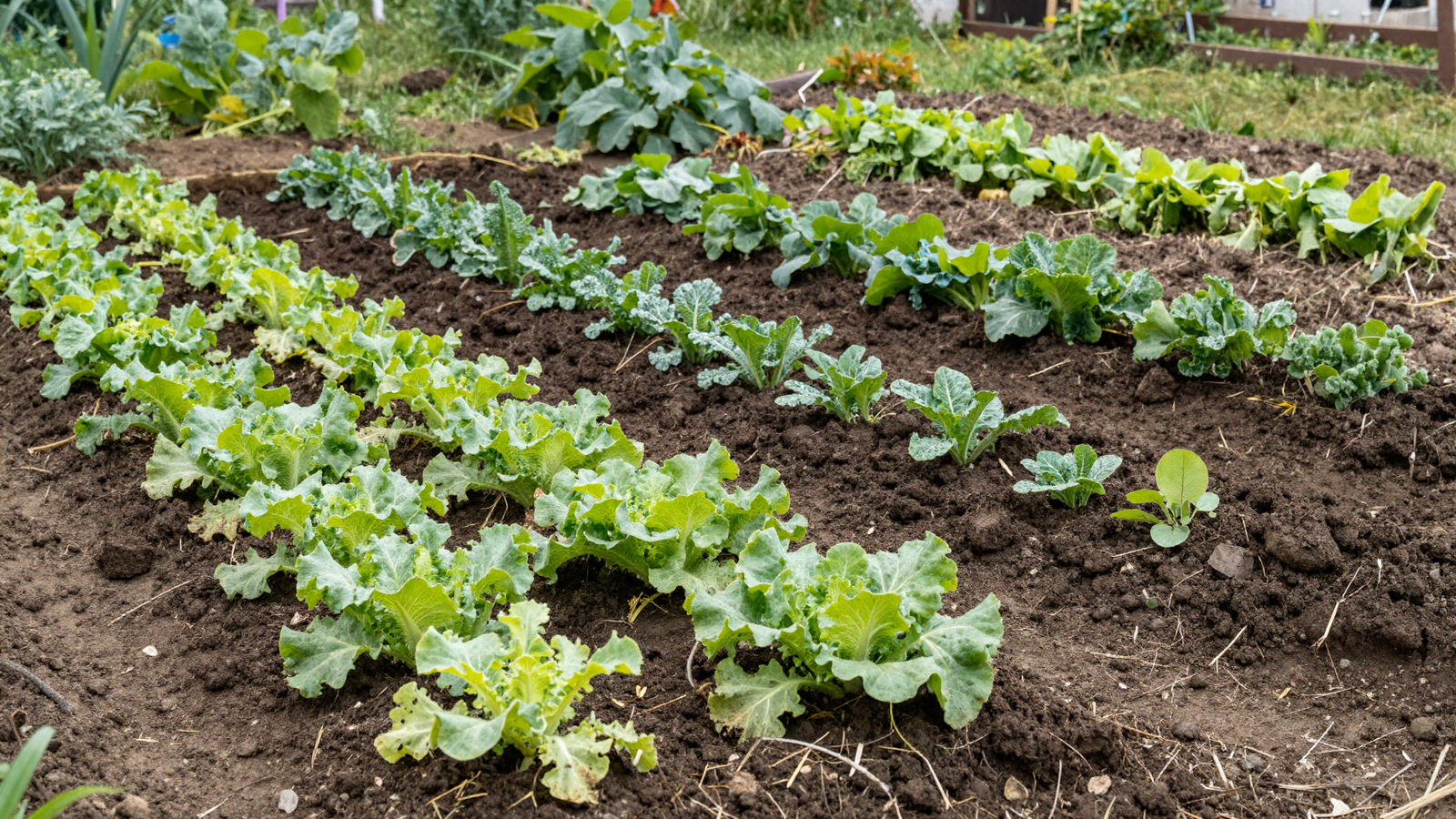
Leaving soil structure intact rather than tilling every season protects the underground microbial life that keeps plants healthy, and it genuinely reduces the physical labor of prepping a bed each year. Wide, undisturbed beds also tend to hold moisture more consistently than frequently turned soil.
💡 Smart tip: Top-dress with a layer of compost each season instead of digging it in; earthworms and soil organisms will incorporate it naturally over time.
⚠️ Mistake to avoid: Walking directly on the growing bed itself; keep foot traffic confined to defined paths so the soil stays loose and uncompacted.
7. Turn a Plain Fence Into Growing Space for Your Vegetable Garden
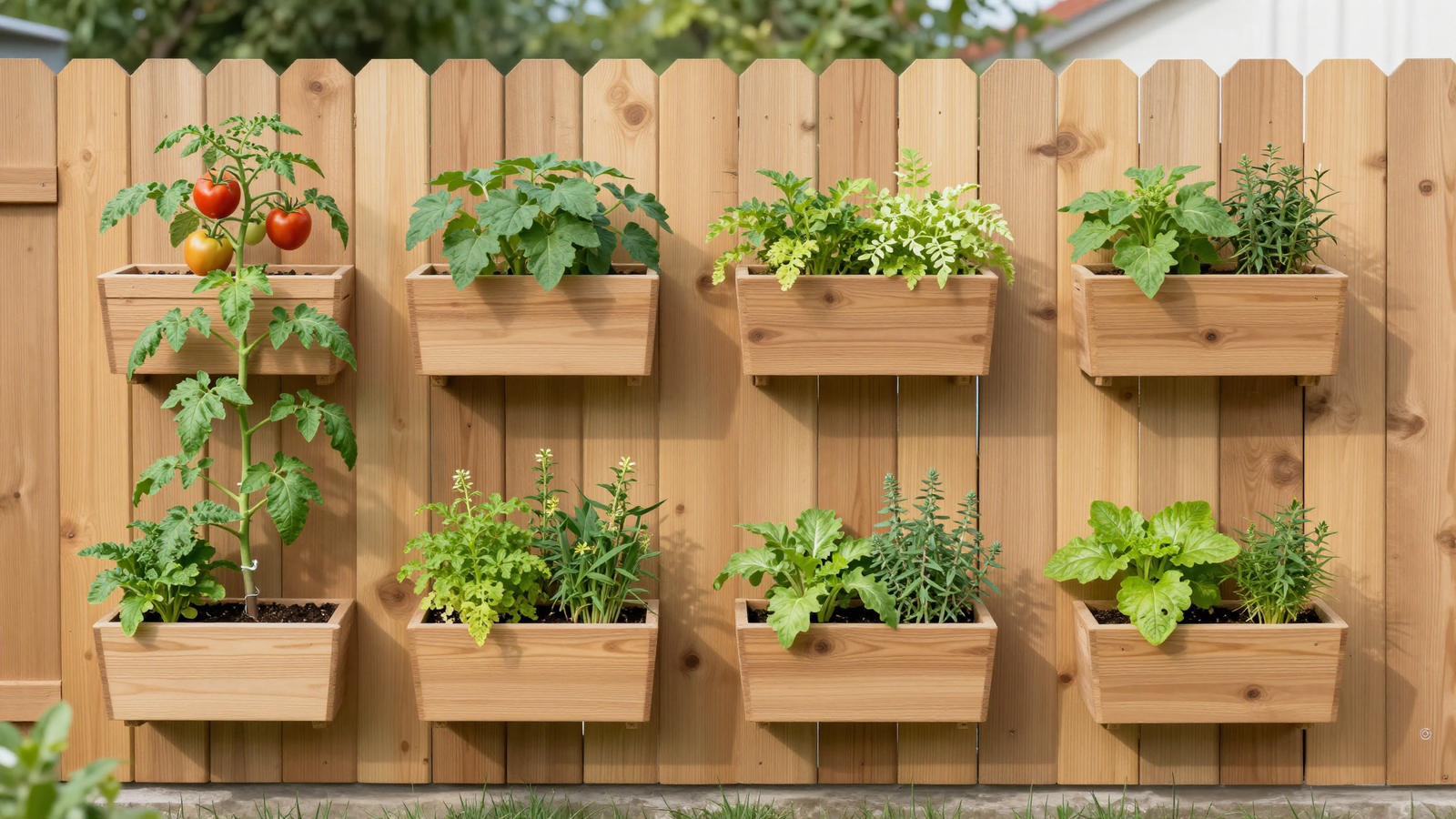
An unused fence line is one of the most overlooked growing opportunities in a small yard. Mounted planters climbing the full height turn a purely structural boundary into genuinely productive space, without taking up an inch of the ground below.
💡 Smart tip: Choose lightweight, self-watering planter systems for fence mounting to reduce both weight strain and daily maintenance.
⚠️ Mistake to avoid: Overloading a fence not built to support the added weight of soil-filled planters, especially once fully watered.
8. Let Vegetables and Flowers Mingle for Your Vegetable Garden
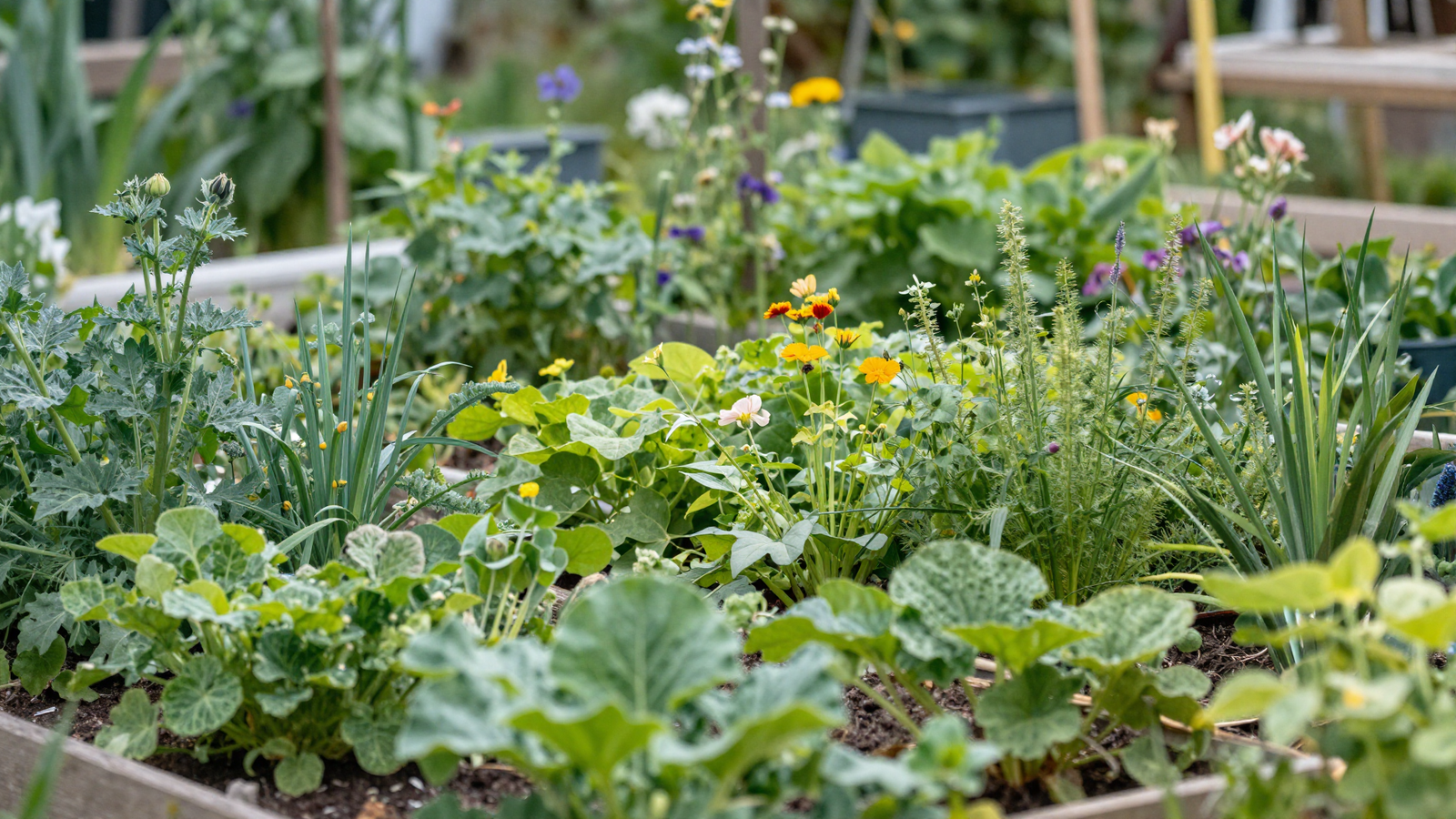
Mixing vegetables and flowers in the same beds, rather than keeping them in separate zones, brings in pollinators and beneficial insects while giving a productive garden real visual charm. It’s a more relaxed, informal style that still performs just as well functionally.
💡 Smart tip: Choose flowers that double as pest deterrents, like marigolds or nasturtiums, so the mingling adds function as well as beauty.
⚠️ Mistake to avoid: Letting fast-spreading flowers overtake vegetable roots; keep an eye on aggressive self-seeders in a mixed bed.
9. Rotate Crops Through the Same Containers
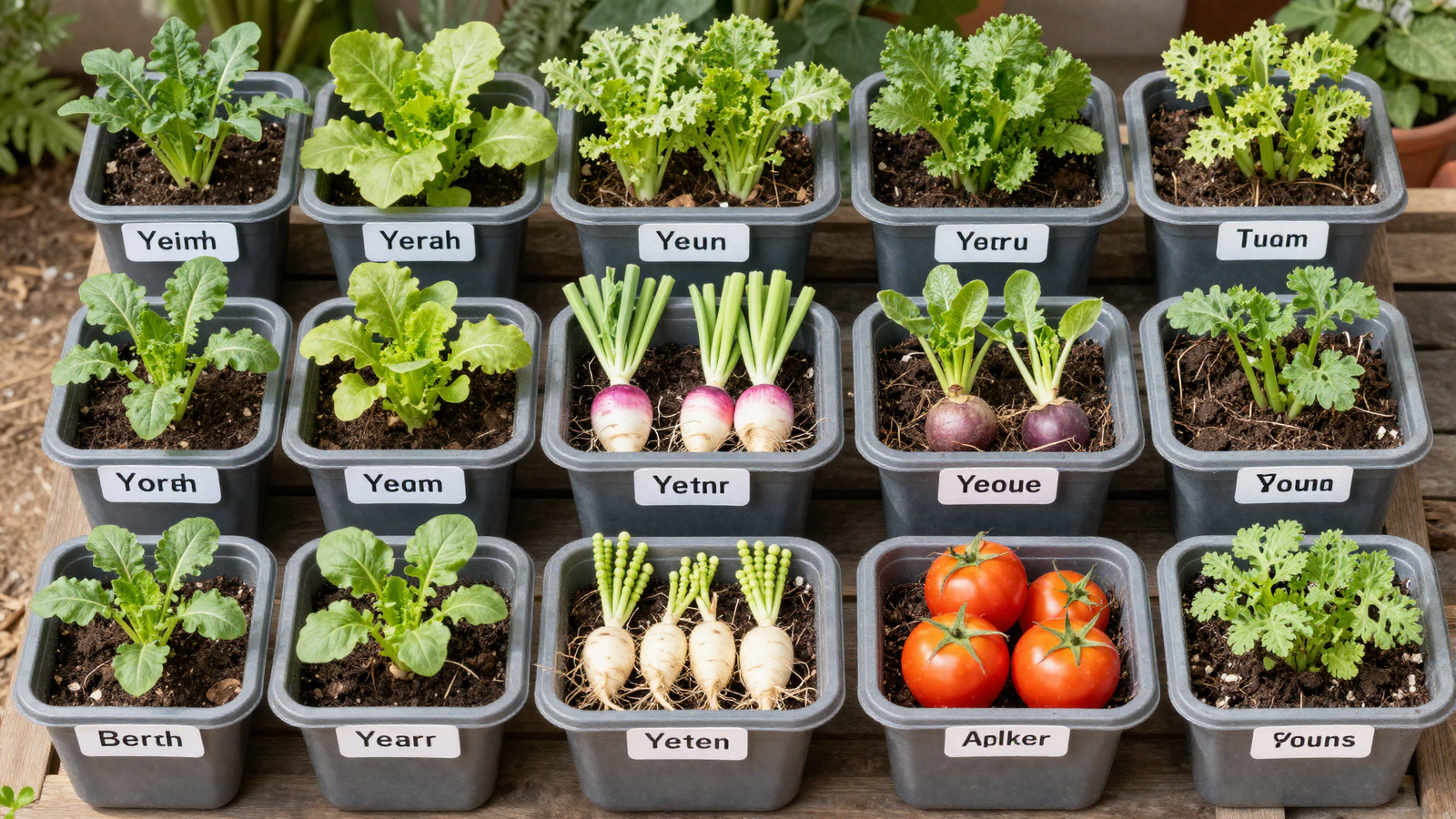
Rotating plant families through the same containers year to year, rather than growing the same crop in the same spot repeatedly, helps prevent the soil-borne pest and disease buildup that eventually reduces yields. It’s an easy system to plan even with just two or three containers total.
💡 Smart tip: Keep a simple written log of what grew where each year — it’s easy to forget the exact rotation order after a season or two.
⚠️ Mistake to avoid: Rotating crops without refreshing the soil; add compost between rotations since containers deplete nutrients faster than ground beds.
10. Train Climbers Up a Trellis
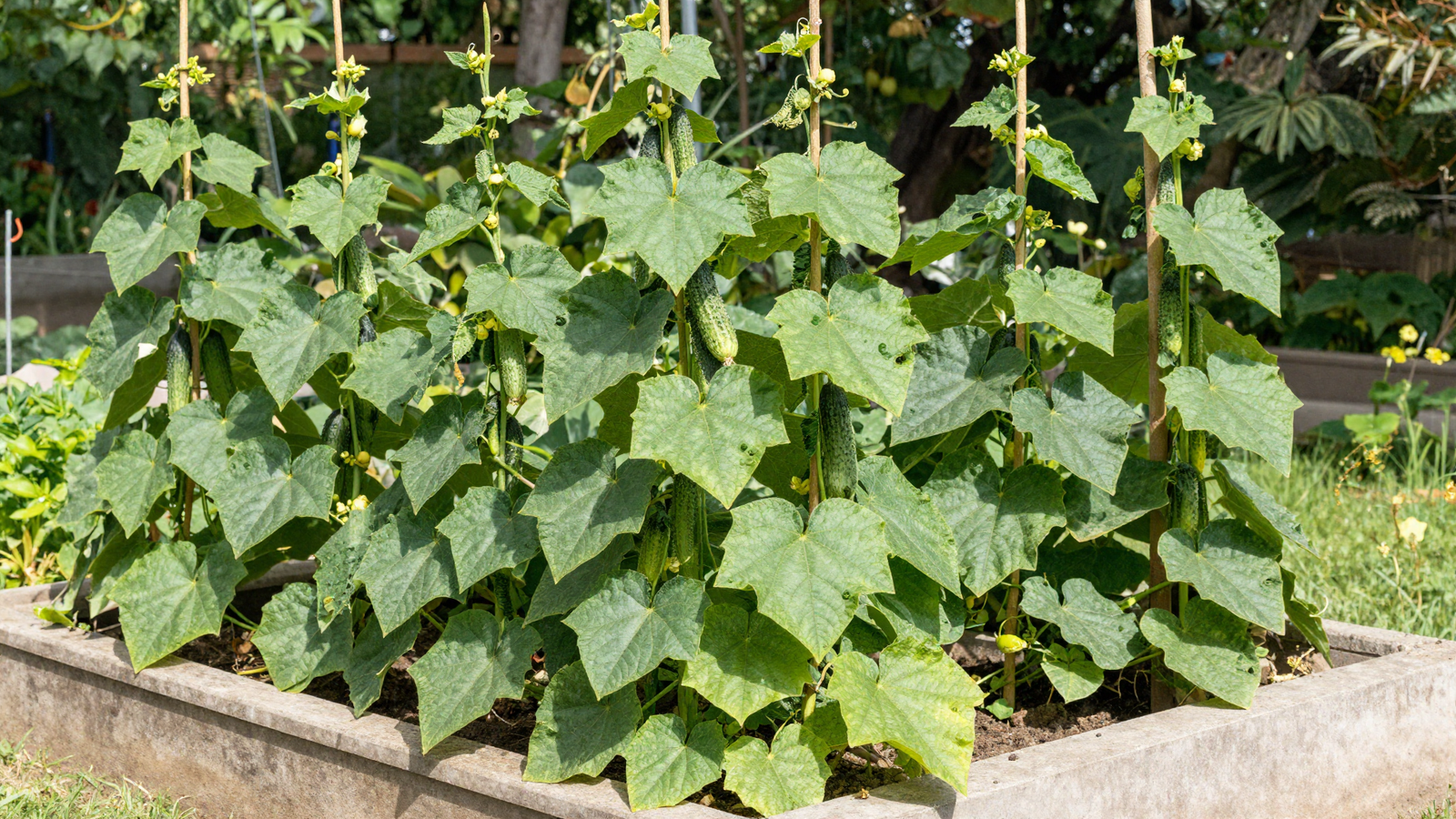
Cucumbers and pole beans naturally want to climb, and giving them a trellis instead of letting them sprawl across the ground can double or triple the yield you get from the same bed footprint. Vertical growth also improves airflow around the leaves, which cuts down on fungal problems.
💡 Smart tip: Install the trellis before planting, not after; disturbing roots to add support later stresses the plant unnecessarily.
⚠️ Mistake to avoid: Undersizing the trellis for a vigorous variety; mature vines get heavy fast and will collapse a flimsy structure mid-season.
11. Stagger Plantings for Continuous Harvests
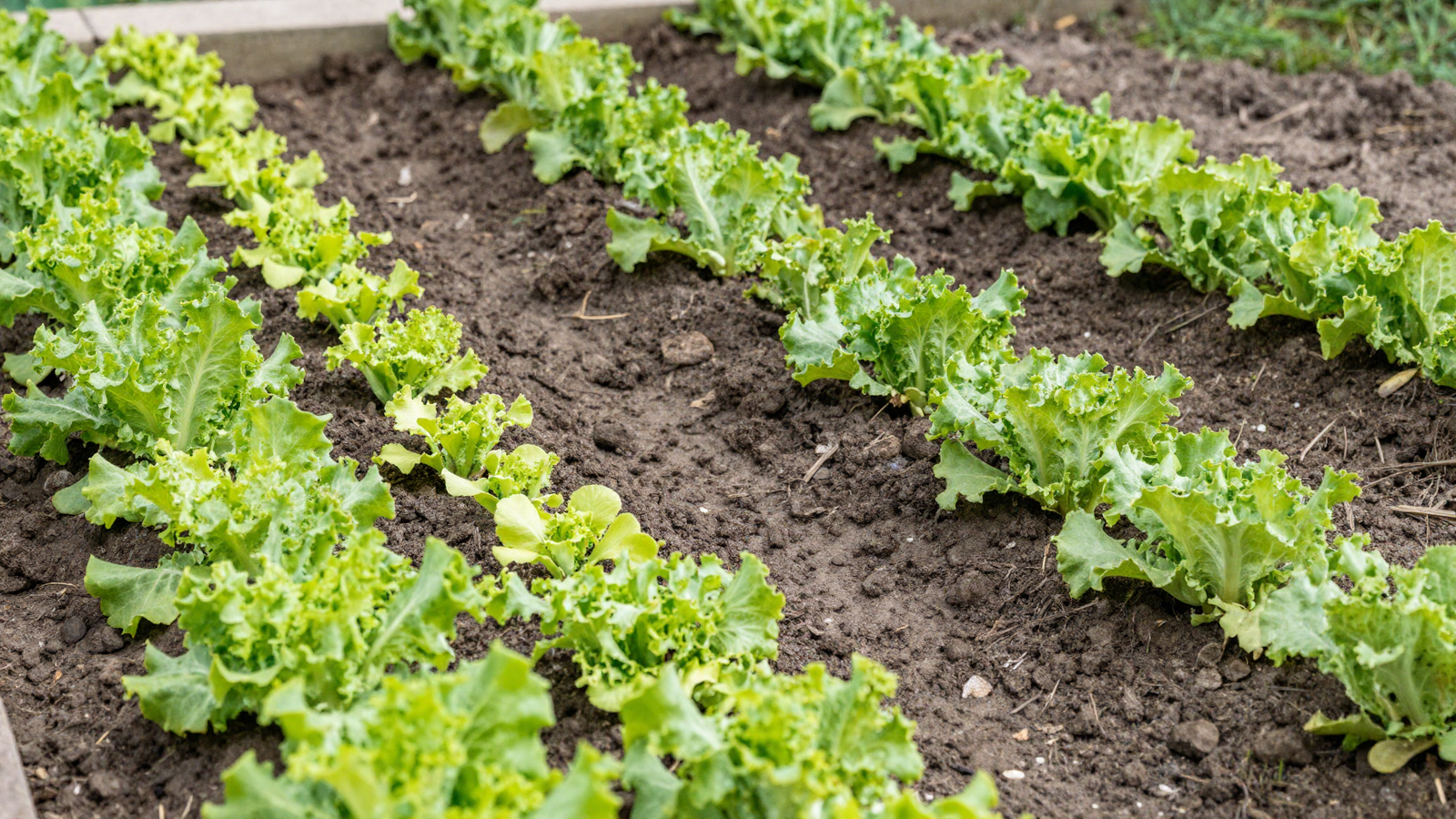
Planting a new round of fast-growing crops like lettuce or radishes every couple of weeks, instead of all at once, spreads your harvest out over the whole season instead of overwhelming you with one giant batch followed by nothing. It’s one of the simplest ways to increase what a small bed produces overall.
💡 Smart tip: Set a recurring reminder every 10 to 14 days during peak season to sow the next small succession batch.
⚠️ Mistake to avoid: Sowing an entire bed’s worth of seeds at once out of habit; hold back seed for the next staggered planting instead.
12. Pair Plants That Help Each Other
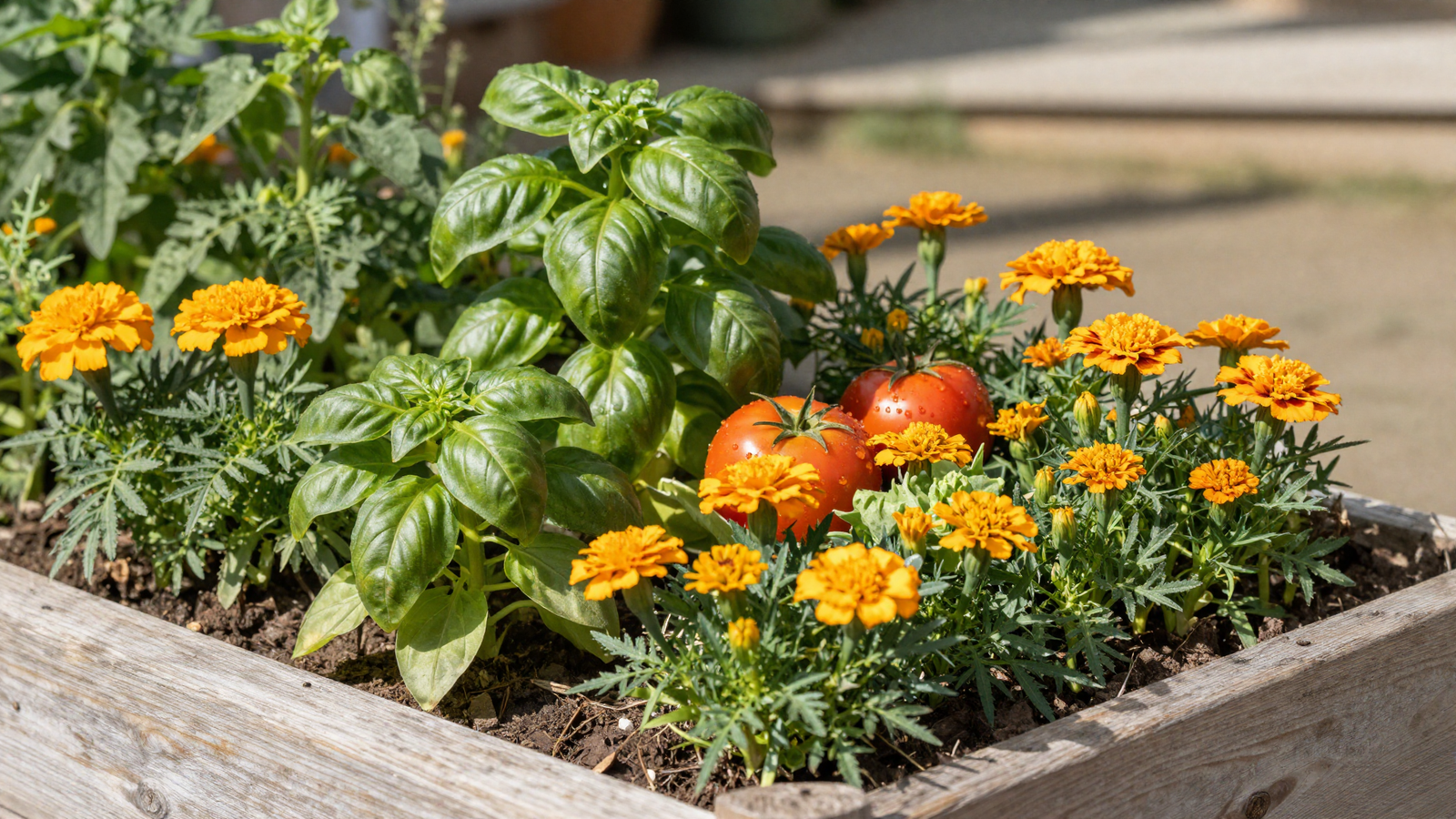
Certain plant combinations genuinely support each other — basil is thought to improve tomato flavor and repel some pests, while marigolds help deter nematodes in the surrounding soil. Companion planting like this lets a small bed do more work per square foot than growing any single crop alone.
💡 Smart tip: Research companion pairings specific to your main crops before finalizing a small bed’s layout, since not every combination is beneficial.
⚠️ Mistake to avoid: Pairing plants with conflicting water or sun needs just because they’re known companions; growing conditions still take priority.
13. Study Your Sunlight Before You Plant Anything
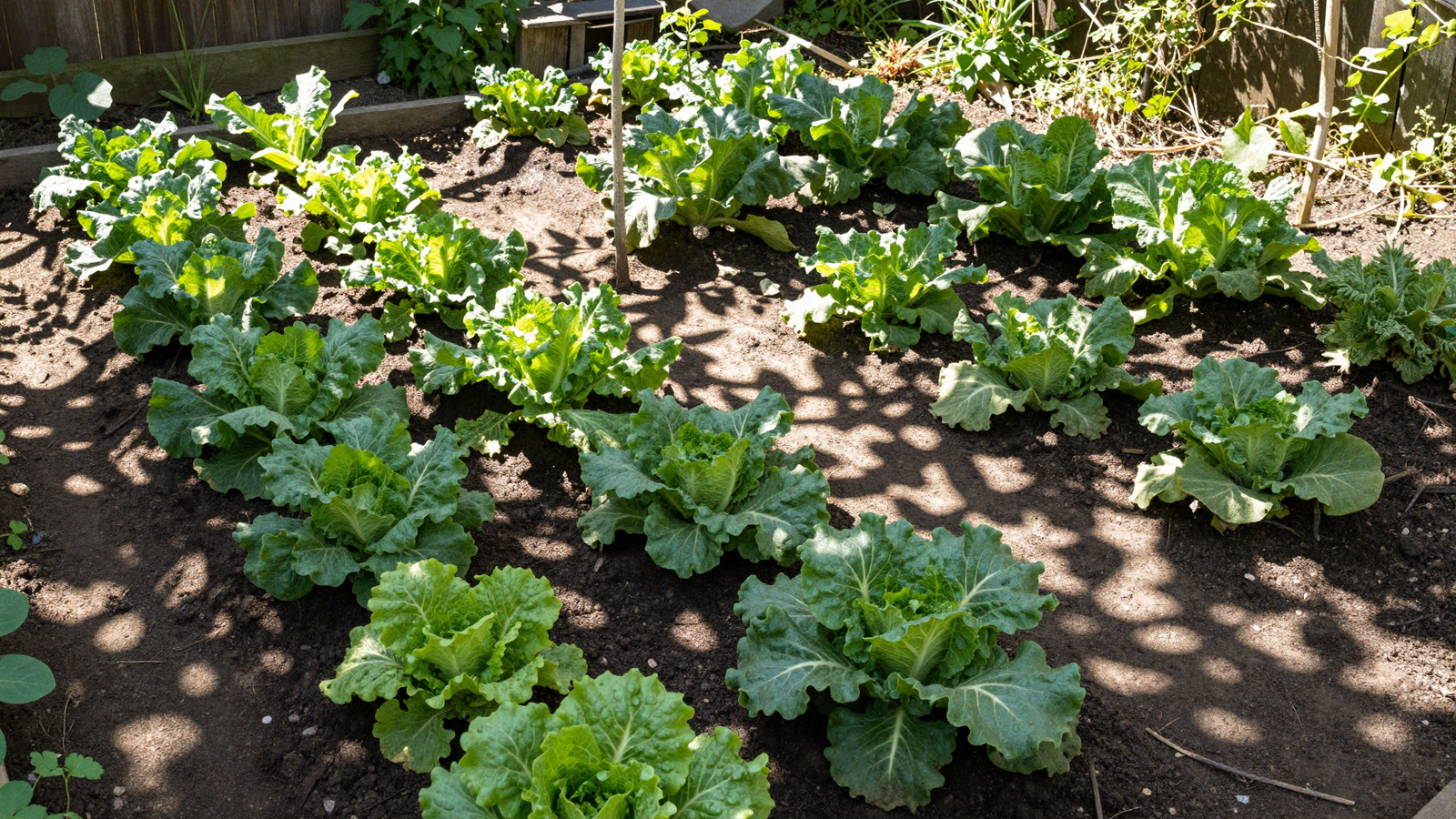
Before committing to a layout, spend a day or two simply watching how sunlight actually moves across your space — most vegetables need at least six hours of direct light, and shadows from fences, trees, or the house itself often shift more than people expect. This one observation step prevents more wasted effort than almost any other planning decision.
💡 Smart tip: Take photos of the same spot every two hours through a full day; it’s the easiest way to spot shade patterns you’d otherwise miss.
⚠️ Mistake to avoid: Basing sun assessment on a single season; shadows from deciduous trees shift dramatically between summer and winter.
Effort & Cost Snapshot
| Idea | Effort | Approx. Cost |
|---|---|---|
| 1. Square Foot Garden Bed | Medium (DIY build) | $150–$500 |
| 2. Vertical Growing Wall | Medium (DIY) | $100–$400 |
| 3. Window Box Garden | Low (DIY) | $30–$150 |
| 4. Small Greenhouse Centerpiece | High (DIY kit or pro) | $800–$4,000 |
| 5. Layered-Height Bed | Low–Medium (planning + planting) | $50–$250 |
| 6. No-Till Bed | Low (DIY, ongoing) | $40–$200 |
| 7. Fence-Mounted Planters | Medium (DIY) | $100–$450 |
| 8. Mixed Vegetable-Flower Bed | Low–Medium (DIY) | $50–$250 |
| 9. Container Crop Rotation | Low (DIY, planning) | $60–$300 |
| 10. Trellised Climbers | Low–Medium (DIY) | $40–$200 |
| 11. Succession Planting | Low (DIY, ongoing) | $20–$100 |
| 12. Companion Planting | Low (planning + planting) | $30–$150 |
| 13. Sunlight Mapping | Low (observation only) | $0 |
A productive vegetable garden has far less to do with acreage than it does with how deliberately every square foot gets used. Save this list to Pinterest so you can come back to it as you plan out your own small-space harvest, one bed at a time.
Continue Your Home Transformation
Explore the full collection of step-by-step eBooks and get the guide that fits the room you're working on.