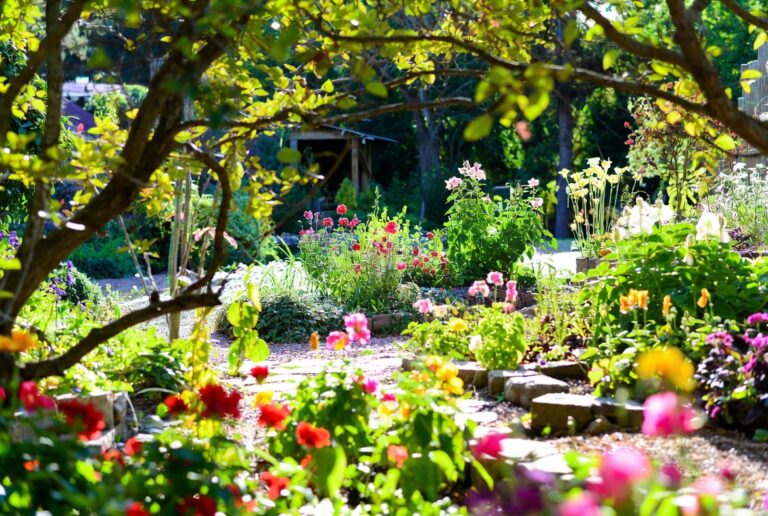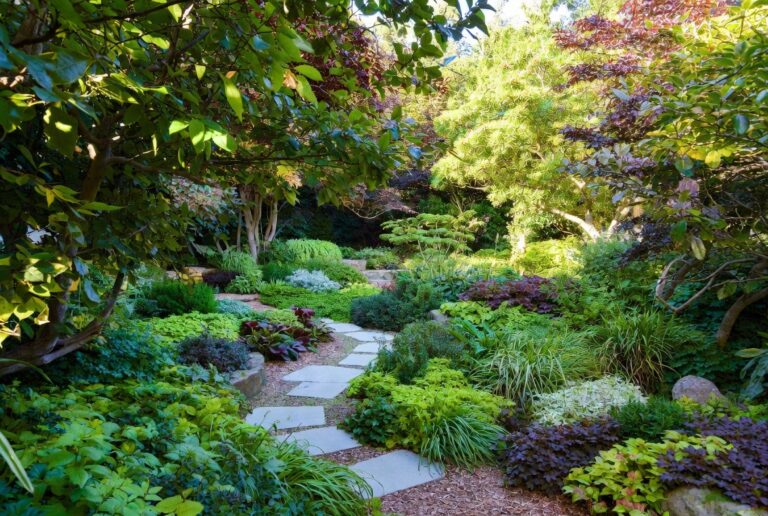
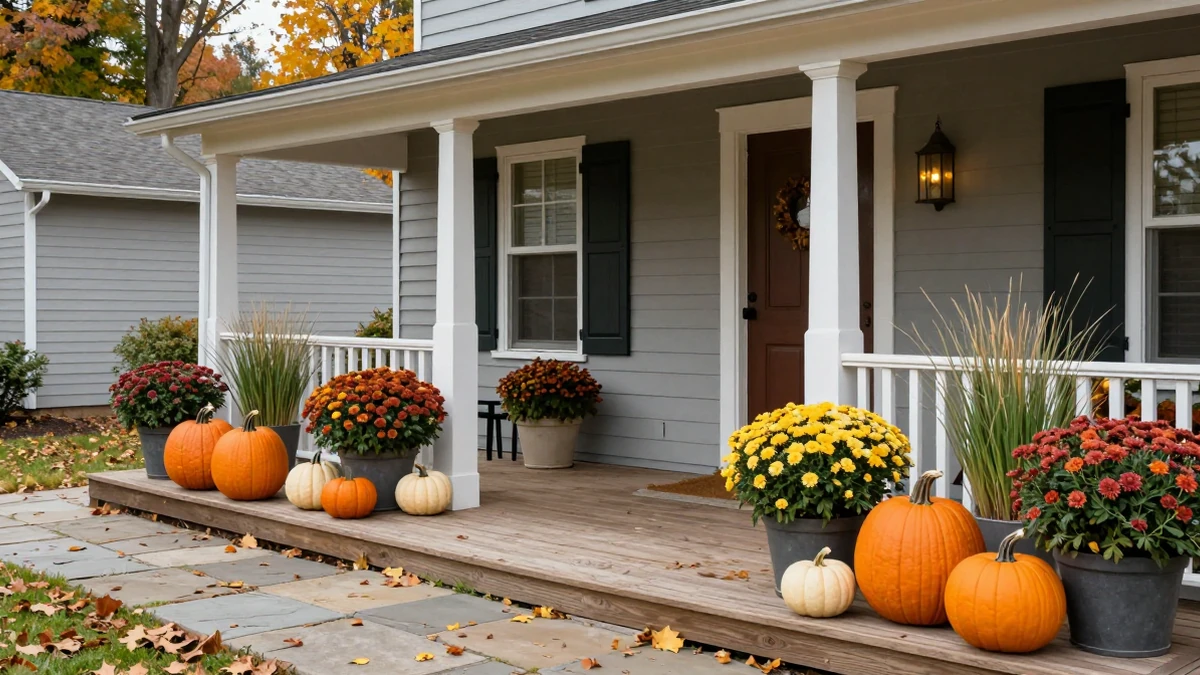
When the days grow shorter and the air turns crisp, your porch or patio can become a canvas for autumn’s richest hues. Rather than tossing a single pumpkin on a table, thoughtful fall outdoor planter ideas blend color, texture, and seasonal plants into a cohesive display that feels intentional and inviting. Below are 19 practical concepts—each backed by planting science and design fundamentals—to help you craft a porch that celebrates the season without demanding endless upkeep.
1. Choose a Hardiness‑Zone‑Appropriate Palette
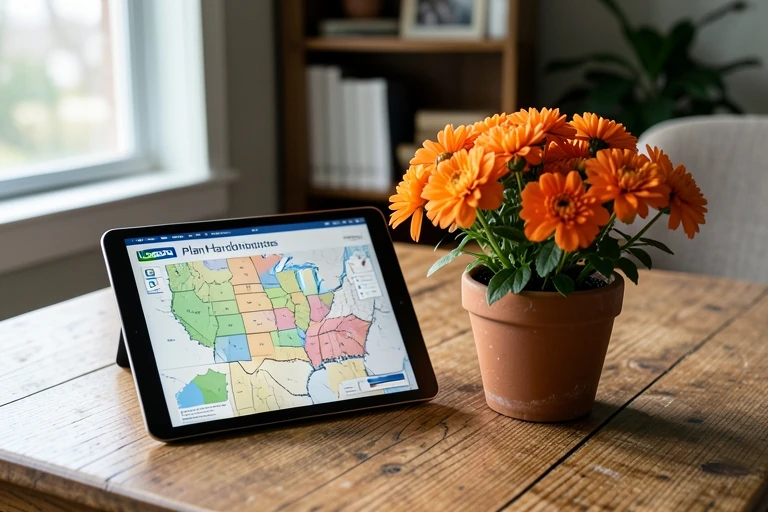
Start with your USDA hardiness zone. The official map (planthardiness.ars.usda.gov) tells you the coldest average temperature in your area, which determines which perennials, shrubs, and bulbs can survive the first frost.
Match your zone to plant recommendations: zones 5‑7 handle ornamental kale, mums, and dwarf conifers; zones 8‑9 allow late‑season succulents and hardy grasses. Selecting zone‑appropriate plants reduces winter loss and limits the need for extra protection.
Test a few candidates in a small pot before committing to a large display. This trial confirms hardiness, water needs, and overall vigor.
2. Mix Evergreen and Deciduous for Year‑Round Interest
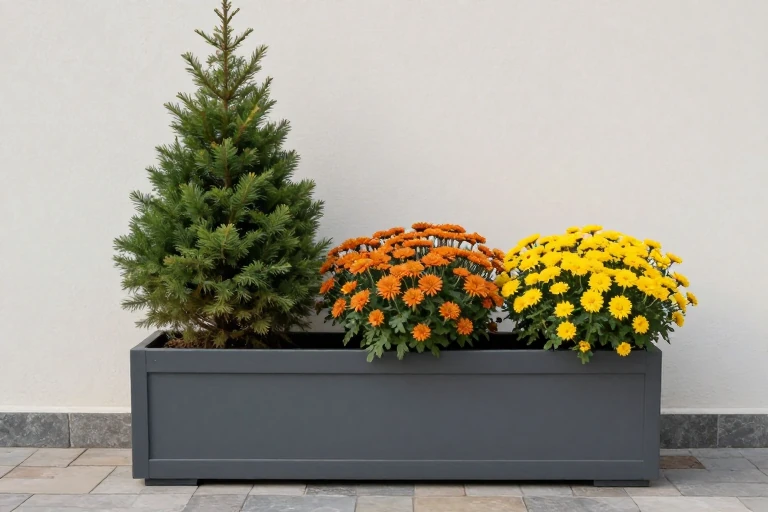
Combine evergreen foliage with fall‑color deciduous plants. Evergreens such as dwarf spruce or boxwood keep the planter looking full after leaves drop, while mums, asters, and ornamental kale provide the seasonal splash.
Trade‑off: evergreen containers need occasional pruning to maintain shape, but they eliminate the visual gap that appears when deciduous plants go dormant.
Plan a 60‑40 split—60 % evergreen, 40 % fall color—for a balanced, low‑maintenance look.
Loving These Ideas? Get the Step-by-Step Guide
Grab the full 5-day eBook and turn these ideas into a finished room.


3. Use Textured Containers for an Autumn Mood
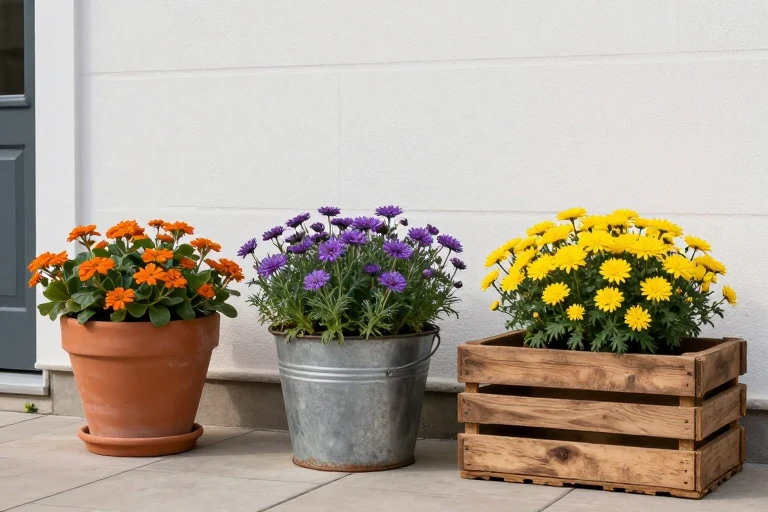
Choose containers that echo autumn textures. Terracotta offers warm, earthy tones; weathered metal adds industrial contrast; reclaimed wood brings rustic charm.
Material trade‑off: terracotta is porous and may crack in freeze‑thaw cycles, while metal can heat up quickly in sun. If you expect harsh winters, line wooden or metal pots with a plastic liner to protect the material.
Finish wood with a clear sealant to resist moisture without hiding the natural grain.
4. Layer with Foliage, Berries, and Seed Heads
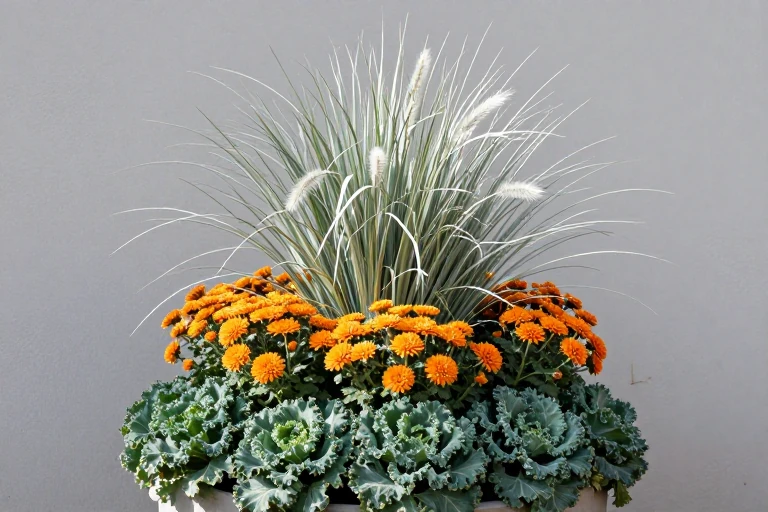
Layer plants by height and texture. Place low‑growing foliage like ornamental kale at the base, mid‑height mums in the center, and tall grasses or ornamental grasses at the top.
This vertical progression creates depth and allows each plant to receive adequate sunlight without being shaded by taller neighbors.
When planting, stagger the spacing by about 6 inches to give each specimen room to spread and to improve air circulation, reducing disease risk.
5. Add Pumpkin Accents Without Overcrowding
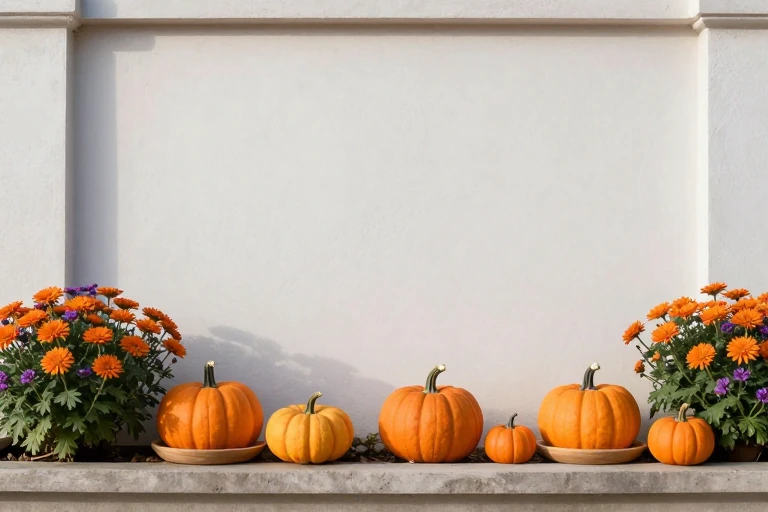
Pumpkins are a classic fall accent, but a single large pumpkin can dominate a planter and crowd out other plants.
Instead, use a cluster of mini pumpkins (3‑5 inches) spaced evenly among your mums and grasses. This adds the seasonal cue without overwhelming the design.
A common mistake is placing pumpkins directly on soil, which can retain moisture and cause rot. Set them on a small saucer or on top of a mulch layer.
6. Incorporate Ornamental Grasses for Movement
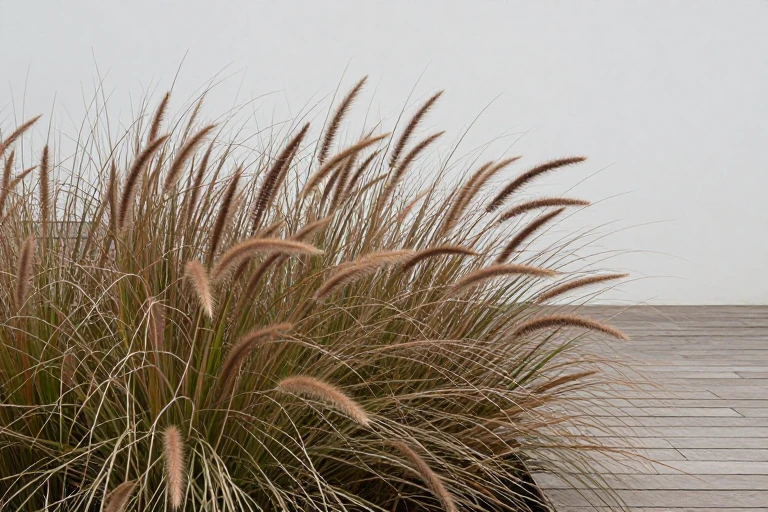
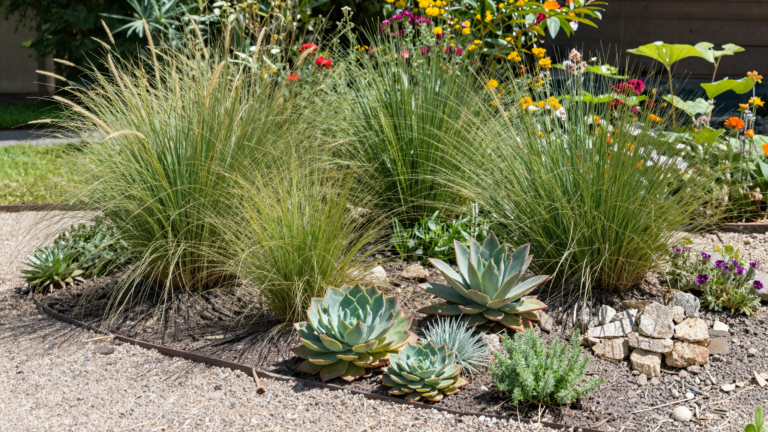
Ornamental grasses such as fountain grass or switchgrass add movement and a soft rustling sound when the wind blows.
They are low‑maintenance—once established, they need only an annual trim after frost. Choose grasses with seed heads that turn bronze or copper for extra color.
Be aware that some grasses spread via rhizomes; install a root barrier if you want to keep them confined to the planter.
7. Create a Mini “Harvest” Garden with Edibles
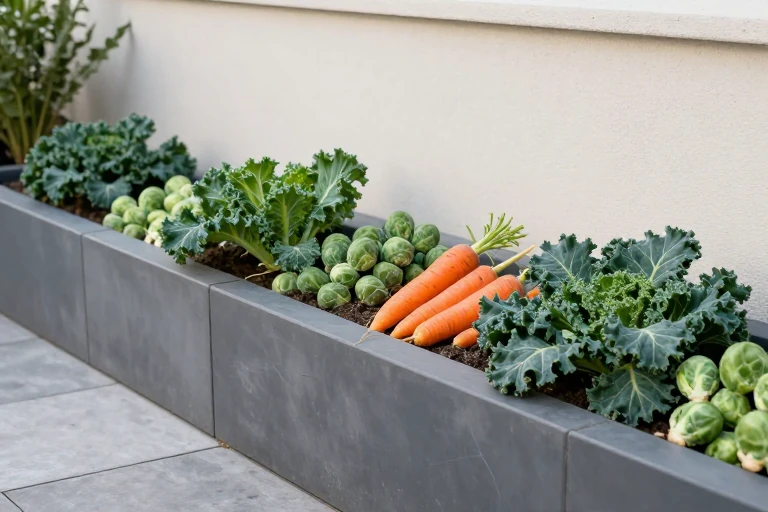
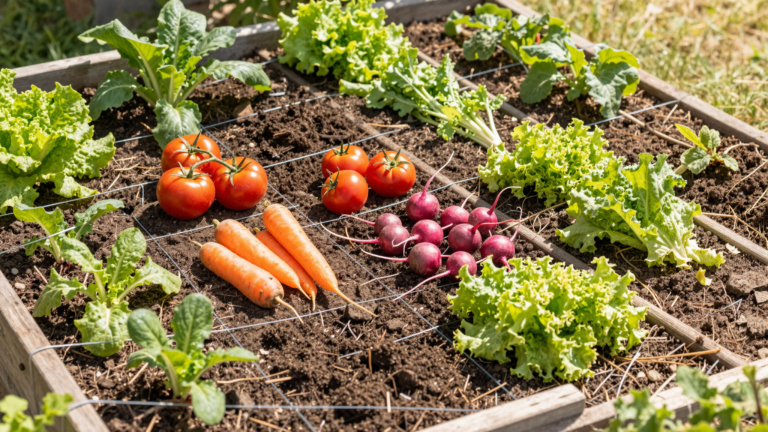
Turn a corner planter into a mini harvest garden. Plant hardy vegetables like kale, Brussels sprouts, or root crops that tolerate cooler temperatures.
Use a raised‑bed style container with a deep soil mix (12‑14 inches) to accommodate root growth. Add a drip‑irrigation line to maintain consistent moisture as autumn rains become irregular.
Harvesting fresh greens in the fall extends your garden season and adds a functional element to the decorative display.
8. Hang Planters for Vertical Interest
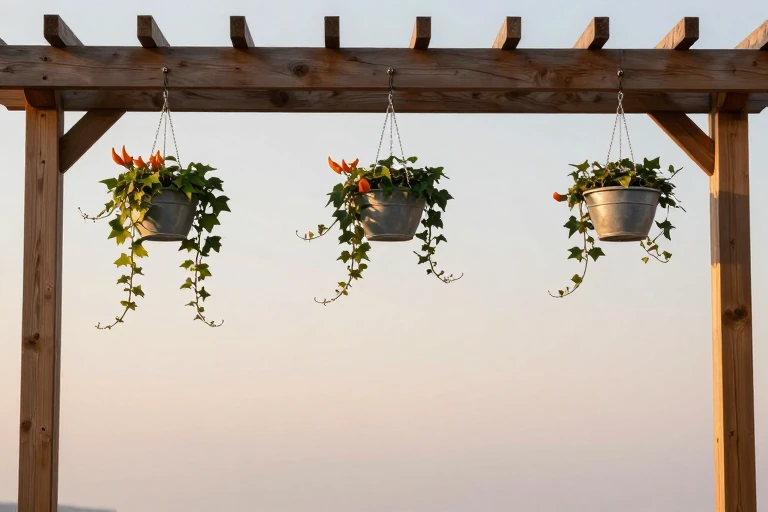
Vertical interest saves floor space and adds a dynamic focal point. Hang sturdy macramé or metal planters from a pergola, railing, or wall-mounted brackets.
Choose lightweight, drought‑tolerant plants like succulents, trailing ivy, or trailing ornamental peppers to reduce strain on the hanging hardware.
Follow the guidance from The Spruce on ensuring the brackets are securely anchored to avoid accidental falls.
9. Use Reclaimed Wood Crates for Rustic Charm
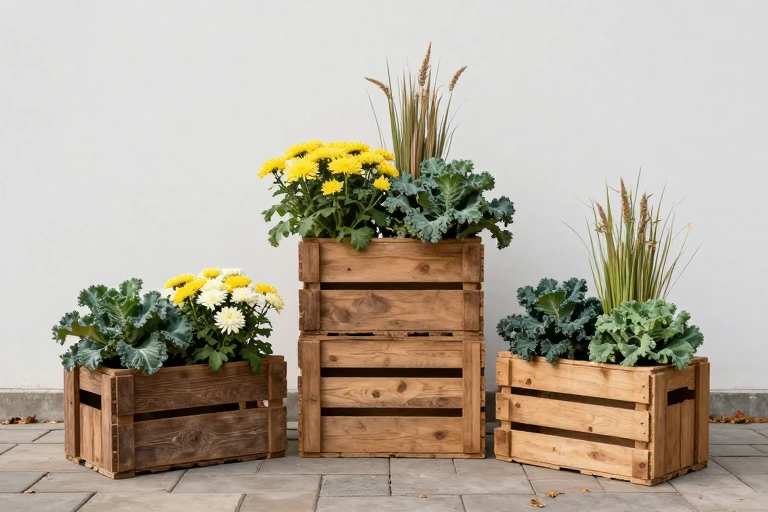
Reclaimed wood crates evoke a farmhouse feel and can be painted or left natural. Line the interior with a breathable liner to prevent water damage.
Trade‑off: wood can rot if exposed to constant moisture. Position crates on a raised platform or use a waterproof tray underneath.
Stagger crates of varying sizes for a tiered look that mimics natural forest floor layers.
10. Pair Candle or Lantern for Evening Ambiance
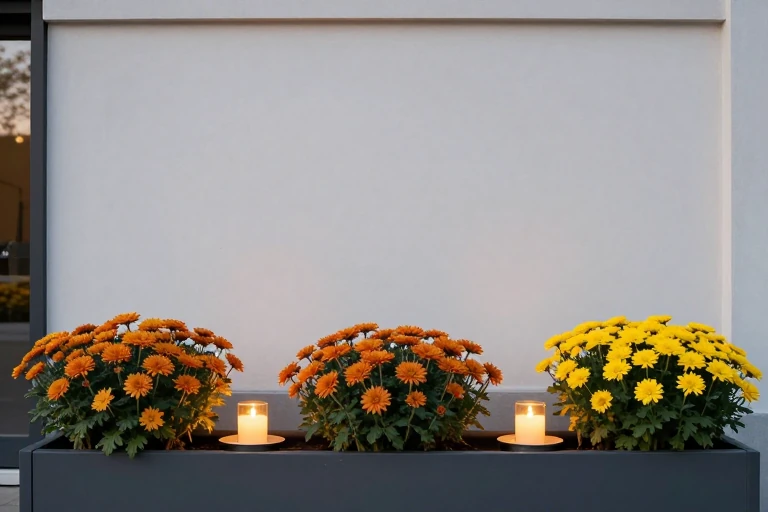
Pair planters with candles, lanterns, or solar lights to extend the ambiance after dusk. Choose LED candles for safety and longer burn time.
Place the light source on a saucer or heat‑resistant tray to protect the planter’s surface. Avoid open flames near dry foliage to reduce fire risk.
Position lights on the outer edge of the planter so the glow highlights the plants rather than obscuring them.
11. Choose Mulch Colors to Enhance Contrast
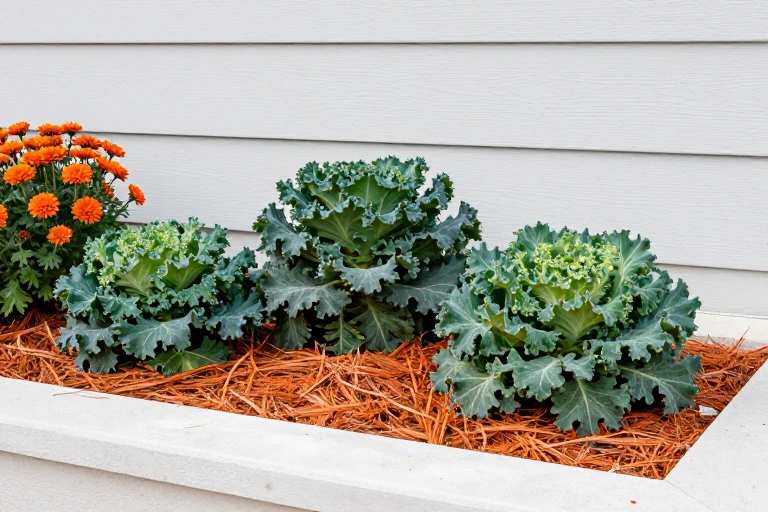
Mulch not only conserves moisture but also adds visual contrast. Use shredded bark in a deep brown for a natural look, or opt for dyed pine straw in orange for a pop of color.
Apply a 2‑inch layer, keeping mulch away from the base of stems to prevent rot.
Replace mulch annually to keep the color fresh and to replenish organic matter.
12. Integrate Water Features with Planters
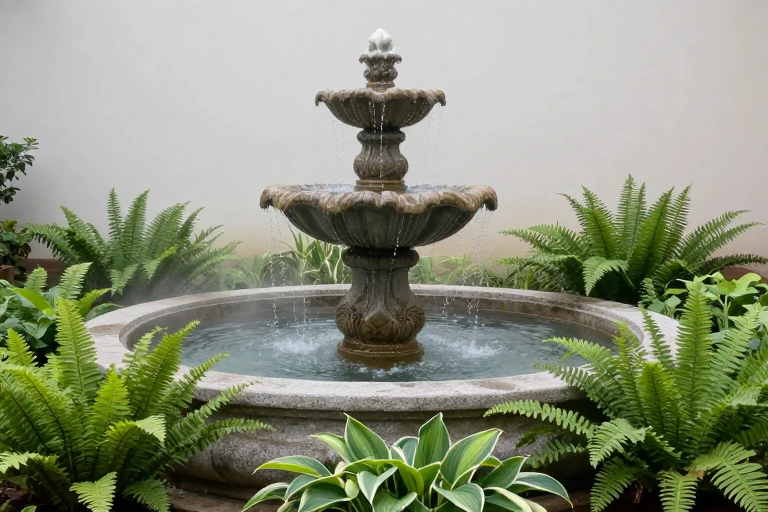
Integrate a small, recirculating fountain into a large planter for soothing sound. Choose a pump rated for outdoor use and ensure the water reservoir is sealed to prevent freezing.
Place water‑loving plants like ferns or hostas near the fountain; they thrive on the added humidity.
Maintenance: clean the pump monthly and winterize by draining and storing the pump indoors.
13. Use Color‑Coordinated Pottery for Cohesive Look
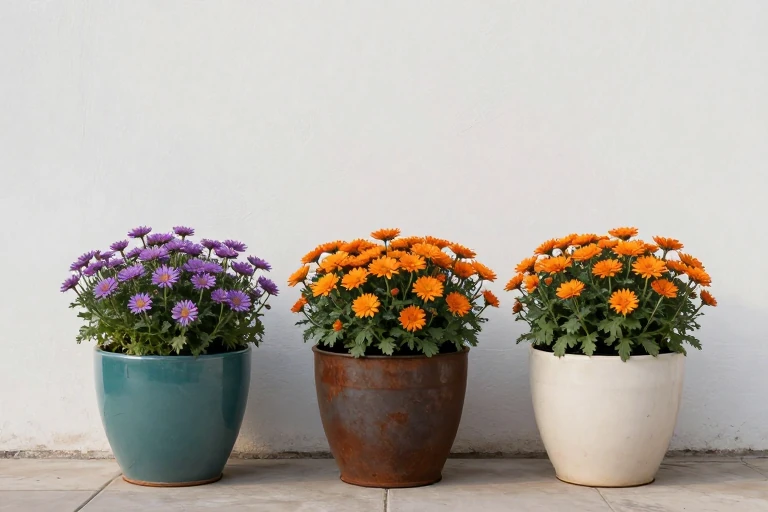
Coordinate pot colors for a cohesive aesthetic. Choose a limited palette—e.g., deep teal, rust, and ivory—and repeat each hue across multiple planters.
Material matters: glazed ceramic retains moisture longer, while matte metal dries quickly, influencing plant watering schedules.
Mix finishes (glossy and matte) within the same color family for subtle visual interest without clashing.
14. Add Seasonal Wreaths on Planter Tops
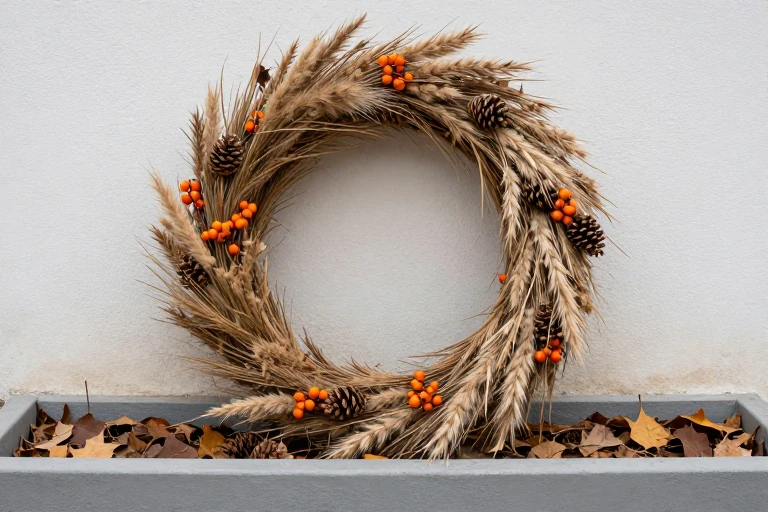
Seasonal wreaths add a festive touch when draped over the rim of a planter. Use a breathable wreath base (grapevine or straw) and attach dried grasses, berries, and small pine cones.
Avoid placing wreaths directly on soil; instead, rest them on a decorative saucer to prevent excess moisture from soaking the base.
Refresh the wreath after two weeks to keep foliage from wilting.
15. Position Planters for Sunlight Exposure
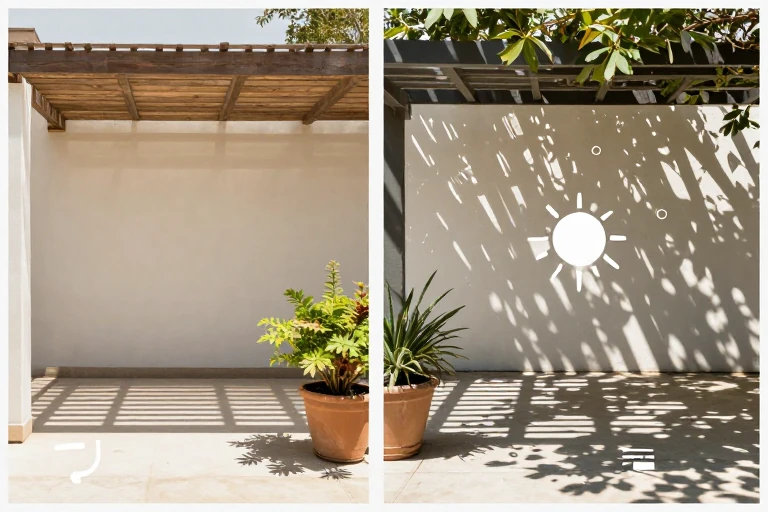
Assess each planter’s sun exposure: full sun (6+ hours), partial shade (3‑6 hours), or full shade (<3 hours). Use a sunlight meter or simply track the sun’s path over a day.
Match plant light needs to the exposure. Mums thrive in full sun, while ornamental kale tolerates partial shade.
If a planter receives too much afternoon heat, relocate it to a spot with afternoon shade or add a shade cloth.
16. Incorporate Scented Plants for Autumn Aroma
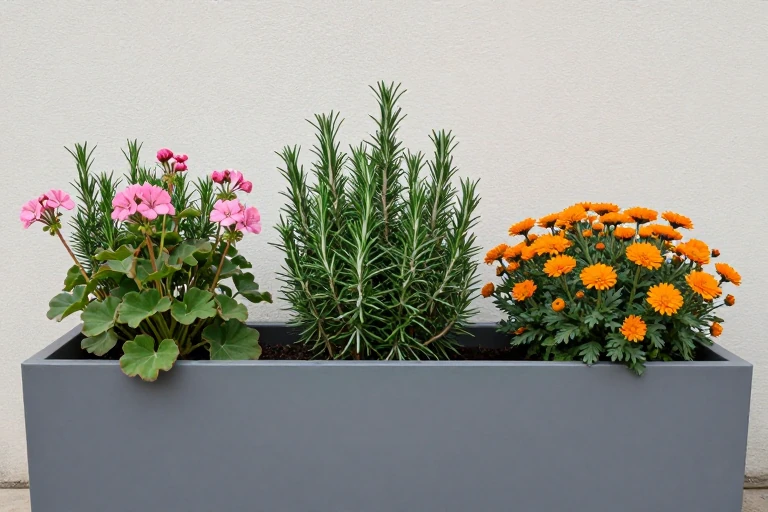
Introduce scented autumn plants like scented geraniums, rosemary, or lavender. Their fragrance enhances the sensory experience and can deter pests.
Place scented plants near seating areas or entryways for maximum impact.
Prune lightly after flowering to keep the scent strong and prevent woody growth.
17. Use Planter Stands to Elevate Eye Level
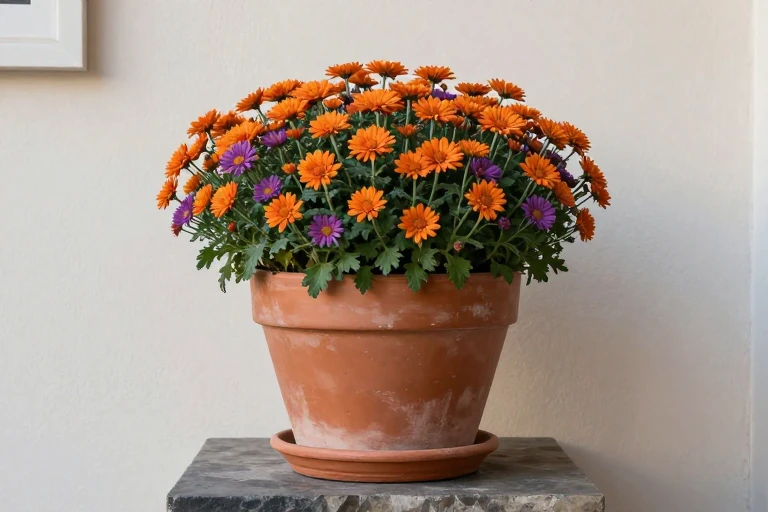
Elevate eye level with planter stands made of stone, metal, or reclaimed wood. Raising the display makes the colors visible from a seated position and adds architectural interest.
Ensure the stand is stable and can support the weight of the filled planter; a 20‑inch tall planter can weigh over 50 pounds.
Use a non‑slip mat beneath the pot to prevent sliding on smooth surfaces.
18. Rotate Plants Annually to Prevent Soil Fatigue
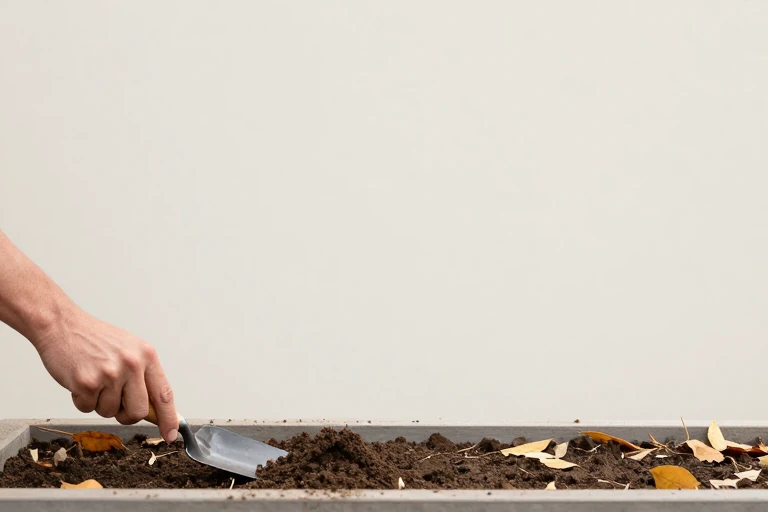
Rotate your soil each fall by removing the plant, loosening the substrate, and adding fresh compost. This prevents nutrient depletion and reduces disease buildup.
After refreshing the soil, re‑plant with a different species or a different cultivar of the same plant to maintain visual interest year after year.
Store any unused soil in a dry location to keep it from becoming compacted.
19. Common Fall Planter Mistakes
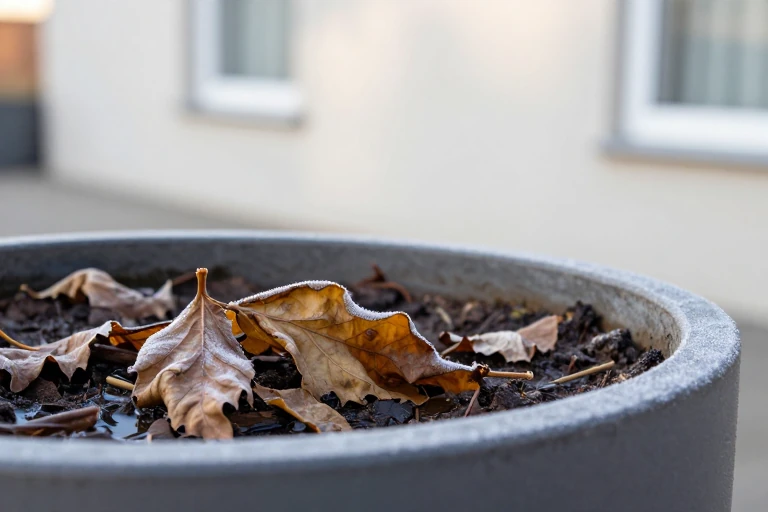
Over‑watering. Autumn rains can mask watering needs, leading to soggy soil and root rot. Test moisture before each watering.
Choosing non‑hardy plants. Ignoring your hardiness zone results in early die‑back. Verify each plant’s minimum temperature rating.
Neglecting drainage. Clay pots without drainage holes trap water. Add a layer of gravel at the bottom or use pots with built‑in holes.
Forgetting to protect against frost. Small containers freeze faster. Move delicate planters to a sheltered spot or wrap them in burlap on the first frost night.
Effort & Cost Snapshot
| Topic | Effort | Cost Note |
|---|---|---|
| 1. Choose a Hardiness‑Zone‑Appropriate Palette | Low | Often achievable with existing furnishings or simple updates |
| 2. Mix Evergreen and Deciduous for Year‑Round Interest | Low | Often achievable with existing furnishings or simple updates |
| 3. Use Textured Containers for an Autumn Mood | Low | Often achievable with existing furnishings or simple updates |
| 4. Layer with Foliage, Berries, and Seed Heads | Low | Often achievable with existing furnishings or simple updates |
| 5. Add Pumpkin Accents Without Overcrowding | Low | Often achievable with existing furnishings or simple updates |
| 6. Incorporate Ornamental Grasses for Movement | Medium | Varies by materials, scope, and local labor |
| 7. Create a Mini “Harvest” Garden with Edibles | Low | Often achievable with existing furnishings or simple updates |
| 8. Hang Planters for Vertical Interest | Low | Often achievable with existing furnishings or simple updates |
| 9. Use Reclaimed Wood Crates for Rustic Charm | High | Get a project-specific professional quote |
| 10. Pair Candle or Lantern for Evening Ambiance | Low | Often achievable with existing furnishings or simple updates |
| 11. Choose Mulch Colors to Enhance Contrast | Low | Often achievable with existing furnishings or simple updates |
| 12. Integrate Water Features with Planters | Low | Often achievable with existing furnishings or simple updates |
| 13. Use Color‑Coordinated Pottery for Cohesive Look | Low | Often achievable with existing furnishings or simple updates |
| 14. Add Seasonal Wreaths on Planter Tops | Low | Often achievable with existing furnishings or simple updates |
| 15. Position Planters for Sunlight Exposure | Low | Often achievable with existing furnishings or simple updates |
| 16. Incorporate Scented Plants for Autumn Aroma | Low | Often achievable with existing furnishings or simple updates |
| 17. Use Planter Stands to Elevate Eye Level | Low | Often achievable with existing furnishings or simple updates |
| 18. Rotate Plants Annually to Prevent Soil Fatigue | Low | Often achievable with existing furnishings or simple updates |
| 19. Common Fall Planter Mistakes | Low | Often achievable with existing furnishings or simple updates |
Frequently Asked Questions
How do I choose plants that will survive my local fall weather?
Start by locating your USDA Plant Hardiness Zone on the official map (planthardiness.ars.usda.gov). The zone tells you the coldest average temperature your area experiences, which directly informs which perennials, shrubs, and bulbs will survive the winter. If you’re unsure, enter your zip code in the quick search box; the map will display the zone and half‑zone for precise guidance.
Next, match your zone to plant recommendations. For zones 5‑7, consider ornamental kale, mums, and dwarf conifers. In warmer zones 8‑9, you can add late‑season succulents and hardy ornamental grasses that won’t bolt.
Finally, test a few plants in a small container before committing to a larger display. This trial run confirms hardiness and lets you gauge water needs, ensuring your fall planters thrive year after year.
What’s the best way to position planters for optimal sunlight and heat?
Planters placed against a wall receive reflected heat, which can protect tender foliage from early frosts. Conversely, a planter in full sun will dry out faster, requiring more frequent watering. Use a moisture meter or the finger‑test (push your finger 2 inches into the soil) to decide if the location needs irrigation.
When arranging multiple planters, stagger heights so taller containers don’t cast shade on shorter ones. This maintains even light distribution and prevents uneven growth.
How should I prepare the soil in my outdoor planters for fall?
Most fall‑time plants prefer well‑draining soil to avoid root rot as rains increase. A simple mix of two parts potting compost, one part coarse sand, and one part perlite works for most containers. Add a thin layer of pine bark mulch on top to retain moisture and suppress weeds.
Re‑fertilise in early October with a slow‑release, balanced fertilizer (10‑10‑10). This feeds perennials through the winter and encourages a strong start in spring.
With a little planning and the right mix of plants, containers, and seasonal accents, your porch or patio can become a warm, inviting autumn retreat. The ideas above balance visual appeal, durability, and maintenance so you can enjoy the space without constant upkeep. Remember to test your soil, respect sunlight patterns, and rotate your plantings each year—simple habits that keep your fall planters thriving long after the leaves have fallen.
Sources & Further Reading
- 2023 USDA Plant Hardiness Zone Map | USDA Plant Hardiness Zone…
- Creating a Healthy Home with Hilton Carter | NAHB
Continue Your Home Transformation
Explore the full collection of step-by-step eBooks and get the guide that fits the room you're working on.