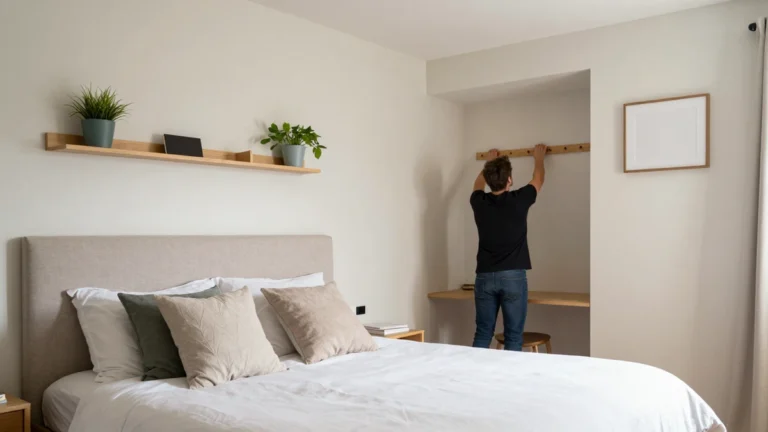
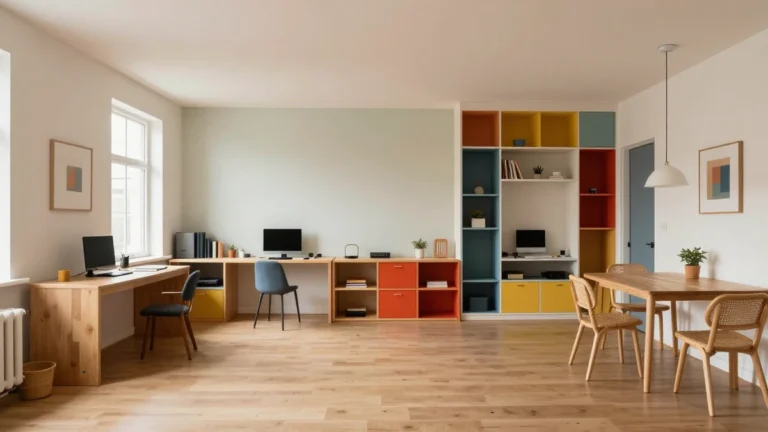
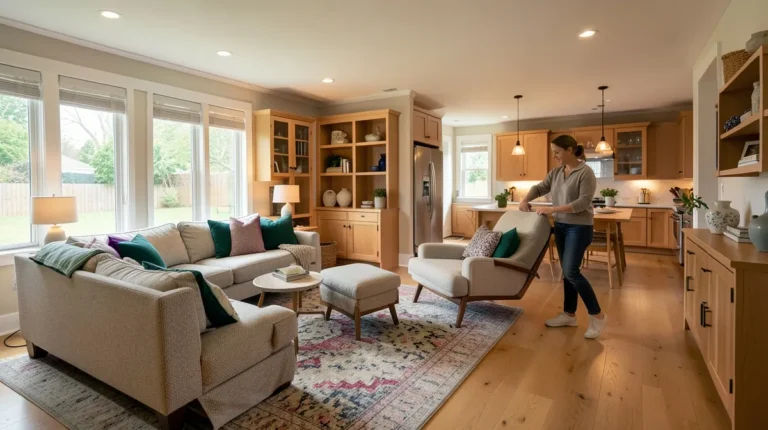
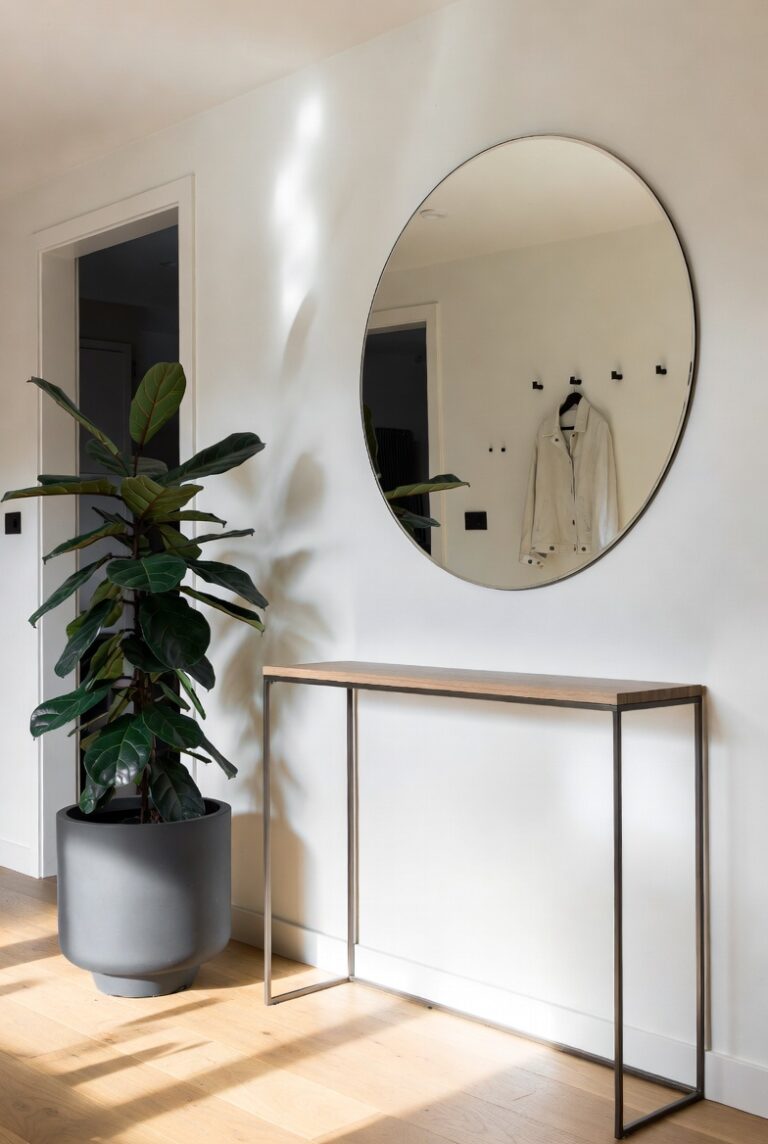
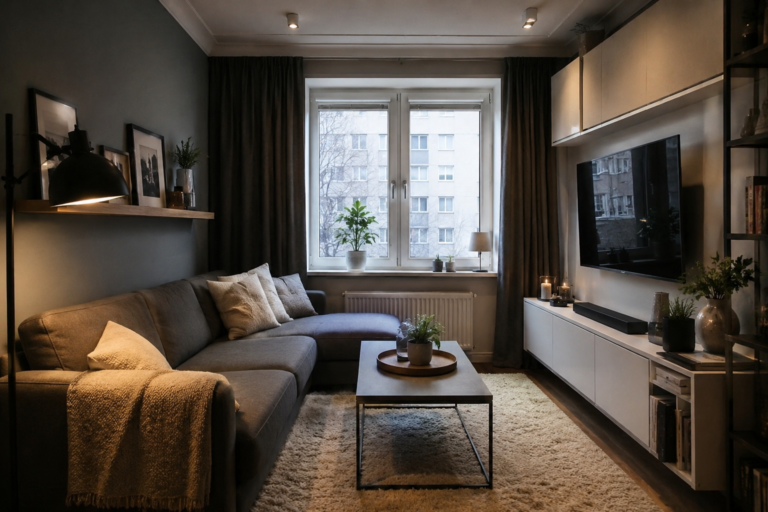
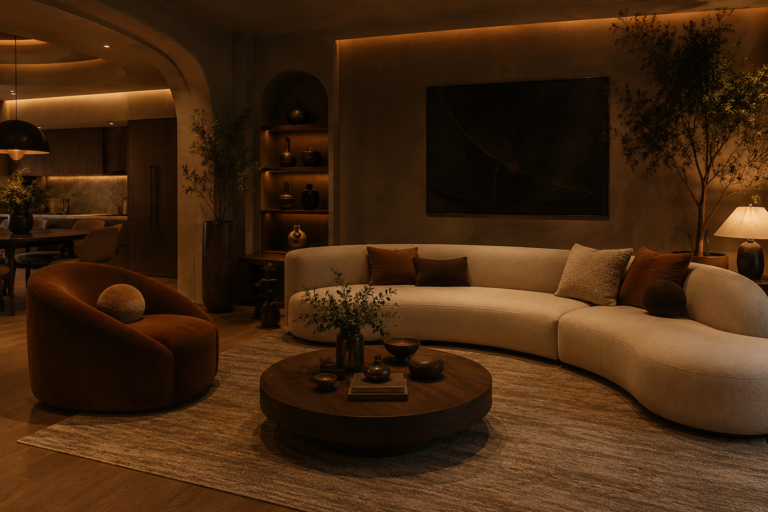
Useful dorm room ideas begin with the provided furniture and the rules of the actual residence. The room needs to support sleeping, studying and everyday storage within a limited floor area.
These ideas range from a small bedside pocket to a clearer desk zone. Measure first, agree on shared areas with roommates, and choose changes that fit the actual room and permitted installation methods.
Images are illustrative design concepts, including AI-generated replacement images. They are not installation drawings.
Test Dorm Room Ideas During Study and Cleanup
Use the desk with the books, screen and current supplies needed for a normal study session. Next, put those items away and carry the laundry or daily bag along the room route. For example, a cart may group supplies well while its parked position prevents the wardrobe from opening. Keep the permitted furniture and shared areas useful, and choose the smallest addition that makes the repeated task easier.
1. Choose Dorm Room Ideas Within Residence Bed Rules
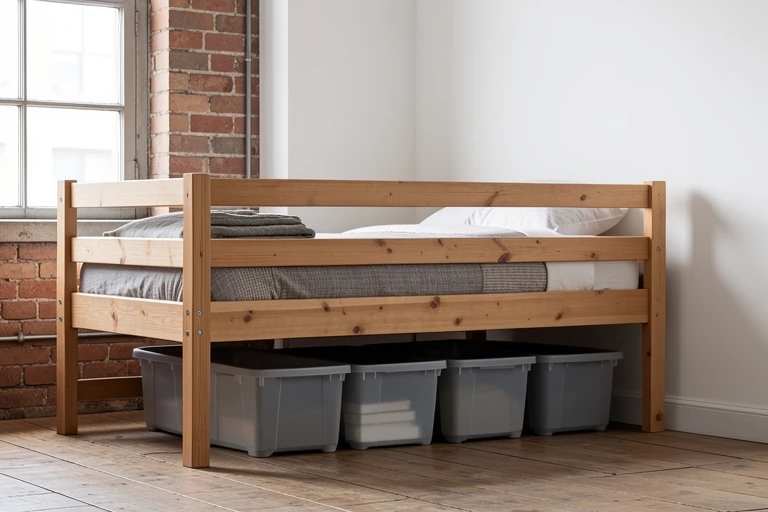
A permitted bed height can change the amount of accessible storage beneath it. Compare the approved positions with the items you need to reach, the window and the normal route. Use only the supplied or manufacturer-approved components and instructions.
Try this: Do not improvise bed risers, ladders or changes to guardrails.
2. Give the Desk and Bed Distinct Roles
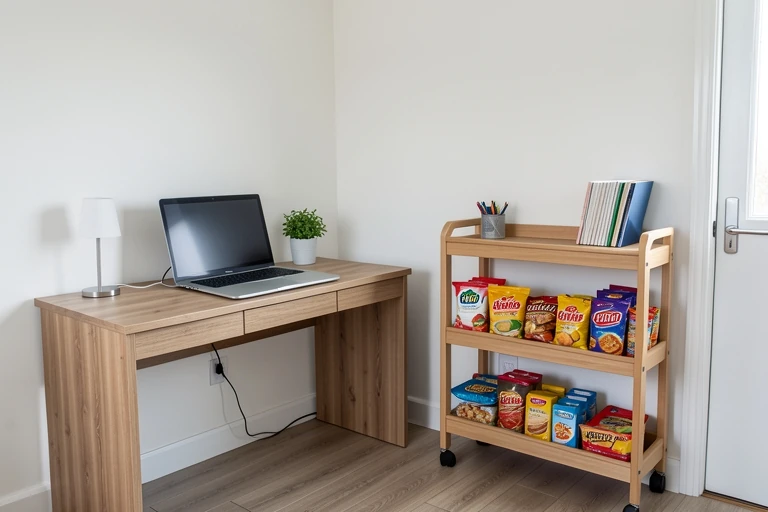
Arrange the existing furniture so the desk has a useful working surface and the bed remains easy to approach. A small separate shelf can hold shared supplies if the space allows. Test the chair movement before adding another storage unit.
Try this: Keep the everyday route visible when a chair is pulled out.
3. Layer Bedding for the Actual Routine
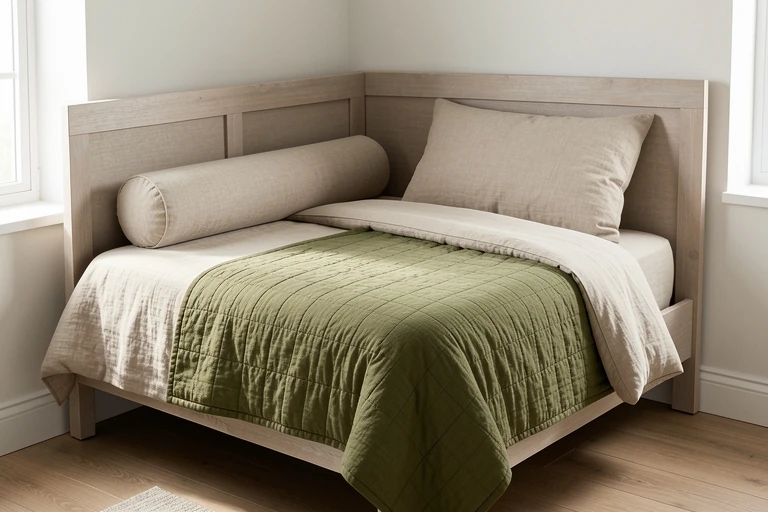
A washable cover and a few useful layers can make the bed feel considered without creating a daily pile of spare cushions. Compare the fabric care requirements and the storage available for seasonal bedding. Use the residence mattress dimensions when choosing sizes.
Try this: Choose a small repeat of one color rather than many unrelated patterns.
4. Define the Bedside Area With a Low-Pile Rug
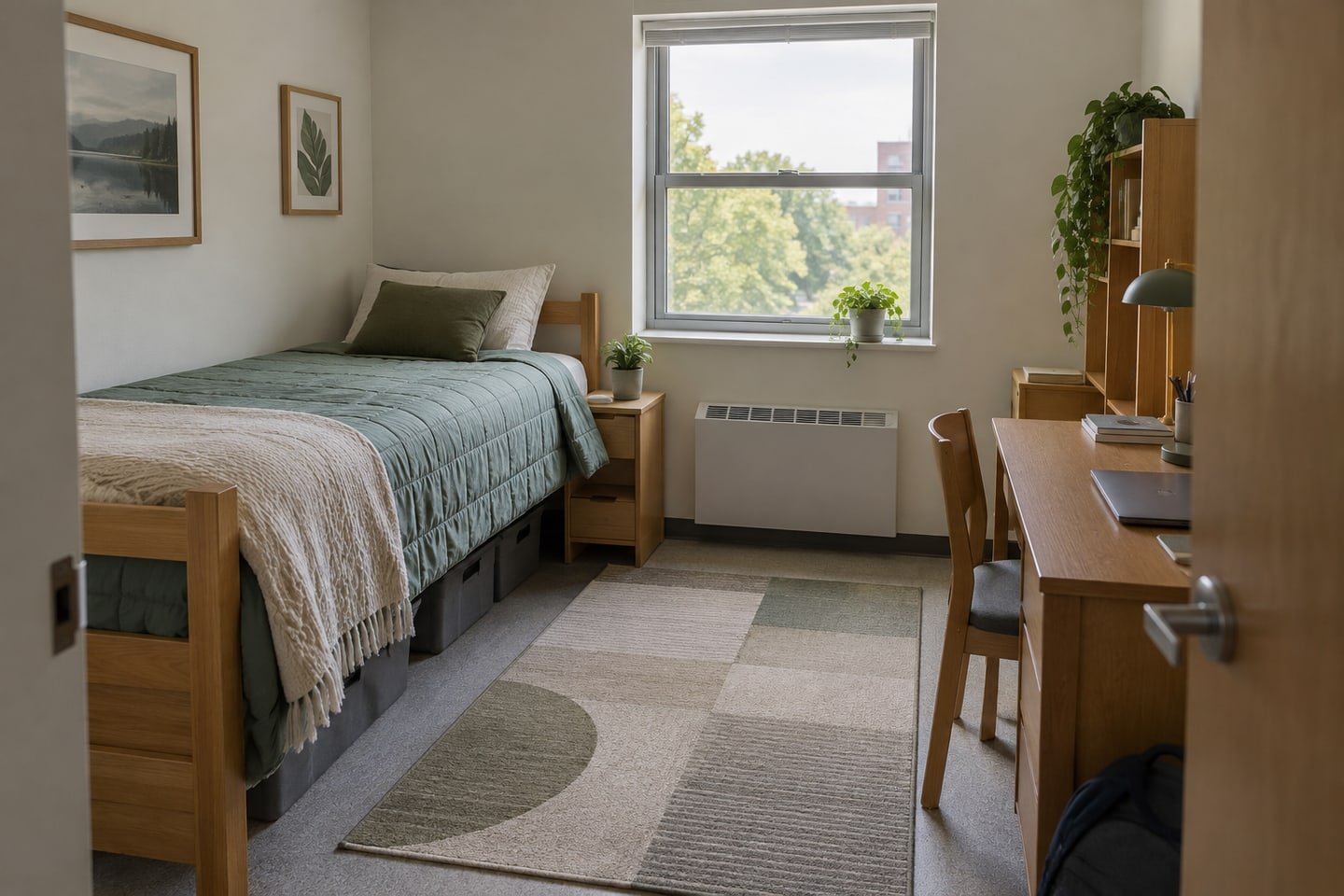
A modest rug can distinguish the bedside area from the desk zone. Compare its size with the available floor and door swing, and choose a product suited to the actual flooring and normal cleaning routine. Keep the edges flat and the circulation route clear. Follow the residence rules for rugs and any backing rather than assuming every product works on every floor.
Try this: Measure the free floor area before choosing the rug.
5. Choose Suitable Task and Ambient Lighting
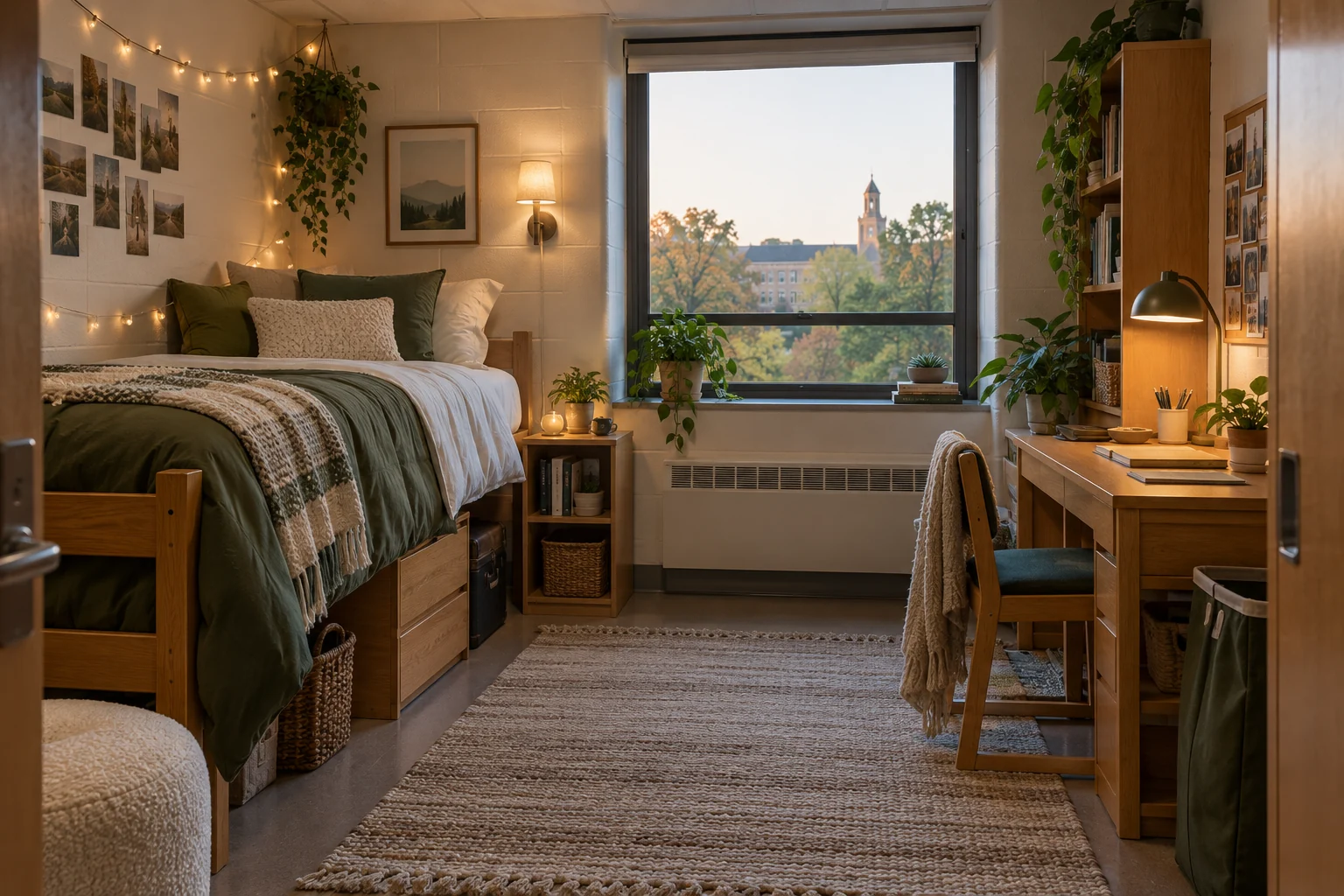
A desk lamp can light the working surface while a suitable separate accent light softens the room. Choose equipment permitted by the residence and keep power arrangements accessible. Do not cover fixtures or replace required room lighting with decorative lights alone.
Try this: Test the desk light with the screen and paper in normal positions.
6. Use a Small Utility Cart for a Clear Task
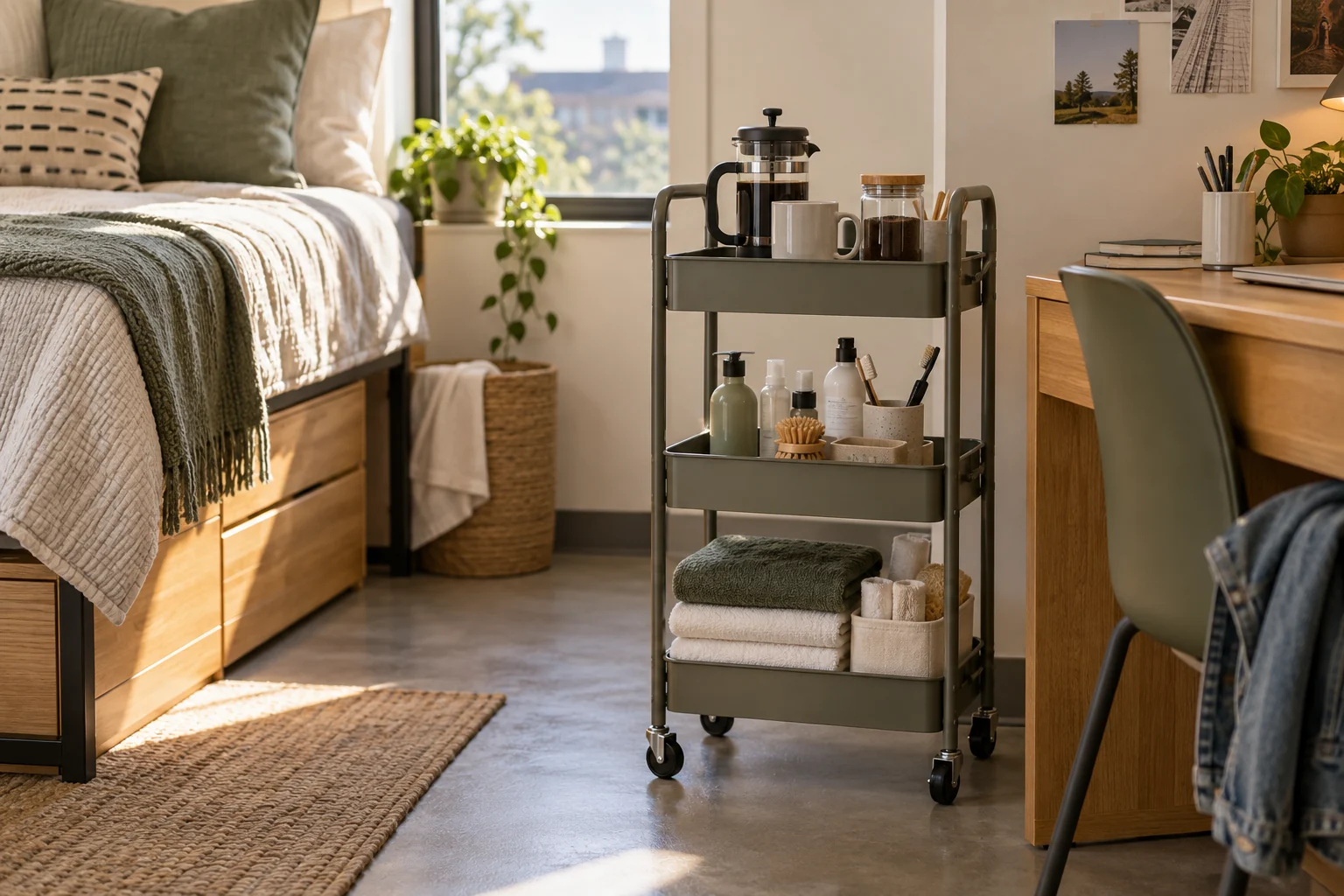
A compact cart can bring together a few supplies that are used in the same place. Measure its full footprint, including handles and wheels, and check where it will stay between uses. Keep heavy objects low and follow the cart load guidance.
Try this: Give each shelf a role before filling it.
7. Plan Dorm Room Ideas Around the Existing Wardrobe
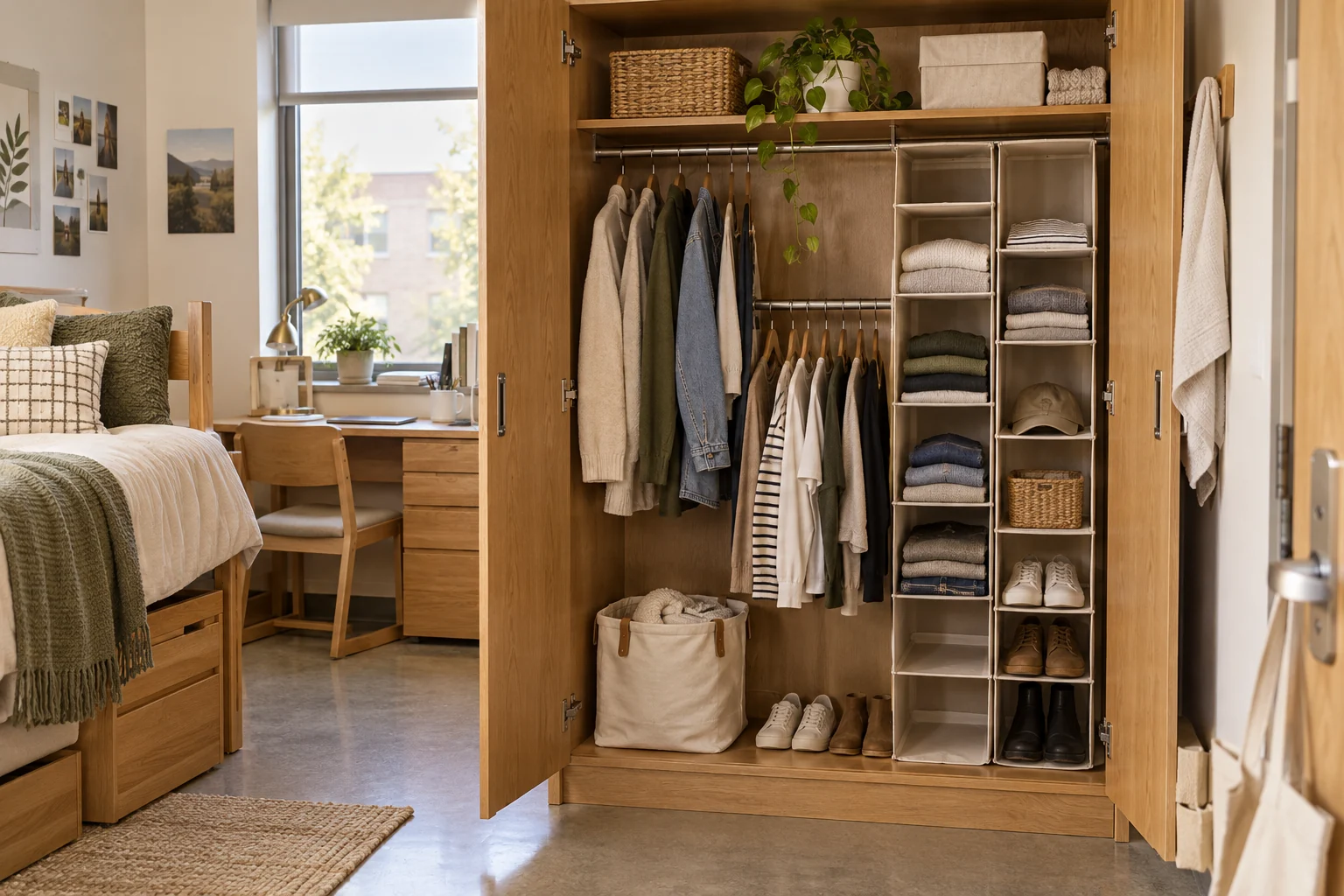
Separate hanging clothes from folded items and choose a small organizer for the remaining gaps. Check the wardrobe rod and shelf instructions before adding hanging storage. Leave the most frequently used clothes easy to reach without lifting unrelated piles.
Try this: Measure the usable width and hanging depth.
8. Plan a Photo Wall Around Permitted Attachments
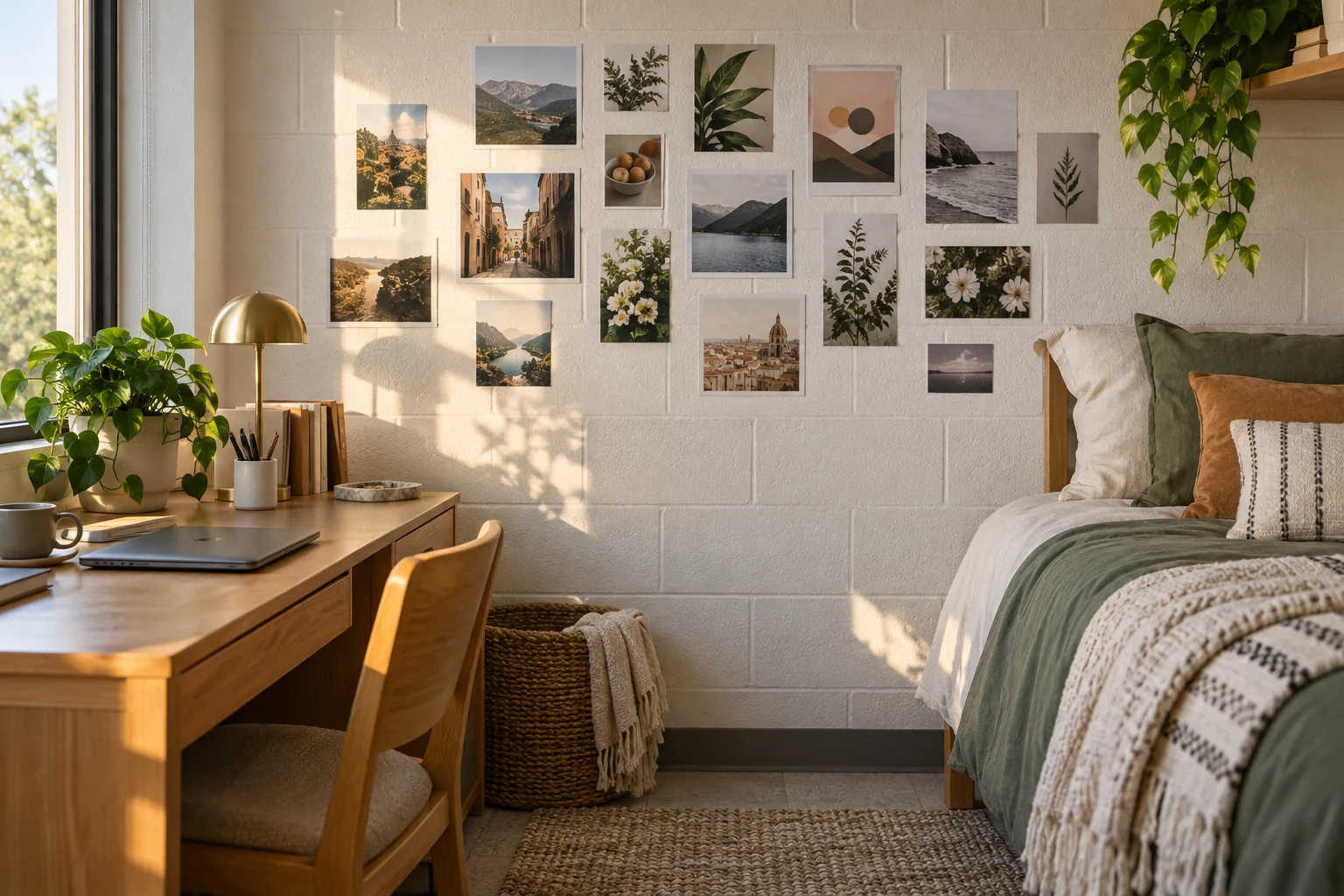
A few prints can personalize a blank wall when the residence permits the actual materials and attachment method. Plan the arrangement on a table and test use and removal as directed. A pinboard or freestanding frame is useful where wall attachment is restricted.
Try this: Keep important notices and required fixtures visible.
9. Use a Desk Riser Only Where It Helps
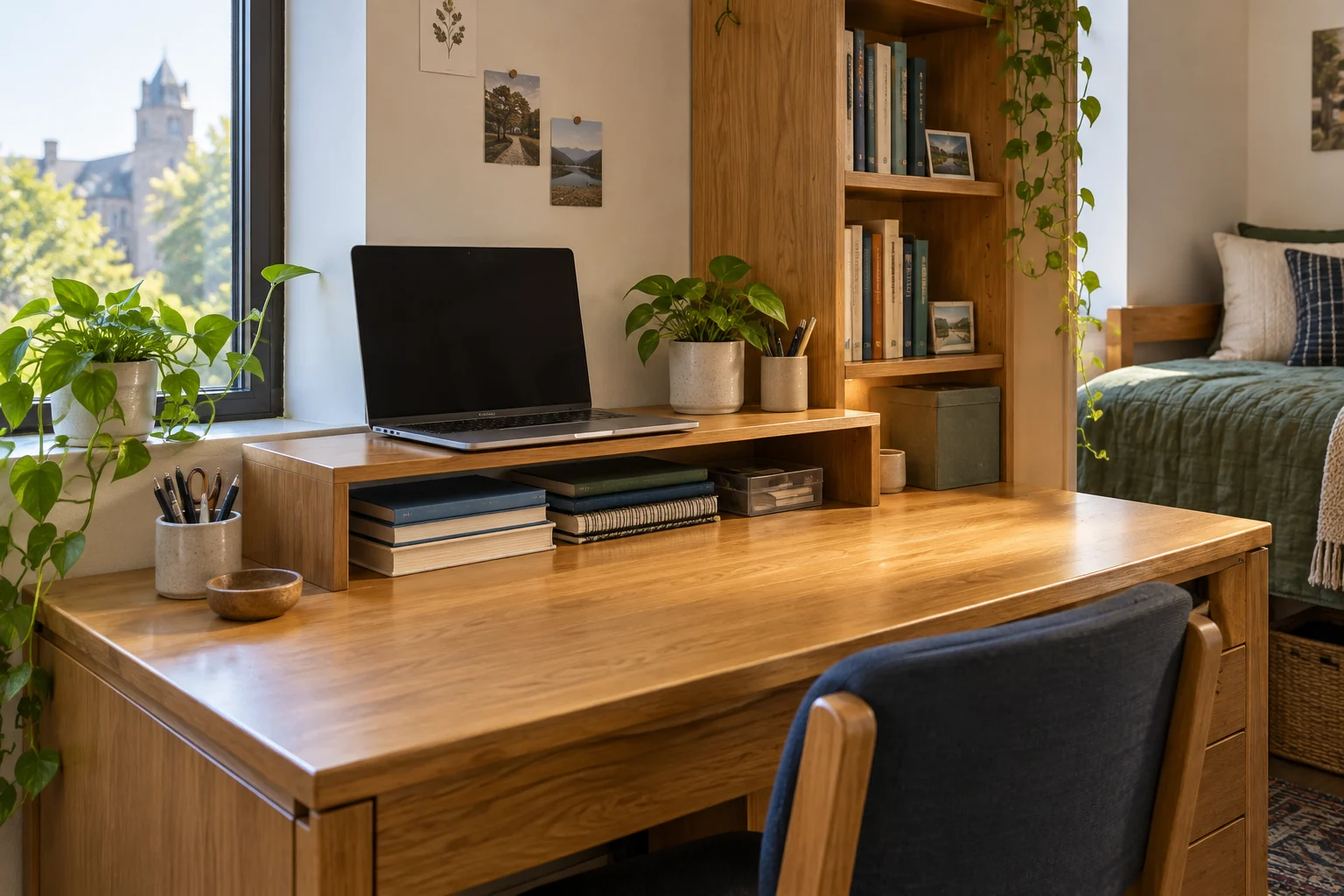
A suitable small stand can free a little surface beneath a screen or a few desk accessories. Compare its height with the actual seated view and working posture, and follow its load guidance. Leave room for the keyboard, writing and normal chair approach.
Try this: Try the complete desk setup before buying a large stand.
10. Choose Door Storage for Light Accessories
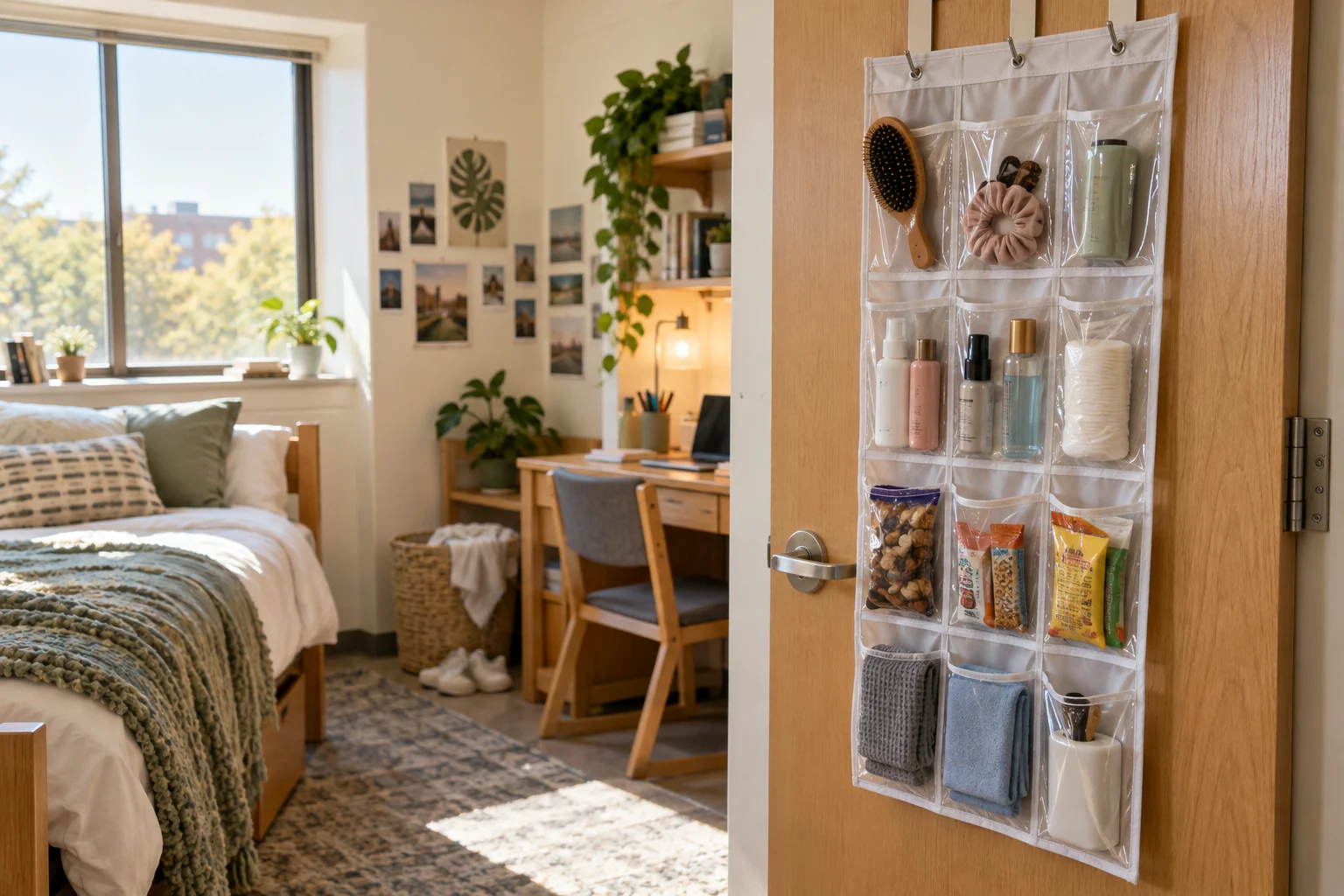
A suitable over-door organizer can hold a few light dry items where the door construction and residence rules allow it. Check that the door still closes and opens normally, with hardware and ventilation clear. Do not assume every hook fits every door.
Try this: Use a freestanding organizer if the door fit is unsuitable.
11. Choose Plants for the Available Window Light
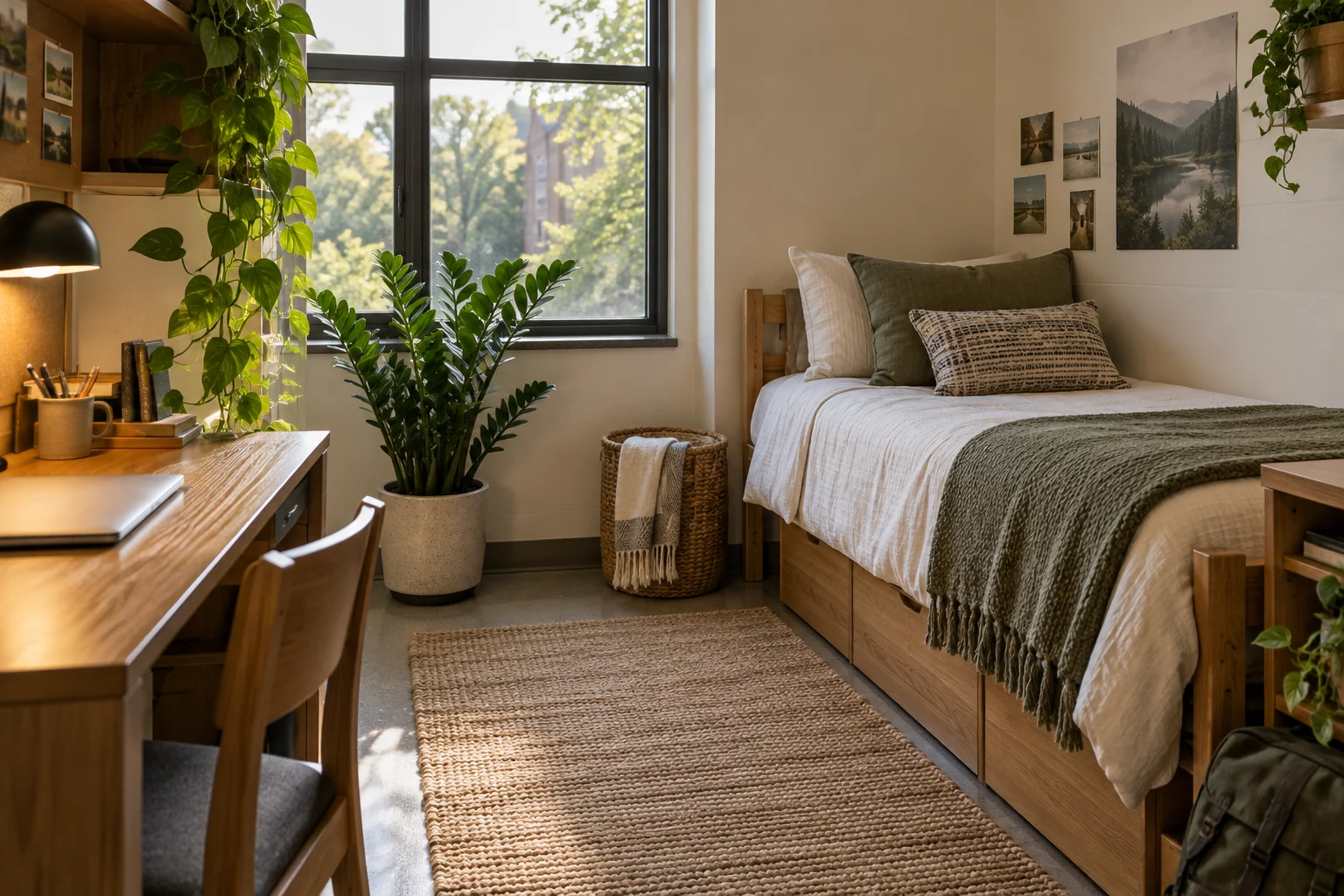
A small plant can add a living detail when its actual species needs fit the room. Compare the available light, temperature and care routine with reliable plant guidance. A plant described as tolerant still needs suitable growing conditions.
Try this: Protect the furniture from drainage and spills.
12. Keep Dorm Room Ideas Cable Routes Accessible
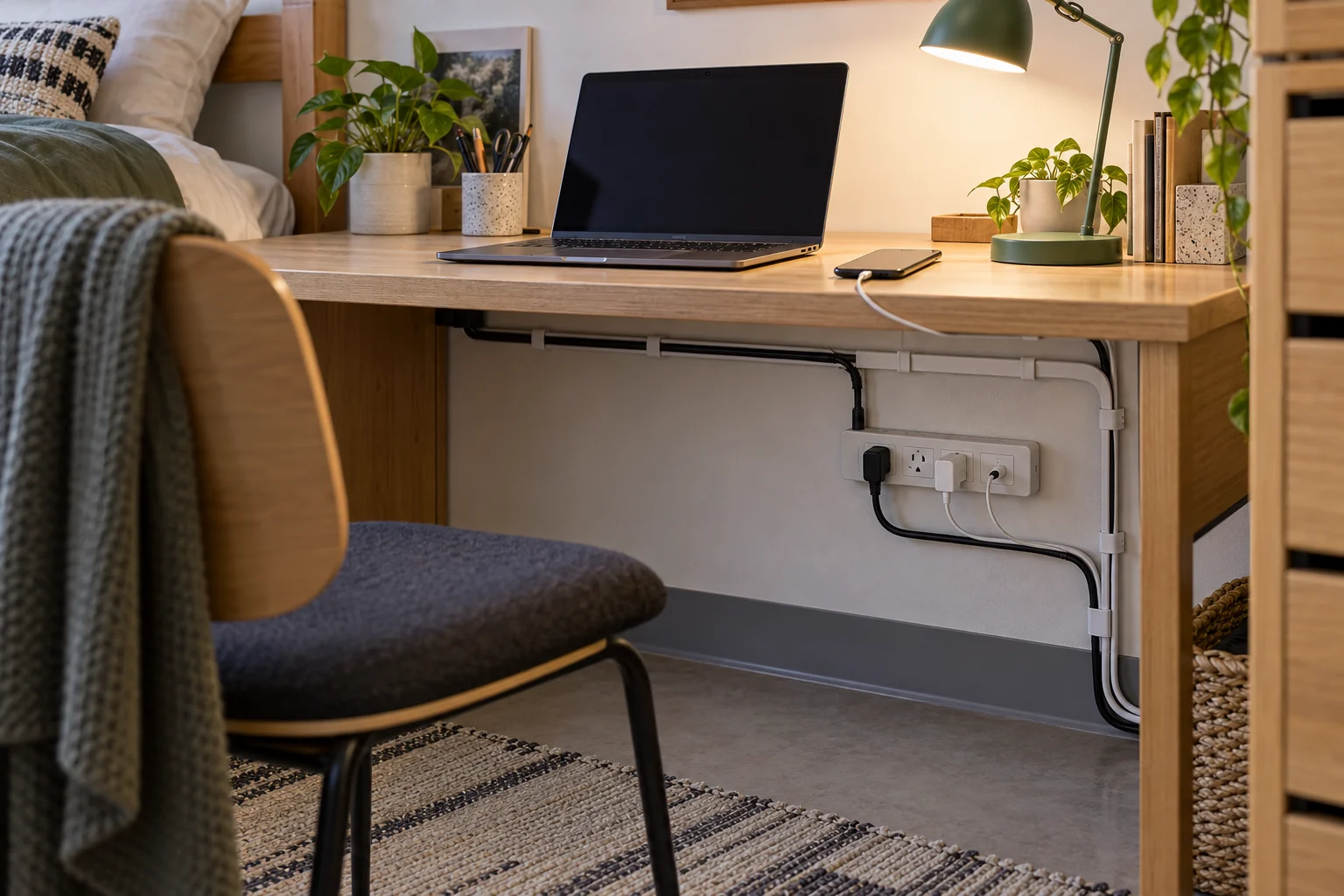
Route a few cables together using products intended for the actual equipment and surface. Keep plugs and controls accessible, with no tension on connectors or leads crossing the route. Follow residence and product rules for electrical equipment.
Try this: Allow the chair and drawers to move fully without catching a lead.
13. Use a Small Textile Wall Accent Where Permitted

A textile panel can introduce pattern without adding furniture. Choose a permitted position and appropriate support, keeping it away from working fixtures, heat and the bed access route. A smaller piece is easier to place within a limited wall area.
Try this: Check material and mounting rules before choosing the textile.
14. Keep a Snack Station Within Residence Rules
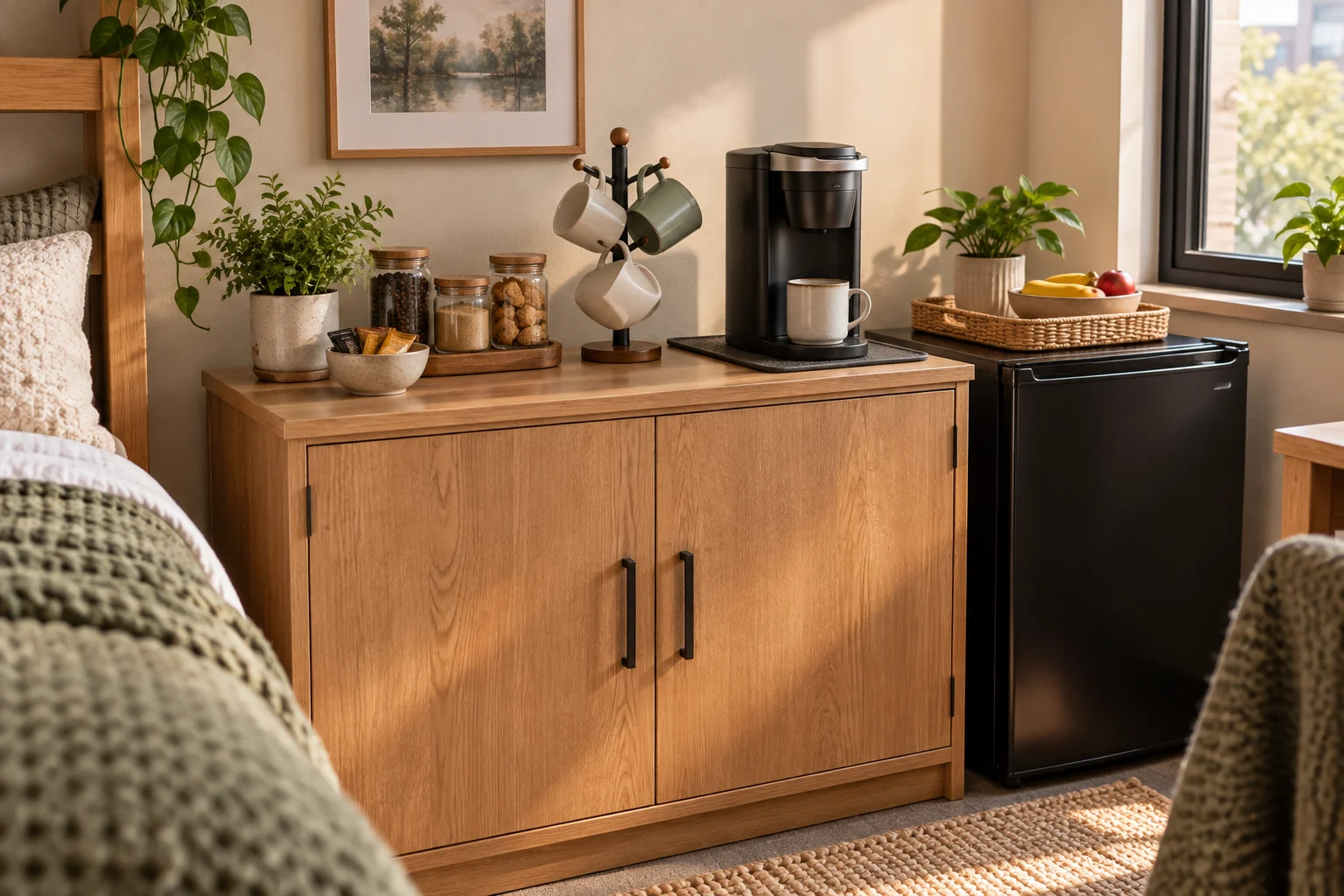
A small shelf or cabinet can gather permitted food, cups and basic supplies. Choose appliances only if the residence allows them and follow their location, ventilation and power instructions. Keep food storage separate from cleaning products and decorative containers.
Try this: Plan where crumbs and spills will be cleaned.
15. Choose One Flexible Extra Seat
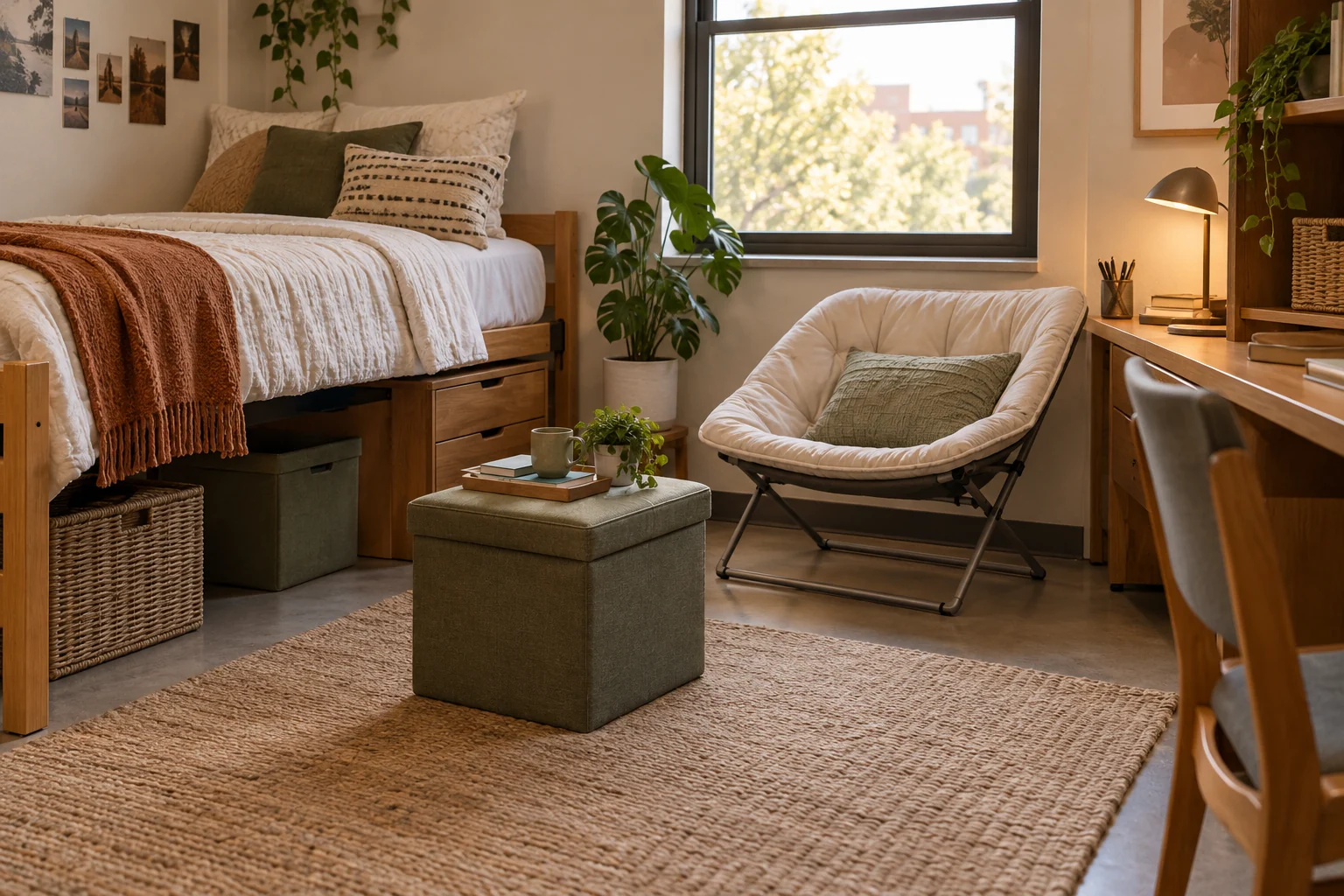
A small appropriate chair or storage seat can serve a visitor without taking over the floor. Compare its normal position and the room needed when it is in use. Use furniture designed for seating rather than treating any storage box as a stool.
Try this: Keep a clear route between the chair, bed and door.
16. Keep a Fabric Caddy Beside a Low Bed

A small purpose-made caddy can keep a few light items near an ordinary bed where its support and use are suitable. Check the fit and instructions, and keep the pockets from dragging into the route. Do not alter loft-bed guardrails or access to create storage. Use residence-approved furniture and follow the manufacturer guidance for any raised bed.
Try this: Store heavy items on a suitable fixed surface instead.
17. Use Removable-Looking Finishes Only With Permission
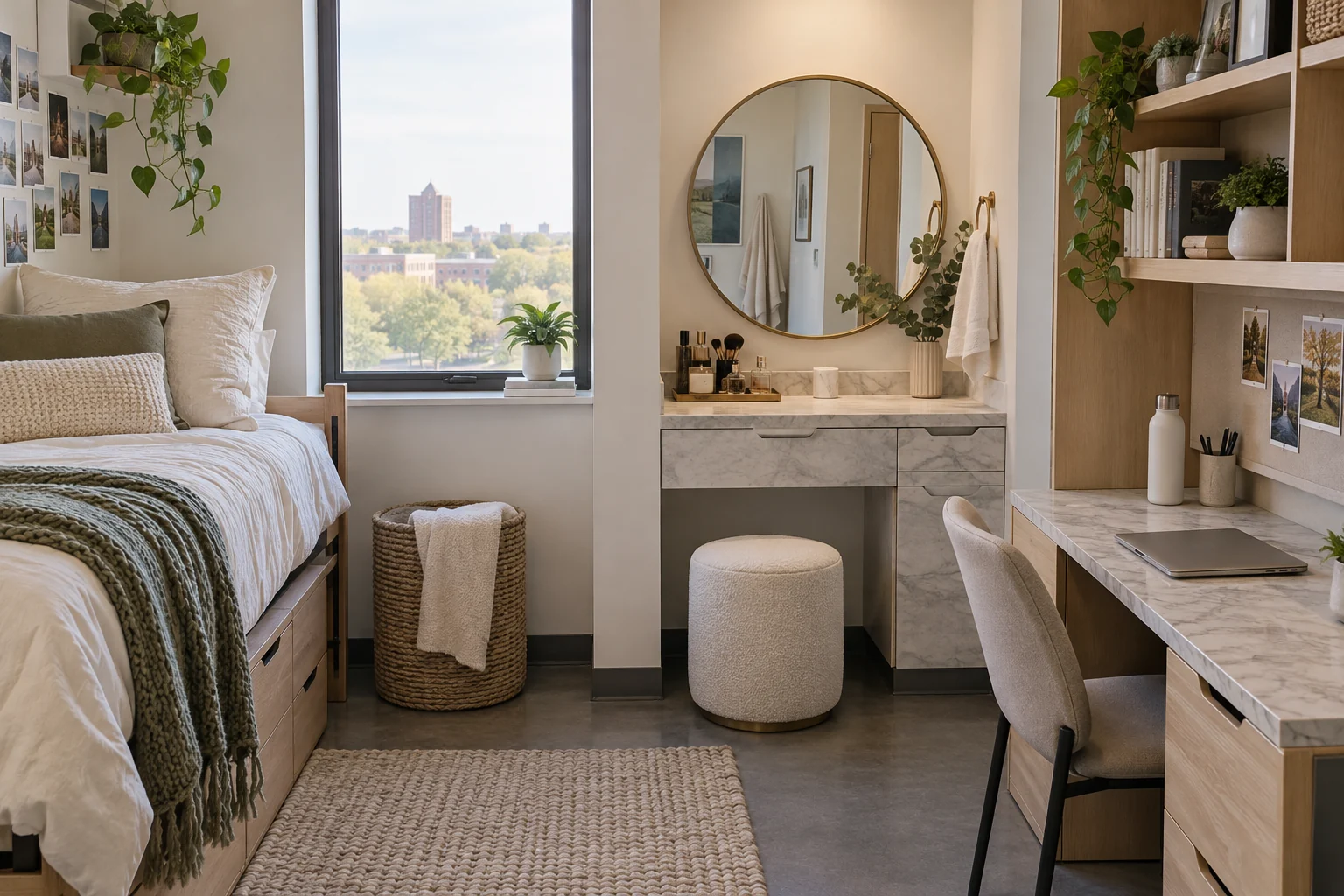
A small finish accent can change a desk or wall visually, but the label removable does not guarantee permission or a particular result on every surface. Check the residence rules and actual product guidance before applying film or paper.
Try this: Choose a separate decorative board when the existing finish should remain untouched.
18. Place a Mirror for a Useful Full-Length View
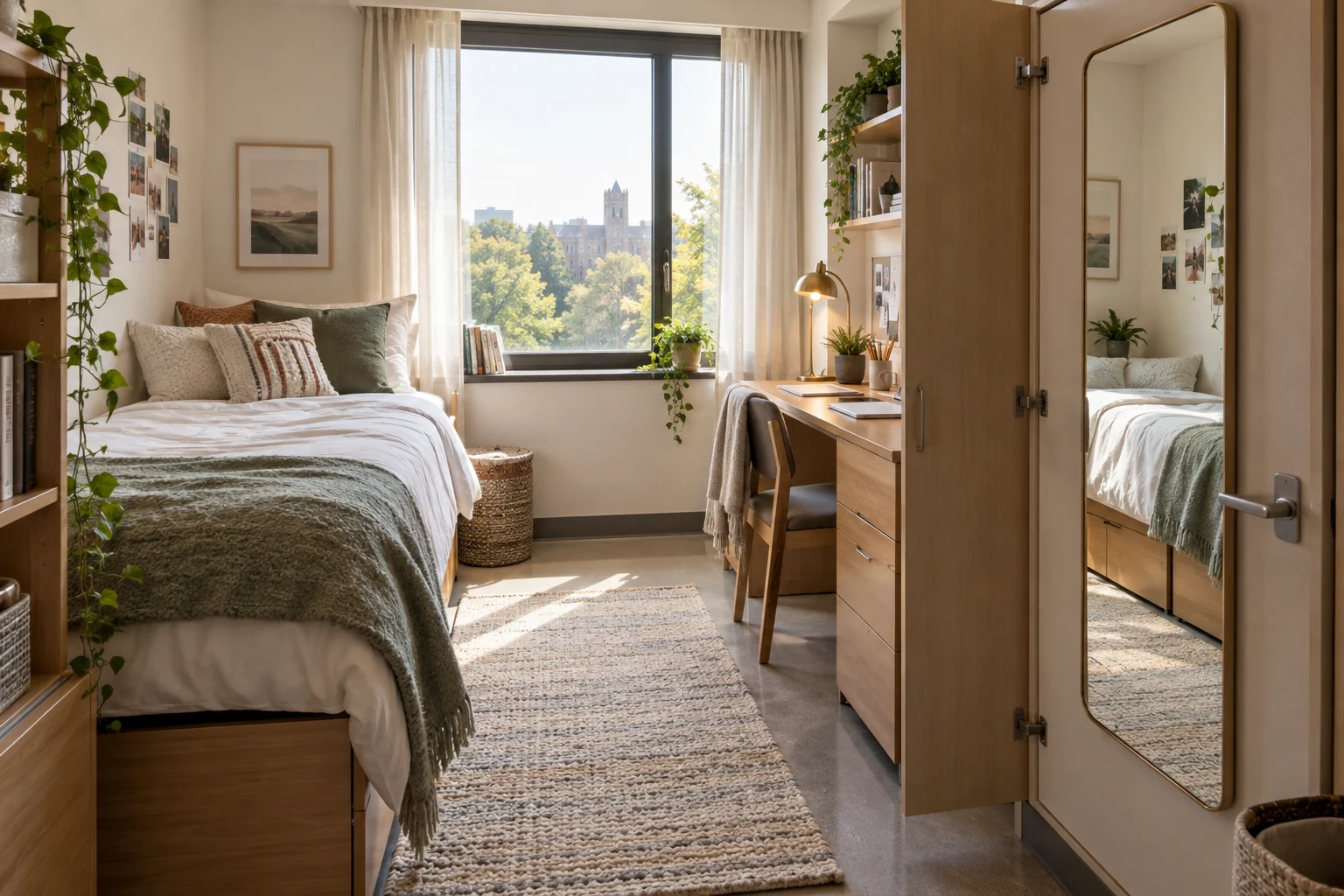
A suitable mirror can help with dressing when its support and position fit the room. Use the approved mounting method or a properly designed freestanding product. Keep the mirror outside the door swing and the normal route.
Try this: Check the reflection from the position where it will be used.
19. Test Dorm Room Ideas Before Adding More Storage
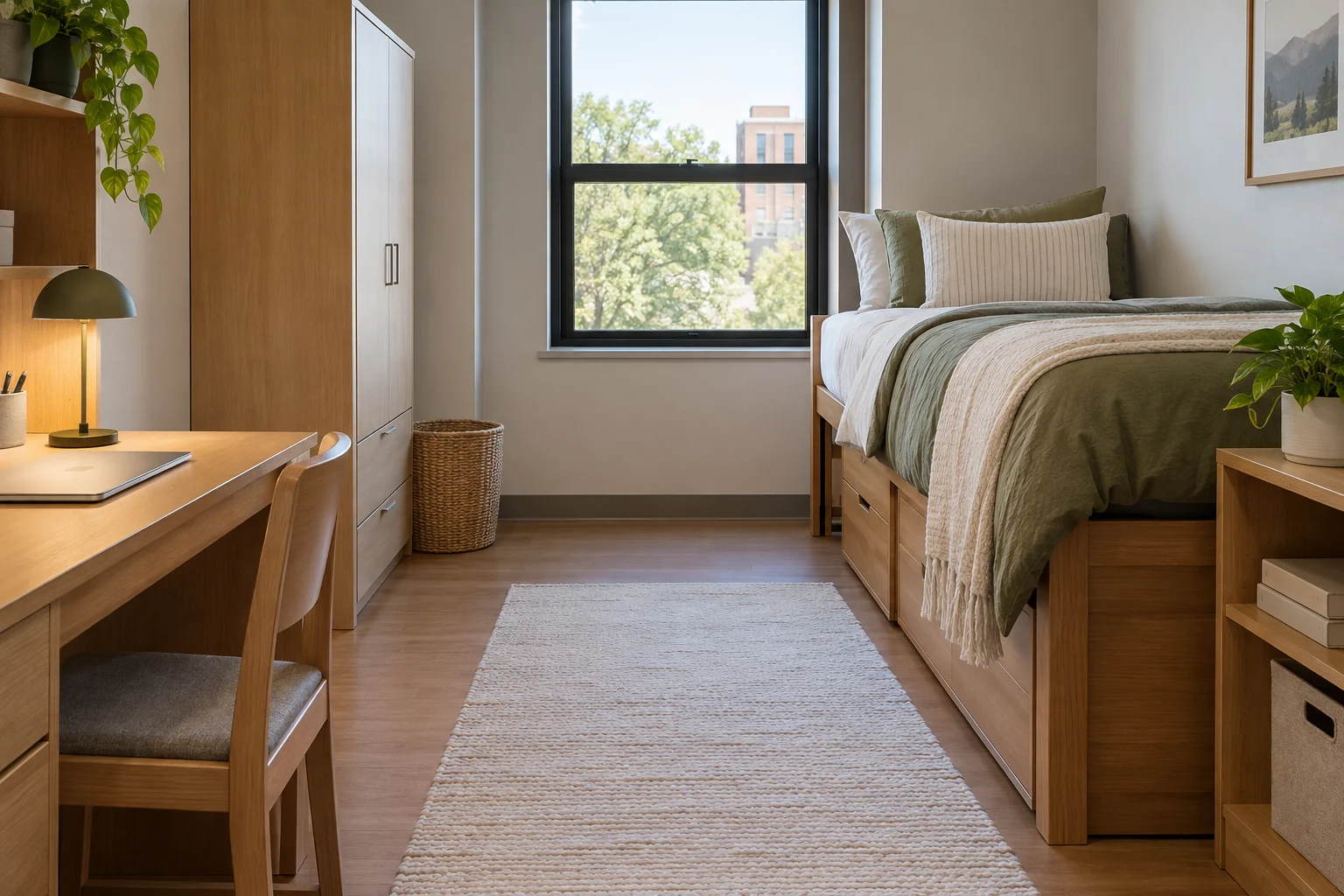
Open the wardrobe, pull out the desk chair and walk the normal route with the room in use. Remove organizers that create new obstacles or hide frequently used belongings. Useful empty space can be more valuable than one more container.
Try this: Agree on shared storage and cleaning before changing a common area.
Choose One Permitted Change for a Repeated Task
Begin with the one daily task that needs the most help, then choose the smallest permitted change that solves it. Use the room for a few days before adding another organizer.
Related Guides
- Bedroom makeover ideas for layout and daily comfort
- 20 Small Bedroom Desk Ideas for a Room That Still Works
- 25 Small Nightstand Ideas for a More Useful Bedside Space
Storage Furniture Reference
Follow residence and manufacturer instructions for applicable storage-furniture restraints and suitable support rather than improvising alterations to supplied furniture. CPSC Anchor It!: furniture stability guidance.