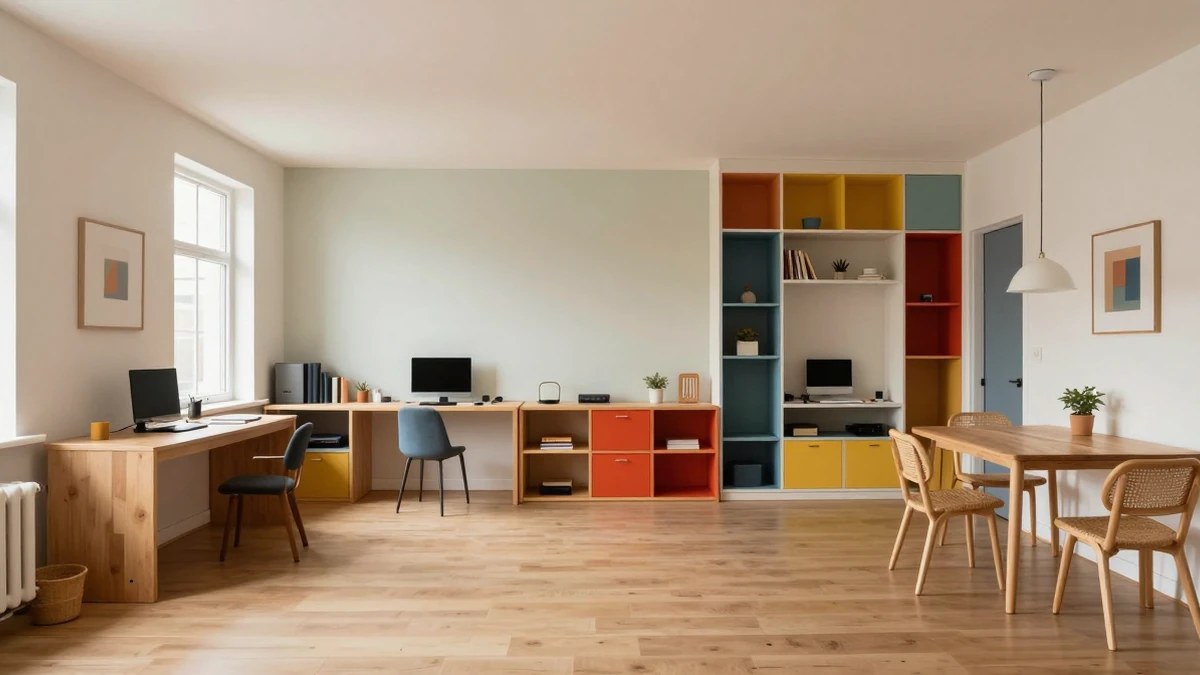
Toca Boca room ideas are appealing because they treat a room as a place for color, personality and everyday activity—not as a perfect showroom. Translating that spirit into a real home requires more restraint than a digital design. Furniture must fit, storage must work and every lively surface still needs to be cleaned.
These ideas focus on adaptable choices rather than branded character decor. Start with the room’s function, select a controlled palette and add imaginative details where they will have the most impact. The result can feel playful without becoming chaotic, whether you are decorating a child’s bedroom, dorm, laundry area or shared living space.
1. Build a Palette Before Buying Decor
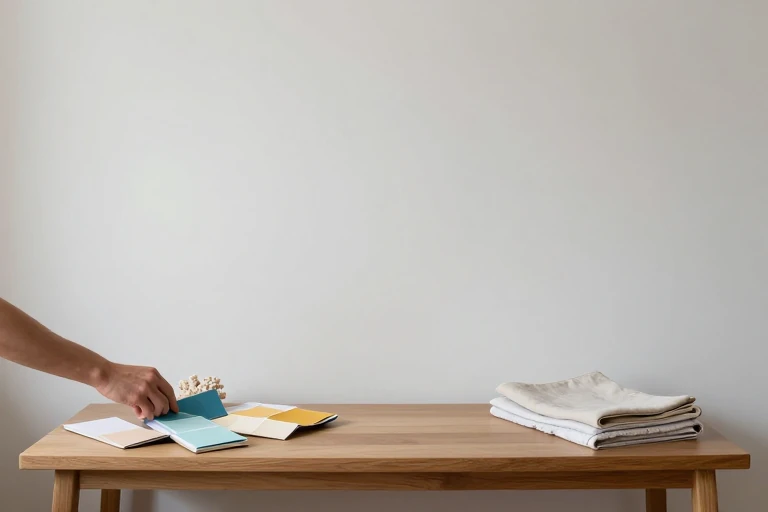
Begin with one background color, one dominant accent and a small group of supporting shades. Pull them from objects already staying in the room, such as bedding, artwork or a rug.
Test paint and fabric samples together in the actual daylight and lamplight. Saturated colors can change character as lighting shifts.
Keep expensive pieces quieter if tastes may change. Let pillows, bins and small lamps carry the most energetic colors.
2. Use Color Blocking as Architecture
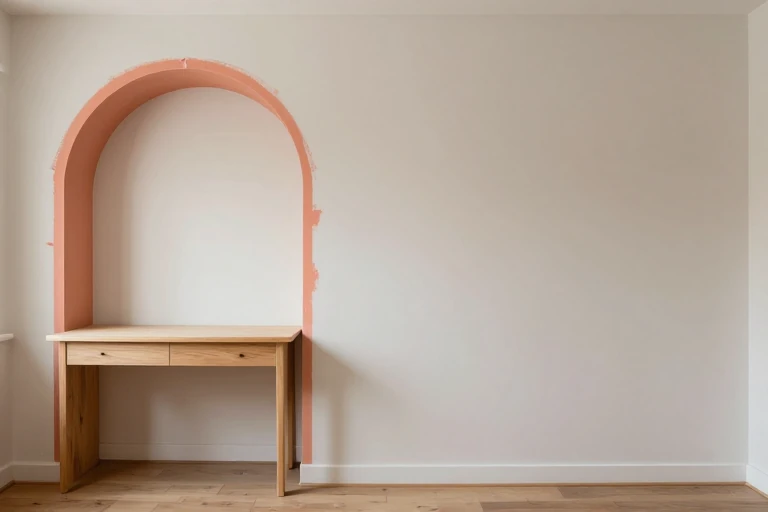
A painted arch, wide stripe or ceiling border can give a plain room the graphic energy of an illustrated interior. Position the shape around something functional, such as a desk or bed.
Mark the outline with removable tape before committing. View it from the doorway to catch awkward proportions.
Use crisp blocks on smooth walls; on heavily textured surfaces, softer-edged shapes are less likely to advertise uneven paint lines.
Loving These Ideas? Get the Step-by-Step Guide
Grab the full 5-day eBook and turn these ideas into a finished room.



3. Divide the Room Into Activity Zones
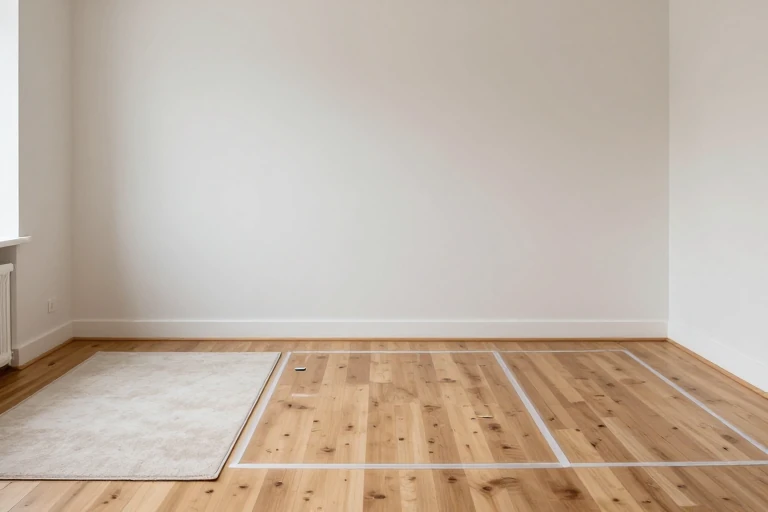
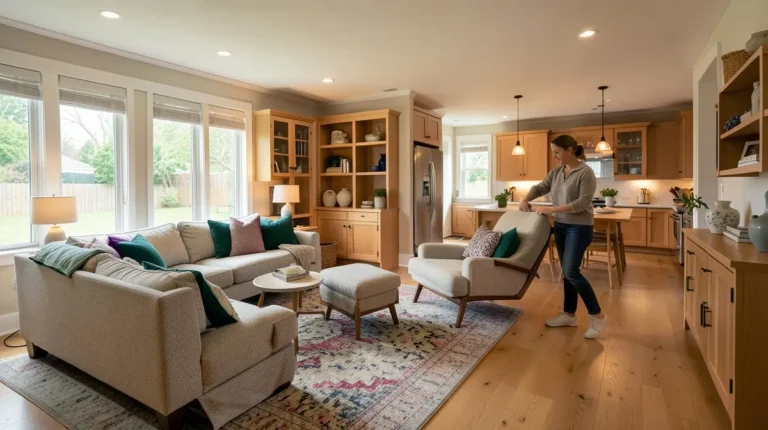
Assign distinct places for sleeping, making, reading and storing instead of pushing every object against the walls. A rug or pendant-like plug-in light can visually identify each zone.
Keep the clearest route between the doorway and the most-used furniture. Open circulation makes a lively room feel intentional rather than crowded.
Before buying anything, outline proposed furniture on the floor with removable tape and test doors, drawers and chairs.
4. Soften the Layout With Rounded Furniture
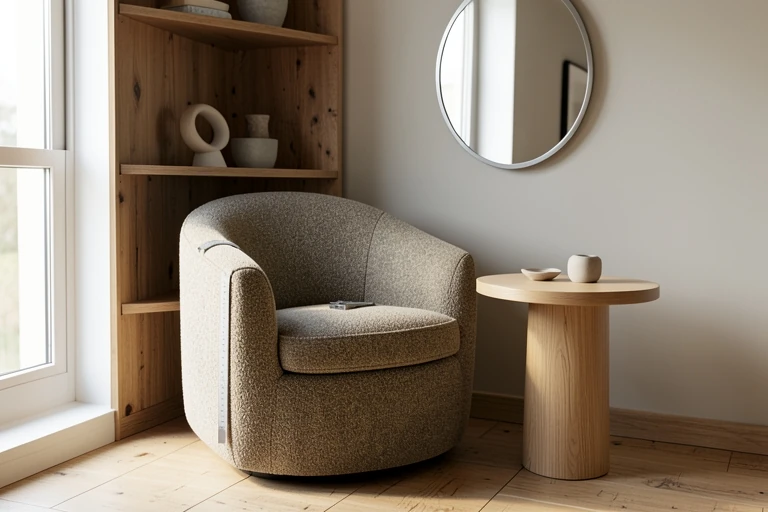
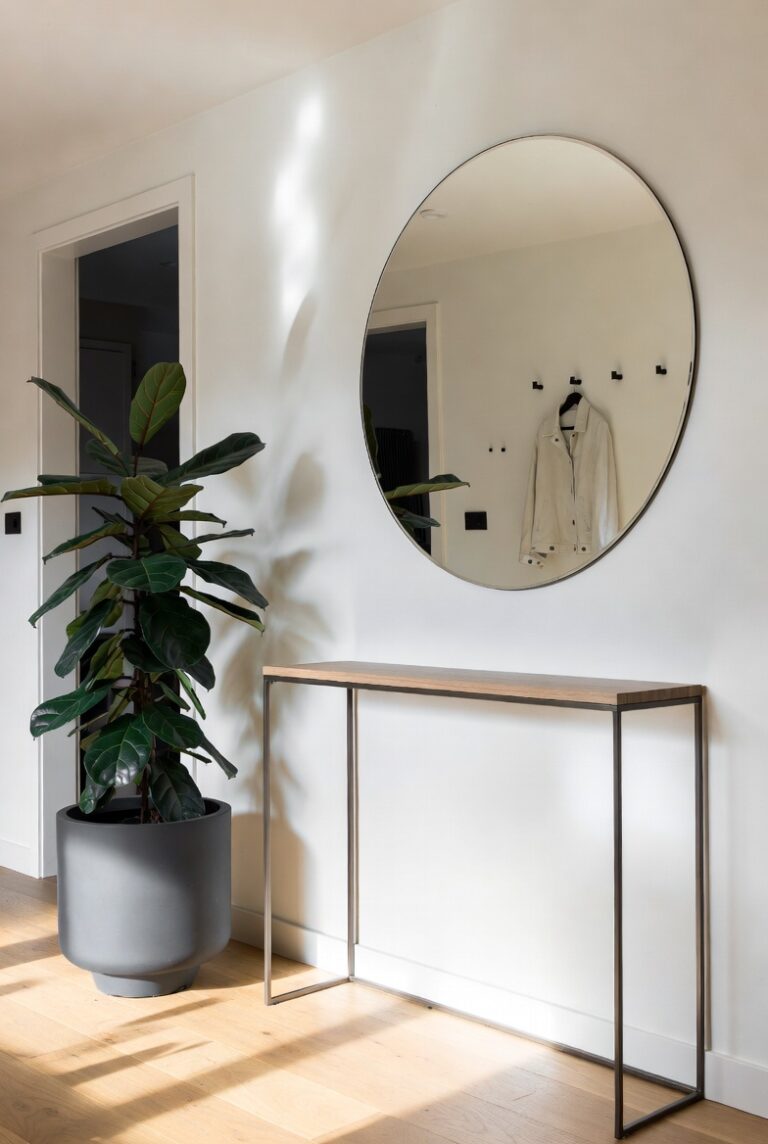
Curved chair backs, circular tables and pill-shaped mirrors echo the friendly forms found in playful room inspo ideas. Use a few rounded silhouettes rather than making every item match.
Measure the widest point of curved furniture because its footprint may exceed what the front view suggests. Confirm that nearby drawers can open.
Pair curves with straightforward shelving or cabinetry. That contrast keeps the space useful and prevents the theme from feeling overly literal.
5. Choose Storage That Can Change Jobs
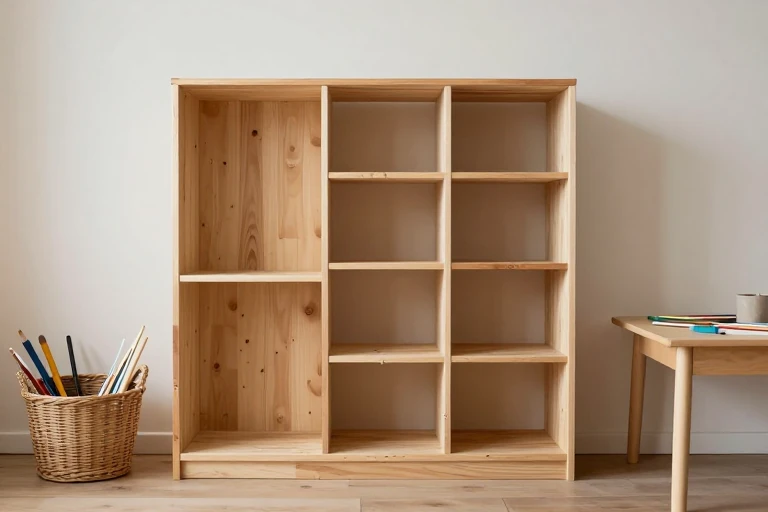
Open cubes make toys and supplies accessible, while doors and baskets conceal visual clutter. A mixed unit gives you both benefits and can adapt as the room’s purpose changes.
Group items by activity rather than by color alone. Art tools belong near the work surface; bedtime items should remain near the bed.
Follow the manufacturer’s anchoring instructions for tall or climbable furniture, selecting fasteners appropriate to the wall construction.
6. Turn Everyday Objects Into Displays
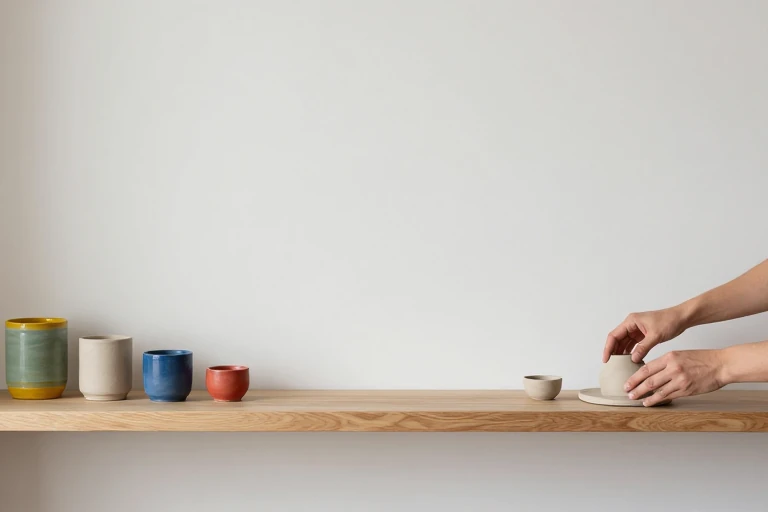
A shallow ledge can display small creations, colorful containers or favorite found objects without sacrificing much floor area. Rotate the arrangement instead of continually adding to it.
Vary object height but leave visible gaps. Empty space helps individual colors and shapes register from across the room.
Avoid placing fragile or heavy pieces above beds and seating. In active rooms, reserve high ledges for lightweight, securely positioned decor.
7. Create a Cozy Bed Nook
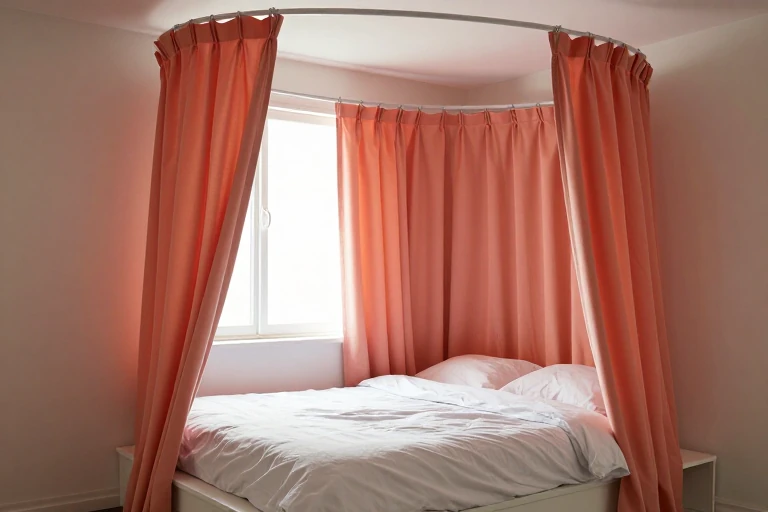
Frame the bed with paint, curtains or shallow shelving to make it feel like a room within the room. Keep the treatment visually strong but physically simple.
Do not crowd ventilation, windows, heaters or required exits. Curtains should operate freely and remain clear of heat sources.
Choose washable bedding in several compatible colors, then repeat one shade elsewhere. This links the nook to the broader design without requiring a matching set.
8. Ground the Room With a Graphic Rug
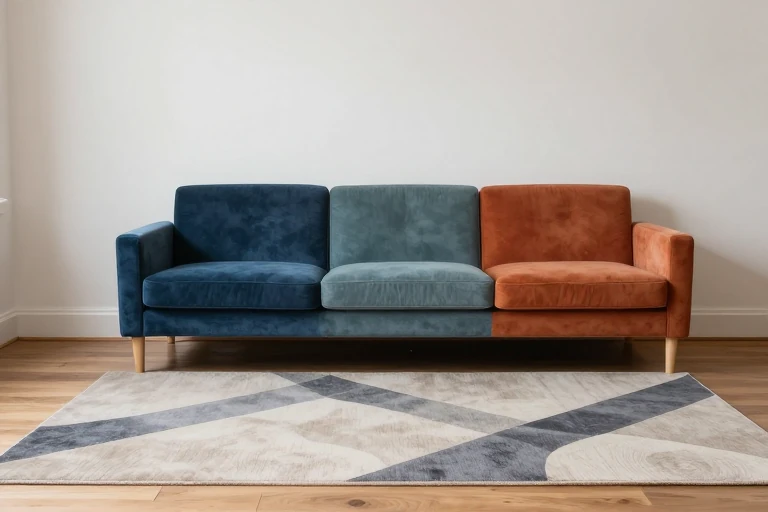
A checkerboard, wavy border or oversized geometric rug can establish the palette before smaller decor enters. Choose a pattern whose scale is legible around the furniture.
Check fiber, cleaning directions and backing against the room’s actual use. A delicate high-pile rug is a poor tradeoff under a craft table or rolling chair.
Use a compatible rug pad where needed to reduce shifting and protect the floor beneath.
9. Make Lighting Part of the Composition
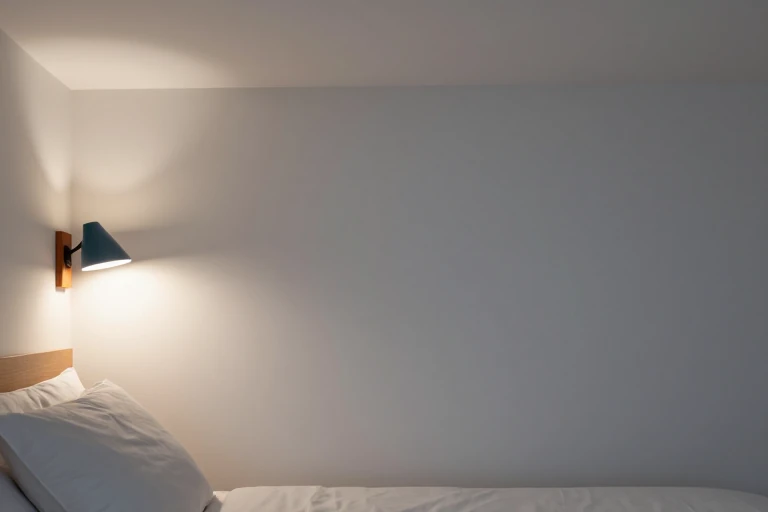
Combine broad ambient light with focused light at desks, beds or reading chairs. Colorful shades and sculptural bases can supply personality without reducing usefulness.
Check glare from the seated and lying positions, not only while standing. A movable plug-in lamp offers flexibility for renters.
Any new hardwired fixture or electrical alteration should be assessed for the site and local code, with qualified help where required.
10. Give the Dining Corner a Playful Identity
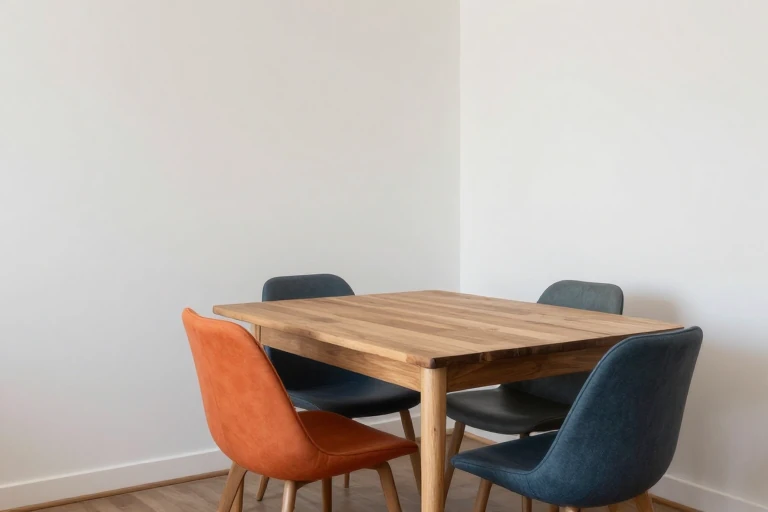
Compact dining room ideas can borrow the same mix-and-match energy through differently colored chairs, a durable table and one graphic wall treatment.
Keep chair seat heights compatible with the table even when styles differ. Test whether every chair can pull out without blocking the main route.
Unify the collection through one repeated feature—wood tone, rounded shape or upholstery family—rather than forcing identical furniture.
11. Bring Character Into a Bathroom Carefully
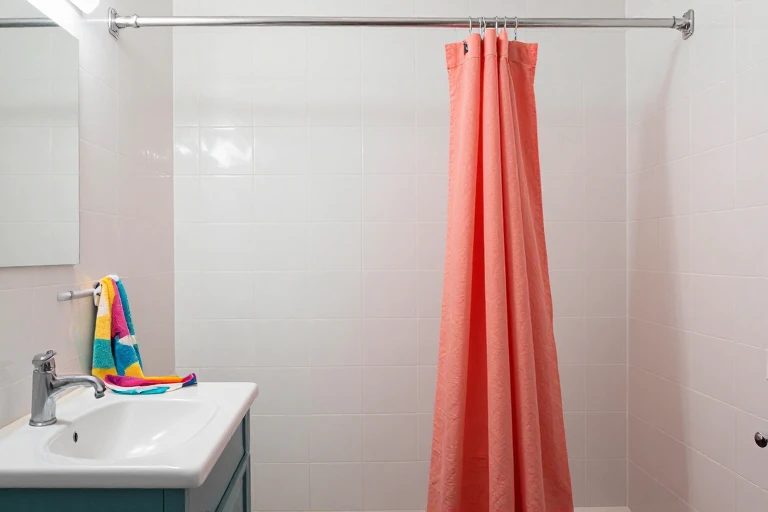
Use color on towels, a washable curtain, framed art or a painted vanity instead of relying on moisture-sensitive decorations. Small repeating accents can make the room feel coordinated.
Choose finishes intended for their wet or damp location and keep frequently touched surfaces easy to wipe.
Waterproofing, plumbing, ventilation and electrical requirements depend on the site and local code. Treat surface styling as separate from technical bathroom work.
12. Make the Laundry Area Cheerful but Efficient
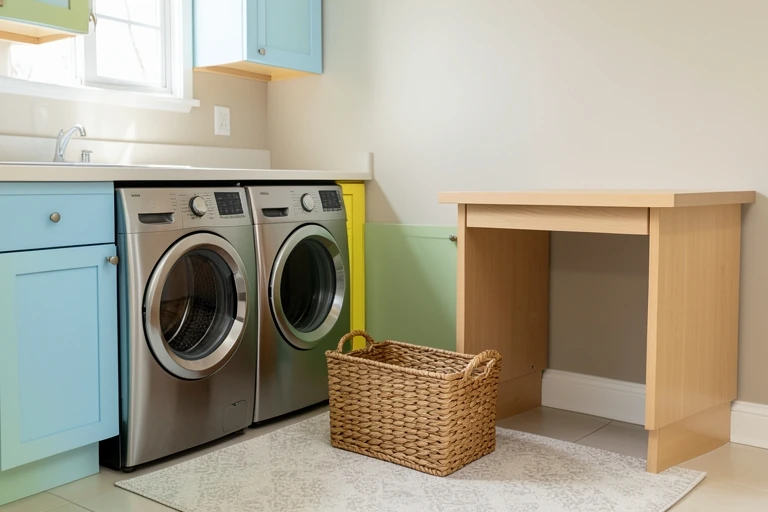
Laundry room ideas work best when decoration reinforces the sequence of sorting, washing, drying and folding. Assign baskets to stages rather than scattering attractive containers everywhere.
Add color to cabinet fronts, a washable runner or the wall behind open shelving. Keep products in their original containers and follow their storage directions.
Before adding a counter, confirm appliance access, door swing and maintenance clearance. Looks should never obstruct shutoffs, vents or service points.
13. Use Reversible Moves in Rentals and Dorms
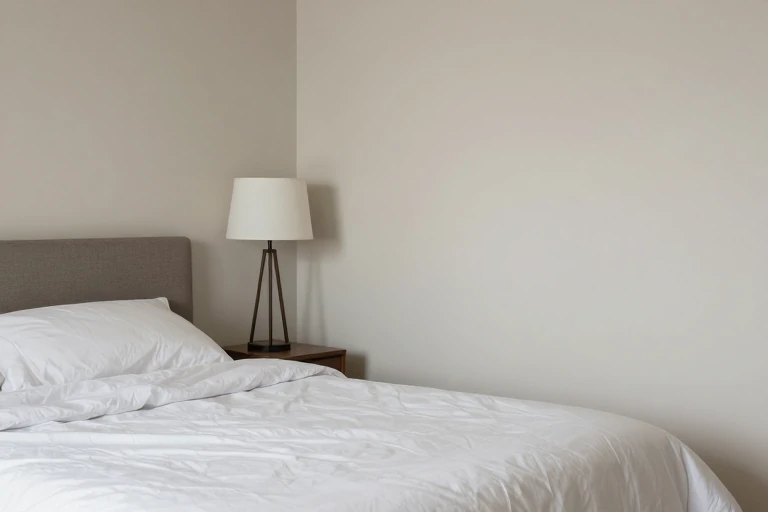
Dorm room ideas and rental refreshes benefit from portable color: bedding, freestanding lamps, fabric panels and art resting on ledges. These pieces can move without determining the next room’s layout.
Test removable products in an inconspicuous area and follow lease or housing rules. Adhesives can behave differently across painted surfaces.
Spend storage space carefully. Bulky theme pieces may be fun now but difficult to pack, reuse or conceal later.
14. Build a Desk Around Creative Habits
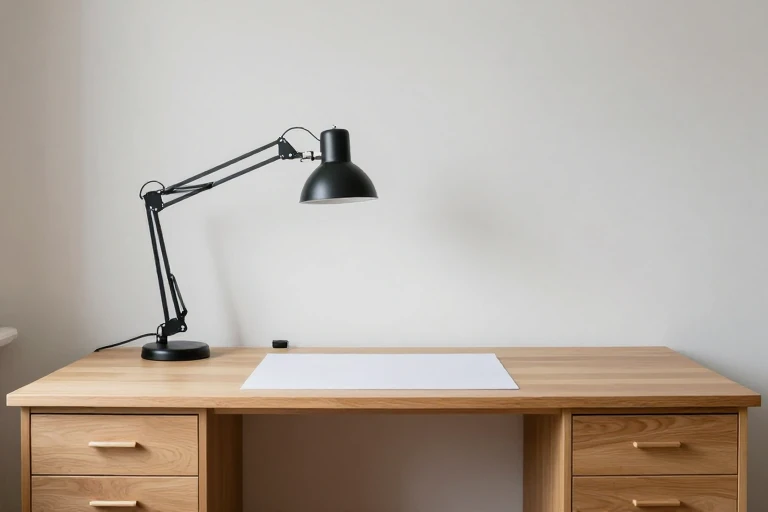
Design the desk according to what happens there. Drawing needs a generous clear surface; digital work needs controlled cables; crafts need nearby shallow storage.
Keep daily tools within reach and occasional materials farther away. This reduces the temptation to cover the worktop with every supply.
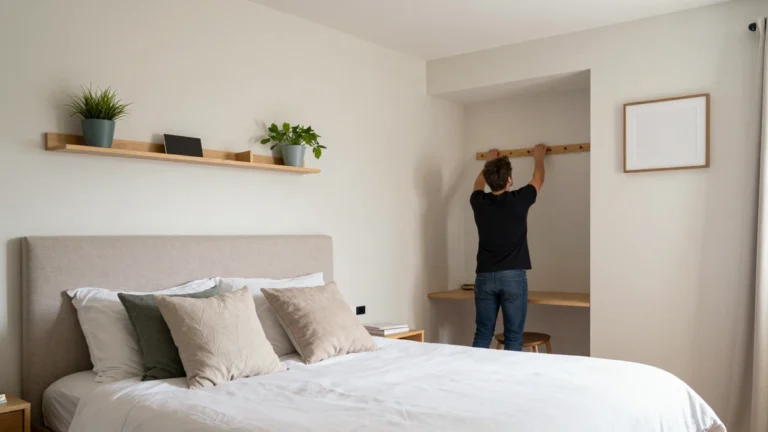
Add personality vertically with a rail, small shelf or original artwork. Confirm that attachments suit the wall and that nothing interferes with task lighting.
15. Assemble an Original Gallery Wall
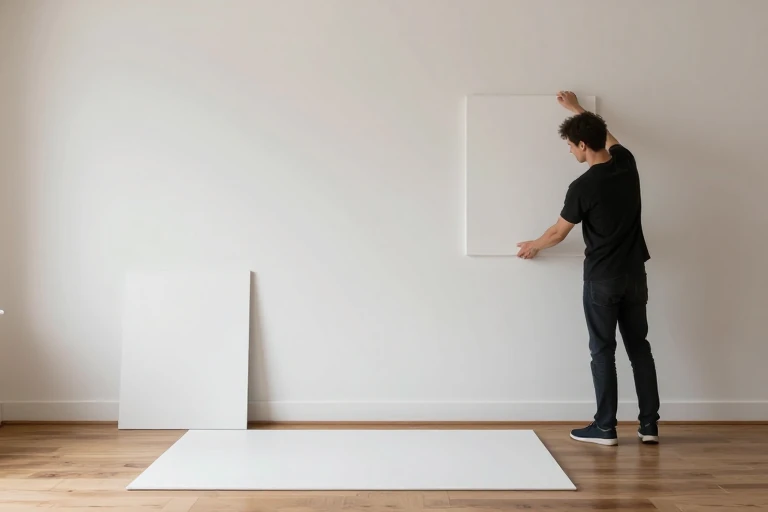
Mix abstract shapes, personal art and simple dimensional objects instead of copying recognizable characters or logos. The room can capture a playful mood while remaining personal.
Lay the arrangement on the floor first. Choose a visual center aligned with nearby furniture, then balance color rather than matching frame dimensions.
Use suitable hanging methods for each object and wall type. Keep breakable pieces away from active play zones and door swings.
16. Add Plants Where Care Is Realistic
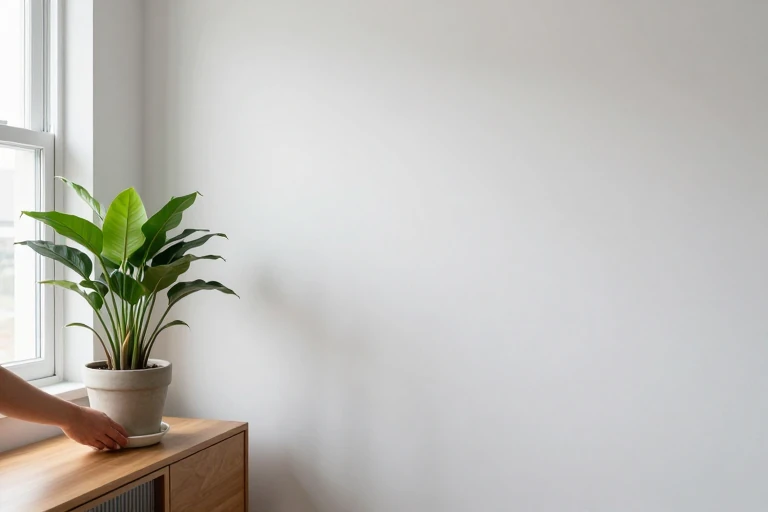
Plants introduce irregular, lively shapes that contrast well with graphic decor. Select them for the available light and the household’s willingness to maintain them, not for appearance alone.
Place saucers beneath pots and protect moisture-sensitive furniture. Keep plant toxicity, pets and young children in mind when choosing locations.
If live care is impractical, one convincing faux plant may be a better tradeoff than several neglected specimens collecting dust.
17. Layer Textiles Without Losing Control
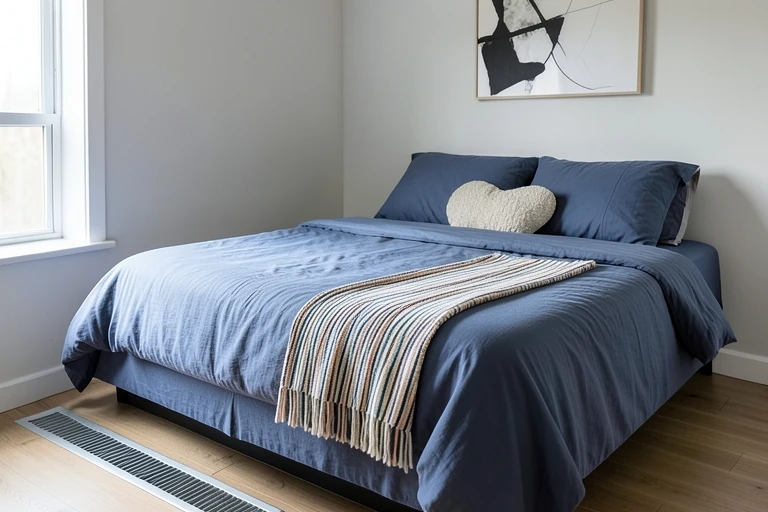
Combine a solid foundation with a stripe, a small-scale print and one irregular shape. Repeating a color across those textiles creates connection without a coordinated retail set.
Check care labels before combining washable covers, blankets and curtains. Similar cleaning requirements simplify maintenance after spills.
Limit heavy layers in warm rooms and avoid covering vents. Seasonal rotation is more practical than storing every pillow and throw in the room year-round.
18. Try DIY Decor With a Useful Purpose
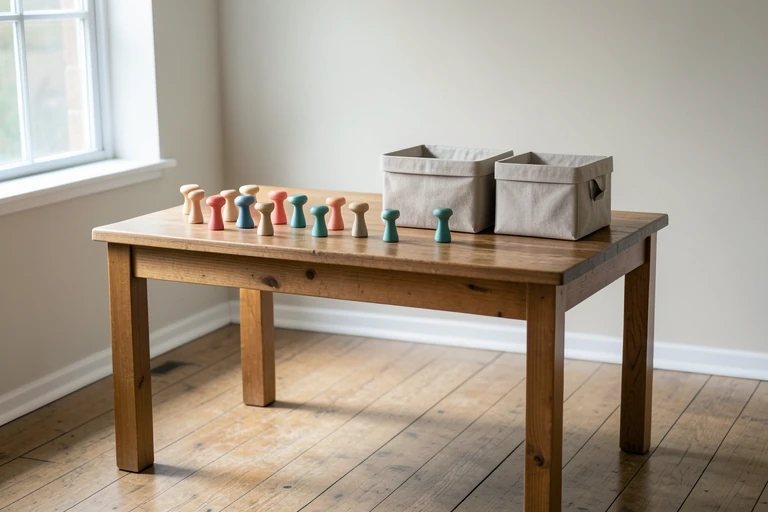
Effective DIY room decor can solve a problem while adding personality. Paint plain wooden knobs, sew washable cushion covers or wrap sturdy storage boxes in durable fabric.
Start with one repeated element so the handmade additions look connected. Use materials appropriate for the item’s wear, heat exposure and cleaning needs.
Avoid altering safety-critical furniture, lighting components or electrical cords. Decorative customization should not compromise stability, ventilation or manufacturer instructions.
19. Use Vertical Space in a Small Room
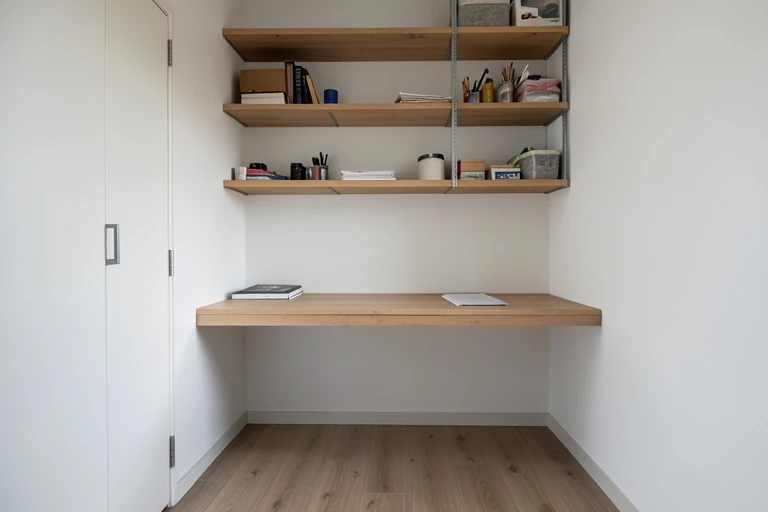
In a compact room, lift storage above the work surface and preserve the lower area for movement. Narrow shelves and wall-mounted organizers can replace a bulky floor unit.
Map what must remain reachable before placing items high. Daily objects stored overhead create constant inconvenience and encourage unsafe climbing.
Keep the visual weight balanced: one tall storage area usually feels calmer than unrelated pieces climbing every wall. Secure installations for the wall construction and load.
20. Give Shared Rooms Separate Identities
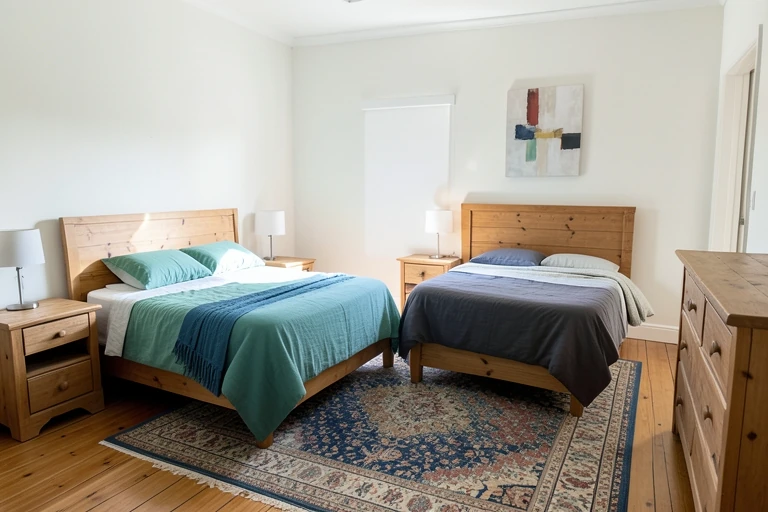
Shared rooms need personal territory as well as common storage. Assign each bed or desk an accent color, then use a neutral or repeated finish to connect both sides.
A central rug, bookcase or activity table can act as shared ground. Avoid dividing the room so rigidly that circulation or daylight suffers.
Agree on which surfaces are individual and which require joint decisions. That boundary makes future decorating and cleanup less contentious.
21. Balance Stimulation With Rest
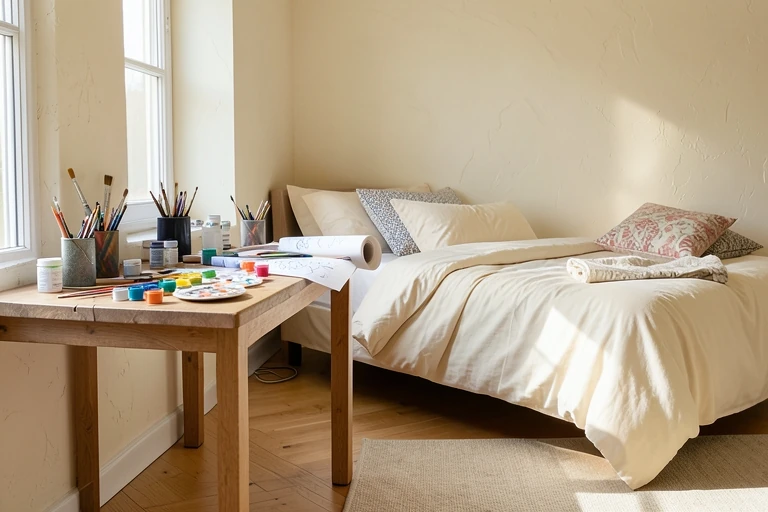
Bright color and dense pattern are easier to live with when the eye also finds quieter surfaces. Leave part of the wall, floor or bedding relatively simple.
Assess the room from its resting position. If every visible plane competes for attention, remove one pattern before buying additional organizers.
Use high-energy details around active zones and softer combinations near sleep or reading areas. The goal is deliberate contrast, not an equally intense treatment everywhere.
22. Plan a Fast Reset Routine
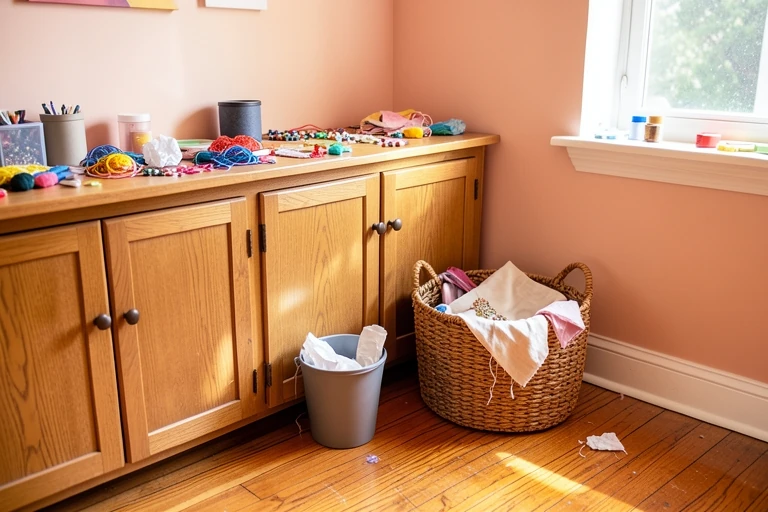
A playful room remains usable when every frequent activity has an obvious stopping point. Provide an open basket for current projects and closed storage for completed or inactive items.
Place cleanup tools where messes occur: a small wastebasket near the desk and a laundry basket near clothing storage.
Review crowded shelves periodically. Rotate, donate or relocate items rather than buying containers automatically; more storage can preserve clutter instead of solving it.
23. Common Toca Boca Decor Mistakes
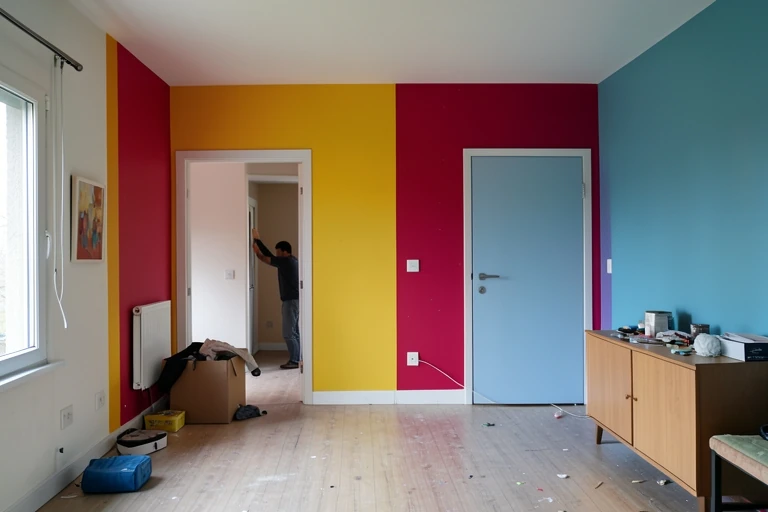
The most common mistake is treating every surface as a feature. Too many colors, shapes and tiny objects remove hierarchy and make cleaning harder.
Other problems include buying before measuring, blocking doors with storage, choosing fragile finishes for active areas and copying imagery instead of developing a personal palette.
Edit from the doorway. Keep the strongest focal point, clear the main route and remove anything that lacks either a useful role or genuine meaning.
Effort & Cost Snapshot
| Topic | Effort | Cost Note |
|---|---|---|
| 1. Build a Palette Before Buying Decor | Medium | Varies by materials, scope, and local labor |
| 2. Use Color Blocking as Architecture | Medium | Varies by materials, scope, and local labor |
| 3. Divide the Room Into Activity Zones | Low | Often achievable with existing furnishings or simple updates |
| 4. Soften the Layout With Rounded Furniture | Medium | Varies by materials, scope, and local labor |
| 5. Choose Storage That Can Change Jobs | Low | Often achievable with existing furnishings or simple updates |
| 6. Turn Everyday Objects Into Displays | Low | Often achievable with existing furnishings or simple updates |
| 7. Create a Cozy Bed Nook | Medium | Varies by materials, scope, and local labor |
| 8. Ground the Room With a Graphic Rug | Low | Often achievable with existing furnishings or simple updates |
| 9. Make Lighting Part of the Composition | High | Get a project-specific professional quote |
| 10. Give the Dining Corner a Playful Identity | Low | Often achievable with existing furnishings or simple updates |
| 11. Bring Character Into a Bathroom Carefully | High | Get a project-specific professional quote |
| 12. Make the Laundry Area Cheerful but Efficient | Medium | Varies by materials, scope, and local labor |
| 13. Use Reversible Moves in Rentals and Dorms | Medium | Varies by materials, scope, and local labor |
| 14. Build a Desk Around Creative Habits | Medium | Varies by materials, scope, and local labor |
| 15. Assemble an Original Gallery Wall | Low | Often achievable with existing furnishings or simple updates |
| 16. Add Plants Where Care Is Realistic | Low | Often achievable with existing furnishings or simple updates |
| 17. Layer Textiles Without Losing Control | Medium | Varies by materials, scope, and local labor |
| 18. Try DIY Decor With a Useful Purpose | High | Get a project-specific professional quote |
| 19. Use Vertical Space in a Small Room | Medium | Varies by materials, scope, and local labor |
| 20. Give Shared Rooms Separate Identities | Low | Often achievable with existing furnishings or simple updates |
| 21. Balance Stimulation With Rest | Low | Often achievable with existing furnishings or simple updates |
| 22. Plan a Fast Reset Routine | Low | Often achievable with existing furnishings or simple updates |
| 23. Common Toca Boca Decor Mistakes | Low | Often achievable with existing furnishings or simple updates |
Frequently Asked Questions
Can Toca Boca room ideas work in an adult space?
Yes. Use the underlying principles—clear color blocking, rounded forms, flexible storage and personal displays—rather than child-specific motifs. A restrained palette and durable materials can translate the playful character into a living room, studio or home office without making the space feel themed.
How can I try this look without painting?
Start with a graphic rug, colorful bedding, plug-in lighting, removable fabric panels and framed original art. Repeat a small palette across those pieces. Renters should test removable products discreetly and follow lease requirements before applying anything to walls or built-ins.
Which room should I decorate first?
Choose a room where color can support a clear activity, such as a bedroom, craft area or laundry room. Complete one functional zone before expanding. This reveals whether the palette, storage and maintenance level suit your household.
How do I stop colorful decor from looking cluttered?
Repeat a limited set of colors, preserve open wall and floor areas, and group small objects instead of scattering them. Closed storage helps, but editing is essential. If an item lacks a purpose or personal value, do not create permanent storage for it.
The most successful Toca Boca room ideas do not depend on copying a digital room item by item. They translate its playful attitude into a home that still supports movement, storage, maintenance and rest.
Begin with one activity zone and a controlled palette. Measure before buying, choose materials for the way the room is actually used and keep permanent surfaces more adaptable than accessories. Once the functional layer works, add curved forms, original art and surprising color. Editing remains part of the process: a room feels more imaginative when its strongest decisions have enough space to be noticed.
Sources & Further Reading
- 20 Creative Kitchen Backsplash Ideas-NARI
- Design | NAHB
- Toca World: A house with a roof garden | Playgama
Continue Your Home Transformation
Explore the full collection of step-by-step eBooks and get the guide that fits the room you're working on.