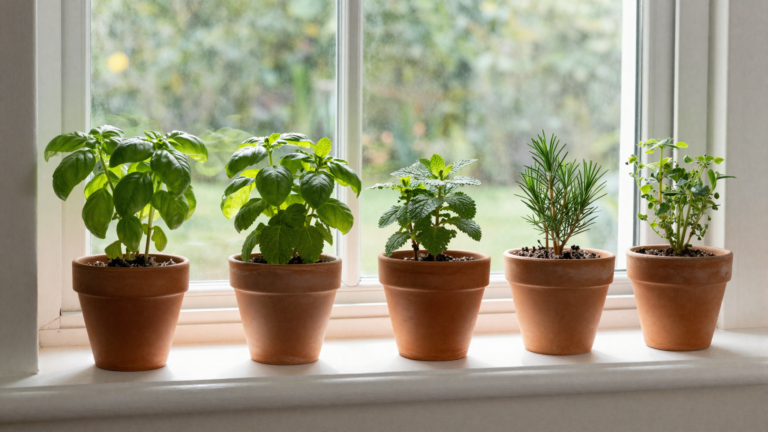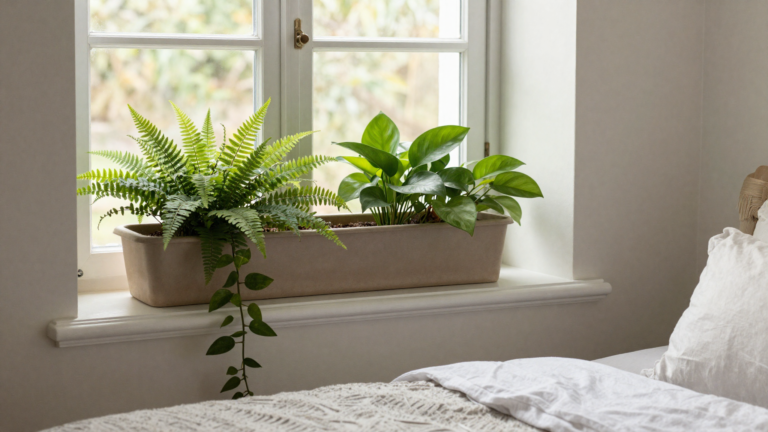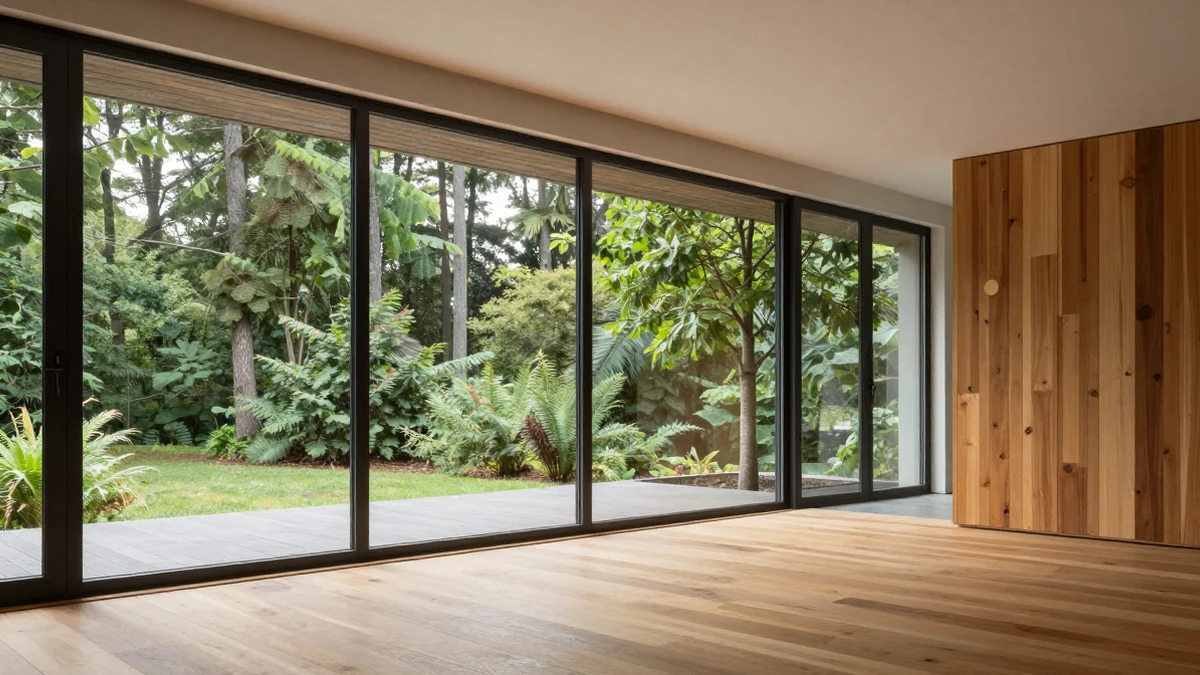
A nature-inspired room can begin with a view, a plant shape or the grain of an existing wood surface. Choose one clear starting point and repeat a few related colors or textures rather than filling every corner.
Compare each idea with the room conditions and daily routine. Identify living plants, choose materials for their actual use, and plan qualified help for structural, electrical or other substantial work.
Images are illustrative design concepts, including AI-generated replacement images. They are not installation drawings.
Test a Nature-Inspired Room Through Care and Access
Choose one retained natural reference, such as the wood grain of a table or an outdoor view, and compare a small supporting material group beside it. Next, test the daily care route for any living plant in the arrangement. For example, a reachable pot near suitable light may work better than a large wall display that is difficult to water. Keep the room useful and use identified plant guidance rather than treating natural-looking materials as evidence of performance.
1. Choose a Nature-Inspired Room Plant for the Position
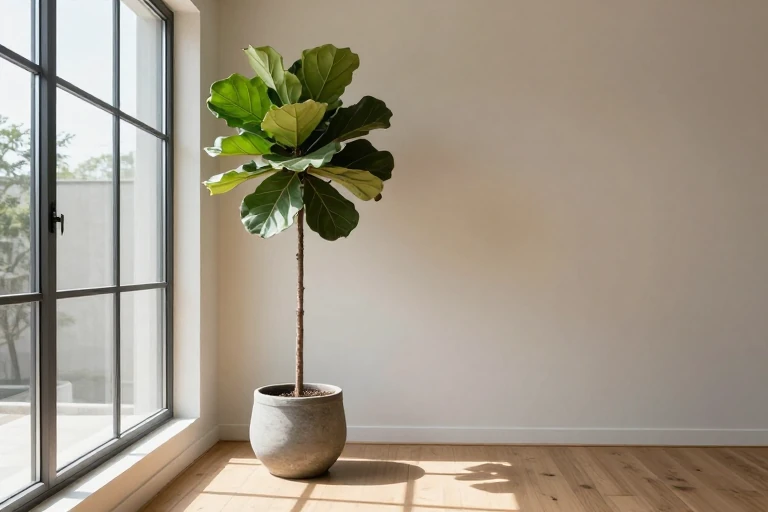
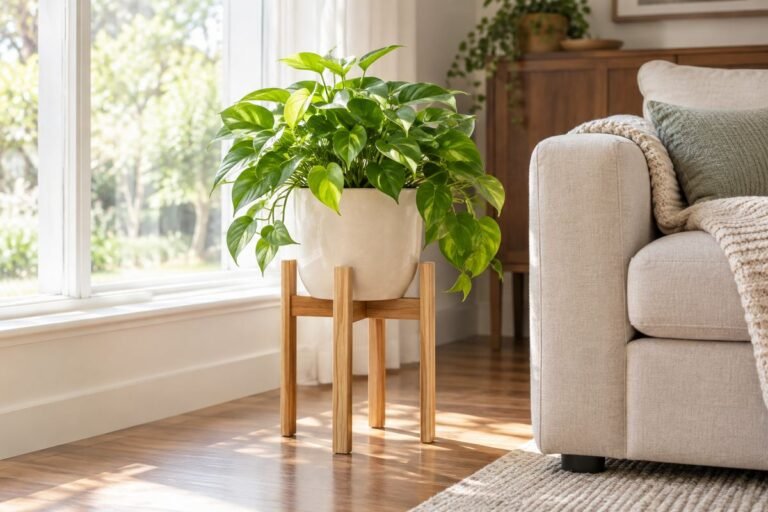
A single larger plant can provide a clear focal shape beside a suitable window. Identify its species and compare the actual light, temperature, mature size and care needs with the position. Use a suitable stable container and protect the supporting surface from drainage.
Try this: Assess substantial plant and container loads before adding them to a room.
2. Compare Wood Flooring Samples in the Room
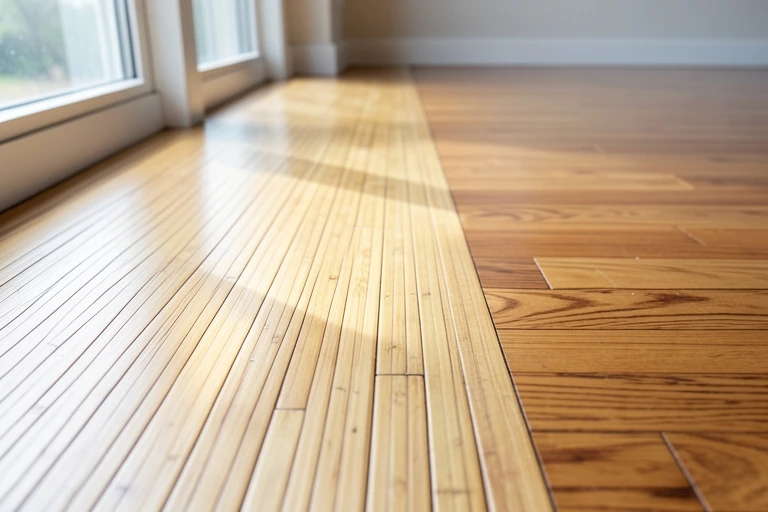
Wood or wood-like flooring can provide a strong natural color and grain reference. Compare actual product samples in the room lighting and choose construction, finish and care guidance for the intended use. Material names alone do not establish durability or moisture suitability.
Try this: Check transitions, maintenance and the existing floor condition before choosing a product.
3. Use Stone Texture as a Controlled Accent
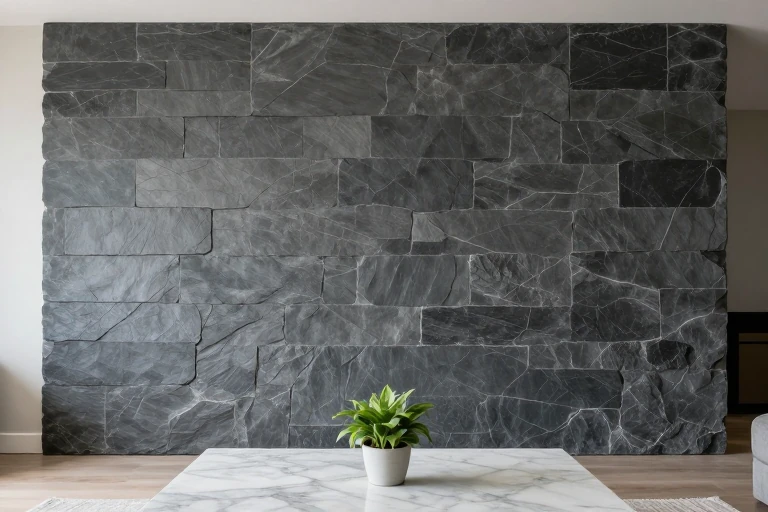
A stone-like surface can provide contrast with softer furniture and textiles. Choose a suitable product and installation system for the actual wall or floor. Substantial weight, moisture detailing and support need their own assessment rather than a decorative image as a construction guide.
Try this: Try one accent area before extending the material through the room.
4. Plan Large Openings Around the Actual Building
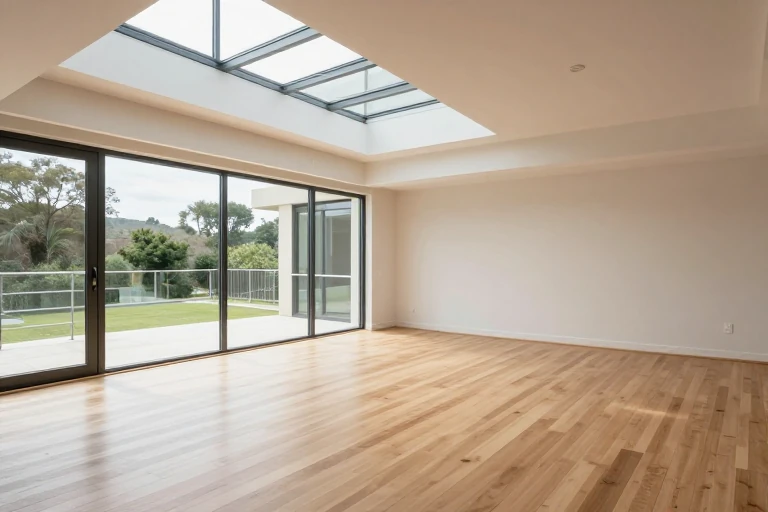
An existing window or a properly planned new opening can make the garden view part of the room composition. Compare glare, privacy and furniture placement as well as the view. Changes to glazing, roofs and structural openings need appropriate project-specific design and installation.
Try this: Use the existing view more clearly before assuming a larger opening is necessary.
5. Choose a Complete Indoor Water Feature Where Practical
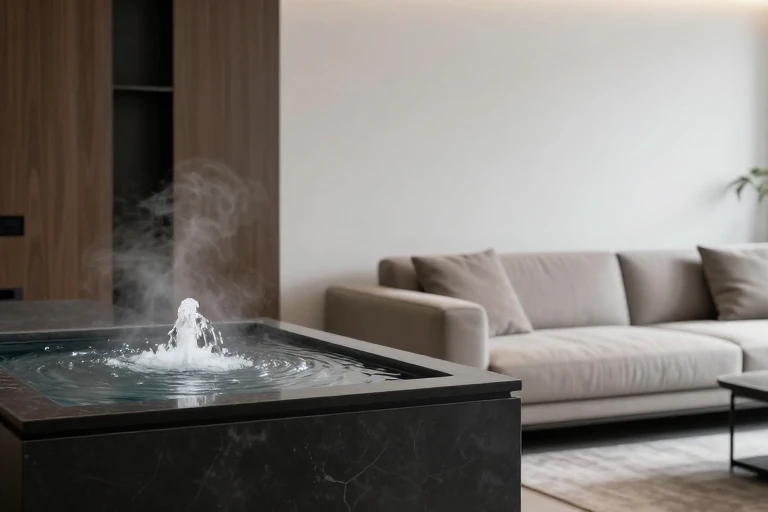
A purpose-made water feature can provide a separate visual object where its support, location and maintenance requirements fit. Follow its actual instructions for water, power, cleaning and operation. Keep service access and surrounding surfaces practical.
Try this: Leave the feature out if the room cannot support its care routine.
6. Keep a Deep Window Ledge Simple
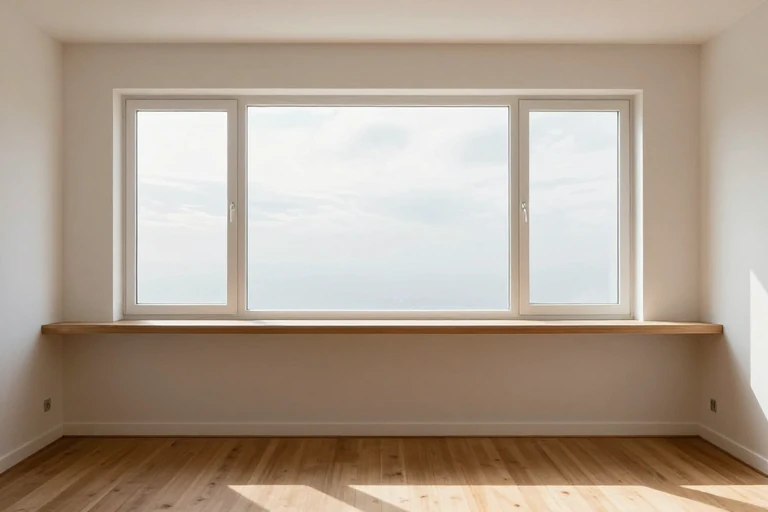
A broad existing window ledge can provide a quiet visual line near the outdoor view. Leave opening, ventilation and required access useful, and choose any displayed objects for the actual light and supporting surface. Keep the group small enough to move for cleaning.
Try this: Compare the view from the main seating position.
7. Build a Nature-Inspired Room Palette From Retained Finishes
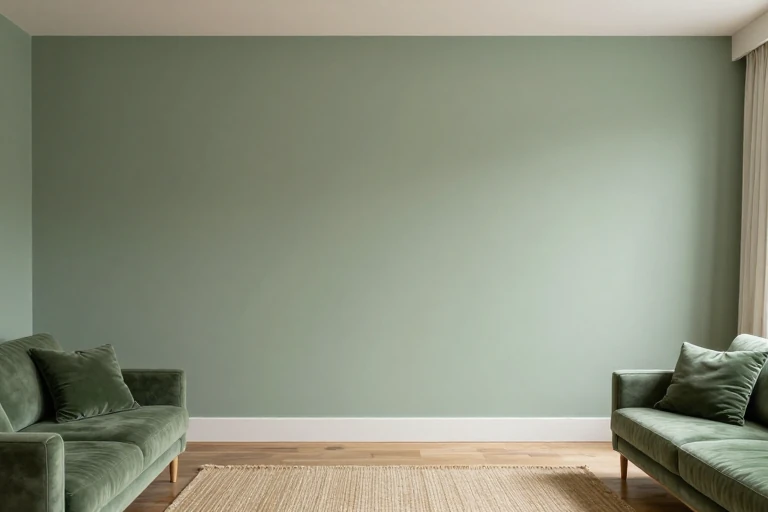
A muted green wall or a warm neutral can connect with wood, foliage and the view outside. Compare samples against the room finishes in daylight and evening light. A smaller painted surface or textile can test the palette before a larger change.
Try this: Choose one main undertone to connect the materials.
8. Plan a Small Wall-Plant Display for Care Access
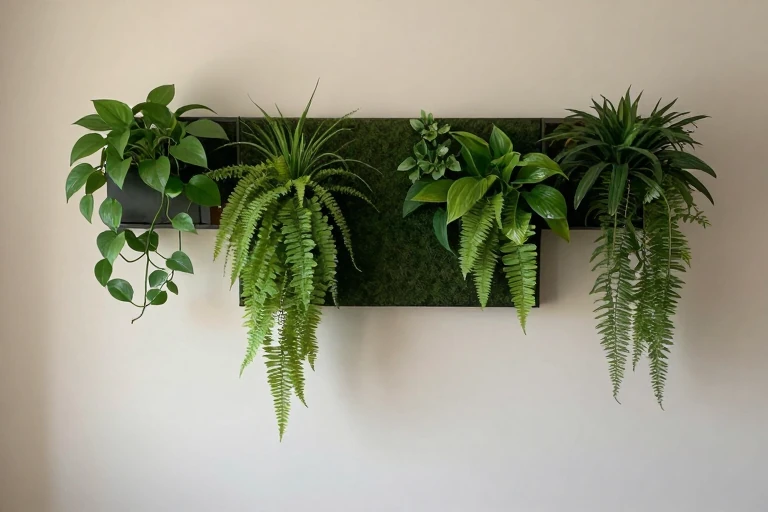
A suitable wall planter can introduce a living leaf shape where its support and the plant needs fit. Check the full planted weight, watering access and protection of the wall. Use compatible identified plants rather than assuming ferns and succulents share one care routine.
Try this: A few ordinary pots can provide a simpler alternative to a planted wall.
9. Choose Textiles for Texture and Everyday Use
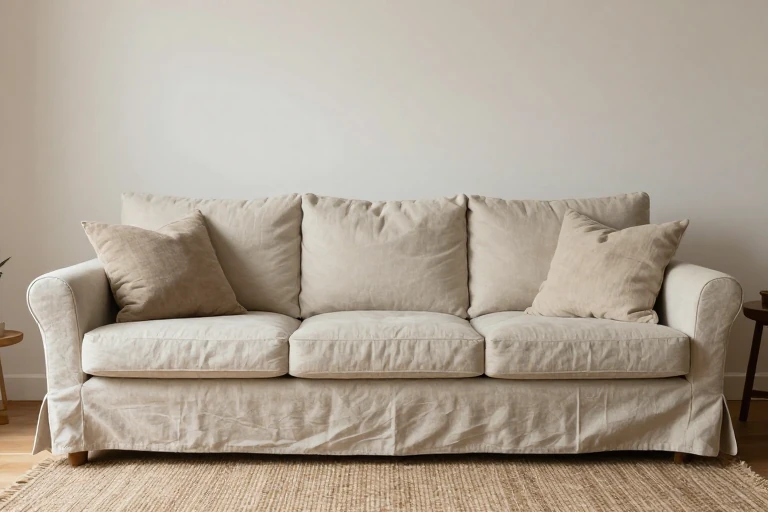
A plain woven cover or cushion can introduce a natural-looking texture beside smoother furniture. Compare the actual fabric care, wear and light-exposure guidance instead of relying only on a fiber name. Keep the number of layers useful to the room.
Try this: Try a small fabric sample against the existing upholstery.
10. Let Rounded Furniture Contrast With Straight Lines
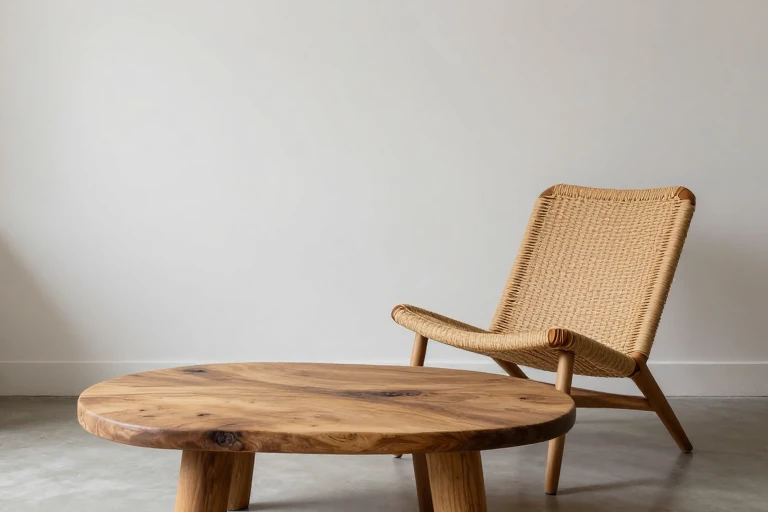
A curved chair or irregular-looking table shape can provide a softer outline against rectangular walls. Compare the full dimensions, support and normal movement around it. A simple supporting piece can keep an unusual main shape readable.
Try this: Test the practical reach and seating position before choosing the furniture.
11. Choose Finishes for the Actual Material and Use
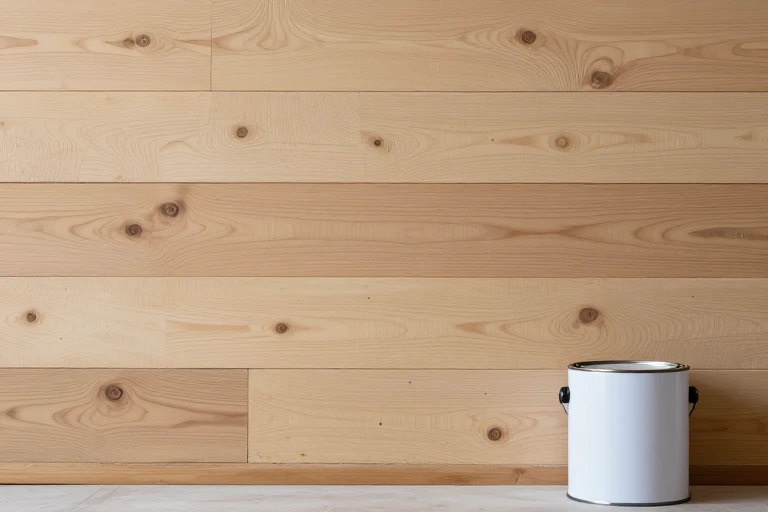
A finish should suit the substrate, location and care routine. Compare the actual product instructions and documented specifications, including any relevant emissions information, rather than assuming water-based or natural wording establishes every performance claim.
Try this: Use appropriate preparation, application and ventilation guidance for the chosen product.
12. Keep Indoor-Outdoor Access Useful
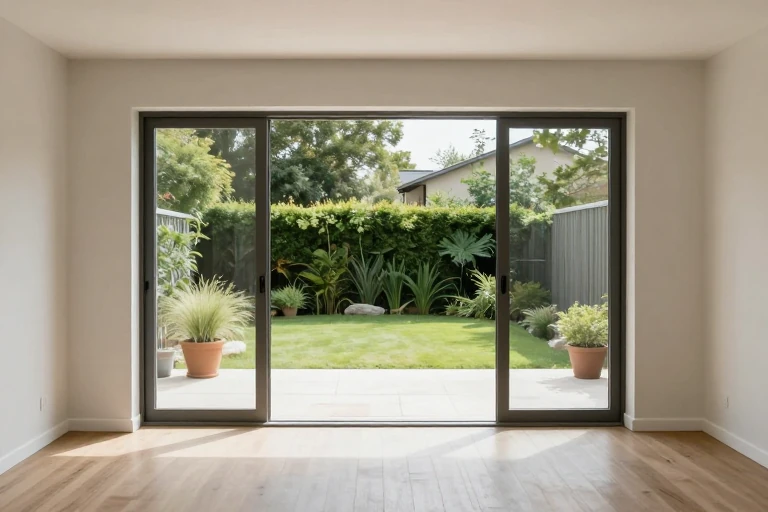
An existing suitable glazed door can connect the room with a garden through a clear sightline. Keep its full movement and the indoor and outdoor approach practical. New door systems need their own assessment of structure, weather detailing and installation.
Try this: Arrange furniture around the actual door operation.
13. Use Botanical Art in a Nature-Inspired Room
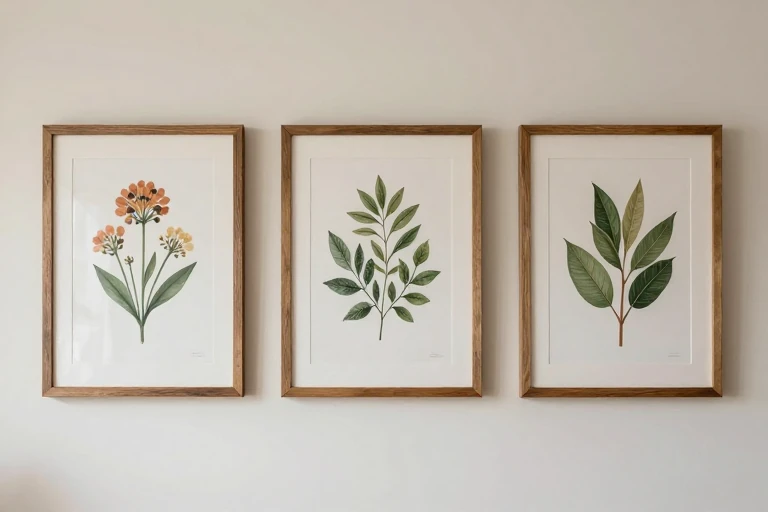
A few original or appropriately sourced botanical prints can repeat leaf shapes without adding plant care. Choose one frame material and vary the image scale within a small balanced group. Use support suitable for the actual frames and wall.
Try this: Plan the arrangement before marking the wall.
14. Choose a Natural-Looking Tile Pattern for Its Setting
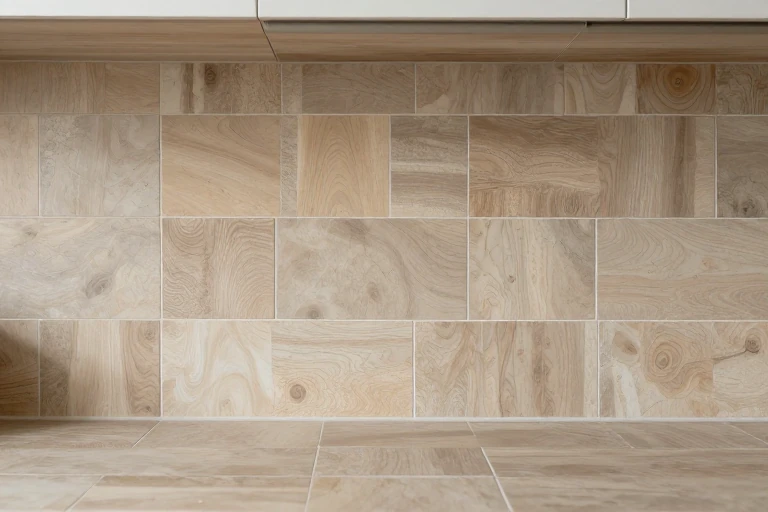
A restrained stone or wood-like pattern can provide texture through a suitable tile surface. Compare the actual product use, substrate and installation system with the location. Tile, grout and sealer do not all follow one preparation or maintenance rule.
Try this: Use a sample alongside the surrounding finishes before ordering a large quantity.
15. Use Reclaimed-Looking Wood With Clear Material Guidance
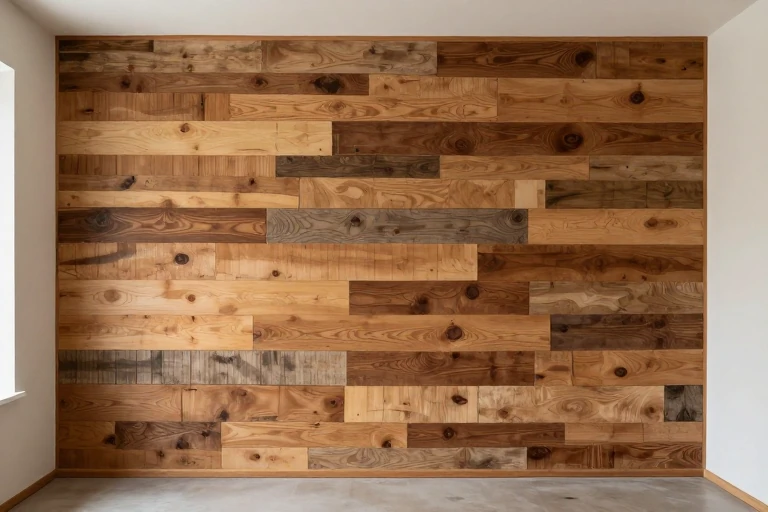
A wood accent can provide varied grain and color where its condition and installation fit. Verify the actual material history, treatment and suitability before using salvaged pieces indoors. A reclaimed label alone does not establish condition or a specific environmental benefit.
Try this: Choose a documented finished product where the original material is uncertain.
16. Group Nature-Inspired Room Plants by Actual Care Needs
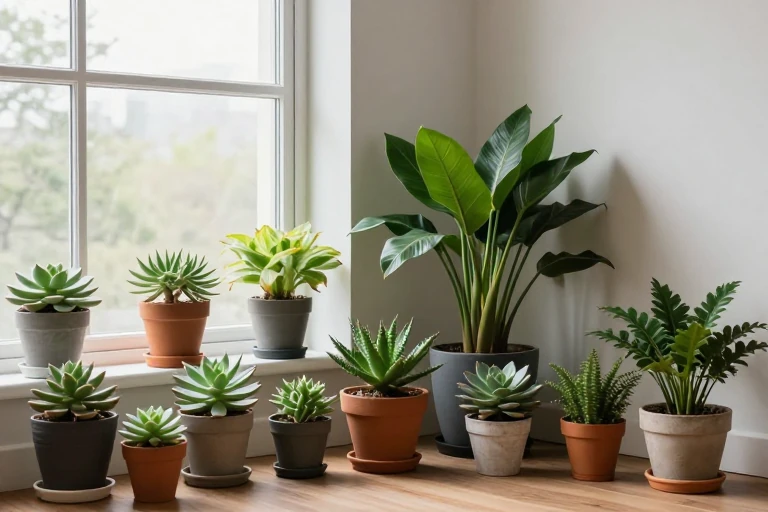
A few identified plants can share a visual group while retaining suitable individual containers and care. Compare the light and temperature at each position, and keep access for checking the medium and drainage. Avoid assigning one watering schedule to every pot.
Try this: Adjust the group when plant growth or seasonal light changes the available space.
17. Use a Woven Window Shade for a Clear Material Line
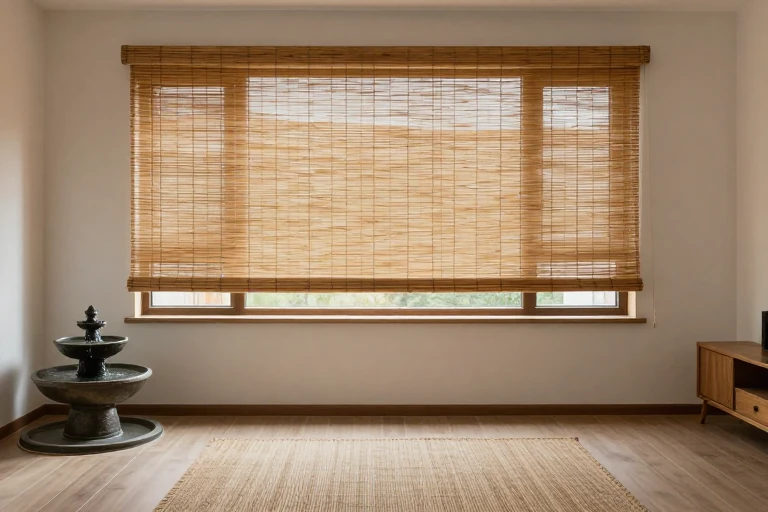
A simple woven shade can repeat wood tones near the outdoor view. Compare its actual light control, privacy, fit and operating guidance with the window. Keep opening, ventilation and the full use of the window practical.
Try this: Test the material sample in daylight before choosing its color.
18. Choose a Woven Shade With Compatible Lighting
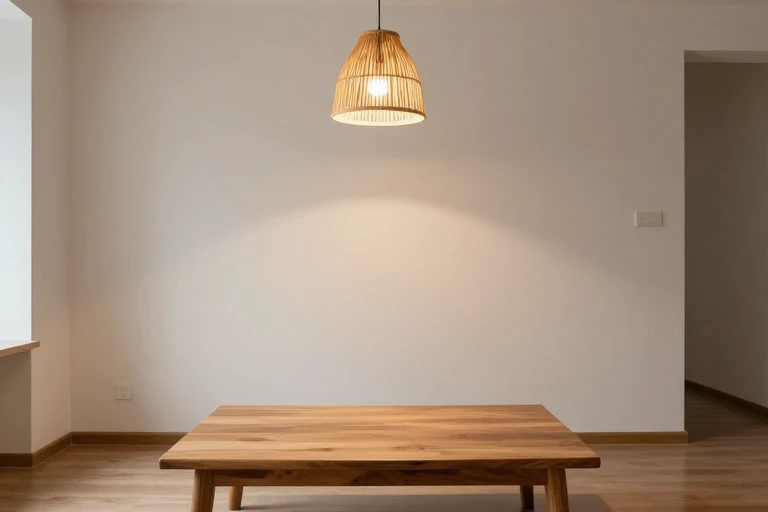
A woven light shade can provide a natural-looking texture above a table. Use a complete compatible fixture and follow its actual installation, lamp and clearance guidance. Appearance alone does not establish energy performance or environmental credentials.
Try this: Check the table light and glare from normal seating positions.
19. Make a Small Contemplative Display Easy to Maintain
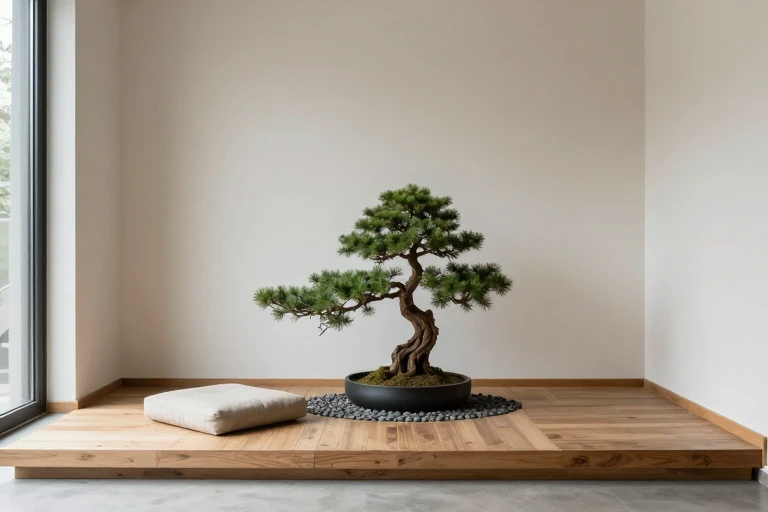
A simple tray, framed image or suitable small plant can provide a quiet focal group on a side surface. Keep the rest of the area useful and choose objects for their actual care needs. A living bonsai requires guidance for its identified species and growing conditions.
Try this: Choose a nonliving object if plant care does not fit the location.
20. Balance Natural References With the Room Routine
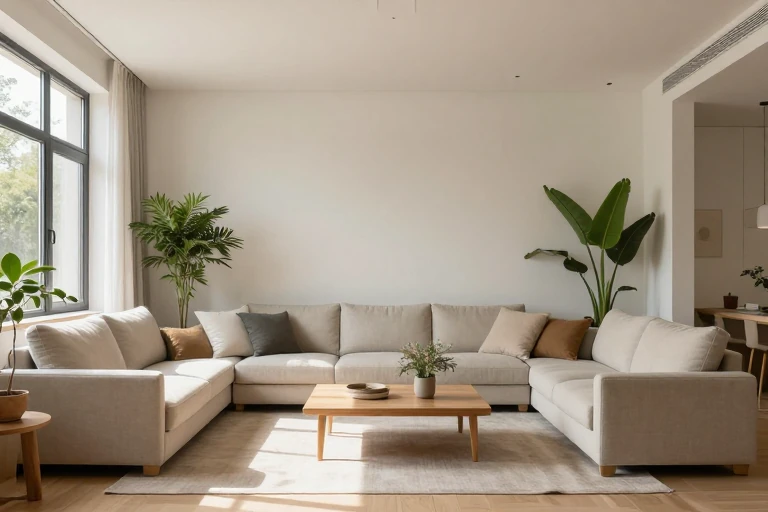
Repeat a few related materials, shapes or colors while keeping the main tasks of the room easy. A wood table, plain textile and suitable plant can feel connected without matching every object. Compare the arrangement after using the room normally.
Try this: Remove one competing detail before adding another.
21. Review Nature-Inspired Room Care and Access
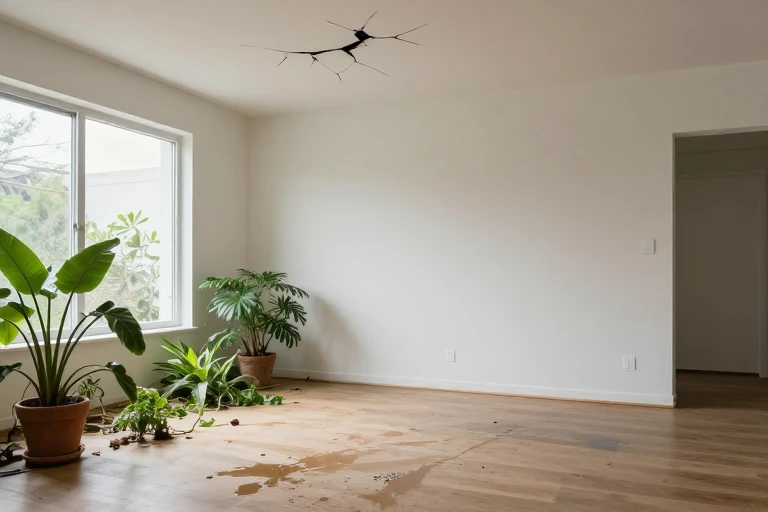
Walk the room, open storage and check access around plants and working equipment. Keep watering and cleaning practical, and obtain appropriate advice for substantial loads or building changes. Remove objects that make a daily task awkward.
Try this: Choose a smaller simpler group when maintenance begins to outweigh its usefulness.
Keep One Natural Reference Connected to Daily Use
Start with one clear natural reference and a small supporting palette. Keep the room useful, then adjust the arrangement as light, plant growth and daily routines change.
Related Guides
- 23 Bathroom Decor Ideas That Balance Style and Use
- 18 Room Makeover Bedroom Ideas for a Fresh Space
- 24 Inspiring Room Ideas Aesthetic Styles for Your Home
Further Reading
- University of Minnesota Extension: Lighting for Indoor Plants
- University of Maryland Extension: Watering Indoor Plants
Optional digital guide for this topic
If you prefer a structured workbook, explore this related paid guide.