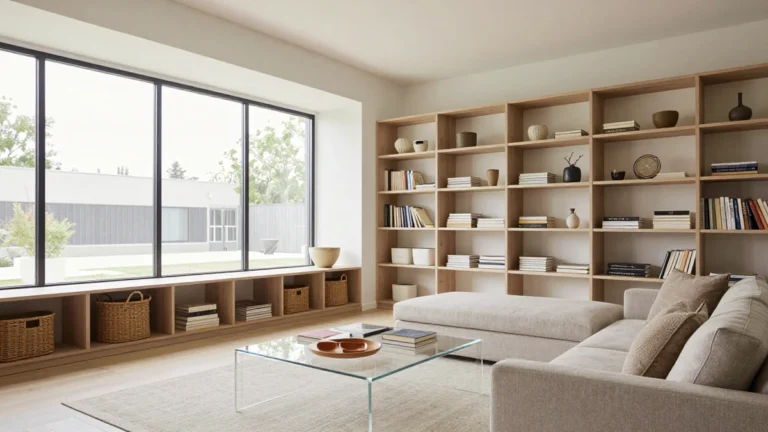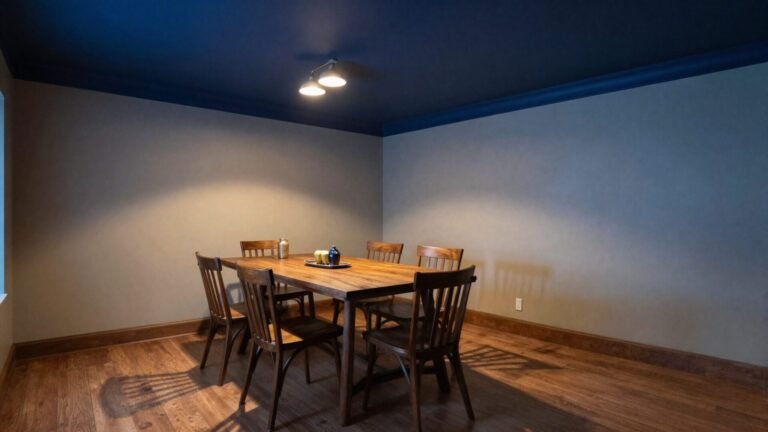
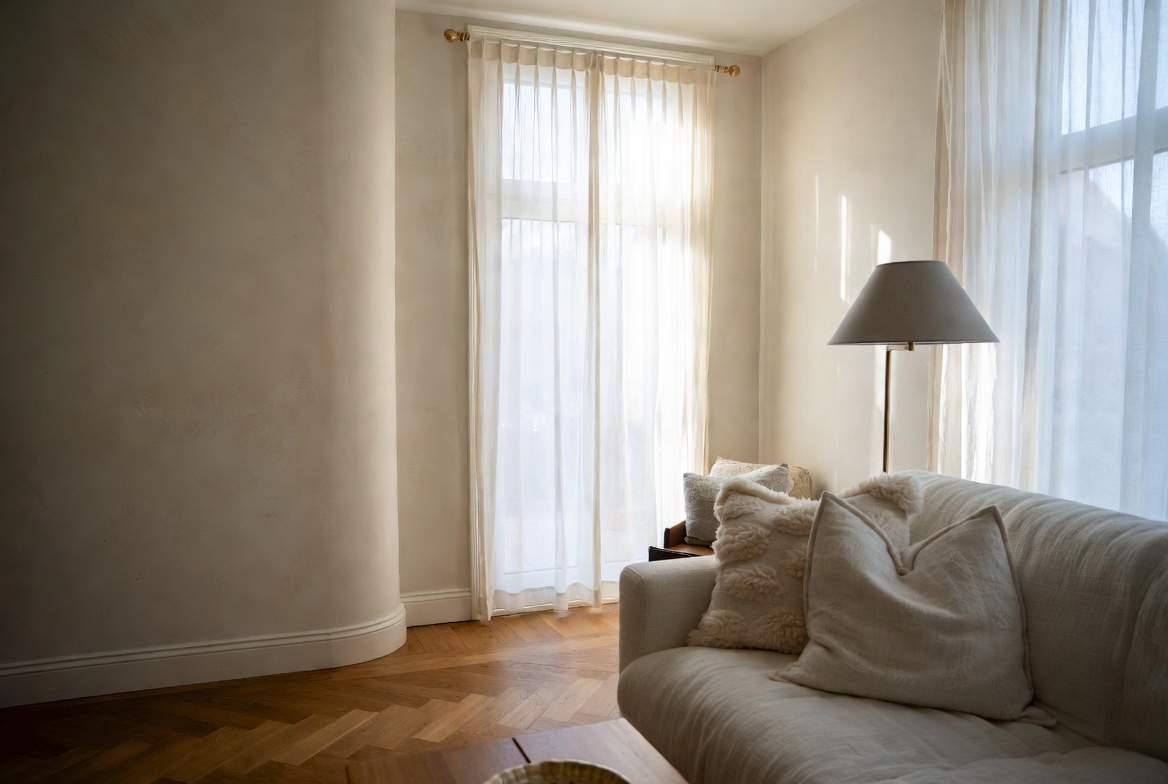
You’ve painted the walls, arranged the furniture, added the accessories — and something still feels off. More often than not, the floor is doing it. Or the walls. The surfaces are the bones of every room, and when they’re wrong, nothing placed on top of them ever looks quite right.
In 2026, flooring and wall design is undergoing one of its biggest shifts in a decade. These 17 ideas are the ones that explain what’s changing, why it matters, and exactly how to apply it to your home.
1. Why Cool Gray Floors Are Making Every Room Feel Cold
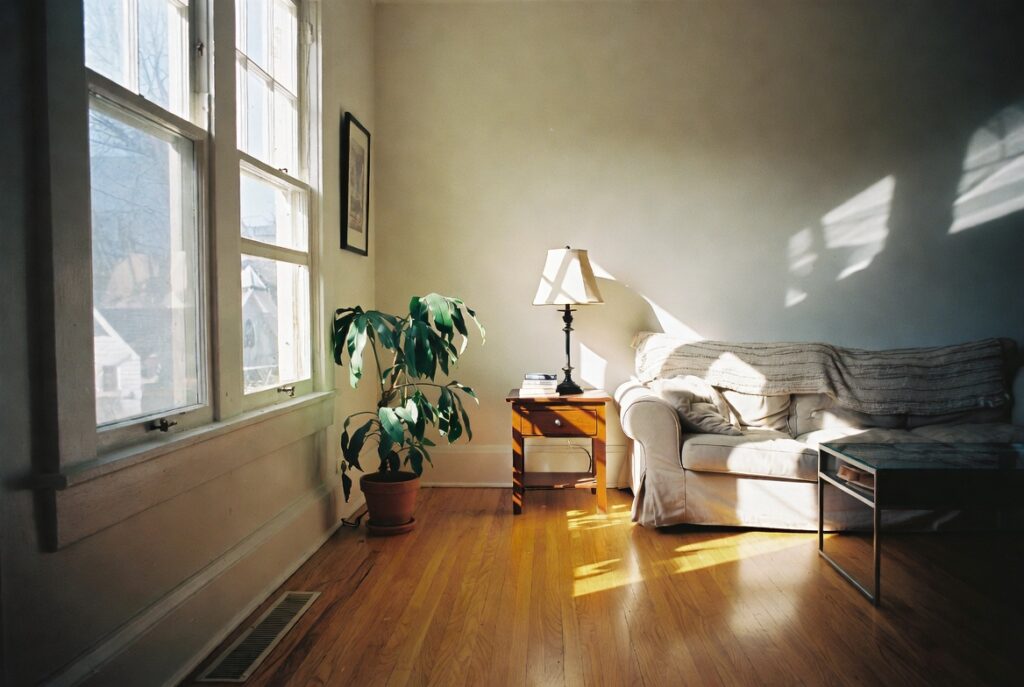
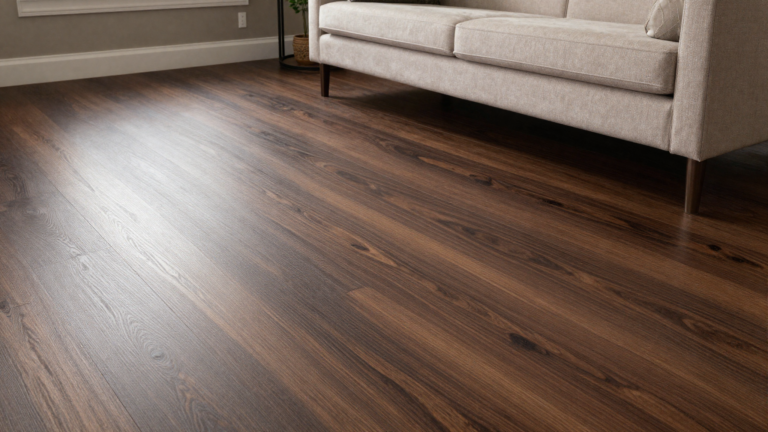
The gray floor era lasted almost a decade — and now it’s visibly ending. Warm honey oaks, rich chestnuts, amber-toned engineered wood, and golden natural tones are replacing cool grays across every room type. The reason is simple: warm floors make people feel at ease; cool floors make rooms feel like showrooms nobody lives in.
Smart tip: Warm-toned wood-look LVP is the most cost-effective swap — a single material change that immediately makes a room feel lived-in and inviting.
Mistake to avoid: Don’t layer warm floors with cool gray walls. The contrast feels unresolved rather than designed — choose a consistent temperature throughout the room.
2. The Herringbone Pattern That Turns a Floor Into a Feature
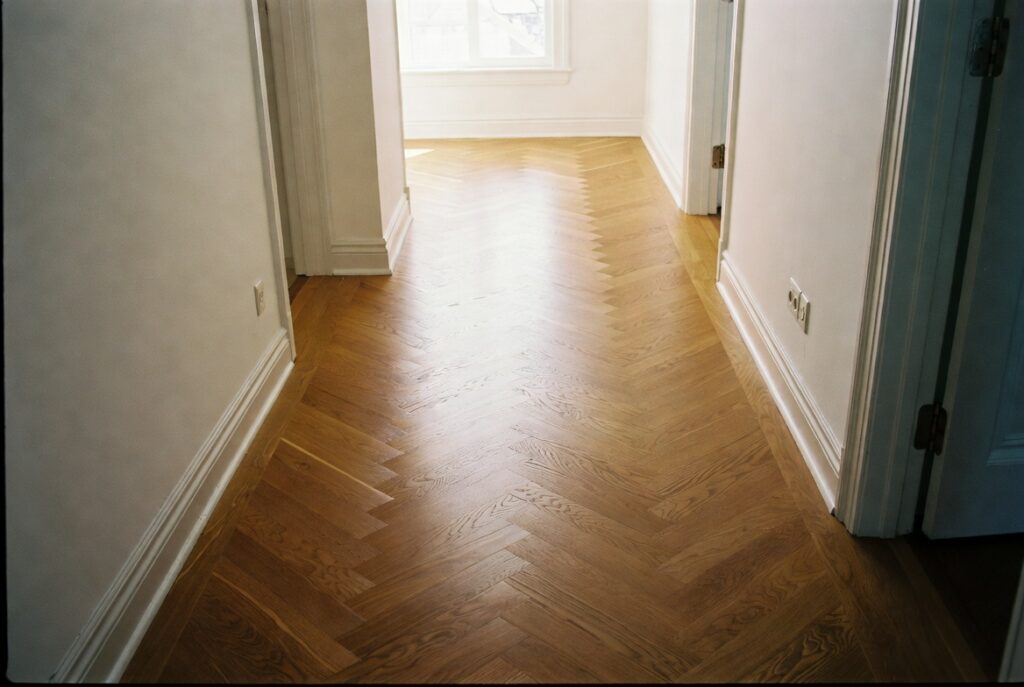
Herringbone is the fastest-rising floor pattern of 2026. It adds movement, dimension, and a sense of craftsmanship that straight-lay planks simply can’t match. In my experience, herringbone in a hallway or entryway makes the entire home feel more considered from the very first step inside.
Smart tip: Herringbone LVP tiles install over existing floors with no adhesive — a clever visual upgrade that takes one weekend and zero permanent changes.
Mistake to avoid: Don’t use herringbone in very small rooms. The pattern’s energy works best in spaces large enough to let it breathe and be appreciated.
3. How Matte Floors Changed What Luxury Looks Like
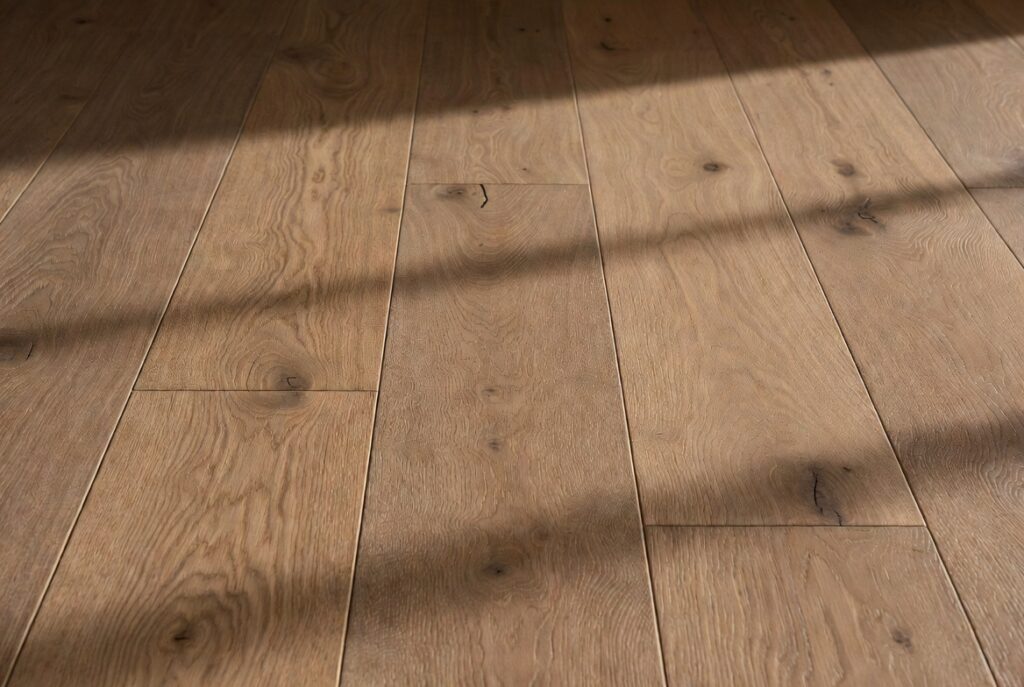
High-gloss floors show every footprint, scratch, and dust particle. Matte and satin finishes hide daily wear, photograph beautifully, and — crucially — look more expensive because they feel more considered. We found that switching from gloss to matte changes how every object placed on the floor reads.
Smart tip: A matte floor finish refresher coat on existing hardwood is a budget-friendly floor refresh that takes one day and no replacement.
Mistake to avoid: Don’t use high-gloss tile in busy areas. It shows water marks and wear within weeks and requires constant maintenance to look good.
Loving These Ideas? Get the Step-by-Step Guide
Grab the full 5-day eBook and turn these ideas into a finished room.




4. The Limewash Wall Finish Everyone Is Talking About
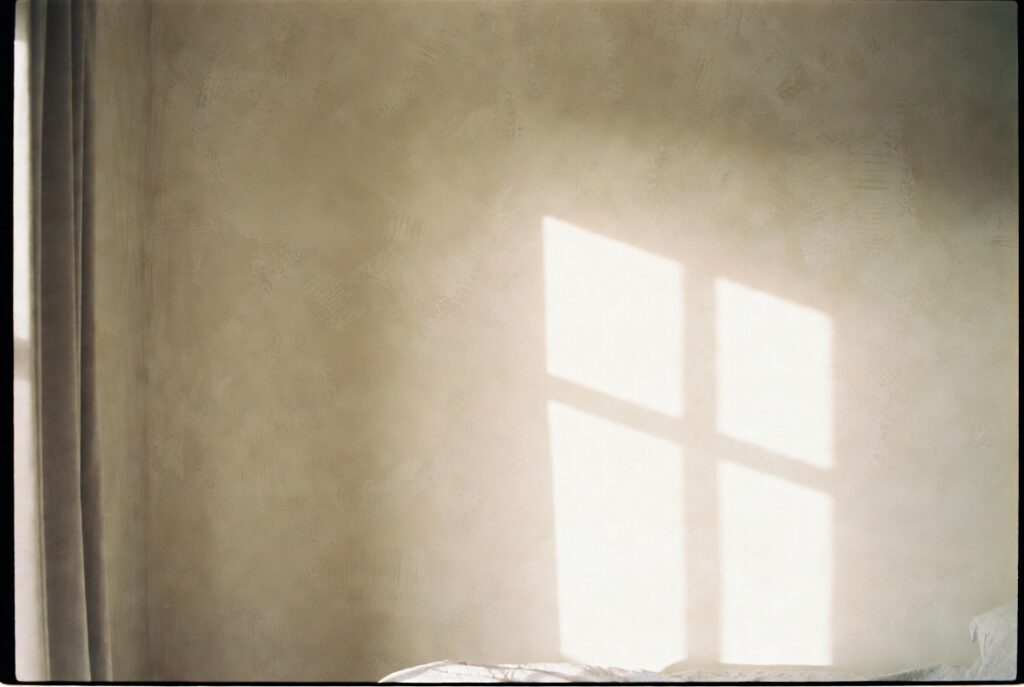
Limewash creates a layered, ancient-feeling surface that no standard paint can replicate. It breathes, ages beautifully, and gives walls the kind of depth that makes a room feel like it has a history. The first limewash wall I saw in person stopped me immediately — it looked like something from a Mediterranean farmhouse, applied in an afternoon.
Smart tip: Moisture-resistant limewash applies with a wide brush in two layers — no special equipment required, and the result looks like a renovation.
Mistake to avoid: Don’t apply limewash over gloss or semi-gloss paint without priming first. Adhesion fails and the finish peels within months.
5. Why Large Format Tiles Make Small Rooms Feel Bigger
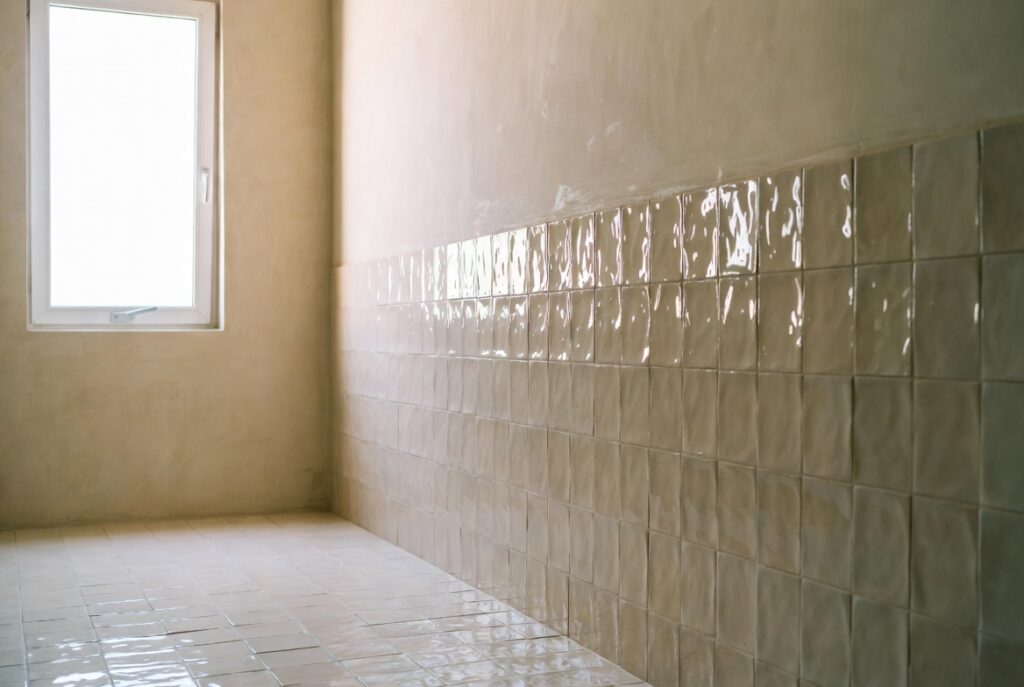
Fewer grout lines mean a quieter visual field, and a quieter visual field reads as more space. Large-format tiles — 600x600mm and above — are replacing small mosaics in bathrooms and kitchens precisely because they eliminate the visual noise that makes tight spaces feel even tighter. The effect in person is consistently more dramatic than people expect.
Smart tip: Large-format peel-and-stick tiles test the effect without commitment — immediate room transformation at a fraction of the cost of a tile replacement.
Mistake to avoid: Don’t use small mosaic tiles floor-to-ceiling in a small bathroom. The visual busyness amplifies the smallness rather than reducing it.
6. The Checkerboard Floor Comeback Nobody Saw Coming
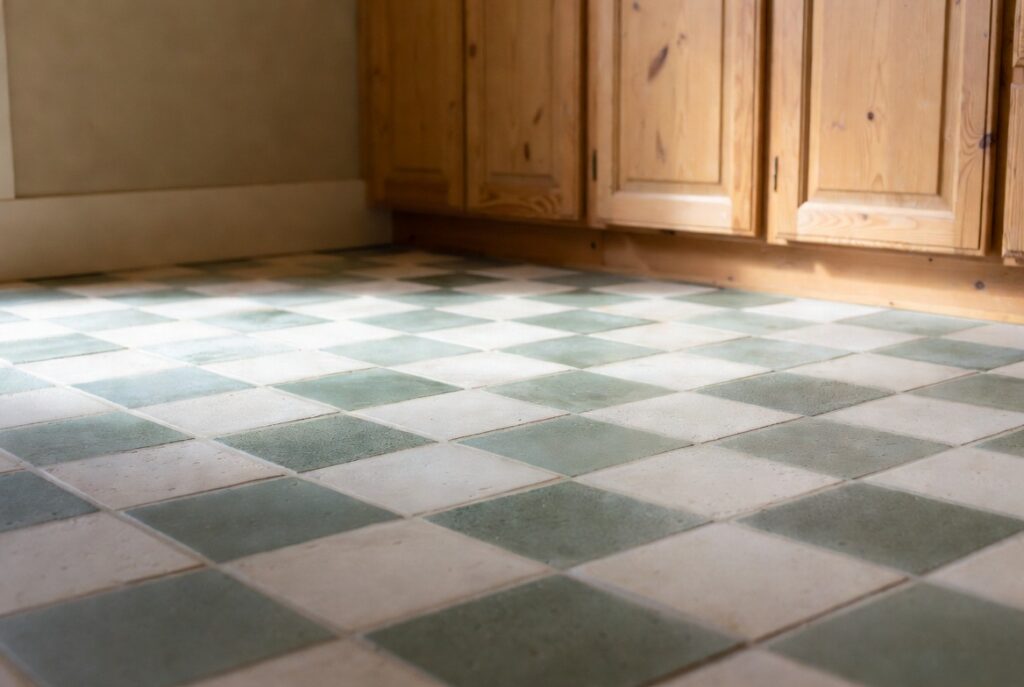
Classic black-and-white checkerboard has returned — but in 2026 it’s evolved. Sage and cream, terracotta and off-white, emerald and dusty rose. The pattern itself is timeless; the colorways are what make it feel current. Used in kitchens, bathrooms, and mudrooms, checkerboard brings playful elegance without feeling retro.
Smart tip: Honed porcelain checkerboard tiles in a warm two-tone palette install over existing floors with a tile-over-tile method — zero demolition, highly satisfying result.
Mistake to avoid: Don’t choose glossy checkerboard for high-traffic areas. Honed or matte versions are more durable and age more gracefully underfoot.
7. How Wall Paneling Adds Architecture to Any Plain Room
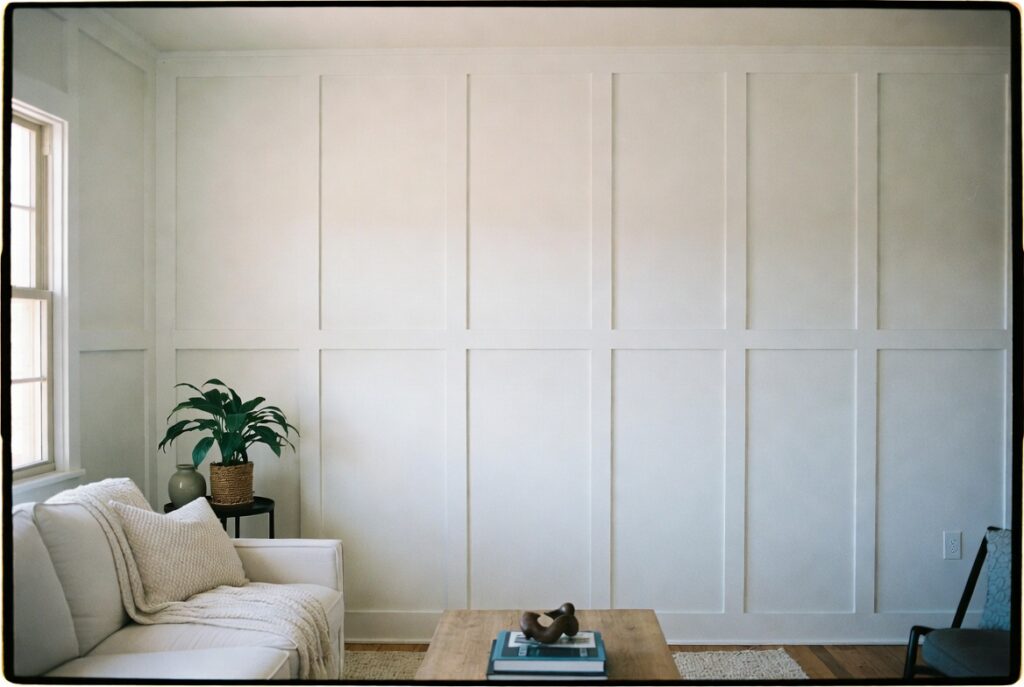
A plain drywall room has no bones. Wood paneling — whether shiplap, board-and-batten, fluted panels, or classic wainscoting — gives walls structure, texture, and architectural character that paint alone never achieves. In my experience, adding even half-height paneling to a living room or bedroom changes the entire personality of the space, much like the impact explored across our interior decor ideas that refresh every room.
Smart tip: MDF board-and-batten paneling installs with a nail gun in one weekend — no specialist skills, immediate architectural upgrade.
Mistake to avoid: Don’t paint paneling the same color as the wall behind it. Contrast — even subtle — is what makes the texture visible and impactful.
8. The Grout Color Decision That Makes or Breaks a Tile Job
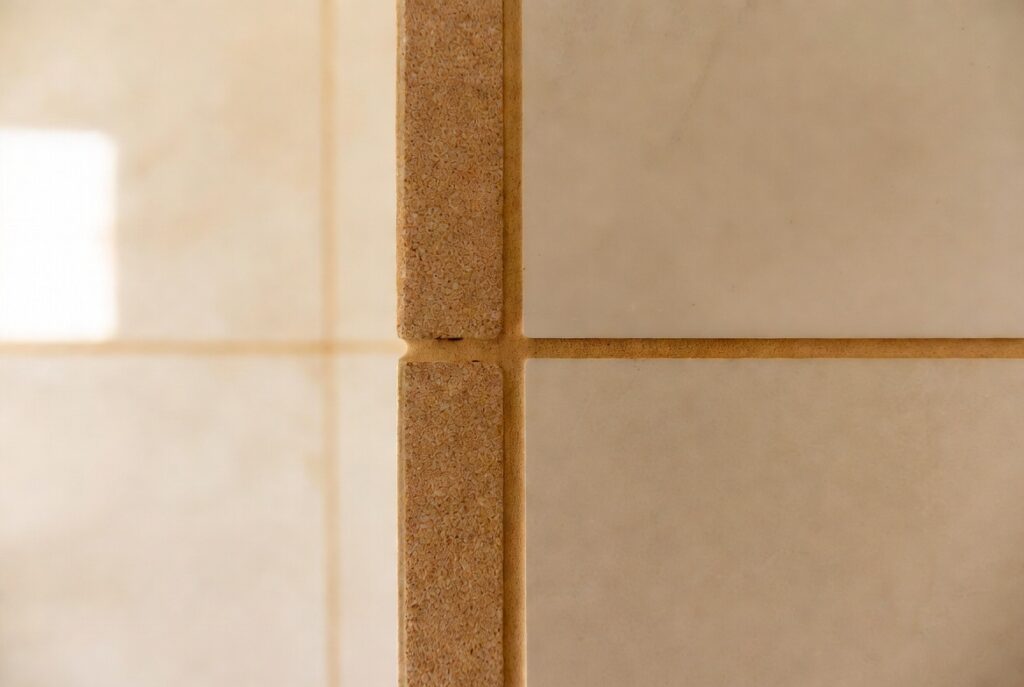
Grout is chosen last and matters most. White grout shows every stain and requires constant cleaning. A grout that matches the tile tone creates seamless, sophisticated surfaces. A contrasting grout intentionally emphasizes the pattern. The grout decision changes the entire reading of the same tile in ways most homeowners discover only after installation.
Smart tip: Epoxy grout never stains and requires no sealing — a one-time upgrade during installation that eliminates years of cleaning frustration.
Mistake to avoid: Don’t choose bright white grout for kitchen or bathroom floors. It looks clean for about a week and then becomes the most visible maintenance problem in the room.
9. Why Travertine Is the Most Requested Stone of 2026
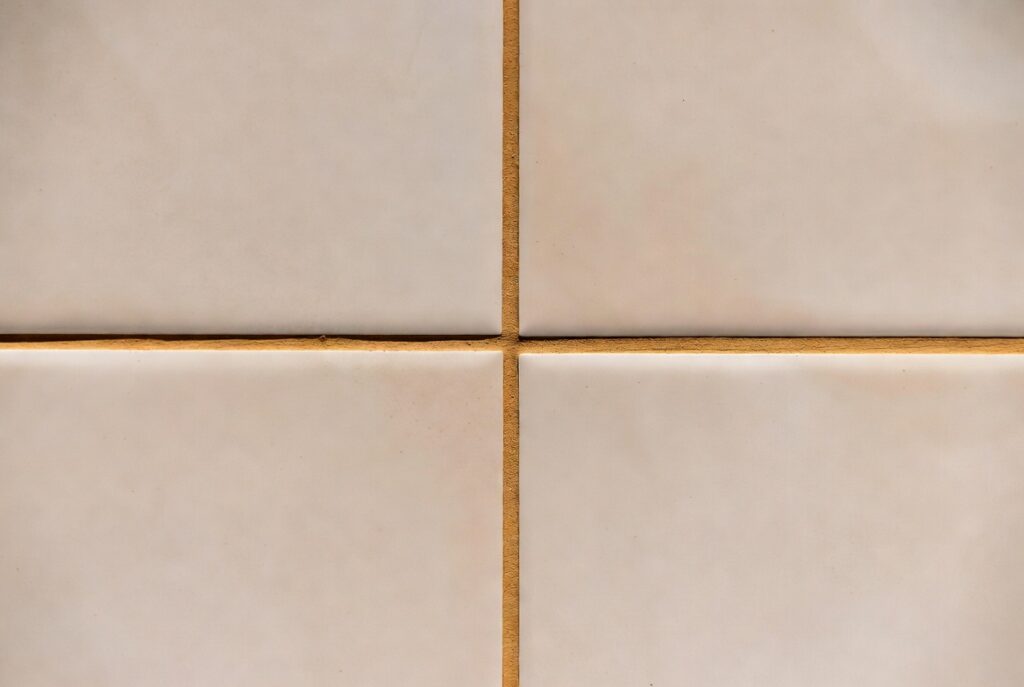
Travertine’s warm, porous surface and natural variation make it feel both ancient and completely current. It’s replacing polished marble in bathrooms and kitchen extensions because it reads warmer, hides imperfections better, and age more beautifully with use. We found that a single travertine floor transforms a bathroom from contemporary to timeless in a way no other material does as consistently.
Smart tip: Honed travertine-look porcelain delivers the aesthetic at a fraction of natural stone cost — minimal disruption, maximum authentic warmth.
Mistake to avoid: Don’t use unfilled travertine in wet areas. The natural pits collect water and mold — fill and seal before installation in bathrooms.
10. The Dark Accent Wall That Grounds a Floating Room
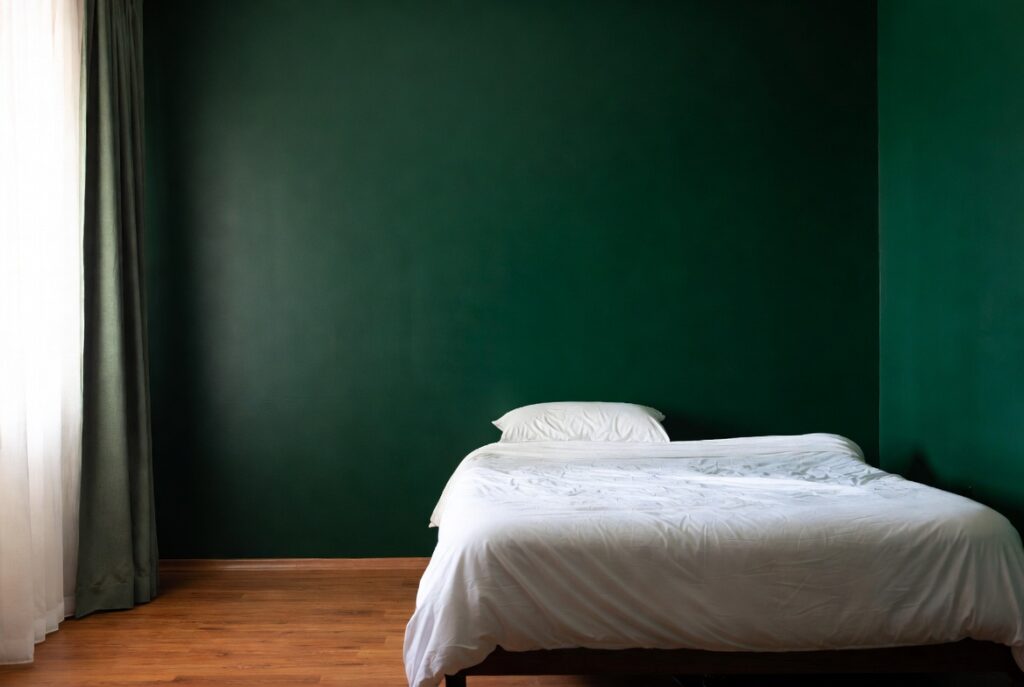
A room without a focal point feels directionless. One deep, saturated wall — forest green, warm charcoal, navy, dusty plum — creates an anchor that everything else in the room can orient toward. The first dark accent wall I painted transformed a bedroom that felt unresolved into one that felt intentional from every angle.
Smart tip: Test one large sample panel on the wall before committing — takes one afternoon and reveals how the color shifts through the day before you buy a full tin.
Mistake to avoid: Don’t pick the accent wall randomly. The wall that makes the most visual sense is usually the one directly opposite the main entry point to the room.
11. How Cork Flooring Became the Smartest Room Upgrade
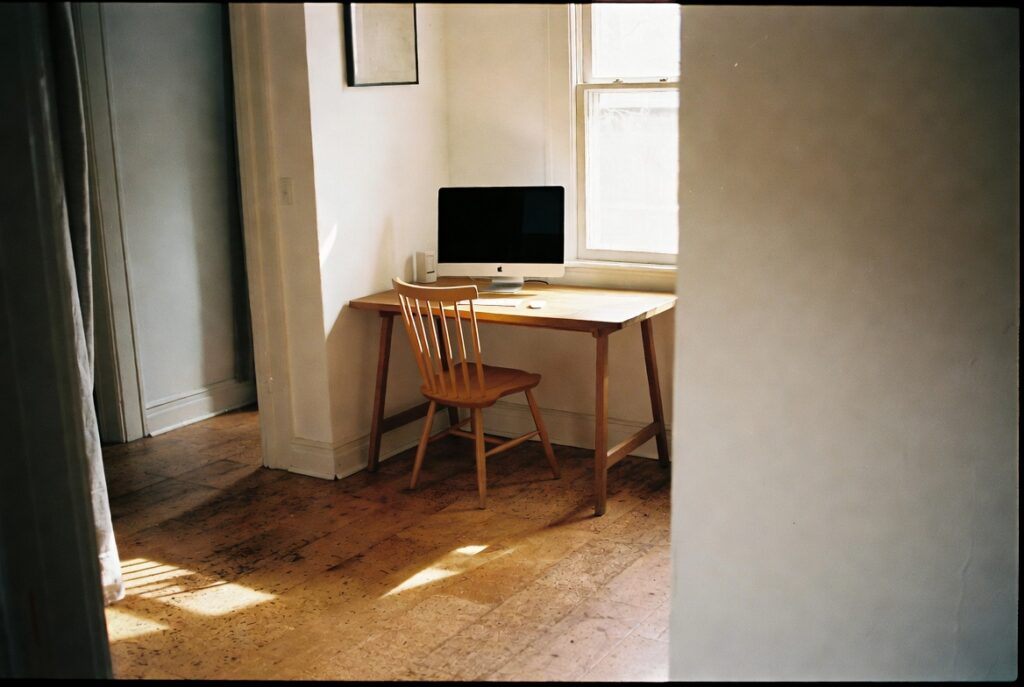
Cork is having its biggest moment in decades — and for good reason. It’s warm underfoot, acoustically absorbing, naturally antimicrobial, and sustainably harvested. For home offices and bedrooms in particular, cork changes how a room feels at foot level in a way that no other flooring does. It’s also one of the most forgiving floors to install yourself.
Smart tip: Floating cork floor tiles install without glue over any existing floor — done in hours not days, immediately warmer and quieter underfoot.
Mistake to avoid: Don’t install cork in very high-moisture areas without sealing. Cork swells with prolonged water exposure and needs proper protection in bathrooms.
12. The Zellige Tile Effect That Adds Soul to Any Surface
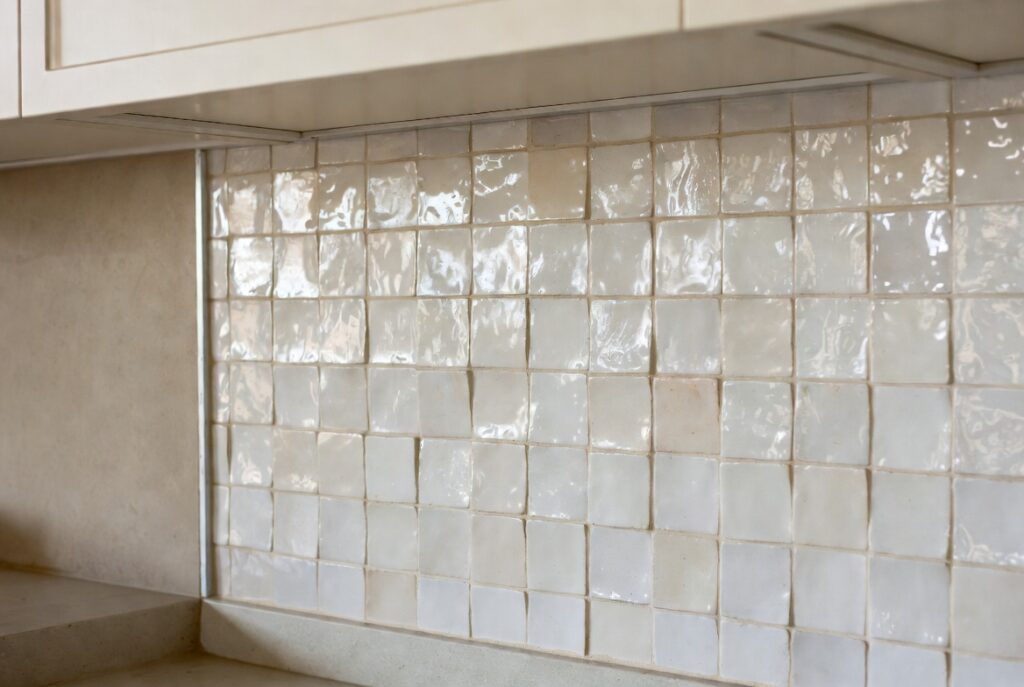
Zellige tiles — handmade Moroccan clay tiles with irregular surfaces and luminous glaze — have crossed from boutique hotels into residential design in 2026. Their imperfect, artisanal quality catches light differently at every angle and gives surfaces a depth and character that machine-made tile never achieves. Even a single run of zellige as a kitchen backsplash transforms the whole room’s personality, as seen in our wall niche ideas for stylish home organization where handmade tile plays a starring role.
Smart tip: A single row of zellige as an accent strip uses minimal tile — a smart way to access the effect without the cost of a full zellige application.
Mistake to avoid: Don’t grout zellige with bright white. A sand or warm gray grout lets the tile’s natural variation speak without fighting a harsh contrast.
13. Why Painted Floors Are the Bravest Upgrade in a Room
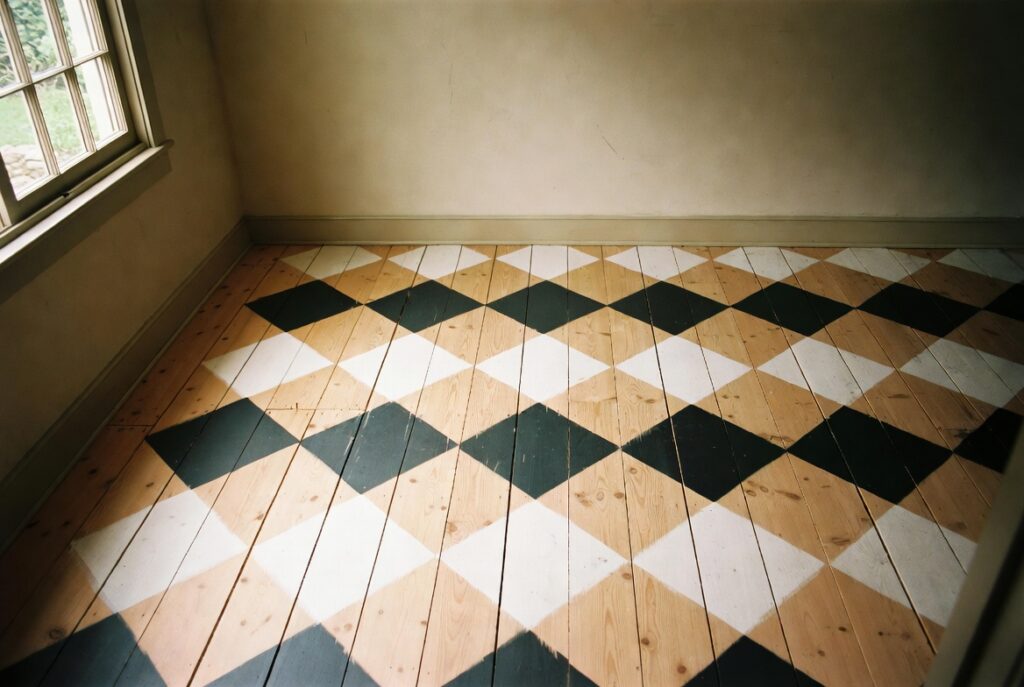
A painted floor is the design choice that separates the committed from the cautious — and it consistently produces the most dramatic and personal results. Geometric patterns, solid colors, faux stone finishes, or simple whitewash over old wood: a painted floor costs almost nothing and transforms a room more completely than almost any other single change. I painted a diamond pattern on an old wood floor in a rental and it became the most photographed room I’ve ever lived in.
Smart tip: Porch and floor paint over clean sanded wood dries in hours — a one-time fix that completely reinvents any room for the cost of a paint tin.
Mistake to avoid: Don’t paint floors without proper prep. Cleaning, light sanding, and priming are the difference between a painted floor that lasts and one that chips in weeks.
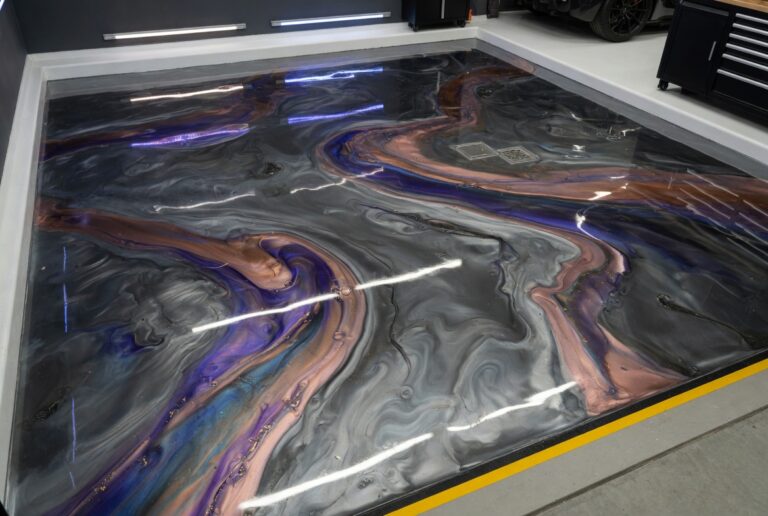
14. The Epoxy Floor That Turns a Garage Into a Showroom
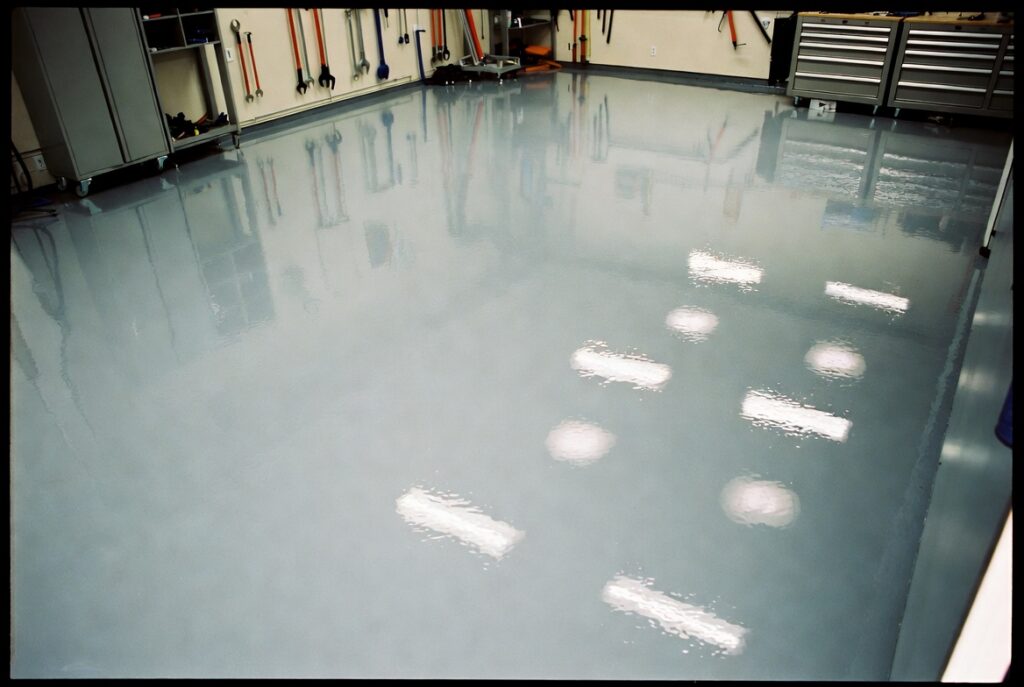
A bare concrete garage floor is one of the least-considered surfaces in most homes — and one of the highest-impact upgrades available. Epoxy coatings transform raw concrete into a sealed, reflective, professional-looking surface that’s easy to clean and dramatically changes how the space feels. The full range of effects and applications is explored in our guide to epoxy floor designs for durable stylish surfaces.
Smart tip: DIY epoxy floor kits apply over a clean concrete surface in one day — a single weekend that delivers a professional result for a fraction of contractor cost.
Mistake to avoid: Don’t apply epoxy to damp or unsealed concrete. Moisture under epoxy causes delamination within months and the whole surface has to be redone.
15. How Reclaimed Wood Floors Add History No New Material Can
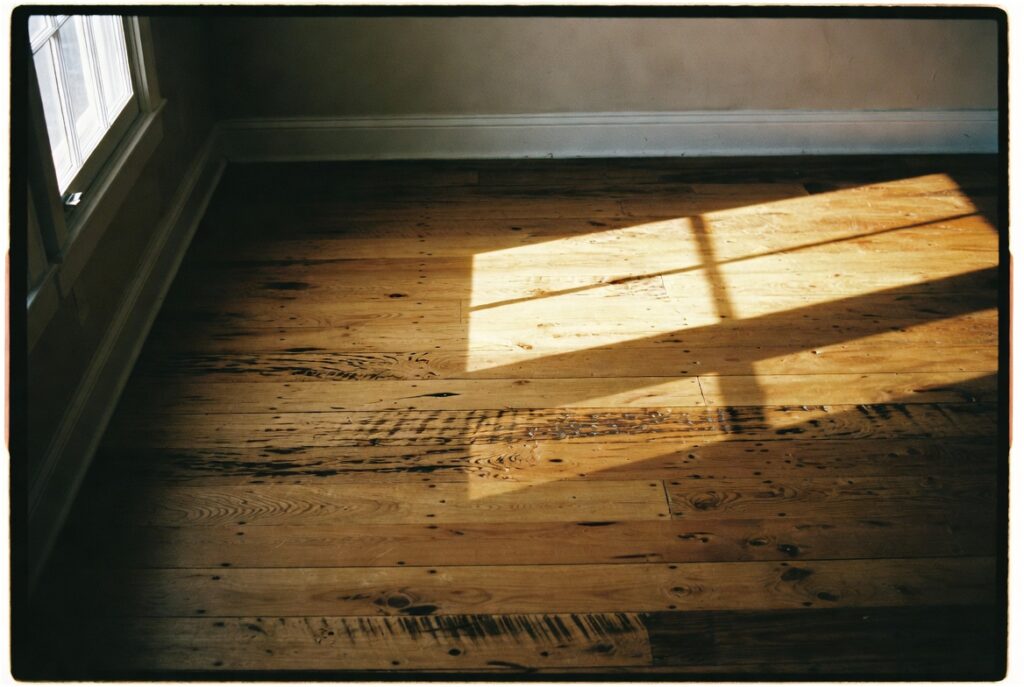
Reclaimed wood carries something no new material ever will: time. Old-growth grain patterns, nail holes, saw marks, and a patina built over decades give a floor character that can’t be manufactured. In 2026, reclaimed parquet and wide-plank reclaimed oak are at the center of high-end renovation design precisely because they’re irreplaceable.
Smart tip: Engineered reclaimed wood veneer delivers the authentic aged look with the dimensional stability of a modern core — beautiful and practical in equal measure.
Mistake to avoid: Don’t install reclaimed wood without checking moisture content. Old wood that hasn’t been properly dried expands after installation and buckles within one season.
16. The Textured Wall Finish That Replaces a Gallery
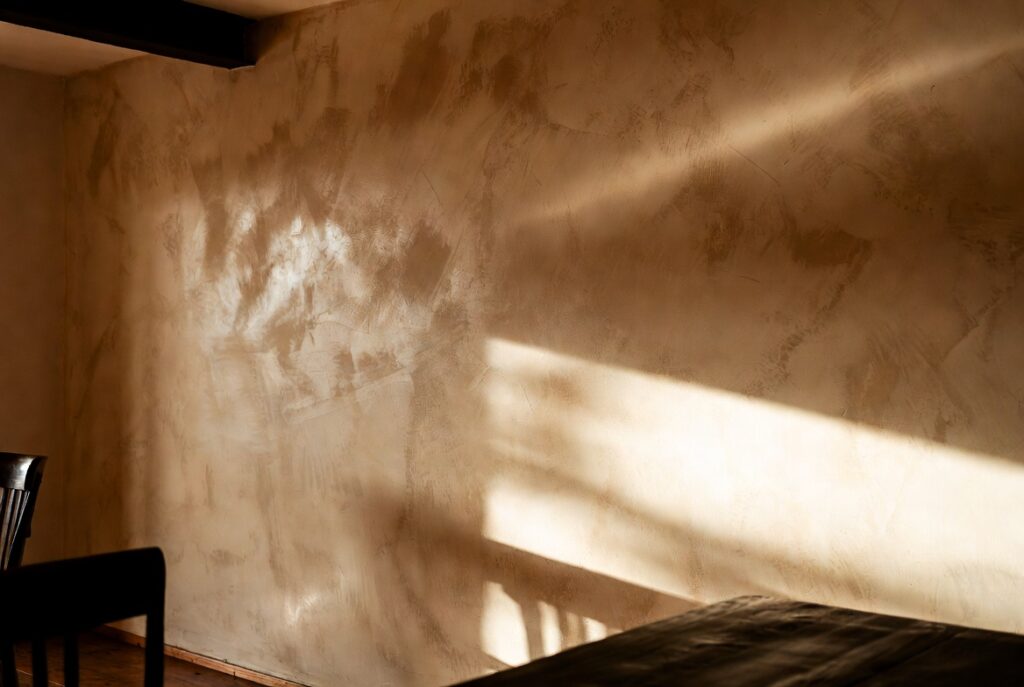
A heavily textured wall — Venetian plaster, Roman clay, rough stucco, or even a carefully applied sand finish — creates visual interest through surface variation rather than objects hung on it. It’s the wall treatment that makes a room look complete without adding anything to the walls at all. In my experience, textured walls make rooms feel genuinely designed in a way that framed prints never quite achieve.
Smart tip: Roman clay paint applies over standard primer with a wide trowel — a layered technique that costs only materials and creates a result that looks like an artisan finish.
Mistake to avoid: Don’t apply textured finishes over walls with cracks or imperfections without repairing first. Texture amplifies whatever is underneath it rather than hiding it.
17. The Floor and Wall Decision You Should Make First
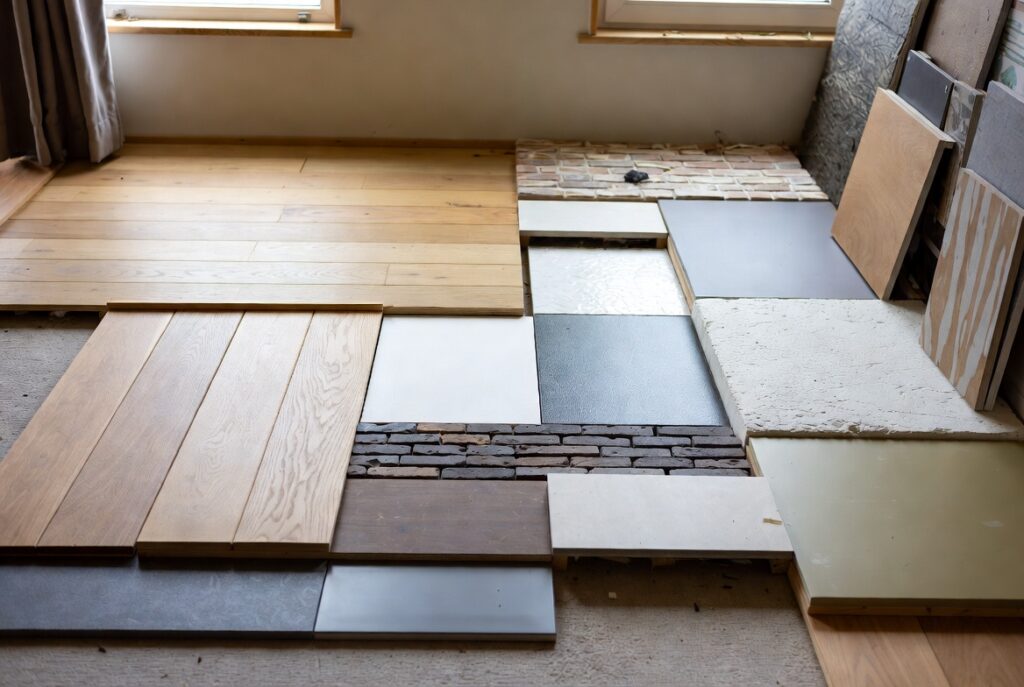
Every other decision in a room — furniture, lighting, textiles, accessories — should follow the floor and wall choice, not precede it. Floors influence cabinet colors, wall tones influence lighting choices, and the overall material temperature sets the emotional register for everything placed inside the space. In 2026, interior designers are unanimous: choose surfaces first, then fill them. Start there, and every other decision becomes dramatically easier.
Smart tip: Sample your floor and wall materials together in the actual room light before buying anything else. One afternoon of sampling saves months of regret.
Mistake to avoid: Don’t choose flooring from a screen or a tiny sample chip. Always view materials at full size in the space — context changes everything.
Floors and walls are the decisions that outlast every other choice you make in a home. Get them right and the room almost decorates itself. Get them wrong and no amount of furniture or accessories will fix what the surfaces are saying. Start with one surface, make it count, and let the room follow.
Continue Your Home Transformation
Explore the full collection of step-by-step eBooks and get the guide that fits the room you're working on.