Getting the landscaping ideas right makes the biggest difference in how the space actually feels day to day. A well-planned landscaping ideas balances function and style, and even small tweaks to your landscaping ideas can transform the whole area.
These landscaping ideas work in almost any climate, and you can mix a few landscaping ideas together without the yard feeling cluttered.
Think of your landscaping ideas as a living project that keeps improving with time, one small change at a time.
A great landscaping ideas also helps define how the space is used day to day, so keep the landscaping ideas basics in mind before you commit to a plan.
Choosing the right landscaping ideas approach is one of the easiest ways to upgrade a space without a full remodel. When your landscaping ideas is planned correctly, everything else feels intentional rather than accidental.
You mow it, you edge it, you plant a few flowers every spring — and your yard still looks like an afterthought instead of an extension of your home. I used to think landscaping meant more plants. It actually means more intention.The yards that stop people on the sidewalk aren’t the most expensive ones — they’re the most deliberately designed, where hardscaping, planting, and lighting work together instead of competing. By the end of this article, you’ll know exactly how to turn a flat, forgettable yard into a landscape with real architectural presence.
1. The Architectural Garden That Echoes Your Home
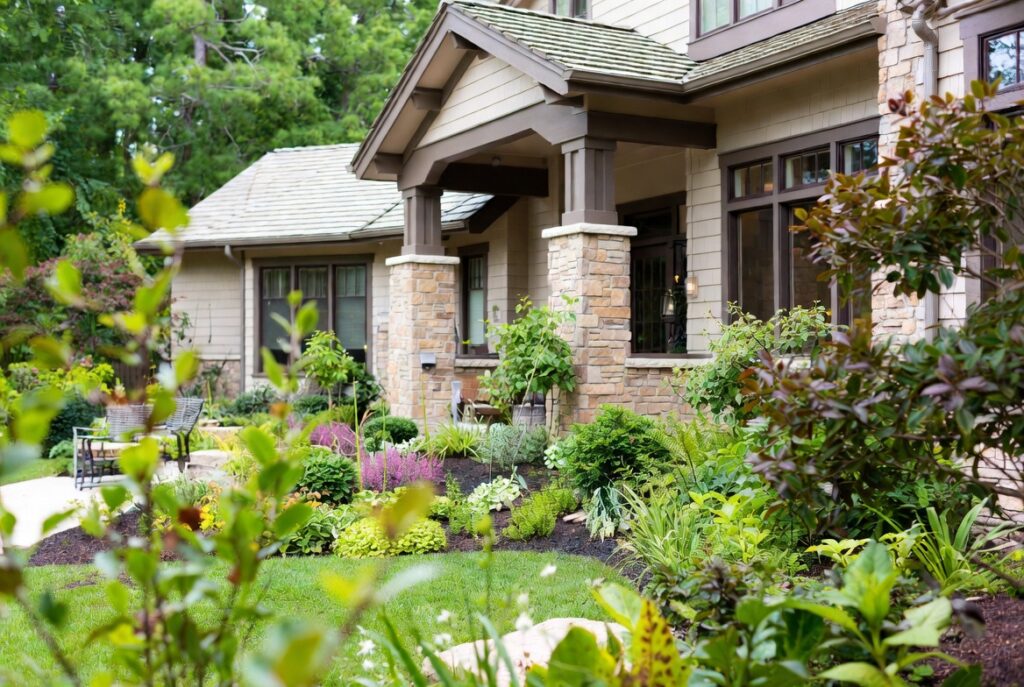
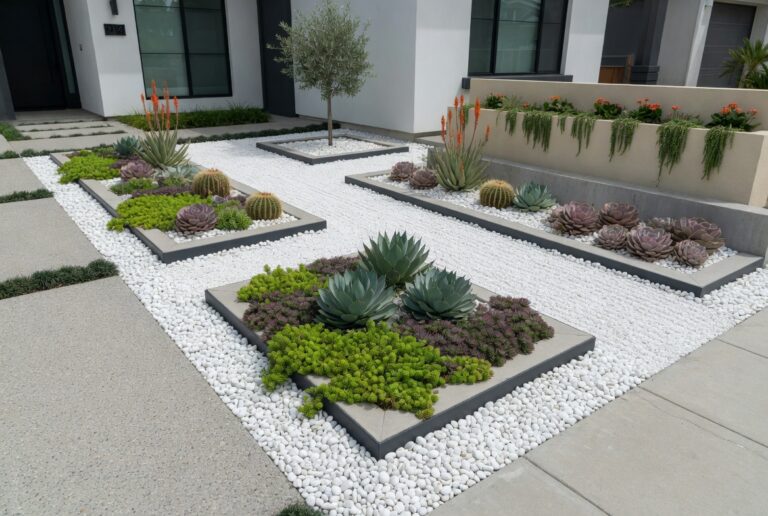
The best landscapes don’t sit separately from the house — they extend it. Matching your home’s lines, materials, and color palette in the surrounding planting and hardscaping creates continuity that makes the whole property feel designed as one piece. In my experience, this is the single biggest difference between a yard that looks “added on” and one that looks intentional.
Smart tip: Echo one material from your home’s exterior — brick, wood, or stone — somewhere in your front yard hardscaping.
Mistake to avoid: Don’t choose landscaping style purely by trend. A desert-modern yard in front of a cottage-style home will always feel disconnected.
2. Why Layered Textures Beat a Flat Yard Every Time
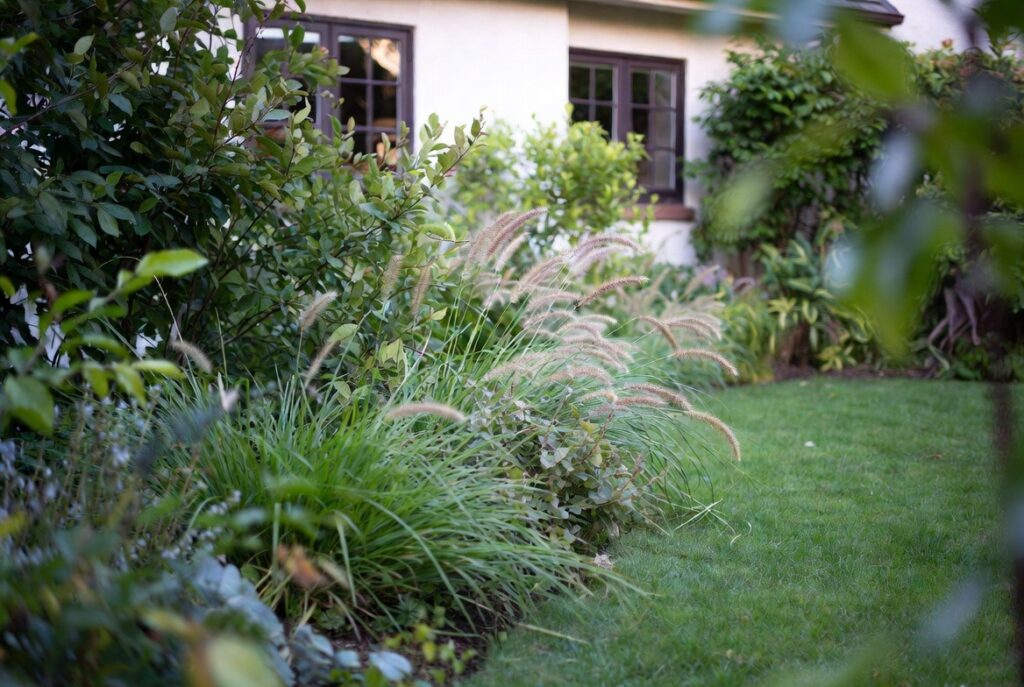
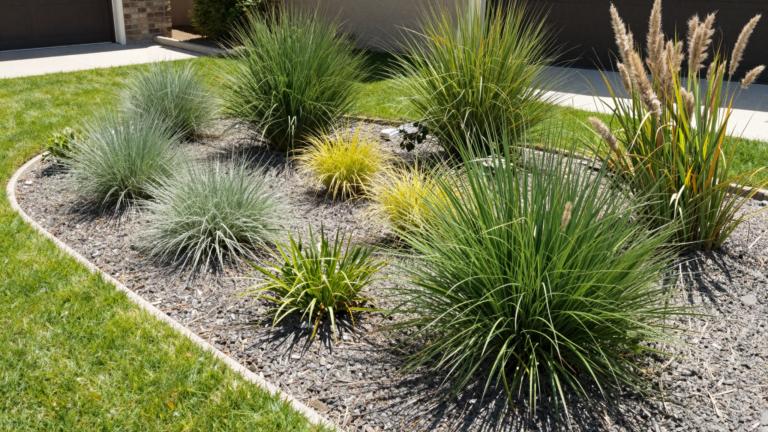
A yard with grass and a few shrubs at the same height reads as flat and forgettable. Layering ornamental grasses, mid-height shrubs, and taller specimen plants creates the depth that makes a landscape feel rich and considered. We found that texture variation does more for visual interest than adding more flower color ever could.
Smart tip: Add one ornamental grass variety to an existing bed for instant movement and texture — a budget-friendly upgrade.
Mistake to avoid: Don’t plant everything at a uniform height. A flat, one-dimensional bed reads as unfinished no matter how healthy the plants are.
3. The Stone Pathway That Replaces Boring Concrete
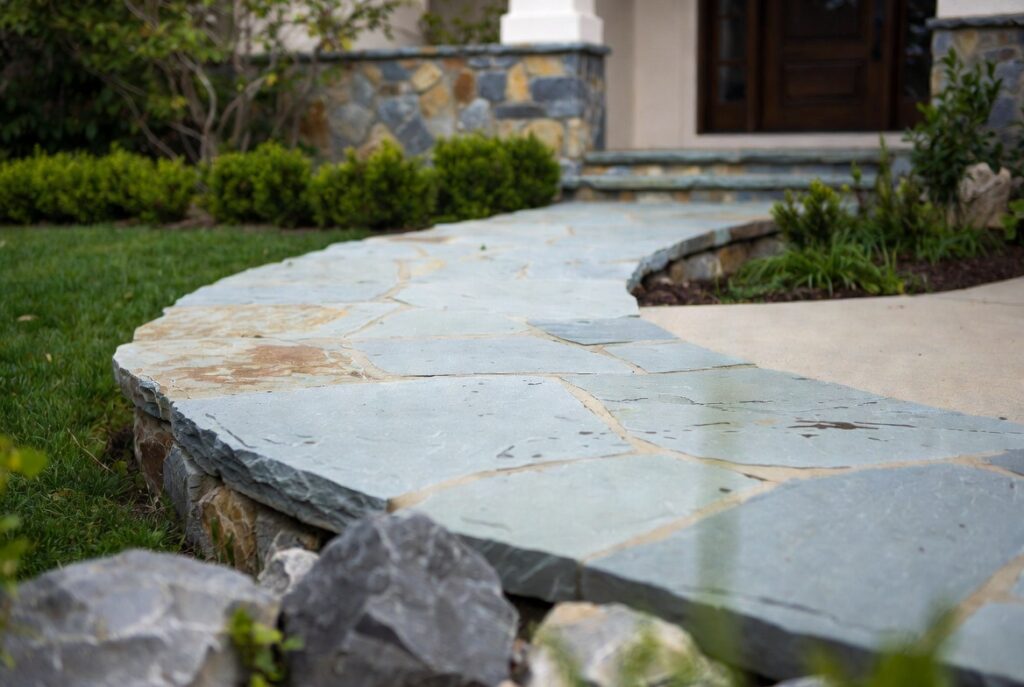
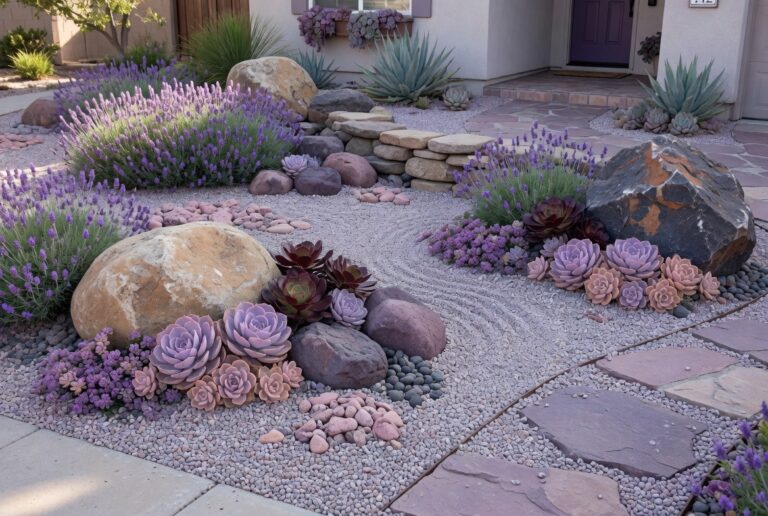
A plain concrete walkway is one of the most overlooked opportunities in a front yard. Swapping it for natural stone, or adding a curved bluestone path, instantly elevates how the whole entry feels. Wide, gentle curves also make mowing easier while guiding visitors naturally toward your front door. A beautiful path is the first thing guests walk on — it sets the tone before they even reach the porch.
Smart tip: Replace a straight concrete walkway with a gently curving stone path — small change, dramatic curb appeal boost.
Mistake to avoid: Don’t keep a cracked or stained concrete path “because it still works.” A worn walkway undercuts even beautiful landscaping around it.
Loving These Ideas? Get the Step-by-Step Guide
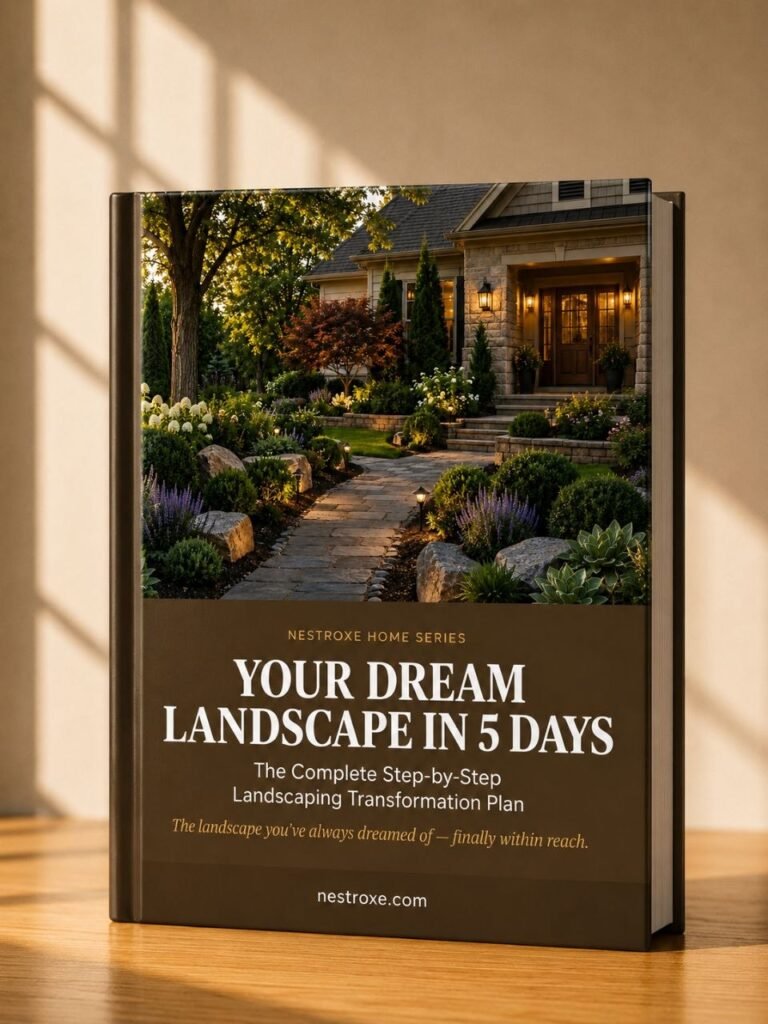
Grab the full 5-day eBook and turn these ideas into a finished room.

4. Smart Lighting That Works Even in Winter
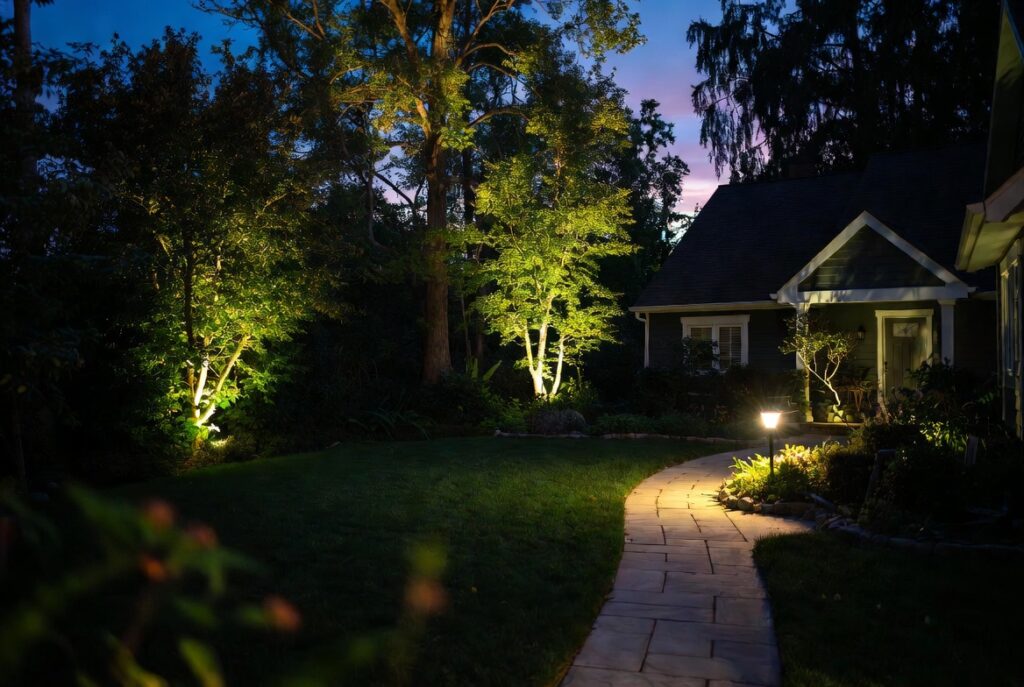
App-controlled, programmable LED lighting has become a staple of modern landscape design — not just for evening beauty but for safety and security through darker months. Well-placed path lights and uplighting on trees keep a yard visually appealing and functional year-round, no matter the season. One of the most common mistakes I see is landscape lighting treated as an afterthought instead of part of the design plan.
Smart tip: Install solar-powered smart path lights along your main walkway — no wiring required, instant evening curb appeal.
Mistake to avoid: Don’t rely only on a single porch light. Distributed, layered lighting feels far more intentional and secure than one bright source.
5. The Statement Tree Every Front Yard Needs
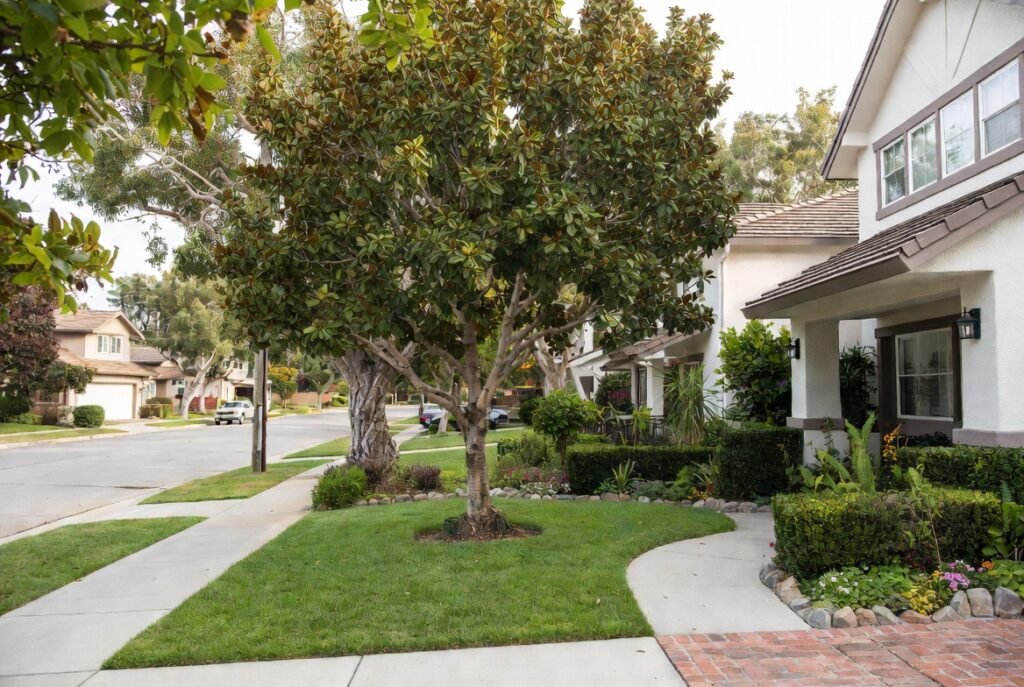
A single well-placed specimen tree adds volume, shade, and a natural focal point that flat planting beds can’t achieve alone. It breaks up the “2-D” look that happens when all the landscaping hugs the foundation of the house. The first time I saw a front yard with one striking tree positioned off-center, I understood how much depth a single plant could add to an entire property.
Smart tip: Plant one specimen tree slightly off-center in the yard rather than dead-center — a more natural, designed look.
Mistake to avoid: Don’t crowd a small yard with multiple large trees. One well-chosen specimen has more impact than several competing for attention.
6. Crisp Edging That Makes Everything Look Intentional
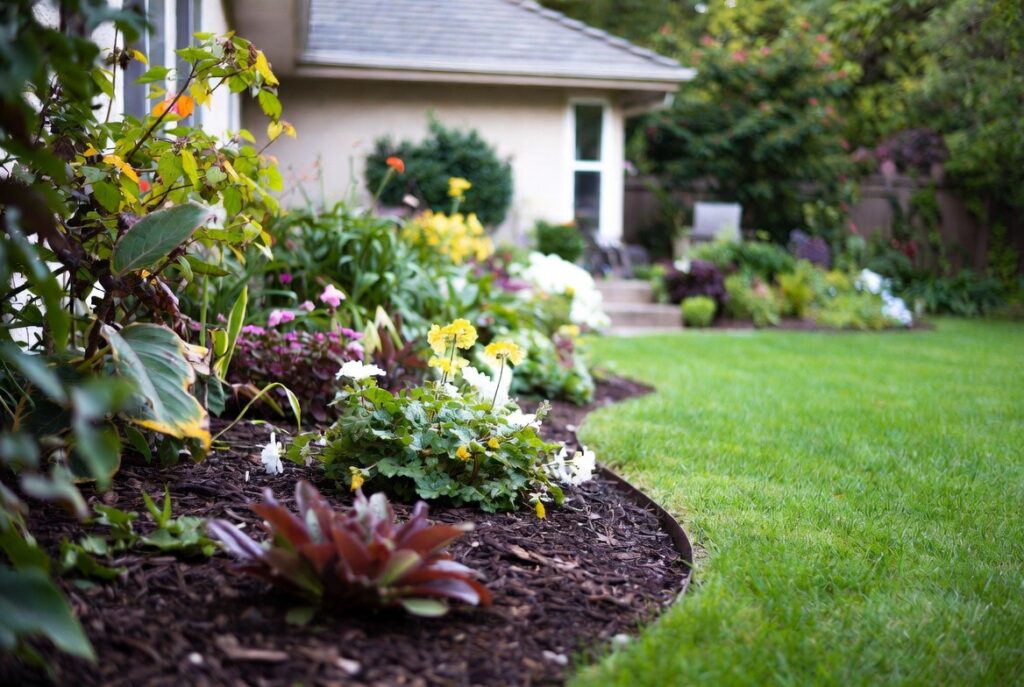
Clean, defined borders around flower beds and walkways are what separate a polished landscape from one that looks unfinished. Crisp edging combined with fresh mulch makes every bed look deliberate, even with simple, affordable plants inside it. This is one of the lowest-cost, highest-impact landscaping updates available.
Smart tip: Re-edge your existing flower beds and refresh the mulch — an affordable weekend project with an outsized visual payoff.
Mistake to avoid: Don’t let bed edges blur into the lawn over time. Soft, undefined borders make even healthy plantings look neglected.
7. Why Water-Smart Design Is the New Standard
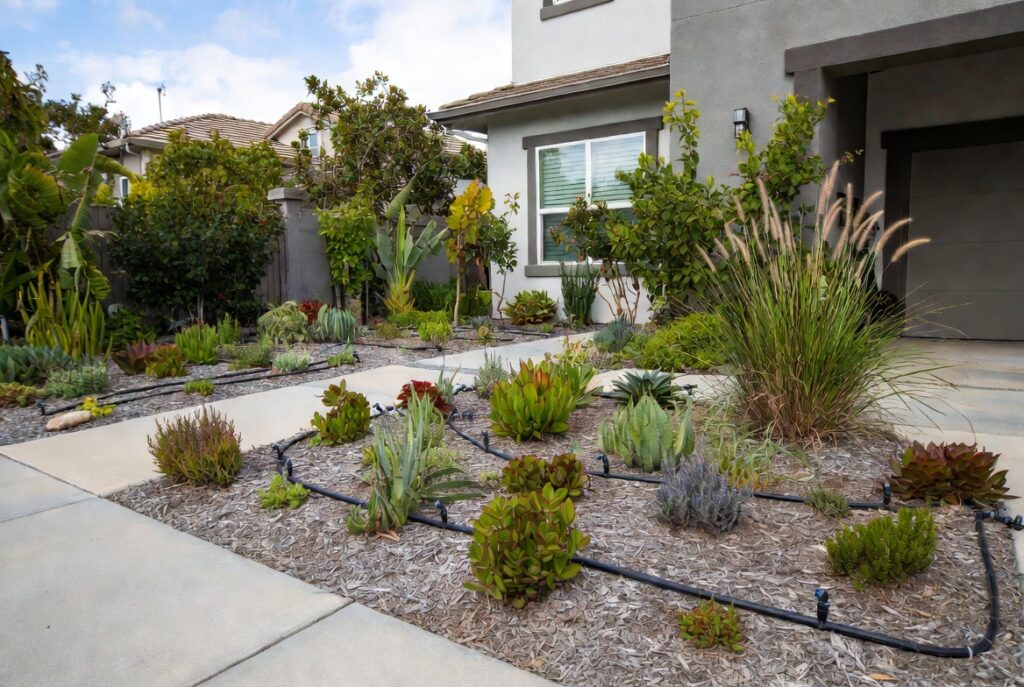
Drip irrigation, rainwater harvesting, and permeable surfaces aren’t just sustainability checkboxes anymore — they protect your property from flooding and keep plants healthier through droughts. Drought-tolerant plants paired with smart irrigation reduce both your water bill and your weekly maintenance. We found that water-smart landscaping consistently looks lush with a fraction of the upkeep traditional lawns require.
Smart tip: Install a simple drip irrigation line to your flower beds — efficient watering that saves both water and your time.
Mistake to avoid: Don’t keep overhead sprinklers running on a fixed schedule regardless of weather. Smart, targeted watering is both greener and cheaper.
8. The Accent Wall That Sets Your Home Apart
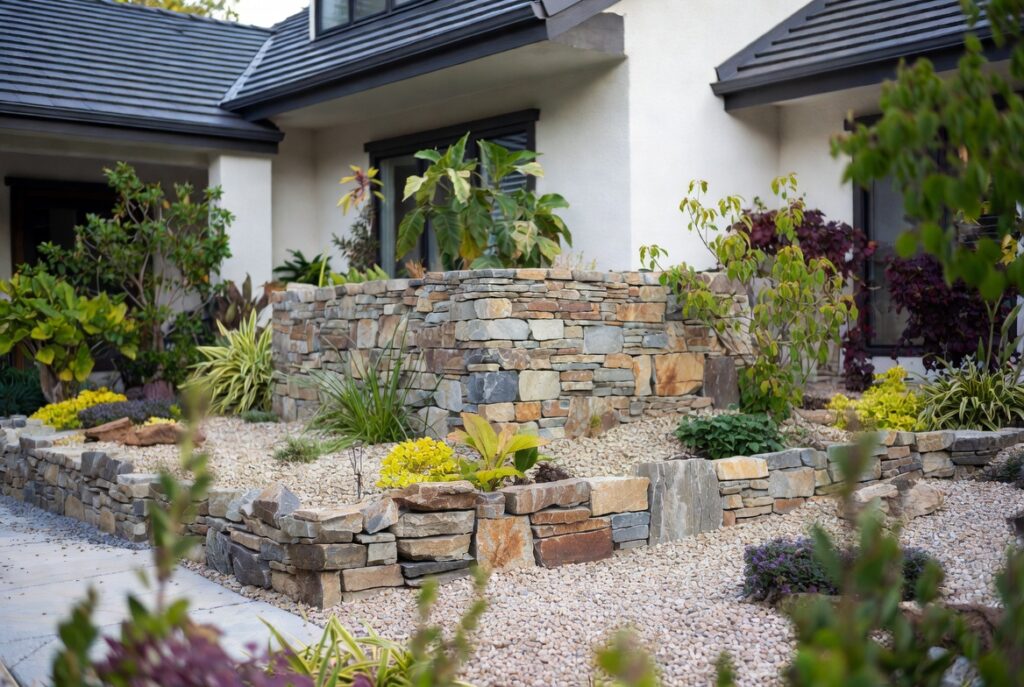
A stacked stone accent wall — whether as a low garden border or a retaining wall on a slope — adds texture and a sense of craftsmanship that plants alone can’t provide. It’s a hardscape feature that instantly distinguishes a property from neighboring yards with similar planting. A well-built stone wall is also functional, holding soil and shaping how rainwater moves through the yard.
Smart tip: Add a low stacked-stone border along one garden bed — structural texture that elevates the whole front yard.
Mistake to avoid: Don’t use mismatched stone types in one wall. Consistency in material reads as intentional; mixing styles looks accidental.
9. Foundation Planting Without the Common Mistakes
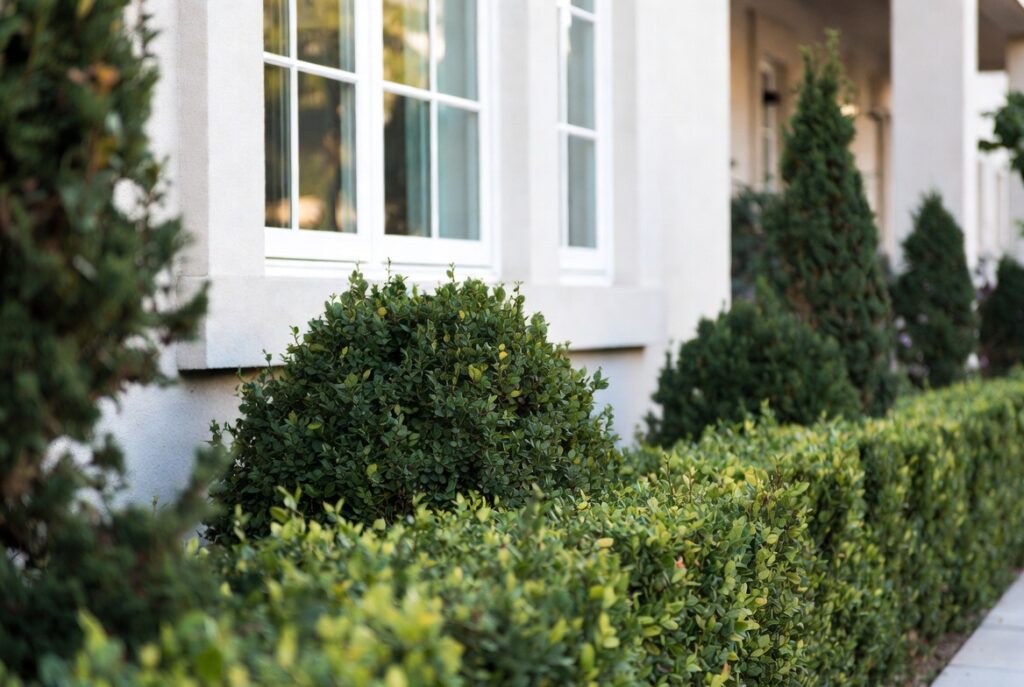
Foundation beds directly against the house are often the first thing people get wrong — overgrown shrubs covering windows, mismatched heights, plants chosen without considering mature size. Keeping shrubs trimmed to similar heights below the window line creates the polished, uniform look that defines great curb appeal. This single fix transforms how put-together a home looks from the street. If you’re planning your entry beds, our front yard landscaping ideas to boost your curb appeal cover even more foundation planting strategies.
Smart tip: Trim foundation shrubs to stay below window height and keep heights consistent — instant polish, zero new plants needed.
Mistake to avoid: Don’t let foundation shrubs grow unchecked for years. Overgrown plants blocking windows are one of the fastest curb appeal killers.
10. A Wellness Nook Hidden in Your Own Front Yard
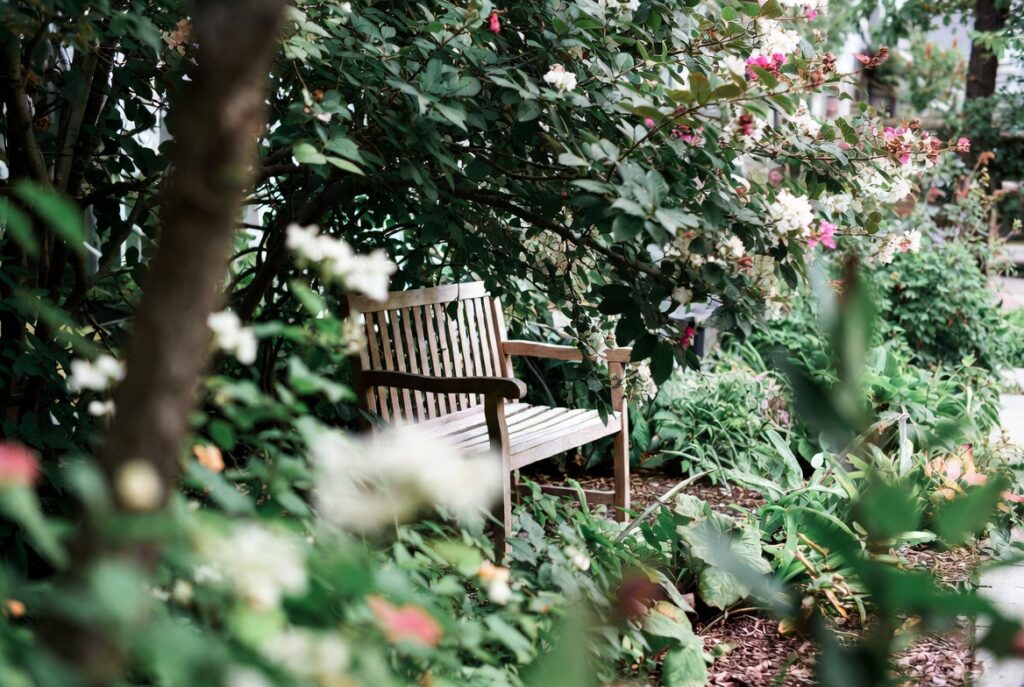
Wellness-focused landscape design has moved beyond backyards — a small, quiet seating nook tucked into front yard planting gives you a place to pause before even entering the house. A bench surrounded by fragrant plants, positioned slightly away from the main walkway, creates an unexpected moment of calm. It’s a feature most yards skip entirely, which is exactly what makes it stand out.
Smart tip: Tuck a simple bench into a quiet corner of your front planting bed — an affordable wellness feature most neighbors won’t have.
Mistake to avoid: Don’t place a wellness nook right against the main walkway. A slight offset is what makes it feel like a genuine retreat.
11. The Terraced Bed That Tames a Sloped Yard
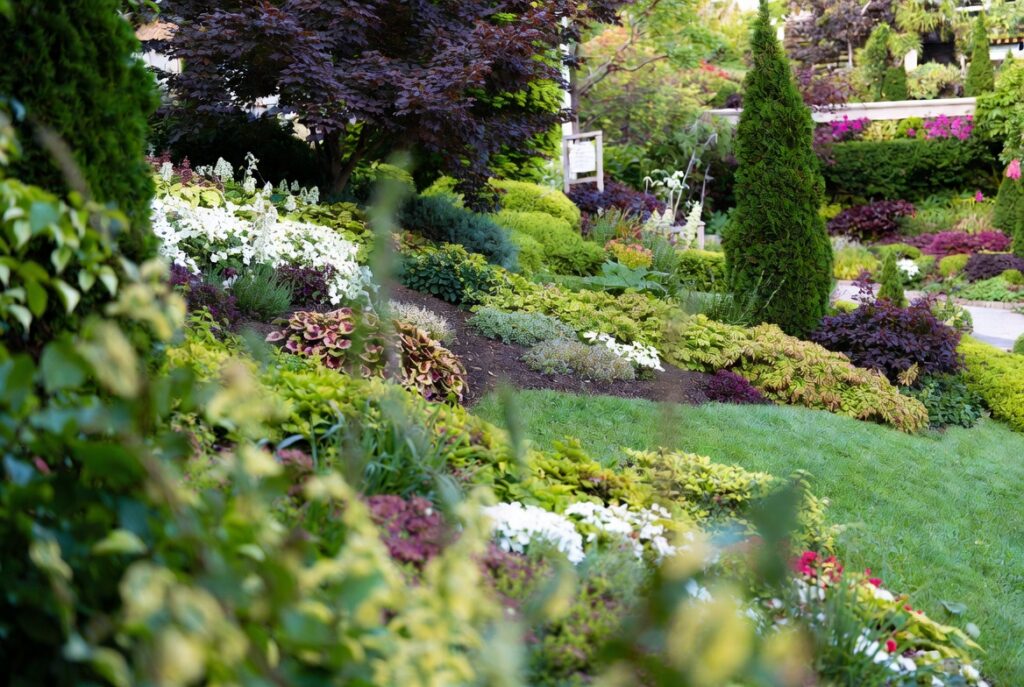
A sloping front yard is often treated as a problem, but terraced planting beds turn that slope into one of the yard’s most distinctive features. Layering annuals, perennials, and evergreens across the terraces ensures the bed looks good in every season, not just summer. What looks like a landscaping challenge is often an opportunity for the most visually interesting bed on the property.
Smart tip: Build simple terraces using landscape timbers on a mild slope — a manageable weekend project that solves erosion too.
Mistake to avoid: Don’t plant a slope with only one species. Multi-season interest requires a genuine mix of bloom times and evergreen structure.
12. Permeable Paving That Protects Your Investment
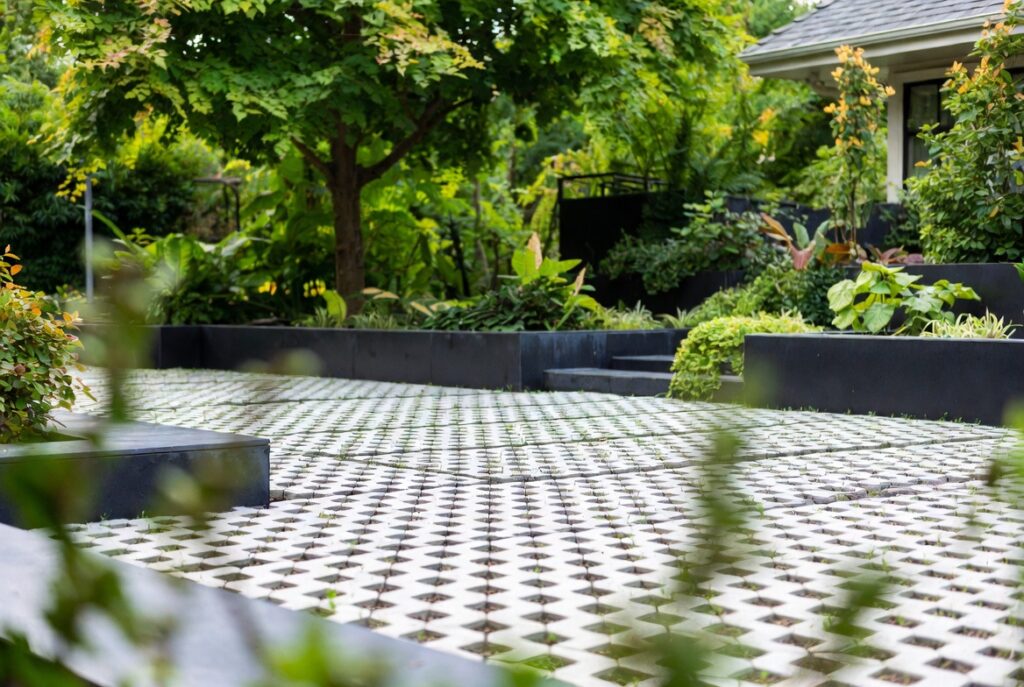
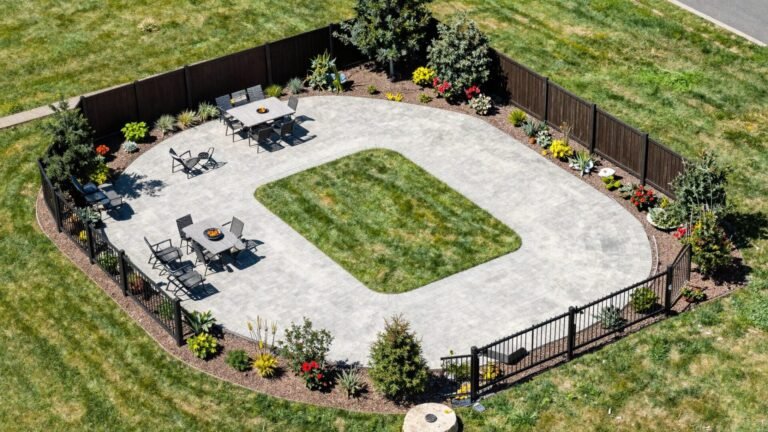
Solid concrete driveways and patios push rainwater straight toward your foundation, while permeable pavers let water filter through naturally. This reduces flooding risk during heavy rain and snowmelt while still giving you a clean, modern hardscape surface. It’s a feature that pays for itself by protecting your property over the long term.
Smart tip: Choose permeable pavers for a new walkway or small patio section — modern looks with built-in drainage protection.
Mistake to avoid: Don’t pour large solid concrete surfaces without considering drainage. Water has to go somewhere, and permeable design directs it safely.
13. The Finishing Detail Most Yards Skip
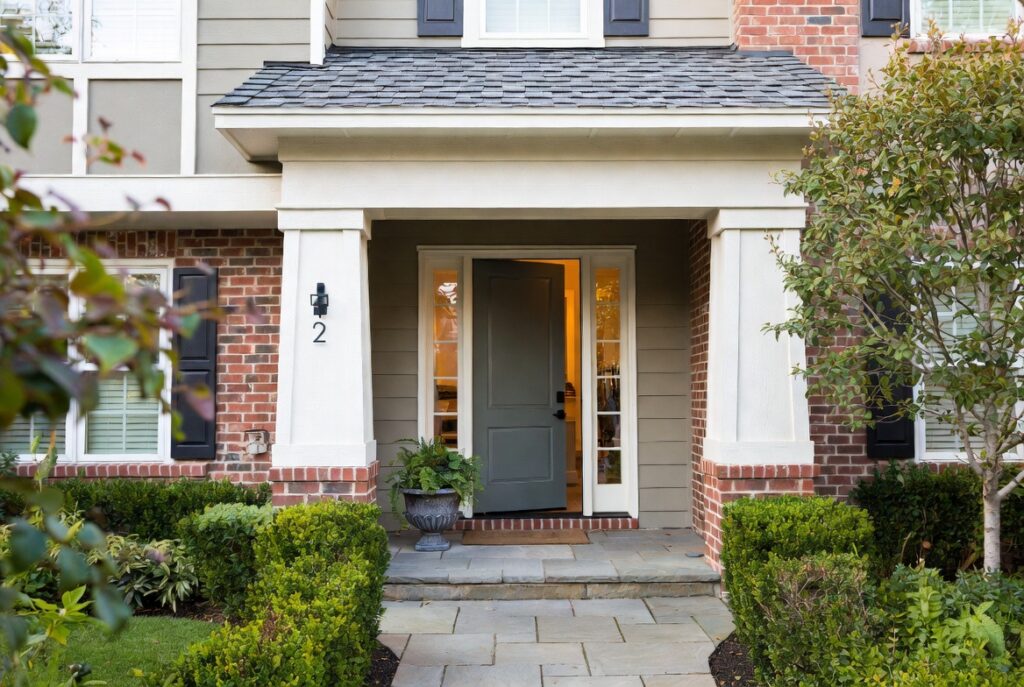
A custom house number, a decorative drain cover, an interesting planter at the entry — small finishing details are what separate a good landscape from a memorable one. These touches cost little relative to the rest of a landscaping project but are often what people actually remember. One of the most common mistakes I see is spending the entire budget on plants and hardscaping while leaving zero room for these final touches.
Smart tip: Add one custom detail — a statement house number or a striking entry planter — as your project’s final step.
Mistake to avoid: Don’t treat finishing details as optional extras. They’re often the cheapest element with the highest memorability.
A landscape with real presence isn’t built from an unlimited budget — it’s built from intentional choices that work together: architecture, texture, lighting, and a few unexpected details. Pick the one idea that speaks to your yard today, and let the rest of your landscape grow around it.
Continue Your Home Transformation
Explore the full collection of step-by-step eBooks and get the guide that fits the room you're working on.