Getting the bedroom storage right makes the biggest difference in how the space actually feels day to day. A well-planned bedroom storage balances function and style, and even small tweaks to your bedroom storage can transform the whole area.
You keep buying baskets and bins hoping this will finally be the system that sticks, and somehow the floor of your closet still looks like a losing argument.In my experience, bedroom storage ideas only work when they’re built around how you actually get dressed, not just where empty space happens to exist. By the end of this article, you’ll know exactly which storage upgrades are worth the investment and which ones are just pretty distractions.
1. The Symmetry Trick That Makes Storage Feel Restful
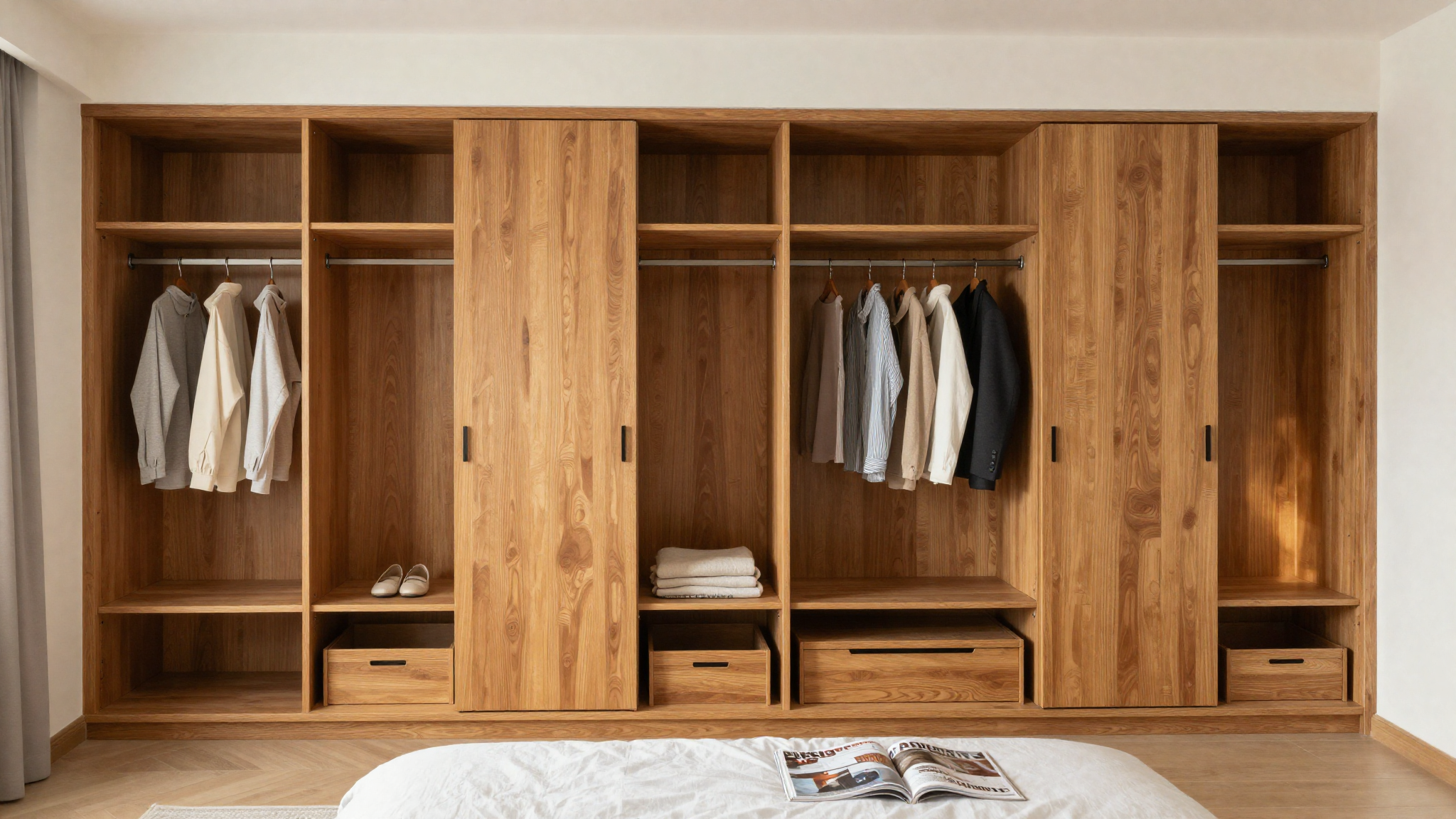
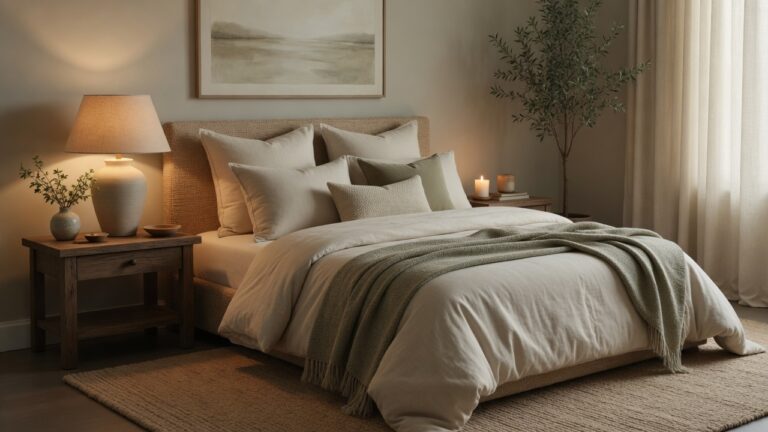
The most effective bedroom storage ideas often come down to something as simple as symmetry. Matching wardrobes flanking a bed make even generous storage feel calm and intentional rather than crammed in as an afterthought.
Smart tip: If your room isn’t perfectly symmetrical, a matching pair of nightstands can create the same visual balance for a fraction of the cost.
Mistake to avoid: Mismatched storage pieces on either side of a bed quietly create visual tension, even when neither piece is wrong on its own.
2. Find the Perfect Digital Product for You
If you’re reading this and already picturing the closet you’ll actually tackle this weekend, that’s exactly the moment Your Dream Bedroom in 5 Days was built for. It walks you through the same storage-first thinking covered here — plus color, layering, and lighting — mapped into one clear plan with real prices attached.

👉 Click here to get your copy of Your Dream Bedroom in 5 Days — turn this list into an actual finished room this week.
3. Storage That Actually Adds Character
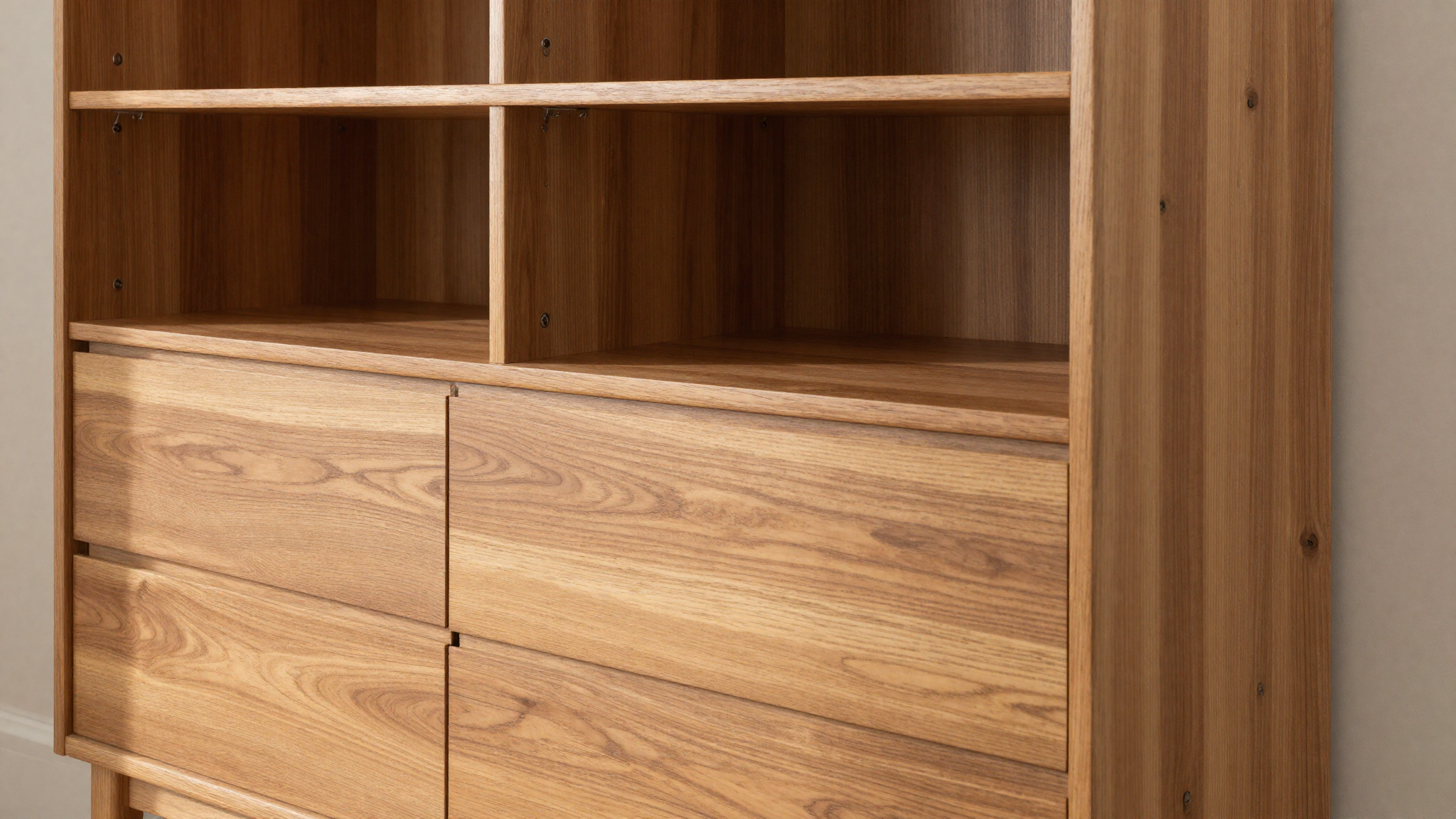
A rich wood wardrobe with clean modern lines does something a plain white one never will — it grounds the entire room with texture and warmth. This is storage that reads as a design choice, not just a box for clothes.
Smart tip: Pair a warm wood wardrobe with lighter walls so the piece stays the visual anchor rather than blending into the background.
Mistake to avoid: Choosing a heavily grained wood wardrobe in an already busy, pattern-heavy bedroom competes for attention instead of grounding the space.
Loving These Ideas? Get the Step-by-Step Guide
Grab the full 5-day eBook and turn these ideas into a finished room.




4. The Storage System That Grows With You
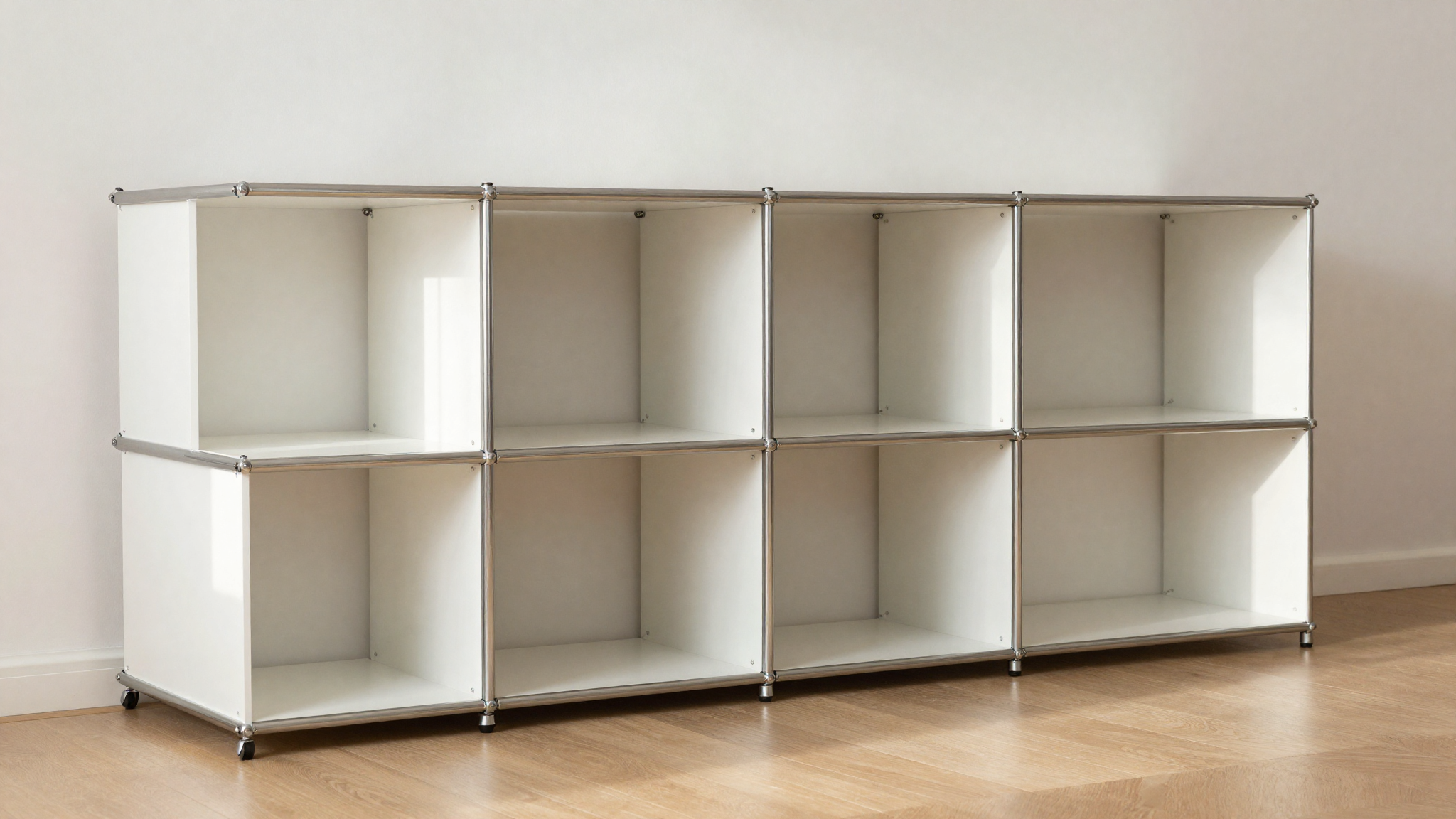
Modular storage systems are quietly becoming one of the smarter bedroom storage ideas for anyone whose needs keep changing. Clean panels and flexible sections adapt as your wardrobe grows or your life shifts, without ever needing to be replaced.
Smart tip: Start with the base modular frame and add sections gradually — it spreads the cost out and lets the system evolve with actual need.
Mistake to avoid: Overbuying modular sections all at once before you know exactly how you’ll use each one often leaves awkward empty gaps.
5. The Ottoman Doing More Work Than Your Dresser
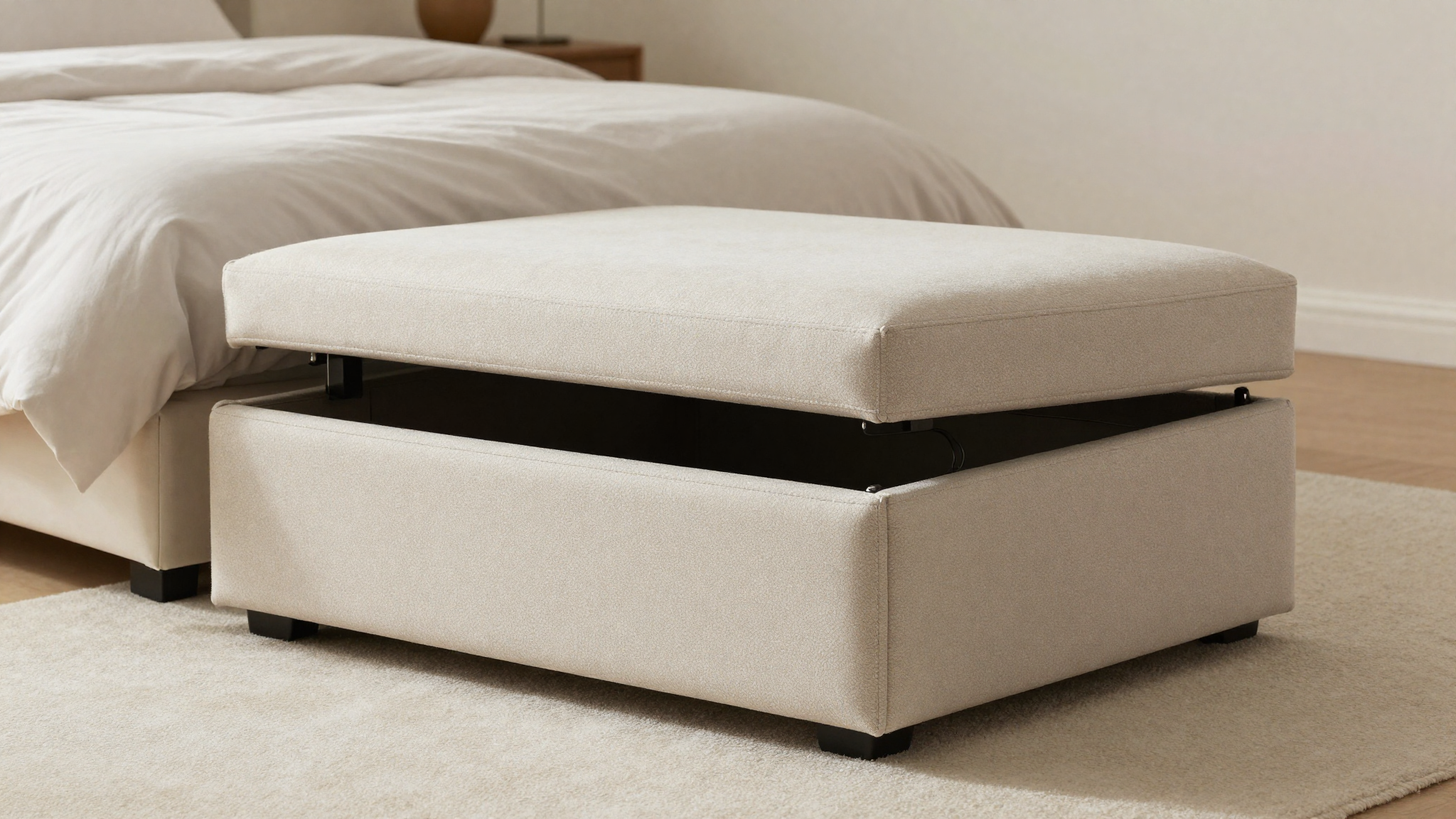
A boucle storage ottoman at the foot of the bed is one of the easiest bedroom storage ideas to add without any real renovation. It holds extra blankets or off-season clothing while doubling as a genuinely comfortable spot to sit and put on shoes.
Smart tip: Choose a top that lifts fully off rather than a lid on a hinge — it’s easier to access and doesn’t strain over time.
Mistake to avoid: Overfilling a storage ottoman until the lid no longer sits flush ages the piece and makes it look sloppy fast.
6. The Basket Swap That Looks Intentional Instead of Improvised
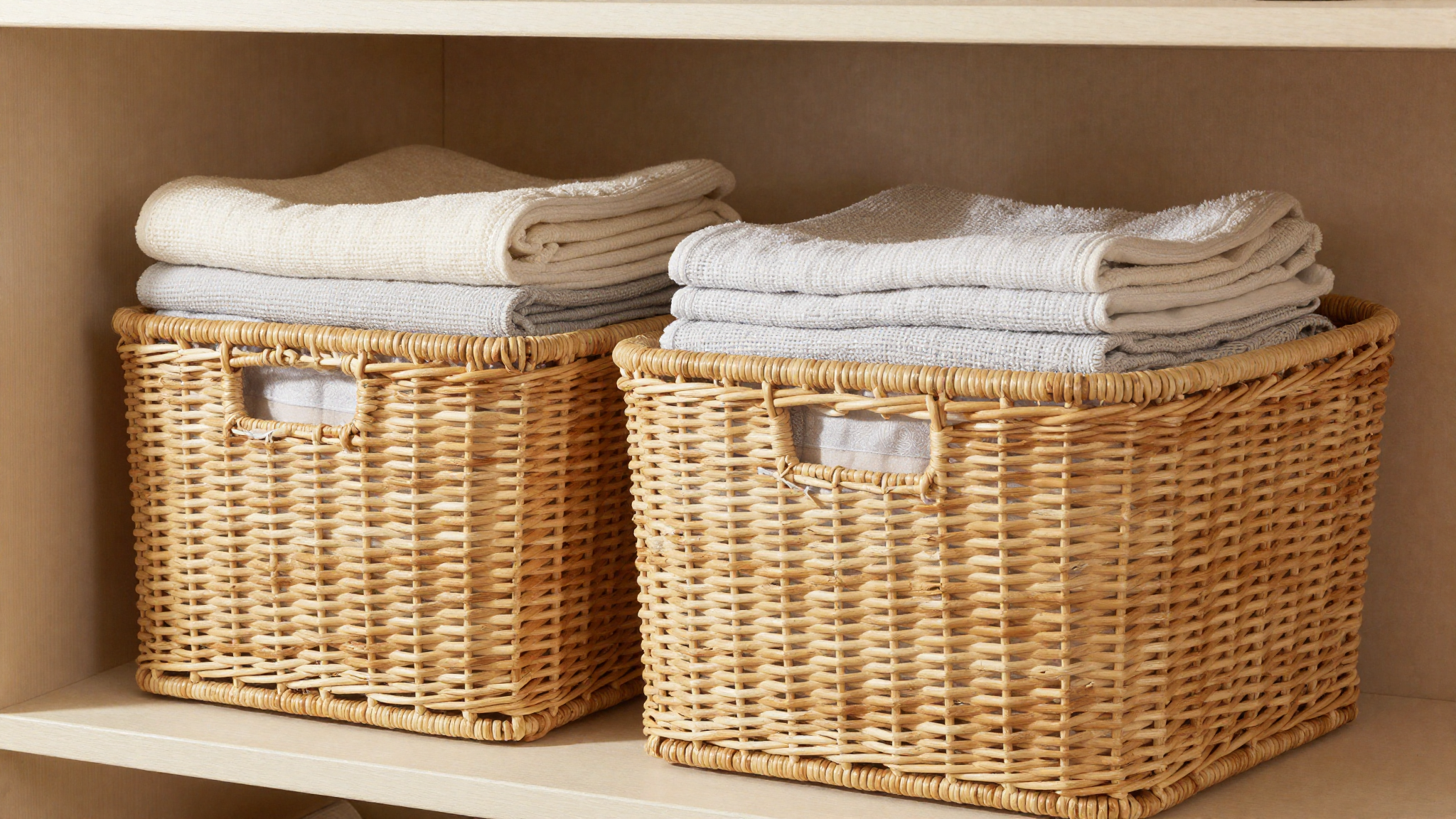
Swapping plastic bins for a seagrass or rattan basket instantly changes how storage reads in a bedroom. The same spare throws and pillow covers suddenly look like part of the decor instead of overflow you’re hiding.
Smart tip: Use one basket size and material throughout the room — mixing several different basket styles undoes the polished look you’re going for.
Mistake to avoid: Leaving baskets open and overflowing negates the entire visual benefit; a lid or fold-over top keeps things looking finished.
7. The Floor Space You’ve Been Ignoring This Whole Time
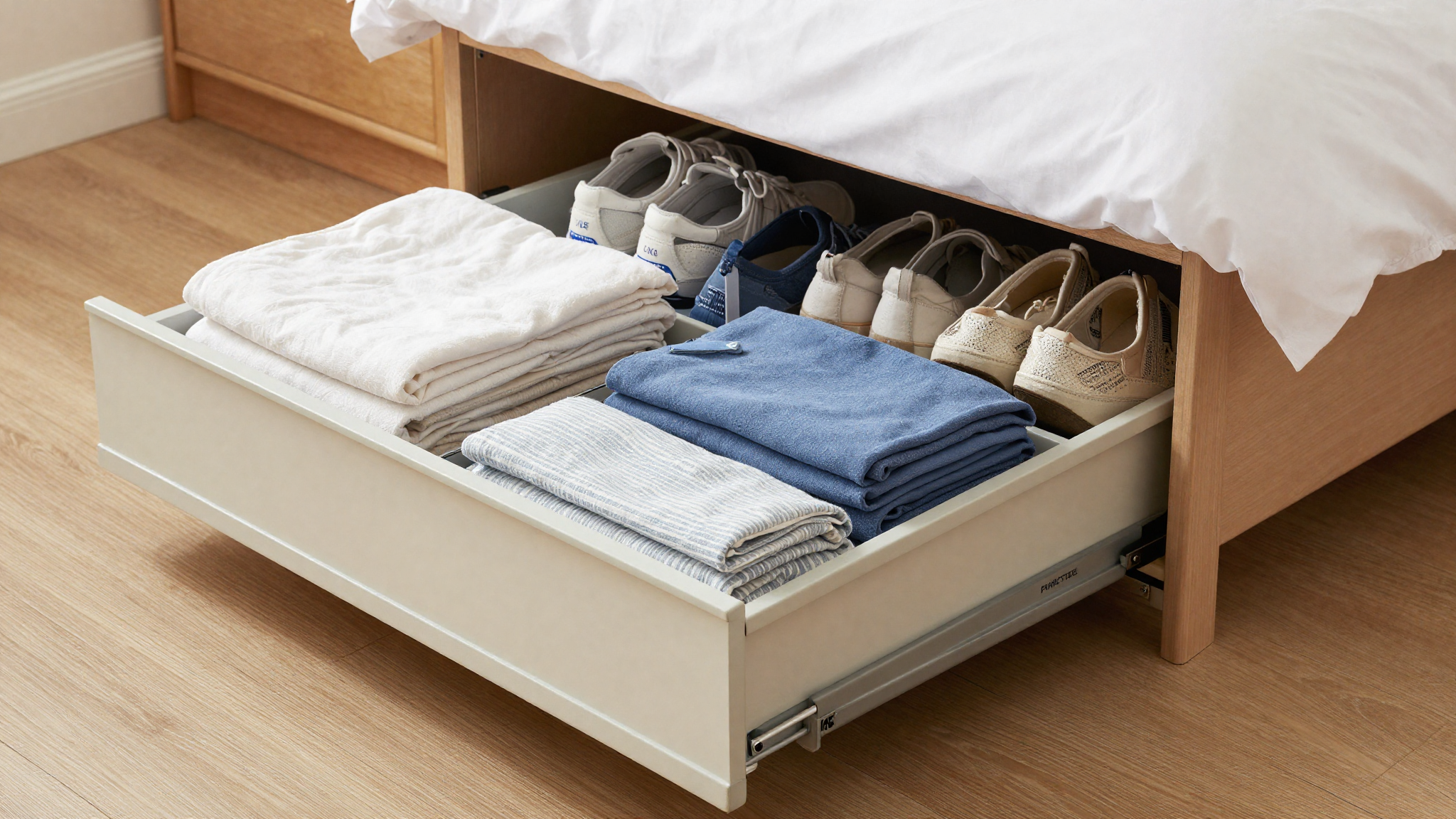
The area under your bed is genuinely valuable and almost always wasted. Pull-out drawers or flat lidded boxes can hold shoes, extra linen, and seasonal clothing without adding a single new piece of furniture to the room.
Smart tip: Label every under-bed box clearly — this one habit is what actually keeps this storage zone useful long-term instead of becoming a mystery pile.
Mistake to avoid: Skipping lids on under-bed boxes lets dust settle into stored linens and clothing, undoing the entire point of storing them there.
8. The Door Swing You Didn’t Know Was Stealing Space
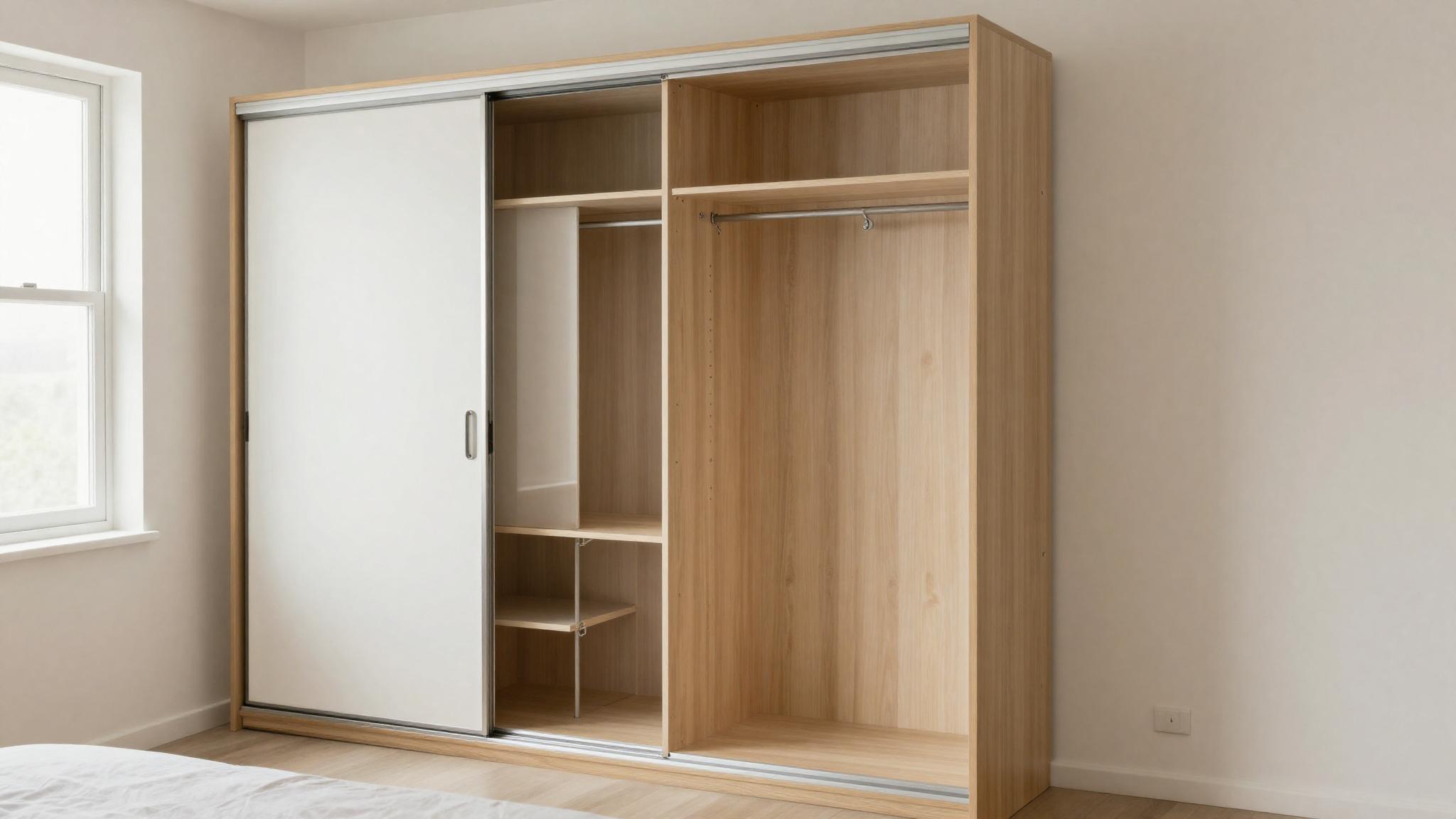
If your wardrobe has hinged doors that swing open, they’re quietly claiming floor space every single day. Sliding doors reclaim that clearance entirely, which matters most in smaller bedrooms where every foot counts.
Smart tip: Measure your existing swing clearance before switching — it’s often more usable floor space than people expect, sometimes 2 to 3 feet.
Mistake to avoid: Choosing sliding doors without checking the track’s floor-level clearance can create a tripping hazard in walkways.
9. What to Do With That Awkward Sloped Corner
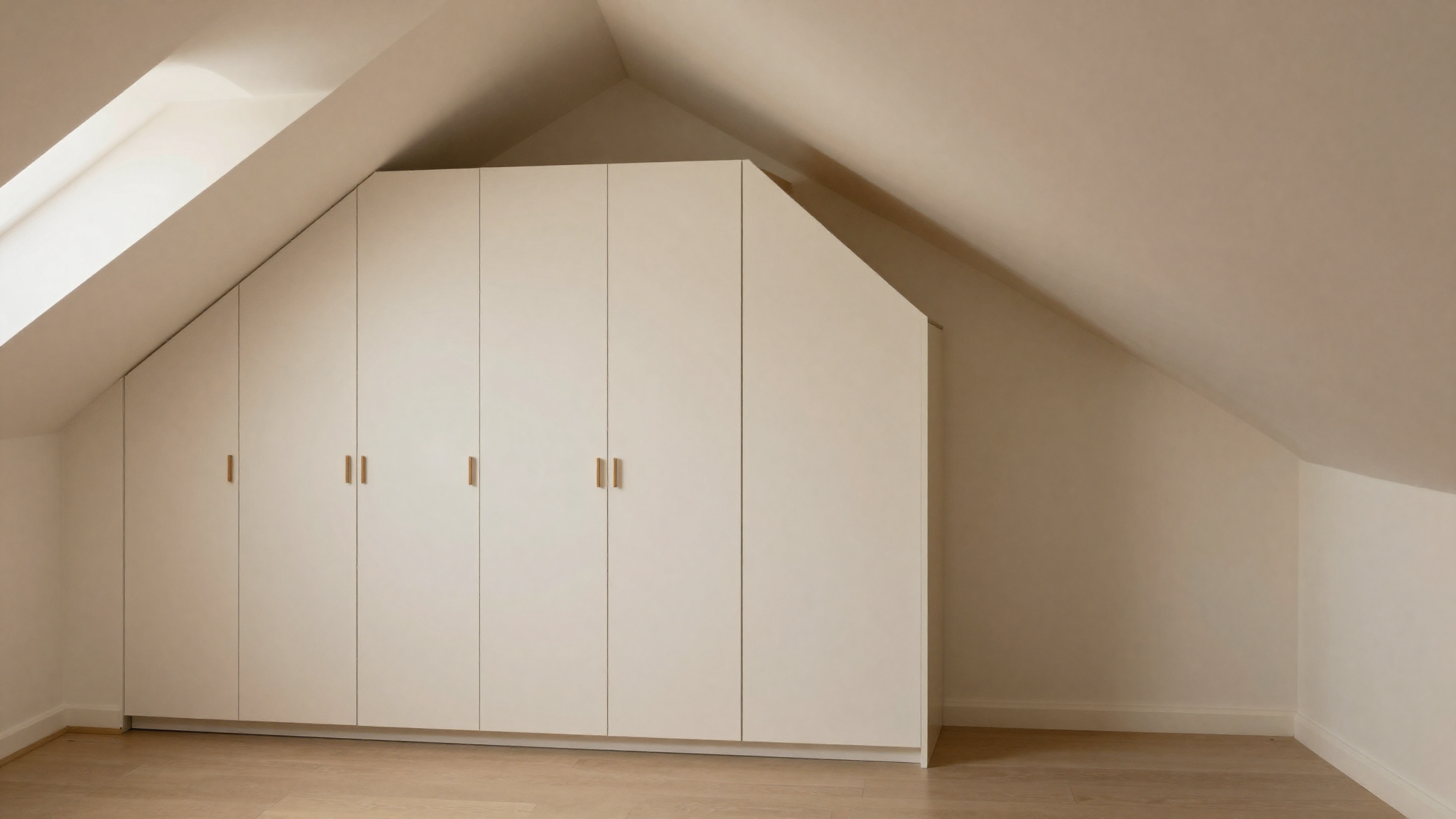
Sloped ceilings and odd alcoves are exactly where fitted, custom-built storage earns its cost. A wardrobe designed specifically for that awkward corner turns wasted space into some of the most efficient storage in the entire room.
Smart tip: Get a bespoke measurement rather than buying standard-size furniture and hoping it fits — awkward corners rarely accommodate off-the-shelf sizing well.
Mistake to avoid: Forcing a standard wardrobe into a sloped alcove usually leaves an unusable gap at the top that becomes a permanent dust trap.
10. Open Shelves Without the Clutter Trap
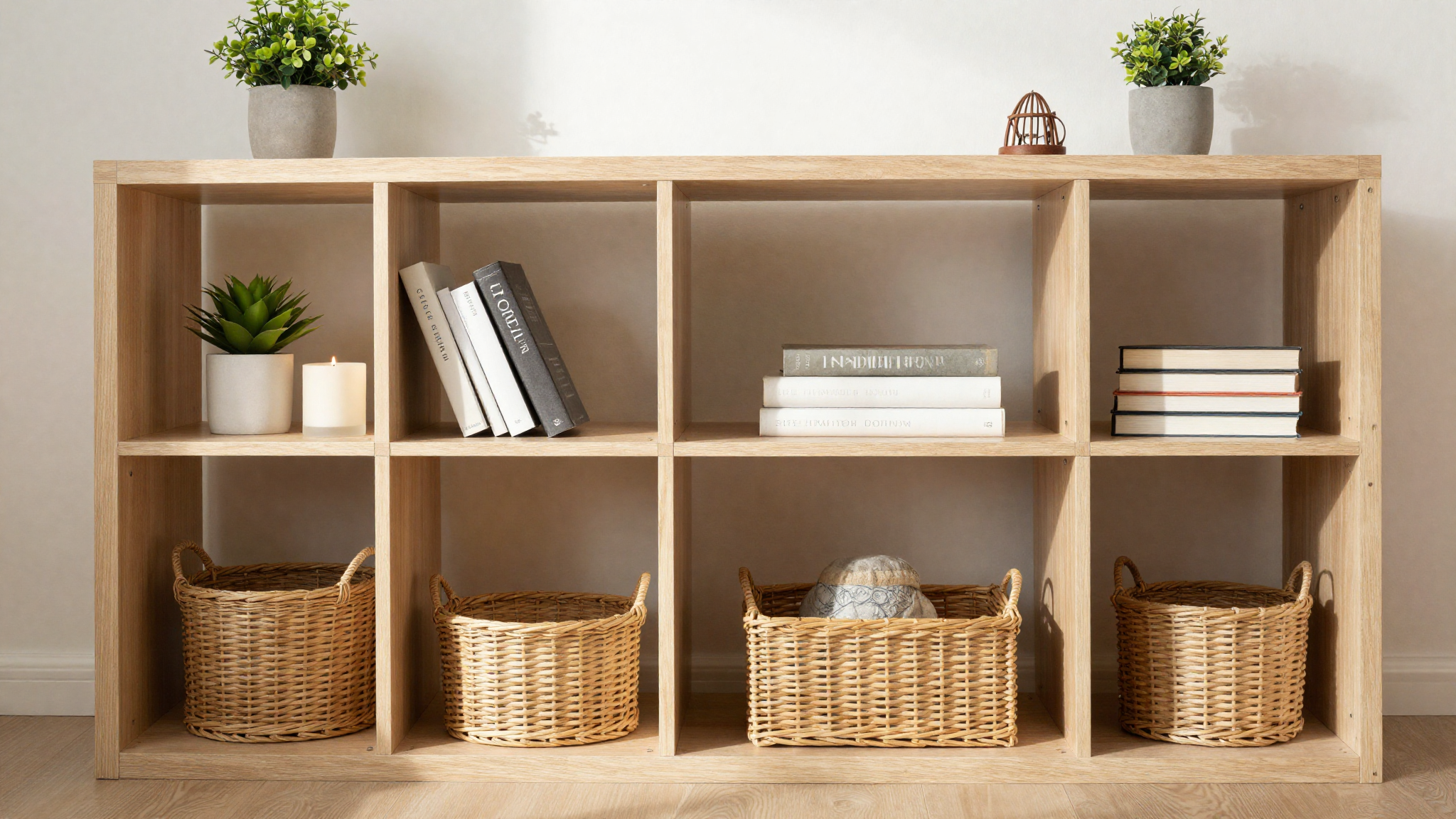
Open shelves feel lighter and airier than heavy closed units, but they only work with real intention behind them. A few styled objects — a book, a plant, a candle — paired with baskets for the small stuff keeps things tidy without feeling bare.
Smart tip: Follow a simple rule of odd numbers when styling open shelves — groups of three read as curated rather than random.
Mistake to avoid: Letting open shelves become a catch-all for daily clutter defeats the entire purpose; anything without a “home” belongs in a closed drawer instead.
11. Growing Up Instead of Out
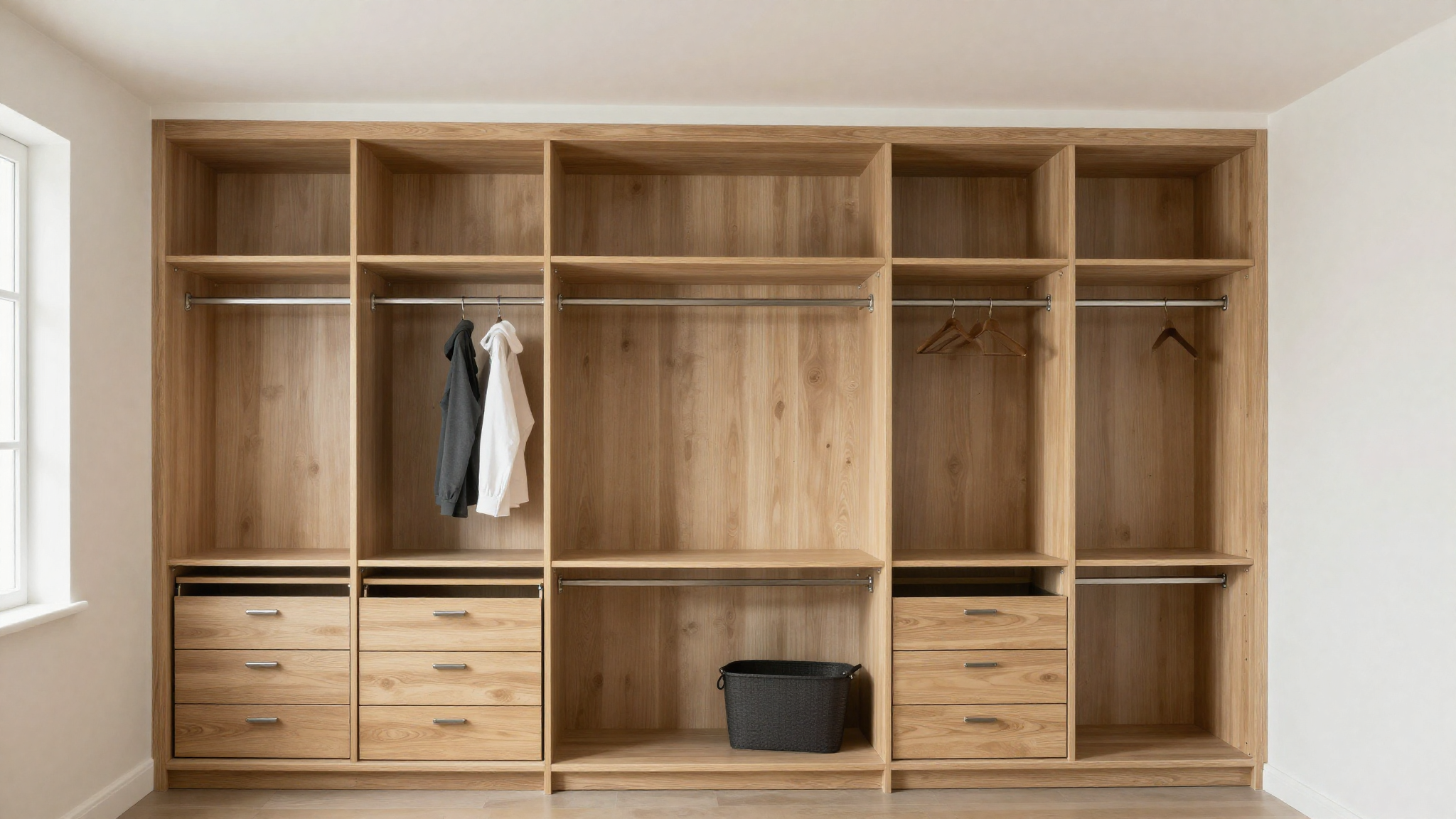
Wardrobes and fitted shelves that reach all the way to the ceiling store roughly twice as much without claiming any extra floor space. The top section works perfectly for seasonal items you only need a few times a year.
Smart tip: Keep a step stool tucked nearby specifically for the top shelf — it removes the one real friction point of ceiling-height storage.
Mistake to avoid: Storing frequently-used items on the highest shelf makes daily routines more annoying than the extra storage is worth.
12. The Boutique Feeling Hiding in a Closet
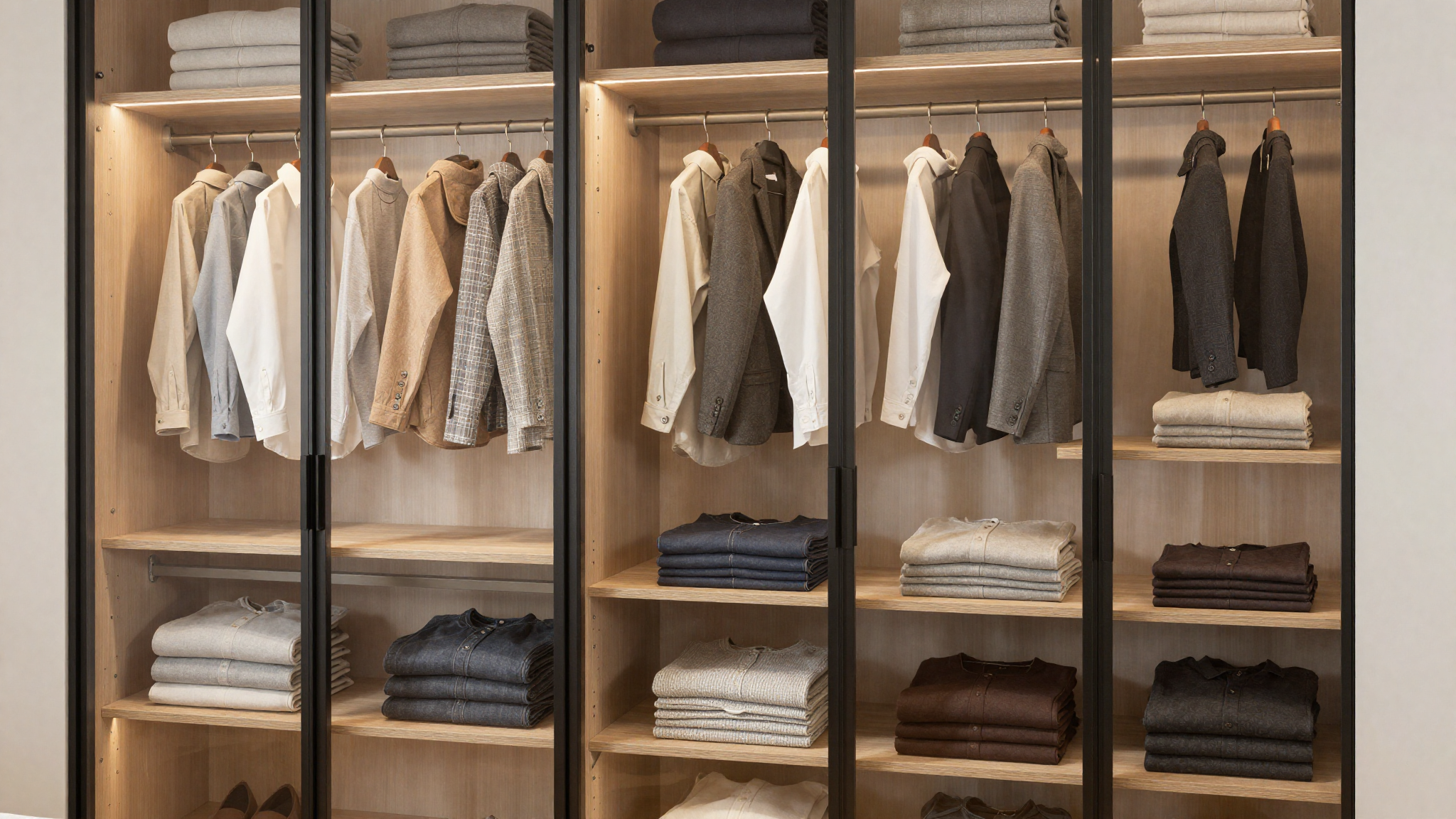
Glass-front wardrobe panels turn a closet into something closer to a curated boutique display. Soft interior lighting highlights the textures and colors of what’s stored, making the whole thing feel like a dressing experience rather than plain storage.
Smart tip: Reserve glass-front sections for your favorite, most photogenic pieces — it works best when what’s on display is genuinely worth looking at.
Mistake to avoid: Using glass fronts throughout an entire closet, including messier sections, undercuts the polished effect this feature is meant to create.
13. Making a Small Room Work Twice as Hard
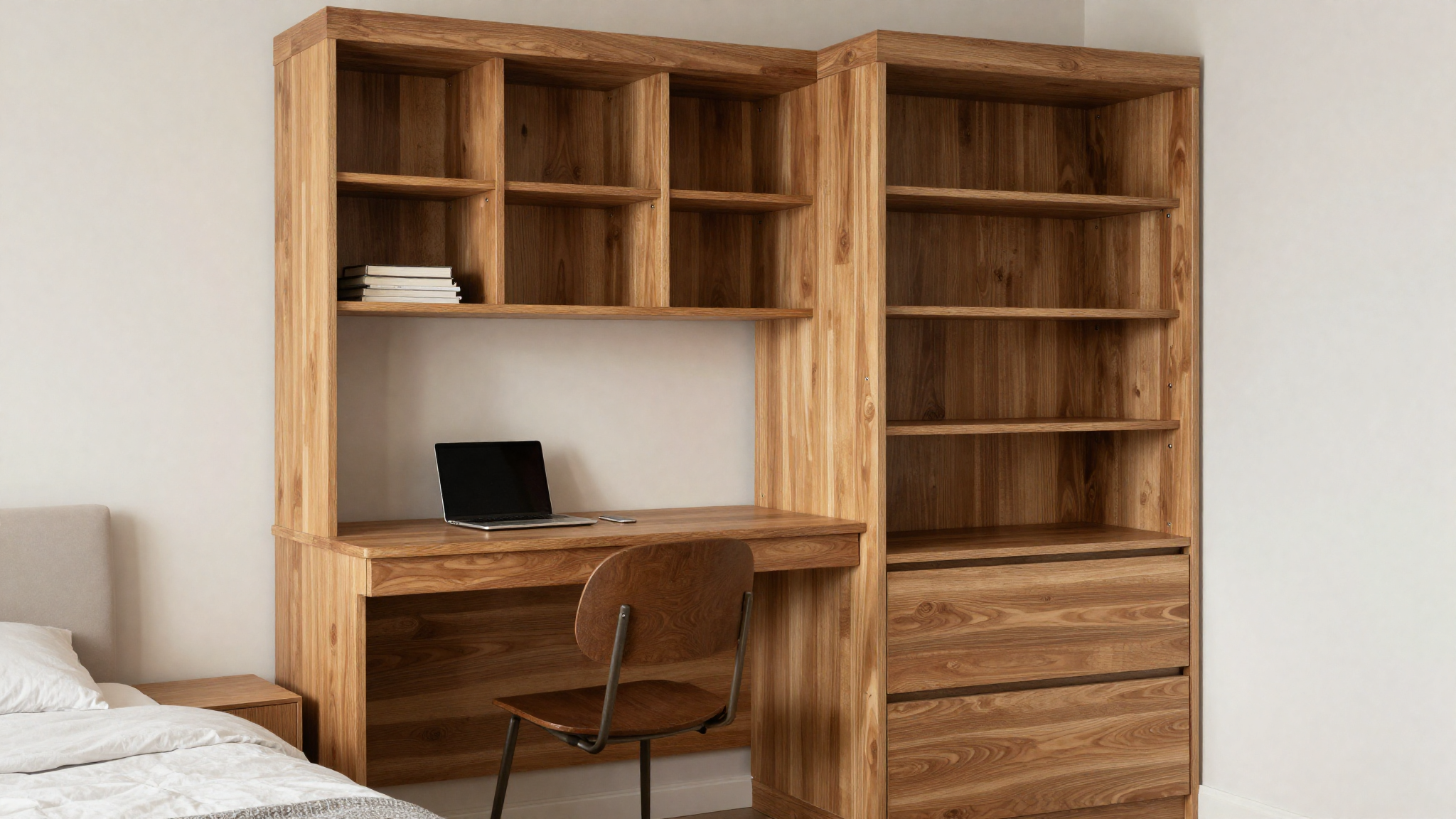
A closet that blends storage with a built-in desk lets a small bedroom quietly do double duty. Warm wood tones tie the workspace and wardrobe sections together so neither feels bolted on as an afterthought.
Smart tip: Keep the desk section shallow — 16 to 18 inches is usually enough for a laptop without eating into the storage capacity beside it.
Mistake to avoid: Positioning a closet desk directly under a high shelf without enough headroom makes the workspace feel cramped and unused.
14. The Interior Detail Most Wardrobes Skip
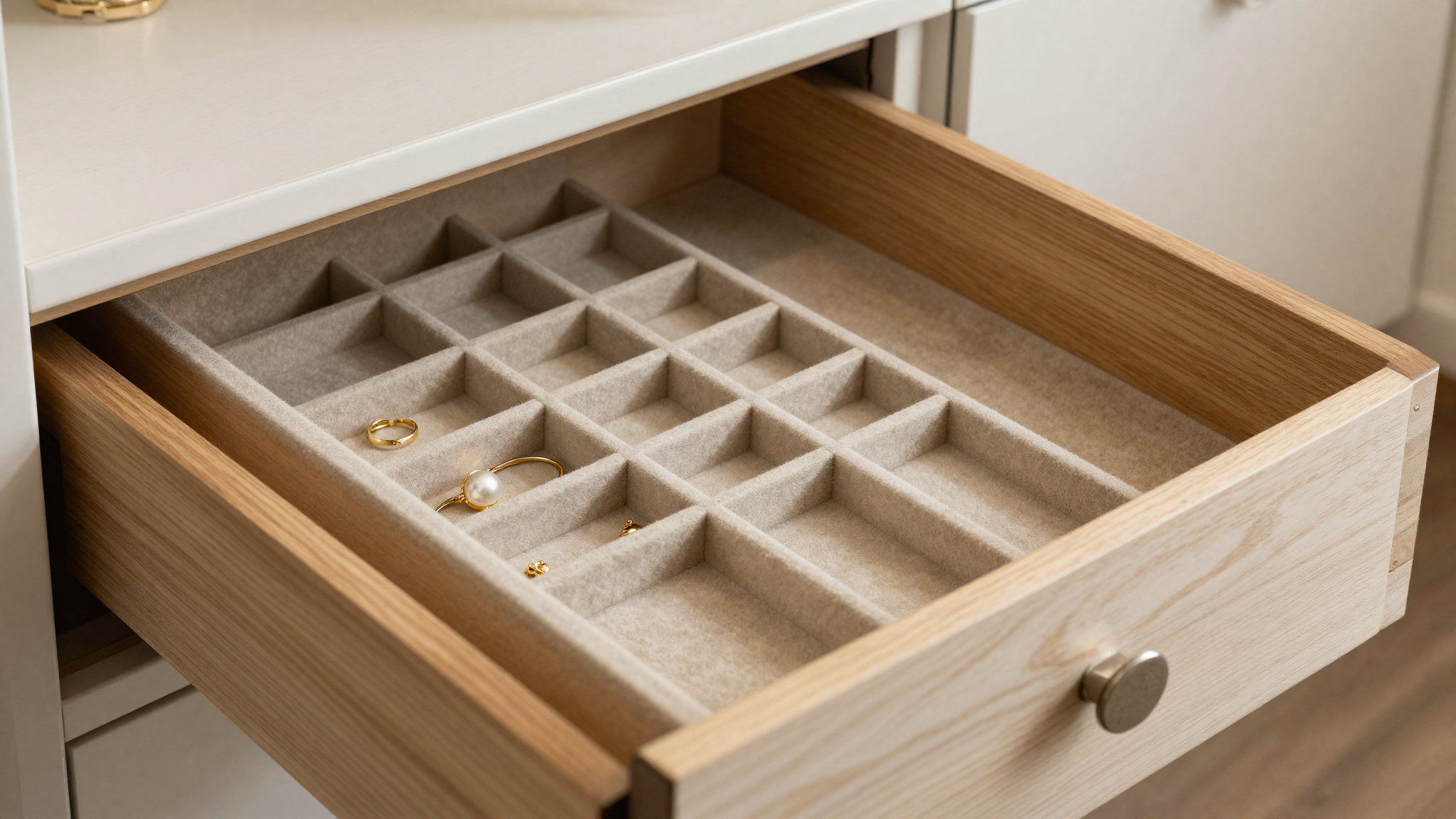
The real difference between a basic dresser and a genuinely thoughtful one is often invisible until you open a drawer. Details like a drop-in jewelry tray, felt lining, or cedar-lined bottom drawers turn ordinary storage into something considered.
Smart tip: Cedar lining is worth seeking out specifically for drawers holding wool or delicate fabrics — it naturally deters moths without any chemical treatment.
Mistake to avoid: Buying a dresser based on exterior style alone often means missing these interior details that make daily use genuinely better.
15. The Finish That Feels Architectural, Not Bulky
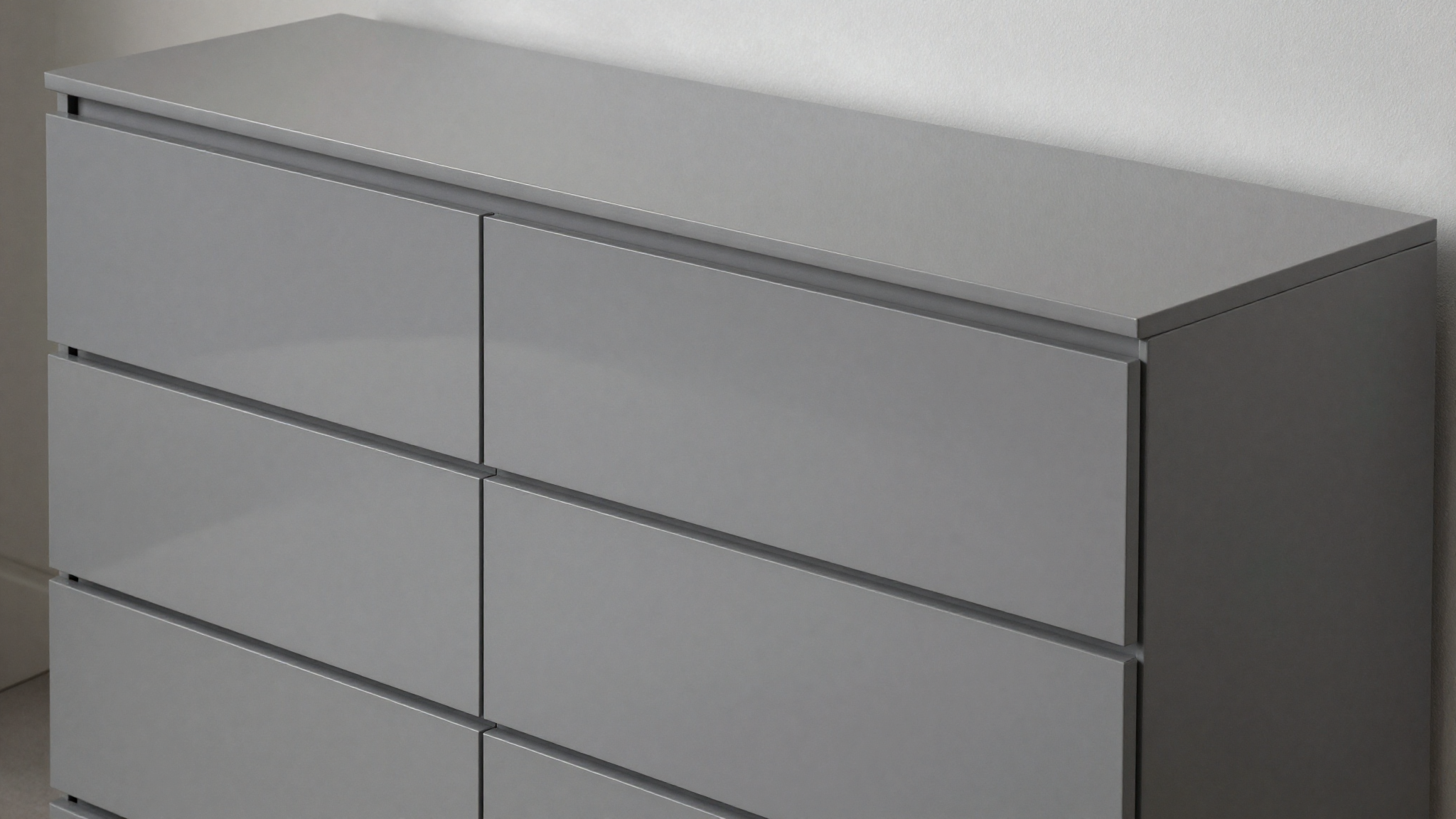
A glossy grey finish on a dresser or wardrobe reflects just enough light to keep a room from feeling heavy, even with generous storage capacity. Minimal hardware and flat panels push the look toward architectural rather than bulky furniture.
Smart tip: Pair a glossy grey piece with warmer wood tones elsewhere in the room so the finish reads as sleek rather than cold.
Mistake to avoid: Placing a glossy finish directly across from a bright window can create glare that’s genuinely distracting when you’re trying to relax.
16. The Tiny Detail by the Door That Changes Your Mornings
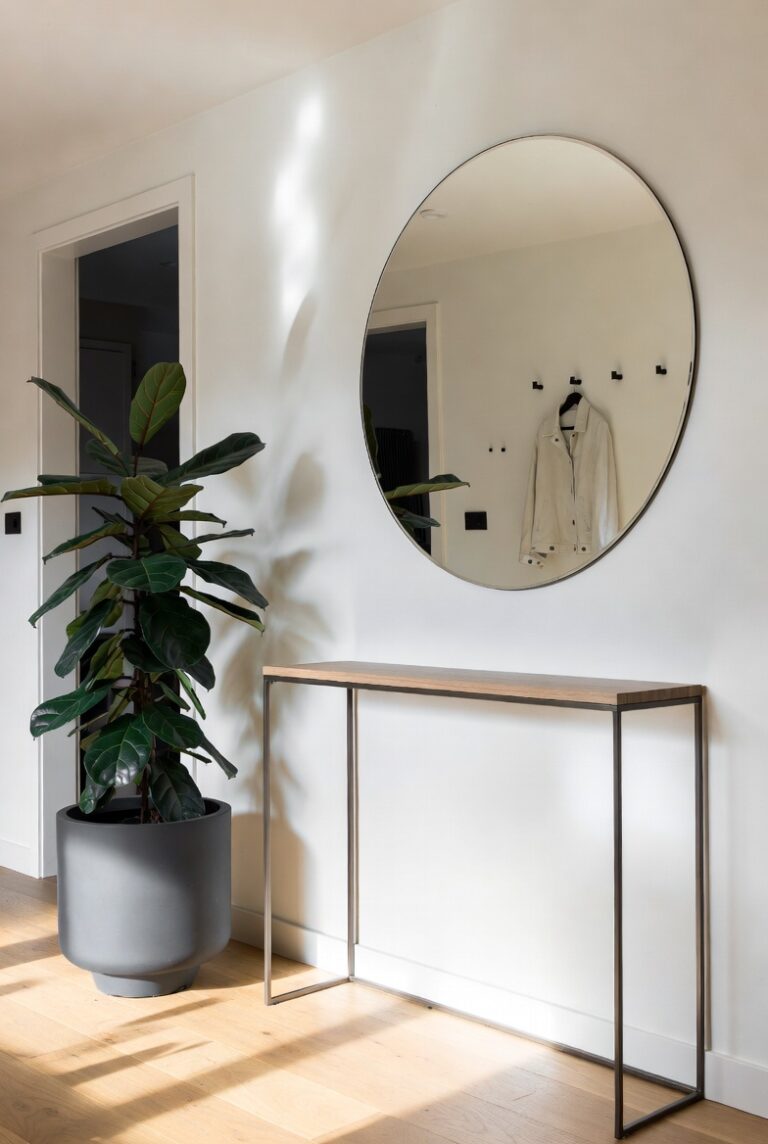
A small hook and bench setup near the bedroom door solves the daily problem of where jackets, bags, and accessories land before bed. It’s one of the smallest bedroom storage ideas on this list and genuinely one of the most-used.
Smart tip: Mount hooks at two different heights if the room is shared — it keeps items from piling on top of each other on a single row.
Mistake to avoid: Adding too many hooks in one spot just relocates clutter instead of solving it — three or four is usually the useful limit.
17. Putting the Whole System Together
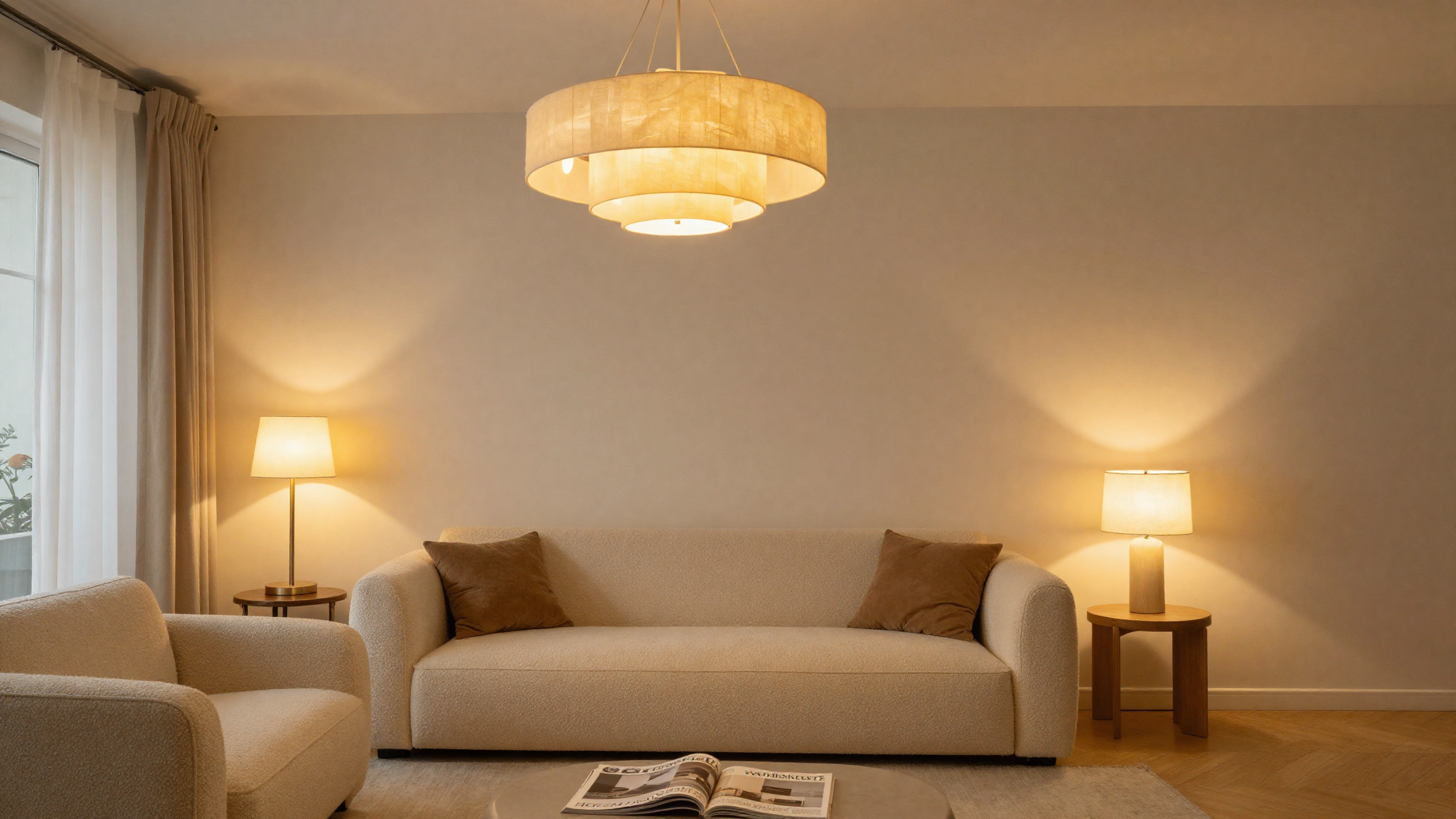
None of these bedroom storage ideas need to be tackled in one weekend. Start with the free fixes — baskets, labeling, decluttering under the bed — before investing in fitted wardrobes or custom corner solutions.
Smart tip: Empty one drawer completely before buying anything new — you’ll often discover you already own the solution to half your storage problem.
Mistake to avoid: Buying new storage furniture before decluttering just gives you a nicer-looking place to keep things you don’t actually need.
Continue Your Home Transformation
Explore the full collection of step-by-step eBooks and get the guide that fits the room you're working on.