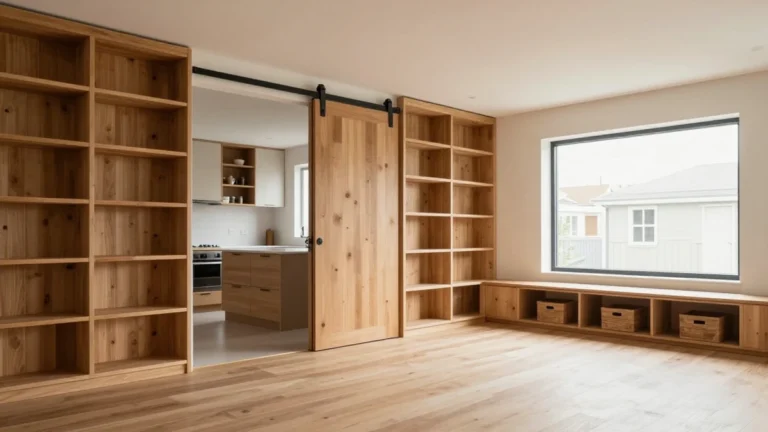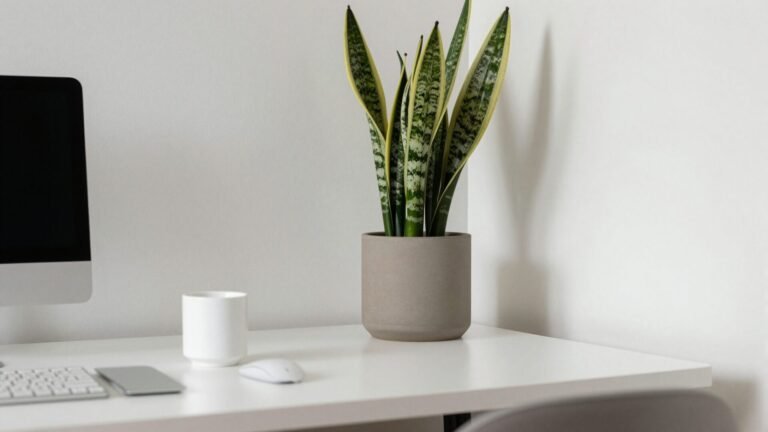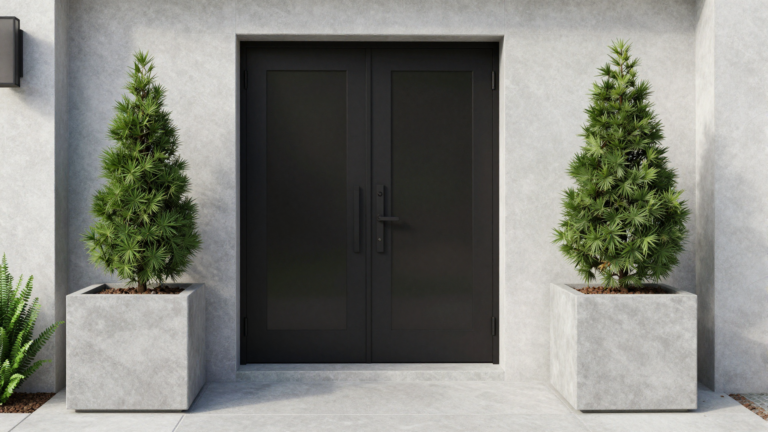
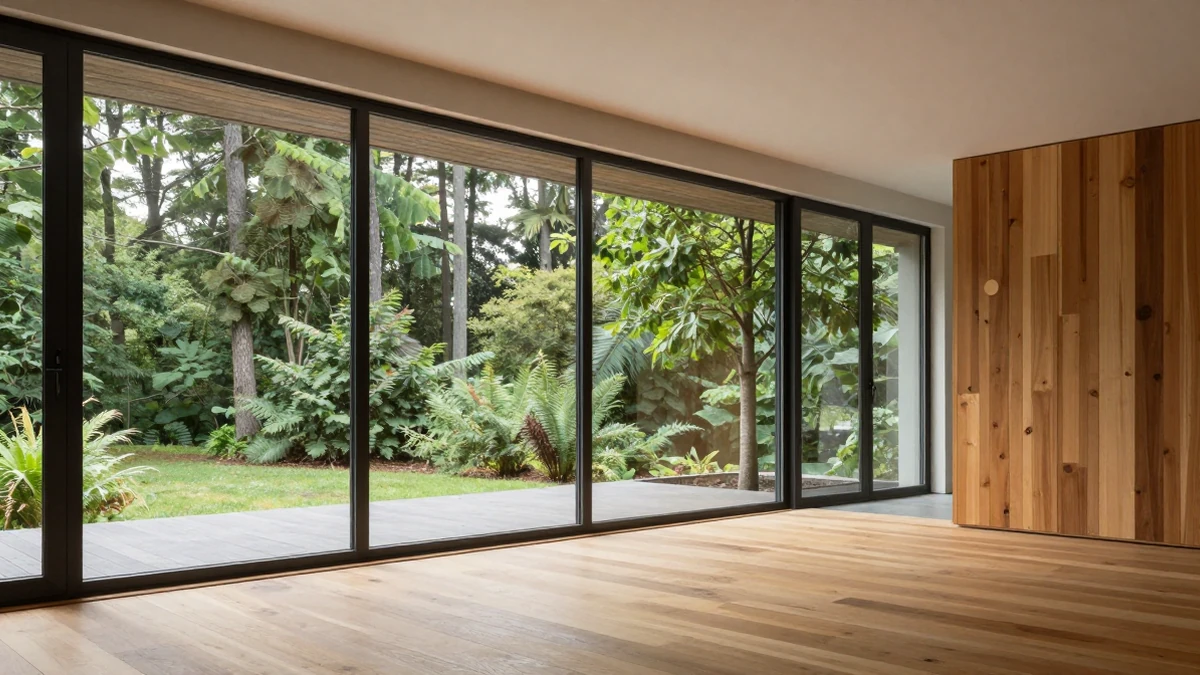
Nature‑inspired interiors are more than a trend; they’re a way to invite calm, fresh air, and organic beauty into everyday life. By blending living plants, natural materials, and daylight, you can turn a standard room into a restorative retreat without sacrificing functionality. This guide walks you through 20 actionable ideas—each paired with a practical tip on material choice, maintenance, or spatial planning—plus a final checklist of common pitfalls to avoid.
1. Anchor the Space with a Dominant Natural Element
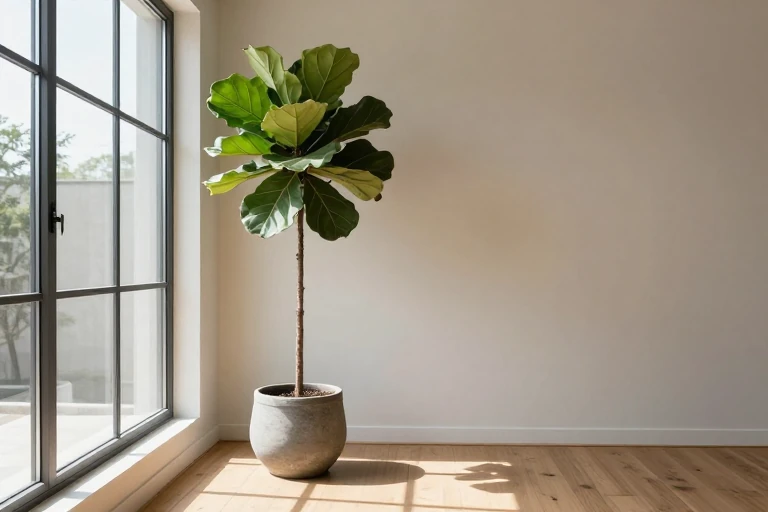
Start with a single, dominant natural element—like a mature indoor tree or a large potted fern—to anchor the room’s theme. Measure ceiling height and floor load capacity before selecting a plant of significant size. If the tree is heavy, consult a structural engineer to confirm the floor can support it, as required by local building codes.
Position the tree near a window to maximize natural light, and use a sturdy, decorative planter made of stone or reclaimed wood. This focal point creates a visual link to the outdoors while providing a natural air‑filtering system.
For renters, a lightweight, tall fiddle‑leaf fig in a rolling planter offers similar impact without permanent modifications.
2. Use Organic Materials for Flooring
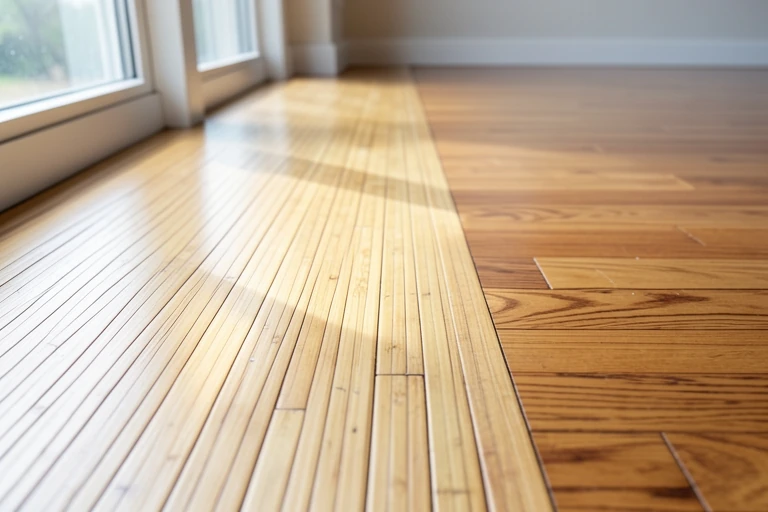
Choose flooring that feels like the earth beneath your feet. Hardwood offers timeless warmth, while bamboo provides a fast‑growing, renewable alternative. Both materials can be finished with low‑VOC sealers to improve indoor air quality.
Hardwood is more durable in high‑traffic areas but may require periodic refinishing. Bamboo resists moisture better, making it suitable for rooms with higher humidity, such as those featuring indoor water features.
Test a small sample in the room’s lighting before committing, as color can shift dramatically under natural versus artificial light.
Loving These Ideas? Get the Step-by-Step Guide
Grab the full 5-day eBook and turn these ideas into a finished room.




3. Incorporate Stone Accents
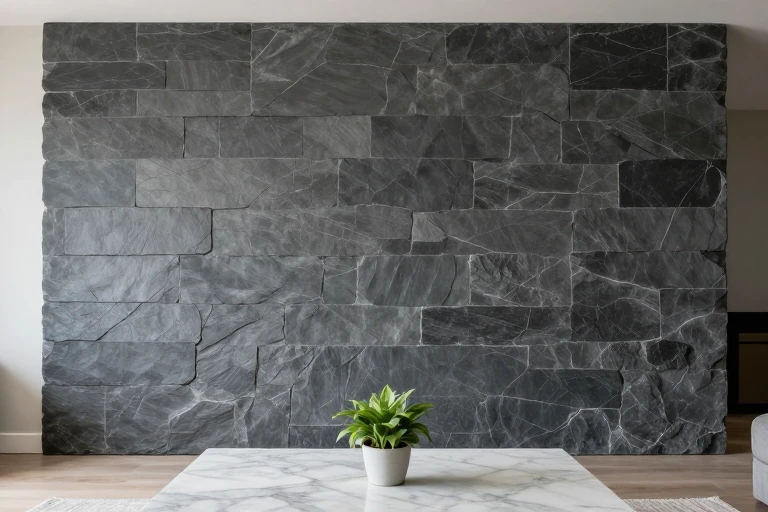
Integrate stone accents—such as a slate wall, a marble coffee table, or a pebble‑tiled floor—to evoke the solidity of the outdoors. Natural stone is heat‑retentive, helping regulate room temperature.
Seal stone surfaces with a breathable, water‑resistant coating to prevent staining from spills or plant water. Regularly dust with a soft brush to avoid grit buildup that can scratch the finish.
For budget‑friendly options, consider reclaimed stone veneers that mimic the look of full‑thickness stone without the weight.
4. Embrace Large Windows and Skylights
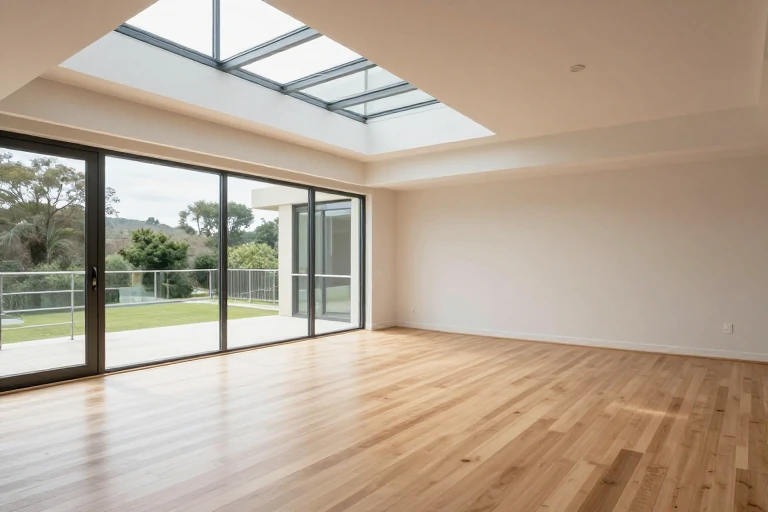
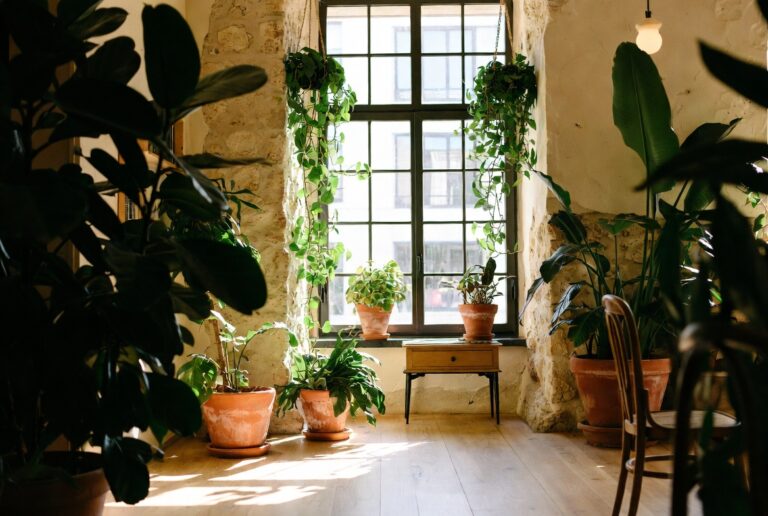
Maximize daylight by installing large windows, skylights, or clerestory windows. Begin by mapping the room’s sun path to place glazing where it captures the most consistent light.
Use light‑filtering curtains or blinds to control glare while preserving privacy. If structural changes are needed, verify that the modifications meet local building codes and obtain any required permits.
For apartments, a floor‑to‑ceiling window film can simulate the effect without permanent alteration.
5. Add Indoor Water Features
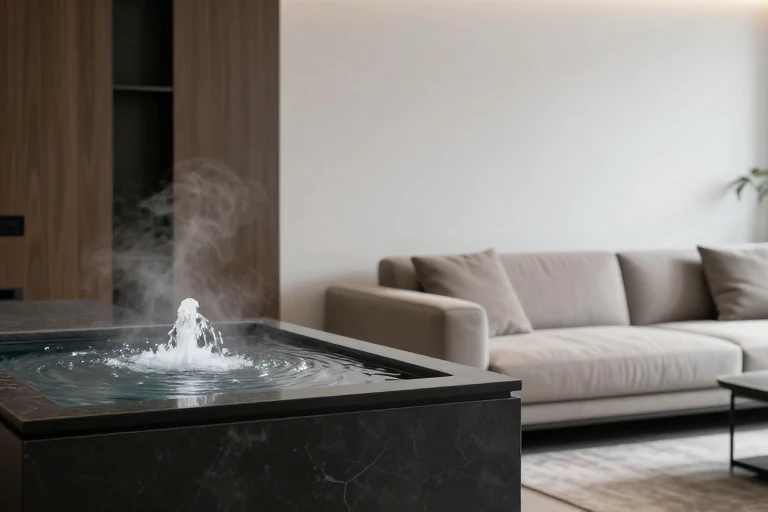
Introduce a subtle water feature—such as a tabletop fountain or a wall‑mounted cascade—to add soothing sound and humidity. Position the feature near a power outlet and ensure the basin has a waterproof liner.
Use a pump rated for the intended flow rate; a quiet, energy‑efficient model reduces noise and electricity use. Clean the reservoir monthly to prevent algae growth.
If you prefer a fire element, balance it with water to avoid an overly warm atmosphere, especially in summer.
6. Integrate Light Shelves for Deeper Daylight
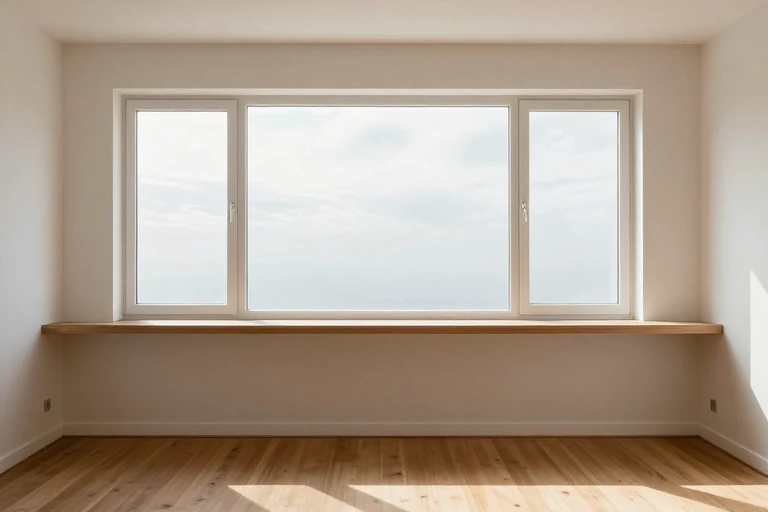
Use light shelves—horizontal surfaces that reflect daylight deeper into the room—to brighten corners and reduce reliance on artificial lighting. Install them above windows, angled to bounce light onto the ceiling.
Combine light shelves with matte white paint to maximize reflectivity. For rooms with limited wall space, consider a recessed light‑reflector system that integrates into the ceiling.
Check that the shelf material is fire‑rated, especially if placed near electrical outlets.
7. Use an Earthy Color Palette
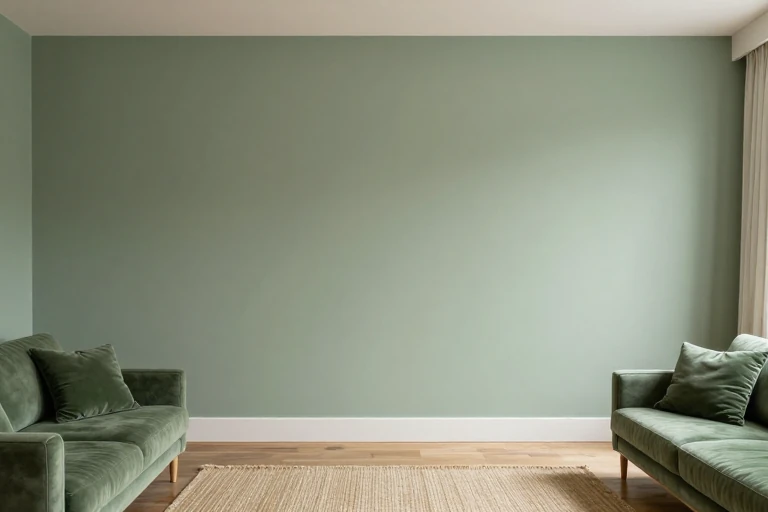
Select an earthy color palette—soft greens, warm taupes, and muted blues—to echo natural landscapes. Test paint swatches at different times of day; colors can shift dramatically under varying light.
Pair matte finishes with textured fabrics for depth. Avoid high‑gloss paints, which can feel artificial and reflect too much light.
For a cohesive look, extend the palette to accessories like cushions, rugs, and artwork.
8. Install Green Walls or Vertical Gardens
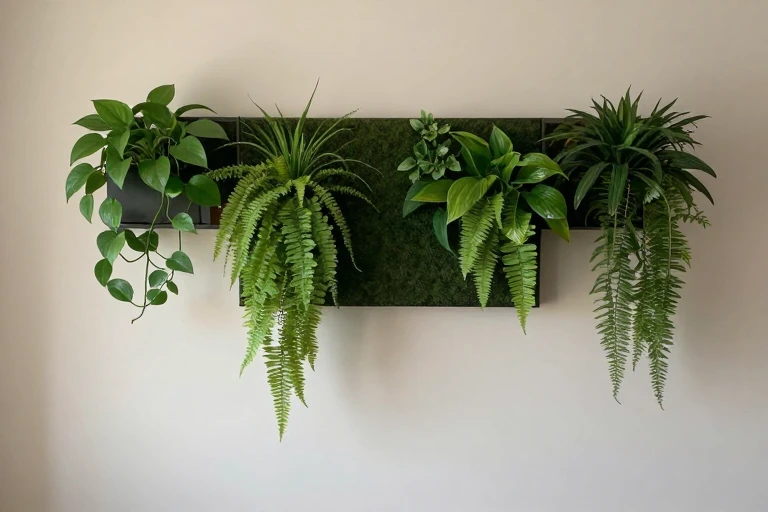
Install a vertical garden or green wall to add living texture. Begin by selecting a modular panel system that includes built‑in irrigation.
Choose low‑maintenance, shade‑tolerant plants such as pothos, ferns, or succulents. Ensure the wall receives adequate indirect light; supplement with grow lights if necessary.
Regularly prune and clean the panels to prevent mold and maintain airflow.
9. Choose Natural Fiber Textiles
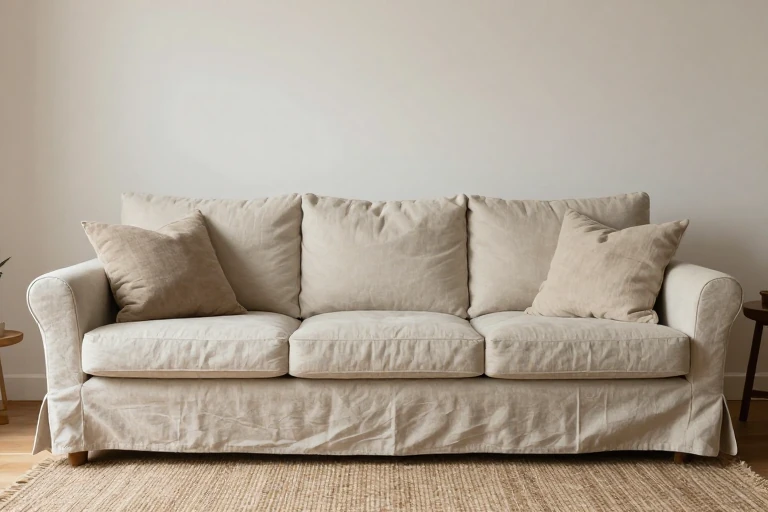
Choose natural‑fiber textiles—linen, cotton, wool, or jute—for upholstery, curtains, and rugs. These fibers breathe, reducing static and improving comfort.
Wool offers durability and warmth, ideal for colder climates, while linen provides a crisp, cool feel in summer. Test fabric swatches for fade resistance under sunlight.
Spot‑clean spills promptly and rotate cushions to extend lifespan.
10. Use Natural Shapes and Forms
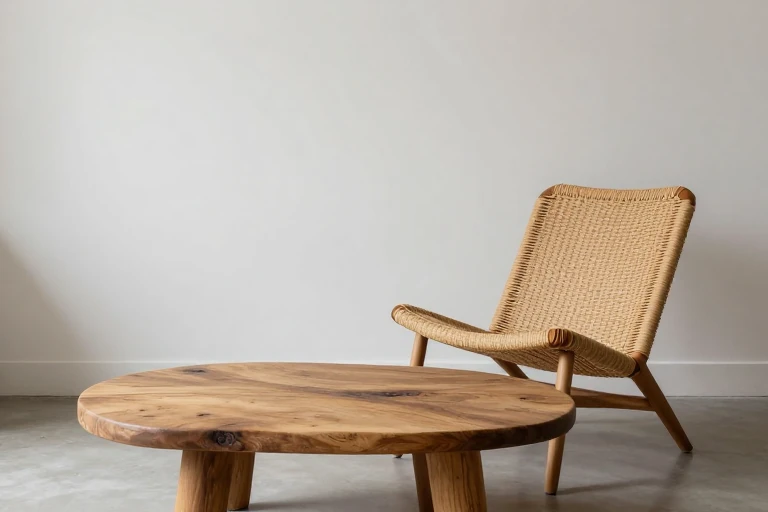
Opt for furniture with organic shapes—rounded edges, asymmetrical forms, or pieces inspired by tree branches. These silhouettes echo natural growth patterns and soften the room’s geometry.
Materials like reclaimed wood, rattan, or bamboo reinforce the nature theme while offering durability. Verify that any upholstered pieces use low‑VOC foam for better indoor air quality.
Mix a statement organic sofa with simpler side chairs to maintain visual balance.
11. Use Sustainable, Low‑VOC Finishes
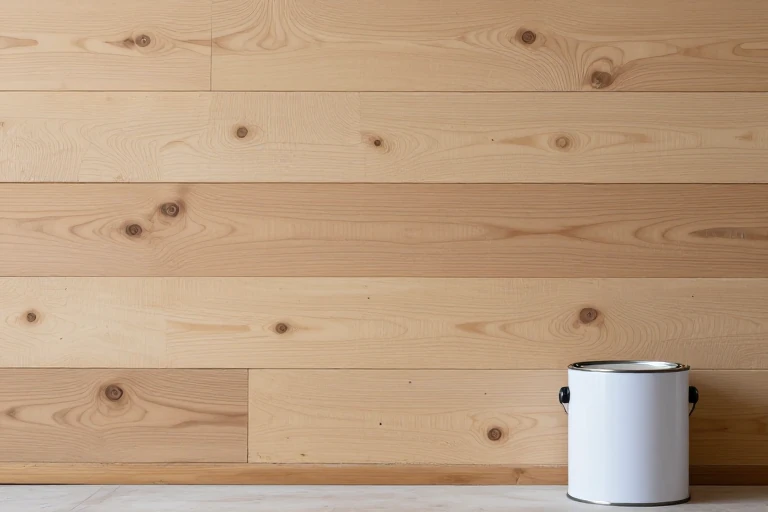
Apply low‑VOC, water‑based paints and finishes to protect indoor air quality. Look for certifications such as GREENGUARD or Green Seal.
When sealing wood or stone, choose breathable sealers that allow moisture to escape, preventing mold in humid environments.
Test a small area before full application to ensure the finish doesn’t yellow over time.
12. Blend Indoor‑Outdoor Flow with Sliding Doors
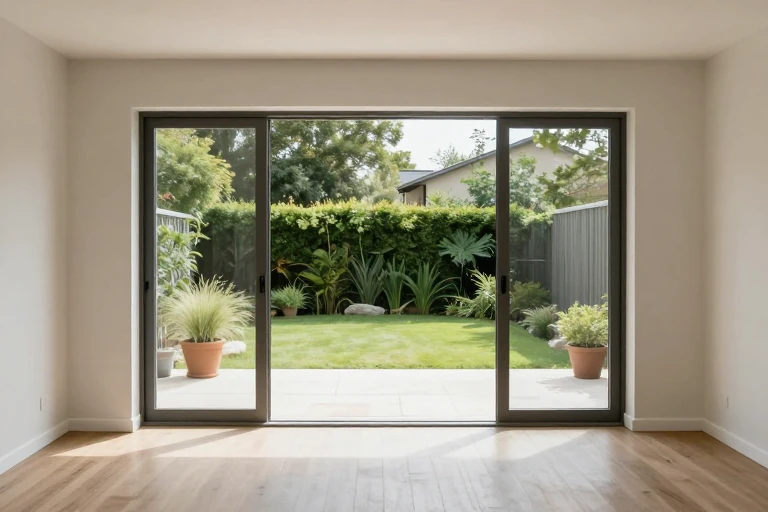
Install sliding glass doors or large folding panels to blur the line between indoor and outdoor spaces. Measure the opening to ensure smooth operation and adequate structural support.
Choose double‑glazed units for energy efficiency and sound reduction. If space is limited, consider pocket doors that disappear into the wall.
Seal the perimeter with weatherstripping to prevent drafts and moisture intrusion.
13. Add Botanical Artwork and Prints
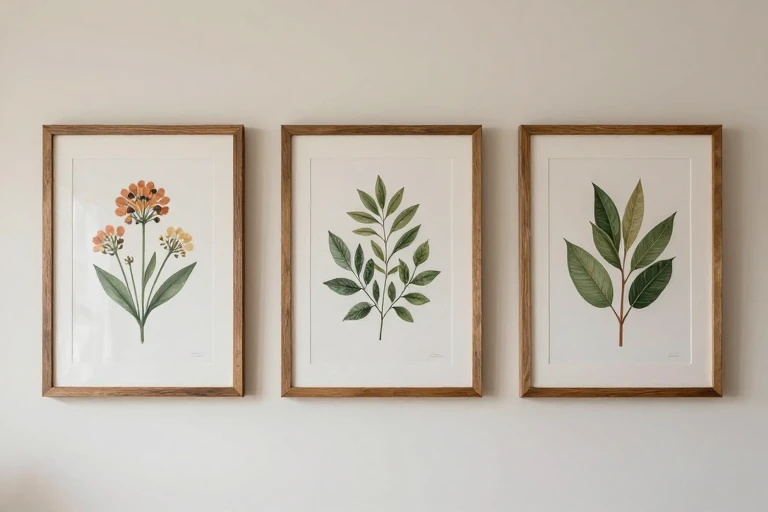
Hang botanical artwork—photographs, prints, or paintings—above eye level to reinforce the nature theme without cluttering surfaces.
Choose frames made from reclaimed wood or bamboo to maintain material consistency. Position pieces where they receive indirect light to avoid fading.
Group three to five artworks in a cohesive gallery layout for visual impact.
14. Incorporate Natural Patterns in Tile
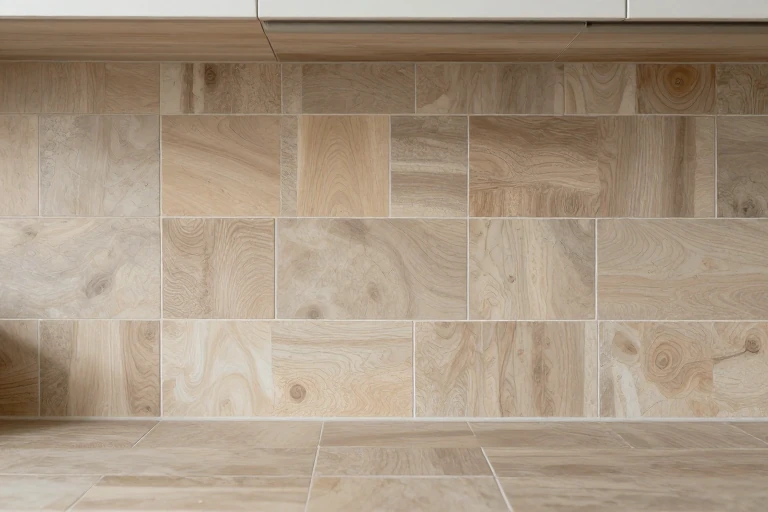
Incorporate natural patterns through stone or wood‑grain tile on floors or backsplashes. Choose larger format tiles to reduce grout lines, which can trap dirt.
For DIY projects, opt for interlocking peel‑and‑stick tiles that mimic stone, offering an affordable upgrade.
Seal grout with a penetrating sealer to protect against stains and moisture.
15. Use Reclaimed Wood for Accent Walls
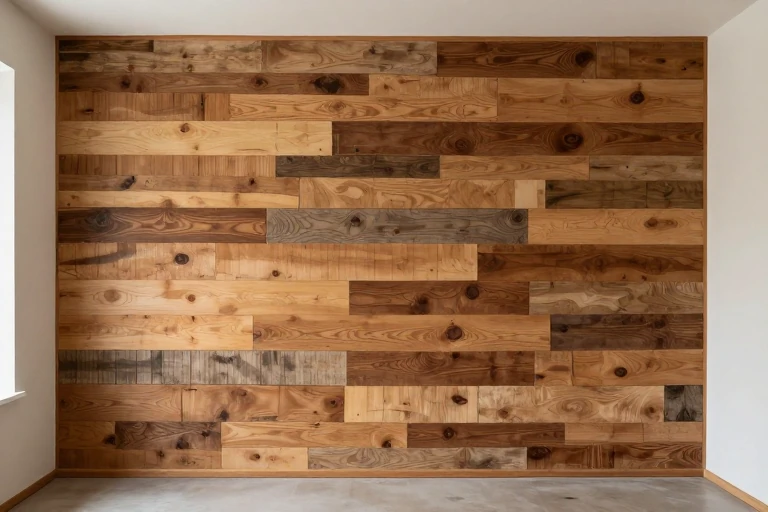
Use reclaimed wood for an accent wall or ceiling beams to add character and sustainability. Source material from local salvage yards to reduce transportation emissions.
Inspect each piece for nails, rot, or pest damage before installation. Treat the wood with a natural oil finish to enhance grain and protect against wear.
Combine reclaimed wood with modern lighting to balance rustic charm and contemporary style.
16. Introduce Indoor Plants Strategically
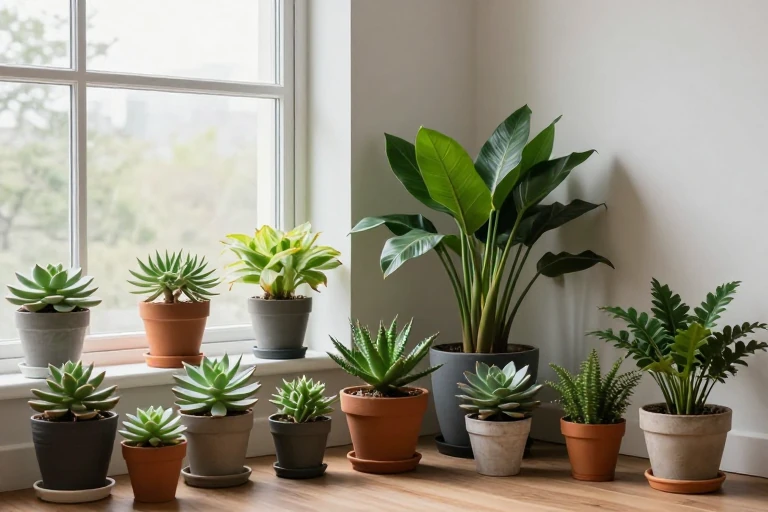
Strategically place indoor plants based on their light requirements. Use a light meter or smartphone app to measure foot‑candles at each location.
Group high‑light plants (e.g., succulents) near windows, and low‑light varieties (e.g., ZZ plant) in corners. Rotate pots weekly to promote even growth.
Choose pots with drainage holes and a saucer to prevent water damage to flooring.
17. Add Natural Soundscapes
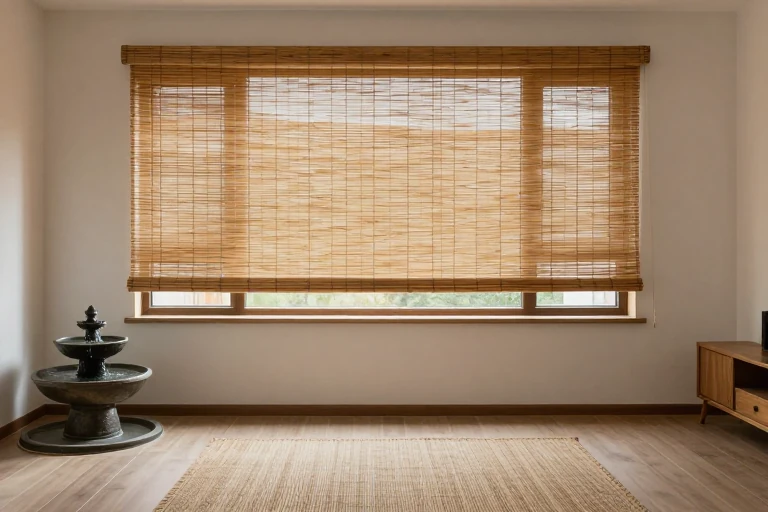
Enhance acoustic comfort with natural sound‑absorbing materials—cork wall panels, wool rugs, or bamboo blinds. These soften echo and create a tranquil atmosphere.
Place a shallow water basin or a small indoor fountain to introduce gentle, soothing sounds that mask external noise.
Test the room’s reverberation time with a simple clapping test; if sound lingers, add more soft furnishings.
18. Use Eco‑Friendly Lighting Fixtures
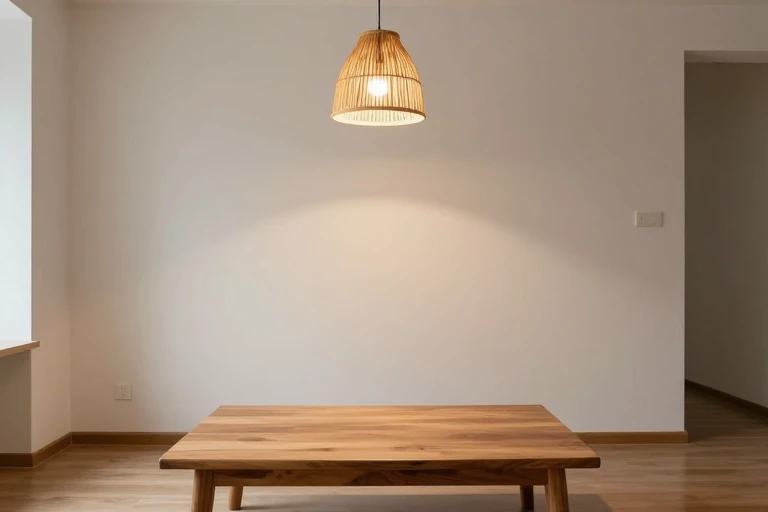
Select LED lighting fixtures with warm color temperatures (2700‑3000 K) to mimic sunlight. Pair them with dimmers for adjustable ambiance.
Choose fixtures made from natural materials—bamboo, rattan, or brushed brass—to reinforce the nature theme.
Install motion sensors in low‑traffic areas to conserve energy without sacrificing convenience.
19. Create a Mini Zen Corner
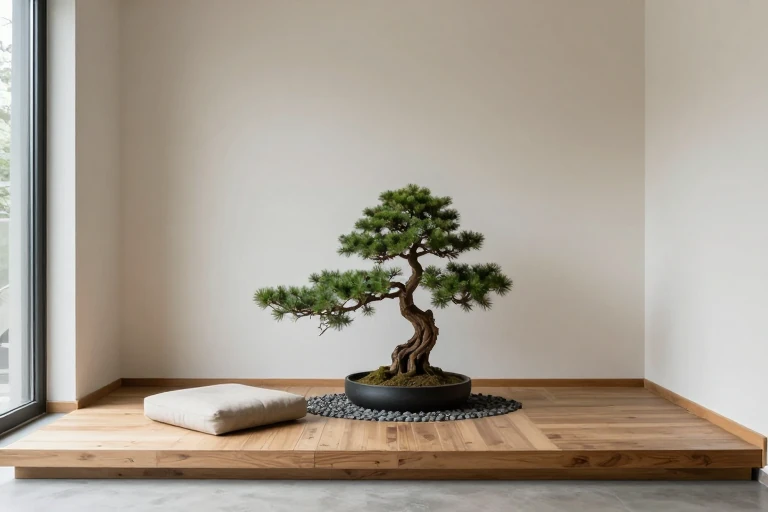
Create a mini Zen corner with a low platform, a floor cushion, and a small sand or pebble tray. Begin by selecting a quiet corner away from high‑traffic zones.
Include a simple bonsai or a small indoor tree to anchor the space. Add a soft, natural‑fiber rug for comfort.
Use this area for meditation, reading, or mindful breathing to reinforce the room’s calming purpose.
20. Apply Biophilic Design Principles
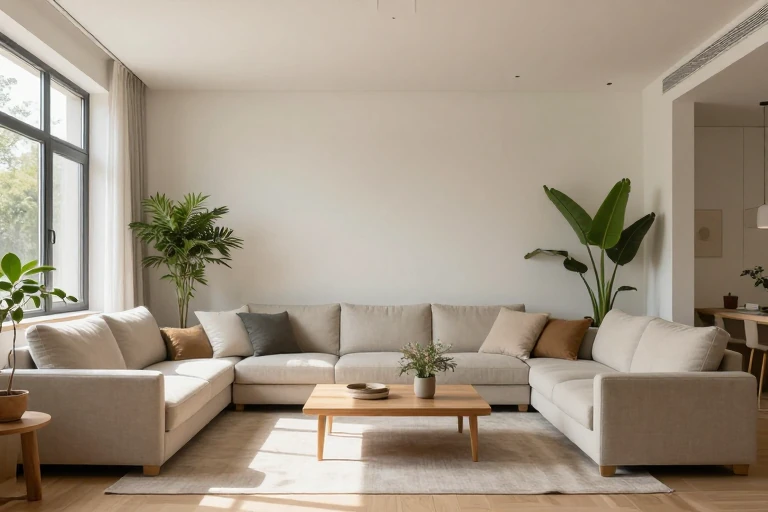
Apply core biophilic design principles—direct nature, indirect nature, and spatial experience—to guide every decision. Start by mapping how each element (light, material, plant) contributes to the overall sense of connection.
Balance visual, auditory, and tactile cues to avoid sensory overload. For example, pair a bold stone wall with a soft linen sofa.
Periodically reassess the room’s performance: does the plant thrive? Is the lighting comfortable? Adjust as needed to keep the space feeling alive.
21. Common Mistakes in Nature Room Design
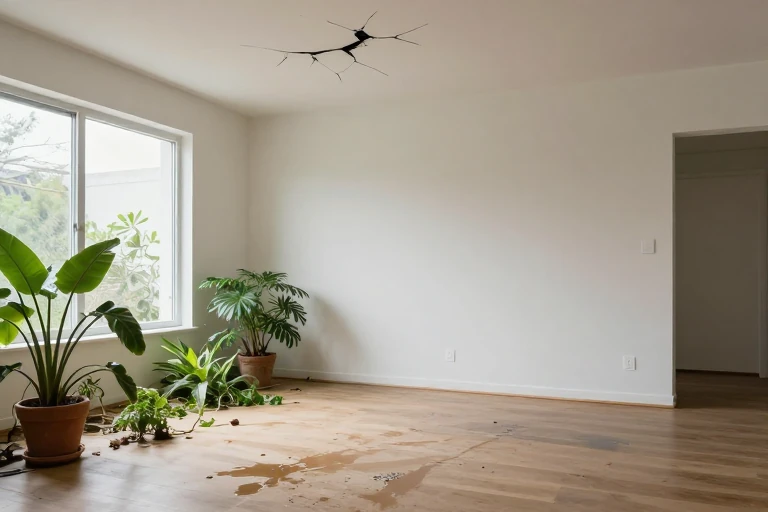
Overloading a room with too many plants can create humidity problems and visual clutter. Choose a balanced number of foliage pieces based on the room’s size.
Neglecting maintenance—like watering schedules or pruning—leads to dead plants that detract from the design. Use self‑watering pots or set reminders to stay consistent.
Installing heavy stone or a large tree without checking floor load can cause structural damage. Always verify load capacity before adding substantial weight.
Effort & Cost Snapshot
| Topic | Effort | Cost Note |
|---|---|---|
| 1. Anchor the Space with a Dominant Natural Element | High | Get a project-specific professional quote |
| 2. Use Organic Materials for Flooring | Medium | Varies by materials, scope, and local labor |
| 3. Incorporate Stone Accents | Medium | Varies by materials, scope, and local labor |
| 4. Embrace Large Windows and Skylights | High | Get a project-specific professional quote |
| 5. Add Indoor Water Features | High | Get a project-specific professional quote |
| 6. Integrate Light Shelves for Deeper Daylight | High | Get a project-specific professional quote |
| 7. Use an Earthy Color Palette | Medium | Varies by materials, scope, and local labor |
| 8. Install Green Walls or Vertical Gardens | Medium | Varies by materials, scope, and local labor |
| 9. Choose Natural Fiber Textiles | Medium | Varies by materials, scope, and local labor |
| 10. Use Natural Shapes and Forms | Low | Often achievable with existing furnishings or simple updates |
| 11. Use Sustainable, Low‑VOC Finishes | Medium | Varies by materials, scope, and local labor |
| 12. Blend Indoor‑Outdoor Flow with Sliding Doors | High | Get a project-specific professional quote |
| 13. Add Botanical Artwork and Prints | Medium | Varies by materials, scope, and local labor |
| 14. Incorporate Natural Patterns in Tile | Medium | Varies by materials, scope, and local labor |
| 15. Use Reclaimed Wood for Accent Walls | Medium | Varies by materials, scope, and local labor |
| 16. Introduce Indoor Plants Strategically | Medium | Varies by materials, scope, and local labor |
| 17. Add Natural Soundscapes | Low | Often achievable with existing furnishings or simple updates |
| 18. Use Eco‑Friendly Lighting Fixtures | Medium | Varies by materials, scope, and local labor |
| 19. Create a Mini Zen Corner | Low | Often achievable with existing furnishings or simple updates |
| 20. Apply Biophilic Design Principles | Medium | Varies by materials, scope, and local labor |
| 21. Common Mistakes in Nature Room Design | High | Get a project-specific professional quote |
Frequently Asked Questions
How does nature‑inspired design affect wellbeing?
Biophilic design improves mood, reduces stress, and can even boost productivity. Studies show that exposure to natural elements—like plants, daylight, and organic textures—lowers cortisol levels and enhances focus, making rooms feel more restorative.
What’s the best way to begin a nature‑themed makeover?
Start small. Add a single large plant or a reclaimed‑wood accent, then evaluate light, humidity, and maintenance. Expand gradually, layering textures and daylight sources as you become comfortable with each element.
Are there eco‑friendly options for nature room design?
Yes. Choose low‑VOC paints, sustainably harvested wood, and water‑efficient fixtures. Look for certifications such as FSC for wood or ENERGY STAR for lighting to ensure a greener footprint.
How can I keep indoor plants healthy?
Plants need appropriate light, water, and soil. Use a moisture meter, group plants with similar needs, and rotate them weekly to avoid uneven growth. Consider self‑watering pots for busy households.
Do I need a professional for major nature elements?
Yes, but plan ahead. Ensure structural support for heavy trees, verify that water features have proper drainage, and check local codes for any electrical work near moisture.
Bringing nature into a room isn’t just a visual upgrade; it reshapes how you feel, work, and relax at home. By choosing authentic materials, planning for light and moisture, and respecting maintenance needs, you can create a space that feels outdoors while staying functional. Start with one or two ideas from this guide, test how they perform, and let the room evolve naturally over time.
Sources & Further Reading
Continue Your Home Transformation
Explore the full collection of step-by-step eBooks and get the guide that fits the room you're working on.