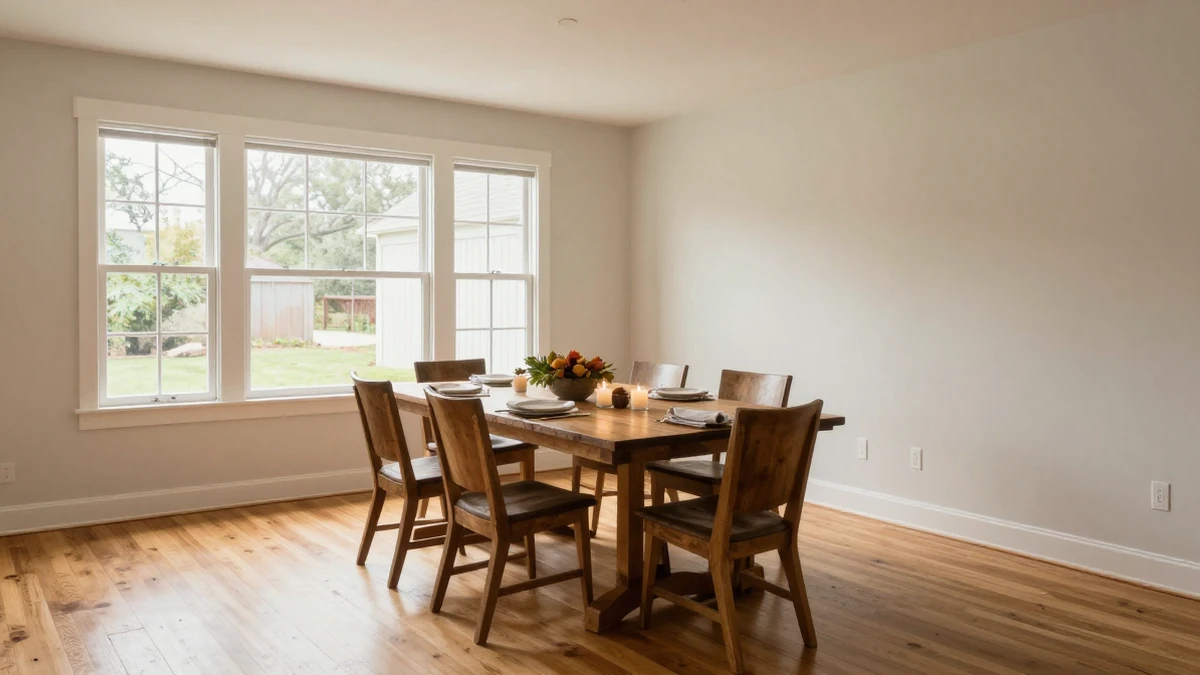
Effective fall dining table decor should make dinner feel special without turning the meal into an obstacle course. Before adding pumpkins, branches, or candles, decide how the table must work: everyday dinners, occasional hosting, or a single holiday gathering.
The ideas below prioritize usable surfaces, comfortable conversation, and materials you can maintain. Each can be adapted to a formal dining room, breakfast nook, or rental. Choose one foundation, one focal feature, and one supporting texture rather than attempting every idea at once. The result will feel layered, seasonal, and intentional while leaving enough room for plates, glasses, and serving dishes.
1. Start With a Clear Center Lane
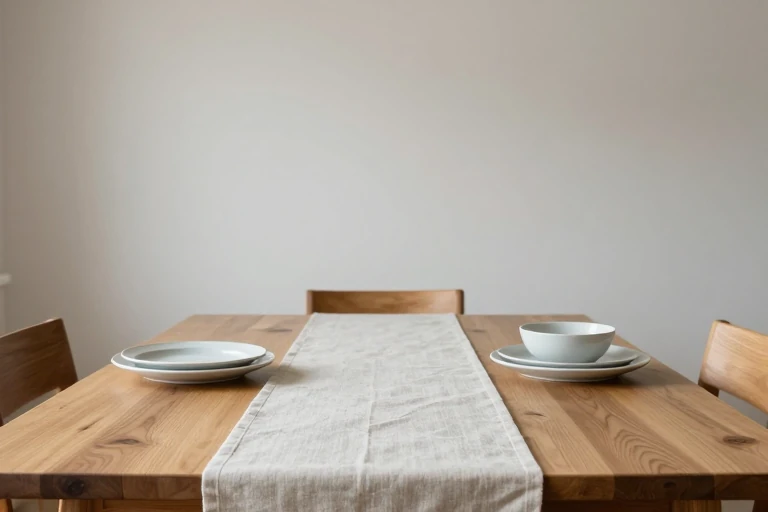
Set out your usual plates and serving dishes before decorating. The remaining center lane shows how much space a centerpiece can claim without forcing guests to shuffle objects during dinner.
Use a narrow runner, small vessels, or a line of mini gourds within that lane. Keep water pitchers and shared bowls near the table ends.
This test prevents the common mistake of designing an attractive empty table that stops working once food arrives.
2. Build Around a Low Foliage Arrangement
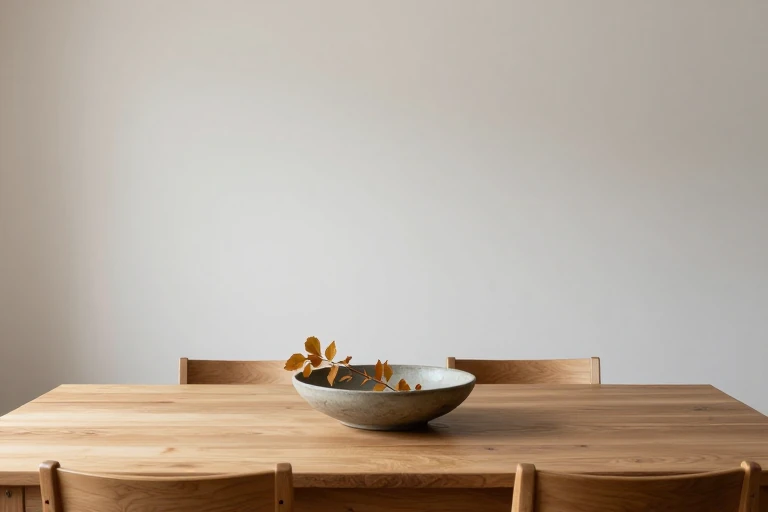
A low arrangement brings autumn color to the table without blocking conversation. Choose clipped branches, dried grasses, or faux stems with open shapes rather than a dense mound.
Place the material in a wide, stable vessel and view it from every seat. Trim or bend any stem crossing a guest’s sightline.
Fresh branches may drop leaves or release moisture, so protect the tabletop and inspect them before each meal.
Loving These Ideas? Get the Step-by-Step Guide
Grab the full 5-day eBook and turn these ideas into a finished room.




3. Layer Linen Without Hiding the Table
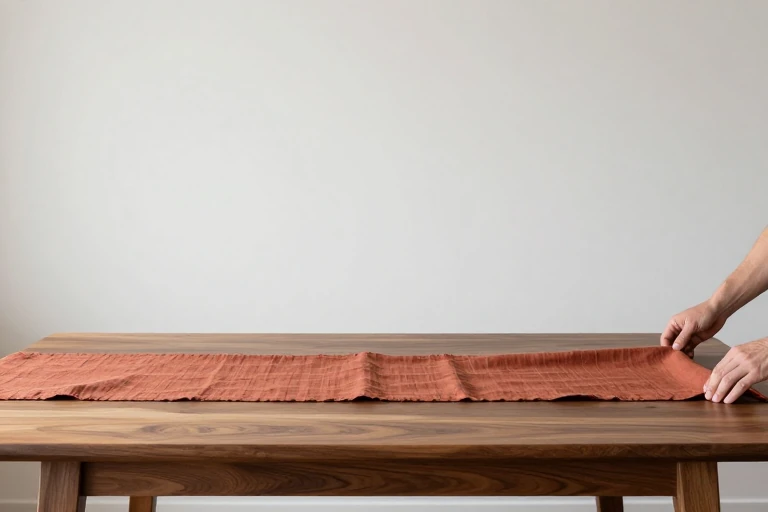
If the tabletop has attractive wood or stone, use a runner instead of a full cloth. A washed linen or cotton layer softens dishes while allowing the original surface to remain part of the design.
Check that overhanging ends do not brush seated guests. On a round table, try a folded square cloth or central textile instead of forcing a long runner.
Washable fabric suits daily use; delicate weaves require more cautious stain treatment.
4. Use Warm Neutrals as the Foundation
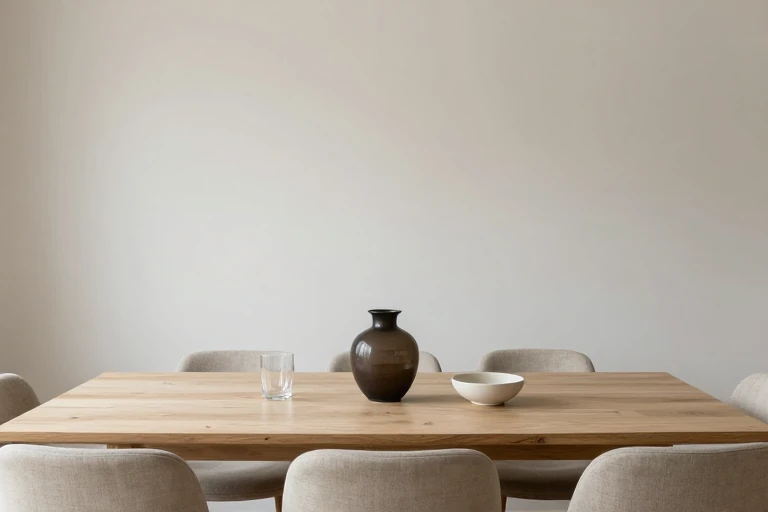
Cream, camel, mushroom, and warm brown create an autumn base without depending on overt seasonal motifs. This approach works especially well when adjoining kitchen or living spaces already contain strong color.
Prevent the palette from becoming flat by mixing matte ceramics, woven linen, clear glass, and wood. Add one darker accent for definition.
Warm neutrals are flexible beyond fall, but pale textiles show gravy, wine, and candle soot more readily.
5. Add One Deep Accent Color
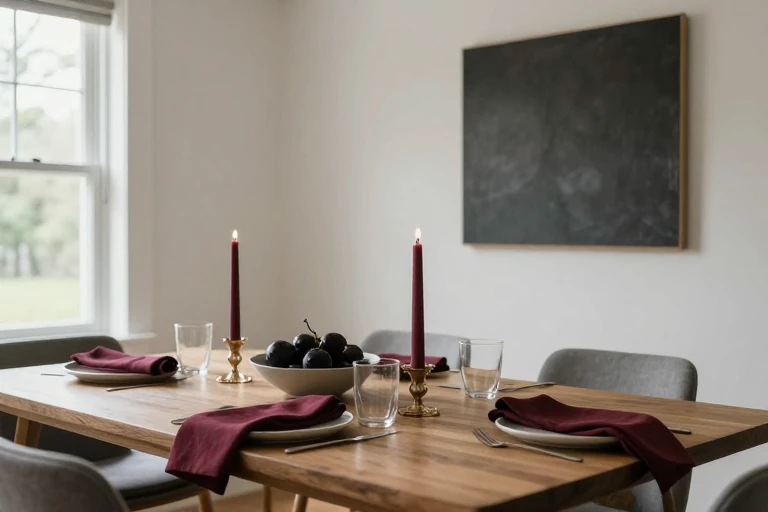
Burgundy, aubergine, forest green, or deep blue can give fall dining table decor more depth than an all-orange palette. Select one accent that connects with artwork, upholstery, or cabinetry already in the room.
Repeat it in two or three small places, such as napkins, taper candles, and fruit. Avoid matching every item exactly.
Darker pigments may transfer when damp, so wash new linens separately before placing them on a pale tablecloth.
6. Arrange Gourds by Shape, Not Symmetry
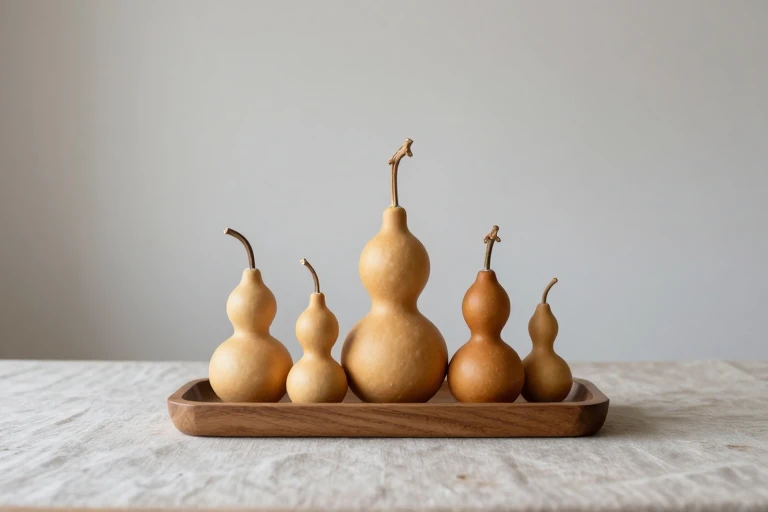
Mixed gourds look more considered when their silhouettes vary. Combine one squat form, one elongated form, and several smaller pieces rather than lining up identical pumpkins.
Cluster them loosely, then leave intentional gaps for candleholders or serving bowls. Test each gourd for wobbling and place unstable pieces in a shallow tray.
Natural produce changes over time. Check undersides for soft spots and use a barrier to protect porous wood from trapped moisture.
7. Make a Fruit Centerpiece Edible
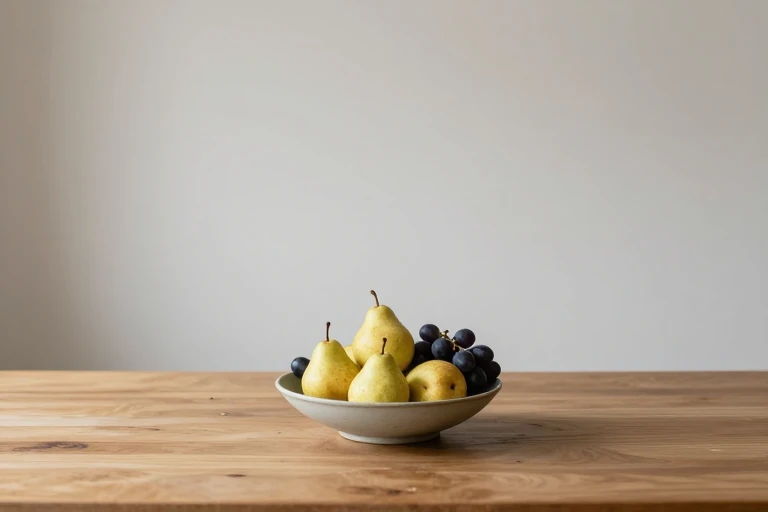
Pears, apples, figs, or dark grapes provide seasonal color while remaining useful after the gathering. Choose firm, unbruised fruit and arrange it in a footed bowl or shallow platter.
Keep the display low and avoid packing fruit so tightly that pressure marks develop. Wash pieces before serving rather than before decorating if moisture would remain trapped.
An edible centerpiece reduces off-season storage, but it needs regular checking and should not sit beside hot candles.
8. Ground Loose Pieces With a Tray
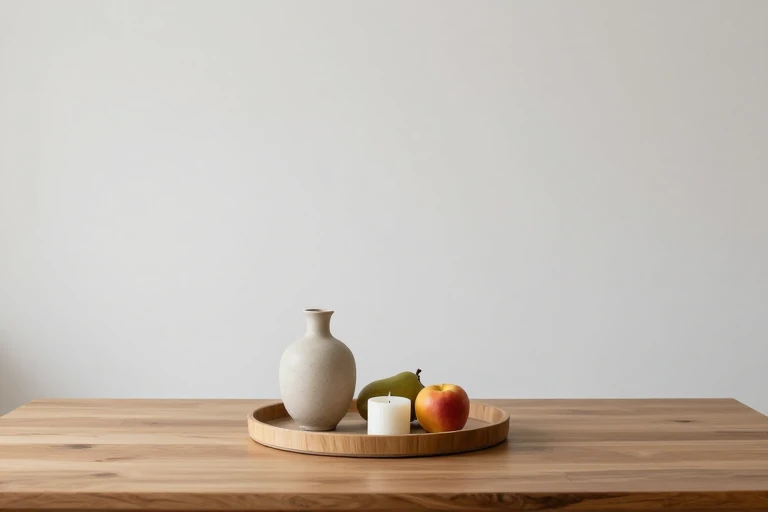
A tray turns several small decorations into one visual unit and makes clearing the table faster. Choose a rimmed wood, metal, or stone tray that leaves substantial open surface around it.
Place the tallest object off center, then balance it with lower candles, fruit, or foliage. Add felt pads underneath if the tray could scratch the finish.
Trays simplify cleanup, although a heavy loaded tray may be difficult to move safely in one trip.
9. Mix Candle Heights Carefully
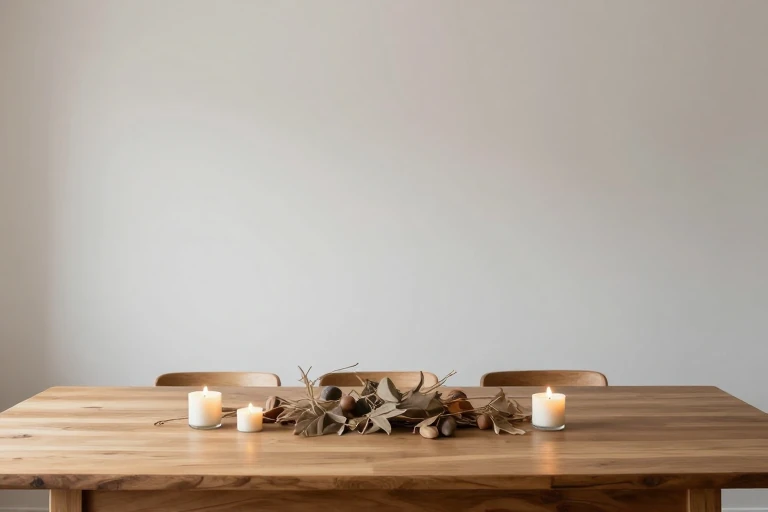
Varying candle heights adds rhythm, but flames should remain clear of foliage, sleeves, and leaning guests. Use stable holders that fit each candle securely, and keep the arrangement sparse enough to monitor.
Place shorter votives near the center and taller tapers where they will not interrupt conversation. Trim wicks according to the candle maker’s directions.
If supervision is impractical, flameless candles offer easier placement, though their light and appearance differ from real flame.
10. Choose Stoneware for Earthy Weight
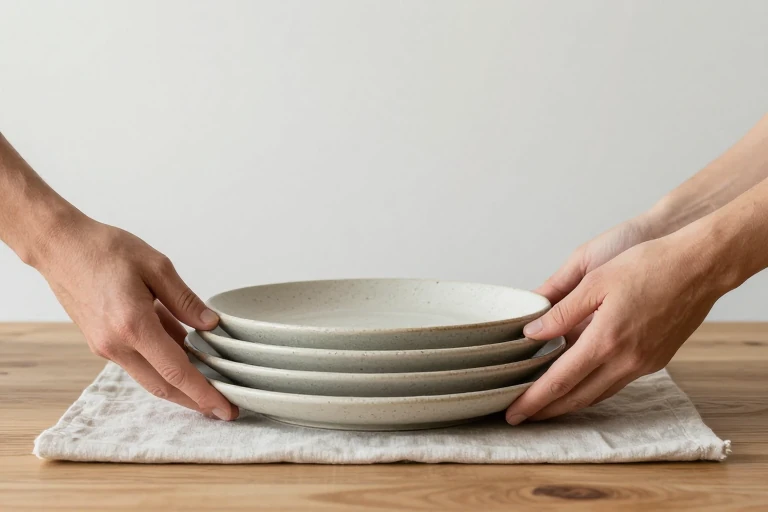
Matte or lightly speckled stoneware gives a fall table visual weight without adding themed accessories. Let the dishes supply texture, then keep the linens and centerpiece relatively quiet.
Mixing compatible neutral place settings can feel collected rather than mismatched. Compare plate diameters and rim shapes first so stacked pieces sit securely.
Stoneware may be heavier and can chip at exposed edges. Confirm the maker’s care guidance before using a dishwasher or microwave.
11. Contrast Round Mats With a Rectangular Table
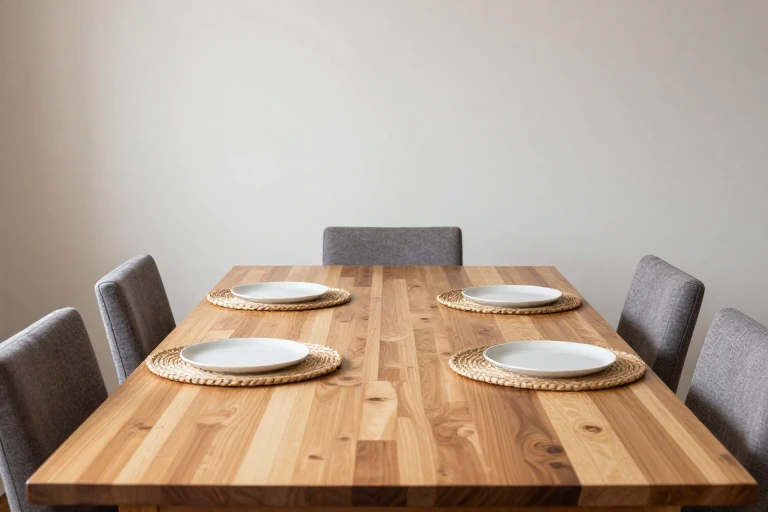
Round placemats interrupt the straight lines of a rectangular table and help define each diner’s territory. Woven fiber adds warmth, while washable fabric is easier when spills are likely.
Set out chairs and plates before buying mats. Overlapping circles or mats hanging beyond the edge indicate that the table is too narrow for that size.
Coarse fibers can trap crumbs and may snag delicate textiles, so shake them outdoors and clean them according to their material.
12. Fold Napkins Into a Textural Detail
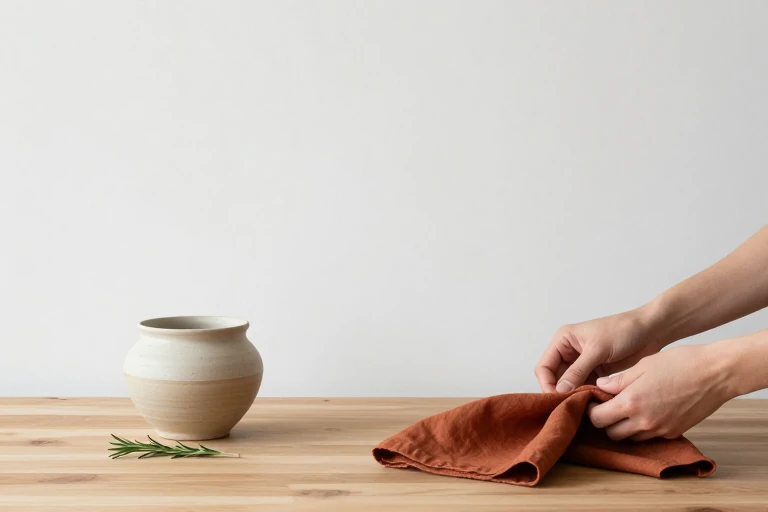
A relaxed fold often suits fall better than an elaborate shape. Fold a linen napkin into a loose rectangle, knot it once, or place it beneath the plate with one textured edge exposed.
Add a rosemary sprig, small leaf, or simple ring only if it can be removed quickly. Avoid materials that shed onto food or stain damp fabric.
Natural linen wrinkles attractively but may require pressing if you prefer a formal appearance; cotton is generally easier to crease.
13. Create Place Cards Without Table Clutter
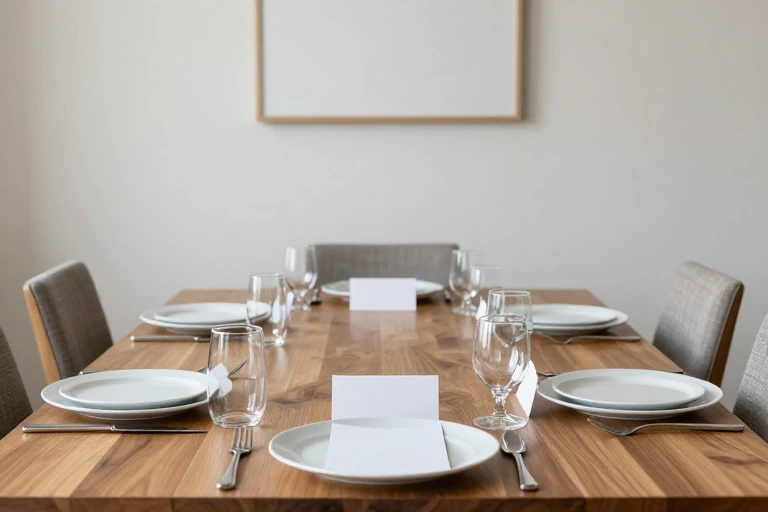
Assigned seating can ease a larger gathering, but place markers should not crowd glasses or bread plates. Use a compact card holder, clipped leaf, or small tag placed above the plate.
Confirm each marker remains visible after napkins and glassware are positioned. Remove unstable holders that could tip into food.
For an informal meal, skip markers entirely and invest that space in elbow room. The practical benefit should justify every added object.
14. Style a Small Round Table Minimally
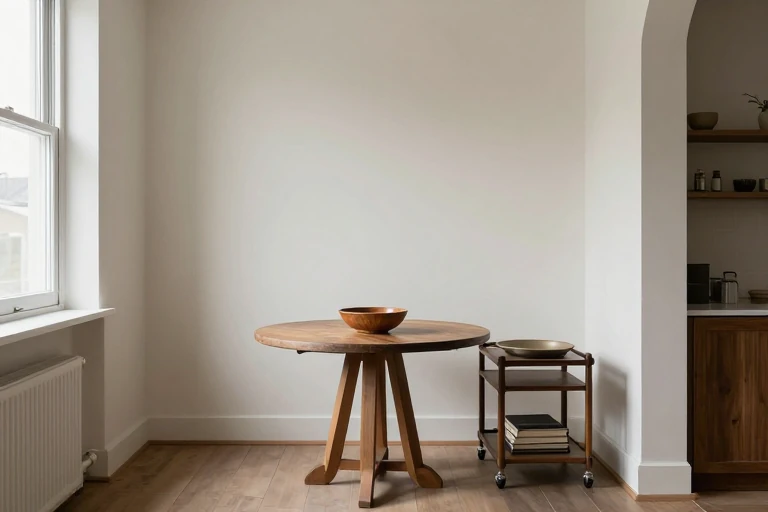
A compact round table rarely needs a runner or sprawling centerpiece. Start with one low bowl and individual place settings, then stop before objects begin competing for the same surface.
Choose armless chairs when possible to ease movement and keep table edges clear. A pedestal base may help legroom, but furniture selection remains a broader room-planning decision.
Move serving food to a nearby counter or cart rather than shrinking each diner’s usable area.
15. Decorate a Long Table in Repeating Clusters
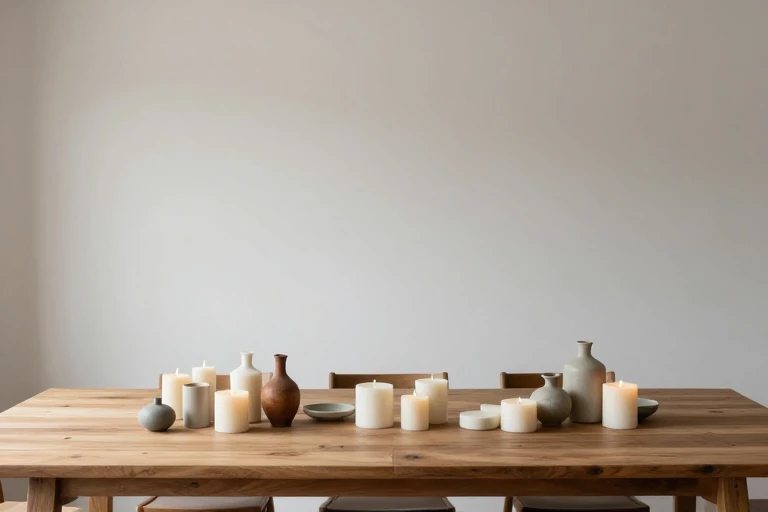
One oversized centerpiece can make a long table feel divided. Instead, repeat several low clusters using the same limited ingredients: perhaps a candle pair, small vase, and gourd.
Space the groups around planned serving zones rather than at arbitrary intervals. View the table from the doorway and both ends to find awkward gaps.
Repetition creates cohesion, but too many identical clusters can feel commercial. Vary the proportions while retaining the shared palette.
16. Bring in Branches Without Overcrowding
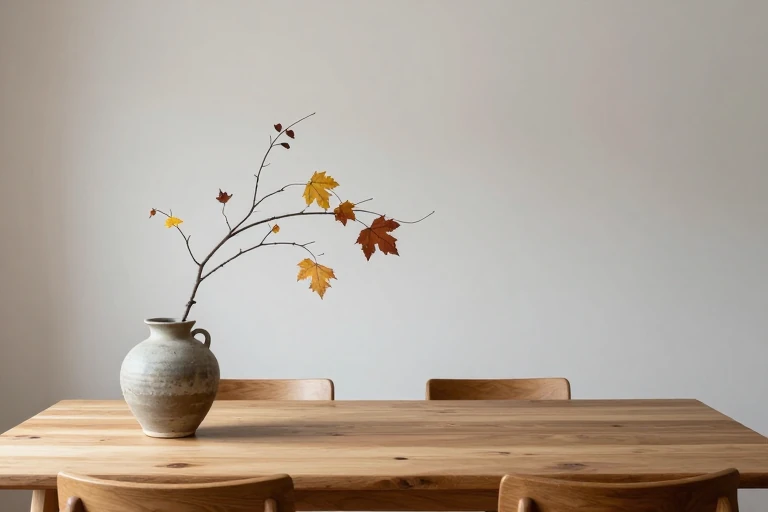
A single sculptural branch can supply height more gracefully than a packed bouquet. Choose a sturdy piece, inspect it for insects or loose debris, and place it in a vessel with enough weight to resist tipping.
Rotate the branch so it extends over unused space rather than a diner’s head or food. Shorten it if guests must lean around it.
Dried branches are brittle and combustible, so keep them well separated from flames and heat sources.
17. Use Brass as a Controlled Highlight
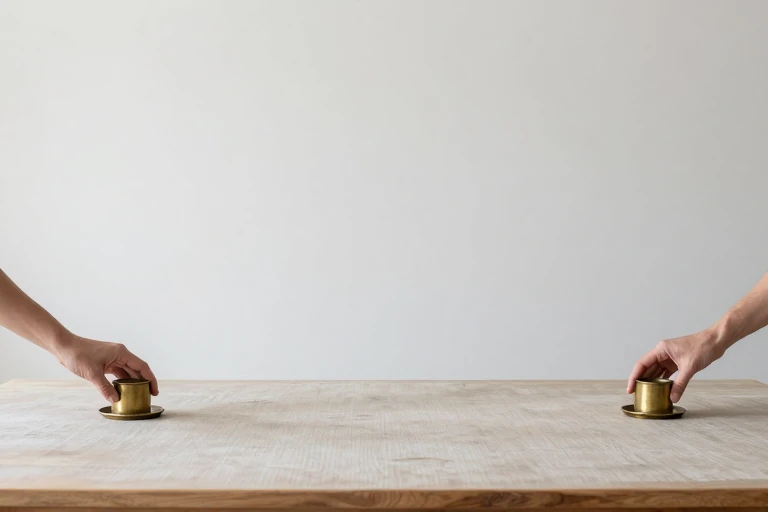
Brass candleholders or a small bowl can warm a neutral setting without making every surface reflective. Limit the metal to a few repeated points so it reads as an accent rather than a theme.
Mixing aged and polished finishes can work when their shapes relate. Place protective pads under bases and remove wax with a method suitable for the specific finish.
Uncoated brass changes appearance over time; choose it only if you accept patina or periodic polishing.
18. Introduce Black for Visual Structure
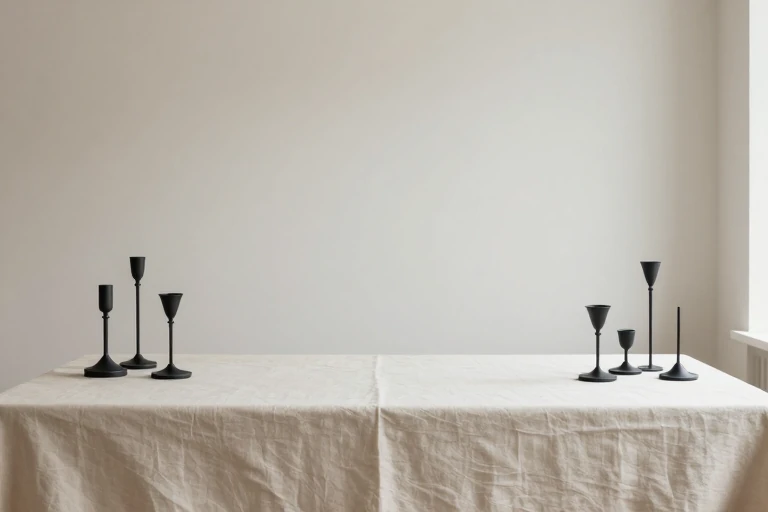
Small black elements can sharpen a table dominated by cream, tan, and orange. Try slender candleholders, dark flatware, or one charcoal vase rather than a heavy block of black.
Distribute the color across the table so one end does not feel visually heavier. Matte finishes usually produce less glare under dining lights.
Dark flatware can show water spots or wear depending on its finish, making the manufacturer’s cleaning instructions important for long-term appearance.
19. Let Wood Supply the Autumn Texture
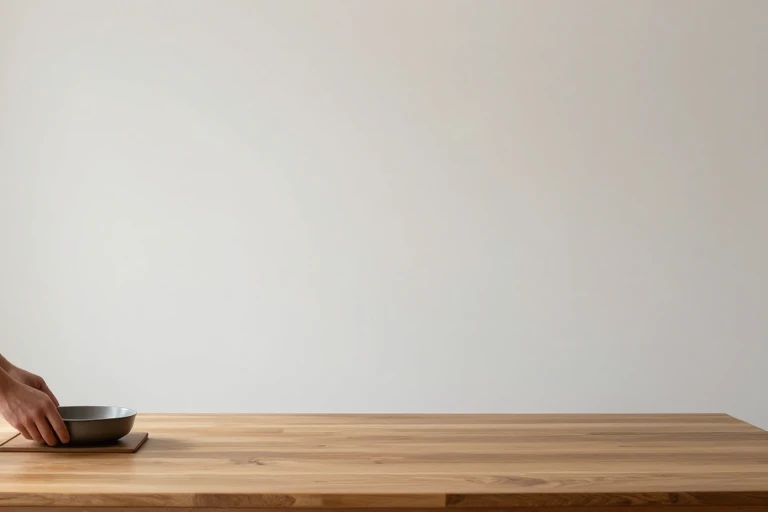
A warm wood tabletop may already provide the strongest seasonal note. Instead of covering it, use small fabric or cork zones beneath dishes and a centerpiece with an open footprint.
Repeat the wood tone in one secondary item, such as a pepper mill or shallow bowl, without attempting an exact match. Too many similar brown objects can lose definition.
Use trivets for hot dishes and wipe spills promptly according to the table finish’s care requirements.
20. Adapt the Table for Everyday Dinners
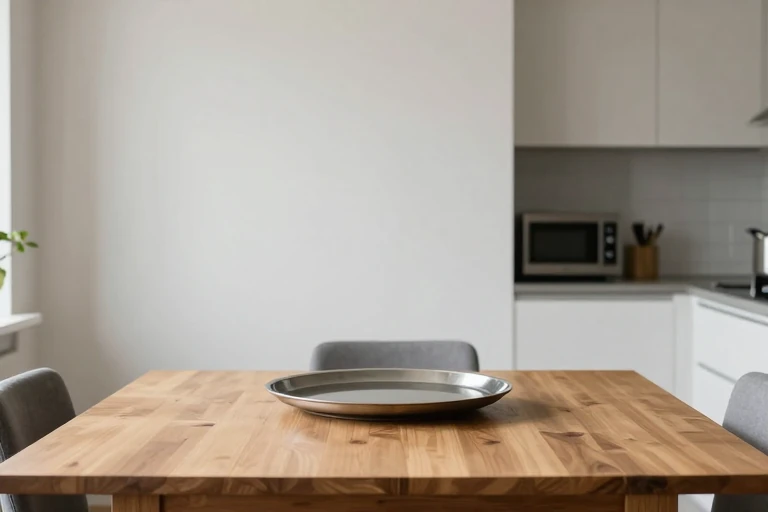
Seasonal decor lasts longer when it can be reset quickly. Keep the daily arrangement on one tray or in one bowl so the center clears in a single deliberate move.
Store extra candles, napkin rings, and holiday pieces together near the dining area. Rotate them in for gatherings instead of leaving the table permanently full.
This approach sacrifices some day-to-day drama, but it reduces dusting and prevents decorations from migrating to counters before every meal.
21. Prepare a Fast Rental-Friendly Setup
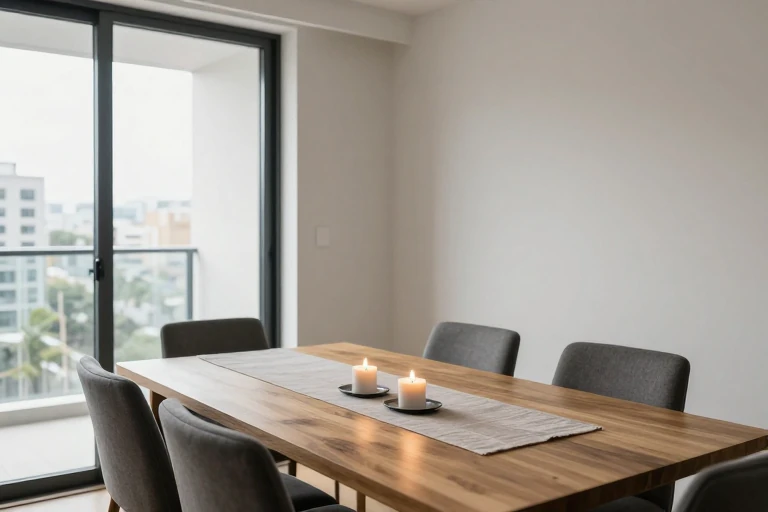
Renters can create a finished table without altering walls, lighting, or built-ins. Focus on portable layers: washable napkins, a runner, removable candleholders, and a bowl that works in other seasons.
Use battery-powered lighting if open flames are prohibited by a lease or building policy. Protect unfamiliar tabletop finishes with pads, trivets, and moisture barriers.
Portable decor stores easily, although multipurpose pieces may produce a subtler seasonal effect than highly specific decorations.
22. Plan the Cleanup Before Guests Arrive
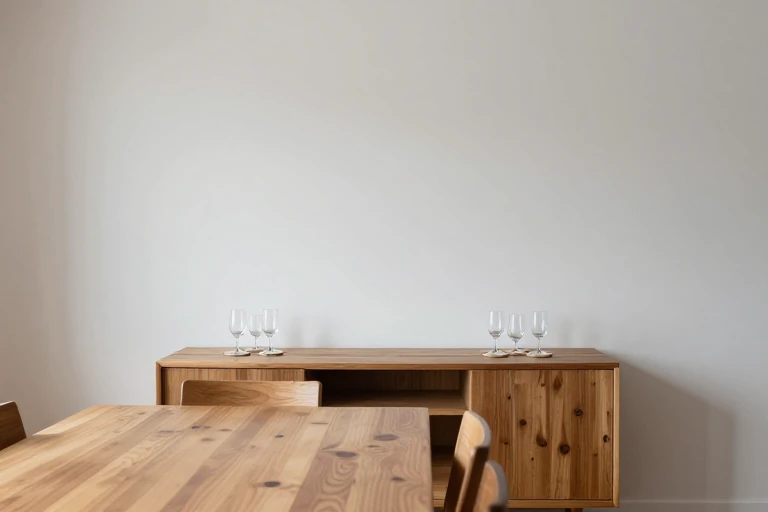
Decide where decor will go when serving bowls reach the table. Clear a shelf, sideboard, or counter in advance rather than creating an unstable pile during dinner.
Use machine-washable linens when the menu is likely to stain, and place absorbent coasters under chilled drinks. Keep a clean cloth nearby for spills without displaying cleaning products at the table.
Natural materials may require composting or disposal; reusable pieces require cleaning and storage space. Choose the consequence you prefer.
23. Common Fall Table Decor Mistakes
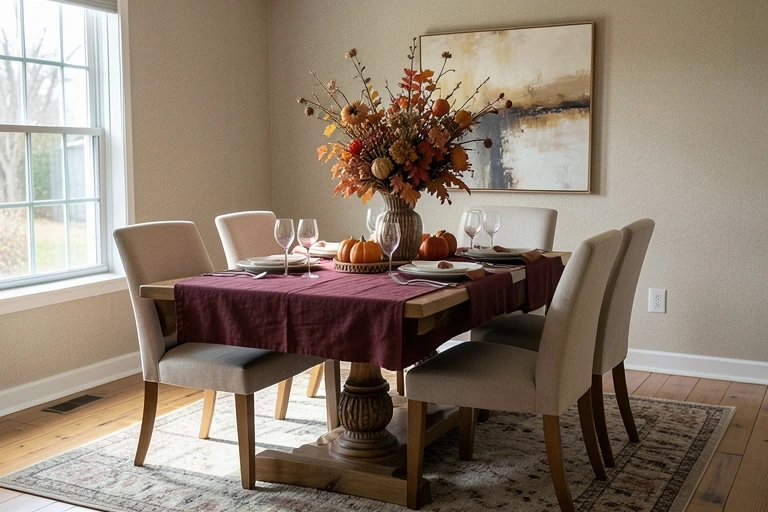
The most frequent problems are excessive centerpiece height, unstable candles, crowded place settings, and textiles that interfere with laps or chair movement. Diagnose them by sitting in every chair after the table is fully set.
Reach for a serving bowl, lift a glass, and simulate passing food. Remove anything that snags, tips, blocks faces, or requires constant rearranging.
Also avoid buying coordinated seasonal sets before checking storage. A smaller mix of reusable pieces usually offers more flexibility.
Effort & Cost Snapshot
| Topic | Effort | Cost Note |
|---|---|---|
| 1. Start With a Clear Center Lane | Low | Often achievable with existing furnishings or simple updates |
| 2. Build Around a Low Foliage Arrangement | Low | Often achievable with existing furnishings or simple updates |
| 3. Layer Linen Without Hiding the Table | Medium | Varies by materials, scope, and local labor |
| 4. Use Warm Neutrals as the Foundation | Medium | Varies by materials, scope, and local labor |
| 5. Add One Deep Accent Color | Medium | Varies by materials, scope, and local labor |
| 6. Arrange Gourds by Shape, Not Symmetry | Low | Often achievable with existing furnishings or simple updates |
| 7. Make a Fruit Centerpiece Edible | Low | Often achievable with existing furnishings or simple updates |
| 8. Ground Loose Pieces With a Tray | Low | Often achievable with existing furnishings or simple updates |
| 9. Mix Candle Heights Carefully | Low | Often achievable with existing furnishings or simple updates |
| 10. Choose Stoneware for Earthy Weight | Low | Often achievable with existing furnishings or simple updates |
| 11. Contrast Round Mats With a Rectangular Table | Medium | Varies by materials, scope, and local labor |
| 12. Fold Napkins Into a Textural Detail | Low | Often achievable with existing furnishings or simple updates |
| 13. Create Place Cards Without Table Clutter | Low | Often achievable with existing furnishings or simple updates |
| 14. Style a Small Round Table Minimally | Low | Often achievable with existing furnishings or simple updates |
| 15. Decorate a Long Table in Repeating Clusters | Low | Often achievable with existing furnishings or simple updates |
| 16. Bring in Branches Without Overcrowding | Low | Often achievable with existing furnishings or simple updates |
| 17. Use Brass as a Controlled Highlight | Low | Often achievable with existing furnishings or simple updates |
| 18. Introduce Black for Visual Structure | Low | Often achievable with existing furnishings or simple updates |
| 19. Let Wood Supply the Autumn Texture | Low | Often achievable with existing furnishings or simple updates |
| 20. Adapt the Table for Everyday Dinners | Low | Often achievable with existing furnishings or simple updates |
| 21. Prepare a Fast Rental-Friendly Setup | Medium | Varies by materials, scope, and local labor |
| 22. Plan the Cleanup Before Guests Arrive | Low | Often achievable with existing furnishings or simple updates |
| 23. Common Fall Table Decor Mistakes | Medium | Varies by materials, scope, and local labor |
Frequently Asked Questions
How can I decorate a fall dining table on a small budget?
Begin with objects you already own: neutral dishes, a wood bowl, clear glasses, and plain linens. Add seasonal color with grocery-store fruit, clipped foliage where lawful and safe, or a few gourds. Concentrating everything on one tray creates impact without requiring a complete coordinated set.
How tall should a fall centerpiece be?
There is no universal ideal height because tables, chairs, and arrangements differ. Sit in every chair and check whether you can see each guest without leaning. A low arrangement is generally easier for conversation; tall branches work only when their mass remains above sightlines and away from faces.
Can fall table decor stay out through Thanksgiving?
Yes, if the foundation is based on warm neutrals, natural textures, and reusable dishes rather than a single holiday motif. Replace perishable fruit, failing foliage, or damaged gourds as needed. For Thanksgiving, add place markers or a deeper accent color instead of rebuilding the whole table.
What is the safest alternative to real candles?
Flameless candles avoid an open flame and can be useful around dry foliage, children, pets, or crowded serving dishes. They still need stable placement and functioning components. Follow the product instructions, inspect them before gatherings, and confirm any applicable lease or venue rules.
The best fall dining table decor begins with how the table will be used, not with a shopping list. Set the functional pieces first, preserve conversation sightlines, and choose seasonal layers that match your tolerance for washing, polishing, replacement, and storage.
A low arrangement, tactile linen, natural produce, or one deep accent color may be enough. Test the finished setup from every chair and remove anything that complicates serving. When the table supports both the meal and the people around it, even a restrained autumn display feels complete.
Sources & Further Reading
- NKBA | KBIS Releases Annual 2026 Kitchen Trends Report – NKBA
- NAHB’s Best in American Living Awards Highlight Top Design Trends for 2026 | NAHB
- 10 Fall Dining Table Decor Ideas for 2026 – Bakelix
- 10 Fall Dining Table Ideas: Complete Guide for 2026 – Roaffee
Continue Your Home Transformation
Explore the full collection of step-by-step eBooks and get the guide that fits the room you're working on.