Flooring and Walls
If every wall in your home feels like the same flat, forgettable backdrop, you’re not imagining it — most rooms are painted in one safe neutral and left there, which means nothing ever draws the eye or gives the space real character. An accent wall is one of the few upgrades that can completely change how a room feels without touching the floor plan or the furniture.
By the end of this article, you’ll have 18 real, current accent wall ideas — from texture and material to color and placement — to turn one flat wall into the focal point of the room.
Table of Contents
- 1. Frame the TV With Walnut Wood Slats
- 2. Add Warmth With a Limewash Finish
- 3. Paint One Wall a Deep Navy Blue
- 4. Build a Board and Batten Grid
- Find the Perfect Digital Product for You
- 6. Stack Stone Veneer Around the Fireplace
- 7. Hang a Landscape Mural Wallpaper
- 8. Add Dimension With Geometric Trim
- 9. Paint the Bed Wall Sage Green
- 10. Warm Up a Room With Terracotta Limewash
- 11. Install Fluted Panels With LED Backlighting
- 12. Expose a Brick Wall in the Kitchen
- 13. Try Full Color Drenching in a Small Room
- 14. Hand-Apply a Textured Plaster Finish
- 15. Add Vertical Shiplap in a Bathroom
- 16. Go Moody With a Charcoal Fireplace Wall
- 17. Try Peel-and-Stick Wallpaper First
- 18. Extend the Accent Color Onto the Ceiling
- Effort & Cost Snapshot
1. Frame the TV With Walnut Wood Slats
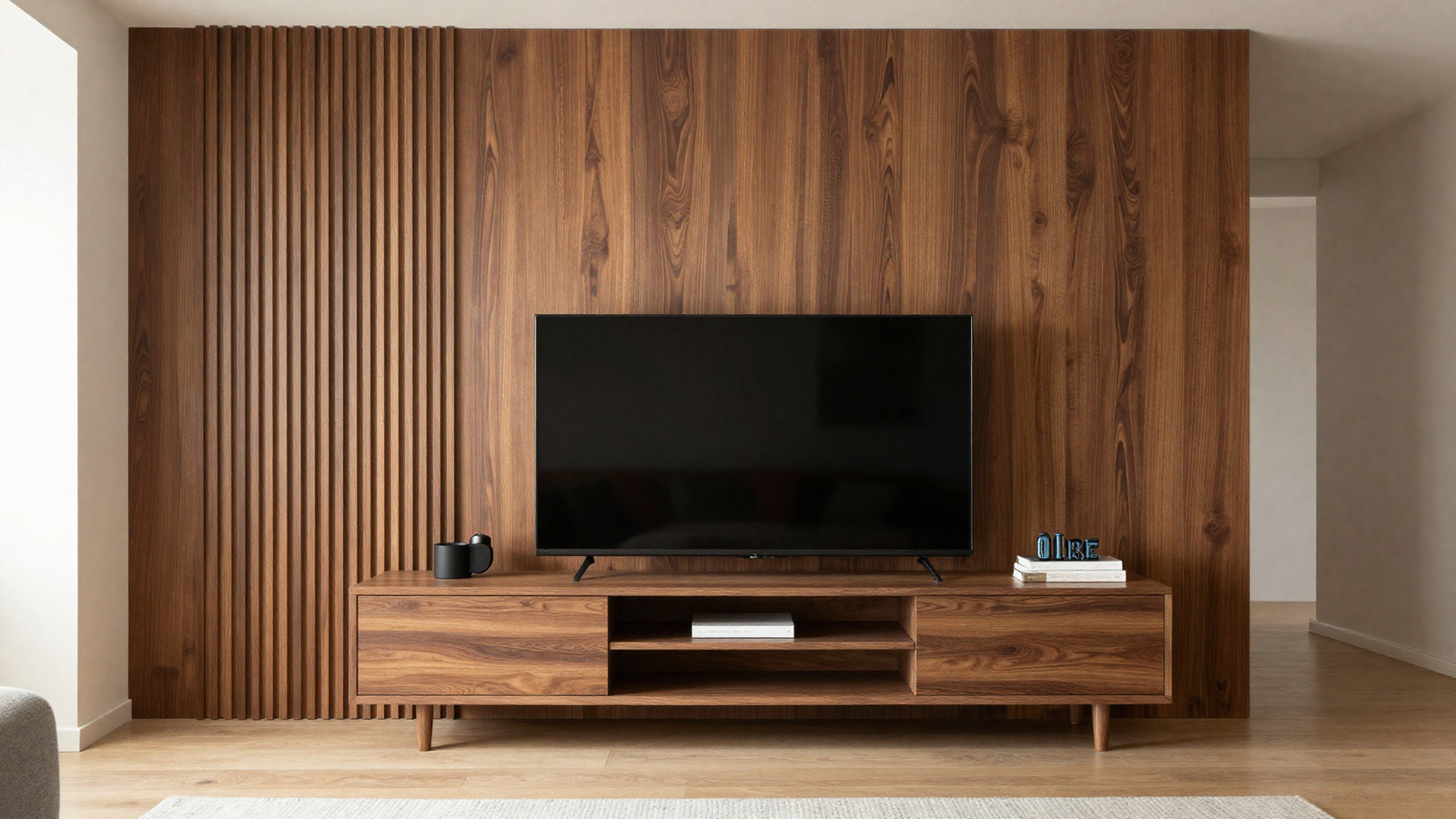
Vertical wood slats behind a TV console add warmth and texture while cleverly hiding wires behind the panel. Walnut and smoked oak tones have overtaken lighter natural oak as the default choice for a reason — they read as intentional rather than trendy.
💡 Smart tip: Leave slightly wider spacing between slats for a more current look; tightly packed slats read as an older, busier version of this trend.
⚠️ Mistake to avoid: Skipping a template or spacer guide during install — uneven gaps between slats are immediately noticeable once the wall is finished.
2. Add Warmth With a Limewash Finish

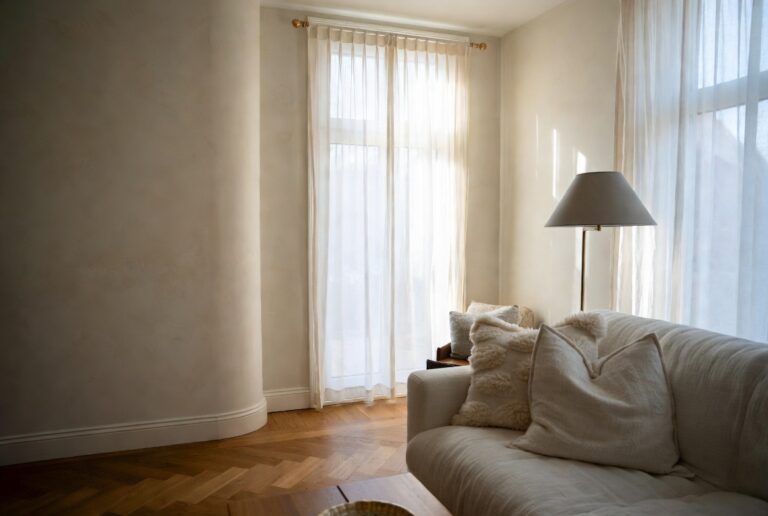
Limewash creates a hand-applied, slightly uneven plaster look that shifts subtly with the light throughout the day, unlike flat paint. It works on almost any painted surface and needs very little prep to get started.
💡 Smart tip: Apply with a natural bristle brush in loose, overlapping X strokes — the imperfection is the entire point of the finish.
⚠️ Mistake to avoid: Applying only one thin coat if you want real depth; a single pass gives a subtle wash, while two or three coats build the richer, layered effect most photos show.
3. Paint One Wall a Deep Navy Blue
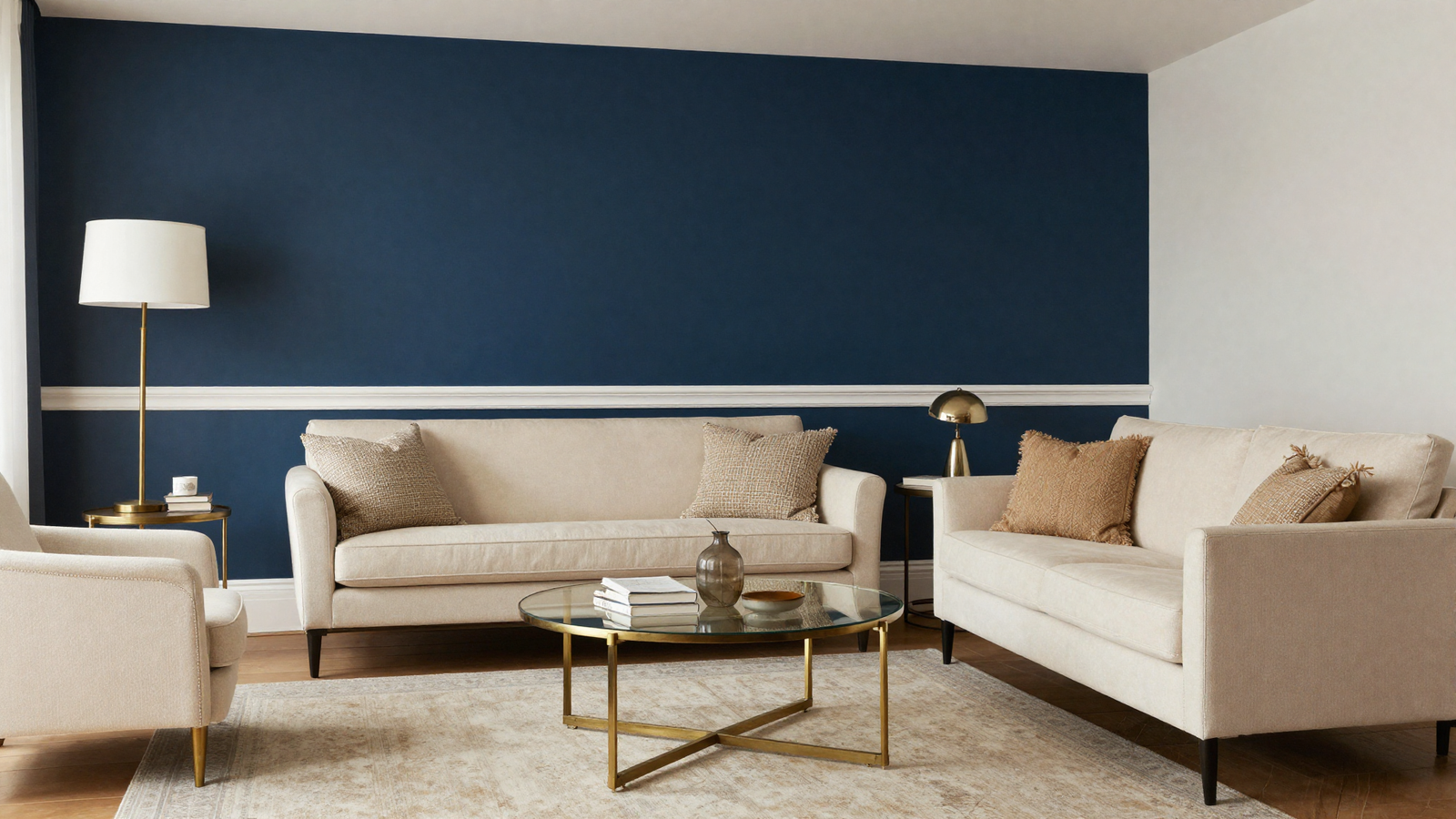
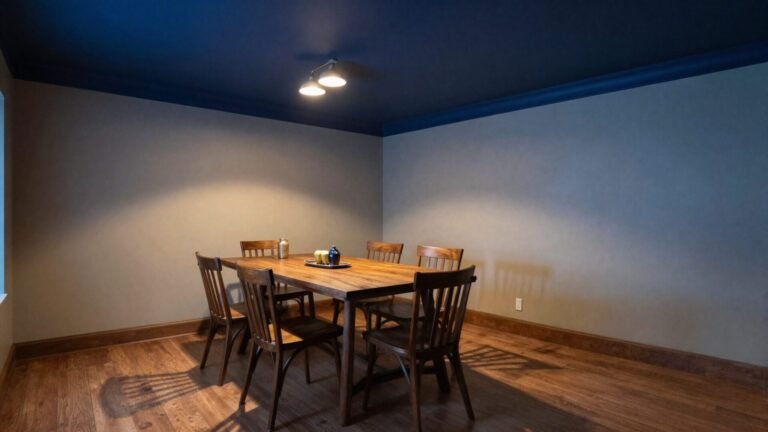
A saturated navy wall creates real drama without tipping into oppressive, especially paired with warm wood tones and brass hardware. It’s dark enough to anchor a room while still working with both modern and traditional furniture styles.
💡 Smart tip: Pair navy with a warm white on the remaining walls rather than a stark bright white, which creates too harsh a contrast against the depth of the accent.
⚠️ Mistake to avoid: Choosing navy for a room with little natural light; without enough daylight, a dark accent wall can make the whole space feel smaller instead of richer.
Loving These Ideas? Get the Step-by-Step Guide
Grab the full 5-day eBook and turn these ideas into a finished room.




4. Build a Board and Batten Grid
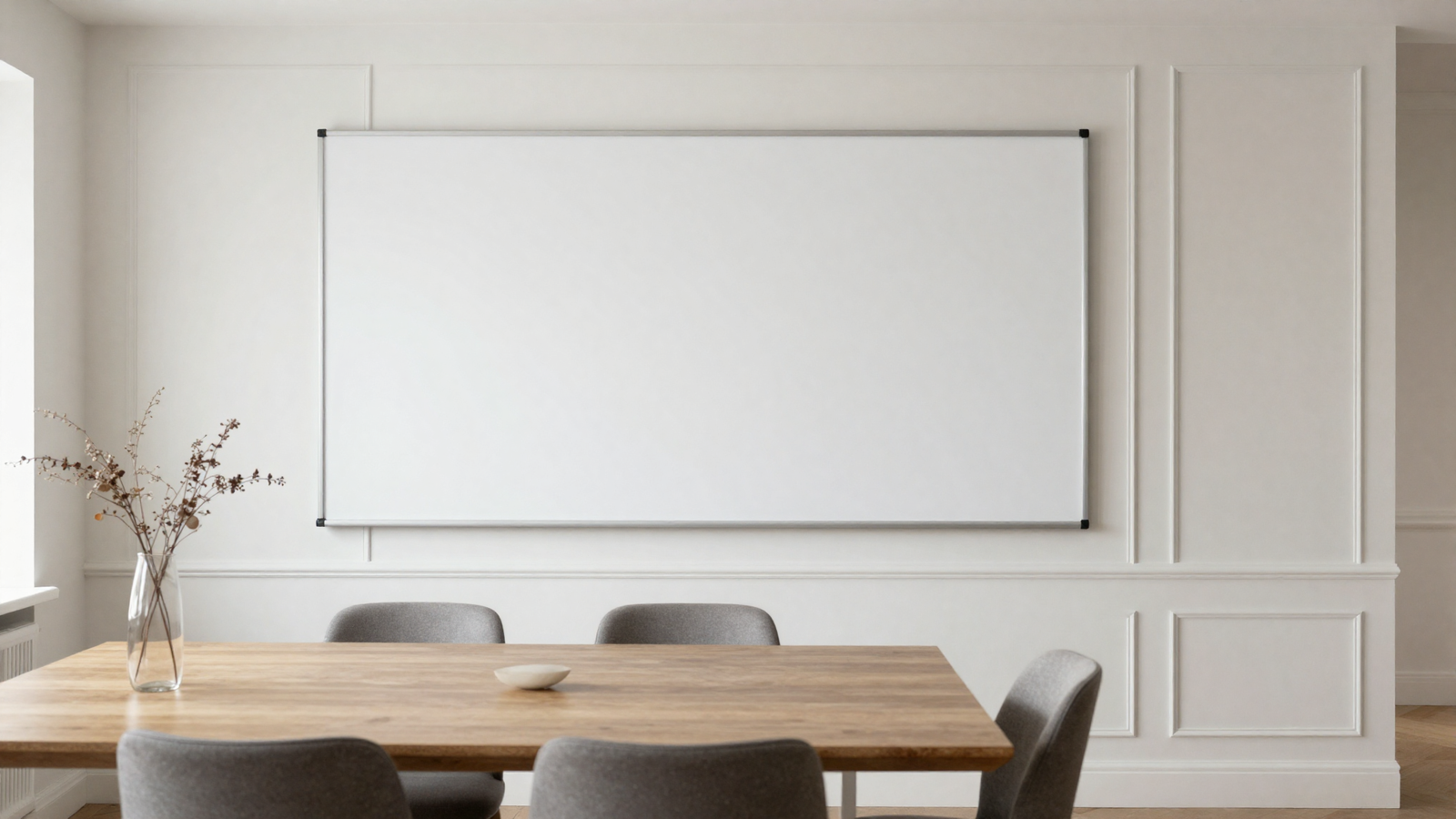
Evenly spaced vertical battens over flat boards create a grid-like panel effect that adds subtle depth without any bold color commitment. It’s one of the most cost-effective ways to add real architectural interest to a plain wall.
💡 Smart tip: Keep the batten spacing consistent and measure twice before cutting — even small gaps in spacing become obvious once the grid is painted a single color.
⚠️ Mistake to avoid: Painting the trim a different shade than the wall; matching the color keeps the cleaner, more high-end look this style is known for.
Find the Perfect Digital Product for You
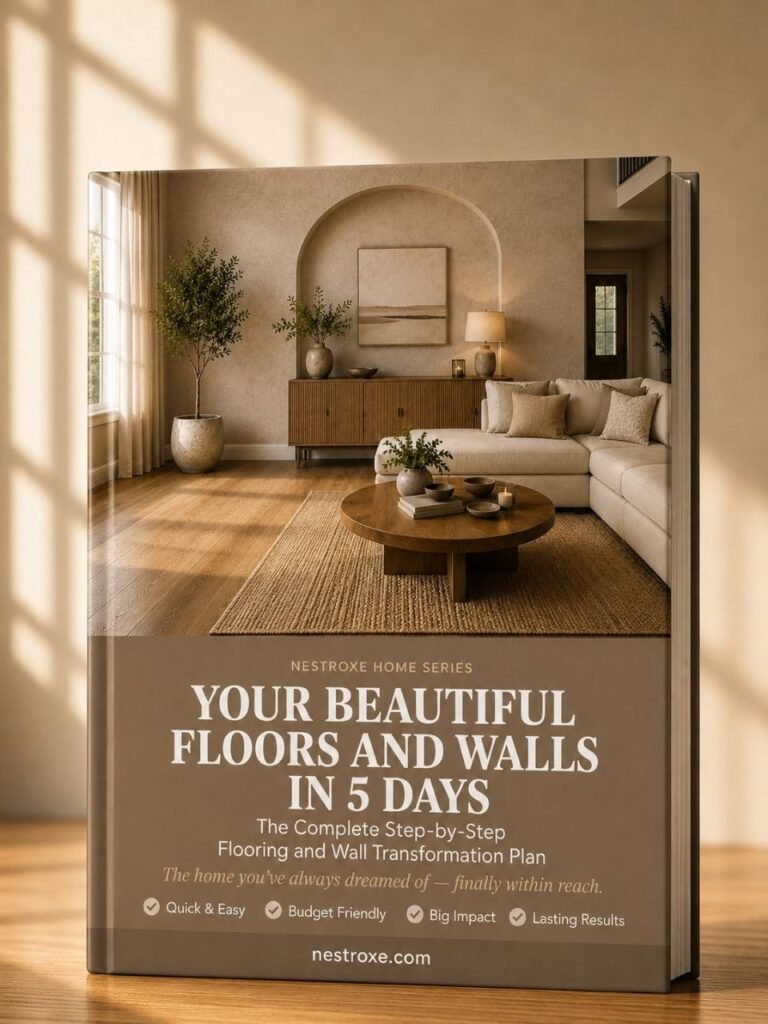
If you’re already picturing which room needs this kind of refresh, that’s exactly the gap Your Beautiful Floors and Walls in 5 Days was built to close. It walks you through flooring, paint, and trim — the same fundamentals covered here — mapped into one clear day-by-day plan with real prices attached.

👉 Click here to get your copy of Your Beautiful Floors and Walls in 5 Days — turn this list into a room where floors and walls finally work together.
6. Stack Stone Veneer Around the Fireplace
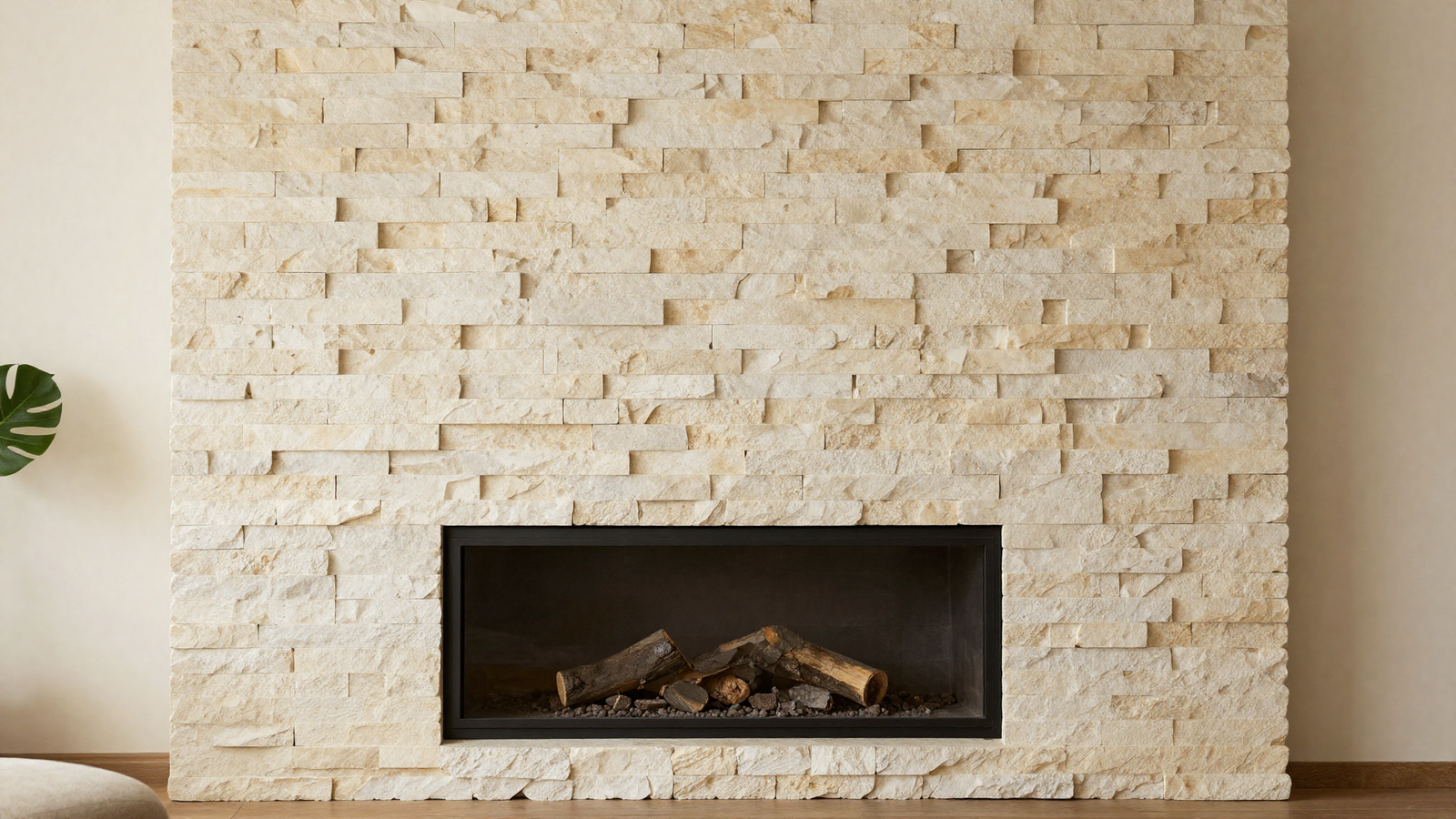
Warm-toned stacked stone — cream, travertine, sandstone — is replacing the cooler gray ledgestone that dominated a few years ago, and it creates instant visual weight around a fireplace. It’s a material that reads as premium the moment you walk into the room.
💡 Smart tip: Choose a warm stone tone if the rest of your room leans toward natural wood and cream textiles — cool gray stone tends to fight with that palette.
⚠️ Mistake to avoid: Covering too much wall with stone; veneer applied floor to ceiling on every side can overwhelm a room that isn’t large enough to balance it.
7. Hang a Landscape Mural Wallpaper
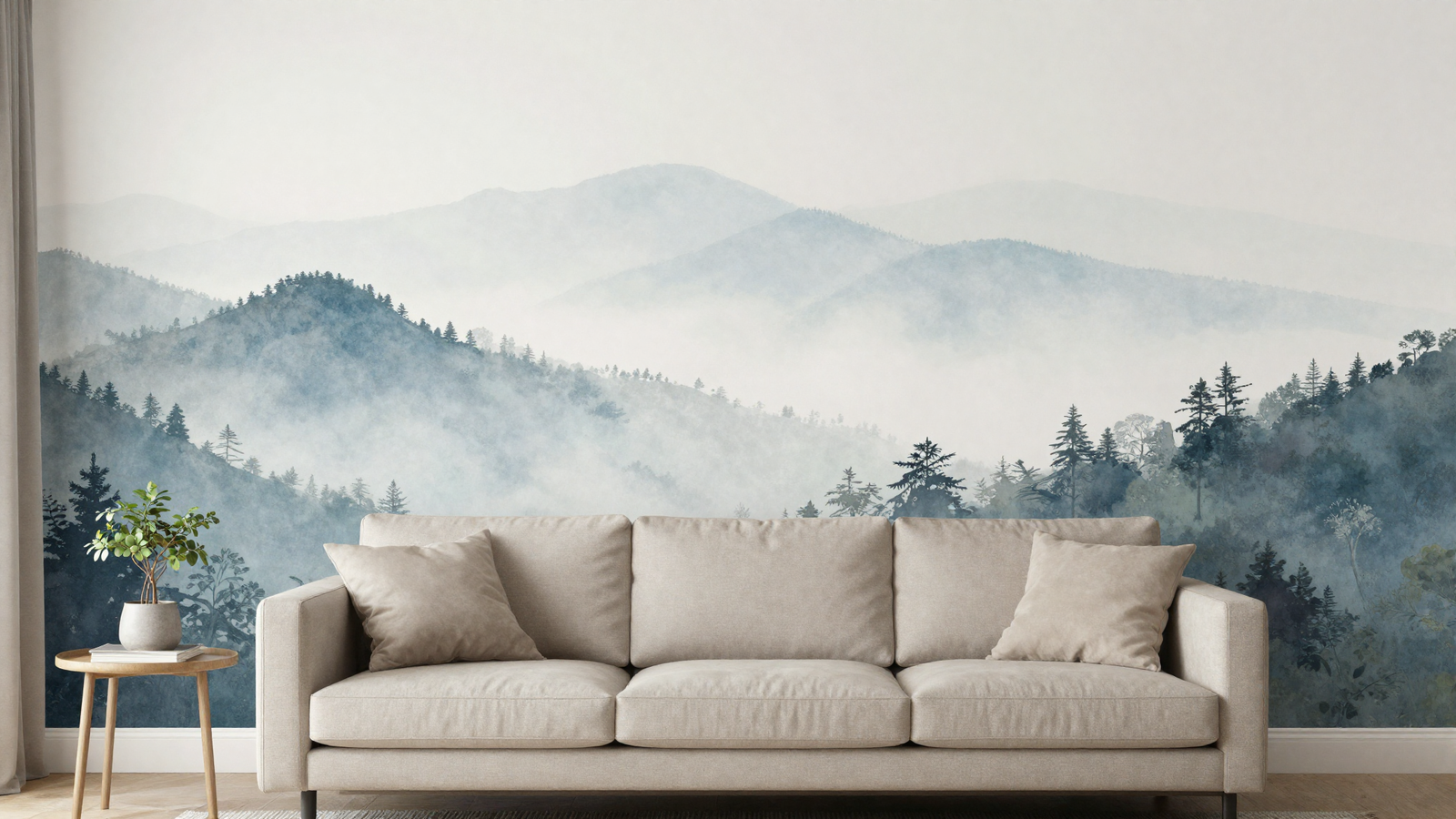
A full-wall mural — misty mountains, abstract watercolors, botanical scenes — turns a plain wall into a piece of art in its own right. Placed behind a sofa, it becomes the room’s focal point without competing with the TV on an adjacent wall.
💡 Smart tip: Choose a muted, low-contrast mural for a room you also want to relax in; high-contrast murals work better in entryways or dining rooms you pass through.
⚠️ Mistake to avoid: Measuring the wall incorrectly before ordering; most mural wallpapers are custom-printed to size and can’t be trimmed or extended after the fact.
8. Add Dimension With Geometric Trim
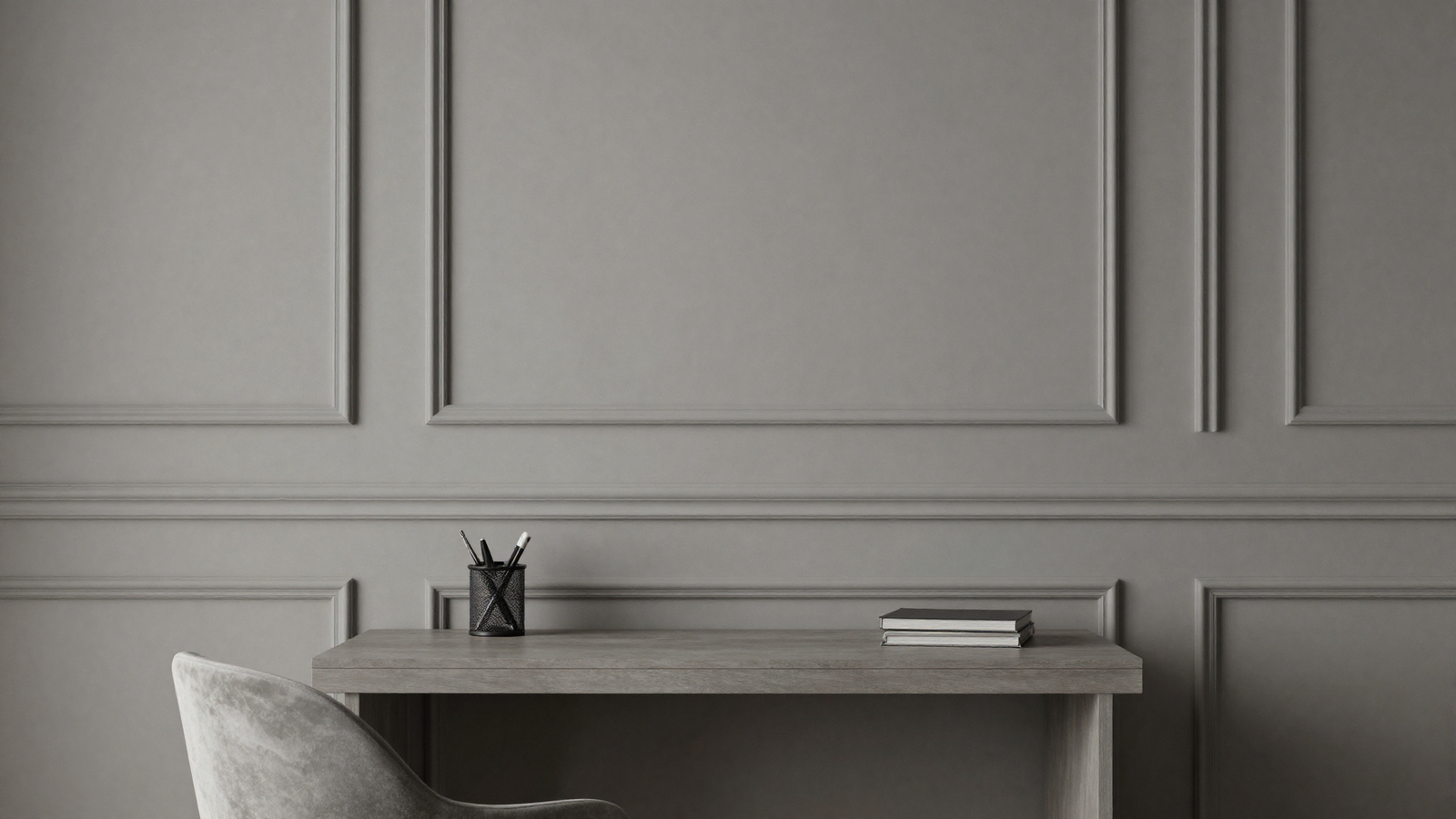
Molding arranged into geometric patterns directly on the wall adds architectural texture without paint or wallpaper, and it photographs beautifully in a monochromatic finish. It remains one of the most searched wall treatments because it works in nearly any room style.
💡 Smart tip: Keep the trim painted the exact same shade as the wall behind it for the cleanest, most high-end version of this look.
⚠️ Mistake to avoid: Choosing an overly intricate pattern for a small wall; complex geometry needs enough square footage to read clearly from across the room.
9. Paint the Bed Wall Sage Green
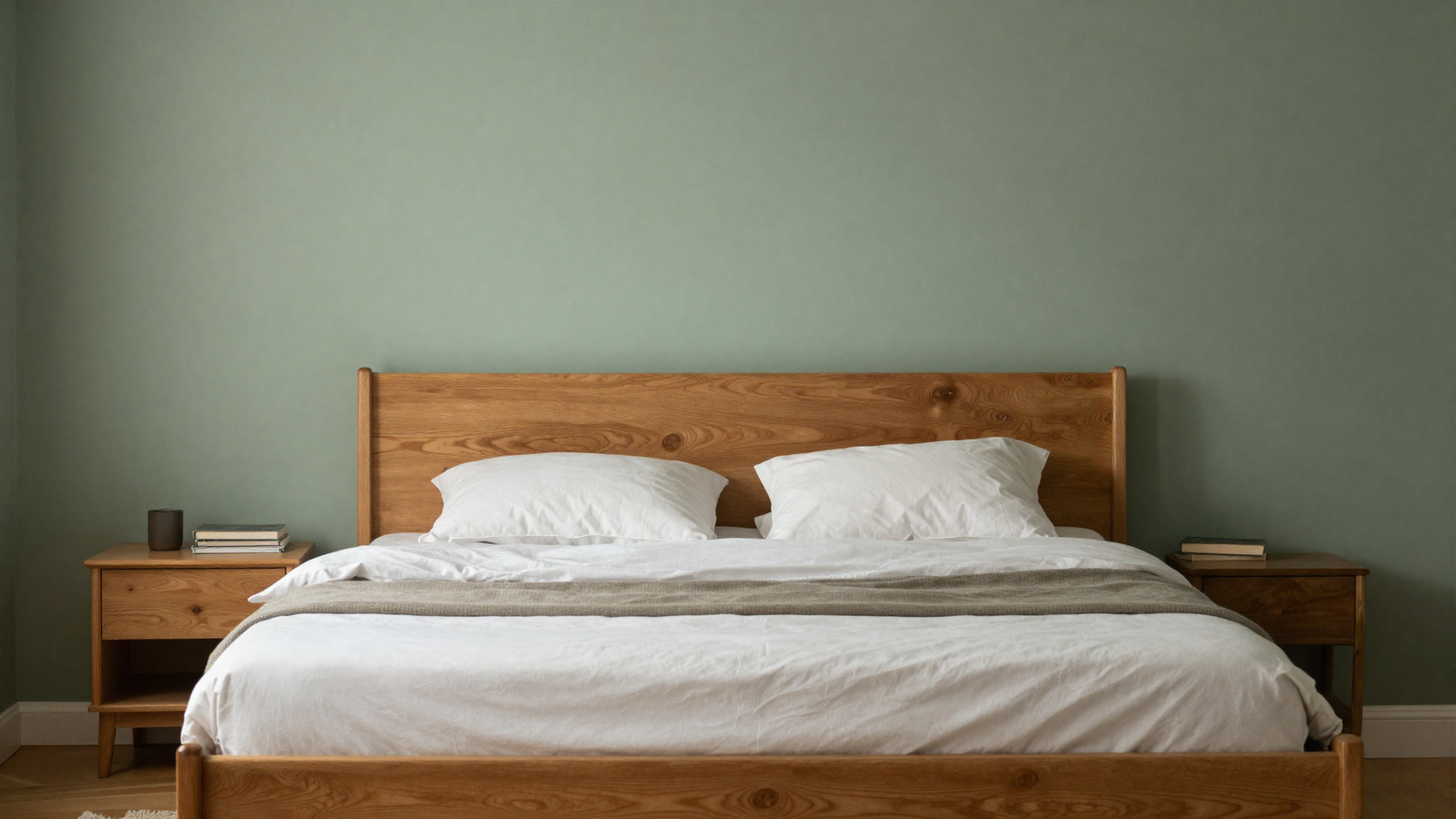
The wall behind the headboard is almost always the right choice for a bedroom accent, since you face away from it while sleeping — the color adds drama when you walk in but doesn’t stimulate you while trying to wind down. Sage green in particular has become the most popular bedroom accent choice for exactly that calming effect.
💡 Smart tip: Test the sage tone at different times of day before committing; green shifts noticeably between morning and evening light.
⚠️ Mistake to avoid: Choosing a sage that leans too yellow or too gray for your existing wood tones; bring a fabric or wood sample to the paint store to check the pairing in person.
10. Warm Up a Room With Terracotta Limewash
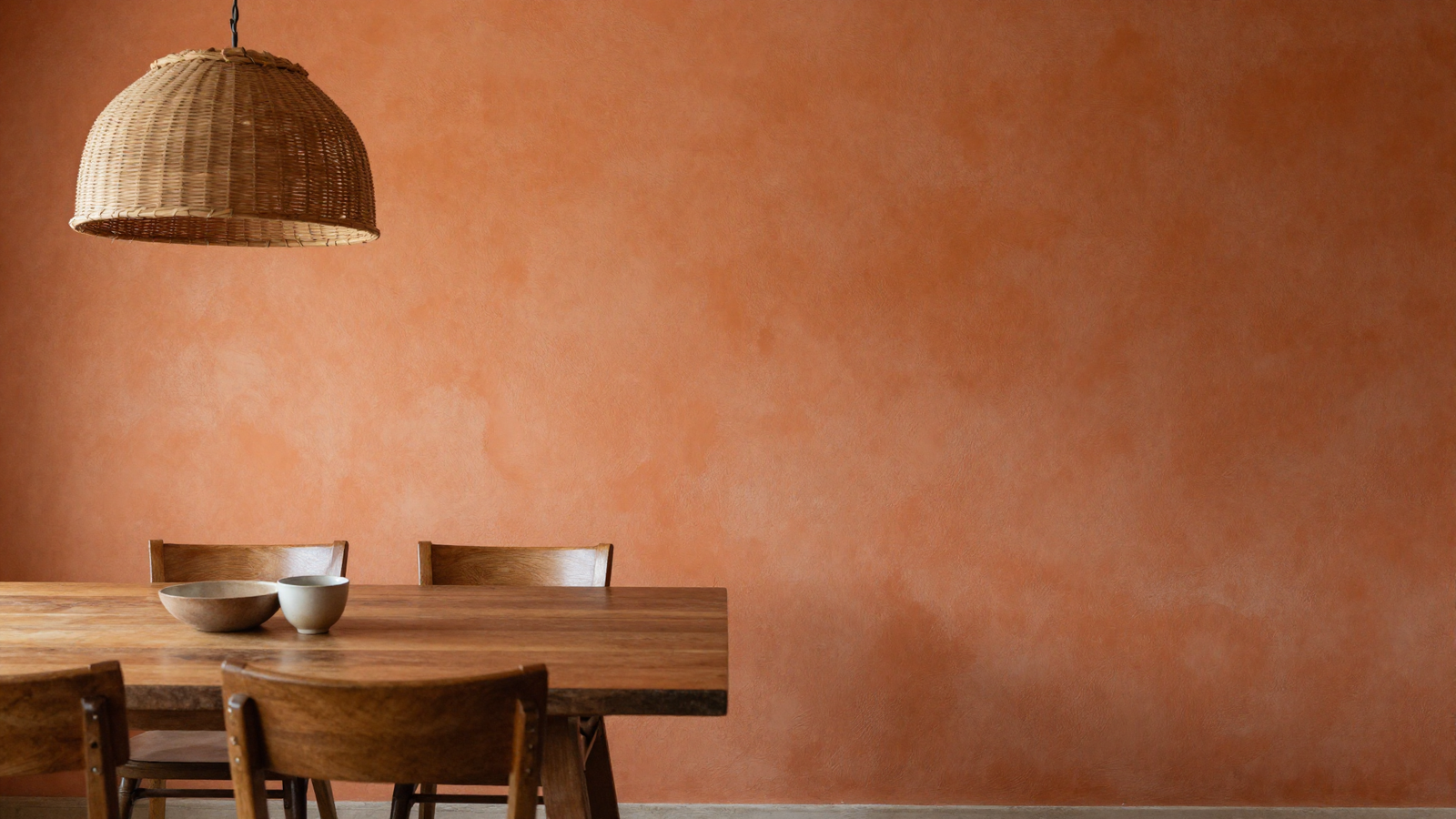
Terracotta limewash brings an earthy, Mediterranean warmth that flat paint simply can’t replicate, and it’s one of the leading limewash colors for good reason — it pairs naturally with wood furniture and warm lighting. In a dining room especially, it makes the space feel gathered and lived-in rather than staged.
💡 Smart tip: Balance a warm terracotta wall with cooler metal or glass accents elsewhere in the room so the palette doesn’t tip too far into one temperature.
⚠️ Mistake to avoid: Rushing the drying time between coats; limewash needs to cure properly between layers or the texture can look patchy instead of intentional.
11. Install Fluted Panels With LED Backlighting
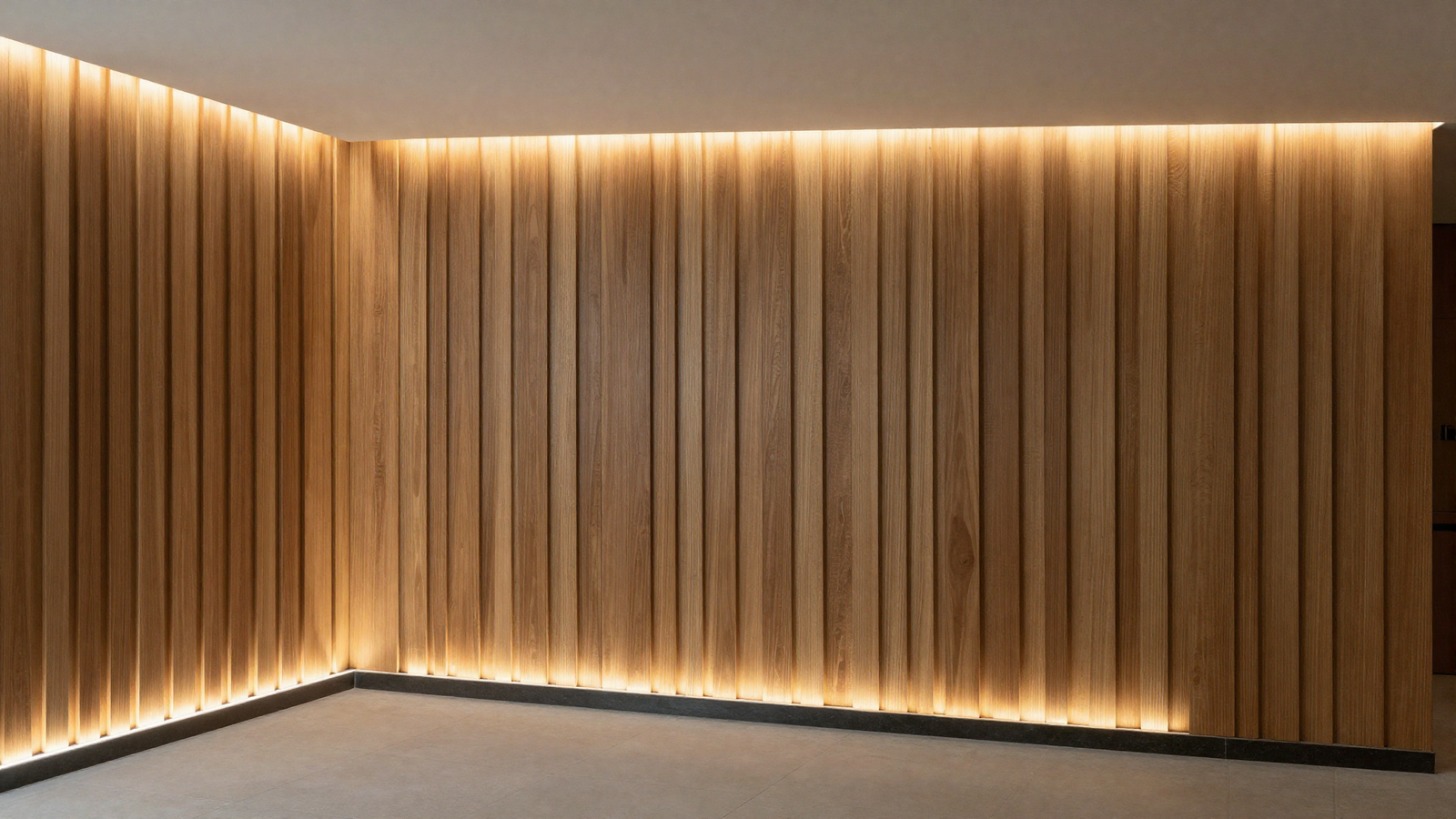
Fluted panels paired with integrated LED strips add a dramatic, dimensional effect that flat wood slats alone don’t achieve, especially in a media room or behind a bed. The soft glow around each groove gives the wall a sculptural quality after dark.
💡 Smart tip: Choose warm white LEDs rather than cool white; warm tones read as ambient lighting, while cool white can feel more like a showroom display.
⚠️ Mistake to avoid: Running LED wiring without planning the panel layout first; retrofitting lighting after panels are mounted usually means starting over.
12. Expose a Brick Wall in the Kitchen
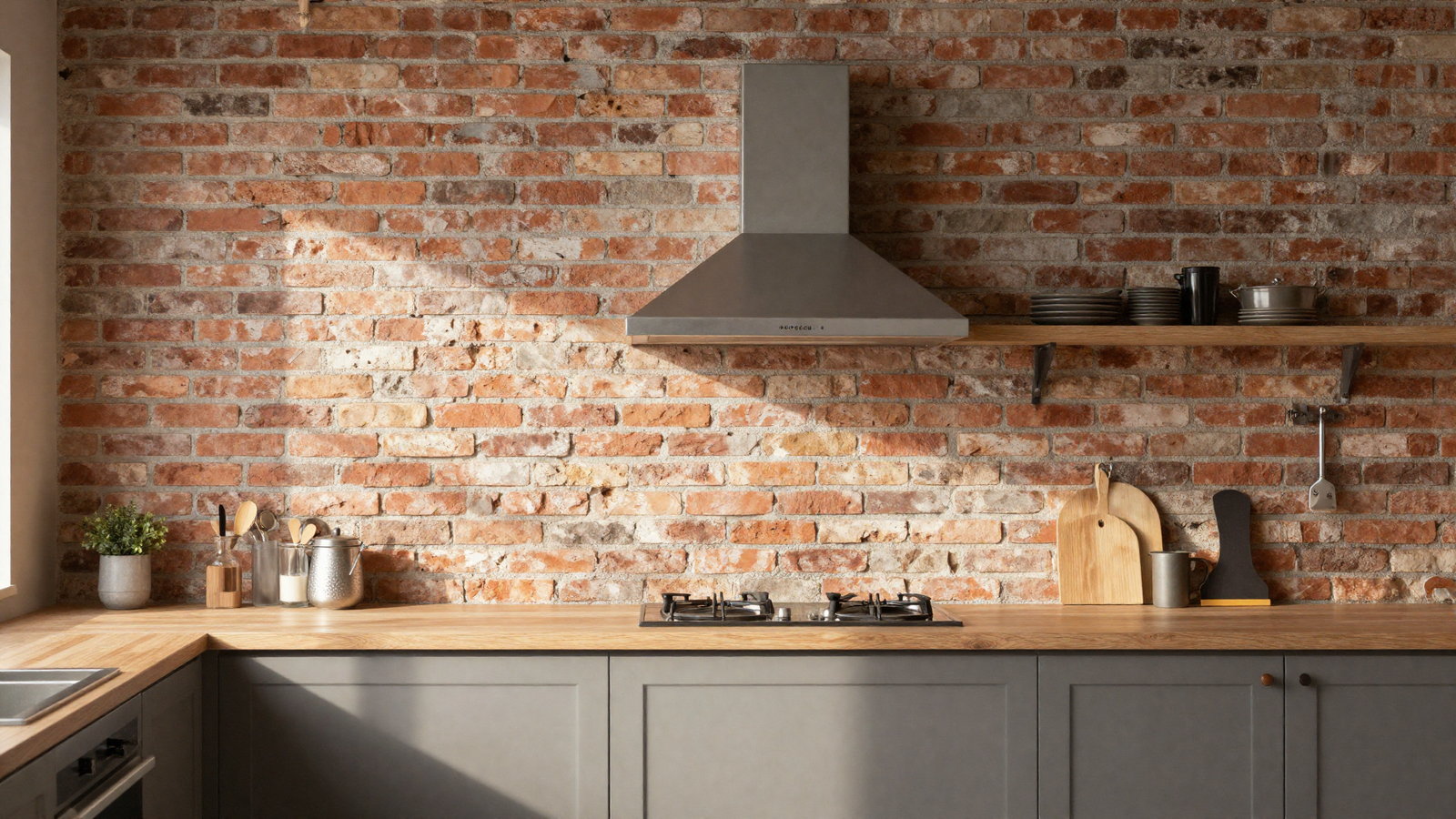
Exposed brick remains one of the most timeless accent materials, and in a kitchen it adds texture and history that cabinetry alone can’t provide. It works especially well as a contrast against sleek modern appliances and countertops.
💡 Smart tip: Seal exposed brick in a kitchen with a food-safe masonry sealer to make it easier to wipe down near cooking areas.
⚠️ Mistake to avoid: Placing exposed brick directly behind a stove without a heat-safe backsplash section; brick and mortar can degrade faster under direct heat and grease exposure.
13. Try Full Color Drenching in a Small Room
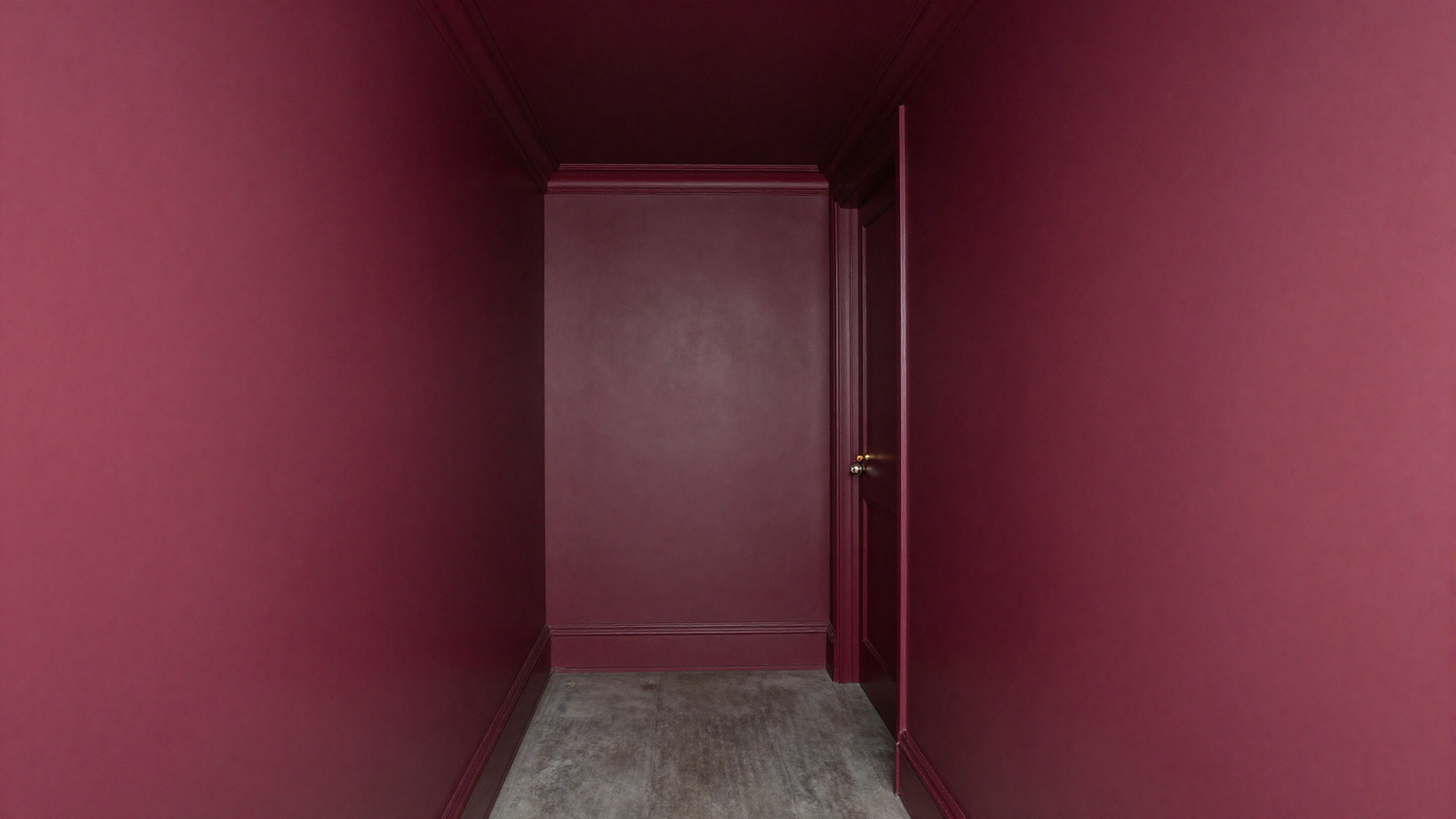
Color drenching — painting walls, ceiling, and trim all in one saturated tone — removes the visual breaks that make a small room feel choppy, creating an immersive, cocoon-like effect instead. Counterintuitively, it often makes a tiny room feel more intentional rather than more cramped.
💡 Smart tip: Use a slightly lighter sheen on the ceiling than the walls in the same color family, so the room still reads with subtle depth rather than flatness.
⚠️ Mistake to avoid: Drenching a room with very little natural light in an already dark color; test the tone at different times of day before committing to every surface.
14. Hand-Apply a Textured Plaster Finish
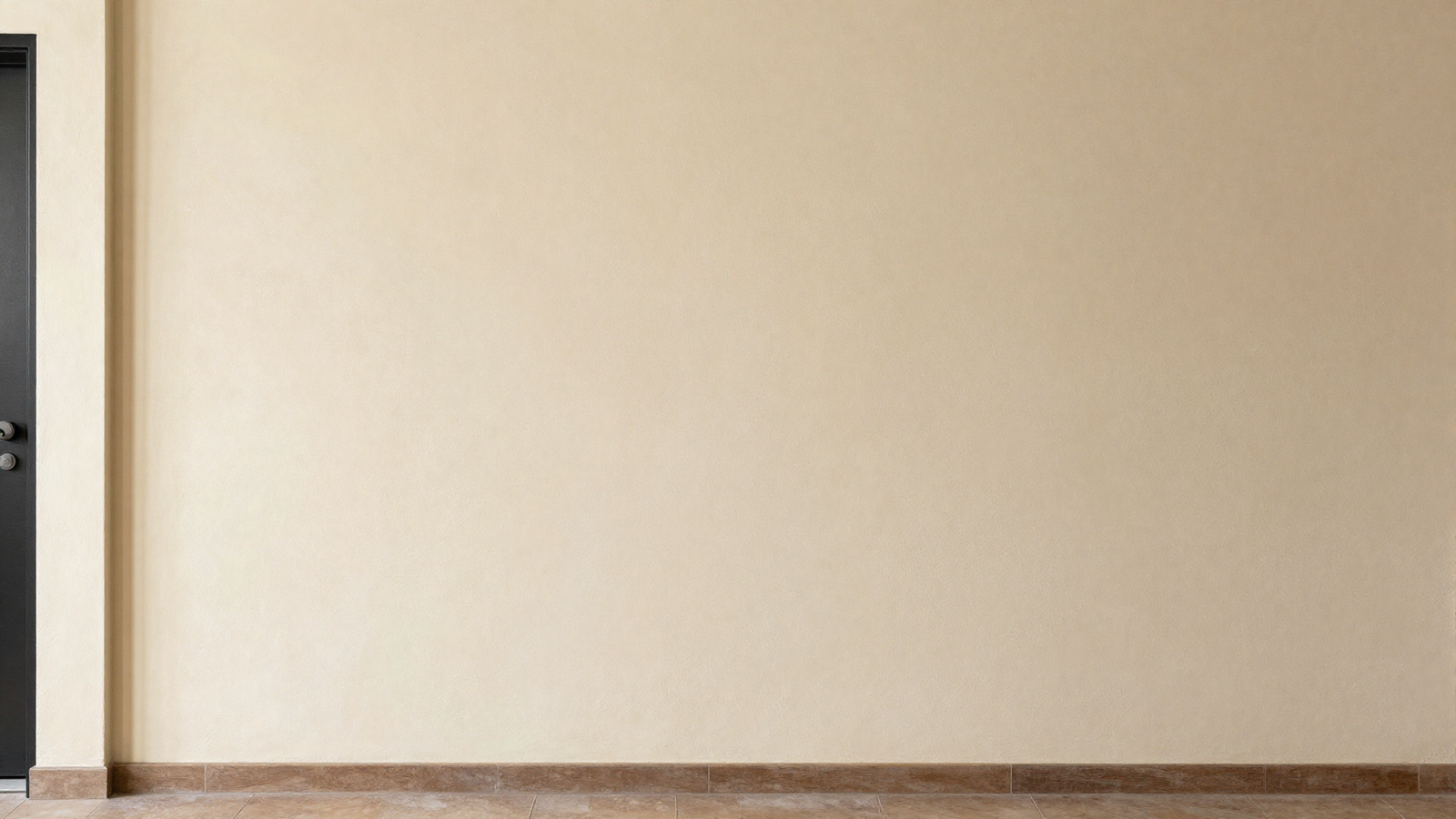
A Venetian-style plaster finish adds subtle movement and depth to a wall through texture alone, without needing any bold color to make an impact. It’s particularly effective in an entryway, where the tactile quality is the first thing guests notice.
💡 Smart tip: Work in small sections and vary your trowel angle slightly as you go — overly uniform strokes can end up looking machine-applied instead of handmade.
⚠️ Mistake to avoid: Skipping a bonding primer before plastering; without it, the plaster can crack or separate from the wall as it cures.
15. Add Vertical Shiplap in a Bathroom
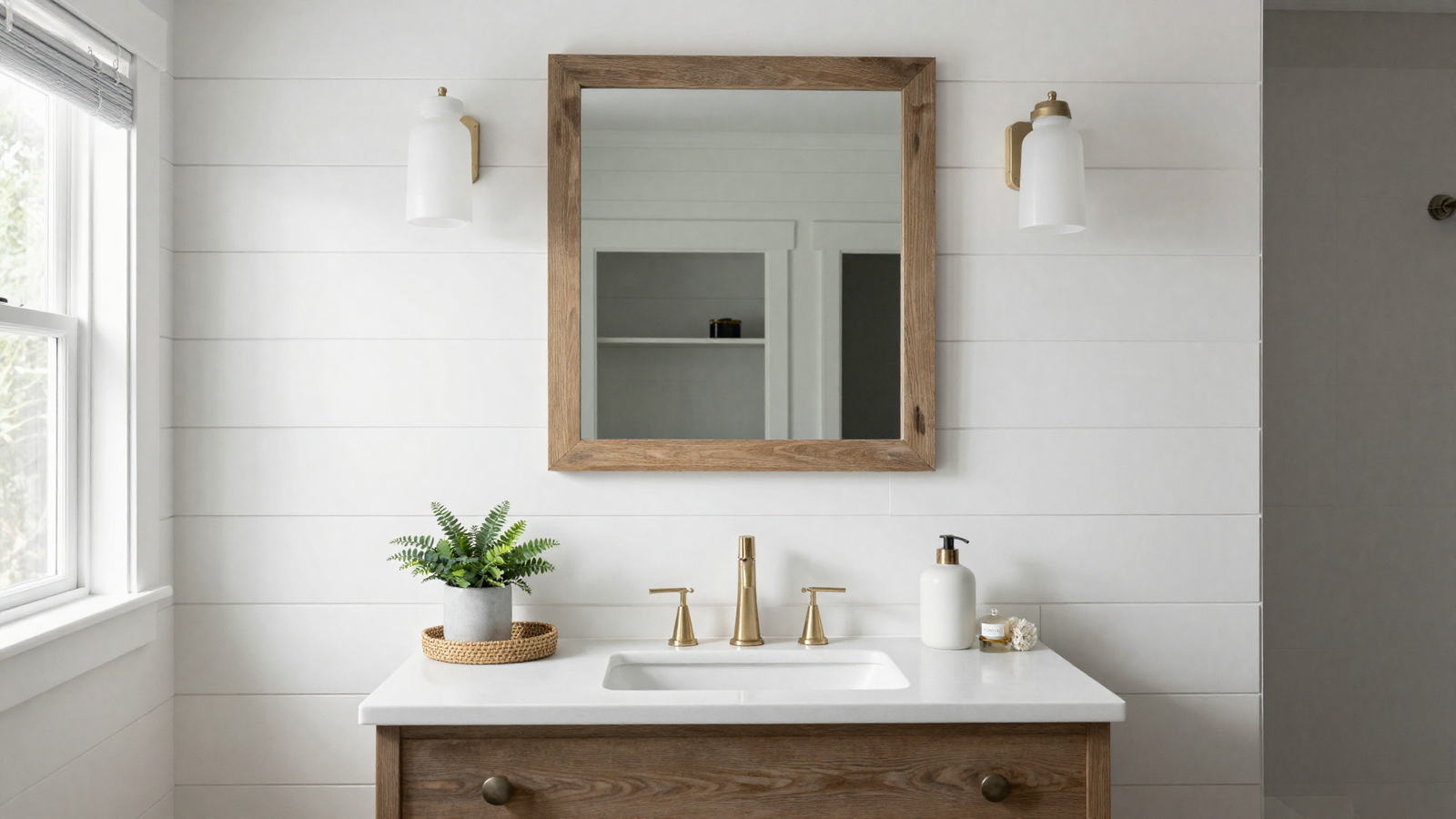
Vertical shiplap adds coastal, farmhouse-style texture to a bathroom while visually raising the ceiling height in the process. Running the boards vertically instead of horizontally is what gives this version its more current, elongated look.
💡 Smart tip: Use moisture-resistant PVC or treated shiplap boards in a bathroom rather than standard pine, which can warp with humidity over time.
⚠️ Mistake to avoid: Installing shiplap directly over an area with active moisture issues; address ventilation or leaks first, or the wood will fail regardless of the finish.
16. Go Moody With a Charcoal Fireplace Wall

A charcoal gray fireplace wall creates a moody, grounded focal point that makes the fireplace itself feel more like a designed feature than an afterthought. Paired with warm ambient lighting, the darkness reads as cozy rather than heavy.
💡 Smart tip: Add a matte or eggshell finish rather than glossy paint on a dark charcoal wall — gloss tends to highlight every surface imperfection.
⚠️ Mistake to avoid: Pairing charcoal with cool-toned furniture and lighting; the combination can feel cold rather than moody without enough warmth balancing it.
17. Try Peel-and-Stick Wallpaper First

Peel-and-stick wallpaper delivers pattern and personality without the commitment or cost of a permanent installation, which makes it especially practical for renters. Many stylish versions now come in under $300 for a full wall, print and all.
💡 Smart tip: Smooth the paper from the center outward with a squeegee tool as you apply it to avoid trapping air bubbles under the surface.
⚠️ Mistake to avoid: Applying peel-and-stick over a freshly painted wall; give new paint at least a few weeks to fully cure or the adhesive won’t hold properly.
18. Extend the Accent Color Onto the Ceiling

Carrying a wall’s color up and across the ceiling creates a dramatic, architectural envelope effect that a single painted wall alone can’t achieve. In a larger room especially, the added depth makes the space feel more considered rather than just decorated.
💡 Smart tip: Use the same paint sheen on both the wall and ceiling sections so the transition reads as one continuous surface rather than two separate decisions.
⚠️ Mistake to avoid: Trying this in a room with low ceilings and a very dark color; the combination can make the ceiling feel like it’s pressing down rather than opening up.
Effort & Cost Snapshot
| Idea | Effort | Approx. Cost |
|---|---|---|
| 1. Walnut Wood Slat Wall | Medium (DIY kit or pro) | $150–$2,500 |
| 2. Limewash Finish | Low–Medium (DIY) | $60–$300 |
| 3. Navy Painted Wall | Low (DIY paint) | $50–$150 |
| 4. Board and Batten Grid | Medium (DIY build) | $100–$500 |
| 6. Stacked Stone Veneer | Medium–High (DIY or pro) | $300–$1,800 |
| 7. Mural Wallpaper | Low–Medium (DIY hang) | $150–$800 |
| 8. Geometric Trim Wall | Medium (DIY or pro) | $100–$300 |
| 9. Sage Green Bed Wall | Low (DIY paint) | $40–$120 |
| 10. Terracotta Limewash | Low–Medium (DIY) | $60–$300 |
| 11. Fluted Panels With LED | Medium–High (DIY or pro) | $300–$1,500 |
| 12. Exposed Brick Wall | Medium (DIY reveal or veneer) | $100–$900 |
| 13. Color Drenching | Low–Medium (DIY paint) | $100–$400 |
| 14. Textured Plaster Finish | Medium–High (DIY or pro) | $150–$700 |
| 15. Vertical Shiplap | Medium (DIY install) | $150–$600 |
| 16. Charcoal Fireplace Wall | Low (DIY paint) | $50–$150 |
| 17. Peel-and-Stick Wallpaper | Low (DIY) | $40–$300 |
| 18. Ceiling-Extended Color | Medium (DIY paint) | $80–$250 |
The best accent wall isn’t the most complicated one — it’s the wall that already draws the eye, treated with a finish or color that feels connected to the rest of the room. Save this list to Pinterest so you can test a few ideas against your own space before committing to the one that’s really “it.”
Continue Your Home Transformation
Explore the full collection of step-by-step eBooks and get the guide that fits the room you're working on.