Flooring and Walls
Getting the flooring ideas right makes the biggest difference in how the space actually feels day to day. A well-planned flooring ideas balances function and style, and even small tweaks to your flooring ideas can transform the whole area.
If you’ve spent time picking out cabinets, paint colors, and furniture but treated the floor as an afterthought, it might be time to reconsider — flooring is the one surface every other choice in the room has to sit on top of. The wrong tone underfoot can make an expensive kitchen or bathroom feel disjointed, while the right one pulls everything together instantly.
By the end of this article, you’ll have 14 real, current flooring ideas — from warm hardwoods to bold patterned tile — to help you choose a floor that feels intentional in every room of your home.
Table of Contents
- 1. Go Dark With Wide-Plank Walnut Floors
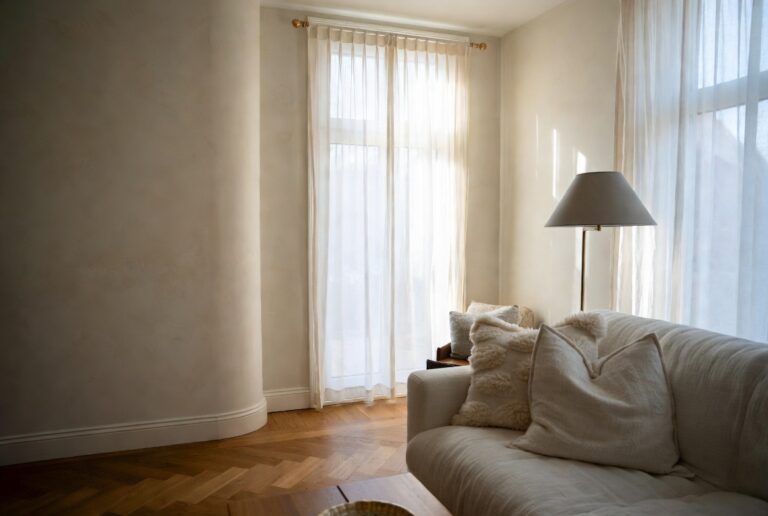
- 2. Add a Checkerboard Marble Bathroom Floor
- 3. Bring Old-World Charm With Herringbone Brick
- 4. Choose Large-Format Porcelain Tile
- 5. Try Two-Toned Penny Tile
- 6. Choose a Matte, Just-Sanded Wood Finish
- 7. Make a Statement With Geometric Porcelain
- 8. Plan for Flush Floor Transitions
- 9. Add a Hand-Finished Mosaic Accent
- 10. Lighten Up With Wide-Plank Oak
- 11. Ground the Entryway With Patterned Tile
- 12. Bring in a Warm Stone-Look Kitchen Floor
- 13. Soften a Bathroom With Blush Checkerboard
- 14. Choose Waterproof Wood-Look for the Basement
- Effort & Cost Snapshot
1. Go Dark With Wide-Plank Walnut Floors for Your Flooring Ideas
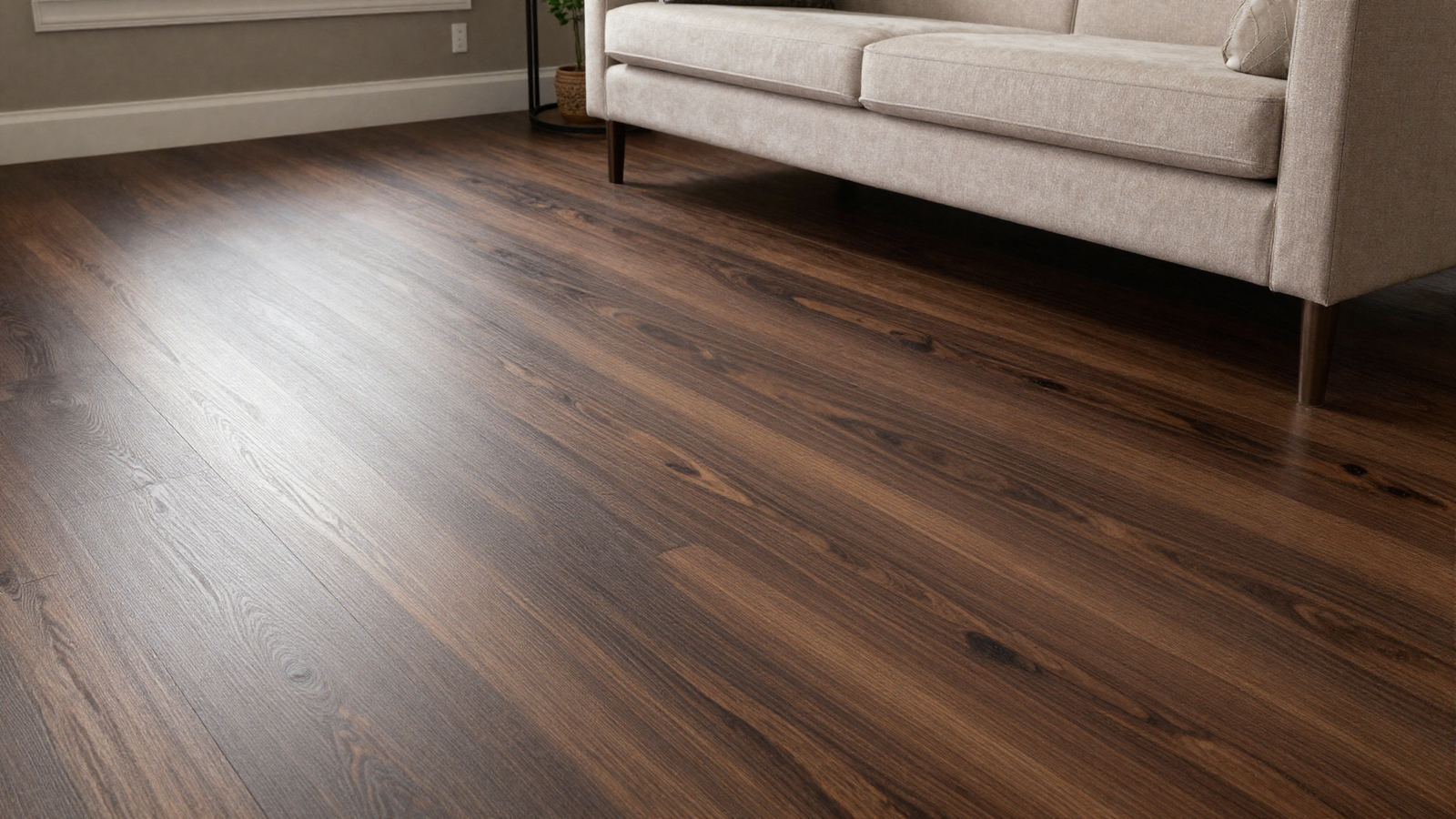
Darker wood tones like chocolate walnut are steadily replacing the bleached, light oak floors that dominated the last several years, bringing a cozier, more grounded feeling to a room. Wide planks add to the effect, reducing the number of seams so the floor reads as one continuous, elegant surface.
💡 Smart tip: Pair dark walnut floors with lighter furniture and rugs so the room doesn’t feel heavy from the ground up.
⚠️ Mistake to avoid: Choosing a high-gloss finish on dark wood; glossy dark floors show dust, scratches, and footprints far more visibly than a matte or satin finish.
2. Add a Checkerboard Marble Bathroom Floor for Your Flooring Ideas
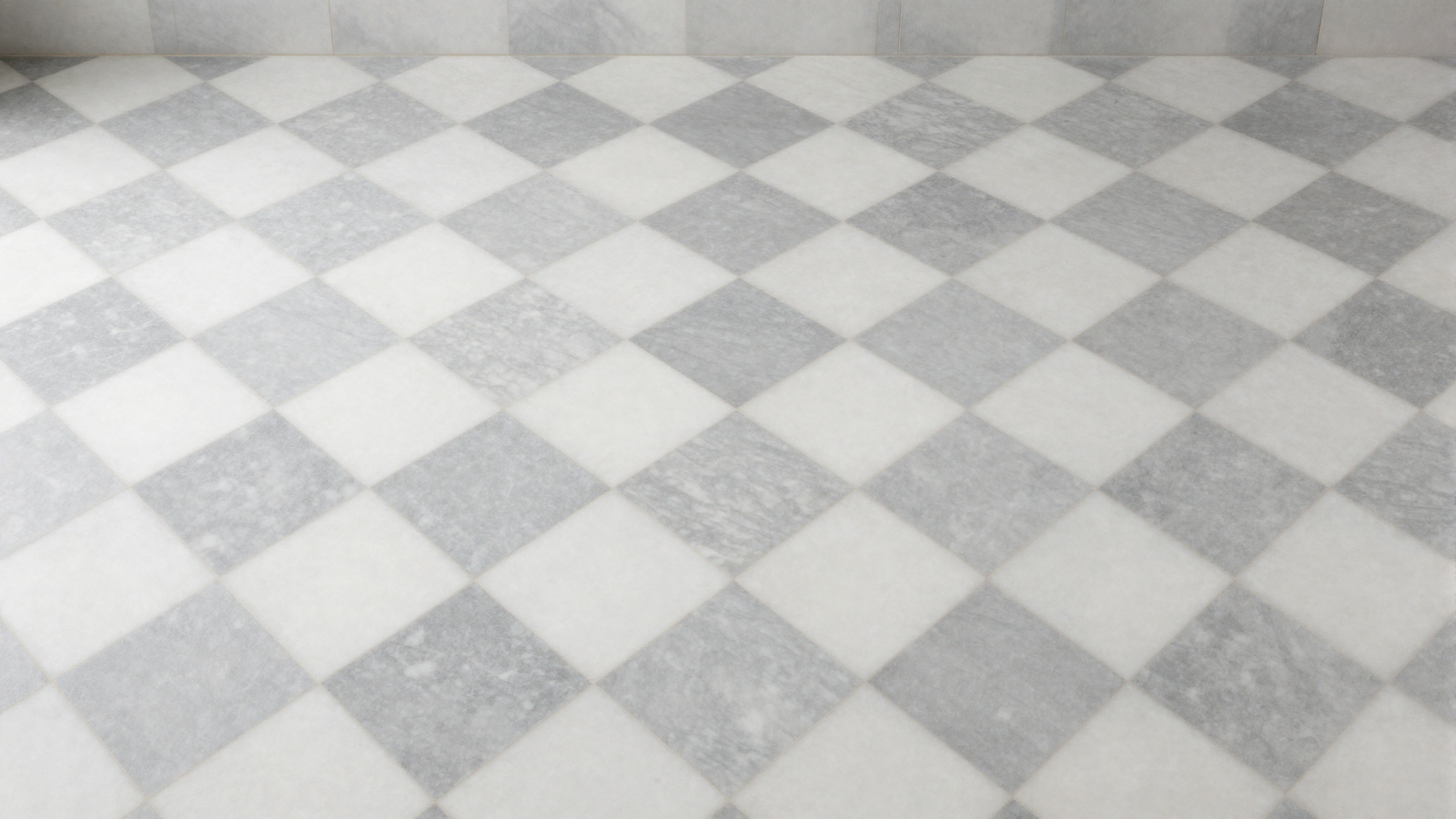
Checkerboard flooring never fully goes out of style, but the 2026 version softens the classic black-and-white contrast into gentler marble pairings like soft gray and warm white. The pattern still grounds a bathroom in a familiar, timeless way while feeling more current than the high-contrast version.
💡 Smart tip: Keep checkerboard tile to the floor only, and let the walls stay simple, so the pattern remains the clear focal point of the room.
⚠️ Mistake to avoid: Choosing a polished marble finish for a bathroom floor; the surface becomes noticeably slippery when wet, so a honed or textured finish is the safer choice.
3. Bring Old-World Charm With Herringbone Brick for Your Flooring Ideas
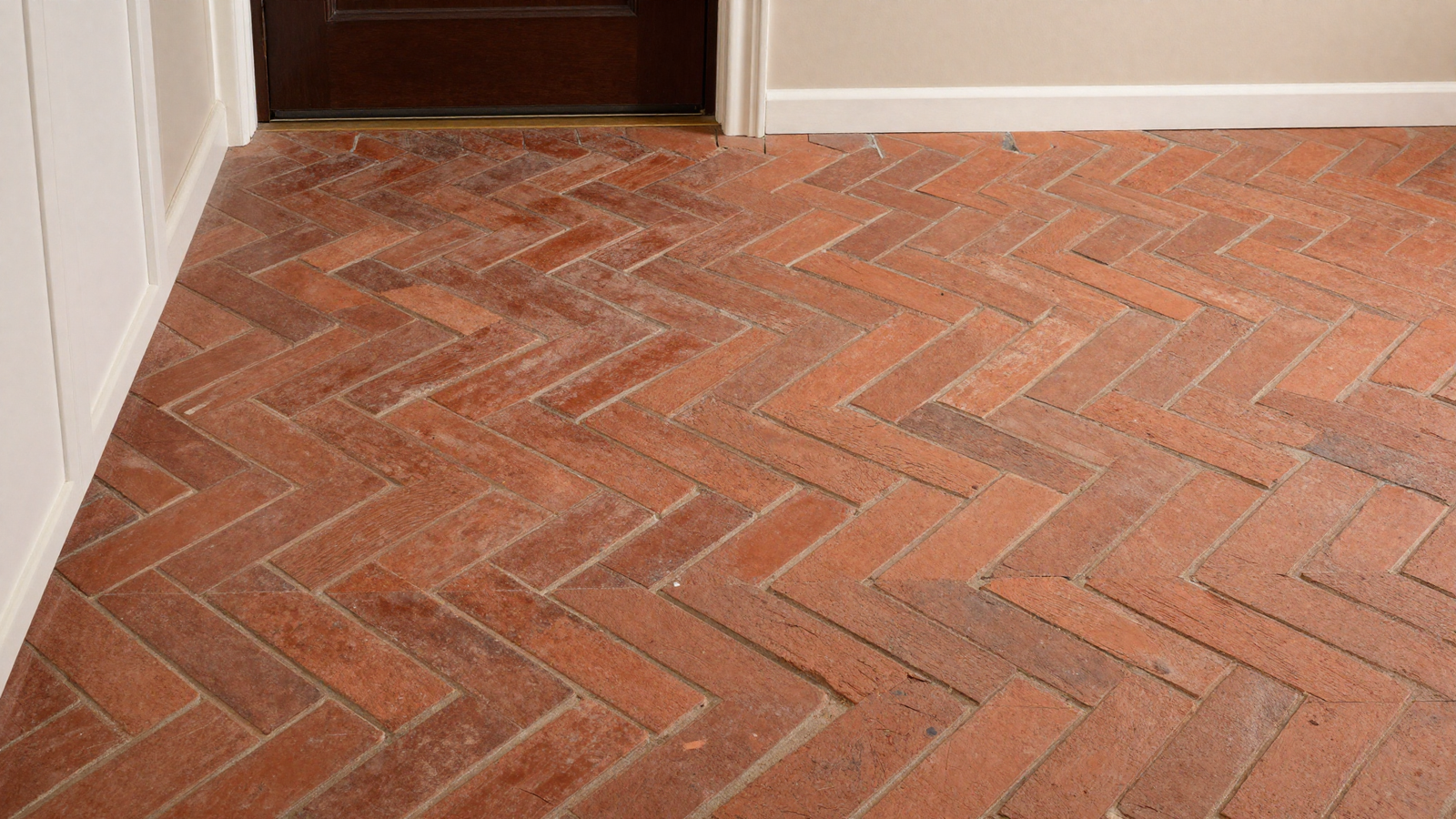
Herringbone brick pavers bring a textured, old-world character to entryways and mudrooms that flat tile simply can’t replicate. The angled pattern also does a practical job of visually breaking up scuffs and everyday wear in high-traffic zones.
💡 Smart tip: Seal brick pavers thoroughly in entry areas exposed to rain or snow tracked in from outside, since unsealed brick absorbs moisture more readily than tile.
⚠️ Mistake to avoid: Underestimating install time for a herringbone layout; the angled cuts take significantly longer than a straight-set pattern, so budget extra labor time accordingly.
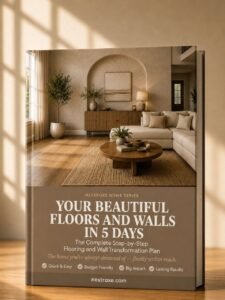
Loving These Ideas? Get the Step-by-Step Guide
Grab the full 5-day eBook and turn these ideas into a finished room.



4. Choose Large-Format Porcelain Tile for Your Flooring Ideas
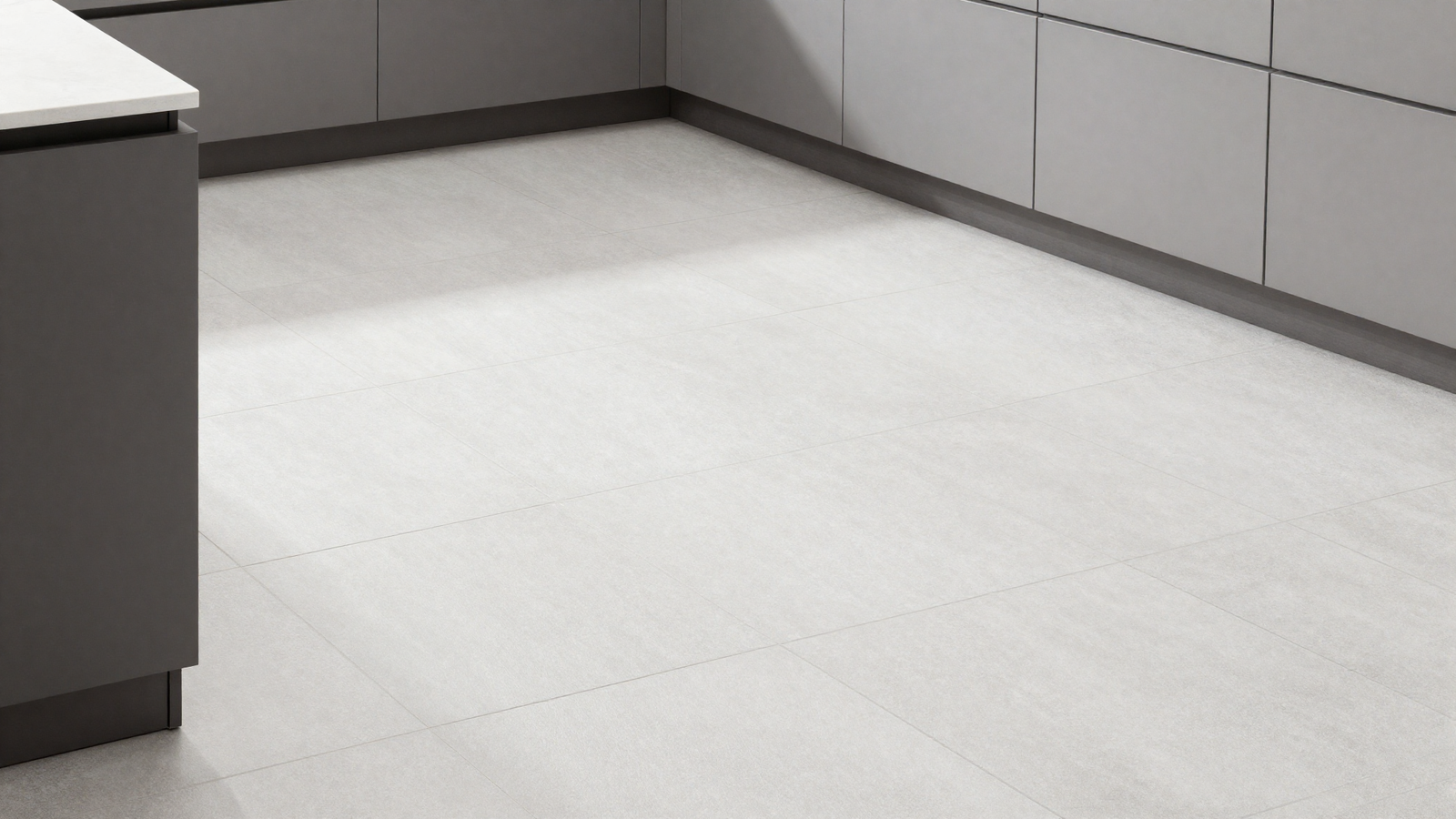
Large-format tile minimizes grout lines across a kitchen or bathroom floor, delivering a sleek, elevated finish that’s also genuinely easier to keep clean. Fewer seams mean less grime buildup over time, which matters most in rooms that see daily spills and foot traffic.
💡 Smart tip: Confirm your subfloor is properly leveled before installing large-format tile; uneven subfloors show far more with bigger tiles than with smaller ones.
⚠️ Mistake to avoid: Attempting a large-format tile install without experience; the size and weight make these tiles considerably harder to set correctly than standard sizes.
5. Try Two-Toned Penny Tile for Your Flooring Ideas
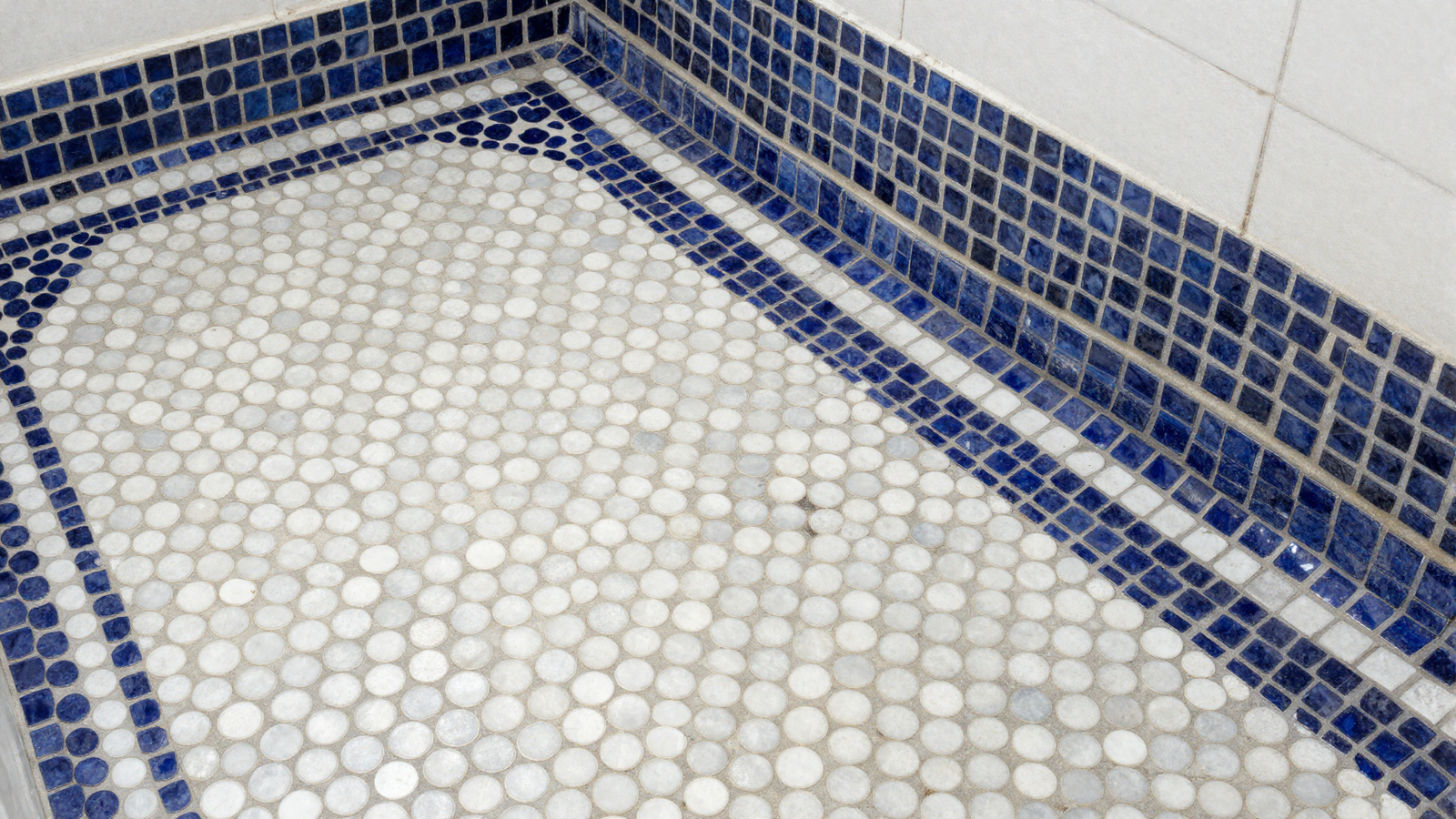
Penny tile brings a small-scale, textured pattern that works especially well in bathrooms and mudrooms, and the two-toned version gives it a customizable, slightly vintage character. It’s an affordable way to add real personality to a small floor without committing to a large, bold pattern.
💡 Smart tip: Order slightly more tile than your measured square footage accounts for; penny tile’s small pieces mean more cuts and waste at the edges of the room.
⚠️ Mistake to avoid: Choosing a grout color with too much contrast against the tile; excess contrast can make the small mosaic pattern feel busier than intended.
6. Choose a Matte, Just-Sanded Wood Finish for Your Flooring Ideas
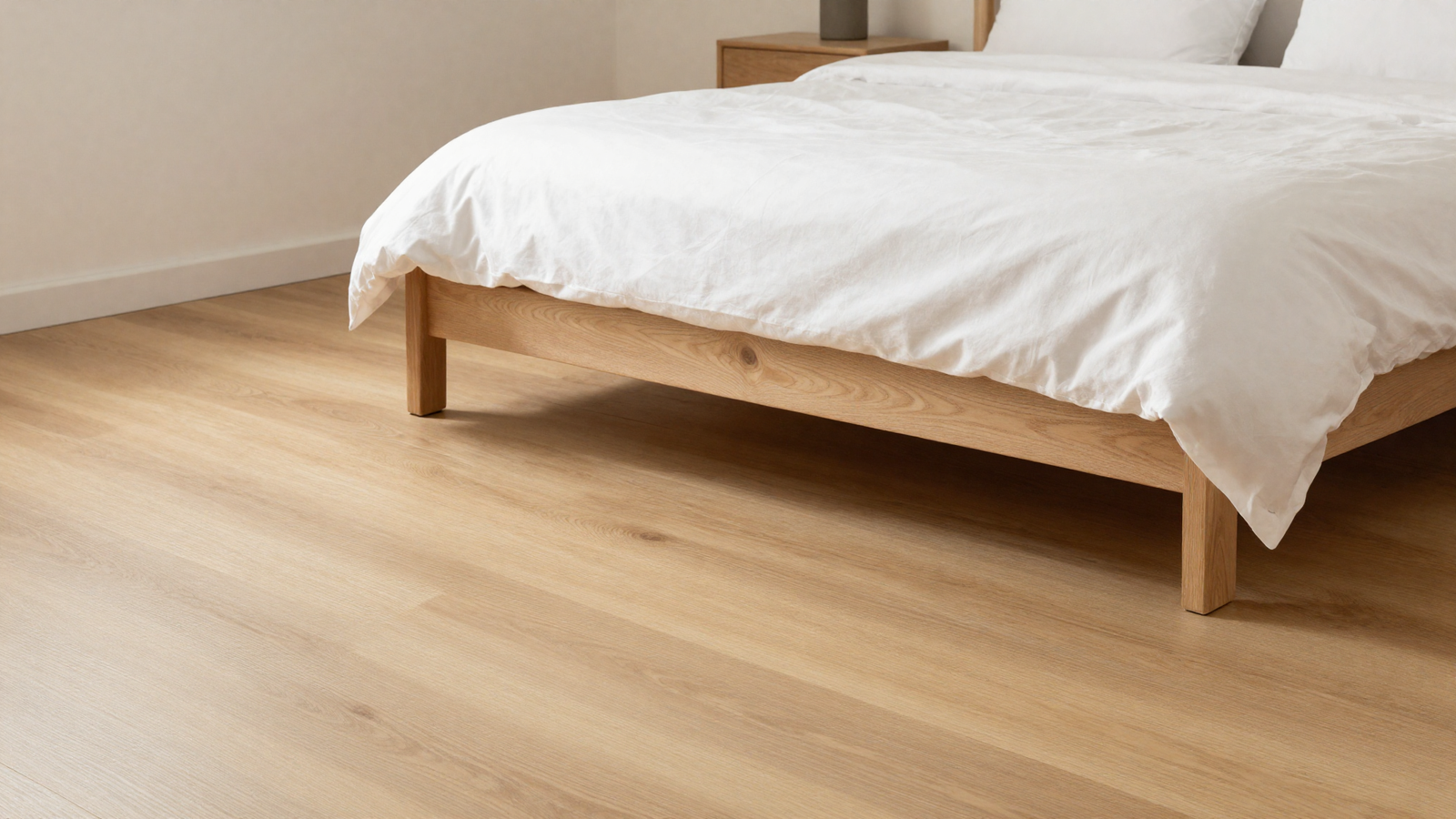
Matte and satin sealers with little to no added stain create a “just sanded” organic look that lets the wood’s natural grain do the talking. It’s a shift away from the high-shine, heavily stained floors of years past, toward something that reads as more honest and less processed.
💡 Smart tip: Ask your installer about waterborne finishes if you want this natural look with better environmental performance and lower odor during application.
⚠️ Mistake to avoid: Assuming matte finishes are more durable simply because they hide wear better visually; they often need the same refinishing schedule as glossier options.
7. Make a Statement With Geometric Porcelain for Your Flooring Ideas
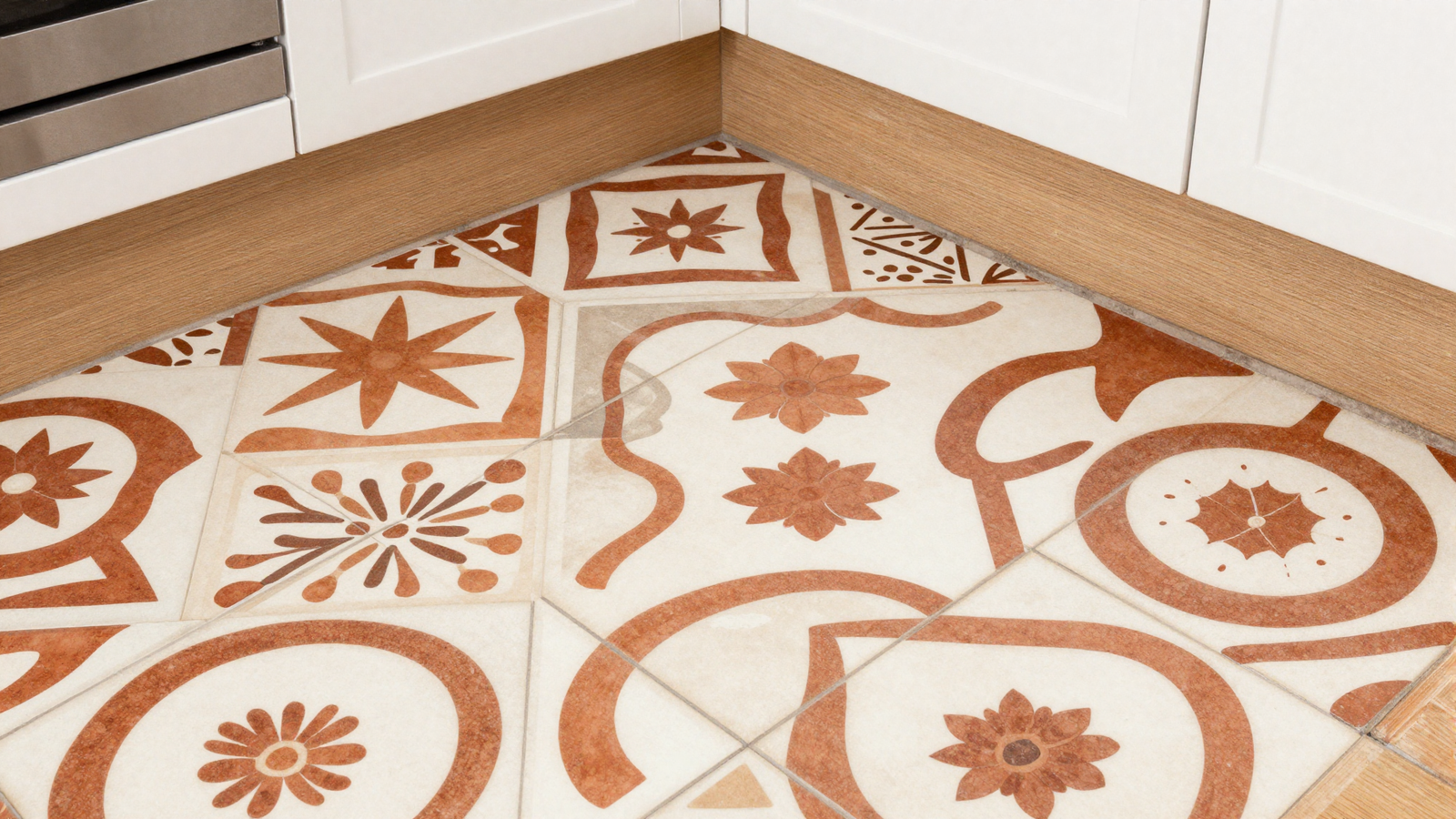
Porcelain has become a genuine medium for artistic expression, with geometric and floral motifs offering real visual interest while keeping the durability a kitchen floor needs. It’s a way to bring pattern into a hardworking room without sacrificing the practicality of tile.
💡 Smart tip: Reserve a bold patterned floor for one accented area, like a kitchen island zone or a bathroom, rather than the entire main level, so it stays a feature rather than overwhelming the home.
⚠️ Mistake to avoid: Pairing a heavily patterned floor with equally busy countertops or backsplash; let the floor be the statement and keep surrounding surfaces calmer.
8. Plan for Flush Floor Transitions for Your Flooring Ideas
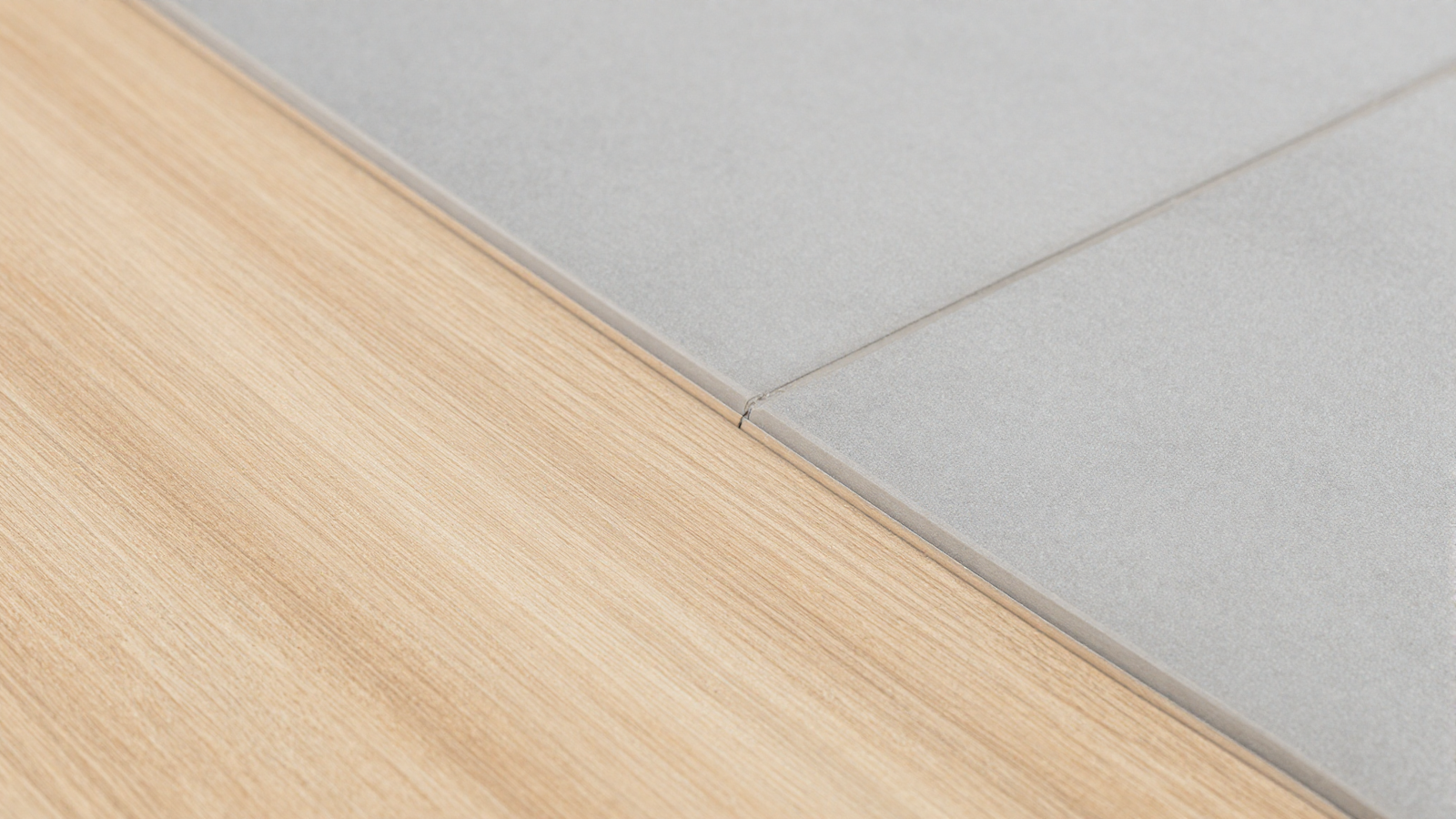
Where two flooring materials meet, homeowners are moving away from bulky trip-hazard transition strips in favor of precision-cut flush transitions sealed with a thin, color-matched caulk line. It’s a small detail, but it’s exactly the kind of nuance that separates a DIY job from a professional-grade finish.
💡 Smart tip: Plan flooring transitions before installation begins, not after; achieving a flush height match usually requires coordinating the subfloor prep for both materials in advance.
⚠️ Mistake to avoid: Using a generic caulk color at the seam; color-matching it closely to the surrounding materials is what makes the transition disappear rather than draw the eye.
9. Add a Hand-Finished Mosaic Accent
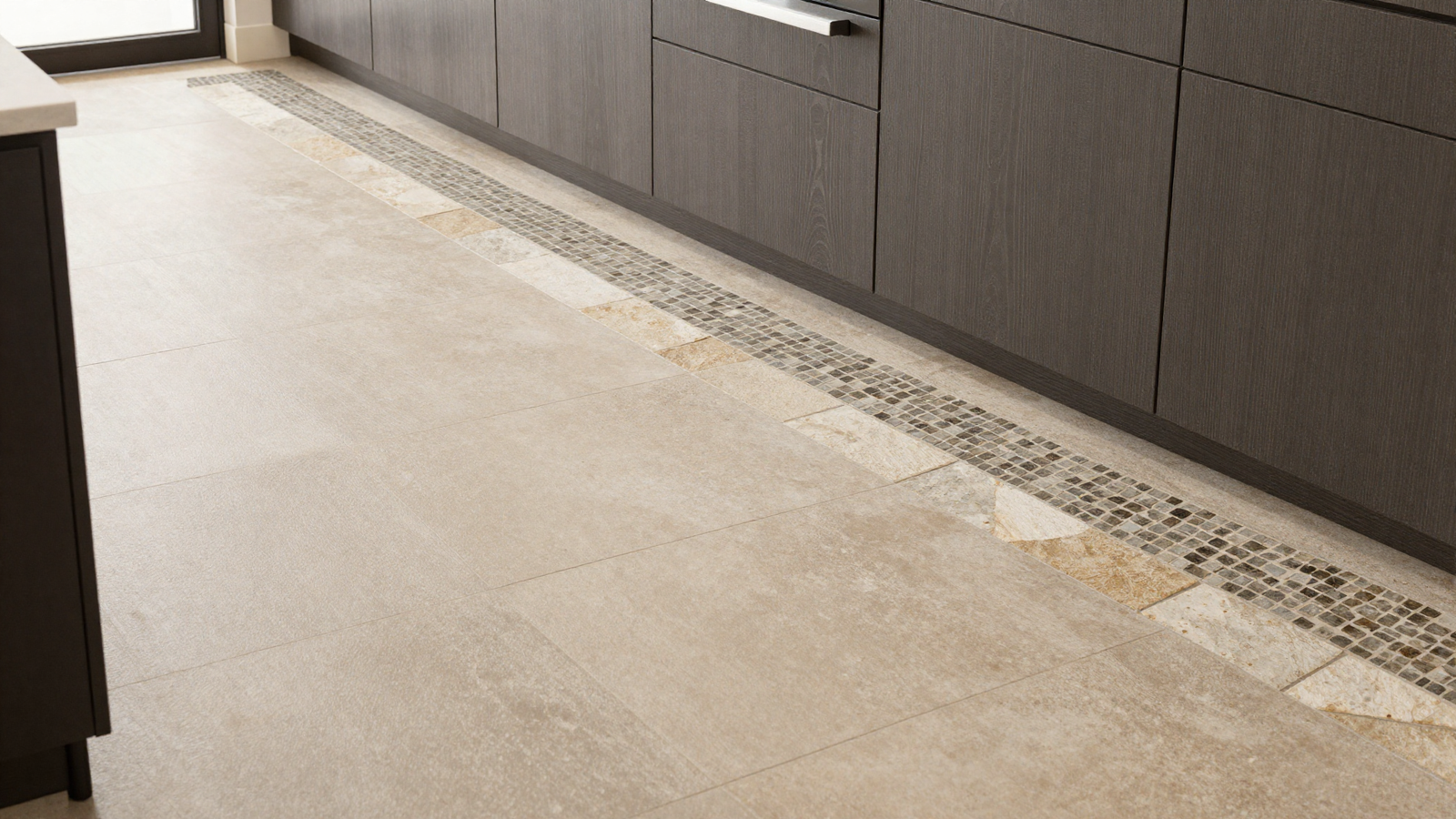
A small hand-finished mosaic strip or inset adds bespoke detail and depth to an otherwise simple floor, giving the space a thoughtfully layered feel. It’s a way to bring in artisanal texture without covering the entire floor in an intricate pattern.
💡 Smart tip: Use a mosaic accent to mark a functional boundary, like the transition between a kitchen work zone and a dining area, so the detail also serves a purpose.
⚠️ Mistake to avoid: Choosing a mosaic with a very different maintenance need than the surrounding floor; mismatched sealing or cleaning requirements create extra upkeep over time.
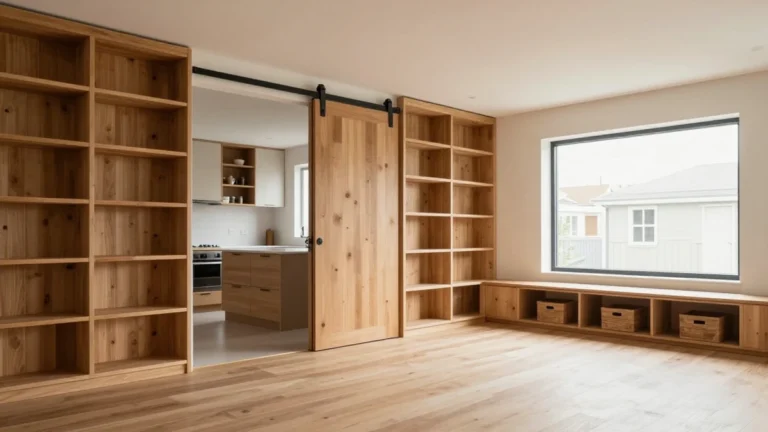
10. Lighten Up With Wide-Plank Oak
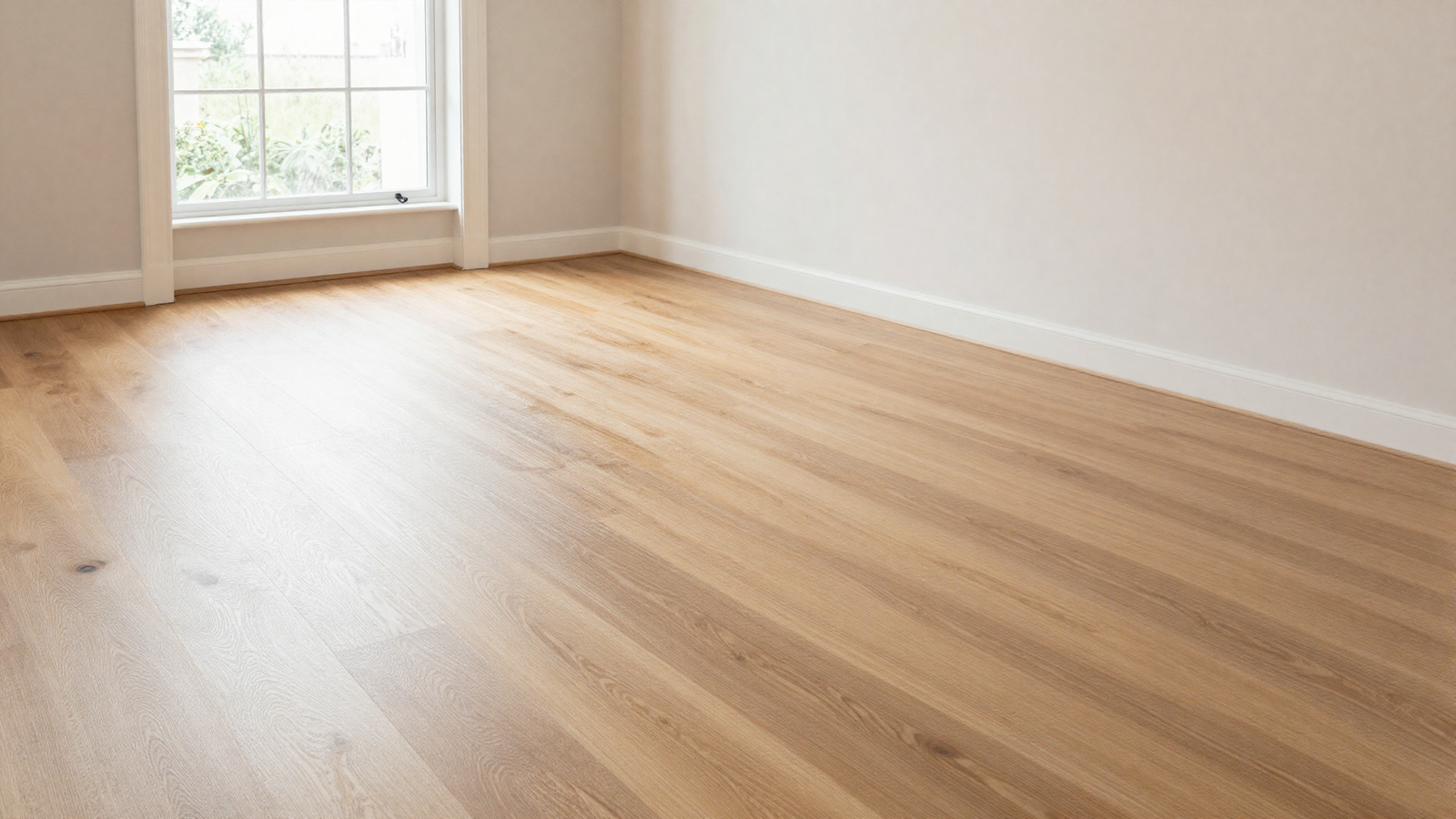
While darker tones are trending in many rooms, wide-plank light oak still holds its place in living rooms and bedrooms where an airy, expansive feeling matters more than drama. Wider boards reduce visible seams, helping the space feel more open and less busy underfoot.
💡 Smart tip: Run wide-plank boards in the direction of the longest wall in the room to visually stretch the space even further.
⚠️ Mistake to avoid: Choosing light oak for a household with pets or young children without considering scratch resistance; ask about hardness ratings before committing to a softer wood species.
11. Ground the Entryway With Patterned Tile
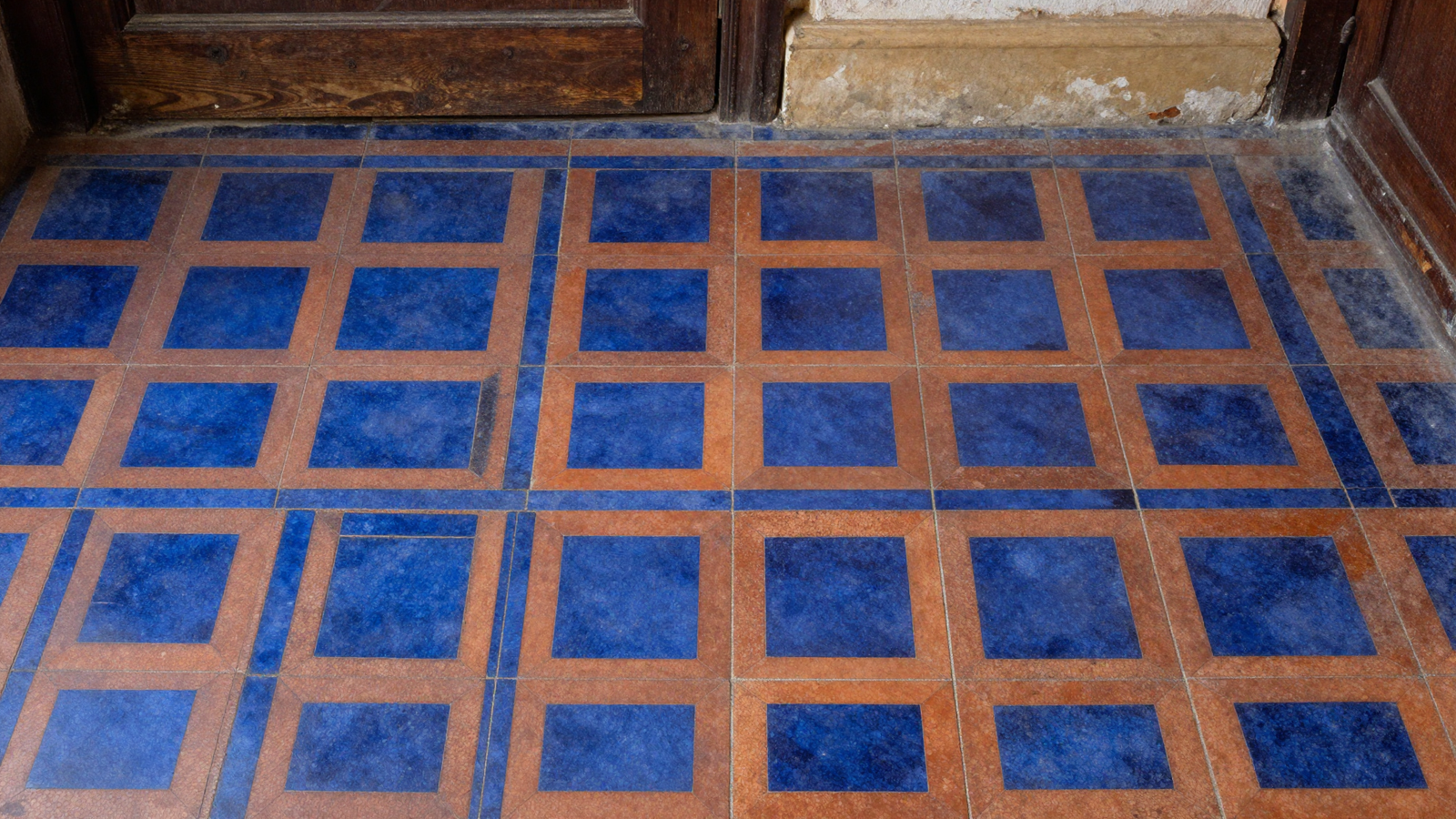
An entryway is one of the best places in the home for a bold patterned floor, since it’s a defined, contained space that sets the tone the moment someone walks in. Encaustic-style geometric patterns reference a long design history, giving even a small space real character.
💡 Smart tip: Choose a matte or textured finish for entryway tile, since this zone tracks in the most moisture and dirt from outside.
⚠️ Mistake to avoid: Extending a bold entryway pattern too far into adjoining rooms; a clear stopping point keeps the statement contained and intentional.
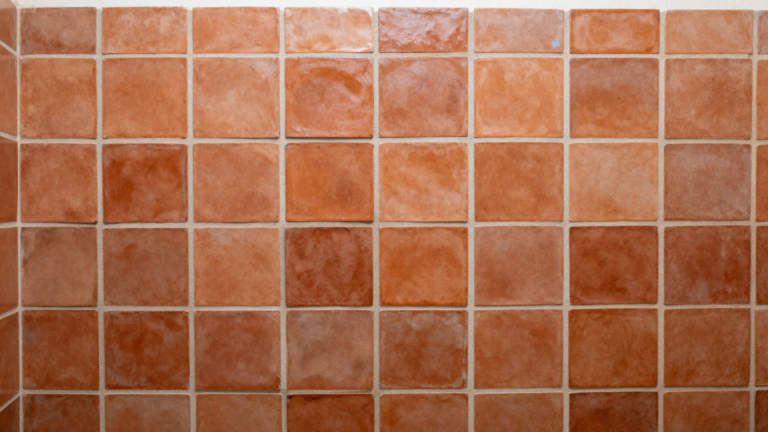
12. Bring in a Warm Stone-Look Kitchen Floor
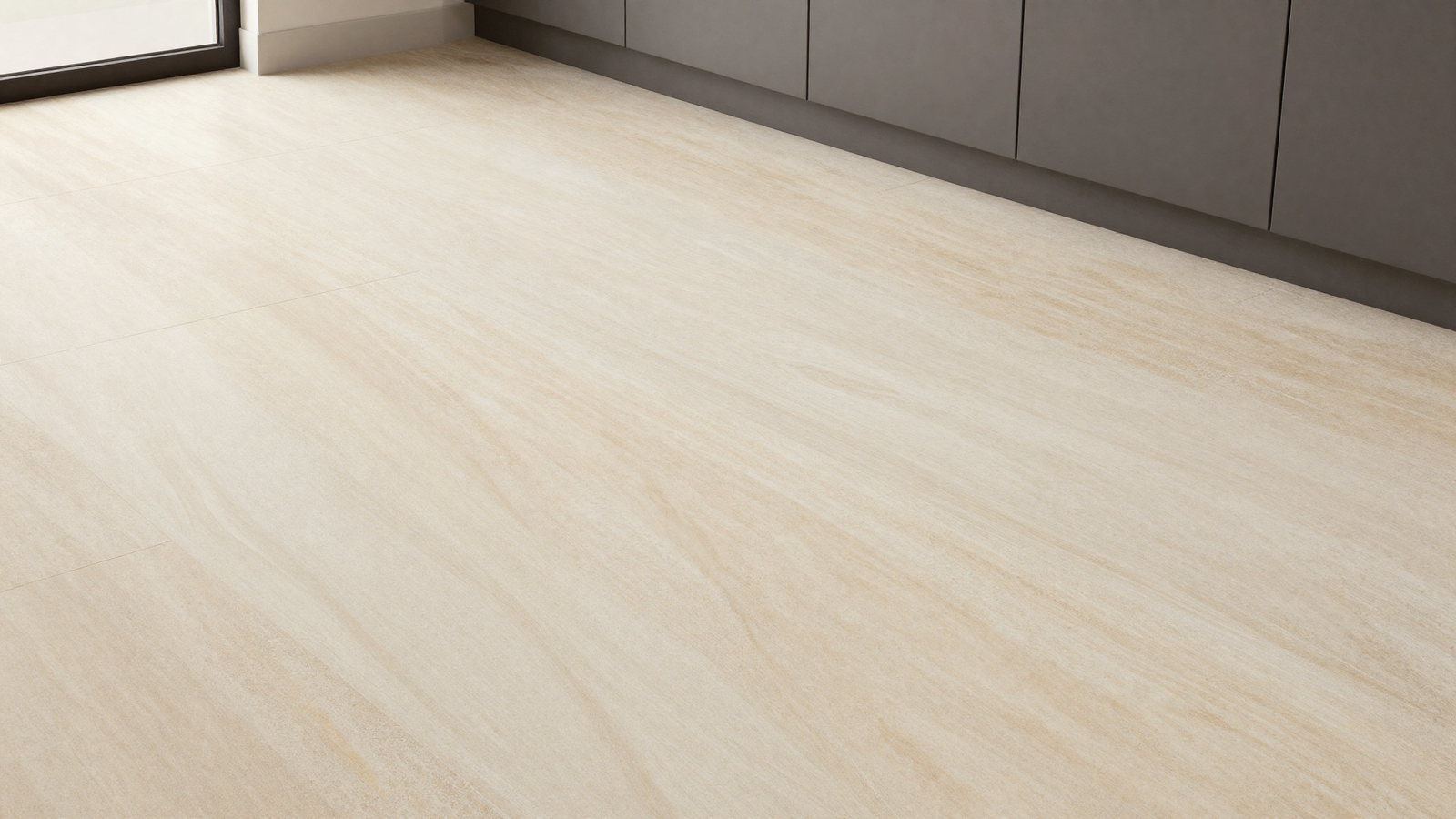
Warm, veined stone-look tile brings the movement and depth of natural stone to a kitchen floor without the higher cost or maintenance of real quartzite. Paired with wood cabinetry, the soft veining keeps the whole room feeling cohesive rather than clinical.
💡 Smart tip: Order tile from the same production batch for the entire kitchen floor, since veined patterns can shift noticeably between manufacturing runs.
⚠️ Mistake to avoid: Pairing a heavily veined stone-look floor with an equally veined countertop; let one surface carry the movement while the other stays calmer.
13. Soften a Bathroom With Blush Checkerboard
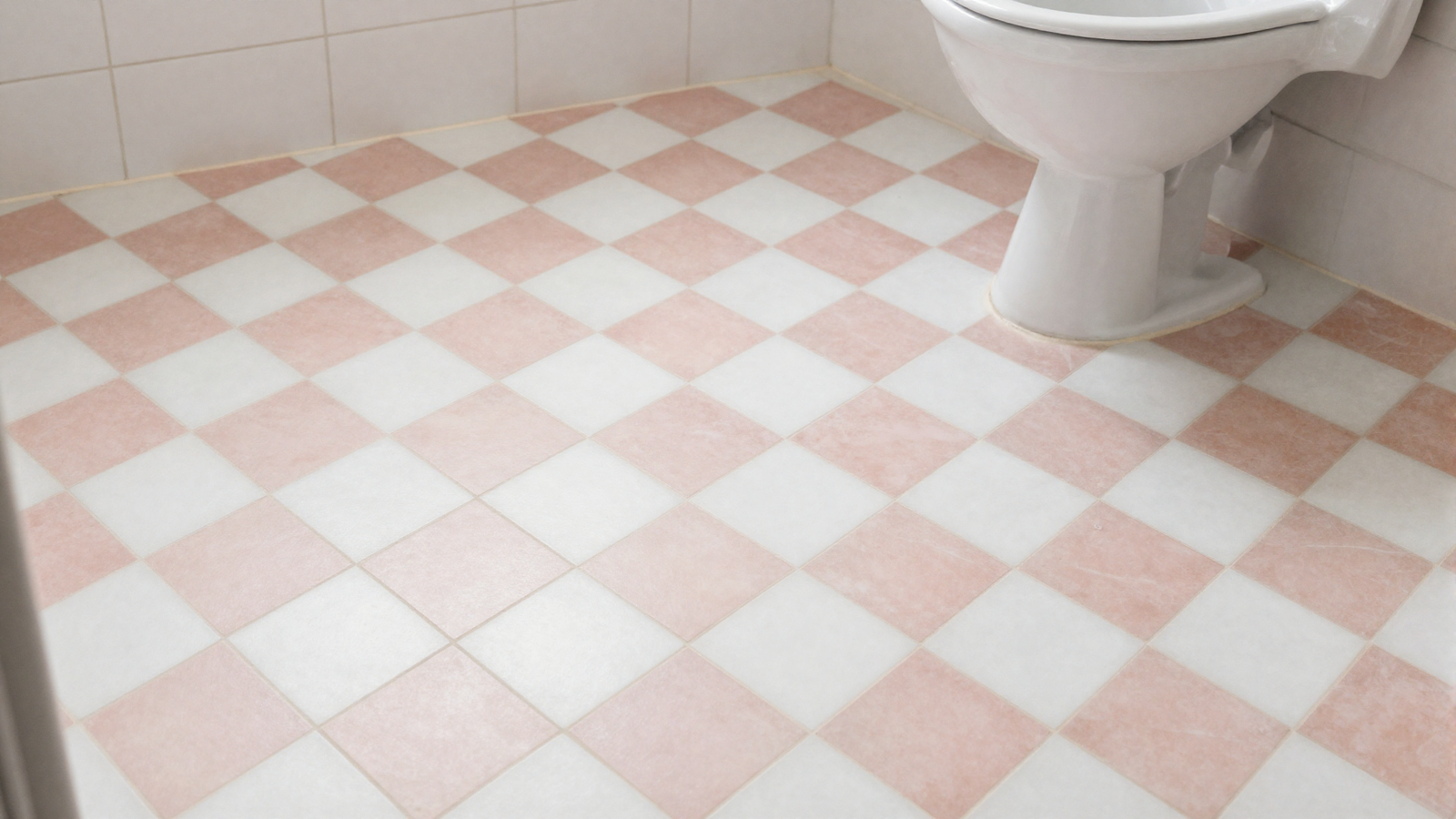
Swapping the classic black-and-white checkerboard for a softer blush pink and white combination keeps the timeless pattern but gives it a gentler, more romantic feel. It works particularly well in smaller powder rooms where a bold pattern doesn’t need to compete with much else.
💡 Smart tip: Pair blush checkerboard flooring with brass or warm gold fixtures rather than cool chrome, which tends to clash with the softer pink undertone.
⚠️ Mistake to avoid: Choosing a bright, saturated pink for a small room with limited natural light; a muted blush reads as sophisticated, while a brighter pink can feel overwhelming in a tight space.
14. Choose Waterproof Wood-Look for the Basement
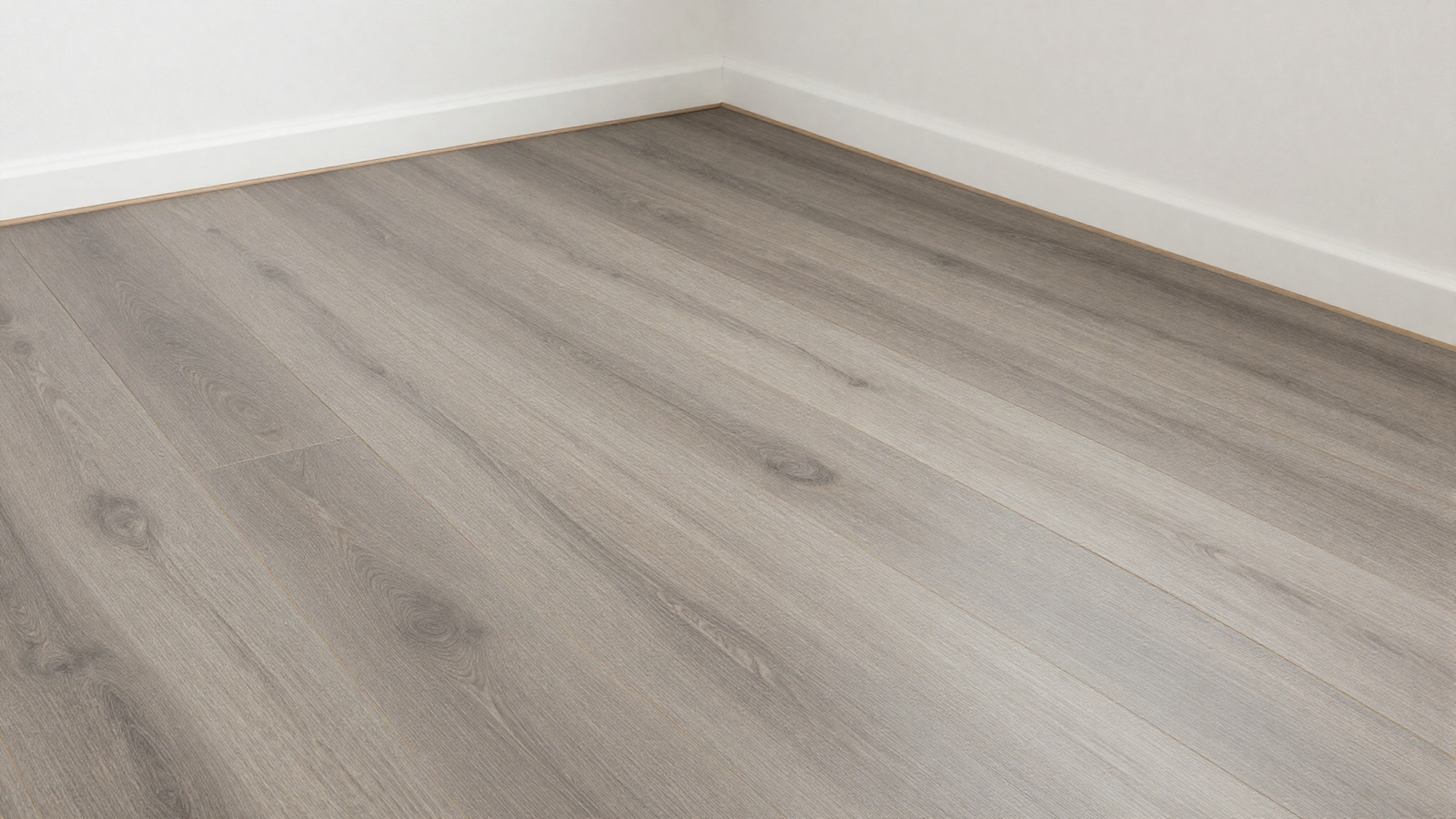
Basements, laundry rooms, and other moisture-prone spaces call for waterproof wood-look flooring that delivers the warmth of hardwood without the risk of swelling or buckling. It’s a practical choice that still lets the rest of the home’s design language carry through into less glamorous rooms.
💡 Smart tip: Look for a wood-based fiberboard or fully waterproof rigid core specifically rated for below-grade installation before finalizing a basement flooring choice.
⚠️ Mistake to avoid: Installing any wood-look flooring in a basement with an unresolved moisture or flooding issue; address the underlying source of water first, regardless of how waterproof the flooring claims to be.
Effort & Cost Snapshot
| Idea | Effort | Approx. Cost (per sq ft) |
|---|---|---|
| 1. Dark Walnut Wide-Plank Floors | High (pro install) | $8–$18 |
| 2. Checkerboard Marble Bathroom Floor | High (pro install) | $12–$30 |
| 3. Herringbone Brick Pavers | High (pro install) | $10–$25 |
| 4. Large-Format Porcelain Tile | Medium–High (pro install) | $6–$16 |
| 5. Two-Toned Penny Tile | Medium–High (pro install) | $8–$20 |
| 6. Matte Just-Sanded Wood Finish | Medium (pro refinish) | $3–$8 |
| 7. Geometric Porcelain Statement Tile | Medium–High (pro install) | $8–$22 |
| 8. Flush Floor Transitions | Medium (pro detail work) | $5–$15 per linear ft |
| 9. Hand-Finished Mosaic Accent | Medium (pro install) | $15–$40 |
| 10. Wide-Plank Oak Flooring | High (pro install) | $7–$16 |
| 11. Patterned Entryway Tile | Medium (pro install) | $8–$20 |
| 12. Warm Stone-Look Kitchen Tile | Medium–High (pro install) | $6–$18 |
| 13. Blush Checkerboard Bathroom | Medium (pro install) | $8–$20 |
| 14. Waterproof Wood-Look Basement | Low–Medium (DIY or pro) | $3–$9 |
The best flooring choice isn’t always the boldest one — it’s the one that makes every other decision in the room feel like it belongs together. Save this list to Pinterest so you can weigh your options room by room as your own flooring plans take shape.
Continue Your Home Transformation
Explore the full collection of step-by-step eBooks and get the guide that fits the room you're working on.