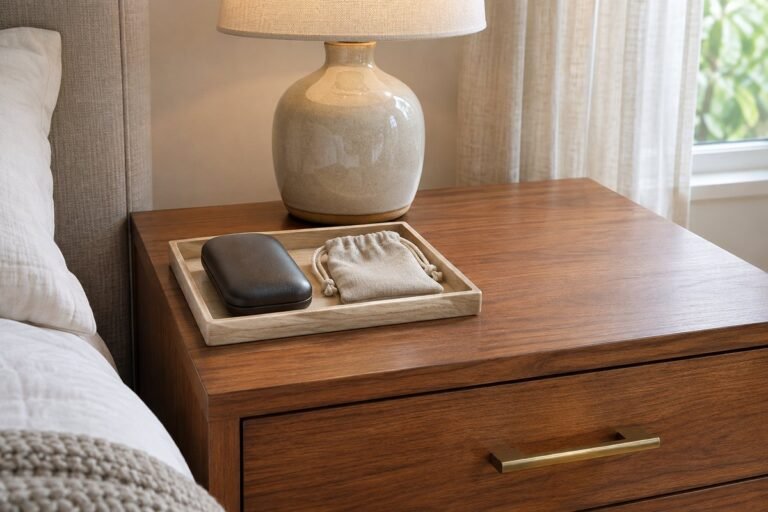
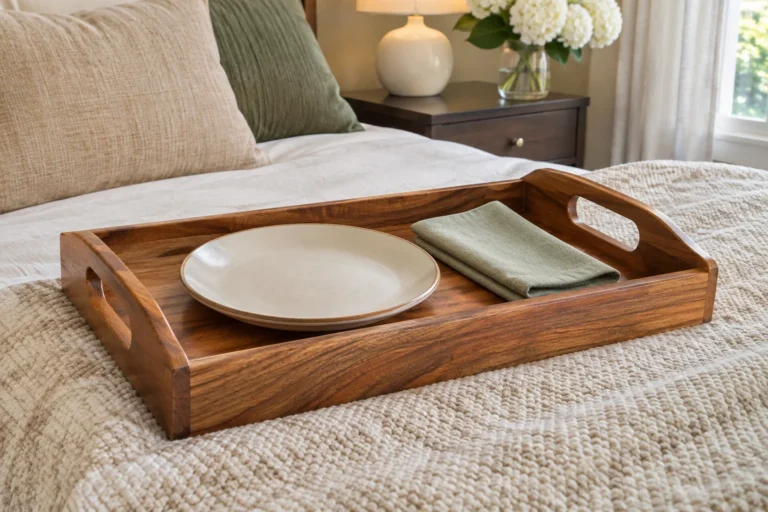
The best bed skirt ideas begin with the part of the bed you want to cover. A skirt can conceal a plain box spring, soften an open lower frame or introduce a restrained pattern beneath simple bedding. Choose its construction and drop before deciding on the decorative finish.
These 22 ideas focus on ordinary adult beds and guest rooms. A bed skirt is an optional textile, not a structural component or evidence that stored belongings are protected from dust. Keep the fabric clear of moving parts and the walking route, and follow the exact bed and textile instructions.
Contents
- 1. Choose a tailored pleat for a clear lower outline
- 2. Use gentle gathers beneath a restrained quilt
- 3. Match split corners to the bed's posts
- 4. Try a continuous corner on a simple post-free base
- 5. Compare a traditional platform skirt before moving the mattress
- 6. Consider a designed wrap-around style for easier removal
- 7. Use purpose-made separate panels where access matters
- 8. Choose linen when a visibly textured finish suits the room
- 9. Compare cotton sateen for a smoother visual plane
- 10. Let a small woven relief replace a busy print
- 11. Keep an eyelet detail in one narrow lower band
- 12. Relate a tonal skirt to the wall behind the bed
- 13. Use a pale skirt to separate bedding from a dark floor
- 14. Ground a light bed with a darker lower band
- 15. Use a fine vertical stripe beneath solid bedding
- 16. Keep a small-scale print below a quiet upper layer
- 17. Define the edge with a narrow contrasting border
- 18. Choose the drop for a clean floor gap
- 19. Keep the fabric out of a storage drawer's travel
- 20. Coordinate paired beds through the lower textile
- 21. Show a considered frame instead of covering every surface
- 22. Keep the care label and fit record with the textile
Measure from the skirt's actual attachment level
Identify whether the intended skirt has a fabric platform beneath the mattress, a compatible wrap-around band or separate designed panels. Measure vertically from that product's attachment level to the floor at the head, middle and foot of both visible sides. Include a rug if it changes the nearby floor height. Record the corners, footboard posts and any drawers that must open. A queen size label describes a nominal bed size; it does not establish the correct drop or attachment for your particular frame.
Choose an arrangement that fits your situation
- The bed has footboard posts: Compare designed split corners with the actual post positions
- Removing the mattress is impractical: Compare a compatible removable wrap or panel construction
- The quilt already has a strong pattern: Try a plain tailored skirt or a quiet woven texture
- Storage drawers open beneath the bed: Test their complete travel or leave the fronts visible
- The frame already looks finished: Keep it visible and add a skirt only for a distinct useful purpose
1. Choose a tailored pleat for a clear lower outline

A tailored skirt suits a bed where the quilt, headboard or curtains already supply the main detail. Its relatively flat panels create a deliberate lower edge without another deep ruffle. Look at where the pleats fall against the legs and footboard. Keep the upper bedding simple enough that this clean line remains visible rather than disappearing beneath an oversized duvet.
2. Use gentle gathers beneath a restrained quilt

A gathered skirt adds a softer outline below a plainly dressed mattress. Compare the fullness in the whole room, because a close photograph can make a modest gather look much more substantial. Choose a length that hangs freely without gathering again on the floor. A plain upper quilt lets the folds contribute texture without creating a competition between two strong patterns.
3. Match split corners to the bed's posts
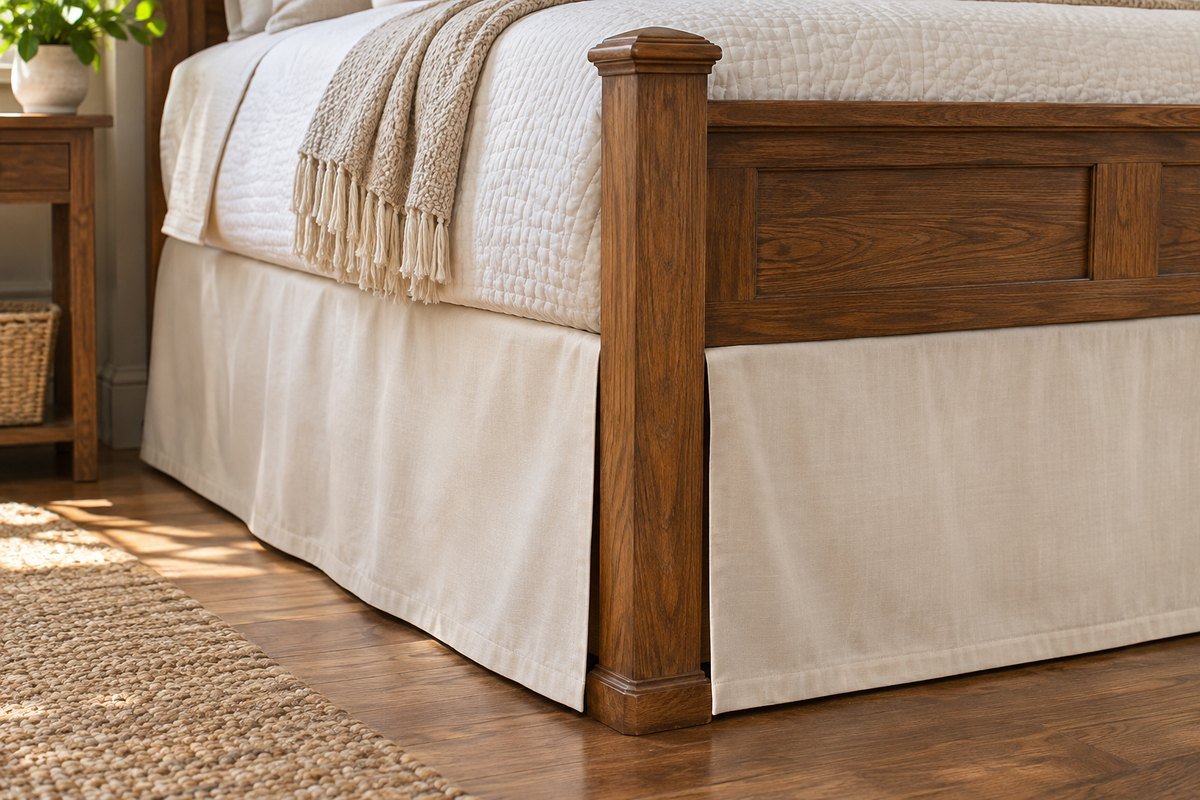
A footboard post can interrupt the path of a continuous skirt. A designed split corner lets separate panels fall beside it instead of bunching over the hardware. Compare the split position with the actual post and attachment level. The cited cotton-sateen and linen examples both specify split corners, but that feature alone does not confirm a fit on every frame.
4. Try a continuous corner on a simple post-free base

When the visible base has no projecting corner post, an uninterrupted skirt can create a quiet wrap around the bed. Inspect how the seam or fold turns the corner rather than choosing only from the front view. The fabric should hang naturally on both sides. A continuous style is less useful if it must be forced around a footboard or stretched across an unexpected rail.
5. Compare a traditional platform skirt before moving the mattress

A platform-style skirt sits beneath the mattress as directed by its maker. It can provide a settled arrangement when access for removal is manageable. Check the platform dimensions and how the skirt is centered before dressing the bed. Plan a suitable way to handle the mattress according to its instructions; do not choose this construction if routine removal would be impractical for your household.
6. Consider a designed wrap-around style for easier removal

A compatible wrap-around skirt offers a different attachment method from a full fabric platform. Check the intended base, band depth and fastening instructions, including whether the band remains covered after the bed is made. Choose a properly sized product rather than improvising pins or ties. A removable design is useful only if it stays positioned without interfering with the bed's intended operation.
7. Use purpose-made separate panels where access matters

A panel system can make it possible to reach one side without disturbing the entire skirt, provided it is intended for the base. Compare the exact attachment and removal method before buying. Keep each panel aligned at the corners and clear of controls. Separate pieces can solve a practical access problem without requiring the visible result to look pieced together.
8. Choose linen when a visibly textured finish suits the room

A linen skirt can relate to woven curtains, a wood headboard or a textured rug. Let the surface variation be part of the appearance instead of expecting a perfectly flat photographic finish. The cited washed-linen model specifies cold gentle washing and low tumble drying. Check the exact label for the chosen piece; a material name does not make different trims and constructions share one care routine.
9. Compare cotton sateen for a smoother visual plane
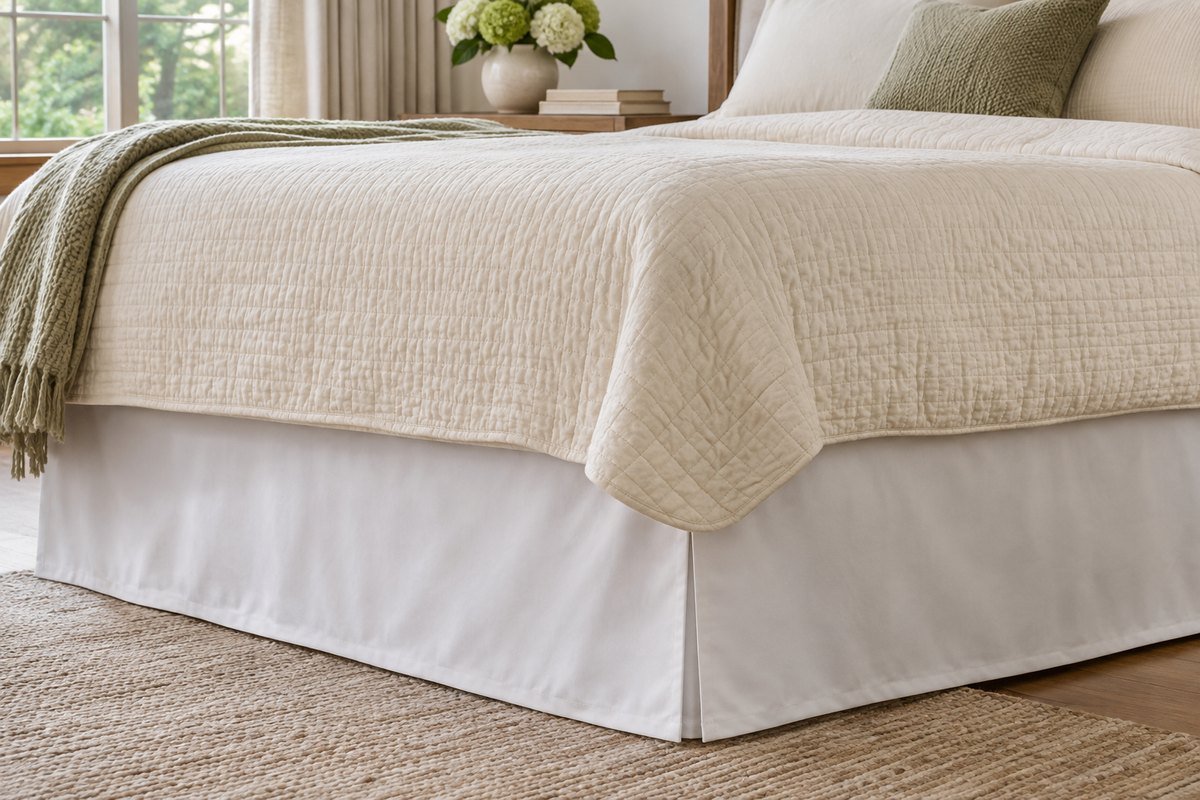
A smoother skirt can provide a quieter lower band beside a heavily textured quilt. The cited Company Cotton example is combed cotton sateen with a 14-inch drop and tailored split corners. Use those as details of that specific product, not a universal cotton specification. Compare a sample in the room light and choose the care routine you can actually maintain.
10. Let a small woven relief replace a busy print

A subtle raised weave can add interest while keeping the skirt one color. View the pattern from the doorway, where a fine relief may merge into an even tone. Keep nearby bedding flatter or more sparsely detailed so the difference is legible. Examine the actual construction and label instead of assuming that a textured white fabric has the same care needs as a plain sheet.
11. Keep an eyelet detail in one narrow lower band

An eyelet edge can introduce a delicate detail without making the entire lower bed heavily decorated. Choose a scale that remains visible beside the rug and other textiles. Compare the lining or background when the openings would reveal a dark base. Leave the upper bedding relatively calm and follow the trim's actual care instructions so the finished edge remains manageable.
12. Relate a tonal skirt to the wall behind the bed
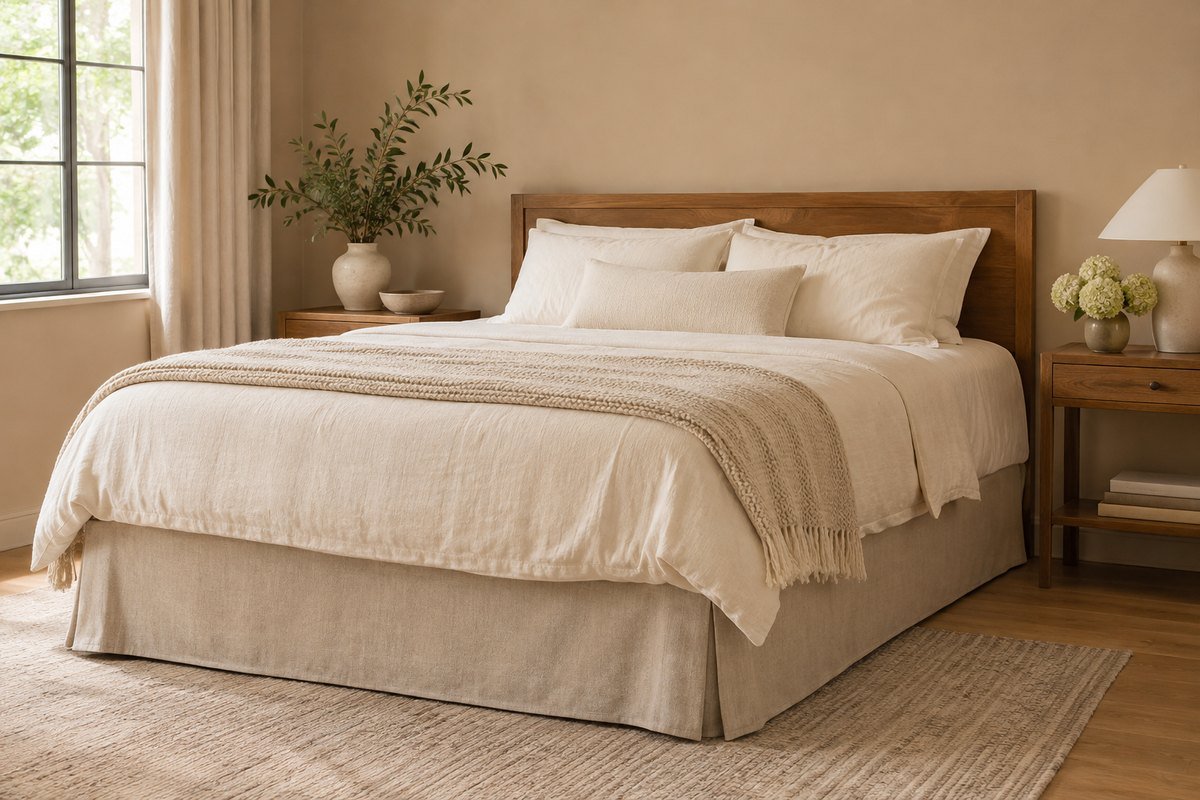
A muted skirt near the wall color can make the lower bed feel settled without adding another strong accent. Compare the real fabrics and paint together in both daylight and ordinary evening light. Keep a small distinction in texture so the skirt still reads as cloth. This works particularly well when the headboard or artwork is meant to remain the room's main feature.
13. Use a pale skirt to separate bedding from a dark floor
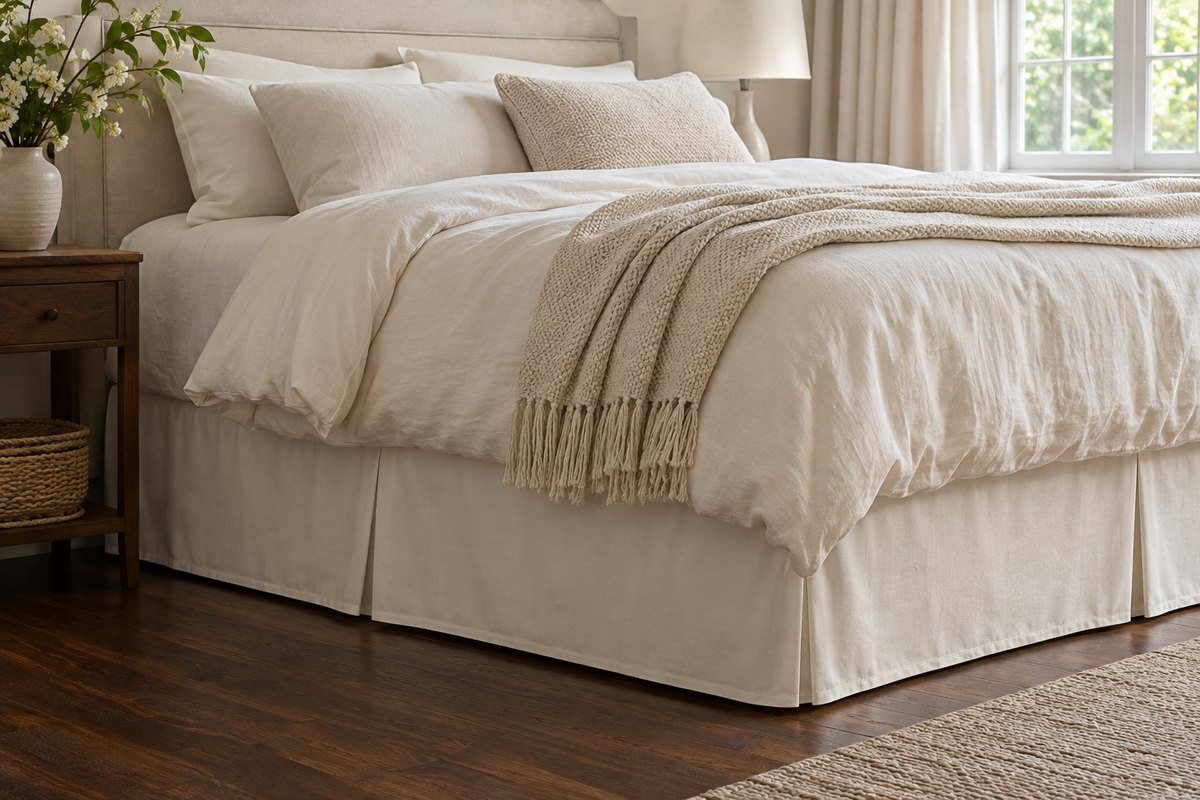
A light lower textile can form a clear boundary above dark floorboards. Compare the white or cream with the actual sheets instead of assuming all pale textiles match. Keep the hem straight enough that the contrast looks intentional. Check how the fabric behaves against the existing base; a very sheer piece may reveal the dark outline you intended to soften.
14. Ground a light bed with a darker lower band
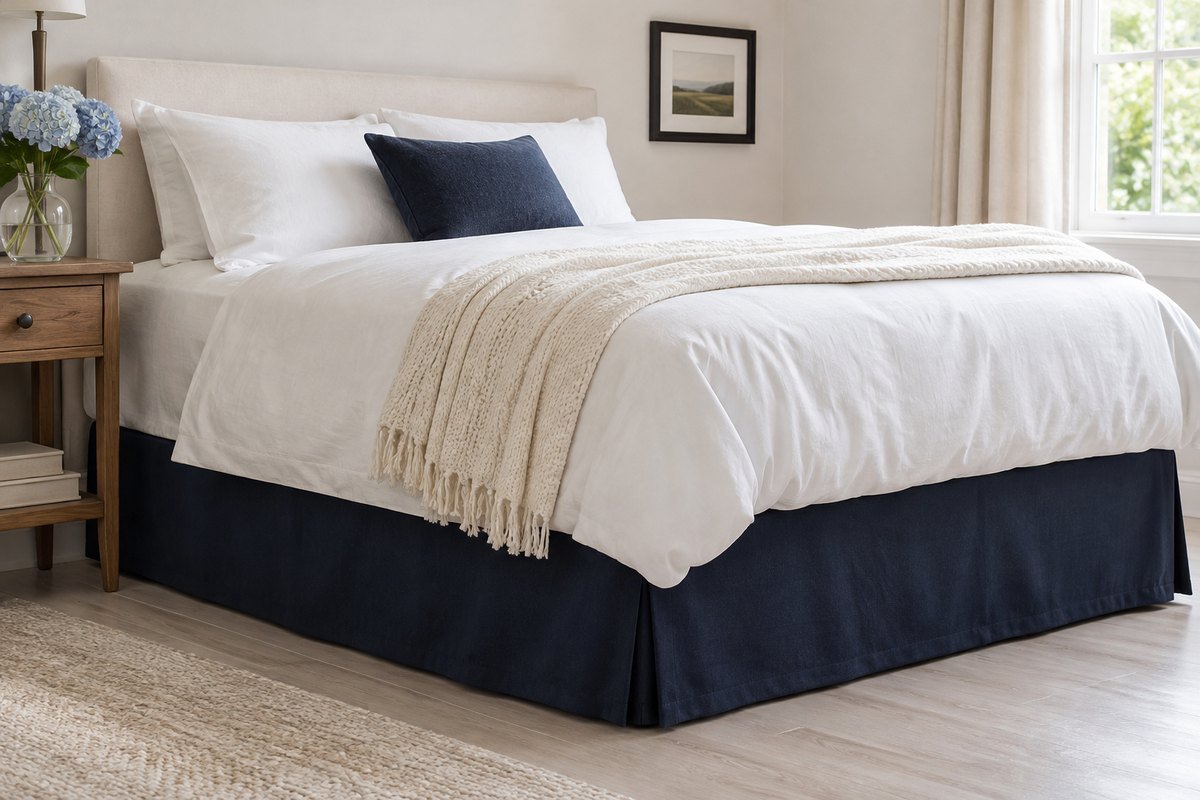
A charcoal, navy or other deep skirt can connect a pale bed to darker furniture. Keep the upper covering lighter so the division is readable. Compare the whole bed from the doorway before choosing an equally dark rug beside it. One deliberate dark band can provide the connection without adding several matching cushions or replacing the rest of the furniture.
15. Use a fine vertical stripe beneath solid bedding
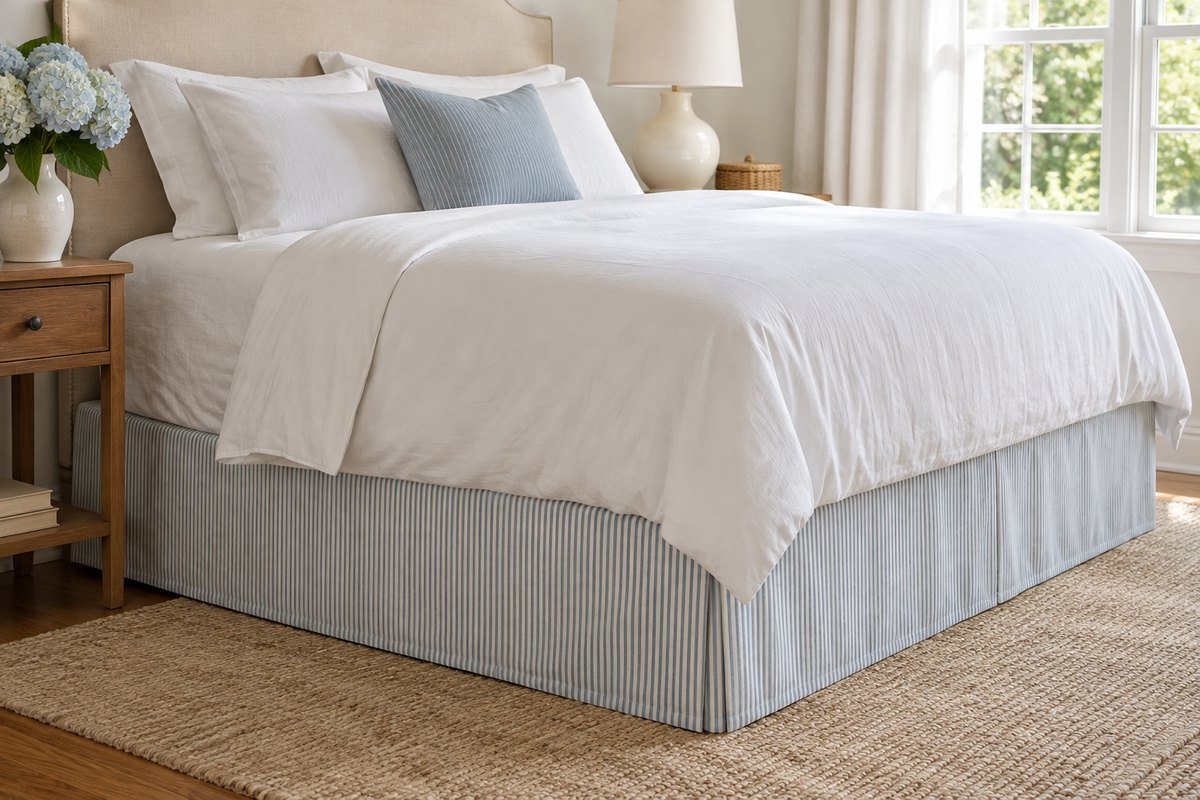
A narrow stripe can make the lower textile feel distinct while allowing a solid duvet to remain calm. Check how the repeat continues across each panel and turns at the corners. A small swatch may look stronger up close than it does on the made bed. Use one dominant striped area rather than adding another equally insistent pattern to the curtains and pillows.
16. Keep a small-scale print below a quiet upper layer

A small botanical or geometric repeat can add detail near the floor without filling the main bedding surface. Pull one restrained color from the print into a small existing accent. Compare the repeat beside the rug, because two equally busy patterns can make the lower bed difficult to read. Leave enough of the skirt visible for the chosen pattern to contribute.
17. Define the edge with a narrow contrasting border
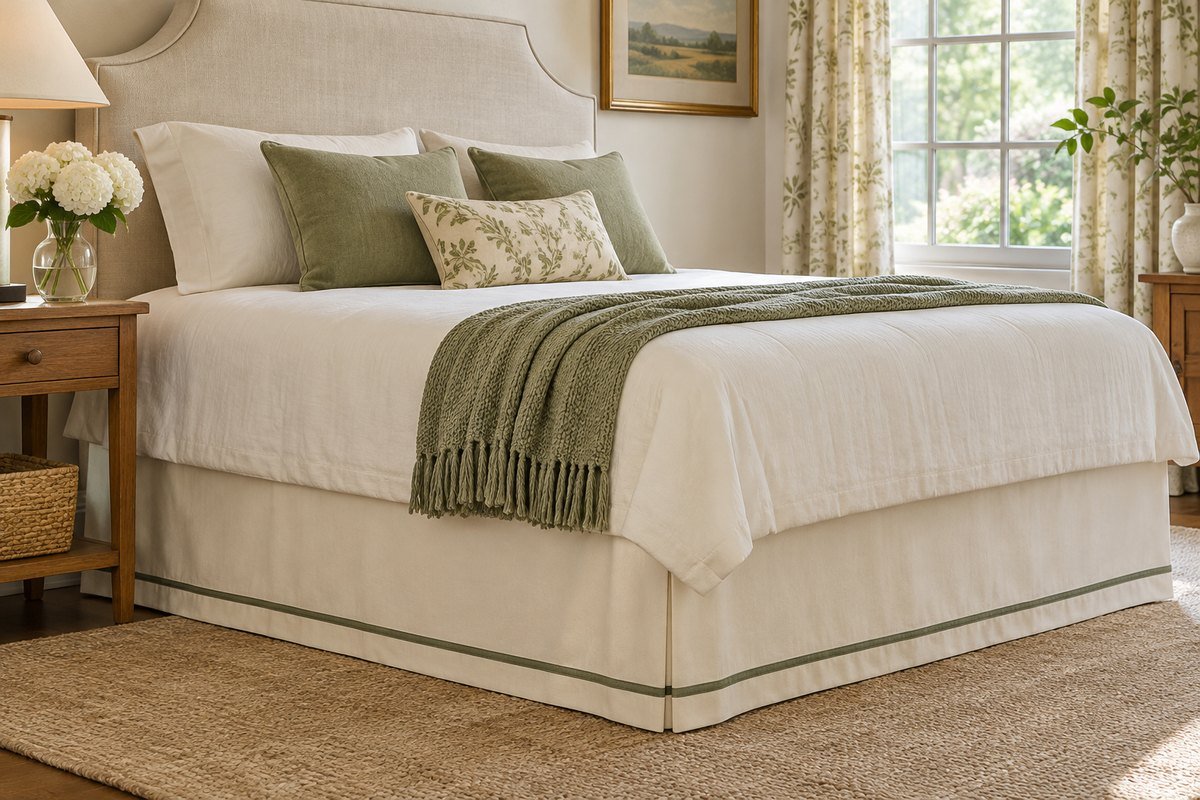
A slim border can give a plain skirt a clear finish when a full print feels excessive. Choose the border from an existing room tone and compare its width on the complete bed. Keep the hem level enough that the line does not emphasize an uneven fit. A simple border usually needs little additional lower-bed decoration to make its purpose clear.
18. Choose the drop for a clean floor gap

Compare the measured attachment-to-floor distance with the finished product drop. Decide how much floor you want visible and check the result around both sides, especially near a rug edge. Avoid buying an overly long piece simply because it can conceal more. A shorter deliberate hem can make the bed easier to walk around and the lower outline easier to see.
19. Keep the fabric out of a storage drawer's travel

A skirt that looks tidy when closed may catch as a drawer opens. Test the complete movement using the bedding arranged as it will normally be used. Choose an intended compatible panel arrangement or retain the visible drawer front when fabric would obstruct it. Concealing storage is optional; keeping the storage usable is part of the room's everyday function.
20. Coordinate paired beds through the lower textile

Two adult twin beds can share one skirt color while the quilts vary slightly. This gives the pair a clear relationship without requiring identical layers throughout. Measure each bed separately, including its actual attachment level and corner shape. Similar frames can still sit differently on a rug or use different mattress supports, so matching appearance begins with two correct fits.
21. Show a considered frame instead of covering every surface
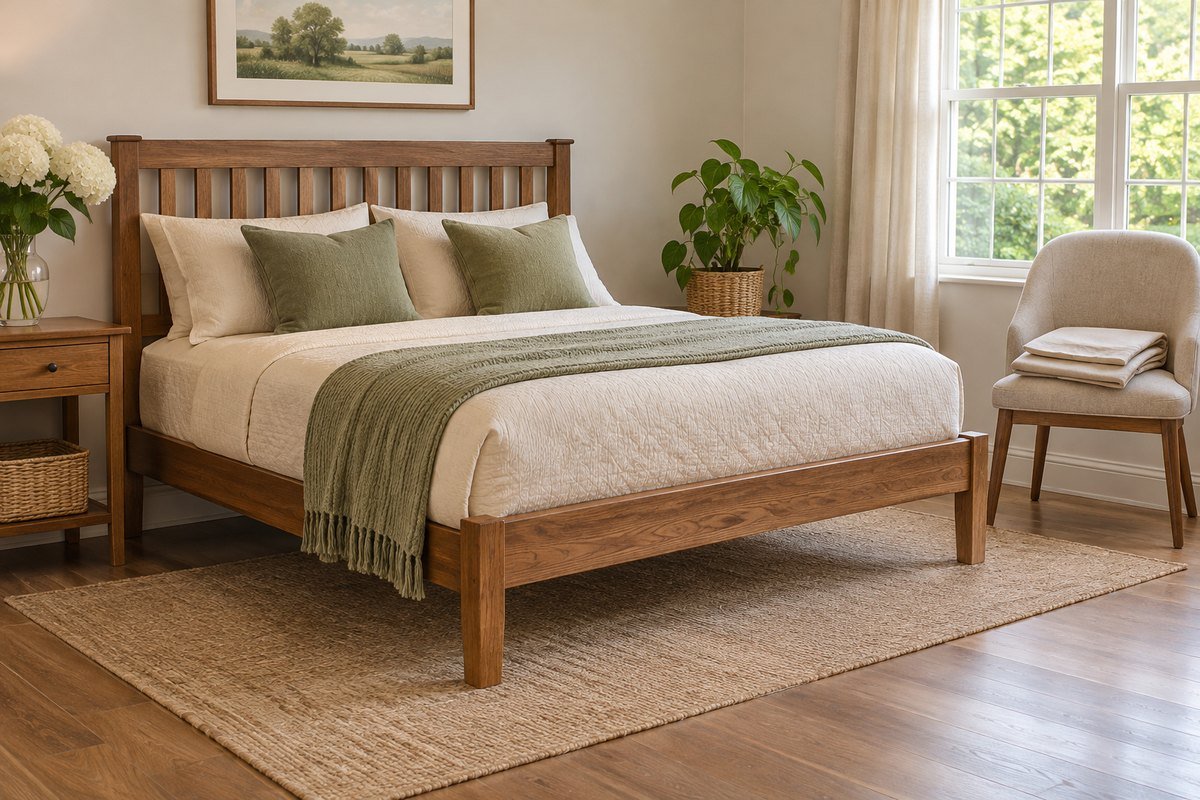
A beautiful timber rail or upholstered base may already provide the finish the room needs. Compare the bed fully made before adding a skirt. A box-spring cover or another product specifically intended for the exposed component may suit a different problem, but it should not be treated as interchangeable with a full skirt. Leave intentional furniture details visible when another textile adds little.
22. Keep the care label and fit record with the textile

Record the product, bed size, measured drop and attachment method before the original packaging disappears. Add its actual washing and drying directions. The two cited products use different wash settings despite both having a 14-inch drop. When the frame, floor covering or base changes, measure again rather than assuming the old skirt will retain the same fit.
Make a four-measurement bed-skirt fit card
Write the bed's actual width and length at the intended attachment level, then record the shortest and longest vertical distance to the surrounding floor. Draw the visible foot corners and mark posts, drawer openings and any moving parts that must remain clear. Add the attachment construction beside the sketch. For a hypothetical fixed base with an attachment level 16 inches above a level floor, a 14-inch drop would leave approximately 2 inches visible below. This is arithmetic for that example, not a recommended gap for every bed or a measurement of a named product.
Compare the card with the selected product's finished dimensions and care label. The cited Company Cotton queen 51167G-Q-WHITE lists a 60-by-80-inch size, a 14-inch drop, split corners and warm washing. The cited washed-linen family also lists a 14-inch drop and split corners, but directs cold gentle washing. Confirm the size variation and current instructions before purchase. Fit, appearance and removal effort are separate decisions; a matching size name or fabric color does not settle all three.
A practical next step
Choose a bed skirt by construction, corner fit and measured drop, then refine its fabric and color. A modest textile that hangs properly and leaves the bed usable contributes more than a dramatic ruffle that needs constant readjustment. Keep the fit card so the next change begins with the actual bed.
For the surrounding room, layered bedding with a clear purpose for each textile. Under-bed storage with a usable removal route.
The images are original AI-generated design concepts, not photographs of tested products or verified installations.
Sources and care references
- The Company Store: Company Cotton queen 51167G-Q-WHITE construction, size and care
- The Company Store: washed-linen bed skirt sizes, split corners and care
Optional digital guide for this topic
If you prefer a structured workbook, explore this related paid guide.