Good bed frame ideas account for the complete furniture footprint, not only the mattress size written on the label. Side rails, legs and a footboard can change how comfortably you move around the room. Choose the mattress support and everyday access first, then compare the shapes and finishes that make the bed feel settled.
These 24 options are for ordinary adult bedrooms and guest rooms. They compare furniture forms and practical selection checks rather than promising better sleep from a particular style. Follow the exact frame and mattress requirements, use all specified supports and retain the assembly information. A photographed design is not evidence of a tested load or compatibility.
Contents
- 1. Begin with a simple timber frame and visible legs
- 2. Choose a low-outline platform when the room already has tall features
- 3. Keep the footboard low in a compact layout
- 4. Compare an open metal frame with substantial surrounding furniture
- 5. Use a painted frame as one clear color accent
- 6. Let a pale frame recede beside patterned bedding
- 7. Use dark timber for a deliberate grounding line
- 8. Compare an upholstered surround for a softer furniture edge
- 9. Choose a removable cover only for its intended compatible frame
- 10. Use a compact frame without projecting side ledges
- 11. Give a broad platform ledge a genuine purpose
- 12. Choose drawers around the space available to open them
- 13. Keep one side simple when storage is reached from the other
- 14. Compare a purpose-made lift-up storage frame when side access is limited
- 15. Leave an open under-bed bay intentionally
- 16. Choose a complete frame with the headboard already coordinated
- 17. Keep a headboard-free frame when the wall is the focal point
- 18. Compare a four-poster outline as one complete volume
- 19. Relate bedside height to the finished mattress surface
- 20. Keep projecting legs out of an expected turning route
- 21. Compare the full support system before buying a frame-only listing
- 22. Use the room's delivery route as part of the choice
- 23. Choose surface care you can maintain around the whole bed
- 24. Keep a clear frame and mattress record for future changes
Compare the entire bed with the room in use
Record the actual mattress dimensions, its required support and the complete frame's outside width and length. Include the headboard depth, legs and any projecting ledges. Mark the footprint with removable tape where appropriate, then open nearby wardrobe doors and bedside drawers. Check the route used to change sheets and clean. A smaller decorative outline can be more useful than an impressive frame that repeatedly obstructs ordinary movements.
Choose an arrangement that fits your situation
- The room has little side space: Compare the entire rail and leg footprint, including drawer movement
- The bed should look visually lighter: Try a restrained frame on visible legs or an open metal outline
- Closed storage is genuinely needed: Choose an intended storage frame with a usable opening route
- Existing nightstands will stay: Compare them with the finished mattress surface
- The listing says frame only: Confirm the complete support system and required separate components
1. Begin with a simple timber frame and visible legs

A restrained wooden frame can connect the bed with floorboards or a chair without buying a complete furniture suite. Let the grain provide the main detail and keep bedding fairly quiet. Compare the rail corners and leg positions with the route around the bed. A light visual outline still needs the full manufacturer-specified mattress support and assembly.
2. Choose a low-outline platform when the room already has tall features

A lower furniture silhouette can leave a window or artwork visually prominent. Compare the final sleeping surface, including the actual mattress, rather than the empty frame alone. Try getting up from a similar finished height if possible. A low style is an appearance choice and will not suit every person's preferred movement or cleaning routine.
3. Keep the footboard low in a compact layout

A low footboard can make the view across a small bedroom feel less divided. Include its thickness and corners in the footprint check. Leave the bed end useful for walking and making the bed instead of adding a bench merely to finish the photograph. The best profile is one that suits both the view and the way the room is used.
4. Compare an open metal frame with substantial surrounding furniture

A slim metal outline can balance a room containing a broad dresser or wardrobe. Keep the frame's bars legible against simple bedding and a quiet wall. Check the joints, finish and mattress-support arrangement for the exact product. A visually open design does not establish that it is lighter, quieter or stronger than another material.
5. Use a painted frame as one clear color accent

A muted green, blue or other painted finish can make the bed the main furniture feature. Repeat the color in one small textile detail rather than coating every item to match. Compare a real finish sample where possible. Choose a factory finish or a suitable documented refinishing process without covering joints, labels or components that need inspection.
6. Let a pale frame recede beside patterned bedding

A pale uncomplicated frame can give a patterned duvet room to be the main detail. Compare its shape with the dressed mattress so the rails do not disappear in an unintended way. Keep enough contrast to see the bed's edges in ordinary light. A calm finish works best when the complete furniture dimensions already suit the room.
7. Use dark timber for a deliberate grounding line

A darker frame can connect a light room to an existing chest or door finish. Keep the surrounding palette simple if the grain and outline are strong. Compare the complete bed from the doorway before choosing a wide solid rail. A dark finish can be a useful accent without requiring a large heavy-looking furniture set.
8. Compare an upholstered surround for a softer furniture edge

An upholstered frame can repeat the texture of curtains or a bedroom chair. Look closely at the rail thickness, corners and fabric-care instructions. The padded surround may increase the outside footprint substantially beyond the mattress. Order a swatch when possible and consider how the lowest fabric edge will be inspected and cleaned in your room.
9. Choose a removable cover only for its intended compatible frame

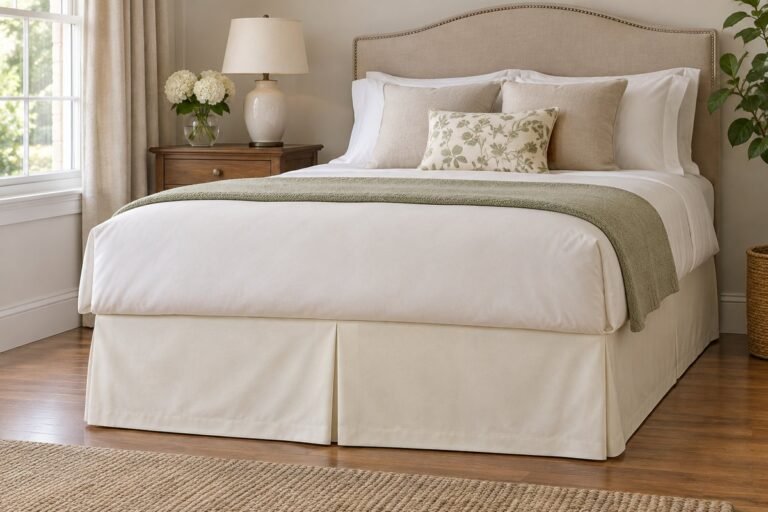
A documented removable cover can make future care or a visual change more straightforward. Check the exact frame version and care label; removable does not mean machine washable. Keep the cover correctly fitted around legs and attachment points. Do not use excess fabric to hide a damaged rail or disguise an unrelated frame as the intended product.
10. Use a compact frame without projecting side ledges

Broad platform ledges can look architectural but occupy space people may expect to be clear. A frame closer to the mattress outline may suit a narrow room better. Compare the widest fixed point, including legs, rather than the product's mattress label. Keep the mattress correctly supported instead of choosing an undersized structure to reduce the footprint.
11. Give a broad platform ledge a genuine purpose

A wider platform can create a strong low line where the bedroom has enough room. Include the entire projection in the route and bedding-access test. Do not assume a decorative ledge is a seat or storage surface unless its maker permits that use. Leave it clear when its purpose is simply the furniture's chosen silhouette.
12. Choose drawers around the space available to open them

A storage frame can replace another container only when its drawers can actually come out. Compare the opening travel with nightstands, rugs and the wardrobe opposite. Record the drawer's usable inside dimensions. The cited MALM example includes model-matched rolling boxes; that compatibility should not be transferred to unrelated frames simply because the mattress size matches.
13. Keep one side simple when storage is reached from the other

A bed near a wall may have only one practical retrieval side. Choose a designed configuration that works from the accessible side and check how the bedding will still be changed. Avoid choosing a drawer count that assumes access the room cannot provide. The unused side need not be filled with inaccessible containers to use every apparent inch.
14. Compare a purpose-made lift-up storage frame when side access is limited

A lift-up system offers a different opening direction from side drawers. Review the exact approved mattress, mechanism and operating instructions before deciding it fits the routine. Keep the internal groups modest and clear of moving components. This is a complete furniture choice, not a reason to add lifting hardware to an ordinary decorative frame.
15. Leave an open under-bed bay intentionally

A frame on visible legs can make inspection and cleaning easier when the space is not immediately filled. Compare the lowest obstruction with the actual cleaning tool and its movement. Keep any storage clear of structural components. An empty bay can be useful in its own right, especially if a crowded bedroom already has sufficient closed storage.
16. Choose a complete frame with the headboard already coordinated

An integrated headboard can give a clear relationship between rails, mattress and back panel. Compare the visible panel above the actual pillows, not the empty product photograph. Check its overall depth and width against bedside outlets and furniture. The coordinated shape can simplify selection without requiring every dresser and nightstand to come from the same range.
17. Keep a headboard-free frame when the wall is the focal point

A simple frame without a tall panel can suit a carefully finished wall. Check the intended position and the mattress's relationship with the wall, using an arrangement approved for the chosen products. Keep the wall finish durable enough for ordinary use. A painted backdrop is decoration and should not be mistaken for a padded support or furniture attachment.
18. Compare a four-poster outline as one complete volume

A restrained four-poster can define the bed in a room with enough visual and physical space. Include the upper frame when comparing ceiling fittings, fans and access. Keep all components part of the intended furniture system. Avoid adding hanging objects or fabric to a frame unless its manufacturer expressly supports that particular arrangement.
19. Relate bedside height to the finished mattress surface

A new frame can change the useful relationship with an existing nightstand even when the mattress remains the same. Compare the fully assembled support and mattress together, then rehearse reaching a book or light switch. Avoid choosing nightstands from the empty frame height. A comfortable relationship is a practical check rather than a universal requirement to align every top exactly.
20. Keep projecting legs out of an expected turning route

A leg can sit beyond the rail's visible edge and become the widest point of the bed. Inspect the product from above as well as from the doorway. Mark that full footprint when planning. Choose a different frame when its feet repeatedly occupy the turn to a wardrobe rather than hoping bedding will remind people where the structure ends.
21. Compare the full support system before buying a frame-only listing

A frame, a slatted base and a mattress can be separate purchases. Check what is actually included and what each component requires. The cited queen TARVA configuration includes a separately packaged required midbeam while its slatted base and mattress are sold separately. A matching size name alone does not confirm that an unrelated support meets the mattress instructions.
22. Use the room's delivery route as part of the choice

Check the largest packaged component against doorways, stairs and the turn into the bedroom. Include room to assemble the frame in the required sequence. A frame that fits the final wall can still be awkward to deliver. Keep the exact package information with the plan rather than assuming all flat-packed beds arrive in small interchangeable boxes.
23. Choose surface care you can maintain around the whole bed

Fabric seams, open metal bars and broad timber rails create different cleaning tasks. Compare the exact material description and care guidance, including the hidden side facing a wall. Keep access to joints and specified connectors. A new textile layer should not conceal damage or replace the inspection and maintenance directed by the frame maker.
24. Keep a clear frame and mattress record for future changes

Save the model, size, support system, required components and assembly instructions together. Add the mattress requirements and the final outside dimensions. This makes a later mattress or storage change easier to assess without guessing from an old photograph. Review the complete combination again if the base, mattress thickness or attached furniture changes.
Make a mattress-to-room fit sheet
Draw two rectangles: the actual mattress and the complete outside frame. Add the headboard, legs, drawer travel and neighboring doors. For a hypothetical comparison, a 60-inch-wide mattress inside a 66-inch-wide frame occupies 6 extra inches across the width. Do not assume that means exactly 3 inches on each side; inspect the actual shape. Keep these example dimensions separate from any named product and from the clear route your room needs.
Record included and separate components beside the sketch. The cited queen TARVA 299.300.97 lists an outside width of 63 inches and length of 82.25 inches, with separate mattress and slatted-base selection. The cited Full MALM storage combination 091.759.86 lists different dimensions and included parts. Compare the actual size and version you intend to buy, including the mattress manufacturer's support requirements. Neither a style label nor the appearance of slats establishes a universal compatible arrangement.
A practical next step
Choose the frame that supports the intended mattress, fits the full room footprint and suits the way the bed is used. Then select the material and silhouette that work with your existing furniture. A useful fit sheet can prevent more frustration than adding another decorative feature.
For the surrounding room, headboard ideas with actual frame compatibility in mind. Under-bed storage with a complete retrieval route.
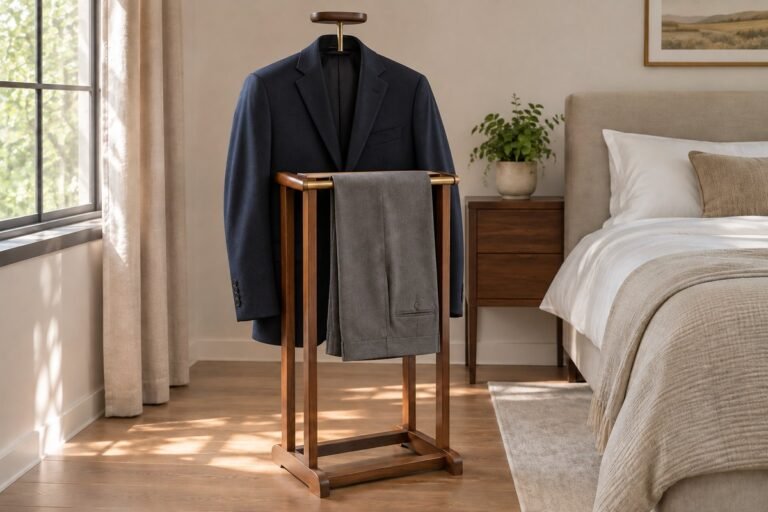
The images are original AI-generated design concepts, not photographs of tested products or verified installations.
Sources and care references
- IKEA: queen TARVA 299.300.97 dimensions, components and care
- IKEA: Full MALM storage combination 091.759.86 details and measurements
Optional digital guide for this topic
If you prefer a structured workbook, explore this related paid guide.