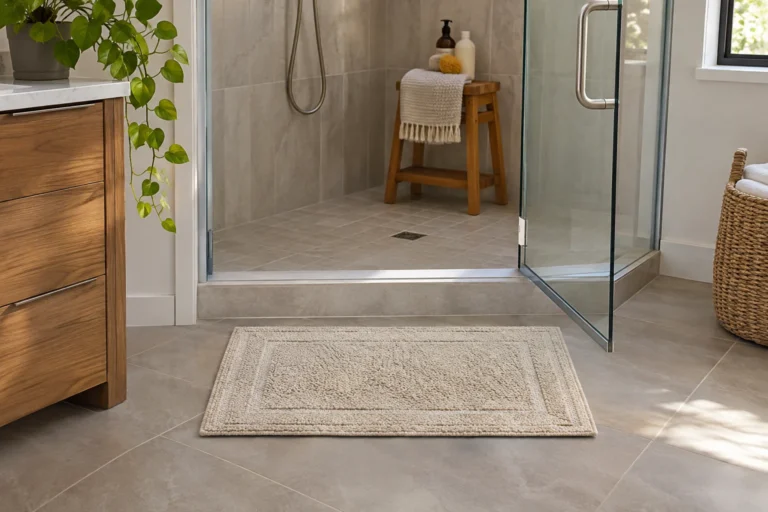
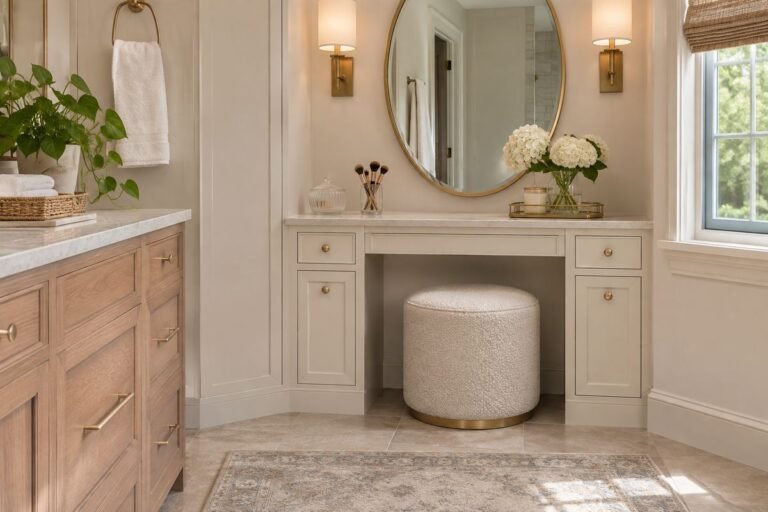
Rental ideas should improve daily use while remaining compatible with the property. Check the lease and obtain any permission needed for fixtures, adhesives, paint or plumbing changes; keep original parts that may need to be restored.
These ideas offer options to assess, not a guarantee of damage-free removal. Freestanding furniture and plug-in lighting often offer a simpler starting point than a finish applied to someone else’s wall.
Keep a Simple Record of Rental Ideas You Try
Before changing a handle or applying a finish, photograph the original arrangement for your own restoration record and keep the product instructions with any removed parts. Next, test one small permitted change rather than treating a removable label as a guarantee. For example, compare the exact screw spacing before ordering a full set of pulls. A movable lamp or freestanding desk can be a useful first step while a fixture change is being assessed.
1. Use Adhesive Tile Only on a Suitable Surface
A tile-look product can change a dry accent area when the substrate and product instructions allow it. Test a discreet area and check the surface preparation, heat and moisture limits.
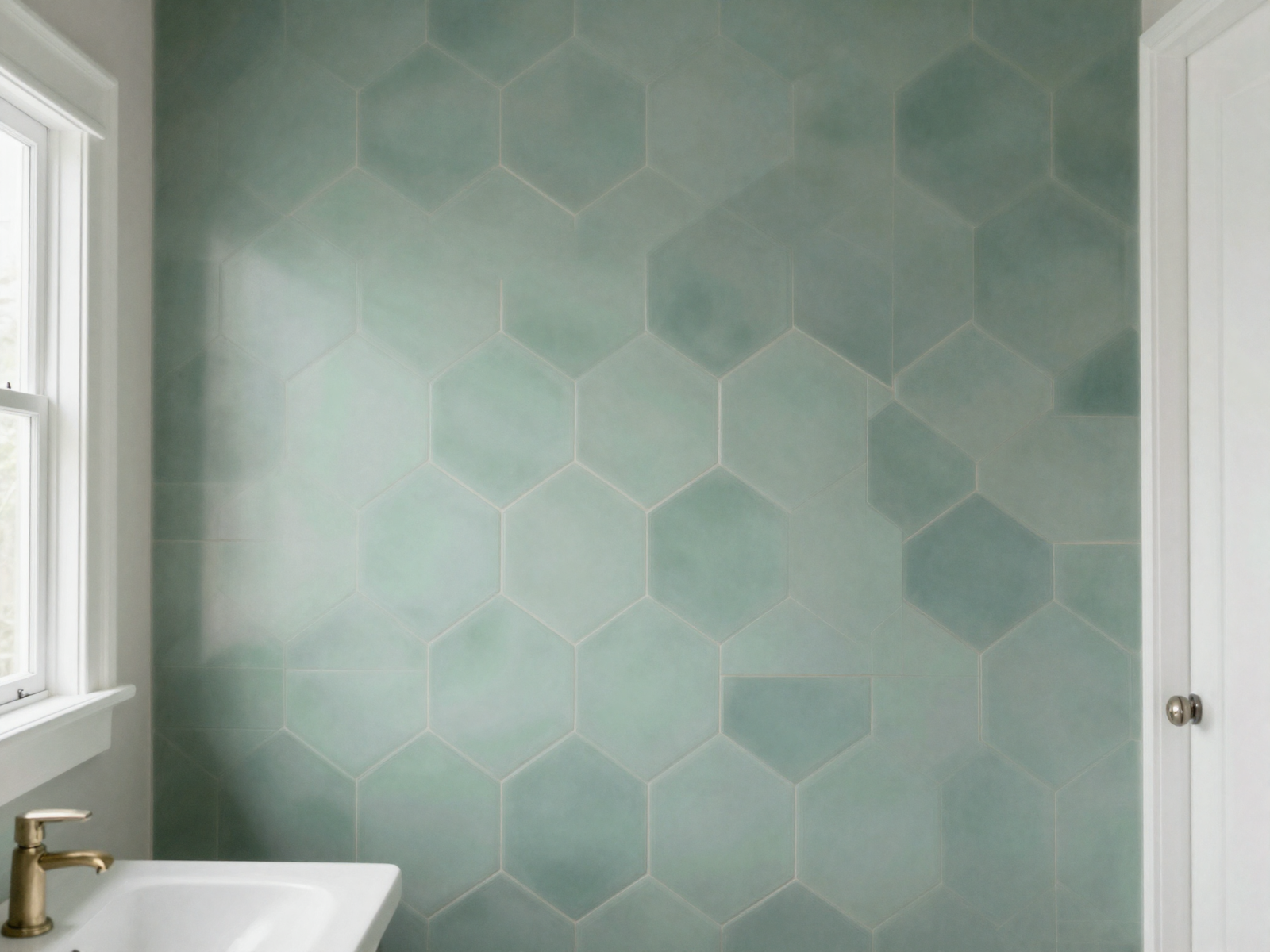
Do not treat decorative adhesive tile as waterproofing or use it where it interferes with an existing wet-area assembly. Confirm removal requirements before covering a large area.
Try this: Choose a dry low-wear location for an initial trial.
2. Try Rental Ideas With Matching Hardware Centers
New knobs or pulls can change the appearance of a cabinet without replacing the door. Measure the existing holes and compare handle clearance and grip.
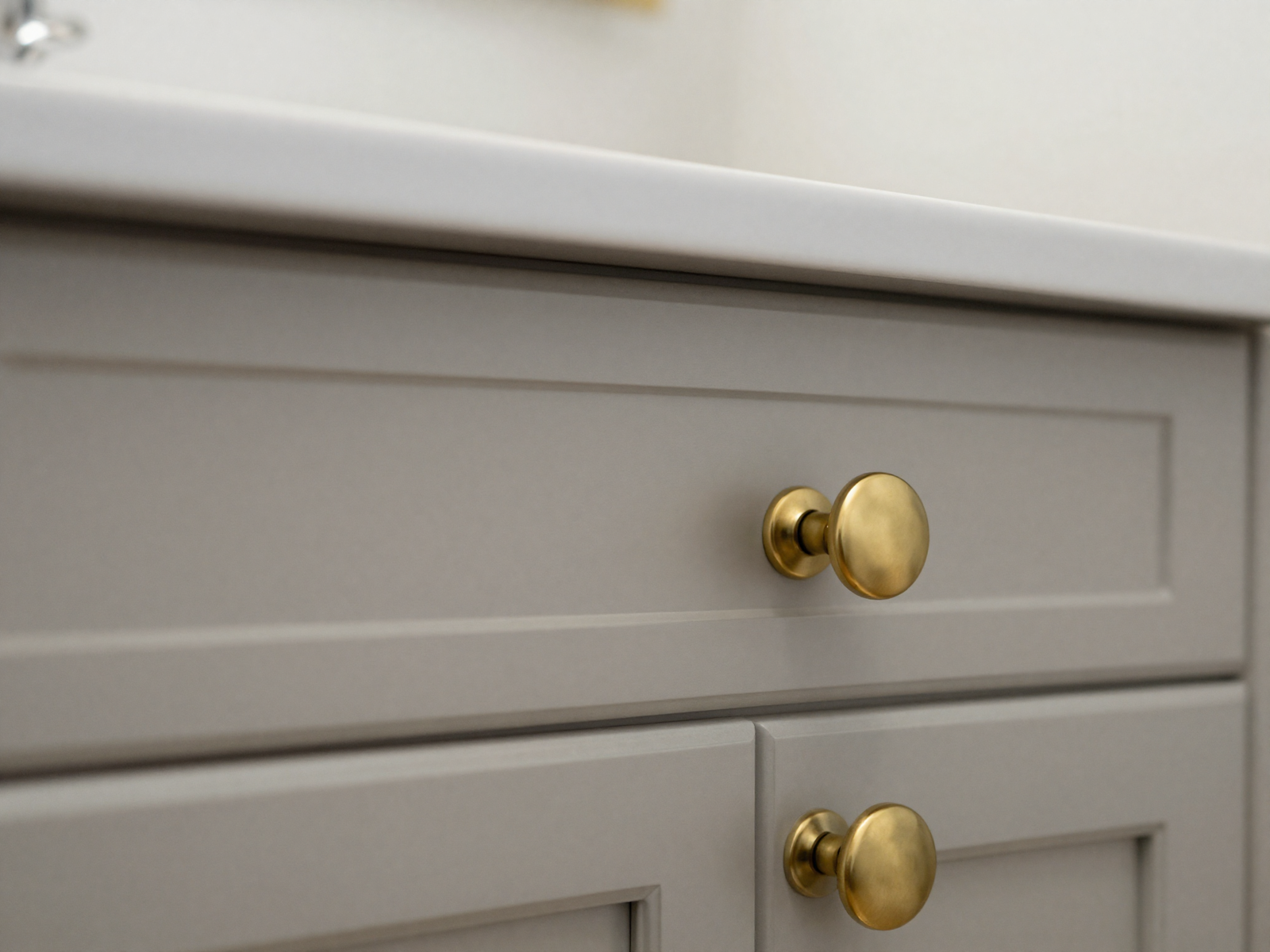
Keep the originals and their screws in a labeled container. Avoid drilling extra holes or enlarging existing ones without permission.
Try this: Try one handle on the most-used drawer before ordering a set.
3. Start Rental Ideas With a Plug-In Office Lamp
A freestanding lamp can improve office light without a new wall fixture. Place it where it illuminates the work while leaving enough surface for equipment.
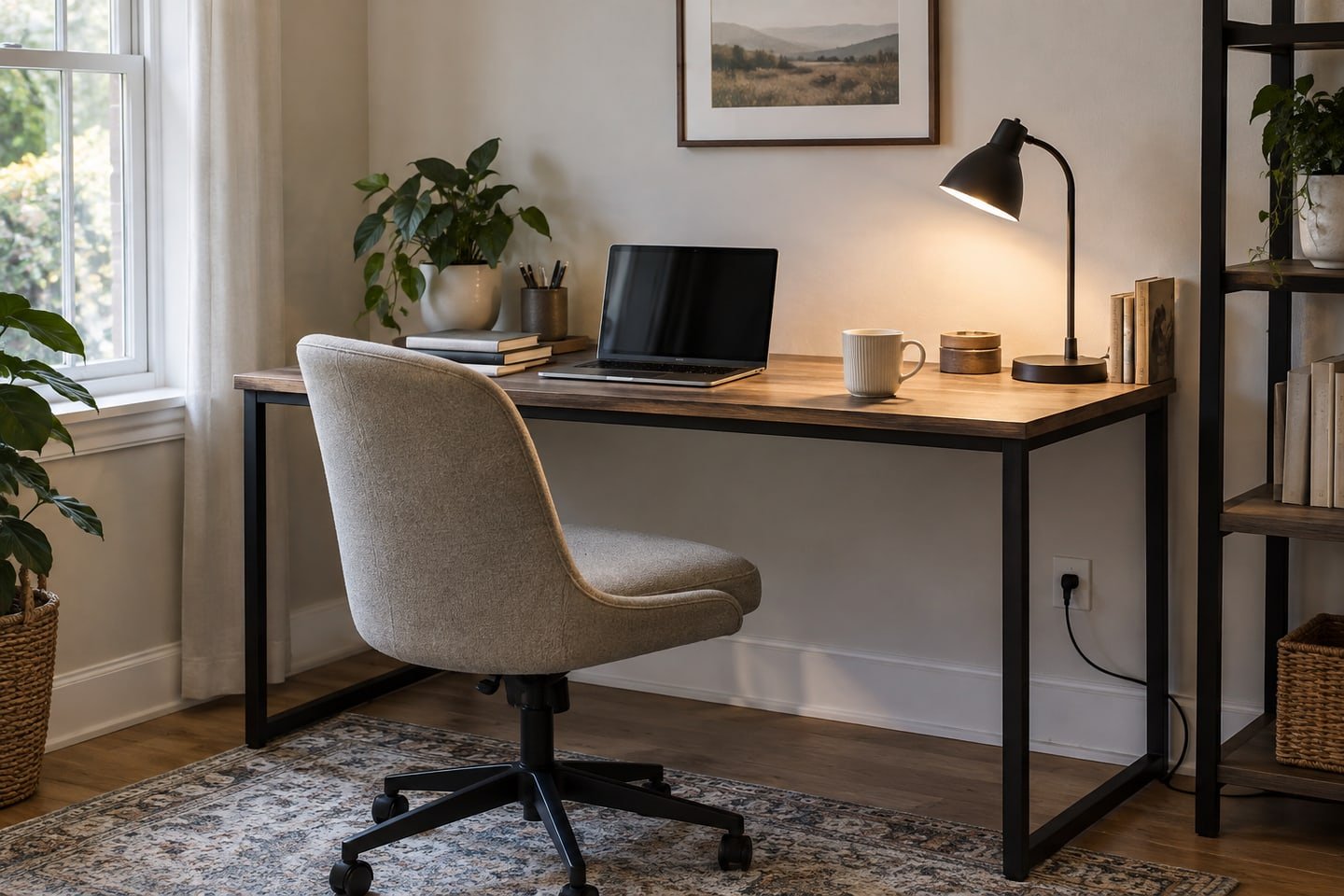
Route the cord away from chair wheels and walking routes. Bathroom lighting has different location and installation requirements, so keep a general office lamp out of wet areas.
Try this: Test screen reflections before choosing its permanent position.
4. Check Shower Storage Against the Actual Wall
A suction or adhesive caddy can be useful only where the surface and product are compatible. Check the loaded weight, curing time, water exposure and cleaning guidance.
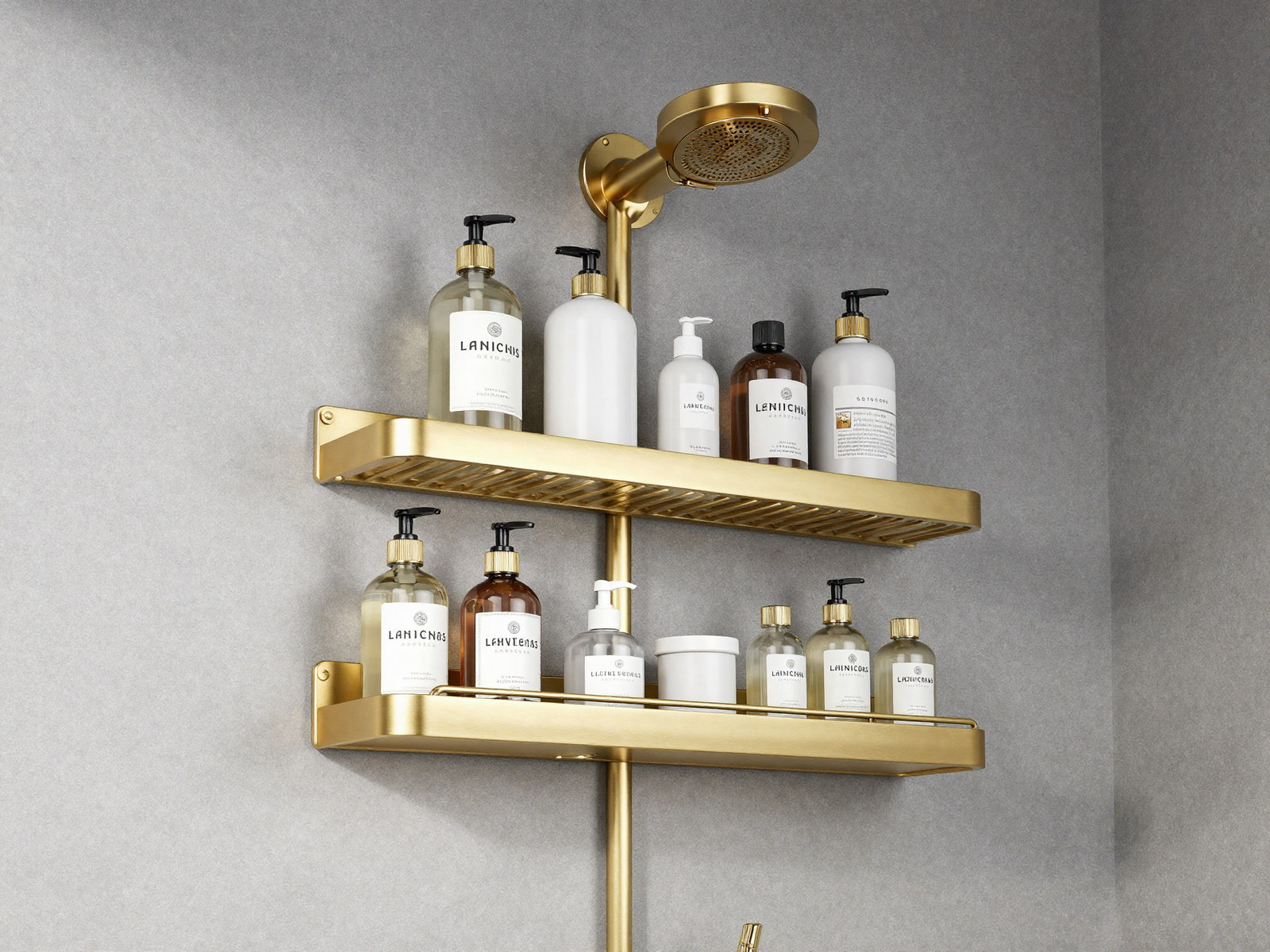
Inspect its hold regularly and avoid loading heavy or breakable containers where a failure would cause damage. A freestanding or suitable over-fixture option may be easier for some bathrooms.
Try this: Begin with a light load while following the maker’s installation instructions.
5. Assess a Mirror Frame Before Attaching It
A frame can give a plain mirror a more finished outline. Confirm how the frame is supported and whether the mirror edge, clips or wall finish allow the chosen method.
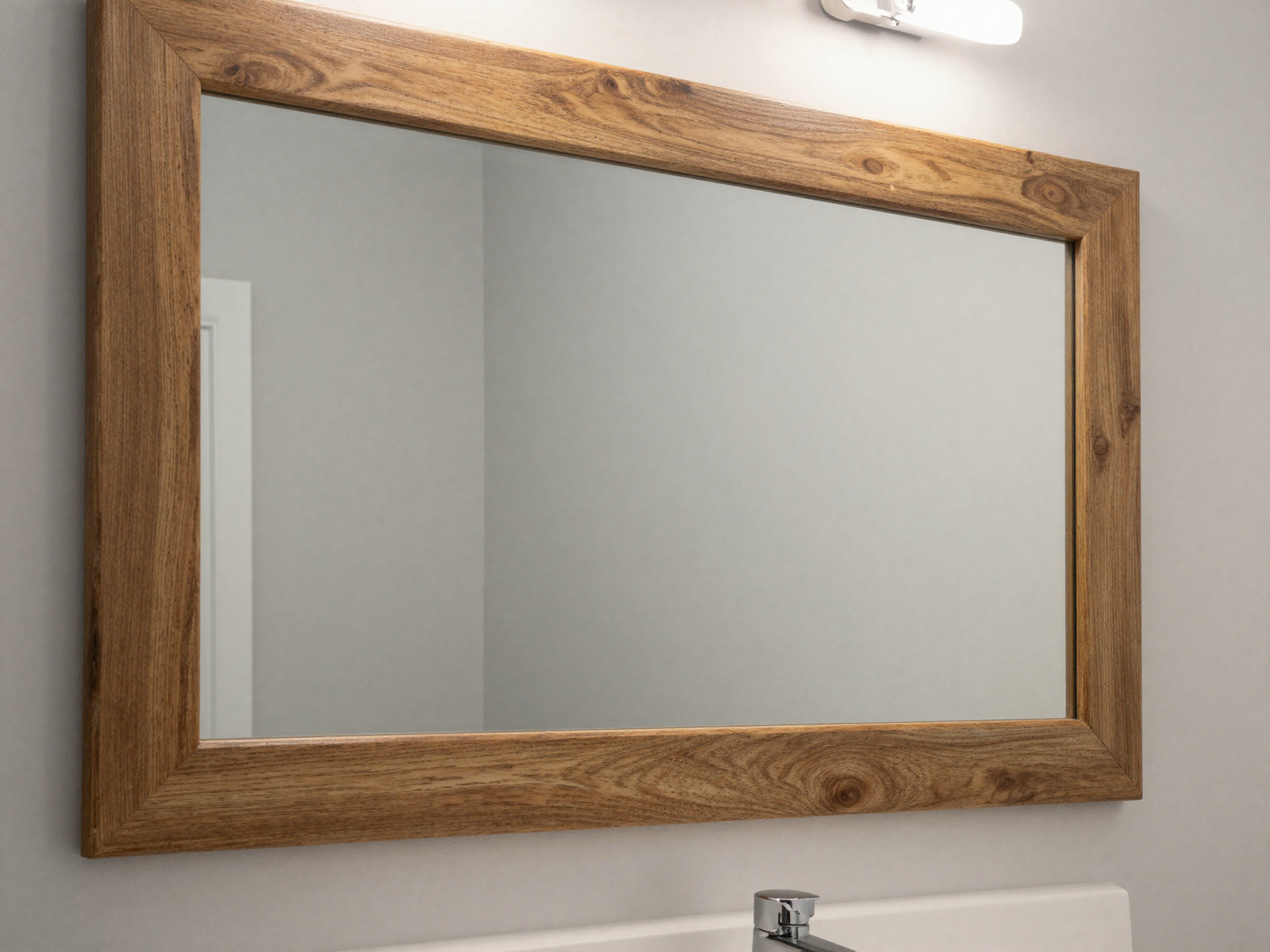
Get permission for permanent changes. Do not attach heavy material to an uncertain mirror assembly simply because a product is marketed as an easy upgrade.
Try this: A separate freestanding mirror may be the simpler option.
6. Test Wallpaper Before Extending Rental Ideas
A modest wallpapered area can give a work corner a clear identity. Check the wall finish, paint condition and product preparation requirements before applying it.
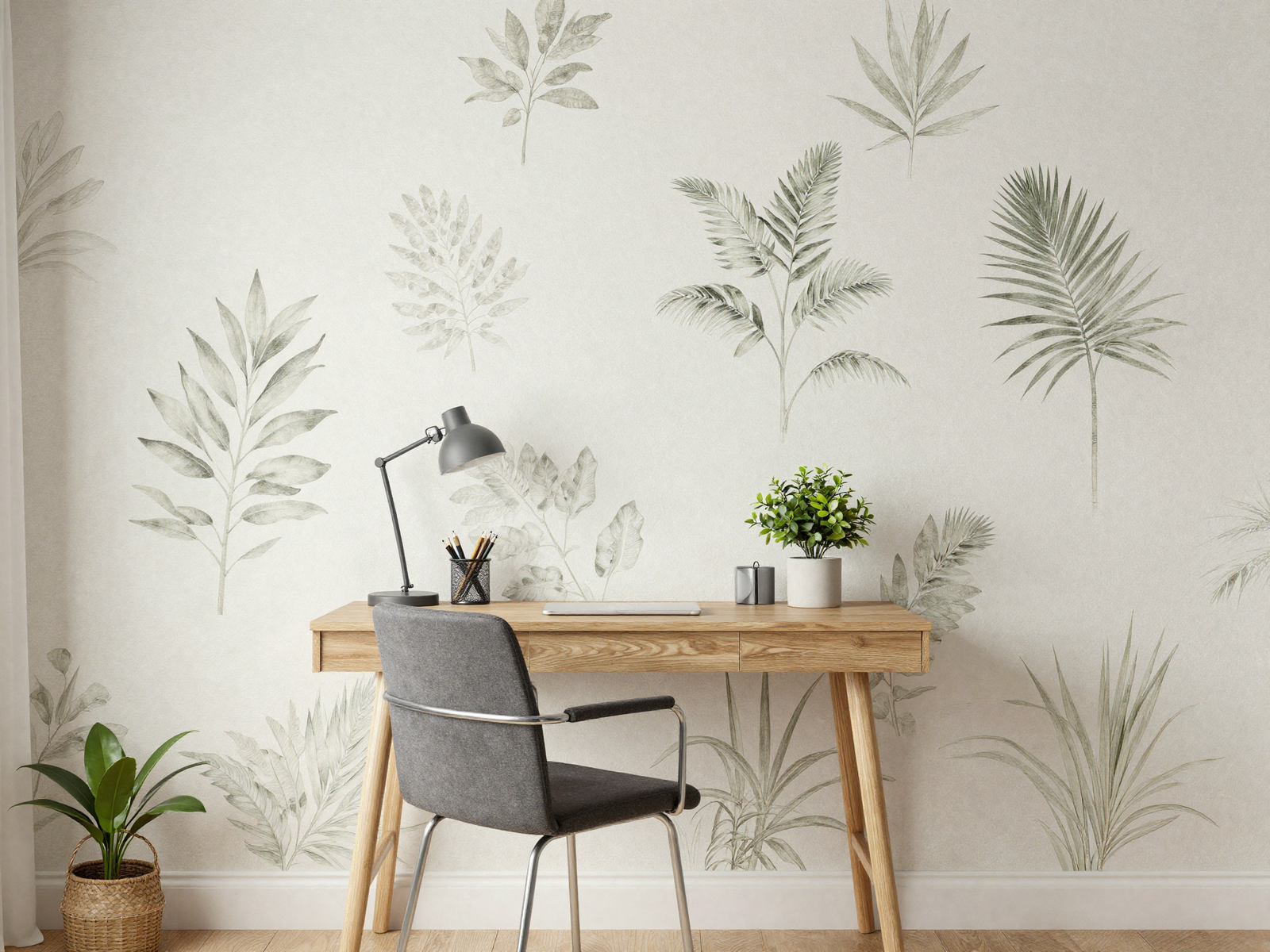
Test removal and keep the instructions. Removable wallpaper can still lift paint or leave residue, particularly on an unsuitable or poorly cured surface.
Try this: Choose a small area that can be inspected easily.
7. Choose Hanging Methods for the Picture and Surface
Lightweight art can personalize an office wall when a permitted hanging method suits both the item and substrate. Check the product’s load, environment and removal guidance.
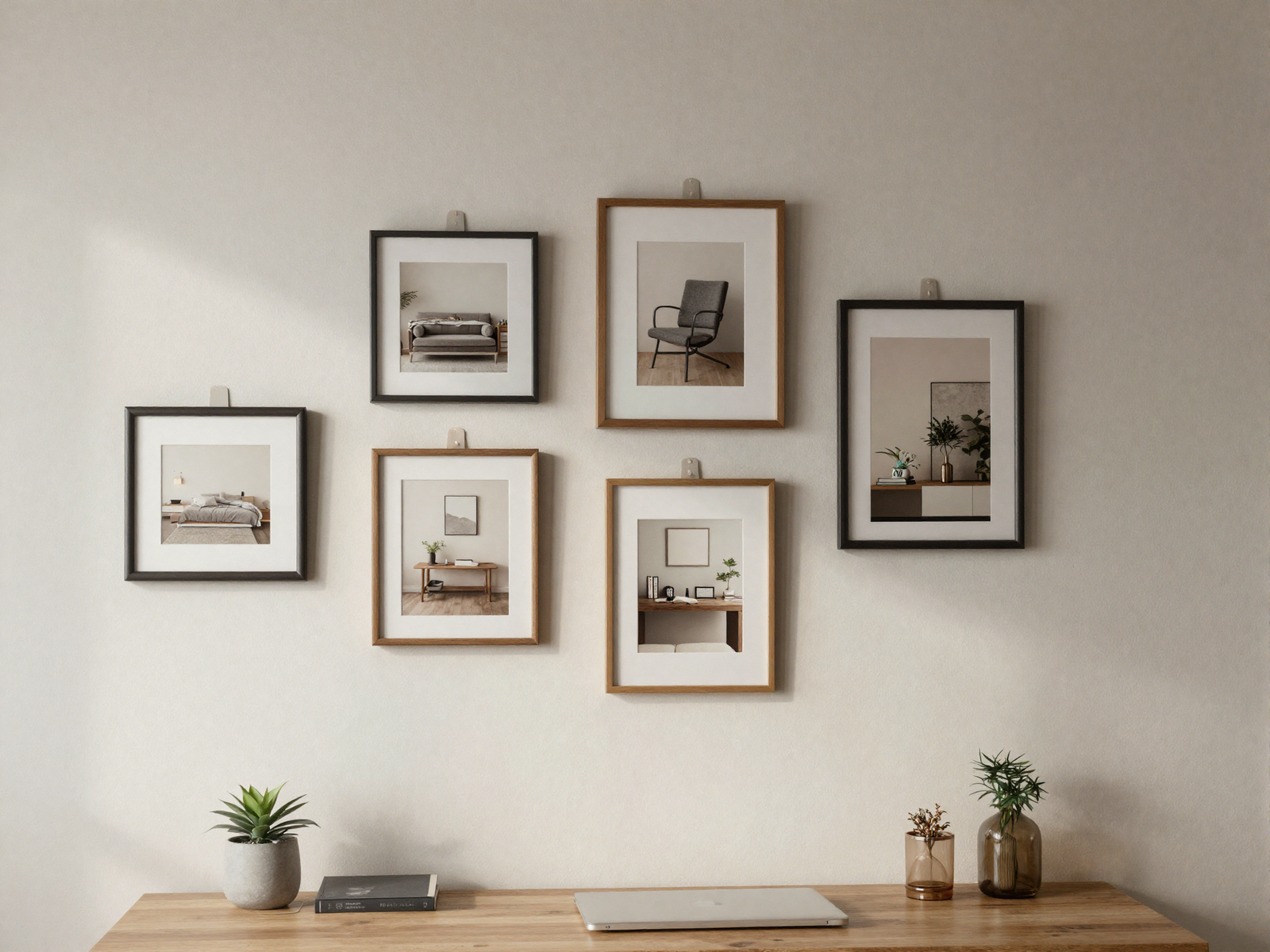
Keep frames clear of areas where movement may knock them down. Heavier or fragile pieces may need appropriate mechanical fixings and permission.
Try this: Lay out the group on the floor before attaching anything.
8. Use a Freestanding Desk Unless Mounting Is Approved
A compact freestanding desk can provide a useful workspace without relying on an adhesive shelf. Check the surface depth, legroom and equipment load.
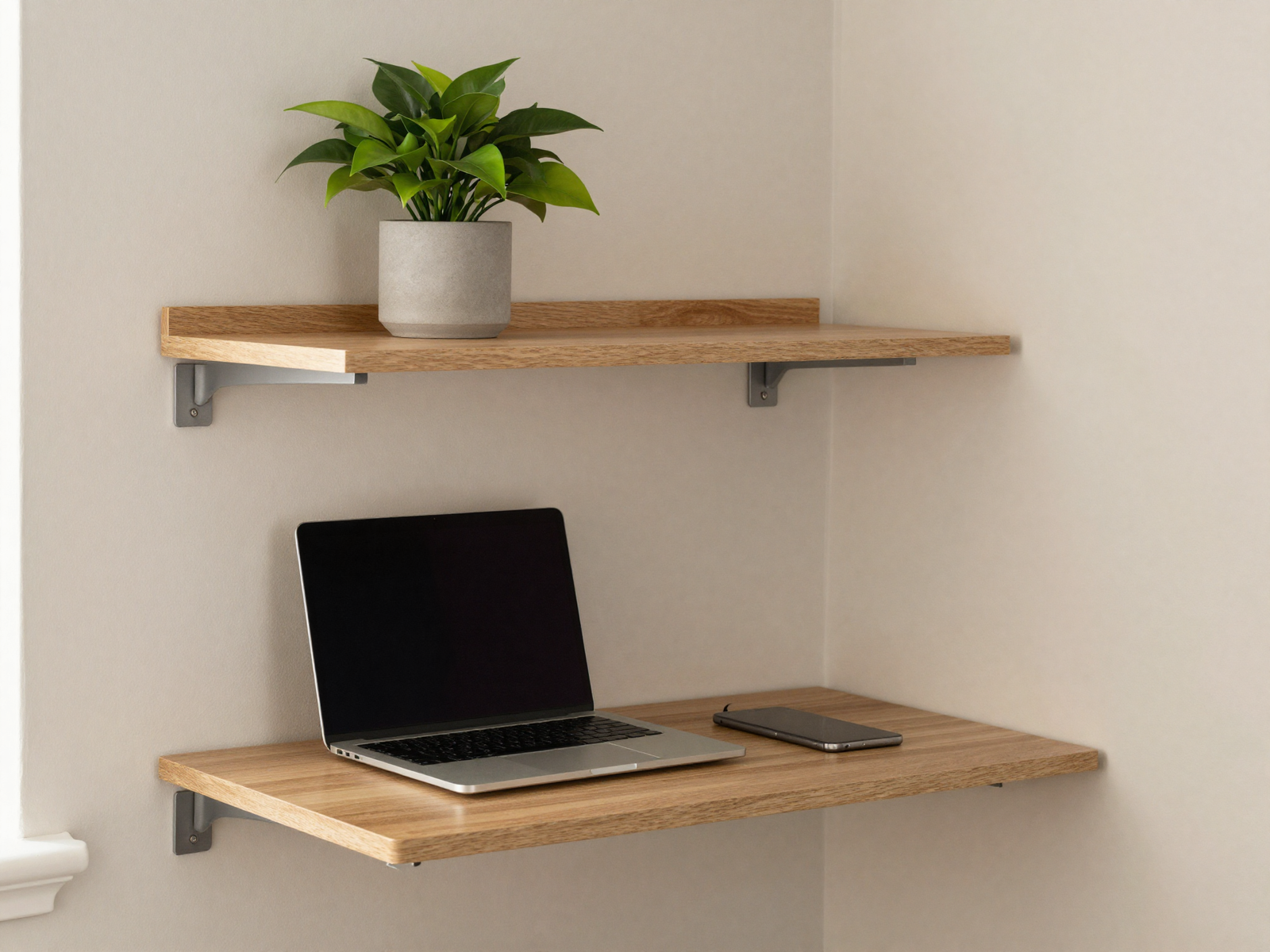
A wall-mounted desk carries working loads and needs the specified structural fixings. Do not describe a standard floating desk as no-drill unless its exact approved system supports that use.
Try this: Choose the footprint with the chair pulled out.
9. Treat a Showerhead Change as a Permission Check
A replacement showerhead may be possible where the property and plumbing connection allow it. Compare compatibility and keep the original part if restoration is expected.
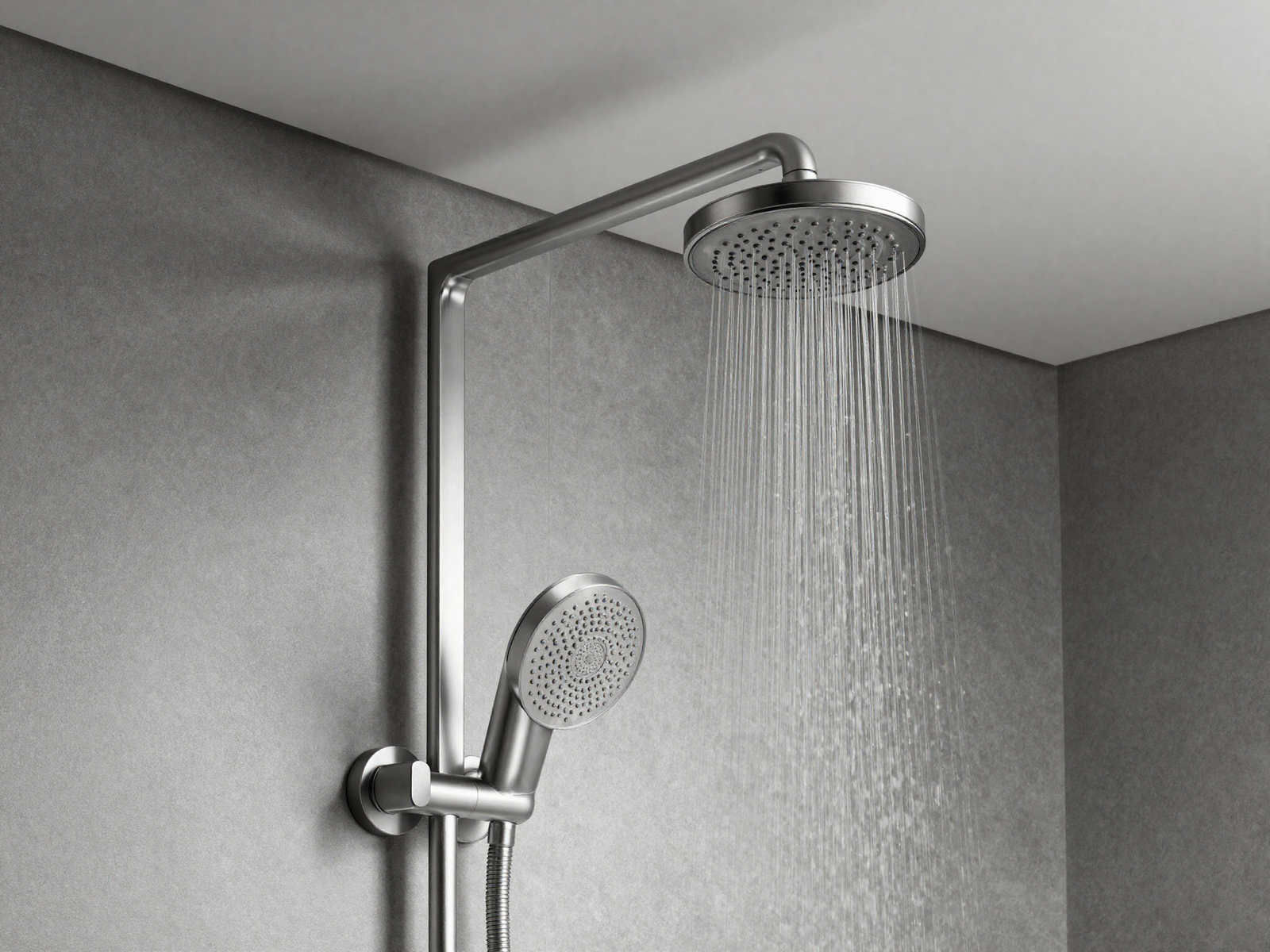
Follow installation information and have uncertain fittings or leaks handled appropriately. Avoid forcing an old connection or changing an assembly without understanding the consequences.
Try this: Check the existing model and permission before buying the replacement.
Start With a Reversible Useful Change
Start with movable objects and useful lighting, then assess finishes and fixtures one at a time. A well-documented small refresh is easier to maintain and reverse than a collection of untested adhesive upgrades.
Related Guides
- 20 Small Pantry Organization Ideas Without Drilling
- 20 Small Bedroom Desk Ideas for a Room That Still Works
- 20 Small Bathroom Wall Ideas That Work in Tight Spaces
Removable Picture-Hanging Reference
For a specific adhesive picture-hanging product, check its listed surfaces, load limits, preparation and removal method. Instructions vary by product. Command: picture-hanging strip instructions.
Optional digital guide for this topic
If you prefer a structured workbook, explore this related paid guide.