A sensory garden can emphasize the colors, textures and sounds you enjoy outside. It remains a garden with growing conditions, practical access and ongoing care rather than a guaranteed therapeutic treatment.
Choose elements for the actual users and site. Fragrance and touch are optional, and plant suitability varies between households. Keep a comfortable route and check identified species before buying or encouraging anyone to handle them.
Images are illustrative design concepts, including AI-generated replacement images. They are not installation drawings or verified product-performance evidence.
Choose a Sensory Garden Detail You Actually Enjoy
Try the proposed seat at the time of day you expect to use the garden. Next, list the details you notice and enjoy without adding more features: moving foliage, a particular flower color or the feel of the seat. For example, a quiet planted corner may suit the users better than a strong fragrance or running fountain. Build around that preference while keeping the route and plant-care access clear.
1. Choose Sensory Garden Fragrance for the Users
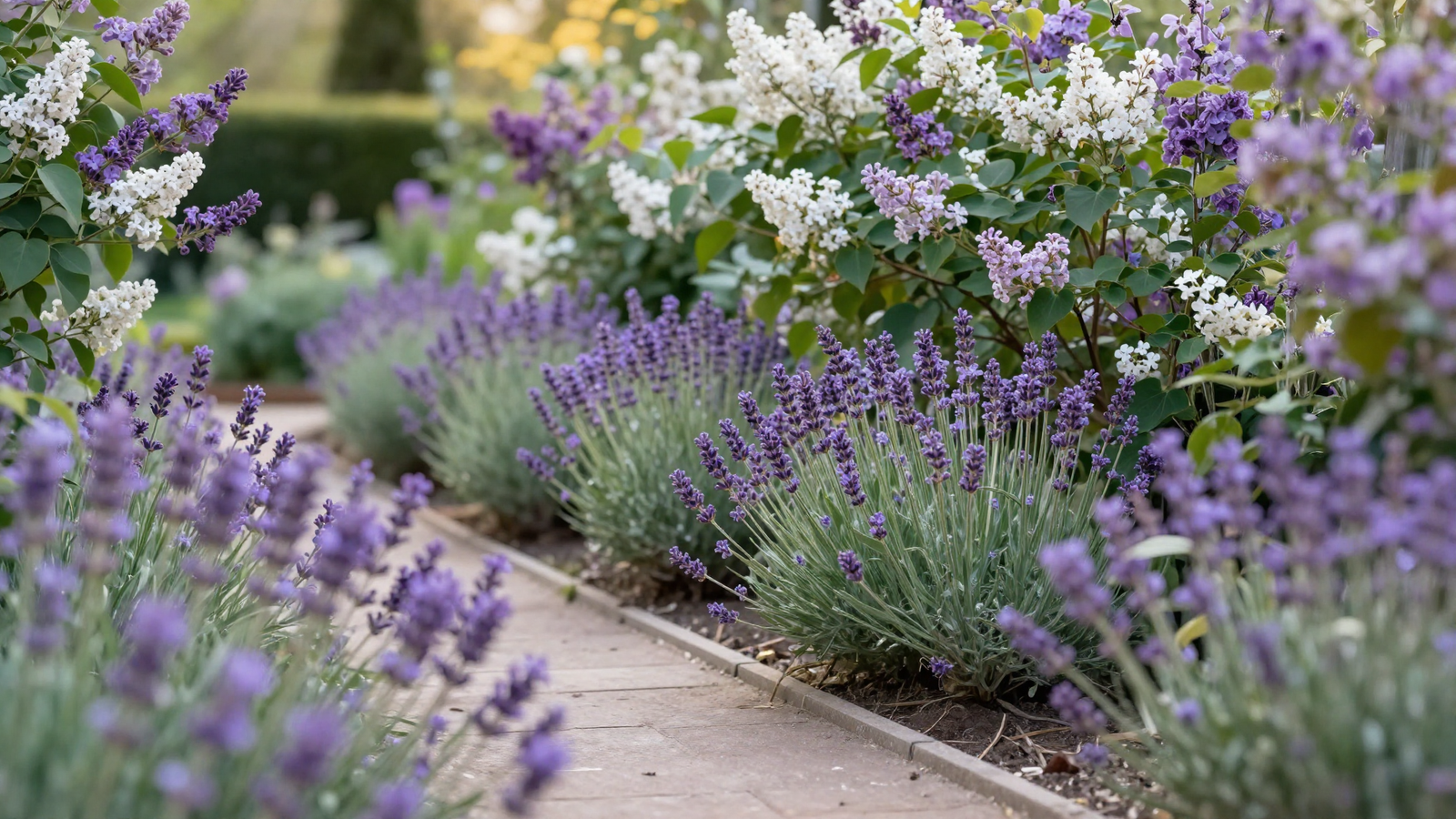
A fragrant border can suit a path where the selected plants fit the climate and soil. Keep fragrance optional for people who prefer less scent and leave foliage out of the walking route.
Try this: Identify the species before choosing by fragrance alone.
2. Build a Pale Evening Palette
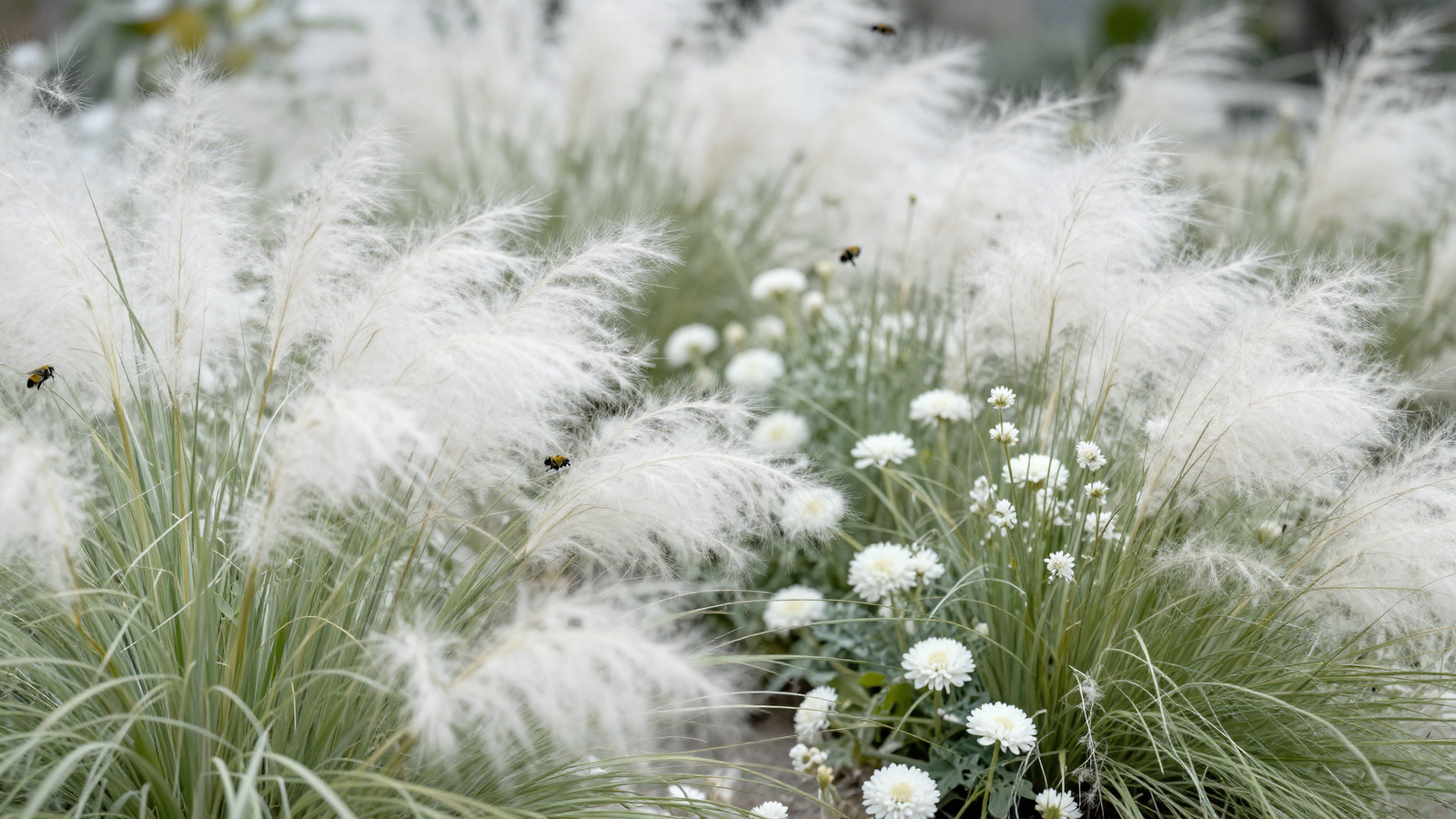
White flowers and lighter foliage can remain noticeable in suitable evening conditions. Select plants for the site before the color theme, and provide appropriate lighting for actual movement.
Try this: View the planting from the seat used after sunset.
3. Use Natural Jewel Tones in a Clear Group

Burgundy, violet and deep green can provide a rich planting palette. Repeat suitable species and allow mature spacing rather than relying on unnaturally saturated flower colors.
Try this: Plan flowering periods as well as color.
4. Frame Informal Planting With an Accessible Edge
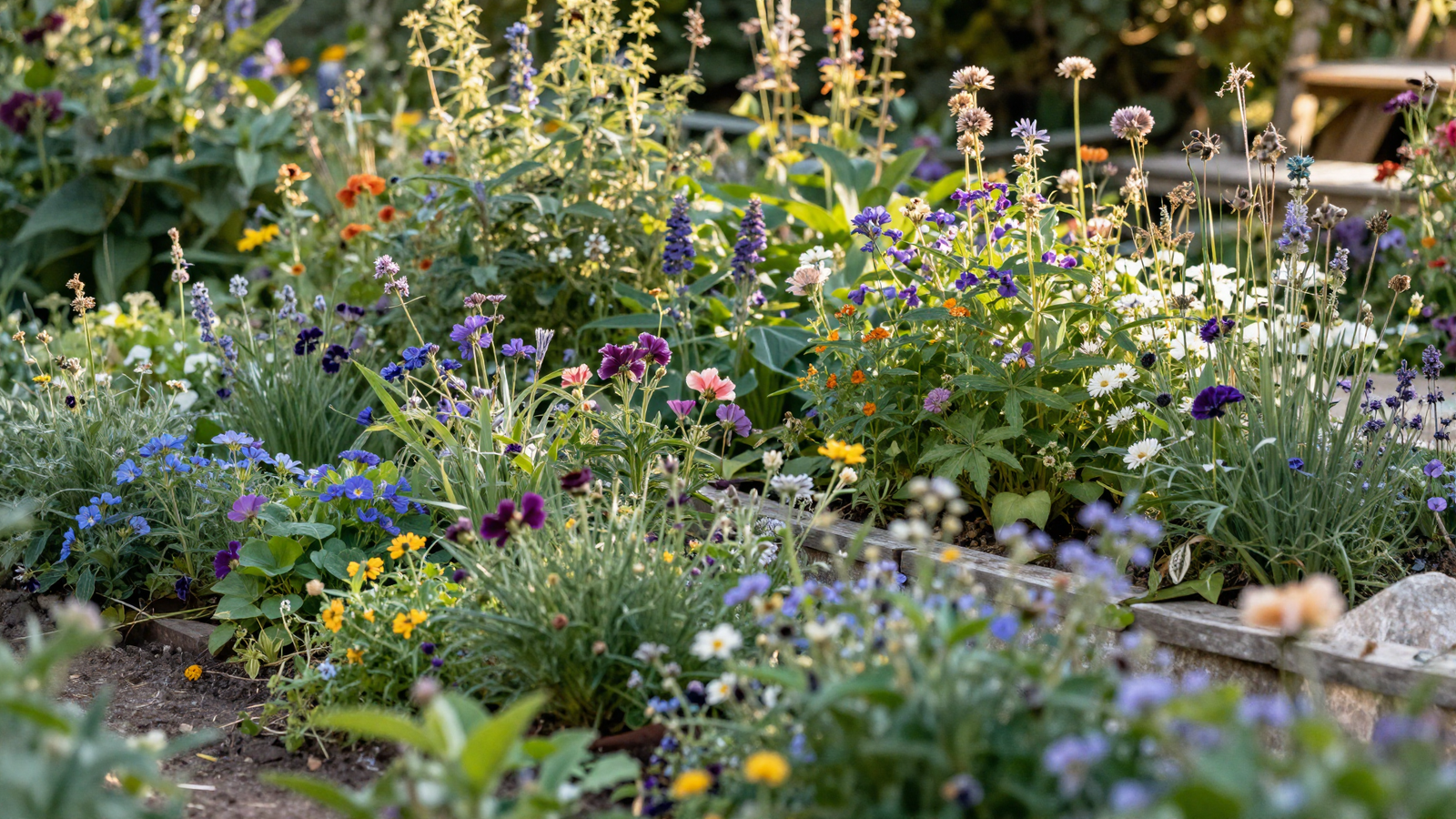
A cottage-style corner can contain varied flowers while a path or clear border provides structure. Choose locally suitable plants and manage unwanted growth.
Try this: Keep room to identify and care for each group.
5. Use Regional Pollinator Guidance
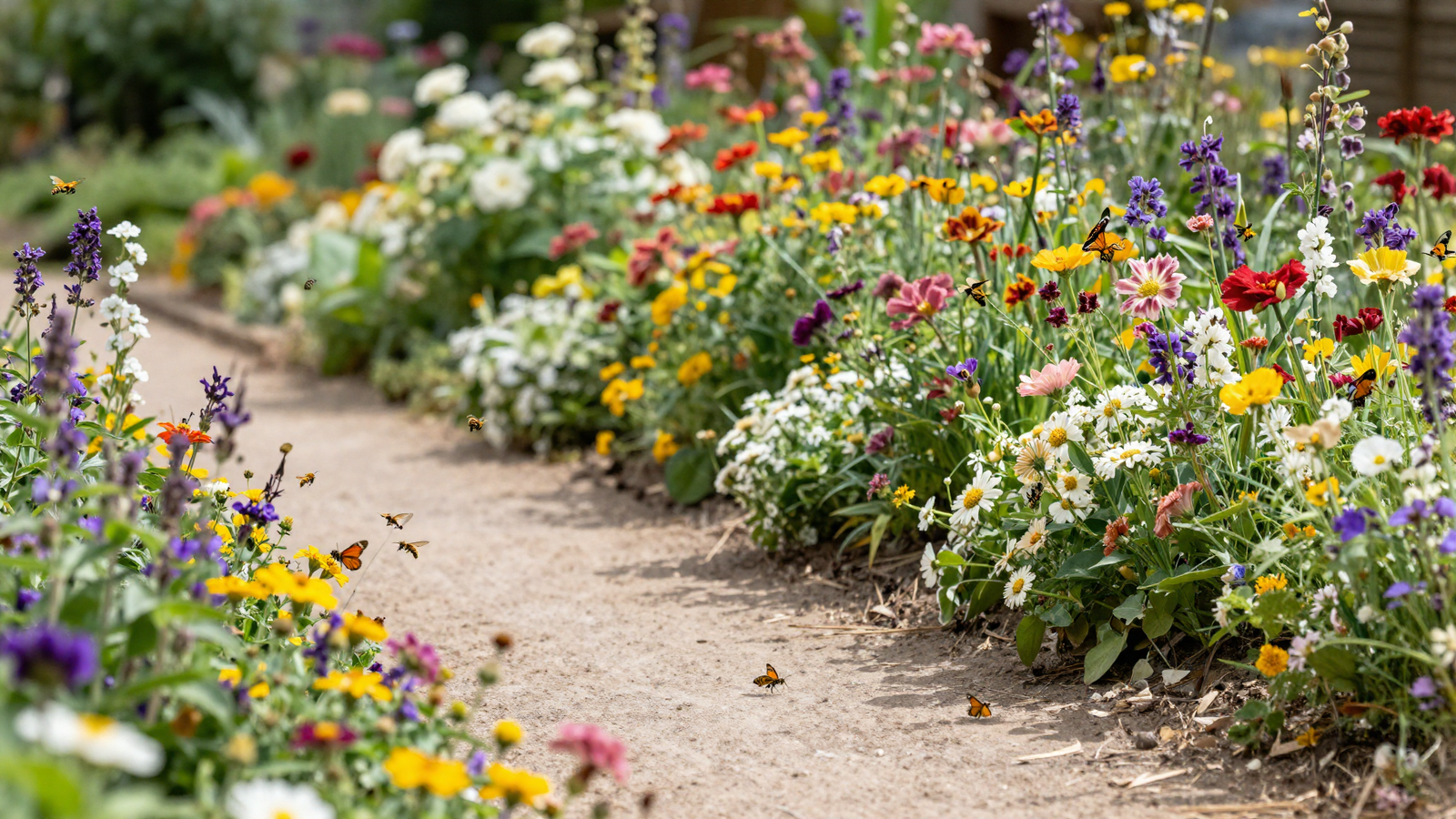
Suitable flowering plants with varied bloom periods can form a connected border. Choose species for local conditions and relevant pollinators rather than judging benefit from a decorative image.
Try this: Keep a record of the planted species.
6. Assess Fragrant Climbers Before Planting
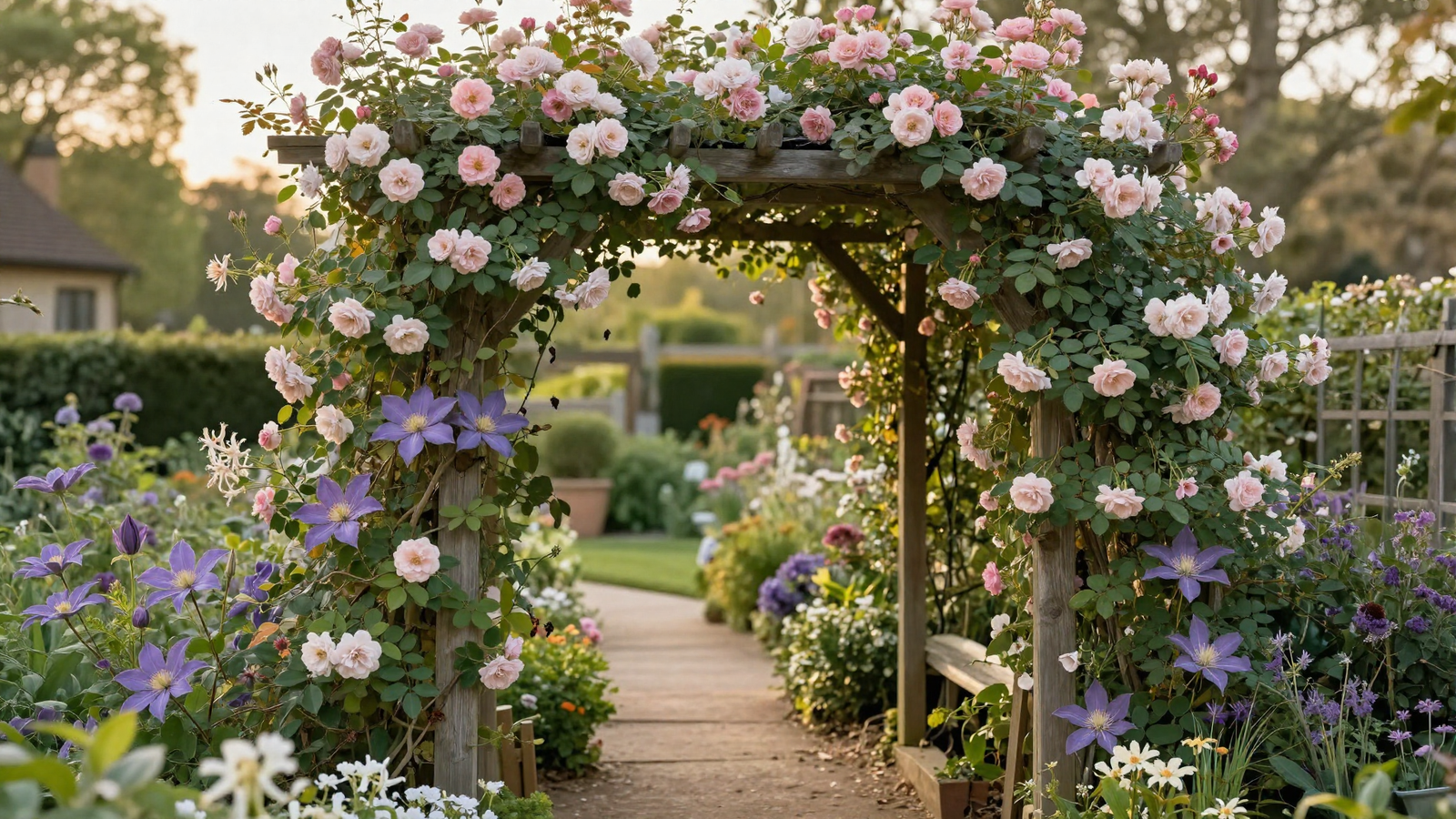
A climber needs suitable support, mature space and maintenance access. Consider fragrance preferences and local suitability. Keep vigorous growth from covering connections and useful routes.
Try this: Check mature weight and pruning needs.
7. Make a Sensory Garden Sitting Corner Useful
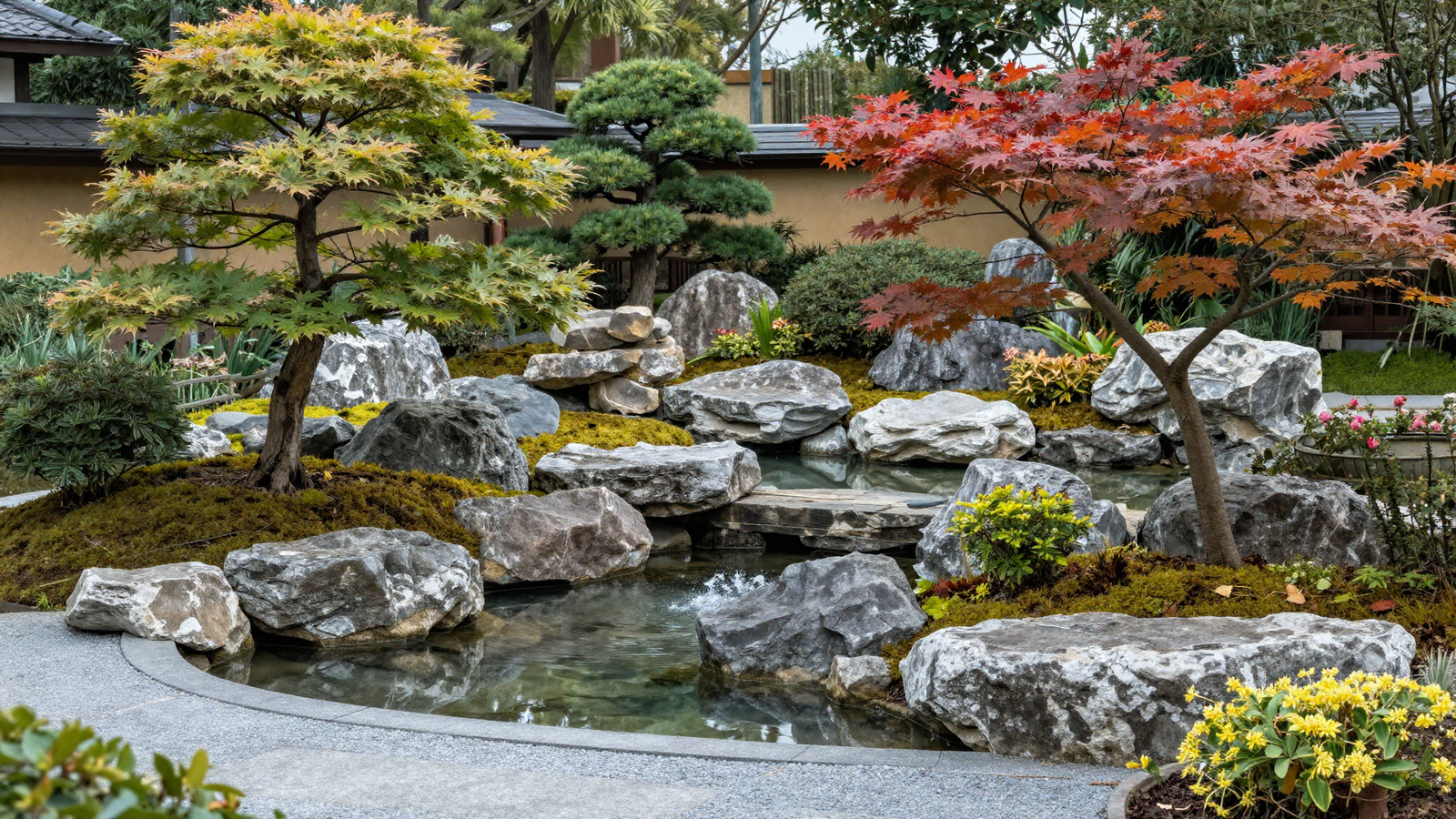
A simple seat, quiet planting and a clear path can provide a place to pause. Choose materials and proportions for the location rather than treating cultural references as a fixed checklist.
Try this: Sit in the proposed position before building the area.
8. Keep Edibles Clearly Identified
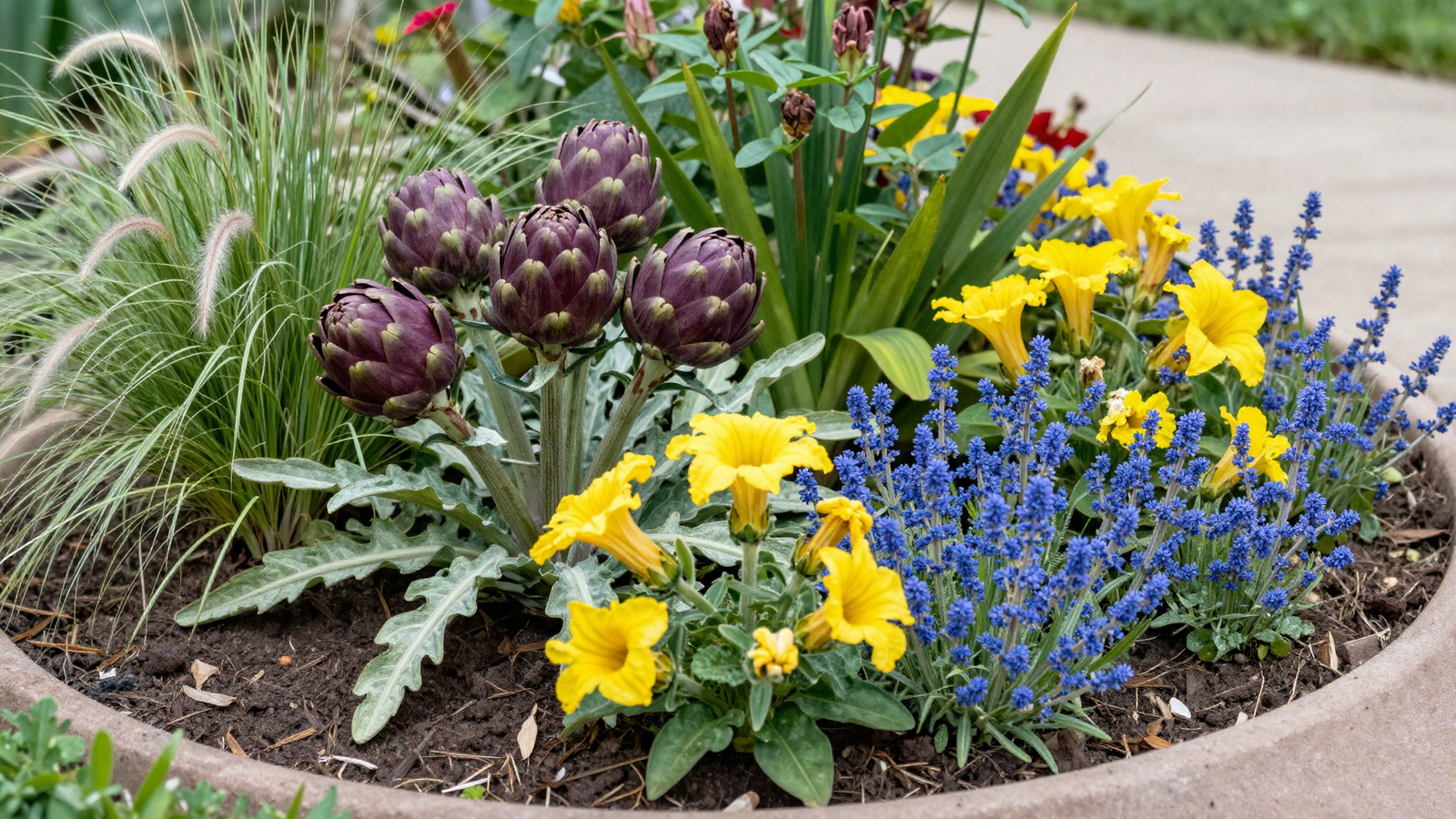
Edible plants can share an ornamental border when growing conditions and care work together. Know exactly what has been planted and follow suitable growing guidance. Decorative similarity does not establish edibility.
Try this: Keep harvest access separate from delicate neighboring plants.
9. Use a Platform for a Clear Activity
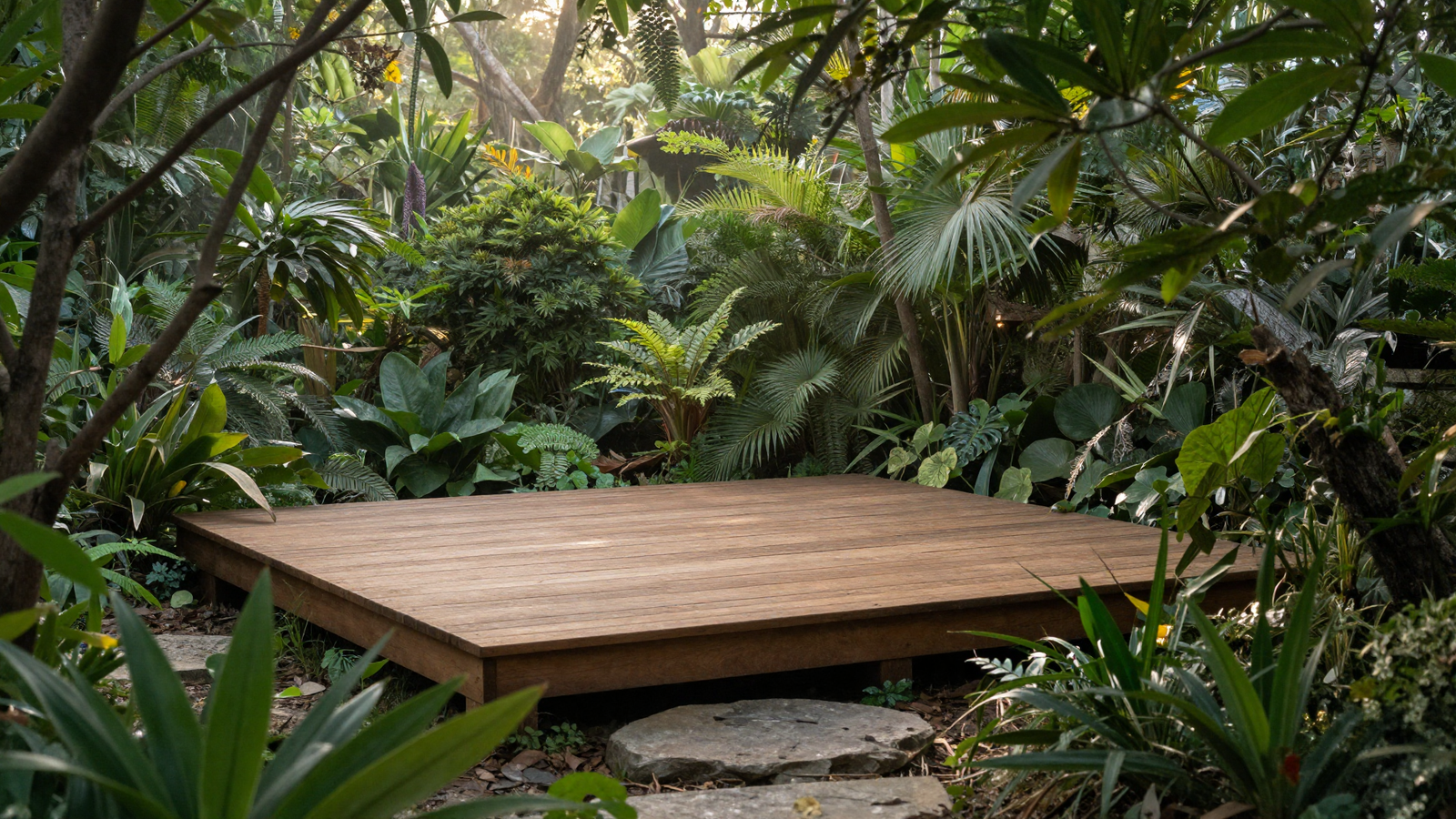
A stable level area can support stretching or a seat when the site and surface suit it. Consider drainage, exposure and access. Keep the surrounding planting clear of the usable surface.
Try this: Test the activity footprint before construction.
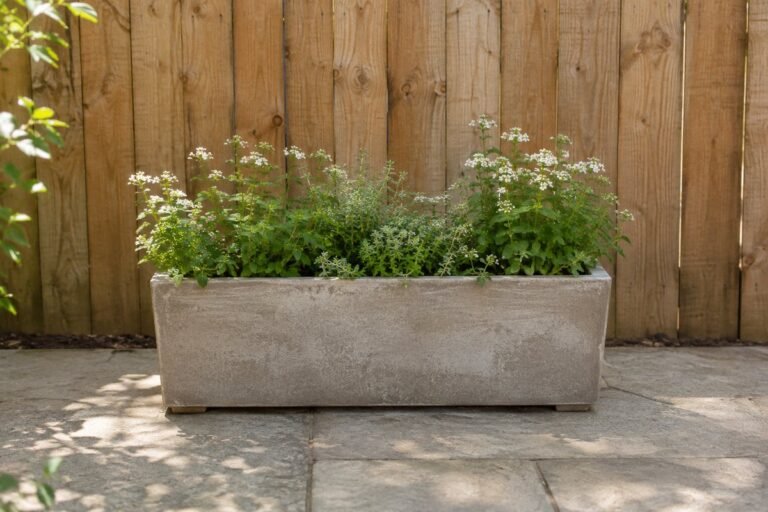
10. Choose a Small Collection for a Small Space
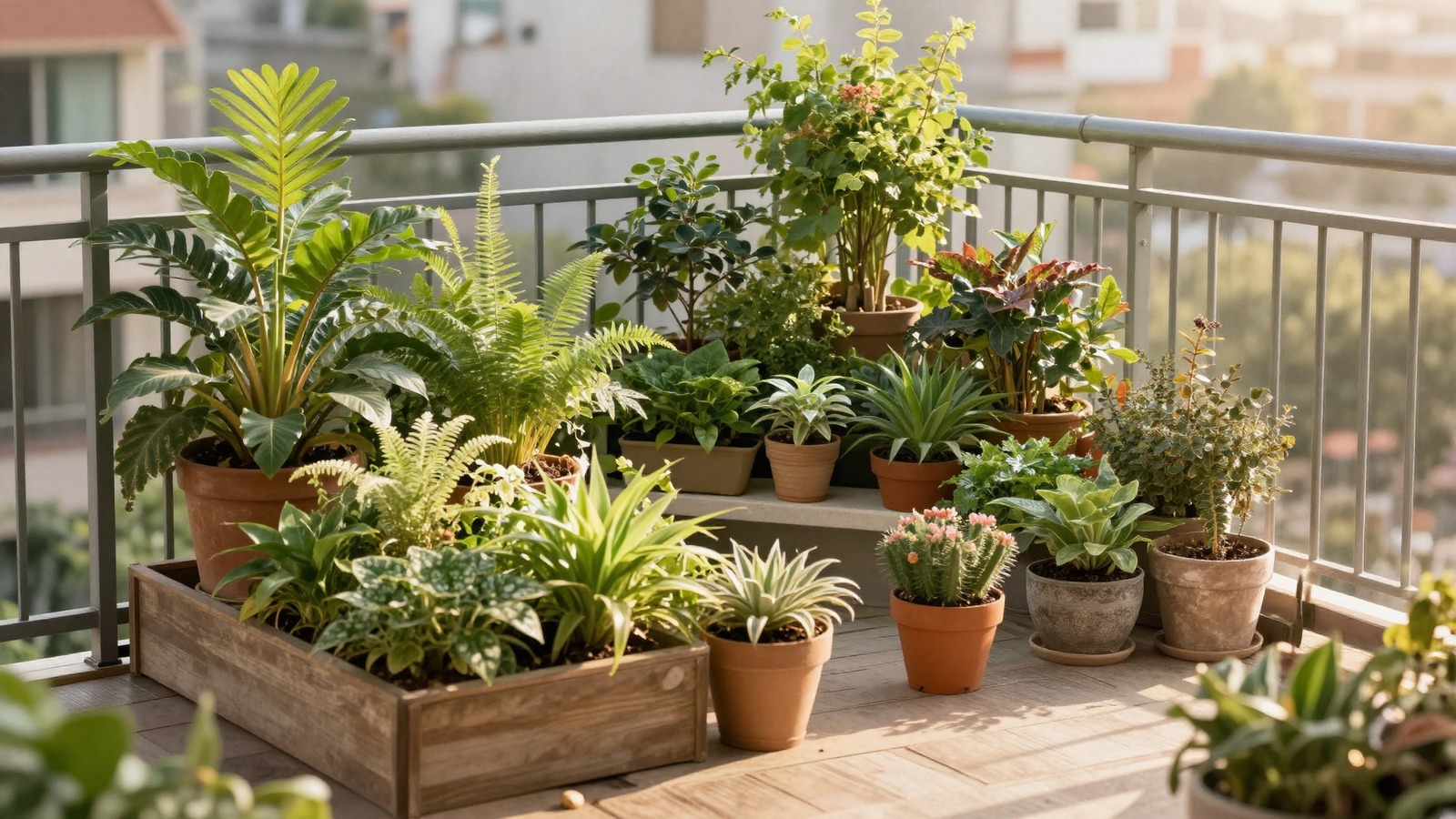
A few pots can provide color and texture near a compact seat. Match plants to exposure and keep drainage and care convenient. Avoid crowding the route to create a dense image.
Try this: Leave room to remove the largest pot.
11. Contrast Dark Leaves With Lighter Forms
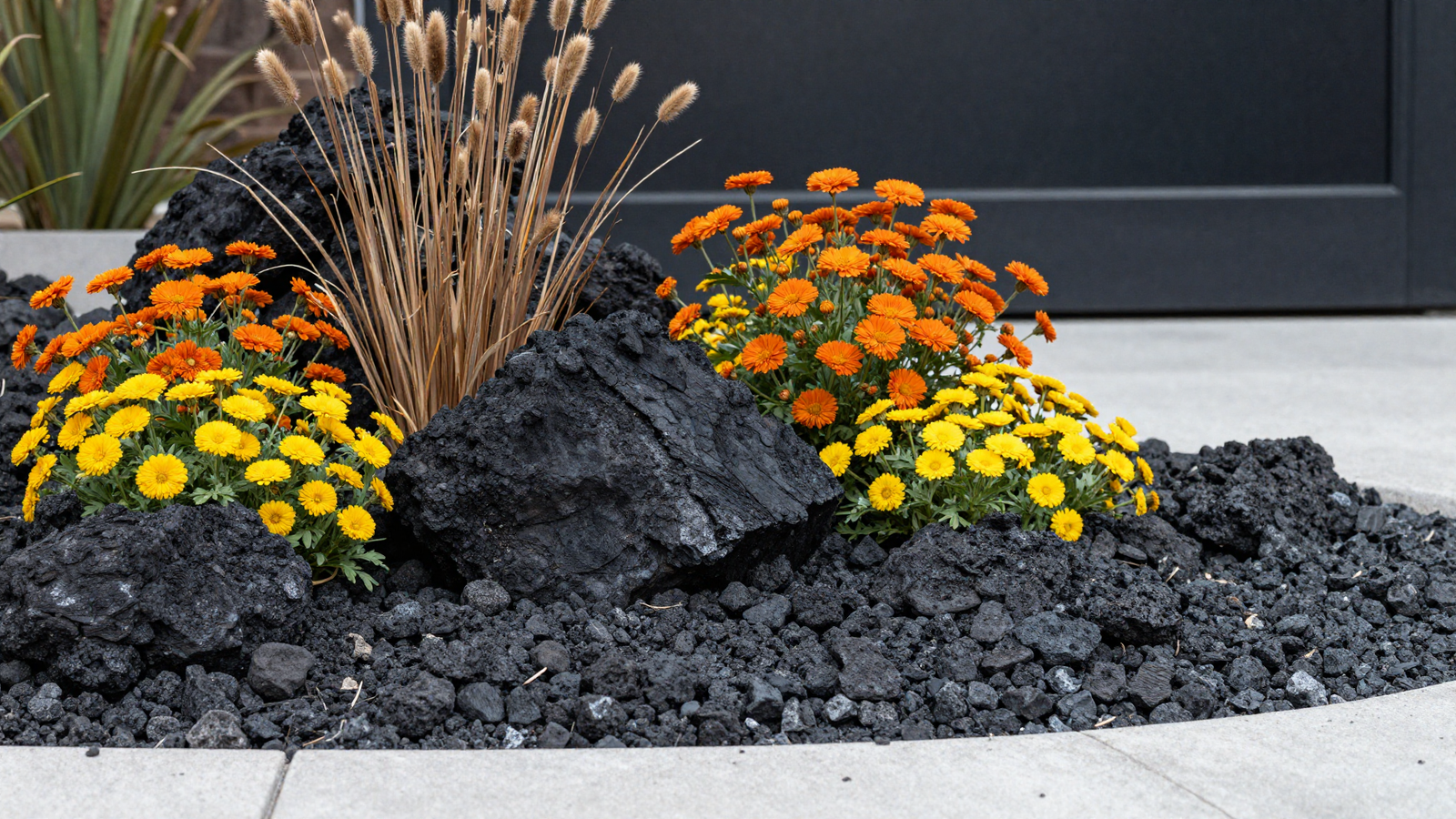
A limited contrast can make individual foliage shapes easier to see. Choose plants for the site and mature size rather than color alone. Let quieter ground and background materials support the group.
Try this: View the planting from its main approach.
12. Compare Sensory Garden Textures Carefully

A smooth timber seat, stone edge and fine-textured planting can provide varied visual references. Do not assume every plant or rough surface is suitable to touch. Consider splinters, sharp leaves and household preferences.
Try this: Choose a comfortable seat before adding extra features.
Begin With One Enjoyable Garden Detail
Begin with the sensory details you enjoy and the conditions your garden provides. A modest planting group and a comfortable place to sit can be a useful starting point.
Use Plant Lists as a Starting Point
The RHS sensory-plant resource groups examples by the senses; adapt any example to the users, climate and identified species. For a pollinator border in the United States, Xerces regional native-plant lists offer a more useful starting point than identifying plants from an illustrative image. Check local guidance elsewhere and keep flowering season and mature spread in the planting record.
Related Guides
- 14 Garden Design Ideas for a Useful Outdoor Space
- 20 Wildflower Garden Ideas to Plan Around Your Site
- 20 Garden Ideas for a More Useful and Welcoming Backyard
Optional digital guide for this topic
If you prefer a structured workbook, explore this related paid guide.