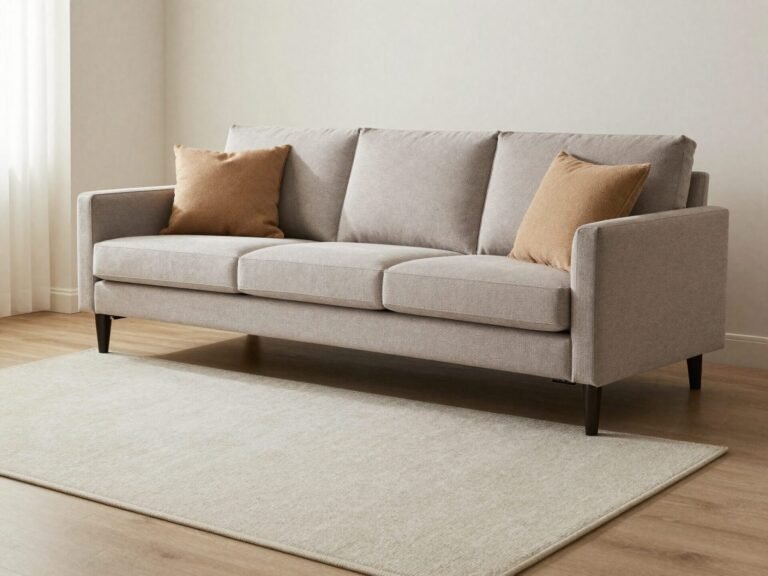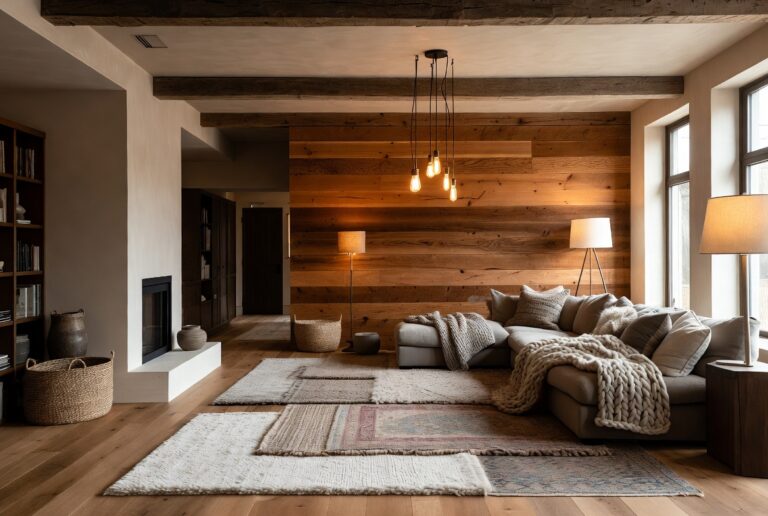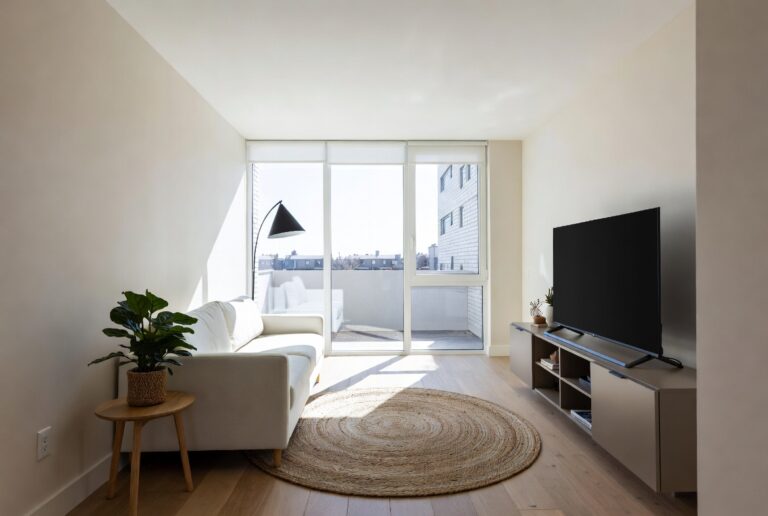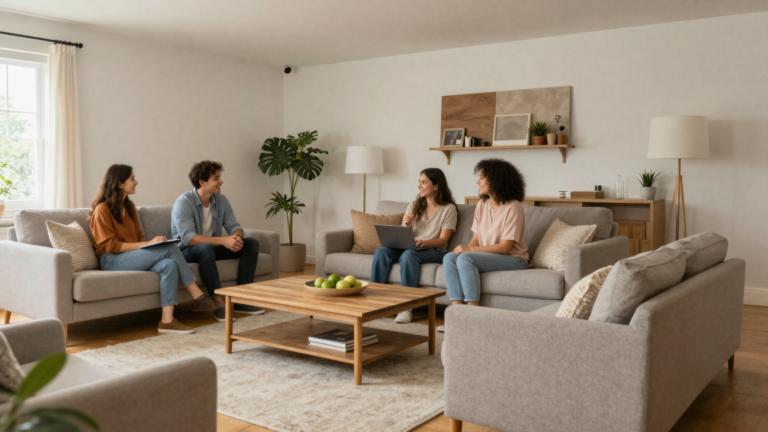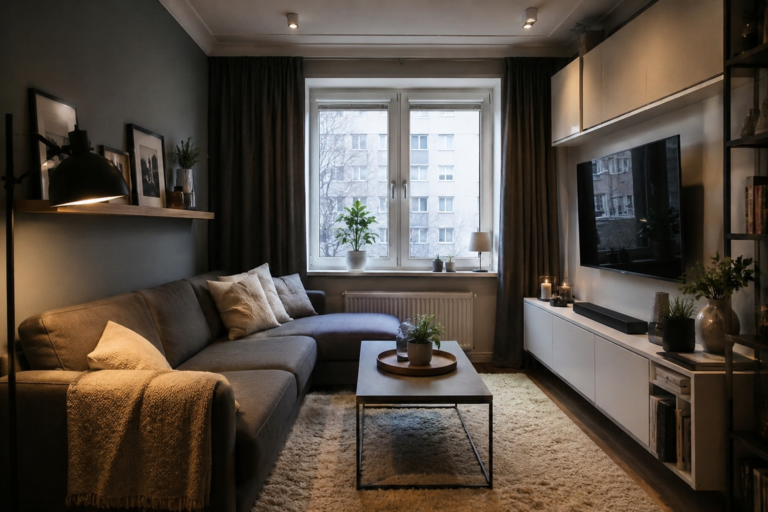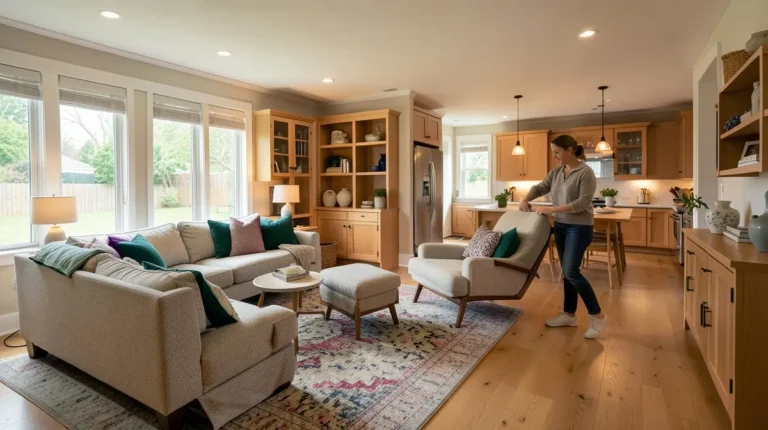
Walk into most living rooms and you can tell right away whether they were decorated all at once from a catalog, or lived in and layered over time. The catalog look feels impressive for about a week, then starts to feel a little cold. The lived-in look only gets better with time.
By the end of this article, you’ll have 13 real ways to bring that warm, collected, layered feeling into your own living room, based on the design shifts defining 2026 — from curved wood furniture to mismatched, personality-driven upholstery.
Table of Contents
- 1. Choose Low-Profile, Lounge-Ready Seating
- 2. Warm Up the Palette with Clay and Terracotta
- 3. Layer Double-Dressed Window Curtains
- 4. Mix Thrifted and New Furniture Pieces
- 5. Bring In Colorful Glass Accents
- 6. Add an Irregular, Curved Wood Console
- 7. Swap Matching Sets for Mismatched Upholstery
- 8. Use Woven Storage as a Design Feature
- 9. Add a Built-In Banquette Reading Nook
- 10. Layer Multiple Rugs for Texture
- 11. Choose Furniture with Hidden Storage
- 12. Add Embroidered Textile Accents
- 13. Define Multiple Seating Zones
- Effort & Cost Snapshot
1. Choose Low-Profile, Lounge-Ready Seating
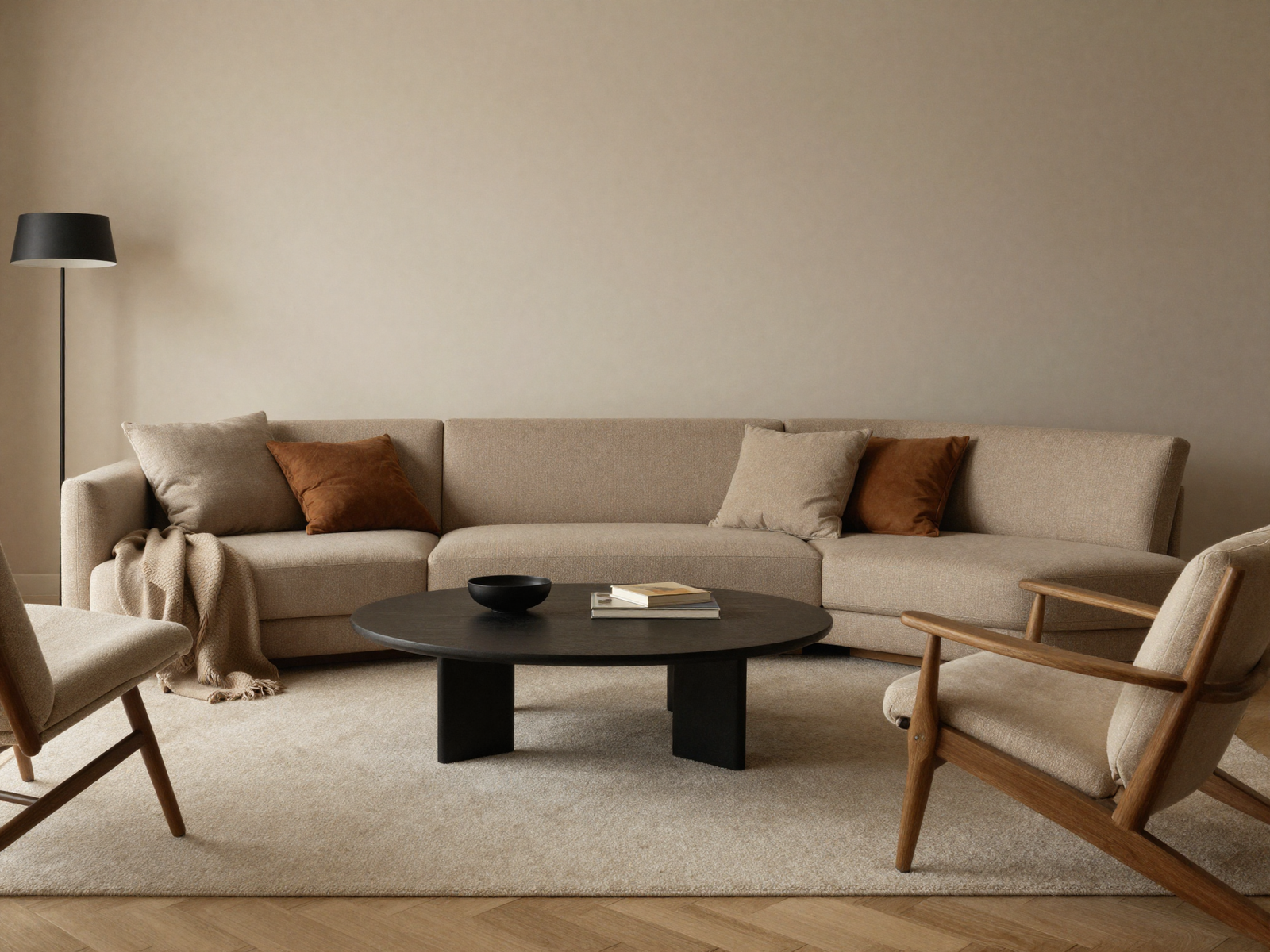
Upright, formal sofas are giving way to lower, deeper seating built for actual lounging rather than sitting up straight. The shift makes a room feel more grounded and relaxed the moment you walk in, and it naturally encourages people to stay longer instead of perching on the edge of a cushion.
💡 Smart tip: Pair a low sofa with slightly taller side tables so drinks and books stay within easy reach without you having to lean far forward.
⚠️ Mistake to avoid: Don’t go too low in a room with high traffic through elderly family members or guests — comfort should still allow for an easy stand-up.
2. Warm Up the Palette with Clay and Terracotta
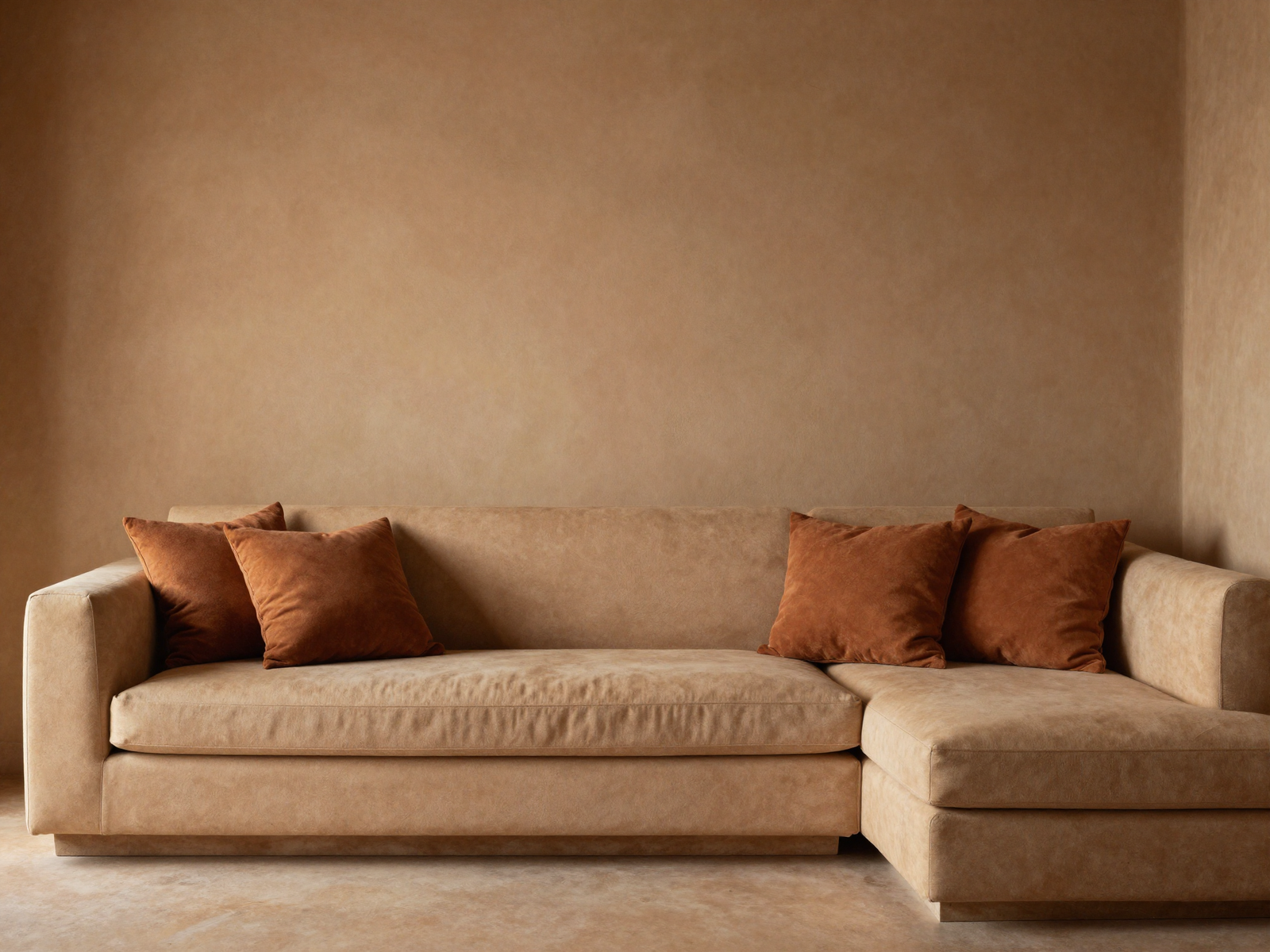
Cool grays are fading in 2026 in favor of warmer, earthier tones — clay, sand, mushroom, and soft terracotta. These colors read as calmer and more inviting than stark neutrals, and they pair naturally with the wood and woven materials already common in most living rooms.
💡 Smart tip: Start small with throw pillows or a single accent chair in terracotta before committing to a full wall color.
⚠️ Mistake to avoid: Don’t pair warm clay tones with cool-toned gray flooring — the undertone clash will make both surfaces look slightly off.
3. Layer Double-Dressed Window Curtains
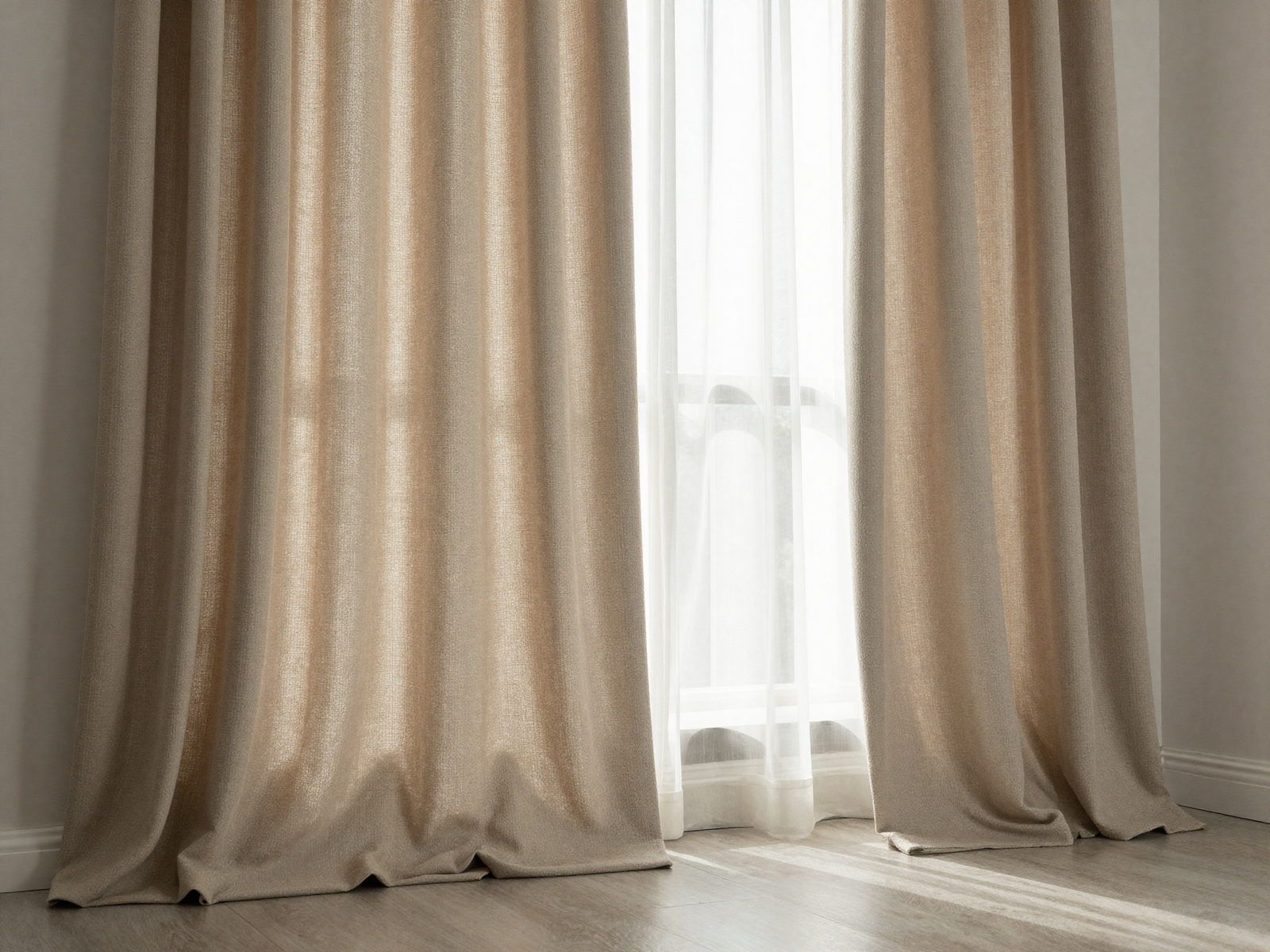
Windows are getting real styling attention in 2026 instead of a single flat panel. Combining a sheer layer with a heavier drape lets you filter soft daylight in during the day and create warmth and privacy at night, adding texture and depth to a wall that’s often left plain.
💡 Smart tip: Let heavier drapes pool slightly on the floor for a relaxed, elegant look rather than stopping exactly at the sill.
⚠️ Mistake to avoid: Don’t hang curtains at window-frame width — mounting the rod wider than the frame makes the window (and the room) look larger.
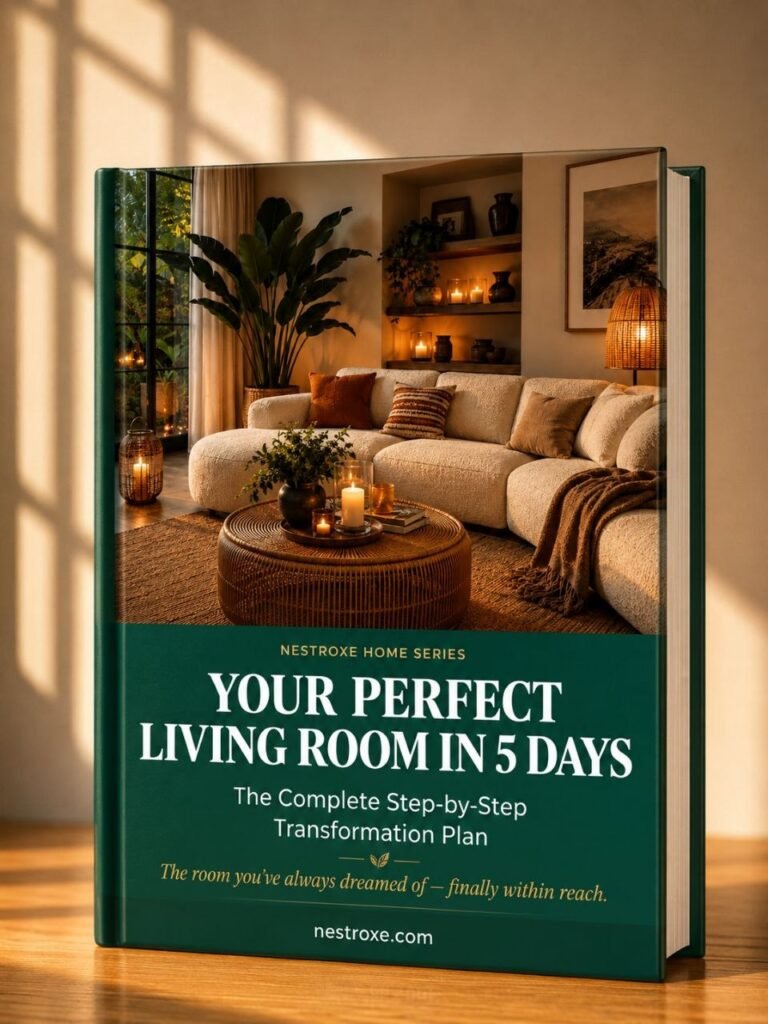
Loving These Ideas? Get the Step-by-Step Guide
Grab the full 5-day eBook and turn these ideas into a finished room.



4. Mix Thrifted and New Furniture Pieces
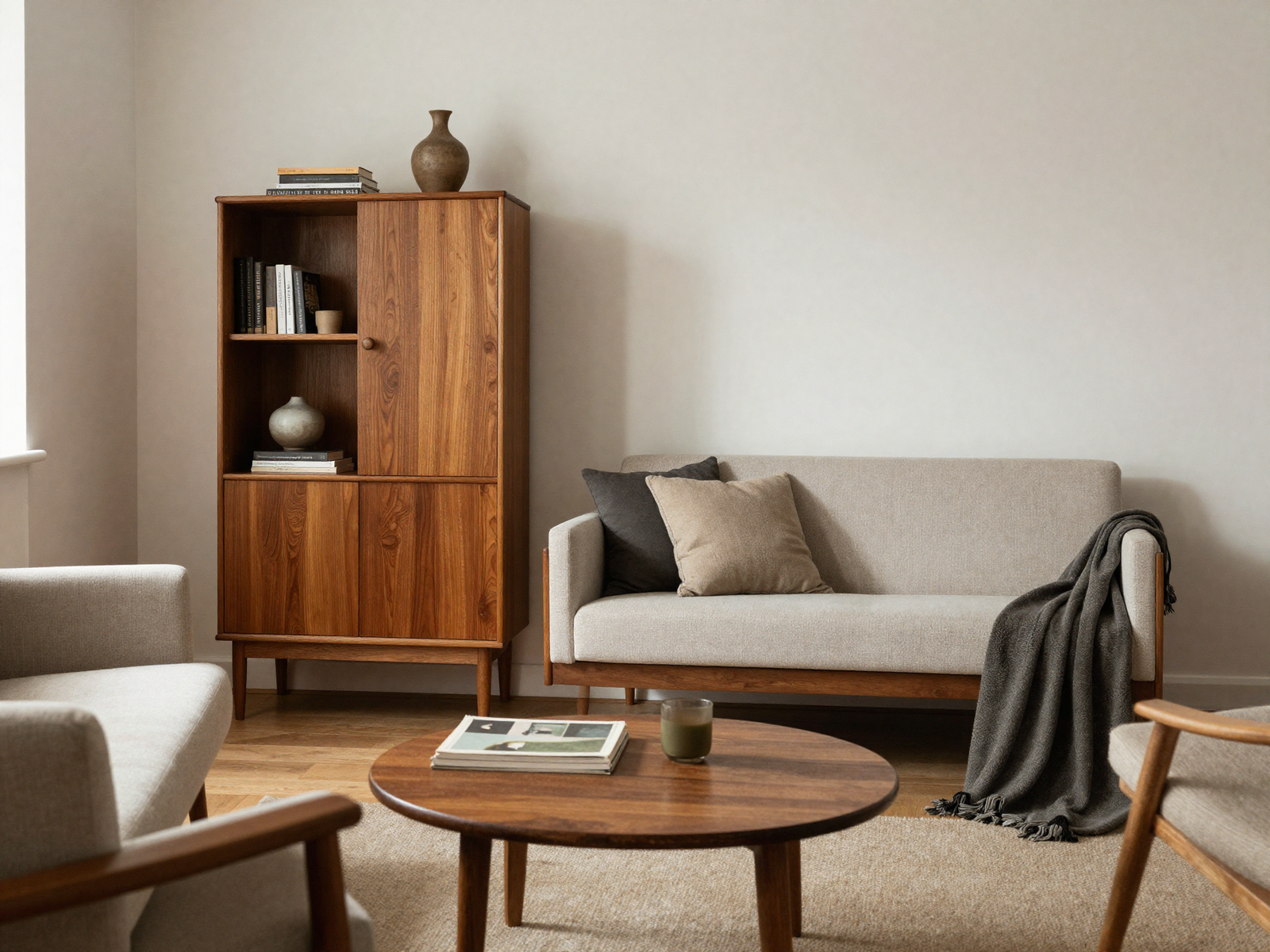
Full matching furniture sets are increasingly seen as dated. Designers are pushing curated rooms instead, where inherited pieces, thrifted finds, and one or two new items sit together — a look that reads as collected over time rather than bought all at once.
💡 Smart tip: Anchor the mix with one larger new piece, like the sofa, so older thrifted items feel intentional rather than mismatched.
⚠️ Mistake to avoid: Don’t mix more than two or three distinct furniture eras in one room — beyond that, the look shifts from curated to cluttered.
5. Bring In Colorful Glass Accents
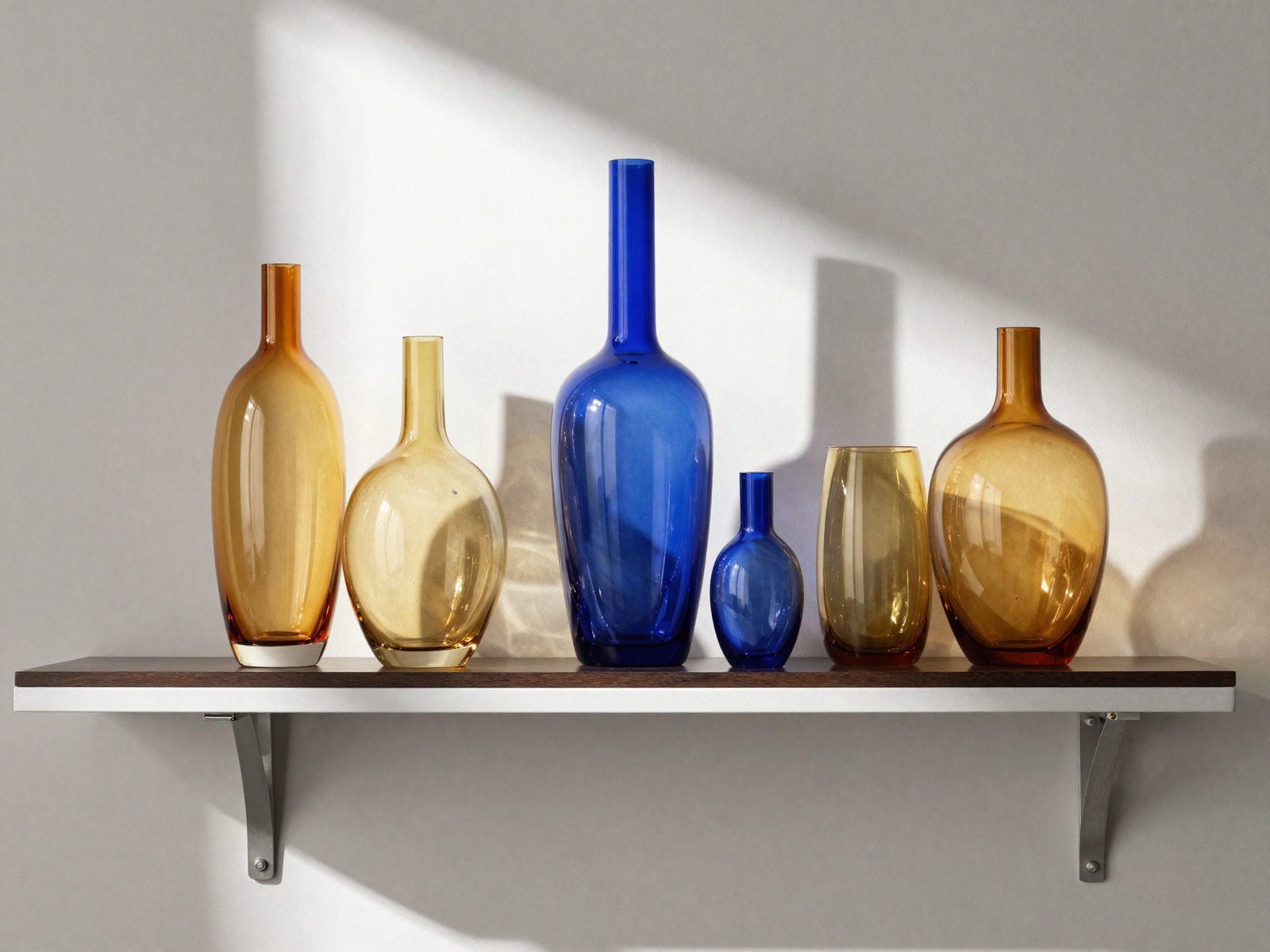
Tinted glass in amber, cobalt, or emerald is showing up across lighting, tabletops, and small decor objects in 2026. Placed where sunlight or lamp light can catch it, colored glass animates the room’s palette throughout the day in a way flat, opaque decor simply can’t.
💡 Smart tip: Position colored glass pieces near a window or reading lamp so the color actually catches and shifts with the light.
⚠️ Mistake to avoid: Don’t mix too many different glass colors in one vignette — two tones read as curated, four or five reads as cluttered.
6. Add an Irregular, Curved Wood Console
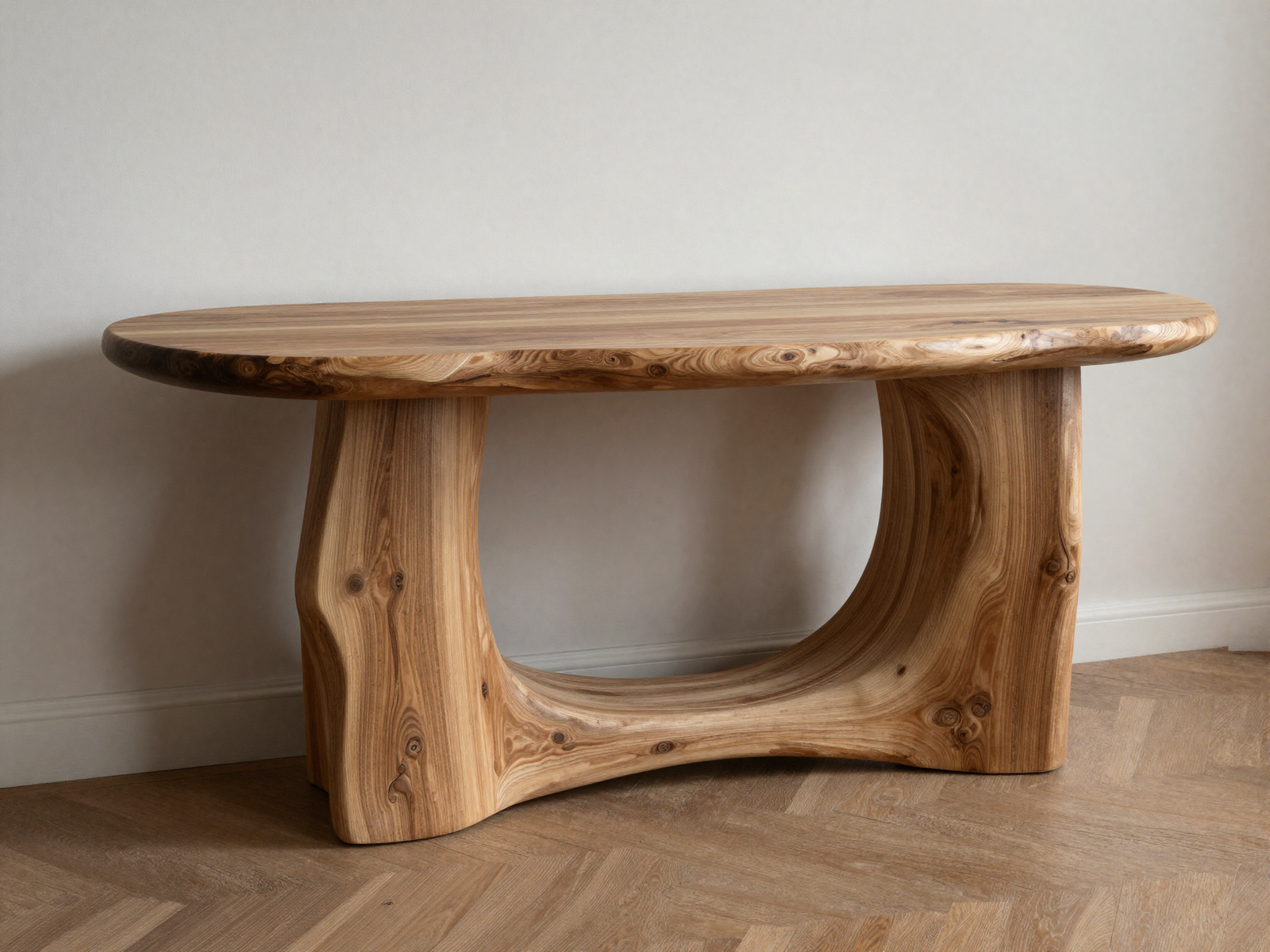
Straight lines and sharp edges are softening across 2026 furniture, with organic, curved silhouettes in oak and walnut showing up in consoles and side tables. The irregular shape and visible grain give a room an artisanal, one-off feel that mass-produced furniture doesn’t have.
💡 Smart tip: Let a curved console stand mostly empty, with just one or two objects on top — the shape itself is the decor.
⚠️ Mistake to avoid: Don’t pair a heavily curved piece with an equally busy, curved rug pattern underneath — let one organic shape lead at a time.
7. Swap Matching Sets for Mismatched Upholstery
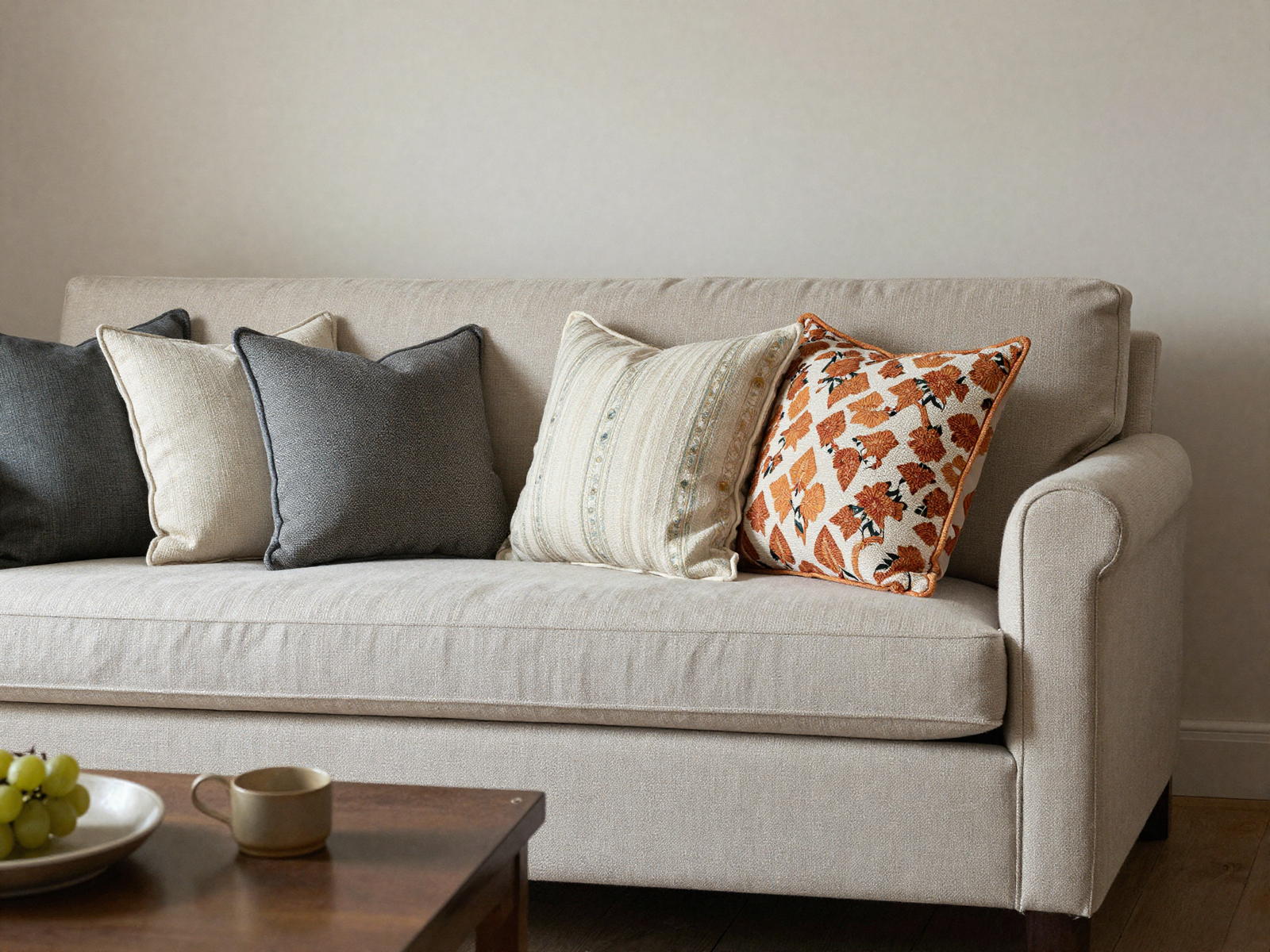
A patterned or floral armchair next to a plain linen sofa adds far more personality than a fully matching set ever could. This kind of intentional mismatch has become one of the clearest signals of a lived-in, non-showroom living room in 2026.
💡 Smart tip: Pick one pattern to repeat in a smaller dose elsewhere in the room, like a cushion or a lampshade, to tie the mismatch together.
⚠️ Mistake to avoid: Don’t combine more than two bold patterns of similar scale — vary the pattern size so they don’t visually compete.
8. Use Woven Storage as a Design Feature
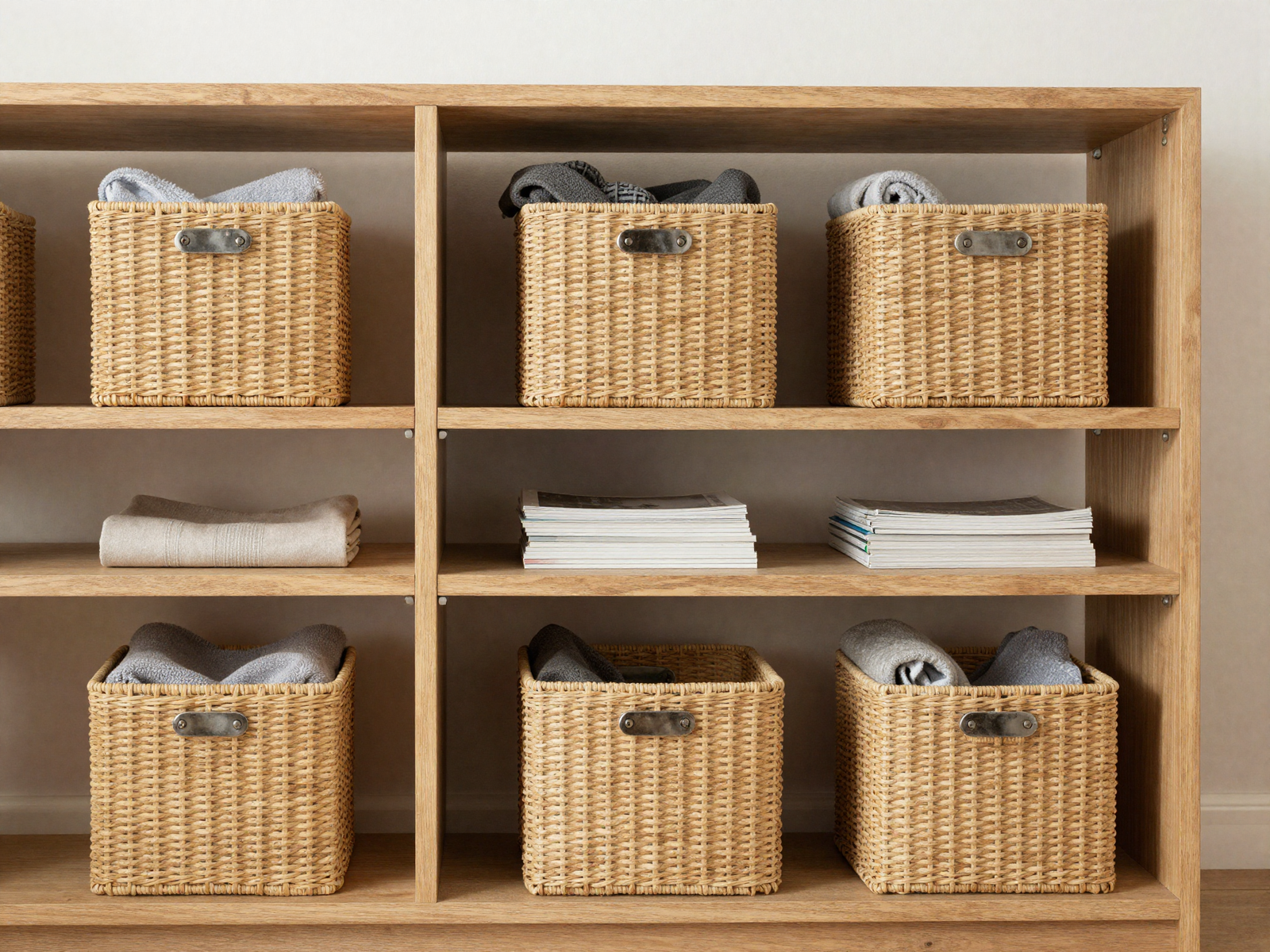
Instead of hiding blankets and magazines in a closed cabinet, 2026 living rooms treat storage as part of the decor. Woven baskets add warmth and texture on open shelving while still keeping everyday clutter contained and easy to grab.
💡 Smart tip: Choose baskets with handles for anything you’ll reach for often, like throw blankets, so the storage stays genuinely functional.
⚠️ Mistake to avoid: Don’t use woven baskets for anything that needs to stay dust-free long term — the open weave doesn’t seal out household dust.
9. Add a Built-In Banquette Reading Nook
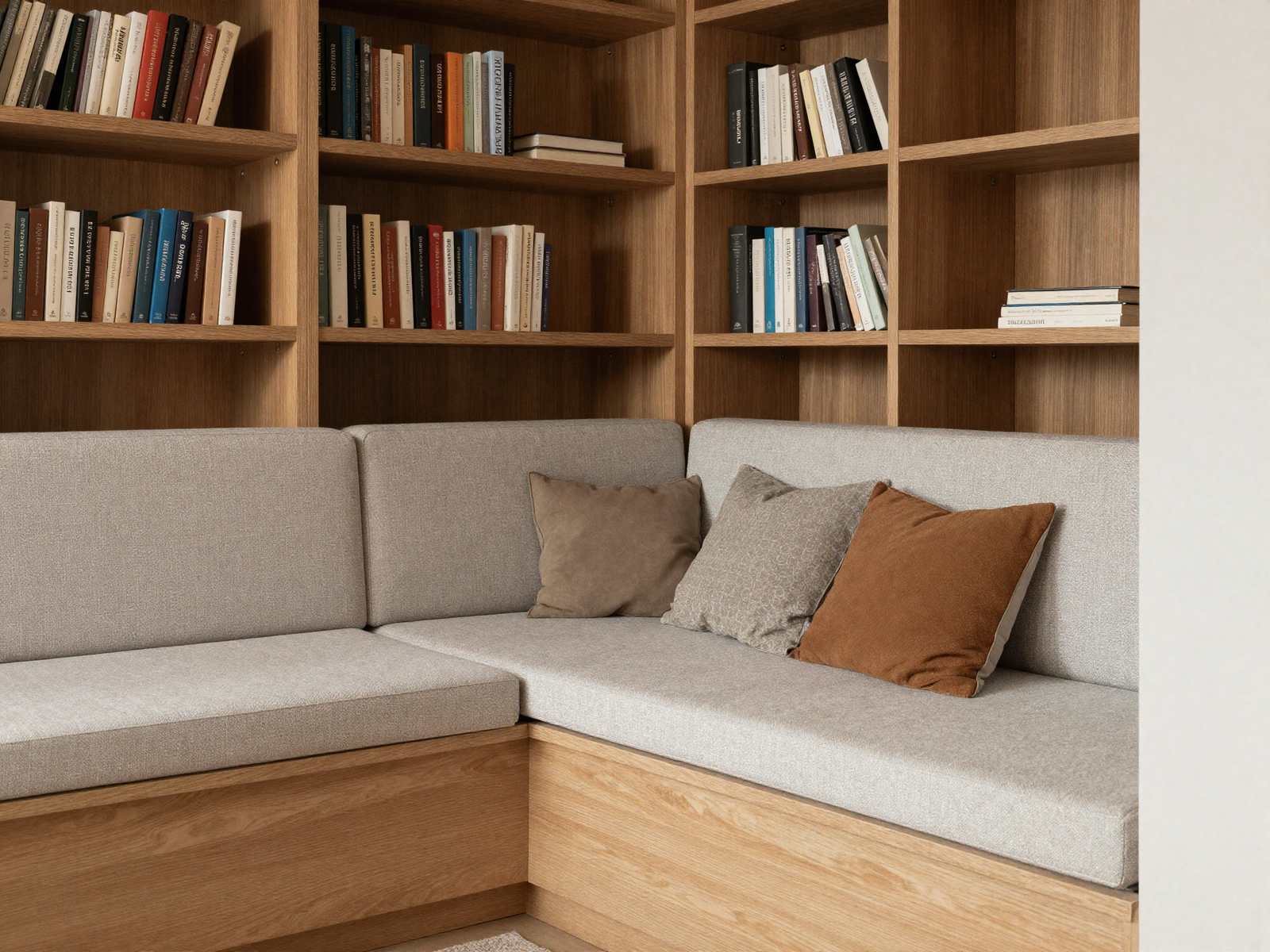
Banquette seating, once mostly a kitchen feature, is moving into living rooms in 2026, especially tucked between bookcases or under a window. It adds extra seating without the bulk of another chair, and the built-in look makes even an awkward nook feel fully intentional.
💡 Smart tip: Add a deep cushion and a few pillows so the banquette invites actual lounging, not just quick perching.
⚠️ Mistake to avoid: Don’t skip storage underneath if the banquette is built from scratch — a lift-up seat adds function you’ll likely wish you had later.
10. Layer Multiple Rugs for Texture
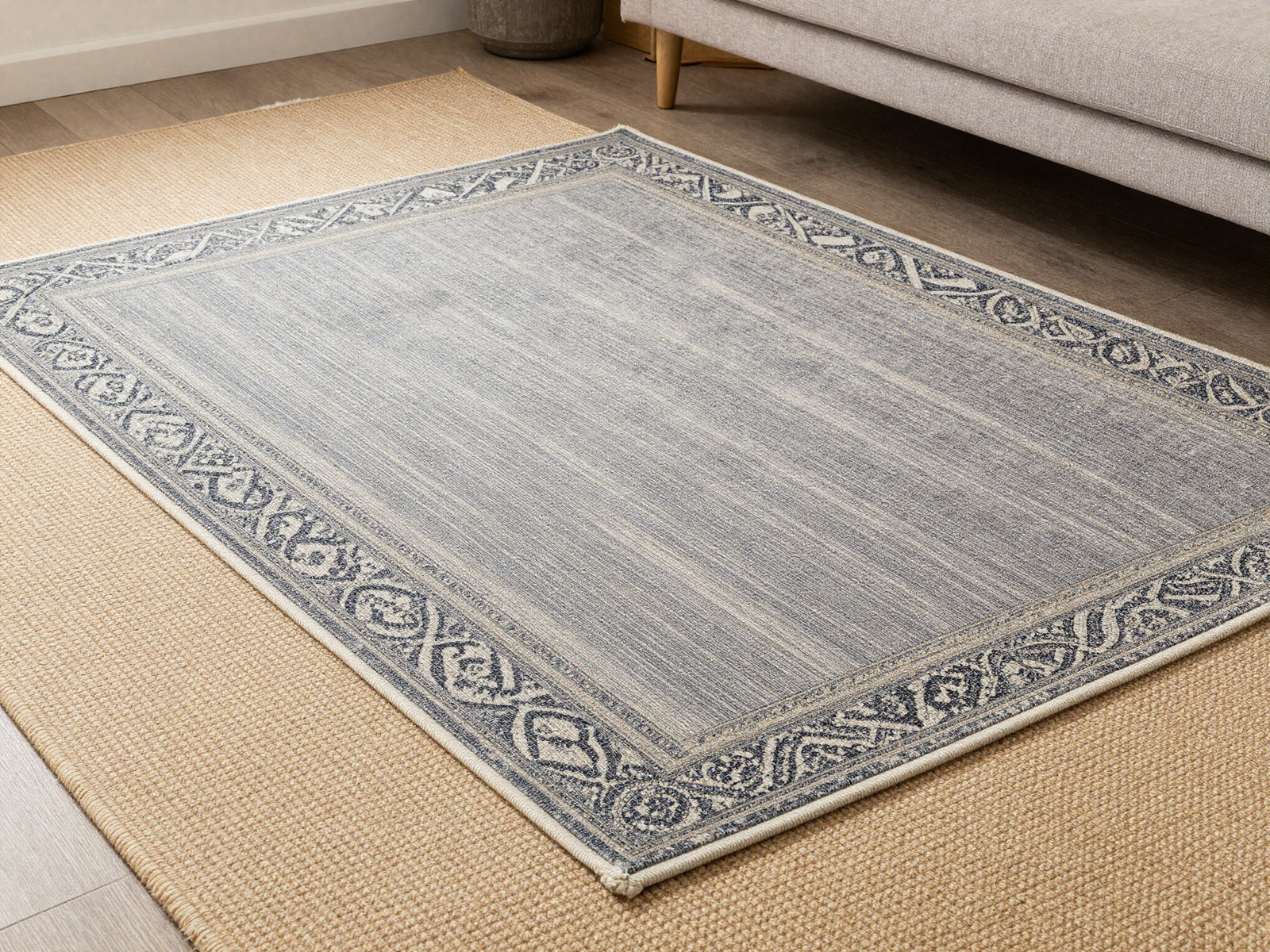
Layering a smaller patterned rug over a larger flat-weave jute or sisal rug adds texture and visual interest without the cost of one large, expensive statement rug. It’s a trick borrowed from more traditional interiors that’s found new life in 2026’s texture-heavy living rooms.
💡 Smart tip: Keep the base rug neutral and let the top layer carry the pattern or color, so the combination doesn’t compete for attention.
⚠️ Mistake to avoid: Don’t layer two rugs of a similar size — the top rug should be noticeably smaller so the base layer still reads clearly at the edges.
11. Choose Furniture with Hidden Storage
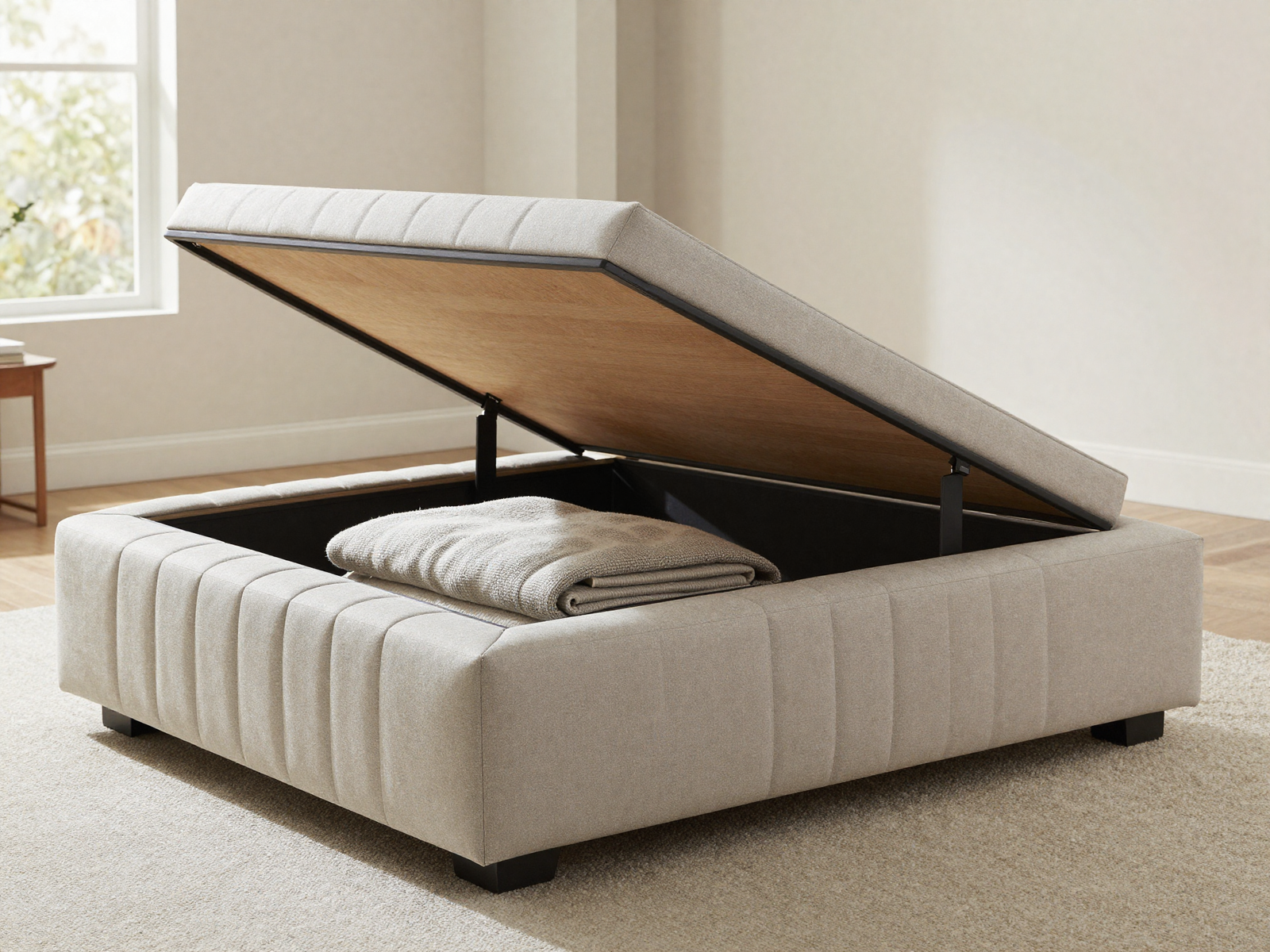
In 2026, even decorative pieces are expected to earn their space. An ottoman that opens for storage or a coffee table with a hidden shelf keeps blankets, remotes, and games out of sight without adding a single extra piece of furniture to the room.
💡 Smart tip: Choose a lift-top or hinged design over a lid you have to fully remove — it’s easier to access one-handed during everyday use.
⚠️ Mistake to avoid: Don’t overfill hidden storage furniture — an overstuffed ottoman becomes hard to close and awkward to use as a footrest.
12. Add Embroidered Textile Accents
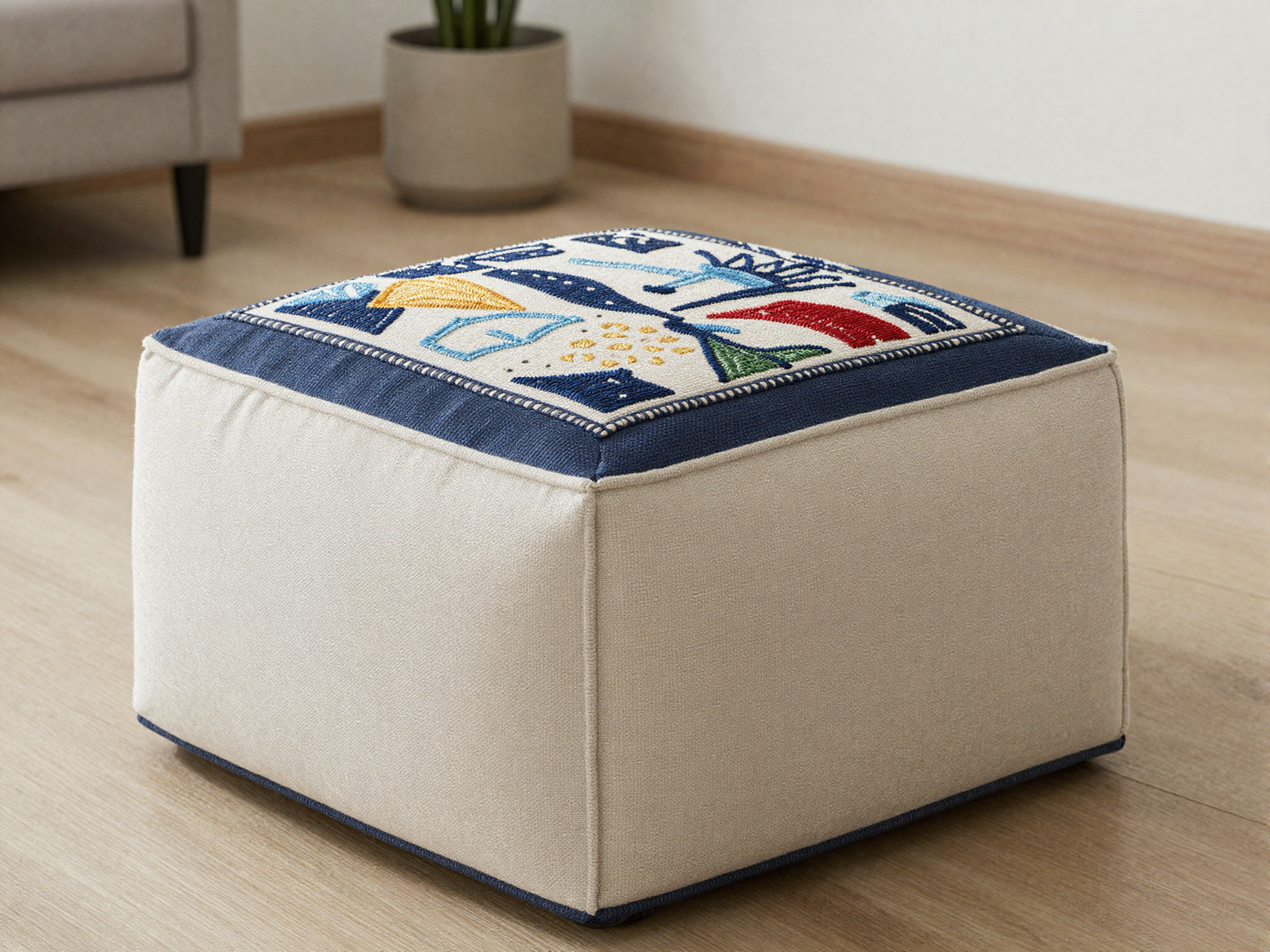
Embroidery is having a real resurgence in 2026, especially on smaller pieces like footstools and throw pillows. A contemporary embroidered pattern adds a handcrafted, bespoke feeling to a room without the commitment of embroidered upholstery on a full sofa.
💡 Smart tip: Start with one embroidered accent piece, like a footstool or a single cushion, and build from there if you like the look.
⚠️ Mistake to avoid: Don’t place embroidered textiles somewhere they’ll see heavy daily wear, like a main sofa seat cushion — save the detail for lower-traffic pieces.
13. Define Multiple Seating Zones
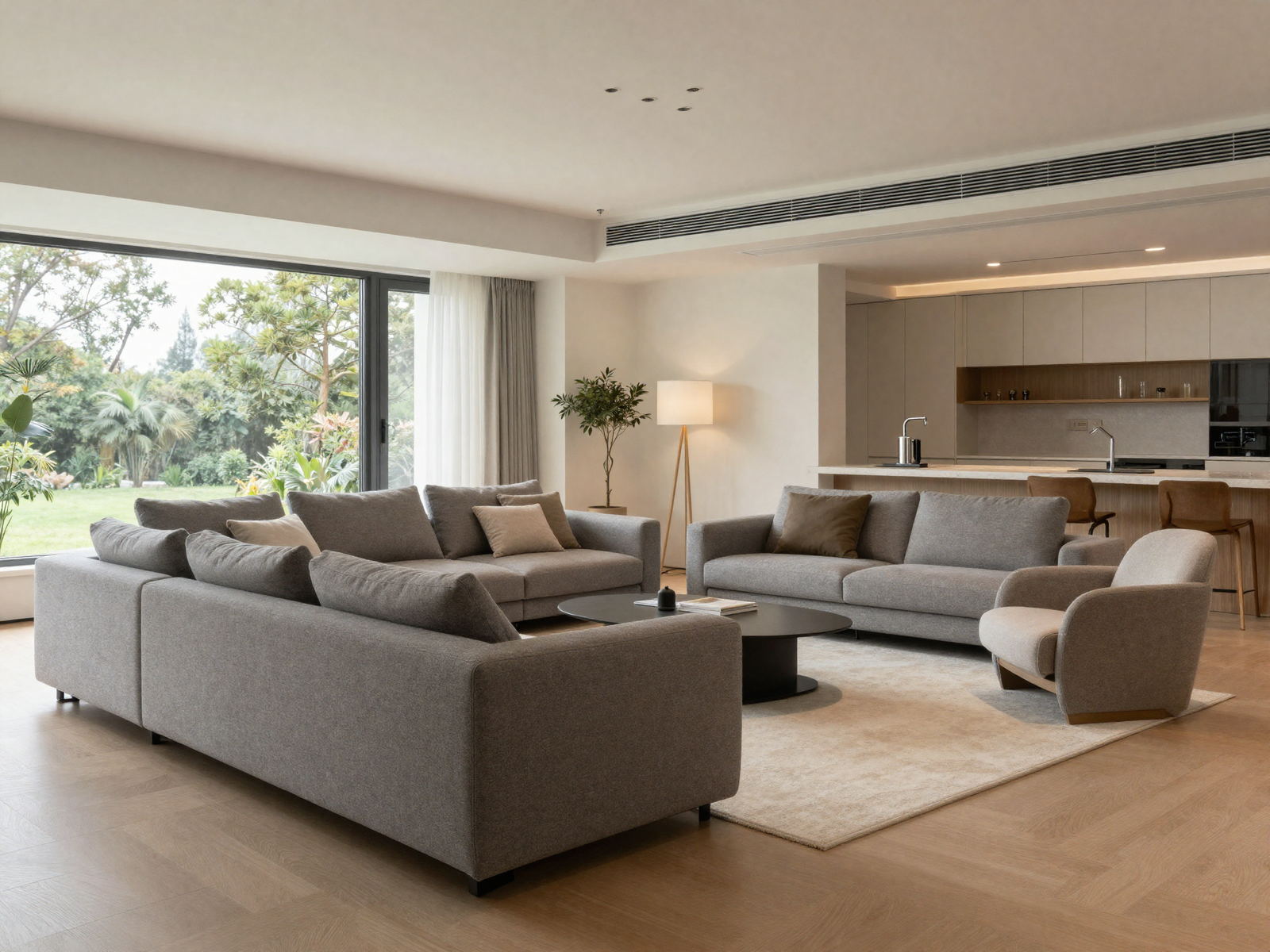
Larger living rooms in 2026 are being arranged around how people actually use them, rather than one formal focal point facing the TV. A secondary zone, like a reading chair by the window, gives the room more than one reason to be used throughout the day.
💡 Smart tip: Use a rug or a change in lighting to visually separate the two zones, even without adding a physical divider.
⚠️ Mistake to avoid: Don’t place a secondary zone directly in the main walking path between the door and the primary seating — it will feel like an obstacle rather than a destination.
Effort & Cost Snapshot
| Idea | Effort | Approx. Cost |
|---|---|---|
| 1. Low-Profile Seating | High | $500–$2,000 |
| 2. Clay and Terracotta Palette | Medium | $60–$200 |
| 3. Double-Dressed Curtains | Medium | $80–$300 |
| 4. Thrifted and New Furniture Mix | Medium | $0–$500 (thrifted) |
| 5. Colorful Glass Accents | Low | $30–$120 |
| 6. Curved Wood Console | Medium | $300–$900 |
| 7. Mismatched Upholstery | Medium | $150–$600 |
| 8. Woven Storage Baskets | Low | $30–$90 |
| 9. Built-In Banquette Nook | High | $600–$2,000 |
| 10. Layered Rugs | Low | $60–$250 |
| 11. Hidden Storage Furniture | Medium | $150–$500 |
| 12. Embroidered Textile Accents | Low | $40–$150 |
| 13. Multiple Seating Zones | Medium | $200–$700 |
You don’t need to redo the whole room at once — pick two or three ideas that match your current space and layer them in over time. The lived-in look is, after all, meant to build slowly.
Save this article to your Pinterest board so you can come back to it whenever you’re ready for the next update. 📌
Continue Your Home Transformation
Explore the full collection of step-by-step eBooks and get the guide that fits the room you're working on.