Garden and Plants
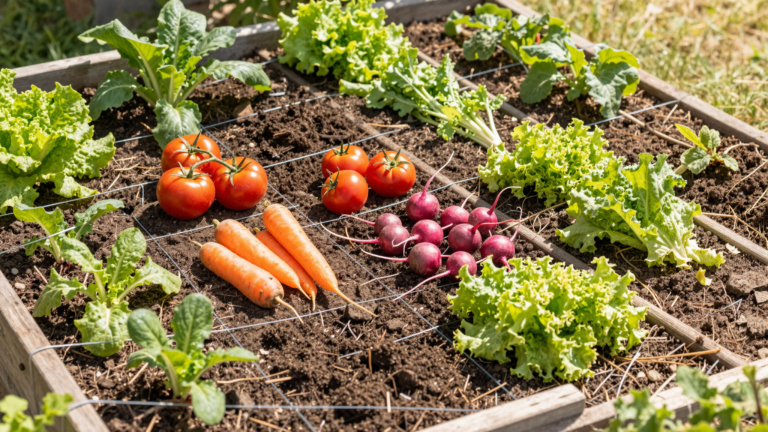
Getting the low-maintenance garden right makes the biggest difference in how the space actually feels day to day. A well-planned low-maintenance garden balances function and style, and even small tweaks to your low-maintenance garden can transform the whole area.
If your garden has turned into a running list of chores — watering every evening, replacing plants that wilted in last week’s heat, weeding beds that never seem to stay tidy — you’re not alone, and you’re not doing anything wrong. The truth is most gardens are designed to fight the climate instead of work with it, which means constant upkeep just to keep them looking presentable.
By the end of this article, you’ll have 17 real, practical ways to build a garden that looks lush and intentional while asking far less of your time, water, and weekends.
Table of Contents
- 1. Build a Drought-Tolerant Bed With Layered Textures
- 2. Style a Sculptural Cactus and Succulent Collection
- 3. Let Part of Your Lawn Go No-Mow
- 4. Install Modular Raised Beds
- Find the Perfect Digital Product for You
- 6. Blend Edible Plants Into Ornamental Borders
- 7. Add a Compost System That Actually Looks Good
- 8. Turn a Downspout Into a Rain Garden
- 9. Build an Elevated Container Garden
- 10. Layer Textures Instead of Chasing Color
- 11. Add Smart Drip Irrigation With Soil Sensors
- 12. Train Fragrant Vines Up a Trellis
- 13. Grow Vertically to Save Ground Space
- 14. Plant a Wildlife-Friendly Native Border
- 15. Design a Moon Garden for Evening Glow
- 16. Switch to a No-Dig Growing System
- 17. Add a Vertical Living Wall on a Fence
- 18. Line a Gravel Path Through Dry-Climate Planting
- Effort & Cost Snapshot
1. Build a Drought-Tolerant Bed With Layered Textures for Your Low-Maintenance Garden
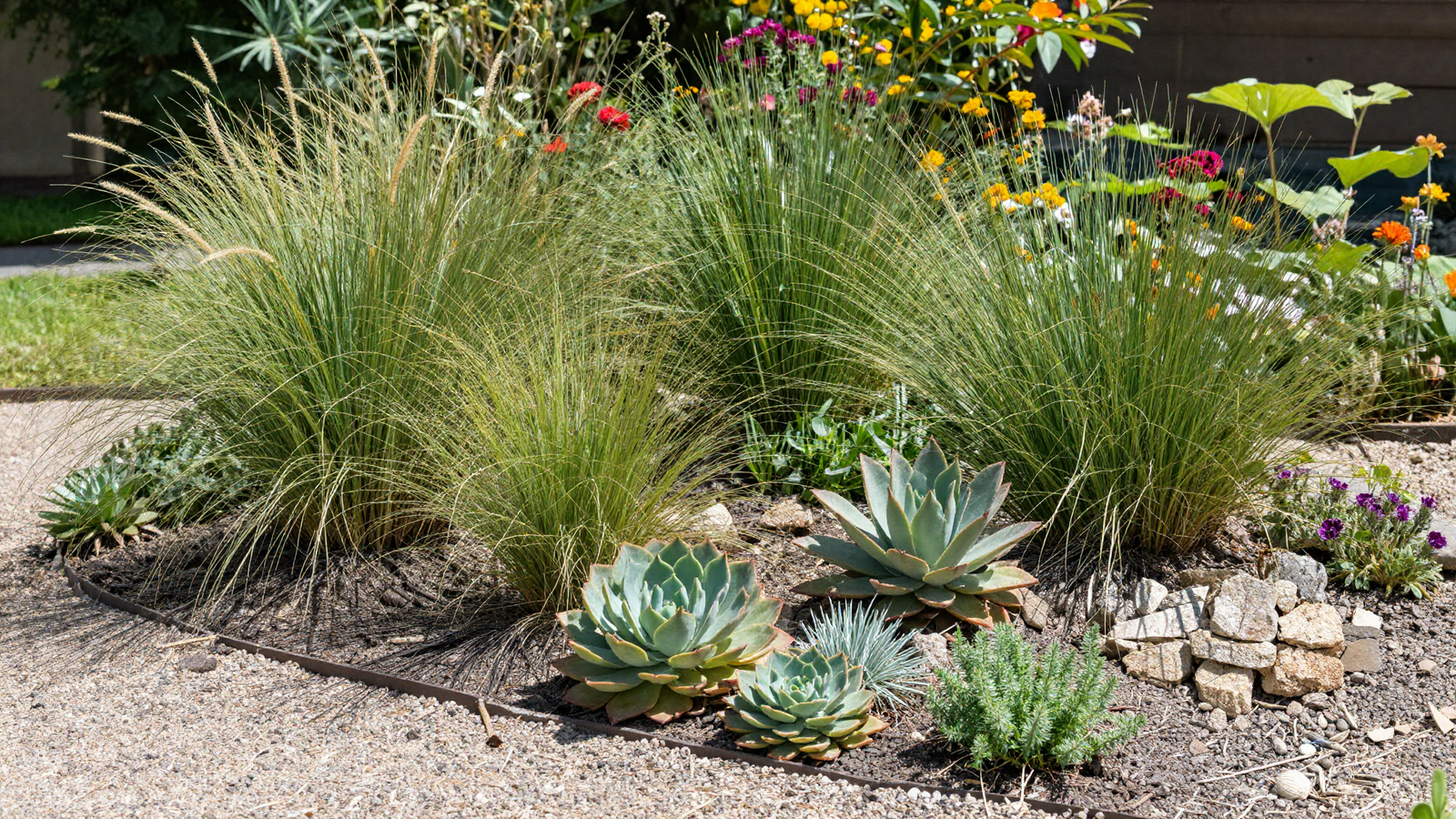
Ornamental grasses, sculptural succulents, and hardy perennials planted together over gravel mulch create a bed that looks intentional in every season without needing daily watering. It’s the foundation most low-maintenance gardens are built around.
💡 Smart tip: Group plants by water needs, not just appearance, so you’re never overwatering the drought-tolerant ones to keep a thirstier neighbor alive.
⚠️ Mistake to avoid: Skipping mulch. Bare soil between drought-tolerant plants dries out fast and invites weeds that undo the whole point of the bed.
2. Style a Sculptural Cactus and Succulent Collection for Your Low-Maintenance Garden
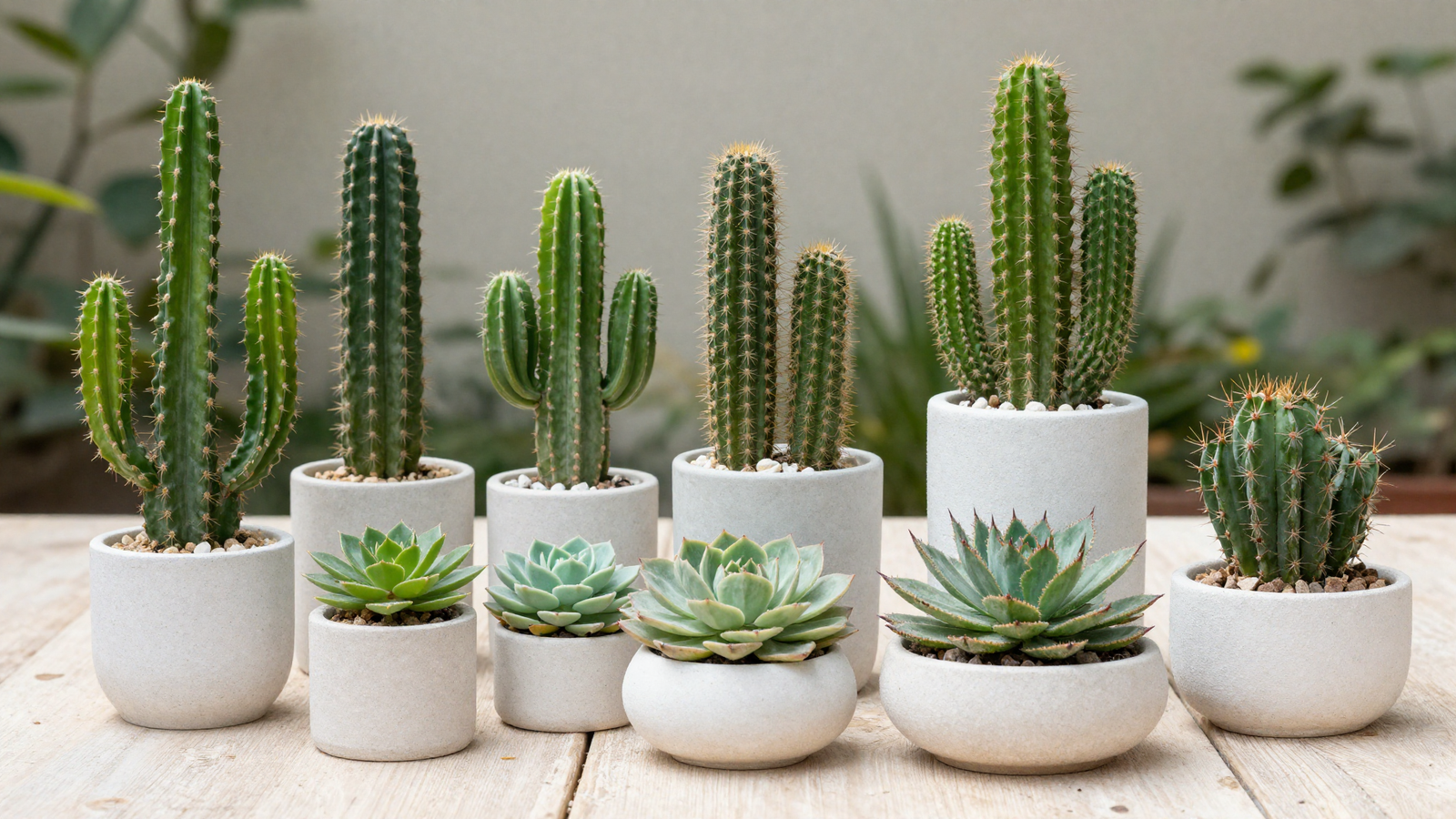
Distinctive shapes like spiral cacti and variegated succulents give a patio or garden edge a gallery-like feel while needing only occasional watering. They thrive on neglect in a way most flowering plants simply can’t.
💡 Smart tip: Match container size closely to root ball size — succulents actually do better slightly root-bound than in oversized pots that hold excess moisture.
⚠️ Mistake to avoid: Using regular potting soil instead of a fast-draining cactus mix; standing water around succulent roots leads to rot quickly.
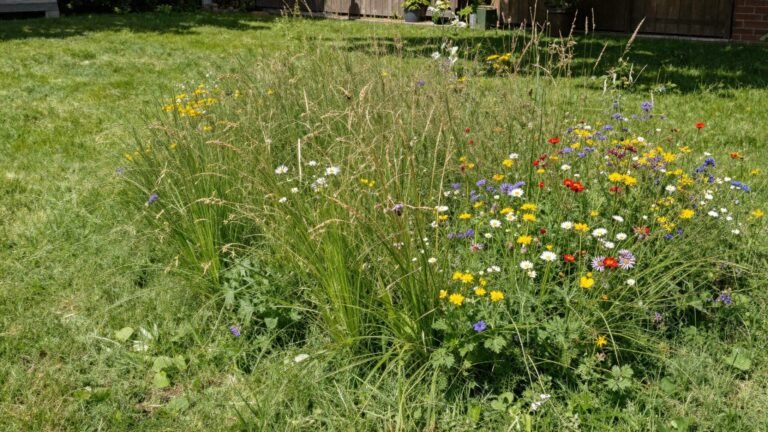
3. Let Part of Your Lawn Go No-Mow for Your Low-Maintenance Garden
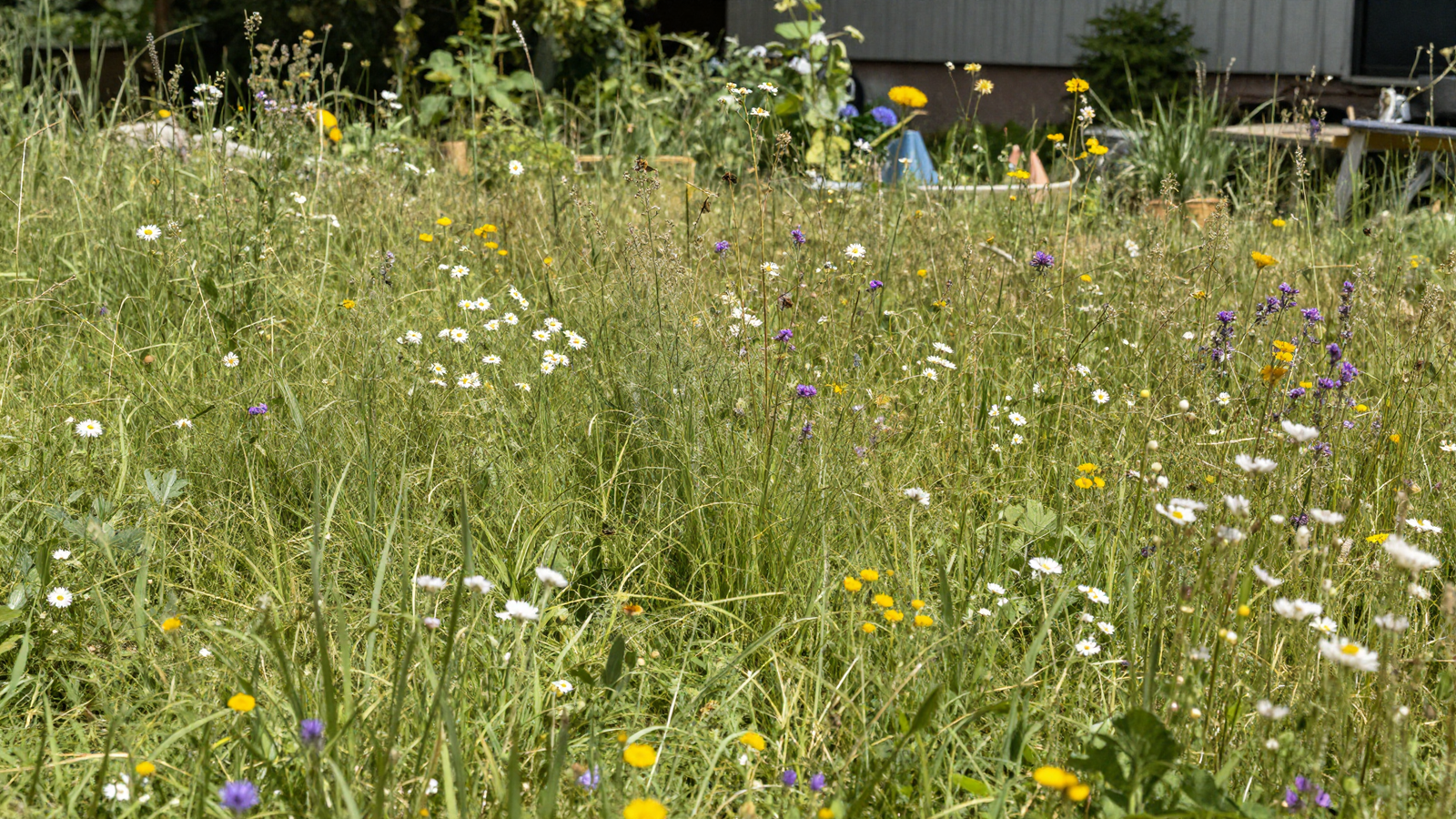
Converting even a section of traditional lawn into a no-mow wildflower meadow cuts mowing time dramatically while inviting pollinators back into the yard. The relaxed, textured look reads as designed rather than neglected once it’s established.
💡 Smart tip: Start with a small, clearly bordered section rather than the whole lawn — a defined edge signals intention to neighbors and to your own eye.
⚠️ Mistake to avoid: Using a generic wildflower mix not suited to your region; non-adapted seed often fails to establish or gets outcompeted by weeds.
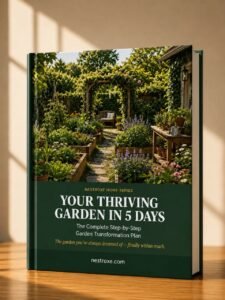
Loving These Ideas? Get the Step-by-Step Guide
Grab the full 5-day eBook and turn these ideas into a finished room.



4. Install Modular Raised Beds for Your Low-Maintenance Garden
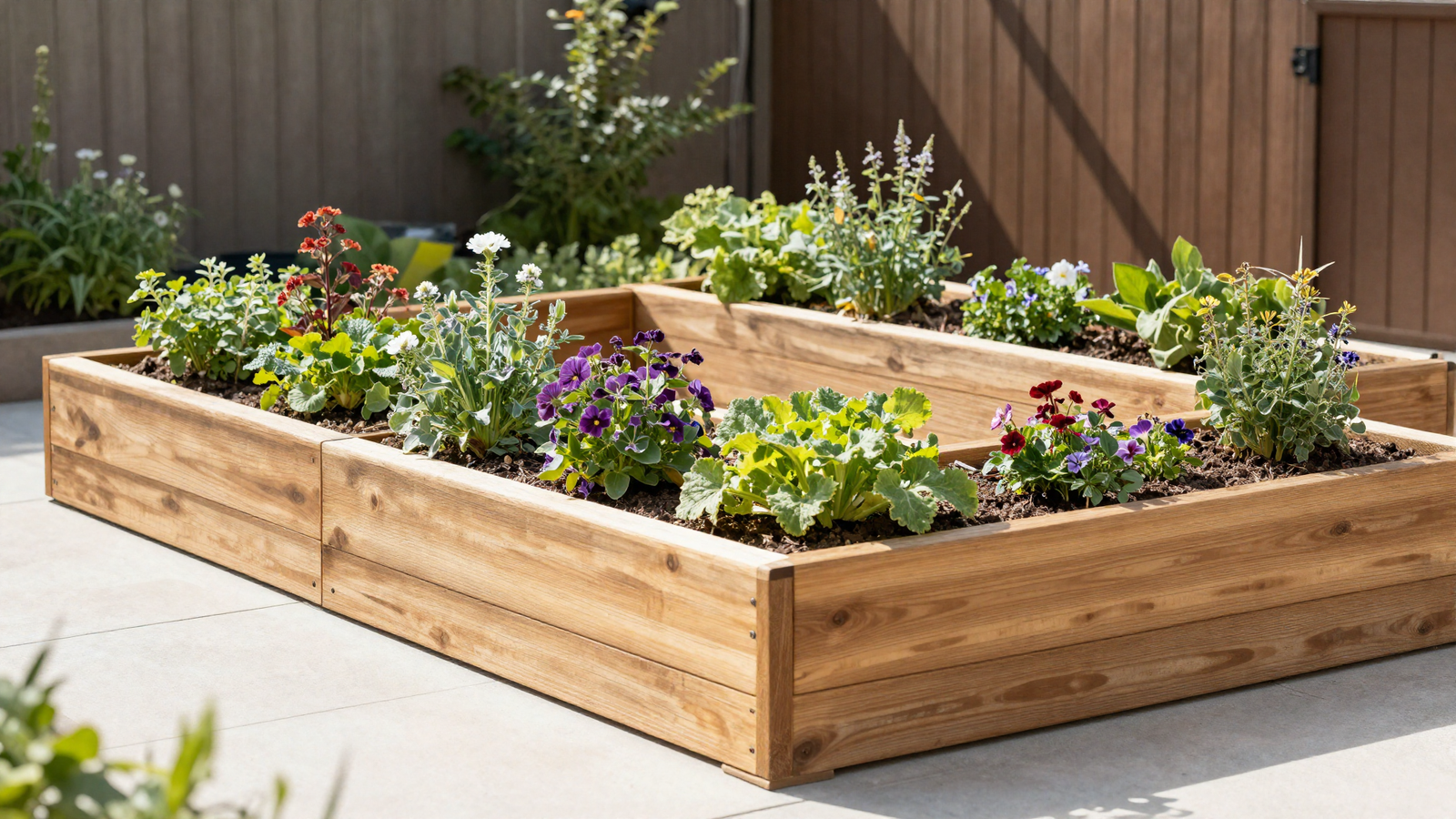
Raised beds give you full control over soil quality from day one, which means healthier plants with less fertilizing and troubleshooting down the line. Modular systems also let you rearrange the layout as your needs change season to season.
💡 Smart tip: Keep bed width to 4 feet or less so you can reach the center from either side without stepping into the soil and compacting it.
⚠️ Mistake to avoid: Filling beds with plain topsoil instead of a proper raised-bed mix; it compacts and drains poorly compared to a blended soil.
Find the Perfect Digital Product for You for Your Low-Maintenance Garden
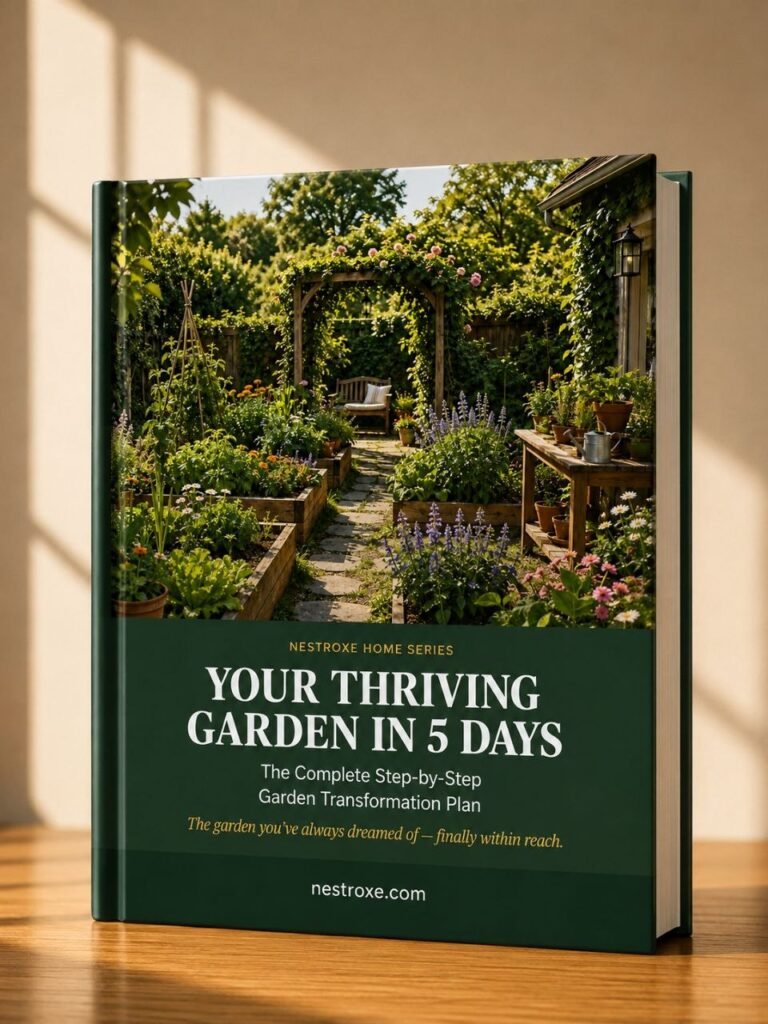
If you’re already picturing which bed needs this kind of rethink, that’s exactly the gap Your Thriving Garden in 5 Days was built to close. It walks you through soil, structure, and planting — the same fundamentals covered here — mapped into one clear day-by-day plan with real prices attached.

👉 Click here to get your copy of Your Thriving Garden in 5 Days — turn this list into a garden that actually thrives this season.
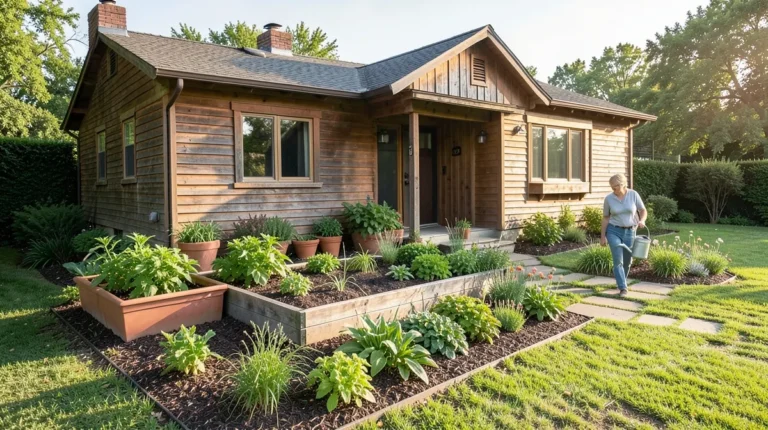
6. Blend Edible Plants Into Ornamental Borders for Your Low-Maintenance Garden
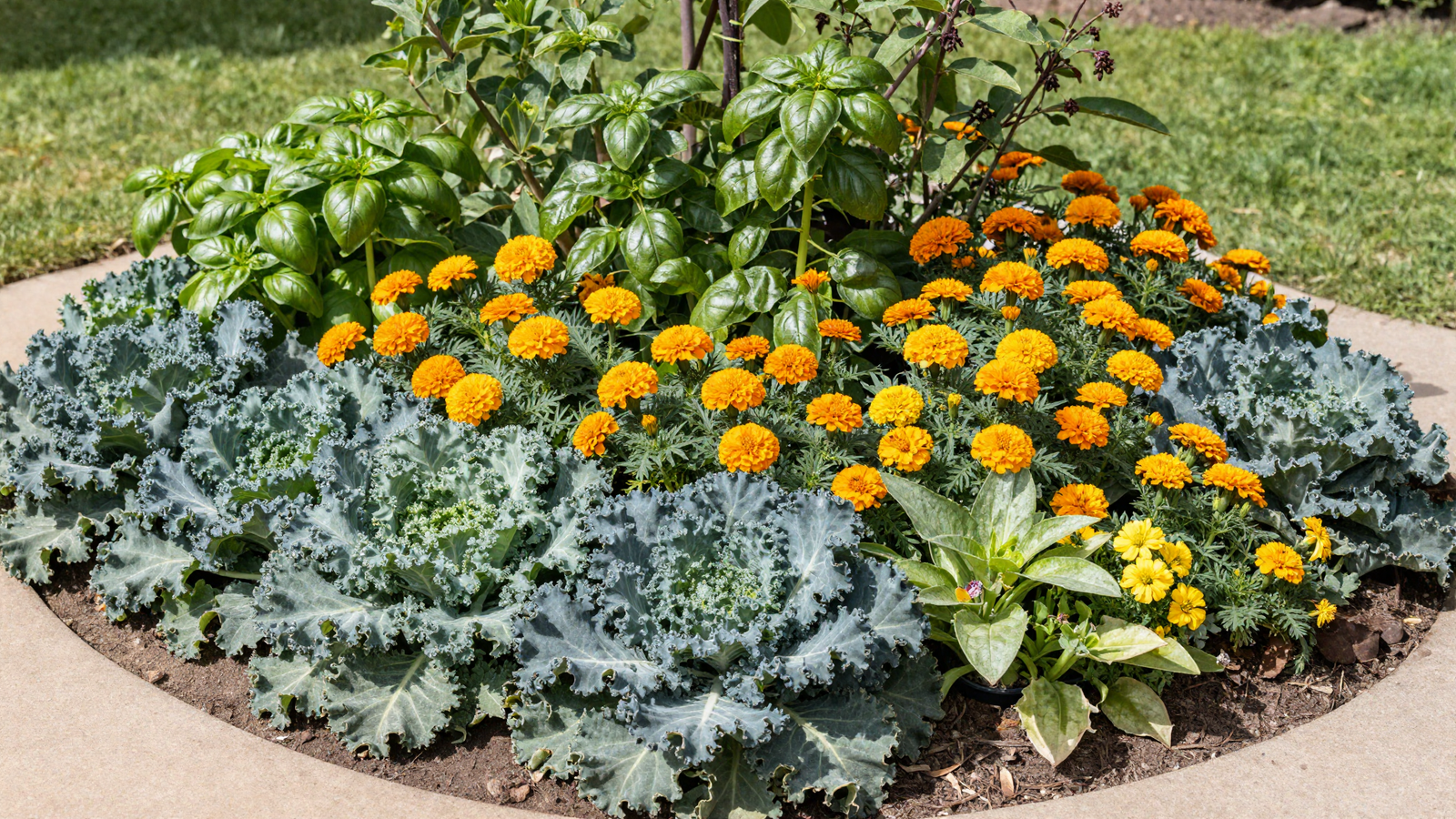
Tucking kale, basil, and other edibles into a flower border means your garden feeds you without needing a separate high-maintenance vegetable patch. It also naturally deters some pests, since many herbs and flowers work as companion plants.
💡 Smart tip: Place taller edibles like kale toward the back of the border so they don’t shade out shorter ornamentals in front.
⚠️ Mistake to avoid: Planting edibles in soil treated with non-food-safe fertilizers or pesticides — always check labels before mixing edible and ornamental zones.
7. Add a Compost System That Actually Looks Good for Your Low-Maintenance Garden
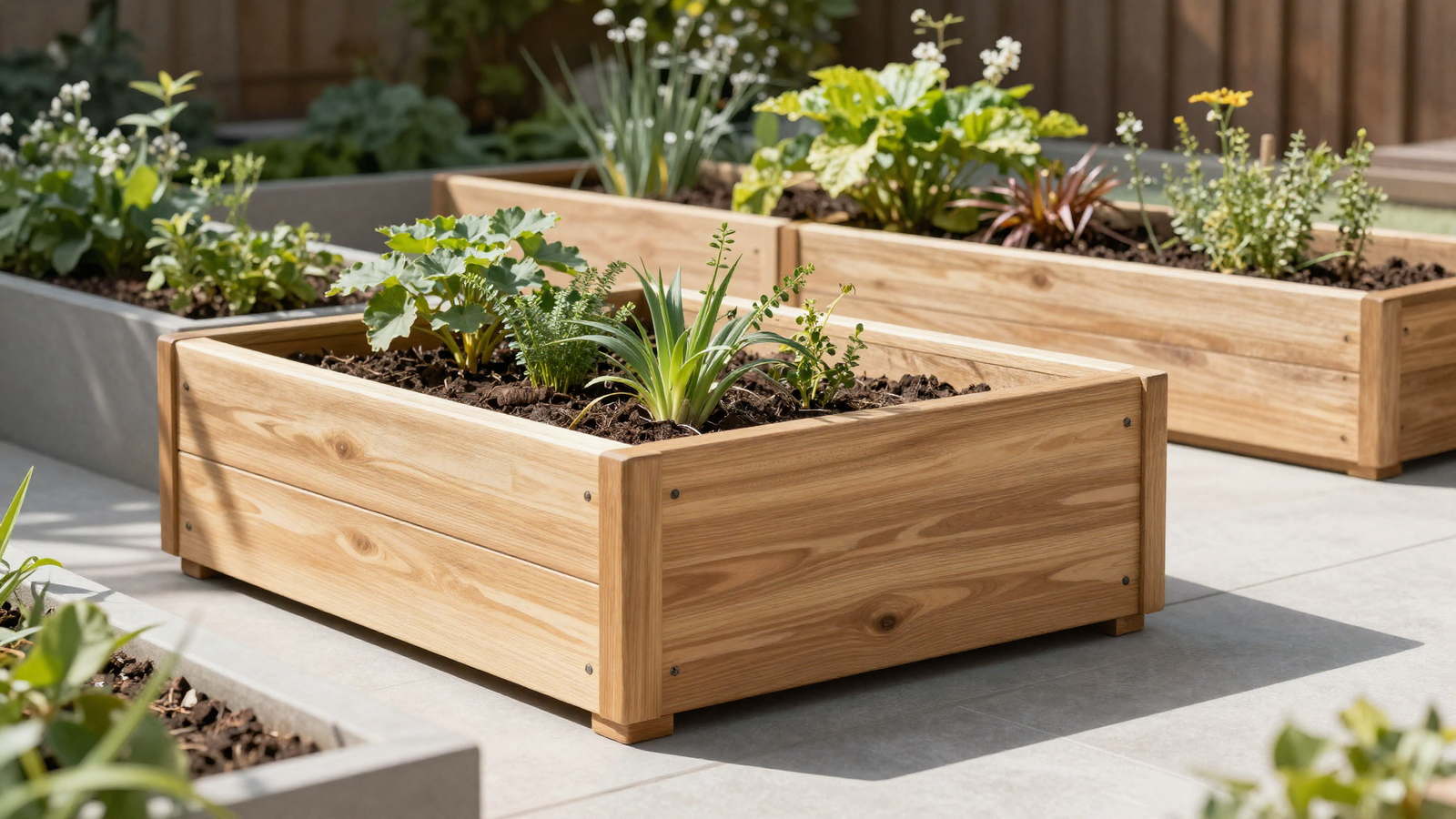
A tumbler bin or enclosed compost system turns food scraps and yard waste into nutrient-rich soil without the eyesore or smell people associate with composting. It’s one of the highest-impact, lowest-effort ways to improve everything else growing in your yard.
💡 Smart tip: Keep a small enclosed countertop bin in the kitchen so scraps make it to the outdoor compost before they’re forgotten.
⚠️ Mistake to avoid: Adding meat, dairy, or oily foods to a home compost bin — they attract pests and slow the whole process down.
8. Turn a Downspout Into a Rain Garden for Your Low-Maintenance Garden
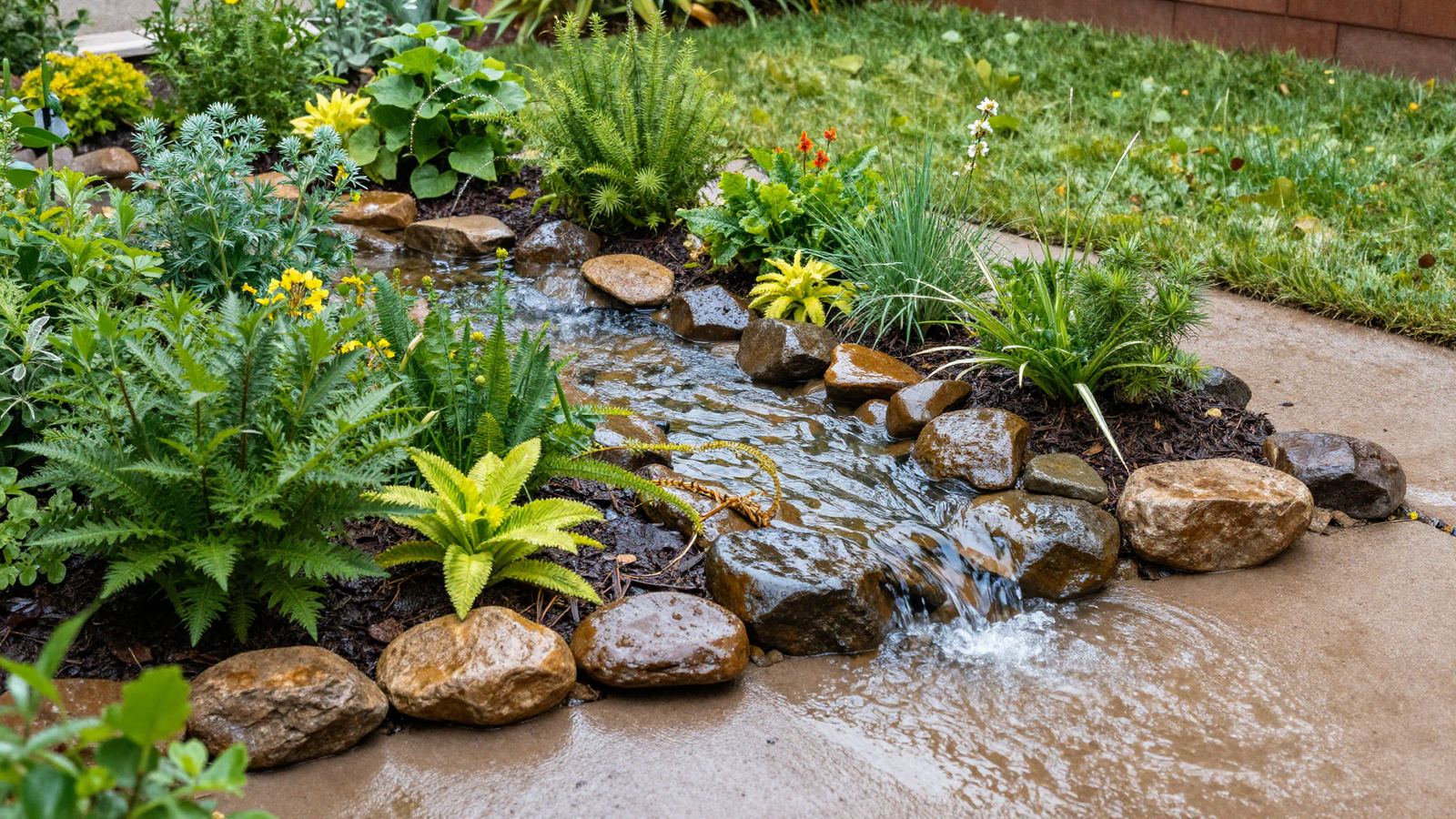
Instead of letting runoff pool or wash away, a rain garden redirects it into a shallow, planted basin that waters itself for free every time it rains. Native, water-loving plants thrive here with essentially no supplemental watering.
💡 Smart tip: Position the rain garden at least 10 feet from your home’s foundation to keep excess water away from the structure.
⚠️ Mistake to avoid: Choosing plants that can’t tolerate both flooding and dry spells — rain gardens need species built for both extremes.
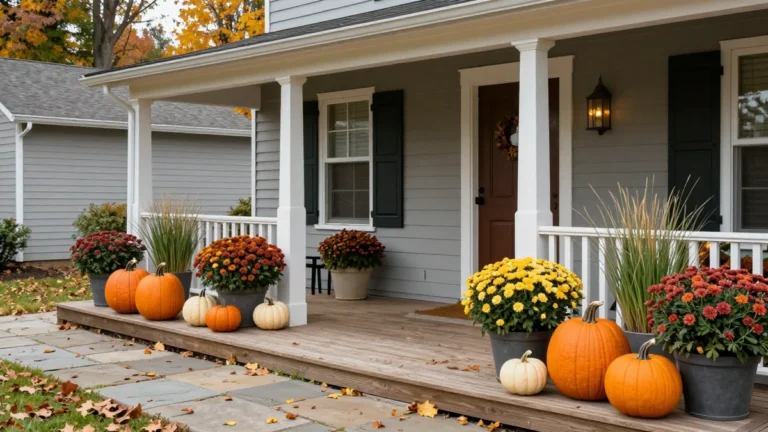
9. Build an Elevated Container Garden
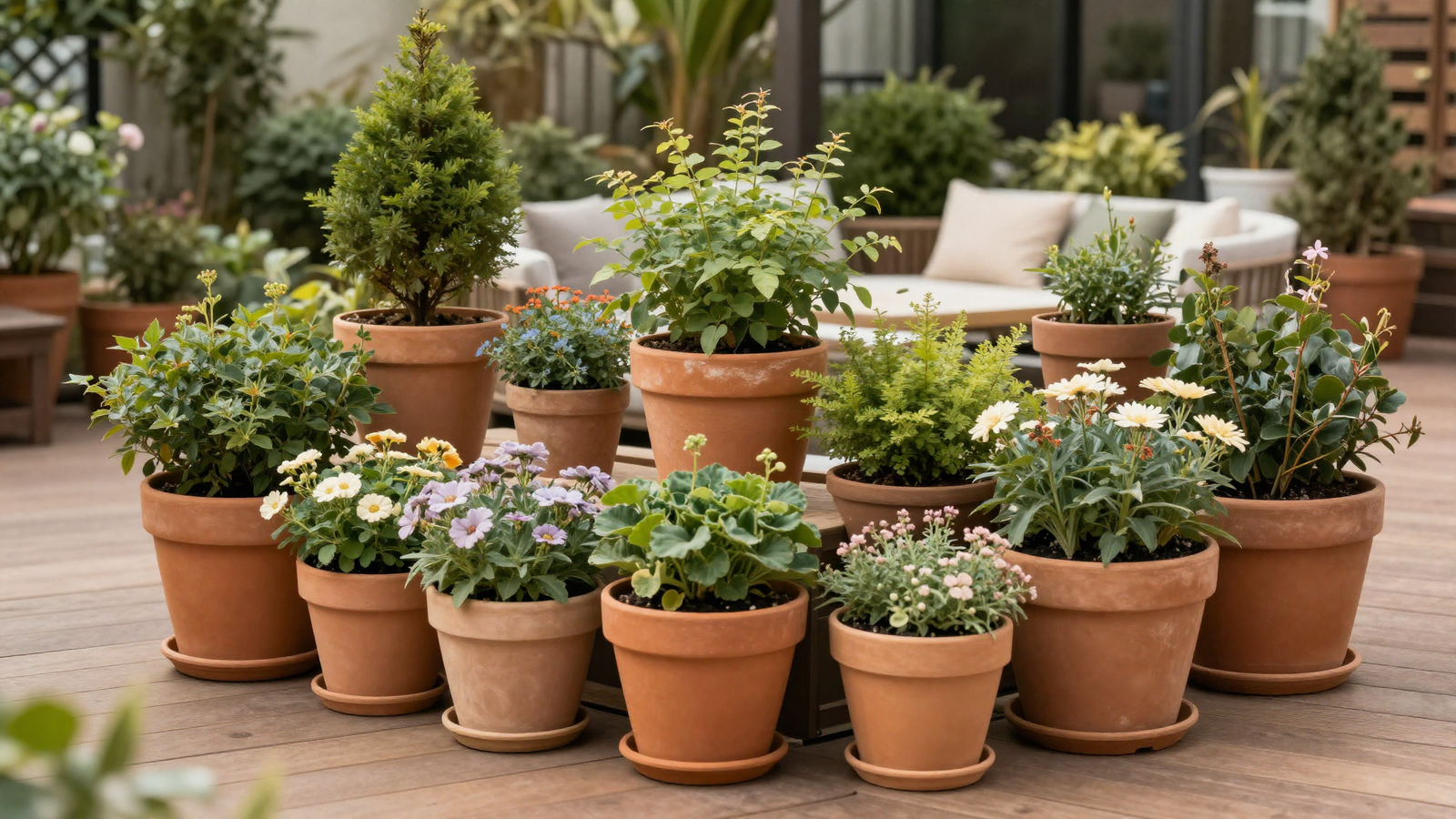
A curated set of containers on a patio or deck gives you a full garden’s worth of variety without any ground digging, weeding, or bed prep at all. Nearly any shrub or perennial can thrive in a container with the right soil and drainage.
💡 Smart tip: Stick to a consistent pot material and color family so the whole grouping reads as curated rather than mismatched.
⚠️ Mistake to avoid: Using pots without drainage holes — trapped water is the single most common way container plants die.
10. Layer Textures Instead of Chasing Color
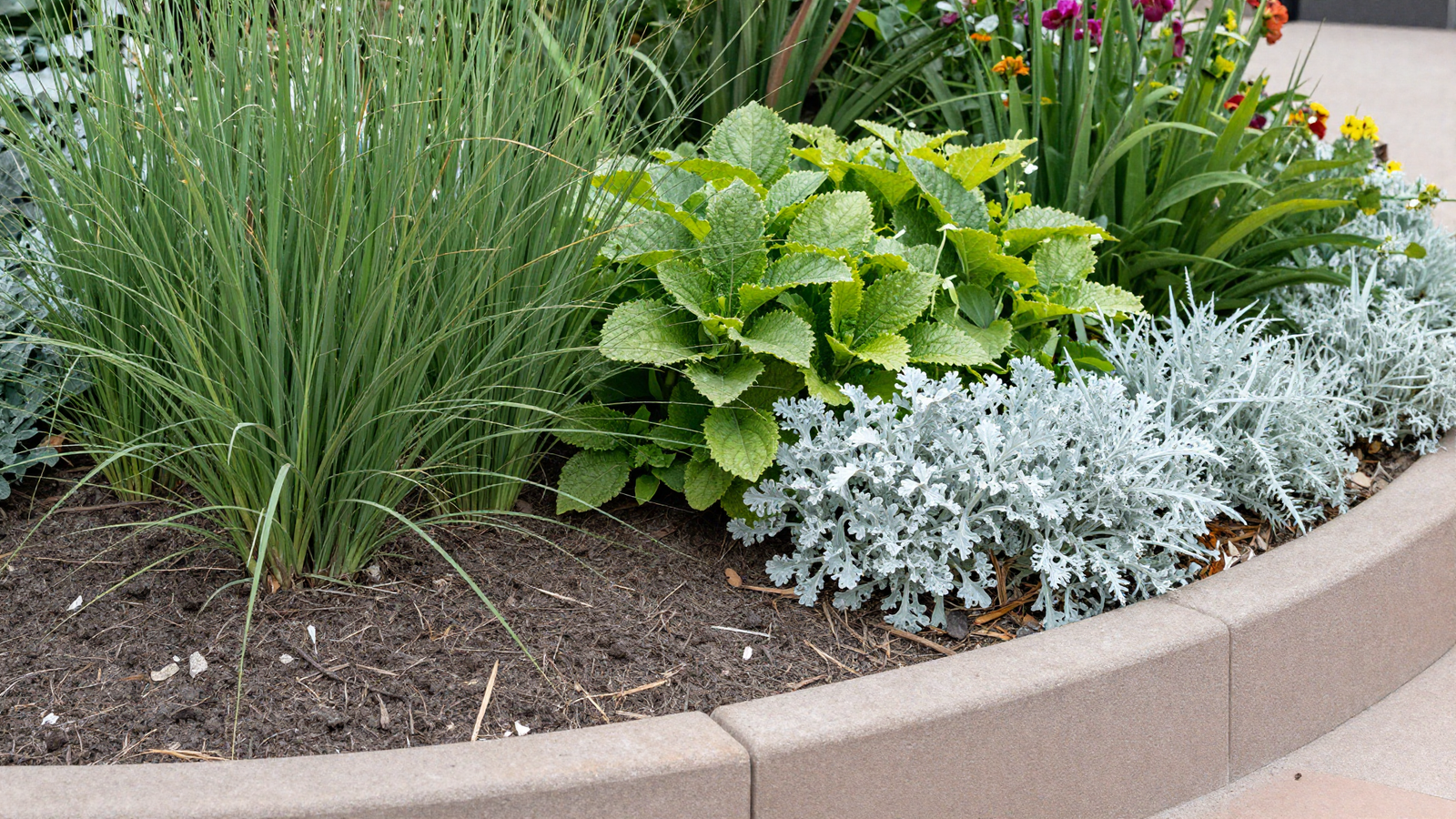
Designing around contrasting textures — fine grasses next to broad leaves, spiky forms next to soft mounds — creates visual interest that holds up even between bloom cycles. It’s a more forgiving approach than relying on flowers alone for impact.
💡 Smart tip: Repeat two or three key textures throughout the bed rather than using a different one for every plant; repetition reads as cohesive, not chaotic.
⚠️ Mistake to avoid: Overplanting for instant fullness. Give textural plants room to reach mature size or you’ll be dividing and replanting within a year or two.
11. Add Smart Drip Irrigation With Soil Sensors
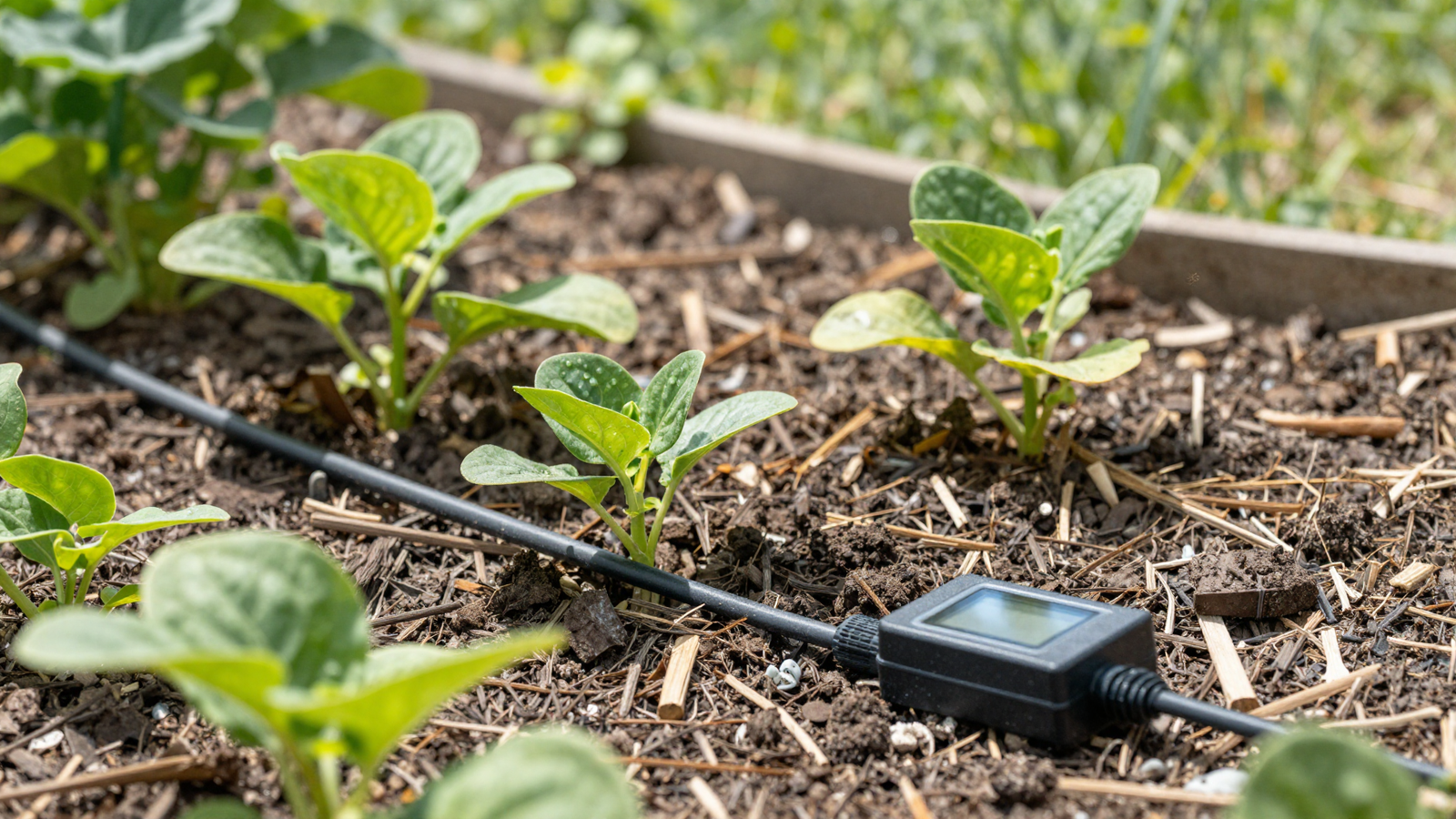
A drip system paired with a soil moisture sensor waters only when plants actually need it, cutting both water waste and the mental load of remembering to water. It’s one of the few upgrades that pays for itself through lower water bills.
💡 Smart tip: Start with one zone before expanding system-wide — it lets you fine-tune settings for your specific soil and plant mix.
⚠️ Mistake to avoid: Setting a fixed daily schedule and ignoring the sensor data; that defeats the purpose and can still overwater during rainy stretches.
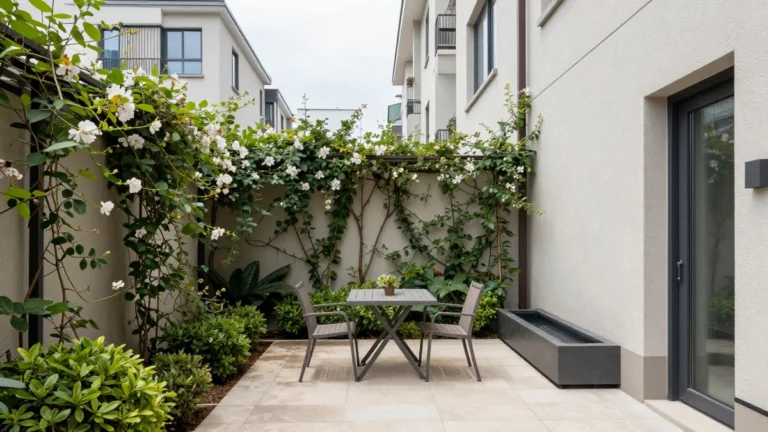
12. Train Fragrant Vines Up a Trellis
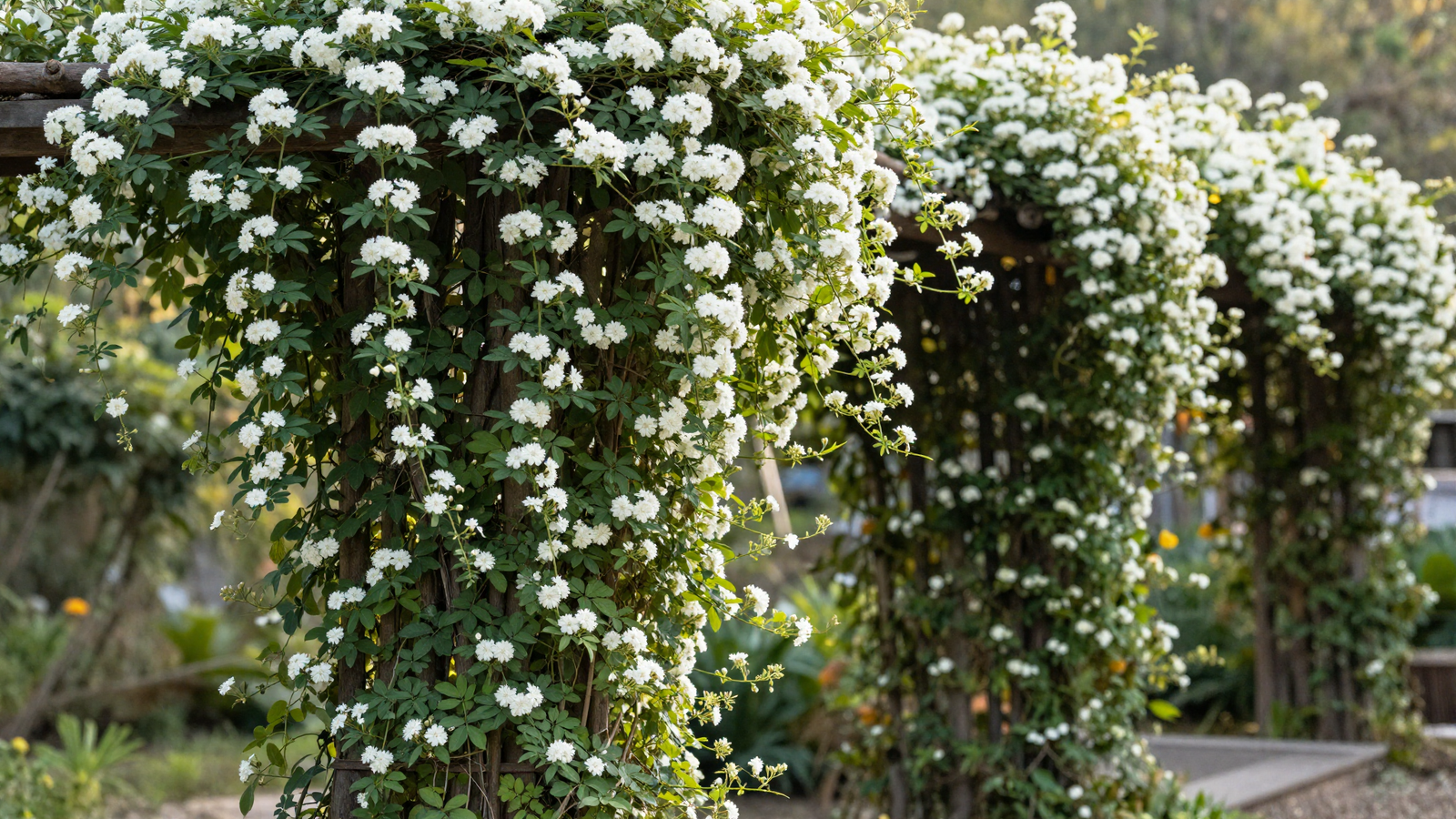
Jasmine and mandevilla climbing a simple trellis add fragrance and vertical height without competing for valuable bed space at ground level. Once established, most flowering vines need little more than occasional pruning to keep their shape.
💡 Smart tip: Loosely tie new growth to the trellis every few weeks during the growing season to guide the shape before it needs pruning.
⚠️ Mistake to avoid: Choosing a flimsy trellis for a vigorous vine — mature growth can be surprisingly heavy and will collapse an undersized structure.
13. Grow Vertically to Save Ground Space
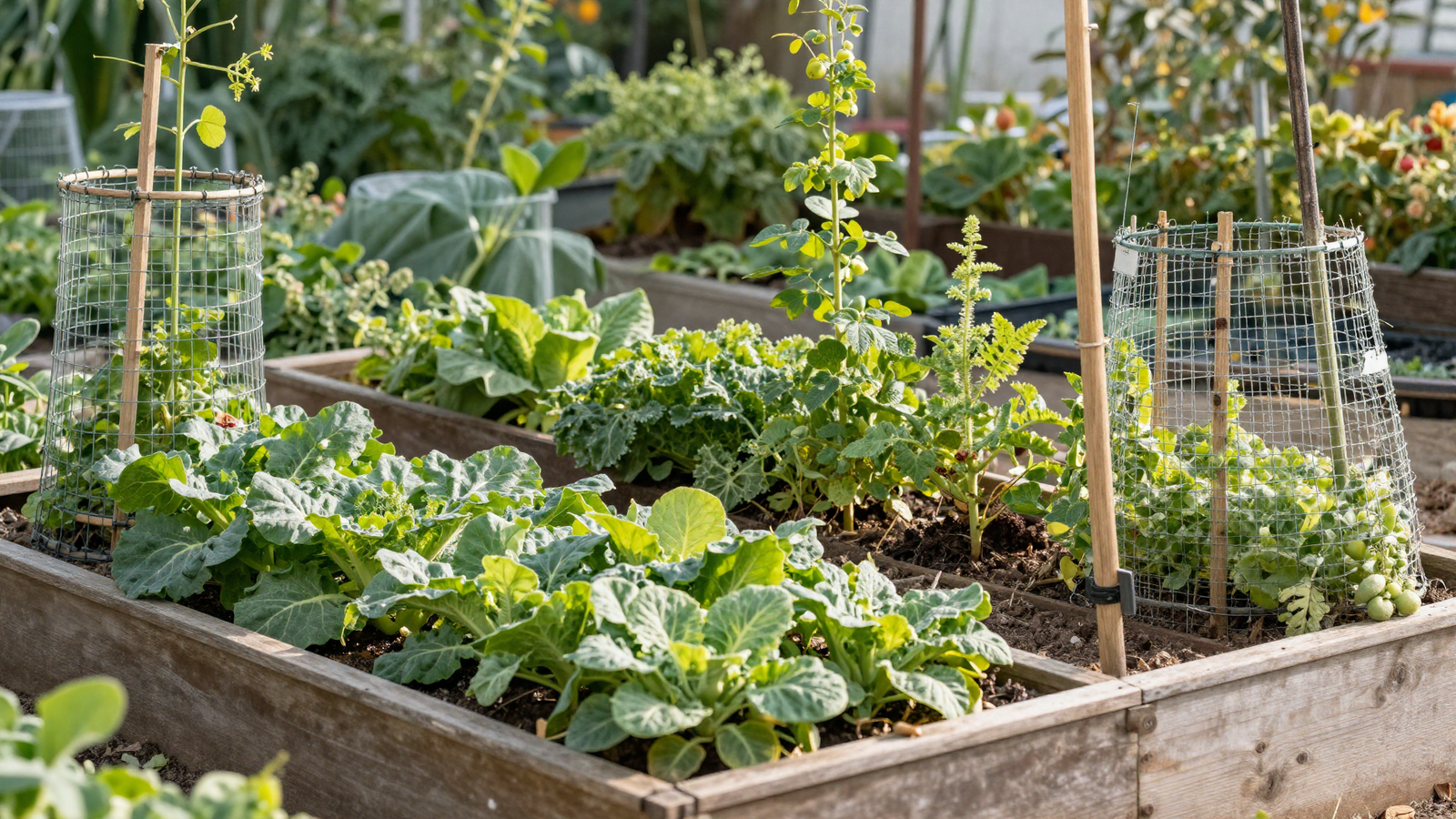
Tomato cages and bean trellises let a small garden produce far more food per square foot than sprawling ground-level planting ever could. Vertical growth also improves airflow, which means fewer fungal issues to manage.
💡 Smart tip: Install support structures at planting time, not after — disturbing established roots to add stakes later stresses the plant.
⚠️ Mistake to avoid: Crowding vertical structures too close together; they still need airflow and sunlight from multiple angles to perform well.
14. Plant a Wildlife-Friendly Native Border
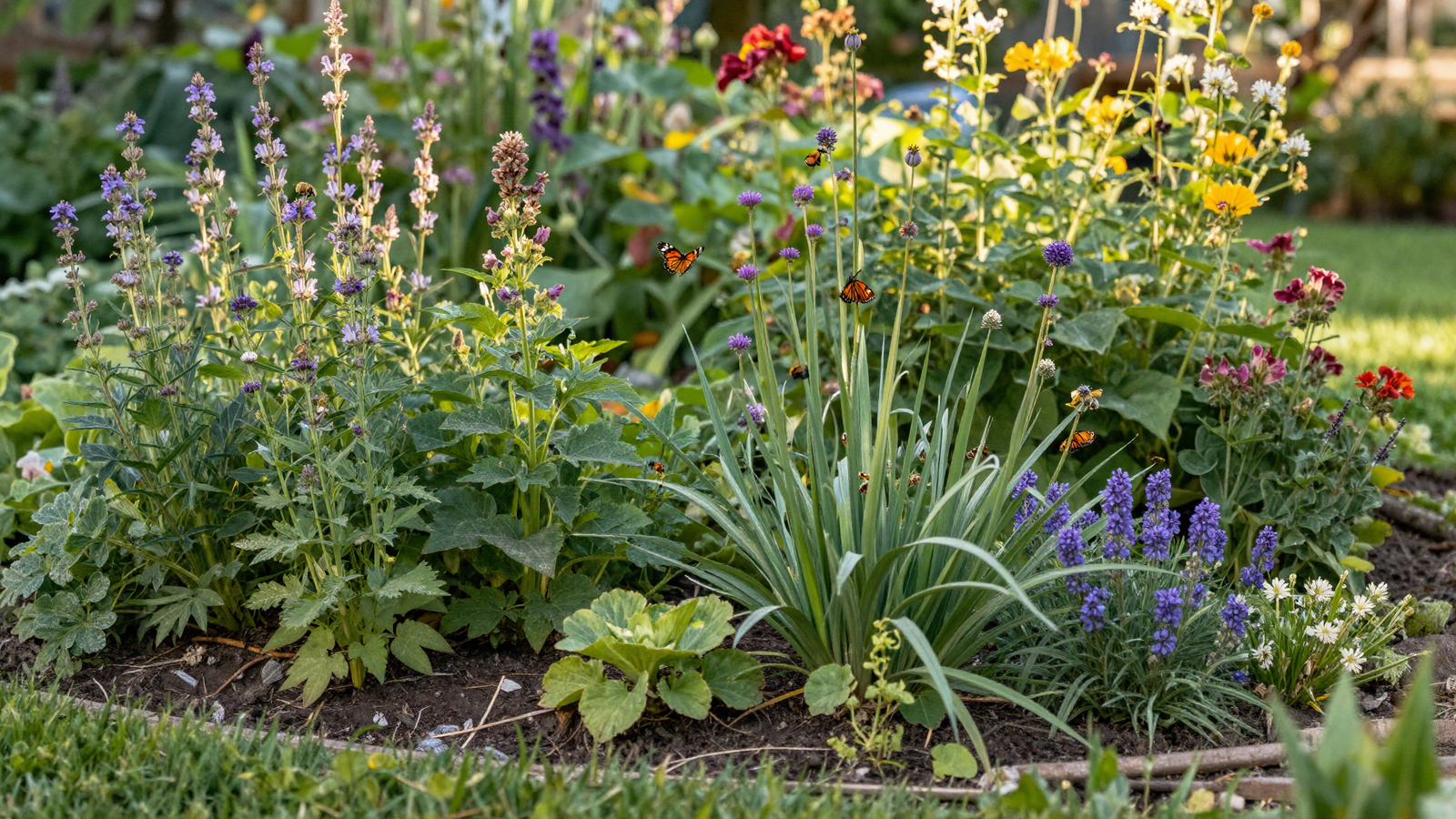
Native plants are already adapted to your region’s rainfall and soil, which means they typically need less water, less fertilizer, and less troubleshooting than imported ornamentals. They also draw in the bees and butterflies that keep the rest of the garden productive.
💡 Smart tip: Check with a local extension office or native plant nursery for species specifically suited to your exact climate zone.
⚠️ Mistake to avoid: Assuming “native” always means low-water; some native species still need consistent moisture, so check individual requirements.
15. Design a Moon Garden for Evening Glow
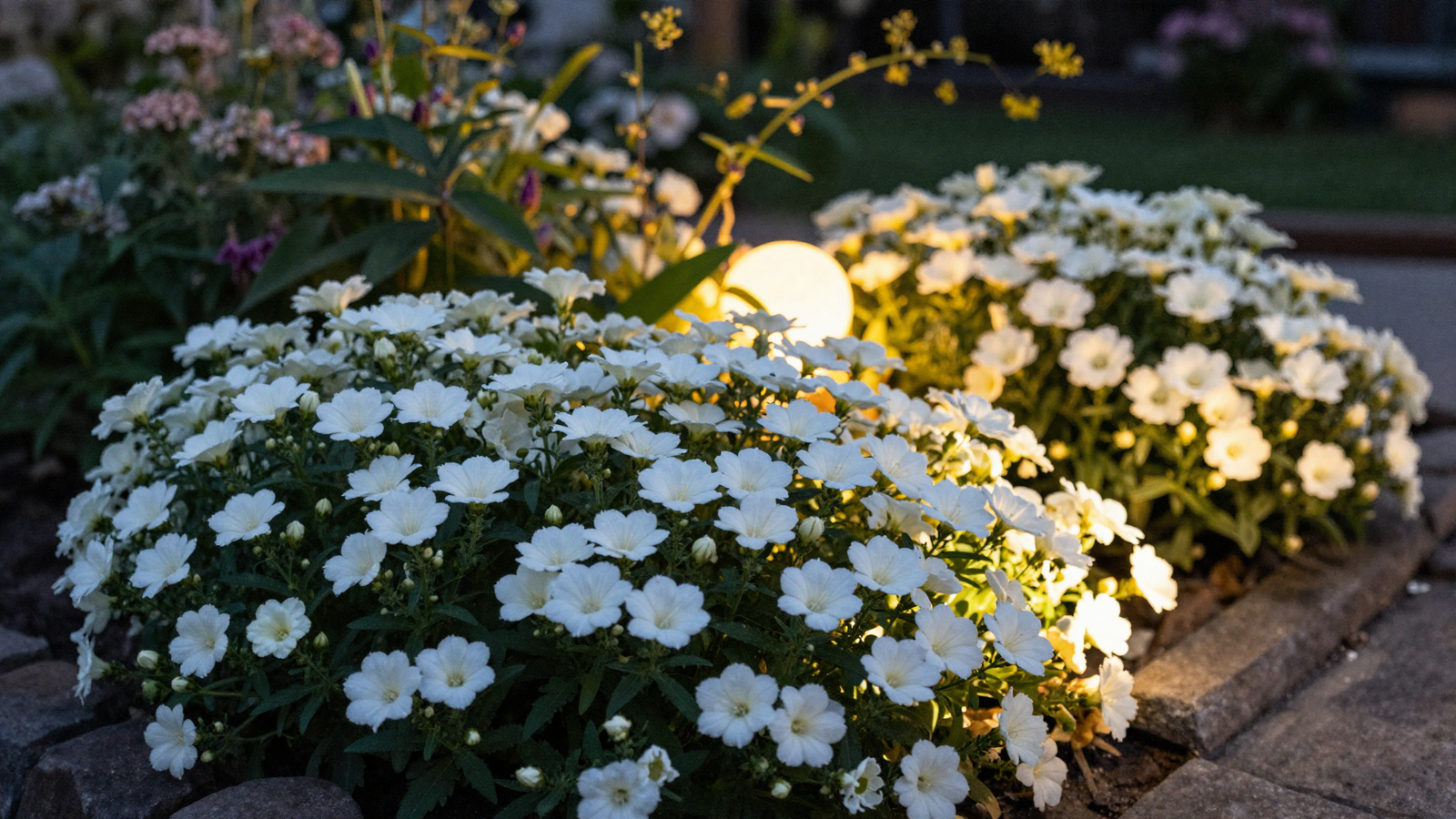
Planting white and pale-toned flowers in one section creates a garden that seems to glow at dusk, extending the hours you can actually enjoy it. It’s a low-effort design trick that pays off most during warm evenings when you’re outside anyway.
💡 Smart tip: Position moon garden plants near a seating area or path so the evening glow is visible from where you’ll actually be sitting.
⚠️ Mistake to avoid: Overlighting the space with artificial lights; the point is the plants’ natural glow, and too much added light washes that effect out.
16. Switch to a No-Dig Growing System
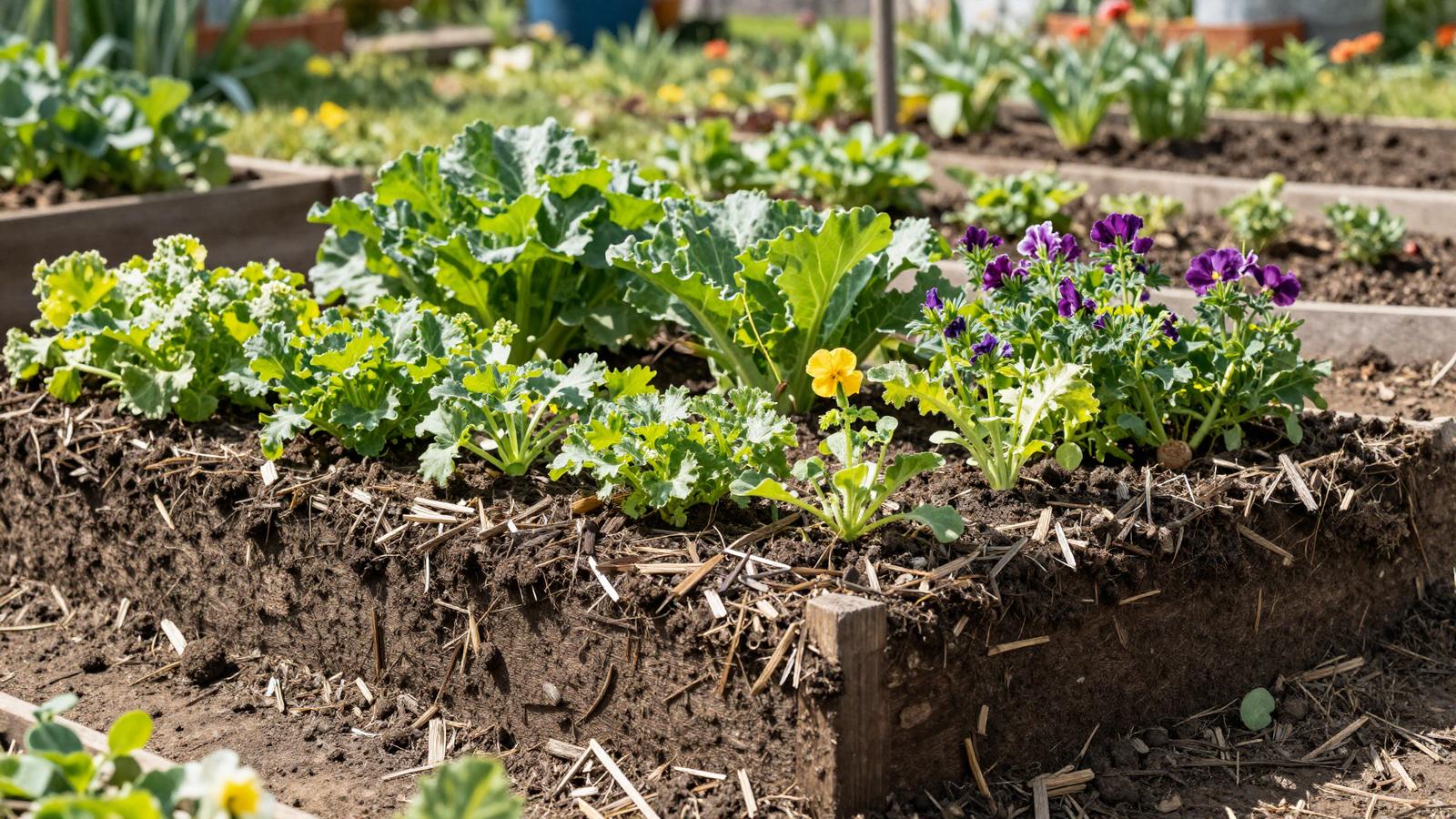
Building beds by layering compost and mulch directly on top of the soil, rather than tilling, protects the underground ecosystem that keeps plants healthy in the first place. Weeds also struggle to establish through the layered mulch, cutting down on one of gardening’s most repetitive chores.
💡 Smart tip: Start a new no-dig bed in fall so the layers have time to break down before spring planting.
⚠️ Mistake to avoid: Using fresh, uncomposted material as the top layer; it can rob nitrogen from the soil as it breaks down.
17. Add a Vertical Living Wall on a Fence
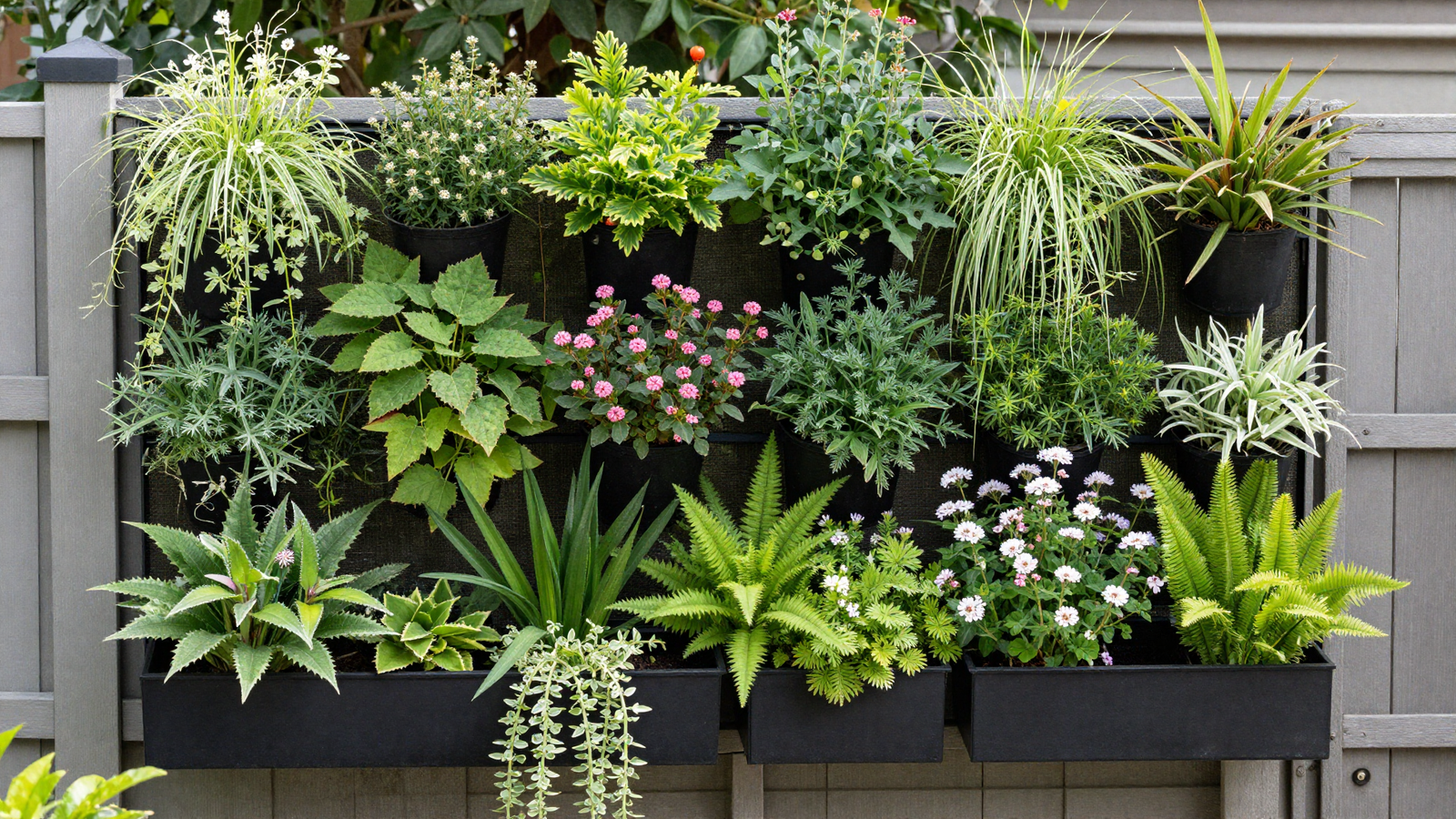
Mounting planters directly on a fence turns unused vertical space into a full garden feature, which is especially valuable in small yards. It also makes watering and maintenance easier since everything sits at eye level instead of ground level.
💡 Smart tip: Choose a self-watering or wicking planter system for a living wall — hand-watering vertical planters individually gets tedious fast.
⚠️ Mistake to avoid: Mounting heavy, water-saturated planters on a fence that isn’t structurally rated for the added weight.
18. Line a Gravel Path Through Dry-Climate Planting
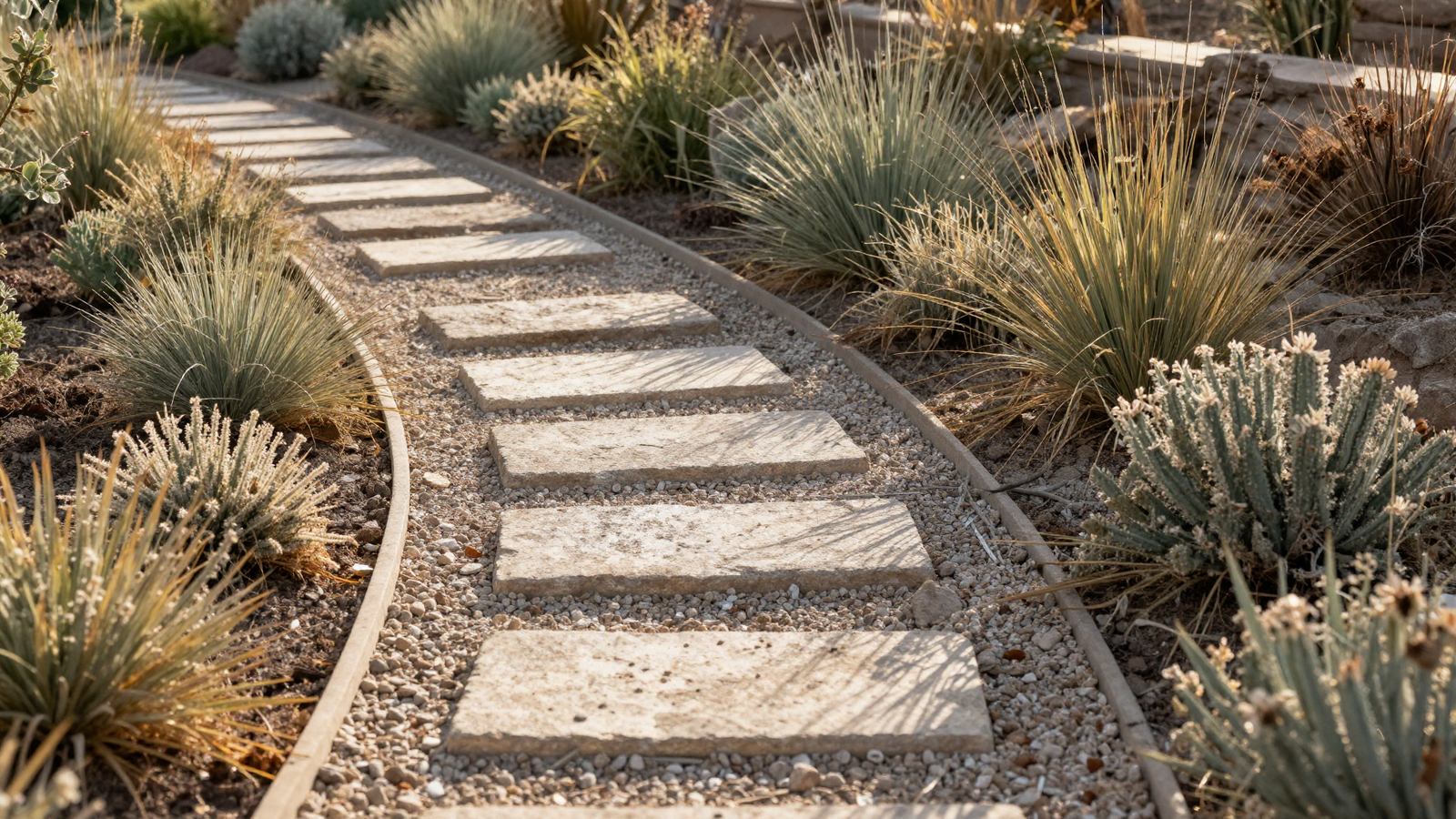
A gravel path through a drought-tolerant bed solves two problems at once — it defines a walkway without a lawn to maintain, and it reduces the total planted area you’re responsible for watering. Stepping stones set into the gravel keep it looking finished rather than unfinished.
💡 Smart tip: Lay a permeable weed barrier underneath the gravel before spreading it, or weeds will push through within a season.
⚠️ Mistake to avoid: Choosing gravel that’s too fine or rounded; it shifts underfoot and doesn’t compact into a stable walking surface.
Effort & Cost Snapshot
| Idea | Effort | Approx. Cost |
|---|---|---|
| 1. Drought-Tolerant Layered Bed | Medium (DIY build) | $150–$700 |
| 2. Cactus and Succulent Collection | Low (DIY) | $50–$400 |
| 3. No-Mow Wildflower Section | Low–Medium (seeding + wait) | $30–$150 |
| 4. Modular Raised Beds | Medium (DIY build) | $200–$1,200 |
| 6. Edible Landscaping Border | Low–Medium (DIY) | $40–$250 |
| 7. Compost System | Low (DIY assembly) | $60–$300 |
| 8. Rain Garden | Medium–High (DIY or pro) | $300–$1,500 |
| 9. Elevated Container Garden | Low (DIY) | $150–$800 |
| 10. Textural Layered Planting | Medium (DIY) | $150–$600 |
| 11. Smart Drip Irrigation | Medium (DIY or pro install) | $150–$700 |
| 12. Fragrant Vine Trellis | Low–Medium (DIY) | $60–$300 |
| 13. Vertical Vegetable Growing | Low (DIY) | $30–$150 |
| 14. Native Wildlife Border | Medium (DIY) | $100–$500 |
| 15. Moon Garden | Low–Medium (DIY) | $80–$350 |
| 16. No-Dig Bed System | Medium (DIY, seasonal build) | $100–$400 |
| 17. Vertical Living Wall | Medium (DIY or pro mount) | $150–$700 |
| 18. Gravel Path Through Planting | Medium (DIY) | $200–$900 |
A thriving garden doesn’t have to mean endless upkeep — the right combination of plant choices and small systems can hand most of the work back to nature. Save this list to Pinterest so you can revisit it as you plan out your own lower-maintenance garden, one bed at a time.
Continue Your Home Transformation
Explore the full collection of step-by-step eBooks and get the guide that fits the room you're working on.