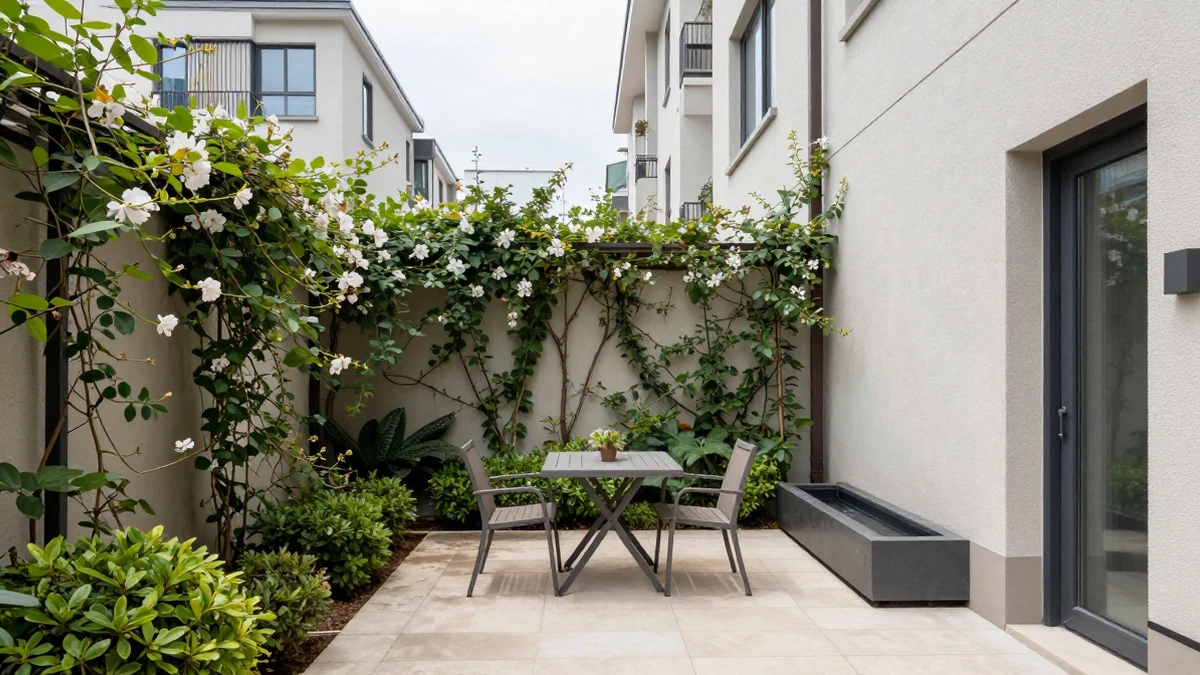
Even a modest plot can become a vibrant retreat when you apply purposeful design strategies. Small garden design ideas focus on maximizing every inch, blending function with style, and staying within budget. By treating walls, fences, and even the sky as part of the canvas, you can create zones for entertaining, play, and growing food without feeling cramped. Below are 22 actionable concepts that turn limited space into lasting enjoyment.
1. Define Your Goal & Measure the Space
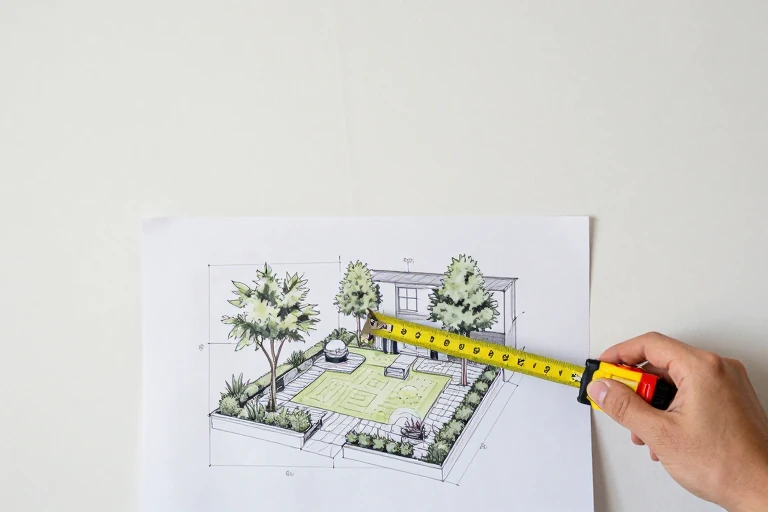
Start by measuring the exact dimensions of your garden and drawing a simple to‑scale plan on graph paper. Mark permanent features such as walls, fences, trees, and utility lines. Then note sun exposure at morning, noon, and evening. This visual inventory reveals hidden pockets for planting, seating, or pathways and prevents costly guesswork later.
2. Prioritize Functions (Entertaining, Play, Food)
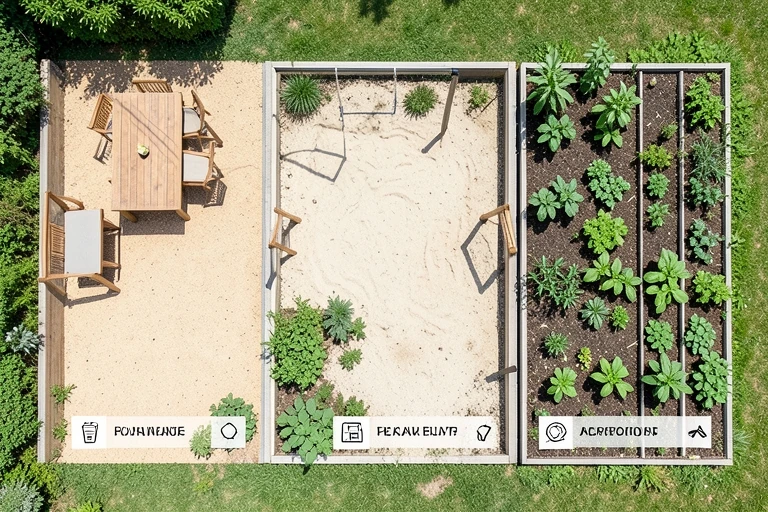
Decide what you want most from the garden—entertaining, a play area, food production, or pure relaxation. Rank these functions to allocate space accordingly. For example, if hosting is a priority, reserve a central zone for a compact table; if kids are the focus, carve out a safe, soft‑grounded corner. Prioritizing early avoids later compromises.
Loving These Ideas? Get the Step-by-Step Guide
Grab the full 5-day eBook and turn these ideas into a finished room.

3. Choose a Focal Point (Feature Plant, Water, Art)
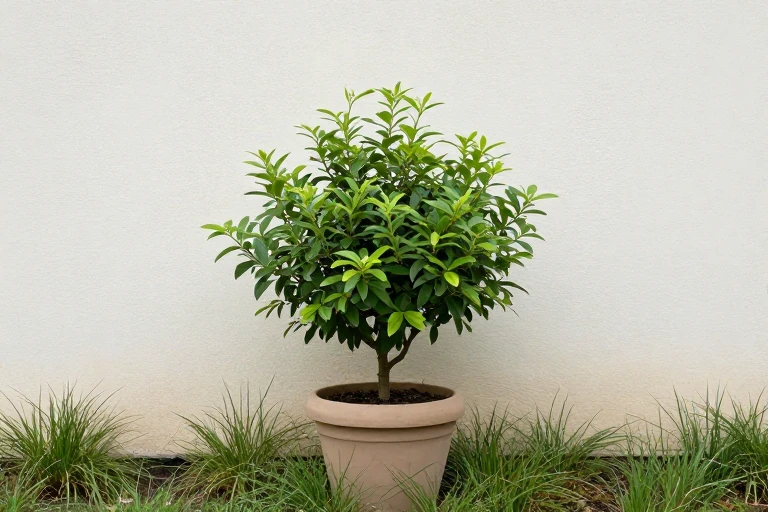
Select a single focal point—such as a bold container plant, a modest water fountain, or a piece of garden art—to anchor the design. Position it where the eye naturally lands from the house or patio. A strong focal point draws the gaze outward, making the garden feel larger and more intentional.
4. Use Vertical Layers (Trellises, Walls)
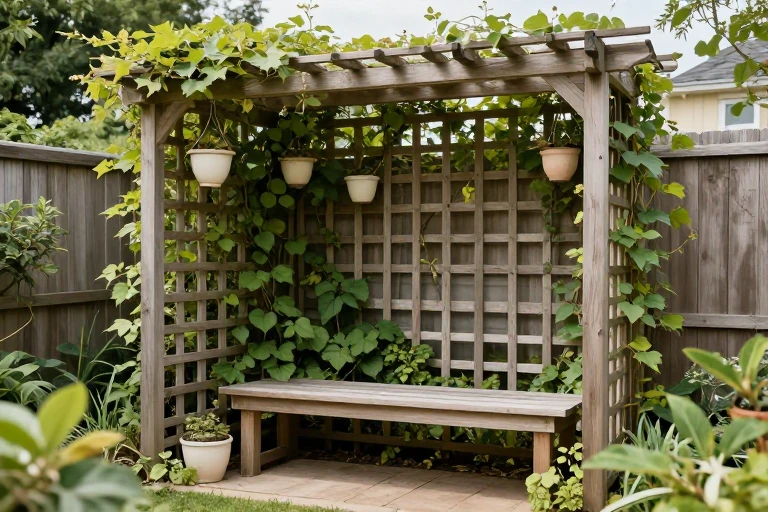
Use vertical space to multiply planting area without expanding the footprint. Install trellises, wall‑mounted planters, or hanging baskets. Climbing roses, beans, or fragrant jasmine can cascade down, providing privacy and color while keeping the ground clear for seating or pathways.
Vertical layers also add visual depth, making the garden appear taller.
5. Select Dwarf or Compact Plant Varieties
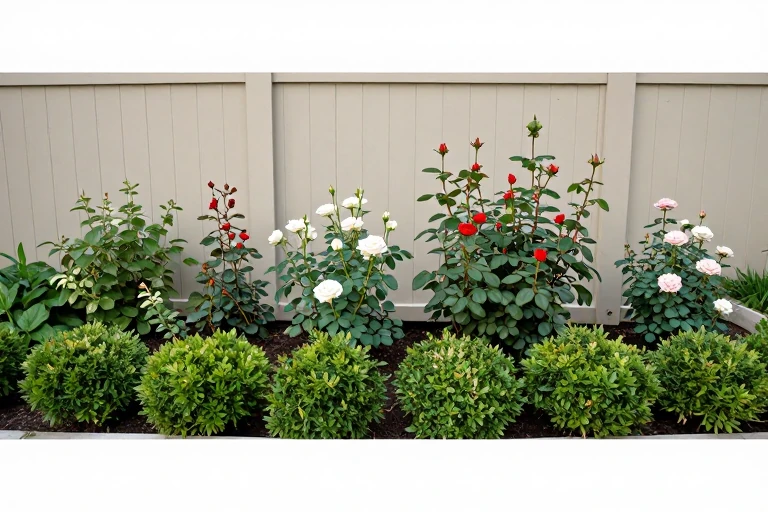
Opt for dwarf or compact plant varieties that stay under three feet tall. Selections like dwarf coneflower, dwarf boxwood, and mini roses provide structure and color without overwhelming limited space. Smaller plants also need less pruning and water, easing maintenance.
Group plants with similar growth habits to simplify care.
6. Incorporate Container Gardening
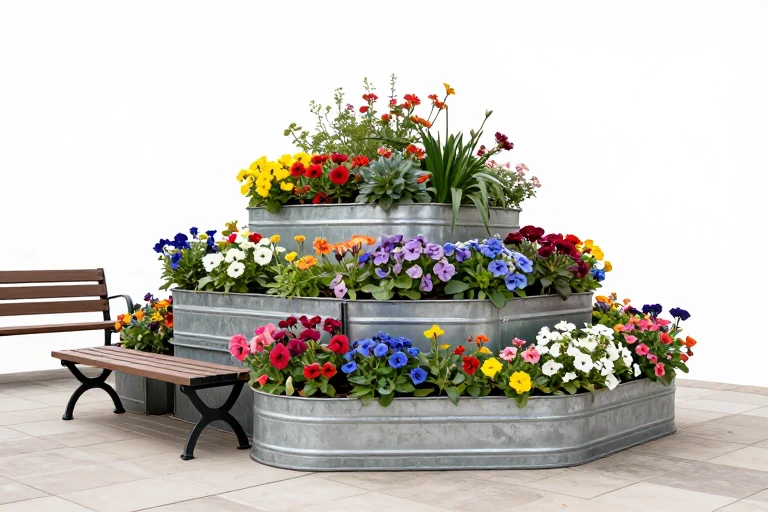
Containers let you move plants, experiment with colors, and keep soil volume under control. Choose pots with drainage holes and use a lightweight potting mix. Stackable or tiered containers add height and visual interest while preserving floor space.
Seasonal swaps keep the garden fresh without replanting.
7. Create Zones with Pathways
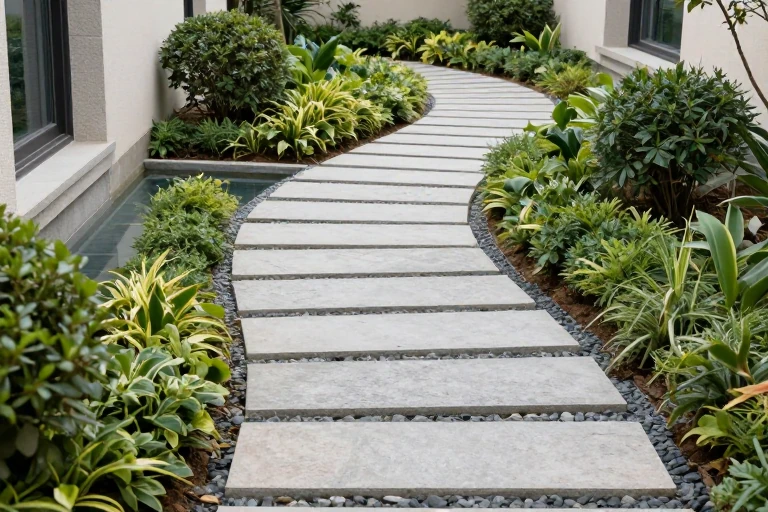
Define clear pathways using stepping stones, gravel, or low‑profile pavers. Paths guide foot traffic, protect plant roots, and visually break up the space into functional zones. Keep pathways at least 24 inches wide for comfortable movement.
Use the same material for all paths to maintain cohesion.
8. Add Seating that Stows Away
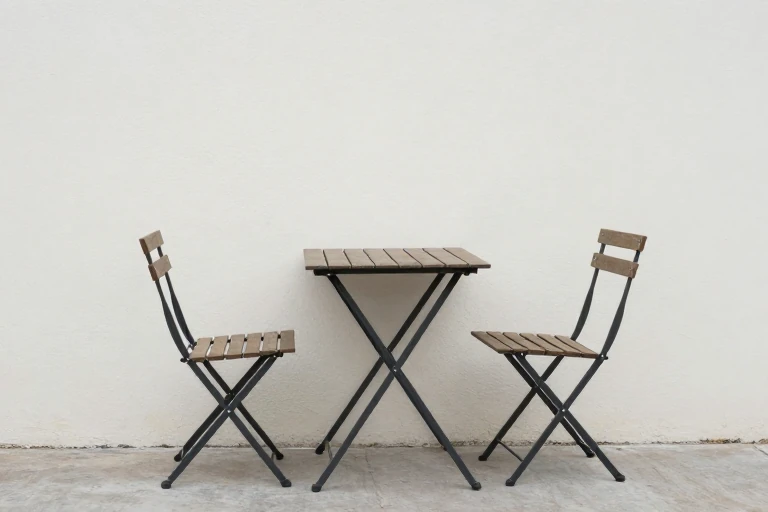
Choose seating that folds, stacks, or nests when not in use. A lightweight bistro set can be stored in a corner or under a bench. Built‑in benches with storage underneath double as seating and a stash for cushions or garden tools.
Keep cushions in weather‑resistant fabrics for longevity.
9. Embrace Multi‑Use Furniture
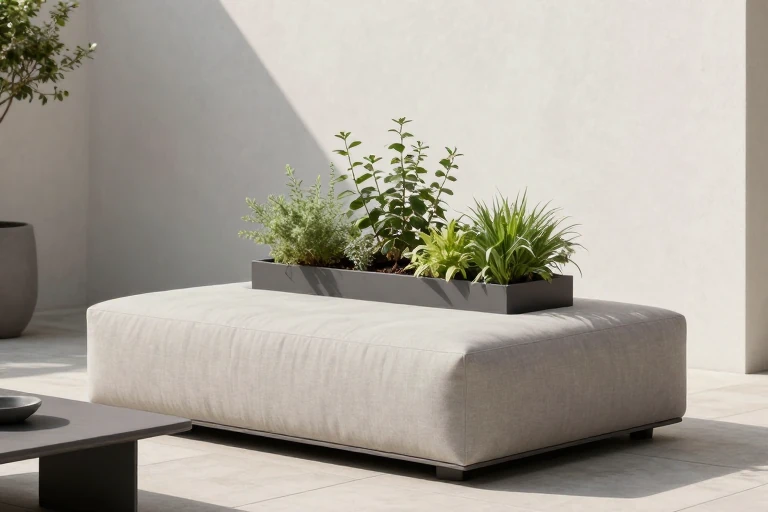
Multi‑use furniture—like an ottoman that doubles as a planter or a coffee table with built‑in storage—maximizes utility. Look for pieces with clean lines that can blend into both indoor and outdoor settings, allowing you to move them as seasons change.
Sturdy frames made of powder‑coated metal resist rust in tight spaces.
10. Use Light‑Colored Paving to Expand Perception
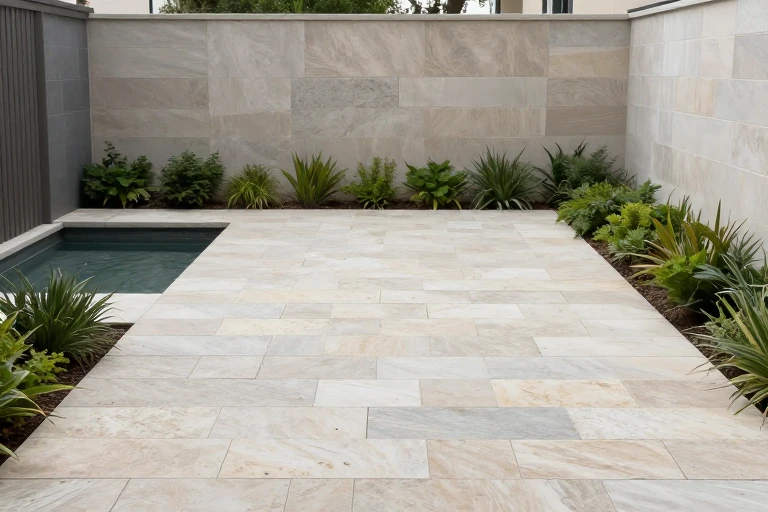
Light‑colored pavers or gravel reflect sunlight, creating an illusion of more space. Pale limestone, sand‑colored concrete, or white pea gravel work well in tight gardens. Pair with dark‑green foliage to maintain contrast and visual interest.
A uniform surface also eases cleaning.
11. Integrate Low‑Maintenance Groundcovers
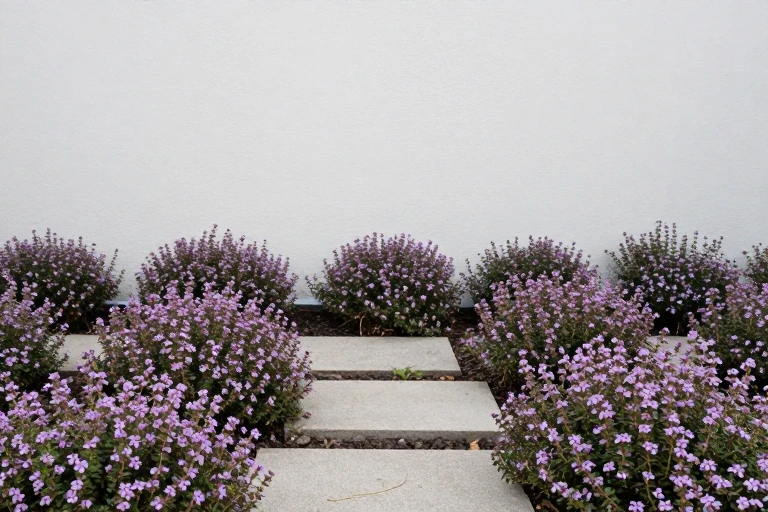
Groundcovers such as creeping thyme, sedum, or dwarf mondo grass spread quickly, suppress weeds, and require minimal mowing. Their low growth habit leaves room for foot traffic and occasional seating without a full lawn.
Many emit pleasant scents when stepped on, adding sensory appeal.
12. Plan for Seasonal Interest
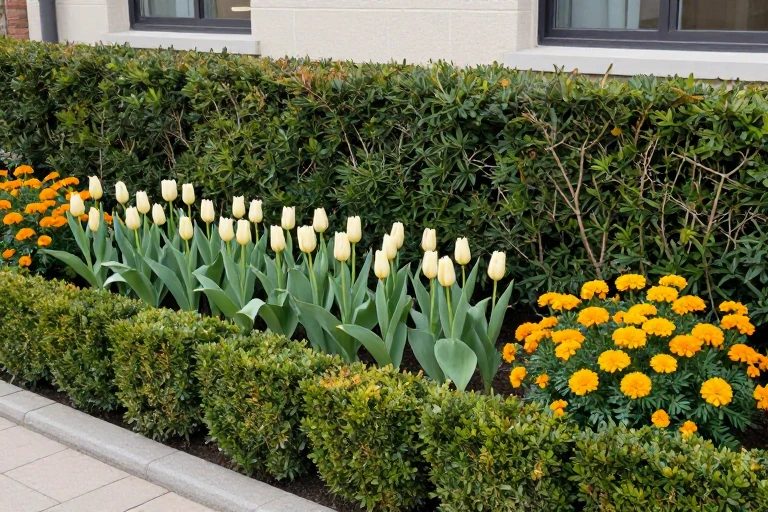
Plan for year‑round interest by mixing evergreens, seasonal bloomers, and ornamental grasses. Evergreen shrubs provide structure in winter, while bulbs and annuals add spring and summer color. This layered approach ensures the garden never looks dormant.
Map out a planting calendar to stagger blooms.
13. Include Kid‑Friendly Elements (Safety, Play)
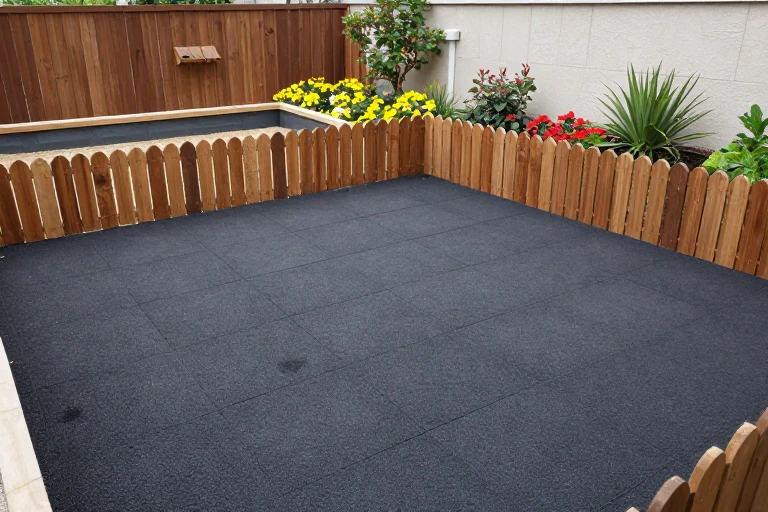
For families, include a safe play zone with soft mulch or rubber tiles, and avoid toxic plants like oleander. Low‑lying, non‑thorny shrubs provide a natural boundary without sharp edges. Add a small chalkboard or garden journal for interactive learning.
Keep tools stored in a child‑proof cabinet.
14. Design for Dogs (Durable Turf, Shade)
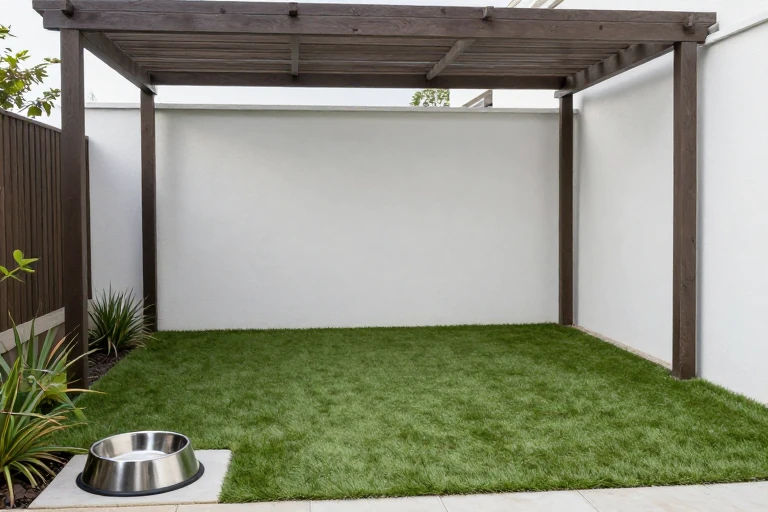
Dogs need durable, non‑toxic surfaces. Consider artificial turf or compacted bark mulch that tolerates digging. Provide shaded spots with a pergola or large umbrella, and include a water bowl integrated into a planter for convenience.
Choose hardy, low‑maintenance plants like lavender that deter pests.
15. Budget‑Friendly Materials (Reclaimed, Gravel)
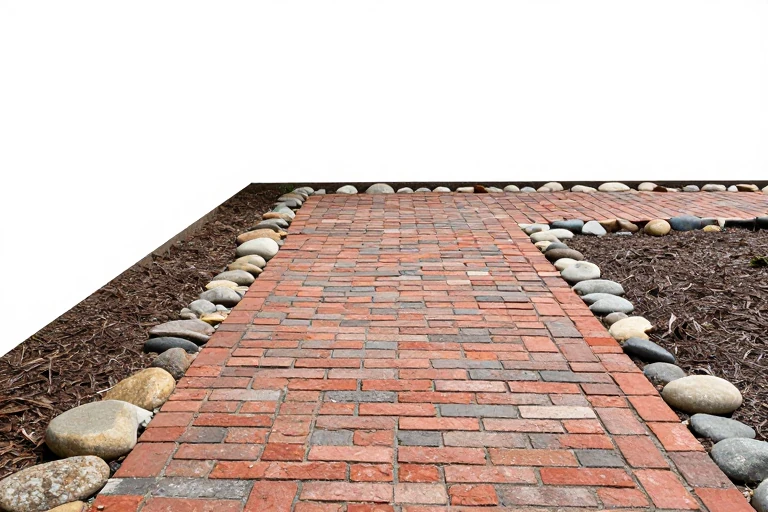
Stretch your budget by repurposing reclaimed bricks, pallet wood, or river rocks for pathways and edging. These materials add character and reduce cost. Pair them with inexpensive mulch or gravel to fill larger areas without breaking the bank.
Check local salvage yards for free or low‑cost finds.
16. DIY Hardscape Options (Stepping Stones, Mulch)
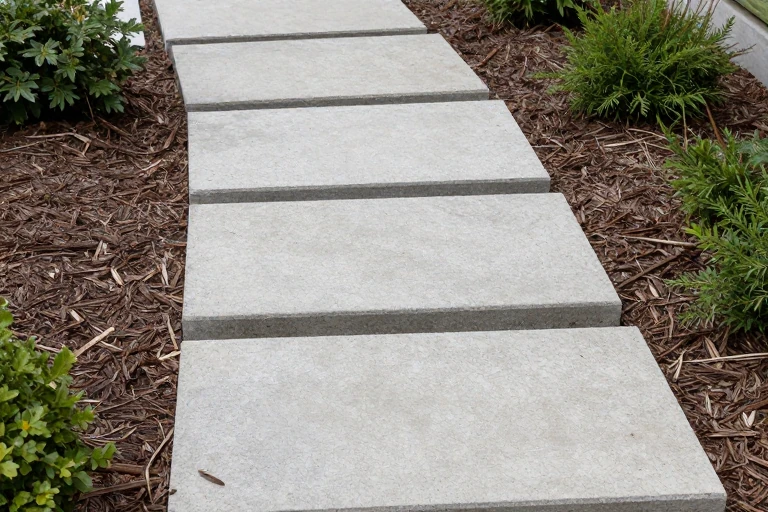
DIY hardscape projects like stepping stones, raised beds, or a simple fire pit can be built with basic tools. Use concrete molds for uniform stones, or stack reclaimed timber for a rustic bench. These projects add personality while keeping labor costs low.
Always check local codes for fire pits.
17. Water‑Smart Irrigation (Drip, Rain Barrels)
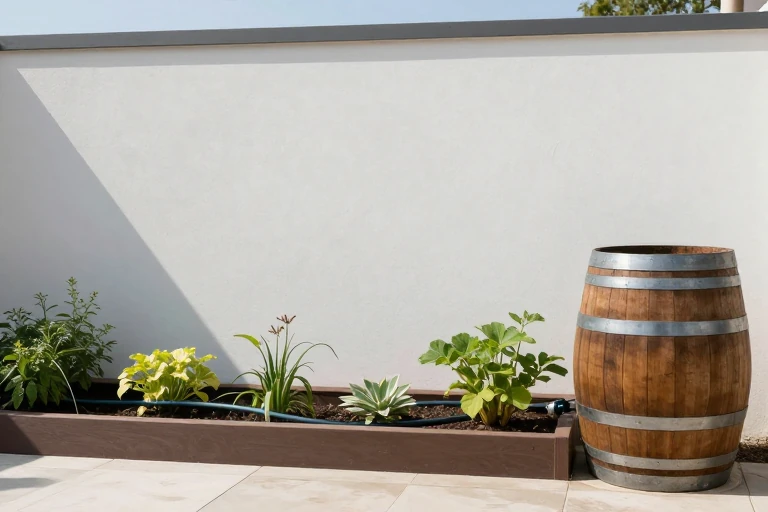
Install a drip‑irrigation system fed by a rain barrel or timer. Drip lines deliver water directly to the root zone, reducing evaporation and runoff. Pair this with a layer of mulch to retain moisture, cutting water use by up to 50 %.
Adjust flow rates seasonally for optimal efficiency.
18. Lighting for Mood & Safety
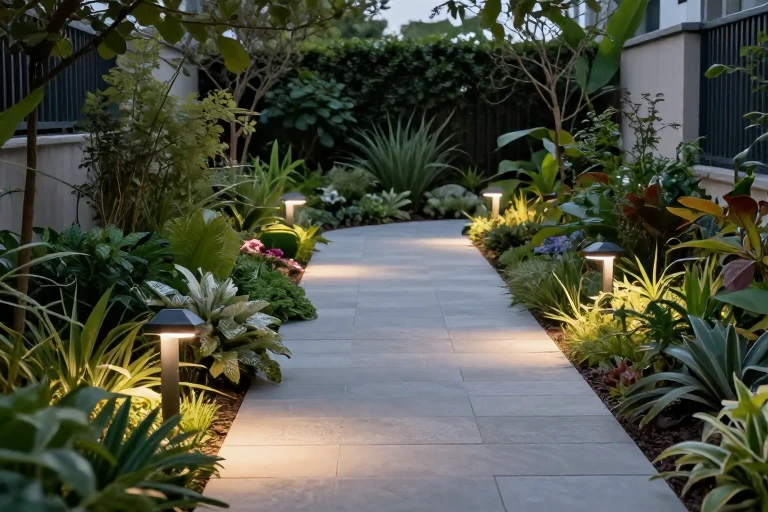
Layer low‑voltage LED lights along pathways, under railings, or within planters to create ambiance after dark. Solar‑powered fixtures eliminate wiring hassles and reduce energy costs. Use warm‑white bulbs for a cozy feel, and position lights to highlight focal points.
Shield fixtures to prevent glare.
19. Add Edible Herbs & Veggies in Small Footprint
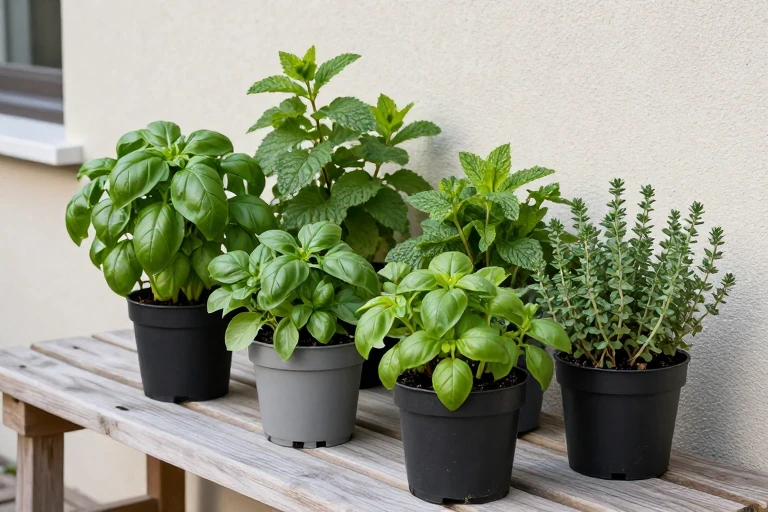
Integrate edible herbs—like basil, mint, and thyme—into container groups or border plantings. Their compact growth habit fits small spaces, and they supply fresh flavor for cooking. Pair herbs with companion flowers such as marigolds to deter pests naturally.
Harvest regularly to encourage new growth.
20. Maintain with a Simple Schedule
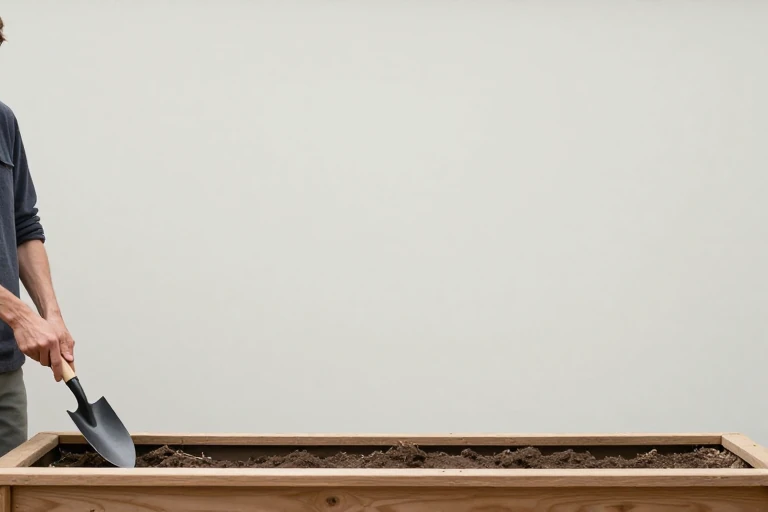
Develop a simple maintenance schedule: weekly visual checks for weeds, monthly soil moisture checks, and seasonal pruning. Keep a small garden journal noting plant performance and watering dates. Consistent, brief tasks prevent the garden from becoming overgrown and keep it enjoyable.
Use a lightweight trowel and hand pruners for quick work.
21. Hire a Small Garden Designer (When to Seek Help)
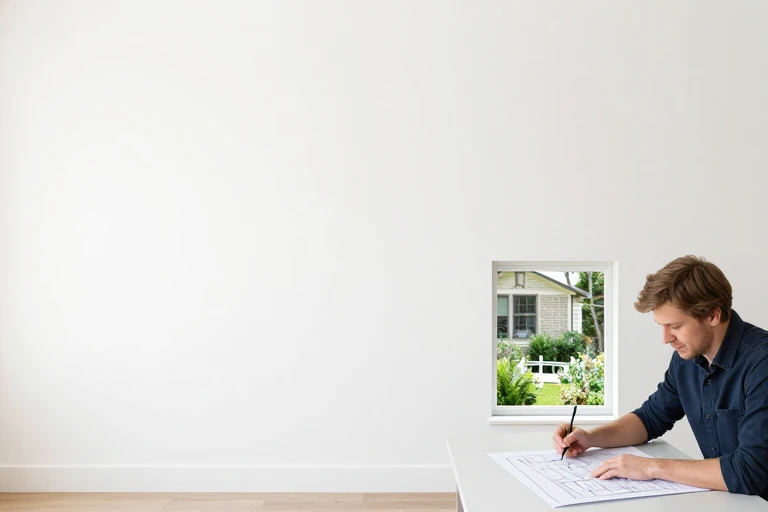
When the design feels overwhelming, consult a small‑garden specialist. Look for designers with portfolio projects under 500 sq ft and ask for a phased plan that matches your budget. A professional can spot micro‑climates, suggest suitable plants, and help avoid costly redesigns.
Ask for references and verify local code knowledge.
22. Common Small Garden Design Mistakes
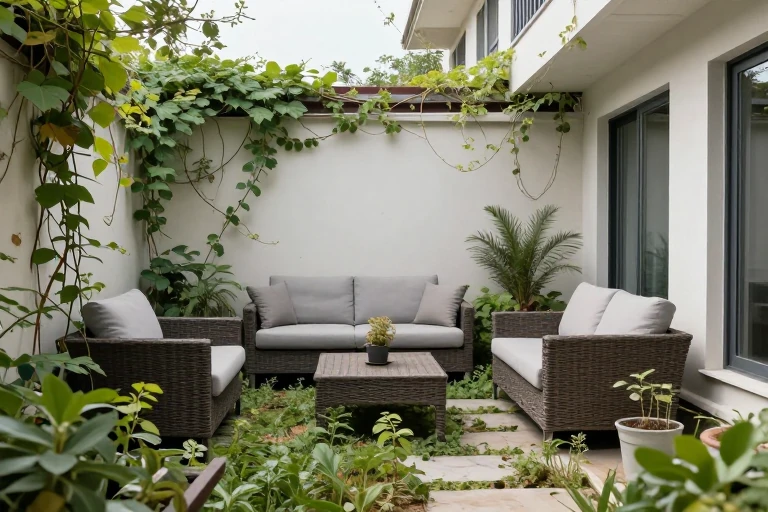
Common missteps include over‑planting, ignoring sun patterns, and choosing large‑scale furniture for a tiny yard. Avoid hardscapes that dominate the space; instead, keep pathways narrow and use lightweight materials. Finally, neglecting maintenance leads to weeds overtaking beds—regular checks keep the design intact.
Start small, evaluate, then expand.
Effort & Cost Snapshot
| Topic | Effort | Cost Note |
|---|---|---|
| 1. Define Your Goal & Measure the Space | Low | Often achievable with existing furnishings or simple updates |
| 2. Prioritize Functions (Entertaining, Play, Food) | Low | Often achievable with existing furnishings or simple updates |
| 3. Choose a Focal Point (Feature Plant, Water, Art) | Low | Often achievable with existing furnishings or simple updates |
| 4. Use Vertical Layers (Trellises, Walls) | Medium | Varies by materials, scope, and local labor |
| 5. Select Dwarf or Compact Plant Varieties | Low | Often achievable with existing furnishings or simple updates |
| 6. Incorporate Container Gardening | Low | Often achievable with existing furnishings or simple updates |
| 7. Create Zones with Pathways | Low | Often achievable with existing furnishings or simple updates |
| 8. Add Seating that Stows Away | Low | Often achievable with existing furnishings or simple updates |
| 9. Embrace Multi‑Use Furniture | Low | Often achievable with existing furnishings or simple updates |
| 10. Use Light‑Colored Paving to Expand Perception | Low | Often achievable with existing furnishings or simple updates |
| 11. Integrate Low‑Maintenance Groundcovers | Low | Often achievable with existing furnishings or simple updates |
| 12. Plan for Seasonal Interest | Low | Often achievable with existing furnishings or simple updates |
| 13. Include Kid‑Friendly Elements (Safety, Play) | Medium | Varies by materials, scope, and local labor |
| 14. Design for Dogs (Durable Turf, Shade) | Low | Often achievable with existing furnishings or simple updates |
| 15. Budget‑Friendly Materials (Reclaimed, Gravel) | Low | Often achievable with existing furnishings or simple updates |
| 16. DIY Hardscape Options (Stepping Stones, Mulch) | Low | Often achievable with existing furnishings or simple updates |
| 17. Water‑Smart Irrigation (Drip, Rain Barrels) | Medium | Varies by materials, scope, and local labor |
| 18. Lighting for Mood & Safety | Medium | Varies by materials, scope, and local labor |
| 19. Add Edible Herbs & Veggies in Small Footprint | Low | Often achievable with existing furnishings or simple updates |
| 20. Maintain with a Simple Schedule | Low | Often achievable with existing furnishings or simple updates |
| 21. Hire a Small Garden Designer (When to Seek Help) | Low | Often achievable with existing furnishings or simple updates |
| 22. Common Small Garden Design Mistakes | Low | Often achievable with existing furnishings or simple updates |
Frequently Asked Questions
How do I accurately assess the size and conditions of my small garden?
Begin by measuring the length and width of your garden, then draw a simple to‑scale sketch on graph paper. Mark existing features (trees, walls, utilities) and note sun exposure at different times of day. This visual inventory helps you see where seating, planting, or pathways can fit without crowding the space.
What types of plants work best in a confined garden?
Choose dwarf or compact plant varieties that stay under 3 feet tall, such as dwarf coneflower, boxwood shrubs, or mini roses. These plants provide color and structure without overwhelming limited space, and they often require less pruning and water than larger counterparts.
How can I water my small garden efficiently?
Install a drip‑irrigation system fed by a rain barrel or timer. Drip lines deliver water directly to the root zone, reducing evaporation and runoff. Pair this with mulch to retain moisture, and you’ll cut water use by up to 50 % while keeping plants healthy.
What’s the best way to add seating without overcrowding?
Start with a single, flexible element—like a folding bistro set or a bench with hidden storage—and expand only as you see a need. This staged approach prevents over‑furnishing and lets you adjust the layout based on how you actually use the space.
How often should I maintain a small garden?
Plan a routine that fits your schedule: a quick visual check weekly, a deeper weed‑pull and soil check monthly, and a seasonal prune in spring and fall. Consistent, small tasks keep the garden tidy and avoid the overwhelm of a massive clean‑up.
With a clear purpose, smart plant choices, and flexible furnishings, even the tiniest yard can feel like an outdoor room. By treating every square foot as a design opportunity—using vertical layers, multi‑use pieces, and water‑wise practices—you’ll create a garden that looks larger, works harder, and stays enjoyable year after year. Start with one idea, test it, and let the space evolve at your pace.
Sources & Further Reading
Continue Your Home Transformation
Explore the full collection of step-by-step eBooks and get the guide that fits the room you're working on.