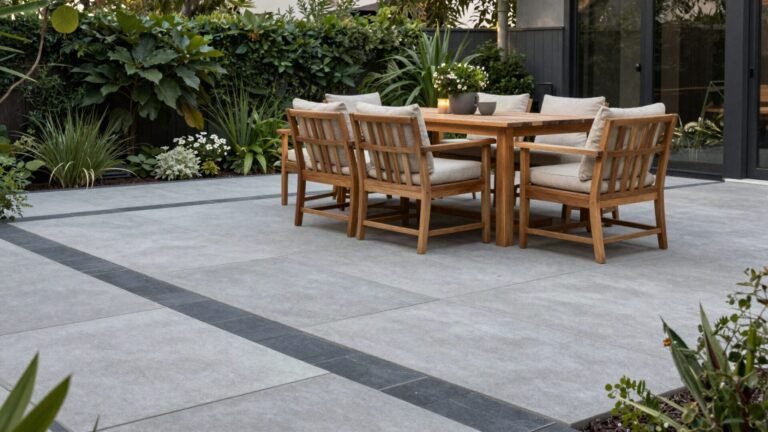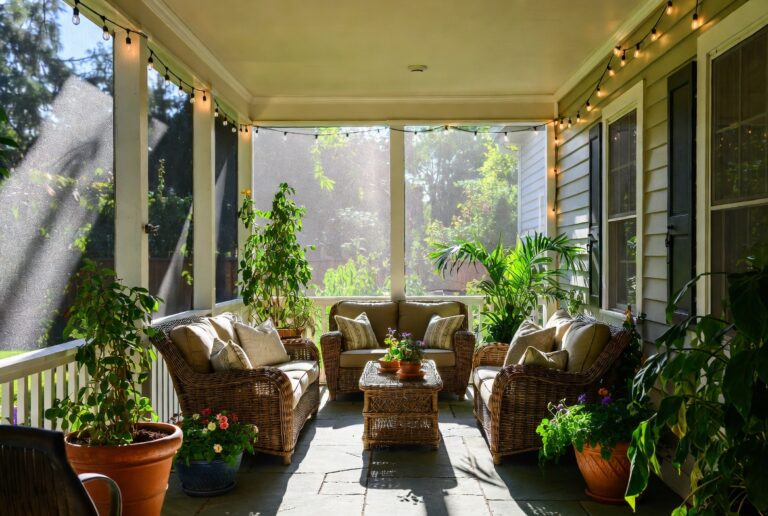
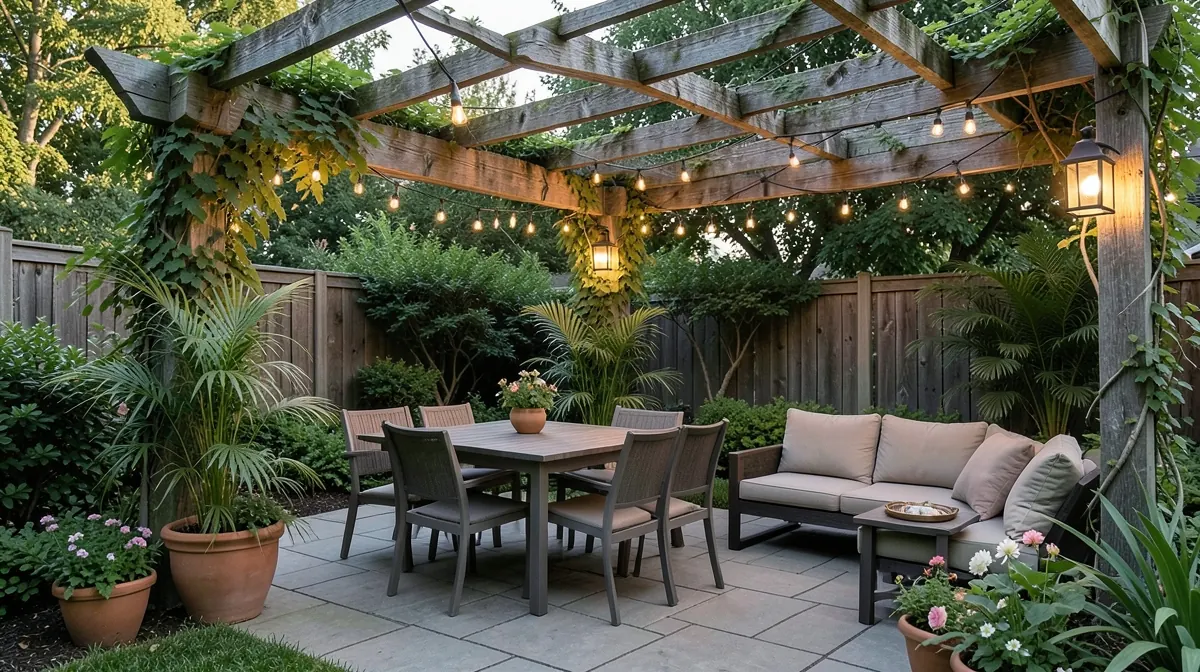
Good backyard patio ideas begin with a clear plan for using the space. Decide whether you need an outdoor dining area, a place to lounge, a grilling station, or a flexible setting for several activities. This article is visual inspiration and planning guidance—not a construction, code, engineering, or local-pricing guide. Surface choice, drainage, grading, climate, maintenance, permits, and labor can affect any real project. Start with the patio’s footprint and its relationship to the house, then choose furniture, shade, lighting, plants, and accessories that support that plan. The options below work as starting points for compact patios, expansive yards, garden edges, decks, lawns, and pool-adjacent spaces.
Start With Size, Layout, and Purpose
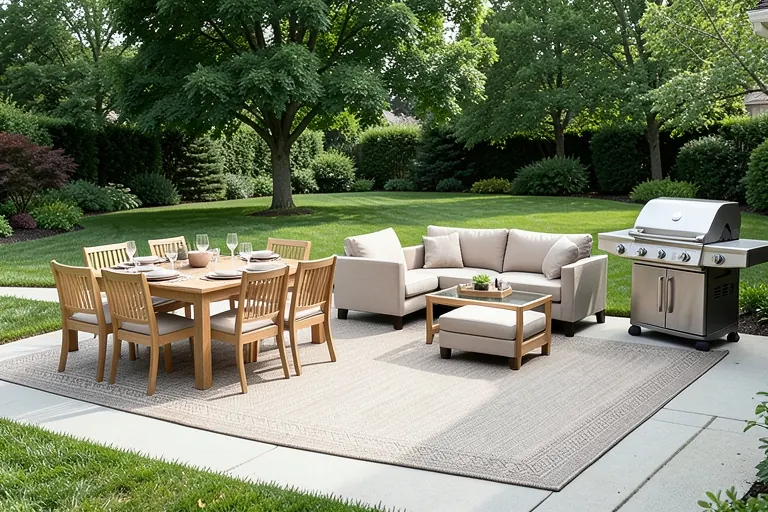
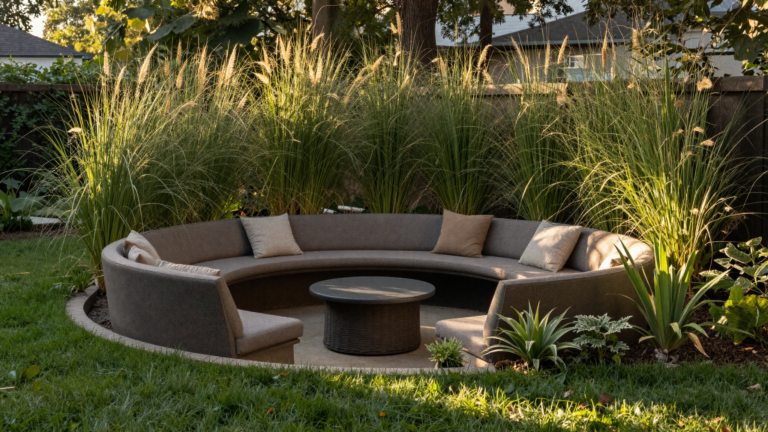
Map the activities before shopping. A large patio can hold separate dining, conversation, cooking, and relaxation zones; a rug or different furniture orientation can visually distinguish them. A small space usually works better with one primary activity, such as morning coffee or outdoor dining. Keep a clear route from the door and around furniture, without assuming any arrangement is code-compliant. Place dining or serving furniture where it is convenient to the kitchen, and sketch doors, steps, shade, and views first.
Best for: Any yard size. Plan for: movement, storage, sun exposure, and the location of utilities before adding permanent features.
Small Patio Ideas That Maximize Space
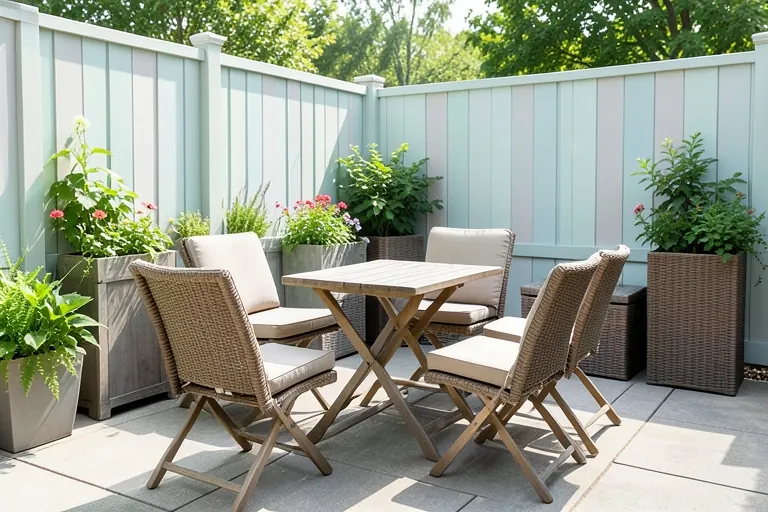
Choose furniture that can change shape or disappear when needed. Folding or stackable chairs, a compact table, a bench, or a bistro set can support meals without dominating the floor. Keep one primary activity and add storage for cushions, tools, or serving items. Vertical planters and a fence accent use the walls and boundaries rather than valuable floor area. A hammock or two colorful chairs can create a retreat, provided the structure and hardware are appropriate. Keep the route from the back door easy to use.
Low-cost option: Repaint existing chairs, add one outdoor rug, and use containers at different heights. Plan for: seasonal storage and mature plant size.
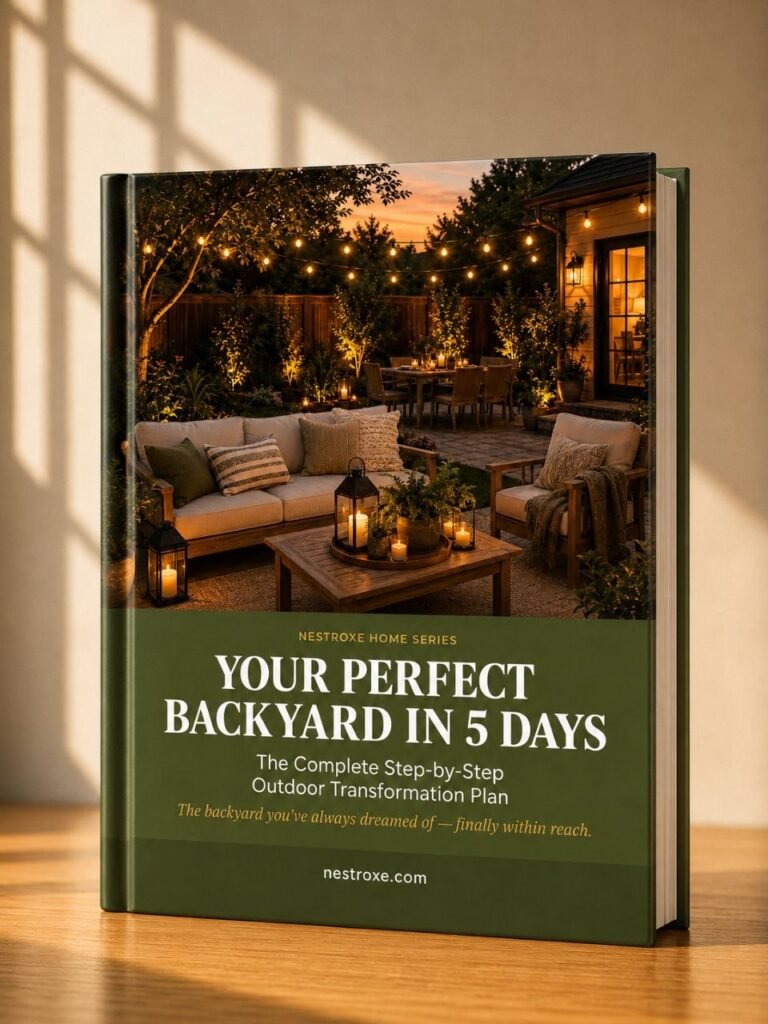
Loving These Ideas? Get the Step-by-Step Guide
Grab the full 5-day eBook and turn these ideas into a finished room.



Match the Surface and Structure to the Setting
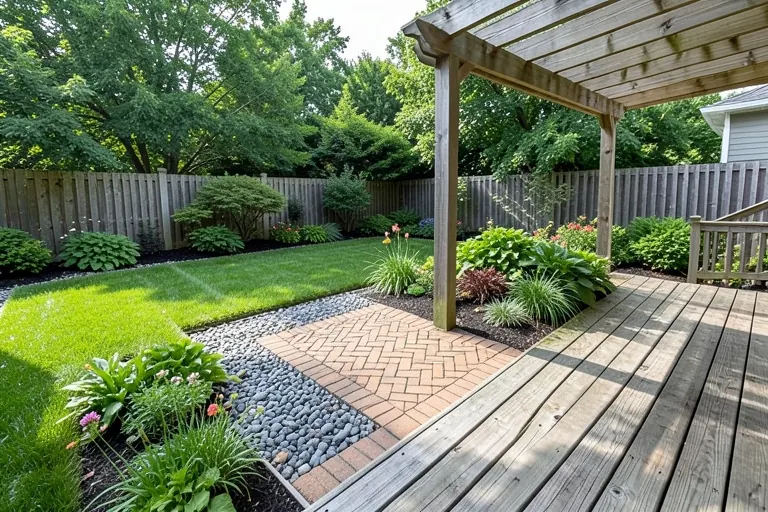
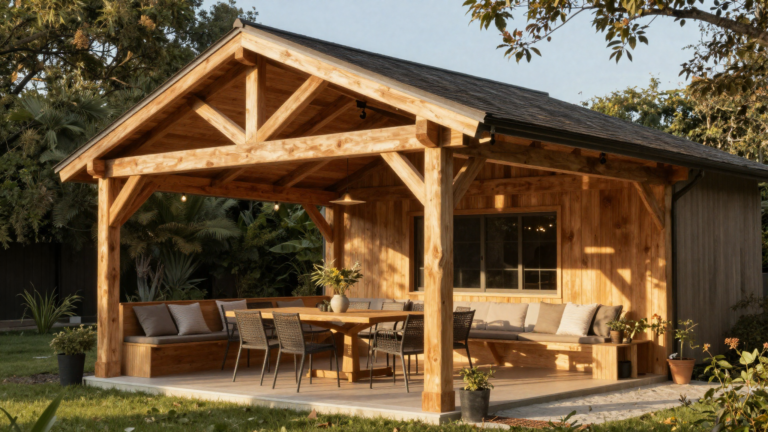
Concrete, pavers, brick, stone, and gravel offer different visual character and maintenance demands. As a design tendency, concrete and pavers often work well with clean-lined homes, brick can reinforce traditional character, and stone or gravel can suit a looser garden setting. Treat those pairings as inspiration, not rules. Installation choices also depend on drainage, base preparation, grading, climate, maintenance, and local requirements. A pergola, gazebo, roof extension, or cover can add structure, but an open pergola may provide filtered shade rather than full sun protection.
Best for: A coordinated long-term design. Plan for: site conditions, water movement, material upkeep, and permits or professional review for permanent work.
Choose Shade, Features, and Lighting by Use
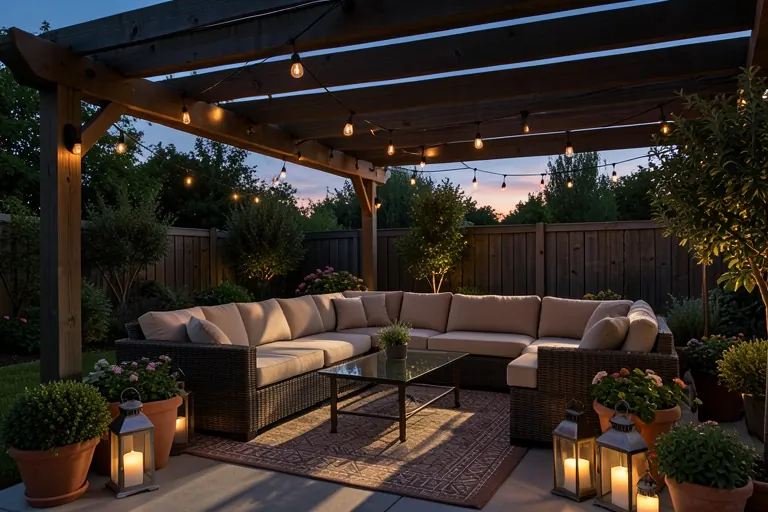
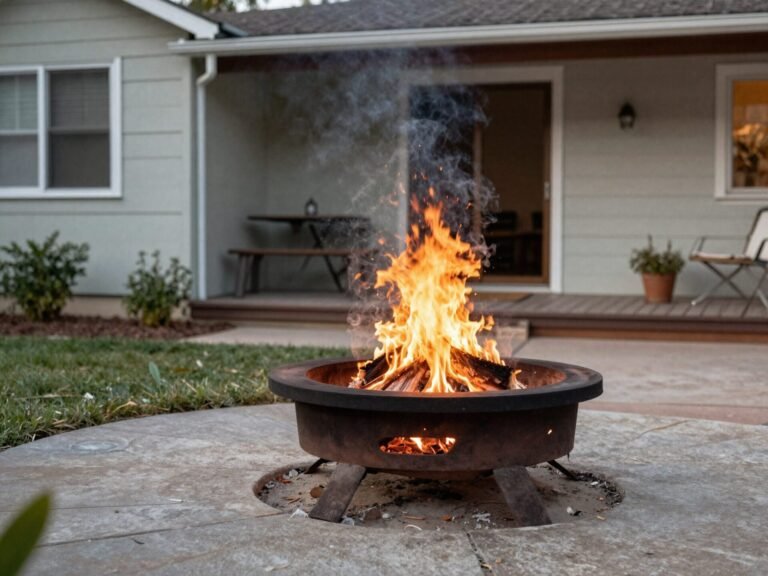
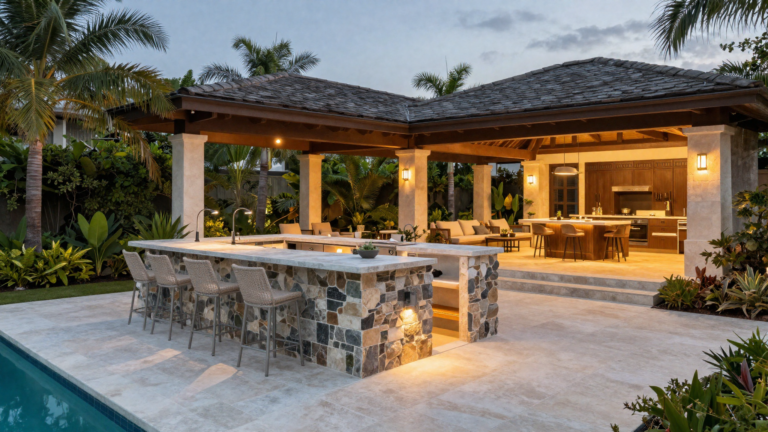
Use an umbrella or shade sail for flexible, lower-commitment coverage. Choose a pergola or covered structure when you want a more permanent room-like element, remembering that additional fabric or slats may be needed for stronger sun protection. A fire pit suits conversation and gathering; an outdoor kitchen makes more sense when you cook outside frequently and have suitable utility access. Permanent structures, gas, electrical work, and built-in appliances may require permits or professional review. For fire features, check local rules, manufacturer clearances, overhead and combustible-surface restrictions, wind conditions, and safe extinguishing and storage practices. Add outdoor rugs, comfortable seating, and layered decorative lighting after the practical features are settled.
Plan for: manufacturer instructions, weather exposure, electrical safety, and the feature’s distance from structures, furniture, and plants.
Refresh the Patio and Connect It to the Yard
Start an affordable update with string lights, new cushions, a patterned outdoor rug, potted plants, colorful seating, a painted fence accent, or pre-owned furniture. Painting concrete can create a strong change, but success depends on the slab’s condition, cleaning, moisture, product compatibility, slip resistance, and future maintenance. Where the patio meets a garden, lawn, artificial grass, or deck, repeat a color or finish selectively and keep the walking route legible. For pool-adjacent patios, prioritize slip-resistant surfaces and drainage, protect furnishings from splash and chemicals, preserve an unobstructed route, and follow applicable pool-barrier and electrical requirements. Keep fire features away from the pool and nearby structures according to local rules and manufacturer guidance.
Low-cost option: Improve lighting, seating, and planting before rebuilding the surface. Plan for: mature plant size, density, climate, maintenance, heat, and drainage; artificial grass does not automatically solve those site issues.
Effort & Cost Snapshot
| Topic | Effort | Approx. Cost |
|---|---|---|
| Start With Size, Layout, and Purpose | Medium | Moderate upgrade |
| Small Patio Ideas That Maximize Space | Low | Refresh |
| Match the Surface and Structure to the Setting | High | Major project |
| Choose Shade, Features, and Lighting by Use | Medium | Moderate upgrade |
| Refresh the Patio and Connect It to the Yard | Medium | Refresh to major project |
Frequently Asked Questions
What patio layout works best for a large backyard?
Divide the surface by activity instead of filling it with one oversized furniture set. Place dining near the back door or kitchen, and orient lounge seating toward a garden, view, or gathering feature. Rugs, planters, and furniture direction can define zones while an open route connects them. Confirm any required clearances locally before construction.
How can I make a small patio feel more functional?
Choose one main activity, then select folding, stackable, or compact furniture for it. A bistro set suits dining, while two chairs and a small table create a reading or coffee nook. Add vertical planting, a narrow storage cabinet, and one appropriately sized rug. Keep the route from the door open and avoid filling every corner with accessories.
Which patio material works with a garden?
Concrete, pavers, brick, stone, and gravel can all complement planting. Select based on the home’s appearance, drainage, grading, base conditions, maintenance preferences, and local requirements. Repeat a surface color in edging or planters for continuity, but do not treat a material pairing as a guarantee of installation performance.
Should I add a pergola, fire pit, or outdoor kitchen?
Choose an umbrella or shade sail for flexible coverage, a pergola or cover for a more permanent structure, a fire pit for gathering, and an outdoor kitchen for frequent cooking with appropriate utility access. Check permits, fire rules, clearances, utility needs, manufacturer directions, and professional-review requirements before installing permanent features.
What are the easiest low-cost patio updates?
Refresh cushions, add an outdoor rug, hang listed outdoor lighting, repaint suitable furniture, bring in containers, or shop for pre-owned pieces. A fence accent can create a focal point. Concrete coating is another option only when the surface is sound and dry and the product is compatible; follow preparation, slip-resistance, and maintenance directions.
Turn these patio ideas into a short project brief: write down the primary activity, sketch the route from the house, identify sun and drainage concerns, and choose the surface and furniture scale accordingly. Add flexible shade and affordable styling before committing to permanent structures. If you are planning a fire feature, pool-adjacent work, utilities, or a roofed structure, verify local requirements and product guidance first. A focused sequence will make the finished patio easier to use, maintain, and expand over time.
Sources & Further Reading
- 44 Outdoor Patio Ideas for a Place You’ll Never Want to Leave
- 50 Patio Ideas for the Backyard of Your Dreams | HGTV
- 25 Backyard Patio Ideas That Fit Any Yard Size or Budget …
- 75 Beautiful Backyard Patio Design Ideas & Pictures | Houzz
- 74 Designer Patio Ideas for a Beautiful Backyard RetreatBackyard Patio Ideas: 100+ Tricks to Take Your Yard From Drab …75 Patio Ideas You'll Love – August, 2026 | Houzz
- Backyard Patio Ideas: 100+ Tricks to Take Your Yard From Drab …
Continue Your Home Transformation
Explore the full collection of step-by-step eBooks and get the guide that fits the room you're working on.