Useful decorative bowl ideas begin with the vessel itself: its opening, depth, base and intended purpose. An interesting bowl can stand empty, hold a suitable everyday category or gather a restrained decorative group. It does not need to be filled simply because there is space inside it.
These 23 ideas focus on choosing and placing the bowl rather than decorating an entire tabletop. Adapt a few to your room. Check the underside, condition and maker's instructions before use, and keep bowls with an unknown or decorative-only finish away from direct food contact.
Contents
- 1. Let an interesting rim stand empty
- 2. Use a shallow bowl when the interior is the feature
- 3. Give a deep sculptural bowl a clear profile
- 4. Choose an oval form for a long narrow surface
- 5. Try a small bowl inside an existing display niche
- 6. Use a low pedestal bowl where its base can be seen
- 7. Use the bowl's underside to guide surface protection
- 8. Choose one contrasting bowl for a dark shelf
- 9. Let dark ceramics punctuate a pale room
- 10. Repeat a quiet color from one textile
- 11. Pair a textured bowl with a smooth surrounding surface
- 12. Put everyday keys in a shallow visible bowl
- 13. Give glasses a broad protected resting place
- 14. Keep the remote bowl wide enough for a clear grip
- 15. Keep a bedside bowl limited to one small category
- 16. Display a secondhand bowl according to what is known
- 17. Choose a genuine serving bowl for a fruit display
- 18. Keep decorative-only vessels separate from serving pieces
- 19. Use a small removable fabric accent without hiding the bowl
- 20. Keep any large decorative filler contained and removable
- 21. Let two related bowls show different profiles
- 22. Rotate one bowl instead of expanding the collection on display
- 23. Make the cleaning and reset routine part of the choice
Choose the purpose before choosing the filler
Decide whether the bowl is a sculpture, an everyday catchall or an intended serving vessel. Measure its widest outside dimension and the base separately. A broad rim can occupy much more space than its supporting foot suggests. Place a paper outline where it will sit, then check the normal reaching, door-opening and cleaning movements around it.
Choose an arrangement that fits your situation
- The shape or rim is already distinctive: Start with an empty display and a quiet background
- The bowl must hold everyday essentials: Test the actual contents, visible opening and finger space
- The vessel is vintage or its coating is unknown: Keep it decorative unless its suitability for the intended use is established
- You want direct food contact: Choose an intended serving vessel and follow its own instructions
- The display makes cleaning awkward: Reduce filler, improve access or choose a simpler placement
1. Let an interesting rim stand empty

A scalloped, folded or irregular rim can provide the complete decorative detail. Place the empty bowl where its outline is visible against a quieter background. Turn it to compare the silhouette from the doorway rather than choosing only the most attractive overhead view. Leaving it empty also makes a small chip or unstable base easier to notice before the arrangement becomes part of the room.
2. Use a shallow bowl when the interior is the feature

A shallow form gives a glaze pattern or carved interior more visibility from a standing position. Compare its appearance from the usual seat as well: a low rim may hide the interior from that angle. Choose the display position for the view you actually have. Avoid tilting a loose bowl against a wall to expose a pattern unless it has a suitable intended display support.
3. Give a deep sculptural bowl a clear profile

A deep vessel can read as a rounded sculptural shape even when its contents are invisible. Keep the background uncluttered and compare the height with nearby furniture. If its opening is too narrow to reach comfortably, use it as a decorative object rather than assigning daily keys to it. The attractive outer shape and the practical opening are separate decisions.
4. Choose an oval form for a long narrow surface

An oval bowl can run along the length of a shallow shelf or console. Measure its widest rim and leave the entire base supported. Check the ends as well as the middle; a long bowl can intrude on a lamp switch or the place where a bag lands. Use its elongated shape to keep the display contained rather than extending several objects across the whole surface.
5. Try a small bowl inside an existing display niche

A small bowl can suit a modest shelf opening without requiring another piece of furniture. Compare the rim with the opening and leave room to lift it out for cleaning. Choose a spot you can see without reaching over another fragile object. A shelf that looks empty from the front may still need more usable depth than a flared bowl's base suggests.
6. Use a low pedestal bowl where its base can be seen

A footed bowl has two shapes to consider: the vessel and its support. Place it on a stable level surface with the foot visible instead of hiding it behind books. Check for rocking and consider the household using the room. A raised bowl does not need a second platform beneath it; extra height can make a modest object more awkward to live around.
7. Use the bowl's underside to guide surface protection

Inspect the base before placing ceramics, stone or carved wood on finished furniture. A rough ring, old felt or trapped grit can matter more than the visible material. Follow the furniture and bowl instructions for compatible protection and lift the bowl when moving it. Do not assume that a soft-looking decorative finish guarantees a smooth underside.
8. Choose one contrasting bowl for a dark shelf

A pale bowl can create a clear outline against a dark bookcase. Start with one object and view it under the room's ordinary lighting. Keep enough surrounding space that the contrast comes from the bowl rather than a crowded group of bright accessories. There is no need to repeat the same bowl on every shelf to make the choice feel deliberate.
9. Let dark ceramics punctuate a pale room

A dark bowl can anchor a pale console or shelf without introducing a large new color block. Compare matte and reflective surfaces in the actual light before choosing. Keep its shape readable against the wall and repeat the dark tone only where the room already benefits from it. A decorative bowl can provide enough contrast without adding several unrelated black ornaments.
10. Repeat a quiet color from one textile

A bowl can connect a small display with a cushion or rug when it repeats a minor color. Use a related shade rather than trying to match every surface precisely. Compare the bowl and textile from the normal room entrance. If the textile is strongly patterned, a plain bowl usually lets the color connection remain easy to see.
11. Pair a textured bowl with a smooth surrounding surface

Carved, ribbed or woven-looking texture is easier to notice beside something quiet. Keep the neighboring objects simple and check the bowl's cleaning instructions before giving it a dusty or heavily used position. Surface texture is a visual property, not evidence of a particular material or food-contact suitability. Choose its role from the actual product information.
12. Put everyday keys in a shallow visible bowl

A modest open bowl can give daily keys one recognizable home. Choose it around the real key set so nothing disappears beneath decorative filler. Keep spare keys and sensitive items in more appropriate storage. Test the reach while carrying the bag you normally bring home, and choose a bowl that remains steady when an item is picked up.
13. Give glasses a broad protected resting place

A shallow bowl can serve as a landing place for reading glasses when its interior and size suit them. Check that the frames rest without pressure and that the lenses do not rub a rough surface. Choose one location you already use rather than adding a second catchall that becomes confusing. A restrictive deep bowl is less convenient for an object with projecting arms.
14. Keep the remote bowl wide enough for a clear grip

A bowl used for remotes needs enough inside length and a clear route for fingers. Test with the largest remote before buying, including buttons or projecting grips. Avoid stacking several units in a way that hides the one used most. If the bowl is constantly emptied onto the table, an open tray or another storage format may fit the routine better.
15. Keep a bedside bowl limited to one small category

A small bowl can hold a watch or another suitable item taken off at bedtime. Keep the category narrow so it does not become a catchall for medicine, cables and paperwork. Check the surface against the object's care needs. The bowl should fit beside the lamp and leave the usual nightstand tasks comfortable, including opening the drawer.
16. Display a secondhand bowl according to what is known

A vintage or secondhand bowl can add a distinctive shape even when its original purpose is uncertain. Inspect its condition and keep unknown coatings away from direct food use. Displaying the bowl empty lets its character provide the interest without implying a use that has not been established. Do not repair visible damage cosmetically and then assume it restores suitability for serving.
17. Choose a genuine serving bowl for a fruit display
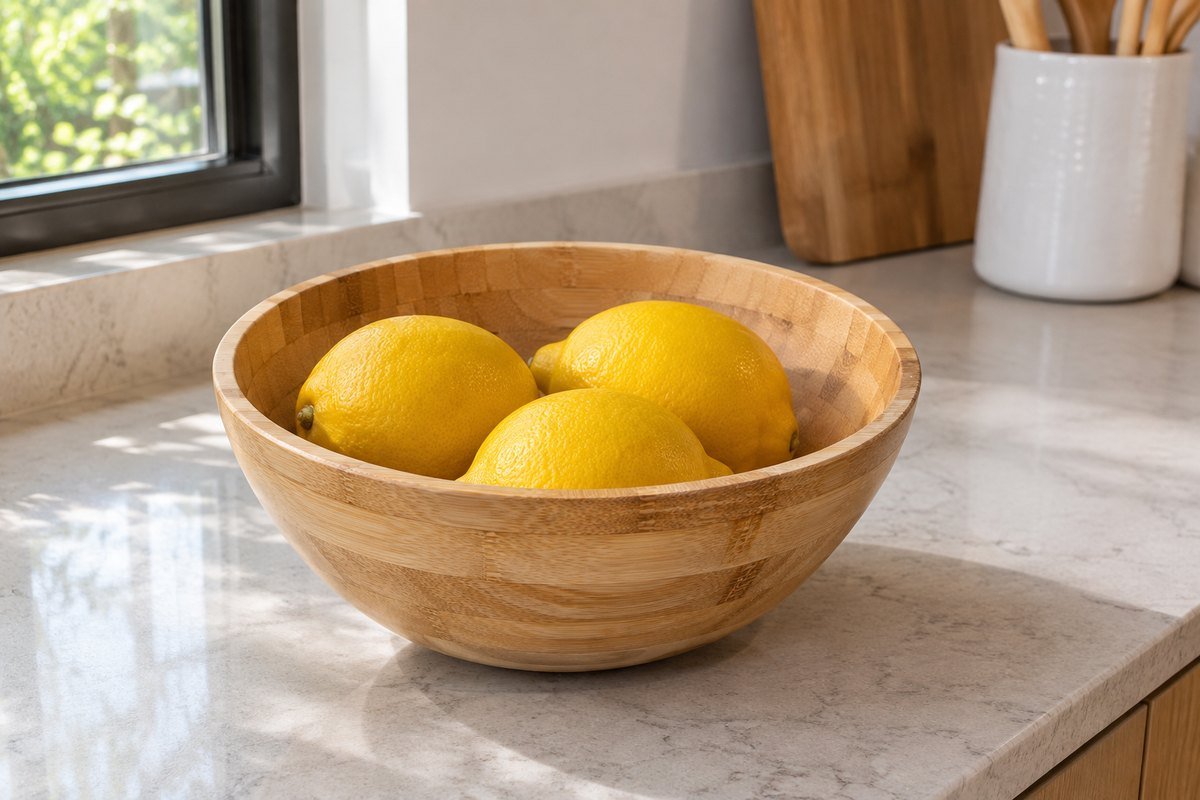
If fruit will sit directly in the vessel, choose a bowl intended for that contact and follow its cleaning instructions. Do not transfer that role to a decorative-only piece because the shape looks similar. Keep the quantity manageable and check the contents as part of the normal kitchen routine. The arrangement should support food use rather than conceal fruit beneath ornamental objects.
18. Keep decorative-only vessels separate from serving pieces

Assign a clear display role to a bowl labeled decorative or not food-safe. The cited woodturner's eucalyptus piece is explicitly described as decorative and not food-safe; its attractive timber does not change that intended use. Keep such a piece empty or use it only for an appropriate decorative purpose. Do not describe a liner as a universal conversion into a food-safe vessel.
19. Use a small removable fabric accent without hiding the bowl

A single folded cloth can soften the inside of a suitable decorative vessel when that arrangement fits its care needs. Leave most of the rim visible and keep fabric away from traffic or anything that could pull the bowl over. Avoid wrapping the whole vessel until its form disappears. Remove the cloth for ordinary cleaning instead of letting the layers become permanent.
20. Keep any large decorative filler contained and removable

If you prefer filler, choose a small number of suitable larger pieces and check their weight, surface and household suitability. Keep them below or within the bowl's useful outline so they do not topple when the vessel is moved. Small loose objects may be inappropriate around children or pets. An empty bowl is a complete alternative when the filler creates more work than interest.
21. Let two related bowls show different profiles

A pair can work when the shapes differ enough to remain distinct. Try a shallow bowl beside a deeper form in a related color, with both bases fully supported. Check the combined footprint rather than assessing each piece alone. Keep nesting or stacking for products designed to do it; balancing unrelated decorative rims is not a useful way to add height.
22. Rotate one bowl instead of expanding the collection on display

A seasonal or mood change can be as simple as replacing the visible bowl with another piece already owned. Store the unused one appropriately and keep the useful footprint consistent. This avoids a growing row of accessories that gradually takes over the surface. Photograph the successful placement if it helps return the room to a practical everyday arrangement.
23. Make the cleaning and reset routine part of the choice
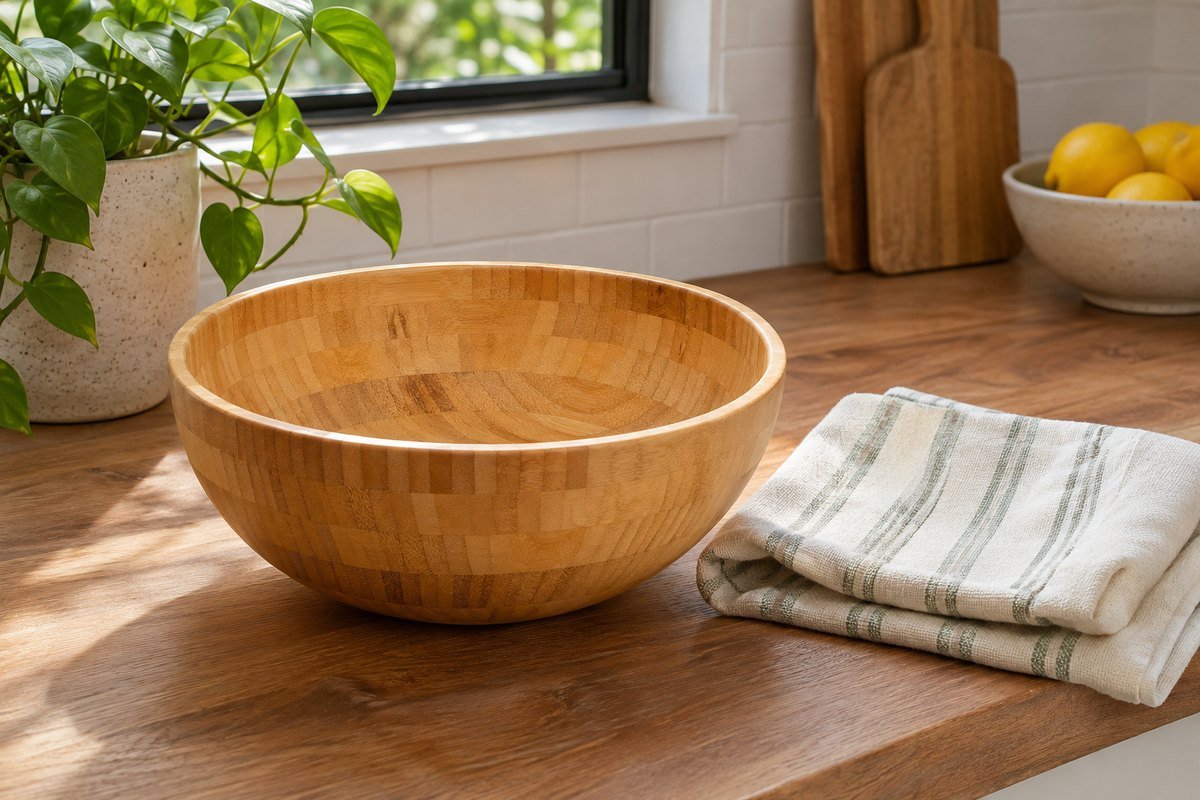
Before settling a bowl, lift it out, clean according to its instructions and return the intended contents. Notice whether the rim catches, the filler spills or the base is awkward to place. IKEA's cited BLANDA MATT bamboo serving bowl specifies hand washing and no microwave use; those directions should not be generalized to every wooden or bamboo vessel. Keep the instructions for your exact piece.
Make a bowl fit and intended-use card
Record the outside width, depth, rim height, base size, empty weight and intended role. Add the contents you actually want it to hold. For example, a hypothetical 12-inch-wide bowl on a 16-inch-deep shelf leaves 4 inches of depth before allowing front and rear gaps. That arithmetic does not establish a suitable position: the base must sit level, the full rim must remain contained and the bowl needs a workable lifting route.
Keep a separate line for the maker's intended use and cleaning instructions. IKEA's cited 5-inch BLANDA MATT is a bamboo serving bowl with a clear acrylic lacquer finish; its page says to hand wash, avoid metal utensils and not microwave. The artisan eucalyptus example is decorative and explicitly not food-safe. These examples show why appearance alone cannot decide the role. The artisan listing is a sold example, not a current purchasing recommendation.
A practical next step
Choose the bowl for a clear role, give its shape room to show and test the real daily movements around it. An empty sculptural vessel and a useful shallow catchall can both make a room feel considered. The right arrangement is the one that remains attractive after it has been used, lifted and cleaned.
For the surrounding room, fit a bowl into a useful round coffee table arrangement. plan the surrounding entryway table.
The images are original AI-generated design concepts, not photographs of tested products or verified installations.
Sources and care references
- IKEA: BLANDA MATT bamboo serving bowl, materials and care
- Unexpected Designs: sold eucalyptus decorative bowl and stated intended use
Optional digital guide for this topic
If you prefer a structured workbook, explore this related paid guide.