Garden and Plants
Getting the sensory garden right makes the biggest difference in how the space actually feels day to day. A well-planned sensory garden balances function and style, and even small tweaks to your sensory garden can transform the whole area.
If your garden looks fine from a distance but doesn’t actually pull you outside to spend time in it, something’s missing — and it’s usually not another flower bed. The gardens people linger in aren’t just visually tidy; they engage more than one sense at a time, with scent drifting on the breeze, texture underfoot, and color that shifts your mood the moment you step in.
By the end of this article, you’ll have 12 real ways to layer fragrance, color, texture, and stillness into your garden so it becomes a place you actually want to slow down in.
Table of Contents
- 1. Line a Path With Lavender and Lilac
- 2. Design an All-White Moon Garden
- 3. Build a Bed Around Deep Jewel Tones
- 4. Let a Cottage Corner Grow Wild
- 5. Plant a Continuous Pollinator Pathway
- 6. Train Fragrant Climbers Over a Pergola
- 7. Add a Japanese-Inspired Still Corner
- 8. Mix Edibles Into Ornamental Color
- 9. Tuck a Yoga Platform Among the Trees
- 10. Build a Micro Garden in a Small Space
- 11. Embrace Dark, Textural Contrast
- 12. Choose Materials That Reward Touch
- Effort & Cost Snapshot
1. Line a Path With Lavender and Lilac for Your Sensory Garden
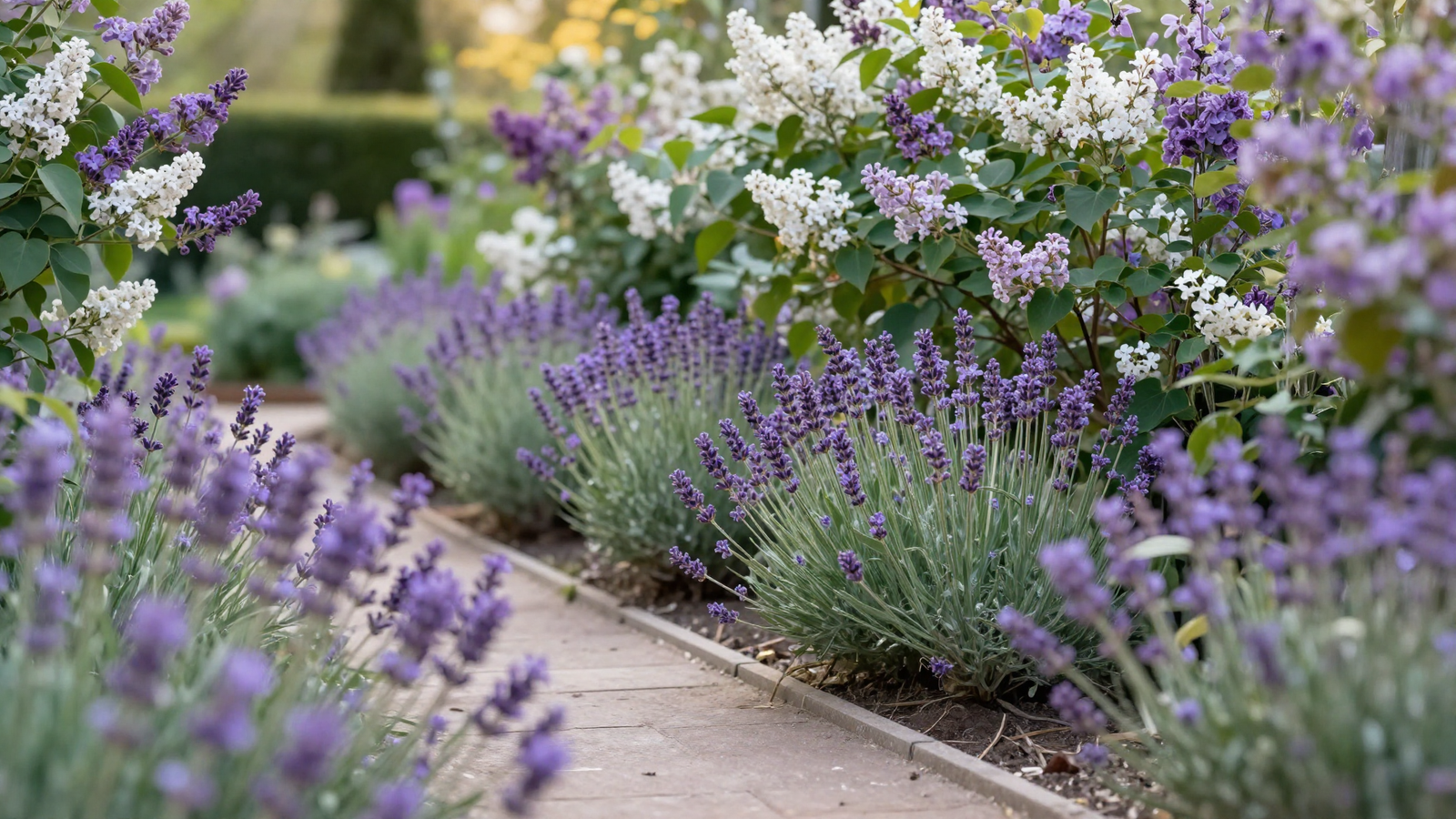
Brushing past lavender and lilac on the way to a seating area releases fragrance with every step, turning a simple walk through the garden into a sensory moment rather than just a route from one place to another. The soft purple and white tones also read as calm and cohesive rather than busy.
💡 Smart tip: Plant fragrant species close enough to the path edge that brushing against them is unavoidable, not just visible from a distance.
⚠️ Mistake to avoid: Overcrowding different strong scents too close together; competing fragrances can cancel each other out rather than layering pleasantly.
2. Design an All-White Moon Garden for Your Sensory Garden
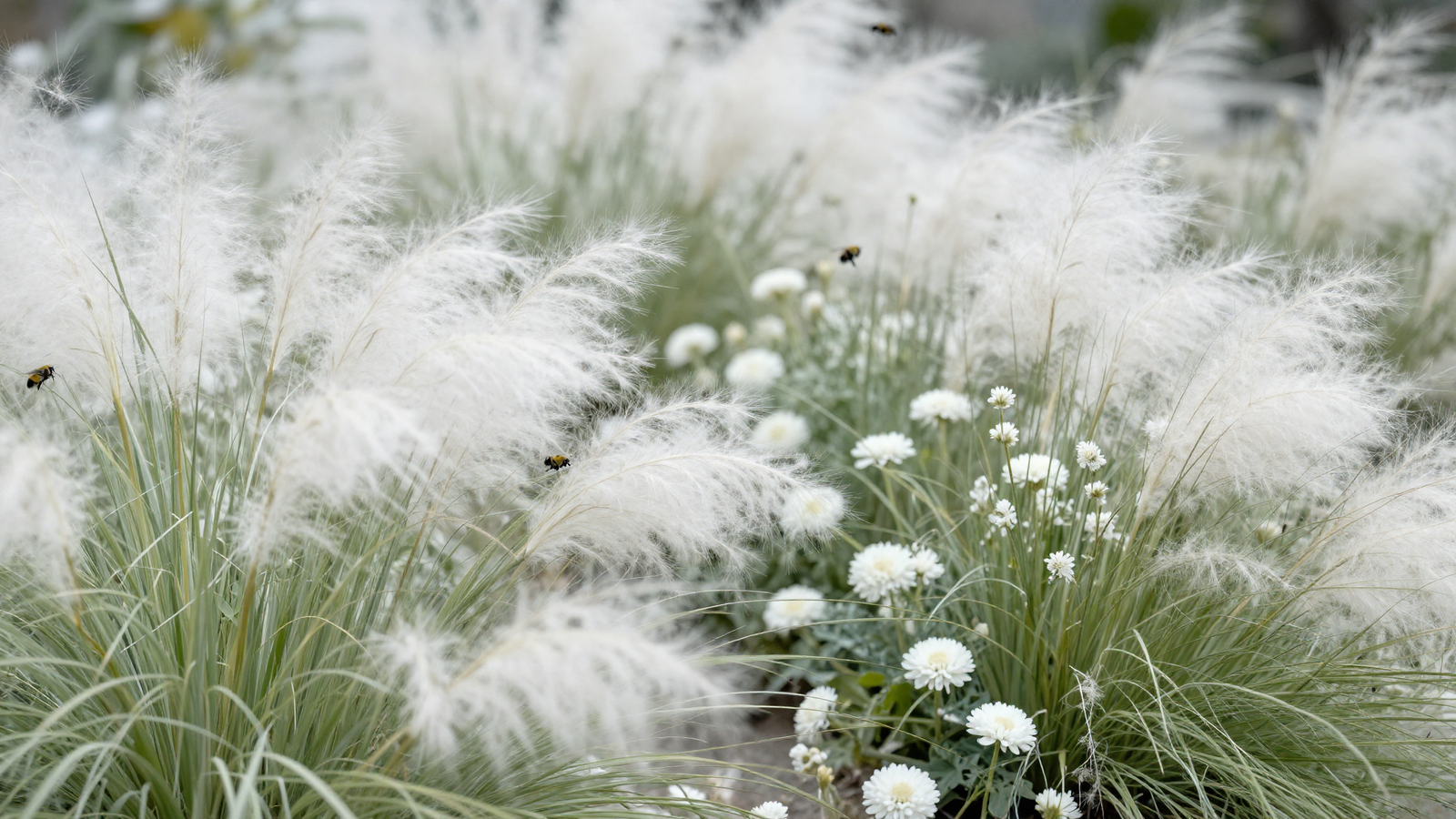
A simplified white and soft-green palette feels genuinely restorative after a chaotic day, and it has the added benefit of glowing softly at dusk when most other colors fade into shadow. Fine textures like ornamental grass add movement without adding visual noise.
💡 Smart tip: Choose a mix of bloom textures — spiky, mounding, airy — within the same white palette so the bed still feels layered rather than flat.
⚠️ Mistake to avoid: Sticking to only one type of white flower; slight variations in warmth and texture actually make an all-white bed feel richer, not repetitive.
3. Build a Bed Around Deep Jewel Tones for Your Sensory Garden
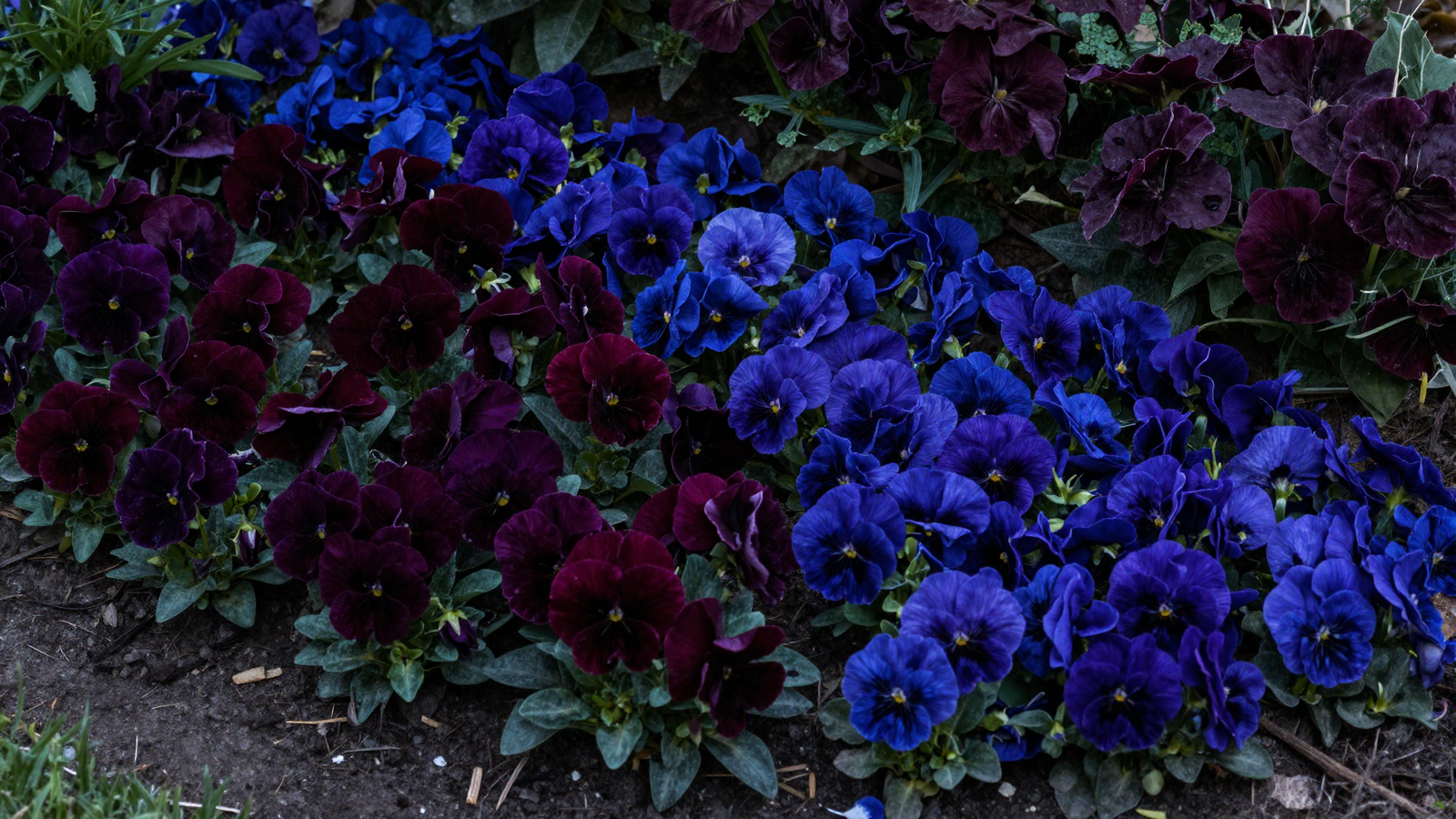
Where the moon garden calms, a jewel-toned bed does the opposite — deep purples, rich burgundies, and sapphire blues create real drama and depth, especially against a backdrop of plain green foliage. It’s a color story that photographs beautifully and feels sophisticated rather than loud.
💡 Smart tip: Anchor the bed with one or two larger jewel-toned shrubs, then fill in with smaller perennials in the same color family for cohesion.
⚠️ Mistake to avoid: Adding a single bright, unrelated color into the mix; it breaks the moodiness the deep tones are built to create.
Loving These Ideas? Get the Step-by-Step Guide
Grab the full 5-day eBook and turn these ideas into a finished room.



4. Let a Cottage Corner Grow Wild for Your Sensory Garden
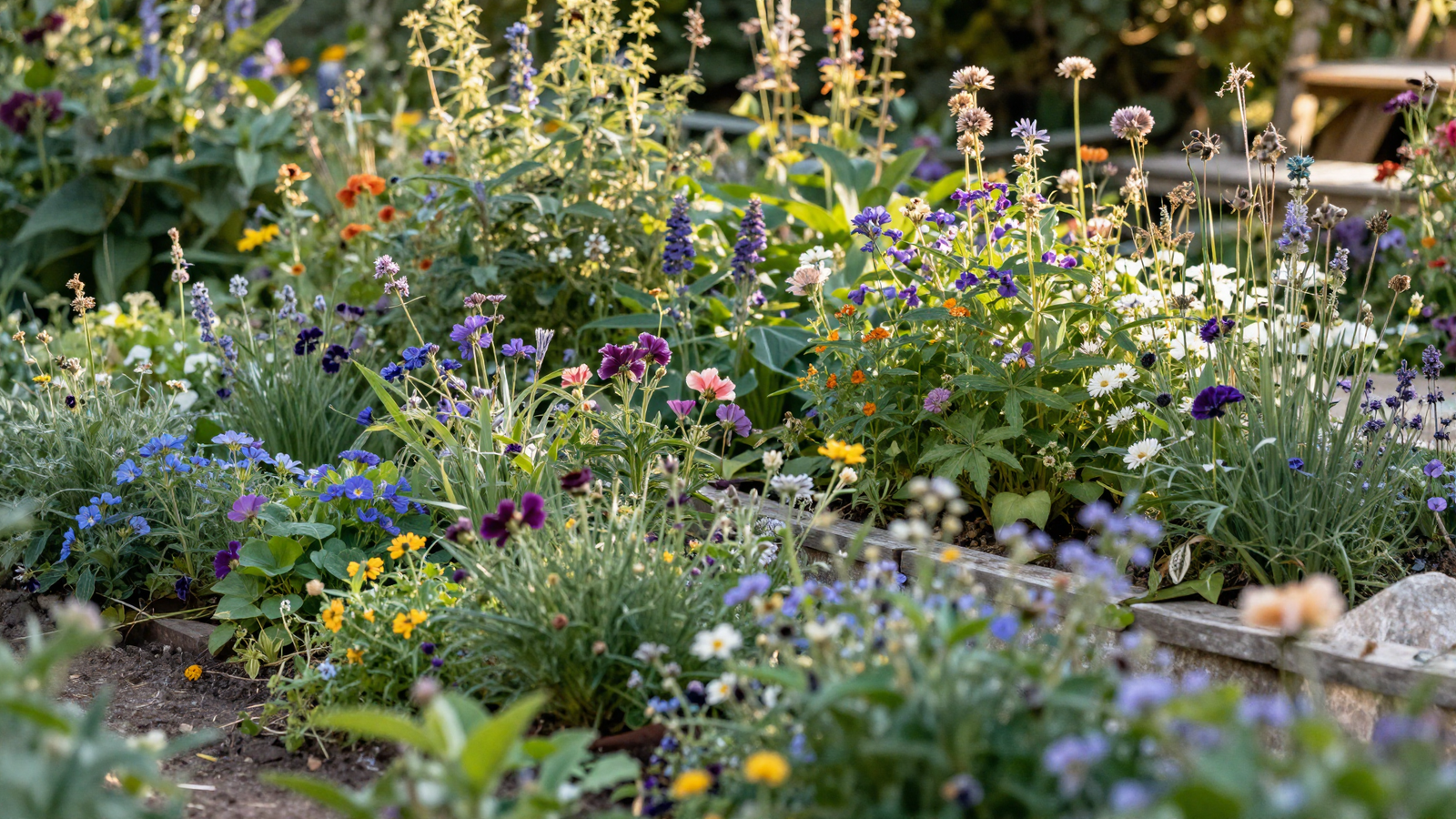
Letting perennials intermingle, self-seed, and lean into each other creates an abundant, romantic feel that a tidy, evenly spaced bed simply can’t match. Leaving seed heads standing through the season also feeds birds and gives the space texture even after the blooms fade.
💡 Smart tip: Start with a strong backbone of shrubs and structural perennials, then let annuals and self-seeders fill the gaps between them for that layered, chaotic-but-planned look.
⚠️ Mistake to avoid: Confusing “wild” with “neglected” — this style still needs occasional editing to keep aggressive self-seeders from crowding out everything else.
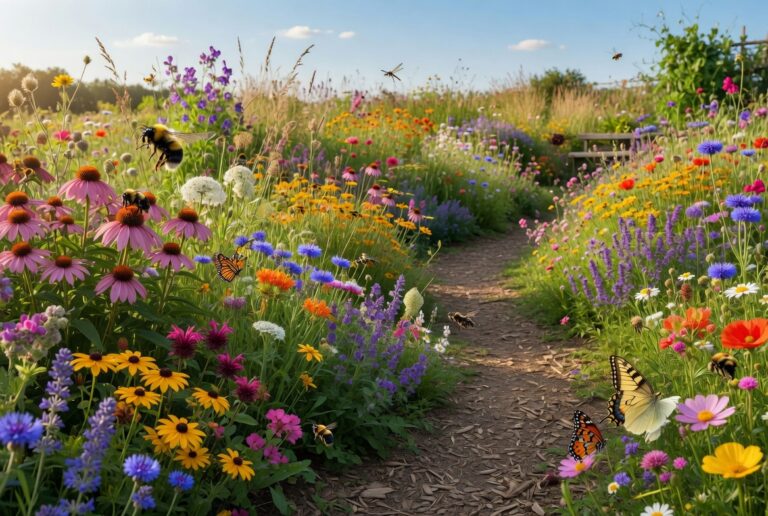
5. Plant a Continuous Pollinator Pathway for Your Sensory Garden
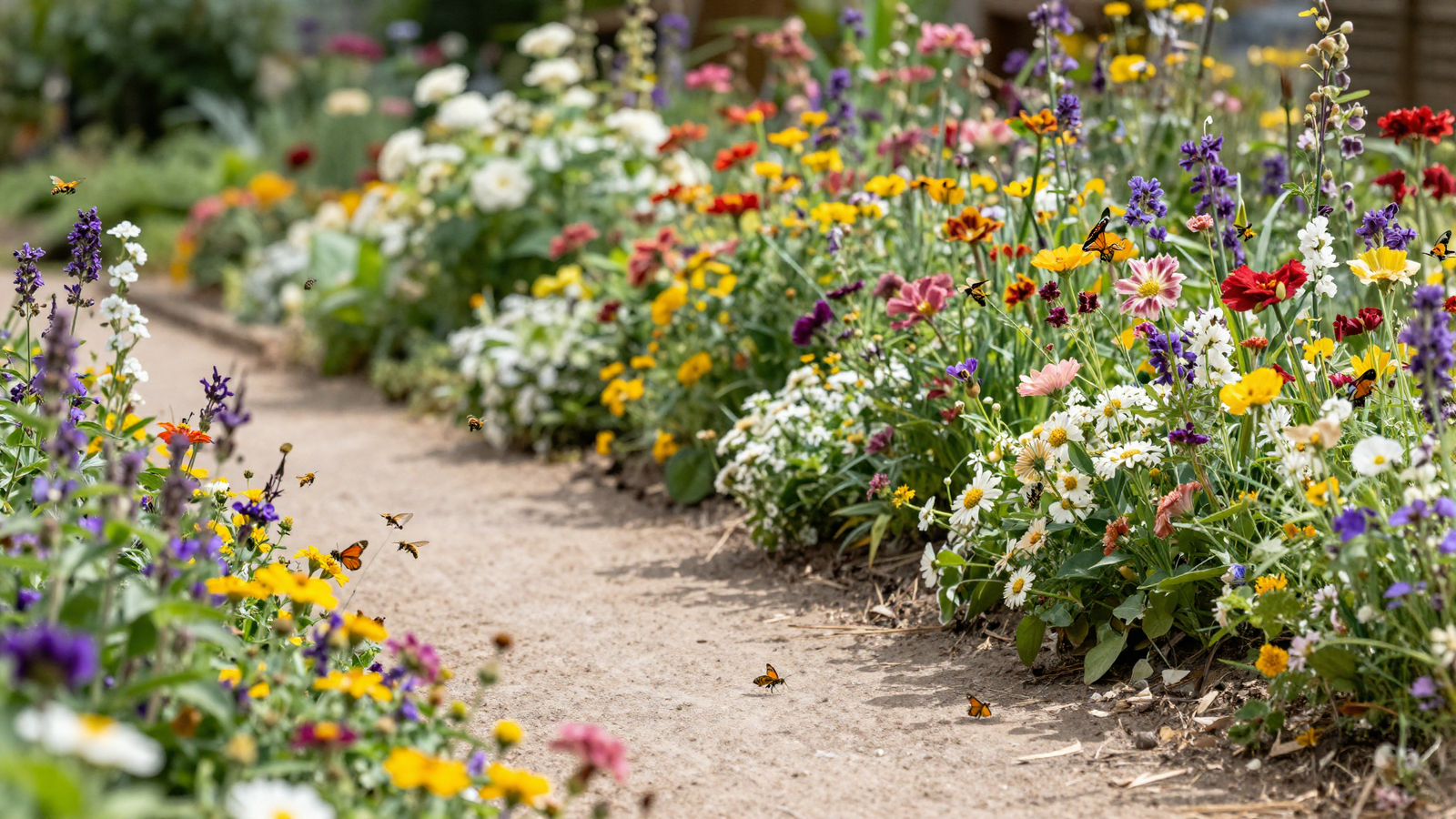
Instead of isolated flower patches, staggering bloom times across connected beds keeps pollinators moving through your yard from spring through late summer. Watching bees and butterflies actually work the garden adds a layer of movement and life that static planting never quite achieves.
💡 Smart tip: Map out bloom months for each plant before purchasing so you can identify and fill any seasonal gaps in the pathway.
⚠️ Mistake to avoid: Choosing only showy hybrid flowers; many produce little usable nectar or pollen compared to straight native species.
6. Train Fragrant Climbers Over a Pergola for Your Sensory Garden
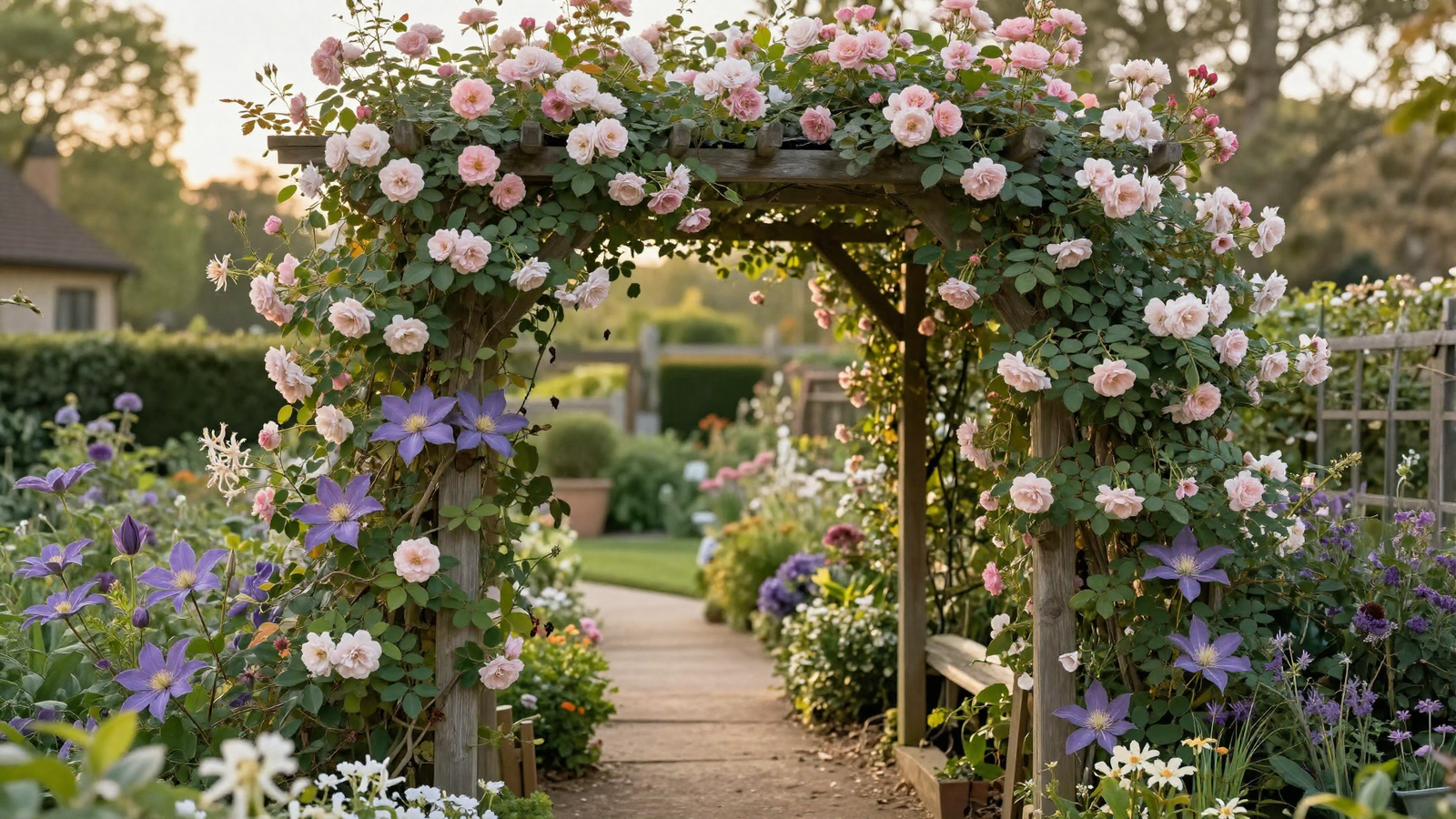
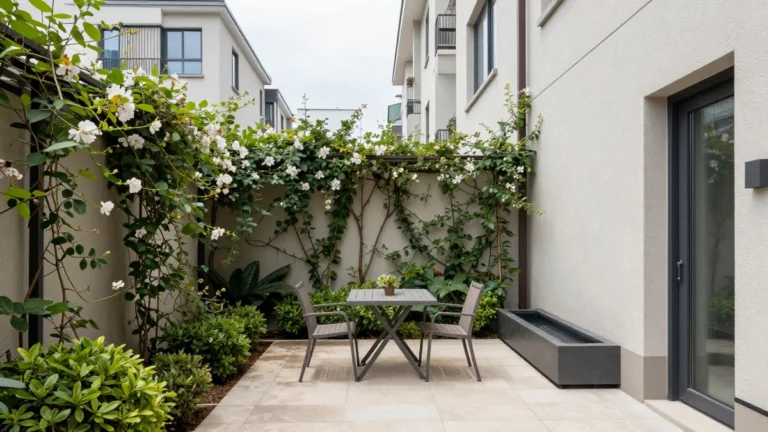
Climbing roses, clematis, and honeysuckle trained over an archway create a genuinely immersive moment — walking underneath means passing directly through the fragrance rather than just noticing it nearby. It also adds vertical height and softness that ground-level beds alone can’t provide.
💡 Smart tip: Stagger bloom times among the three climbers so the pergola has flowering coverage across a longer stretch of the season.
⚠️ Mistake to avoid: Using a lightweight garden arch for vigorous climbers like mature honeysuckle; choose a sturdier structure built for the eventual weight.
7. Add a Japanese-Inspired Still Corner for Your Sensory Garden
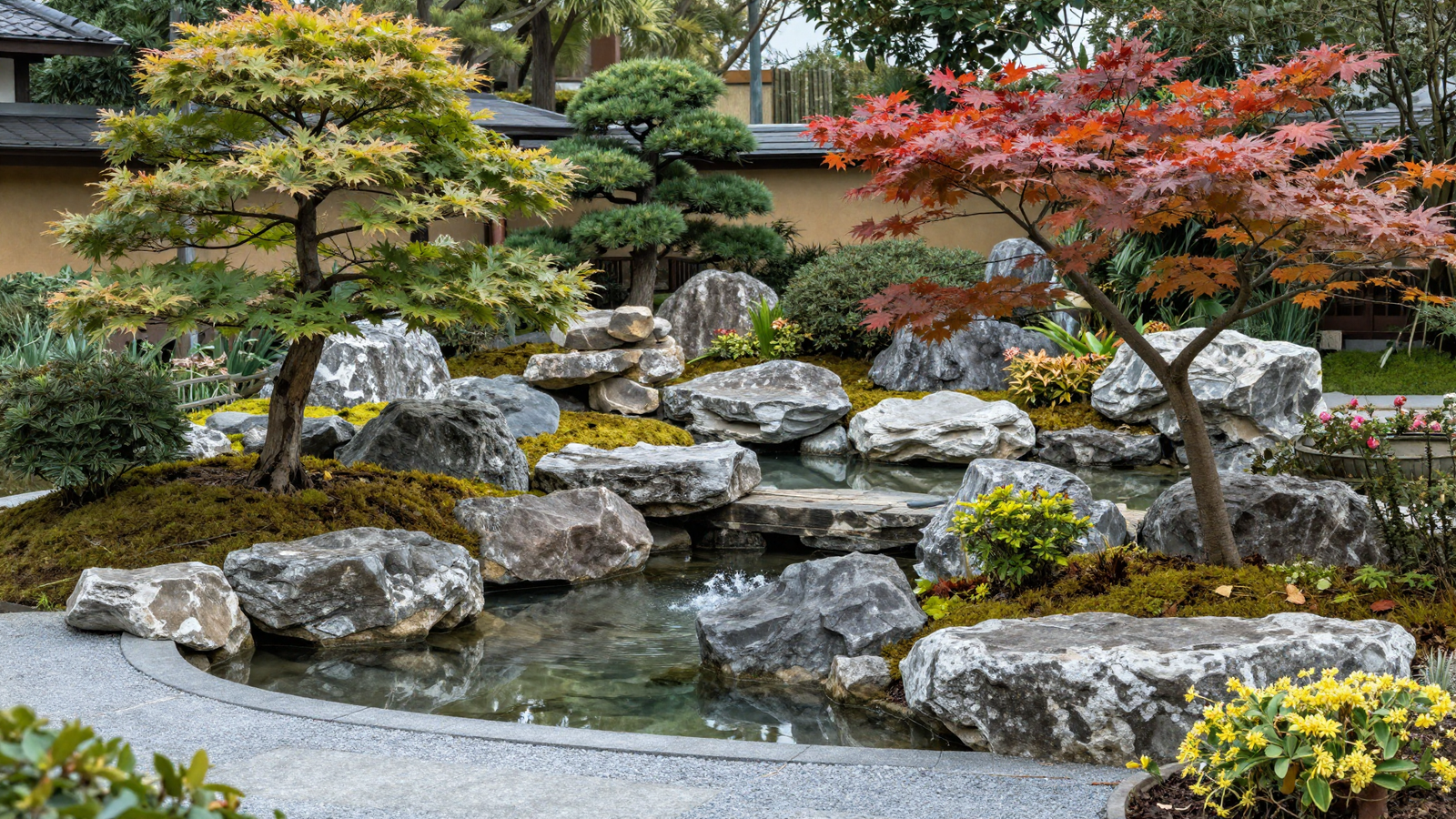
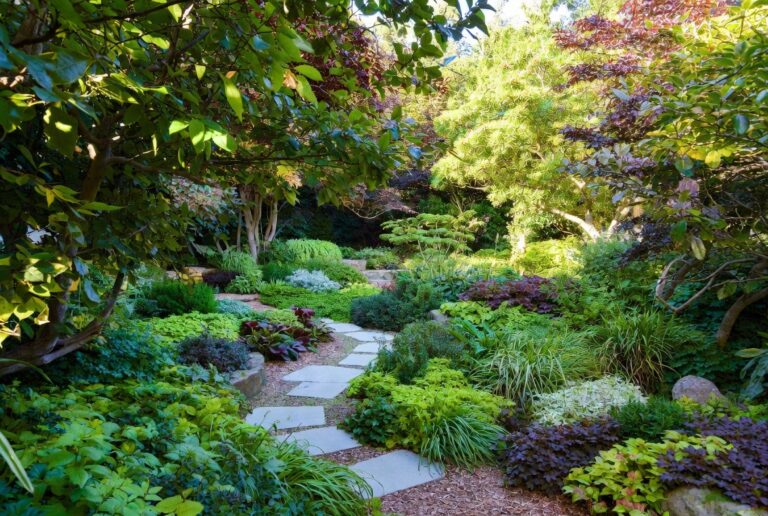
A small corner built around stone, water, and layered trees creates a genuine sense of calm that a purely floral garden doesn’t always achieve. The mix of elevations and textures gives the eye somewhere quiet to rest, especially valuable if the rest of your garden leans colorful and busy.
💡 Smart tip: Use porous base layers like gravel instead of solid concrete beneath hardscaping so rainwater can soak through naturally.
⚠️ Mistake to avoid: Overusing rocks and hardscaping until they dominate the space; they should support the plants, not compete with them.
8. Mix Edibles Into Ornamental Color for Your Sensory Garden
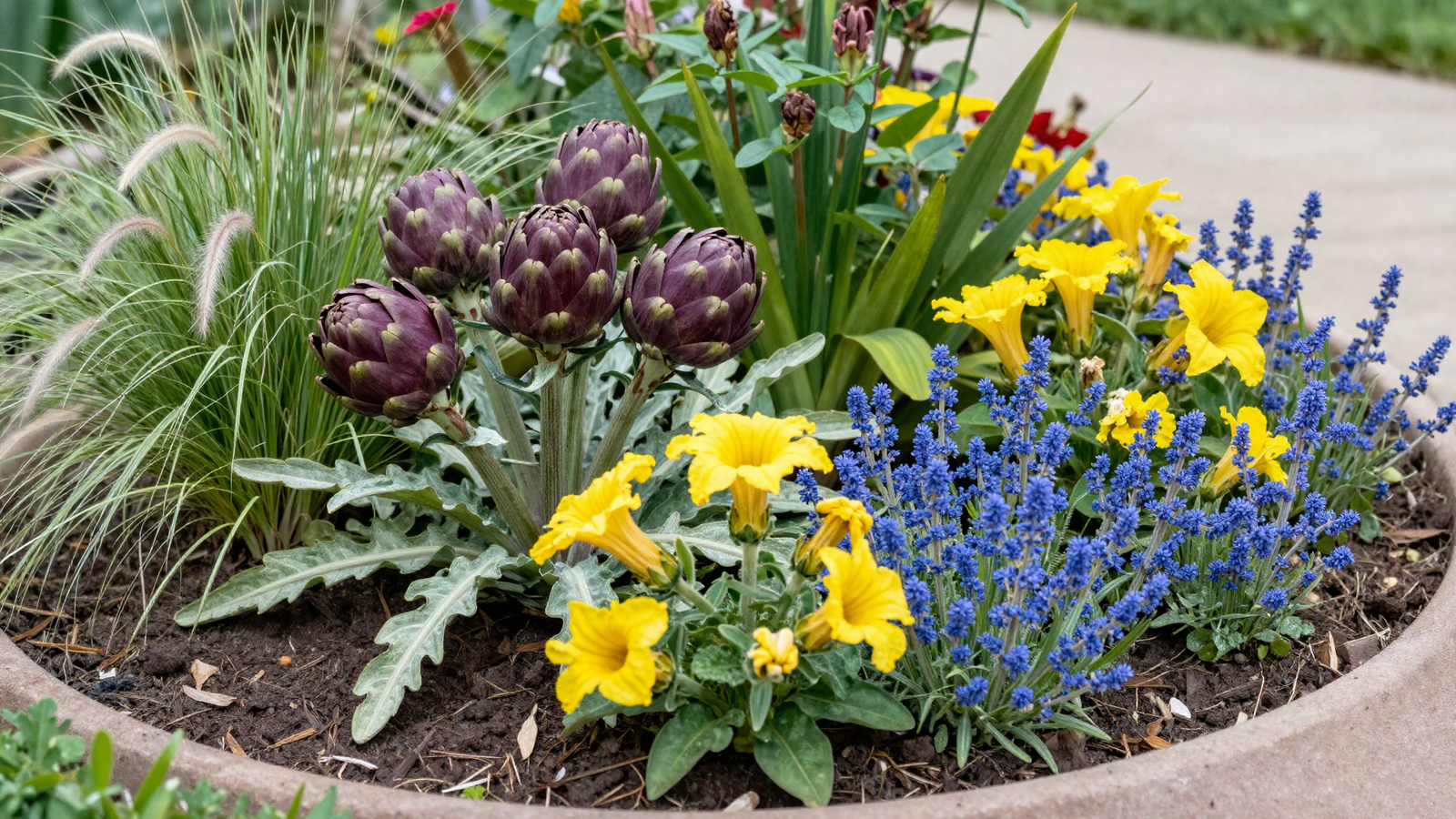
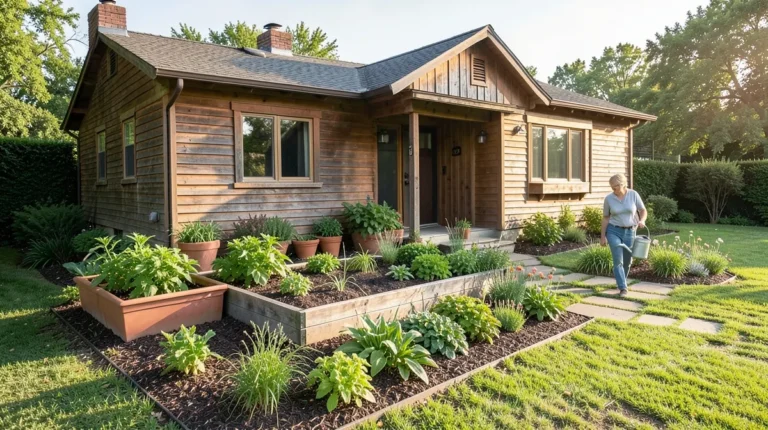
Tucking artichokes, squash blossoms, and herbs into an ornamental bed means the garden feeds you without ever looking like a separate, purely functional vegetable patch. It’s a genuinely sensory approach too, since taste joins sight and smell as part of the experience.
💡 Smart tip: Choose edible varieties with strong ornamental value first — purple artichokes, rainbow chard, bronze fennel — so they pull real design weight, not just yield.
⚠️ Mistake to avoid: Forgetting that edible plants still need full sun and good soil to actually produce; don’t tuck them into shady decorative corners as an afterthought.
9. Tuck a Yoga Platform Among the Trees
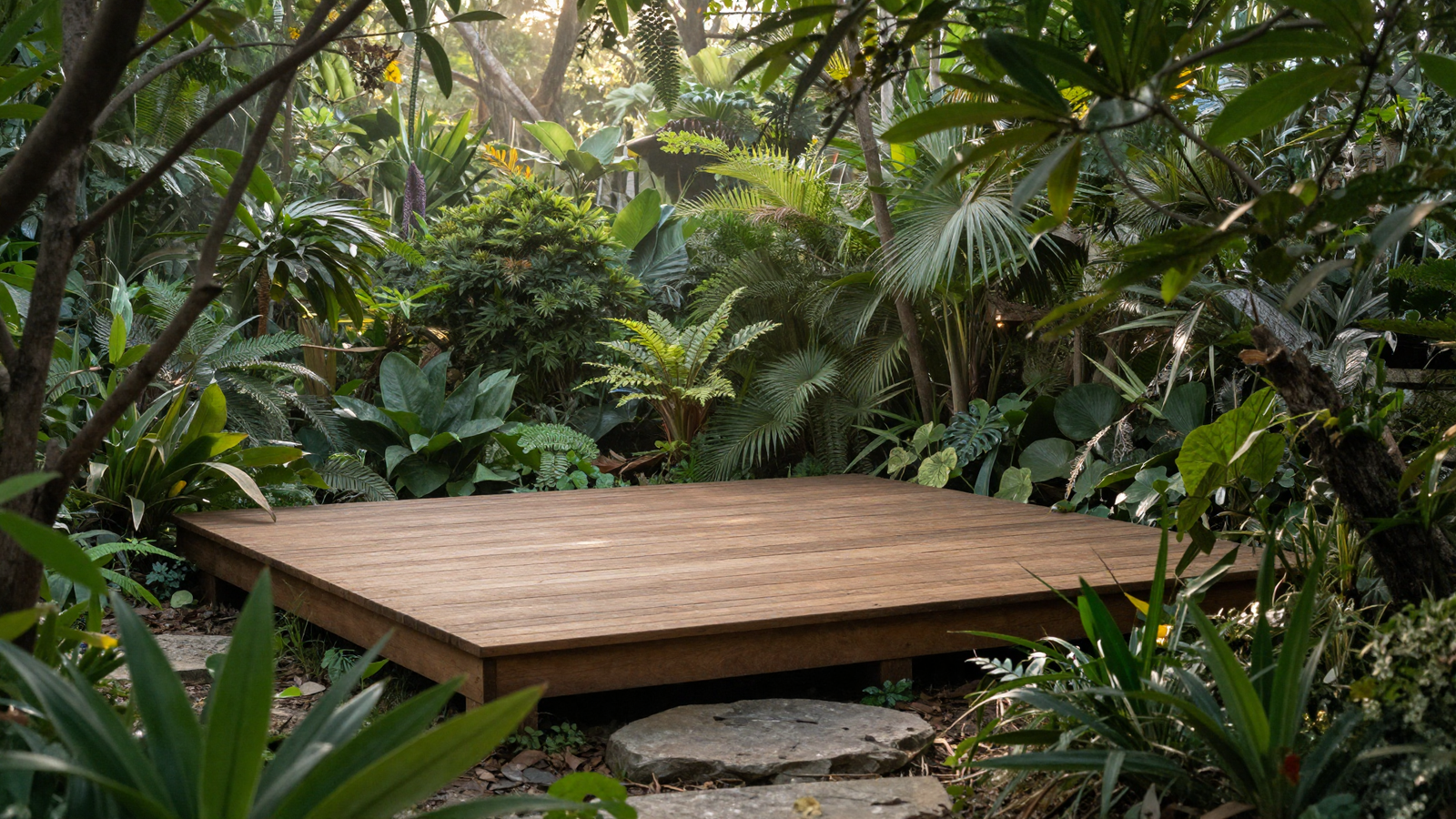
A simple wooden platform set among trees gives the garden a dedicated spot for stillness — somewhere to actually put the phone away and notice the space rather than just walk past it. It doesn’t need to be elaborate to work; the setting does most of the work.
💡 Smart tip: Orient the platform to face your garden’s most sensory-rich corner, whether that’s a fragrant bed or the sound of a nearby water feature.
⚠️ Mistake to avoid: Building directly over exposed tree roots; raise the platform slightly or shift its position to avoid damaging root systems.
10. Build a Micro Garden in a Small Space
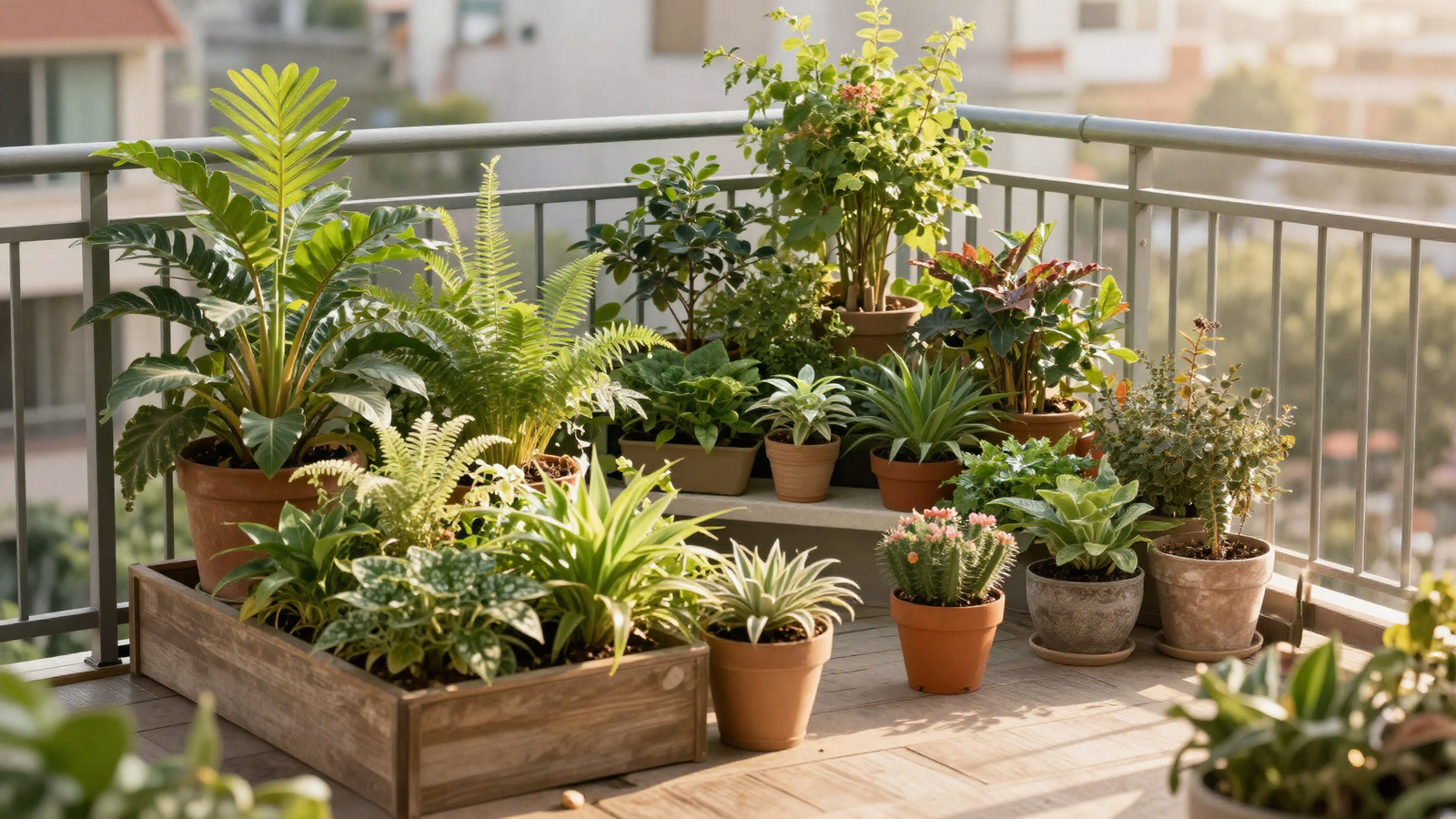
You don’t need rolling beds to build something meaningful — a tightly layered collection of containers on even a small balcony or patio corner can deliver just as much sensory richness as a full yard. Soil, sunlight, water, and thoughtful plant choices are really all it takes.
💡 Smart tip: Vary container heights using stands or shelving so a small footprint still reads as layered rather than flat.
⚠️ Mistake to avoid: Choosing plants purely for size convenience without considering scent or texture; a micro garden benefits even more from sensory variety since there’s less space to work with.
11. Embrace Dark, Textural Contrast
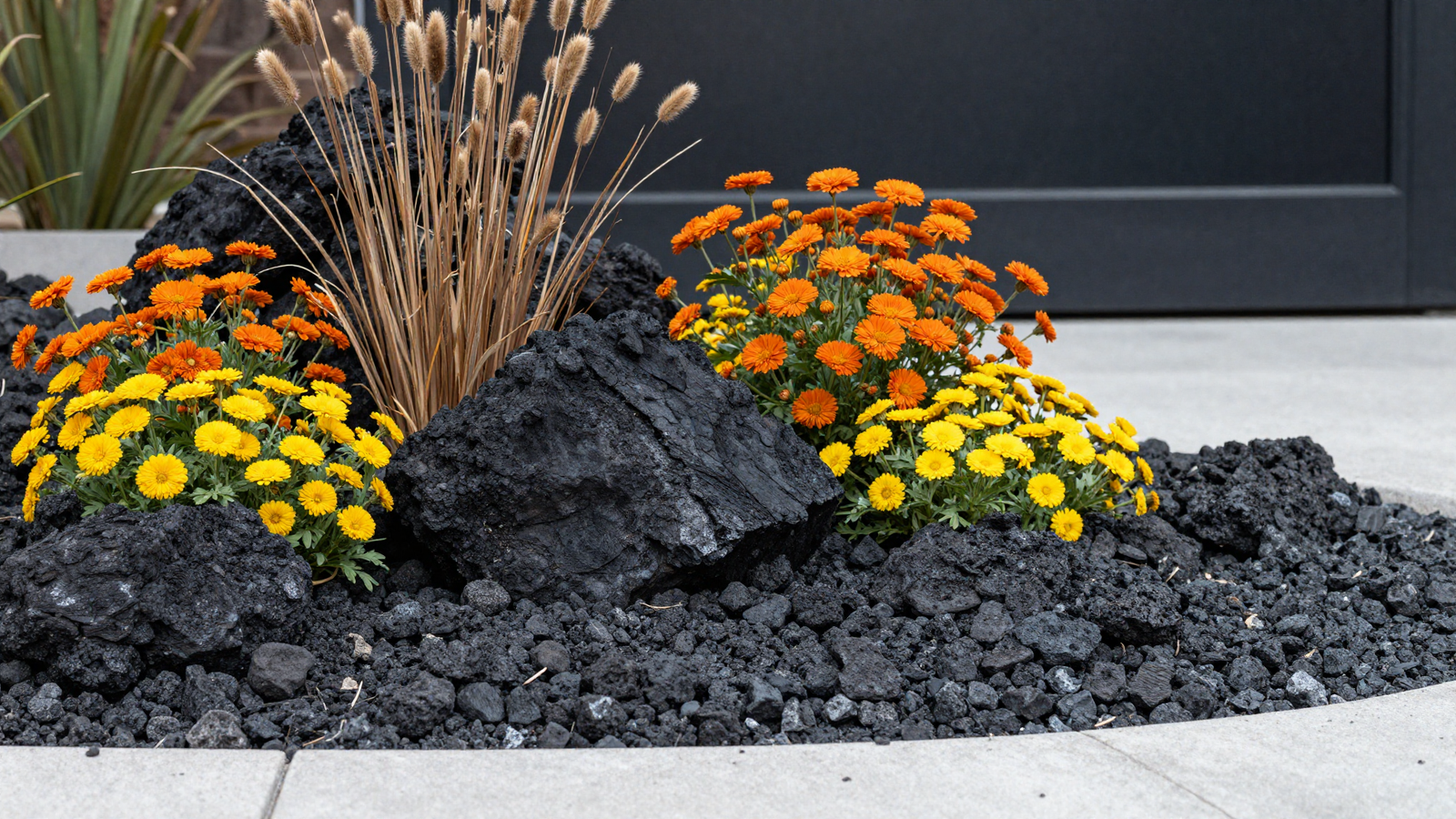
Dark, raw materials like charred wood and volcanic-toned rock create a striking backdrop that makes small pops of bright color, like acid orange or mineral yellow blooms, feel far more intense by contrast. It’s a bolder, more contemporary sensory approach than the soft romantic styles most gardens lean toward.
💡 Smart tip: Keep bright accent color to no more than 10 to 15 percent of the bed so the dark palette still reads as intentional and dominant.
⚠️ Mistake to avoid: Using dark mulch or rock exclusively without any textural variation; the contrast comes from mixing rough, smooth, and organic materials together, not just going dark.
12. Choose Materials That Reward Touch
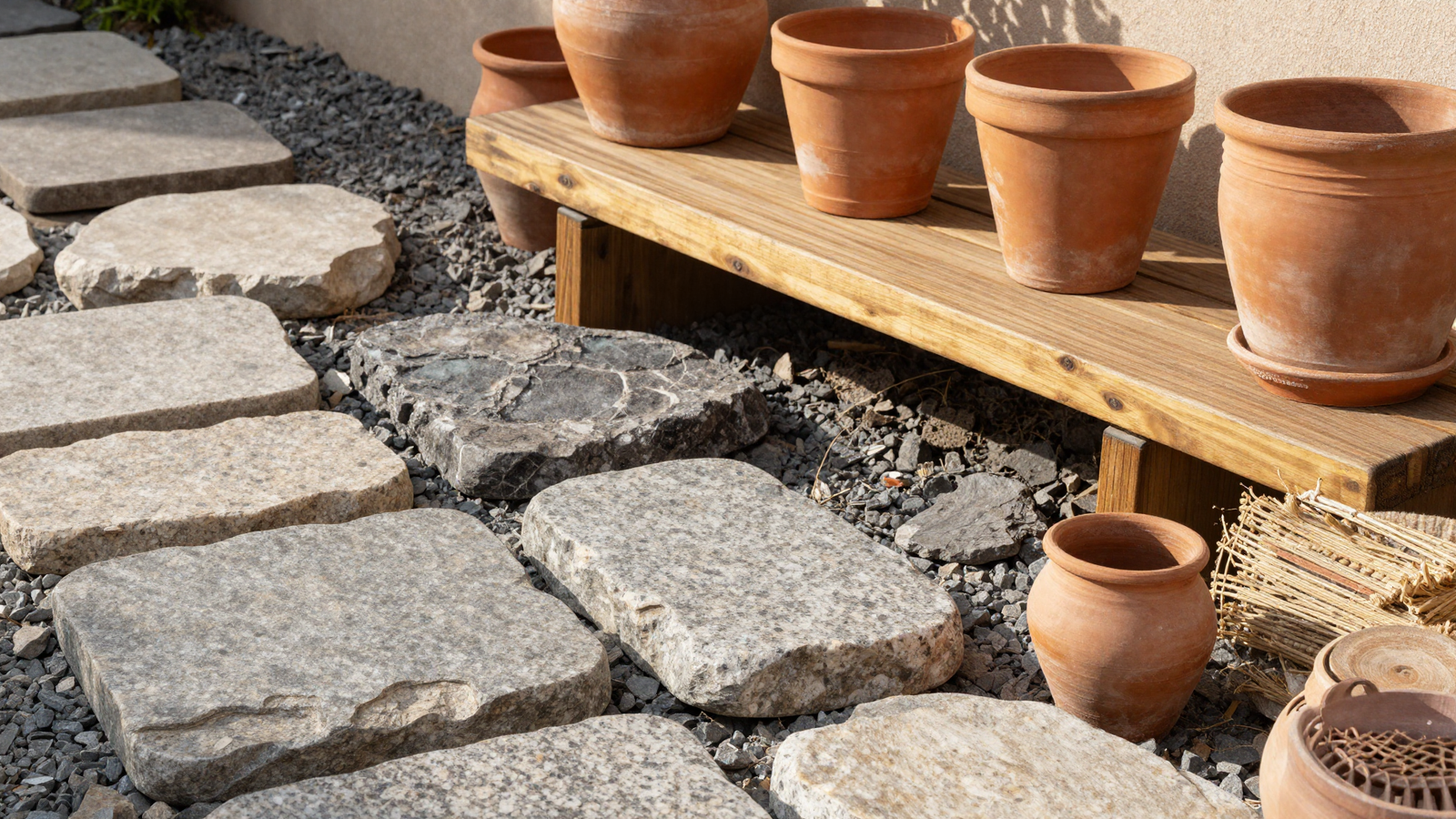
Sensory design isn’t only about sight and smell — the materials underfoot and at hand matter too. Flamed granite, brushed teak, and hand-molded terracotta each have a distinct tactile quality that plain poured concrete or mass-produced planters simply don’t offer.
💡 Smart tip: Introduce one tactile material at a time — a bench, a set of stepping stones, a single pot — rather than overhauling every surface at once.
⚠️ Mistake to avoid: Mixing too many distinct materials in one small area; two or three complementary textures read as intentional, five or six read as cluttered.
Effort & Cost Snapshot
| Idea | Effort | Approx. Cost |
|---|---|---|
| 1. Lavender and Lilac Path | Medium (DIY planting) | $100–$500 |
| 2. All-White Moon Garden | Medium (DIY) | $150–$600 |
| 3. Jewel-Toned Bed | Medium (DIY) | $150–$700 |
| 4. Wild Cottage Corner | Low–Medium (DIY, ongoing) | $80–$400 |
| 5. Pollinator Pathway | Medium (DIY, staggered planting) | $100–$500 |
| 6. Fragrant Climbing Pergola | High (structure + planting) | $800–$3,500 |
| 7. Japanese-Inspired Corner | High (DIY or pro) | $1,000–$5,000 |
| 8. Edible Ornamental Bed | Low–Medium (DIY) | $50–$300 |
| 9. Wooden Yoga Platform | Medium (DIY build) | $300–$1,200 |
| 10. Micro Container Garden | Low (DIY) | $100–$500 |
| 11. Dark Textural Bed | Medium (DIY) | $150–$700 |
| 12. Tactile Material Accents | Low–Medium (DIY) | $100–$600 |
A garden that engages every sense doesn’t need to be large or perfectly manicured — it just needs a few deliberate choices that invite you to actually slow down in it. Save this list to Pinterest so you can come back to it as you build out your own immersive retreat, one sense at a time.
Continue Your Home Transformation
Explore the full collection of step-by-step eBooks and get the guide that fits the room you're working on.