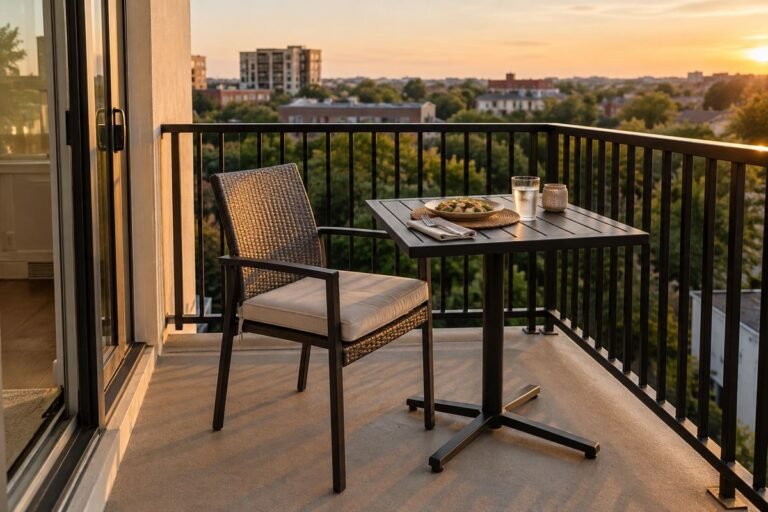
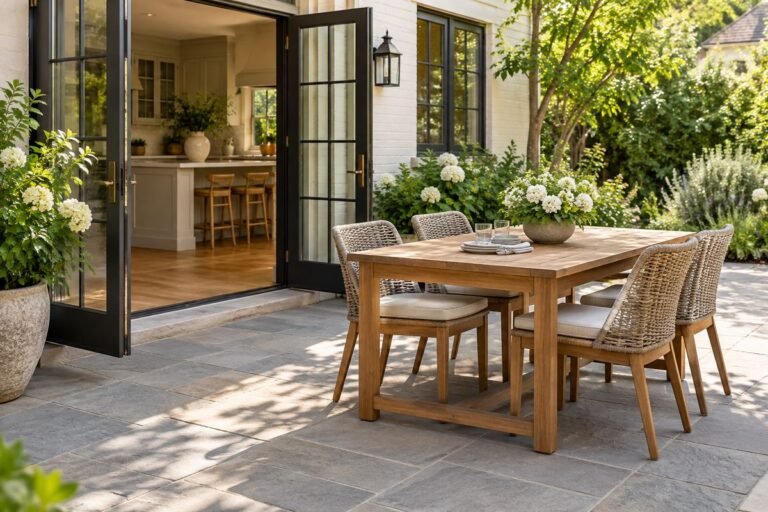
Backyard privacy begins with the view you want to change. Sit where you normally relax and note which neighboring window, path or boundary feels exposed. A small targeted screen can be more useful than enclosing the entire garden.
Combine layout and planting before assuming a tall solid barrier is necessary. Check site boundaries, local requirements and structural needs for any permanent wall, screen or pergola.
Test Backyard Privacy at the Time You Use the Seat
Place the chairs before choosing the screen. Next, compare the exposed view while seated and standing, and check whether the problem comes from one window or a wider boundary. For example, a short screen beside a chair may interrupt the relevant view while leaving the rest of the garden open. Recheck deciduous planting in its leafless season before relying on it as the only year-round barrier.
1. Consider a Lower Seating Area Only Where the Site Allows
A seating area set below nearby planting can feel more enclosed, but excavation changes drainage and access. Assess soil, utilities, water movement and the route into the space before planning it.
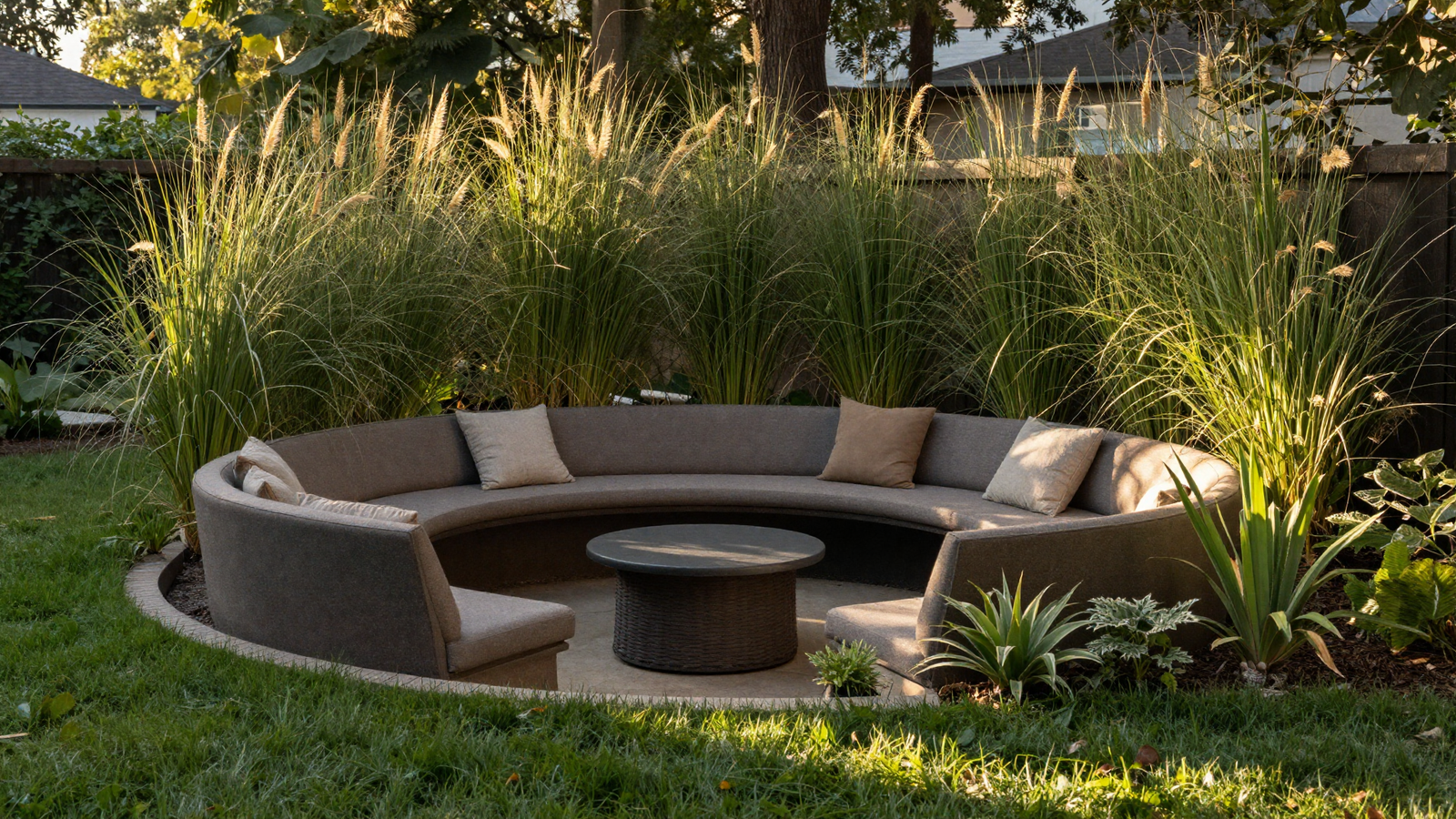
A level patio with taller planting may achieve a similar visual effect with less construction. Sunken seating is a project choice, not a quick privacy fix.
Try this: Compare the view from a temporary chair before changing the ground level.
2. Target One Sightline for Backyard Privacy
A curved wall or shorter screen can interrupt one unwanted view without blocking the entire boundary. Mark its position from the seat and check the view around both ends.
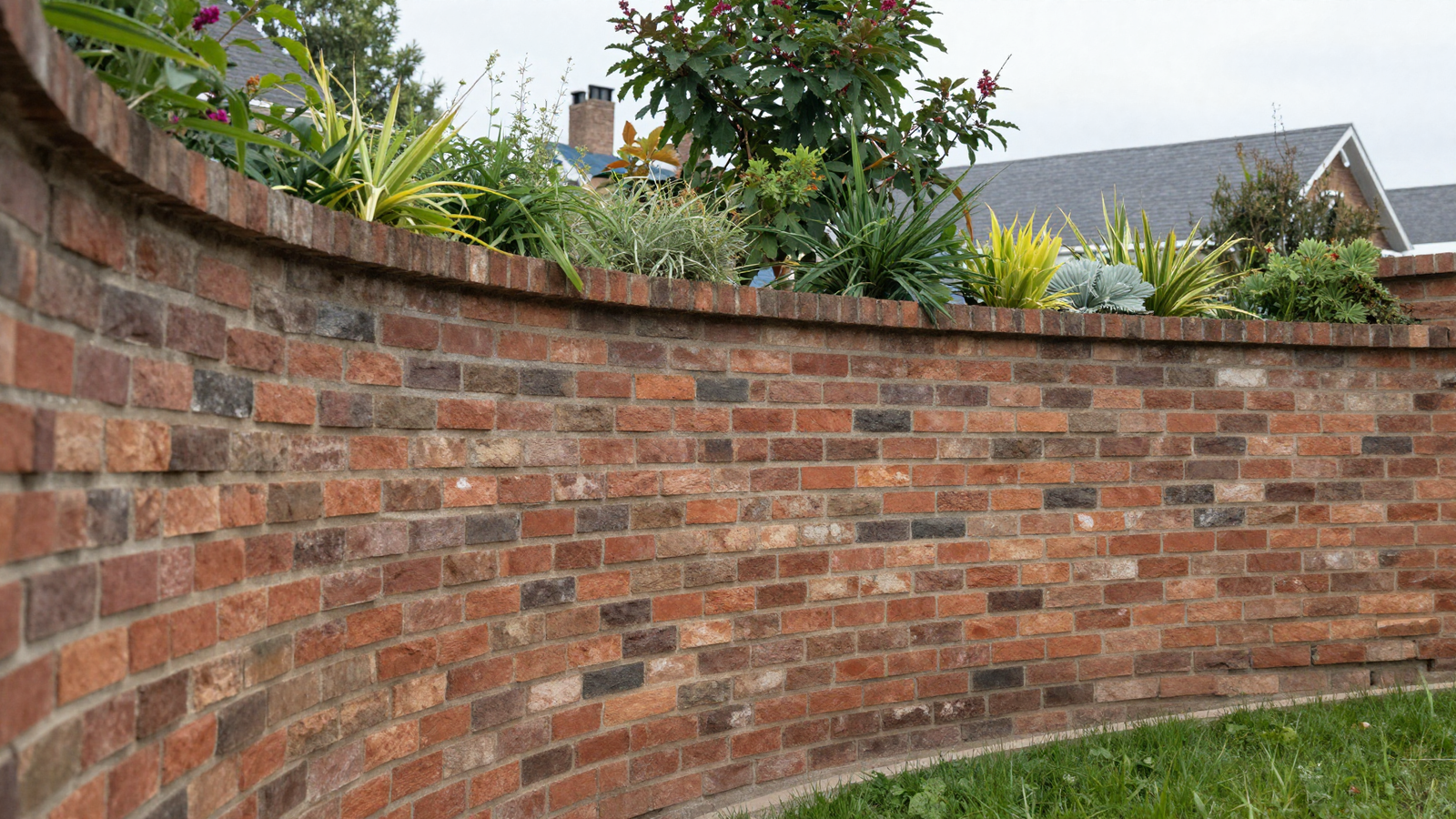
Permanent masonry or structural screening needs suitable foundations, drainage and site-specific design. A lighter permitted screen may be enough for a modest area.
Try this: Measure the seated sightline rather than choosing height by appearance alone.
3. Use Foliage to Filter Backyard Privacy Views
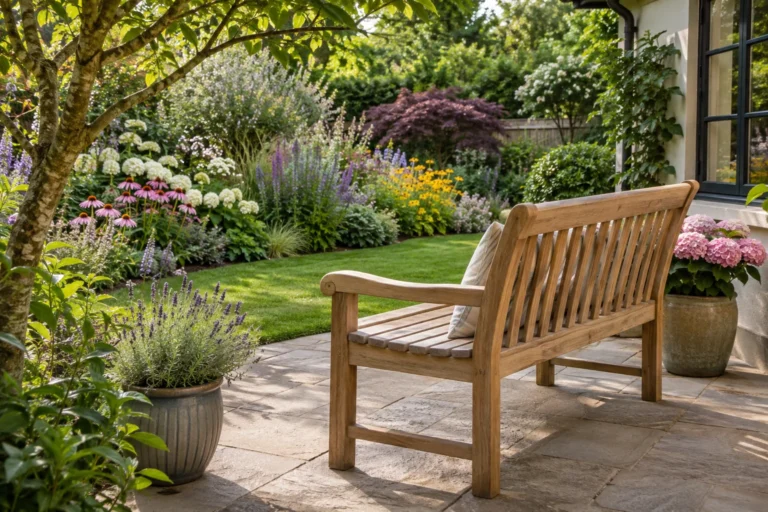
Shrubs and taller foliage can soften a seat and filter a neighboring view. Choose species for local conditions, mature spread and the amount of pruning you can maintain.
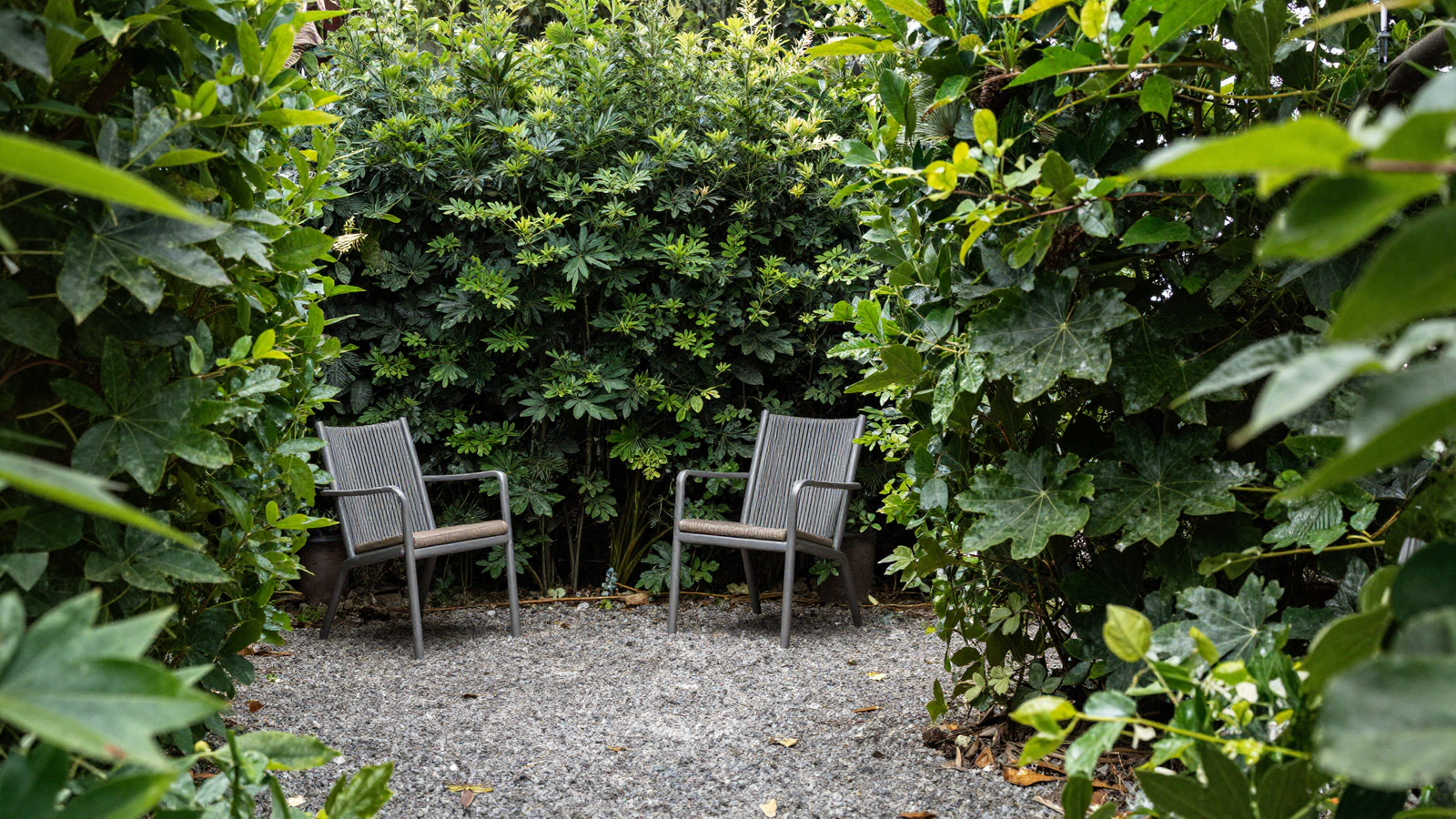
Keep an open entrance and allow space between the plant and chair. Seasonal leaf loss may change privacy, so compare winter and summer performance.
Try this: Use several compatible layers rather than crowding one fast-growing plant.
4. Improve Backyard Privacy by Turning the Furniture
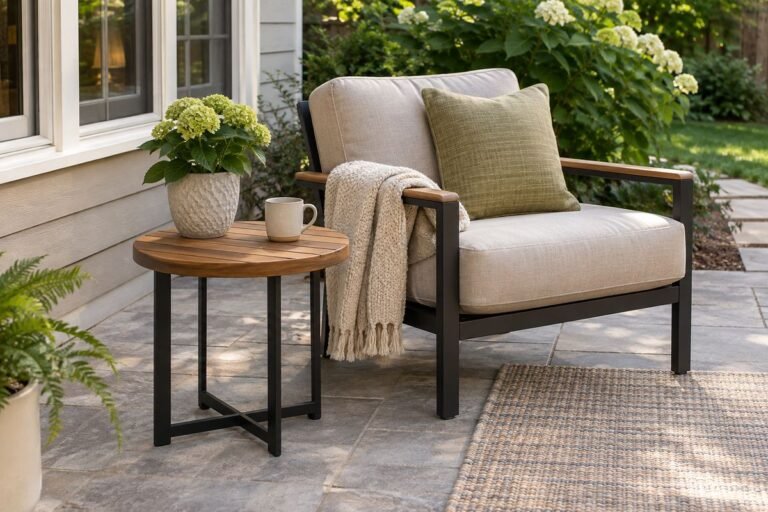
A seating group facing inward can shift attention away from a boundary. Test the view from each chair and the route people take through the group.
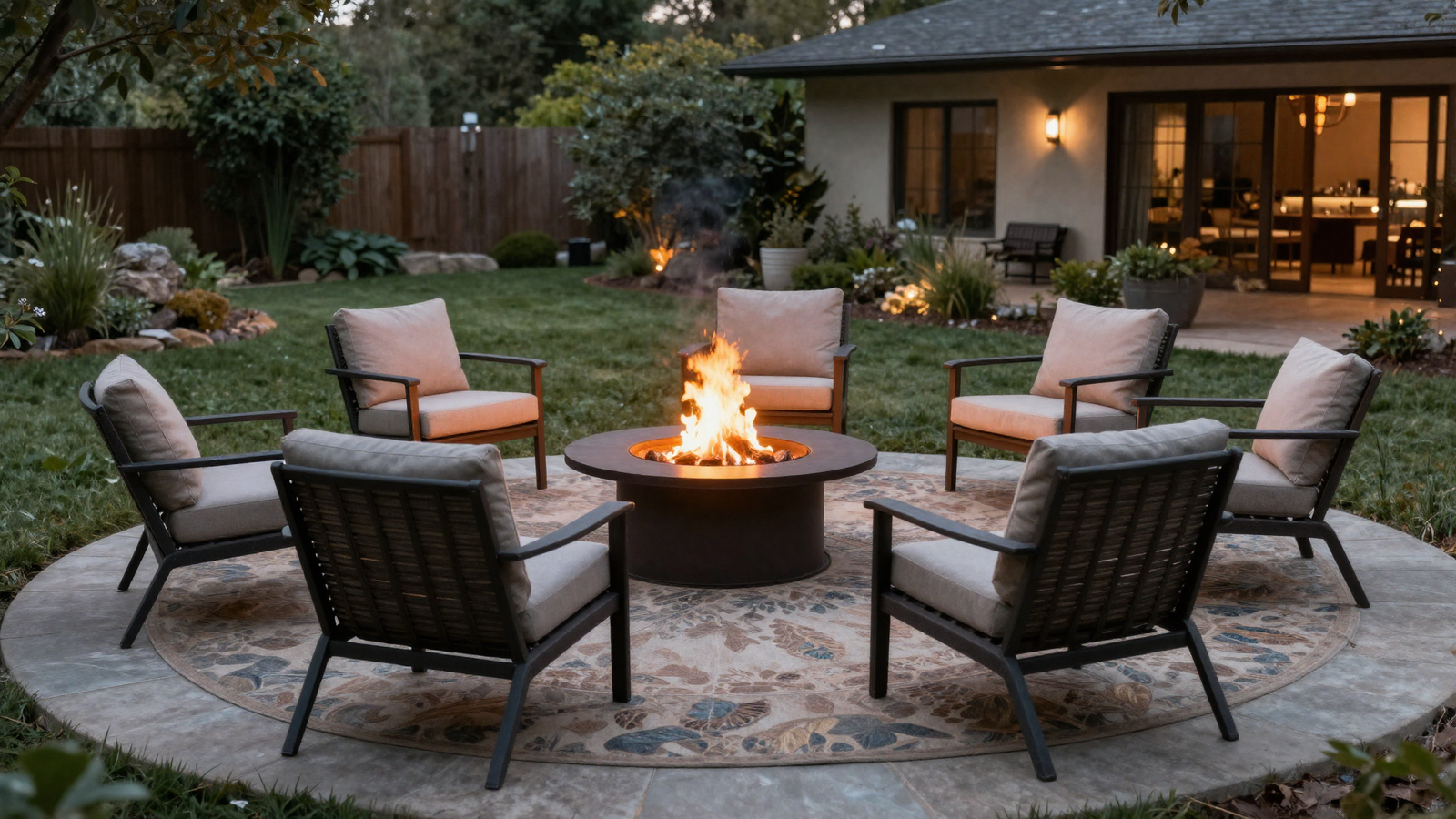
Keep conversation comfortable and preserve access to the house. Orientation changes the experience of a view but does not create a physical barrier.
Try this: Try rearranging existing chairs before buying screening.
5. Use a Screen With Appropriate Support
A patterned screen can add a partial visual boundary while leaving some airflow. Consider the opening size, sun direction and view from both sides.
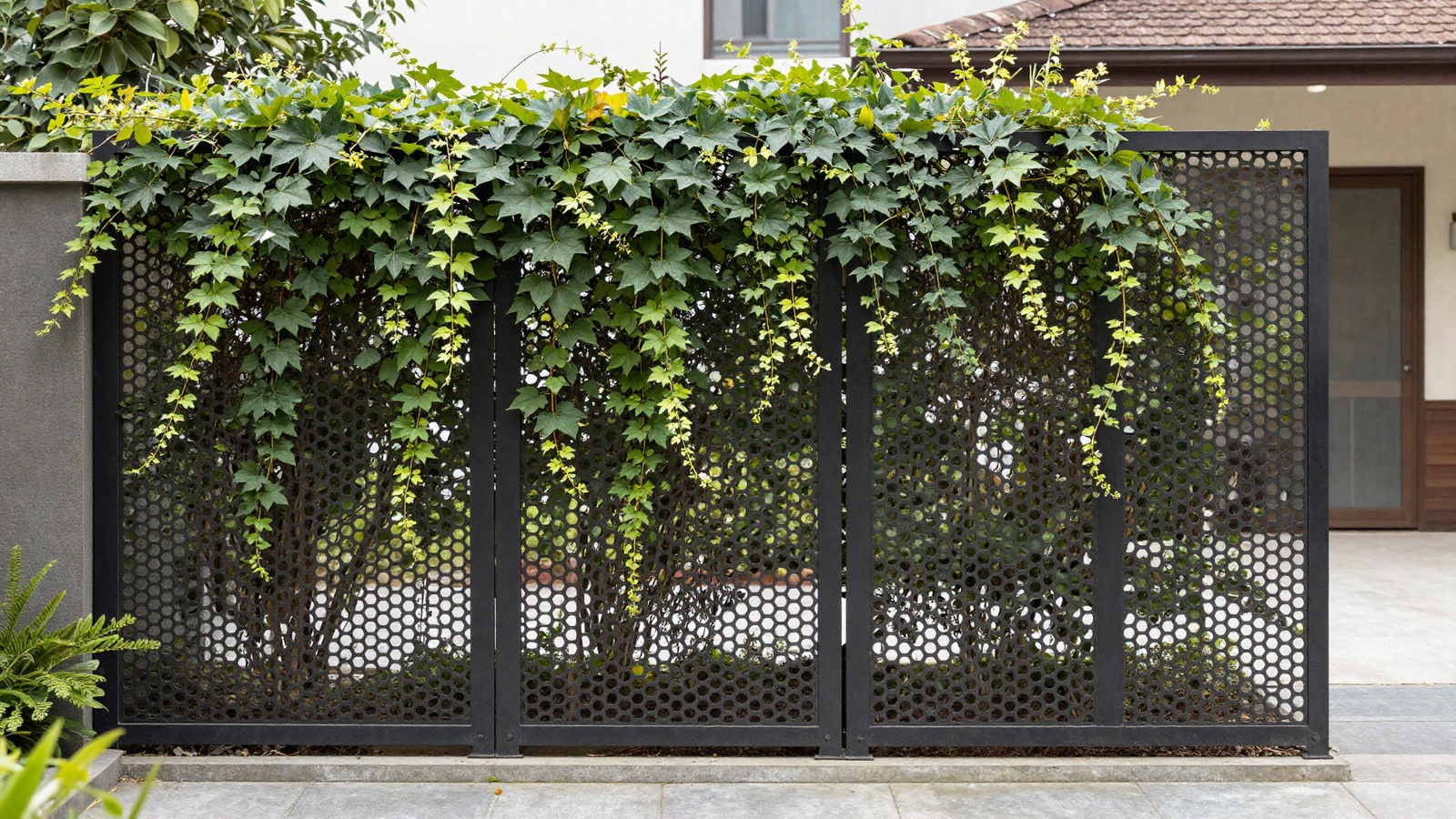
Install it for the site’s wind exposure and the load of any climbing plant. Avoid treating a decorative panel as a structural fence without the appropriate design.
Try this: Check the appearance from the seat rather than from the garden entrance alone.
6. Use a Water Feature as a Sound Accent
A small fountain can add a nearby sound you enjoy. It may change the perception of the seating area, but it is not a guarantee that traffic or neighbor noise will disappear.

Keep splash inside the basin and plan cleaning, power and household access. Place it separately from upholstery and use equipment appropriate for the location.
Try this: Listen to the model at a comparable distance before choosing it.
7. Consider Partial Overhead Enclosure
A pergola can define a seating area and interrupt some views from above. Test the effect of slat direction and openness from the relevant sightline.
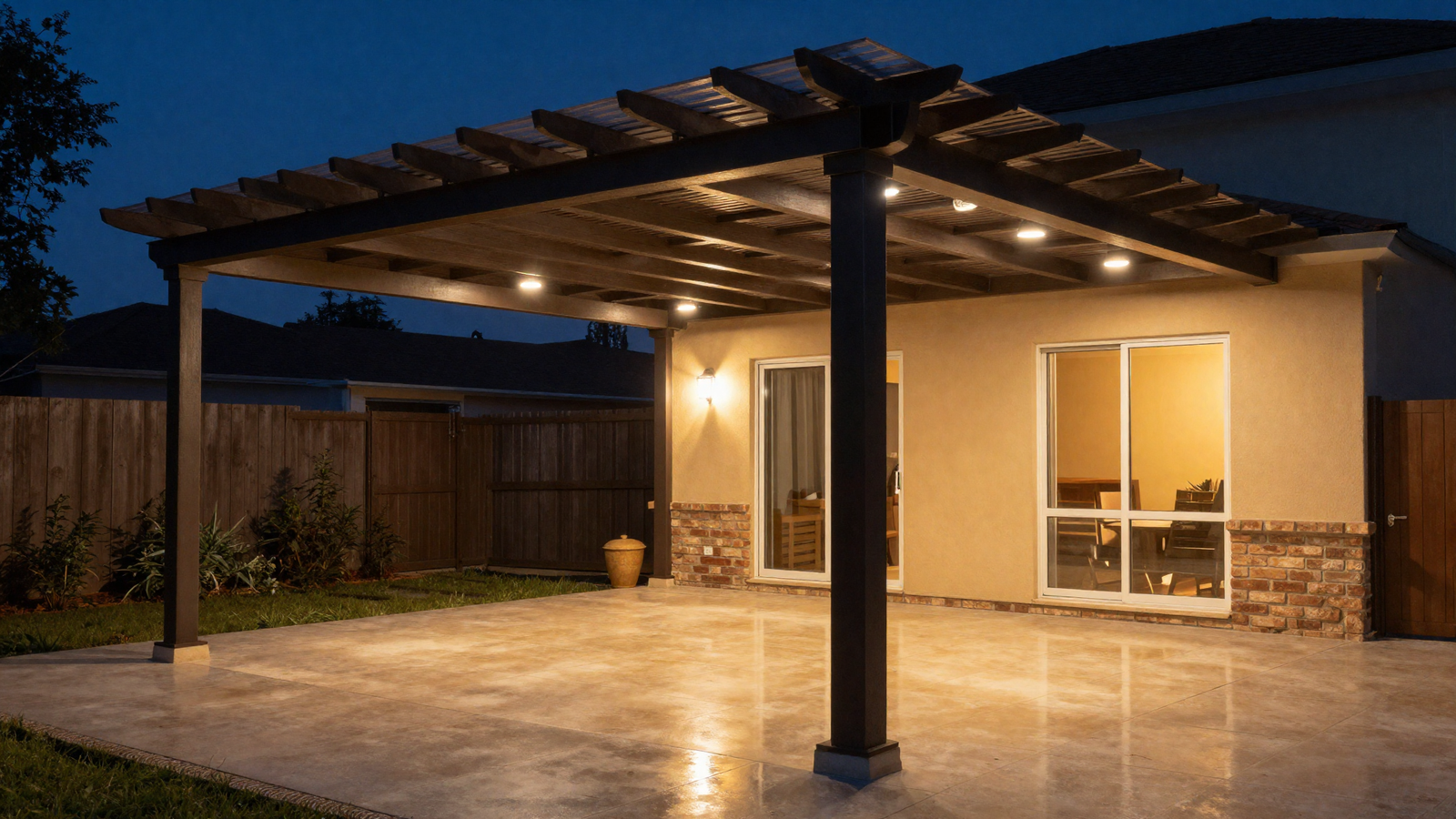
Check structure, installation and local requirements for the chosen system. A louvered roof may alter sunlight and drainage as well as privacy.
Try this: Compare an open frame and a more enclosed option before committing.
8. Use Low Planting to Define the Area
Low hedges or layered plants can give a patio an edge without turning it into a walled room. They may work with taller background planting to filter the view.

Choose mature dimensions that leave the chair and path usable. Low planting defines a zone; it will not block an elevated view on its own.
Try this: Keep a clear entry point and maintenance route.
Change the Most Exposed Seated View
Change the most uncomfortable sightline first. Use the smallest combination of furniture orientation, suitable planting and well-planned screening that makes the seating area more pleasant.
Make a Simple Privacy Test Record
From the intended chair, sketch the exposed window or boundary and mark the smallest area that interrupts that view. Record the same view standing up and, where planting is involved, in its leafless season. Keep the screen position separate from its construction specification: a sightline test helps locate a feature but does not establish foundations or wind resistance.
Related Guides
- 17 Backyard Shade Ideas for Patios, Dining and Lounging
- 8 Backyard Landscaping Ideas for Paths, Seating and Layered Views
- 15 Stunning Backyard Water Feature Ideas for a Beautiful Outdoor Retreat
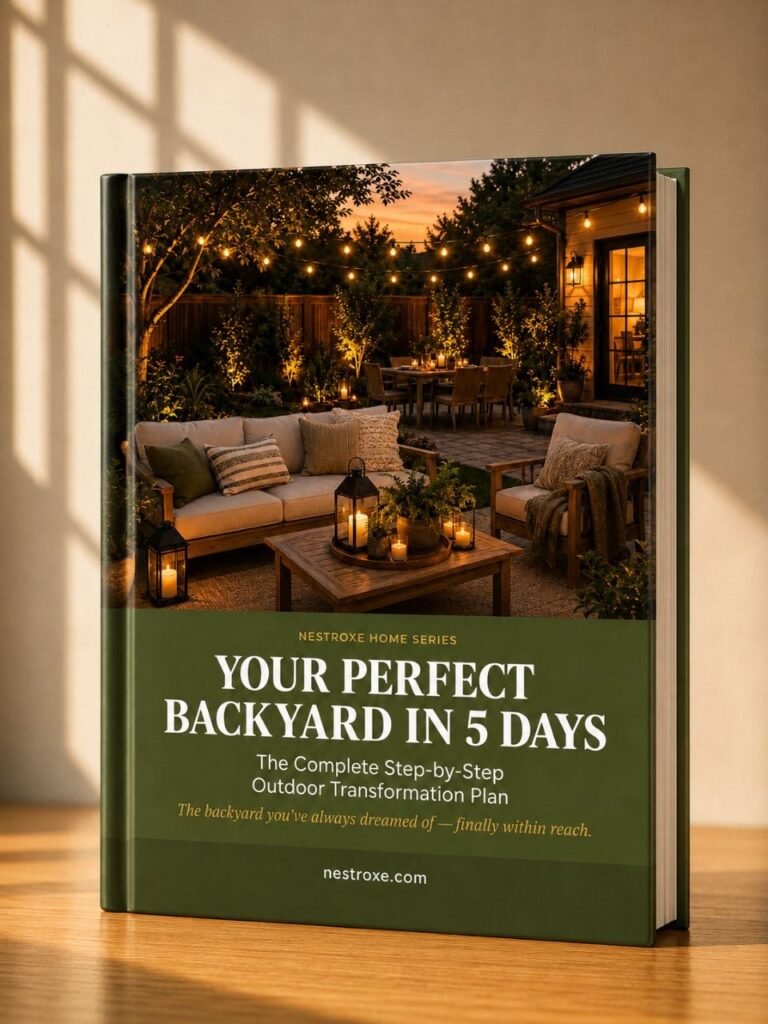
Optional digital guide for this topic
If you prefer a structured workbook, explore this related paid guide.