The best curb appeal ideas do not require turning a home into a showpiece. They make the approach clear, cared for, and consistent with the architecture already there. A visitor notices the condition of the walk, the front door, the planting beds, and the light around the entry long before they inspect any single decorating choice.
Start by viewing your house from the street and then walking toward it. That short route reveals what needs attention: clutter, weak contrast, worn finishes, sparse planting, or an entry that is hard to find. Work from maintenance to color and then to accessories for an exterior that feels intentional rather than crowded.
1. Start With a Street-View Audit
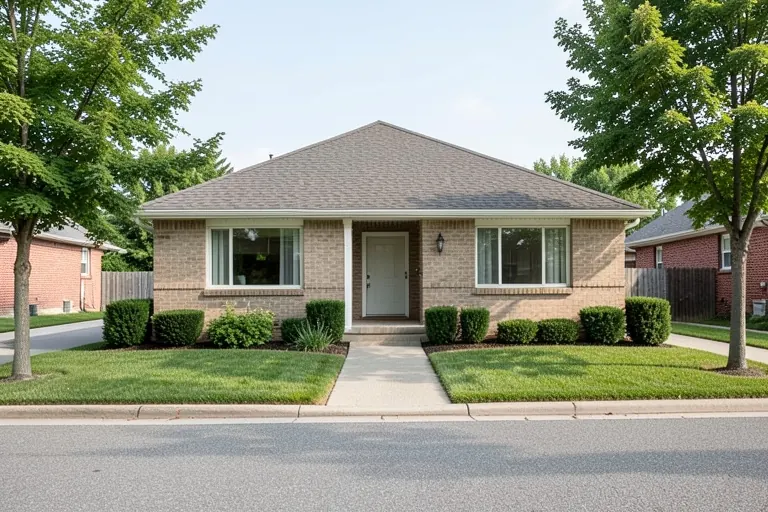
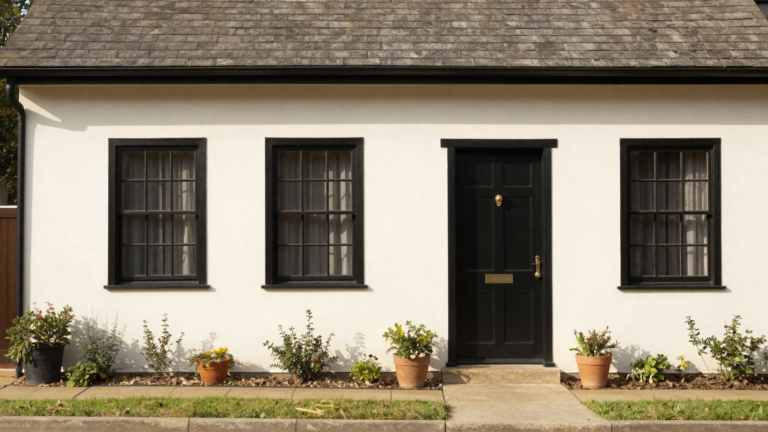
Stand across the street and take one straight-on photo of your home. The image makes uneven planting, a faded door, visible bins, and competing colors easier to spot than a quick walk to the mailbox does.
Identify one primary focal point, usually the entry. Then note the route your eye takes from curb to door. A clear path, readable address number, and a distinct doorway help the front elevation feel organized.
List repairs separately from decorative changes. Cleaning gutters and replacing a broken light fixture may do more for the overall impression than buying several new accessories.
2. Clean Every Visible Surface
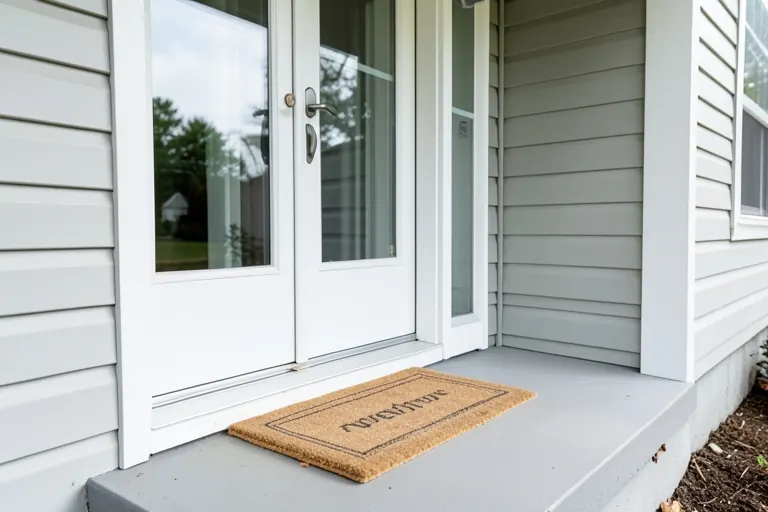
Cleaning is one of the most effective easy curb appeal ideas because dirt softens contrast and makes otherwise sound materials look neglected. Sweep the porch, remove cobwebs, wash windows, and clear leaves from corners and drains.
Use methods suited to each surface. Gentle washing and an appropriate cleaner are often safer for painted trim, older mortar, and delicate siding than aggressive pressure washing. Test any product in a discreet spot first.
Finish by storing hoses, tools, delivery boxes, and seasonal equipment. A clean exterior gives paint, plants, and architectural details room to register.
Loving These Ideas? Get the Step-by-Step Guide
Grab the full 5-day eBook and turn these ideas into a finished room.




3. Make the Front Door the Focal Point
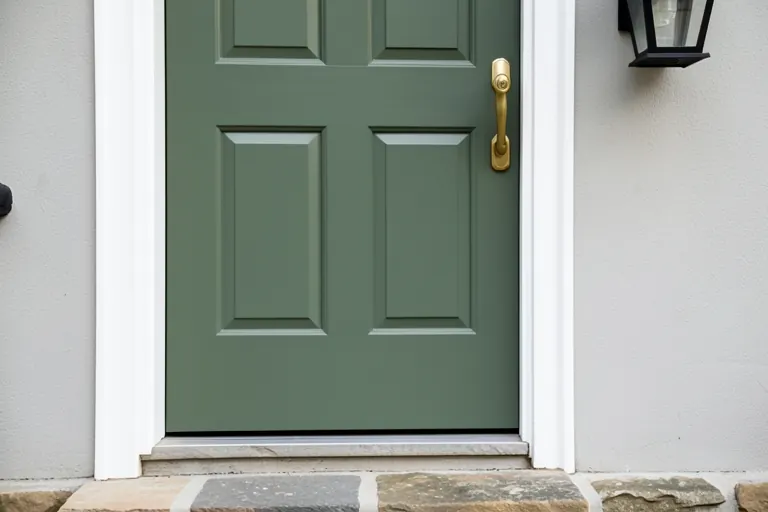
Among front door curb appeal design ideas, color is the quickest way to create a focal point. Choose a shade that works with the fixed colors of roofing, brick, stone, siding, and the driveway rather than a color that competes with them.
Deep navy, forest green, charcoal, and warm red can provide definition, but the right choice depends on surrounding undertones and daylight. Sample paint on the actual door and view it in sun, shade, and evening light.
If the door is in good condition, a careful repaint plus polished hardware may be enough. If it is warped, drafty, or badly damaged, replacement is a separate performance decision, not only a styling one.
4. Upgrade Hardware and House Numbers

Small metal details can either unify an entry or make it feel pieced together. Compare the finish of the door handle, knocker, mailbox, address numbers, and nearby light fixture before replacing anything.
A matching set is not mandatory. Mixing finishes can look considered when one is dominant and the other is clearly secondary. For example, dark exterior lighting can sit comfortably with a warmer door handle when both choices suit the home’s age and materials.
Install address numbers where they can be read from the street and after dark. Placement, contrast, and scale matter more than ornamental typefaces.
5. Frame the Entry With Planters
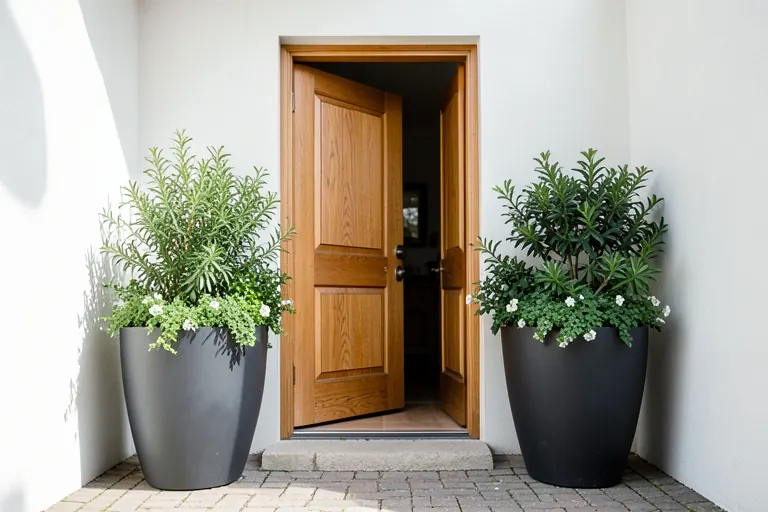
Planters give an entry immediate structure, especially where planting beds are small or absent. Use containers with enough visual weight for the porch and door; tiny pots can disappear against wide steps or a broad facade.
For a composed look, repeat one container style on both sides of the door, then vary plant height and texture within each pot. A taller central plant, fuller foliage, and a trailing element create useful layering without requiring a complicated display.
Containers need regular watering and seasonal refreshes. Choose this option when you can maintain it, or use fewer, larger pots that are easier to keep healthy.
6. Shape Planting Beds for Definition
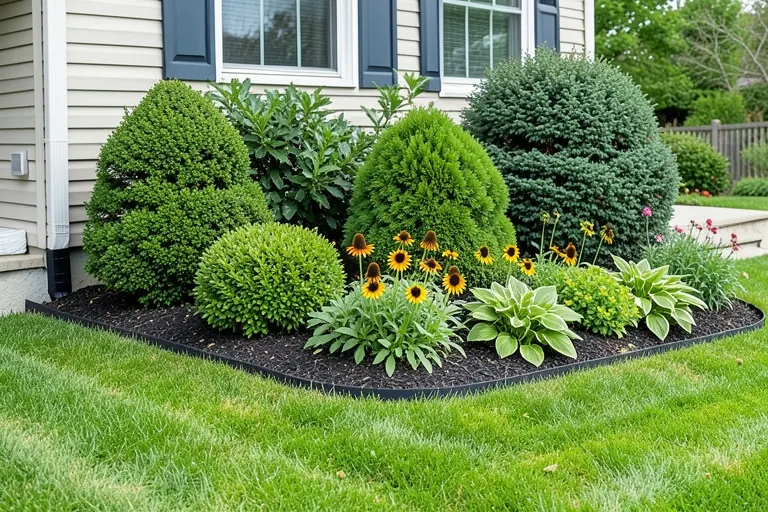
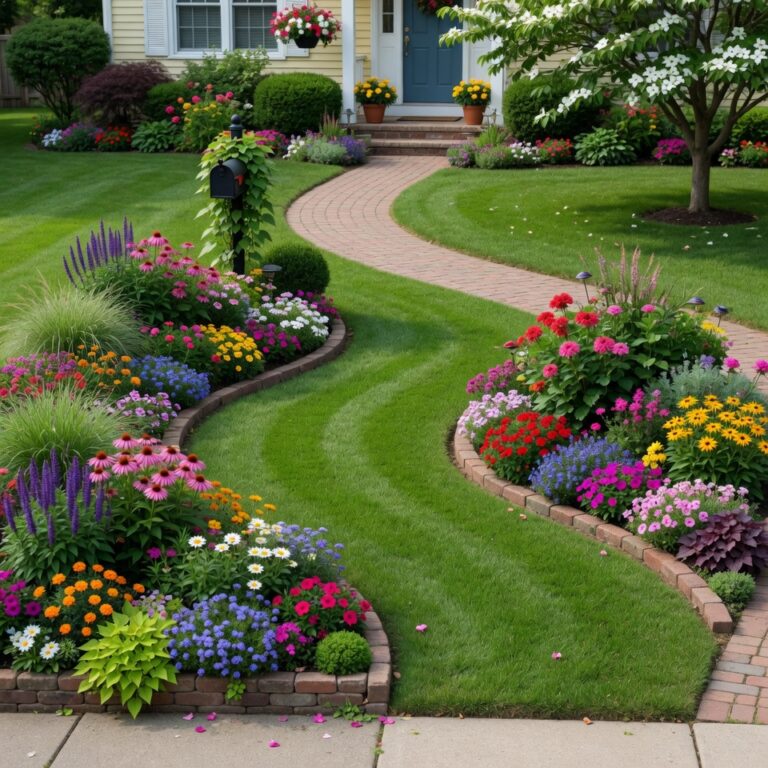
Clean bed edges create a strong visual boundary between lawn and planting. Redefine curves or straight lines to fit the architecture: formal homes often suit more ordered geometry, while cottage-style homes can carry softer shapes.
Build planting in layers. Low plants belong near the walk, medium-height shrubs fill the middle, and taller selections are set closer to the house. Avoid placing dense, tall growth directly over windows or near the entry.
Select plants according to your site’s sun, soil, mature size, and maintenance tolerance. A smaller plant palette repeated in groups usually reads calmer than many unrelated specimens.
7. Keep the Walkway Clear and Inviting
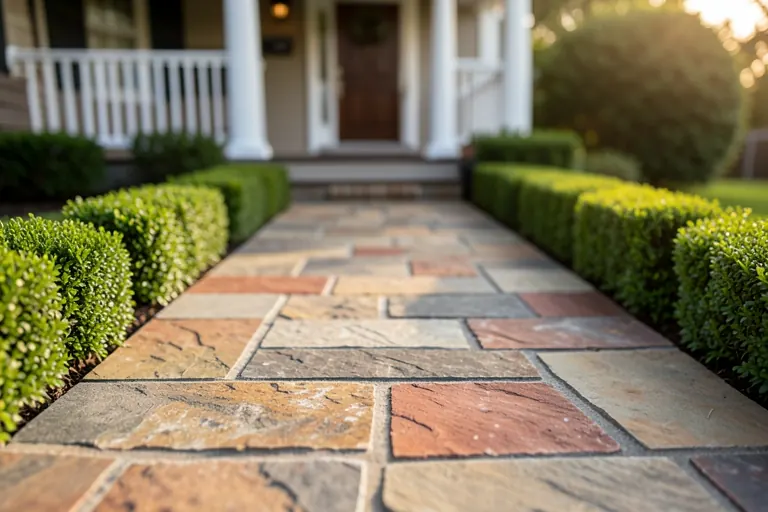
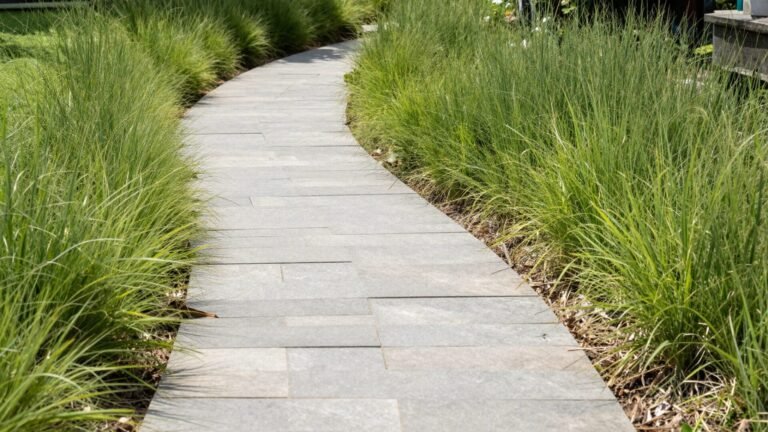
The walkway is both a practical route and a visual lead-in. Remove weeds from joints, repair obvious trip hazards, and keep branches from narrowing the path. A route that feels obstructed can make even a well-decorated entry seem less welcoming.
Use edging or low planting to guide the eye, but leave comfortable clearance for people carrying groceries or using mobility aids. Overgrown plants should not lean into the travel path or conceal step edges.
If you are altering paving, grading, drainage, steps, or railings, assess the site conditions and local code requirements first. Those decisions should prioritize safe access and water management over appearance.
8. Add Layered Exterior Lighting
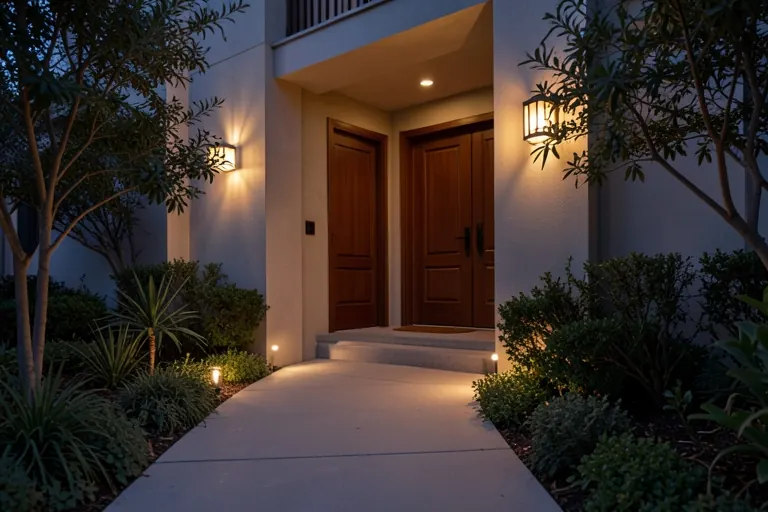
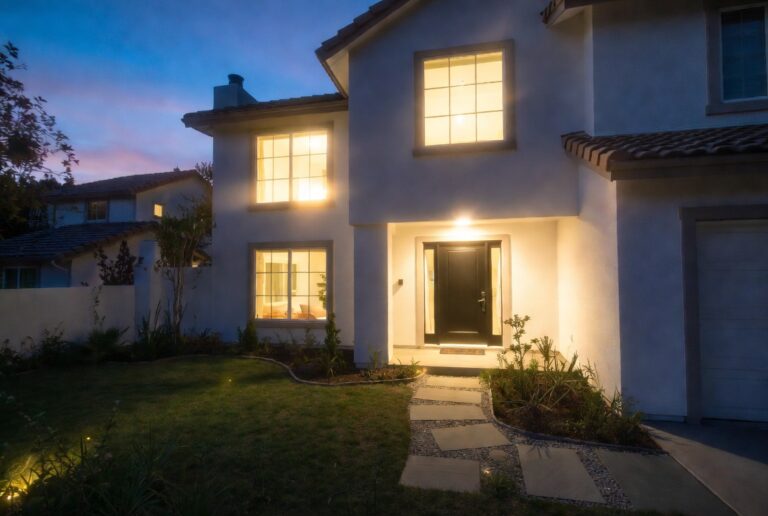
Exterior lighting should help visitors find the door and move safely after dark while also supporting the home’s character. Begin with a functional fixture at the entry, then consider low-level path or step lighting where the route needs definition.
Choose fixture scale carefully. An undersized lantern can look incidental beside a large door, while an oversized fixture may overwhelm a narrow facade. Warm-looking light generally feels gentler on traditional and contemporary exteriors alike.
Any new wiring, junction boxes, or electrical changes should be planned for the site and completed according to local code. Solar fixtures are simpler to place but can be less consistent in shaded locations.
9. Refresh the Porch Floor and Steps
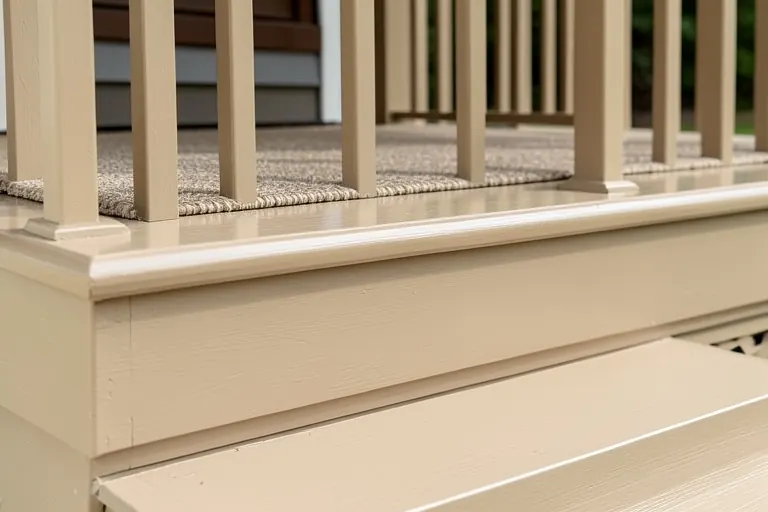
Look down as you approach the house. Peeling paint, stained concrete, loose boards, and worn stair edges are highly visible because they sit directly in the arrival zone. Address condition before adding a new mat or porch furniture.
A porch floor can blend into the facade or offer gentle contrast. Darker finishes may ground a pale house but can show dust more readily; lighter finishes may feel airy but can reveal grime and scuffs.
Check for soft wood, unstable railings, and drainage problems before repainting. Repairs to stairs, railings, or structural porch elements require site-specific judgment and may be subject to local building requirements.
10. Use a Doormat With Purpose
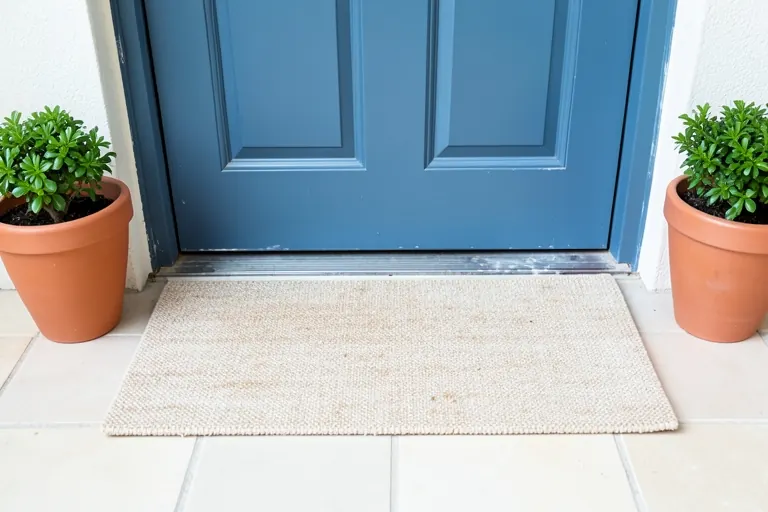
A doormat is a small detail, but it sits at the exact point where guests pause. Choose one wide enough to look intentional at the door and durable enough for your climate, household traffic, and cleaning routine.
Natural-fiber mats bring texture but may shed or hold moisture in wet conditions. Rubber-backed or synthetic options can be easier to rinse, though their look may be more casual. The best choice balances appearance with real use.
Keep patterns restrained if the door, tile, or planters already bring visual activity. One clear layer underfoot is usually more effective than several stacked mats competing for attention.
11. Balance the Garage Door With the Facade
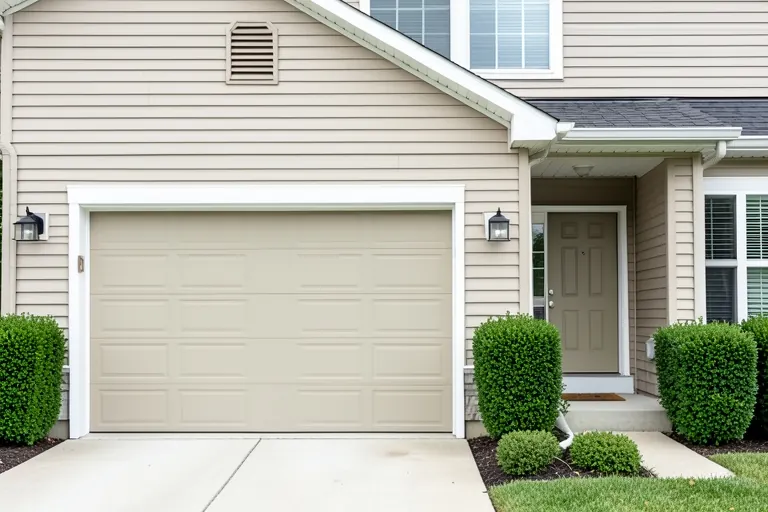
On many homes, the garage door occupies more wall area than the front door. Treat it as part of the facade rather than an afterthought. Clean it, correct peeling paint, and make sure exterior lights and landscaping do not leave it visually isolated.
Paint can help the garage recede when it is close to the siding color, while a contrasting finish can emphasize carriage-style detailing. Neither approach is automatic; the scale and architecture of the house should lead.
National Association of the Remodeling Industry coverage of the 2025 Cost vs. Value report notes that exterior projects, including garage and entry door replacement, ranked strongly for expected resale value. That does not guarantee an individual return, but it reinforces the importance of well-maintained exterior elements.
12. Create a Cohesive Color Palette
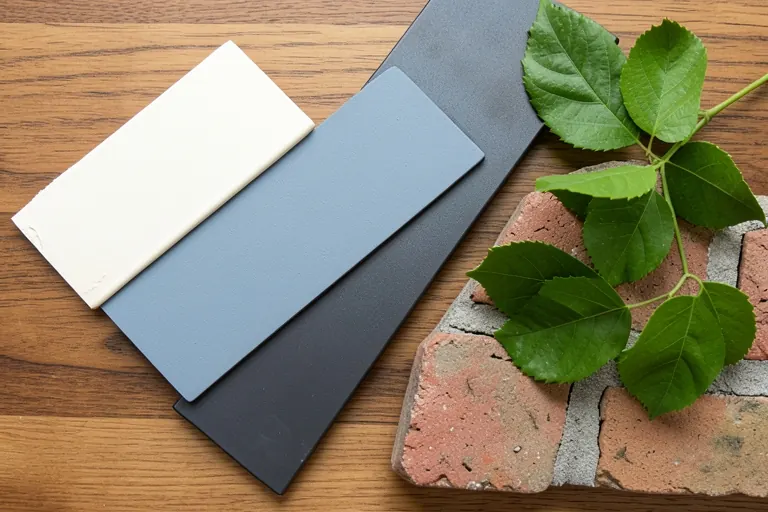
Limit the exterior palette to the colors already fixed on the home, then add one or two accents. Consider siding or brick, trim, roof, front door, metal finishes, planters, and landscape materials as one connected composition.
A useful hierarchy is a dominant field color, a trim color, and an accent at the entry. Repeating the accent once in a planter or mailbox can create continuity, but too much repetition can feel themed.
Bring home samples rather than choosing from a screen. Brick, roof shingles, and shade from trees can shift how a color is perceived throughout the day.
13. Give the Mailbox a Thoughtful Update
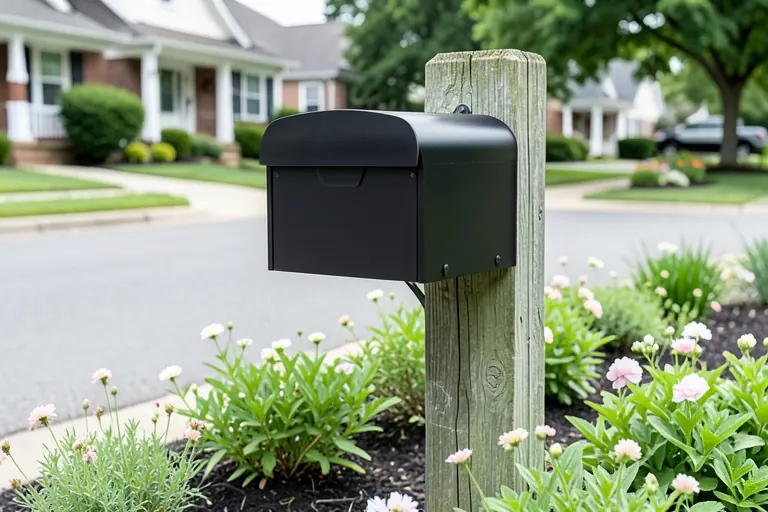
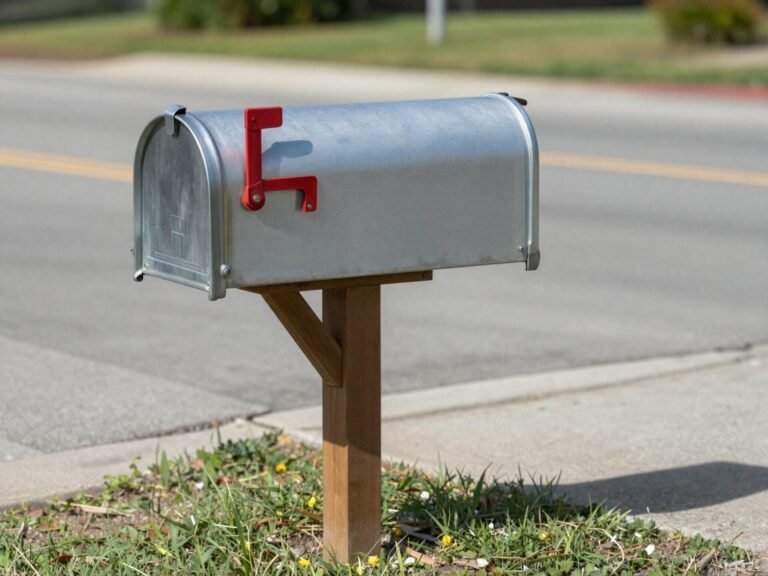
A mailbox is easy to overlook, yet it often sits at the edge of the property where the first impression begins. Straighten a leaning post, replace rusted hardware, and clear weeds or overgrowth around the base.
Choose a style that echoes the home rather than treating the mailbox as a novelty object. A simple black box works across many house styles; a painted post can connect it to trim or the front door when used sparingly.
Confirm placement rules before moving or replacing a curbside mailbox. Postal service guidance, road access, and local requirements can affect height, setback, and installation details.
14. Conceal Everyday Clutter Carefully
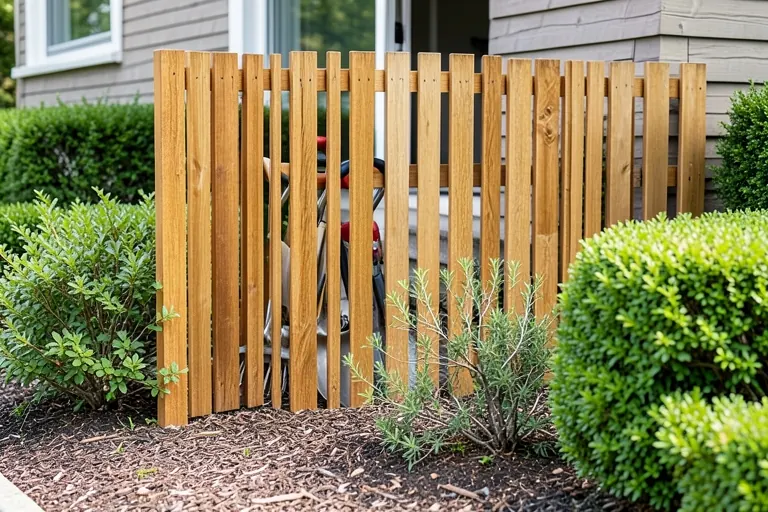
Trash bins, hoses, utility equipment, and recycling containers can pull attention away from the entry. Move portable items out of sight where possible, and use a modest screen or planting only when it does not block access, airflow, or necessary service clearance.
For narrow side yards, a tidy storage solution may be more practical than a dense hedge. Storage has tradeoffs: enclosed cabinets look orderly but need room for doors to open and may require ventilation depending on what is stored.
Do not screen electrical meters, gas equipment, or utility connections without checking required access and clearances. Safety and service needs come first.
15. Add a Small Seating Moment
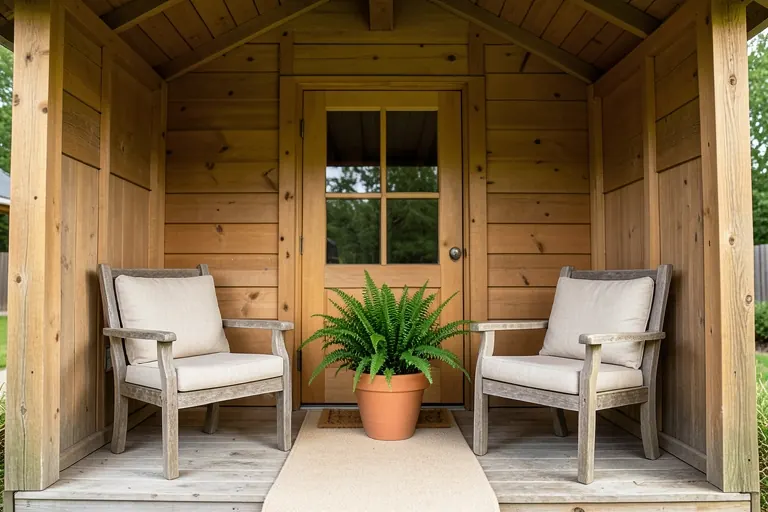
A chair, bench, or pair of compact porch seats can make an entry look inhabited and welcoming, provided the porch has enough depth to preserve a clear route to the door. Avoid furniture that turns steps or a narrow landing into an obstacle course.
Match the furniture’s visual weight to the house. Slim metal chairs can suit a compact contemporary porch, while a broader wood bench may better anchor a traditional facade. Outdoor-rated materials reduce maintenance but still need occasional cleaning.
Use cushions and throws selectively. They add softness, but frequent rain, wind, pollen, and storage needs can make a simpler arrangement the better long-term choice.
16. Use Seasonal Decor in Moderation
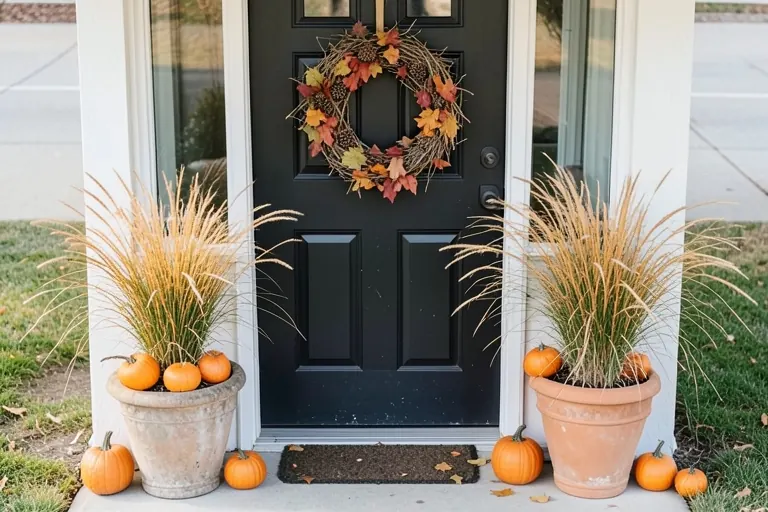
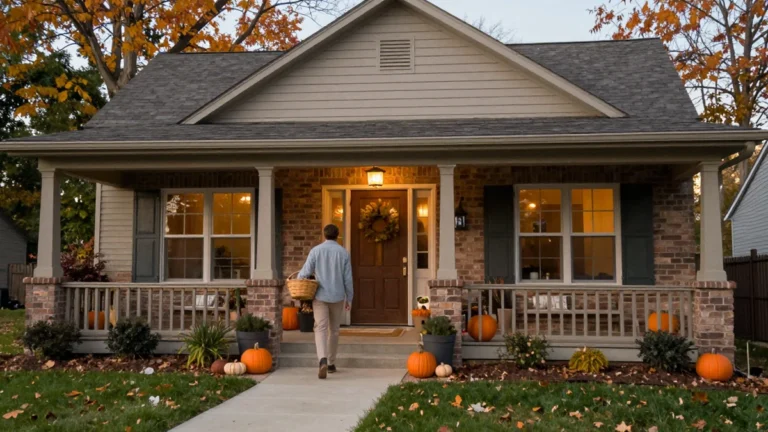
Seasonal accents can refresh the entry without changing permanent finishes. A wreath, a few pumpkins, flowering pots, or winter greenery work best when they support the existing color palette and leave the door and walk unobstructed.
Think in terms of scale and duration. One substantial wreath and two planters usually read more polished than many small signs and figurines. Remove decor once it looks tired, weather-damaged, or out of season.
For DIY curb appeal ideas, start with a natural-material arrangement from your own garden or a simple ribbon update on an existing wreath. The goal is a seasonal note, not a crowded display.
17. Maintain the Details That Signal Care
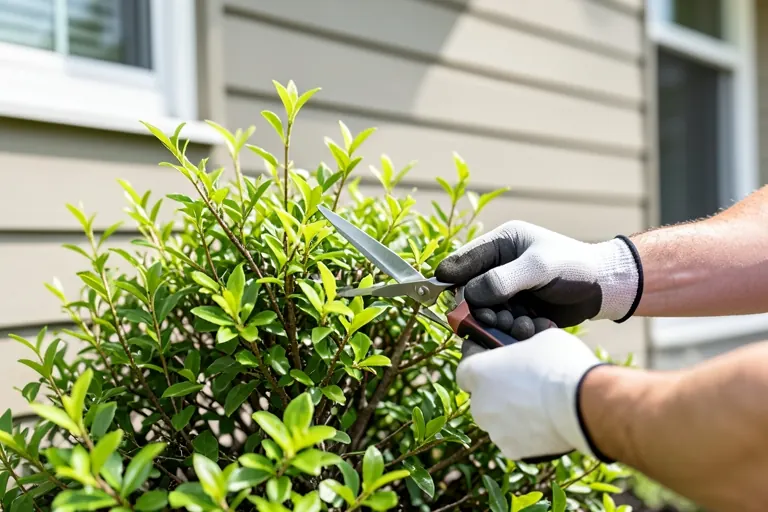
The most convincing curb appeal design ideas are supported by routine upkeep. Trim shrubs away from siding, deadhead flowers, mow and edge the lawn, replace burned-out bulbs, and touch up chipped paint before small flaws become dominant.
Create a short seasonal checklist. Spring can focus on washing and planting; summer on watering and pruning; fall on leaf removal and drainage; winter on safe access, lighting, and protection from weather damage.
Maintenance also helps you notice larger issues early, such as loose trim, cracked caulk, water staining, or a gate that no longer closes properly. Deal with the cause, not only the visible symptom.
18. Common Curb Appeal Mistakes
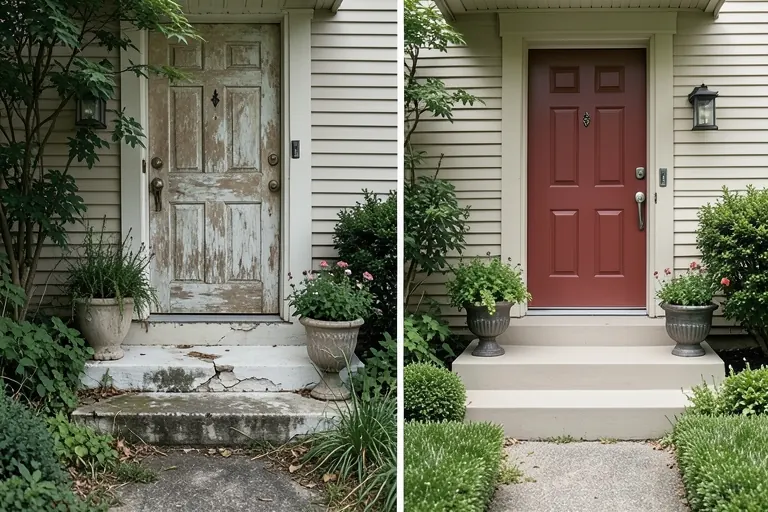
The most common mistake is decorating over disrepair. New planters cannot compensate for failing paint, a dirty porch, or a walkway with obvious hazards. Start with cleaning, repairs, and the basic arrival route.
Another misstep is adding too many focal points: a bold door, busy mat, oversized wreath, patterned planters, multiple signs, and bright lighting all at once. Let one or two elements lead, and use the rest as support.
Finally, avoid copying a look without considering your home’s proportions, climate, maintenance capacity, and neighborhood rules. The strongest top curb appeal ideas are edited to fit the actual house and daily life.
Effort & Cost Snapshot
| Topic | Effort | Cost Note |
|---|---|---|
| 1. Start With a Street-View Audit | Medium | Varies by materials, scope, and local labor |
| 2. Clean Every Visible Surface | Medium | Varies by materials, scope, and local labor |
| 3. Make the Front Door the Focal Point | Medium | Varies by materials, scope, and local labor |
| 4. Upgrade Hardware and House Numbers | Medium | Varies by materials, scope, and local labor |
| 5. Frame the Entry With Planters | Low | Often achievable with existing furnishings or simple updates |
| 6. Shape Planting Beds for Definition | Low | Often achievable with existing furnishings or simple updates |
| 7. Keep the Walkway Clear and Inviting | Low | Often achievable with existing furnishings or simple updates |
| 8. Add Layered Exterior Lighting | High | Get a project-specific professional quote |
| 9. Refresh the Porch Floor and Steps | High | Get a project-specific professional quote |
| 10. Use a Doormat With Purpose | Medium | Varies by materials, scope, and local labor |
| 11. Balance the Garage Door With the Facade | High | Get a project-specific professional quote |
| 12. Create a Cohesive Color Palette | Low | Often achievable with existing furnishings or simple updates |
| 13. Give the Mailbox a Thoughtful Update | Medium | Varies by materials, scope, and local labor |
| 14. Conceal Everyday Clutter Carefully | High | Get a project-specific professional quote |
| 15. Add a Small Seating Moment | Low | Often achievable with existing furnishings or simple updates |
| 16. Use Seasonal Decor in Moderation | Low | Often achievable with existing furnishings or simple updates |
| 17. Maintain the Details That Signal Care | Medium | Varies by materials, scope, and local labor |
| 18. Common Curb Appeal Mistakes | Medium | Varies by materials, scope, and local labor |
Frequently Asked Questions
What are the easiest curb appeal ideas to do in a weekend?
Start with cleaning, weeding, edging planting beds, sweeping the porch, and replacing a worn doormat. Next, refresh planters or repaint the front door if weather and drying time allow. These changes improve the approach without requiring a major redesign.
Which curb appeal update should I prioritize before selling?
Prioritize visible maintenance first: damaged trim, peeling paint, dirty windows, clutter, weak exterior lighting, and overgrown landscaping. Then focus on the entry and garage door because they occupy prominent positions. NARI notes that exterior projects performed well in the 2025 Cost vs. Value report, but resale results still vary by property and market.
How can renters improve curb appeal without permanent changes?
Use removable options such as outdoor planters, a doormat, porch seating, seasonal decor, and regular cleanup. Ask the property owner before changing light fixtures, hardware, paint, or any landscaping. Keep additions portable so they can move with you.
Better curb appeal is usually a sequence of sensible decisions, not one dramatic purchase. Clean the visible surfaces, make the route to the door easy to read, repair what is worn, and choose a few details that reinforce the home’s character. From there, a front-door color, healthy planting, useful lighting, and edited accessories can make the exterior feel more welcoming.
Take one street-view photo now, choose the most noticeable issue, and address it before adding anything new. That approach keeps improvements practical, cohesive, and easier to maintain.
Sources & Further Reading
Continue Your Home Transformation
Explore the full collection of step-by-step eBooks and get the guide that fits the room you're working on.