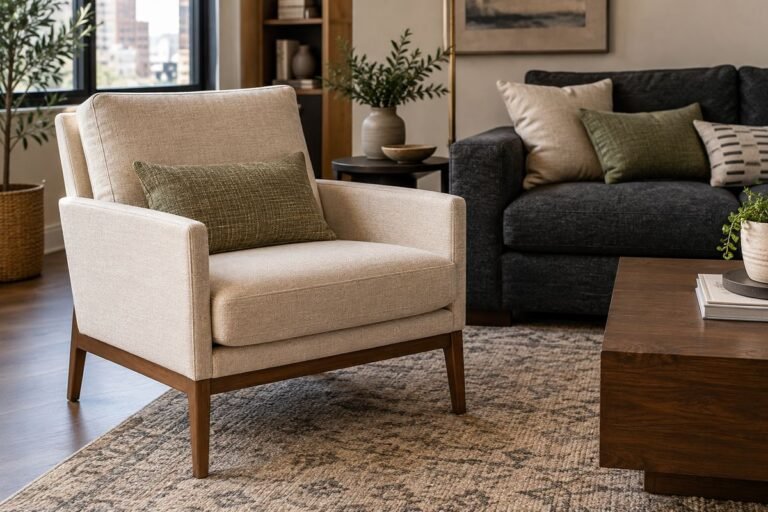
Living room corner ideas are easier to choose when you give the space one clear job. An empty angle does not always need a tall plant or another chair. It might be the best place for a game table, a music setup or closed storage that makes the main seating area calmer.
Look at the corner from the doorway and from the sofa. Notice the daylight, nearby outlets, window movement and the route people use through the room. A useful arrangement should belong to the whole layout rather than looking like a separate display squeezed into the last gap.
The ideas below cover different activities and room shapes. Start with the purpose you need, then test its footprint before buying furniture. Keep the scale modest enough that you can use the corner without constantly moving another piece out of the way.
The images are original AI-generated decor concepts, not installation diagrams or photographs of completed client projects.
Test Living Room Corner Ideas While the Main Room Is Occupied
Choose the missing activity, then mark its furniture and movement beside the main seating arrangement. Next, have someone use the normal route with the new corner in use. For example, a game table needs room for occupied chairs while a hobby cart also needs a realistic parking place. Keep the corner clear when an extra piece would complicate the room more than its proposed task helps.
Choose living room corner ideas around a real activity
Mark the proposed furniture footprint with removable paper and test nearby doors, curtains and the walking route. Include the space needed to pull out a chair or open a cabinet. Follow furniture anchoring instructions and keep cables out of foot traffic. Check plant light needs against the actual window conditions, and leave vents, heating equipment and service access clear.
1. Begin Living Room Corner Ideas With One Useful Seat
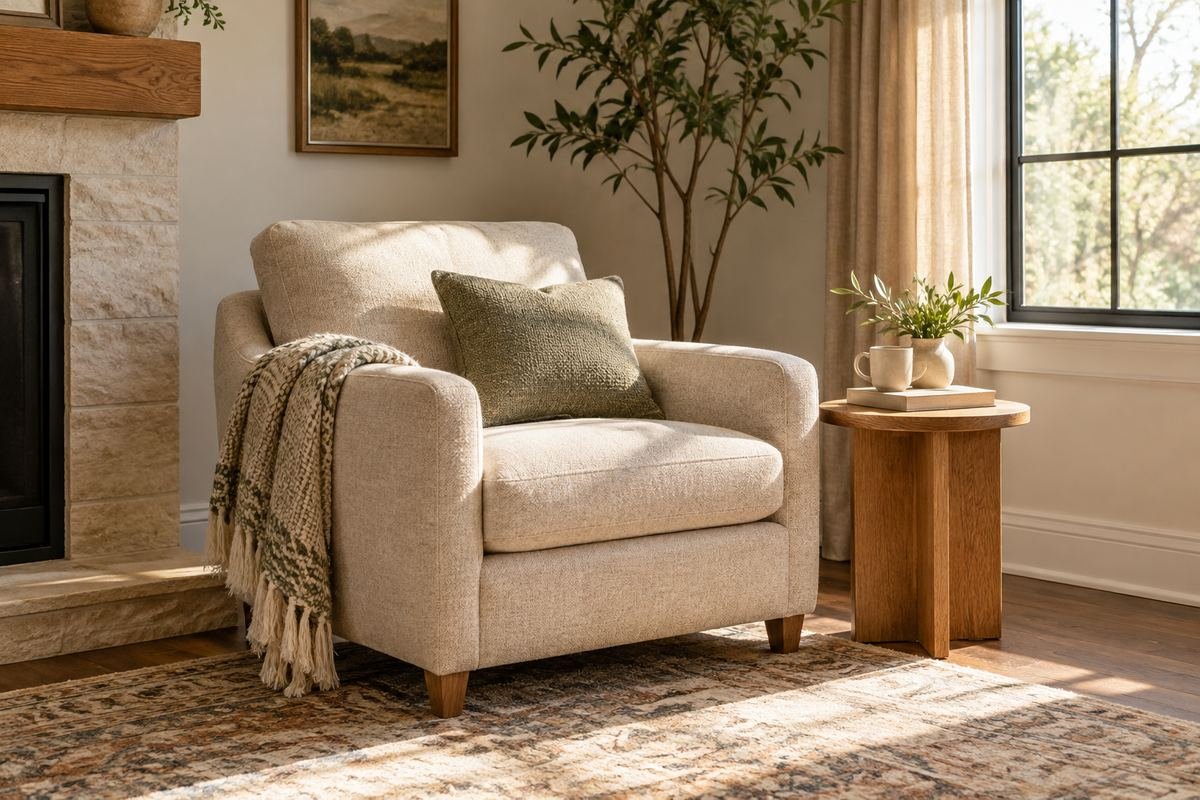
A single chair can turn a quiet corner into a useful second seat. Angle it toward the main room so someone sitting there remains part of the conversation.
Add a small table within comfortable reach rather than a large surface that crowds the chair. Test the arrangement with someone seated before deciding how close it can sit to the wall.
Practical tip: Choose the seat for comfort before choosing a decorative cushion.
2. A two-seat conversation corner
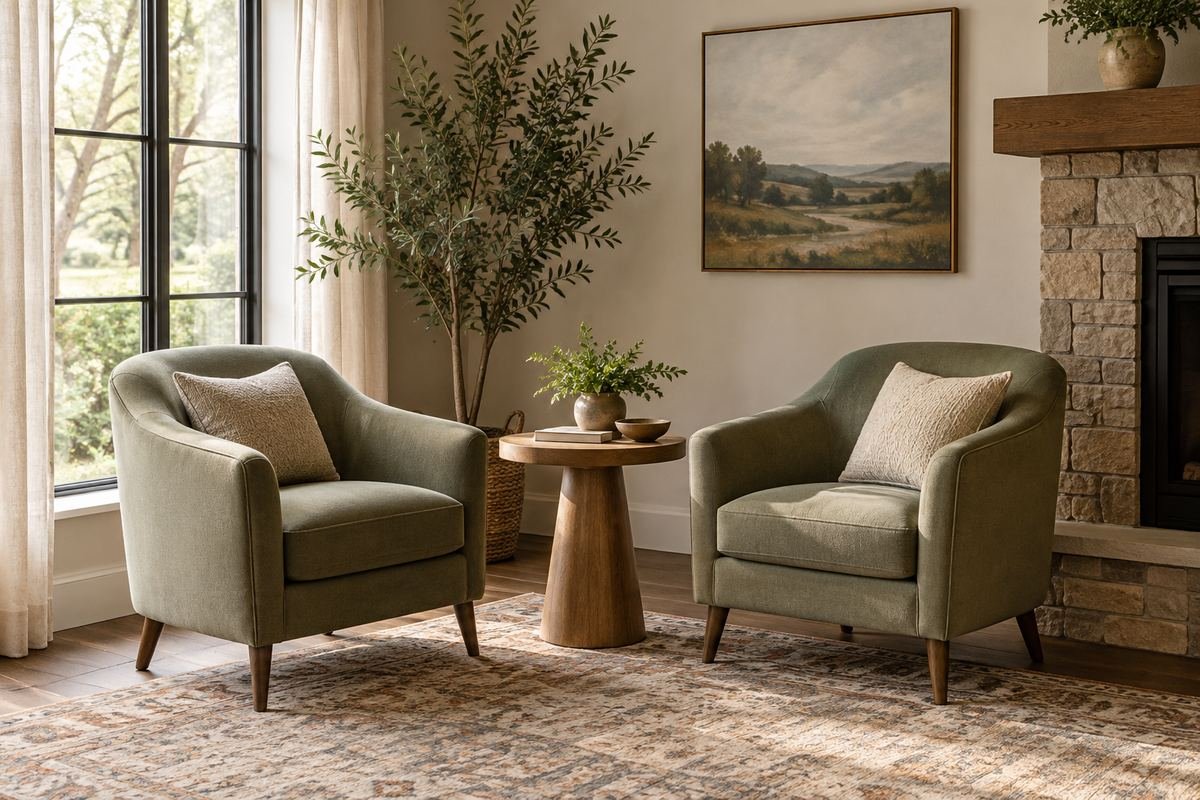
Two modest chairs can create a place for a quieter conversation away from the main sofa. A small shared table gives the arrangement a clear center.
Keep the pair in proportion to the corner and allow a direct approach to both seats. If the chairs have to be pushed tightly together, use one chair instead.
Practical tip: Test both seats with the table in its normal position.
3. A chess or board-game table
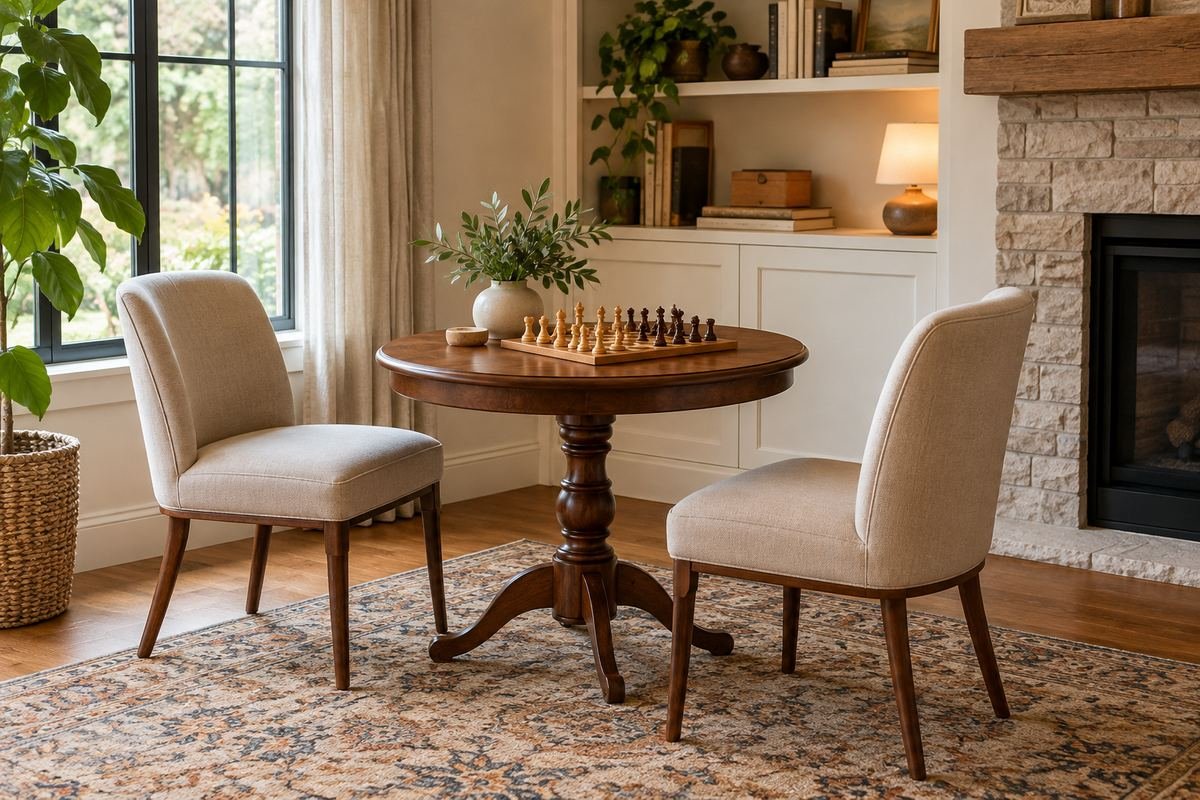
A compact game table gives an underused corner an activity that is easy to begin. Choose a tabletop large enough for the games you actually play rather than a decorative miniature board.
Include the chairs when planning the footprint. A table that fits while the chairs are tucked in may still block the room when two people sit down.
Practical tip: Measure your favorite board game before choosing the table.
4. A record-listening station
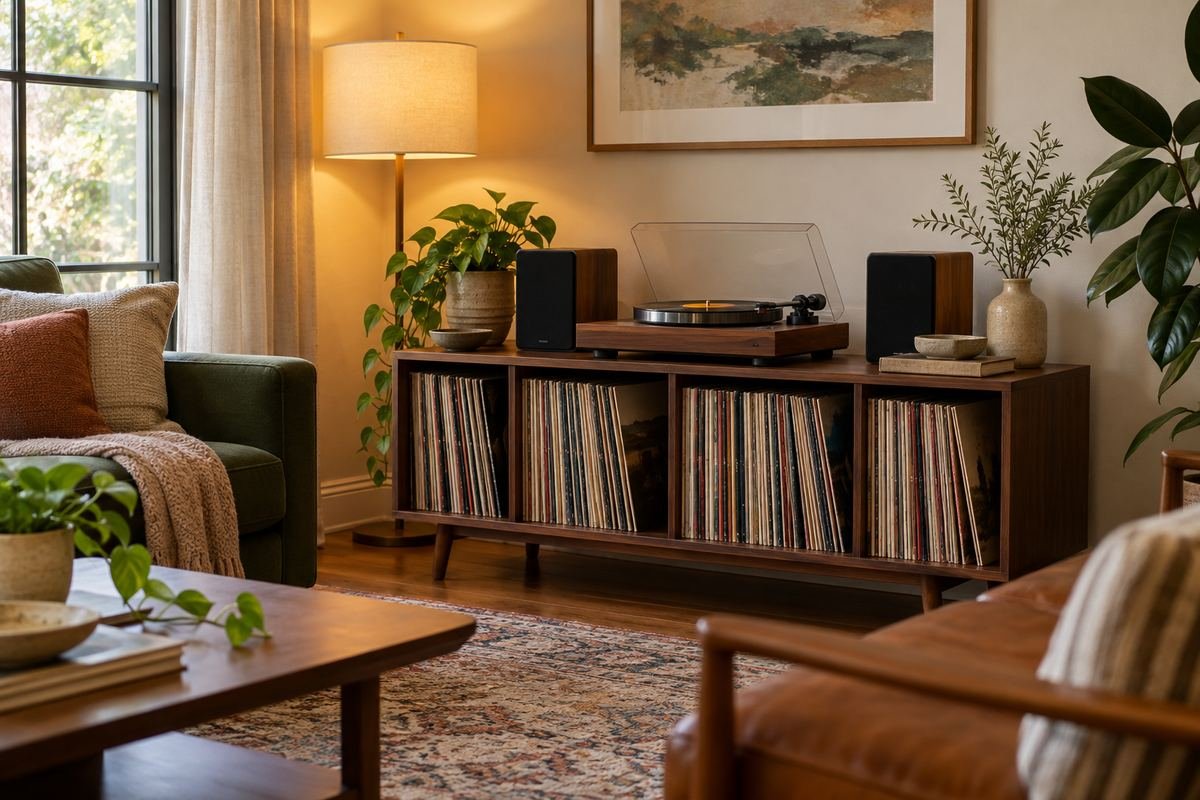
A low cabinet can gather a turntable, a small record collection and the equipment needed for listening. Keep the setup focused instead of adding unrelated display objects around it.
Follow the equipment instructions for placement, support and ventilation. Route cables neatly and keep the record storage easy to browse without crouching into the walking path.
Practical tip: Plan the equipment arrangement before buying the cabinet.
5. A digital piano with a defined place
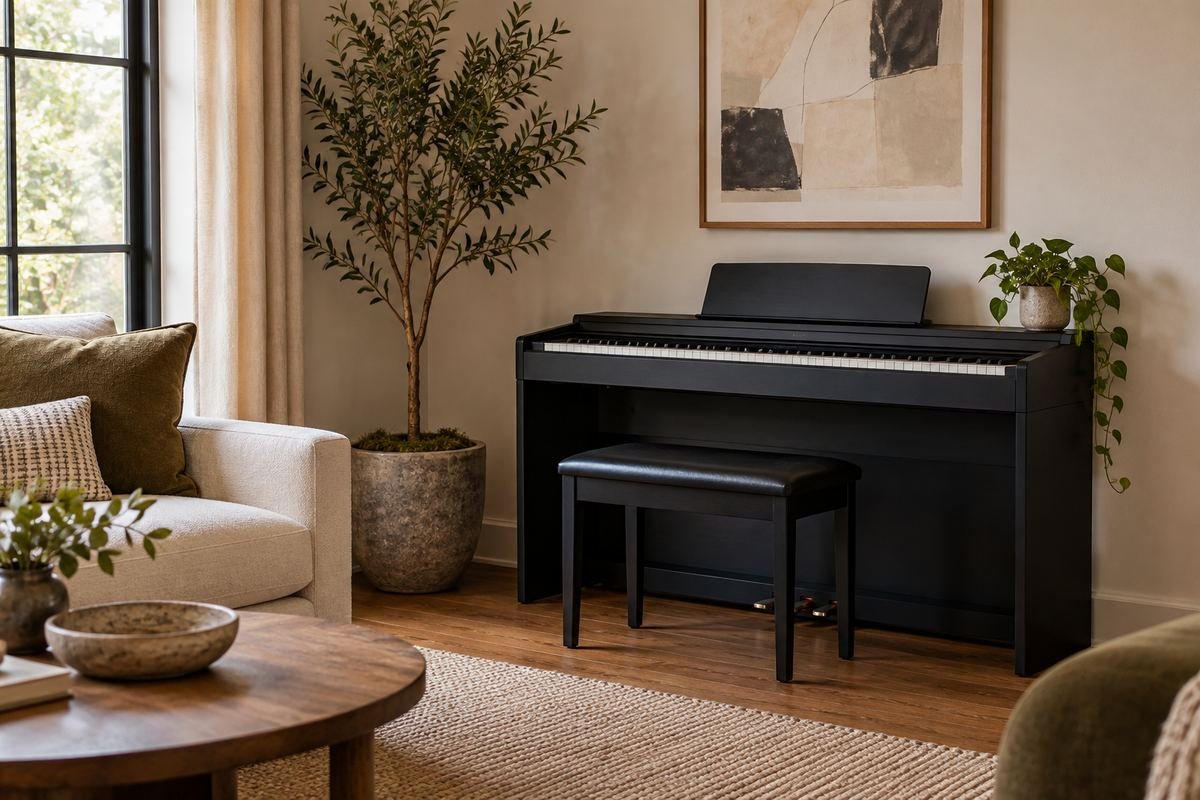
A digital piano can make a corner part of the room’s daily life. A simple bench and a restrained picture above help the instrument feel integrated with the furniture.
Check the bench movement and the position of the power outlet. Leave room to sit comfortably and follow the instrument manufacturer’s guidance around heat and window exposure.
Practical tip: Include the bench pulled out in your floor plan.
6. Use Closed Living Room Corner Ideas for Games
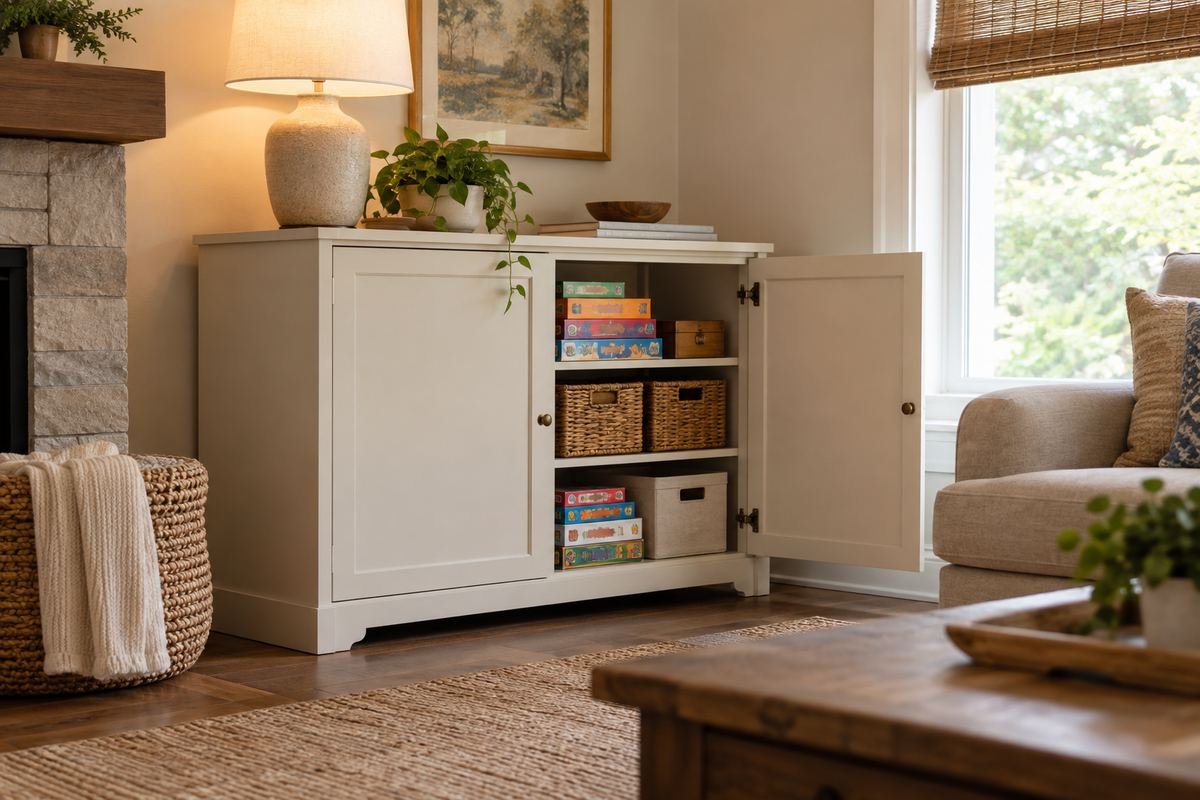
A low closed cabinet can keep family games close to the sofa while reducing the visible pile. Group the contents by how they are used so clearing away remains easy.
Follow the cabinet’s stability and anchoring instructions. Keep the front simple, and check that opening the doors does not force other furniture into the main route.
Practical tip: Give the most-used game a clearly reachable shelf.
7. A low bookcase that stays below the window
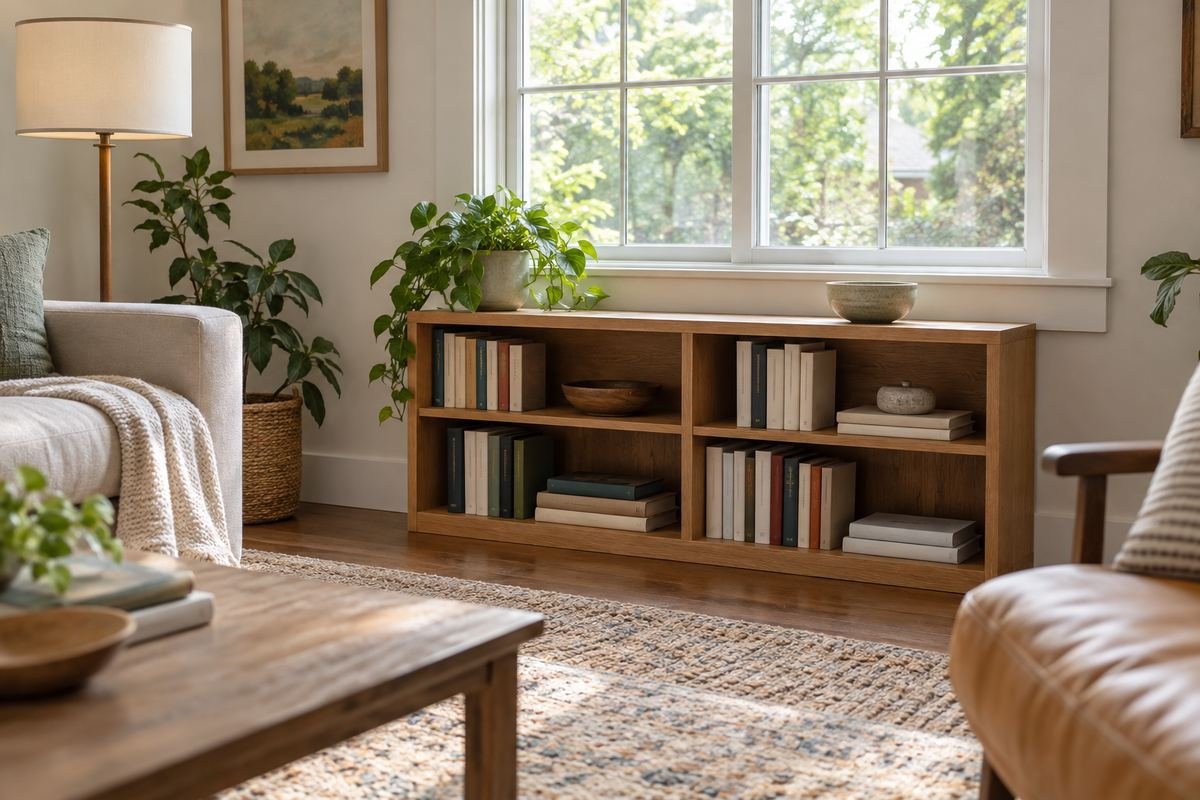
A low bookcase can make use of a corner without covering most of the window or adding a tall vertical block. It works well for a small everyday book collection.
Check curtain movement, vents and the complete fixing instructions. Leave a little empty shelf so removing a book does not mean rearranging a tightly packed display.
Practical tip: Plan around the books you own rather than filling every shelf.
8. A glass-front display cabinet
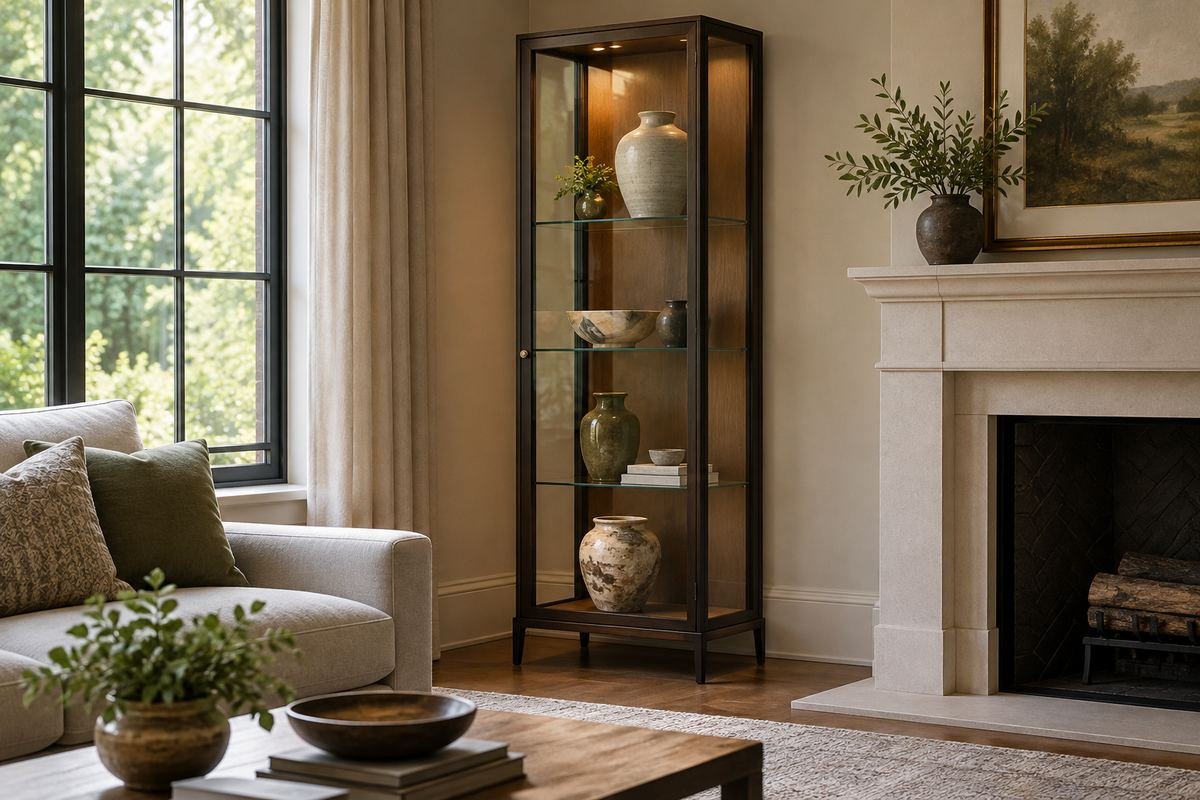
A display cabinet can give a collection one clear home. It is especially useful when the objects would otherwise be scattered across several side tables.
Choose shelves for the actual size and weight of the pieces and secure the cabinet as directed. Leave visible space between objects so the collection remains readable from across the room.
Practical tip: Select a small group of favorite pieces before arranging the shelves.
9. A plant stand matched to the light
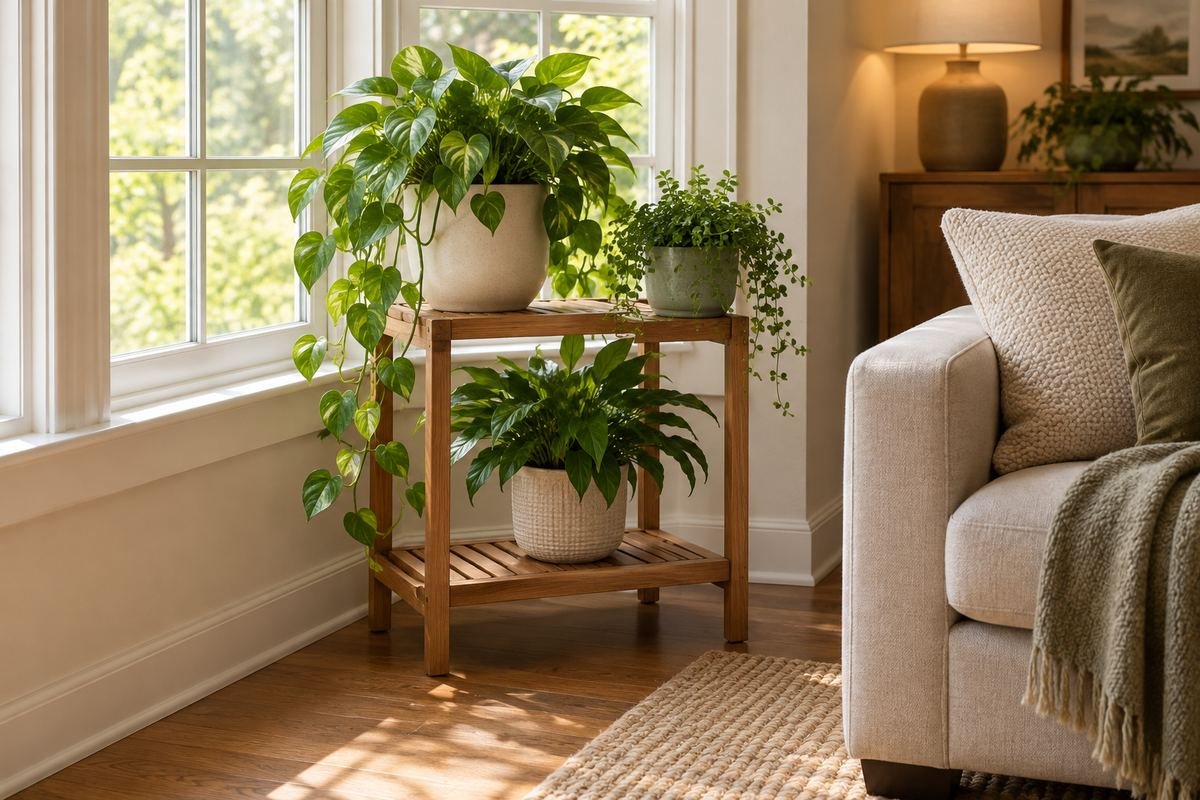
A corner plant arrangement can bring height without adding another piece of bulky seating. Use a plant stand to gather a small group instead of spreading pots across the floor.
Match the plants to the light that reaches the corner throughout the day. Protect the furniture and flooring from drainage, and keep the stand stable and outside the walking route.
Practical tip: Observe the actual daylight before choosing plants.
10. Nesting tables beside the seating area
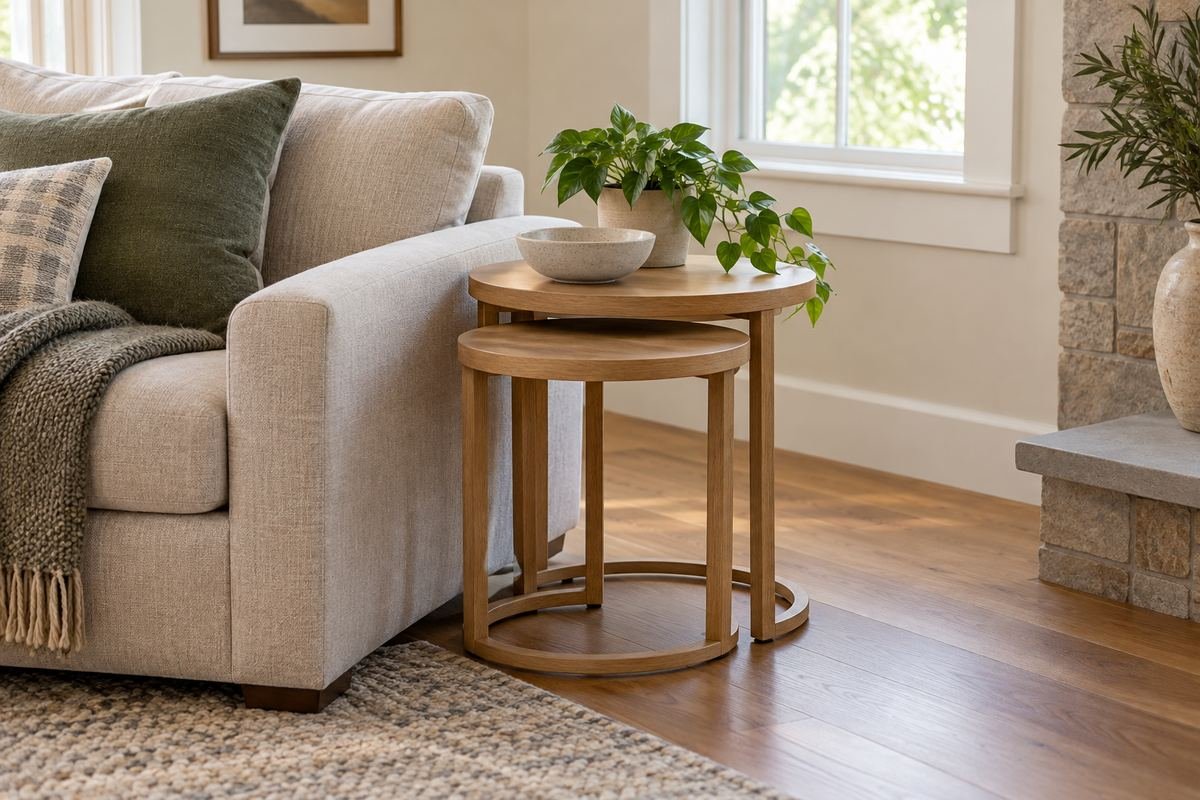
Nesting tables can live in a corner and move into the main seating area when needed. They are useful when a permanent large coffee table would make the room harder to use.
Check the weight and the way the tables separate. Keep their normal parking place clear so they can return neatly after guests leave.
Practical tip: Try lifting and moving the tables before choosing them.
11. A narrow writing desk
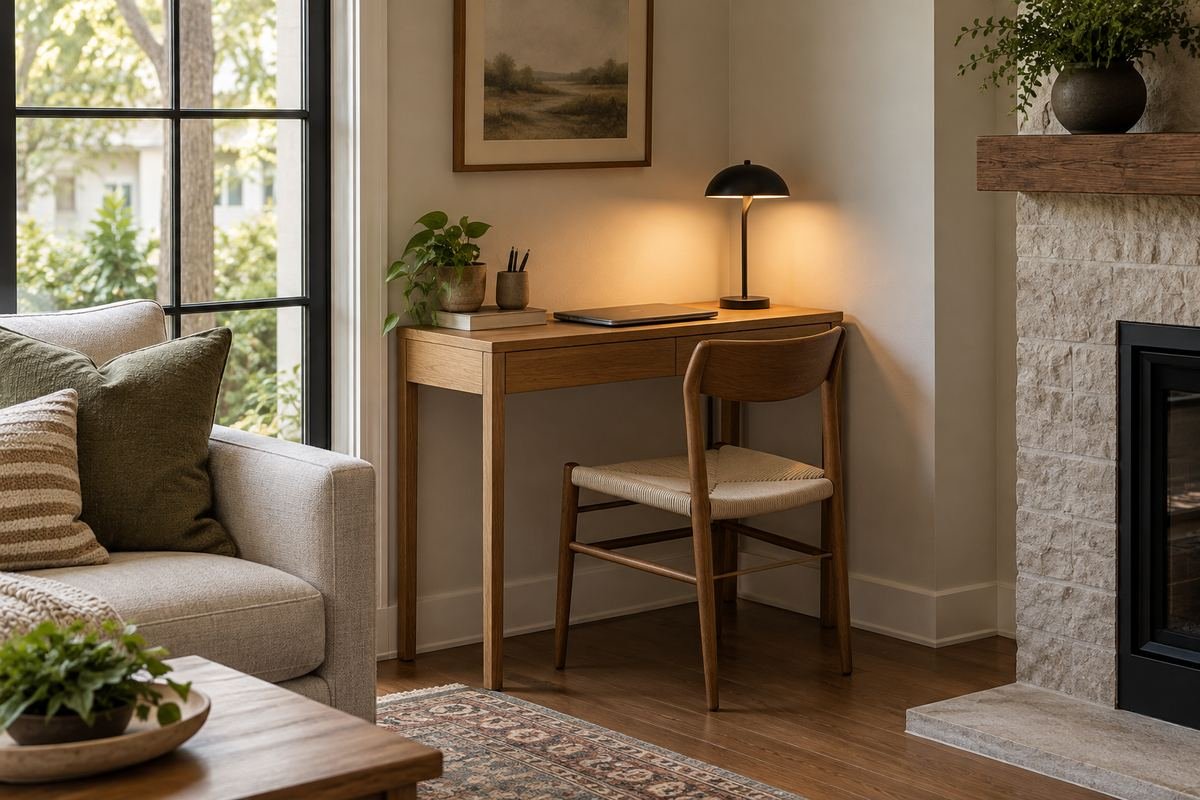
A compact desk can provide a place for letters, a laptop or household planning. Give it a defined surface so work does not gradually spread across the sofa.
Include the chair, task lighting and cable route in the plan. Keep the desktop shallow enough that it belongs to the corner rather than dividing the living room.
Practical tip: Decide where the laptop goes when the workday ends.
12. Fit Pet Resting Living Room Corner Ideas to the Household
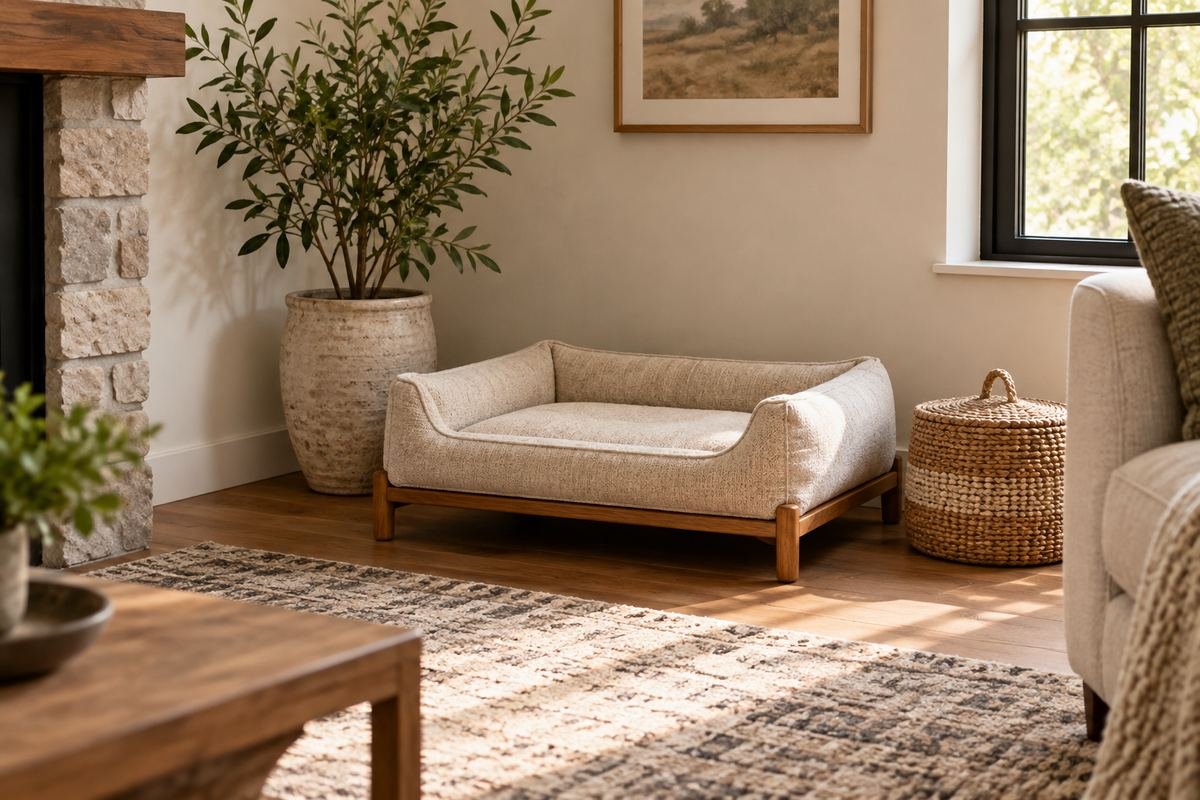
A dedicated pet resting place can make the corner useful while keeping the main room organized. Choose a washable bed that suits the animal rather than an oversized decorative enclosure.
Keep it away from a busy door swing and allow easy access for cleaning. A small nearby container can hold the items used in that area without becoming a general storage pile.
Practical tip: Measure the pet’s usual resting space before choosing the bed.
13. A compact sewing or craft cabinet
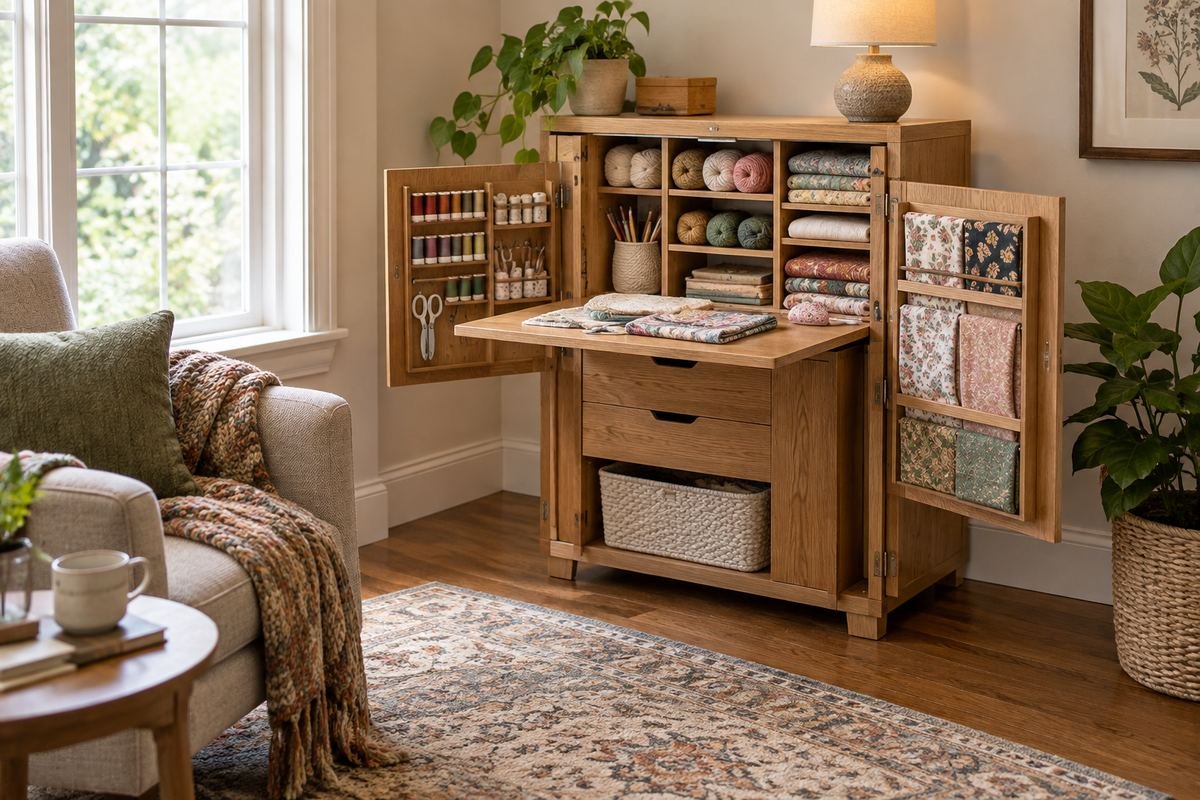
A closed craft cabinet can support a hobby without leaving all the tools on view. A small pull-out work surface may suit occasional use when the product is designed for it.
Check the working position, task light and the full open footprint. Store sharp or small tools appropriately for the household and close the station after use.
Practical tip: List the supplies that must fit before choosing the cabinet.
14. A blanket basket beside the sofa
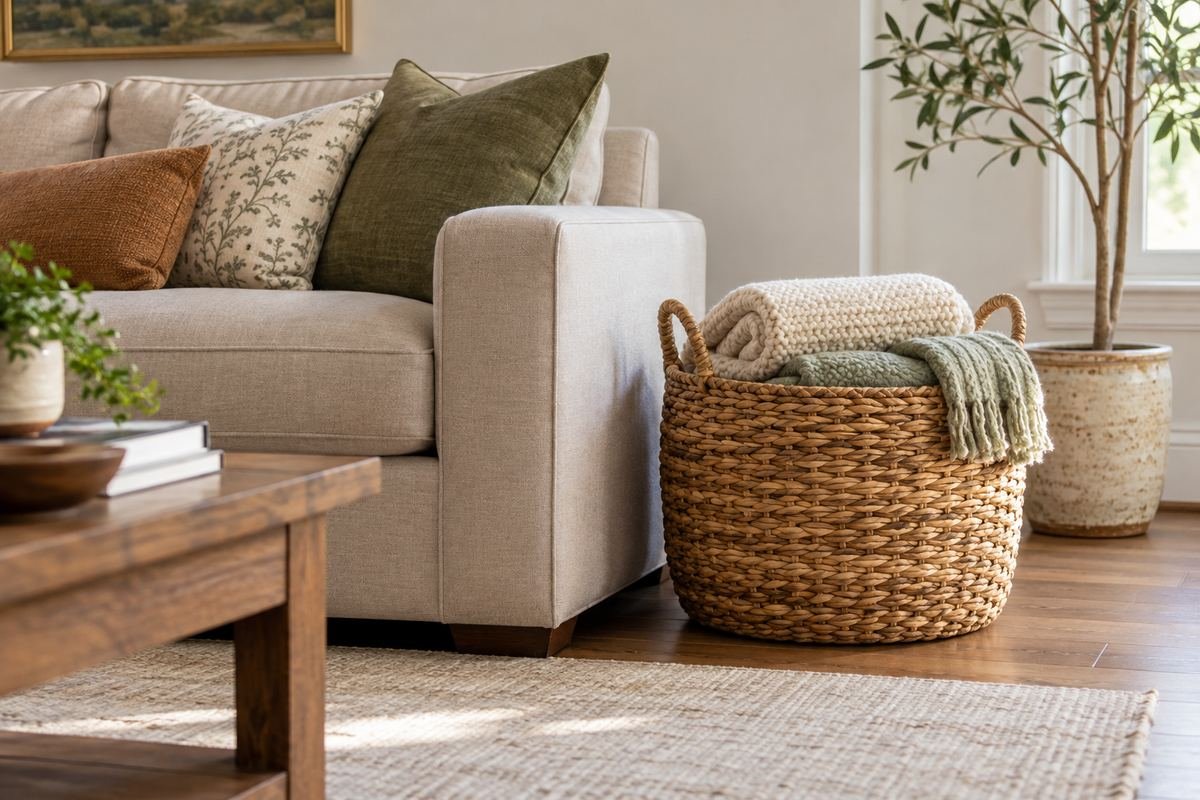
A sturdy basket can give throws one easy home near the main seating. It is useful when blankets otherwise slide onto the floor or stay folded on a chair nobody can use.
Choose a size that holds the actual blankets without overflowing. Keep the basket accessible from the sofa and leave enough floor visible around it for cleaning.
Practical tip: Try folding one throw to estimate the real storage volume.
15. A sectional arranged around the corner
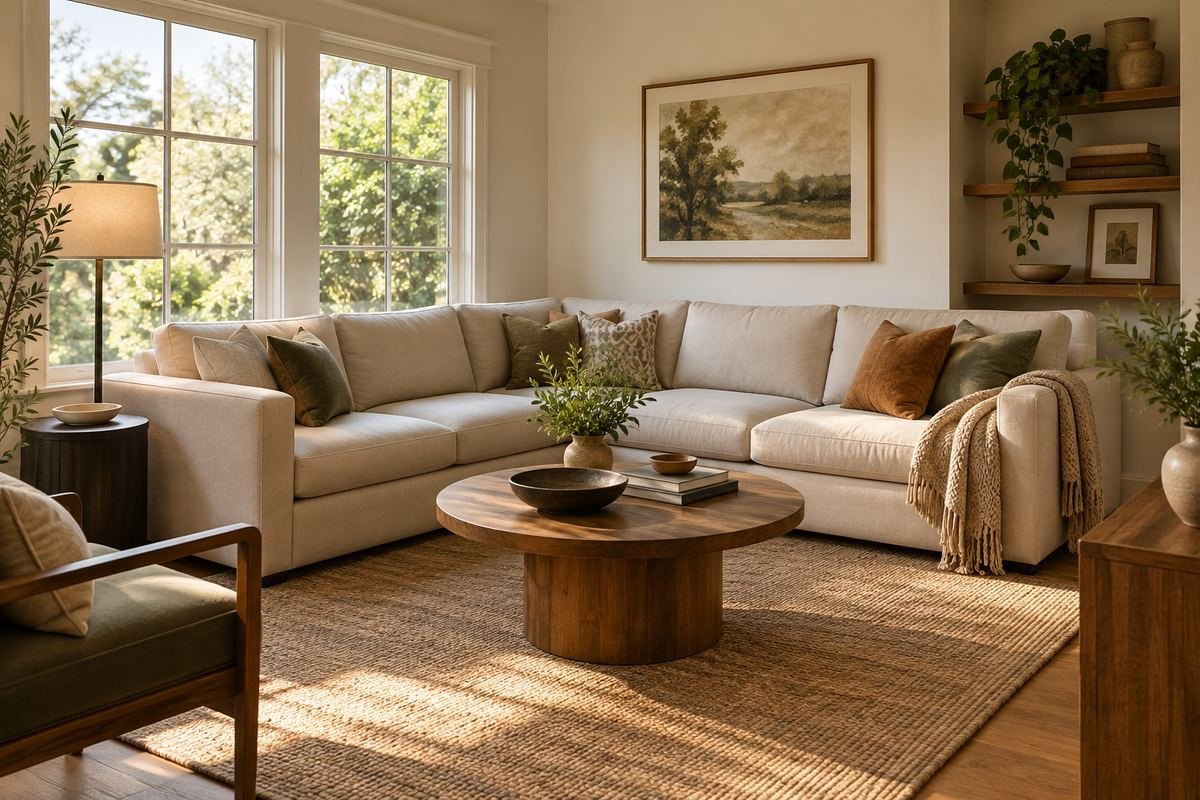
A sectional can make the corner part of the main seating arrangement. Its shape works best when the return follows the way the room is used rather than simply matching two walls.
Measure the complete sofa and keep the approach to each seat comfortable. Check window access and avoid forcing the sofa tightly against heating equipment or curtains.
Practical tip: Compare the chaise side with the route through the room.
16. A window bench with useful storage
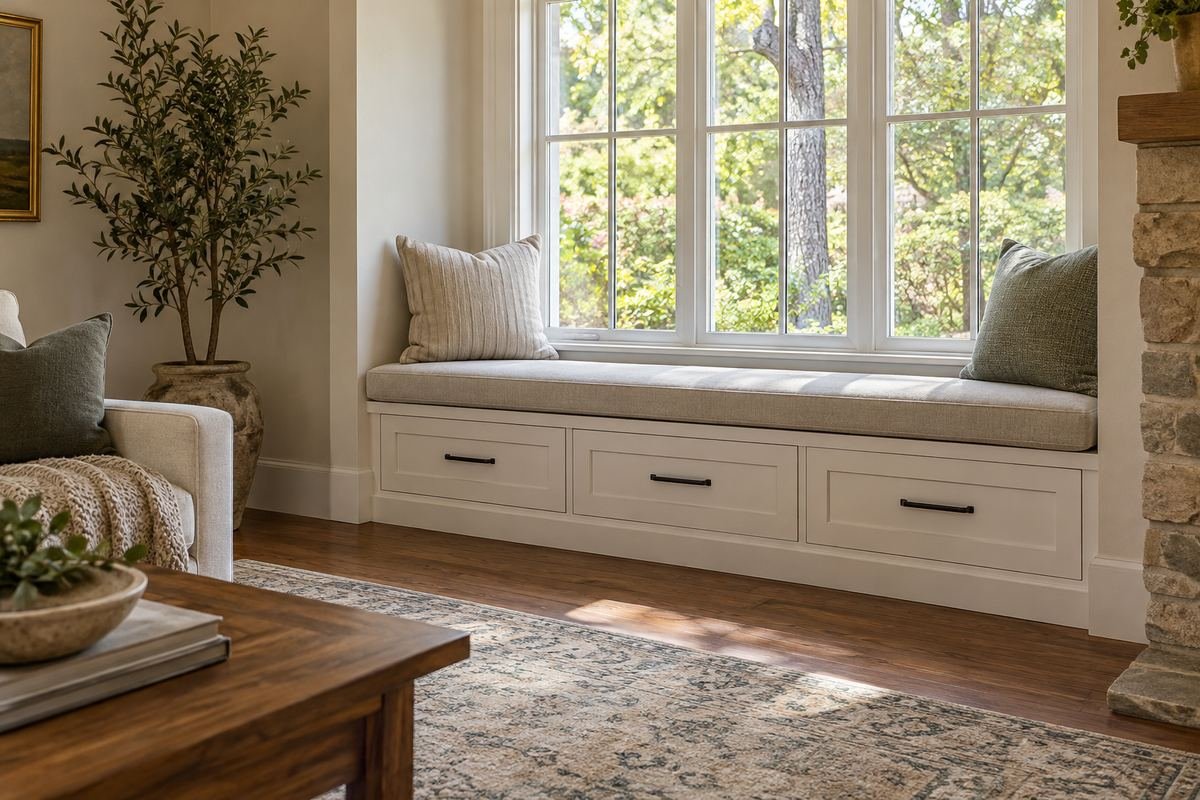
A purpose-designed bench can make a window corner a place to pause. Drawers or a closed base can add storage without another freestanding cabinet.
Check the window operation, support and any equipment below the sill. The seat should remain usable rather than becoming a permanent pile of cushions and boxes.
Practical tip: Keep the cushion arrangement simple enough to sit down immediately.
17. A floor lamp that gives the wall a glow
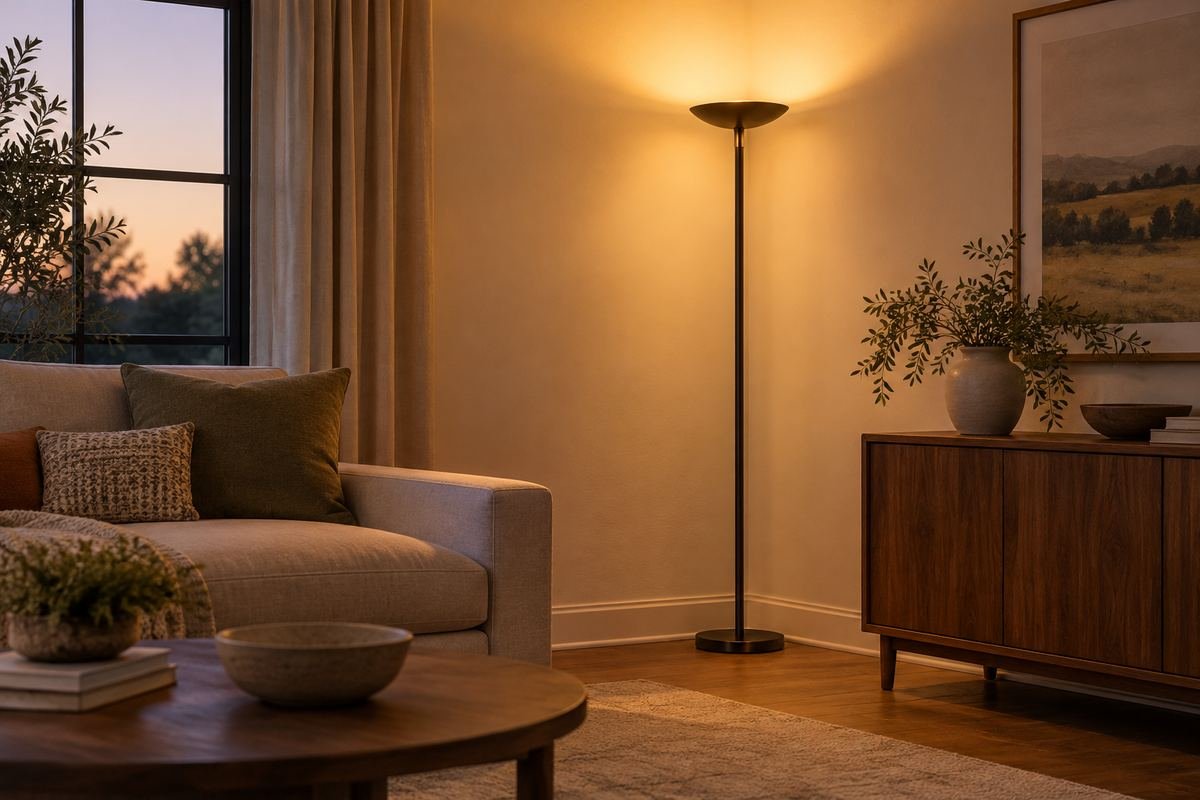
A corner light can add a softer layer when the main overhead lighting feels harsh. Choose a fixture designed to cast light in the direction you want.
Keep the base stable and route its cable away from foot traffic. Test the lamp in the evening so you can judge the effect from the sofa rather than from beside the bulb.
Practical tip: Check the light from your normal seated position.
18. Focus Artistic Living Room Corner Ideas on One Main Piece
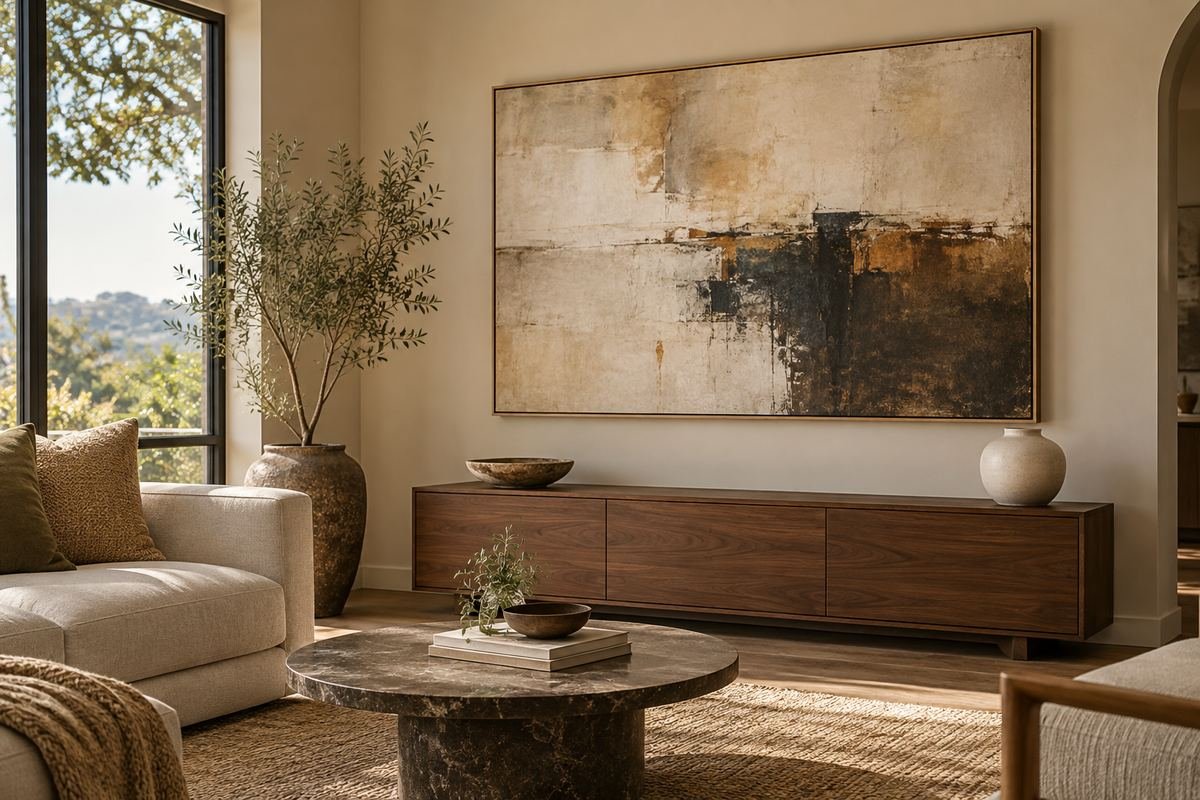
A single large artwork can give a corner a visual purpose without adding much furniture. A modest low shelf or cabinet below can connect it to the room’s proportions.
Choose appropriate mounting for the artwork and surface. Keep the lower area restrained so the piece has enough space to be seen as the main feature.
Practical tip: Test the artwork outline with paper before hanging it.
19. A stable plinth for one sculptural object
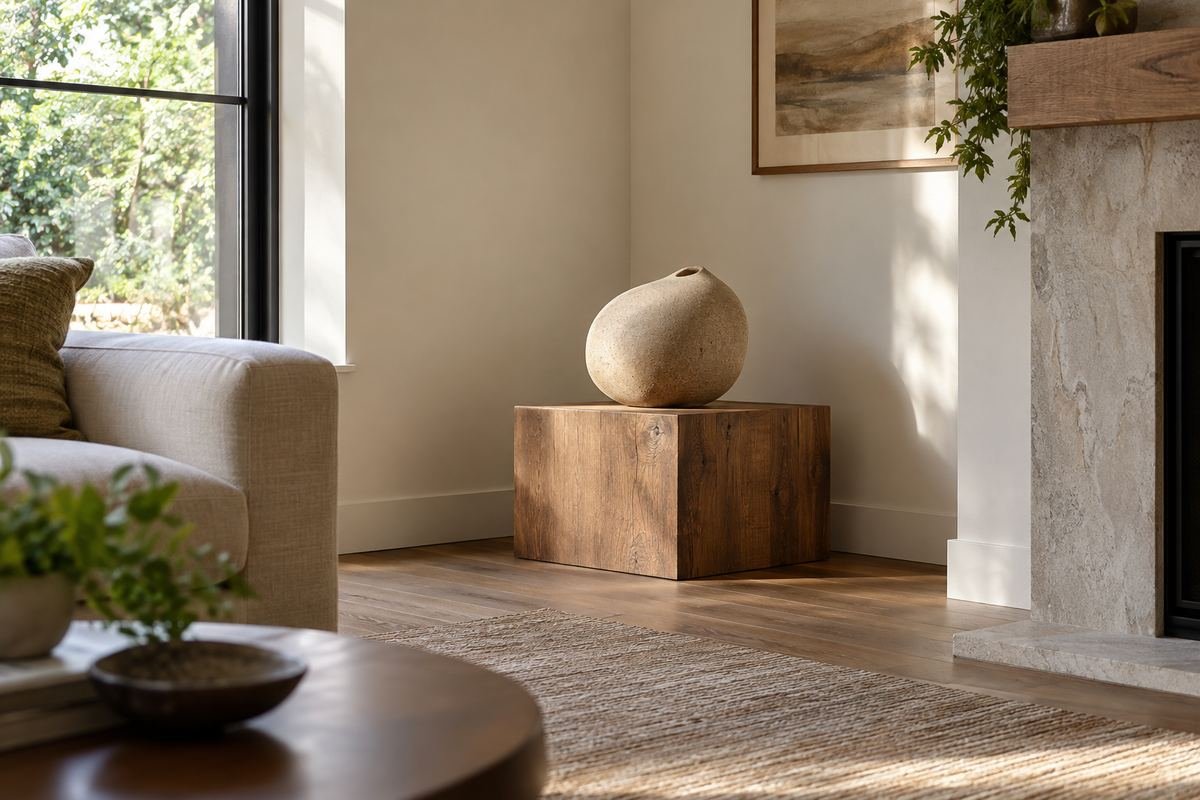
A low substantial plinth can present a favorite ceramic or sculptural piece. It works when you want a quiet focal point instead of another functional furniture group.
Choose a stable position away from busy movement and keep the scale appropriate for the household. A delicate tall object beside a narrow route is unlikely to remain a relaxed arrangement.
Practical tip: View the object from both the doorway and the sofa.
20. A closed hosting cabinet
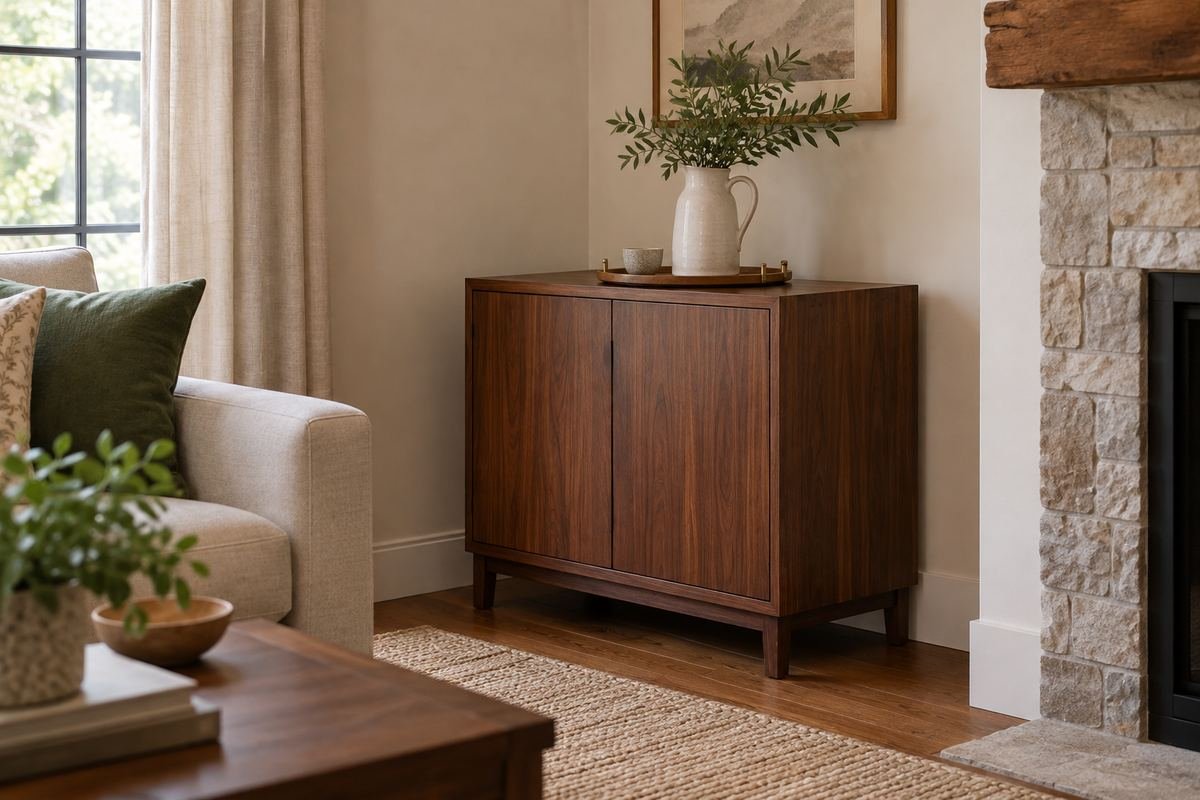
A small cabinet can gather serving trays, napkins and the items used when friends visit. A clear top provides a temporary landing area without becoming a permanent display of supplies.
Check the shelf sizes against your trays and the complete door swing. Close away the reserves so the corner still feels like part of the living room between visits.
Practical tip: Choose the cabinet around the largest tray you need to store.
21. A movable hobby cart
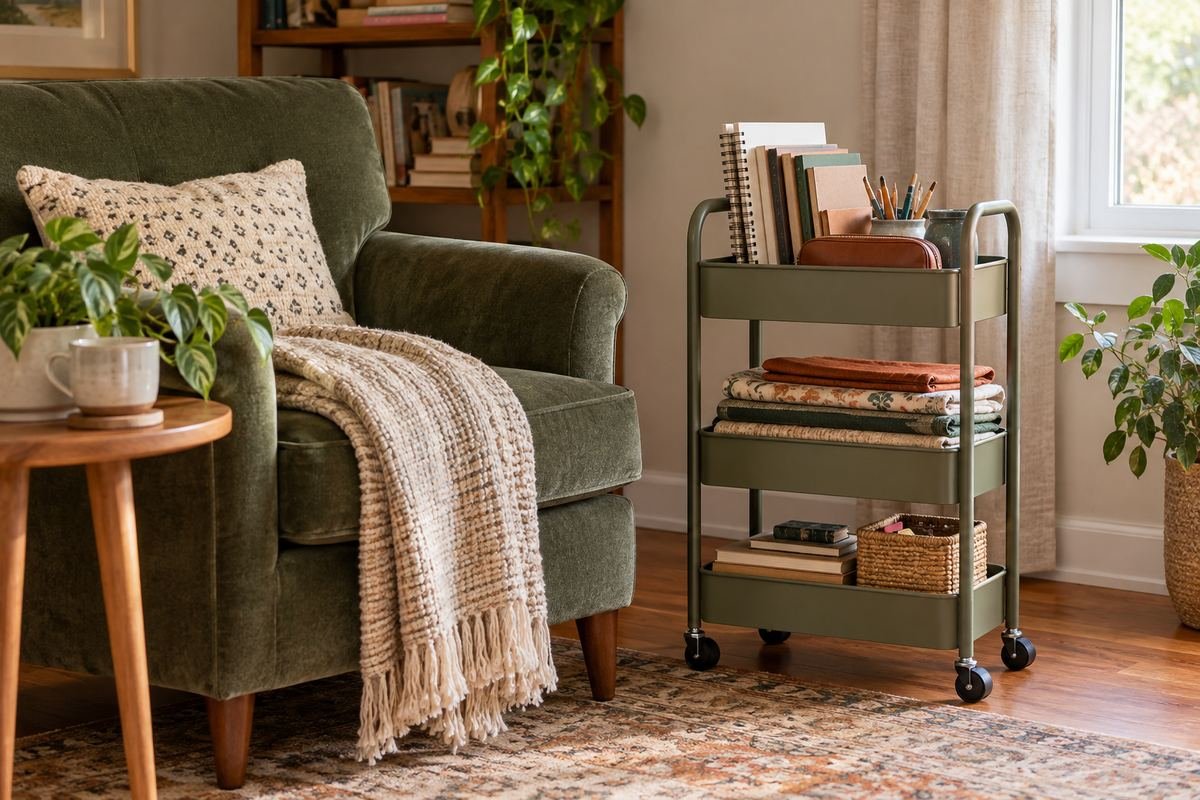
A small cart can hold knitting, sketching or another portable hobby near a comfortable seat. It gives the activity a home without requiring a full desk in the corner.
Choose a stable cart that is easy to move on the actual floor. Keep the contents limited to the current project so the shelves do not become general household overflow.
Practical tip: Give the cart a normal parking place after use.
22. A yoga-mat storage spot with clear floor nearby
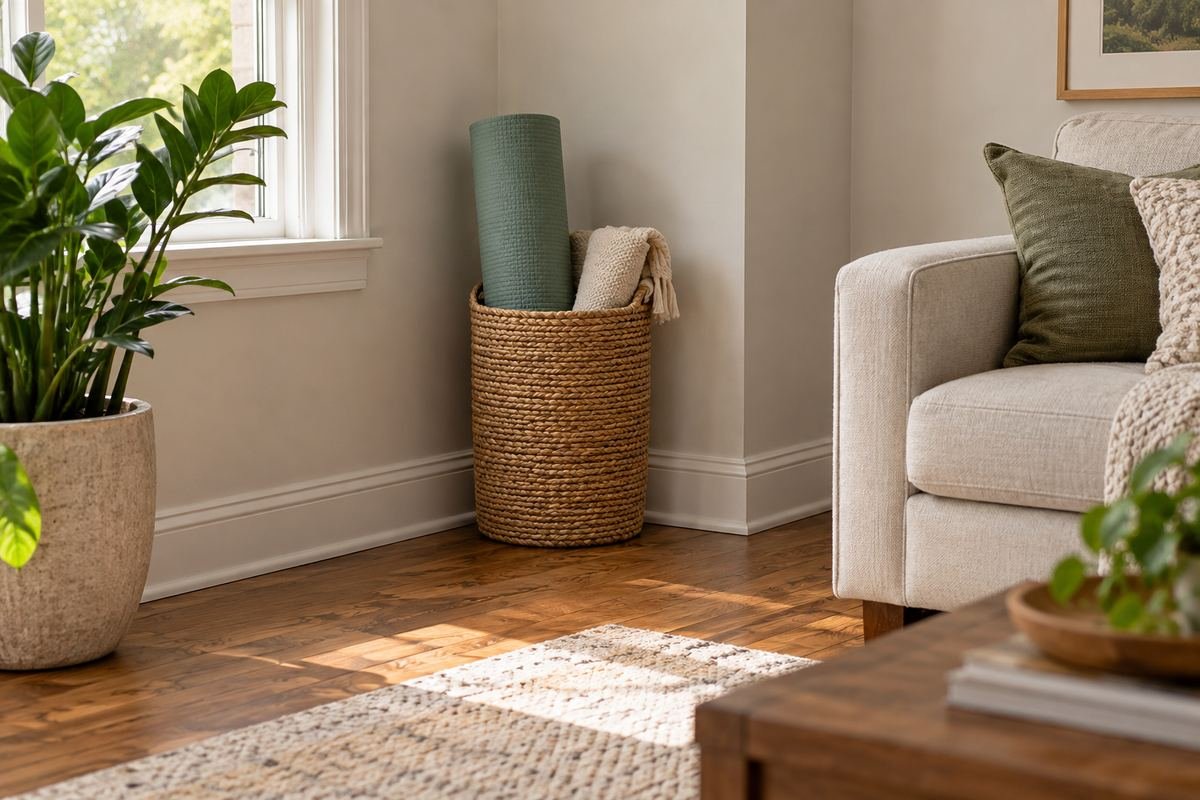
A tall basket or suitable holder can keep a rolled mat close to the space where it is used. The corner stores the equipment while the open room provides the activity area.
Check that the mat can be removed without knocking nearby objects. Keep the arrangement simple and avoid using the corner itself as a cramped exercise space.
Practical tip: Test the actual open floor area before adding equipment storage.
23. A small gallery above a restrained console
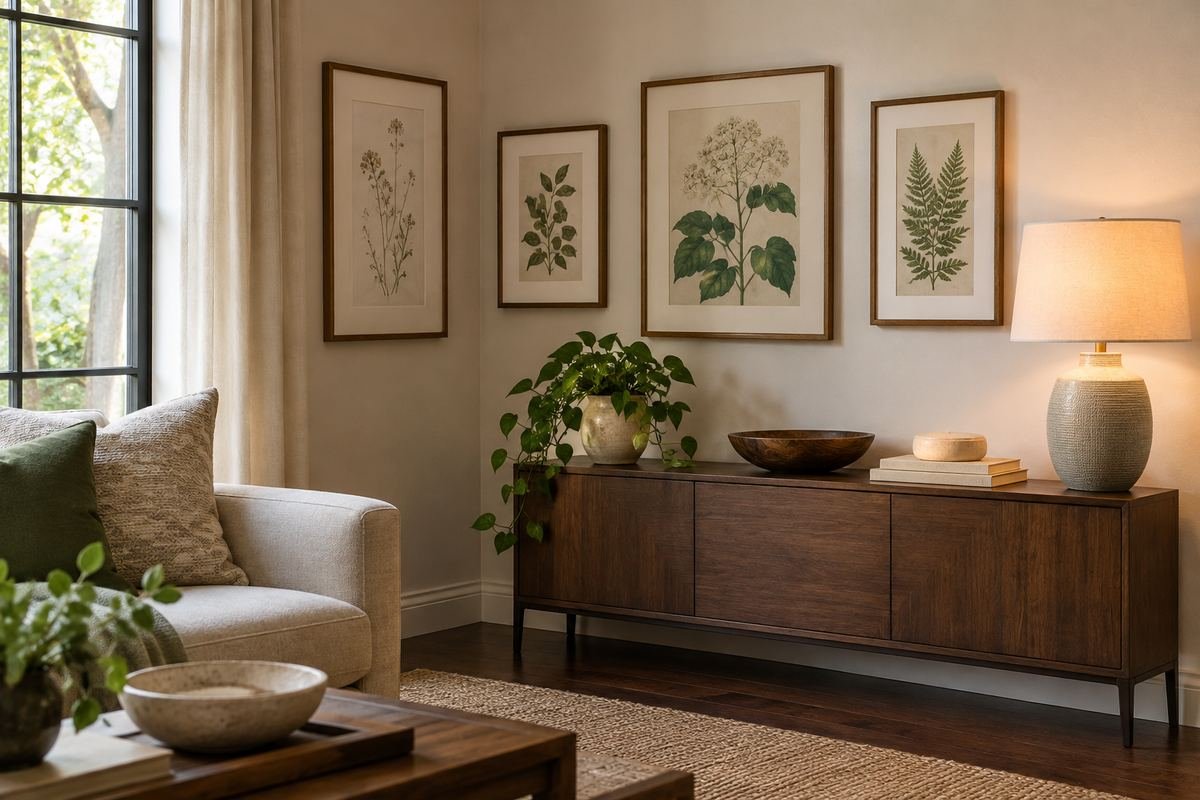
A compact group of framed pieces can connect two adjoining walls. Use a clear visual center so the arrangement looks intentional from more than one approach.
Keep the furniture below modest and mount each piece appropriately. A small collection with visible gaps often reads more clearly than a large group squeezed into the angle.
Practical tip: Lay out the complete frame group on the floor first.
24. Keep Seasonal Living Room Corner Ideas Within Existing Furniture
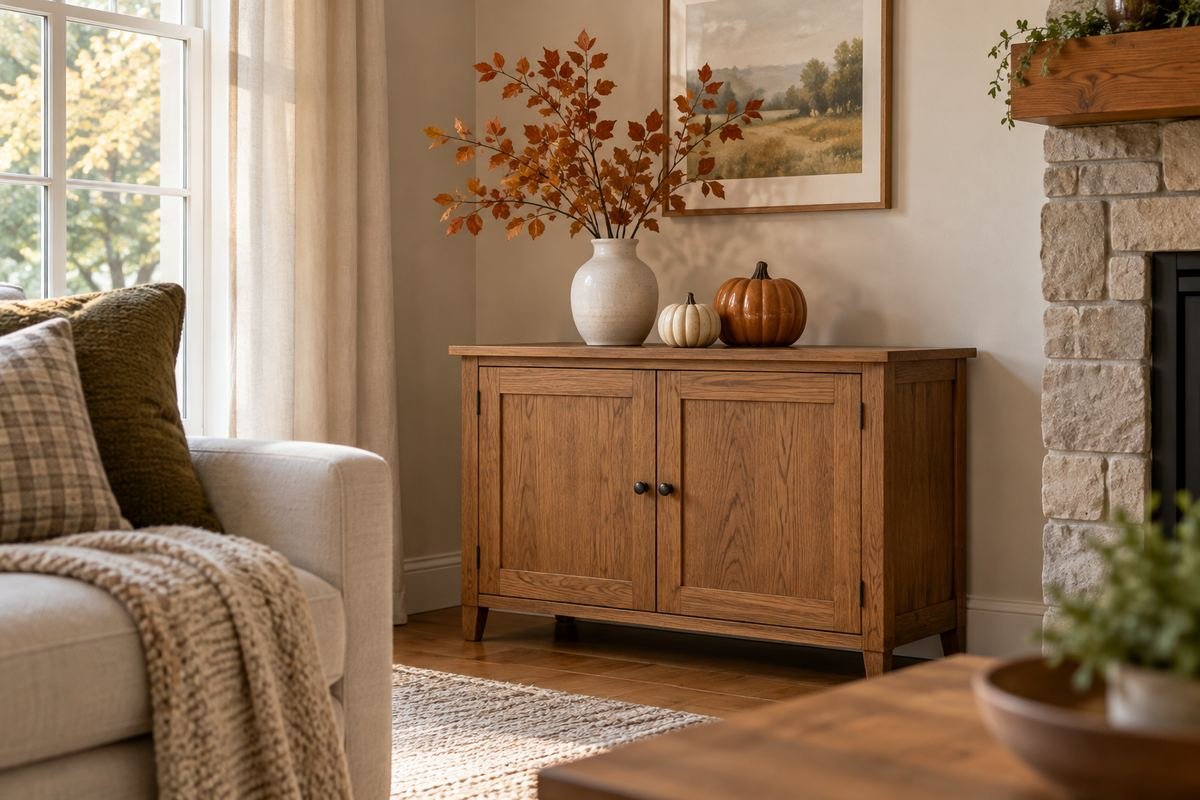
An existing corner cabinet can hold a small seasonal arrangement without adding another furniture footprint. Change a few objects while keeping the main room’s colors visible.
Limit the display to the surface you already have. Keep it easy to dust and avoid introducing tall fragile pieces into a route that people brush past.
Practical tip: Store the previous season before bringing out the next one.
25. A purpose-made fold-down work surface
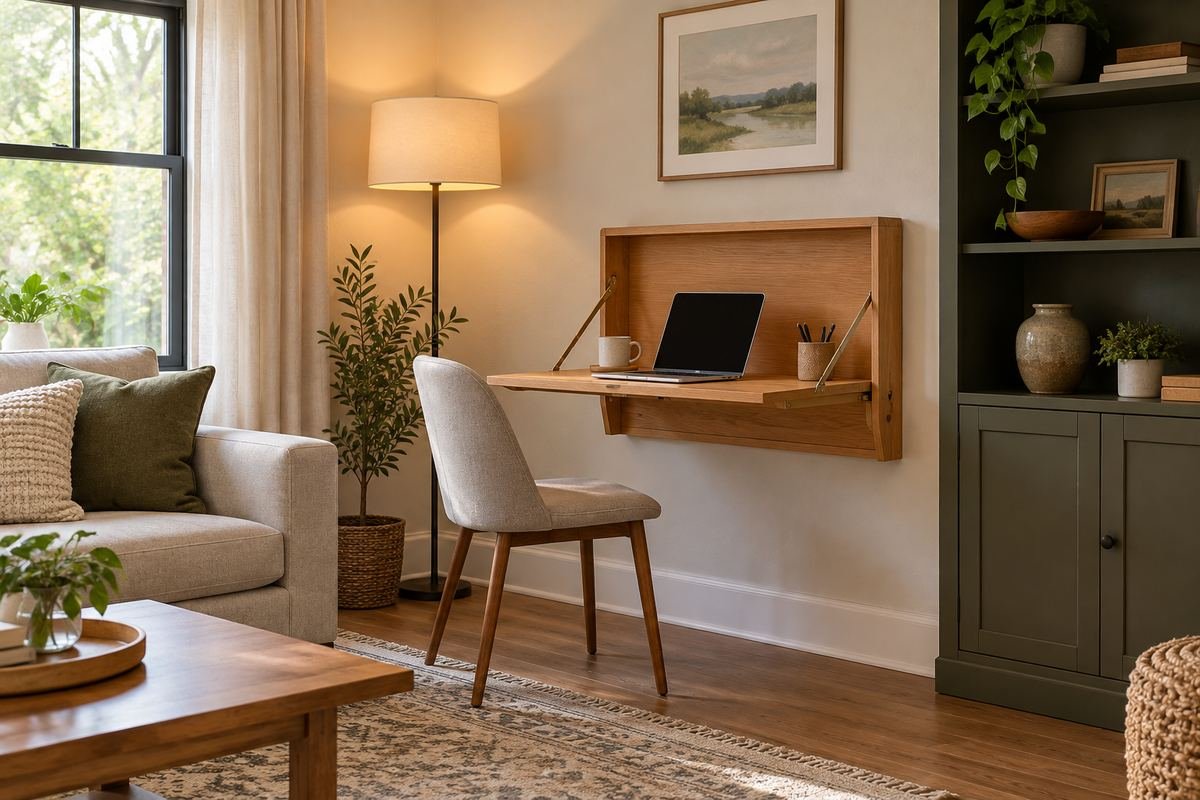
A wall-mounted folding desk can support occasional tasks when the corner needs to remain open most of the time. Choose a system designed for the intended use.
Check the fixing requirements, rated load and the complete open footprint. Plan a place for the chair and supplies when the desk is folded away so the space stays genuinely useful.
Practical tip: Try the desk movement and leg space before ordering.
26. A clear corner that frames the room
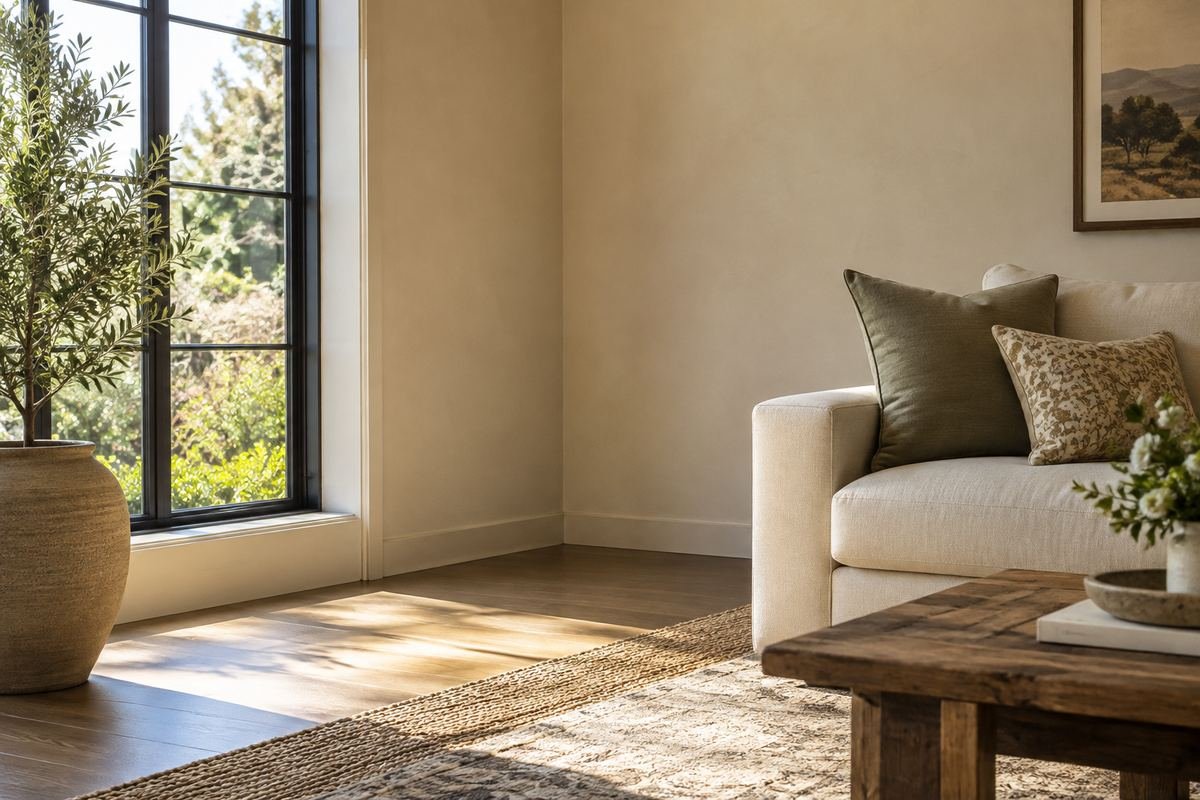
Some corners work best with a finished wall and open floor. Leaving the space clear can let a nearby window, sofa or large artwork stand out without competition.
Treat the empty area as part of the composition. Continue the wall finish neatly, manage visible cables and avoid adding an object simply because the angle appears unused.
Practical tip: Photograph the whole room before deciding that the corner needs more.
Frequently Asked Questions
What should I put in an empty living room corner?
Start with a missing function in the room: a useful seat, closed storage, a hobby surface or a display for something you enjoy. Test its footprint and movement before choosing an object purely to fill the angle.
How do I decorate a small corner without making it crowded?
Choose one main feature with a small supporting item, such as a chair with a compact side table or a cabinet with one artwork above. Leave enough clear floor around the arrangement for the room to remain easy to use.
Does every living room corner need furniture?
No. A clear corner can provide breathing room, protect the walking route or let an existing architectural feature stand out. Use furniture only when it gives the space a useful purpose.
Choose the Details That Work in Your Home
The best living room corner ideas support something you already want to do at home. Choose one purpose, test its real footprint and keep the surrounding route comfortable. A corner feels finished when it makes the room easier to enjoy, even if that means leaving part of it open.
For related ideas, explore Small reading nook ideas, Living room furniture spacing guide, Living room bookshelf styling ideas.
Planning References
IKEA flexible living room planning inspiration; CPSC Anchor It furniture guidance. Follow the instructions for the exact products you choose.
Optional digital guide for this topic
If you prefer a structured workbook, explore this related paid guide.