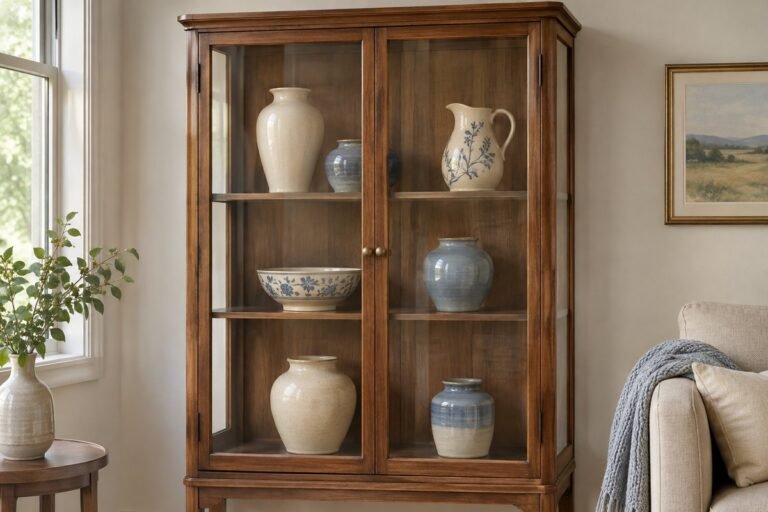
Useful decorative vase ideas begin with the vessel's role. A narrow opening can support a small stem arrangement, a broader shape can give a bouquet room, and a sculptural empty vase can supply all the decoration a shelf needs. Decide which role you want before comparing colors or buying several similar pieces.
These 28 concepts help connect an ordinary vase to the surface and room around it. Choose the actual object for its intended use, care requirements and stable footprint. A decorative vessel is not automatically suitable for water, a dishwasher or an exposed outdoor position, even when its finish resembles another product.
Contents
- 1. Let one empty sculptural vase be the focal piece
- 2. Choose a narrow opening for a modest stem display
- 3. Give a fuller bouquet a wider usable opening
- 4. Use a low vessel for shorter flower stems
- 5. Use clear glass when the stems belong to the composition
- 6. Try tinted glass for a quieter transparent outline
- 7. Use a plain white ceramic vase beside detailed finishes
- 8. Let a varied glaze supply the visual detail
- 9. Keep a dry-only terracotta vessel to its intended role
- 10. Repeat one color already present in the room
- 11. Use neighboring tones for a softer group
- 12. Choose one controlled dark accent
- 13. Group different shapes in one finish
- 14. Use a pair with clearly different heights
- 15. Contain a small group on a manageable tray
- 16. Keep the dining-table arrangement low and removable
- 17. Style one end of a long table between meals
- 18. Let a sideboard vase support the wall artwork
- 19. Keep a coffee-table vase outside the working area
- 20. Reserve the entry surface's everyday landing spot
- 21. Use an empty vessel to break up a bookshelf
- 22. Choose a separate unused mantel or display shelf
- 23. Choose the base from a narrow shelf's real depth
- 24. Review a bright position beyond the first photograph
- 25. Keep a bedroom display modest and separate from essentials
- 26. Place a workroom vase away from equipment
- 27. Give a larger floor vase a genuinely clear position
- 28. Make the care and reset easy to carry out
Compare the base, opening and finished arrangement
IKEA's vase guide emphasizes the relationship between the opening and the flowers, including narrower openings for single stems and wider forms for fuller arrangements. Treat that as a useful comparison rather than a fixed proportion rule. For fresh flowers, RHS recommends clean vessels, appropriate stem preparation and a cooler display position away from heat. Follow the vase's own care guidance and the flowers' specific requirements. Confirm water suitability separately, protect the furniture as its maker directs, and keep fragile objects out of unsuitable household locations.
Choose an arrangement that fits your situation
- One or a few slender stems: Compare a suitable narrower opening and a stable complete footprint.
- A fuller bouquet: Choose an opening and interior that give the actual stems room, without crowding the arrangement.
- A bookshelf near paper: Compare an empty sculptural vessel and keep the books retrievable.
- A table used for meals or work: Preserve the useful surface and give a removable display a planned destination.
1. Let one empty sculptural vase be the focal piece

A distinctive silhouette can make an arrangement feel complete without filling the opening. Compare the whole outline against the wall and neighboring furniture from normal room viewpoints. Keep its base fully supported and give it room to be lifted. An empty vessel is especially useful when fresh flowers would add a care routine that the location cannot conveniently support.
2. Choose a narrow opening for a modest stem display

A narrow neck can give a small number of stems a more controlled outline. Compare the actual opening with the stems rather than squeezing a thick bouquet into it. Keep the arrangement proportionate to the vessel's stable base and its intended use. The result can feel deliberate with very little material when each stem has enough room and a clear shape.
3. Give a fuller bouquet a wider usable opening

A broader opening can let a modest bouquet spread without forcing the stems together. Compare the interior, neck and overall footprint before arranging the flowers. Keep the filled vessel manageable to move and clean. Choose the quantity from the opening and the room's scale rather than adding more stems simply because a large bunch arrived together.
4. Use a low vessel for shorter flower stems

A short vase can make a small arrangement visible without a tall outline dominating the surface. Compare the flowers' own preparation needs before cutting them to suit the design. Keep the opening and water care accessible. This form can work well where conversation or artwork needs to remain visually open, provided the whole arrangement stays suitable for the actual table use.
5. Use clear glass when the stems belong to the composition

Clear glass makes the interior part of the display, so the stems and water condition become visible details. Arrange a modest group rather than hiding a crowded bundle behind the vessel. Follow appropriate flower care and the glass maker's cleaning instructions. If keeping the inside presentable becomes awkward, choose another suitable vessel rather than adding decorative fillers that complicate maintenance.
6. Try tinted glass for a quieter transparent outline

Smoked, amber or softly colored glass can connect a vase to darker timber or warm room accents while retaining some transparency. Compare it in the light where it will stand; the same piece may look almost opaque in a shaded corner. Keep the arrangement simple enough to see the vessel's shape. Color does not establish its suitability for water or any cleaning method.
7. Use a plain white ceramic vase beside detailed finishes
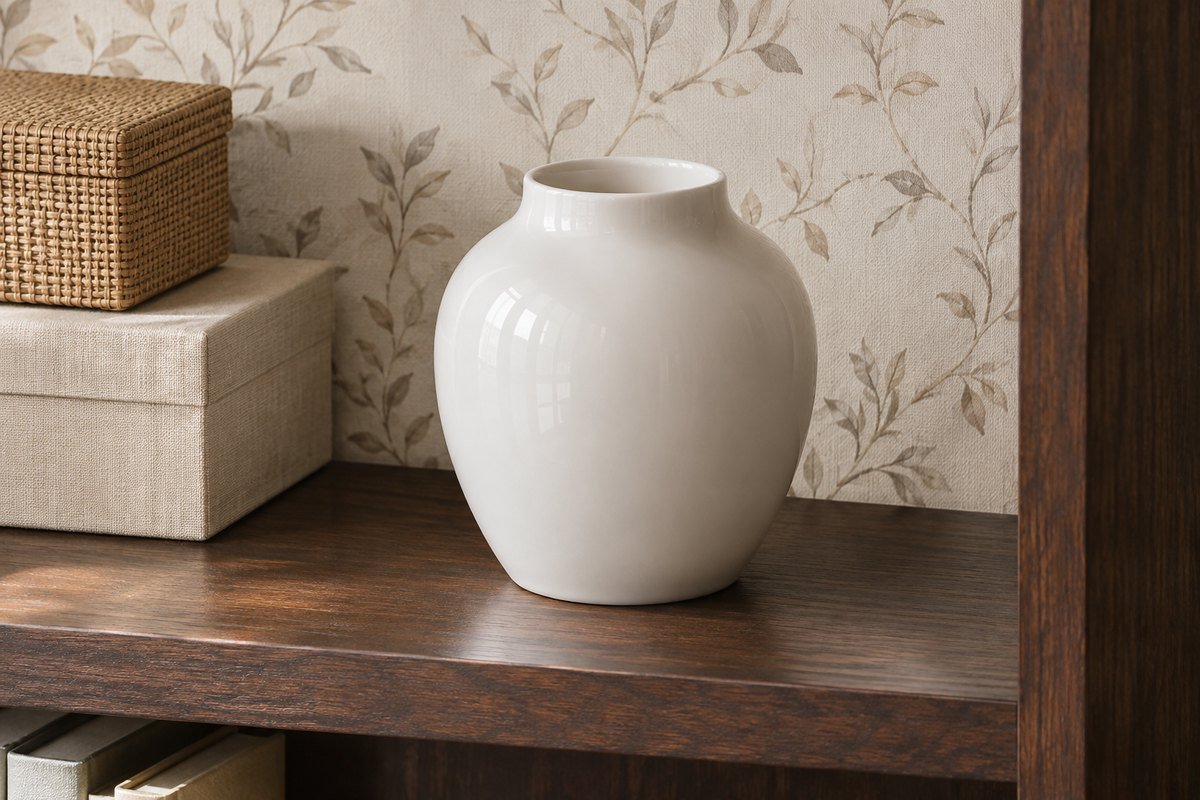
A quiet white vessel can give its outline a clear role beside patterned wallpaper, figured wood or textured upholstery. Choose a shape that remains readable against the background instead of matching every nearby detail. Keep neighboring objects restrained. Confirm the product's actual intended use before adding fresh flowers; an apparently glazed surface alone cannot establish that the vessel is watertight.
8. Let a varied glaze supply the visual detail

A mottled or flowing glaze can provide enough interest without an elaborate flower arrangement. Compare the finish across the whole vessel and leave open space around it. Repeat one of its colors elsewhere in the room only if useful. Avoid surrounding a highly detailed vase with many small patterned pieces that make its own surface difficult to appreciate.
9. Keep a dry-only terracotta vessel to its intended role

A porous-looking finish can add warmth, but appearance is not a water-use instruction. Use the exact maker's guidance to decide whether a vessel is decorative, dry-only or appropriate for fresh flowers. An empty terracotta form can be a complete display. Do not assume a hidden improvised liner makes every porous decorative object suitable for a water-filled arrangement.
10. Repeat one color already present in the room

Choose a vase color from an existing rug, artwork or curtain detail so the display connects to the room without a complete matching set. Compare the actual shade in ordinary light. One controlled repeat can be enough. Keep the vessel's form and useful footprint central rather than accepting an awkward size solely because the color is a close match.
11. Use neighboring tones for a softer group

Two related color families can make a display feel collected without sharp contrast. Compare warm cream with pale sand, or blue with a quieter blue-green, then keep the shapes distinct. Leave enough space to see each outline. A tonal arrangement works better when the objects remain individually readable instead of blending into one densely packed group.
12. Choose one controlled dark accent

A dark vase can give pale timber or a light wall a clear point of contrast. Compare its size from the doorway before adding other dark accessories. If it already supplies enough visual weight, keep nearby pieces low and quiet. The contrast should make the arrangement easier to understand rather than turn every object on the surface into a competing focal point.
13. Group different shapes in one finish

A shared finish can connect a few vessels while their silhouettes provide variety. Try a rounded form beside a narrower straight one, checking that each base fits independently. Keep the group small enough to lift and clean around. Matching material does not require identical height, and an empty space between pieces can be more useful than another small filler vase.
14. Use a pair with clearly different heights

A taller and shorter vase can form a readable relationship without matching symmetry. Compare the total outline with the wall artwork and furniture below. Keep both bases fully on the surface and avoid stacking one on loose objects merely to create height. Adjust their spacing before deciding that the group needs another accessory.
15. Contain a small group on a manageable tray

A tray can define a modest vase display and make it easier to move when the surface is needed. Include the tray's handles and the filled objects' weight in the practical comparison. Give the group a stable destination before moving it. A decorative tray still needs compatible furniture protection and does not establish that every object can safely be carried together.
16. Keep the dining-table arrangement low and removable

Compare the complete vase and flowers from the seats normally used at the table. Preserve sightlines, place settings and room for the actual meal. A short arrangement may be suitable for display but still need moving when serving dishes arrive. Plan that destination instead of compressing the plates around a centerpiece that no longer fits the task.
17. Style one end of a long table between meals

A display placed toward one end can give a long table a useful everyday composition without pretending it must stay during every meal. Keep it fully inside the tabletop and clear of chair movement. Test the occupied table before keeping it there. Photograph the display and meal arrangements if a quick reset helps the household use both comfortably.
18. Let a sideboard vase support the wall artwork

Compare the vase's outline with the artwork above rather than choosing each independently. A lower or offset arrangement can preserve the image while adding depth to the furniture. Keep cabinet access and any serving role available. If the flowers repeatedly obscure the art, change the arrangement or position before adding more objects to balance the crowded result.
19. Keep a coffee-table vase outside the working area

A small stable display can share a coffee table when the ordinary place for drinks, remotes and other useful items remains available. Compare it from the seated positions rather than only from above. Keep fragile objects unsuitable for the household elsewhere. A decorative arrangement should not require someone to reach through flowers every time the table is used.
20. Reserve the entry surface's everyday landing spot

An entry vase can provide a welcoming outline while leaving a clear place for the items actually put down there. Compare the display with the door swing and carrying route. Keep a delicate vessel away from the edge where bags brush past. Choose a modest object if a larger bouquet would make the narrow console difficult to use.
21. Use an empty vessel to break up a bookshelf

A small empty vase can interrupt a row of books without introducing water near paper. Compare its base and height with the actual shelf opening and loading instructions. Keep books easy to remove and avoid balancing the vase on an unstable stack. One clear opening between objects can supply enough variation without filling every available shelf.
22. Choose a separate unused mantel or display shelf

A vase can relate to a mantel's wall composition only when the location and fireplace use permit it. For an operating fireplace, follow its actual clearances and use another display location where needed. Keep the vessel fully supported and the flowers clear of heat. A photograph of an unlit firebox does not establish that a decorated fireplace is suitable to operate.
23. Choose the base from a narrow shelf's real depth

Measure the complete base rather than relying on a vase's product height or category name. In a hypothetical example, a 9-inch-deep base cannot fit fully on an 8-inch-deep usable shelf. That one-inch difference is simple arithmetic, not a universal clearance rule. Choose a genuinely smaller compatible piece or another surface instead of allowing an overhang.
24. Review a bright position beyond the first photograph

A window-side display can change with direct sun, heat and the way the window is used. Check the proposed location through the ordinary day before making it permanent. For fresh flowers, follow appropriate care and positioning guidance rather than assuming all bright places are suitable. Keep the vase from obstructing the handle, shade or the route needed for opening.
25. Keep a bedroom display modest and separate from essentials

A small empty vase or suitable faux-stem display can connect to the bedroom palette without competing with the everyday bedside items. Compare the lamp, charging arrangement and access to drawers first. Choose another surface if the bedside table is already fully occupied. A restrained decorative detail is more useful when it does not need moving every night.
26. Place a workroom vase away from equipment

A home-office display should leave the keyboard, papers and equipment zone practical. An empty sculptural vessel on a separate shelf can provide color without placing a water-filled arrangement beside electronics. Check the shelf's actual support and access. Keep the desktop available for its normal tasks rather than filling the remaining gap with a delicate piece that repeatedly gets moved.
27. Give a larger floor vase a genuinely clear position

A floor vessel needs a stable intended location outside walking routes, door swings and the household's likely impacts. Compare its complete outline and any manufacturer's restraint guidance before choosing it. Keep the arrangement manageable and appropriate for the home. A small room does not need a floor vase when it would occupy the space required for ordinary movement.
28. Make the care and reset easy to carry out

Keep the maker's cleaning guidance with the vessel and choose a position that allows ordinary maintenance. For fresh arrangements, follow the flowers' appropriate care and remove declining material rather than hiding it behind more stems. Review the whole group after normal use. Reduce the display if the same pieces are repeatedly moved, neglected or crowded by everyday household items.
A vase base-and-opening card
Record the intended role first: empty decorative object, fresh arrangement or appropriate dry display. Add the vase's full base width and depth, opening size, height, care instructions and confirmed water suitability. Compare the usable surface and any protective layer with the complete arrangement, including the flowers' spread. Note where the vase moves when the table or sideboard is used, and how the inside will be reached for the permitted cleaning method. Keep your own measurements separate from generic styling proportions.
A practical next step
Choose decorative vase ideas by matching the vessel's role, opening and base to its real location. Keep the arrangement readable, respect the object's intended use and plan the ordinary care before adding more pieces. One well-placed vase can do more for a room than a collection that makes its surfaces difficult to use.
For the surrounding room, plan the wider sideboard arrangement. Leave a round coffee table useful.
The images are original AI-generated design concepts, not photographs of tested products or verified installations.
Sources and care references
- IKEA: comparing vase openings and flower arrangement shapes
- RHS: clean vessels, flower preparation and display conditions
Optional digital guide for this topic
If you prefer a structured workbook, explore this related paid guide.