Good kitchen fruit storage ideas begin with the fruit you actually buy and the conditions it needs. A beautiful counter display is useful only for produce suited to that location. Refrigerated fruit deserves the same attention to visibility, access and an easy return place.
These 26 ideas focus on the layout around whole fruit, modest quantities and practical containers. They are design concepts rather than shelf-life promises. Keep the package directions and appropriate food-storage guidance ahead of the decorative arrangement, and adapt the display as purchases change.
Contents
- 1. Begin with one modest counter bowl
- 2. Use a shallow shape for an easy overview
- 3. Compare an open basket with the fruit's shape
- 4. Choose a narrow footprint beside a short counter
- 5. Let a freestanding stand earn its height
- 6. Keep different purchases in separate modest bowls
- 7. Use an empty bowl to test the working area
- 8. Set a counter display away from obvious heat
- 9. Keep the sink task area clear
- 10. Keep fruit out of the hob's operating space
- 11. Give the island a specific display corner
- 12. Use a suitable open shelf only when it is easy to reach
- 13. Keep a removable tray small and purposeful
- 14. Choose a container that is practical to clean
- 15. Let the bowl provide one restrained accent
- 16. Use a quiet finish in a visually busy kitchen
- 17. Keep a small refrigerated reserve easy to see
- 18. Group packaged refrigerated fruit without hiding it
- 19. Separate refrigerated produce from raw-meat storage
- 20. Keep the purchase date with the storage plan
- 21. Make the ordinary supply smaller than the display capacity
- 22. Give a shared kitchen one recognizable return place
- 23. Compare the bowl with the lighting throughout the day
- 24. Store spare display containers separately
- 25. Keep the cleaning reset straightforward
- 26. Revisit the arrangement when purchases change
Choose the storage conditions before the container
The FDA advises keeping perishable produce, including strawberries, in a clean refrigerator at 40°F or below, and refrigerating purchased pre-cut or packaged produce. Ask the seller about uncertain storage requirements. A counter bowl should not replace those conditions. Illinois Extension advises washing uncut produce just before eating, cutting or preparing it; a decorative rinse-and-display routine is not the starting point here. Keep stored produce separate from raw meat and its juices. Where this article shows a counter arrangement, use whole fruit appropriate for that location and the purchase's condition. Containers organize the available space; their appearance does not establish food safety or freshness.
Choose an arrangement that fits your situation
- Small suitable counter supply: Compare one modest stable bowl and a clear work area
- Short counter: Test a narrow footprint before adding a stand
- Fruit requiring refrigeration: Choose the correct refrigerator conditions before the organizer
- Changing purchases: Recheck the required location and packaging each time
- Decorative spare containers: Store them separately instead of expanding the active display
1. Begin with one modest counter bowl

A single bowl gives a small supply a recognizable return place without creating several displays to maintain. Choose a stable form that fits the ordinary quantity rather than the largest attractive bowl available. Keep the contents visible and accessible. Use the counter only for fruit suited to that location, and let an almost-empty bowl remain almost empty between shopping trips.
2. Use a shallow shape for an easy overview

A shallow container can make a modest quantity easier to see than a deep decorative vessel. Compare the actual fruit sizes with the opening and the room needed to pick one up. Avoid creating a layered mound merely to fill the shape. The useful result is a clear view of the contents, not a claim that a particular bowl extends their storage life.
3. Compare an open basket with the fruit's shape

An open basket may suit a relaxed kitchen when its structure supports the actual contents. Check that smaller fruit cannot slip through the gaps and that the container is appropriate to clean for its use. Keep the supply modest enough to inspect. Treat openness as a design and access choice rather than proof of better preservation for every type of fruit.
4. Choose a narrow footprint beside a short counter

A compact oval bowl can occupy less depth while keeping a small supply in view. Test the remaining preparation area with the objects normally used there. If the container still interrupts daily work, reduce its size or move it. A narrow countertop does not need a fruit display in every available corner to feel considered and welcoming.
5. Let a freestanding stand earn its height

A tiered stand adds visual height, but its base, tiers and loaded outline need to fit the room. Choose a purpose-made stable product and follow its limits. Keep every level easy to inspect and reach. Use only the amount the arrangement comfortably supports; a tall display should not invite surplus purchases or replace the refrigeration needed by its contents.
6. Keep different purchases in separate modest bowls

Separate bowls can make a small household's purchases easier to follow without mixing everything into one deep pile. Give each container a clear role and retain the appropriate conditions for each fruit. Keep the combined footprint reasonable. This is a visibility and organization approach; any produce-specific compatibility or ripening question still needs suitable guidance for the actual fruit.
7. Use an empty bowl to test the working area

Before committing to a permanent display, place the proposed container in the kitchen and carry out an ordinary preparation routine. Check access to boards, drawers and outlets. Revise the position if moving the bowl becomes a repeated first step. An empty-container trial can reveal an awkward footprint before the arrangement accumulates a larger decorative setting around it.
8. Set a counter display away from obvious heat

Review the proposed location in the real kitchen rather than relying on a styled photograph. A position beside a hot appliance or in changing direct sun may be unsuitable for the contents. Choose the actual storage conditions first, then find a visually pleasing location within them. If the kitchen cannot provide an appropriate counter position, use the correct alternative storage.
9. Keep the sink task area clear

A bowl at the sink's edge can make washing up and ordinary preparation more awkward. Compare the arrangement during those tasks and move it beyond their working area. Do not let a splash-prone decorative position determine how fruit is handled or stored. Maintain the appropriate cleaning routine for the sink, container and produce rather than treating the display as a ready-to-eat guarantee.
10. Keep fruit out of the hob's operating space

A fruit container does not belong where it interferes with cooking, appliance controls or the maker's required clearances. Review the full cooking routine, including pan handles and moving hot items. Choose a different surface if the available space is only apparent when the cooker is unused. The display should support the room without becoming something repeatedly moved out of the way.
11. Give the island a specific display corner

An island can provide a convenient place for a modest bowl when it preserves the tasks carried out there. Compare seating, food preparation and the path through the room. Keep the bowl within an intentional small area. If the island is the main worktop, a removable container may be more useful than a large permanent centerpiece that dictates every activity.
12. Use a suitable open shelf only when it is easy to reach

An existing shelf may free a counter if it supports the container and remains practical for taking fruit down and returning it. Confirm the shelf's suitability and load limits. Avoid making a heavy bowl an overhead daily task. Keep only fruit appropriate for that location, and choose another arrangement if reaching it requires climbing or stretching awkwardly.
13. Keep a removable tray small and purposeful

A tray can gather one bowl and make the small display easier to relocate during cleaning. Compare the complete loaded size and use the tray appropriately rather than lifting a precarious collection. Leave extra ornaments out when they obstruct access. A defined boundary works best when it limits the display instead of becoming a platform for more objects.
14. Choose a container that is practical to clean

Look at the inside, joins and care instructions before choosing an elaborate fruit container. Confirm its suitability for the intended contact and use. A decorative material is not automatically appropriate for holding food. Keep the cleaning method compatible with the actual product and choose a simpler shape if the attractive details make ordinary care inconvenient.
15. Let the bowl provide one restrained accent

A single colored bowl can bring a small decorative note to a neutral kitchen. Relate its finish to one existing detail and leave room for the fruit's changing appearance. Compare the container when empty as well as filled. The arrangement should still look intentional between purchases, without requiring decorative filler or a fresh supply bought only to complete the picture.
16. Use a quiet finish in a visually busy kitchen

A restrained container can make an already detailed counter feel more ordered. Compare it with the backsplash, hardware and nearby storage before adding another strong pattern. Keep the shape useful for the actual contents. A simple bowl may provide the necessary pause without matching every other accessory or turning fruit storage into a separate decorative theme.
17. Keep a small refrigerated reserve easy to see

Fruit that requires refrigeration needs a suitable place inside the refrigerator, even when the kitchen has an attractive counter bowl. Choose an organization method that lets you see the supply without disrupting the appliance's intended operation. Keep appropriate packaging and storage guidance in use. A clear outline can help with visibility, but a bin is not a substitute for the correct temperature.
18. Group packaged refrigerated fruit without hiding it

A modest refrigerator organizer can gather compatible packaged purchases so none disappear behind larger objects. Compare the organizer with the shelf depth and the package directions. Keep the contents easy to remove individually. Do not transfer everything into matching closed jars simply for a uniform look; the storage method still needs to suit the actual produce and appliance.
19. Separate refrigerated produce from raw-meat storage

Plan the refrigerator layout so produce is kept apart from raw meat and its juices. Illinois Extension's guidance places covered produce above raw meat. Keep the organization consistent with the appliance and the food stored there. Decorative matching bins do not make an unsuitable shared location appropriate; choose the arrangement from food-handling needs before refining its appearance.
20. Keep the purchase date with the storage plan

A simple shopping note can help explain what is already available before another purchase is made. Record the fruit and the date without inventing a universal use-by period. Review its actual condition and applicable guidance. Keep the note where the household will use it, rather than placing a decorative label on every individual piece or covering useful package information.
21. Make the ordinary supply smaller than the display capacity

A large container does not need to be filled. Choose the quantity from the household's realistic use and storage conditions, then compare whether a smaller bowl would be clearer. Keep room to inspect and remove items without disturbing a large pile. This approach is about practical capacity and purchasing awareness, rather than a promise that smaller quantities cannot spoil.
22. Give a shared kitchen one recognizable return place

A shared arrangement works better when people know which supply is available and where it belongs. Choose an accessible location that suits the household and the fruit's storage needs. Keep the container simple enough to return after cleaning. Use a separate appropriate location for personal purchases when necessary instead of expanding one display until its ownership becomes unclear.
23. Compare the bowl with the lighting throughout the day
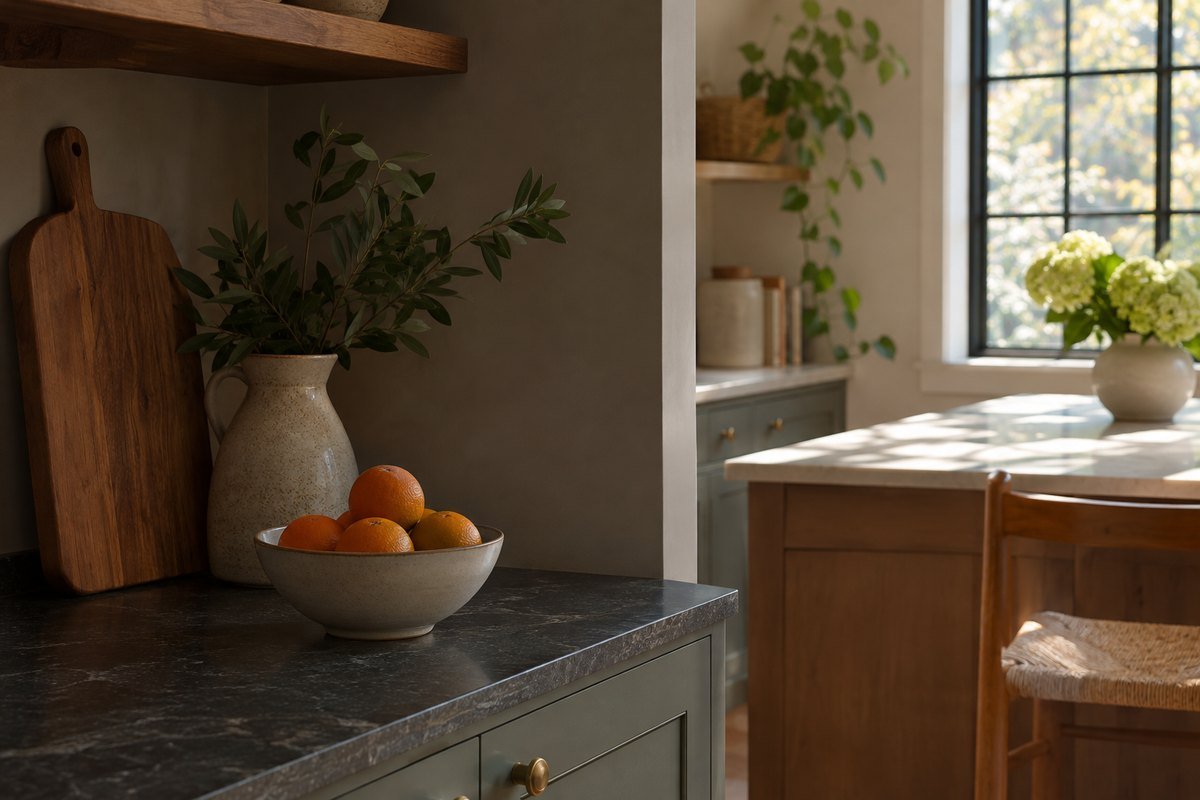
A shaded position in the morning may become a bright sunlit spot later. Review the actual counter at different times before treating it as the permanent fruit location. Choose storage conditions appropriate for the contents and move the display if needed. The decorative effect can adapt to the suitable location; it should not determine whether that location is suitable.
24. Store spare display containers separately

Extra bowls and stands need not remain on the counter when they have no current job. Give clean spare containers an appropriate cabinet location, following their care requirements. Keep the active arrangement easy to understand. Changing the display can then mean replacing one container rather than adding another layer beside the existing supply.
25. Keep the cleaning reset straightforward

Choose an arrangement that can be emptied and cleaned without dismantling a tall styled composition. Follow the container's care directions and the produce's appropriate handling guidance. Keep the storage decision separate from preparation for eating. An accessible bowl and a modest supply can make the reset more convenient while leaving the correct food-handling steps in place.
26. Revisit the arrangement when purchases change

A layout that suits one regular purchase may not suit the next. Reconsider the necessary temperature, packaging, quantity and location whenever the contents change. Keep the counter display modest or leave it empty when everything belongs in the refrigerator. The strongest kitchen fruit storage ideas make ordinary decisions clearer without asking every kind of fruit to fit the same decorative routine.
A fruit-storage planning card
For each regular purchase, record the fruit, whole or pre-cut condition, package guidance, required storage location, purchase date and realistic quantity. Add the container's dimensions and cleaning instructions. For example, a household that has an appropriate room-temperature location for a small orange supply might use one shallow bowl, while its purchased strawberries remain refrigerated under the applicable guidance. That example is an organization plan, not a shelf-life chart. Recheck the requirements whenever the purchase or condition changes, and keep preparation for eating separate from decorative storage.
A practical next step
Start kitchen fruit storage ideas with the contents and their required conditions. Then choose a modest container, an accessible location and an easy cleaning routine. A clear counter and a well-organized refrigerator can work together without forcing every purchase into a permanent display.
For the surrounding room, balance the rest of your kitchen counter decor. organize the neighboring pantry storage.
The images are original AI-generated design concepts, not photographs of tested products or verified installations.
Sources and care references
- FDA: selecting, storing and preparing produce safely
- Illinois Extension: produce handling and storage separation
Optional digital guide for this topic
If you prefer a structured workbook, explore this related paid guide.