Before You Choose
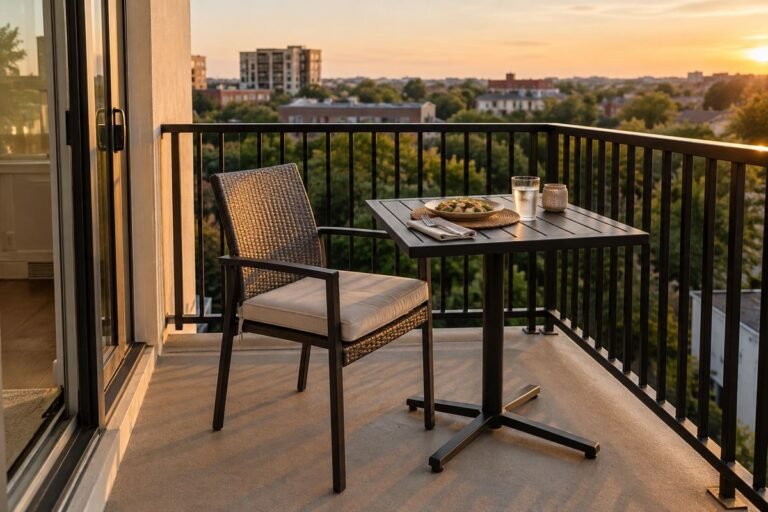
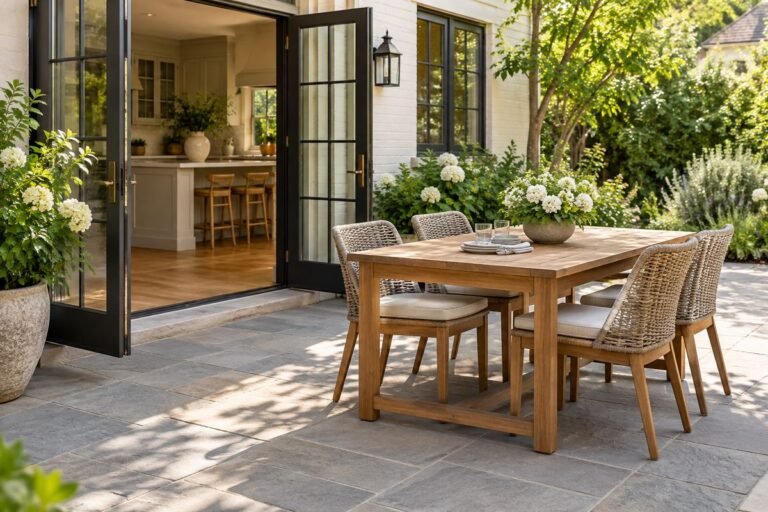
First, choose the activity you want the backyard to support. For example, test dining with chairs pulled out before placing a second lounge group. Compare outdoor living space ideas against the route from the house, storage access and actual weather exposure.
Outdoor living space ideas work best when the layout makes the things you enjoy outdoors easier to do. Comfortable seating, useful shade, a clear route and a manageable planting plan can matter more than adding every popular feature at once.
These 20 backyard retreat ideas cover lighting, seating, shade, planting, and small everyday details. The original generated images are design concepts, not measured installations. Check your own site, equipment instructions, and local requirements before permanent work.
1. Start With Useful Evening Light

A few well-placed lights can make a seating area easier to use after sunset. Combine a modest light near the door with softer light around the lounge, and check the effect from seated eye level. Leave the main walking route clearly visible rather than lighting only the decorative objects.
Choose equipment suited to outdoor conditions and follow its installation instructions. Solar performance depends on exposure and the product, while powered lighting needs an appropriate supply and connections. Test brightness and glare before expanding the arrangement.
2. Define a Seating Group With One Outdoor Rug

One outdoor rug can make a pair of chairs and a table feel like a connected lounge. Size it around the furniture you actually use, with enough coverage to make the grouping coherent. Leave the surrounding route easy to recognize and avoid adding several overlapping rugs to a tight patio.
Check the rug’s suitability for the surface and exposure, including care, drainage, and slip considerations. Move or dry it as directed when moisture becomes trapped underneath. A larger rug is useful only when it fits the room’s real movement and maintenance needs.
3. Plan a Fire Feature Around Its Required Clearances

A fire feature can give a gathering area a focal point, but its location determines whether the idea is suitable. Start with the specific product and the conditions of your yard. Keep the planning separate from assumptions about how long guests will stay or how easy a fuel system is to move.
Follow manufacturer instructions and applicable local requirements for the surface, overhead space, combustible materials, supervision, and extinguishing. No single seating distance makes every product safe. Review the U.S. Fire Administration’s outdoor fire guidance before planning a fire feature.
4. Give a Pergola a Clear Purpose

A pergola can frame an outdoor dining or sitting area and give an open patio a stronger sense of place. Decide what the structure will cover before selecting its footprint. Leave a clear route around the furniture and consider how the roof pattern changes light through the day.
An open pergola does not automatically provide full shade or rain protection. Check the design, anchoring, site conditions, and local requirements before permanent work; a kit is not automatically exempt from permits. Compare our pergola ideas for different uses.
5. Use Planting and Screens to Shape Privacy

Privacy works best when you identify the view you want to soften. A planted trellis, a suitable screen, or a group of shrubs can interrupt that sight line without enclosing the whole yard. Keep the design focused on the seating area and leave room for ordinary access.
Choose plants for local conditions and their mature size, and check screen stability, mounting, and any boundary restrictions. A screen that looks delicate in a photograph still has to suit exposure and wind. Avoid treating any one plant or panel as an instant solution for every yard.
6. Choose Cushions That Suit the Furniture and Exposure
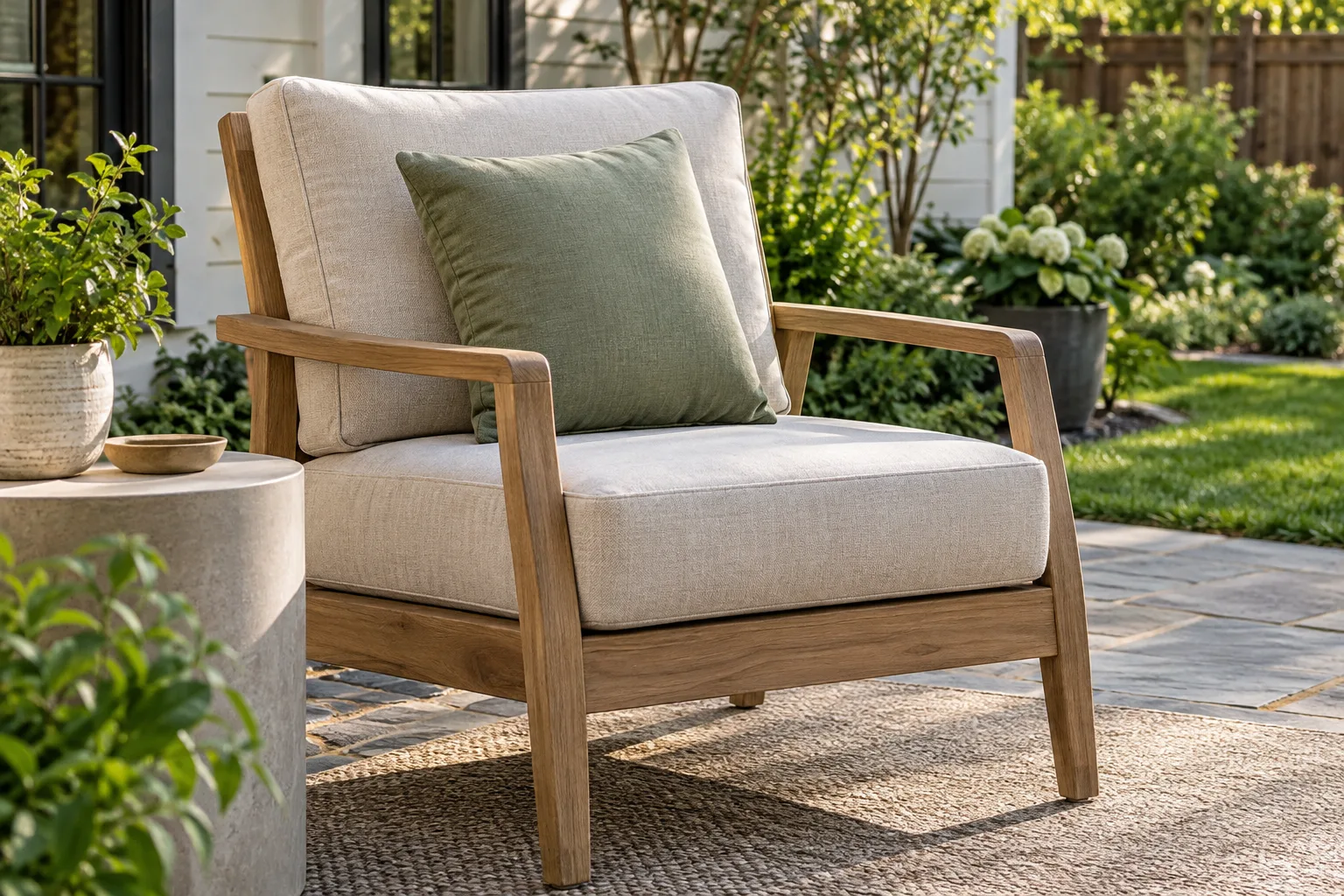
A cushion should fit the chair and make its seat easier to use. Check support, thickness, and the way it stays in place instead of judging comfort from appearance alone. A small number of well-fitting cushions usually serves a patio better than a pile you must move before sitting down.
Look at the actual material and care instructions for outdoor exposure, fading, moisture, and storage. Weather resistance does not mean maintenance-free. Give cushions a dry storage home when their directions or the conditions call for it.
7. Hang Outdoor String Lights Clear of the Route
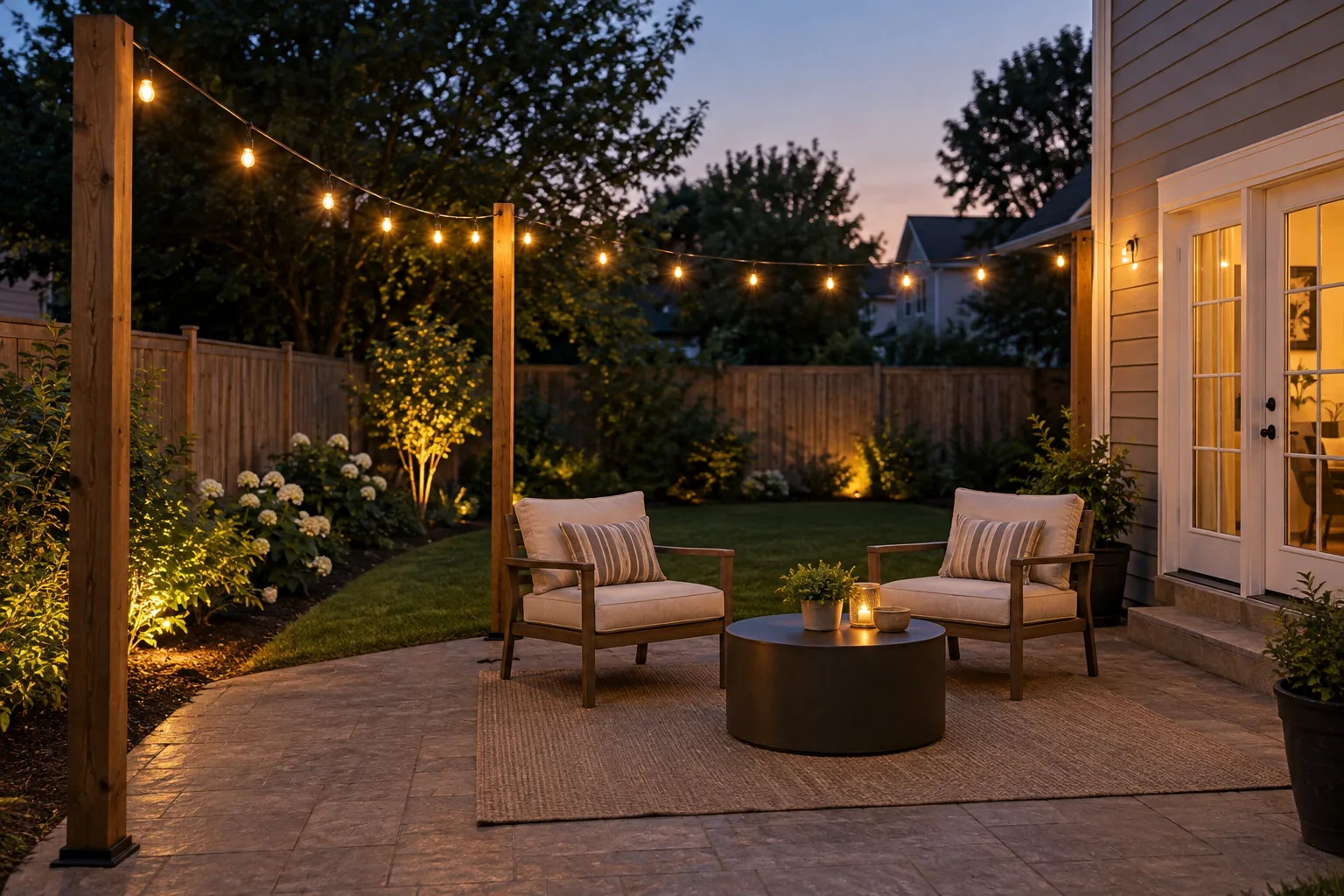
String lights can connect the visual edges of a patio and add a soft overhead layer. Plan their route around the area you use, with supports suited to the installation. Keep the lighting clear of doors, head height, and normal movement rather than hanging it low to create more atmosphere.
Use lighting and any temporary cords marked for the intended outdoor use, following the product’s support and power instructions. Keep cables from becoming trip hazards or being trapped under rugs. The Electrical Safety Foundation’s cord guidance is a useful starting reference.
8. Make Outdoor Dining Easy to Reach

A dining area is easier to use when serving and clearing the table feels straightforward. Place it in a useful relationship to the house, then test the chairs pulled out and someone walking past. Choose the table shape for the room and your actual seating needs.
A round table does not automatically seat more people than another shape with the same area. Compare the dimensions, chair positions, and available route. Consider shade at the time you normally eat outdoors rather than selecting furniture from a single midday photograph.
9. Plant in Layers That Fit the Site
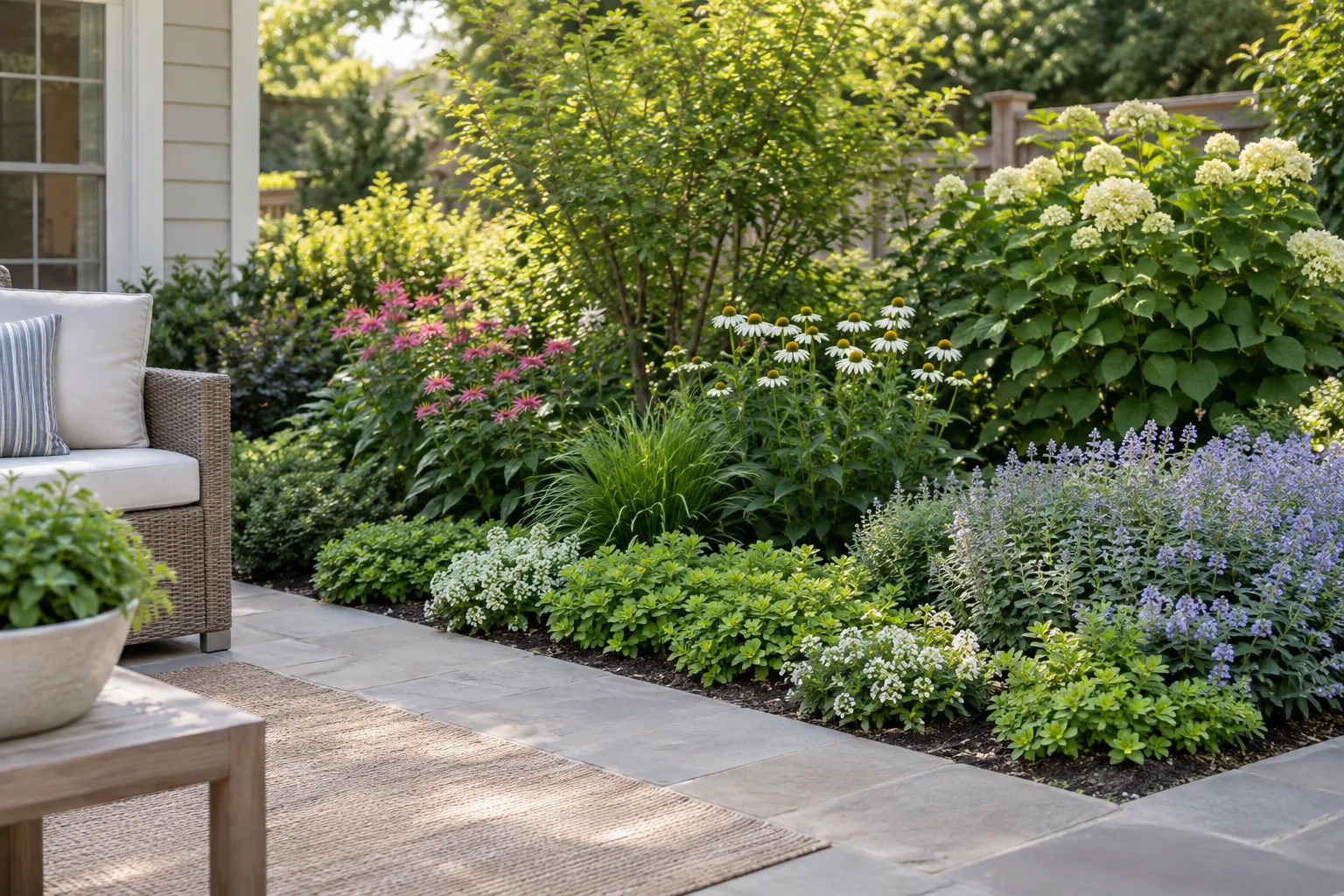
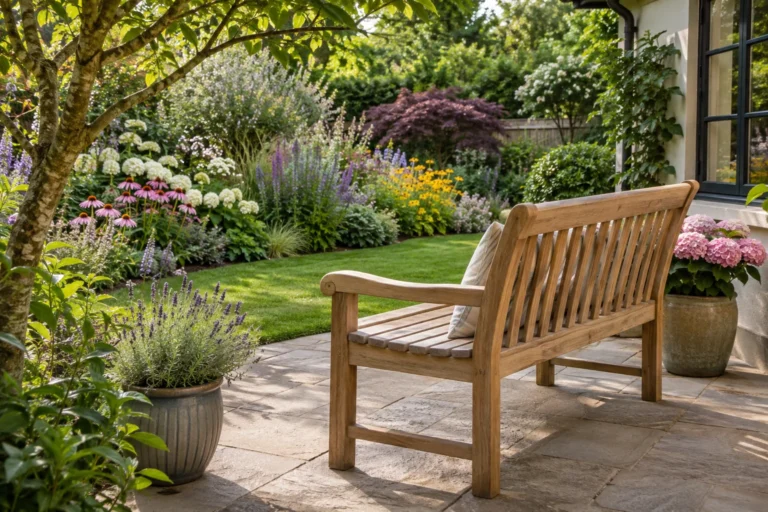
Different plant heights can give a border depth and help connect the patio to the yard. Start with a few plants that suit the available light, soil, and climate, then leave room for their expected growth. Use repetition selectively so the planting feels connected rather than crowded.
Plants are not automatically low-effort because they are perennial, and informal planting is not always better than straight rows. Match the design to the garden and the maintenance you can provide. University extension guidance emphasizes plant requirements that fit site conditions.
10. Test Flexible Shade Before a Permanent Build

An umbrella can help you test where shade is useful before committing to a permanent structure. Observe the sun at the times you actually use the patio, then plan the shaded area around the chairs or dining table. Coverage will change as the sun moves.
Follow the product’s base, wind, operation, and storage instructions. Shade sails need mounting points and tensioning appropriate to their design; wood, masonry, or posts are not automatically suitable just by material. Check the manufacturer’s planning guidance for the specific product.
11. Choose a Water Feature You Can Maintain

A small water feature can introduce a gentle sound and a focal point without requiring a large pond. Consider how it sounds from your chair, where water may splash, and how easy the basin will be to clean. Start with an arrangement that suits the space and your maintenance routine.
Follow the equipment’s installation and care instructions, including outdoor power requirements where relevant. Solar equipment depends on its design and sunlight; it will not necessarily run all day. Keep the surrounding route suitable for walking and consider the needs of children and pets.
12. Make Raised Beds Easy to Reach

A raised bed can give a planting area a defined edge and bring part of the garden closer to a comfortable working height. Plan how you will reach the center, water it, and move around it. A smaller useful bed may suit the yard better than a large one copied from another garden.
Choose dimensions, materials, drainage, and soil for the site and your needs. There is no universal width that fits every reach or accessible layout. Follow the kit or construction guidance and consider the maintenance before treating it as an effortless weekend project.
13. Choose a Heater Only When the Location Fits

A suitable outdoor heater may improve comfort in some conditions, but it cannot guarantee another two months of use or year-round outdoor living. Consider the weather, the space, and the specific equipment before deciding whether it belongs in the layout. Shade, clothing, or a sheltered seating position may address a different need.
Use only equipment intended for the location and follow all manufacturer guidance for clearances, fuel or power, ventilation, weather, and storage. Do not treat a portable heater as installation-free or place fuel-burning outdoor equipment in an enclosed space. The image is a concept, not a verified operating layout.
14. Anchor a Corner With a Well-Placed Container
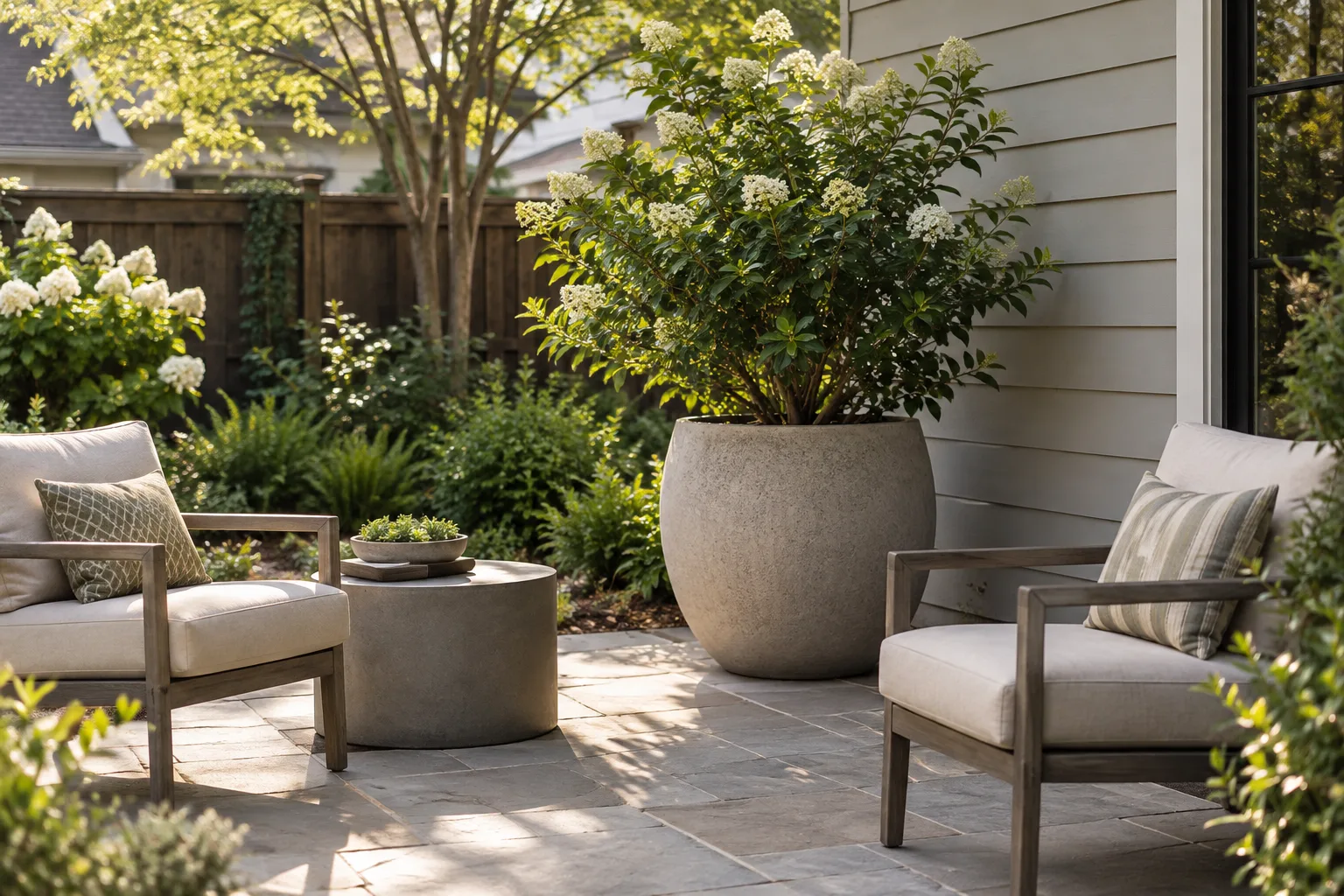
One substantial container can give a patio corner a focal point and reduce the temptation to scatter small pots across the floor. Choose its scale in relation to the seating and leave the walking route open. A plant with a clear shape can provide interest without requiring elaborate decoration.
Check the container’s weight, drainage, placement, and the plant’s mature needs. A large planter may be difficult to move once filled. Choose the plant for local conditions rather than assuming an olive tree, fern, or tropical plant will suit every patio.
15. Light Path Edges Without Blocking the Surface

Path lighting should help you see where to walk and where the surface changes. Put suitable lights beside the route, with nothing protruding into the usable path. Look at the effect after dark so bright spots do not leave important steps or corners hard to see.
Spacing depends on the fixture, output, route, and surroundings, rather than one universal distance. Follow installation and exposure guidance and consider reliable power or solar performance. Keep access to the lights available for cleaning and maintenance.
16. Compare a Built-In Bench With Movable Seating

A built-in bench can make an awkward edge useful, while movable chairs offer flexibility when the room changes. Compare both against the way you use the yard and the space needed to sit, stand, and walk past. Neither approach is always more comfortable or more efficient.
Permanent seating needs suitable design, support, materials, and any required approvals. It still requires care and weather planning. Avoid assuming a simple block-and-wood arrangement is structurally adequate, maintenance-free, or able to withstand every storm.
17. Keep Outdoor Cooking and Preparation Organized

A separate preparation surface can make outdoor cooking easier when the space and equipment suit the arrangement. Group the useful tools and serving items where you can reach them without leaning across a hot appliance. Keep the area focused on the cooking routine you actually use.
Follow appliance instructions and local requirements for location, clearances, fuel, utilities, and storage. A cart does not make every spot suitable for a grill, side burner, or electrical equipment. Consider permanent utilities and construction with appropriate professional guidance.
18. Layer Textures That Suit Outdoor Use

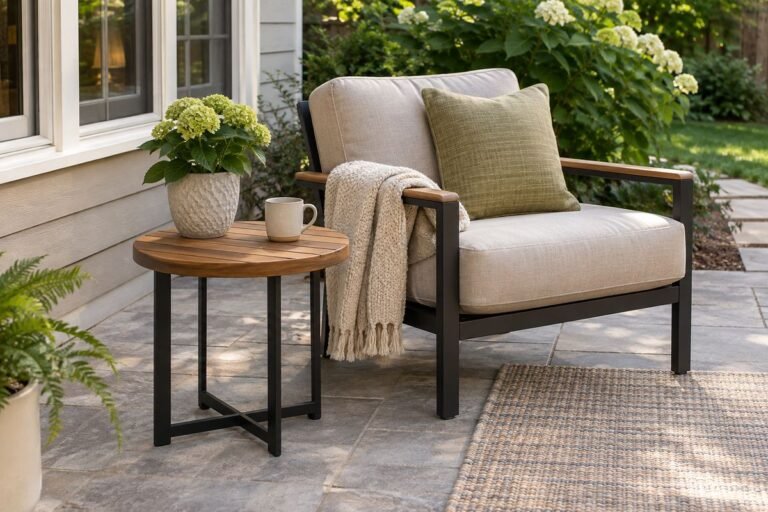
A few different textures can make an outdoor lounge feel relaxed: a woven chair, a suitable rug, a ceramic pot, or a modest cushion pattern. Choose a limited group of items that share a color or material connection. Keep enough empty surface for drinks and everyday use.
Select each item for the actual exposure and follow its care directions. Flameless lanterns can provide decorative light when suited to the location, but even decorative accessories need stable placement and storage. More layers are useful only when the space remains easy to move through and clean.
19. Give Each Backyard Area a Useful Activity

Give each part of the yard a job before adding more furniture. A dining area, a lounge, and a planting area can make a modest space easier to understand when the routes between them remain clear. Furniture direction and a few containers may provide enough visual definition.
Do not divide a small yard into more zones than it can support. Test each area with furniture in use and leave room for maintenance and access. Our guide to backyard zones explores that planning process in more detail.
20. Give Small Guest Extras a Storage Home

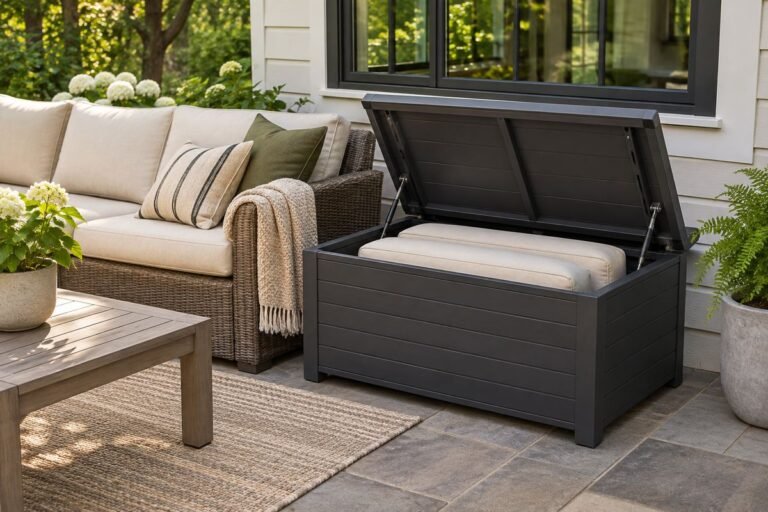
A tray, a washable throw, or a small serving basket can make the seating area ready to use without turning it into a permanent display. Choose the items you actually reach for, then give them a storage home after the visit. This helps the yard feel cared for through ordinary use.
Keep drinks and lighting on stable surfaces, and bring textiles or accessories inside when their care instructions or the weather require it. Start with one useful improvement and observe the routine. A comfortable retreat develops from fit and upkeep, rather than a promise that guests will never want to leave.
Choose One Improvement to Test
Begin with the problem that most often interrupts your time outside: an uncomfortable chair, a dark route, excessive sun, or accessories without storage. Test a movable change first, then review its fit, care, and effect on access before committing to permanent work.
For the overall footprint, use our backyard patio planning guide. Keep construction, utilities, fire equipment, and anchoring decisions tied to your actual site and applicable requirements.
Frequently Asked Questions
How can I start with a modest budget?
Prioritize one useful change and compare actual product, installation, and maintenance costs locally. Reusing suitable furniture or improving storage can reduce the scope, but no fixed price fits every yard.
Can every backyard use a fire feature or patio heater?
No. The equipment instructions, site conditions, required clearances, local rules, and safe operation determine whether a location is suitable. A generated design image does not establish installation compliance.
What helps the retreat remain easy to use?
Keep walking routes legible, choose materials for their real exposure, and provide a place for accessories after use. A small arrangement that you can maintain is more useful than an overloaded layout.
Optional digital guide for this topic
If you prefer a structured workbook, explore this related paid guide.