A Christmas mantel looks more considered when its decorations fit the shelf and the room around it. Start with one focal piece, repeat a small group of colors, and leave enough open surface to see the arrangement. You can make an ordinary fireplace wall feel festive without covering every inch in greenery or buying an entirely new collection.
These Christmas mantel decor ideas cover quiet neutral schemes, collected ornaments and colorful displays. They are styling concepts, not instructions for decorating around a burning fire. Use them on an unused decorative fireplace or an appropriate display shelf; an operating fireplace needs its own manufacturer-specified clearances and a separate safety review.
Contents
- 1. Build a simple arrangement around one large wreath
- 2. Use a long ribbon as the main color accent
- 3. Lean framed winter artwork against a broad wall
- 4. Keep a mirror visible behind a low display
- 5. Make a small village easy to read
- 6. Repeat the room's existing blue and white palette
- 7. Let a dark wall frame pale objects
- 8. Use warm wood with a restrained neutral collection
- 9. Group colorful ornaments inside a shallow bowl
- 10. Arrange a pair of objects with different visual weight
- 11. Keep a traditional red accent small and deliberate
- 12. Create a paper-tree display on a separate shelf
- 13. Use a compact tray for a quick seasonal change
- 14. Give treasured ornaments their own stands
- 15. Choose a low profile below a television
- 16. Repeat one shape in several finishes
- 17. Leave a deliberate open section of shelf
- 18. Use battery candles with accessible controls
- 19. Keep a narrow mantel to one shallow row
- 20. Make a corner fireplace readable from both sides
- 21. Echo an existing collection with one seasonal piece
- 22. Try a soft pink and burgundy combination
- 23. Keep family display pieces in one defined group
- 24. Plan the packed-away version before adding more
Decide whether this is a display shelf or an operating fireplace
Measure the usable shelf depth and check what can stand fully supported. If the fireplace will operate, follow its instructions and get qualified advice where the clearances are uncertain. The CPSC advises removing greens, papers and other decorations from the fireplace area before lighting a fire. Keep seasonal arrangements away from heat and access routes, use appropriate listed lights according to their instructions, and prefer flameless candles for decorative groupings. An unlit firebox in an illustration does not establish that a decorated installation is safe to operate.
Choose an arrangement that fits your situation
- Deep unused decorative mantel: Choose a compact tray or small village with all bases supported; leave room to lift individual pieces.
- Narrow shelf: Use a shallow single row or rely on securely hung wall decoration; avoid overhanging bases.
- Operating fireplace: Follow its specific instructions and CPSC fire-area advice; use a separate display location where needed.
- Television wall: Keep screen, ventilation, controls and cable access clear; choose a low arrangement only where suitable.
1. Build a simple arrangement around one large wreath

A single wreath can supply enough shape for the whole display. Choose a size that leaves visible wall around it, then keep the shelf arrangement lower and quieter. Two small objects on one side can be enough. Check the wreath's actual depth as well as its diameter so it does not crowd a mirror, artwork or nearby lighting.
2. Use a long ribbon as the main color accent

One substantial bow reads more clearly than many unrelated small ribbons. Pick a color already present in a rug, cushion or artwork and repeat it once on the shelf. Keep the tails on the display surface or above it rather than letting them hang into the firebox. A wired ribbon can hold its shape, but its fixing still needs appropriate support.
3. Lean framed winter artwork against a broad wall

Art gives a mantel a focal point without requiring a dense arrangement. Choose a winter landscape, abstract color study or existing print that suits the room beyond the holiday. A leaning frame needs a stable position and appropriate restraint; do not balance it on a narrow edge. If leaning is unsuitable, hang it securely and keep the shelf below simple.
4. Keep a mirror visible behind a low display

A mirror can remain the main feature while a few low objects mark the season. Leave most of the reflective surface clear instead of filling it with wreaths and strings. Check the reflection from the seats people actually use; it may reveal a cluttered corner or a lamp that feels too bright. Adjust the room as well as the shelf.
5. Make a small village easy to read

Choose a short row of houses rather than squeezing an entire collection onto a shallow shelf. Separate rooflines enough to see individual shapes and keep the tallest piece away from the center if it blocks the main artwork. If houses are illuminated, follow their own power instructions and keep the wiring accessible. Do not hide a damaged cord inside greenery.
6. Repeat the room's existing blue and white palette

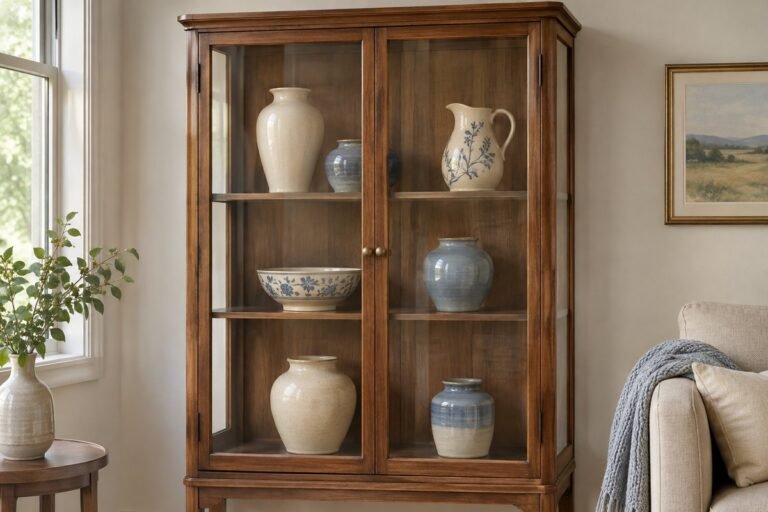
Holiday decoration can work with the room's established colors. Pair white houses or pale ornaments with blue ceramics already on hand, then add a small amount of green if wanted. Match the general color family rather than every finish. A little variation in glaze and texture makes the grouping feel collected while preserving a clear overall scheme.
7. Let a dark wall frame pale objects

A dark background can give simple white or cream decorations a strong outline. Keep enough space between pale pieces to preserve their individual shapes. If the shelf is dark too, a shallow light-colored tray can define one group without covering the entire surface. Test the arrangement in evening lighting; delicate details may disappear even when they look clear in daylight.
8. Use warm wood with a restrained neutral collection

Wooden ornaments can echo a timber mantel, nearby furniture or exposed beams. Vary their heights but leave open shelf between groups so the materials remain visible. Check that freestanding pieces have broad, stable bases. The appeal comes from the grain and silhouette; a crowded collection of similar brown objects can become difficult to distinguish from the shelf itself.
9. Group colorful ornaments inside a shallow bowl

A bowl contains loose ornaments and makes the collection easier to move. Choose one with a stable base that fits fully on the shelf, and avoid piling ornaments higher than the rim can reasonably contain. Consider shatter-resistant pieces where breakage is a concern. Keep small detachable parts away from young children and pets rather than assuming a high-looking shelf is inaccessible.
10. Arrange a pair of objects with different visual weight

Balance does not require matching pairs. A broad bowl on one side can answer a taller, narrower vase on the other. Look at the arrangement from the doorway, then from the sofa before adding more. If one side dominates, move the existing objects closer together or farther apart first; another decoration may only make the shelf busier.
11. Keep a traditional red accent small and deliberate

Red can supply a recognizable seasonal note without taking over a neutral room. Use it in one bow, a pair of ornaments or a single ceramic object, then let quieter surfaces do the rest. Compare the shade with existing wood and upholstery. A muted wine red and a bright scarlet create quite different effects even when the object count stays the same.
12. Create a paper-tree display on a separate shelf

Folded or honeycomb paper decorations suit a display shelf that is well away from an operating fireplace or other heat source. Use a few sizes and give the bases enough room to open properly. Keep paper away from lamps that become hot and from open flames. A separate console or wall shelf may be the better home for this particular look.
13. Use a compact tray for a quick seasonal change

Put a small group on a tray when you want the display to lift away in one movement. The tray should fit the shelf with its handles included, and the objects still need stable positions. Avoid treating a tray as permission to stack higher. A compact group of a ceramic tree, ornament bowl and small vase can provide enough variety.
14. Give treasured ornaments their own stands

A favorite ornament can have more impact when shown individually. Use a purpose-made stand appropriate to the object's weight and attachment, then leave room around the hanging shape. Inspect hooks and delicate parts before display. A sentimental piece does not need to sit beside every other keepsake; rotate a small selection instead of crowding the shelf with the whole collection.
15. Choose a low profile below a television

If the television remains above the mantel, keep decorations out of the screen area and respect the equipment's ventilation requirements. A low row of sturdy ceramic objects may work better than a wreath or tall branches. Check remote-control reception and cable access. The fireplace, screen and shelf must each be suitable for their existing installation before seasonal styling is added.
16. Repeat one shape in several finishes

A group of tree silhouettes, stars or houses can feel coherent even when the finishes differ. Limit the shapes first, then choose variations that relate to the room. Matte ceramic, timber and brushed metal offer contrast without needing extra colors. Keep taller pieces behind shorter ones only when each remains visible and the bases stay fully supported.
17. Leave a deliberate open section of shelf

Empty space helps a small group read as intentional. Try placing the display within one side of the mantel and leaving the other side largely clear. The open area is especially useful when the wall already contains a large mirror or detailed tile. Resist filling the gap immediately; view the room as a whole before deciding that something is missing.
18. Use battery candles with accessible controls

Flameless candles can provide a candle-like look without an exposed flame. Choose stable holders and check the manufacturer's operating and battery instructions. Keep battery compartments secure and small batteries inaccessible to children. Place the controls where you can reach them without dismantling the arrangement; a decorative display should remain straightforward to switch off and maintain.
19. Keep a narrow mantel to one shallow row

A shallow shelf calls for fewer, slimmer objects rather than miniature versions of a deep arrangement. Measure the base of every piece and keep it inside the usable surface. Do not let frames or bowls overhang to create an illusion of depth. If the shelf cannot support a useful display, let securely hung wall decoration carry the seasonal idea instead.
20. Make a corner fireplace readable from both sides

A corner arrangement may be seen from two rooms or several seats. Keep the display compact and check its profile from each approach. One broad central object and a small side group can work better than a row that disappears around the corner. Leave access to adjacent switches and openings, and do not use decorations to disguise an awkward clearance.
21. Echo an existing collection with one seasonal piece

Keep familiar ceramics or framed art in place and add just one holiday object that shares a color or material. This approach reduces the need to pack away the room's personality for several weeks. Remove an item if necessary to give the newcomer space. A seasonal display can be a small adjustment to an existing arrangement rather than a complete replacement.
22. Try a soft pink and burgundy combination

Related warm colors can create a festive scheme that works with existing upholstery or art. Use pale pink as the broad quiet note and burgundy as a smaller accent, then keep metallics limited. Compare the pieces together in the room before buying more. Different undertones can matter more than their names on a product page.
23. Keep family display pieces in one defined group

A few handmade or inherited decorations can sit together without competing with the whole shelf. Use a stable shallow platform or an open section that lets each piece be seen. Keep fragile and small-part objects out of children's reach. Displaying selected keepsakes also makes it easier to inspect and pack them carefully when the season ends.
24. Plan the packed-away version before adding more

Choose decorations you can store without crushing, tangling or mixing delicate finishes. Photograph the finished arrangement for your own reference, then record which container holds the pieces. Keep power instructions with illuminated items. If the display requires several new boxes and difficult dismantling, reduce the object count now; next season's setup begins with this season's packing choices.
A mantel-fit worksheet you can use before shopping
Write down the shelf's usable width and depth, the height available below the focal piece, and whether the fireplace will operate. List the base width and depth of each proposed object, including tray handles. Sketch one main group and one open area, then test the layout with existing objects. Add a removal plan for any display that cannot remain when the fireplace is used. These are your own room measurements, not universal clearance standards.
A practical next step
Begin with the shelf you have, one focal piece and a small color palette. Set out the largest objects first, check their support and the room's sightlines, then stop before the open spaces disappear. A Christmas mantel works best when it remains easy to understand, easy to maintain and appropriate for the fireplace's actual use.
For the surrounding room, plan the mantel's year-round balance. Choose a Christmas tree layout for a smaller living room.
The images are original AI-generated design concepts, not photographs of tested products or verified installations.
Sources and care references
- CPSC: Holiday Decoration Safety Tips
- Texas Department of Insurance: Fire safety for holiday decorations
Optional digital guide for this topic
If you prefer a structured workbook, explore this related paid guide.